
 English
 Español
 русский
 Français
 عربى
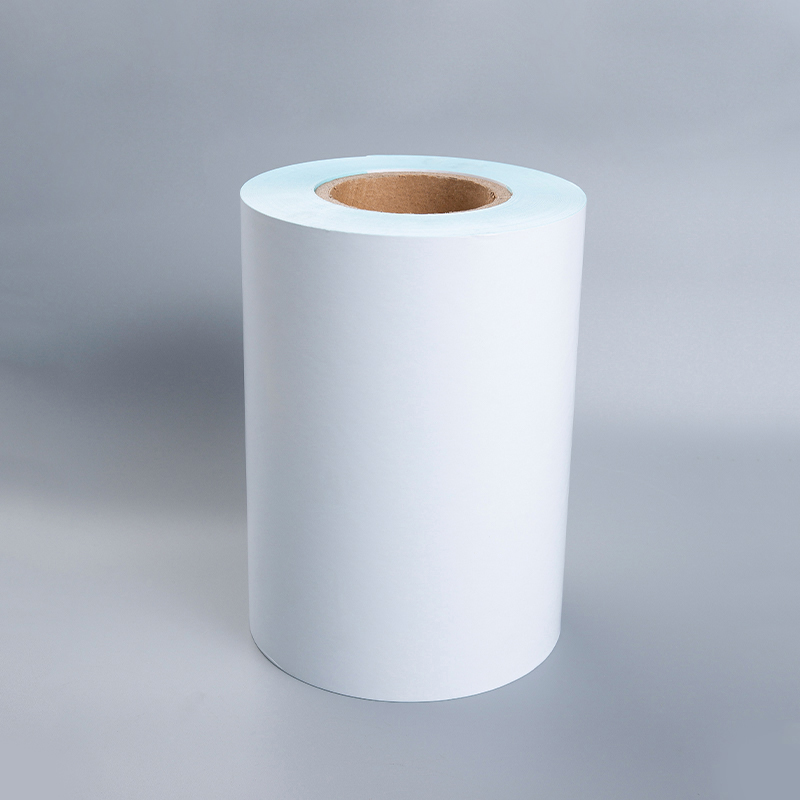
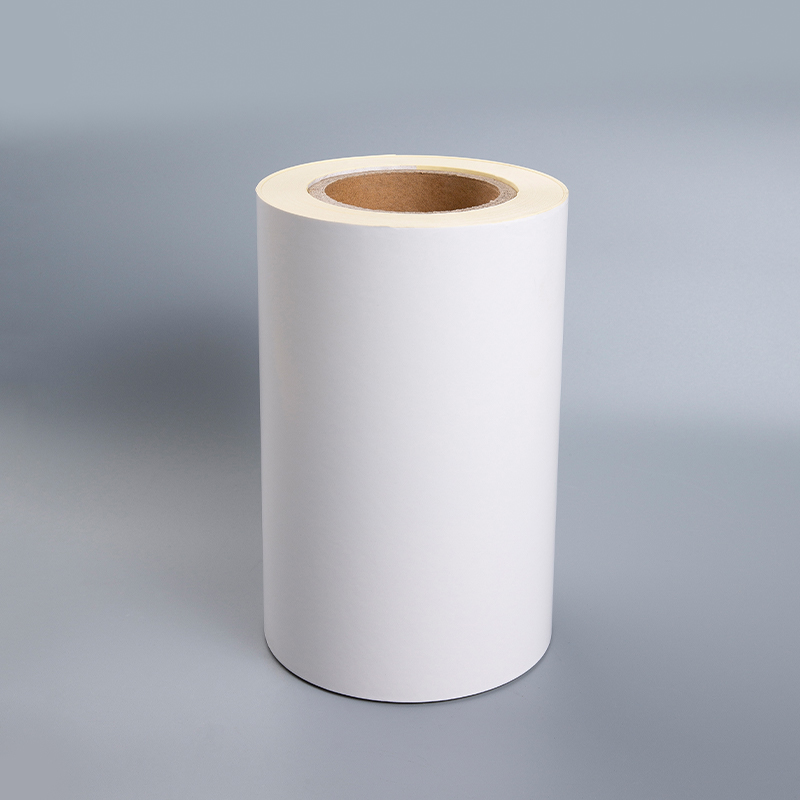
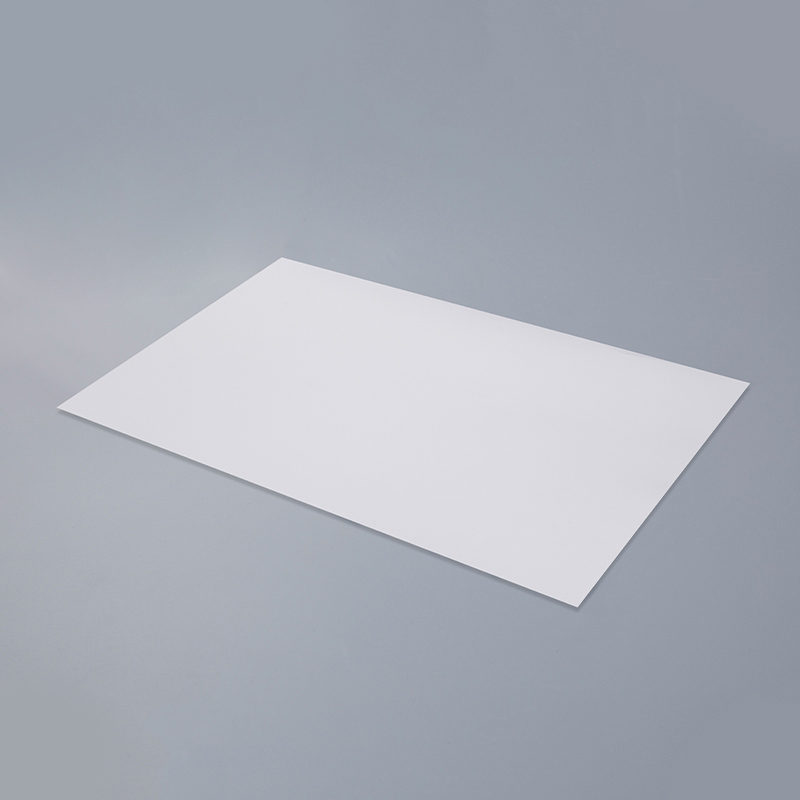
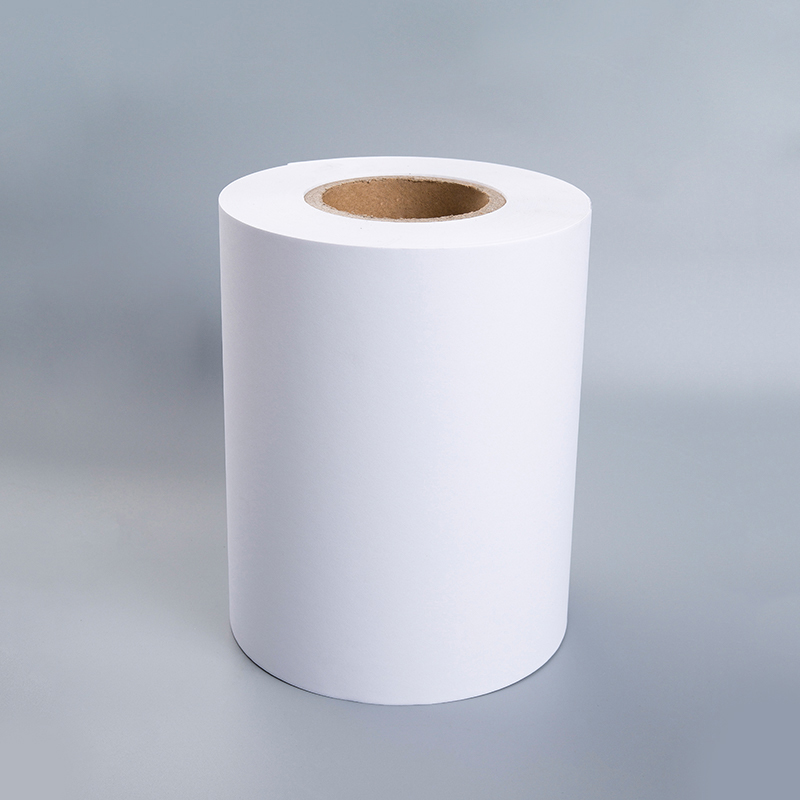
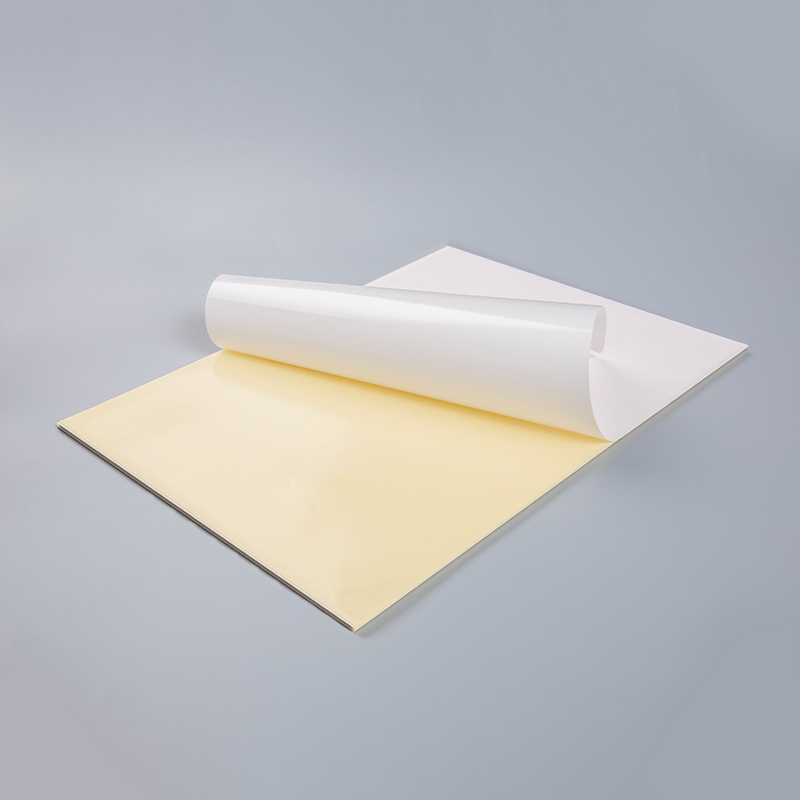
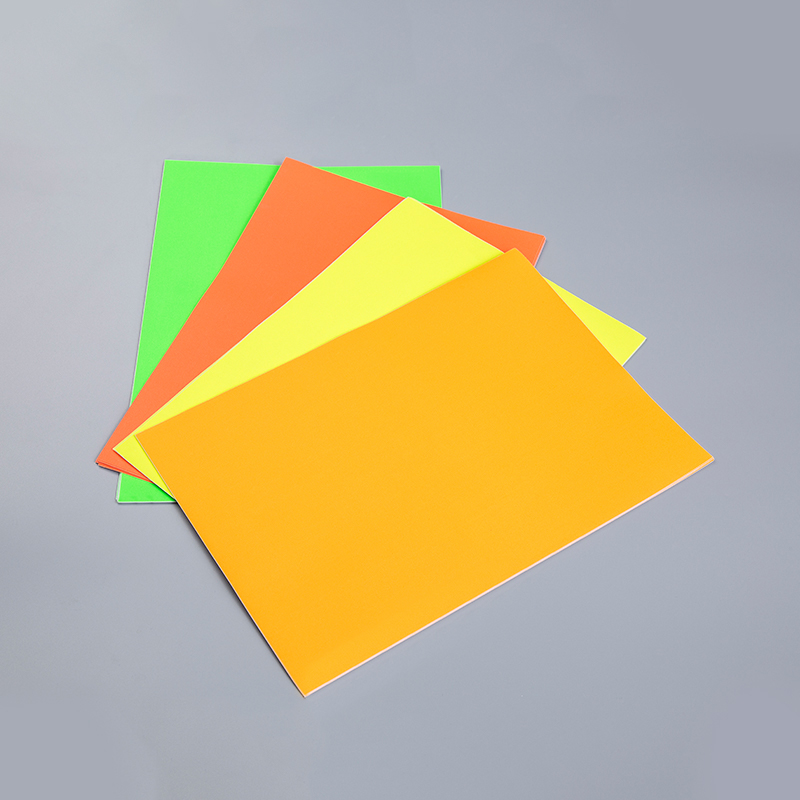
عربىFluorescent paper in sheet form is a highly practical and visually powerful self-adhesive label material designed for applications that require immediate attention, strong color impact, reliable adhesion, and smooth print performance. In competitive packaging, retail, logistics, safety, and promotional environments, labels are no longer simple identification tools. They are communication surfaces, brand carriers, warning signals, decorative elements, and functional components of the product experience. Fluorescent paper in sheets answers these needs by combining bright color visibility, printable paper surface performance, and a pressure-sensitive adhesive structure suitable for converting, printing, cutting, and end-use labeling.
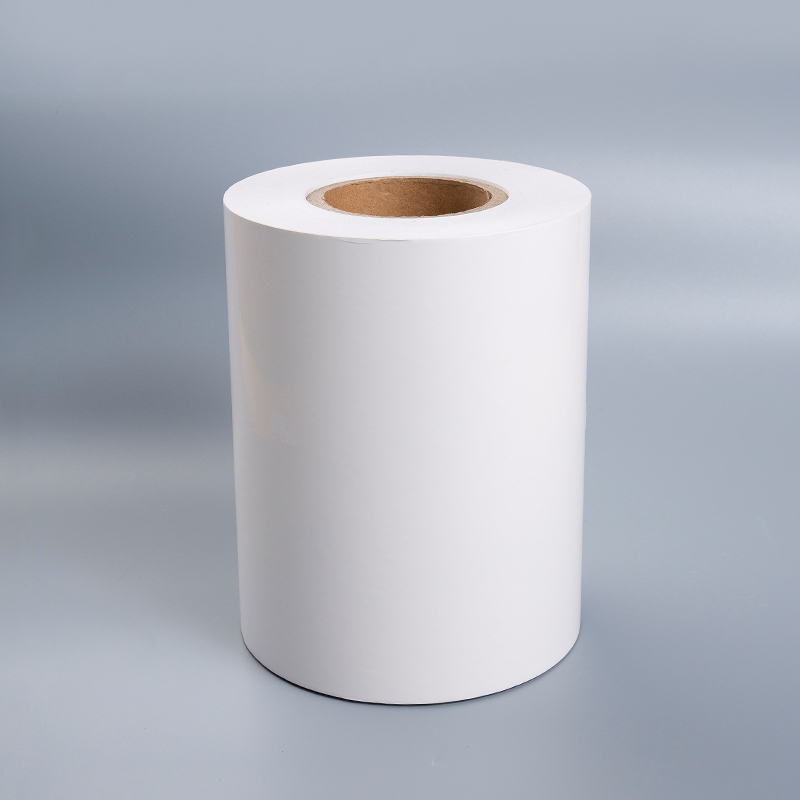
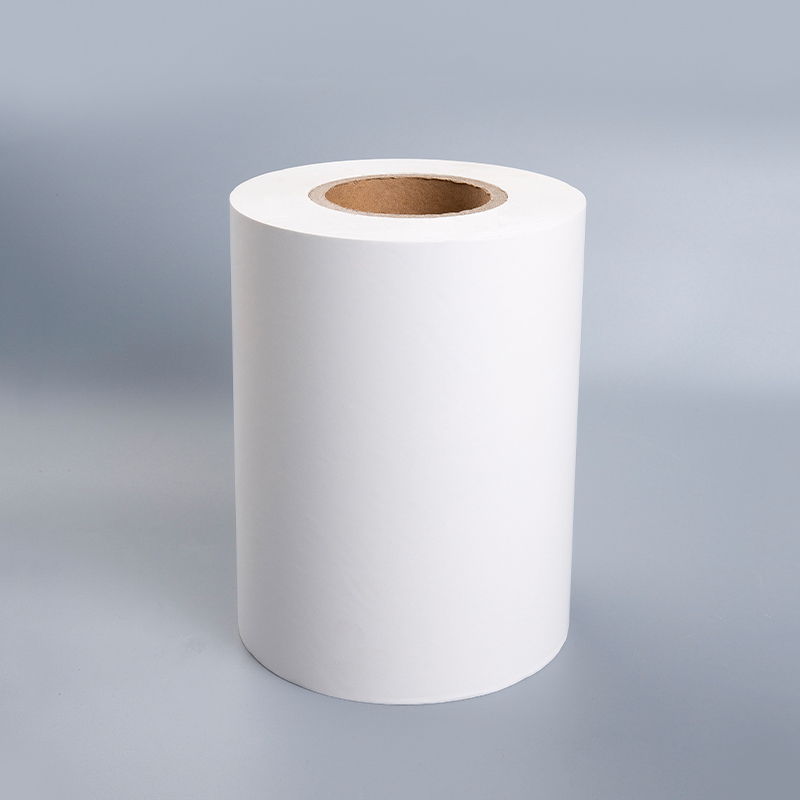
This product is made with 80gsm fluorescent paper as the face material, combined with adhesive options such as hotmelt adhesive, waterbased adhesive, solvent adhesive, anti-freeze adhesive, removable adhesive, cryogenic adhesive, and tyre-grade rubber adhesive. It is typically paired with an 80g white glassine liner, while many other release liner options are available, including 50g, 60g, 100g, and 120g glassine paper; 60g, 85g, 120g, and 140g release paper; 140g and 165g art paper; 50g, 80g, 90g, and 120g CCK liner; and 25mic, 36mic, 50mic, and 100mic transparent PET liner. Available in jumbo roll widths such as 1000mm, 1020mm, 1080mm, and 1530mm, and in sheet sizes including A4, A3, 20x30, 21x30, 24x36, 50cm x 70cm, and 70cm x 100cm, it can also be customized to meet specific production and application requirements.
Suzhou Piaozhihua Composite Material Technology Co., Ltd. manufactures this type of self-adhesive material with a complete production system covering gluing, laminating, cutting, quality inspection, and customization. With more than 20 years of experience in OEM manufacturing, an annual production capacity of more than 280 million square meters, a professional R&D team, multiple patents, and a product philosophy centered on quality, integrity, innovation, win-win cooperation, and responsibility, the company provides fluorescent paper in sheets not merely as a commodity material, but as a reliable industrial solution for label converters, printing manufacturers, packaging companies, and brand owners.
Content
- 1 Product Overview: What Fluorescent Paper in Sheets Is Designed to Do
- 2 Key Product Specifications
- 3 Visual Advantages: Why Fluorescent Paper Performs Better Than Ordinary Label Materials
- 4 Printability and Converting Performance
- 5 Adhesive Choices for Different Application Environments
- 6 Liner Selection and Its Role in Label Quality
- 7 Applications Across Industries
- 8 Packaging and Delivery Designed for Protection
- 9 Manufacturing Strength: From Coating to Cutting
- 10 Quality Control and Testing Capability
- 11 OEM and ODM Customization Advantages
- 12 Sustainability and Responsible Material Development
- 13 Competitive Advantages Over Similar Products
- 14 How to Select the Right Fluorescent Paper Sheet Structure
- 15 Company Strength and Market Reliability
- 16 Q&A: Common Questions About Fluorescent Paper in Sheets
- 16.1 Q1: What is fluorescent paper in sheets mainly used for?
- 16.2 Q2: What makes this material different from ordinary colored paper labels?
- 16.3 Q3: Can the adhesive be customized?
- 16.4 Q4: What liner options are available?
- 16.5 Q5: What sheet sizes can be supplied?
- 16.6 Q6: Is this product suitable for bar code printing?
- 16.7 Q7: How is the product packed for delivery?
- 16.8 Q8: Why choose this supplier instead of a trading-only supplier?
- 17 Conclusion
- 18 References
- 19 Product: Fluorescent Paper In Sheet
Product Overview: What Fluorescent Paper in Sheets Is Designed to Do
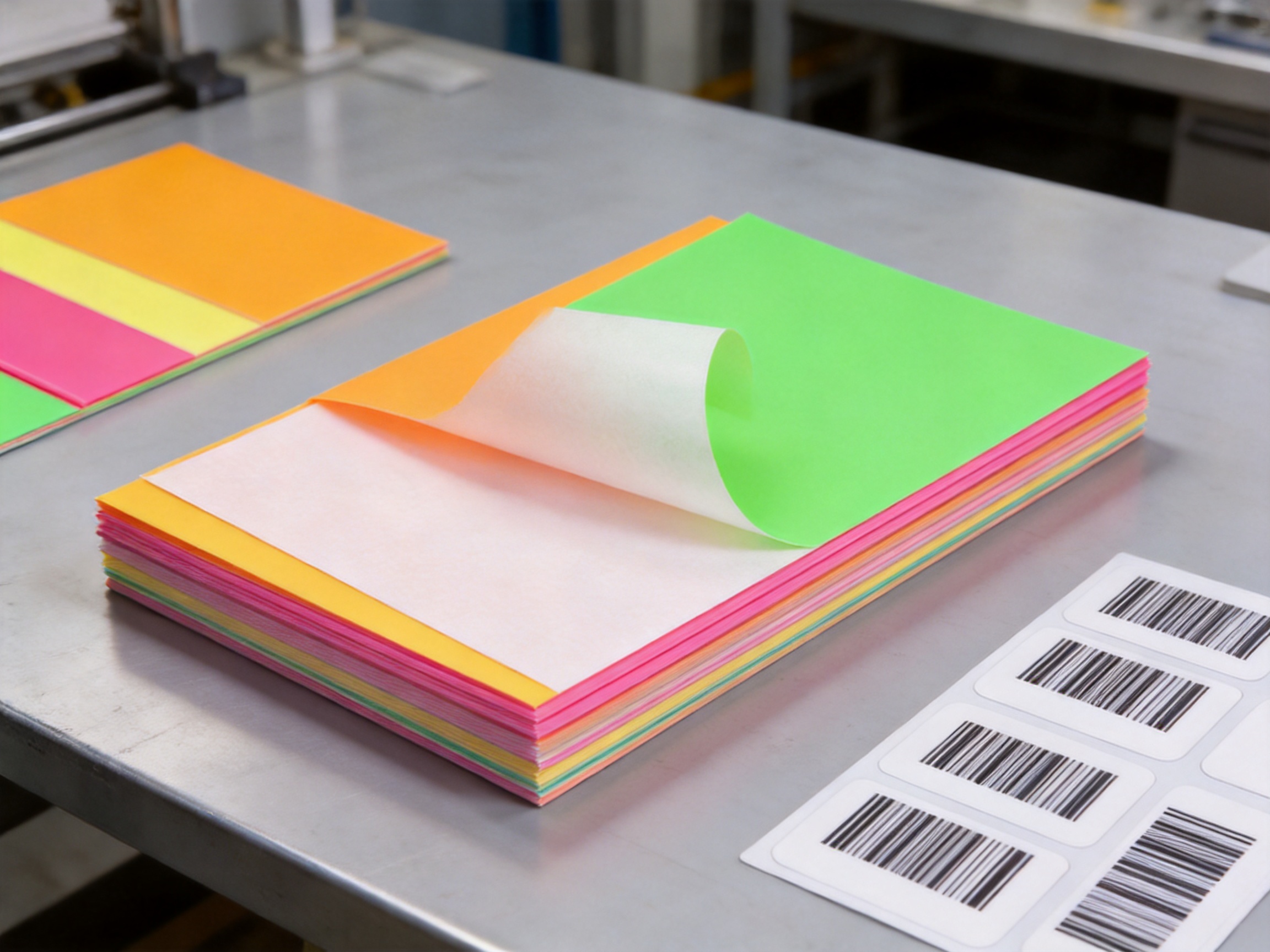
Fluorescent paper in sheets is a self-adhesive paper label stock that uses a high-brightness fluorescent face paper to deliver strong visual contrast. The material is engineered for label applications where standard white, kraft, or coated paper is not eye-catching enough. Its bright surface helps printed information stand out, making it suitable for bar code printing, packaging advertising, decoration, trademark labels, color self-adhesive labels, public notices, warning marks, toy labels, gift labels, and special product identification.
The product is especially valuable in environments where labels must attract attention quickly. In retail stores, a fluorescent label can guide the consumer’s eye toward promotions, discounts, new arrivals, or important instructions. In warehouses and logistics centers, it can make bar codes, sorting marks, and handling notices easier to locate. In public facilities, it can be used near emergency equipment, safety instructions, restricted areas, or important reminder signs. In decorative packaging, it adds energy and brightness, helping a product appear more lively and distinctive.
The sheet format is particularly convenient for printers and converters that work with flatbed printing, digital printing, offset printing, screen printing, cutting machines, and small-batch customization. Sheets are easy to store, count, transport, and feed into many printing systems. They also support flexible order planning, allowing customers to select standard sizes or custom sheet dimensions according to their design layout, printing machine, die-cutting process, and final label size.
Compared with ordinary colored paper labels, fluorescent paper provides a much stronger visual signal. Compared with film labels, it can offer a more paper-like texture, easier writing or printing compatibility in many cases, and a cost-effective balance for high-volume applications. Compared with low-grade fluorescent label materials, a properly manufactured self-adhesive fluorescent sheet offers more stable adhesion, smoother converting, better liner release, cleaner cutting, and more consistent surface quality.
Key Product Specifications
Item |
Available Specification |
Application Value |
Face Material |
80gsm fluorescent paper |
Bright appearance, strong visibility, suitable for printing and labeling |
Main Adhesive |
Hotmelt adhesive |
Strong tack, reliable bonding, suitable for many general-purpose label applications |
Optional Adhesives |
Waterbased, solvent, anti-freeze, removable, cryogenic, and tyre-grade rubber adhesive |
Enables customization for different temperatures, substrates, removal needs, and industrial environments |
Standard Liner |
80g white glassine paper |
Smooth release, stable die-cutting, suitable for self-adhesive label converting |
Other Liner Options |
Glassine, release paper, art paper, CCK liner, and transparent PET liner |
Allows adaptation to manual labeling, automatic labeling, printing, die-cutting, and special applications |
Jumbo Roll Width |
1000mm, 1020mm, 1080mm, 1530mm |
Supports slitting, sheeting, and large-scale converting efficiency |
Sheet Sizes |
A4, A3, 20x30, 21x30, 24x36, 50cm x 70cm, 70cm x 100cm, customized sizes |
Fits multiple printing systems and customer production layouts |
Packing |
100 sheets per ream, PE-coated kraft paper wrapper, carton or sea-transit-worthy poly-wood pallet |
Protects sheets during storage, transport, and export shipment |
Visual Advantages: Why Fluorescent Paper Performs Better Than Ordinary Label Materials
The most direct advantage of fluorescent paper in sheets is its outstanding brightness. Fluorescent colors are designed to reflect visible light intensely and create a vivid appearance that is difficult to ignore. In practical use, this means the label can perform well even when competing with complex packaging graphics, shelves filled with similar products, busy warehouse backgrounds, or public environments with many visual distractions.
For promotional packaging, high visibility can influence consumer behavior. A bright fluorescent label can highlight price information, limited-time offers, bonus packs, product features, or seasonal messages. For logistics and manufacturing, it can reduce search time by making important information easier to identify. For safety-related applications, high color impact can make warning labels and equipment notices easier to notice, supporting faster recognition in urgent situations.
Many competitors provide simple colored paper or low-cost neon labels, but these materials often suffer from inconsistent color, rough surface, weak adhesive performance, or poor liner quality. A superior fluorescent self-adhesive sheet must achieve balance: the color must be bright, the paper must print well, the adhesive must match the application, and the liner must release cleanly during converting and labeling. This product is positioned around that full performance balance.
In label applications, visual appeal alone is not enough. A bright label that curls, jams during printing, bleeds ink, loses adhesion, or tears during die-cutting creates production waste and customer complaints. The advantage of professionally manufactured fluorescent paper in sheets is that it combines decorative impact with industrial processability. Its printable surface, selectable adhesive systems, and multiple liner choices make it more dependable than low-grade alternatives that focus only on color.
Printability and Converting Performance
Good printability is one of the core strengths of this material. Fluorescent paper in sheets is suitable for printing manufacturers that need reliable input material for bar code printing, advertising labels, trademarks, color labels, decorative labels, and information labels. The sheet format provides dimensional convenience, while the paper surface supports clear graphic presentation when the appropriate printing technology and ink system are selected.
For bar code printing, label clarity is essential. A bar code that cannot be scanned reliably can interrupt logistics, retail checkout, inventory management, and traceability systems. Fluorescent backgrounds must therefore be used with proper contrast planning, and the material must maintain surface consistency to allow readable print results. The stable face paper helps printing facilities produce labels with repeatable quality, while the liner and adhesive structure support downstream die-cutting and application.
For advertising and decoration, the surface must accept graphics, text, and color overlays without losing the fluorescent effect. Bright paper can create striking combinations with black, dark blue, deep red, or other high-contrast inks. It can also support minimalist designs where the fluorescent background itself becomes the visual focus. This allows designers and packaging teams to create strong shelf appeal without using expensive specialty films or complex finishing methods.
For die-cutting and label conversion, liner quality is just as important as face material quality. A suitable glassine or release liner helps the label material release properly after cutting, supports matrix stripping, and reduces waste. Poor release performance can cause broken labels, adhesive contamination, feeding problems, or slow converting speeds. By offering a wide range of liner options, the product can be tailored to different converting machines and labeling conditions.
Adhesive Choices for Different Application Environments
A major advantage of this fluorescent paper in sheet material is the availability of multiple adhesive technologies. Different label applications require different bonding behavior. A label applied to a clean carton at room temperature does not need the same adhesive as a label applied to a cold surface, a curved tire, a temporary promotional item, or a product stored in a low-temperature environment. By offering hotmelt, waterbased, solvent, anti-freeze, removable, cryogenic, and tyre-grade rubber adhesive options, the material can be configured for a broad range of performance needs.
Hotmelt Adhesive
Hotmelt adhesive is commonly selected for general-purpose self-adhesive labels because of its strong initial tack and reliable bonding on many surfaces. For packaging, advertising labels, carton labels, and general trademark labels, hotmelt adhesive provides practical adhesion and efficient converting. It is useful where labels need to stick quickly and remain in place during handling, transportation, and storage.
Waterbased Adhesive
Waterbased adhesive can be attractive for customers seeking stable performance with a more environmentally considerate formulation profile. It is often used where balanced adhesion, good coating uniformity, and reduced solvent concerns are important. For many paper label applications, waterbased adhesive supports clean production and consistent label performance.
Solvent Adhesive
Solvent adhesive may be selected for demanding applications where stronger resistance, better wet-out, or specific bonding characteristics are required. Some surfaces are difficult for standard adhesives, and solvent-based systems can provide higher performance depending on the substrate and conditions. This option gives customers more flexibility when labeling requirements go beyond ordinary packaging.
Anti-Freeze and Cryogenic Adhesives
Anti-freeze and cryogenic adhesive options are valuable for labels exposed to low temperatures. Cold conditions can reduce adhesive tack and cause labels to lift, curl, or fall off if the adhesive is not properly matched. For frozen products, cold-chain logistics, refrigerated storage, or low-temperature industrial environments, these adhesives help maintain label reliability.
Removable Adhesive
Removable adhesive is suitable for temporary labels, promotional stickers, instruction labels, retail tags, gift labels, and situations where the label must be removed without excessive residue or surface damage. This option is useful for applications where the label is part of the customer experience but should not become permanent.
Tyre-Grade Rubber Adhesive
Tyre-grade rubber adhesive is designed for challenging surfaces such as rubber tires. Tire labels require strong adhesion on curved, textured, and sometimes difficult substrates. This specialized adhesive option demonstrates the company’s ability to supply not only standard paper label stock but also application-specific self-adhesive solutions.
Liner Selection and Its Role in Label Quality
The release liner is often hidden from the final consumer, but it is essential to label manufacturing performance. It protects the adhesive, supports printing and die-cutting, controls release force, and affects automatic or manual labeling efficiency. A weak or unsuitable liner can cause production interruptions, inconsistent peeling, adhesive transfer, curling, and poor label presentation.
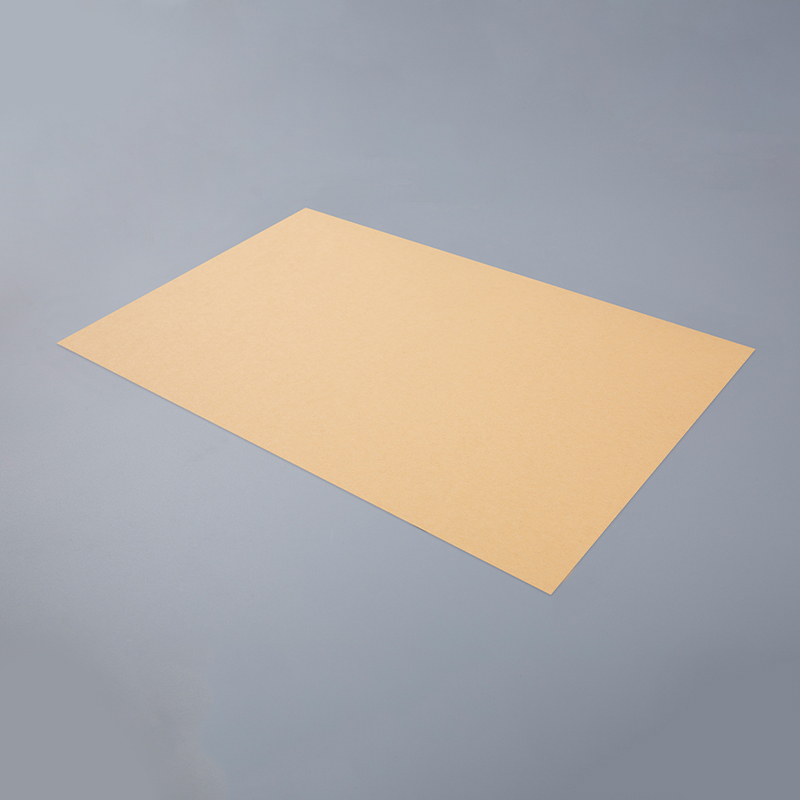
The standard 80g white glassine paper liner offers a smooth and reliable base for many self-adhesive applications. Glassine liners are widely used in pressure-sensitive label materials because they provide good density, smoothness, and release performance. For customers with specific equipment or label structures, other glassine weights such as 50g, 60g, 100g, and 120g are available.
Release paper options from 60g to 140g provide additional flexibility. Art paper liners at 140g and 165g may be selected when a heavier and stiffer backing is needed. CCK liners in 50g, 80g, 90g, and 120g are useful for applications requiring dimensional stability and special release behavior. Transparent PET liners in 25mic, 36mic, 50mic, and 100mic offer excellent clarity, strength, and dimensional consistency for certain high-end or precision converting applications.
This range of liner options gives converters and end users the ability to optimize cost, performance, machine compatibility, and finished label behavior. It also gives the material an advantage over competitors that provide only one basic liner and cannot adapt to different production processes.
Applications Across Industries
Fluorescent paper in sheets is suitable for many industries because it combines visual impact with adhesive functionality. Its applications include bar code printing, packaging advertising, decoration, trademark labels, color self-adhesive labels, fire equipment marking, public place notices, special product labels, toys, and gifts. Each application benefits from the material in a different way.
Packaging Advertising
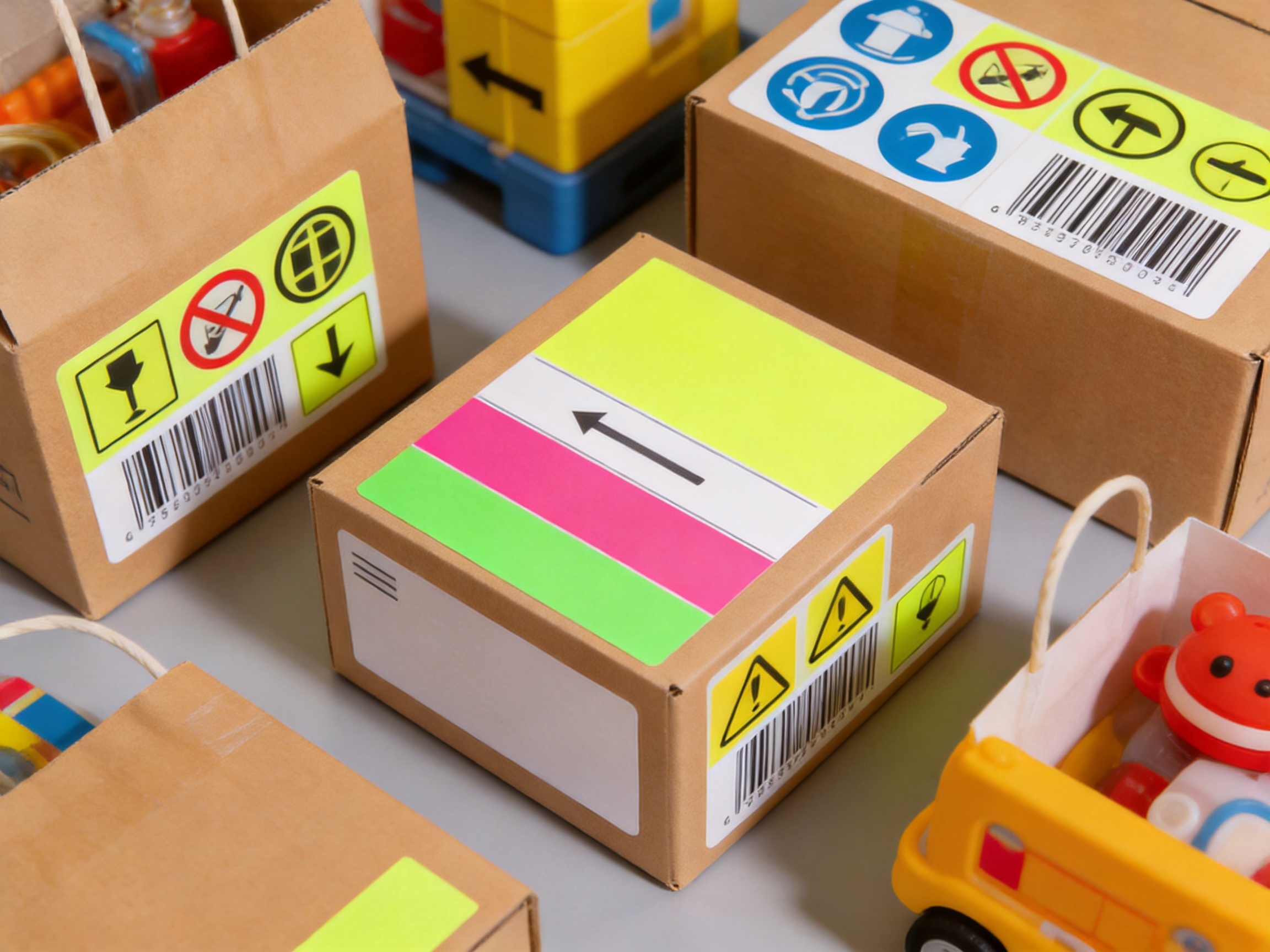
In packaging, fluorescent labels help highlight important selling messages. They can be used for limited-time discounts, promotional bundles, seasonal campaigns, new product launches, product instructions, or attention-grabbing stickers on boxes and bags. Bright labels can reduce the need for full-package redesign while still giving brands a quick and cost-effective way to update their presentation.
Bar Code and Logistics Labels
In logistics, a fluorescent label can make important identification codes easier to locate. When used properly with high-contrast printing, it supports faster scanning, sorting, and handling. Warehouses, distribution centers, and manufacturing plants often need visual systems that distinguish urgent shipments, special handling requirements, quality inspection status, or priority batches. Fluorescent paper labels can support these workflows.
Decoration and Trademark Labels
For decorative uses, fluorescent paper adds energy and modern appeal. It can be die-cut into different shapes and used on consumer goods, stationery, event materials, and creative packaging. For trademark labels, its bright color can make a brand mark more noticeable, especially when used on simple packaging backgrounds.
Safety and Public Facility Labels
Fluorescent labels are often attached to fire equipment, public places, and special products because visibility matters in safety communication. Labels near emergency equipment, warning areas, or public reminders must be easy to identify quickly. Bright colors help draw attention and can support clearer guidance in crowded or visually complex spaces.
Toys, Gifts, and Promotional Products
Toys and gifts often benefit from playful, bright, and decorative labels. Fluorescent paper can provide an attractive look for product tags, stickers, instruction labels, name labels, and promotional seals. For gifts, it can help emphasize celebration, novelty, and personalization.
Packaging and Delivery Designed for Protection
Proper packaging is essential for sheet materials. Fluorescent paper sheets must remain flat, clean, dry, and protected from deformation during storage and transportation. The packaging method includes 100 sheets per ream, with each ream packed in a strong PE-coated kraft paper wrapper. This helps protect the sheets from moisture, dust, friction, and handling damage.
For bulk delivery, carton packing and sea-transit-worthy poly-wood pallet packing are available. Pallets are wrapped with stretch film and fastened with plastic fastening belts, helping maintain stability during export shipment, loading, unloading, and warehouse handling. This packaging approach is important for international customers because sheet materials can be sensitive to pressure, humidity, edge damage, and transportation vibration.
Reliable packaging also reflects manufacturing discipline. A high-quality product can lose value if it arrives damaged, curled, contaminated, or poorly organized. By using protective ream wrapping and strong pallet packing, the supplier supports customer productivity and reduces the risk of material loss before printing even begins.
Manufacturing Strength: From Coating to Cutting
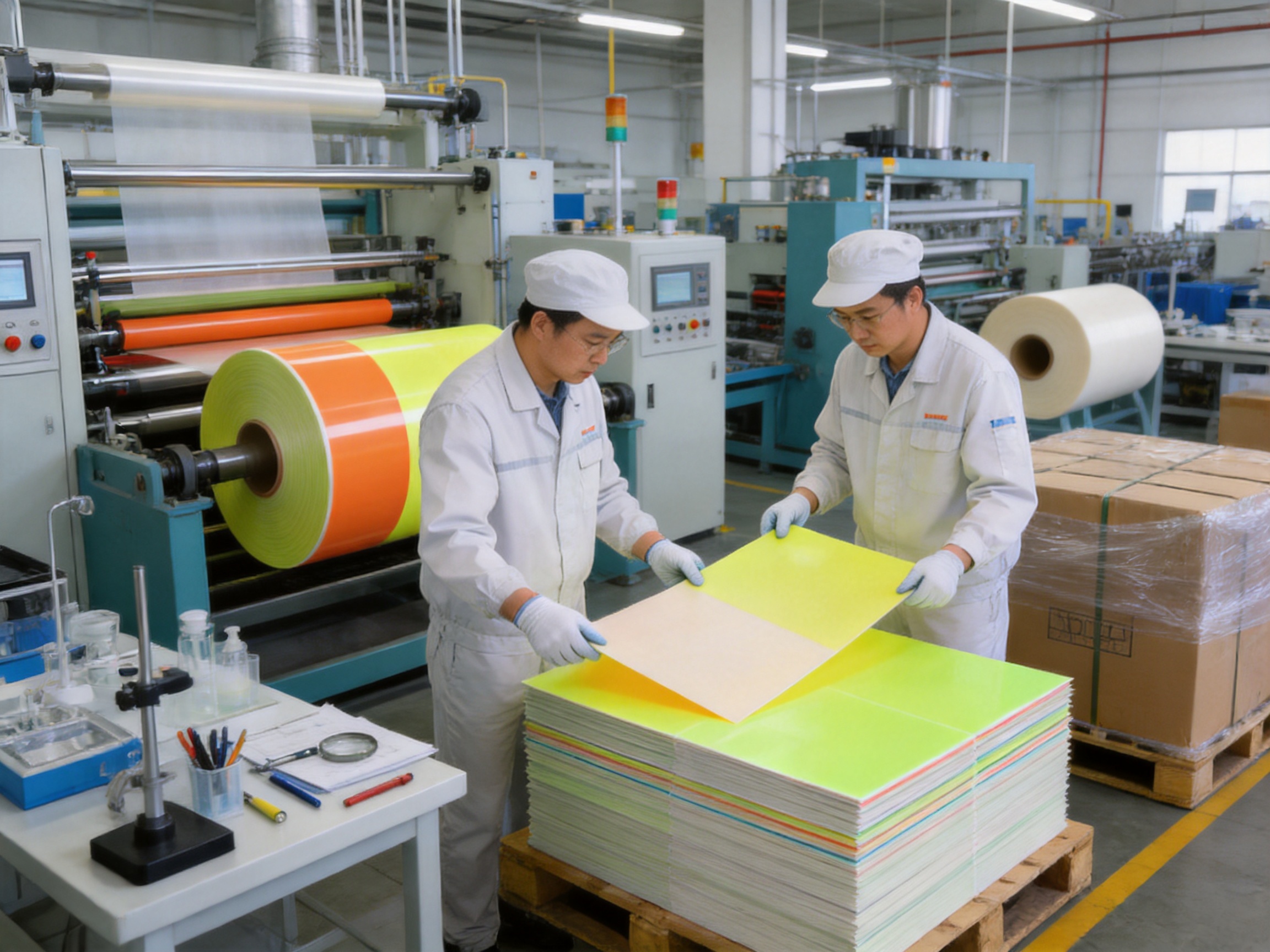
Suzhou Piaozhihua Composite Material Technology Co., Ltd. is a private company specializing in high-grade self-adhesive labels and related composite materials. Its production system integrates research and development, production, sales, and after-sales service. The company operates full production lines, including gluing, laminating, and cutting, which are critical steps in producing stable and high-quality self-adhesive fluorescent paper sheets.
In the gluing process, adhesive coating uniformity is essential. If adhesive is uneven, the finished label may show bonding differences, edge lifting, oozing, or poor die-cutting behavior. A professional gluing line controls coating weight, adhesive distribution, and drying or curing conditions according to the adhesive type. This helps ensure that the label stock performs consistently across the sheet and from batch to batch.
Laminating combines the fluorescent face paper, adhesive layer, and release liner into a stable pressure-sensitive structure. Proper lamination affects flatness, curl control, adhesive contact, and release performance. If tension is not controlled, the finished material may curl or distort, creating printing and cutting difficulties. Advanced laminating capability helps maintain stable structure for both roll and sheet products.
Cutting and sheeting are also important. Sheet-fed printers require accurate dimensions and clean edges. Inconsistent sheet size can cause feeding problems, misregistration, or printing waste. Clean cutting reduces dust and fiber contamination, supporting better print quality and smoother equipment operation. The ability to provide standard sizes and customized sizes gives customers flexibility while maintaining industrial precision.
The company’s annual production capacity of more than 280 million square meters shows that it can serve both regular and large-volume customers. Capacity matters because label converters and packaging companies often need stable supply over long periods. A supplier with strong production capacity can support seasonal demand, project expansion, customized orders, and international supply schedules more effectively than smaller or less integrated competitors.
Quality Control and Testing Capability
Quality assurance is one of the strongest competitive advantages in self-adhesive label materials. Fluorescent paper sheets must be inspected not only for appearance but also for adhesive performance, liner release, flatness, thickness, color consistency, printability, and converting behavior. The company has its own testing lab and advanced inspection equipment, allowing product quality to be monitored throughout development and production.
Testing may include adhesion checks, release force evaluation, coating consistency inspection, aging observation, temperature-related performance evaluation, and surface quality review. While different customer applications require different test criteria, the presence of internal laboratory capability helps shorten development time and supports customized solutions. It also helps identify possible issues before materials reach customers.
For customers, this means more confidence. A label converter does not want to discover material problems only after printing thousands of sheets. A packaging manufacturer cannot afford label failure in the marketplace. A distributor needs stable quality to maintain customer trust. By combining production experience with laboratory testing, the supplier reduces risk and supports more predictable performance.
Competitors that lack testing capability may rely mainly on visual checks or outsourced evaluation. That can increase the chance of delayed problem-solving and inconsistent batches. In contrast, a company with internal inspection equipment and experienced technical staff can respond more quickly to customer requirements, quality feedback, and new product development needs.
OEM and ODM Customization Advantages
One of the product’s major strengths is its compatibility with OEM and ODM customization. Customers may require specific sheet sizes, adhesive properties, liner structures, color performance, packaging forms, roll widths, or converting characteristics. Suzhou Piaozhihua Composite Material Technology Co., Ltd. has more than 20 years of OEM manufacturing experience and accepts OEM and ODM services based on customer drawings or samples.
This capability is important because self-adhesive label materials are rarely one-size-fits-all. A customer producing labels for frozen food, for example, may require a different adhesive from a customer producing temporary gift labels. A customer using automatic labeling equipment may need a liner with specific release force and stiffness. A printer using A4 sheet-fed equipment may need a different sheet size than an offset printer using 70cm x 100cm sheets.
Customization also supports branding and regional market needs. Different countries, industries, and labeling standards may require different material combinations. The company’s R&D team can help customers select suitable face paper, adhesive, liner, and packaging options to meet performance and cost targets. This consultative capability distinguishes the product from competitors that can only sell standard stock materials.
Strong ODM capability also means the company can participate in product improvement, not only order fulfillment. Through material selection, process adjustment, testing, and production control, it can help customers develop label materials that better fit their market. This is especially valuable for distributors and converters seeking differentiated products in competitive markets.
Sustainability and Responsible Material Development
Sustainability has become an increasingly important theme in labels and packaging. Customers are paying more attention to environmental protection, responsible sourcing, waste reduction, cleaner production, and recyclable or eco-friendly material choices. The company’s brand positioning focuses on sustainable development and environmental protection, including eco-friendly solutions for face materials, adhesives, and backing papers.
For fluorescent paper in sheets, sustainability can be supported in several practical ways. First, the correct material configuration can reduce waste during printing and converting. Stable release, clean cutting, and consistent printing reduce rejected sheets. Second, customized adhesive selection can prevent over-engineering, allowing customers to use an adhesive that meets actual performance needs without unnecessary material burden. Third, efficient production and quality control reduce batch failures and repeated manufacturing.
Waterbased adhesive options may also support customers seeking lower solvent-related concerns. Liner selection can be optimized for performance and downstream handling. While fluorescent materials are selected primarily for high visibility, responsible manufacturing ensures that this visual benefit is delivered with attention to quality, efficiency, and long-term customer value.
In modern packaging supply chains, sustainability is not only about the material itself. It also includes durability, reduced waste, longer product usability, reliable delivery, and ethical business practices. A label material that performs correctly the first time can be more sustainable than a cheaper alternative that causes reprints, product recalls, or adhesive failure.
Competitive Advantages Over Similar Products
Fluorescent paper labels are available from many suppliers, but not all materials deliver the same level of consistency, customization, and technical support. This product has several advantages over common competitor offerings.
First, it offers a bright fluorescent paper surface with good printability. Some low-cost materials may appear bright at first but perform poorly during printing, creating ink absorption problems, weak definition, or inconsistent color results. A quality fluorescent face paper helps create stronger and more reliable printed labels.
Second, the product provides multiple adhesive options. Many competitors supply only one standard adhesive, which limits application range. By offering hotmelt, waterbased, solvent, anti-freeze, removable, cryogenic, and tyre-grade rubber adhesive choices, this product can serve general packaging, temporary labels, cold environments, difficult surfaces, and industrial needs.
Third, the liner selection is broad. Release liner performance affects the entire converting and labeling process. The availability of glassine, release paper, art paper, CCK liner, and PET liner options means customers can choose the right structure for machine compatibility, release behavior, stiffness, transparency, and cost.
Fourth, the product is available in both roll-related jumbo widths and many sheet sizes. This supports converters that need to slit, laminate, print, or sheet materials according to their own production methods. Standard sizes such as A4 and A3 serve office and digital printing needs, while larger formats such as 50cm x 70cm and 70cm x 100cm serve industrial printing and converting.
Fifth, the manufacturer’s integrated production capability improves supply stability. With gluing, laminating, cutting, inspection, and customization under one system, the company can control quality more effectively than trading-only suppliers or manufacturers with limited process capability.
Sixth, international market experience strengthens reliability. The company has built marketing networks in many countries and regions, including the United States, Germany, Japan, South Korea, Brazil, Mexico, Russia, and the Middle East, covering Asia, Europe, the Americas, Africa, and other regions. This global service experience supports export packaging standards, communication efficiency, and long-term supply partnerships.
How to Select the Right Fluorescent Paper Sheet Structure
Choosing the right fluorescent paper in sheet form begins with the application. If the label is used for indoor promotional packaging, a general adhesive such as hotmelt may be suitable. If the label must be removed after use, removable adhesive should be considered. If the label will be exposed to cold storage, anti-freeze or cryogenic adhesive may be necessary. If the label is applied to a difficult rubber surface, tyre-grade rubber adhesive may be more appropriate.
The second consideration is the printing method. Different printing systems may require different sheet sizes, surface behavior, and liner stability. Customers should confirm whether they will use digital printing, offset printing, screen printing, bar code printing, or another process. Testing before mass production is recommended, especially when using special inks, high ink coverage, or strict scanning requirements.
The third consideration is converting. Die-cut shape, label size, matrix removal, and application method affect liner selection. Automatic labeling may require precise release force and liner strength. Manual labeling may prioritize easy peeling and cost efficiency. Large-format sheets may require higher flatness and dimensional stability.
The fourth consideration is packaging and logistics. Export customers should select suitable pallet or carton packing to protect materials during long-distance transportation. Sheet labels should be stored in controlled conditions, avoiding excessive humidity, direct sunlight, high heat, and heavy pressure. Proper storage helps maintain flatness, adhesive performance, and print quality.
By evaluating these factors, customers can select a fluorescent label sheet that performs reliably from printing to final application.
Company Strength and Market Reliability
Suzhou Piaozhihua Composite Material Technology Co., Ltd. has developed into a significant manufacturer in the self-adhesive material industry. With a full range of production lines and annual production capacity exceeding 280 million square meters, the company ranks among the top enterprises in China for self-adhesive products. Its nationwide sales network includes direct sales networks in Shanghai, Ningbo, Hangzhou, Chengdu, Harbin, Wuhan, Chongqing, Guangzhou, Changsha, Beijing, and many franchise chains.
The company’s international network extends to dozens of countries and regions, helping it become a long-term stable supplier for customers across different markets. This global experience is important because international customers often require stable lead times, professional documentation, secure packaging, consistent batch quality, and responsive after-sales service.
More than 20 years of OEM manufacturing experience has given the company practical understanding of different industries and customer expectations. Its advanced inspection equipment and testing laboratory help ensure product quality, while its R&D team supports innovation and customized development. Multiple patents further reflect its commitment to technical progress.
The company’s values of quality, integrity, innovation, win-win cooperation, and responsibility align closely with what customers need from a material supplier. Quality ensures reliable products. Integrity supports long-term cooperation. Innovation helps customers adapt to new market needs. Win-win cooperation creates shared growth. Responsibility supports sustainable development and social trust.
Q&A: Common Questions About Fluorescent Paper in Sheets
Q1: What is fluorescent paper in sheets mainly used for?
It is mainly used for high-visibility self-adhesive labels, including bar code labels, packaging advertising labels, decorative labels, trademark labels, color labels, safety notices, fire equipment labels, public place reminders, toy labels, gift labels, and special product identification.
Q2: What makes this material different from ordinary colored paper labels?
Fluorescent paper offers much brighter visual impact than ordinary colored paper. It is designed to attract attention quickly and improve label visibility. Combined with a self-adhesive structure, selectable adhesives, and reliable liners, it provides both visual and functional performance.
Q3: Can the adhesive be customized?
Yes. Available adhesive options include hotmelt adhesive, waterbased adhesive, solvent adhesive, anti-freeze adhesive, removable adhesive, cryogenic adhesive, and tyre-grade rubber adhesive. The correct adhesive can be selected according to surface type, temperature, removability, bonding strength, and application conditions.
Q4: What liner options are available?
The standard liner is 80g white glassine paper. Other options include different weights of glassine paper, release paper, art paper, CCK liner, and transparent PET liner. Liner selection depends on printing, die-cutting, automatic labeling, manual application, stiffness, release force, and cost requirements.
Q5: What sheet sizes can be supplied?
Common sizes include A4, A3, 20x30, 21x30, 24x36, 50cm x 70cm, and 70cm x 100cm. Customized sheet sizes are also available according to customer requirements.
Q6: Is this product suitable for bar code printing?
Yes, it is suitable for bar code printing when proper ink, contrast, and printing settings are used. Customers should test scanning performance based on their specific bar code type and printing method.
Q7: How is the product packed for delivery?
Sheets are commonly packed 100 sheets per ream, with each ream wrapped in strong PE-coated kraft paper. Carton packing and sea-transit-worthy poly-wood pallet packing are available. Pallets are wrapped with stretch film and fastened with plastic fastening belts.
Q8: Why choose this supplier instead of a trading-only supplier?
The manufacturer has integrated production lines for gluing, laminating, and cutting, as well as internal testing capability, strong customization experience, large annual production capacity, and more than 20 years of OEM manufacturing experience. These strengths support stable quality, faster technical response, and long-term supply reliability.
Conclusion
Fluorescent paper in sheets is a powerful self-adhesive label material for customers who need brightness, printability, customization, and reliable processing performance. Its 80gsm fluorescent paper face material delivers strong visual effects, while its adhesive and liner options allow the product to be adapted to many industries and application environments. From promotional packaging and bar code labels to public safety notices, toy stickers, gift labels, and special product identification, it provides a practical balance of appearance and function.
The product’s competitive strength comes not only from its bright surface but also from the manufacturing system behind it. With complete gluing, laminating, cutting, inspection, and customization capabilities, Suzhou Piaozhihua Composite Material Technology Co., Ltd. can provide stable quality and tailored solutions for customers in domestic and international markets. Its large production capacity, technical experience, R&D strength, testing laboratory, OEM and ODM services, and sustainability-oriented development philosophy make it a dependable partner for label converters, printing manufacturers, packaging suppliers, and brand owners.
For businesses seeking self-adhesive fluorescent paper sheets that stand out visually and perform reliably in production, this material offers a strong solution. It helps labels attract attention, communicate clearly, process efficiently, and support customer-specific performance requirements. In a market where packaging and labeling must be both attractive and dependable, fluorescent paper in sheets provides a smart, flexible, and high-impact choice.
References
Pressure Sensitive Tape Council. Pressure Sensitive Adhesive Technology and Applications.
FINAT. Technical Handbook for Self-Adhesive Label Materials and Converting.
Smithers. The Future of Labels and Release Liners: Market and Technology Trends.
ISO. Standards and Guidance Related to Paper, Board, Adhesives, and Label Material Testing.
ASTM International. Test Methods for Pressure-Sensitive Adhesive Performance and Paper Material Properties.
Packaging Technology Literature. Principles of Label Design, Printability, and Supply Chain Performance.