
 English
 Español
 русский
 Français
 عربى
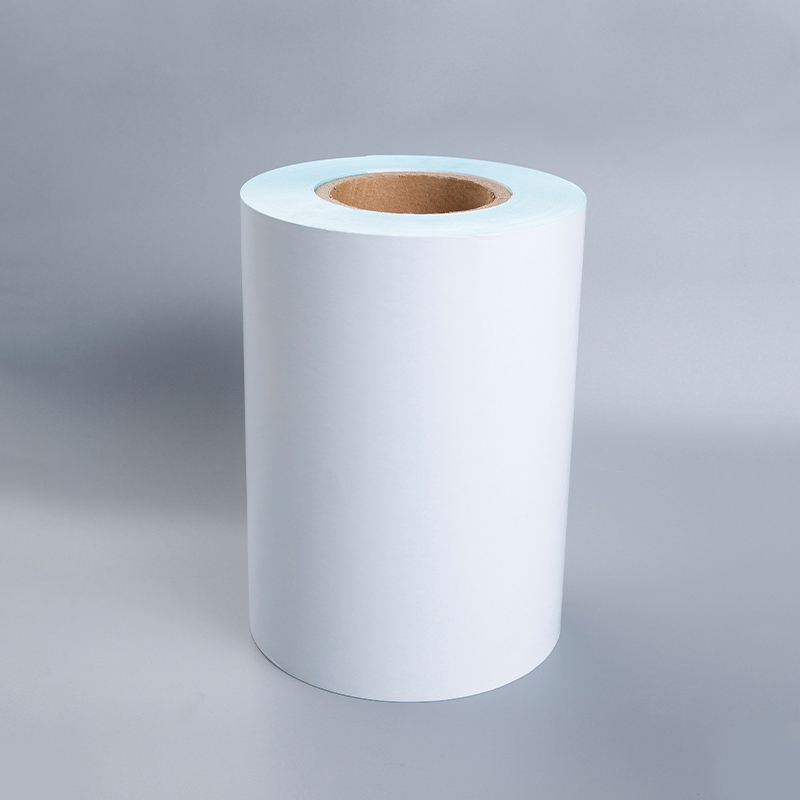
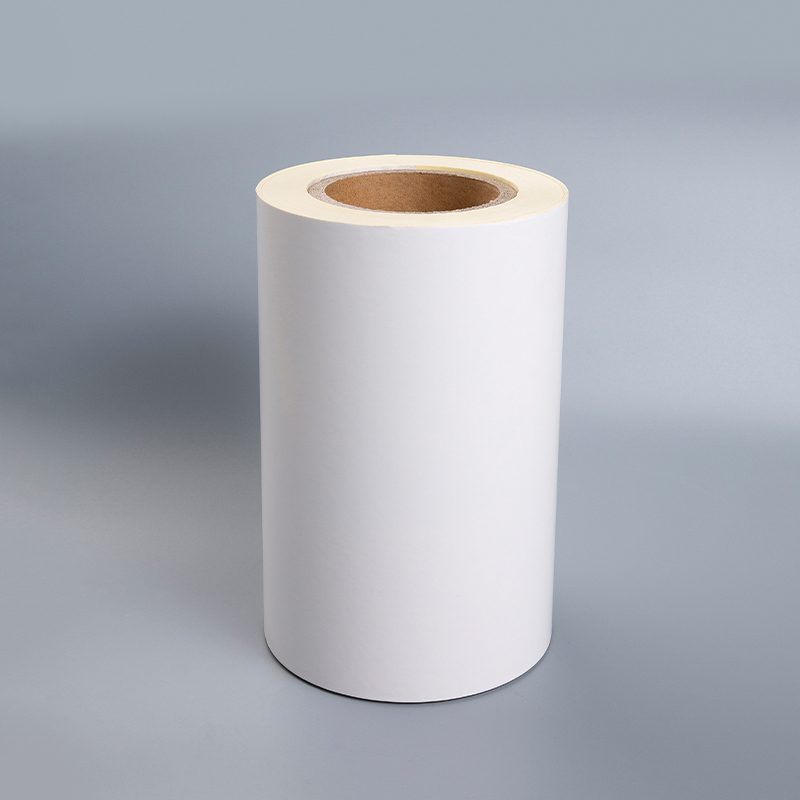
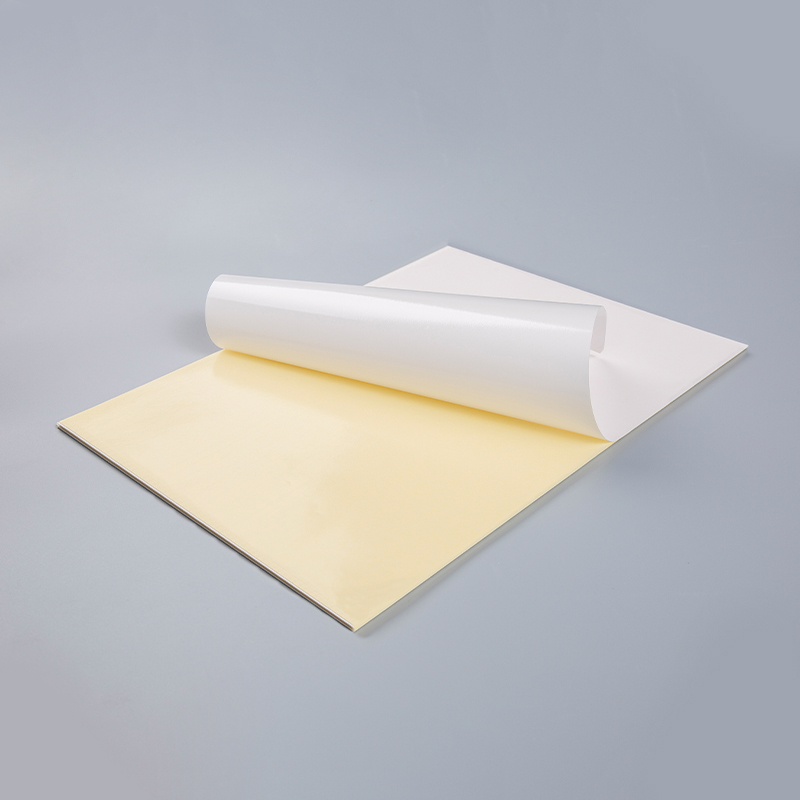
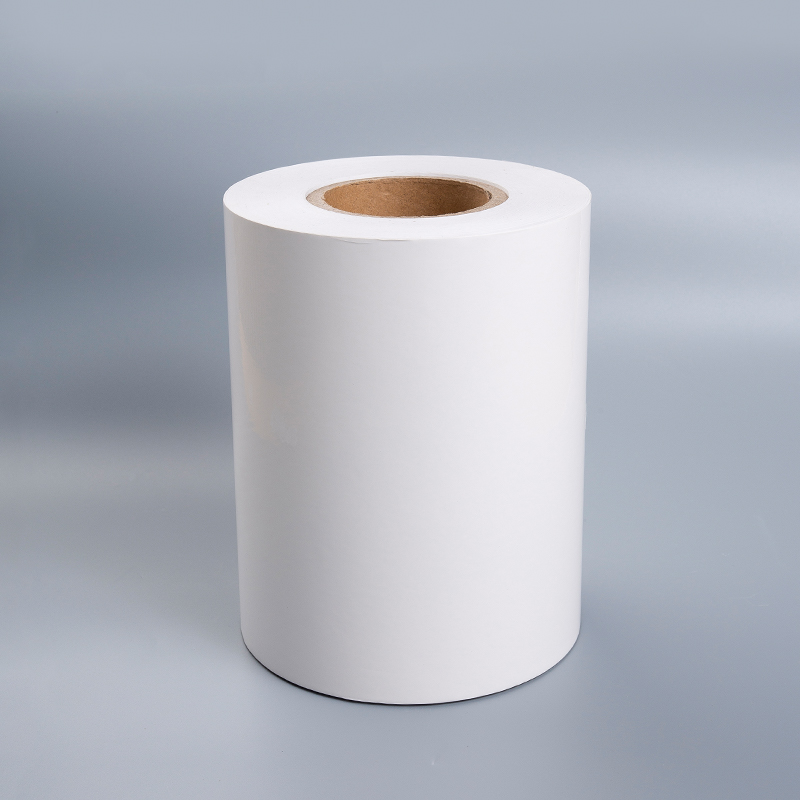
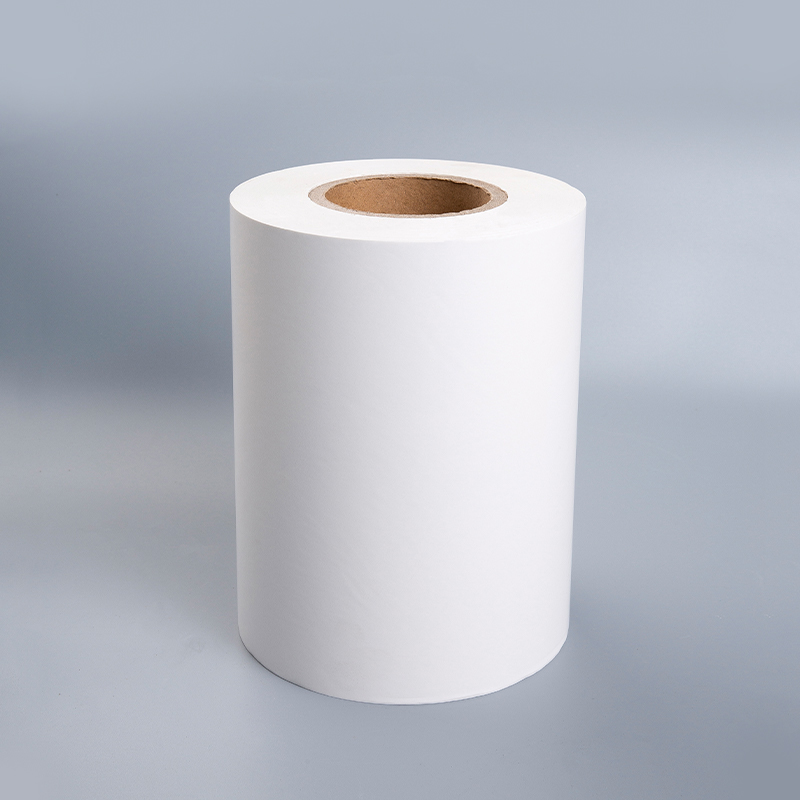
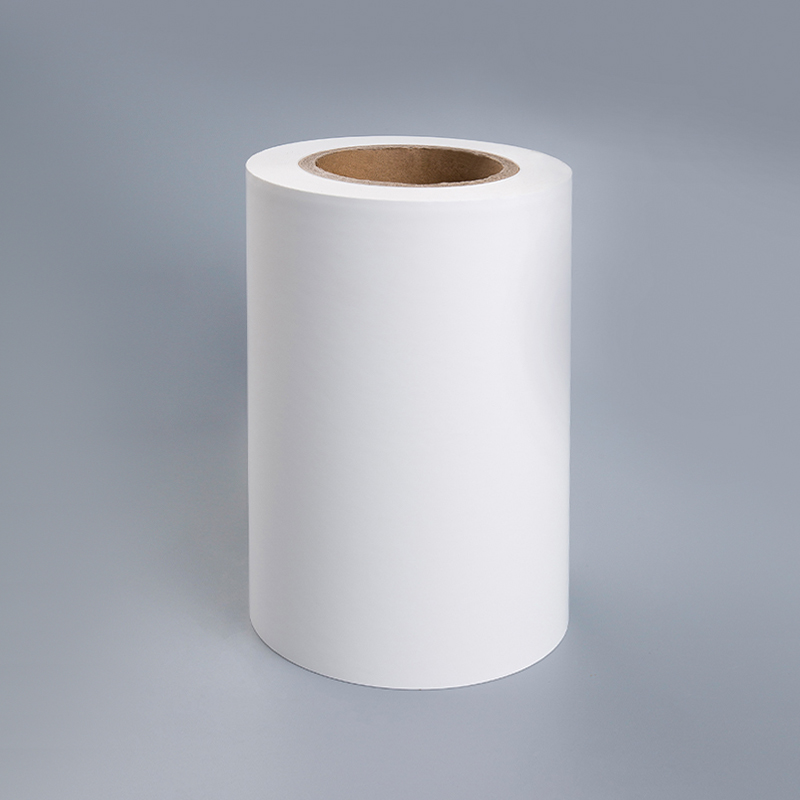
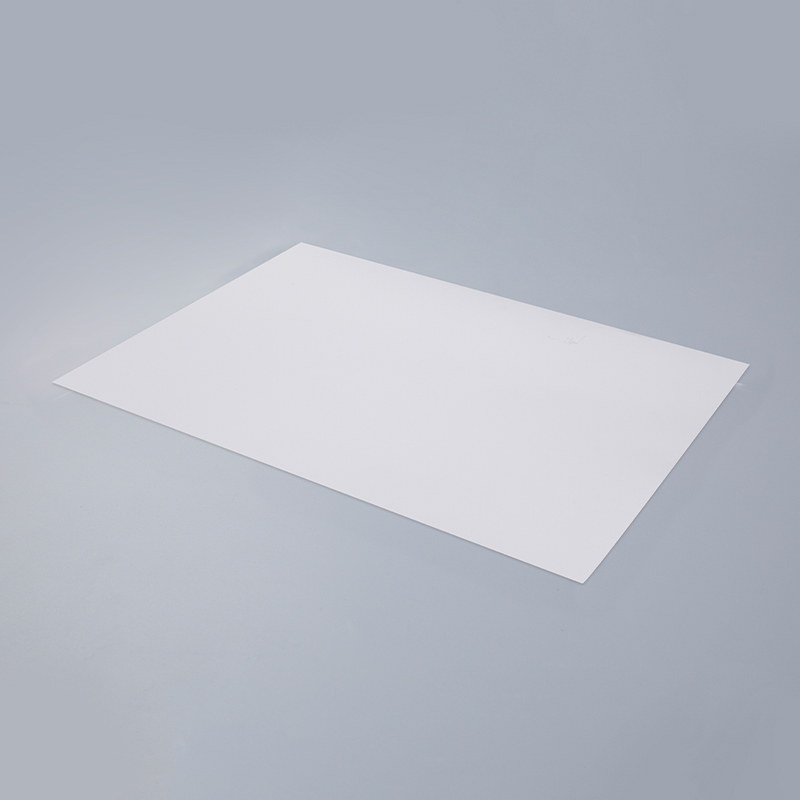
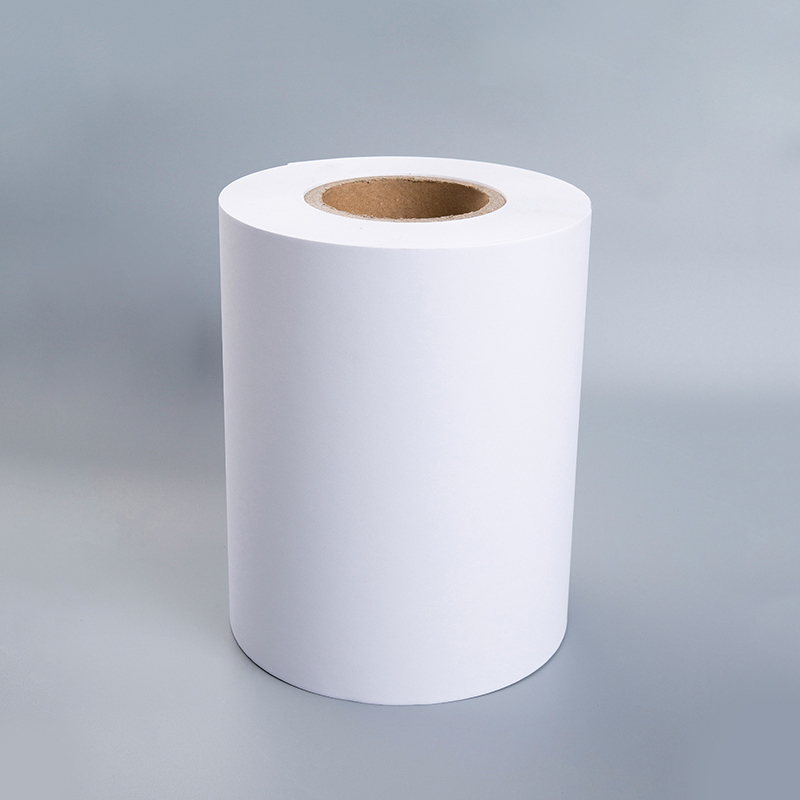
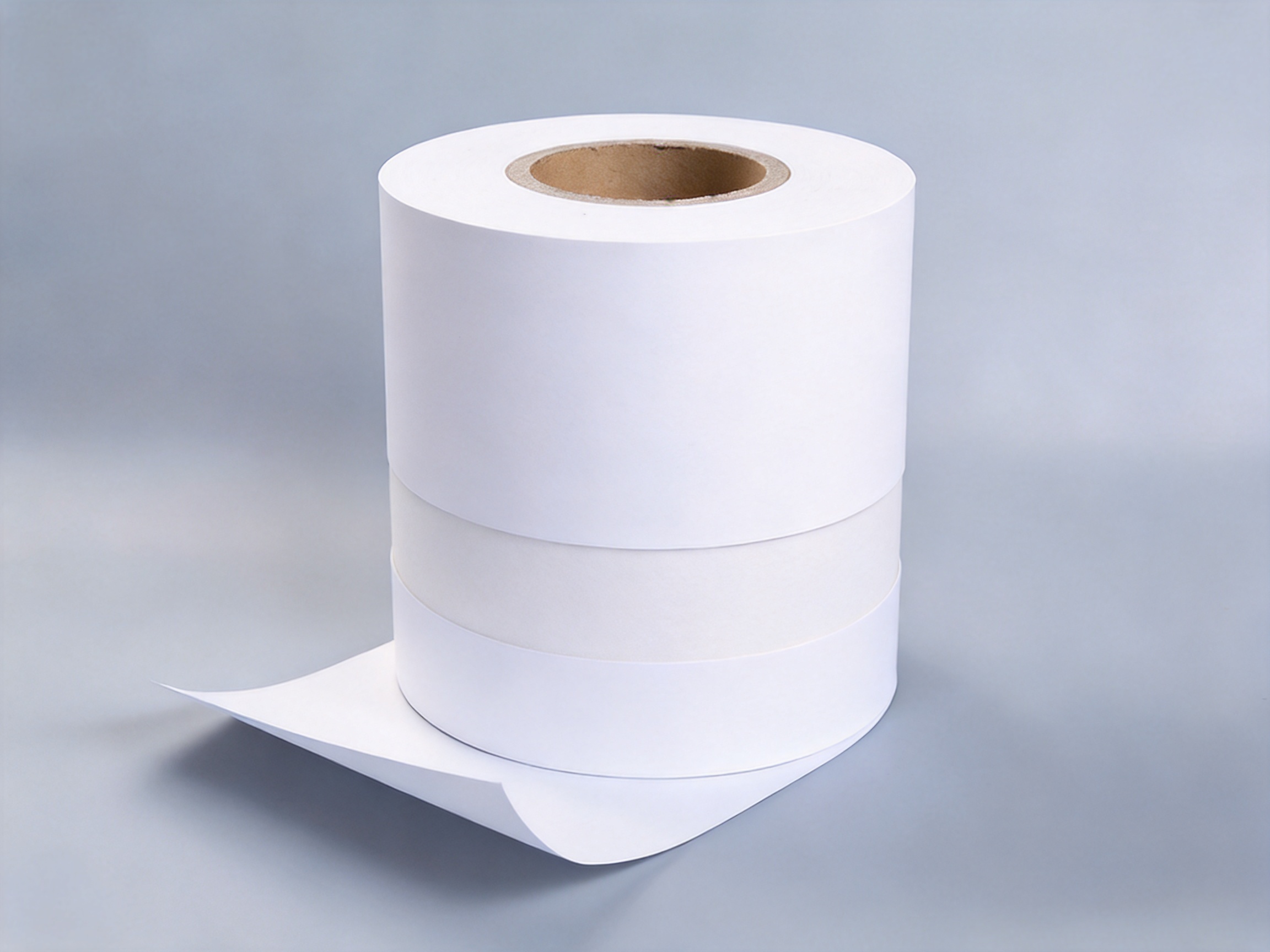
Woodfree paper with a white release liner is a practical and versatile self-adhesive material designed for applications that require dependable adhesion, clean presentation, and efficient converting. It combines a smooth woodfree paper face material with a pressure-sensitive adhesive and a coated release backing. This construction provides a balanced solution for product identification, logistics labels, warehouse management, medical supply marking, office organization, retail labeling, and outer box stickers.
The material is especially suitable for buyers seeking a reliable alternative to ordinary paper labels, inconsistent low-grade adhesive sheets, or self-adhesive products with limited liner choices. Its uniform glue application, high adhesion, and resistance to premature lifting help labels remain attached during normal storage, transportation, handling, and use. At the same time, the white release liner supports smooth peeling and efficient label conversion.
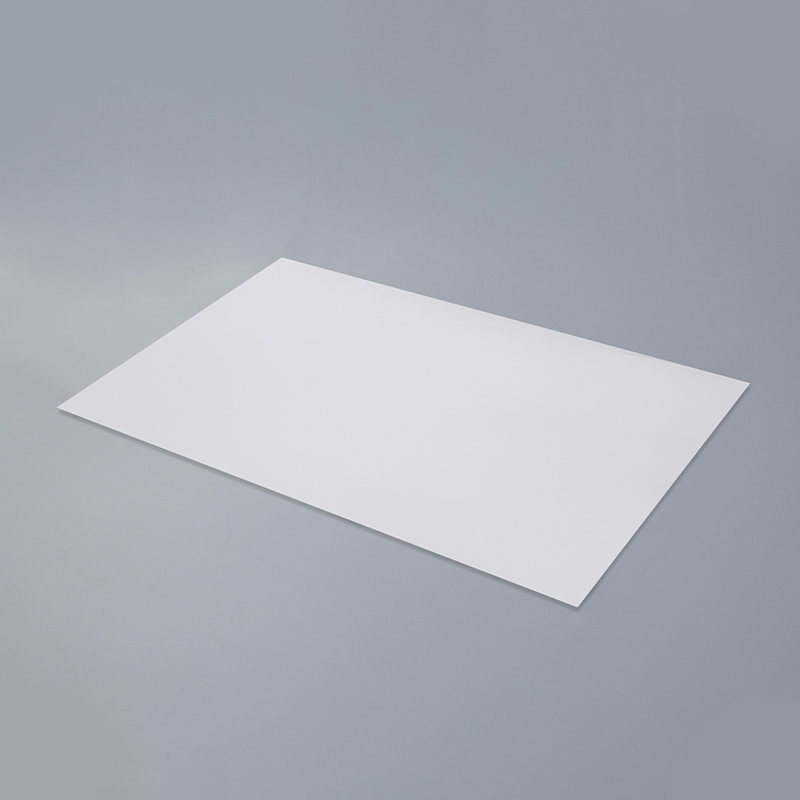
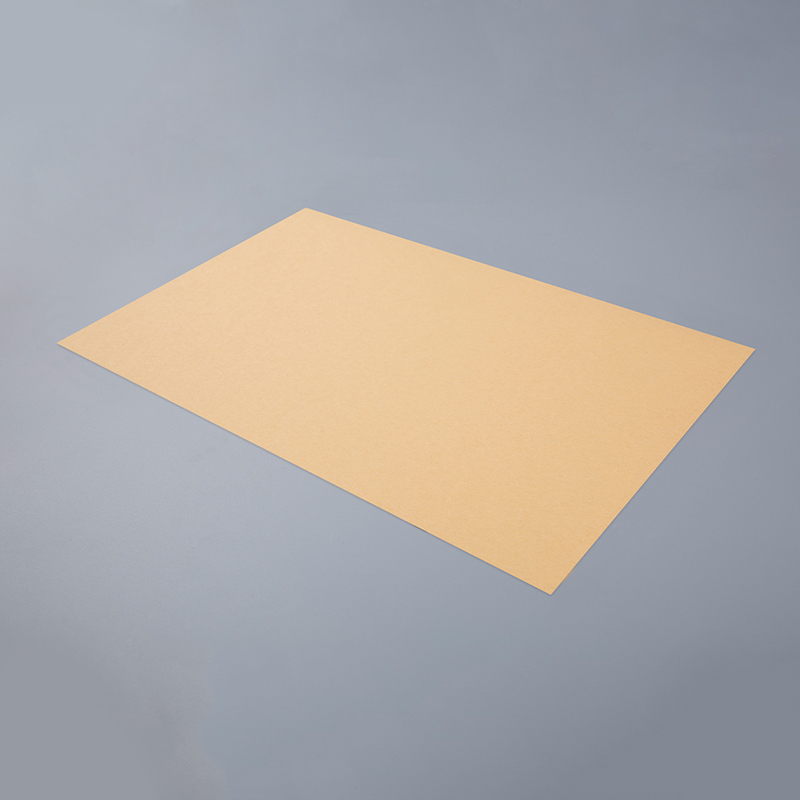
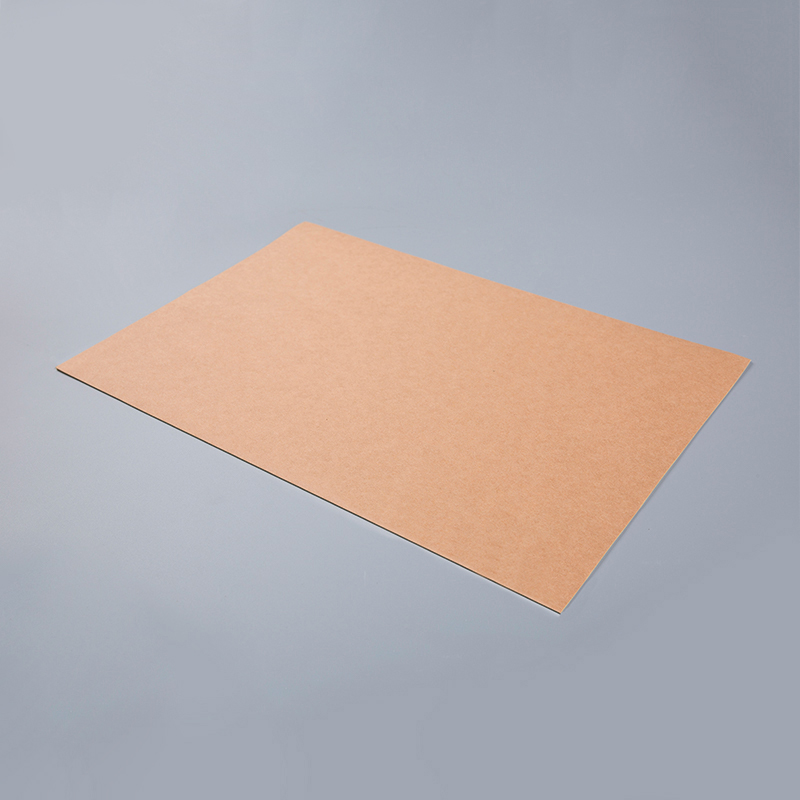
Available in rolls and sheets, the material can be supplied in standard and customized formats. Face paper weights include 75 gsm as a standard option, with 70 gsm, 80 gsm, 100 gsm, 120 gsm, and 140 gsm alternatives. A range of adhesives and liner constructions can also be selected to match different application requirements. This flexibility makes the product suitable for manufacturers, distributors, printers, label converters, packaging companies, and end users with varying performance and production needs.
Woodfree Paper With White Release Liner
Content
- 1 Understanding the Construction of Woodfree Paper with White Release Liner
- 2 Key Product Specifications
- 3 Advantages Over Basic or Less Specialized Label Materials
- 4 Applications Across Retail, Logistics, Medical, and Office Environments
- 5 Manufacturing Process and Quality-Oriented Production
- 6 Customization for Different Customer Requirements
- 7 Packaging, Delivery, and Material Protection
- 8 How to Select the Correct Product Configuration
- 9 Company Manufacturing Strengths and Technical Experience
- 10 Quality and Performance Considerations for Buyers
- 11 Environmental and Operational Benefits
- 12 Recommended Applications by Product Format
- 13 Frequently Asked Questions
- 13.1 What is woodfree paper with a white release liner?
- 13.2 What is the standard face material weight?
- 13.3 What is the standard white liner specification?
- 13.4 Which adhesive is used?
- 13.5 Can the product be supplied in jumbo rolls?
- 13.6 Can the material be supplied as sheets?
- 13.7 Is it suitable for shipping and logistics labels?
- 13.8 Can it be used for medical supply labels?
- 13.9 What makes this product different from basic self-adhesive paper?
- 13.10 How should buyers choose between a permanent and removable adhesive?
- 13.11 How is the sheet product packed?
- 13.12 Does the manufacturer provide OEM and ODM services?
- 13.13 What information should be provided when requesting a quotation?
- 14 Conclusion
- 15 References
- 16 Product: Woodfree Paper With White Release Liner
Understanding the Construction of Woodfree Paper with White Release Liner
A self-adhesive label material is normally made of three functional layers: the face material, the adhesive, and the release liner. Each layer contributes to the final performance of the label. In this product, the face material is woodfree paper, the adhesive can be selected from several formulations, and the standard liner is 90 g white release paper.
Woodfree Paper Face Material
Woodfree paper is valued for its clean surface, consistent appearance, and suitability for printing and writing. It provides a professional white background that helps printed text, barcodes, symbols, product information, and variable data remain clear and easy to read. Compared with rough or uneven paper stock, a well-manufactured woodfree face offers a more uniform printing surface and a better visual foundation for labels.
The available face material weights range from lightweight options to heavier grades. A 70 gsm or 75 gsm face can help reduce material consumption and is suitable for many general-purpose labels. Heavier 100 gsm, 120 gsm, and 140 gsm grades provide greater stiffness and a more substantial feel. The choice depends on label size, printing method, application environment, converting equipment, and the desired appearance of the finished product.
Pressure-Sensitive Adhesive
The adhesive layer is designed to bond the label to a selected substrate when pressure is applied. Uniform glue distribution is important because uneven coating can lead to weak areas, edge lifting, bubbles, inconsistent dispensing, or premature label failure. A properly controlled adhesive layer helps provide stable contact between the label and surfaces such as cardboard, paperboard, plastic, glass, metal, and other commonly used packaging materials.
The standard product description emphasizes high adhesion and resistance to easy removal after application. This makes it appropriate for labels that need to remain in place during routine handling and transportation. However, adhesive selection should always be matched to the intended substrate and environment. Surface energy, dust, moisture, temperature, curvature, application pressure, and storage time can all influence final bond performance.
White Release Liner
The standard liner is 90 g white release paper. Its primary purpose is to protect the adhesive before application and allow the label to be peeled away when required. A smooth, consistent release surface supports efficient die-cutting, matrix stripping, label dispensing, and manual application.
The white color also gives the backing a clean, professional appearance and can make the material easier to identify during converting and warehouse handling. For buyers who require a different balance of release performance, stiffness, transparency, caliper, or cost, alternative liners are available, including glassine paper, release paper, art paper, and CCK liner.
Key Product Specifications
The following table summarizes the principal material choices and available sizes described for this product family. Final specifications should be confirmed according to the purchase order, intended application, and production requirements.
| Component or Feature | Available Specification | Typical Benefit |
|---|---|---|
| Face material | 75 gsm woodfree paper | Balanced printability, flexibility, and general-purpose performance |
| Alternative face weights | 70, 80, 100, 120, and 140 gsm | Allows adjustment of stiffness, appearance, and material consumption |
| Adhesive | Hot melt adhesive | Strong initial tack and efficient general-purpose bonding |
| Alternative adhesive systems | Water-based, solvent, removable, anti-freeze, cryogenic, and tyre-grade rubber adhesive | Supports specialized application and environmental requirements |
| Standard liner | 90 g white release paper | Clean appearance and dependable release behavior |
| Glassine liner options | 50, 60, 80, 100, and 120 g | Suitable for applications requiring a smooth, dense release backing |
| Release paper options | 60, 120, and 140 g | Provides alternative liner strength and handling characteristics |
| Art paper options | 140 and 165 g | Offers a heavier and more rigid backing option |
| CCK liner options | 50, 80, 90, and 120 g | Provides additional selection for converting and application needs |
| Jumbo roll widths | 1,000, 1,020, 1,080, and 1,530 mm | Compatible with different production lines and converting programs |
| Sheet sizes | A4, A3, 20 x 30 cm, 21 x 30 cm, 24 x 36 cm, 50 x 70 cm, and 70 x 100 cm | Suitable for office, printing, packaging, and commercial applications |
| Customization | Customized sizes available | Helps reduce waste and match customer equipment or product formats |
Advantages Over Basic or Less Specialized Label Materials
Many self-adhesive materials appear similar at first glance, but differences in paper quality, adhesive uniformity, liner construction, and manufacturing control can strongly affect real-world performance. Woodfree paper with a white release liner offers several practical advantages over basic label stock.
Uniform Adhesive Distribution
Uniform glue application is one of the most important characteristics of a self-adhesive material. If the adhesive layer is inconsistent, one part of a label may bond strongly while another part remains weak. This can cause lifting at the corners, poor adhesion on textured surfaces, or failure during transportation.
A controlled adhesive layer gives the label a more consistent bonding profile. It helps converters produce labels with predictable performance across the roll or sheet and reduces the risk of quality variation between different batches. For large-volume users, this consistency can be more valuable than a low initial purchase price because it helps reduce rework, waste, and customer complaints.
Strong Adhesion for Everyday Handling
The product is designed for applications where labels must remain attached to their intended surface. Stores, warehouses, logistics operations, offices, medical supply departments, and packaging facilities often handle labels repeatedly. Packages may be stacked, moved, scanned, sorted, or transported over long distances.
A high-adhesion construction helps the label remain in position after correct application. This is particularly useful for outer carton stickers, inventory labels, shipping information, product identification, and storage marks. The adhesive can be selected according to the substrate and operating conditions, allowing a more appropriate solution than a one-formula adhesive intended to cover every application.
Clean White Appearance
The white woodfree face provides a neutral background for printing. It is suitable for black-and-white text, color graphics, barcodes, serial numbers, warning information, logos, and product descriptions. A clean face material can improve label legibility and contribute to a more organized appearance on retail products, shipping cartons, documents, and storage containers.
The white release liner also contributes to a neat material presentation before application. This may be useful during printing, inspection, cutting, packing, and manual label handling. For companies that value a professional appearance in both finished labels and production materials, the white construction offers a straightforward advantage.
Wide Selection of Adhesive Options
One limitation of many standard self-adhesive papers is that they are offered with only one adhesive type. That approach may be acceptable for simple office labels but can be unsuitable when products are applied in different temperatures, to different substrates, or under different removal requirements.
This product range includes hot melt adhesive, water-based adhesive, solvent adhesive, removable adhesive, anti-freeze adhesive, cryogenic adhesive, and tyre-grade rubber adhesive. The availability of these options allows purchasers to select a construction more closely aligned with the application. A removable adhesive may be useful for temporary identification, while an anti-freeze or cryogenic adhesive may be considered for cold-chain or low-temperature conditions. Tyre-grade rubber adhesive is intended for demanding rubber-related applications and should be specified according to the exact use case.
Choice of Liner Constructions
Liner selection affects die-cutting, dispensing, label stability, roll handling, and overall converting efficiency. The standard 90 g white release paper is suitable for many applications, but buyers may require another backing depending on the label format, machine settings, label speed, and storage conditions.
Glassine, release paper, art paper, and CCK liner options provide greater flexibility than a single fixed liner construction. Heavier liners can offer additional stiffness during processing, while lighter options may reduce material usage. The correct choice depends on the label dimensions, cutting pattern, adhesive type, application equipment, and desired finished performance.
Roll and Sheet Availability
Some users need jumbo rolls for high-speed label conversion, while others need ready-to-use sheets for digital printing, office labeling, or small-batch production. Offering both formats supports a broader customer base and allows the product to fit different workflows.
Jumbo roll widths of 1,000 mm, 1,020 mm, 1,080 mm, and 1,530 mm can support a range of slitting and converting programs. Sheet formats include common A4 and A3 sizes as well as commercial sizes such as 20 x 30 cm, 21 x 30 cm, 24 x 36 cm, 50 x 70 cm, and 70 x 100 cm. Customized dimensions can also be discussed when standard sizes do not match the buyer’s equipment or finished-label layout.
Applications Across Retail, Logistics, Medical, and Office Environments
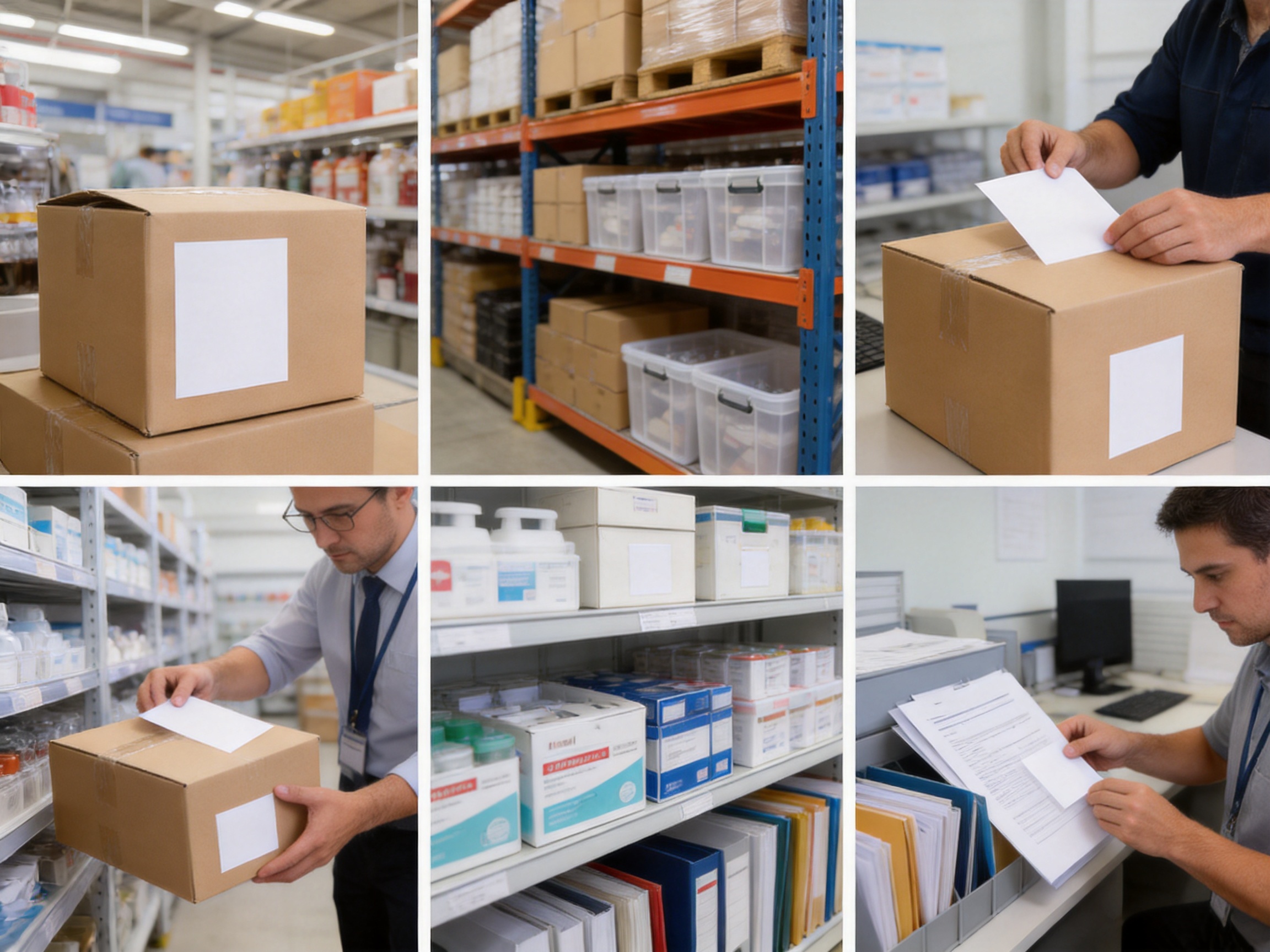
Retail and Store Labels
Retail environments require labels for product identification, shelf organization, price information, stock control, promotions, and packaging marks. Woodfree self-adhesive paper can provide a clean printable surface for both simple text labels and more detailed designs.
Labels can be converted into different shapes and sizes to suit product packaging, cartons, containers, and display materials. The white face makes printed information easy to distinguish, while the adhesive helps the label remain in position during ordinary shelf handling. For stores and supermarkets, a consistent label material can also support a more organized visual system across different departments.
Warehousing and Inventory Management
Warehouses depend on clear identification. Cartons, pallets, shelves, bins, racks, and individual products may all require labels containing item codes, batch numbers, storage instructions, or barcodes. A self-adhesive woodfree label can be used for many of these tasks when the substrate and environmental conditions are suitable.
Uniform adhesive performance is especially valuable in warehouses because labels may be applied quickly and then exposed to repeated handling. A label that lifts or detaches can create scanning errors, inventory confusion, or additional labor. Selecting the correct adhesive and face weight helps improve the reliability of warehouse identification systems.
Logistics and Outer Box Stickers
Transportation labels must remain readable and attached throughout sorting, loading, unloading, and delivery. Outer box stickers may include destination information, handling symbols, tracking codes, product details, and internal routing instructions.
Woodfree paper offers a practical printable surface for these uses, while strong adhesive options help the label remain attached to corrugated cartons and other packaging substrates. The material can be supplied in roll form for automated or semi-automated converting, or in sheet form for businesses that print labels as needed.
Medical Supplies
Medical supply environments often require clear labeling for boxes, packages, containers, samples, storage units, and administrative materials. The label face should support legible printing, while the adhesive must be selected carefully according to the package material, storage temperature, and required permanence.
This product range can be configured with different adhesive choices to address general medical supply labeling and specialized requirements. Buyers should confirm whether the finished label will encounter refrigeration, freezing, moisture, sterilization processes, chemicals, or prolonged storage before choosing the adhesive and liner combination.
Daily Office Use
Office applications include file identification, document organization, archive boxes, envelopes, folders, equipment marking, and internal logistics. A4 and A3 sheet formats are convenient for office printers and digital printing workflows. Smaller commercial sizes can also be converted into labels for specific office products.
The woodfree face accepts printed text and can also support handwriting for applications that require variable information to be added manually. This makes it useful for general office organization without requiring a highly specialized label construction.
Manufacturing Process and Quality-Oriented Production
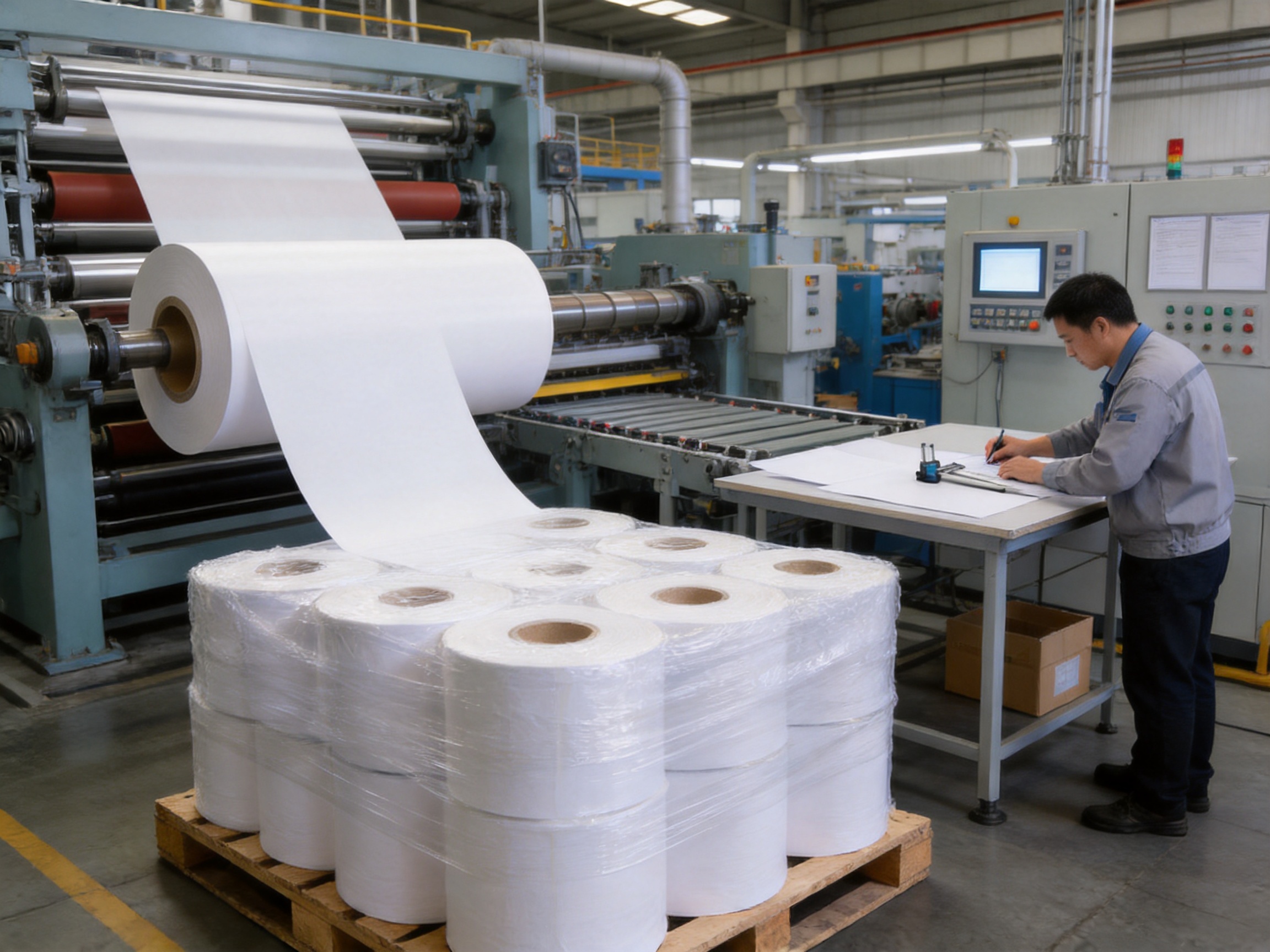
The performance of self-adhesive material depends not only on the selected raw materials but also on the manufacturing process used to combine them. The producer operates integrated production lines covering gluing, laminating, and cutting. This enables closer coordination between the adhesive coating stage, the face-and-liner bonding stage, and the final converting stage.
Adhesive Coating
Adhesive coating is a critical production step. The goal is to apply the selected adhesive evenly across the working width while maintaining the required coat weight and avoiding defects. Proper process control helps support consistent tack, bonding strength, and finished-label behavior.
Different adhesive families require different processing considerations. Hot melt adhesive, water-based adhesive, solvent adhesive, removable adhesive, and specialized low-temperature adhesives cannot necessarily be handled in exactly the same way. An experienced production team must coordinate material selection, coating conditions, drying or cooling requirements, and line operation to achieve a stable finished construction.
Lamination of Face Material and Liner
After adhesive application, the face material and release liner must be combined into a stable composite. Lamination quality affects the flatness of the product, the ease of unwinding, the behavior during die-cutting, and the ability of the label to separate cleanly from the liner.
Good lamination control helps minimize wrinkles, air entrapment, uneven tension, and other defects that can interfere with printing or converting. It also supports the uniform appearance expected from a professional label material. Integrated production allows the manufacturer to coordinate adhesive and lamination processes rather than relying entirely on unrelated external stages.
Slitting and Cutting
Jumbo rolls can be slit into narrower widths according to customer requirements or prepared for further label conversion. Sheet products can be cut to standard formats such as A4 and A3 or to customized dimensions. Accurate cutting is important for packaging efficiency, machine compatibility, and consistent downstream processing.
Cutting and slitting also influence edge quality. Clean edges help reduce dust, loose fibers, and handling problems. For label converters, dimensional consistency can make a significant difference when setting up die-cutting, printing, or automatic dispensing equipment.
Inspection and Testing
The company maintains its own testing laboratory and uses inspection equipment to support quality control. Testing can help evaluate key properties such as face appearance, adhesive behavior, liner release, dimensional stability, roll condition, and finished-product consistency.
Quality inspection is important because self-adhesive products must perform as a system. A paper face may look acceptable by itself, but the finished material also needs compatible adhesive coating and release-liner performance. Testing at different stages can help identify deviations before the material reaches the customer.
Production Capacity and Supply Support
The manufacturer reports annual production capacity of more than 280 million square meters and has developed a broad production and sales network. This scale can support both standard product supply and larger recurring orders. It may also help buyers coordinate several related self-adhesive materials through one experienced source.
Production capability is particularly important for customers who require stable repeat quality. A supplier with established lines for gluing, laminating, and cutting can be better positioned to maintain continuity across multiple orders, provided that the agreed specifications and quality requirements are clearly documented.
Customization for Different Customer Requirements
Self-adhesive label materials are rarely identical across all industries. A logistics company may prioritize strong adhesion and fast processing, while an office-supply manufacturer may require smooth digital printing and convenient sheet sizes. A cold-chain customer may need low-temperature adhesive performance, and a label converter may focus on liner stiffness and release behavior.
Face Weight Customization
Face weight can be selected to balance flexibility, opacity, stiffness, and cost. Lightweight woodfree paper may be suitable for general labels and high-volume applications. Heavier face paper can provide a more substantial appearance and may be better suited to larger labels or applications where handling stiffness is important.
Adhesive Customization
The adhesive should be chosen according to the intended surface and operating conditions. Hot melt adhesive is a common option for strong general-purpose bonding. Water-based and solvent adhesive systems can be considered when the application or production process calls for a different formulation. Removable adhesive is appropriate when labels must be removed with reduced residue or surface damage, subject to testing.
Anti-freeze and cryogenic adhesives are available for applications involving low temperatures. These should be evaluated under actual storage and application conditions because the performance of a label can depend on whether it is applied before or after cooling, the duration of exposure, surface moisture, and the type of packaging involved.
Liner Customization
The liner can be selected based on release force, caliper, stiffness, converting speed, and label size. Glassine paper may be selected for its smooth and dense structure. Heavier release paper or art paper can provide additional support for certain converting processes. CCK liner options create another alternative for customers with specific equipment or product requirements.
Size and Format Customization
Customized roll widths and sheet sizes can help reduce trim waste and improve production efficiency. A buyer should provide the required finished label dimensions, printing method, die-cutting pattern, application process, and packaging format when requesting a recommendation. This information allows the material construction to be matched more accurately to the final use.
Packaging, Delivery, and Material Protection
Self-adhesive paper must be protected during storage and transportation. The supplier provides sea-transit-worthy poly-wood pallet packing and carton packing for rolls or sheets from stock. Appropriate packaging helps protect the material against crushing, contamination, moisture exposure, and handling damage during shipment.
Sheet products are packed at 100 sheets per ream. Each ream is wrapped with strong PE-coated kraft paper, providing an additional barrier and helping keep the sheets organized. Pallets are wrapped with stretch film and fastened with plastic fastening belts to support load stability during transport.
Packaging is not merely an external convenience. A damaged roll edge, crushed sheet corner, or contaminated adhesive surface can affect downstream production. Strong packing practices help preserve the condition of the material from the factory to the customer’s warehouse. Buyers should still store the products in a clean, dry environment and avoid extreme temperature or humidity changes whenever possible.
How to Select the Correct Product Configuration
Choosing the most suitable construction begins with a clear understanding of the final application. The following factors should be reviewed before ordering.
Substrate Type
Identify the surface to which the label will be applied. Common substrates include corrugated cardboard, coated paperboard, uncoated paper, plastic film, glass, metal, and rubber. Different surfaces have different levels of smoothness, porosity, flexibility, and surface energy. A construction that performs well on cardboard may not provide the same result on a low-energy plastic surface.
Application Temperature
Consider the temperature at the moment of application as well as the temperature during storage and transportation. General-purpose adhesive may be suitable for normal indoor conditions, while anti-freeze or cryogenic adhesive may be more appropriate for cold environments. The intended product should be tested under realistic conditions before full-scale production.
Required Permanence
Decide whether the label must remain permanently attached or whether it needs to be removed later. Permanent applications may require a high-adhesion construction. Temporary labels, retail promotion labels, reusable containers, and identification marks may call for a removable adhesive. The ease of removal and possible residue should be confirmed on the actual substrate.
Printing and Converting Method
Specify whether the material will be printed by digital, inkjet, laser, flexographic, offset, or another process. The printer, ink, drying conditions, die-cutting equipment, and dispensing system can all influence material selection. Sheet products may be more convenient for office and digital printing, while jumbo rolls are appropriate for industrial converting.
Label Dimensions and Shape
Large labels, narrow labels, small labels, and complex shapes may require different combinations of face weight and liner strength. Provide the label dimensions and die layout when requesting a recommendation. Customized roll widths can often reduce waste and improve the utilization of the supplied material.
Company Manufacturing Strengths and Technical Experience
Suzhou Piaozhihua Composite Material Technology Co., Ltd. is a private manufacturer focused on self-adhesive labels and related composite materials. Its business integrates research and development, production, sales, and after-sales service. This integrated structure supports product development and allows customer requirements to be communicated across technical, manufacturing, and service teams.
The company has more than 20 years of OEM manufacturing experience. This experience is relevant to customers who need products made according to drawings, samples, technical specifications, or established packaging formats. OEM and ODM capabilities can also support customers that need a customized material rather than a standard catalog item.
Its production capabilities include gluing, laminating, and cutting, with reported annual capacity exceeding 280 million square meters. These capabilities are supported by an internal testing laboratory and inspection equipment. The company also reports a professional research and development team and multiple patents, reflecting an emphasis on ongoing product development and process improvement.
The manufacturer serves domestic and international markets through sales outlets and distribution relationships. Its stated market coverage includes regions in Asia, Europe, the Americas, Africa, the Middle East, and other areas. For international buyers, experience with export packaging, production coordination, and after-sales communication can be important factors when selecting a supplier.
The company also places emphasis on sustainability and environmental protection. Its development approach includes eco-friendly solutions involving face materials, adhesives, and backing papers. Environmental requirements vary from market to market, so buyers should request the relevant technical documents, compliance statements, and test information for any specific order.
Quality and Performance Considerations for Buyers
Product quality should be evaluated using measurable criteria rather than appearance alone. Before approving a construction, buyers may review face brightness and smoothness, print compatibility, adhesive coat uniformity, initial tack, final adhesion, peel behavior, release force, dimensional stability, and roll or sheet flatness.
Testing should be conducted on the actual application substrate. A label applied to clean, dry cardboard may perform differently from one applied to dusty corrugated packaging, textured plastic, cold metal, or rubber. Application pressure and dwell time should also reflect the production process. In addition, labels intended for outdoor, refrigerated, or chemically exposed conditions should be evaluated in those environments.
Storage conditions are also important. Self-adhesive materials should generally be protected from direct sunlight, excessive heat, excessive humidity, and contamination. Rolls should be stored so that edges are not crushed, while sheets should remain flat and protected from moisture. The supplier can provide product-specific storage and handling recommendations upon request.
Environmental and Operational Benefits
Material efficiency is one potential benefit of selecting the correct face weight, liner, and format. A customer using a suitable customized roll width may reduce trim waste during conversion. A customer using the correct adhesive may reduce label failure, reapplication, and product handling interruptions.
Longer-lasting labels can also support operational efficiency. When identification remains readable and attached, warehouse workers may spend less time replacing labels or investigating unclear packages. In retail and logistics, reliable labeling can help maintain traceability and reduce avoidable processing errors.
Environmental performance depends on the complete construction and end-of-life process. Buyers interested in sustainable options should evaluate the paper source, adhesive formulation, liner material, packaging, production waste, and local recycling conditions. The manufacturer’s stated focus on eco-friendly face materials, adhesives, and backing papers can provide a starting point for sustainability discussions, but exact environmental claims should be supported by product-specific documentation.
Recommended Applications by Product Format
| Product Format | Suitable User or Application | Selection Considerations |
|---|---|---|
| Jumbo roll | Industrial label converters and high-volume printers | Confirm width, winding direction, core size, roll diameter, adhesive type, and liner strength |
| A4 sheets | Office printing, digital printing, small-batch labels, document organization | Confirm printer compatibility, sheet flatness, and required adhesive permanence |
| A3 sheets | Commercial printing, larger label layouts, packaging and promotional work | Confirm feed performance, print method, and cutting requirements |
| 50 x 70 cm sheets | Commercial printing and packaging production | Review press compatibility, stacking, and post-print converting |
| 70 x 100 cm sheets | Large-format commercial and packaging applications | Review sheet handling, storage, trimming, and final label dimensions |
| Customized formats | Specialized packaging, OEM production, and equipment-specific programs | Provide drawings, samples, tolerances, and intended application conditions |
Frequently Asked Questions
What is woodfree paper with a white release liner?
It is a self-adhesive composite consisting of a woodfree paper face, a pressure-sensitive adhesive, and a white release-paper backing. The liner protects the adhesive before application and allows the label to be peeled away when needed.
What is the standard face material weight?
The listed standard face material is 75 gsm woodfree paper. Alternative face weights include 70 gsm, 80 gsm, 100 gsm, 120 gsm, and 140 gsm.
What is the standard white liner specification?
The standard liner is 90 g white release paper. Glassine, release paper, art paper, and CCK liner alternatives are also available in different weights.
Which adhesive is used?
Hot melt adhesive is listed as an available option. Water-based, solvent, removable, anti-freeze, cryogenic, and tyre-grade rubber adhesive options are also available for different application requirements.
Can the product be supplied in jumbo rolls?
Yes. Listed jumbo roll widths are 1,000 mm, 1,020 mm, 1,080 mm, and 1,530 mm. Customized widths may be discussed according to production requirements.
Can the material be supplied as sheets?
Yes. Available sheet sizes include A4, A3, 20 x 30 cm, 21 x 30 cm, 24 x 36 cm, 50 x 70 cm, and 70 x 100 cm. Customized sizes are also available.
Is it suitable for shipping and logistics labels?
It is designed for applications including outer box stickers, warehousing, and logistics. The correct adhesive should be selected according to the carton surface, temperature, handling conditions, and required label permanence.
Can it be used for medical supply labels?
It can be used for suitable medical supply labeling applications, particularly where a printable white paper face and dependable adhesion are required. Any application involving refrigeration, sterilization, chemicals, or regulated packaging should be tested and specified carefully.
What makes this product different from basic self-adhesive paper?
Its advantages include a choice of face weights, multiple adhesive systems, several liner options, roll and sheet formats, integrated gluing, laminating and cutting capabilities, and quality inspection supported by an internal testing laboratory.
How should buyers choose between a permanent and removable adhesive?
A permanent adhesive is generally considered when the label must stay attached during handling and storage. A removable adhesive may be appropriate when the label must be taken off later. Actual performance depends on the substrate, temperature, application pressure, dwell time, and storage conditions, so testing is recommended.
How is the sheet product packed?
Sheets are packed at 100 sheets per ream. The ream is wrapped with strong PE-coated kraft paper, and pallets are protected with stretch film and plastic fastening belts. Carton and pallet packing are available according to the product format and order arrangement.
Does the manufacturer provide OEM and ODM services?
Yes. The manufacturer reports more than 20 years of OEM experience and offers customized production based on customer drawings or samples. ODM and technical development support are also available for suitable projects.
What information should be provided when requesting a quotation?
Useful information includes the face material weight, adhesive type, liner type, roll or sheet format, dimensions, order quantity, printing method, application substrate, temperature conditions, required permanence, packaging needs, and delivery destination.
Conclusion
Woodfree paper with a white release liner is a flexible self-adhesive material for companies that need dependable labeling, clean print presentation, and multiple configuration choices. Its woodfree face supports clear printing and writing, while the adhesive layer provides strong bonding when correctly matched to the application. The 90 g white release liner offers a practical backing for peeling, handling, converting, and storage.
The product is suitable for stores, supermarkets, warehouses, logistics operations, medical supply labeling, outer carton stickers, and daily office use. Its main advantages over less specialized materials include uniform adhesive application, high adhesion, a wide range of adhesive systems, multiple liner choices, standard roll widths, sheet formats, and customization capability.
Manufacturing strength is supported by integrated gluing, laminating, and cutting lines, an internal testing laboratory, inspection equipment, substantial production capacity, OEM and ODM experience, and a research and development team. These capabilities allow the supplier to provide both standard self-adhesive paper and customized solutions for different industries.
For the best result, buyers should select the face weight, adhesive, liner, size, and format according to the actual substrate, printing process, temperature, storage conditions, and required permanence. Proper specification and application testing can help ensure that the finished labels remain attractive, readable, and securely attached throughout their intended service life.
References
1. Product specification information for woodfree paper with white release liner, including face material, adhesive, liner, roll widths, sheet sizes, packaging, and delivery options.
2. Technical information concerning pressure-sensitive adhesive construction and the functions of face materials, adhesive layers, and release liners.
3. Manufacturer-provided information regarding gluing, laminating, cutting, production capacity, testing facilities, OEM and ODM services, and research and development capabilities.
4. General industry guidance on self-adhesive label selection, substrate compatibility, application temperature, release-liner performance, and storage practices.
5. General packaging and logistics labeling principles concerning readability, adhesion, handling, traceability, and material protection during transportation.