
 English
 Español
 русский
 Français
 عربى
عربىTransparent PVC adhesive film with a clear PET liner is a premium label material designed for applications where visual clarity, smooth converting, stable adhesion, and refined presentation are all required at the same time. In modern packaging, labels are no longer simply carriers of product names and barcodes; they have become part of the product’s identity, shelf appeal, and user experience. A transparent label can create a clean “no-label look,” allowing the container, product color, or package surface to remain visible while still providing branding, information, decoration, or regulatory content.
This article introduces a high-clarity transparent PVC adhesive film construction based on a transparent PVC face material, a water-based adhesive as the standard adhesive system, and a transparent PET liner. It also explains available customization options, application fields, manufacturing strengths, competitive advantages, quality control considerations, packaging methods, and frequently asked questions. The article focuses on the product’s ability to serve demanding label applications in beverages, mineral water, cosmetics, daily chemical products, packaging, building materials, and other industries where appearance, consistency, and processing reliability are important.
Transparent PVC With Clear PET Liner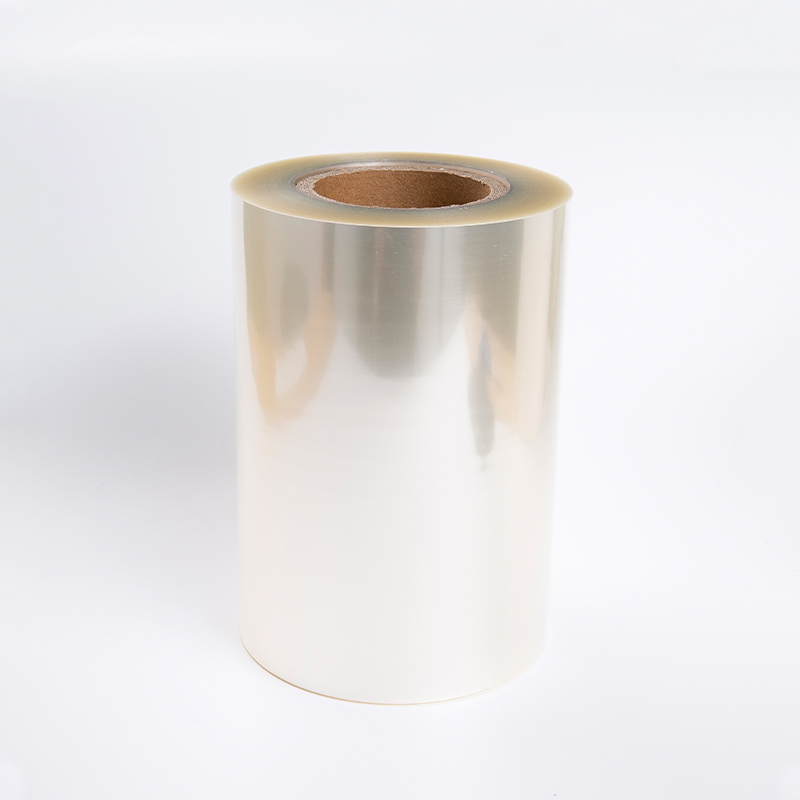
Content
- 1 Product Overview
- 2 Material Construction and Functional Roles
- 3 Key Specifications
- 4 Visual Clarity and the No-Label Look
- 5 Printing Compatibility
- 6 Adhesive Choices for Different Environments
- 7 Advantages Over Competitor Materials
- 8 Application Areas
- 9 Advanced Manufacturing Process
- 10 Company Strengths Behind the Product
- 11 Quality Assurance and Consistency
- 12 Sustainability and Responsible Material Development
- 13 Packaging and Delivery
- 14 Storage and Handling Recommendations
- 15 Selection Guide for Buyers
- 16 Why This Product Is a Strong Choice for Converters and Brand Owners
- 17 Q&A Section
- 17.1 What is transparent PVC with clear PET liner?
- 17.2 What is the standard construction of this product?
- 17.3 Why use a clear PET liner instead of a paper liner?
- 17.4 Which printing methods are suitable?
- 17.5 Can the adhesive be customized?
- 17.6 What industries commonly use this material?
- 17.7 What roll widths are available?
- 17.8 Can the product be supplied in sheets?
- 17.9 How is the product packed for delivery?
- 17.10 What makes this product better than ordinary transparent label films?
- 18 Conclusion
- 19 References
- 20 Product: Transparent PVC With Clear PET Liner
Product Overview
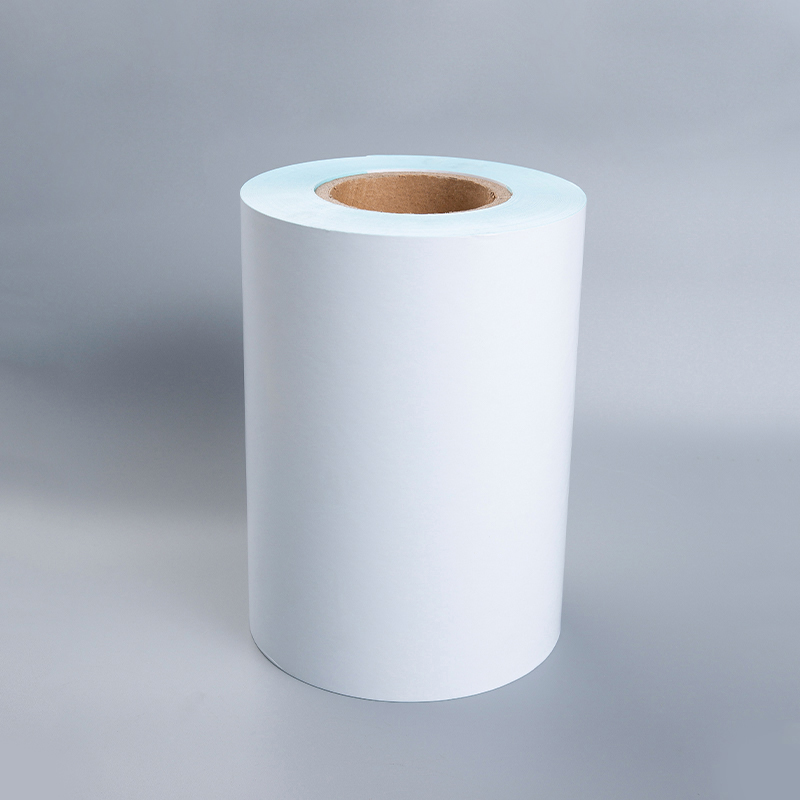
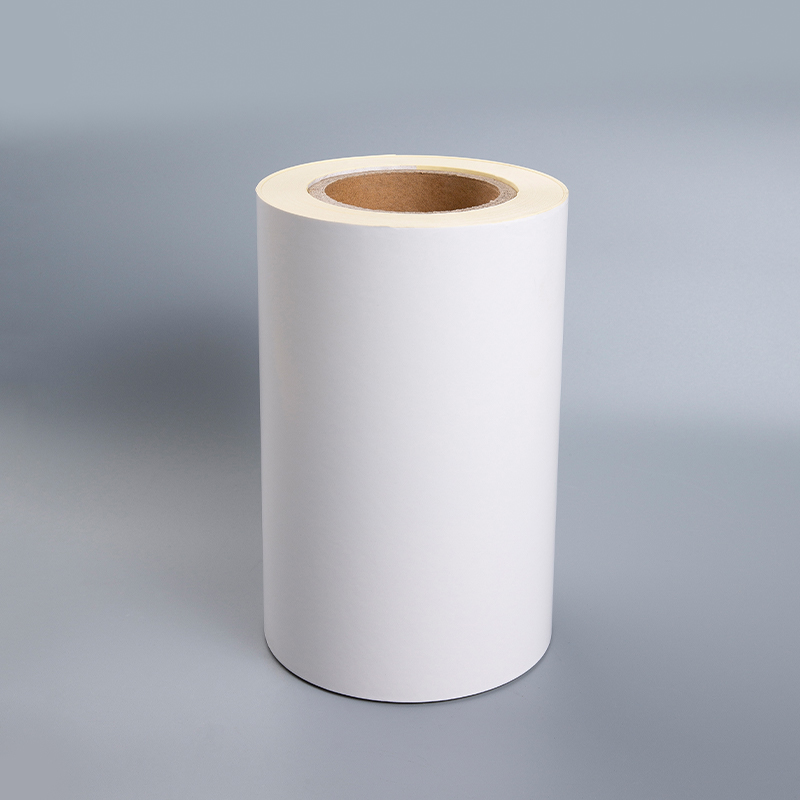
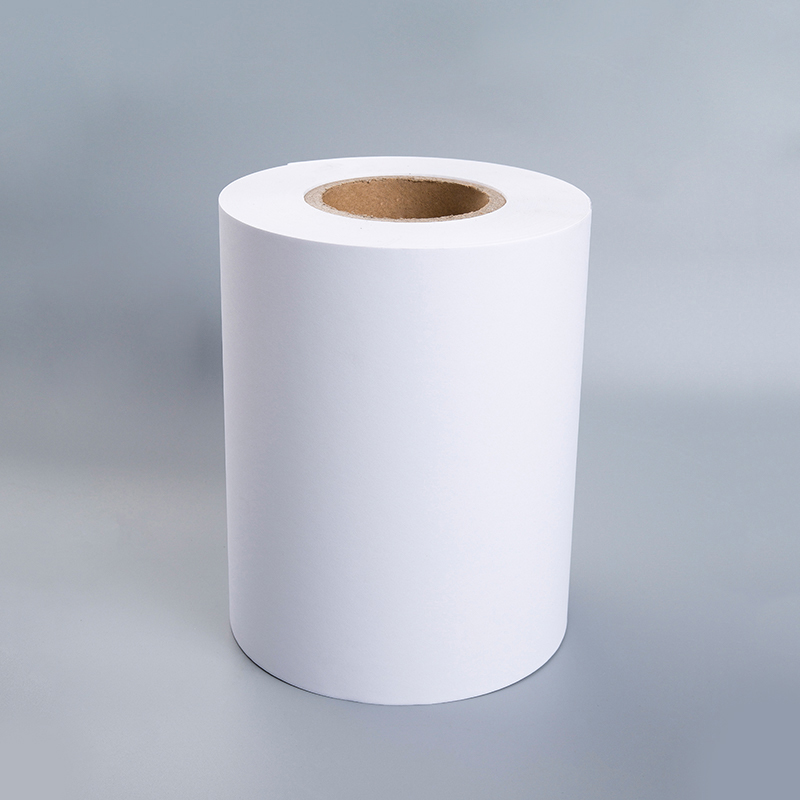
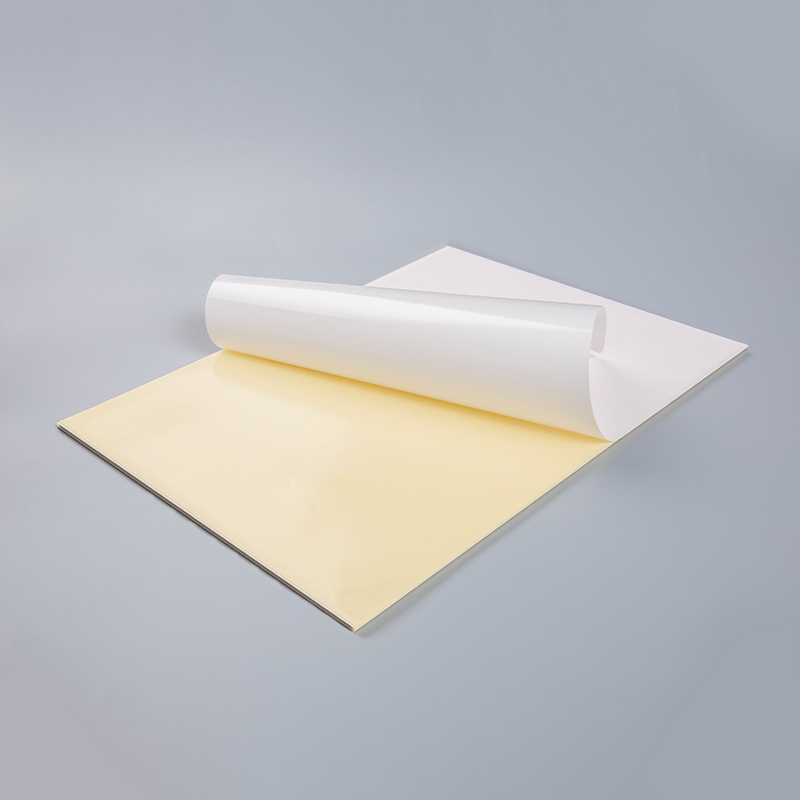
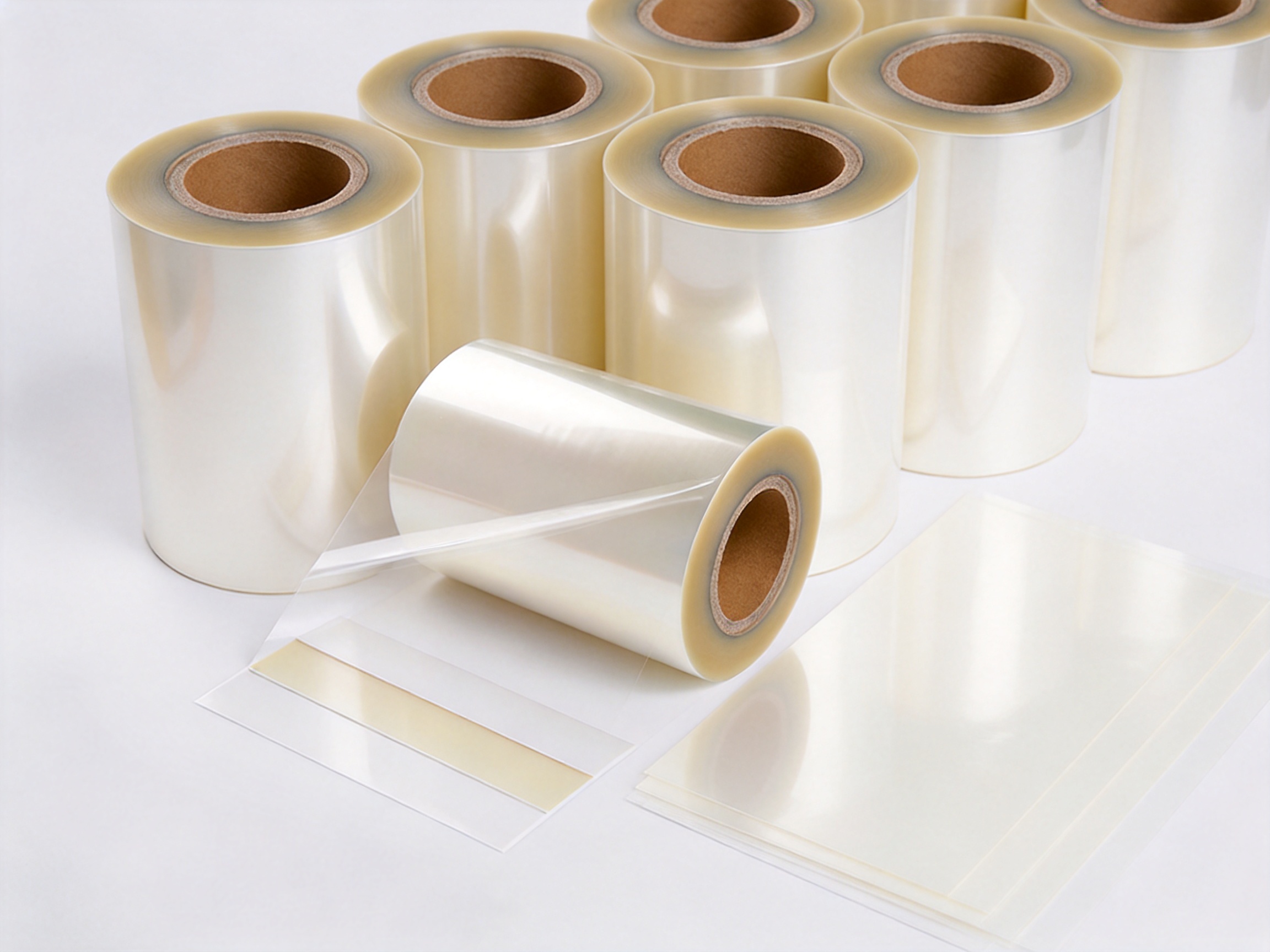
Transparent PVC with clear PET liner is a self-adhesive label material that combines a clear PVC film face stock with a pressure-sensitive adhesive layer and a transparent PET release liner. The construction is designed to offer excellent transparency, stable dimensional performance, and convenient processing for label manufacturers, printers, converters, and end users.
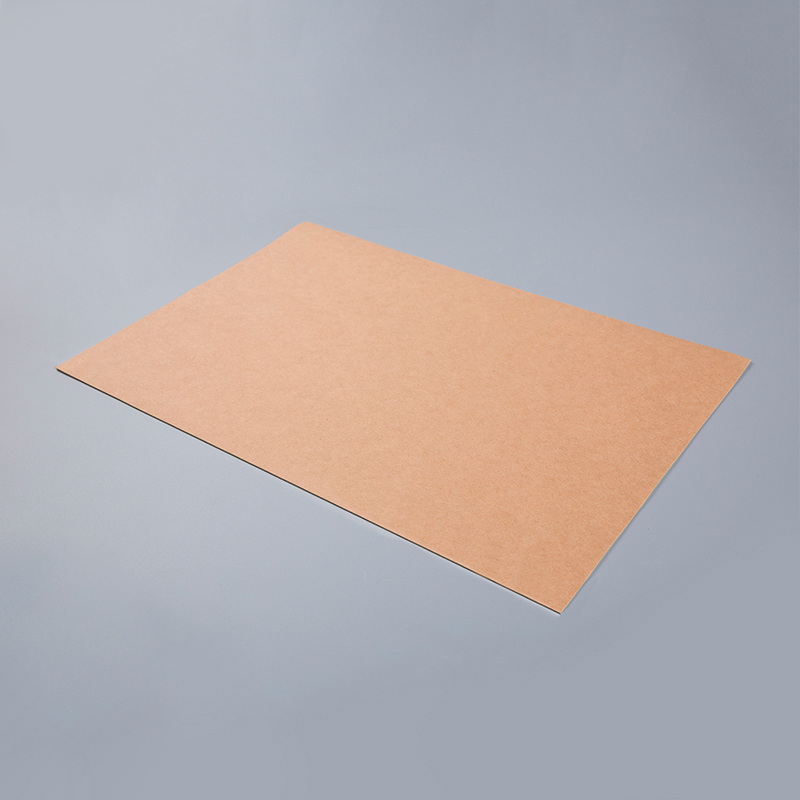
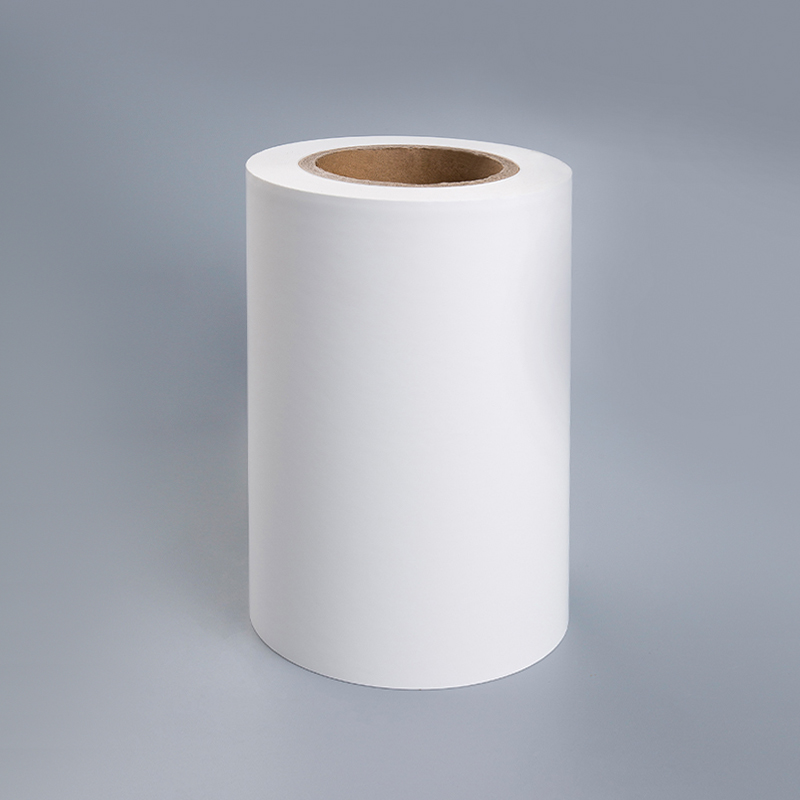
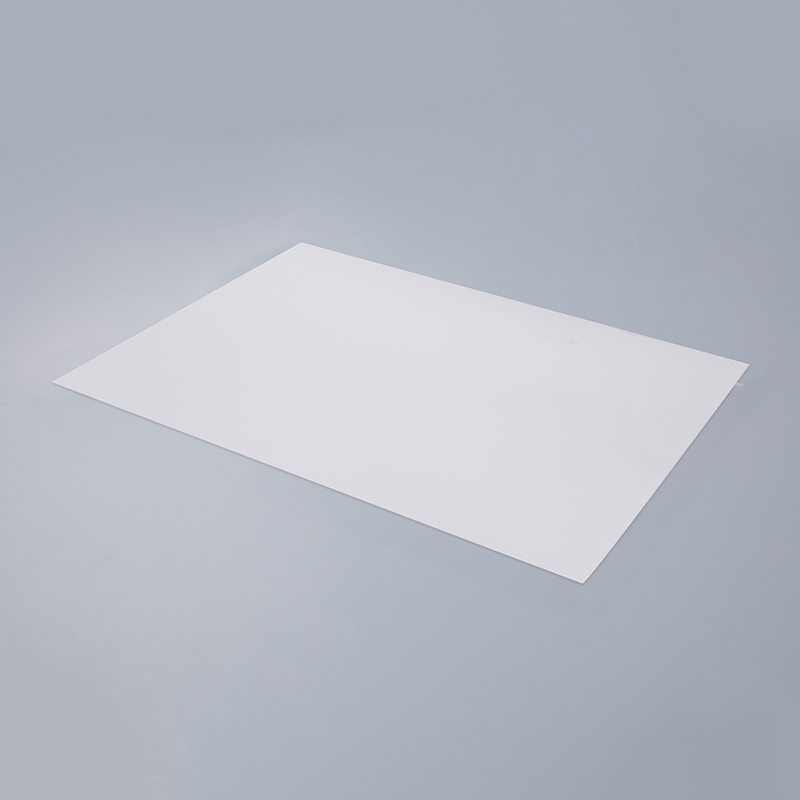
The standard material structure includes a 50 mic transparent PVC face material, a water-based adhesive, and a 36 mic transparent PET liner. Other thicknesses and liner types are available according to application requirements. Transparent PVC face films of 80 mic, 100 mic, 150 mic, and 260 mic can be supplied for applications requiring higher rigidity, stronger handling performance, or greater durability. The liner can also be adjusted to glassine paper, release paper, art paper, CCK liner, or thicker transparent PET liner options depending on printing, die-cutting, dispensing, or automatic labeling requirements.
The product belongs to the PVC adhesive film category and is suitable for making transparent labels and no-label-look labels. Its clarity makes it especially attractive for mineral water bottles, beverage packaging, cosmetics containers, personal care products, daily chemical products, and promotional labels. In addition, the material is widely used in packaging, building materials, industrial identification, and many other sectors where a transparent self-adhesive solution is needed.
One of the important features of this product is the combination of a transparent face film and a transparent liner. Compared with ordinary paper liners, a clear PET liner allows better visual inspection, improves the appearance of the roll or sheet material, and can support precise die-cutting and label conversion. The clear PET backing also helps maintain smoothness, stability, and consistent release performance, which are essential for automated production environments.
Material Construction and Functional Roles
A high-performance self-adhesive film is not defined by one single layer. Its value comes from the interaction among the face material, adhesive, release coating, and liner. Each layer must be carefully selected and manufactured to achieve transparency, printing compatibility, adhesion reliability, and converting efficiency.
Transparent PVC Face Material
The transparent PVC face stock provides the visible surface of the label. PVC is known for its flexibility, durability, and good print receptivity when treated or coated appropriately. A transparent PVC face material can conform to many container shapes and is suitable for applications where the label must remain clear while providing enough strength for handling, printing, cutting, and application.
The standard 50 mic transparent PVC option is suitable for many common label applications. It offers a balance between flexibility, clarity, and economical use. Thicker options such as 80 mic, 100 mic, 150 mic, and 260 mic can be selected when the user needs a more robust label material, stronger dimensional feel, or improved resistance during handling and installation. Thicker film can also be useful for special industrial labels, decorative stickers, or durable packaging labels.
Pressure-Sensitive Adhesive Layer
The adhesive layer determines how the label bonds to the target surface. The standard adhesive is water-based, which is widely used because it provides practical adhesion performance, relatively clean processing, and broad suitability for many label applications. The product can also be supplied with hotmelt adhesive, solvent adhesive, removable adhesive, anti-freeze adhesive, cryogenic adhesive, or tyre-grade rubber adhesive.
This wide adhesive selection is a major advantage for buyers who need one material platform but different bonding behaviors. For example, a cosmetic label may require clean transparency and stable adhesion on a smooth plastic bottle. A cold-chain label may require anti-freeze or cryogenic performance. A promotional label may require removable adhesive to avoid leaving residue. An industrial or tyre-related application may require a stronger rubber-based adhesive with higher tack. By offering multiple adhesive systems, the material can be adapted to different surfaces, temperatures, storage conditions, and service environments.
Transparent PET Liner
The liner protects the adhesive before the label is applied. In this product, a 36 mic transparent PET liner is used as the standard backing. PET liner offers high smoothness, dimensional stability, and uniform release. Its transparency is particularly valuable for clear labels because it helps preserve the refined visual quality of the product during storage, printing, and conversion.
Compared with many paper liners, transparent PET liner offers better resistance to moisture-related deformation and generally provides a flatter, cleaner, and more stable base during processing. This can improve die-cutting accuracy, reduce edge lifting issues during conversion, and support more consistent label dispensing. For high-speed converting lines and automatic labeling processes, liner stability is often just as important as face film clarity.
Key Specifications
The following table summarizes the main specification options available for transparent PVC adhesive film with clear PET liner.
Item |
Standard Specification |
Available Options |
Face Material |
50 mic transparent PVC |
80 mic, 100 mic, 150 mic, and 260 mic transparent PVC available |
Adhesive |
Water-based adhesive |
Hotmelt adhesive, solvent adhesive, removable adhesive, anti-freeze adhesive, cryogenic adhesive, tyre-grade rubber adhesive |
Liner |
36 mic transparent PET liner |
25 mic, 50 mic, and 100 mic transparent PET liner; 50 g, 60 g, 80 g, 90 g, 100 g, and 120 g paper liner options; glassine, release paper, art paper, and CCK liner options |
Jumbo Roll Width |
1000 mm, 1020 mm, 1080 mm, 1530 mm |
Custom roll widths available according to order requirements |
Sheet Size |
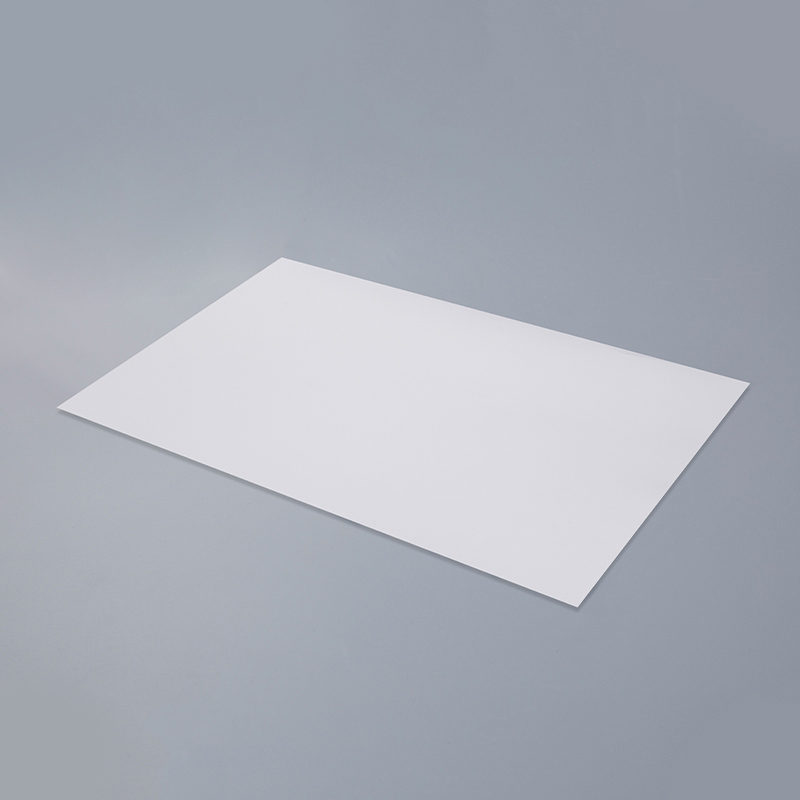
A4, A3, 20 x 30, 21 x 30, 24 x 36, 50 cm x 70 cm, 70 cm x 100 cm |
Customized sheet sizes available |
Packaging |
Sea-transit-worthy poly-wood pallet packing and carton packing |
Roll or sheet packing from stock; 100 sheets per ream for sheet products |
Visual Clarity and the No-Label Look
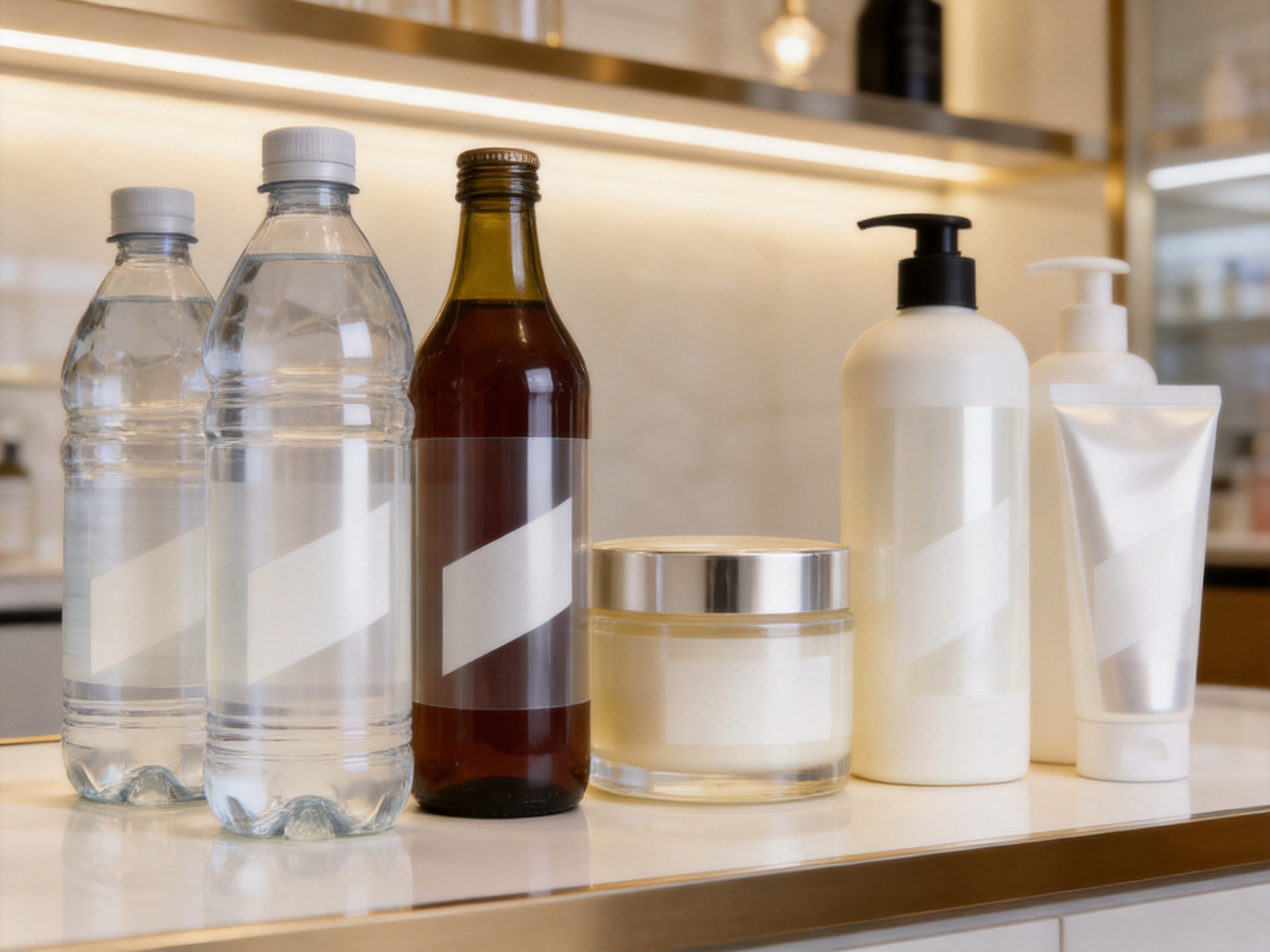
One of the strongest reasons to choose transparent PVC with clear PET liner is the no-label-look effect. Many brands want labels that appear integrated with the package rather than pasted on top of it. A clear label allows the bottle, jar, tube, or package background to show through. This design approach can make products look more premium, clean, modern, and minimalist.
For mineral water and beverage packaging, transparent labels allow consumers to see the liquid and the container shape clearly. For cosmetics and daily chemical products, a clear label can highlight the color of the formulation, the finish of the bottle, or the design of the package. For building materials and industrial packaging, transparent labels can provide functional identification while maintaining the natural appearance of the substrate.
Competitor materials may use lower-transparency liners or face stocks that create haze, uneven gloss, or visible adhesive marks. A carefully manufactured transparent PVC construction with a clear PET liner reduces these visual problems. The transparent liner supports the total appearance of the material before application, while the face film and adhesive must be controlled to reduce cloudiness and maintain optical consistency.
High clarity is not only a matter of beauty. It also affects printing accuracy and final inspection. A cleaner, more transparent construction makes it easier to check label registration, die-cut quality, adhesive uniformity, and contamination. For premium packaging labels, small defects are often easy to notice. Therefore, the combination of transparent PVC and transparent PET liner provides both aesthetic and process advantages.
Printing Compatibility
The product is designed with a specially coated surface suitable for a variety of printing methods. In label production, print compatibility is essential because different customers use different technologies, inks, and finishing methods. A transparent film label may be printed by flexographic printing, offset printing, screen printing, UV printing, digital printing, or other suitable processes, depending on the converter’s equipment and the customer’s design requirements.
A good transparent PVC surface should allow stable ink laydown, sharp text, smooth color blocks, and reliable curing or drying. When clear labels are printed with white ink, metallic effects, color layers, or reverse printing designs, the surface must support adhesion between the ink and the film. Poor surface compatibility can cause ink peeling, smudging, poor density, poor edge definition, or inconsistent gloss.
In comparison with ordinary transparent films that may require additional treatment before printing, this material is supplied with a surface prepared for practical printing use. This helps converters save time, reduce trial-and-error testing, and improve production efficiency. The result is a more predictable process from material selection to final label delivery.
Transparent labels also often require high registration accuracy, especially when the design uses small text, barcode areas, white backing layers, or layered graphics. Stable film and liner construction help maintain web tension and dimensional control during printing. The clear PET liner contributes to smooth feeding and stable release, which supports accurate conversion after printing.
Adhesive Choices for Different Environments
Adhesive selection is one of the most important decisions in label engineering. The correct adhesive must match the surface energy of the substrate, the temperature during application, the expected service temperature, the shape of the container, and the required removability or permanence. Transparent PVC adhesive film with clear PET liner can be produced with several adhesive systems to meet these needs.
Water-Based Adhesive
The standard water-based adhesive is suitable for many packaging and label applications. It offers reliable adhesion on common surfaces and is widely used in the self-adhesive label industry. Water-based systems are often selected for their balanced performance, clean coating characteristics, and broad market acceptance.
Hotmelt Adhesive
Hotmelt adhesive is useful when high initial tack is required. It can be suitable for applications involving rougher surfaces, fast application, or stronger immediate bonding needs. For some packaging and industrial labeling tasks, high tack can be important to prevent edge lifting after application.
Solvent Adhesive
Solvent adhesive can offer strong bonding and durability in demanding conditions. It may be selected for applications where chemical resistance, environmental resistance, or long-term bonding strength is required. The choice depends on the customer’s surface and performance testing results.
Removable Adhesive
Removable adhesive is used when labels must be taken off without damaging the surface or leaving heavy residue. Promotional labels, temporary instruction labels, inspection labels, and certain retail labels often require removability. A removable adhesive option increases the versatility of the product platform.
Anti-Freeze and Cryogenic Adhesives
Cold environments are challenging for ordinary adhesives. Anti-freeze and cryogenic adhesive options are designed for applications involving low temperatures, refrigerated products, frozen packaging, cold-chain logistics, or laboratory-related labeling. These adhesives help maintain bonding performance when standard adhesives may become brittle or lose tack.
Tyre-Grade Rubber Adhesive
Tyre-grade rubber adhesive is available for demanding surfaces and special industrial applications. Tyres and certain rubber surfaces can be difficult to label because they may be curved, textured, or contaminated with processing oils. A specialized rubber adhesive can improve bonding where ordinary adhesives are insufficient.
Advantages Over Competitor Materials
In the competitive self-adhesive label materials market, many products may appear similar at first glance. However, differences become clear during printing, die-cutting, dispensing, storage, transportation, and final application. Transparent PVC with clear PET liner offers several practical advantages over lower-grade alternatives.
Better Transparency and Presentation
The product is designed for excellent transparency, helping labels achieve a refined no-label-look effect. Lower-grade transparent labels may suffer from haze, uneven adhesive appearance, or poor liner clarity. This product’s transparent PVC face and clear PET liner create a cleaner material construction, improving both the production appearance and the finished label effect.
Stable Liner Performance
A clear PET liner provides good dimensional stability and smooth release. Paper liners can be economical, but they may absorb moisture, curl, or vary in thickness. Such problems can affect die-cutting depth and automatic dispensing. PET liner is more stable under many processing conditions, helping converters achieve more consistent output and lower waste.
Flexible Adhesive Customization
Many competitor products are limited to one adhesive type. This product can be supplied with water-based, hotmelt, solvent, removable, anti-freeze, cryogenic, or tyre-grade rubber adhesive. This range allows customers to solve application-specific problems without switching to completely different material families.
Multiple Face Film Thicknesses
The availability of 50 mic, 80 mic, 100 mic, 150 mic, and 260 mic transparent PVC gives customers more design freedom. Thin films are suitable for flexible packaging labels and lightweight applications, while thicker films are suitable for more durable or rigid label uses. This flexibility helps customers balance cost, feel, stiffness, and durability.
Strong Printing and Converting Support
The surface coating is suitable for a variety of printing methods. Combined with stable roll and sheet formats, the material supports efficient printing, die-cutting, waste stripping, and label application. This is important because a label material’s true cost is not only its purchase price; it also includes waste rate, machine downtime, rework, and customer complaints.
Custom Size and Packing Options
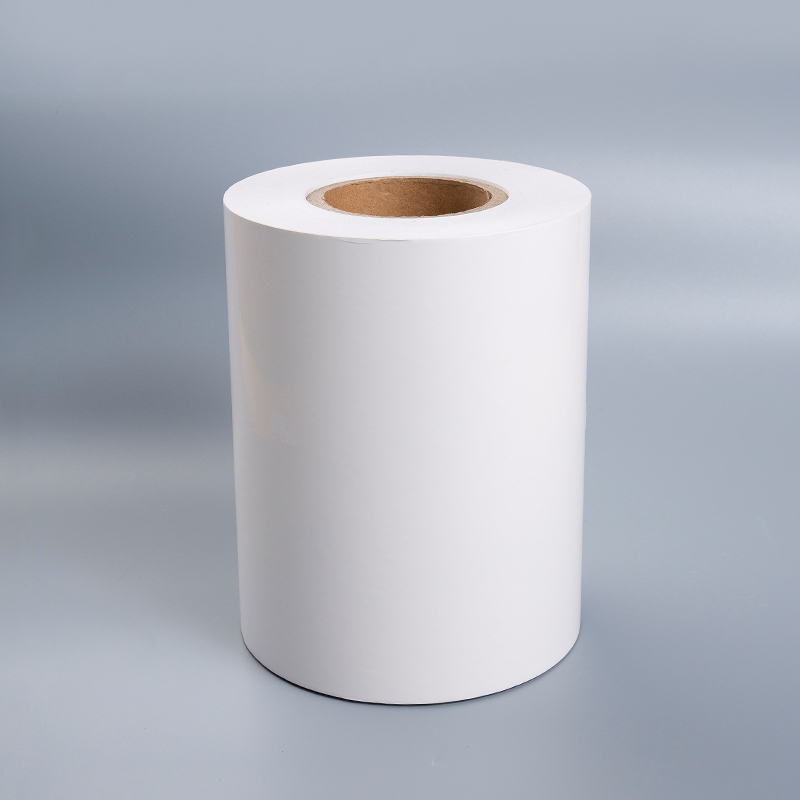
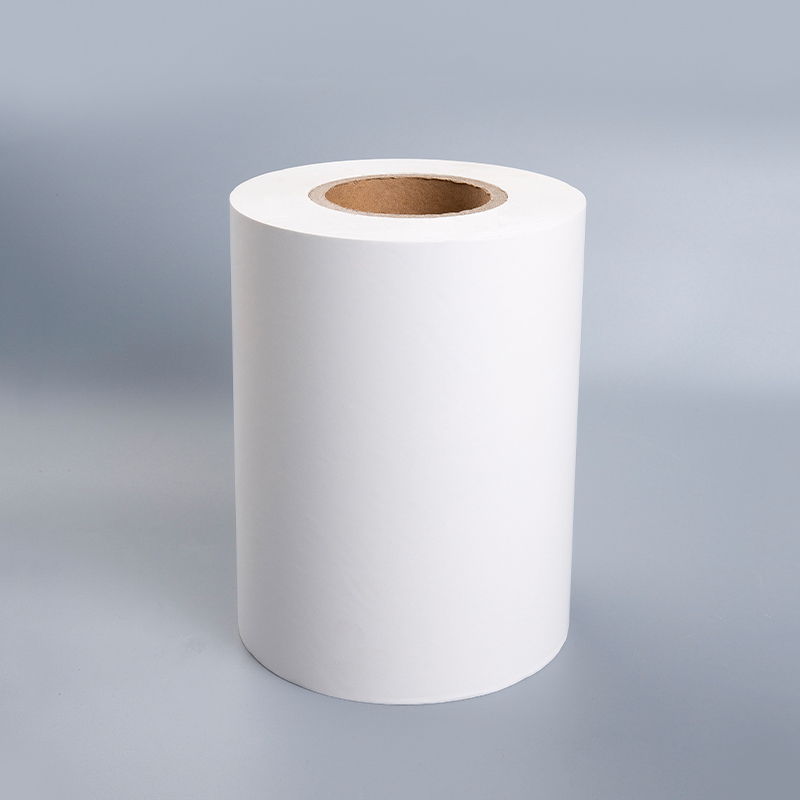
Available jumbo roll widths include 1000 mm, 1020 mm, 1080 mm, and 1530 mm. Sheet sizes include A4, A3, 20 x 30, 21 x 30, 24 x 36, 50 cm x 70 cm, and 70 cm x 100 cm, with customized sizes available. These options help converters reduce trimming loss and match their production equipment more efficiently.
Application Areas
Transparent PVC with clear PET liner is widely used in applications that require clear appearance, printed decoration, reliable adhesion, and smooth processing. The following industries are especially suitable.
Mineral Water and Beverage Labels
Beverage packaging often uses transparent labels to create a fresh and clean look. Clear labels can highlight the purity of mineral water, the color of juice, or the transparency of the bottle. They can also support attractive branding through white ink, metallic details, and colorful graphics while preserving product visibility.
Cosmetics and Personal Care Packaging
Cosmetics brands often rely on packaging appearance to communicate quality. Transparent labels can make bottles, jars, and tubes look elegant and premium. The label can carry product names, ingredients, usage instructions, and decorative patterns without hiding the container finish or product color.
Daily Chemical Products
Daily chemical products such as detergents, cleaners, shampoos, lotions, and household supplies require labels that look attractive and remain attached during normal handling. Transparent PVC film can provide a durable surface and clean appearance, while adhesive options can be selected according to the container material and storage environment.
Building Materials
The product is also suitable for building materials and related packaging. Transparent labels can be used for identification, branding, product codes, instruction marks, or protective information. In this field, durability and adhesion stability may be more important than decorative effect, and thicker PVC or stronger adhesive options may be selected.
General Packaging and Industrial Labels
Packaging and industrial markets need labels for cartons, plastic containers, protective films, display items, components, and promotional products. Transparent PVC adhesive film can be customized for many of these uses. It should be noted that the product is generally not intended for direct storage of food or drugs, but it can be used for suitable packaging and labeling applications according to regulatory and customer requirements.
Advanced Manufacturing Process
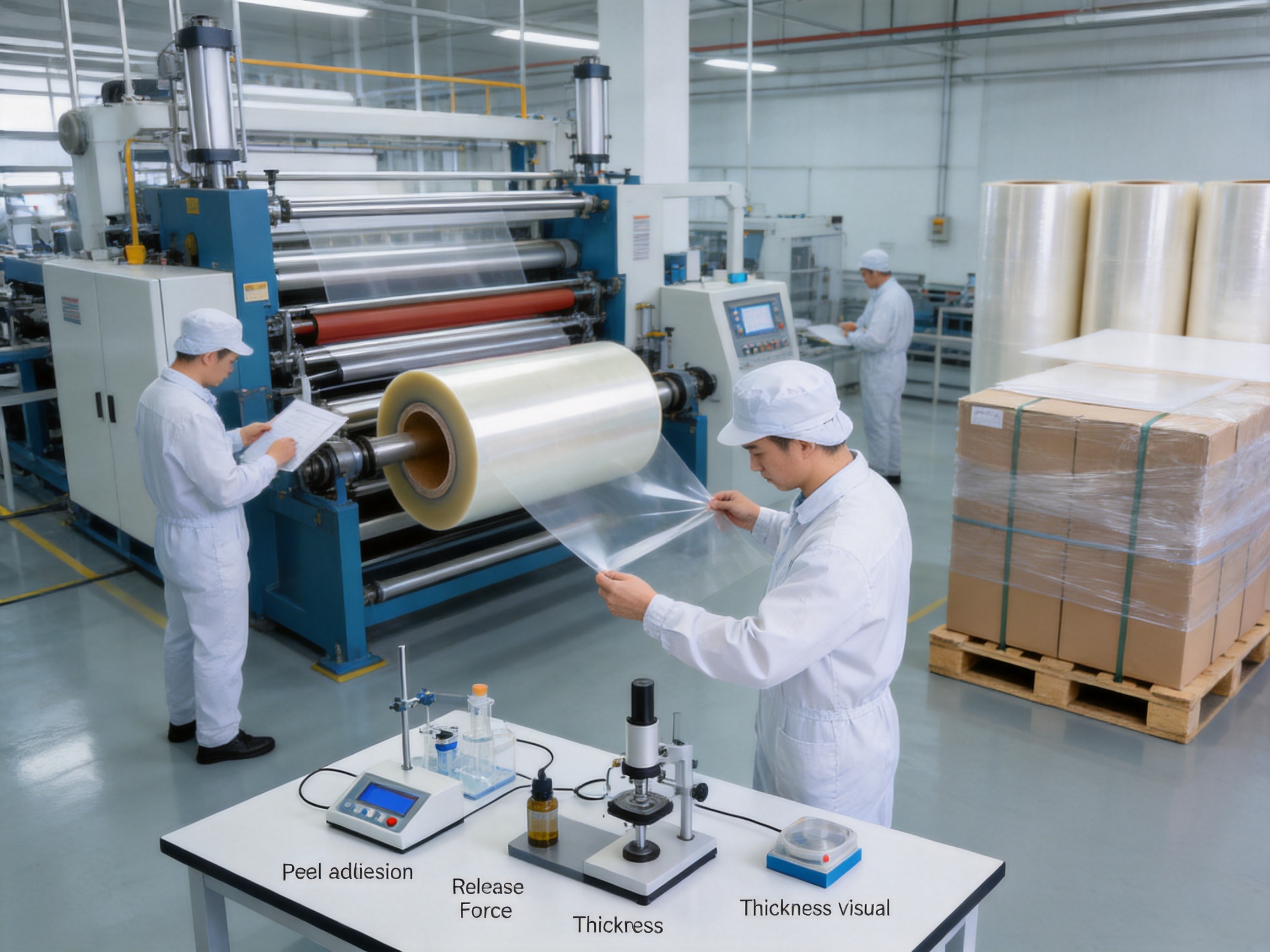
The performance of transparent PVC adhesive film depends heavily on manufacturing control. Producing a clear, stable, and printable self-adhesive material requires precise coating, laminating, curing, slitting, sheeting, and inspection processes. The manufacturer behind this product specializes in high-grade self-adhesive labels and integrates research and development, production, sales, and after-sales service. Its production lines include gluing, laminating, and cutting, allowing the company to control key steps internally.
Material Selection and Incoming Inspection
The manufacturing process begins with the selection of face film, adhesive raw materials, release liner, and auxiliary materials. Transparent film materials must be checked for clarity, thickness uniformity, surface defects, and roll quality. Adhesive raw materials must meet formulation requirements. PET liner must provide smoothness, strength, release compatibility, and dimensional stability.
Incoming inspection is important because defects in raw materials can become magnified during coating and printing. For transparent products, dust, scratches, fish eyes, gels, and haze can be more visible than in opaque materials. Careful incoming quality control helps prevent production waste and protects customers from inconsistent batches.
Adhesive Formulation and Preparation
Different applications require different adhesive performance. The adhesive must be prepared according to the target tack, peel strength, shear resistance, clarity, coating behavior, and environmental performance. For standard products, water-based adhesive is used. For special orders, hotmelt, solvent, removable, anti-freeze, cryogenic, or tyre-grade rubber adhesive can be selected.
Adhesive formulation is a technical strength because each adhesive type behaves differently during coating and curing. The manufacturer’s R&D and technical team can adjust solutions according to customer drawings, samples, and end-use requirements. This is particularly valuable for OEM and ODM customers who need customized material structures.
Precision Coating
Coating is one of the most critical stages. The adhesive layer must be applied evenly across the web. If the adhesive is too thick, too thin, uneven, contaminated, or poorly dried, the label may suffer from bubbling, poor transparency, edge ooze, weak adhesion, or difficult die-cutting. Precision coating equipment and controlled process parameters help create a uniform adhesive layer.
For transparent products, coating quality directly affects optical appearance. An uneven adhesive layer can create streaks, cloudy areas, or visible patterns under light. A well-controlled coating process helps the finished label remain clear and professional.
Laminating With PET Liner
After adhesive coating and drying or curing, the face material and liner are laminated under controlled tension and pressure. The goal is to create a smooth composite structure without wrinkles, bubbles, scratches, or trapped contamination. Transparent PET liner requires careful handling because any defects can be visible and may affect downstream printing or die-cutting.
Tension control is especially important during lamination. Incorrect tension can cause curling, telescoping rolls, dimensional distortion, or release inconsistency. A stable laminating process ensures that the final roll unwinds smoothly and performs reliably on customer equipment.
Curing and Stabilization
Depending on the adhesive system, curing or stabilization may be required before slitting and delivery. This stage allows the adhesive to reach stable bonding performance and helps ensure consistent release from the liner. Proper curing can improve adhesive strength, reduce residual solvent or moisture concerns, and improve long-term stability.
Slitting and Sheeting
Jumbo rolls can be slit into customer-required widths such as 1000 mm, 1020 mm, 1080 mm, or 1530 mm, or further converted into smaller rolls. Sheet products can be produced in A4, A3, 20 x 30, 21 x 30, 24 x 36, 50 cm x 70 cm, 70 cm x 100 cm, or customized dimensions. Accurate slitting and sheeting reduce edge defects and improve usability for printers and converters.
Clean cutting is essential for pressure-sensitive materials. Poor slitting can produce adhesive build-up, dust, rough edges, or telescoping rolls. These issues can cause printing defects and machine downtime. Advanced cutting capability helps deliver rolls and sheets that are ready for efficient production.
Inspection and Testing
The company has its own testing laboratory and advanced inspection equipment, supporting product quality control from development to shipment. Testing may include thickness measurement, peel adhesion, release force, tack, surface appearance, roll quality, coating uniformity, and printing suitability. For customized products, tests can also be designed according to customer requirements.
Inspection is particularly important for transparent label materials because small visual defects are easier to notice. A strong inspection system helps improve batch consistency, reduce customer risk, and support stable long-term supply.
Company Strengths Behind the Product
The product is manufactured by Suzhou Piaozhihua Composite Material Technology Co., Ltd., a company specializing in high-grade self-adhesive label materials. The company integrates research and development, production, sales, and after-sales services, providing customers with a complete material solution rather than only a basic film product.
With full production lines for gluing, laminating, and cutting, the company has an annual production capacity of more than 280 million square meters. This scale supports stable supply for domestic and international customers. Large capacity is important for buyers who require consistent availability, batch continuity, and the ability to meet urgent or seasonal demand.
The company has more than 20 years of OEM manufacturing experience and can offer customized solutions based on customer drawings or samples. This experience is valuable because self-adhesive label projects often require adjustment. A customer may need a special adhesive, a nonstandard liner, a specific roll width, a particular sheet size, or a performance solution for difficult surfaces. Strong OEM and ODM capability allows the company to respond to these needs.
The company also has a professional R&D team with multiple patents. Continuous innovation helps improve face materials, adhesives, backing papers, and environmentally conscious solutions. In a market where packaging requirements change quickly, R&D ability is a major competitive advantage. Customers can cooperate with the manufacturer not only for standard materials but also for new product development.
The company’s sales network covers many regions, and it has built long-term cooperation in international markets. This global experience helps the company understand varied customer standards, packaging trends, and logistical requirements. A supplier familiar with export packing, international communication, and stable delivery can reduce procurement risk for overseas buyers.
Quality Assurance and Consistency
Quality assurance is a core factor in self-adhesive label materials. A roll of transparent PVC film may look simple, but it must perform across multiple processes: printing, drying or curing, laminating if required, die-cutting, waste stripping, rewinding, storage, transportation, dispensing, and final use. A failure at any stage can create cost, delay, and customer dissatisfaction.
The company follows a quality manufacturing concept that has been developed for more than 20 years. Its testing laboratory and inspection equipment help verify product quality before shipment. This commitment supports stable physical performance and visual quality. For customers, consistency is often more important than a single successful batch. They need the same print results, die-cutting depth, release force, and adhesive behavior order after order.
Quality control for transparent PVC with clear PET liner can include visual inspection for particles, haze, scratches, bubbles, streaks, and coating defects. It can also include mechanical and adhesive testing such as peel strength, tack, release force, tensile behavior, and dimensional stability. For printed label applications, surface energy and ink adhesion may also be checked or validated through customer trials.
The company’s after-sales support further strengthens product reliability. If a customer encounters a problem during printing, die-cutting, or application, technical communication can help identify whether the issue is related to material selection, adhesive type, equipment setting, storage condition, substrate compatibility, or application temperature. This service mindset differentiates a professional material manufacturer from a basic commodity supplier.
Sustainability and Responsible Material Development
Modern packaging markets increasingly require sustainability and responsible manufacturing. The company’s brand positioning focuses on sustainable development and environmental protection, including eco-friendly solutions involving face materials, adhesives, and backing papers. For transparent PVC adhesive film, sustainability can be considered through efficient production, waste reduction, correct material selection, and continuous innovation in adhesive and liner systems.
Although PVC is selected for its clarity, flexibility, and label performance, responsible use means choosing the correct thickness and adhesive construction for the application. Over-specification can waste resources, while under-specification can cause label failure and product waste. A technically capable supplier helps customers select the appropriate film thickness, liner type, and adhesive system so that performance and material efficiency are balanced.
Waste reduction during printing and converting is another sustainability benefit. A stable PET liner and uniform coating can reduce rejected labels, machine stops, and trial losses. When a material runs smoothly, the converter uses fewer resources to achieve the same output. Therefore, manufacturing consistency contributes indirectly to environmental responsibility.
Packaging and Delivery
Proper packaging is essential for protecting transparent self-adhesive film during storage and transportation. The product is suitable for sea-transit-worthy poly-wood pallet packing and carton packing. Both roll and sheet products can be supplied from stock depending on customer requirements.
For sheet products, 100 sheets per ream can be packed with a strong PE-coated kraft paper wrapper. This helps protect the sheets from moisture, dust, and handling damage. Strong pallets are wrapped with stretch film and fastened with plastic fastening belts to maintain stability during transportation.
Export packaging is especially important for transparent materials. Scratches, dents, edge damage, moisture exposure, and roll deformation can affect downstream processing. Strong pallet and carton packing helps protect the material so customers receive it in usable condition. For sea transit, stable packaging can reduce movement, compression, and environmental exposure during long-distance shipping.
Storage and Handling Recommendations
To maintain product performance, transparent PVC adhesive film should be stored in a clean, dry, and moderate environment. Extreme heat, humidity, direct sunlight, and heavy pressure should be avoided. Rolls should be stored upright or according to recommended warehouse practices to prevent deformation. Sheets should remain wrapped until use to protect them from dust and moisture.
Before printing or converting, the material should be conditioned to the production environment if it has been stored in a significantly different temperature or humidity condition. Sudden temperature changes can cause condensation or dimensional movement, which may affect printing quality and adhesive performance.
During handling, operators should avoid touching the adhesive or printable surface with dirty hands. Transparent materials can reveal fingerprints, dust, and scratches more easily than opaque materials. Clean production practices help preserve the premium appearance of the finished labels.
Selection Guide for Buyers
Choosing the correct version of transparent PVC with clear PET liner depends on several factors. Buyers should consider the target substrate, container shape, printing method, application temperature, storage environment, required durability, removability, and final appearance.
If the label will be applied to smooth plastic bottles for cosmetics or beverages, a standard transparent PVC with water-based adhesive and clear PET liner may be suitable after testing. If the container is exposed to cold environments, anti-freeze or cryogenic adhesive should be considered. If the label is temporary, removable adhesive may be preferred. If the target surface is rough or difficult, hotmelt or special rubber adhesive may be evaluated.
Film thickness should be selected based on label size, required stiffness, durability, and application method. A 50 mic film is suitable for many general labels, while thicker films can provide a stronger feel and improved handling for special applications. Liner selection should be based on die-cutting, printing, dispensing, and cost requirements. Clear PET liner is ideal for high-stability and high-clarity applications, while paper-based liners may suit other production priorities.
Buyers should also conduct practical tests before mass production. Testing should include printing, ink adhesion, die-cutting, waste stripping, label application, peel adhesion, environmental exposure, and aging under expected conditions. A professional manufacturer can support this process by providing samples, technical recommendations, and customized structures.
Why This Product Is a Strong Choice for Converters and Brand Owners
For converters, the material offers reliable processing. The transparent PET liner supports smooth feeding, stable release, and accurate die-cutting. The printable PVC face stock supports various printing methods. The availability of customized widths and sheets helps reduce waste and improve production planning.
For brand owners, the material offers high visual value. Transparent labels can make products look cleaner, more refined, and more modern. They allow the package design to remain visible while still carrying essential information. With the correct adhesive selection, labels can remain secure through distribution, retail display, and consumer handling.
For procurement teams, the product offers supplier strength. The manufacturer has full production lines, large annual capacity, testing capability, OEM and ODM experience, and global market experience. These strengths reduce supply risk and support long-term cooperation. Instead of buying a generic film from an uncertain source, customers can work with a manufacturer capable of technical support and customization.
For sustainability-focused customers, the product supports responsible selection through correct specification, stable production, and reduced waste in converting. The company’s focus on eco-conscious material development also supports future cooperation in more environmentally friendly label solutions.
Q&A Section
What is transparent PVC with clear PET liner?
It is a self-adhesive label material made from transparent PVC face film, a pressure-sensitive adhesive layer, and a transparent PET release liner. It is designed for clear labels, no-label-look packaging, decorative labels, and industrial identification applications.
What is the standard construction of this product?
The standard construction includes 50 mic transparent PVC, water-based adhesive, and 36 mic transparent PET liner. Other PVC thicknesses, adhesive types, and liner materials are available according to customer requirements.
Why use a clear PET liner instead of a paper liner?
A clear PET liner provides excellent smoothness, dimensional stability, and visual clarity. It can improve die-cutting consistency, release control, and overall material appearance. It is especially useful for high-quality transparent labels.
Which printing methods are suitable?
The surface is specially prepared for a variety of printing methods. Depending on customer equipment and ink systems, it may be used with flexographic printing, offset printing, screen printing, UV printing, digital printing, and other suitable label printing processes after testing.
Can the adhesive be customized?
Yes. Besides standard water-based adhesive, the material can be supplied with hotmelt adhesive, solvent adhesive, removable adhesive, anti-freeze adhesive, cryogenic adhesive, and tyre-grade rubber adhesive.
What industries commonly use this material?
Common applications include mineral water labels, beverage labels, cosmetics labels, daily chemical product labels, building material labels, packaging labels, and industrial identification labels. It is generally not intended for direct storage of food or drugs.
What roll widths are available?
Jumbo roll widths include 1000 mm, 1020 mm, 1080 mm, and 1530 mm. Customized roll widths may be provided according to order requirements.
Can the product be supplied in sheets?
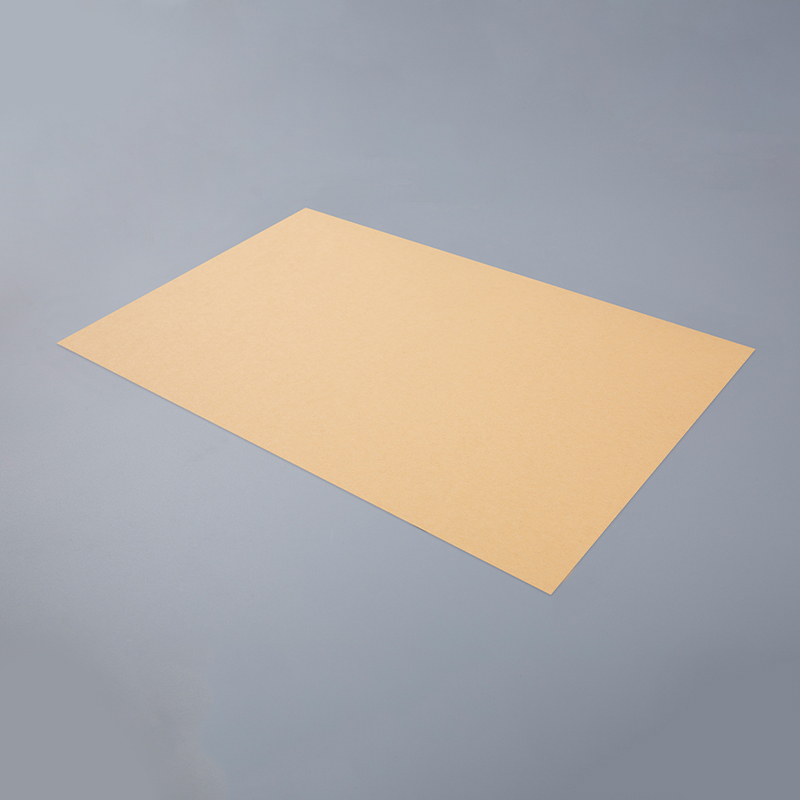
Yes. Sheet sizes include A4, A3, 20 x 30, 21 x 30, 24 x 36, 50 cm x 70 cm, 70 cm x 100 cm, and customized sheet sizes.
How is the product packed for delivery?
The product can be packed in sea-transit-worthy poly-wood pallets or cartons. Sheet products can be packed 100 sheets per ream with strong PE-coated kraft paper wrapping. Pallets are wrapped with stretch film and fastened with plastic belts.
What makes this product better than ordinary transparent label films?
Its advantages include excellent transparency, clear PET liner stability, multiple adhesive options, several PVC thickness choices, strong printing compatibility, precise coating and laminating control, custom sizing, and support from an experienced manufacturer with advanced production and testing capabilities.
Conclusion
Transparent PVC adhesive film with clear PET liner is a versatile, attractive, and technically reliable material for clear label applications. It combines the visual benefits of transparent PVC with the processing stability of a clear PET liner and the adaptability of multiple adhesive systems. The result is a material suitable for no-label-look packaging, premium cosmetics labels, beverage labels, daily chemical product labels, building material identification, and many other packaging or industrial uses.
Its competitive advantages are not limited to transparency. The product also offers stable printing and converting performance, customizable thickness, diverse adhesive choices, multiple liner options, and flexible roll or sheet formats. These features help converters reduce production risk and help brand owners achieve a more refined packaging appearance.
The manufacturer’s strengths further enhance the product’s value. With integrated production lines for gluing, laminating, and cutting, an annual capacity of more than 280 million square meters, more than 20 years of OEM manufacturing experience, a professional R&D team, testing laboratory, advanced inspection equipment, and strong customization capability, the company can support both standard and specialized label material projects. For customers seeking a clear self-adhesive film that combines appearance, processing reliability, and supplier support, transparent PVC with clear PET liner is a strong and practical choice.
References
1. Pressure Sensitive Tape Council. Pressure Sensitive Adhesive Technologies and Applications.
2. FINAT. Technical Handbook for Self-Adhesive Label Materials and Label Converting.
3. ASTM International. Standard Test Methods for Pressure-Sensitive Adhesive-Coated Tapes and Labels.
4. AWA Alexander Watson Associates. Global Labeling and Product Decoration Market Studies.
5. Handbook of Pressure Sensitive Adhesive Technology, edited by Donatas Satas.
6. Packaging Materials and Converting Technology: Film, Adhesive, and Release Liner Fundamentals.