
 English
 Español
 русский
 Français
 عربى
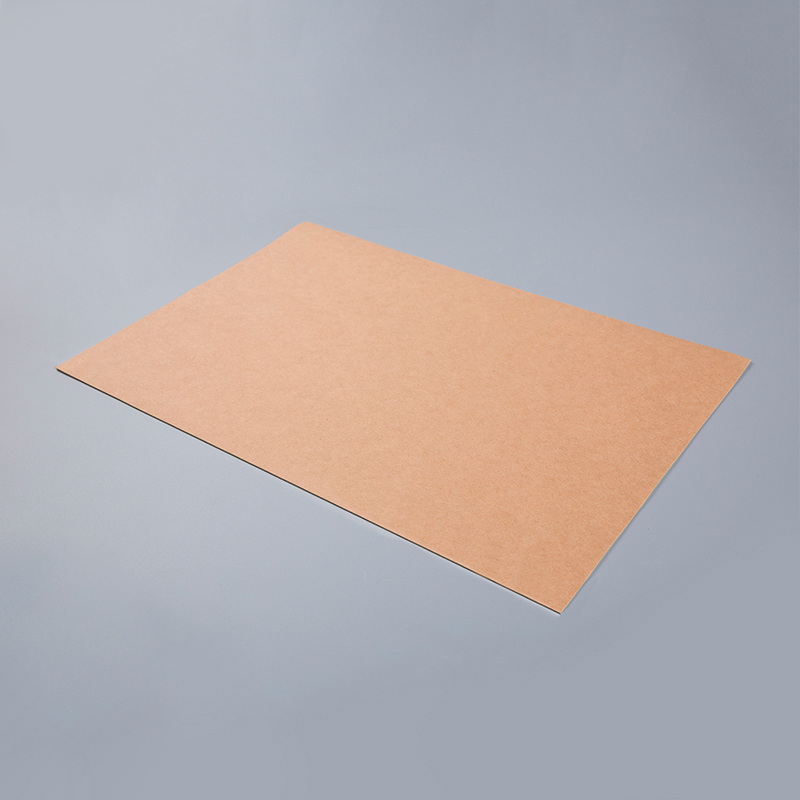
عربىDomestic Kraft Paper is a versatile self-adhesive kraft paper label material designed for brands, converters, printers, packaging producers, craft suppliers, and label users who want a natural paper appearance with dependable adhesive performance. It combines an 80 gsm kraft paper face stock with carefully selected adhesive and release liner options, creating a label material that is both decorative and practical. Its warm, fibrous, earthy surface gives products a handcrafted and premium character, while its adhesive construction supports efficient converting, printing, die-cutting, application, and packaging.
In modern label and packaging markets, visual authenticity matters. Consumers increasingly respond to packaging that appears natural, sustainable, simple, and tactile. Domestic Kraft Paper answers this demand by offering a distinctive kraft appearance that differs from conventional white paper labels, glossy film labels, and synthetic facestocks. Instead of presenting only a clean commercial surface, it provides a textured visual language associated with craftsmanship, eco-conscious thinking, boutique production, food culture, handmade goods, wine, coffee, stationery, and premium gift packaging.
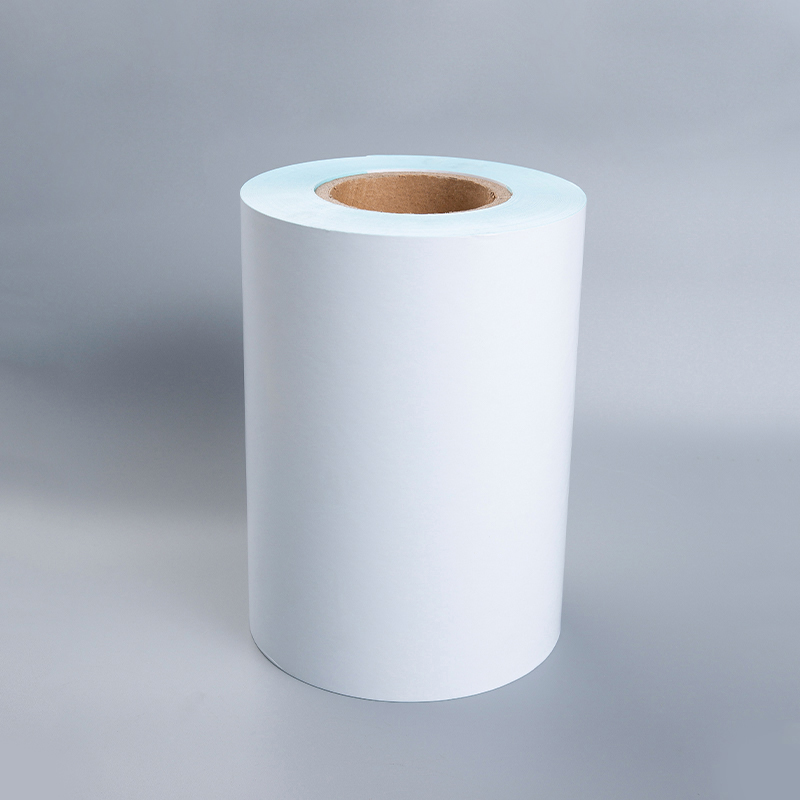
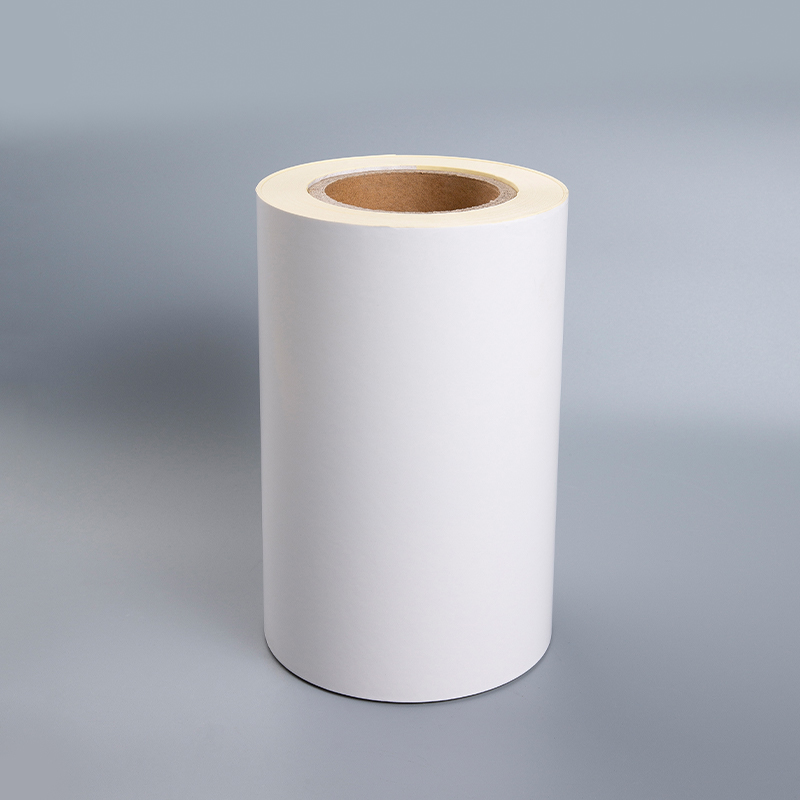
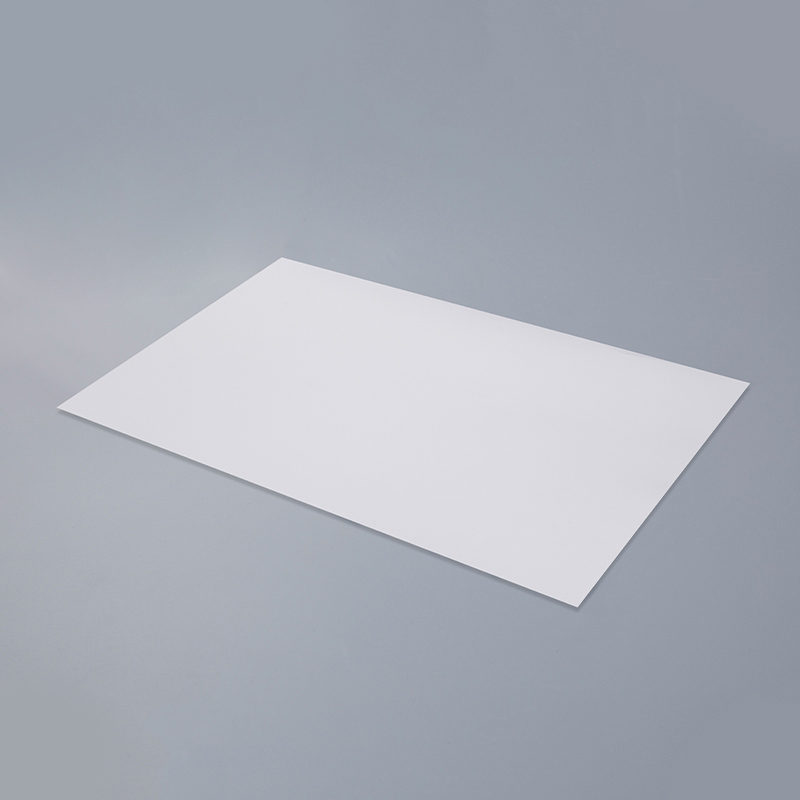
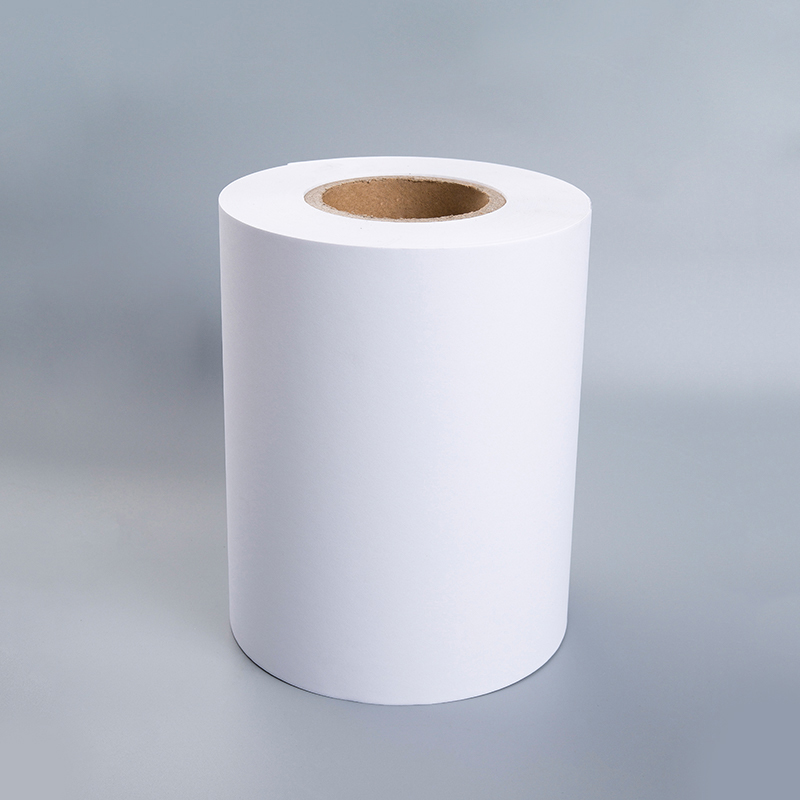
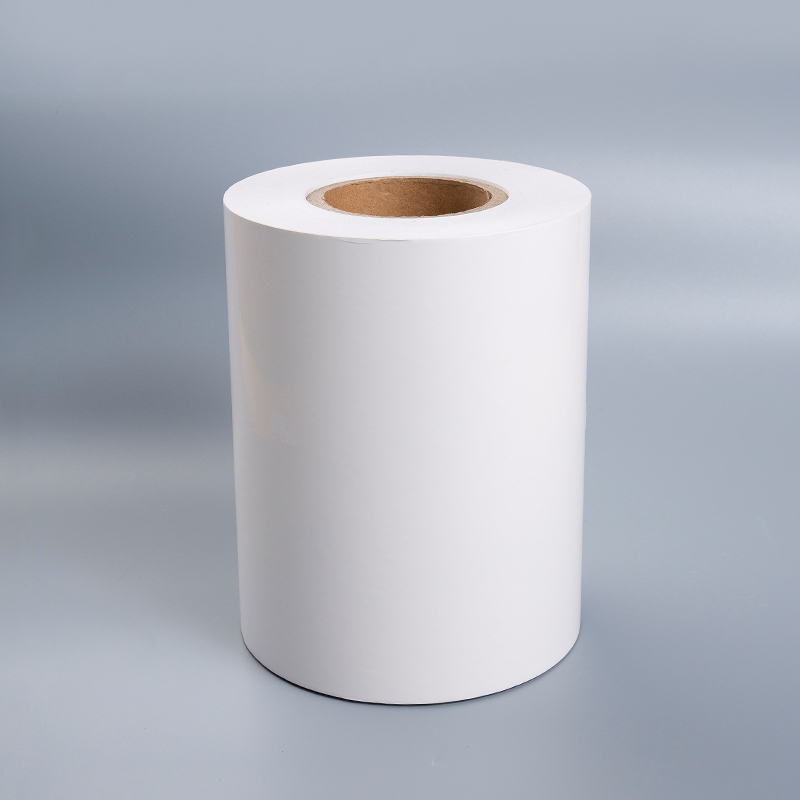
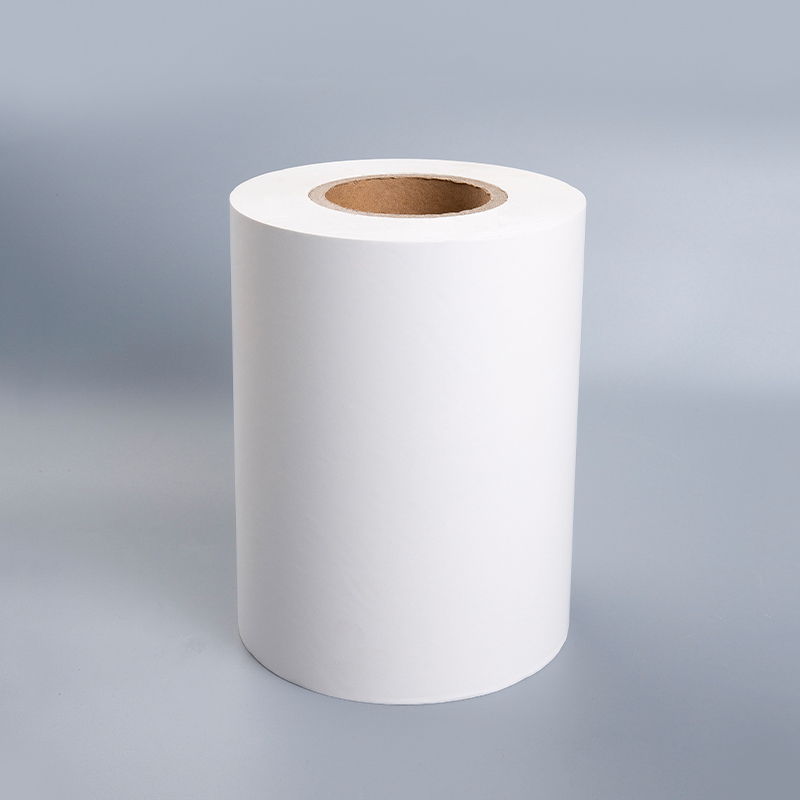
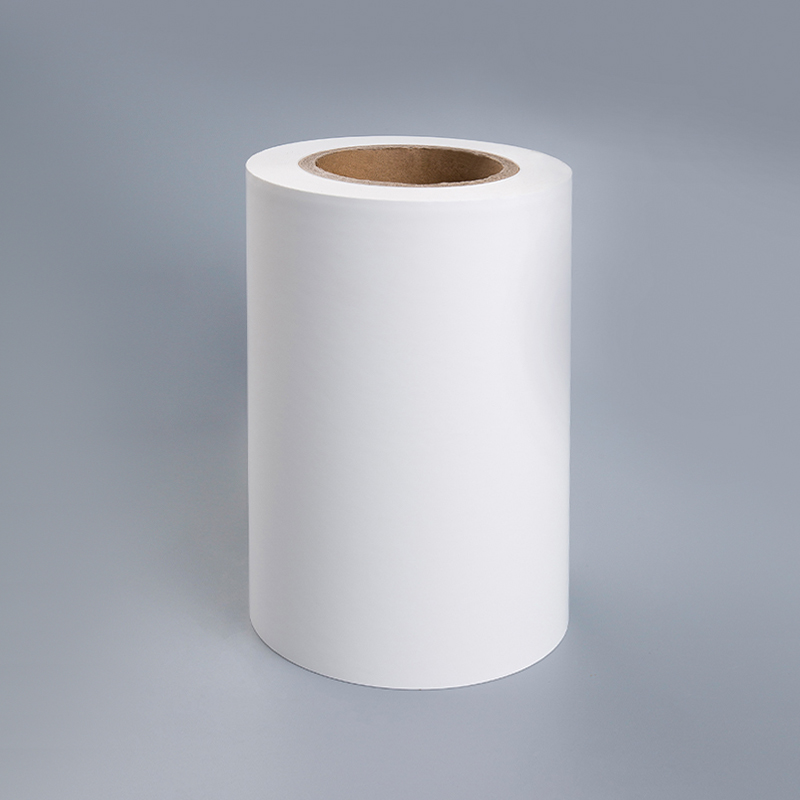
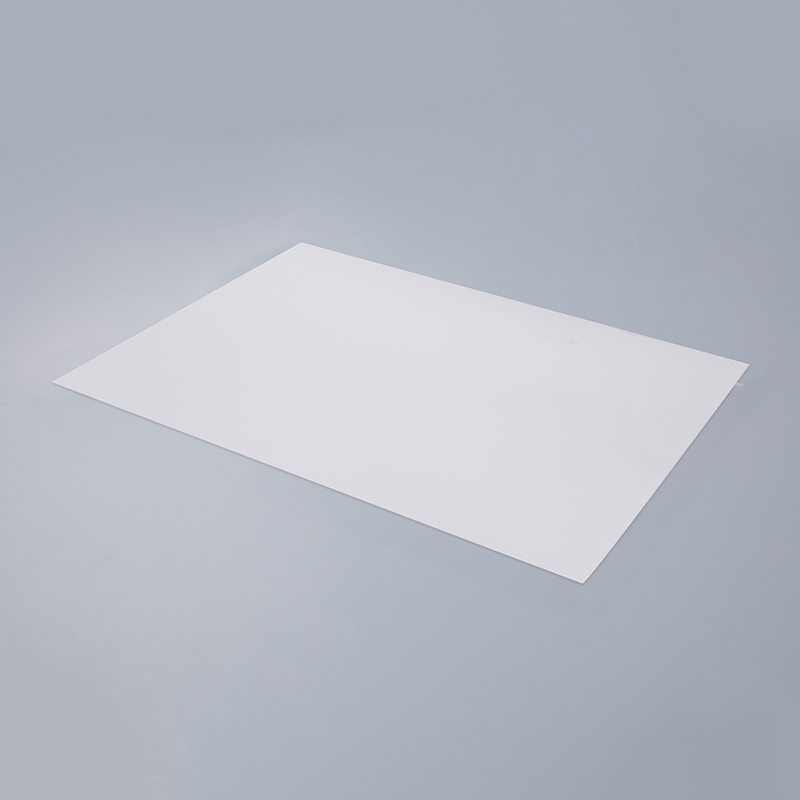
At the same time, this material is not merely decorative. It is engineered as a self-adhesive label stock with practical performance in real production environments. The product can be supplied in jumbo roll widths such as 1000 mm, 1020 mm, 1080 mm, and 1530 mm, and it can also be offered in sheets including A4, A3, 20 x 30, 21 x 30, 24 x 36, 50 cm x 70 cm, 70 cm x 100 cm, or customized sizes. This flexibility allows it to serve both large-scale industrial converters and smaller users that require sheeted label paper for creative, office, retail, or short-run printing applications.
Content
- 1 Product Overview
- 2 Why Kraft Paper Labels Stand Out
- 3 Main Applications
- 4 Advantages Over Competing Materials
- 5 Manufacturing Process and Technical Strength
- 6 Quality Control and Testing
- 7 Printing and Converting Performance
- 8 Packaging and Delivery Reliability
- 9 Company Strength Behind the Product
- 10 Sustainability and Responsible Material Thinking
- 11 How to Choose the Right Construction
- 12 Market Value for Brands and Converters
- 13 Storage and Handling Recommendations
- 14 Q&A Section
- 14.1 Q1: What is Domestic Kraft Paper used for?
- 14.2 Q2: What makes it different from ordinary kraft paper?
- 14.3 Q3: What is the standard face material?
- 14.4 Q4: Which adhesive is normally used?
- 14.5 Q5: Can the adhesive be customized?
- 14.6 Q6: What liner options are available?
- 14.7 Q7: Is this product suitable for premium packaging?
- 14.8 Q8: Can it be supplied in both rolls and sheets?
- 14.9 Q9: Why is liner selection important?
- 14.10 Q10: What are the company’s manufacturing strengths?
- 15 Conclusion
- 16 References
- 17 Product: Domestic Kraft Paper
Product Overview
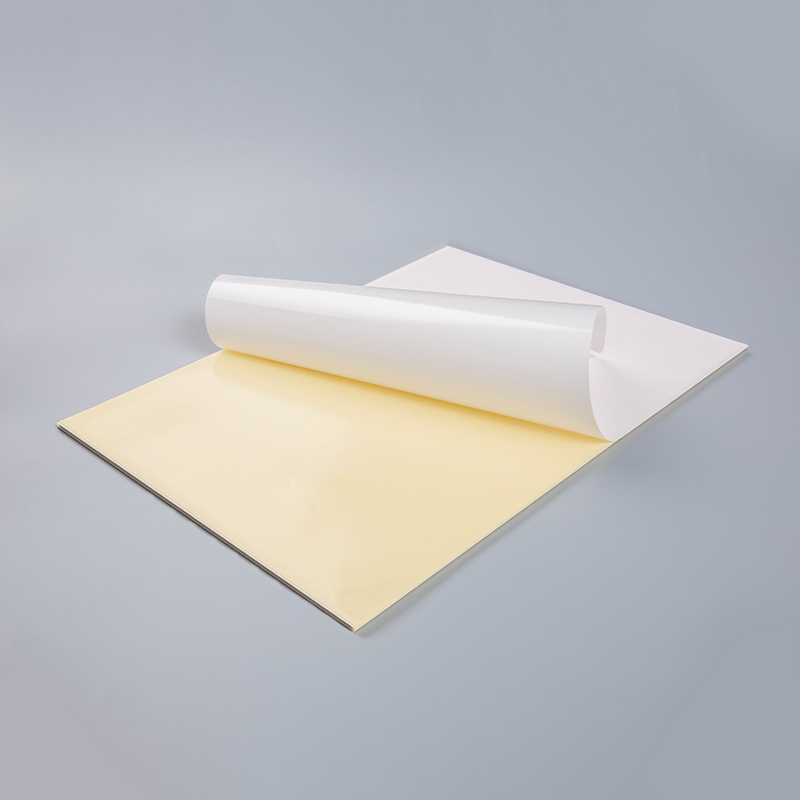
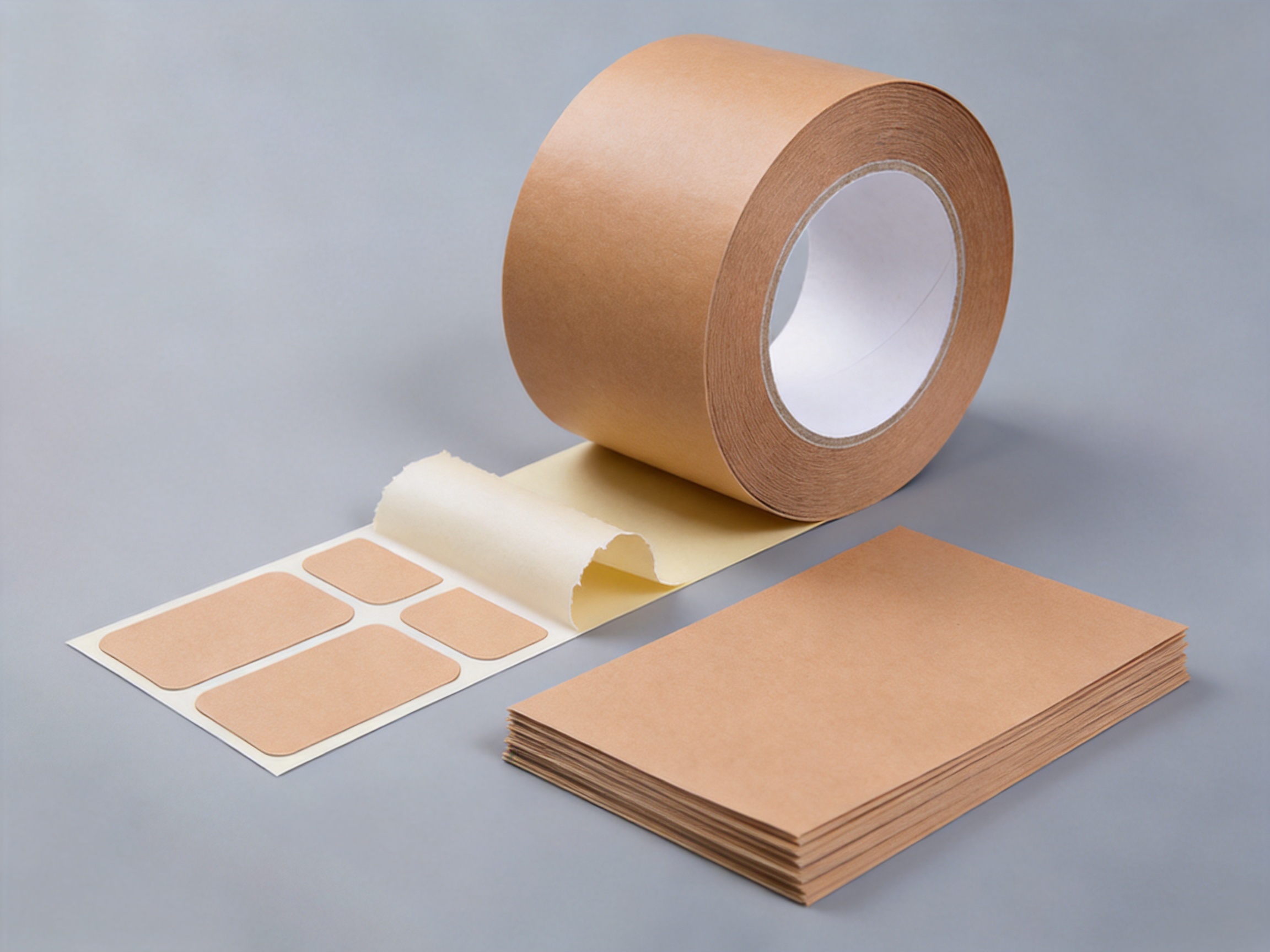
Domestic Kraft Paper is categorized as kraft paper, yet its function extends beyond ordinary packaging paper. It is a self-adhesive label material made by combining kraft paper, adhesive, and release liner into a stable laminated construction. The face material provides the visible surface, the adhesive provides bonding performance, and the release liner protects the adhesive until the label is ready for application. This layered structure transforms kraft paper into a ready-to-convert label stock for sticker production, packaging decoration, product labeling, handcrafting, and promotional applications.
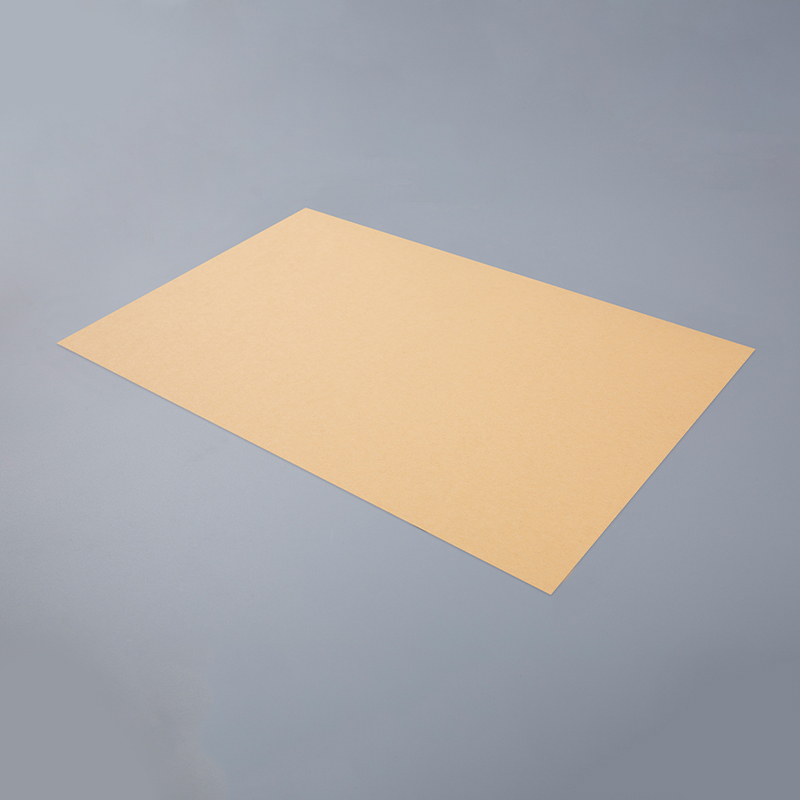
The standard construction uses 80 gsm imported kraft paper as the face material. This basis weight offers a balanced feel: substantial enough to provide a quality touch, yet not so heavy that it becomes difficult to convert or apply. It gives labels an attractive natural shade and a surface character that communicates sincerity and individuality. For packaging brands that want to avoid a mass-produced appearance, this surface is one of the product’s strongest advantages.
The standard adhesive is hotmelt adhesive, a widely used pressure-sensitive adhesive known for strong initial tack and efficient bonding. Depending on application requirements, the product can also be produced with water-based adhesive, solvent adhesive, removable adhesive, anti-freeze adhesive, cryogenic adhesive, or tyre-grade rubber adhesive. This range of adhesive options enables customers to select a construction suitable for different substrates, climates, handling conditions, and end-use environments.
The liner can be configured with 85 gsm white release paper as a standard choice. Additional liner options include 50 gsm, 60 gsm, 80 gsm, 100 gsm, and 120 gsm glassine paper; 60 gsm, 120 gsm, and 140 gsm release paper; 140 gsm and 165 gsm art paper; and 50 gsm, 80 gsm, 90 gsm, and 120 gsm CCK liner. These options are important because the liner affects die-cutting stability, dispensing behavior, flatness, converting speed, and waste removal during label processing.
Item |
Specification |
Benefit |
Face Material |
80 gsm imported kraft paper |
Natural texture, premium handmade appearance, reliable label body |
Standard Adhesive |
Hotmelt adhesive |
Strong initial tack and practical bonding performance |
Optional Adhesives |
Water-based, solvent, removable, anti-freeze, cryogenic, tyre-grade rubber adhesive |
Adaptable to different substrates, temperatures, and application needs |
Standard Liner |
85 gsm white release paper |
Stable release and general converting suitability |
Optional Liners |
Glassine, release paper, art paper, CCK liner in various grammages |
Choice for die-cutting, sheeting, printing, and automatic labeling |
Jumbo Roll Width |
1000 mm, 1020 mm, 1080 mm, 1530 mm |
Suitable for industrial converting and efficient roll processing |
Sheet Sizes |
A4, A3, 20 x 30, 21 x 30, 24 x 36, 50 cm x 70 cm, 70 cm x 100 cm, customized |
Flexible for printing, craft use, and customized order formats |
Why Kraft Paper Labels Stand Out
Compared with standard white self-adhesive paper, Domestic Kraft Paper offers a more distinctive look. White labels are clean, common, and suitable for many applications, but they can appear generic when a product needs emotional appeal. Kraft paper brings warmth, texture, and a handmade feeling. It makes a package look more personal and can help a product stand out on shelves filled with smooth white, transparent, or glossy labels.
Compared with synthetic film labels, kraft paper gives a softer and more organic identity. Film materials such as PP, PE, or PET may offer excellent water resistance and durability, but they often create a more technical or industrial appearance. Kraft paper is chosen when the brand message is natural, artisanal, traditional, organic, rustic, or craft-oriented. For many products, especially food, beverage, stationery, gift, handmade, and boutique retail items, this emotional connection is more valuable than a purely synthetic look.
Compared with uncoated ordinary kraft paper without adhesive, this product saves time and improves consistency. Users do not need to apply glue manually, which can cause uneven bonding, wrinkling, contamination, and labor inefficiency. The self-adhesive construction provides a controlled adhesive layer and a release liner, enabling clean application, die-cut shapes, roll labels, sheet labels, and consistent production. This is particularly important for businesses that must deliver professional packaging quality at scale.
Compared with low-grade kraft label materials, Domestic Kraft Paper offers broader customization. Many competing kraft label stocks provide only one adhesive and one liner, limiting their practical use. This product can be matched with multiple adhesive systems and liner types, allowing converters to tailor performance for product surface, temperature conditions, removal requirements, and labeling equipment. Such adaptability is a clear competitive advantage because label failure often results not from the face paper alone, but from mismatch between adhesive, liner, substrate, and environment.
Main Applications
Domestic Kraft Paper is widely used in handmade decoration. Craft enthusiasts often apply kraft paper stickers to journals, scrapbooks, albums, diaries, planners, cards, envelopes, and personal packaging. The natural brown tone creates a nostalgic and creative style. It works well with handwritten text, stamps, ink illustrations, minimal graphics, black printing, white ink effects, vintage patterns, and other creative design elements. For handcraft markets, the material adds uniqueness and taste without requiring complex surface treatment.
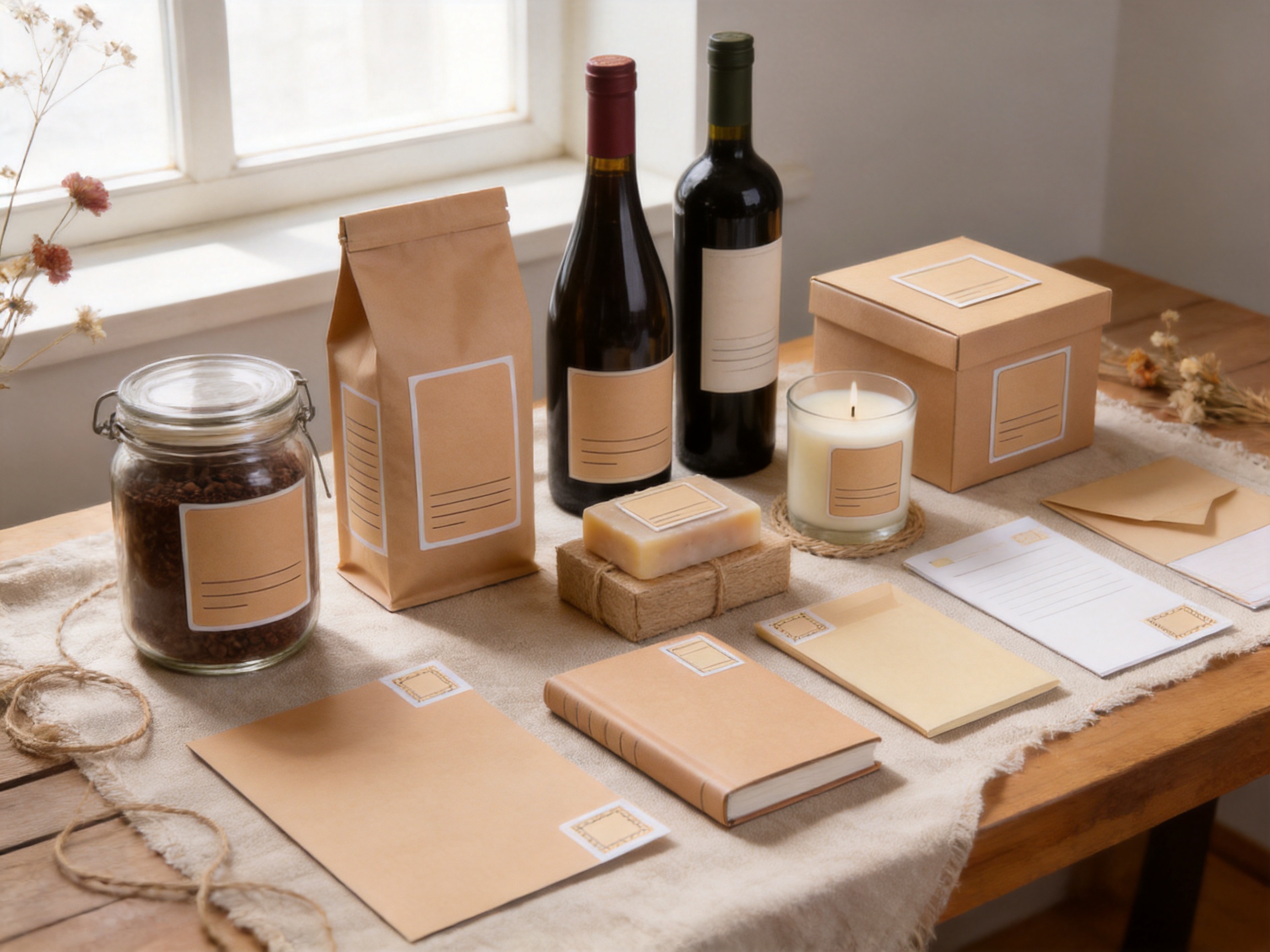
Packaging box decoration is another important application. In high-quality packaging, gift packaging, cosmetics boxes, boutique food boxes, tea boxes, coffee packaging, candle boxes, soap packaging, and specialty retail packaging, kraft self-adhesive labels can add texture and brand personality. They are especially effective when paired with cardboard, corrugated packaging, natural paper bags, glass jars, metal tins, or simple matte containers. The label becomes part of the overall tactile experience and helps communicate quality.
Product labeling is equally important. Kraft paper self-adhesive labels can be used for food, wine, crafts, handmade goods, bakery items, honey jars, sauces, organic products, retail tags, stationery products, and promotional items. When a product needs a label that looks trustworthy and approachable, kraft paper is often an excellent choice. It offers enough visual contrast for printed information while maintaining a natural appearance.
The material is also suitable for short-run and customized label projects. Many modern brands launch seasonal editions, limited gift packages, private-label batches, handmade collections, or local-market products. Kraft label material supports this trend because it can be cut into sheets, printed in short runs, and customized into many sizes. This reduces entry barriers for small brands while also serving large converters that require roll materials for industrial production.
Advantages Over Competing Materials
Natural Texture with Commercial Reliability
One of the most important advantages of Domestic Kraft Paper is the combination of natural appearance and industrial reliability. Many handmade-looking materials are difficult to process consistently, while many industrial label materials lack emotional appeal. This product bridges that gap. It provides a kraft paper surface that feels authentic, yet it is engineered for self-adhesive label production. This balance makes it attractive to both designers and production managers.
Multiple Adhesive Choices
A label is only successful if it adheres correctly. Competitors that offer limited adhesive choices may not suit cold storage, removable labeling, difficult surfaces, or demanding bonding requirements. Domestic Kraft Paper can be produced with hotmelt adhesive as a standard solution, while water-based, solvent, removable, anti-freeze, cryogenic, and tyre-grade rubber adhesive options expand the product’s application range. This allows customers to select tack, peel strength, temperature resistance, removability, and environmental performance according to actual needs.
Flexible Liner Selection
The release liner is sometimes overlooked, but it is critical for professional converting. Glassine liners may support high-speed die-cutting and automatic dispensing. CCK liners can provide dimensional stability and lay-flat properties. Art paper liners may be selected for specific sheet applications. Release paper options offer practical cost-performance choices. By offering a wide liner range, the product gives customers greater control over production efficiency and final label handling.
Roll and Sheet Supply
Some suppliers focus only on jumbo rolls, while others provide only small sheet formats. Domestic Kraft Paper is available in jumbo rolls and sheets, supporting different business models. Converters can purchase jumbo rolls for slitting, printing, die-cutting, and mass production. Printers and end users can choose sheets for digital printing, craft use, sample development, packaging decoration, or lower-volume orders. This dual supply capability makes the material more accessible and commercially flexible.
Customization for Brand Differentiation
The ability to customize size, adhesive, and liner allows brands and converters to create label solutions rather than simply buy standard stock. A wine label may require a different adhesive and liner from a diary sticker. A freezer food label may need anti-freeze adhesive, while a temporary promotional sticker may require removable adhesive. Domestic Kraft Paper supports such differentiation, helping customers build labels that match their specific products and market positioning.
Manufacturing Process and Technical Strength
High-quality self-adhesive kraft paper is produced through a series of controlled manufacturing steps. The process begins with material selection. The face paper must offer stable thickness, consistent color, suitable tensile strength, and good surface uniformity. Imported 80 gsm kraft paper provides a strong foundation for the product. Its natural fibers and kraft tone are selected not only for appearance, but also for converting stability.
The adhesive preparation stage is equally important. Different adhesive systems require different formulations, coating behavior, drying or curing conditions, and compatibility checks. Hotmelt adhesive must be applied at controlled temperature and coat weight to achieve consistent tack without excessive penetration or edge bleeding. Water-based and solvent adhesives require coating and drying control to ensure proper anchorage and performance. Specialty adhesives such as anti-freeze or cryogenic types require technical knowledge of low-temperature flexibility and bond performance.
During coating, adhesive is applied evenly to the substrate or transfer surface. Uniform coating weight is essential. If the adhesive layer is too thin, the label may lift or fail. If it is too heavy, the label may ooze, cause die-cutting contamination, or create blocking problems. Advanced coating lines help maintain stable adhesive distribution across the web width, which is especially important for jumbo rolls up to 1530 mm wide.
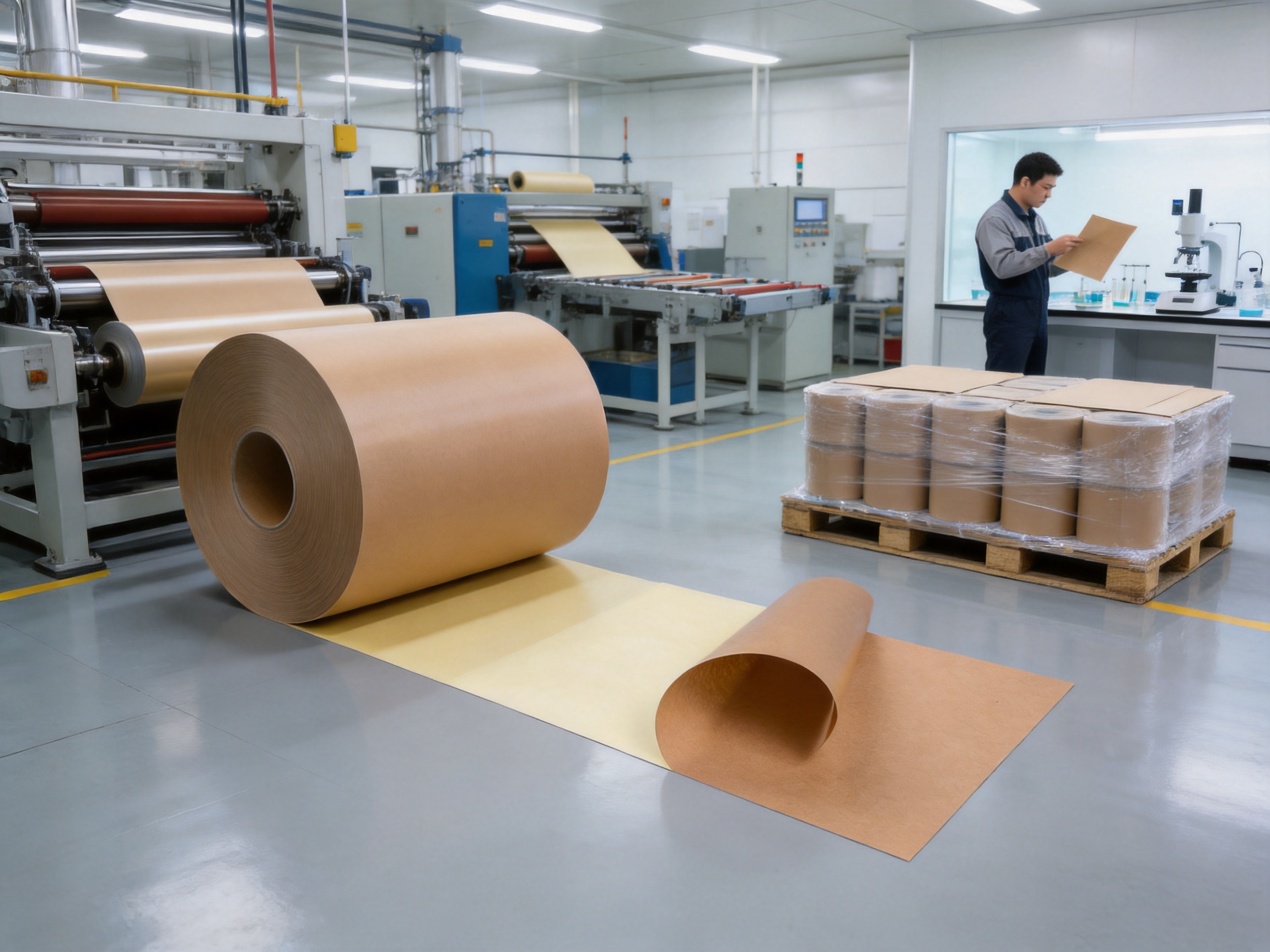
Lamination follows the coating stage. The release liner and adhesive-coated face material must be combined with controlled tension, pressure, alignment, and web handling. Poor lamination may create wrinkles, bubbles, curl, uneven release, or poor die-cutting performance. A professional production line coordinates coating, laminating, and winding to produce a smooth, stable roll. This process directly affects the customer’s later printing and converting efficiency.
After lamination, the material is inspected and converted. Jumbo rolls may be slit into narrower rolls or sheeted into specific sizes. Slitting must produce clean edges and stable winding tension. Sheeting must provide accurate dimensions, flatness, and stack quality. For sheet products, packaging is especially important because moisture, curling, and handling damage can affect printing and application. The product can be packed as 100 sheets per ream, with reams wrapped using strong PE-coated kraft paper wrapper. Strong pallets are wrapped with stretch film and fastened with plastic fastening belts for shipping stability.
The manufacturer behind this product has a full range of production lines, including gluing, laminating, and cutting. With annual production capacity exceeding 280 million square meters, the company has the scale to serve demanding domestic and international markets. Production scale matters because it supports stable supply, repeatable quality, cost control, and the ability to handle both standard and customized orders.
Quality Control and Testing
Reliable label material requires consistent quality control from raw material inspection to finished goods packaging. Domestic Kraft Paper benefits from a manufacturing approach built around testing, inspection, and process discipline. A dedicated testing laboratory and advanced inspection equipment help verify product properties before shipment. This reduces uncertainty for converters and end users.
Important quality checks may include face paper appearance, basis weight, adhesive coat weight, release force, peel adhesion, tack, thickness, moisture balance, roll winding quality, liner consistency, slitting accuracy, and sheet dimension accuracy. For kraft paper labels, visual consistency is also important because shade variation can affect brand presentation. Proper inspection helps ensure that rolls or sheets from the same order perform predictably.
Adhesive performance testing is central to product reliability. The right adhesive must bond to the intended surface while resisting application stress. For hotmelt adhesive, initial tack and peel strength are important. For removable adhesive, clean removability and limited residue are key. For anti-freeze and cryogenic adhesives, low-temperature adhesion must be considered. By offering several adhesive systems and supporting testing, the manufacturer can help customers reduce the risk of label failure.
Release liner performance also requires careful control. If release is too tight, labels may not dispense smoothly. If release is too loose, labels may pre-release during converting, shipping, or storage. Proper silicone release coating and liner selection allow stable label processing. This is especially important for automatic labeling, roll-to-roll printing, die-cutting, and waste matrix stripping.
Printing and Converting Performance
Domestic Kraft Paper can be used in many label printing and converting workflows, depending on the selected construction and printing method. The kraft surface is suitable for designs that emphasize contrast and simplicity. Black ink, dark colors, single-color logos, vintage typography, line art, and minimalist layouts often look particularly strong on kraft paper. The material can also be used for decorative blank labels, handwritten labels, stamped labels, and craft stickers.
Because kraft paper has a natural brown tone, designers should consider color behavior. Some bright colors may appear muted compared with printing on white coated paper. However, this is not a weakness when the goal is a natural aesthetic. Instead, it becomes a design feature. Brands can use darker inks, white highlight effects, simple graphics, or metallic accents to create strong shelf impact. The surface encourages designs that feel honest and tactile rather than overly artificial.
Converting options may include slitting, sheeting, die-cutting, kiss-cutting, roll label production, sticker sheet production, and packaging label finishing. The liner choice should match the converting method. For high-speed die-cutting, a stable liner with consistent release may improve productivity. For sheeted digital printing, lay-flat behavior and sheet feeding performance matter. For craft users, easy peeling and clean adhesive behavior are important.
Compared with low-cost kraft stickers made with inconsistent adhesive or weak liners, this product is better suited to professional workflows. Clean converting reduces downtime, waste, adhesive buildup, matrix breaks, and customer complaints. In competitive label production, these operational advantages can be as important as material appearance.
Packaging and Delivery Reliability
Packaging is an essential part of self-adhesive material quality. Even well-manufactured label stock can be damaged by poor packing, moisture exposure, impact, compression, or unstable pallets. Domestic Kraft Paper can be supplied with sea-transit-worthy poly-wood pallet packing and carton packing, available for rolls or sheets from stock. This is particularly important for export orders and long-distance transportation.
For sheet products, 100 sheets per ream can be packed with strong PE-coated kraft paper wrapper. This helps protect sheets from moisture and handling damage. Reams are placed on strong pallets, wrapped with stretch film, and fastened with plastic fastening belts. Stable packaging supports safer transport, easier warehouse handling, and better condition upon arrival.
For roll products, pallet strength, roll protection, winding quality, and moisture control are essential. A roll that arrives with crushed edges, telescoping, moisture damage, or unstable winding can create major production problems for converters. Sea-worthy packing reduces these risks and supports international supply reliability.
Company Strength Behind the Product
The production of Domestic Kraft Paper is supported by an experienced self-adhesive material manufacturer located in Suzhou, Jiangsu Province, China. The company specializes in high-grade self-adhesive labels and integrates research and development, production, sales, and after-sales service. This integrated structure is important because customers often need more than a standard product; they need technical guidance, customization, stable supply, and responsive service.
With more than 20 years of OEM manufacturing experience, the company has accumulated practical knowledge of label material behavior across many industries. OEM experience matters because it means the manufacturer is accustomed to meeting different customer specifications, testing requirements, packaging standards, and market expectations. Instead of offering only fixed products, the company can develop customized solutions based on customer drawings, samples, or application needs.
The company’s production lines include gluing, laminating, and cutting, which are the core processes for pressure-sensitive label materials. Controlling these processes internally helps improve consistency and responsiveness. When a customer requests a change in adhesive, liner, width, or sheet size, a manufacturer with integrated production can react more efficiently than a supplier that depends heavily on outsourced processing.
Annual production capacity of more than 280 million square meters demonstrates significant manufacturing scale. This scale supports stable availability and helps serve customers in both domestic and international markets. It also indicates that the manufacturer has the production organization, equipment base, and supply chain capability required for continuous label material output.
The company also emphasizes ODM and OEM capability, professional research and development, patents, quality testing, and after-sales service. These strengths are valuable for customers seeking long-term cooperation. In label material procurement, a stable technical partner can help reduce development time, solve application problems, and improve product competitiveness.
Sustainability and Responsible Material Thinking
Kraft paper labels are often selected by brands that want packaging to feel natural and environmentally conscious. While the sustainability profile of any label depends on the complete construction, including paper, adhesive, liner, ink, and end-of-life process, kraft paper can support a more natural presentation compared with heavily plastic-looking alternatives. It helps brands communicate simplicity, responsibility, and reduced visual excess.
The manufacturer’s brand positioning emphasizes sustainable development and environmental protection. This includes attention to face materials, adhesives, and backing papers. Such thinking is increasingly important as customers seek packaging materials that align with market expectations for responsible sourcing, reduced waste, and environmentally considerate design. Domestic Kraft Paper fits well into this trend because it offers a paper-based face material with a visually natural style.
In practical terms, sustainability also includes efficient manufacturing, stable quality, reduced waste in converting, and appropriate material selection. A label that fails, lifts, wrinkles, or causes production waste is not truly efficient. By selecting suitable adhesives and liners, customers can reduce rejected labels, machine downtime, and unnecessary replacement. This contributes to more responsible production and better total value.
How to Choose the Right Construction
Choosing the right Domestic Kraft Paper construction begins with the application surface. A label applied to cardboard may not require the same adhesive as a label applied to glass, plastic, metal, frozen packaging, rubber, or curved surfaces. Surface energy, roughness, cleanliness, temperature, and expected handling all influence adhesive choice. Customers should identify the substrate before selecting the adhesive.
The next consideration is environment. If the label will be used in normal indoor conditions, standard hotmelt adhesive may be appropriate. If the label must be removed cleanly, a removable adhesive should be considered. If the label will face cold storage, anti-freeze or cryogenic adhesive may be necessary. If demanding bonding is required, a solvent adhesive or specialty rubber adhesive may be suitable. Matching adhesive to environment prevents common failures such as edge lifting, adhesive residue, or poor low-temperature bonding.
The printing and converting method should guide liner selection. Roll-to-roll label converters may prioritize release stability and die-cutting performance. Sheet users may prioritize flatness and feeding. Automatic labeling operations may require consistent release and roll tension. Craft users may prefer easy peeling and manageable sheet sizes. The availability of glassine, release paper, art paper, and CCK liners allows users to optimize the construction.
Label size and supply format should also be considered. Jumbo rolls are efficient for converters producing large volumes, while sheets are practical for digital printing, handcrafting, short runs, sampling, and office-scale production. Customized sizes help reduce waste and improve workflow. For example, a packaging producer using a fixed box size may benefit from customized sheet or roll dimensions that fit the printing layout.
Finally, customers should test before full-scale production. Even high-quality label material should be tested on the exact product surface, under actual application temperature, and through the intended printing and converting process. Testing helps confirm adhesion, appearance, release, print quality, and handling performance. The manufacturer’s technical and after-sales service can support this evaluation.
Market Value for Brands and Converters
For brands, Domestic Kraft Paper provides a practical way to improve packaging identity without redesigning the entire package. A simple kraft label can transform a standard jar, box, bag, or bottle into a more premium and personalized product. This is especially useful for small and medium brands that need visual differentiation but must control packaging cost. The label delivers impact through material texture rather than complex printing alone.
For converters, the product expands the label material portfolio. As demand grows for natural-looking and craft-style labels, converters need reliable kraft self-adhesive stock that can be supplied in industrial roll formats. Domestic Kraft Paper allows converters to serve customers in food, beverage, handmade goods, stationery, gift packaging, and specialty retail markets. The multiple adhesive and liner options also allow converters to solve more application problems with one product family.
For printers, sheet formats provide convenience. A4 and A3 sizes are suitable for small-batch printing, design testing, label prototyping, and customized sticker production. Larger sheets such as 50 cm x 70 cm or 70 cm x 100 cm are useful for commercial print layouts and packaging decoration. Customized sheet sizes can further improve efficiency.
For craft and stationery markets, the product has strong emotional appeal. Kraft stickers are popular for scrapbooking, journaling, gift wrapping, handmade cards, and decorative labeling. Users value the material because it looks warm and personal. Unlike glossy stickers, kraft stickers can feel more intimate and handmade, which suits the aesthetics of planners, albums, diaries, and boutique paper products.
Storage and Handling Recommendations
To maintain good performance, Domestic Kraft Paper should be stored in a clean, dry, and temperature-stable environment. Paper-based self-adhesive materials can be affected by moisture and temperature. Excessive humidity may cause curl, waviness, or dimensional change, while very dry conditions may affect paper behavior. Keeping the material in original packaging until use helps protect it from environmental variation.
Rolls should be stored upright or according to recommended handling practice to avoid deformation. Heavy objects should not be placed on rolls or sheet stacks. Sheets should remain wrapped until printing or converting to prevent moisture imbalance. Before use, materials may need to acclimate to the production room, especially if they were transported through hot, cold, or humid conditions.
During printing, users should consider the natural absorbency and color of kraft paper. Ink settings may require adjustment compared with coated white paper. Test prints are recommended to confirm density, drying, rub resistance, and color effect. During die-cutting, tooling pressure should be set to cut the face material cleanly without cutting too deeply into the liner. Correct settings improve label peeling and reduce waste.
Q&A Section
Q1: What is Domestic Kraft Paper used for?
Domestic Kraft Paper is used for self-adhesive labels, handmade stickers, diary decoration, album decoration, packaging box decoration, gift packaging, food labels, wine labels, craft labels, and boutique product labeling. It is chosen when a natural kraft appearance and reliable adhesive performance are both required.
Q2: What makes it different from ordinary kraft paper?
Ordinary kraft paper does not include a pressure-sensitive adhesive layer and release liner. Domestic Kraft Paper is a complete self-adhesive construction, allowing it to be printed, die-cut, peeled, and applied as a label or sticker. This makes it more efficient and professional for packaging and labeling use.
Q3: What is the standard face material?
The standard face material is 80 gsm imported kraft paper. It provides a natural paper texture, suitable strength, and an attractive kraft appearance for premium labels and decorative stickers.
Q4: Which adhesive is normally used?
The standard adhesive is hotmelt adhesive, valued for strong initial tack and practical bonding performance. Other adhesive options are available for different application needs.
Q5: Can the adhesive be customized?
Yes. Available adhesive options include water-based adhesive, solvent adhesive, removable adhesive, anti-freeze adhesive, cryogenic adhesive, and tyre-grade rubber adhesive. This allows the product to match different surfaces, temperatures, and removability requirements.
Q6: What liner options are available?
The standard liner is 85 gsm white release paper. Optional liners include glassine paper, release paper, art paper, and CCK liner in several grammages. The liner can be selected according to converting, printing, and dispensing needs.
Yes. Its natural kraft texture adds warmth, uniqueness, and quality to packaging. It is especially suitable for gift boxes, boutique foods, wine, handmade goods, stationery, and products that need a natural or artisanal identity.
Q8: Can it be supplied in both rolls and sheets?
Yes. Jumbo roll widths include 1000 mm, 1020 mm, 1080 mm, and 1530 mm. Sheet sizes include A4, A3, 20 x 30, 21 x 30, 24 x 36, 50 cm x 70 cm, 70 cm x 100 cm, and customized sizes.
Q9: Why is liner selection important?
The liner affects die-cutting, peeling, release stability, sheet flatness, and automatic labeling performance. Choosing the right liner can improve production efficiency and reduce waste.
Q10: What are the company’s manufacturing strengths?
The manufacturer has integrated gluing, laminating, and cutting production lines, more than 20 years of OEM manufacturing experience, advanced inspection equipment, a testing laboratory, strong ODM and OEM capability, professional research and development, and annual production capacity of more than 280 million square meters.
Conclusion
Domestic Kraft Paper is more than a decorative kraft sticker material. It is a professional self-adhesive kraft paper label stock designed to combine natural appearance, adhesive reliability, converting flexibility, and production scalability. Its 80 gsm imported kraft paper face material gives labels a warm, authentic, and premium look. Its adhesive and liner options allow users to adapt the product to different surfaces, environments, printing methods, and converting processes.
Compared with ordinary white paper labels, it provides stronger visual personality. Compared with synthetic film labels, it offers a more natural and handcrafted identity. Compared with low-grade kraft stickers, it provides more professional adhesive selection, liner choice, size flexibility, and manufacturing support. These advantages make it suitable for packaging decoration, handmade products, food labels, wine labels, craft labels, stationery, gift packaging, and customized label production.
The product is backed by advanced manufacturing capability, including gluing, laminating, cutting, testing, inspection, customization, and large-scale production. With extensive OEM and ODM experience, strong annual capacity, and a commitment to quality and sustainable development, the manufacturer can support customers seeking both standard label materials and tailored self-adhesive solutions. For brands and converters that want a label material with natural charm and industrial dependability, Domestic Kraft Paper is a strong and practical choice.
References
Pressure Sensitive Tape Council. Pressure Sensitive Adhesives and Applications: Technical Overview.
FINAT. Label Materials and Pressure Sensitive Technology: Industry Guidance Notes.
Smithers. The Future of Label Printing and Packaging Materials: Market and Technical Trends.
Habenicht, G. Applied Adhesive Bonding: A Practical Guide for Flawless Results.
Robertson, G. L. Food Packaging: Principles and Practice.
Paper and Paperboard Packaging Technology, edited industry reference on paper-based packaging materials and converting behavior.