
 English
 Español
 русский
 Français
 عربى
Content
- 1 Introduction
- 2 Product Overview
- 3 Why Fluorescent Paper Offers a Competitive Advantage
- 4 Applications of Fluorescent Paper in Sheet
- 5 Advanced Manufacturing Process
- 6 Manufacturing Strengths and Supply Capability
- 7 Packaging and Delivery
- 8 Printing and Application Recommendations
- 9 Quality and Sustainability Considerations
- 10 How to Select the Correct Construction
- 11 Comparison with Conventional Self-Adhesive Paper
- 12 Why Choose an Experienced Manufacturer
- 13 Frequently Asked Questions
- 13.1 What is Fluorescent Paper in Sheet?
- 13.2 Which sheet sizes are available?
- 13.3 Can the product be supplied in rolls?
- 13.4 What adhesive options are available?
- 13.5 What liner options can be selected?
- 13.6 Is fluorescent paper suitable for bar codes?
- 13.7 Can it be used for fire equipment and public notices?
- 13.8 Can the adhesive be removed?
- 13.9 Is a customized product available?
- 13.10 How is the sheet product packaged?
- 13.11 What information should be provided when requesting a quotation?
- 14 Conclusion
- 15 References
- 16 Product: Fluorescent Paper In Sheet
Introduction
Fluorescent Paper in Sheet is a high-visibility self-adhesive label material designed for applications where color impact, quick recognition, and reliable adhesion are essential. Manufactured with an 80gsm fluorescent paper face material, this product combines brilliant color performance with practical printability and flexible converting options. It is suitable for bar code printing, packaging advertising, decoration, trademark labels, color self-adhesive labels, safety notices, promotional materials, and special-purpose identification.
Unlike ordinary white paper labels, fluorescent paper attracts attention immediately. Its bright visual effect makes printed information easier to notice on shelves, packages, doors, equipment, documents, and public displays. Certain fluorescent colors also remain visually distinctive in low-light conditions, making the material useful for fire equipment, emergency-related identification, public facilities, toys, gifts, and special products.
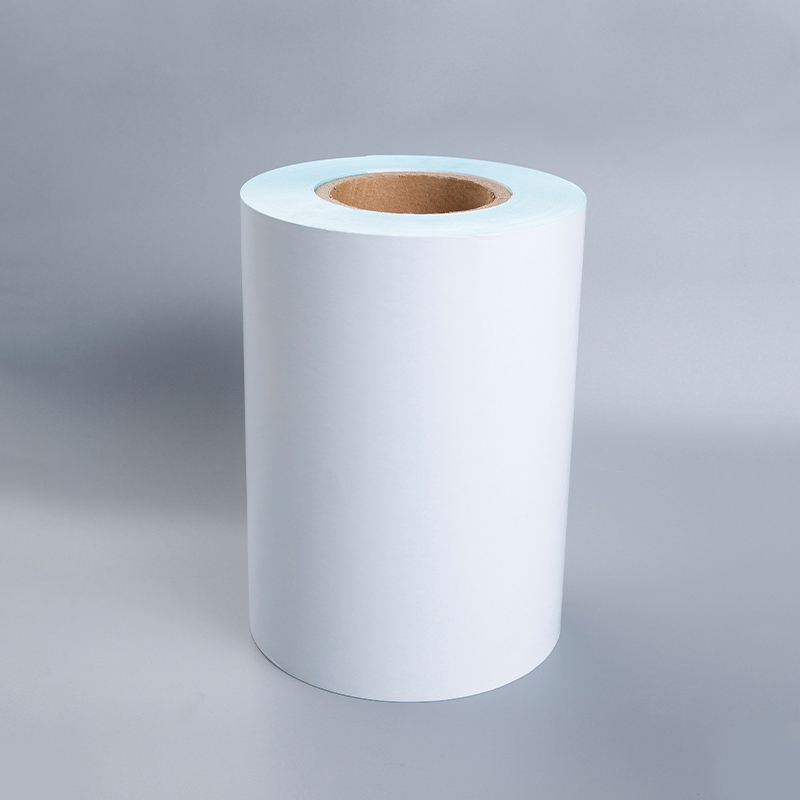
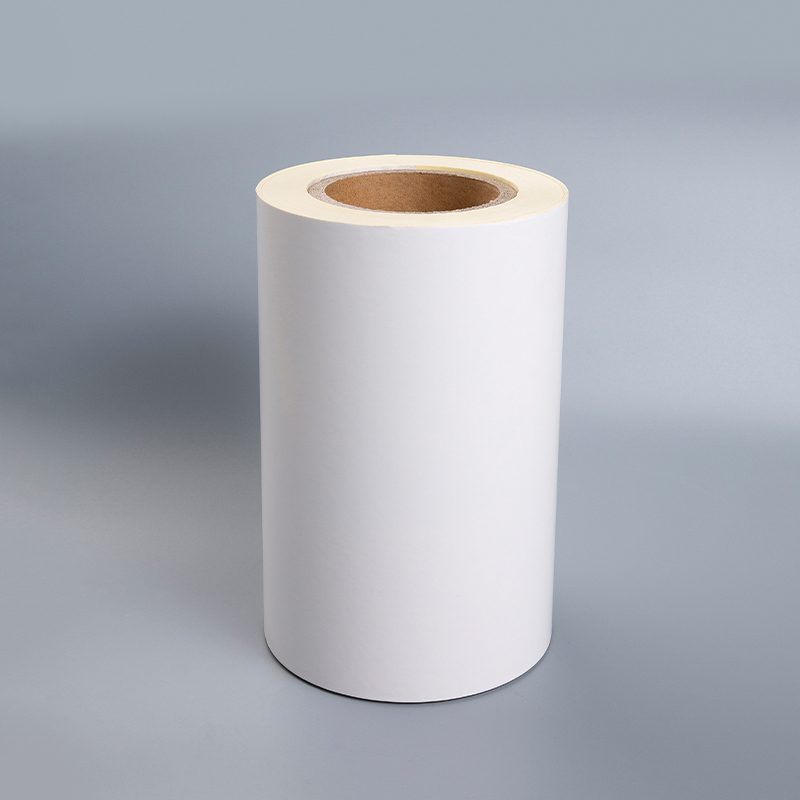
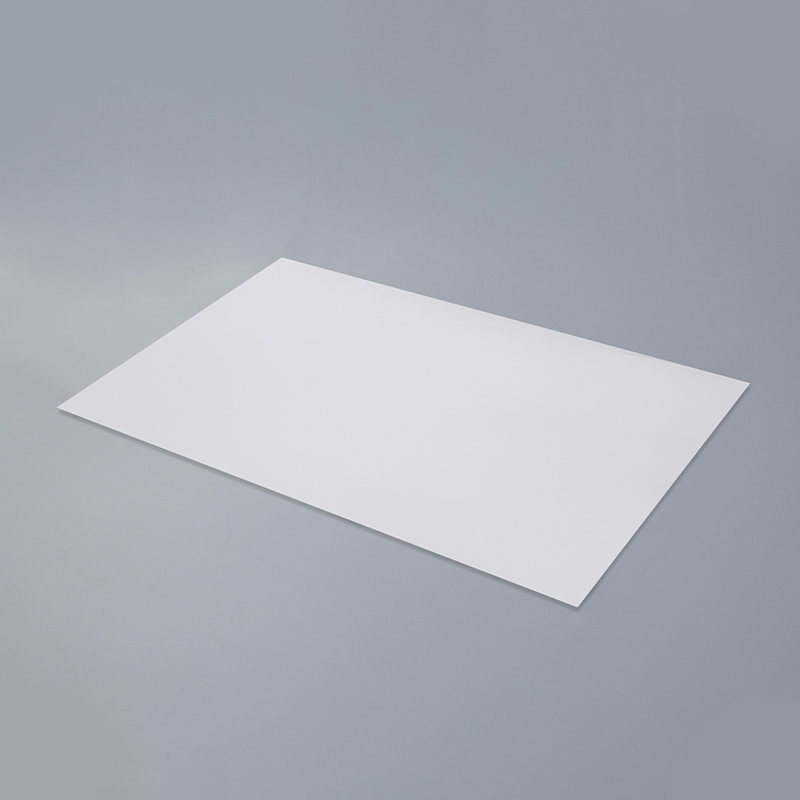
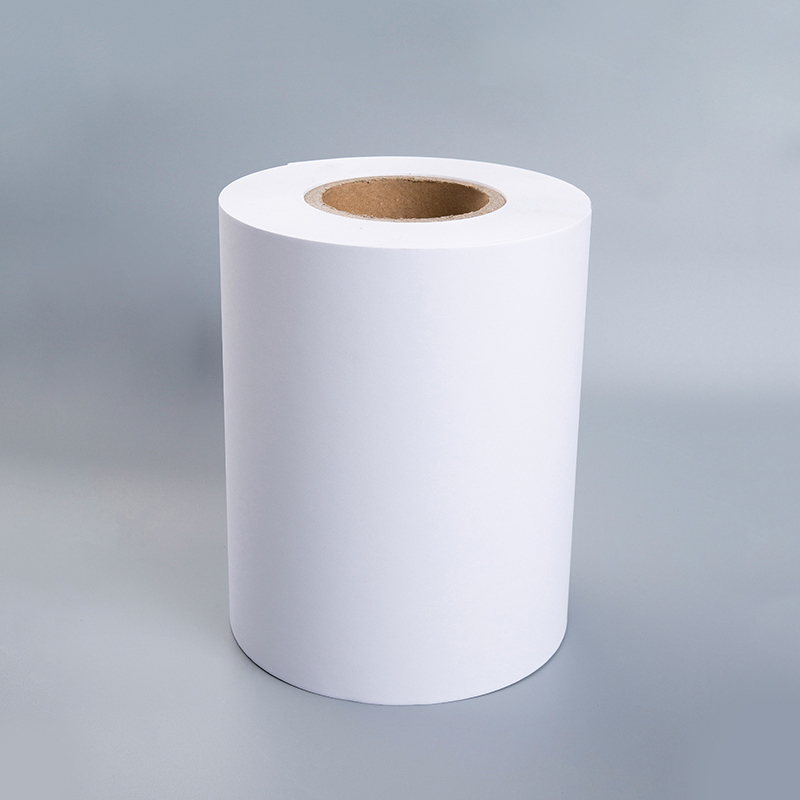
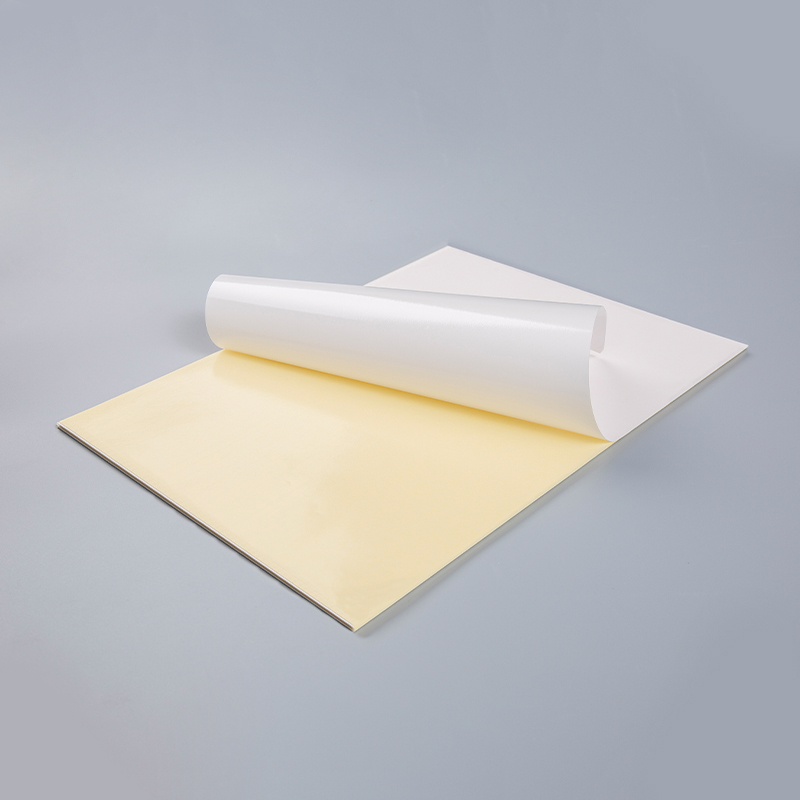
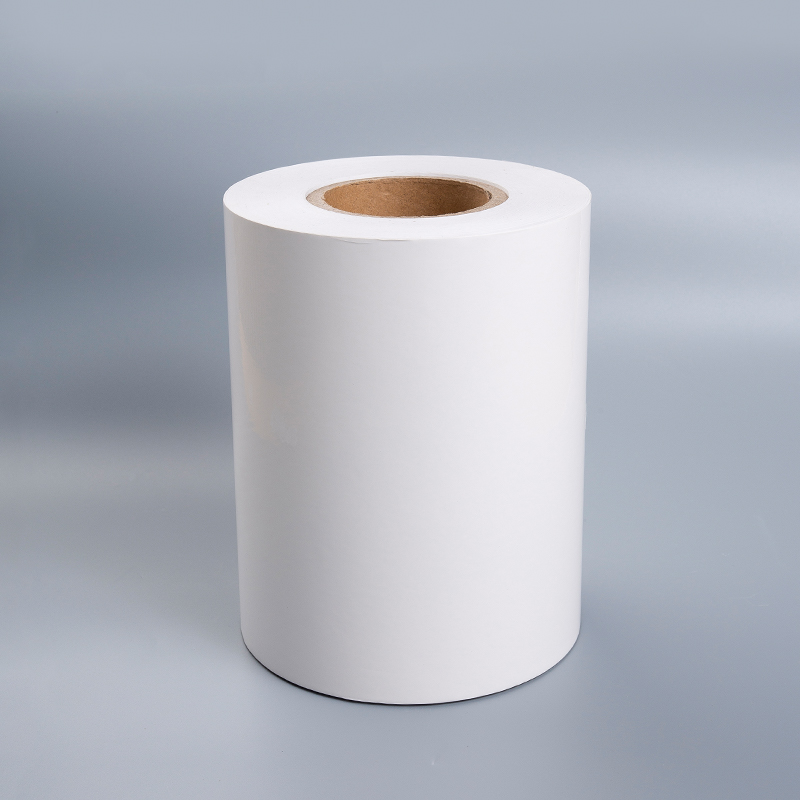
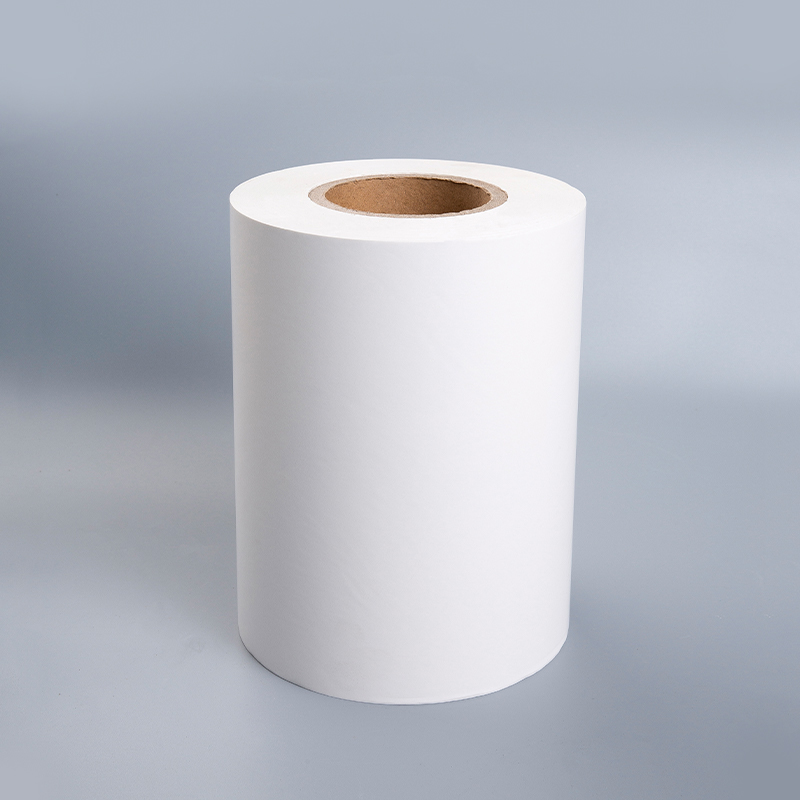
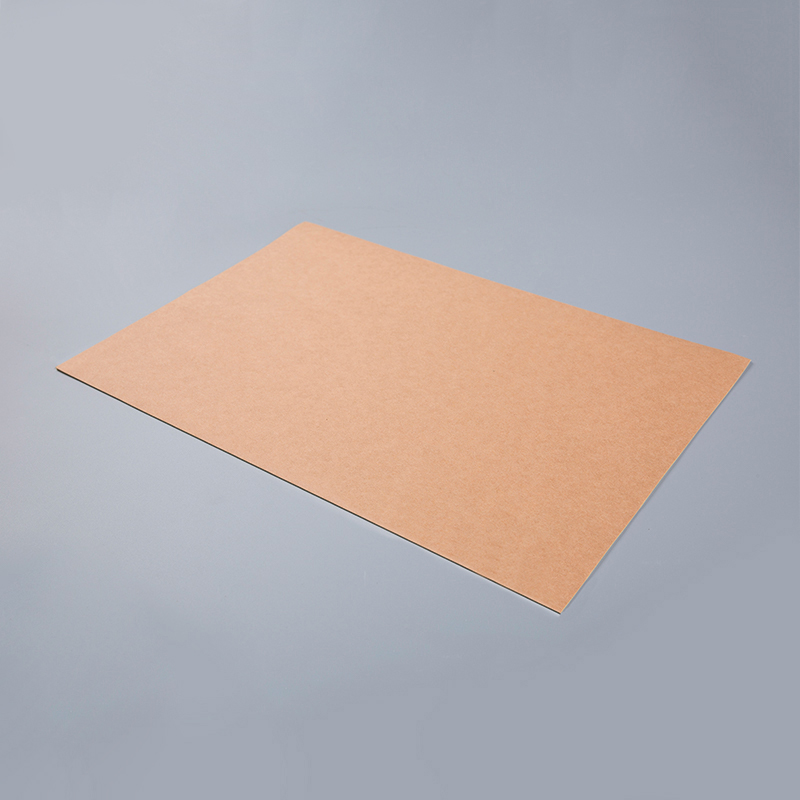
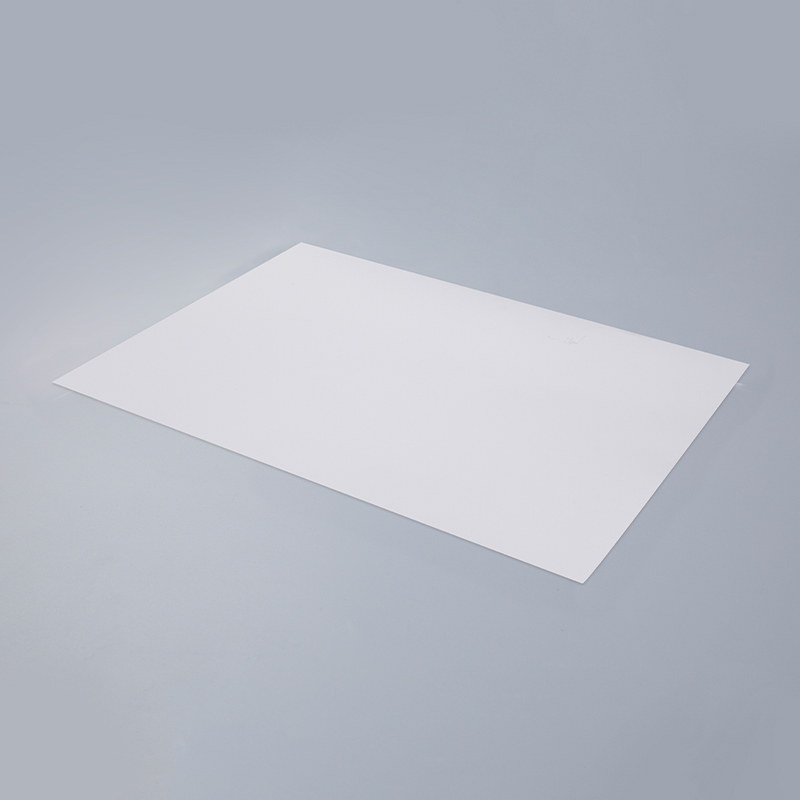
The product is supplied in sheets and can also be produced in jumbo rolls for professional printing, slitting, die-cutting, and downstream converting. Standard sheet formats include A4, A3, 20 x 30 cm, 21 x 30 cm, 24 x 36 cm, 50 x 70 cm, and 70 x 100 cm. Customized sizes are also available to meet the requirements of printers, label converters, distributors, brand owners, and industrial users.
With multiple adhesive, liner, and packaging options, Fluorescent Paper in Sheet is not limited to one application environment. Users can select hotmelt adhesive, water-based adhesive, solvent adhesive, anti-freeze adhesive, removable adhesive, cryogenic adhesive, or tyre-grade rubber adhesive. The backing can be configured with glassine paper, release paper, art paper, CCK liner, or transparent PET liner, depending on the application and converting process.
Fluorescent Paper In Sheet
Product Overview
Fluorescent Paper in Sheet is engineered as a self-adhesive construction consisting of a fluorescent paper face stock, an adhesive layer, and a release liner. Each layer contributes to the final performance of the label. The face material provides color brilliance and printability, the adhesive creates bonding strength with the target surface, and the liner protects the adhesive before use while supporting smooth feeding during printing and converting.
The standard face material is 80gsm fluorescent paper. This basis weight offers a practical balance between flexibility, handling strength, print performance, and cost efficiency. It is suitable for common sheet-fed printing and labeling applications without creating unnecessary bulk. The paper can be processed into finished sheets or supplied as a jumbo roll for customers with their own cutting and converting equipment.
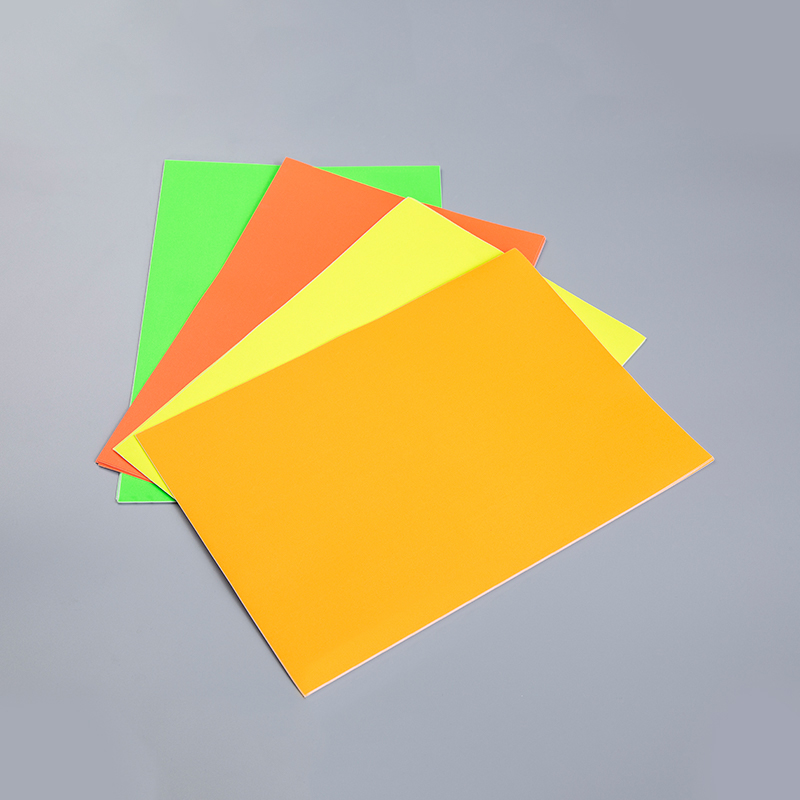
The fluorescent surface is especially valuable when a label must stand out from conventional packaging or signage. Bright yellow, orange, green, pink, and other fluorescent shades can create strong visual contrast with dark ink, black bar codes, warning symbols, product information, and promotional graphics. The material is therefore useful when attention must be gained quickly, such as in retail promotions, clearance labels, safety identification, urgent notices, or temporary instructions.
Although visual impact is the primary characteristic, the product is also designed for practical production. Good printability helps support text, bar codes, symbols, logos, and colorful designs. The sheet format is convenient for digital printers, laser printers, inkjet systems, screen printing, and other compatible printing methods, subject to the specific adhesive and equipment requirements of the user.
Core Technical Configuration
| Item | Standard Specification | Available Options or Notes |
|---|---|---|
| Face material | 80gsm fluorescent paper | Suitable for bright, high-visibility labels and printed notices |
| Adhesive | Hotmelt adhesive | Water-based, solvent, anti-freeze, removable, cryogenic, and tyre-grade rubber adhesives available |
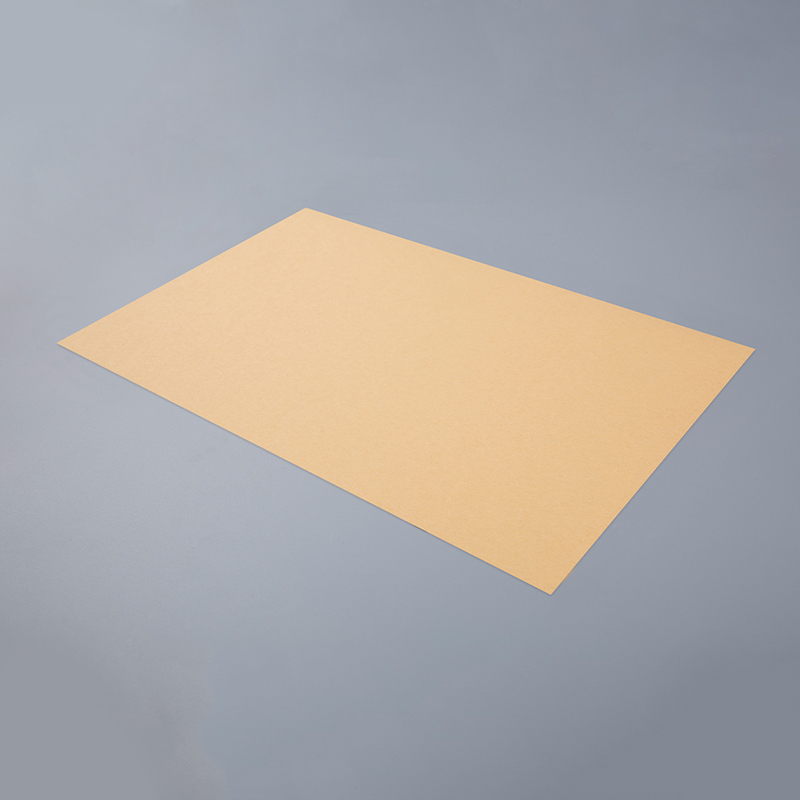
| Standard liner | 80g white glassine paper | Supports smooth handling, printing, die-cutting, and dispensing |
| Glassine liner | 50g, 60g, 100g, or 120g | Available for different release and converting requirements |
| Release paper | 60g, 85g, 120g, or 140g | Suitable for applications requiring alternative liner stiffness |
| Art paper liner | 140g or 165g | Useful where a heavier backing is preferred |
| CCK liner | 50g, 80g, 90g, or 120g | Available for selected industrial and converting applications |
| PET liner | 25, 36, 50, or 100 microns | Transparent, stable, and suitable for specialized converting |
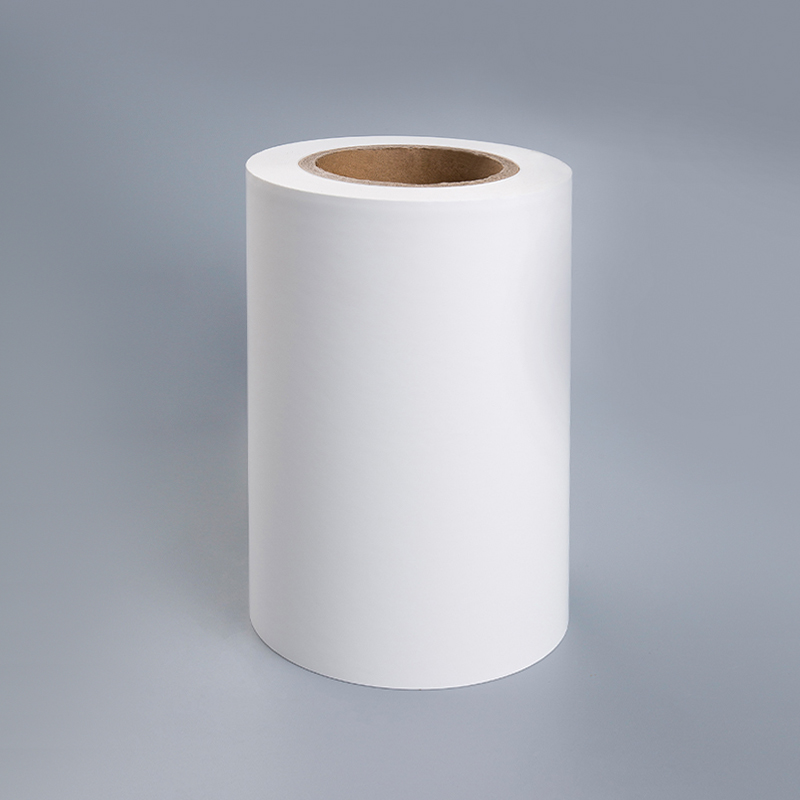
| Jumbo roll widths | 1000mm, 1020mm, 1080mm, or 1530mm | Suitable for roll converting and customized production |
| Sheet sizes | A4, A3, 20 x 30cm, 21 x 30cm, 24 x 36cm, 50 x 70cm, 70 x 100cm | Custom sizes can be produced |
Why Fluorescent Paper Offers a Competitive Advantage
Exceptional Visual Attention
The most direct advantage of fluorescent paper is its ability to attract attention more effectively than standard white, cream, or ordinary colored paper. In crowded retail environments, warehouses, public areas, and packaging displays, a bright fluorescent label can be identified rapidly from a distance. This helps users locate information, distinguish products, and recognize instructions without relying solely on large print or complex graphics.
For manufacturers and brand owners, visual recognition can influence purchasing behavior. A fluorescent promotional label can make a discount, seasonal message, new product notice, or special offer more visible. For industrial users, a fluorescent identification label can help separate materials, identify action points, or highlight an item requiring inspection. For public facilities, the same material can be used for directional signs, temporary warnings, and important notices.
Strong Print Contrast
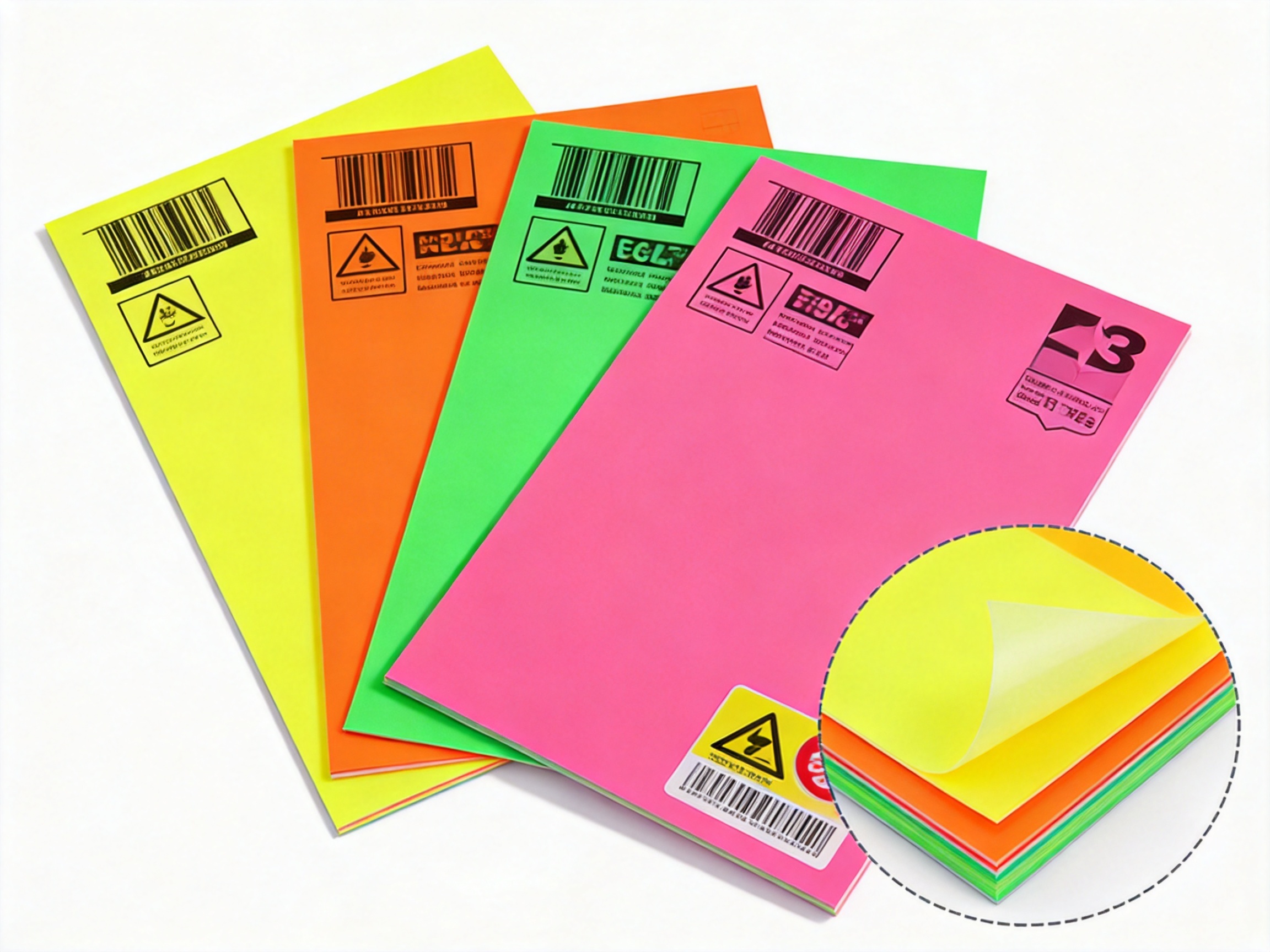
Fluorescent paper provides an energetic background for black, dark blue, red, and other strongly contrasting inks. This is particularly helpful for bar codes, serial numbers, warning symbols, product names, and short instructions. When the printed content must be noticed quickly, the combination of a bright face material and clear graphic design can improve communication effectiveness.
The product supports a broad range of printed content. It can be used for simple one-color labels as well as more detailed promotional layouts. Depending on the selected printing process, users can print variable data, product codes, prices, logos, batch information, and customized marketing messages. The sheet format is also convenient for short and medium production runs where rapid setup and digital customization are important.
Flexible Adhesive Selection
Many self-adhesive paper products are offered with only one general-purpose adhesive. That approach can create limitations when the label must be applied to different surfaces or used under special environmental conditions. Fluorescent Paper in Sheet is available with several adhesive technologies, allowing the product to be matched more accurately to the application.
Hotmelt adhesive is a practical option for strong initial tack and efficient production. Water-based adhesive may be selected for suitable paper, carton, and general labeling applications. Solvent adhesive can provide specific performance advantages where stronger bonding or special resistance is required. Removable adhesive is useful when the label must be removed with less risk of residue or surface damage.
Anti-freeze adhesive and cryogenic adhesive are available for low-temperature applications. These options can be important for cold-chain logistics, refrigerated products, laboratory containers, and environments where conventional adhesives lose tack. Tyre-grade rubber adhesive is available for applications involving tyre identification or challenging rubber surfaces. Selecting the correct adhesive improves label reliability and helps reduce premature lifting, edge curling, or application failure.
Multiple Liner Choices
The release liner has a direct impact on sheet stability, feeding, release behavior, die-cutting, and application efficiency. By offering glassine paper, release paper, art paper, CCK liner, and transparent PET liner, the product can be adapted to different equipment and customer preferences.
Glassine liners are widely used because they offer smoothness, controlled release, and efficient handling. Heavier art paper liners can provide greater stiffness for certain sheet applications. CCK liners are suitable for customers seeking a clay-coated kraft construction for particular printing or converting needs. PET liners provide dimensional stability and a thin, smooth backing option for specialized applications.
This range of liner choices is a meaningful advantage for professional users. Instead of changing the complete label design when a processing issue appears, a customer can often select a more appropriate liner while maintaining the desired fluorescent face material and adhesive type.
Sheet and Roll Supply
Some users require ready-to-print sheets, while others operate roll-fed coating, printing, slitting, or die-cutting equipment. Supporting both forms makes the product more versatile throughout the supply chain. Sheet products are convenient for commercial printers, offices, distributors, and small or medium-volume users. Jumbo rolls are better suited to high-volume converters seeking control over final label dimensions and production scheduling.
The available jumbo roll widths of 1000mm, 1020mm, 1080mm, and 1530mm provide choices for different machines and production plans. Customized sheet sizes help reduce waste and can improve material utilization for special labels, display cards, tags, and oversized notices.
Applications of Fluorescent Paper in Sheet
Bar Code and Variable Information Printing
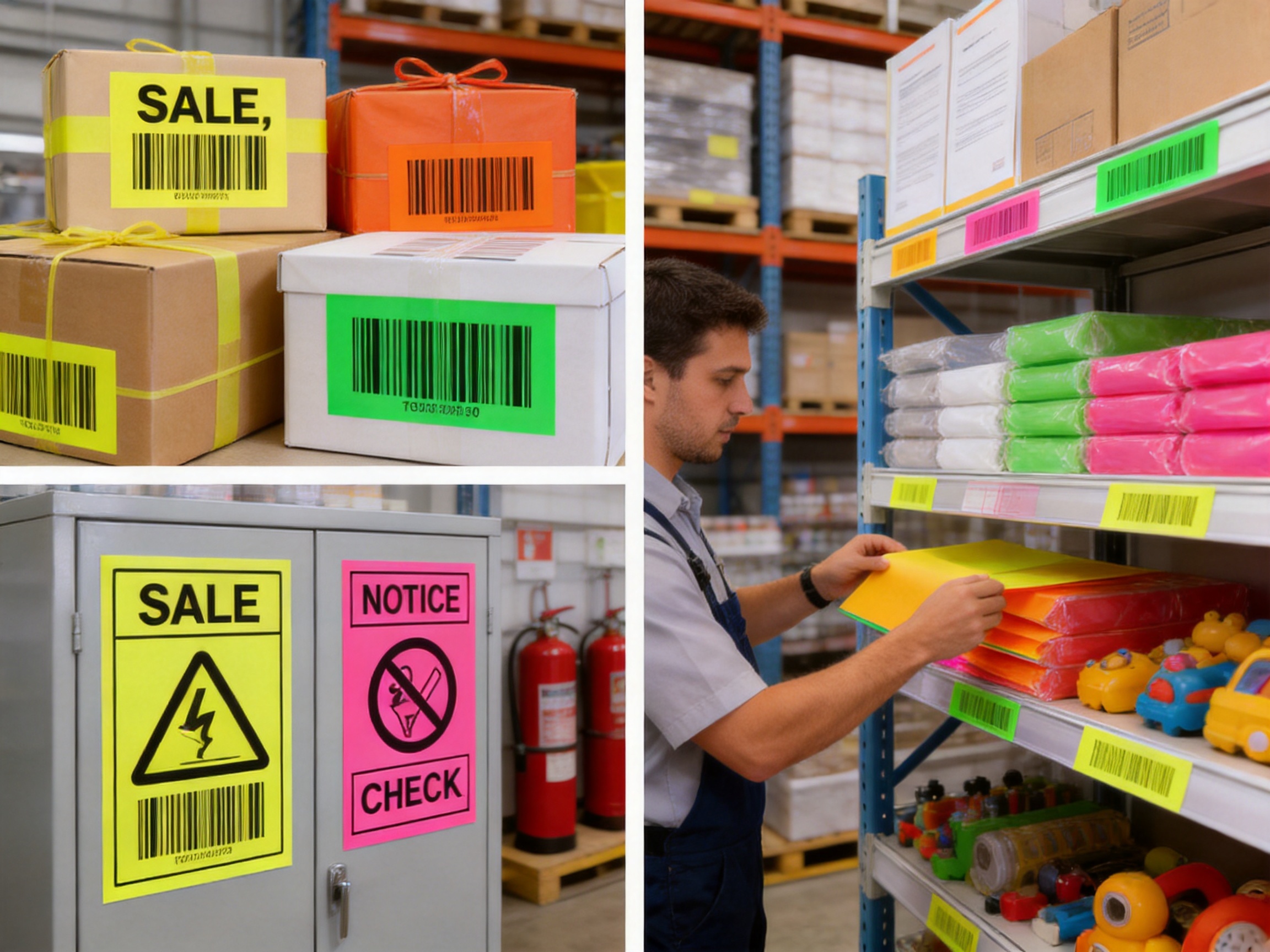
Bar code labels must be easy to locate, scan, and organize. Fluorescent paper can help distinguish bar code labels from ordinary documents or packaging, especially in warehouses and retail backrooms. Printed bar codes should always be designed with sufficient contrast and tested on the selected fluorescent color and printing system. When properly configured, the product can support item identification, inventory control, price marking, shipping information, and batch tracking.
The bright background also helps operators identify the correct label quickly during manual processing. This can be useful in environments where workers handle many cartons, containers, or documents in a limited time. The label color can serve as an additional visual classification system, with different colors assigned to different product groups, destinations, urgency levels, or processing stages.
Packaging Advertising
Retail packaging often competes for attention among many products. Fluorescent labels can be applied as promotional stickers, discount notices, limited-edition messages, seasonal graphics, or product feature callouts. The material is suitable for packaging cartons, paperboard, plastic containers, and other compatible surfaces when the adhesive is correctly selected.
Because the fluorescent face material is visually strong, a relatively simple design may be sufficient to create a high-impact result. This can reduce the need for complex background graphics while maintaining shelf visibility. It is also practical for campaigns that change frequently because digital printing and sheet supply support short-run customization.
Decoration and Craft Products
Fluorescent self-adhesive sheets can be used for decorative labels, event materials, school projects, party products, gift packaging, greeting cards, storage identification, and promotional displays. Their bright appearance gives ordinary cartons, envelopes, folders, and gift boxes a more energetic and distinctive look.
For craft and decoration applications, sheet dimensions such as A4, A3, 50 x 70cm, and 70 x 100cm offer convenient working formats. Users can print full-sheet designs, cut individual shapes, or create customized stickers using compatible cutting equipment.
Trademark and Brand Labels
Trademark labels and brand identifiers need to be visible and consistent. Fluorescent paper can help a brand mark stand out, particularly when it is used as a limited-edition label, authentication sticker, promotional seal, or special product identifier. It may also be combined with variable data, sequential numbering, or other printed information.
The product can support both simple branding and more complex label designs. Before mass production, brand owners should test color reproduction, ink adhesion, die-cutting performance, and surface compatibility. These tests help ensure that the final label maintains its appearance throughout handling, transport, and application.
Safety and Public Information
High-visibility materials are useful for notices that need to be recognized quickly. Fluorescent paper can be used for temporary safety signs, facility instructions, restricted-area labels, emergency reminders, maintenance notices, and directional information. It is suitable for public places, warehouses, workshops, schools, offices, and commercial buildings.
The material should not be treated as a substitute for regulated safety signage where specific standards apply. However, it can provide an effective supplementary communication tool. Its bright color helps separate important notices from routine paperwork and can improve the probability that a message will be seen.
Fire Equipment and Emergency-Related Identification
Fluorescent labels are often attached to fire equipment, emergency supplies, and other items that must be identified quickly. The bright surface can help users locate equipment in crowded or poorly illuminated areas. Suitable adhesive selection is important because the label may be applied to painted metal, plastic, glass, or other substrates.
For emergency-related applications, the printed content should be clear, concise, and durable enough for the intended environment. Organizations should evaluate the material under their actual lighting, temperature, cleaning, and handling conditions before large-scale installation.
Toys and Gifts
Children’s products, toys, gifts, and novelty items often benefit from vivid colors. Fluorescent labels can be used for product names, age information, promotional messages, decorative stickers, packaging seals, and special edition identification. The material can create a lively appearance without requiring an entirely new package structure.
Where labels are used on toys or products intended for children, the complete product system should be evaluated for applicable safety, ink, adhesive, and material requirements. The label supplier can help customers choose a suitable construction for the intended use.
Special Products and Industrial Identification
Industrial users may apply fluorescent labels to pipes, containers, tools, equipment, spare parts, and production materials. Color coding can simplify internal management by helping workers identify categories, process status, inspection requirements, or handling instructions. The adhesive and liner should be selected according to the surface, temperature, moisture, and duration of use.
For applications involving outdoor exposure, oils, chemicals, abrasion, or repeated handling, users should request application-specific testing. Fluorescent paper is primarily a paper-based label material, so the most demanding environments may require a film-based alternative. Nevertheless, for many indoor and short-term industrial applications, it provides a cost-effective and visually efficient solution.
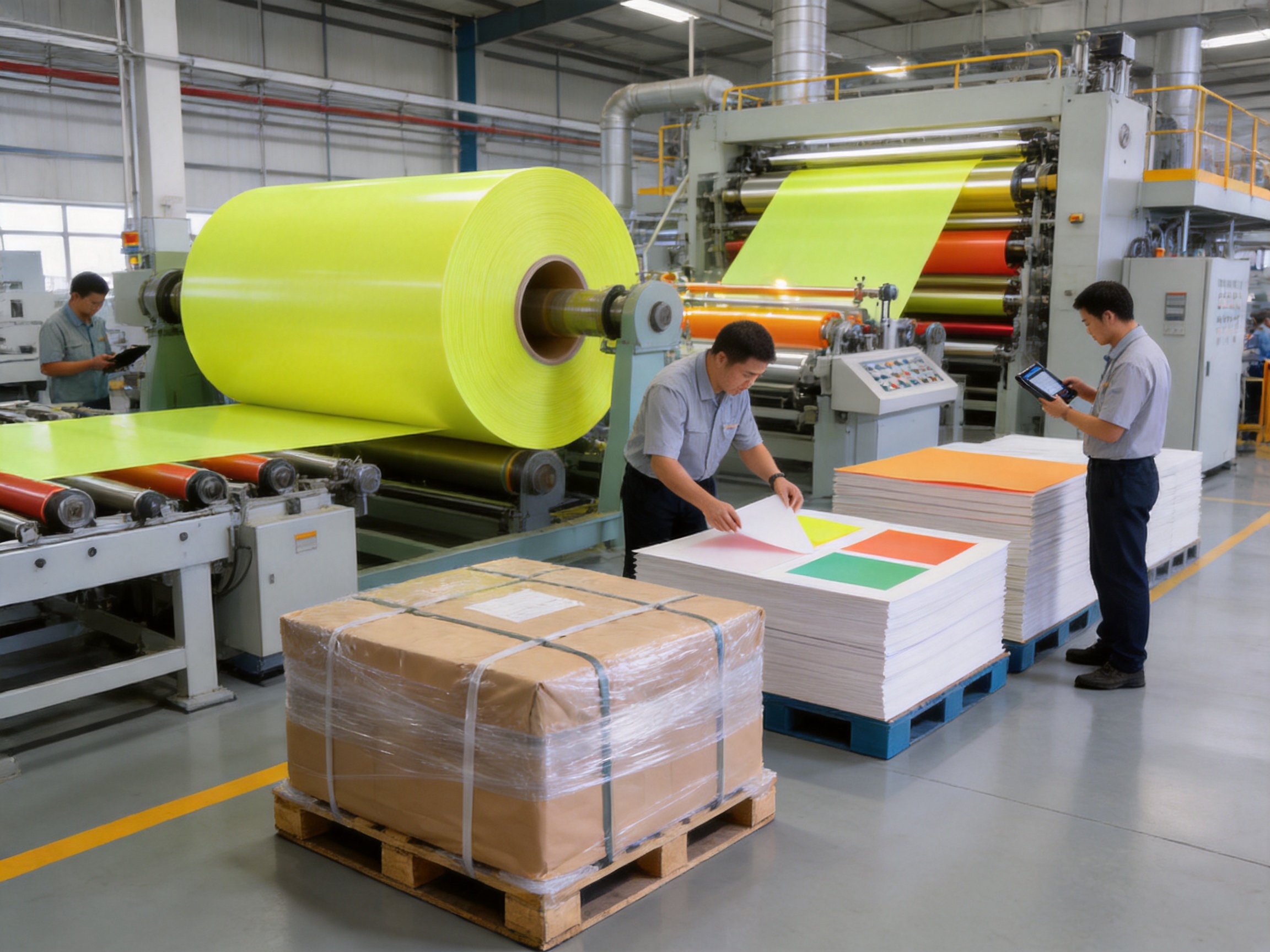
Advanced Manufacturing Process
Raw Material Preparation
Consistent fluorescent label quality begins with controlled raw materials. The paper face stock, adhesive components, release liner, inks used during testing, packaging materials, and auxiliary production materials must be evaluated before entering the manufacturing process. Variations in paper formation, moisture, surface smoothness, adhesive viscosity, or liner release can influence the final product.
The production team selects materials according to the customer’s intended use, printing method, sheet or roll format, and required adhesive performance. This front-end evaluation helps prevent problems later in coating, laminating, cutting, printing, and application.
Adhesive Coating
Adhesive coating is one of the most important stages in self-adhesive label production. The adhesive must be applied evenly across the web while maintaining the correct coat weight and avoiding streaks, pinholes, bubbles, or uncoated areas. A well-controlled coating process helps create stable tack, peel adhesion, holding power, and release performance.
Different adhesive systems require different processing conditions. Hotmelt adhesive may be applied under controlled heating conditions, while water-based or solvent-based adhesives require appropriate drying and curing management. Anti-freeze and cryogenic formulations must be handled in a way that preserves their low-temperature performance. The production team adjusts process parameters according to the adhesive type and product construction.
Adhesive coating uniformity is particularly important for sheet products. Uneven adhesive distribution can cause feeding problems, inconsistent bonding, edge ooze, or difficulty during die-cutting. By maintaining a stable coating process, the manufacturer can provide more predictable performance to printers and converters.
Laminating
After coating, the adhesive layer is combined with the fluorescent paper and release liner through laminating. Correct web tension, pressure, alignment, and speed are essential. If these parameters are not balanced, the finished material may show wrinkles, telescoping, curl, delamination, or dimensional instability.
Advanced laminating control helps ensure that the face material and liner remain properly bonded through transportation and printing while still allowing the liner to release cleanly when the label is applied. The process is especially important when the customer requests a special liner such as PET, heavy art paper, or a selected CCK grade.
Slitting and Sheet Cutting
For roll products, slitting converts the laminated jumbo web into narrower rolls suitable for customer equipment. Accurate slit width, clean edges, controlled winding tension, and stable roll hardness are essential for efficient downstream processing. Poor slitting can produce dust, edge damage, uneven rolls, or feeding problems.
For sheet products, precision cutting creates the requested dimensions while maintaining square edges and consistent stacks. Standard formats such as A4 and A3 require reliable dimensional control because even small variations may affect printer feeding or automated application. Customized formats are produced according to customer drawings, specifications, or approved samples.
Inspection and Testing
Quality control is integrated throughout the manufacturing process rather than being limited to final inspection. The production team can examine the fluorescent face for color uniformity, surface defects, coating marks, wrinkles, contamination, and edge damage. Adhesive performance can be evaluated through tack, peel, holding power, and temperature-related tests as appropriate.
Other quality checks may include sheet size, roll width, basis weight, liner release, winding condition, printability, die-cutting behavior, and packaging integrity. The exact testing program depends on the selected construction and customer requirements. Maintaining inspection records helps improve traceability and supports consistent repeat orders.
An in-house testing laboratory and advanced inspection equipment provide valuable support for product development and quality assurance. Testing equipment allows the manufacturer to evaluate new adhesives, face materials, liners, and production settings before commercial release. It also enables the technical team to investigate customer feedback and recommend corrective solutions.
Manufacturing Strengths and Supply Capability
Integrated Production Lines
Suzhou Piaozhihua Composite Material Technology Co., Ltd. operates integrated production capabilities covering gluing, laminating, and cutting. This structure allows the company to manage important stages internally rather than depending entirely on outside processors. Integrated manufacturing can improve communication between technical, production, and quality teams while shortening the response time for customized orders.
For customers, this means that face material, adhesive, liner, roll width, sheet size, and packaging can be coordinated through one supplier. It also helps reduce the complexity of managing separate vendors for coating, laminating, and cutting. When a specification changes, the technical team can evaluate the complete construction instead of considering only one isolated layer.
High Annual Production Capacity
The company has an annual production capacity of more than 280 million square meters. This capacity supports both regular supply programs and larger commercial orders. A substantial production base can help customers plan recurring purchases, maintain inventory continuity, and reduce the risk of shortages during promotional or seasonal periods.
Capacity alone does not guarantee quality, so production scale must be supported by process discipline and inspection. The combination of equipment, technical management, experienced operators, and laboratory testing helps the manufacturer balance volume with product consistency.
More Than Two Decades of Experience
With more than 20 years of OEM manufacturing experience, the company has developed practical knowledge across self-adhesive paper, film, special label materials, and silicone release paper. This experience is valuable when a customer has a challenging application but does not yet know the ideal adhesive, liner, or face material.
OEM experience also supports the production of materials according to customer drawings, samples, packaging instructions, and performance targets. The technical team can work with customers to compare constructions, identify production risks, and develop a specification suitable for commercial manufacturing.
ODM and Customized Development
Standard products are convenient, but many professional buyers need a customized construction. The company provides ODM and OEM capabilities supported by a professional research and development team and multiple patents. Customers can request customized sheet sizes, jumbo roll widths, adhesive types, liner structures, packaging formats, or combinations of these features.
A customized development process normally begins with an application review. Important questions include the surface to be labeled, required service temperature, expected label life, printing process, dispensing method, indoor or outdoor use, and desired removability. The manufacturer can then recommend a trial construction and arrange sample testing before mass production.
International Market Experience
The company serves customers in Asia, Europe, the Americas, Africa, and other regions. International experience gives the team familiarity with different packaging expectations, shipping conditions, converting equipment, technical documentation, and customer service practices. It also supports the development of products for different climates and application habits.
For overseas customers, communication regarding specifications, inspection standards, pallet requirements, carton labels, and shipping documents is especially important. A supplier with international order experience can help reduce misunderstandings and support more reliable delivery planning.
Packaging and Delivery
Fluorescent Paper in Sheet can be packed for sea-transit-worthy shipment using poly-wood pallets and cartons. Both roll and sheet products can be prepared from stock or according to a production schedule, subject to quantity and customization requirements.
The standard sheet packing configuration is 100 sheets per ream. Each ream is protected with a strong PE-coated kraft paper wrapper. This packaging helps protect the sheets from dust, moisture, scuffing, and handling damage. The reams are then placed on strong pallets, wrapped with stretch film, and fastened with plastic straps.
Good packaging is particularly important for fluorescent paper because surface appearance is part of the product’s value. Scratches, edge crushing, moisture absorption, or contamination can affect printing and visual presentation. Palletized shipping helps stabilize the load during transportation and supports easier warehouse handling.
Customers should communicate their destination, container requirements, storage conditions, and unloading method before shipment. For long-distance transportation, the product should be stored in a clean, dry environment and protected from excessive heat, moisture, direct sunlight, and heavy pressure. Before printing, the material should be conditioned according to the recommendations of the printing equipment and the local environment.
Printing and Application Recommendations
Printer Compatibility
Before placing a large order, users should test the fluorescent paper with the intended printer. Different printers apply different heat, pressure, ink volume, and feeding forces. Sheet-fed laser, digital, inkjet, offset, flexographic, and screen printing systems may require different product constructions or handling settings.
For digital and laser printing, users should verify that the adhesive and liner can tolerate the printer’s temperature and feeding path. For inkjet printing, ink absorption, drying time, color density, and smudge resistance should be evaluated. For offset or flexographic printing, ink adhesion, drying, and color interaction with the fluorescent background should be tested.
Design Considerations
Fluorescent paper is already visually powerful, so simple layouts are often effective. Dark text, strong outlines, clear symbols, and generous spacing can improve readability. Fine text and low-contrast colors may be difficult to read against certain fluorescent shades. Bar codes should be tested using the actual substrate, ink, scanner, and viewing conditions.
Designers should consider whether the fluorescent background will alter the perceived color of printed inks. A proof or production sample is recommended for brand-critical work. The final appearance may vary according to printing technology, ink formulation, drying conditions, and the selected fluorescent color.
Surface Preparation
The receiving surface should be clean, dry, and free from dust, oil, grease, moisture, and loose particles. Rough, dusty, curved, or low-energy surfaces may require a stronger adhesive or a different label construction. Applying the label with firm, even pressure helps establish contact and reduces the risk of air pockets or edge lifting.
When labels are applied at low temperatures, the selected adhesive must be suitable for the conditions. Anti-freeze or cryogenic adhesive may be appropriate for cold applications, but users should still confirm the minimum application temperature and final service temperature. Adhesive performance can differ significantly between application temperature and long-term operating temperature.
Storage
Finished sheets and rolls should be stored horizontally or in the recommended orientation, protected from moisture, direct sunlight, excessive heat, and sudden temperature changes. Packages should remain sealed until the material is ready for use. Proper storage helps preserve sheet flatness, adhesive behavior, liner release, and fluorescent color appearance.
Quality and Sustainability Considerations
Reliable label performance depends on selecting the complete construction rather than focusing on the face paper alone. A bright fluorescent surface may be visually attractive, but the adhesive and liner must also match the intended use. Working with an experienced manufacturer enables customers to balance appearance, converting performance, bonding strength, removability, temperature resistance, and cost.
The company’s product development approach includes environmentally conscious solutions involving face materials, adhesives, and backing papers. Customers seeking more sustainable label systems can discuss material reduction, liner selection, production efficiency, and application-specific alternatives with the technical team. The appropriate solution depends on the product’s required performance, disposal route, printing method, and regional regulations.
Waste reduction can also be supported through customized sheet sizes and roll widths. When the material dimensions are matched to the customer’s equipment or finished label layout, trim waste may be reduced. Accurate cutting, stable production, and suitable packaging further help limit damaged material and unnecessary rework.
How to Select the Correct Construction
The first consideration is the application surface. Paperboard, corrugated cartons, glass, metal, plastic, rubber, painted surfaces, and textured materials may require different adhesive behavior. The second consideration is the application environment, including temperature, humidity, moisture, sunlight, abrasion, and exposure to chemicals or oils.
The third consideration is the expected label life. A temporary promotional label may require a different adhesive from a long-term industrial identification label. If the label must be removed, removable adhesive should be evaluated. If it must remain bonded in a freezer or laboratory environment, anti-freeze or cryogenic adhesive may be more suitable.
The fourth consideration is the printing and converting method. Sheet-fed printing may favor one liner construction, while high-speed die-cutting or roll converting may favor another. Customers should provide printer model, converting speed, finished label dimensions, and application method when requesting technical advice.
The fifth consideration is logistics. A distributor may prefer standard A4 or A3 sheets for broad market availability, while an industrial converter may require 1000mm, 1020mm, 1080mm, or 1530mm jumbo rolls. Choosing the correct supply form can improve efficiency and reduce the need for additional processing.
Comparison with Conventional Self-Adhesive Paper
| Performance Factor | Fluorescent Paper in Sheet | Conventional White Self-Adhesive Paper |
|---|---|---|
| Visual attention | Very high; bright fluorescent colors attract rapid attention | Moderate; often depends more heavily on printed graphics |
| Color coding | Highly suitable for category, urgency, or process color coding | Usually requires additional printed color or symbols |
| Printability | Suitable for text, bar codes, graphics, and promotional information | Generally suitable for the same categories of printed information |
| Application flexibility | Multiple adhesive and liner options available | May be supplied with fewer construction choices |
| Supply formats | Sheets and jumbo rolls | Often available in standard sheets or rolls |
| Special environments | Anti-freeze, cryogenic, removable, and tyre-grade options available | Often uses a general-purpose adhesive unless specially specified |
| Promotional impact | Strong impact with relatively simple graphic designs | May need more complex graphics to achieve similar visibility |
| Customization | Sheet size, liner, adhesive, and roll width can be customized | Customization varies by supplier and product range |
The comparison shows that fluorescent paper is not intended to replace every conventional label material. White self-adhesive paper remains useful for general documents, standard product labels, and applications where a neutral appearance is preferred. Fluorescent paper is the stronger choice when visibility, quick recognition, color coding, or promotional impact is a priority.
Why Choose an Experienced Manufacturer
A self-adhesive label is a multi-layer engineered product. Problems in one layer can affect the entire construction. An experienced manufacturer understands the interactions among face paper, adhesive, liner, coating method, laminating pressure, cutting accuracy, packaging, storage, and printing equipment.
Suzhou Piaozhihua Composite Material Technology Co., Ltd. combines research and development, production, sales, and after-sales service. Its production lines cover gluing, laminating, and cutting, while its laboratory and inspection equipment support material development and quality control. The company’s more than 20 years of OEM experience also provides practical knowledge for customized products.
The company offers a broad product portfolio that includes self-adhesive paper, self-adhesive film, special label materials, and silicone release paper. This wider material background is useful when a customer needs to compare fluorescent paper with film labels, release liners, or other specialty constructions.
Its manufacturing philosophy emphasizes quality, integrity, innovation, mutual benefit, responsibility, and sustainable development. These principles support long-term cooperation with printers, converters, distributors, and end users seeking stable supply and responsive technical service.
Frequently Asked Questions
What is Fluorescent Paper in Sheet?
Fluorescent Paper in Sheet is a self-adhesive label material with an 80gsm fluorescent paper face, an adhesive layer, and a release liner. It is supplied in ready-to-use sheets for printing, labeling, decoration, promotion, safety communication, and special identification.
Which sheet sizes are available?
Standard sizes include A4, A3, 20 x 30cm, 21 x 30cm, 24 x 36cm, 50 x 70cm, and 70 x 100cm. Customized sheet sizes can also be produced according to customer requirements.
Can the product be supplied in rolls?
Yes. The material is available in jumbo rolls with widths of 1000mm, 1020mm, 1080mm, and 1530mm. Roll supply is suitable for professional printing, slitting, die-cutting, and converting operations.
What adhesive options are available?
Hotmelt adhesive is the standard option, while water-based adhesive, solvent adhesive, anti-freeze adhesive, removable adhesive, cryogenic adhesive, and tyre-grade rubber adhesive are also available. The correct choice depends on the application surface, temperature, label life, and required bonding strength.
What liner options can be selected?
Available liners include 80g white glassine paper, 50g to 120g glassine paper, 60g to 140g release paper, 140g or 165g art paper, 50g to 120g CCK liner, and transparent PET liners from 25 to 100 microns.
Is fluorescent paper suitable for bar codes?
It can be suitable for bar codes when the selected fluorescent color, ink, printing method, and scanner provide sufficient contrast. Users should test the complete bar code construction before commercial production, especially for automated scanning systems.
Can it be used for fire equipment and public notices?
Yes. The bright surface is useful for identifying fire equipment, public information, emergency reminders, temporary warnings, and directional notices. Application-specific testing is recommended, and regulated signage requirements should be observed where applicable.
Can the adhesive be removed?
Removable adhesive is available for applications where the label must be removed with reduced risk of surface damage or adhesive residue. Removability depends on the substrate, dwell time, temperature, surface condition, and removal angle.
Is a customized product available?
Yes. Customers can request customized sheet sizes, roll widths, adhesives, liners, packaging formats, and other specifications. OEM and ODM services are available based on customer drawings, samples, or application requirements.
How is the sheet product packaged?
There are normally 100 sheets per ream. Each ream is packed with a strong PE-coated kraft paper wrapper. Pallets are protected with stretch film and secured with plastic fastening belts for transportation.
What information should be provided when requesting a quotation?
Customers should provide the desired sheet or roll size, quantity, fluorescent color, adhesive type, liner preference, printing method, application surface, service temperature, label life, packaging requirements, and destination. Providing samples or technical drawings can improve quotation accuracy.
Conclusion
Fluorescent Paper in Sheet is a practical and high-impact self-adhesive material for users who need labels to be noticed quickly. Its 80gsm fluorescent paper face offers vivid color performance, strong visual contrast, and good printability for bar codes, packaging messages, decorations, trademark labels, safety notices, and promotional applications.
The product’s competitive advantage comes from more than its bright appearance. Multiple adhesive options make it suitable for general-purpose, removable, low-temperature, cryogenic, and rubber-surface applications. Multiple liner choices support different printing, cutting, dispensing, and handling requirements. Sheet and jumbo roll formats provide flexibility for both end users and professional converters.
Manufacturing capabilities in gluing, laminating, cutting, inspection, OEM development, and ODM customization allow the product to be adapted to demanding customer requirements. With more than two decades of experience, significant annual capacity, international market knowledge, and a broad self-adhesive material portfolio, Suzhou Piaozhihua Composite Material Technology Co., Ltd. provides a complete supply solution for fluorescent paper labels.
For businesses seeking stronger shelf visibility, clearer color coding, faster identification, and flexible self-adhesive production, Fluorescent Paper in Sheet offers an efficient combination of appearance, application performance, customization, and manufacturing support.
References
1. Internal product specification for 80gsm Fluorescent Paper in Sheet, including adhesive, liner, roll width, and sheet size options.
2. Internal packaging and delivery specification for ream packing, PE-coated kraft paper wrapping, pallet protection, and sea transportation.
3. Company manufacturing profile describing gluing, laminating, cutting, research and development, quality inspection, OEM, and ODM capabilities.
4. General technical guidance for pressure-sensitive adhesive label construction, including face material, adhesive selection, liner performance, and application testing.
5. General printing and converting practices for self-adhesive paper labels, bar code labels, promotional labels, and industrial identification materials.