
 English
 Español
 русский
 Français
 عربى
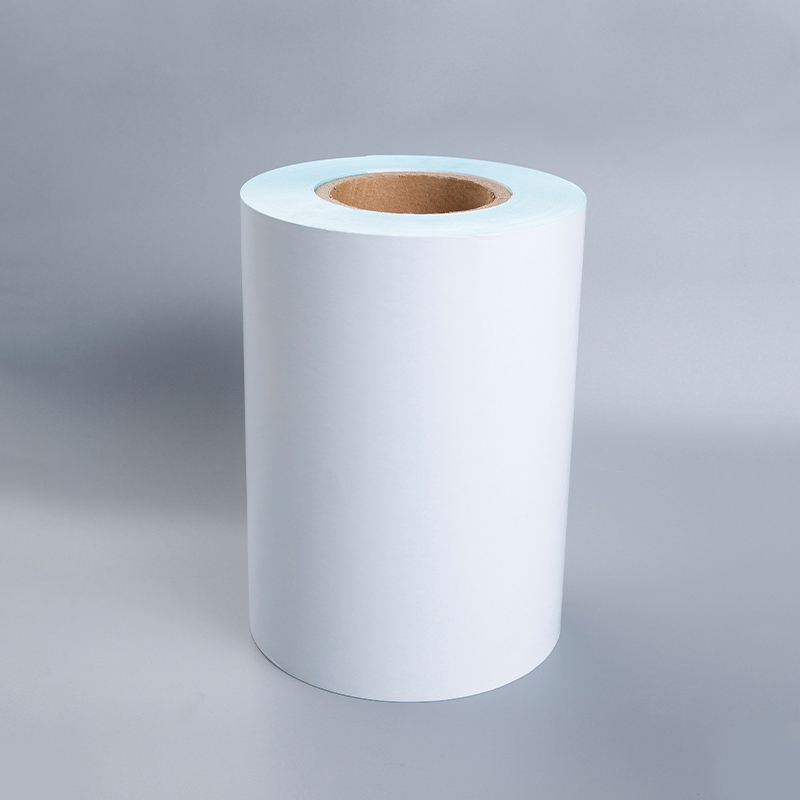
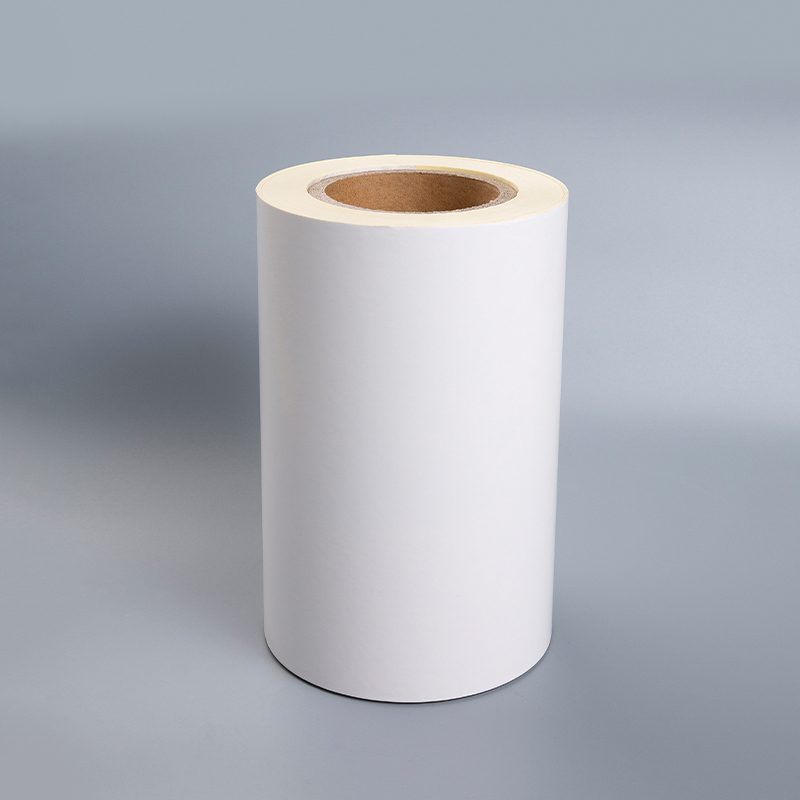
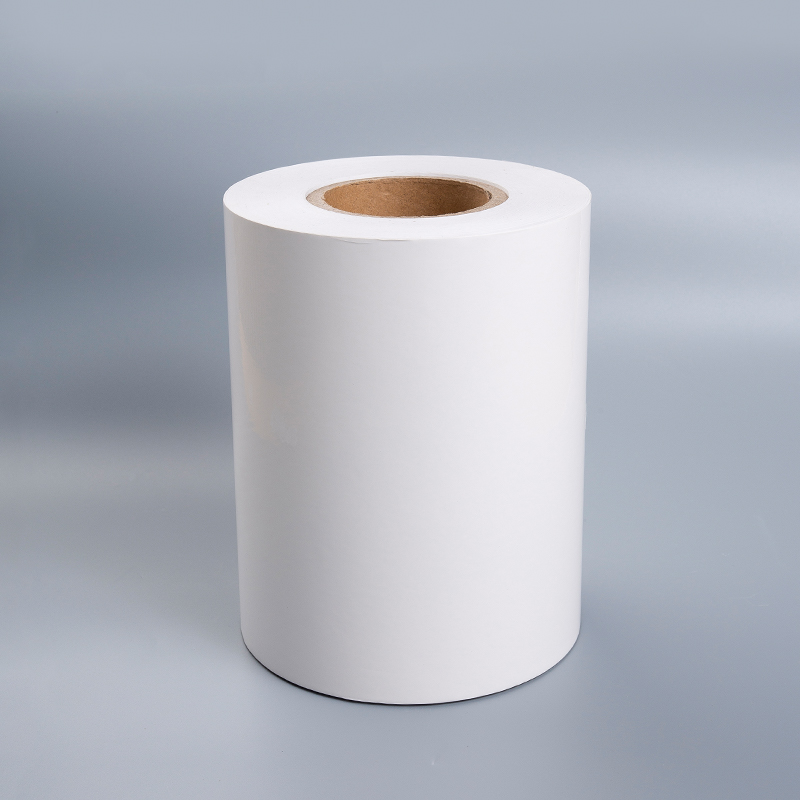
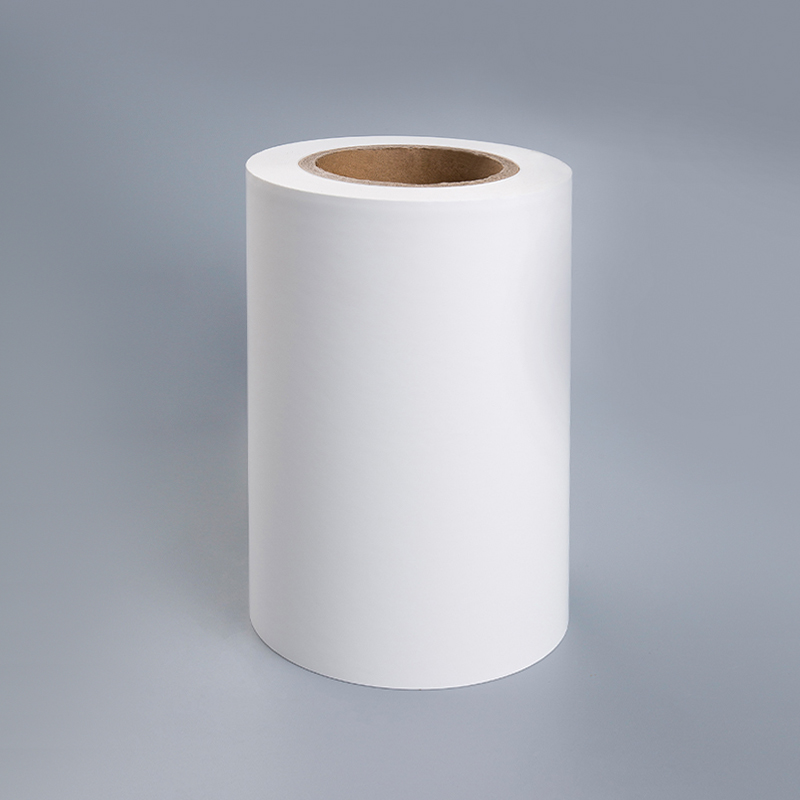
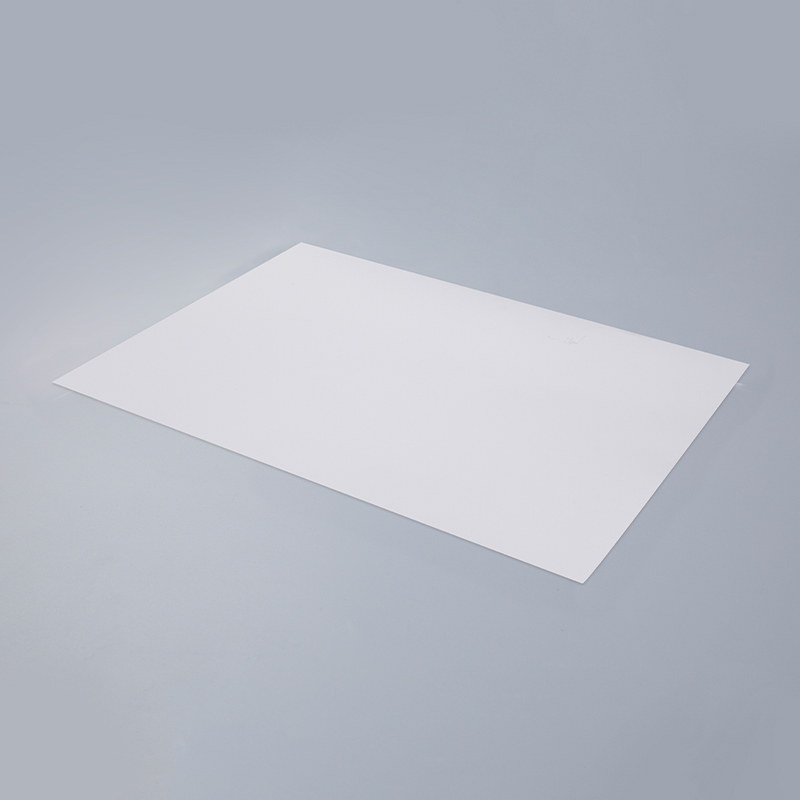
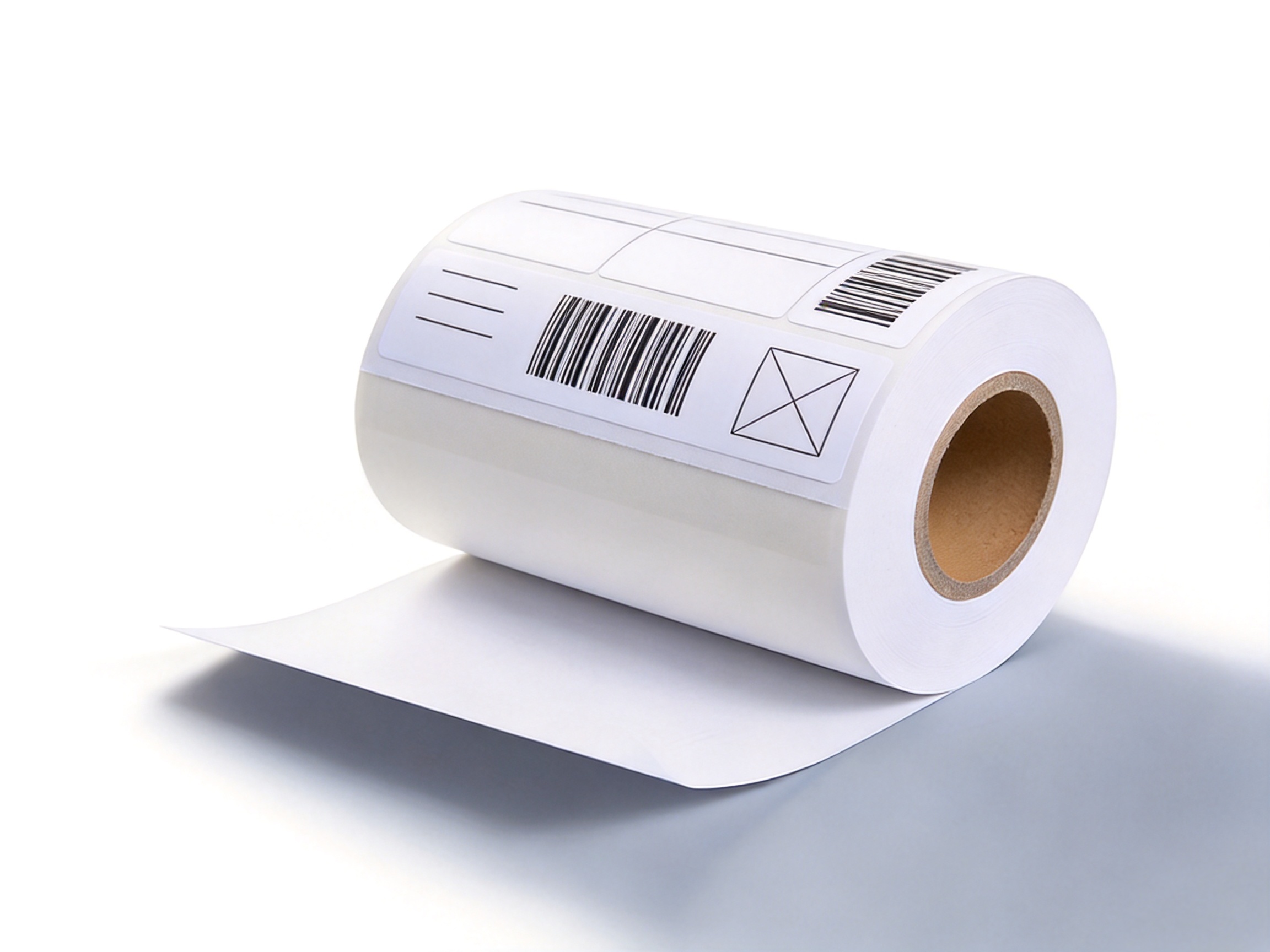
Woodfree paper with a white release liner is a versatile self-adhesive label material designed for businesses that need dependable adhesion, a clean printable surface, and efficient converting performance. It combines a woodfree paper face stock, a pressure-sensitive adhesive layer, and a release liner engineered to protect the adhesive until the label is ready for application. This construction supports a broad range of everyday labeling tasks, from retail and warehouse identification to medical supplies, outer-box stickers, office organization, and logistics management.
As self-adhesive labels become increasingly important across retail, manufacturing, transportation, healthcare, and administration, buyers are looking for more than a basic adhesive sheet. They need consistent quality from roll to roll and sheet to sheet, stable dimensions during printing and die cutting, reliable bonding to common surfaces, and a liner that separates smoothly without damaging the label. Woodfree paper with a white release liner addresses these requirements through a balanced material structure and a broad range of available specifications.
This product is manufactured by Suzhou Piaozhihua Composite Material Technology Co., Ltd., a specialist producer of self-adhesive labels and related composite materials. The company combines face-material selection, adhesive coating, lamination, slitting, sheet cutting, inspection, packaging, research and development, and customer service within an integrated operating system. Its production capabilities and customization options allow customers to select suitable adhesives, liners, widths, sheet sizes, and packaging formats for different applications.
Content
- 1 Understanding the Product Structure
- 2 Key Advantages of Woodfree Paper with White Release Liner
- 3 Application Areas
- 4 Advantages Compared with Less Flexible Label Materials
- 5 Manufacturing Capabilities
- 6 Adhesive Options for Different Requirements
- 7 Release Liner Selection
- 8 Printing and Converting Considerations
- 9 Packaging and Delivery
- 10 OEM and ODM Customization
- 11 Quality, Sustainability, and Product Development
- 12 Why Choose This Product for Commercial Label Programs?
- 13 Recommended Purchasing Process
- 14 Frequently Asked Questions
- 14.1 What is woodfree paper with a white release liner?
- 14.2 What is the standard face-material weight?
- 14.3 What adhesive is supplied with the product?
- 14.4 What is the standard liner?
- 14.5 Can this material be supplied in rolls?
- 14.6 Can this material be supplied as sheets?
- 14.7 Is the product suitable for warehouse and logistics labels?
- 14.8 Can it be used in cold environments?
- 14.9 Is removable adhesive available?
- 14.10 Does the company provide OEM and ODM services?
- 14.11 How are sheet products packed?
- 14.12 What manufacturing capabilities does the company have?
- 14.13 How should buyers choose between different liners?
- 15 Conclusion
- 16 References
- 17 Product: Woodfree Paper With White Release Liner
Understanding the Product Structure
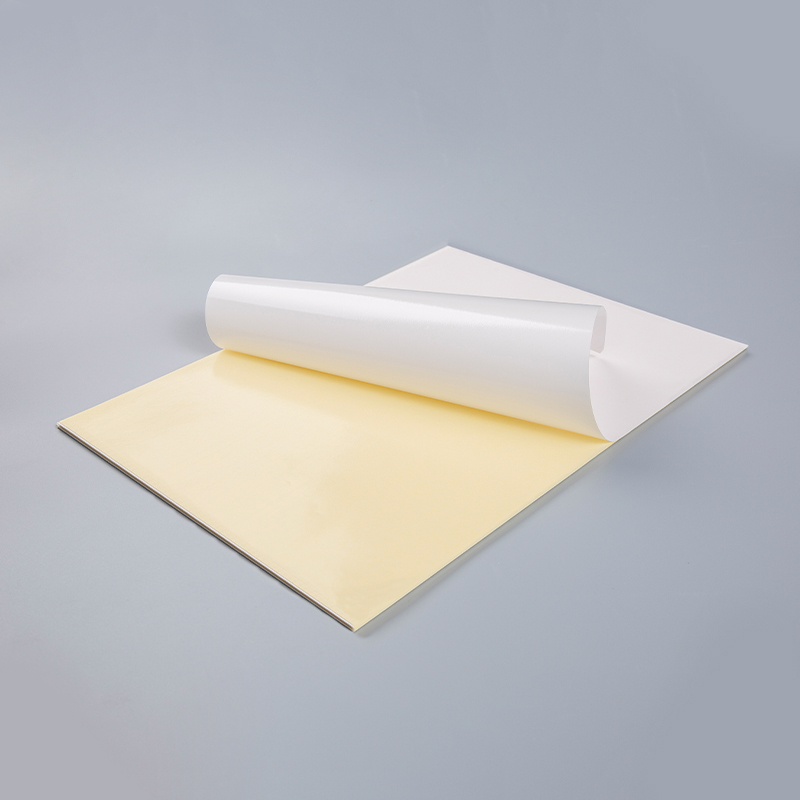
A self-adhesive label is a multilayer material. Each layer performs a different function, and the performance of the finished product depends on how well those layers work together.
The top layer is the woodfree paper face material. Woodfree paper is commonly selected when a smooth, clean, and printable surface is required. It provides a practical base for printed text, barcodes, product information, warehouse codes, pricing details, and identification marks. The available face-material range includes a standard 75 gsm option as well as 70 gsm, 80 gsm, 100 gsm, 120 gsm, and 140 gsm alternatives.
The middle layer is the adhesive. This product is available with hot melt adhesive, while other adhesive systems can also be supplied according to application requirements. Options include water-based adhesive, solvent adhesive, removable adhesive, anti-freeze adhesive, cryogenic adhesive, and tyre-grade rubber adhesive. This range allows the material to be adapted for ordinary indoor labeling, cold environments, temporary labeling, demanding industrial surfaces, and specialized applications.
The bottom layer is the release liner. The standard configuration uses a 90 gsm white release paper. Other liner options include glassine paper, release paper in several weights, art paper, and clay-coated kraft, or CCK, liner. The liner protects the adhesive during storage and transportation and allows the label to be removed cleanly before application.
The three-layer structure must remain stable throughout printing, converting, packing, shipment, storage, and final use. The face material must remain sufficiently flat, the adhesive must remain securely bonded to the face stock, and the liner must release in a controlled way. Inconsistent performance in any one of these areas can cause curling, premature peeling, feeding problems, or waste during production.
Key Advantages of Woodfree Paper with White Release Liner
Clean and Practical Printable Face Material
Woodfree paper offers a smooth and professional appearance suitable for a wide range of label designs. Its clean white surface creates a clear background for printed information and supports easy visual recognition. Retail labels, carton markings, inventory identifiers, office labels, and medical supply stickers can all benefit from a face stock that presents text and graphics in an orderly way.
Compared with rougher or less uniform paper materials, a well-manufactured woodfree face stock can help provide more consistent print results. This is particularly useful when labels include small text, serial numbers, barcodes, prices, symbols, or other information that must remain legible. The white surface also makes it easier to create a strong contrast between the printed image and the label background.
Strong and Uniform Adhesion
The product is designed to provide uniform glue coverage and high adhesion. These characteristics are important because a label should remain attached after it has been applied correctly to a suitable surface. Poor adhesive distribution can lead to lifting edges, bubbles, incomplete bonding, or labels that detach during handling.
Uniform adhesive application supports a more consistent result across the entire label area. High adhesion is beneficial for store labels, warehouse marks, logistics stickers, outer-box labels, and other products that may experience repeated handling. The material is intended not to deglue easily under normal application conditions, helping reduce the risk of label loss and replacement work.
Adhesive performance always depends on the application surface, temperature, cleanliness, pressure, and storage conditions. Nevertheless, selecting the correct adhesive option gives buyers a stronger foundation for reliable use. The availability of different adhesive systems is an important advantage over products that provide only one general-purpose formulation.
White Release Liner for Smooth Label Handling
The standard 90 gsm white release paper liner offers a clean and stable backing for the self-adhesive material. A white liner can make the product easier to identify during production and handling, while its paper structure provides suitable support for sheet and roll formats.
A good release liner must protect the adhesive without creating excessive release resistance. If the liner is too difficult to remove, operators may slow down production or damage the label while peeling it. If the liner releases too easily, the label may shift or separate prematurely during storage and converting. The white release liner is selected to provide a practical balance between adhesive protection and controlled release.
For customers with different processing needs, the company can also offer glassine paper, other release paper weights, art paper, and CCK liner options. This flexibility is valuable for label printers and converters that use different equipment or require different stiffness, smoothness, release, or handling characteristics.
Multiple Thicknesses and Liner Choices
Different end uses require different combinations of face material, adhesive, and liner. A lightweight label may be suitable for routine office or retail work, while a heavier construction may be preferred for more demanding handling or a more substantial appearance.
The product range includes several face-stock weights from 70 gsm to 140 gsm. Liner choices include 50 gsm, 60 gsm, 80 gsm, 90 gsm, 100 gsm, and 120 gsm glassine or release paper options, along with 140 gsm and 165 gsm art paper and 50 gsm, 80 gsm, 90 gsm, and 120 gsm CCK liners. This broad selection allows customers to create a construction suited to specific printing, converting, application, and packaging requirements.
Roll and Sheet Availability
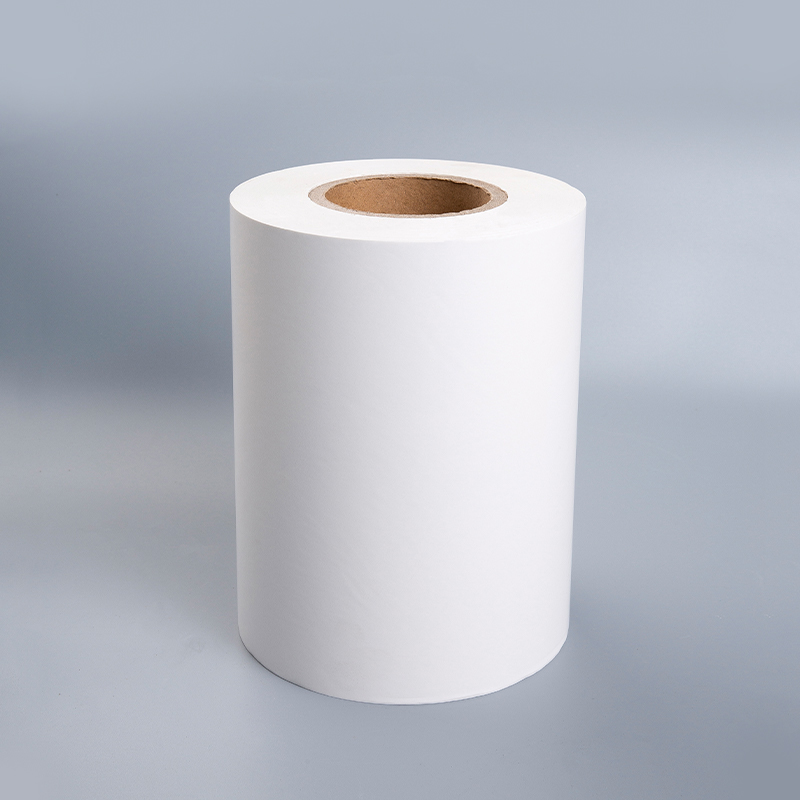
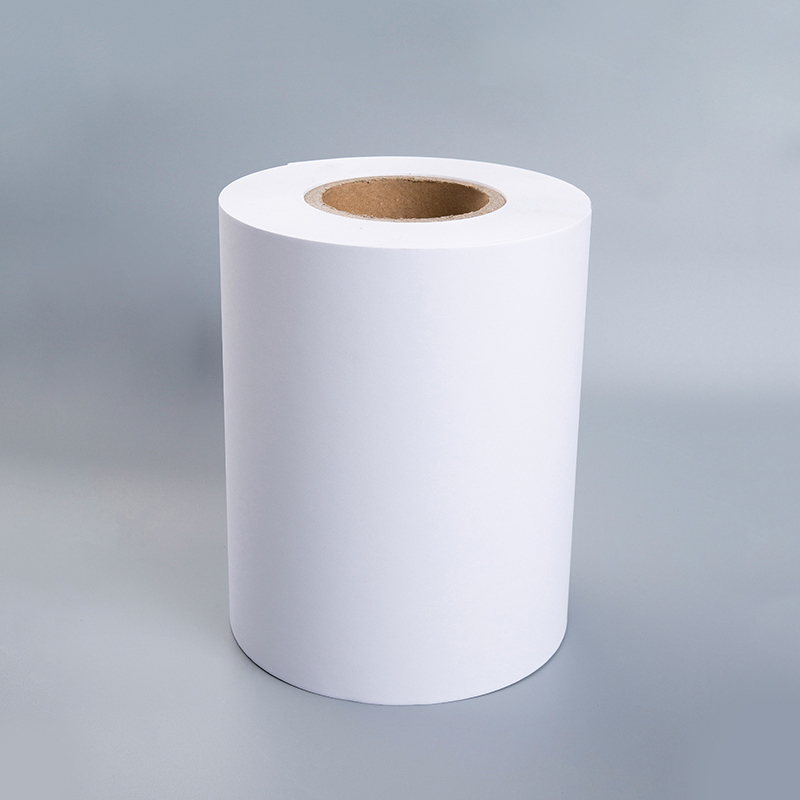
Woodfree paper with a white release liner is available in jumbo rolls and sheets. Jumbo roll widths include 1000 mm, 1020 mm, 1080 mm, and 1530 mm. These widths can support different slitting plans and production layouts, helping converters make better use of their equipment.
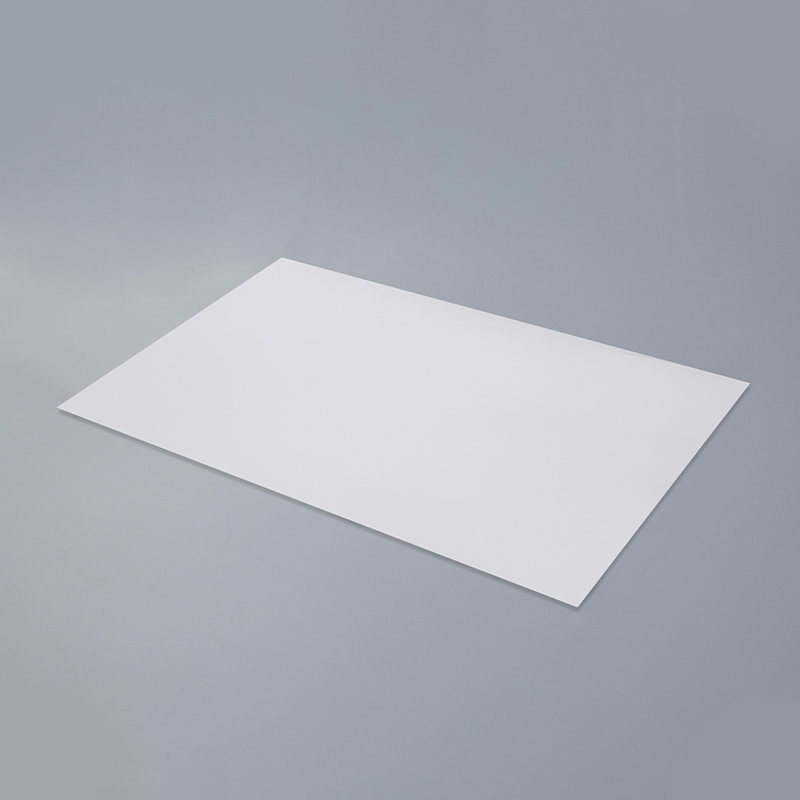
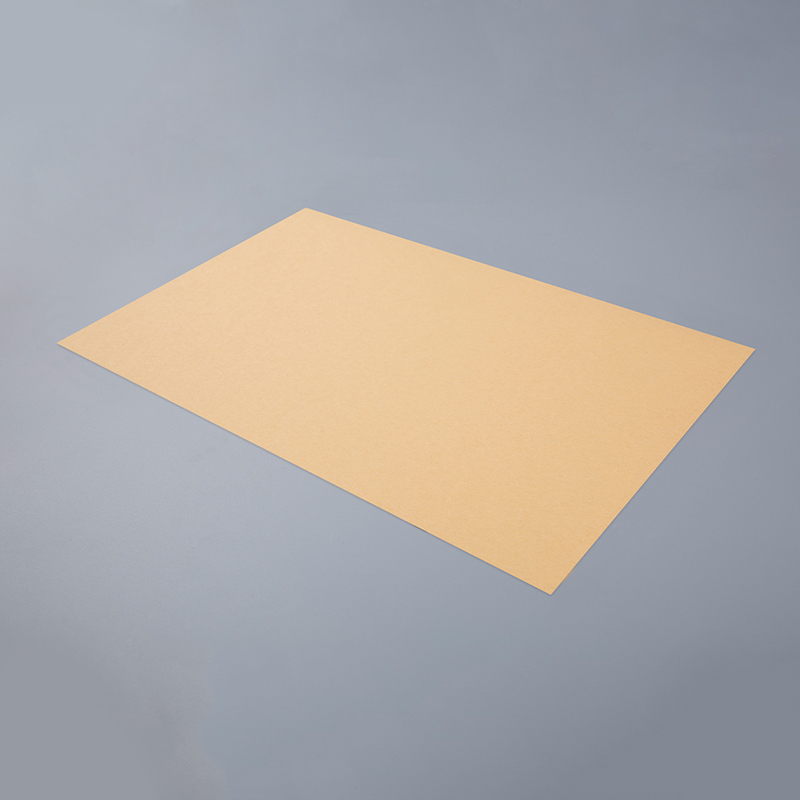
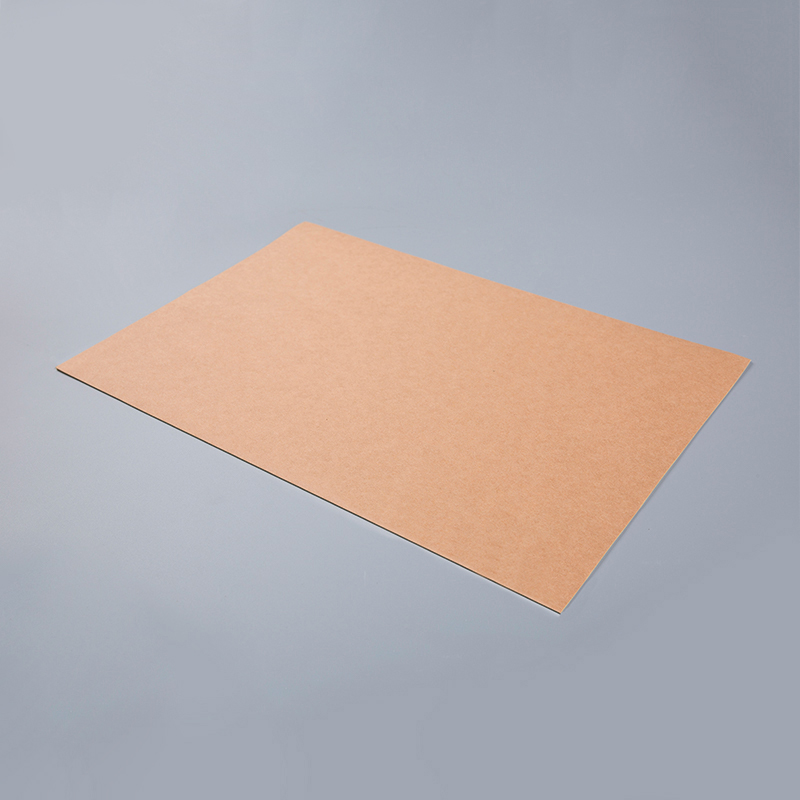
Sheet formats include A4, A3, 20 by 30 centimeters, 21 by 30 centimeters, 24 by 36 inches, 50 by 70 centimeters, and 70 by 100 centimeters. Customized sizes are also available. Sheet supply is suitable for customers who need ready-to-print self-adhesive sheets, while roll supply is appropriate for manufacturers that perform their own slitting, sheeting, printing, or die cutting.
Offering both forms gives customers more purchasing flexibility. They can order material according to their production process rather than adapting their entire workflow to one standard format.
Woodfree Paper With White Release Liner
Application Areas
Stores and Supermarkets
Retail environments require labels that are easy to print, easy to identify, and sufficiently adhesive for daily handling. Woodfree self-adhesive labels can be used for pricing, shelf organization, promotional information, stock identification, and product categorization.
The smooth white face material helps printed prices and product details remain visually clear. The adhesive supports attachment to suitable packaging, display materials, cartons, shelves, and containers. Since retail operations often involve large volumes of labels, consistent feeding, clean release, and dependable adhesion are important for maintaining efficiency.
Warehousing and Logistics
Warehouses and logistics providers use labels to identify cartons, pallets, parcels, storage locations, and shipment information. These labels may be scanned, sorted, transported, and handled several times before reaching their destination.
The product’s uniform adhesive coverage and high adhesion can help labels remain attached during normal warehouse and transportation activities. The white face stock also provides a practical background for barcodes, item codes, routing information, and handwritten notes where required.
For operations involving cold storage, frozen goods, or temperature-sensitive transportation, an anti-freeze or cryogenic adhesive option may be considered. The appropriate adhesive should be selected according to the actual temperature range, surface, dwell time, and application conditions.
Medical Supplies
Labels for medical supplies require clear identification and stable attachment. They may be used on packages, containers, cartons, sample-related materials, storage units, and administrative documents. The printable woodfree surface can support clear product names, lot information, handling instructions, or internal identification codes.
Medical applications can involve special compliance, cleanliness, and traceability requirements. Buyers should confirm that the complete label construction, adhesive, printing process, and packaging method meet the standards applicable to their intended use. The availability of customized adhesive and liner options can help support more specialized label programs.
Outer Box Stickers
Outer cartons and shipping boxes often need labels that remain visible and attached throughout storage and transportation. Labels may display destination information, handling instructions, order details, item identification, or internal warehouse codes.
The strong adhesive construction is suitable for many common carton-labeling tasks when the surface is clean and compatible. The sheet and roll formats also allow customers to choose a supply form that matches manual application or automated processing.
Daily Office Use
Office users require practical labels for files, folders, shelves, envelopes, storage boxes, equipment, and document organization. A white woodfree face stock provides a simple, professional appearance and can be used for printed or handwritten information, depending on the selected printing method and ink compatibility.
A4 and A3 sheet formats are especially convenient for office and digital-printing workflows. They can be processed using suitable sheet-fed equipment, making them accessible to businesses that do not operate industrial roll-converting lines.
Advantages Compared with Less Flexible Label Materials
Self-adhesive label buyers often compare products according to price, appearance, adhesion, processing stability, available formats, and customization. Woodfree paper with a white release liner offers a balanced solution for customers who need a versatile paper-based label rather than a highly specialized film construction.
Versus Basic Paper Labels
Basic paper labels may provide a face material and adhesive, but they may offer fewer choices in adhesive chemistry, liner construction, weight, and supply format. The product described here is supported by a wider material selection, including several face-stock weights and multiple liner alternatives.
This flexibility helps customers avoid using one standard construction for every application. A retail customer may select a conventional hot melt adhesive, while a cold-chain operator may require an anti-freeze or cryogenic adhesive. A sheet printer may choose a particular liner weight, while a roll converter may select another construction for high-speed processing.
Versus Poorly Coated Adhesive Materials
Uneven coating can cause inconsistent adhesion and create visible or functional defects. Areas with insufficient adhesive may fail to bond, while excessive adhesive can create ooze, contamination, or processing problems.
The product emphasizes uniform glue application and high adhesion. These characteristics support more predictable label performance and can help reduce waste related to premature lifting or incomplete bonding. A controlled coating process is particularly important for commercial customers that process large volumes of material.
Versus Single-Format Products
Some suppliers offer only one sheet size or one roll width. This can create additional cutting, slitting, or inventory work for customers. The availability of multiple jumbo roll widths, standard sheet formats, and customized dimensions allows customers to purchase closer to their real production requirements.
Customized sizes can also help reduce trim waste. When the material dimensions are matched to the label design or converting layout, production planning can become more efficient. The actual benefit depends on the customer’s equipment, artwork, die layout, and order volume.
Versus Materials with Limited Supplier Support
Label material performance is not determined only by the product specification. Technical communication, sample development, quality control, packaging, delivery coordination, and after-sales service also affect the buying experience.
Suzhou Piaozhihua Composite Material Technology Co., Ltd. integrates research and development, production, sales, and after-sales service. The company accepts OEM and ODM projects and can manufacture according to customer drawings or samples. This makes it possible to discuss a complete material construction rather than simply selecting from a fixed catalog.
Manufacturing Capabilities
Integrated Production Lines
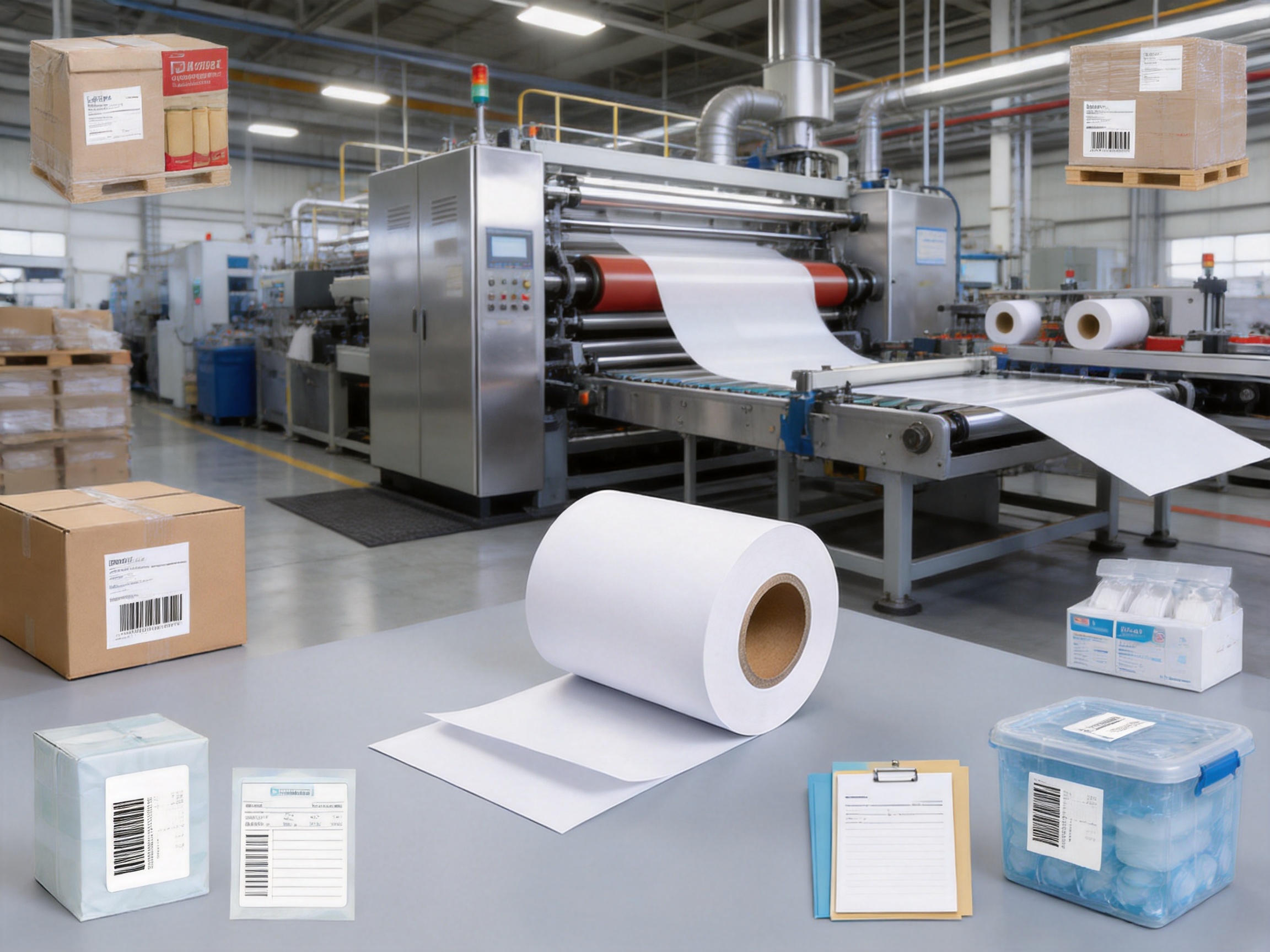
The company operates production lines covering gluing, laminating, and cutting. Integrating these processes helps maintain better coordination between the different layers of the label material.
During gluing, the adhesive must be applied evenly across the selected face stock. During lamination, the face material, adhesive, and liner must be brought together with suitable tension and pressure. During cutting or slitting, the finished material must be converted into the requested roll or sheet format without compromising its edges or dimensional stability.
An integrated production structure can support closer control over the complete manufacturing sequence. It also allows the company to respond more efficiently when customers request special widths, liner combinations, adhesive types, or packaging arrangements.
Large Annual Production Capacity
The company reports an annual production capacity of more than 280 million square meters. This capacity is significant for customers that require stable supply, regular replenishment, or large-volume contract production.
High capacity can provide several practical advantages. It may support better production planning, reduce dependence on short-term spot purchases, and help the supplier serve customers in different markets. Large-scale operations can also support the development of standardized production procedures and repeat-order consistency.
Capacity alone does not guarantee quality, so buyers should still evaluate samples, specifications, inspection records, and order-specific requirements. However, a large manufacturing base provides a useful foundation for serving both routine and customized orders.
Quality Inspection and Testing
The company has its own testing laboratory and advanced inspection equipment. Testing is essential for composite label products because performance depends on several variables, including face-stock weight, adhesive coating, release characteristics, roll condition, sheet dimensions, and overall bonding quality.
Inspection may be used to confirm whether the product corresponds to the agreed specification. Depending on the order, relevant checks can include appearance, basis weight, thickness, width, sheet dimensions, adhesive uniformity, release behavior, and adhesion performance. Customers can communicate their own quality requirements so that the inspection program reflects the intended application.
A testing laboratory also supports product development. When customers require a different adhesive, liner, or face material, controlled testing can help compare material combinations before full production. This is especially useful for applications involving unusual surfaces, low temperatures, removable labels, or special converting conditions.
Research and Development
The company maintains a professional research and development team and reports multiple patents. Its R&D capabilities support continued development of self-adhesive products, including more specialized adhesive and backing-paper solutions.
Research and development is important because market requirements continue to change. Customers increasingly request materials that are easier to process, more suitable for specific temperature ranges, more compatible with digital printing, or aligned with environmental objectives. A supplier with internal technical resources is better positioned to investigate these requirements and develop practical solutions.
Adhesive Options for Different Requirements
Hot Melt Adhesive
Hot melt adhesive is available for the product and is widely used in pressure-sensitive label constructions. It can provide strong initial tack and reliable bonding for many ordinary labeling tasks. It may be suitable for retail, warehouse, logistics, packaging, and office applications when the surface and operating conditions are compatible.
Customers should evaluate the adhesive according to the substrate, application temperature, service temperature, required permanence, and expected handling conditions. The same adhesive should not automatically be assumed to be suitable for every surface or environment.
Water-Based Adhesive
Water-based adhesive can be considered when a different coating system or application profile is required. It may be selected for particular printing, processing, or environmental preferences. The suitability of a water-based construction should be confirmed through application testing, especially where moisture, low temperature, or difficult substrates are involved.
Solvent Adhesive
Solvent adhesive options can be used for demanding applications where strong bonding or specialized performance is required. They may be considered for challenging surfaces or service environments. Technical evaluation is recommended before production because surface energy, temperature, plasticizer migration, and long-term aging can influence adhesive performance.
Removable Adhesive
Removable adhesive is intended for labels that should be taken off with reduced residue or lower risk of surface damage under suitable conditions. It can be useful for temporary identification, promotional labels, office organization, rental equipment, or other applications where permanent bonding is unnecessary.
Removability depends on the surface, time of application, temperature, and exposure conditions. A removable label should always be tested on the actual substrate, particularly when it will remain in place for an extended period.
Anti-Freeze and Cryogenic Adhesive
Anti-freeze adhesive and cryogenic adhesive options are available for low-temperature applications. These constructions may be considered for cold storage, frozen products, laboratory environments, or other situations where ordinary adhesive may lose tack or become brittle.
Low-temperature labeling is highly application-specific. The customer should provide information about the minimum temperature, whether the label is applied before or after cooling, the type of surface, condensation levels, and the required service duration. Testing under realistic conditions is the best way to confirm suitability.
Tyre-Grade Rubber Adhesive
Tyre-grade rubber adhesive is available for specialized applications involving demanding substrates and bonding conditions. This option can be considered when a rubber-based adhesive profile is required for industrial identification or related uses.
As with all specialized adhesive systems, customers should confirm compatibility with the exact substrate and processing environment. The company’s OEM and ODM capabilities allow technical requirements to be discussed before production.
Release Liner Selection
The release liner affects how the label material is stored, printed, converted, and applied. Selecting the correct liner can improve processing efficiency and reduce operational difficulties.
White Release Paper
The standard 90 gsm white release paper provides a practical general-purpose backing. It offers a clean appearance and suitable support for the self-adhesive construction. It can be supplied for both roll and sheet products, depending on the customer’s requirements.
Glassine Paper
Glassine paper is available in 50 gsm, 60 gsm, 80 gsm, 100 gsm, and 120 gsm options. Glassine can be selected when a smoother, more dimensionally controlled, or lighter release liner is preferred for a particular converting or labeling process.
Other Release Paper
Release paper options are available in 60 gsm, 120 gsm, and 140 gsm. These alternatives provide additional choices for customers that require a different balance of liner stiffness, weight, handling, and release performance.
Art Paper
Art paper is available in 140 gsm and 165 gsm. A heavier liner may provide additional rigidity and support in certain sheet applications or during handling. It can be considered when the customer needs a more substantial backing structure.
CCK Liner
CCK liner is available in 50 gsm, 80 gsm, 90 gsm, and 120 gsm. These options can be evaluated for applications where a clay-coated kraft construction is preferred. The appropriate weight depends on the label format, printing equipment, converting method, and desired handling characteristics.
Printing and Converting Considerations
Before ordering, customers should identify the printing process that will be used. Sheet-fed digital printing, offset printing, flexographic printing, thermal transfer, and other processes may have different requirements for surface smoothness, moisture balance, liner support, static control, and feeding performance.
The woodfree face stock provides a practical printable surface, but the final print quality will also depend on ink, toner, printer settings, drying conditions, artwork, and storage. Customers should test the specific combination of printer and label construction before beginning a large production run.
For roll products, the jumbo roll width should be selected according to the slitting and printing plan. Available widths of 1000 mm, 1020 mm, 1080 mm, and 1530 mm provide several starting points for production planning. Slitting width, core size, roll diameter, winding direction, and maximum roll weight should be confirmed in advance where relevant to the customer’s equipment.
For sheet products, dimensions such as A4, A3, 20 by 30 centimeters, 21 by 30 centimeters, 24 by 36 inches, 50 by 70 centimeters, and 70 by 100 centimeters are available. Custom dimensions can be discussed when standard sizes do not match the customer’s layout.
Die cutting, punching, and sheet cutting should be performed with tooling appropriate for the selected face stock, adhesive, and liner. Excessive pressure, unsuitable blade depth, or poor matrix removal can affect the liner or cause labels to lift from the backing. Process trials are recommended for new constructions.
Packaging and Delivery
Packaging is an important part of product quality because self-adhesive materials can be affected by moisture, pressure, temperature, impact, and rough handling during transportation. The company provides sea-transit-worthy poly-wood pallet packing and carton packing for rolls or sheets from stock.
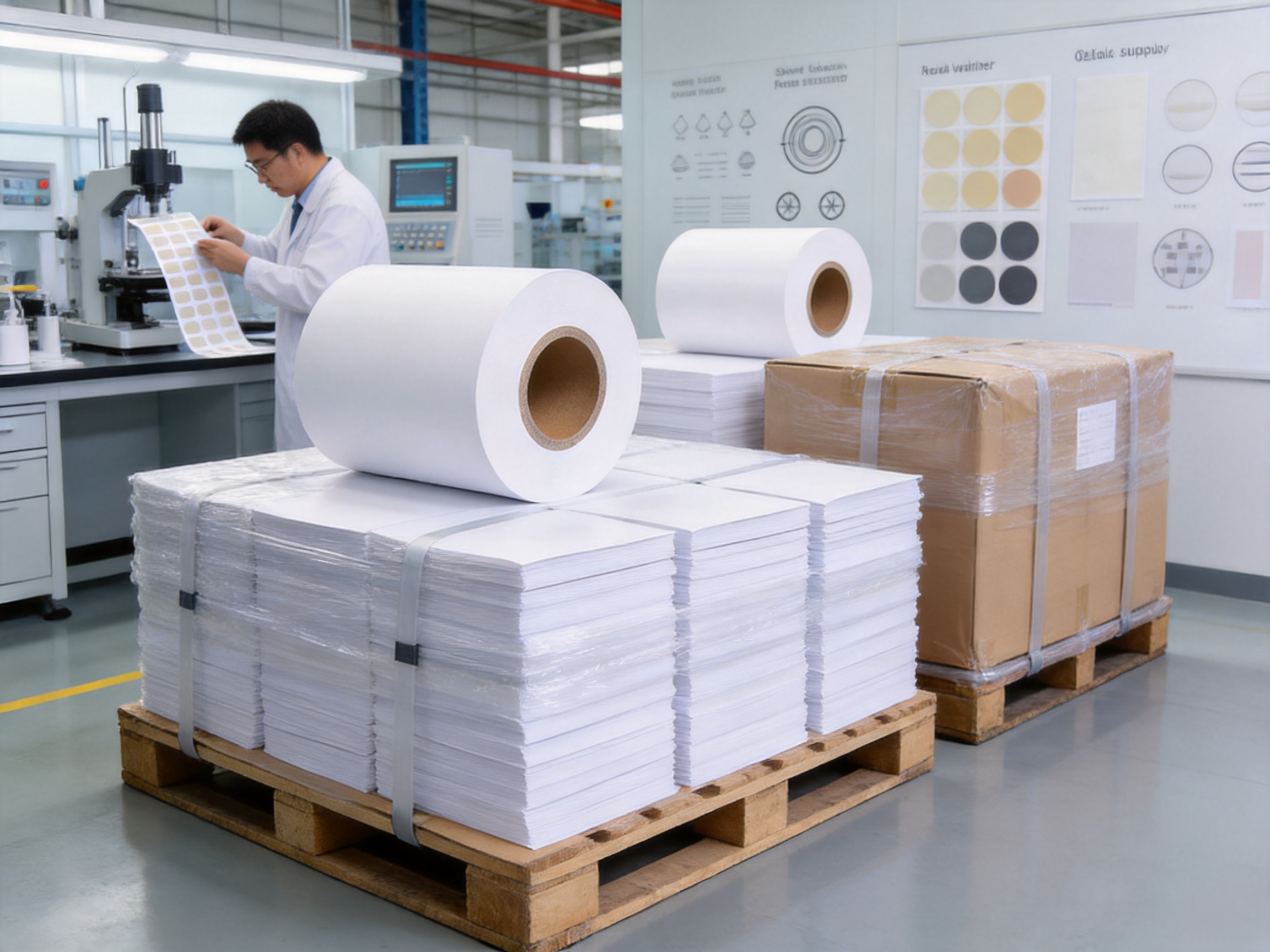
Sheet products can be packed with 100 sheets per ream. Each ream is wrapped with strong PE-coated kraft paper. This type of wrapping helps protect the material during handling and shipping while keeping the sheets organized.
Strong pallets are wrapped with stretch film and fastened with plastic fastening belts. This helps stabilize the cargo and reduce movement during loading, unloading, and transportation. Customers with specific export, warehouse, or container-loading requirements can discuss the packaging configuration before shipment.
Proper storage remains important after delivery. Self-adhesive materials should generally be kept in a clean, dry environment and protected from excessive heat, moisture, direct sunlight, and major temperature fluctuations. Packages should remain sealed until the product is ready for use. The customer should also follow any product-specific storage recommendations supplied with the order.
OEM and ODM Customization
Customers do not always need a standard label material. Some require a particular face-stock weight, adhesive type, liner, width, sheet dimension, or packaging method. The company provides OEM and ODM services and can produce products according to customer drawings or samples.
A typical customization discussion may include the following information:
1. Intended application and end-use environment.
2. Surface type, including cardboard, paper, plastic, glass, metal, rubber, or painted surfaces.
3. Application temperature and service temperature.
4. Required permanence, removability, or resistance to handling.
5. Printing and converting process.
6. Face-material weight and preferred appearance.
7. Liner type and weight.
8. Roll width, core requirements, roll diameter, or sheet size.
9. Packaging, palletization, and shipment requirements.
10. Inspection standards, sample approval procedures, and documentation requirements.
Providing complete information at the beginning helps the manufacturer recommend a more suitable construction. It also reduces the risk of selecting an adhesive or liner that does not match the actual production environment.
Quality, Sustainability, and Product Development
Suzhou Piaozhihua Composite Material Technology Co., Ltd. describes quality manufacturing as a central part of its development and reports more than 20 years of OEM manufacturing experience. Long-term manufacturing experience can support process familiarity, supplier coordination, troubleshooting, and repeat-order management.
The company also places emphasis on sustainable development and environmental protection. Its product development approach includes eco-friendly solutions involving face materials, adhesives, and backing papers. This is relevant to customers that are reviewing the environmental profile of their labeling materials or seeking alternatives for more responsible product design.
Environmental performance should be evaluated across the complete label construction rather than by considering one layer alone. The face stock, adhesive, liner, printing ink, packaging, and disposal route can all influence the overall outcome. Customers should communicate any environmental targets early so that suitable material options can be reviewed.
Where recycled content, lower-impact materials, reduced packaging, or other sustainability requirements are important, the customer should request clear technical information and confirm that the proposed construction meets its internal and regulatory criteria. The company’s research and development capabilities can support discussions about customized solutions.
Why Choose This Product for Commercial Label Programs?
Woodfree paper with a white release liner is a strong choice for customers that need a balanced, adaptable, and commercially practical label material. It combines a clean paper face, high adhesion, controlled release, multiple adhesive choices, several liner options, and roll or sheet availability.
Its principal advantage is flexibility. The product is not limited to one face-stock weight, one adhesive, one liner, or one format. Buyers can select a construction according to the requirements of retail, warehousing, logistics, medical supplies, packaging, office use, cold-temperature labeling, or specialized industrial applications.
The manufacturing platform adds further value. Gluing, laminating, and cutting are supported by integrated production lines, while a reported annual capacity of more than 280 million square meters supports large-volume supply. An in-house testing laboratory, inspection equipment, R&D team, and OEM and ODM services provide additional support for customers with technical or customized requirements.
Compared with low-cost materials that offer limited specifications and little technical assistance, this product can provide a more structured path from initial material selection to finished delivery. Customers can discuss their application, test samples, adjust the construction, confirm the specification, and then proceed with roll or sheet production.
Recommended Purchasing Process
The first step is to define the application clearly. Buyers should explain what will be labeled, where the label will be applied, how long it must remain attached, and what conditions it will experience.
The second step is to identify the processing method. The supplier should know whether the customer needs jumbo rolls, converted rolls, or sheets, as well as the printing, slitting, sheeting, and die-cutting equipment involved.
The third step is to select the adhesive. General-purpose applications may use hot melt adhesive, while low-temperature, removable, solvent-based, water-based, cryogenic, anti-freeze, or tyre-grade requirements may call for another option.
The fourth step is to select the liner. The standard 90 gsm white release paper may be suitable for many applications, but glassine, release paper, art paper, or CCK liner can be considered when different handling or converting characteristics are required.
The fifth step is to confirm dimensions and packaging. Available roll widths include 1000 mm, 1020 mm, 1080 mm, and 1530 mm. Available sheet formats include A4, A3, 20 by 30 centimeters, 21 by 30 centimeters, 24 by 36 inches, 50 by 70 centimeters, and 70 by 100 centimeters. Customized sizes can also be discussed.
The sixth step is to conduct testing. Samples should be printed, applied to the intended surface, and evaluated under realistic conditions. Tests may include initial tack, peel behavior, aging, temperature exposure, removability, barcode readability, printing quality, die cutting, liner release, and storage stability.
The final step is to approve the specification and packaging method. Once the material construction and quality requirements are agreed, the supplier can prepare the production and delivery plan.
Frequently Asked Questions
What is woodfree paper with a white release liner?
It is a self-adhesive label material consisting of a woodfree paper face stock, an adhesive layer, and a white release paper liner. The liner protects the adhesive until the label is ready to be removed and applied.
What is the standard face-material weight?
The listed standard is 75 gsm woodfree paper. Other available face-material weights include 70 gsm, 80 gsm, 100 gsm, 120 gsm, and 140 gsm.
What adhesive is supplied with the product?
Hot melt adhesive is available. Other options include water-based adhesive, solvent adhesive, removable adhesive, anti-freeze adhesive, cryogenic adhesive, and tyre-grade rubber adhesive.
What is the standard liner?
The standard liner is 90 gsm white release paper. Glassine paper, other release paper, art paper, and CCK liner are also available in several weights.
Can this material be supplied in rolls?
Yes. Jumbo roll widths include 1000 mm, 1020 mm, 1080 mm, and 1530 mm. Specific roll details should be confirmed according to the customer’s equipment and order requirements.
Can this material be supplied as sheets?
Yes. Available sheet sizes include A4, A3, 20 by 30 centimeters, 21 by 30 centimeters, 24 by 36 inches, 50 by 70 centimeters, and 70 by 100 centimeters. Customized sheet sizes can also be requested.
Is the product suitable for warehouse and logistics labels?
Yes. Its application range includes warehousing, logistics, outer-box stickers, and related identification tasks. The final construction should be selected according to the carton surface, handling conditions, temperature, and required service life.
Can it be used in cold environments?
Anti-freeze and cryogenic adhesive options are available for low-temperature applications. Customers should provide the actual temperature and application conditions and should test the material on the intended surface before full production.
Is removable adhesive available?
Yes. Removable adhesive is available for applications where labels may need to be taken off with reduced residue or lower risk of surface damage. Removability should be verified on the actual substrate and after the expected application period.
Does the company provide OEM and ODM services?
Yes. The company accepts OEM and ODM projects and can produce according to customer drawings or samples. Customization may cover materials, adhesives, liners, dimensions, packaging, and other technical requirements.
How are sheet products packed?
Sheet products can be packed with 100 sheets per ream. Each ream is wrapped with strong PE-coated kraft paper, and pallets are wrapped with stretch film and secured with plastic fastening belts.
What manufacturing capabilities does the company have?
The company operates production lines for gluing, laminating, and cutting. It also has an in-house testing laboratory, inspection equipment, a professional R&D team, and reported annual production capacity of more than 280 million square meters.
How should buyers choose between different liners?
The choice depends on the printing process, converting equipment, desired stiffness, release behavior, sheet or roll format, and application requirements. The standard 90 gsm white release paper is a practical starting point, while glassine, release paper, art paper, and CCK liner provide additional options.
Conclusion
Woodfree paper with a white release liner is a dependable and adaptable material for the production of self-adhesive labels. Its clean printable face, uniform glue coverage, high adhesion, controlled release, and broad specification range make it suitable for stores, supermarkets, warehouses, logistics operations, medical supplies, outer cartons, offices, and many other labeling environments.
The product is strengthened by the manufacturer’s integrated production capabilities. Gluing, laminating, and cutting lines support coordinated manufacturing, while a large reported annual capacity supports commercial supply. Testing facilities, inspection equipment, research and development resources, OEM and ODM services, and more than 20 years of manufacturing experience provide additional support for customers seeking consistent and customized label materials.
With multiple woodfree paper weights, adhesive systems, liner choices, roll widths, sheet sizes, and packaging formats, the product can be adapted to different production workflows. Customers can select a standard construction or work with the manufacturer to develop a material matched to their surface, temperature, printing, converting, and application requirements.
For businesses seeking a practical alternative to inflexible or inconsistently coated label stock, this material offers a balanced combination of performance, format flexibility, manufacturing support, and customization potential.
References
1. Product specification information for woodfree paper with white release liner, including face-material weights, adhesive options, liner choices, roll widths, and sheet sizes.
2. Company manufacturing information concerning gluing, laminating, cutting, testing, research and development, OEM services, ODM services, and annual production capacity.
3. Company packaging information concerning ream packing, PE-coated kraft paper wrapping, pallet stabilization, stretch film, and plastic fastening belts.
4. General pressure-sensitive label-material principles relating to face stock, adhesive selection, release liners, printing, converting, storage, and application testing.
5. General packaging and logistics considerations for self-adhesive label materials supplied in rolls and sheets.