
 English
 Español
 русский
 Français
 عربى
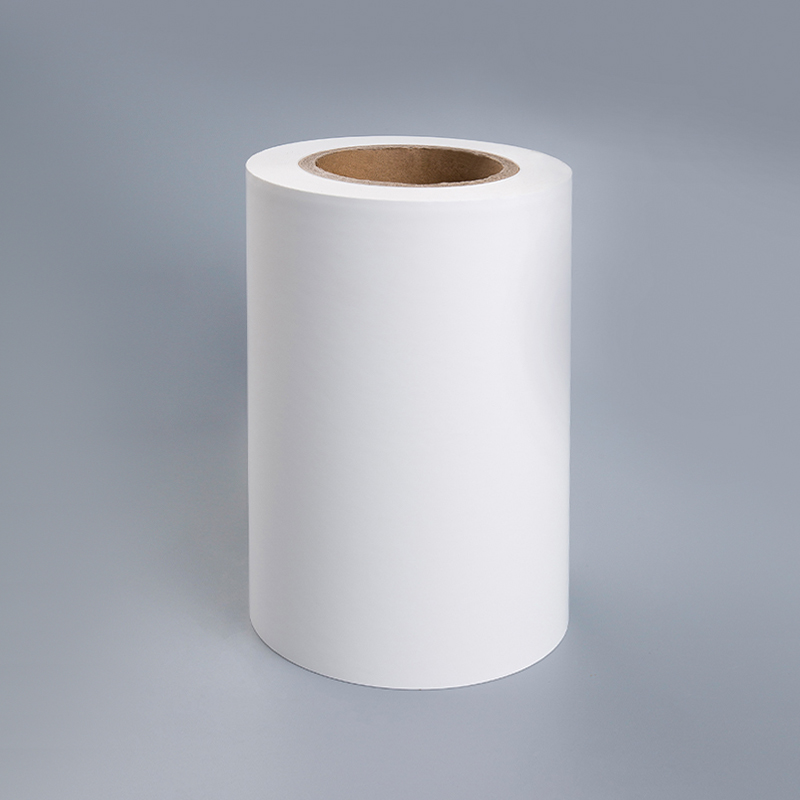
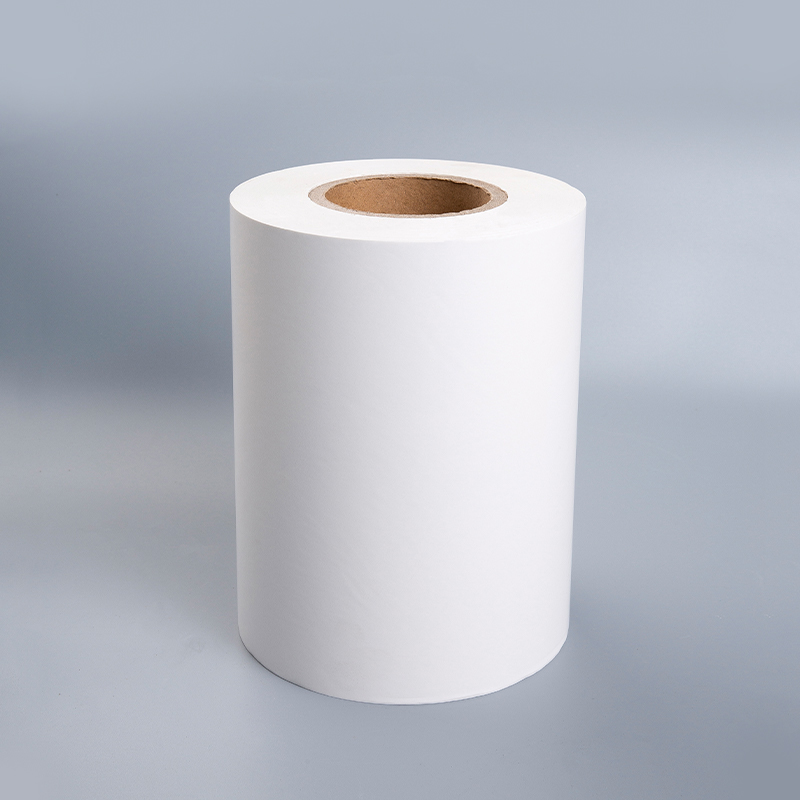
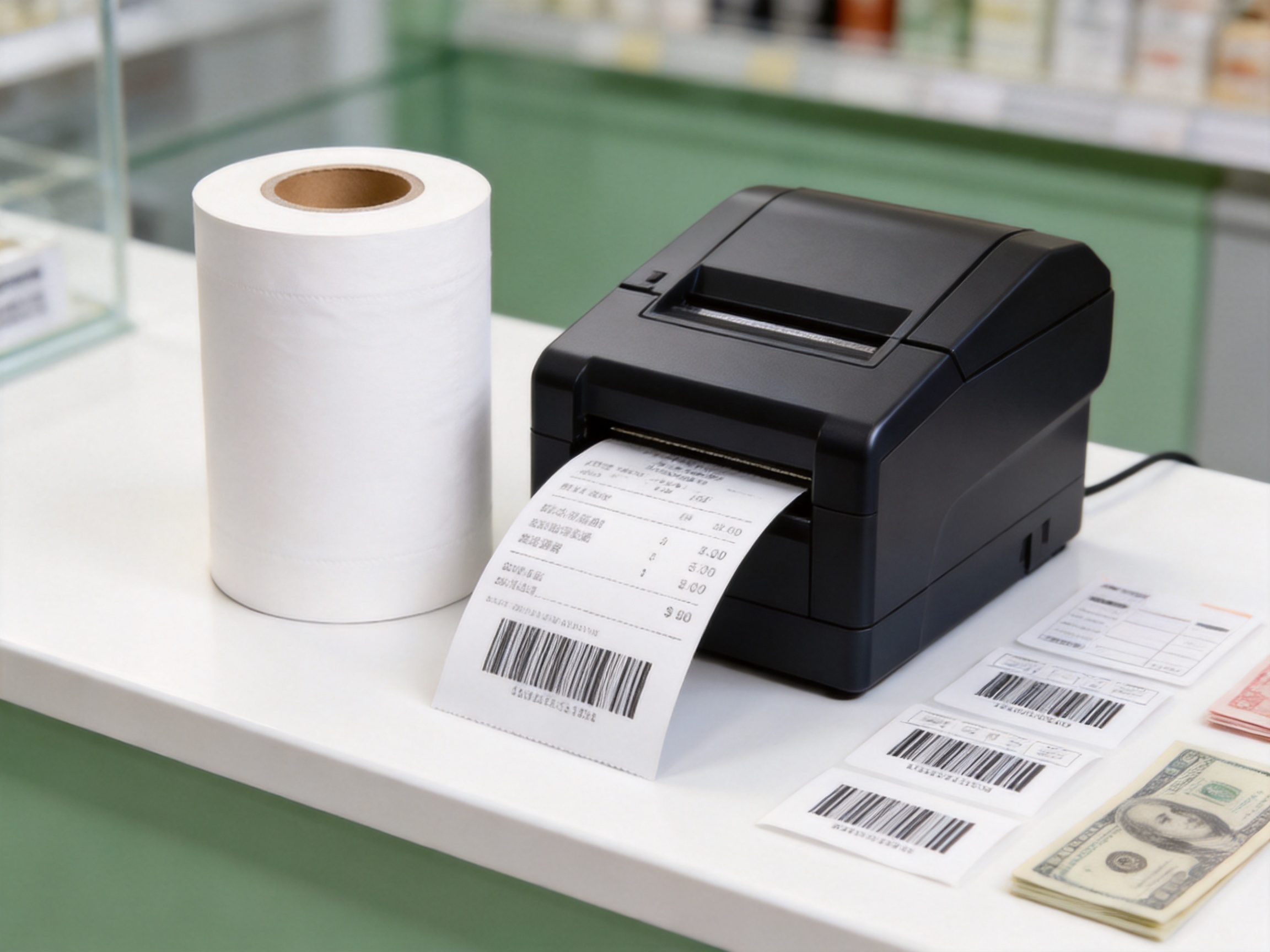
ECO Thermal Paper is a practical material solution for businesses that need fast, clear, and economical printing for temporary labels, receipts, small bills, tickets, and routine transaction documents. Designed for direct thermal printing, this paper develops a visible image through controlled heat from a thermal printhead, eliminating the need for ink, toner, ribbons, or liquid printing consumables. That simple printing principle makes thermal paper highly suitable for high-volume environments where speed, convenience, and dependable output are essential.
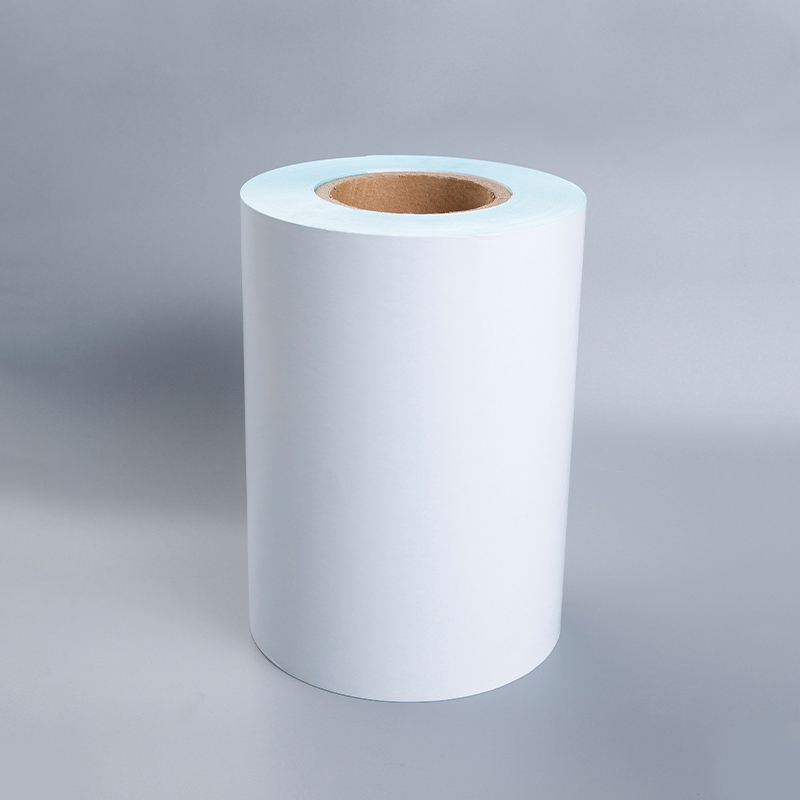
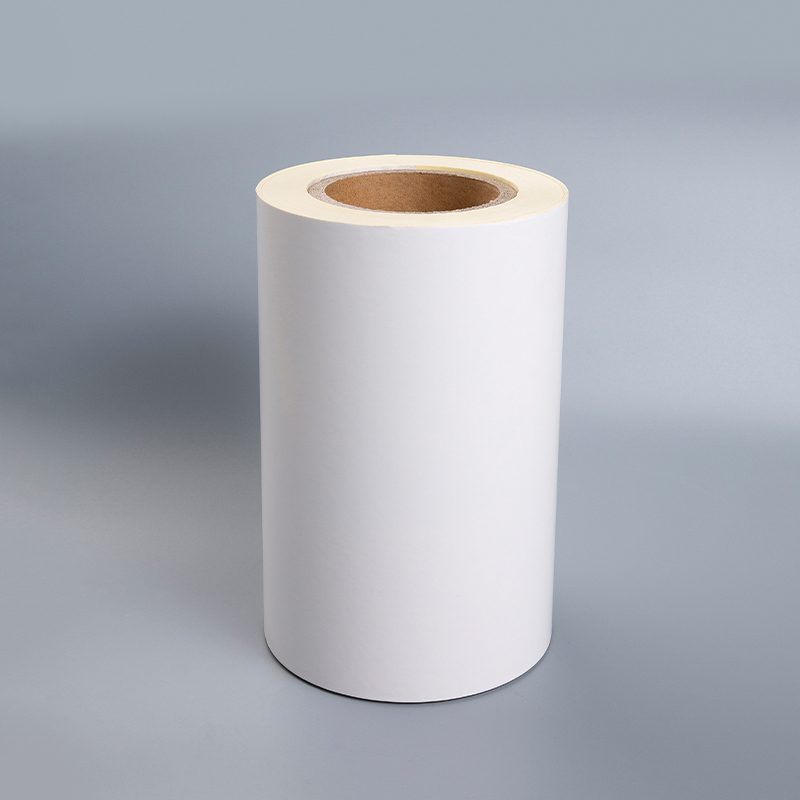
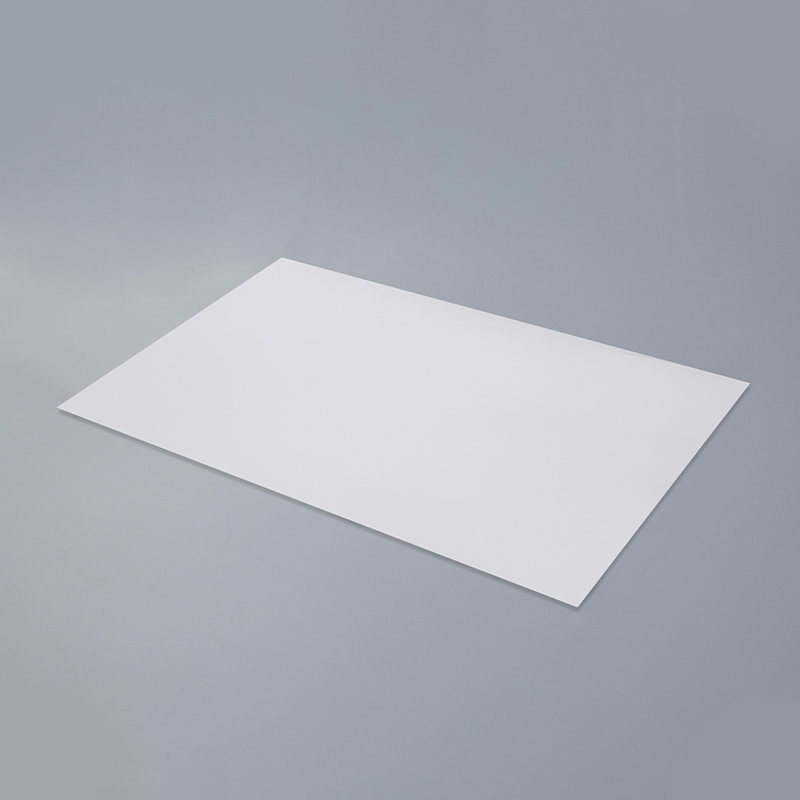
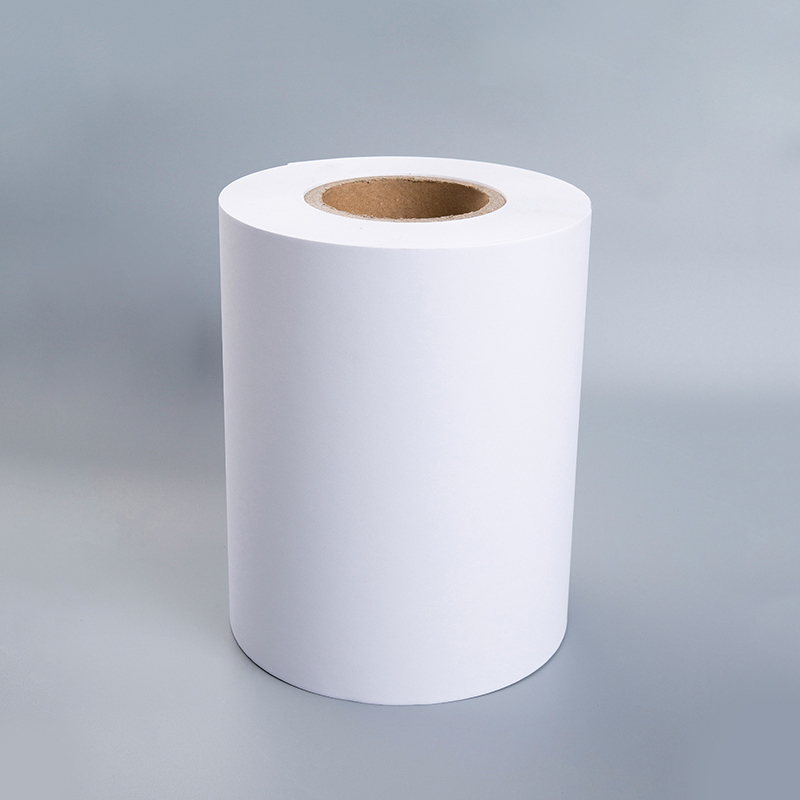
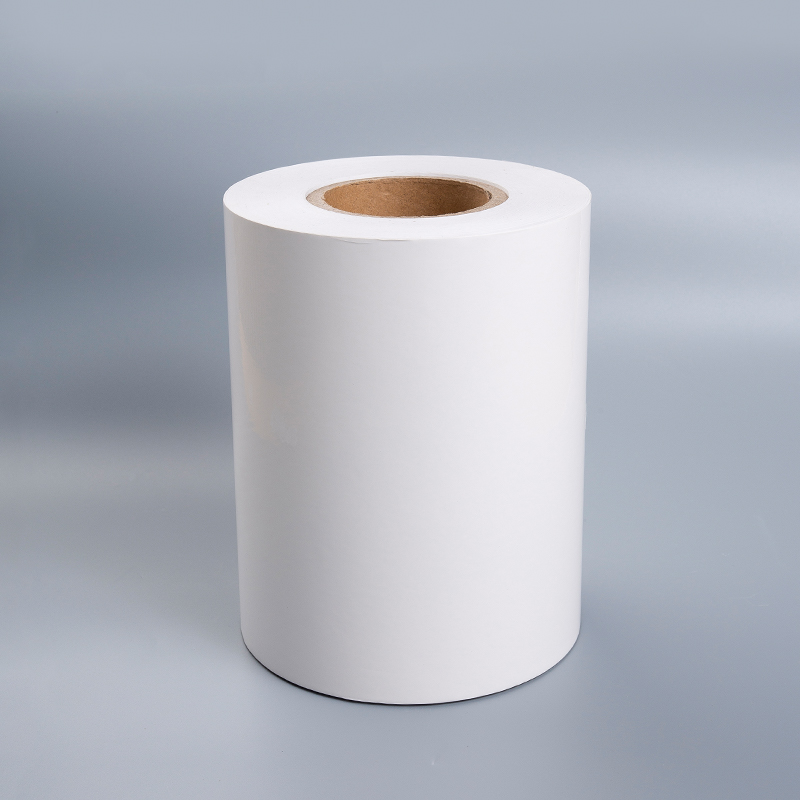
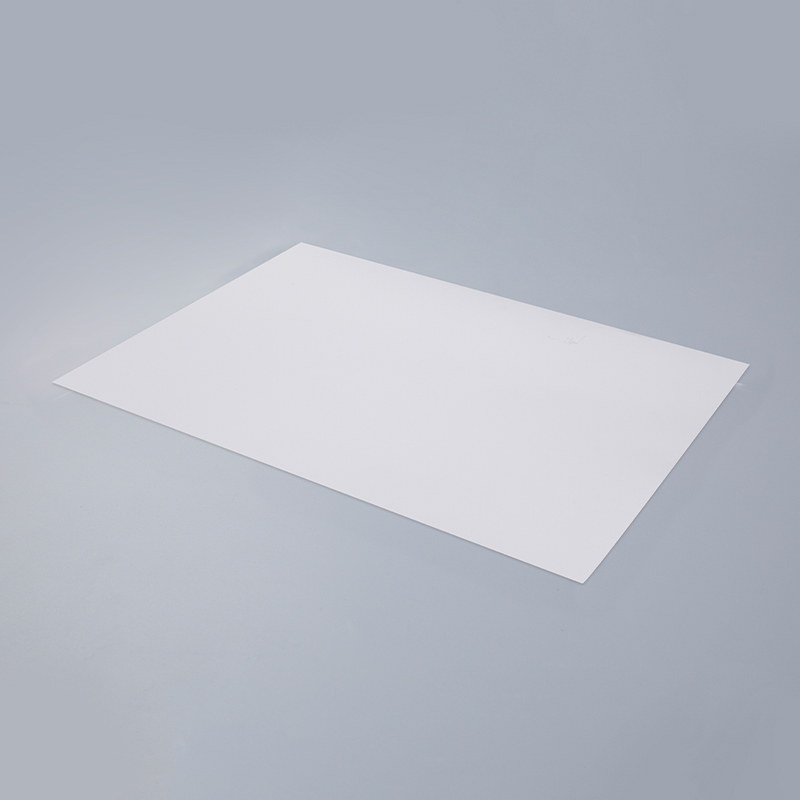
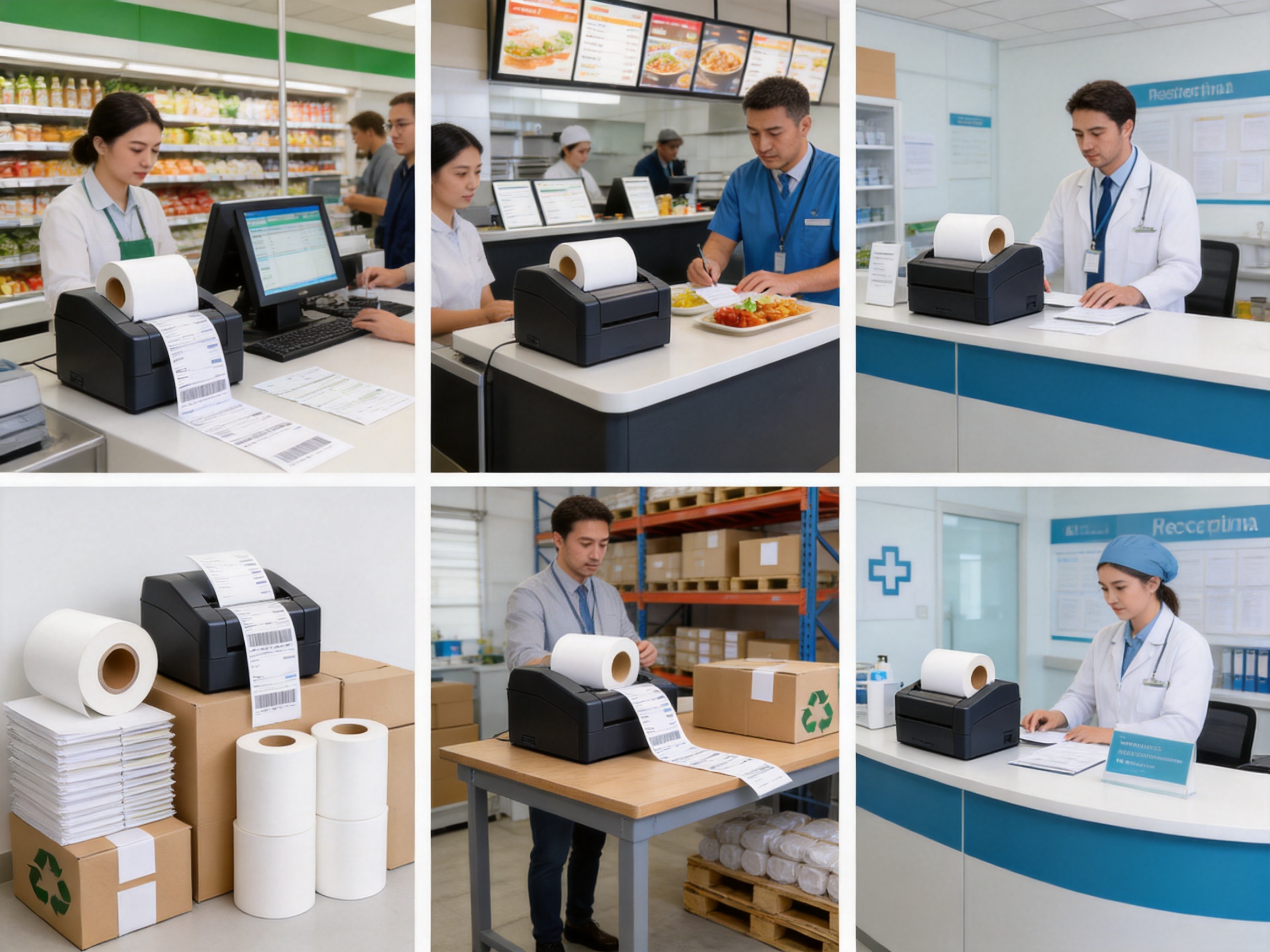
The product is especially applicable to supermarkets, catering businesses, hotels, hospitals, pharmacies, logistics companies, warehouses, retail stores, and service counters. It can be supplied in roll or sheet form, allowing users to select the format that best matches their printers, production process, and distribution model. Standard sheet options include A4 and A3, together with several commercial sizes, while jumbo rolls are available in widths of 1000, 1020, 1080, and 1530 millimeters. Customized dimensions can also be discussed for specific equipment and converting requirements.
With a stated basis weight of 70gsm, ECO Thermal Paper balances handling strength, printability, and material efficiency. Its lightweight structure helps reduce unnecessary paper consumption while maintaining a professional feel for everyday documents. At the same time, the product can be processed into rolls or sheets for different downstream applications, giving distributors, converters, printers, and end users greater flexibility than a single-format thermal product.
Content
- 1 What Is ECO Thermal Paper?
- 2 Core Product Characteristics
- 3 Advantages of Direct Thermal Printing
- 4 Applications Across Commercial Industries
- 5 Roll and Sheet Supply Options
- 6 Manufacturing Capabilities and Process Strengths
- 7 How the Product Compares with Conventional Printing Materials
- 8 Advantages over Lower-Specification Thermal Products
- 9 Packaging and Delivery Protection
- 10 Storage and Handling Recommendations
- 11 Quality, Customization, and Technical Support
- 12 Sustainability Considerations
- 13 Recommended Buyer Evaluation Process
- 14 Why Choose a Specialized Manufacturer?
- 15 Q&A
- 15.1 What is ECO Thermal Paper mainly used for?
- 15.2 What is the specified material weight?
- 15.3 Can the product be supplied as rolls?
- 15.4 Can the product be supplied as sheets?
- 15.5 Does the product require ink or toner?
- 15.6 Is it suitable for permanent archival documents?
- 15.7 Can it be made into self-adhesive labels?
- 15.8 What liner options are available?
- 15.9 How is the sheet product packaged?
- 15.10 What information should be provided when requesting a quotation?
- 15.11 What makes this product competitive?
- 16 Conclusion
- 17 References
- 18 Product: ECO Thermal Paper
What Is ECO Thermal Paper?
ECO Thermal Paper is a heat-sensitive paper designed for use in direct thermal printers. Instead of transferring ink from a ribbon or spraying liquid ink onto a surface, the printer applies precisely controlled heat to the coated face of the paper. The thermal coating reacts to that heat and forms text, numbers, bar codes, symbols, or other printed information.
This technology is particularly valuable when documents are intended for short- or medium-term use. Receipts, queue tickets, shipping labels, inventory tags, temporary identification labels, and point-of-sale records often need to be produced immediately and economically rather than preserved permanently for decades. Direct thermal printing supports that purpose by offering rapid output with a compact printer design and few consumable components.
The ECO Thermal Paper specification identifies a 70gsm thermal paper material. This basis weight is suitable for applications where users want a functional document without excessive bulk. Lower material consumption can support efficient packaging, transportation, and storage, while the paper remains convenient for feeding through compatible printers and handling at service counters.
The term “ECO” can also be understood from a broader product-design perspective. A more efficient thermal printing system uses fewer consumables, creates less equipment complexity, and can help reduce operational waste associated with ink cartridges, toner cartridges, and printer ribbons. Environmental performance still depends on the complete product specification, local recycling infrastructure, storage conditions, and end-of-life handling, but the direct thermal format offers a straightforward route to streamlined printing operations.
Core Product Characteristics
The product is built around several characteristics that make it useful across different commercial environments. These include a 70gsm material structure, compatibility with roll and sheet converting, availability in multiple sizes, and suitability for high-frequency direct thermal printing.
| Product Feature | Specification or Option | Practical Benefit |
|---|---|---|
| Thermal material | 70gsm ECO Thermal Paper | Balances efficient material use with convenient handling |
| Supply format | Jumbo rolls or sheets | Supports converters, distributors, and direct users |
| Jumbo roll widths | 1000mm, 1020mm, 1080mm, and 1530mm | Provides flexibility for slitting and downstream converting |
| Sheet sizes | A4, A3, 20x30cm, 21x30cm, 24x36cm, 50x70cm, and 70x100cm | Matches common office, commercial, and production formats |
| Customization | Customized sizes available | Helps align the material with individual equipment and specifications |
| Typical applications | Receipts, bills, temporary labels, and documents | Supports fast and economical short-term printing |
| Packaging | Reams, cartons, and poly-wood pallets | Protects goods during storage and sea transportation |
These options are valuable for buyers who serve different customer groups. A converter may require a wide jumbo roll for slitting into narrow thermal rolls. A commercial printer may prefer sheet stock for further processing. A distributor may need several standard sizes for regional markets. By offering both roll and sheet formats, the product can be positioned across a broader range of supply chains rather than being limited to one printer category.
Advantages of Direct Thermal Printing
Fast Output for High-Volume Environments
Direct thermal printing is naturally suited to rapid transactions. At a supermarket checkout, restaurant counter, hospital reception desk, or logistics dispatch station, users may need to print hundreds or thousands of documents each day. Thermal printers can produce the required information quickly, helping reduce queues and maintain smooth workflow.
Because the printing process does not require a separate ink or toner application stage, the printer mechanism can remain compact and efficient. The operator simply loads the correct thermal roll or sheet, selects the print command, and produces the required document. This straightforward workflow is one of the main reasons thermal printing remains widely used in retail, transportation, warehousing, healthcare, and hospitality.
Reduced Consumable Complexity
Traditional printing systems may require ink cartridges, toner units, ribbon rolls, cleaning components, or replacement drums. Each additional consumable introduces purchasing, storage, maintenance, and disposal requirements. Direct thermal printing reduces this complexity by using heat-sensitive paper as the primary printing medium.
For businesses with many small printers distributed across multiple locations, this benefit can be significant. Store employees, warehouse operators, or service-counter staff do not need to replace ink cartridges or manage ribbon tension. A paper roll change is usually a simpler maintenance task, helping reduce interruptions and training requirements.
Clear Information for Routine Documents
Thermal paper is well suited to printing text, numbers, bar codes, QR codes, prices, dates, order information, and other high-contrast content. These elements are central to receipts, tickets, product labels, delivery records, and temporary identification documents. When the material is correctly matched to the printer and stored under suitable conditions, it can provide clean, readable output for its intended service period.
Efficient Equipment Design
Thermal printers are often smaller than multifunction printing systems because they do not need the same range of ink delivery or toner-fixing components. This allows them to fit into checkout counters, mobile service stations, packing benches, hospital desks, and compact warehouse workspaces. The paper itself therefore contributes to an efficient printing system, especially where available space is limited.
Applications Across Commercial Industries
Supermarkets and Retail Stores
Retail is one of the most familiar environments for thermal paper. Cash registers and point-of-sale systems use thermal rolls to produce purchase receipts, refund records, transaction summaries, and promotional documents. The fast printing cycle helps checkout staff serve customers efficiently, while the paper’s lightweight format makes roll replacement simple.
Retailers may also use thermal material for temporary price labels, shelf identification, stock movement records, weighing-scale tickets, and internal process documents. In these cases, the printed information usually has a limited service life and does not require permanent archival quality. The material can therefore provide an economical alternative to more elaborate printing systems.
Catering and Food-Service Operations
Restaurants, cafés, bakeries, take-away counters, and catering companies need quick documentation for customer orders, payment records, kitchen tickets, and delivery preparation. Thermal printing supports these processes by producing information immediately at the point of service.
For kitchen and order-management applications, the ability to print compact tickets is particularly useful. Staff can read item details, quantities, special instructions, and order numbers without waiting for a central office printer. Thermal paper can also be used for customer receipts and payment records, provided the storage period and environmental conditions are appropriate for the business requirement.
Hotels and Hospitality
Hotels use printed documents at reception desks, restaurants, parking facilities, housekeeping stations, and event venues. Thermal paper may support guest receipts, booking confirmations, service tickets, room-service orders, parking records, and temporary identification documents.
The compact footprint of thermal printers is useful in hospitality environments where front-desk equipment must remain organized and accessible. Roll products can be stored near the printer, and sheets can be selected when a larger document format is required for internal or customer-facing purposes.
Medical and Healthcare Services
Medical facilities often require fast printing for queue tickets, prescription-related records, specimen labels, appointment information, patient wristband labels, and internal tracking documents. Thermal printing can help staff process this information at reception counters, nursing stations, laboratories, and pharmacies.
Healthcare users should select the exact thermal grade and printer configuration according to the required durability, exposure conditions, and retention period. For ordinary temporary records, the 70gsm material may provide an efficient option. For documents exposed to heat, light, chemicals, moisture, or prolonged handling, buyers should confirm the appropriate performance requirements before placing an order.
Logistics and Warehousing
Logistics operations depend on rapid and accurate identification. Thermal printing is commonly used for shipping labels, sorting records, parcel tickets, pallet information, route documents, and warehouse location tags. A clear bar code or text image can support scanning, sorting, dispatch, and receiving activities.
Jumbo-roll supply is particularly useful for converters serving the logistics sector. Wide rolls can be slit into different widths and converted into finished rolls for desktop, mobile, or industrial thermal printers. The availability of multiple roll widths allows production planning to adapt to different slitting patterns and customer specifications.
Temporary Labels and Internal Documents
Not every label needs to remain readable for years. Temporary labels may be used for production batches, internal transfers, stock counting, event management, short-term promotions, and process identification. Thermal paper can support these tasks while reducing the need for ink-based label production.
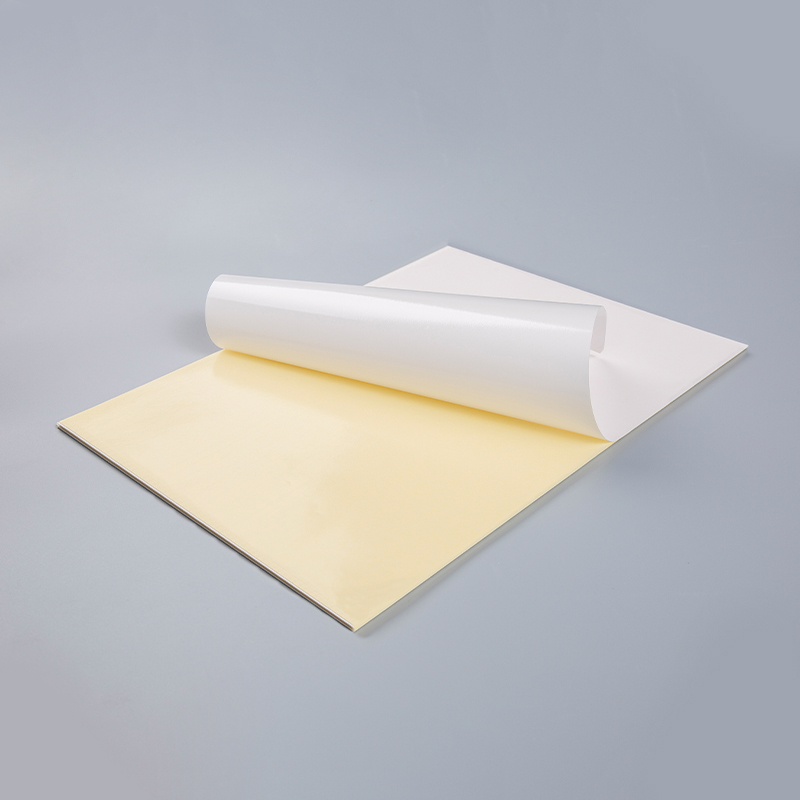
Buyers should distinguish between ordinary thermal paper and pressure-sensitive thermal label stock. When a self-adhesive label is required, the thermal face material may be combined with an appropriate adhesive and liner construction. The company’s broader product capabilities include adhesive, liner, laminating, and converting processes, which can support customized label-material solutions when a standard loose-sheet or receipt format is not sufficient.
ECO Thermal Paper
Roll and Sheet Supply Options
Jumbo Rolls for Converters
Jumbo rolls are an efficient supply format for professional converters and large-volume customers. The available widths of 1000mm, 1020mm, 1080mm, and 1530mm provide options for slitting, rewinding, sheet cutting, or further coating and laminating operations. A converter can select a width that supports efficient material utilization on its own equipment.
Wide-roll supply can also reduce the number of inbound units that must be handled. Instead of receiving many small finished rolls, a converter can process larger parent rolls according to its production schedule. This may simplify warehouse organization and provide more control over final roll width, core size, winding direction, and packaging configuration.
Sheet Formats for Commercial Printing
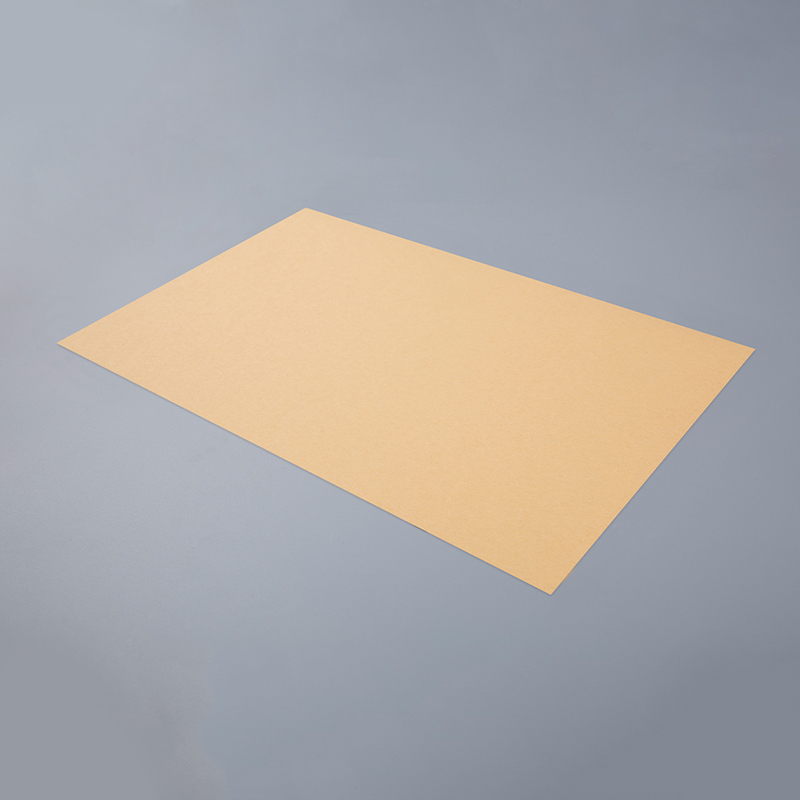
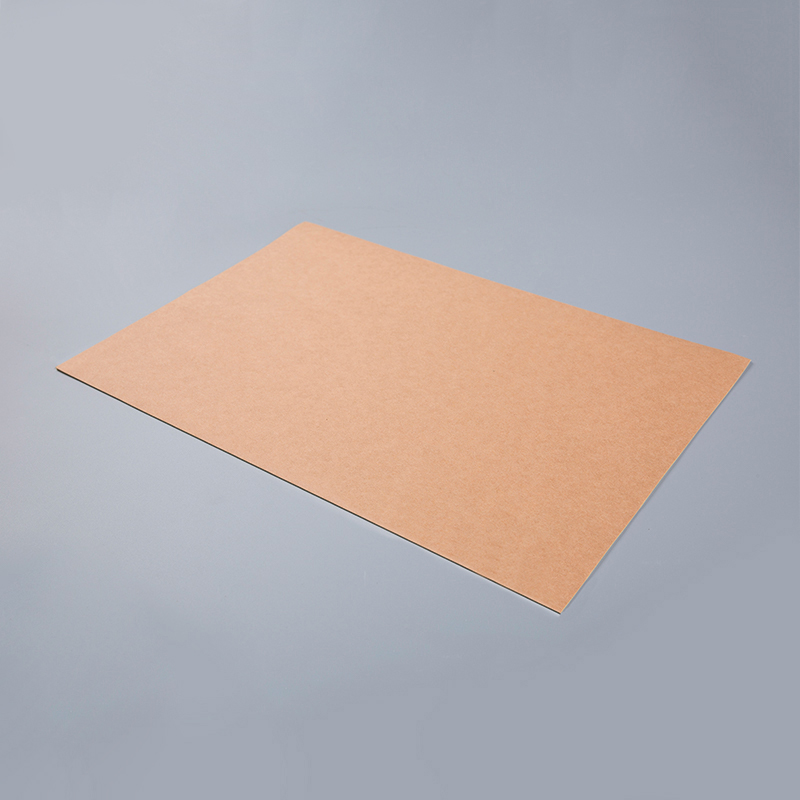
Sheet supply is suitable for users operating sheet-fed equipment or requiring a larger flat format. A4 and A3 sizes are familiar in office and commercial environments, while 20x30cm, 21x30cm, 24x36cm, 50x70cm, and 70x100cm formats can serve specialized printing and converting needs.
Sheet products can be used for temporary documents, tickets, tags, forms, and customized printed materials. They may also be more convenient for customers who do not operate roll slitting or rewinding equipment. The ability to request customized sheet sizes helps reduce unnecessary trimming and may improve yield for a particular application.
Format Selection Considerations
Before selecting roll or sheet material, buyers should evaluate the printer type, feed direction, maximum media width, core specifications, roll diameter, cutting requirements, storage space, and expected consumption. For label applications, they should also consider whether the final product requires an adhesive layer and release liner.
Accurate technical communication at the inquiry stage helps prevent compatibility issues. Providing printer models, intended dimensions, required annual volume, application environment, and expected image life allows the manufacturer to recommend a more suitable material configuration.
Manufacturing Capabilities and Process Strengths
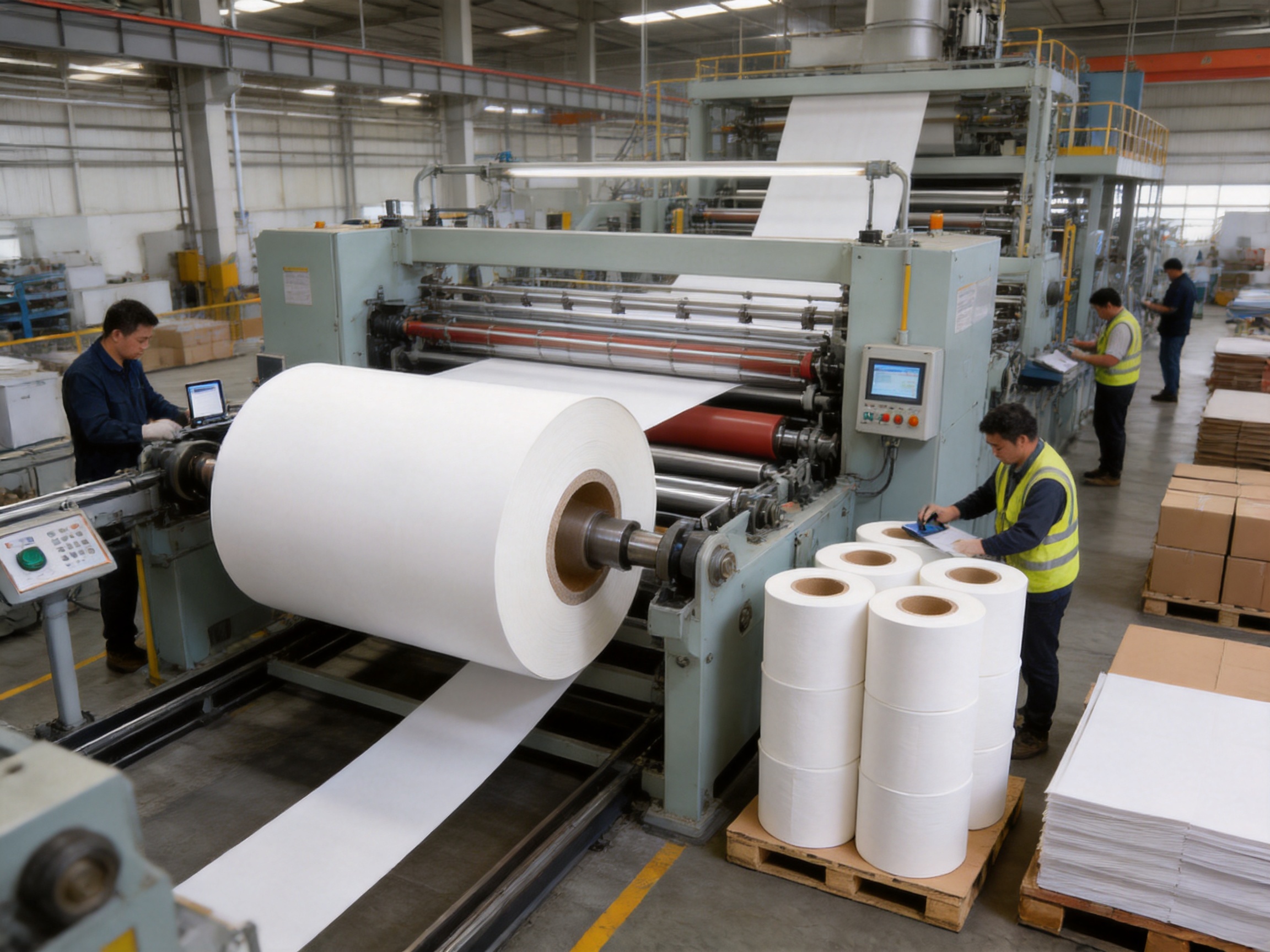
The manufacturer is a specialized producer of self-adhesive labels and related composite materials, with capabilities covering research and development, production, sales, and after-sales support. Its production system includes gluing, laminating, and cutting processes. These capabilities are important because thermal paper is often part of a broader label-material or converted-paper supply chain rather than an isolated sheet product.
Coating and Gluing
Coating and gluing processes influence the uniformity, function, and converting behavior of composite materials. When thermal paper is combined with adhesive or other layers, accurate coating control helps maintain consistent coverage and reduces the risk of exposed areas, uneven bonding, or excessive adhesive migration.
The stated adhesive options include hotmelt adhesive and water-based adhesive. Additional options are listed for solvent adhesive, removable adhesive, anti-freeze adhesive, cryogenic adhesive, and tyre-grade rubber adhesive. These options indicate the company’s ability to address different end-use conditions, from ordinary indoor labeling to applications involving low temperatures, temporary adhesion, or specialized rubber surfaces.
Although not every adhesive option is required for a thermal receipt or ordinary loose sheet, the wider capability is valuable for customers seeking a thermal face material in a self-adhesive label construction. It allows the thermal material to be considered as part of a complete label solution rather than only as a basic printable substrate.
Laminating
Laminating combines different material layers to create a functional composite structure. In label production, a face material may be paired with adhesive and a release liner. In other applications, additional layers may be used to improve handling, appearance, or protection.
The manufacturer lists several liner options, including 85g white release paper, glassine papers in 50g, 60g, 80g, 100g, and 120g grades, release papers in 60g, 120g, and 140g grades, art papers in 140g and 165g grades, and CCK liners in 50g, 80g, 90g, and 120g grades. This range allows customers to select a liner according to dispensing behavior, stiffness, converting equipment, appearance, and cost objectives.
For thermal label applications, liner selection can affect die-cutting, matrix stripping, label dispensing, roll stability, and overall production efficiency. A properly matched liner helps ensure that the finished label performs consistently during storage, transportation, and application.
Slitting and Cutting
Slitting and cutting convert wide parent materials into usable rolls or sheets. Precision in these stages is essential because poor edge quality, uneven width, telescoping, loose winding, or excessive dust can interfere with printer feeding and downstream processing.
Available jumbo widths support different slitting plans, while sheet-size options support flat-stock users. The ability to cut and supply materials in multiple formats gives the manufacturer greater control over the final product and helps reduce dependence on external conversion for standard requirements.
Quality Inspection and Testing
The company reports having its own testing laboratory and advanced inspection equipment. For thermal paper and self-adhesive materials, internal testing may cover basis weight, thickness, roll appearance, coating uniformity, adhesive performance, liner release, dimensional accuracy, print response, and other customer-defined criteria.
Testing is especially important for products that move through automated printing and converting equipment. A material can appear acceptable visually while still causing problems such as poor thermal response, inconsistent darkness, adhesive transfer, uneven release, or feed instability. A structured inspection process helps identify these risks before shipment.
Customers with specialized requirements can provide drawings, samples, printer information, or technical specifications for evaluation. This supports a more controlled development process and helps align the final product with actual operating conditions rather than relying only on a generic material description.
Production Capacity and Supply Reliability
The company states that its annual production capacity exceeds 280 million square meters and that it ranks among the leading self-adhesive product manufacturers in China. A substantial production base can be beneficial for customers requiring regular supply, multiple specifications, or coordinated shipments across different product categories.
Capacity alone does not guarantee performance, but it can support better production scheduling, raw-material planning, and order fulfillment. For distributors and industrial buyers, the ability to combine standard products with customized specifications may also reduce the number of separate suppliers required.
How the Product Compares with Conventional Printing Materials
ECO Thermal Paper has several practical advantages over conventional paper used with inkjet, laser, or ribbon-based printing systems. The most visible difference is the printing mechanism. Thermal printing uses heat-sensitive material, while conventional systems require a separate ink or toner transfer process.
| Comparison Factor | Direct Thermal Paper | Conventional Ink or Toner Printing |
|---|---|---|
| Primary consumable | Thermal paper | Plain paper plus ink, toner, or ribbon |
| Printer mechanism | Thermal printhead | Ink delivery, toner transfer, or ribbon transfer system |
| Routine maintenance | Generally focused on paper loading and printhead care | May include cartridge, ribbon, toner, drum, or nozzle maintenance |
| Equipment footprint | Often compact | Varies, but may require more components |
| Typical applications | Receipts, tickets, temporary labels, and short-term records | General documents, durable records, and color-rich materials |
| Printing speed | Well suited to rapid transactional output | Depends on equipment and print technology |
| Color capability | Primarily designed for thermal monochrome output | Can support broader color requirements |
| Long-term storage | Must be evaluated according to thermal grade and environment | Often selected for more permanent document retention |
This comparison does not mean thermal paper replaces every conventional printing material. Thermal paper is strongest when speed, compact equipment, low consumable complexity, and short- or medium-term readability are the primary objectives. Conventional paper remains preferable when users need high-color graphics, extensive archival storage, or resistance to environmental exposure beyond the selected thermal grade.
The competitive advantage of ECO Thermal Paper is therefore based on application fit. It offers a targeted solution for businesses that do not need the complexity of a full ink or toner system. When paired with suitable printers and correctly managed storage, it can reduce operating steps and support more efficient document production.
Advantages over Lower-Specification Thermal Products
Not all thermal papers provide the same balance of print response, handling, converting performance, and supply flexibility. Lower-specification materials may create problems such as uneven image density, excessive dust, poor roll formation, unstable feeding, or inconsistent performance between batches.
A product supported by established coating, laminating, cutting, and inspection capabilities can offer greater consistency than material purchased solely on the basis of the lowest price. Consistency matters because a small issue multiplied across thousands of rolls or millions of labels can create significant labor, waste, and customer-service costs.
The availability of both jumbo rolls and finished sheets is another advantage. Some suppliers focus only on small finished rolls, while others provide only parent rolls. A broader format range can support different buyer types, including label converters, wholesalers, printer distributors, and end users.
Customization is also important. Buyers may require specific sheet dimensions, roll widths, adhesive properties, liners, packing methods, or production quantities. A manufacturer with its own production lines and technical personnel can generally respond more effectively to these needs than a trading company with limited control over the source material.
The company’s experience in self-adhesive materials adds another layer of value. Customers can discuss thermal paper, thermal label stock, adhesive systems, release liners, and related composite products with one technical partner. This can simplify sourcing and improve coordination between face material, adhesive, liner, and final converting requirements.
Packaging and Delivery Protection
Thermal paper must be protected from conditions that may affect its appearance, print response, or physical integrity. The stated packaging options include poly-wood pallet packing and carton packing suitable for sea transportation. Both roll and sheet products can be prepared from stock according to the order format.
Sheets are packed at 100 sheets per ream, with each ream wrapped in strong PE-coated kraft paper. This packaging construction helps provide protection against handling damage and contributes to more secure storage during transportation. The kraft-paper exterior supports practical warehouse handling, while the polyethylene coating helps provide an additional barrier against ordinary moisture exposure.
Strong pallets are wrapped with stretch film and secured with plastic fastening belts. Pallet stabilization is important for export shipments because products may experience vibration, stacking pressure, loading movement, and changes in humidity during sea transit. Proper pallet preparation helps reduce the risk of shifting cartons, crushed corners, and damaged outer packaging.
Packaging should be selected according to the shipment method, order volume, destination, and customer unloading process. Buyers should also confirm whether they require export marks, pallet dimensions, carton labels, moisture-control measures, or other logistics instructions.
Storage and Handling Recommendations
Thermal paper should be stored in a cool, dry, and clean environment away from direct sunlight and excessive heat. Heat can activate the thermal coating prematurely, while intense light or prolonged exposure to unsuitable chemicals may affect image stability. The material should remain in its protective packaging until it is ready for use.
Strong pressure, friction, and contact with certain plasticizers, oils, solvents, adhesives, or other chemicals may influence the surface or printed image. For this reason, thermal products should not be stored beside materials that may release aggressive vapors or transfer contaminants.
Rolls should be handled carefully to avoid crushed edges, telescoping, loose winding, or core deformation. Sheets should be kept flat and protected from bending, dust, and moisture. Before large-scale use, customers should conduct a printer compatibility test under normal operating conditions.
Storage recommendations can vary according to the intended image life and exact thermal formulation. If documents must remain readable for an extended period, the buyer should communicate the required retention time and environmental exposure before selecting the final grade.
Quality, Customization, and Technical Support
The company has more than 20 years of OEM manufacturing experience and offers customized solutions based on customer drawings or samples. This experience is valuable for buyers who need to move beyond standard stock sizes or develop a material for a specific printer, label design, or application environment.
Customization may involve dimensions, roll specifications, sheet sizes, adhesive type, liner selection, packaging, or other production details. A structured technical inquiry should include the intended application, printing method, printer model, material width, core size, outer diameter, adhesive requirements, storage conditions, and expected order volume.
ODM and OEM capabilities can support customers that want products manufactured under their own specifications or market identity. The company also reports a professional research and development team and multiple patents. These resources can contribute to product improvement, process development, and the creation of more specialized material constructions.
After-sales service is another important part of industrial supply. A reliable supplier should be able to help investigate printing defects, feeding problems, packaging damage, dimensional deviations, or application issues. Clear batch information and retained samples can make technical analysis more efficient.
Sustainability Considerations
Sustainability in thermal paper should be assessed across the material, production process, packaging, logistics, application, and disposal stages. A lighter 70gsm material can help reduce the amount of paper used per document, although actual environmental benefit depends on product performance and the total volume consumed.
Direct thermal printing can reduce the need for ink cartridges, toner units, and printer ribbons. This may lower the number of consumable components used in daily operations. It can also simplify maintenance and reduce the resources required to store and replace multiple types of printing supplies.
The company’s stated environmental focus includes the development of eco-friendly solutions involving face materials, adhesives, and backing papers. This broader approach is relevant because a label is a composite product. Sustainable improvement may require attention not only to the printable face but also to adhesive chemistry, liner design, production waste, packaging, and end-of-life processing.
Customers should match sustainability goals with realistic application requirements. For example, a temporary label may not require the same level of permanence as a long-term asset label. Selecting the correct material prevents over-engineering and may reduce unnecessary resource use. At the same time, users should avoid applying standard thermal paper in conditions that demand a more durable grade, since premature failure can create reprinting and waste.
Responsible sourcing also involves manufacturing transparency, quality controls, efficient production, and dependable delivery. A product that performs consistently can reduce rejected rolls, reprinted receipts, misapplied labels, and production downtime. These operational benefits are important parts of a practical sustainability strategy.
Recommended Buyer Evaluation Process
Define the Application
Begin by identifying whether the product will be used for receipts, bills, tickets, temporary labels, warehouse records, healthcare documents, or another purpose. Determine how long the printed information must remain readable and whether the document will be exposed to heat, sunlight, moisture, friction, chemicals, or refrigeration.
Confirm the Printing Equipment
Provide the printer model or technical specifications. Confirm whether the equipment uses rolls or sheets, the maximum media width, the accepted thickness range, the core diameter, the maximum roll diameter, and the required winding direction. This information helps the supplier provide a compatible format.
Choose the Supply Format
Select jumbo rolls when in-house slitting, rewinding, or sheet cutting is required. Select finished sheets when the customer uses sheet-fed equipment or wants a ready-to-use format. Standard sizes may be sufficient for many applications, while customized sizes can improve material yield in specialized production.
Evaluate the Need for Adhesive and Liner
If the product will become a self-adhesive label, specify the surface to which it will be applied, the expected temperature range, the required removability, and the application speed. The appropriate combination of thermal face material, adhesive, and release liner should be selected as a complete system.
Test Before Mass Production
A sample evaluation should include printing quality, image contrast, feeding stability, barcode scanning, winding behavior, adhesive performance, liner release, and storage response. Testing under actual operating conditions is the best way to confirm suitability before approving a large order.
Why Choose a Specialized Manufacturer?
A specialized manufacturer can provide more than a basic paper specification. It can coordinate material selection, coating, adhesive application, laminating, cutting, packaging, inspection, and delivery. This integrated approach can reduce communication gaps between separate suppliers and improve consistency across the finished product.
For distributors, a broad product portfolio can make it easier to serve customers with different requirements. For converters, access to multiple liner and adhesive options can support more product designs. For industrial users, technical support and customization can help solve compatibility problems that may not be addressed by standard commodity paper.
The manufacturer’s domestic and international market experience also supports export-oriented supply. Its reported marketing network covers regions in Asia, Europe, the Americas, Africa, the Middle East, and other markets. International experience can help with shipment coordination, packaging expectations, product documentation, and communication across different customer requirements.
The company’s stated values include quality, integrity, innovation, mutual benefit, and responsibility. These principles align with the needs of buyers seeking a long-term supply partner rather than a one-time transaction. In practice, these values should be demonstrated through stable specifications, transparent communication, responsive technical service, and consistent delivery performance.
Q&A
What is ECO Thermal Paper mainly used for?
It is mainly used for temporary labels, small bills, receipts, tickets, and other short- or medium-term documents. Common industries include supermarkets, catering, hotels, medical services, logistics, warehousing, retail, and general commercial operations.
What is the specified material weight?
The listed material is 70gsm ECO Thermal Paper. This basis weight provides a practical balance between material efficiency, handling convenience, and suitability for routine thermal printing.
Can the product be supplied as rolls?
Yes. It can be supplied in jumbo-roll format, with listed widths of 1000mm, 1020mm, 1080mm, and 1530mm. These rolls are suitable for slitting, rewinding, sheet cutting, or other downstream converting processes.
Can the product be supplied as sheets?
Yes. Listed sheet sizes include A4, A3, 20x30cm, 21x30cm, 24x36cm, 50x70cm, and 70x100cm. Customized sheet sizes can also be discussed according to equipment and application requirements.
Does the product require ink or toner?
No. Direct thermal paper develops an image through heat from a compatible thermal printhead. It does not require conventional ink cartridges, toner, or printing ribbons for ordinary direct thermal printing.
Is it suitable for permanent archival documents?
It is primarily intended for temporary or routine documents. If a record must remain readable for a long period or face heat, sunlight, chemicals, moisture, or heavy handling, the buyer should request a suitable grade and confirm the required retention performance before ordering.
Can it be made into self-adhesive labels?
Thermal face material can be incorporated into self-adhesive label constructions when combined with a suitable adhesive and release liner. The manufacturer offers hotmelt and water-based adhesive options, as well as other adhesive and liner choices for specialized applications.
What liner options are available?
Listed options include 85g white release paper, glassine papers from 50g to 120g, release papers in 60g, 120g, and 140g grades, art papers in 140g and 165g grades, and CCK liners in 50g, 80g, 90g, and 120g grades.
How is the sheet product packaged?
Sheets are packed at 100 sheets per ream. Each ream is wrapped with strong PE-coated kraft paper, and larger shipments can be protected with cartons, poly-wood pallets, stretch film, and plastic fastening belts.
What information should be provided when requesting a quotation?
Buyers should provide the application, printer type, roll or sheet format, required dimensions, order quantity, core and roll specifications if applicable, image-retention expectations, adhesive requirements, destination, and packaging preferences. Samples or technical drawings are also useful for customized projects.
What makes this product competitive?
Its competitive strengths include direct thermal printing convenience, a 70gsm material structure, roll and sheet availability, multiple jumbo-roll widths, customized sizing, support for related adhesive and liner constructions, integrated gluing, laminating and cutting capabilities, internal testing resources, and experience serving domestic and international customers.
Conclusion
ECO Thermal Paper is a versatile material for fast, economical, and convenient direct thermal printing. Its 70gsm construction is designed for routine commercial use, while its availability in jumbo rolls and sheets allows it to serve converters, distributors, printers, retailers, logistics companies, healthcare organizations, and hospitality businesses.
The product is well matched to receipts, small bills, temporary labels, tickets, and other documents that require immediate printing without ink or toner. Its advantages include efficient printer operation, reduced consumable complexity, compact equipment compatibility, flexible sizing, and suitability for high-volume workflows.
Beyond the paper itself, the manufacturing platform provides important value. Gluing, laminating, slitting, cutting, testing, OEM, and ODM capabilities allow the supplier to support both standard thermal paper orders and more advanced self-adhesive label-material projects. A broad selection of adhesives and release liners further expands the possible applications.
For the best result, buyers should define the application carefully, confirm printer compatibility, select the correct roll or sheet format, evaluate storage and durability requirements, and conduct sample testing before mass production. When selected and handled correctly, ECO Thermal Paper can provide a dependable, efficient, and adaptable printing solution for a wide range of modern commercial operations.
References
1. Supplier product specification for 70gsm ECO Thermal Paper, including application, packaging, delivery, roll widths, and sheet sizes.
2. Supplier technical information regarding hotmelt, water-based, solvent, removable, anti-freeze, cryogenic, and tyre-grade rubber adhesive options.
3. Supplier information regarding white release paper, glassine paper, art paper, CCK liner, and other release-liner selections.
4. Supplier company profile describing gluing, laminating, cutting, testing, OEM, ODM, research and development, and production-capacity capabilities.
5. General direct thermal printing principles and application practices for receipts, tickets, labels, retail documents, logistics records, and temporary commercial paperwork.