
 English
 Español
 русский
 Français
 عربى
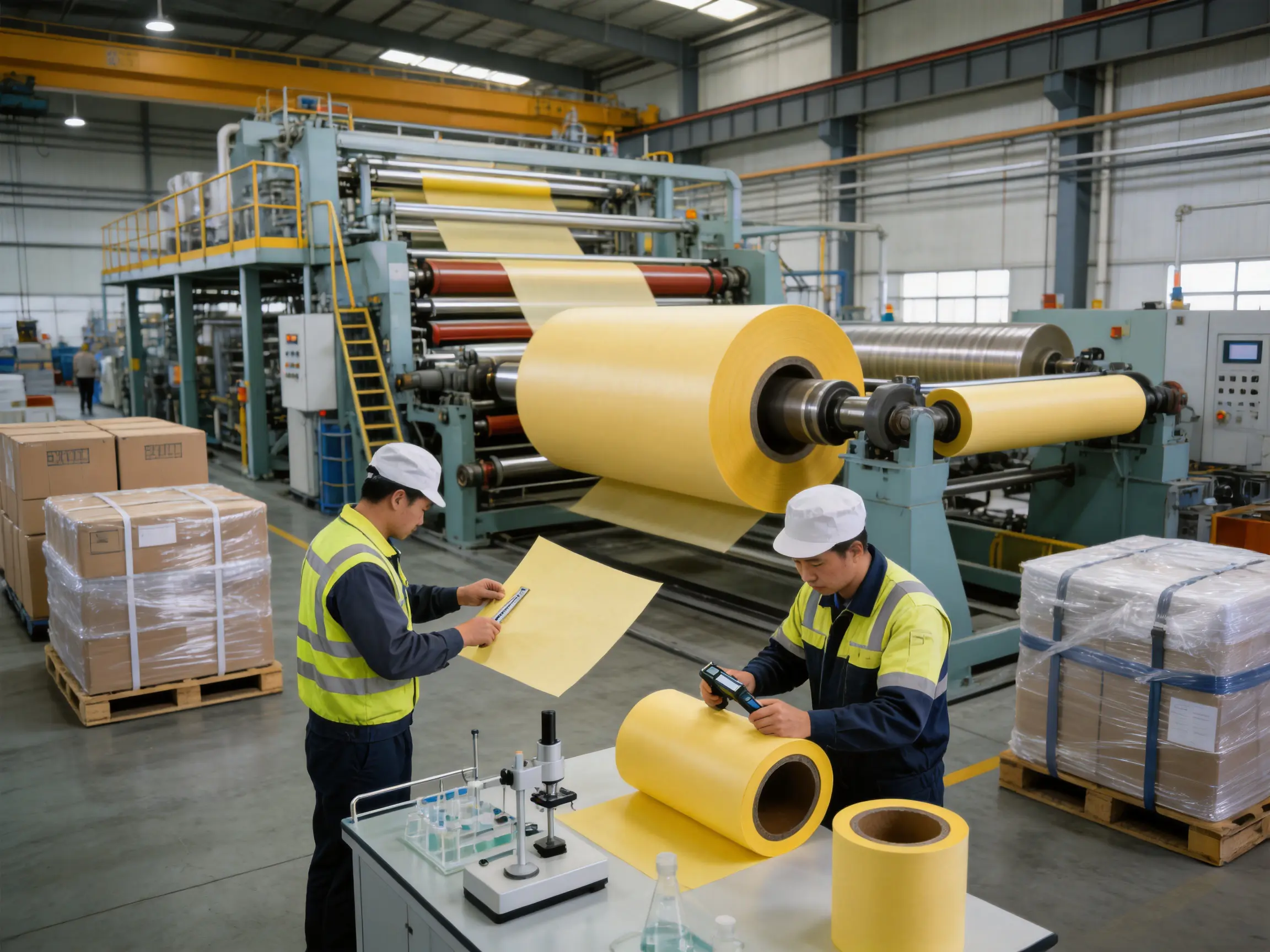
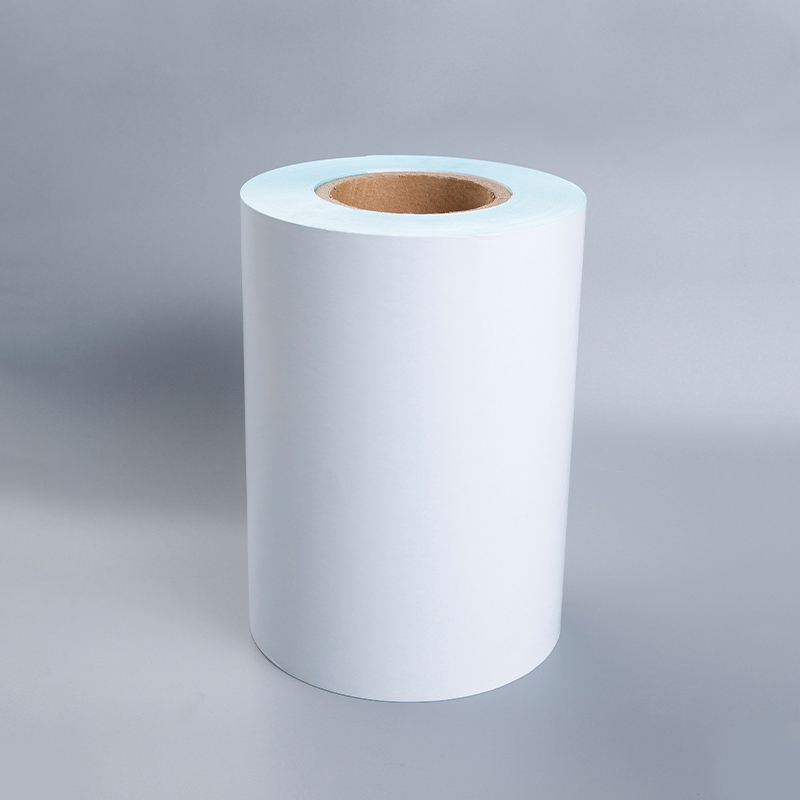
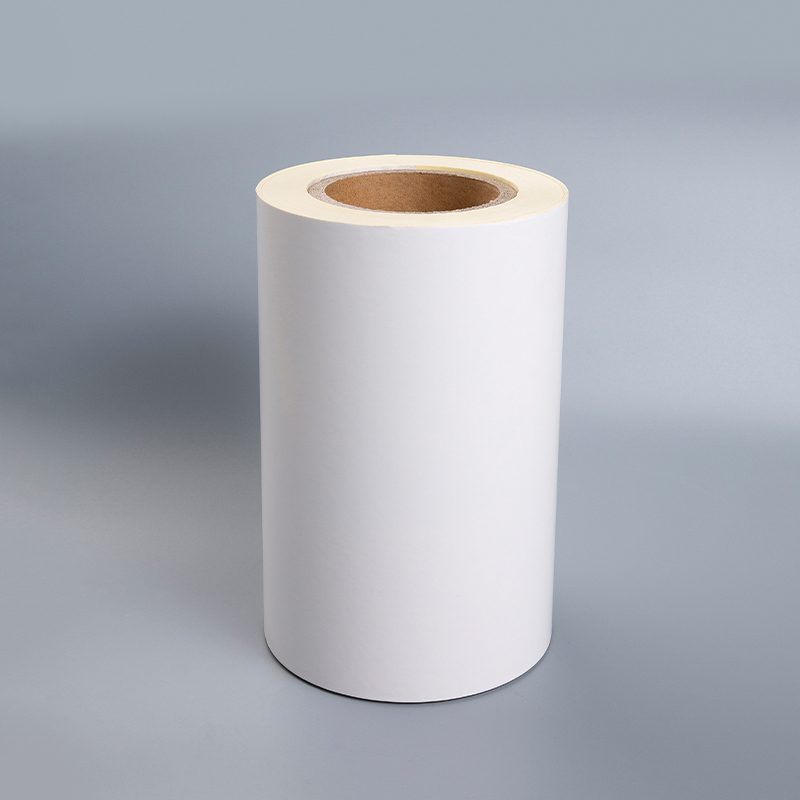
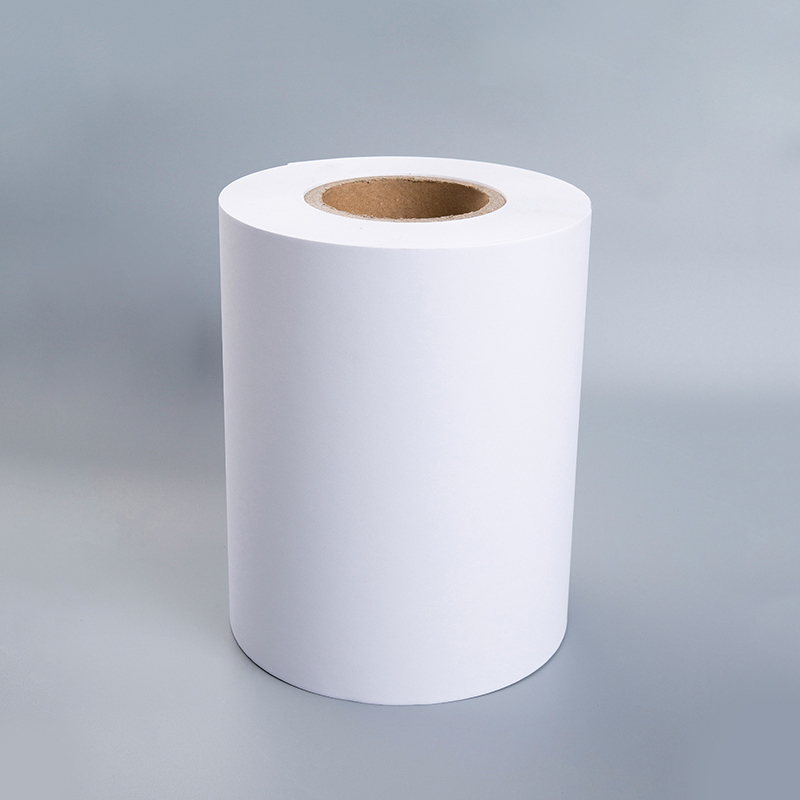
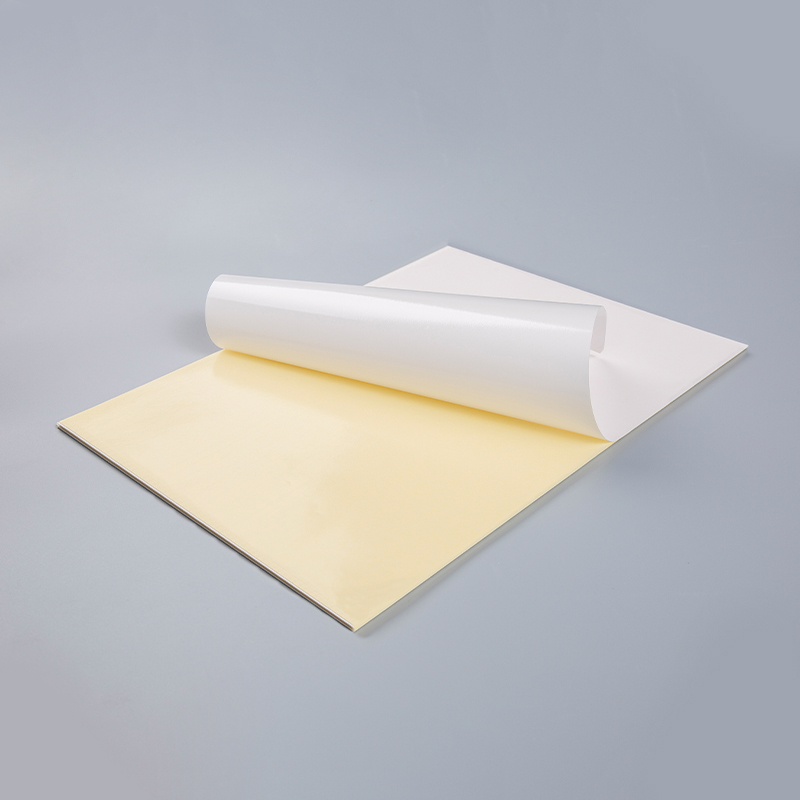
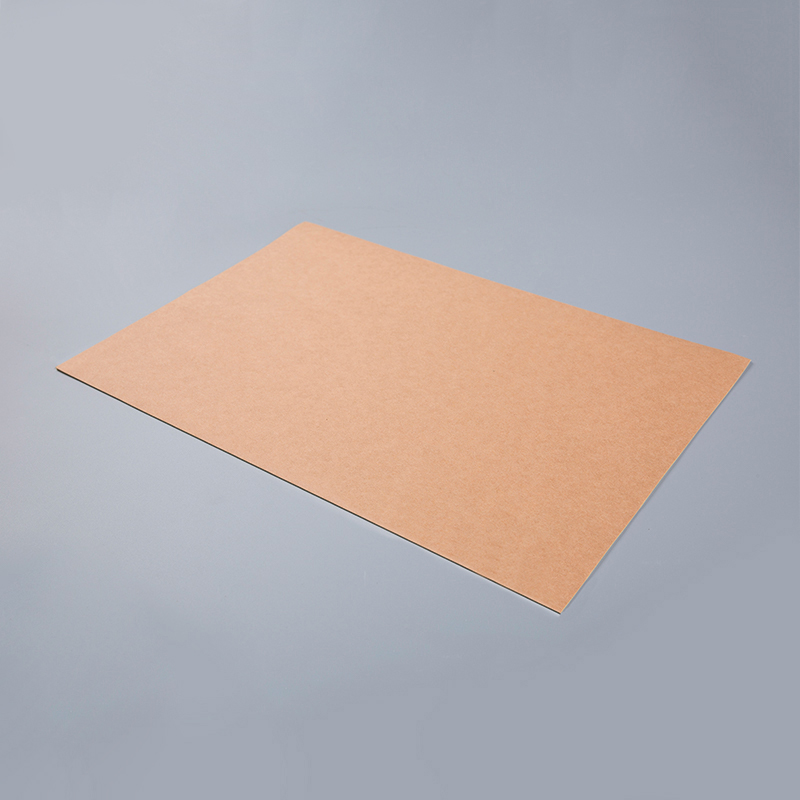
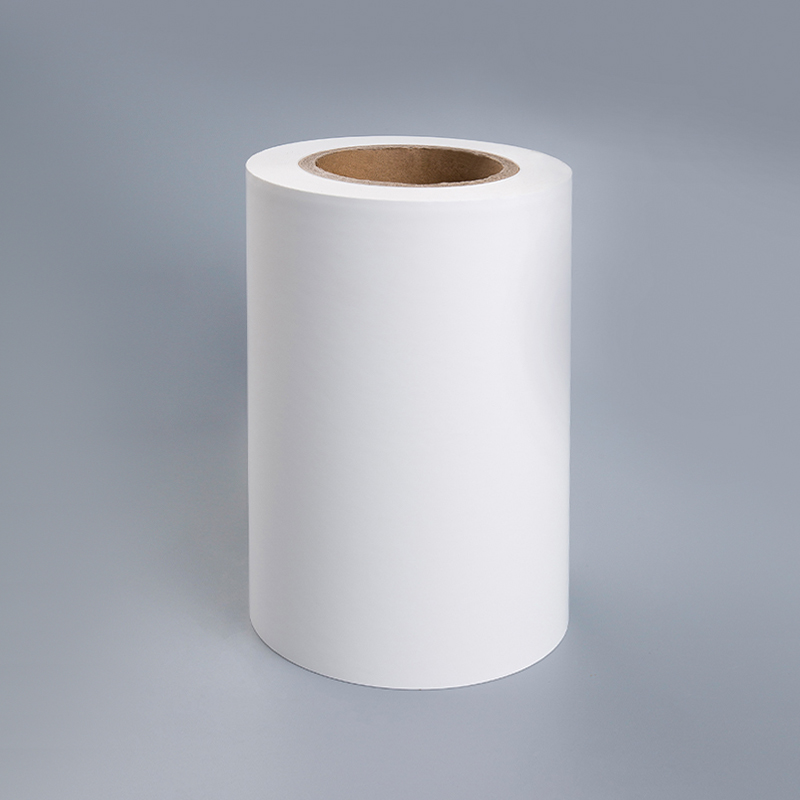
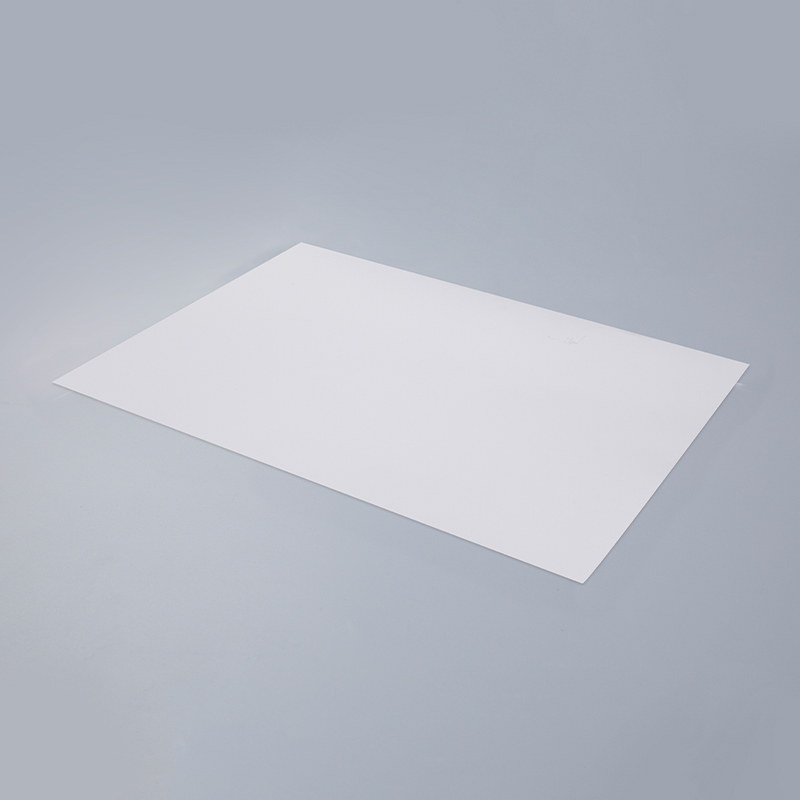
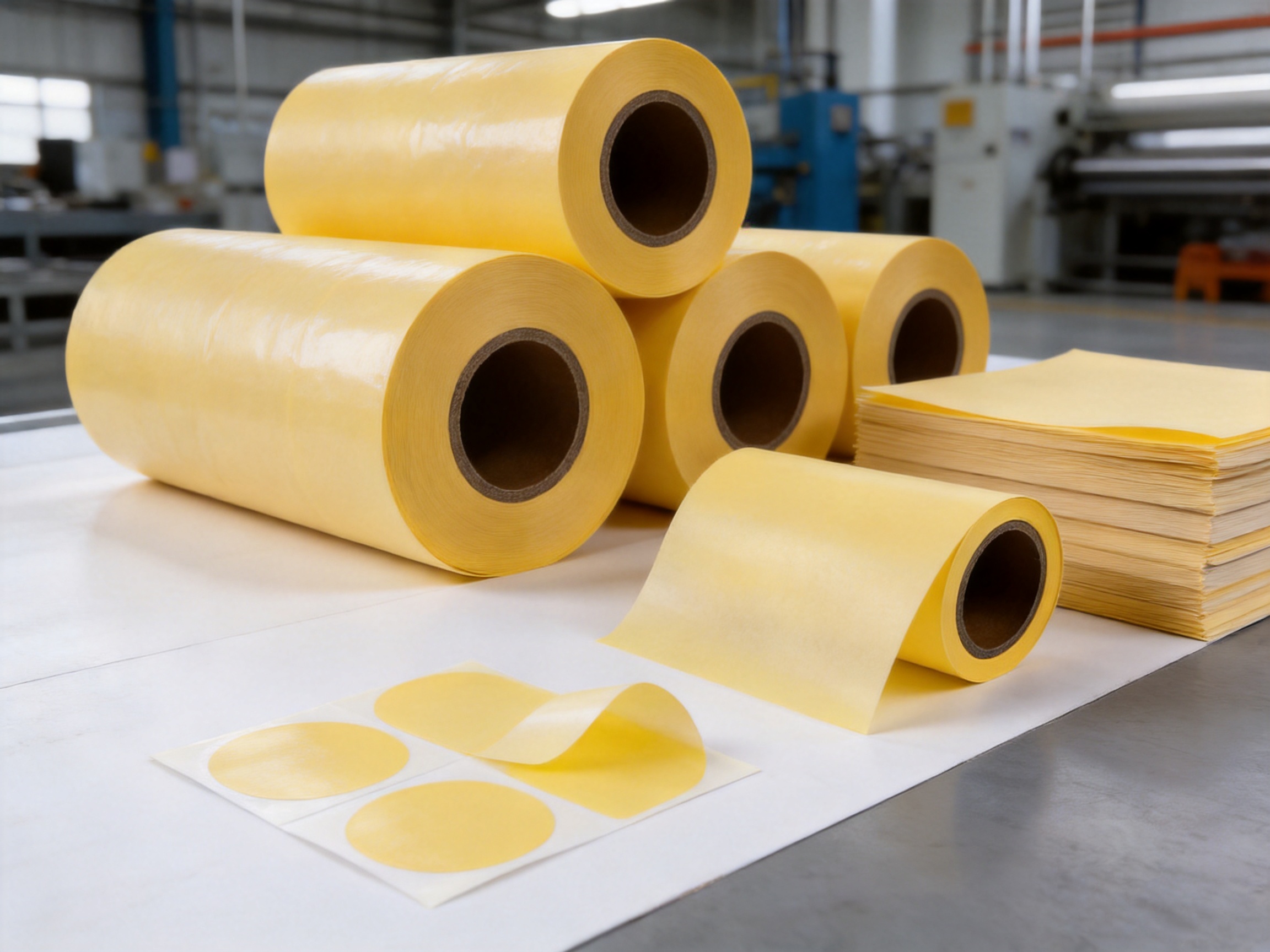
Yellow glassine paper is a smooth, dense, translucent paper material designed for release, protection, backing, and converting applications. It is widely used in self-adhesive labels, pressure-sensitive tapes, double-sided tapes, industrial sticky products, food packaging, pharmaceutical packaging, and high-speed automatic labeling systems. Its combination of uniform formation, controlled release performance, dimensional stability, and clean converting behavior makes it a dependable choice for manufacturers that require consistent processing and reliable product presentation.
Unlike ordinary paper, glassine paper is manufactured to achieve a compact and exceptionally smooth surface. The paper structure is carefully formed and calendered so that it can provide a stable base for silicone coating or other release treatments. Yellow glassine paper is especially popular where color identification, product differentiation, or a warm translucent appearance is preferred. White glassine is also available for applications requiring a neutral or brighter backing appearance.
The material is supplied in multiple basis weights, jumbo roll widths, and sheet sizes. This flexibility allows label converters, tape manufacturers, packaging companies, and industrial product suppliers to select a specification that matches their equipment, adhesive system, die-cutting method, and end-use requirements. Customized dimensions can also be arranged for customers with special production or packaging needs.
Content
- 1 What Is Yellow Glassine Paper?
- 2 Key Product Characteristics
- 3 Available Specifications
- 4 Applications in Self-Adhesive Labels
- 5 Applications in Pressure-Sensitive and Double-Sided Tapes
- 6 Applications in Food and Pharmaceutical Packaging
- 7 Advantages Compared With Ordinary Paper Liners
- 8 Advantages Compared With Competing Release Materials
- 9 Manufacturing Process and Quality Control
- 10 Manufacturing Strengths of the Supplier
- 11 OEM and ODM Support
- 12 Packaging and Delivery
- 13 Storage and Handling Recommendations
- 14 Selection Guide for Buyers
- 15 Environmental and Sustainability Considerations
- 16 Why Consistent Supply Matters
- 17 Typical Production Workflow for a Customer Order
- 18 Quality Issues That Can Be Avoided Through Proper Specification
- 19 Q&A
- 19.1 What is yellow glassine paper mainly used for?
- 19.2 Can yellow glassine paper be used for automatic labeling?
- 19.3 Is white glassine paper available?
- 19.4 What basis weights are available?
- 19.5 What jumbo roll widths can be supplied?
- 19.6 Can the material be supplied in sheets?
- 19.7 Is glassine paper suitable for rotary die-cutting?
- 19.8 How should release performance be selected?
- 19.9 Can this material be used with double-sided tape?
- 19.10 What packaging is available?
- 19.11 Can the supplier provide OEM and ODM services?
- 19.12 What information should be provided for a quotation?
- 19.13 How should the product be stored?
- 19.14 Is yellow glassine paper environmentally friendly?
- 19.15 Why should customers test samples before mass production?
- 20 Conclusion
- 21 References
- 22 Product: Yellow Glassine Paper
What Is Yellow Glassine Paper?
Yellow glassine paper is a dense, smooth paper substrate generally used as a release liner or protective backing material. It can be coated with silicone or another release formulation to prevent adhesives from permanently bonding to the paper surface. When the adhesive-backed product is ready for use, the glassine liner can be removed cleanly, leaving the adhesive layer available for application.
The paper is produced from carefully prepared pulp and processed through refining, sheet formation, drying, and high-pressure calendering. Calendering compresses and smooths the paper surface, producing a compact structure with low surface roughness. This smoothness is important because it supports even coating, controlled release, and stable contact with adhesive products.
The yellow color provides practical and visual benefits. It makes the liner easy to distinguish from white face materials, transparent films, and adhesive layers during production. It can also help operators identify the release side, separate product components, and inspect the liner during converting. For some packaging and label applications, the yellow translucent appearance also contributes to a recognizable product presentation.
In a finished self-adhesive construction, yellow glassine paper may function as the backing liner beneath a face material and adhesive layer. The face material can be paper, synthetic paper, polyester, polypropylene, polyethylene, or another printable substrate. The adhesive may be permanent, removable, hot-melt, acrylic, or another pressure-sensitive formulation selected for the final application.
Key Product Characteristics
The performance of glassine paper depends on several interconnected properties. Basis weight, thickness, density, surface smoothness, tensile strength, moisture content, release force, coating uniformity, and dimensional stability all influence the way the liner performs on a production line.
Smooth and Uniform Surface
A smooth surface allows the release coating to spread consistently. It also supports accurate lamination between the liner, adhesive, and face material. A uniform surface reduces the risk of coating voids, uneven release, adhesive transfer, wrinkles, and localized bonding problems.
Controlled Release Performance
Release performance is one of the most important properties of a glassine liner. The liner must hold the adhesive securely during storage, transport, printing, die-cutting, and labeling, while still allowing clean and predictable removal during application. A properly selected release level helps prevent premature separation as well as excessive peel force.
Different applications require different release characteristics. A high-speed automatic labeling line may need a liner that separates quickly and consistently at a controlled angle. A heavy-duty industrial tape may require stronger liner holding power during handling. A double-sided tape may need release surfaces with carefully matched or differential release properties. The appropriate specification should therefore be selected according to the adhesive chemistry, product construction, and dispensing equipment.
Good Dimensional Stability
Glassine paper is valued for its relatively stable dimensions during printing, coating, laminating, slitting, and die-cutting. This stability is important for accurate registration, especially when labels contain fine text, bar codes, variable data, or decorative graphics. Consistent dimensional behavior also helps reduce web wandering and misalignment on automatic converting equipment.
Suitable Tensile Strength
The liner must withstand the tension applied during unwinding, coating, laminating, slitting, rewinding, and dispensing. Adequate tensile strength helps reduce web breaks and supports smooth high-speed operation. The required strength depends on basis weight, roll width, line speed, machine design, and the weight of the laminated construction.
Translucent Appearance
Glassine paper is naturally translucent because of its dense and highly calendered structure. This feature can help operators visually inspect registration, adhesive coverage, die-cutting position, and liner separation. Yellow glassine provides a distinct visual identity while retaining the useful translucent characteristics associated with glassine materials.
Compatibility With Converting Operations
The material is suitable for rotary die-cutting, flatbed or plate die-cutting, slitting, sheeting, laminating, and roll-to-roll processing. Its stable structure and smooth surface make it a practical choice for converters that need consistent production performance across multiple machines and product formats.

Yellow Glassine Paper
Available Specifications
Yellow glassine paper can be supplied in several basis weights to meet different application requirements. Common options include 50 g/m², 60 g/m², 80 g/m², 100 g/m², and 120 g/m². The appropriate basis weight depends on the required liner strength, stiffness, release construction, adhesive coating weight, label size, and dispensing method.
| Specification | Available Options | Typical Selection Considerations |
|---|---|---|
| Material | Glassine paper | Used as a release liner, protective backing, or carrier substrate |
| Basis weight | 50, 60, 80, 100, and 120 g/m² | Selected according to strength, stiffness, machine speed, and product construction |
| Color | Yellow; white also available | Chosen according to visual identification, product design, and end-use requirements |
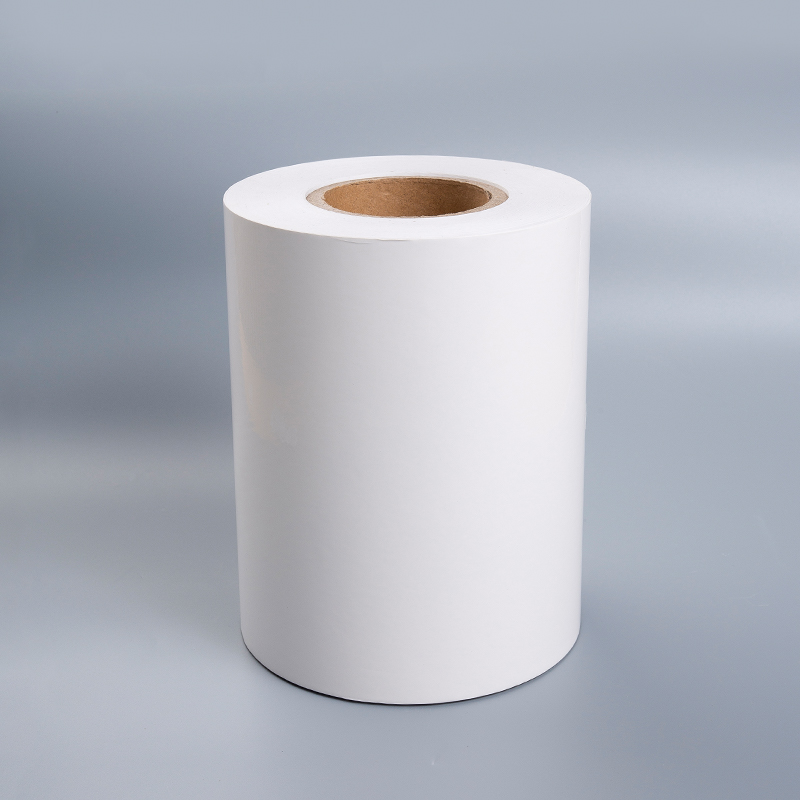
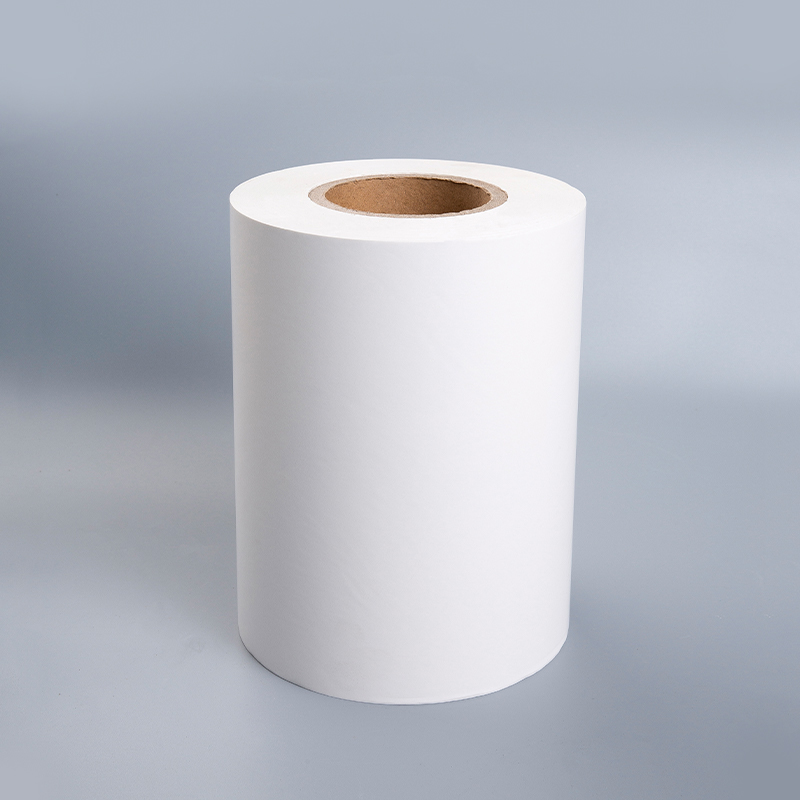
| Jumbo roll width | 1000, 1020, 1080, and 1530 mm | Suitable for slitting, laminating, and industrial roll converting |
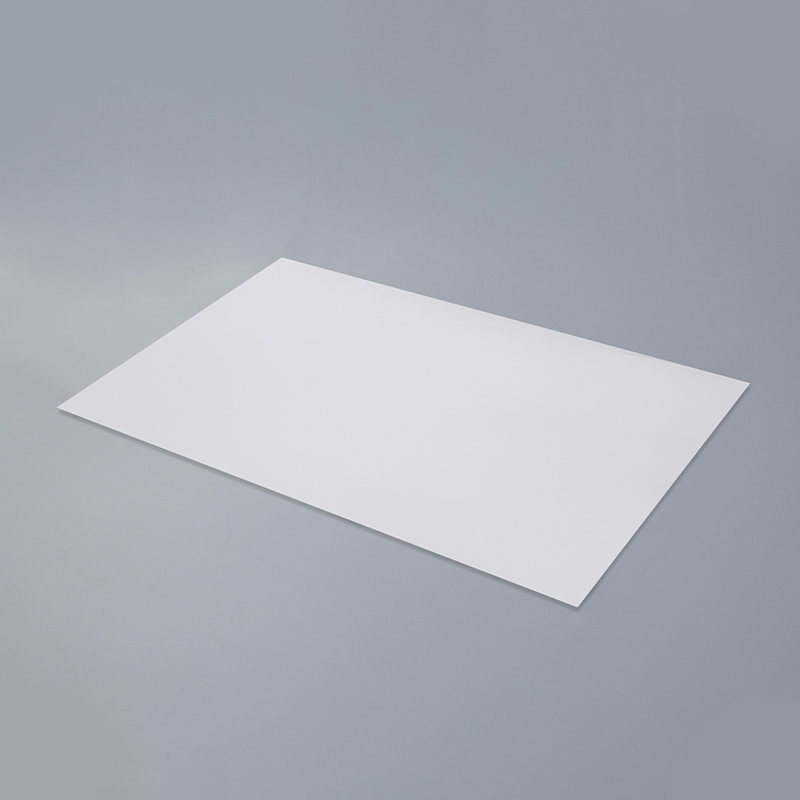
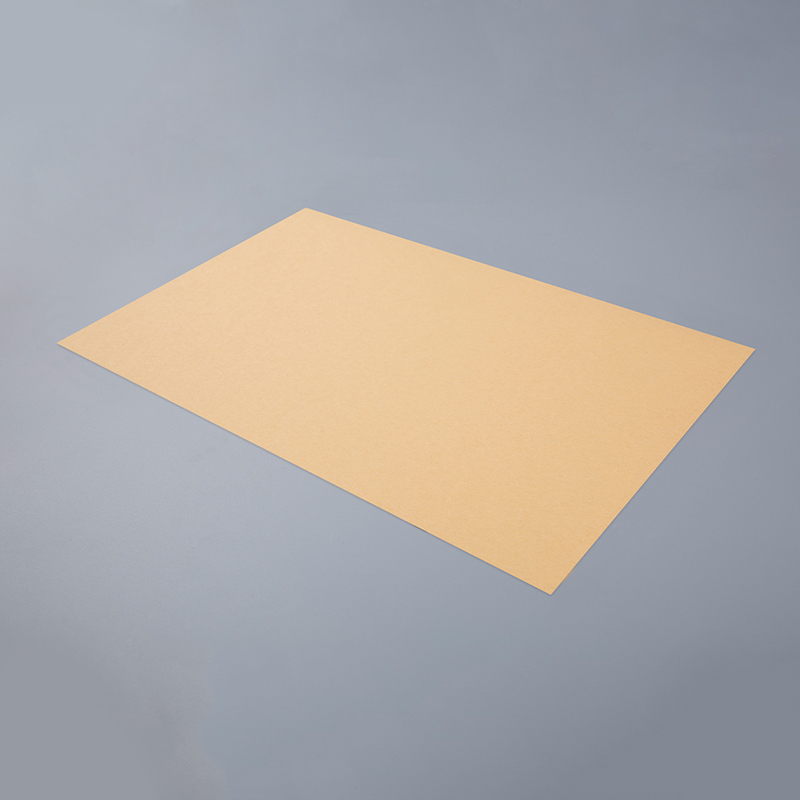
| Sheet sizes | A4, A3, 20 × 30 cm, 21 × 30 cm, 24 × 36 cm, 50 × 70 cm, and 70 × 100 cm | Suitable for sheet processing, manual application, and customized packaging formats |
| Customization | Customized sizes and formats available | Useful for special machinery, product dimensions, and customer packaging programs |
Jumbo rolls are suitable for customers that operate slitting, coating, laminating, or label-converting equipment. Roll supply can help reduce handling, support continuous production, and improve material utilization. Sheet supply is convenient for customers that require pre-cut formats for manual application, small-batch processing, packaging, or sheet-fed equipment.
The listed sheet sizes cover common commercial and industrial requirements, while customized dimensions can be considered for special orders. Before production, customers should confirm the desired width, length, winding direction, core size, outer diameter, sheet tolerance, packaging method, and release performance.
Applications in Self-Adhesive Labels
One of the principal uses of yellow glassine paper is as the release liner for self-adhesive labels. In this construction, the liner protects the adhesive until the label is ready to be applied. It also supports the label during printing, die-cutting, matrix stripping, rewinding, storage, and dispensing.
For bar code labels, the liner must support accurate conversion and stable dispensing. Labels may be printed with variable data, product identification numbers, logistics information, retail prices, expiration dates, or tracking codes. A smooth and dimensionally stable liner helps maintain consistent label positioning and reduces the risk of production defects.
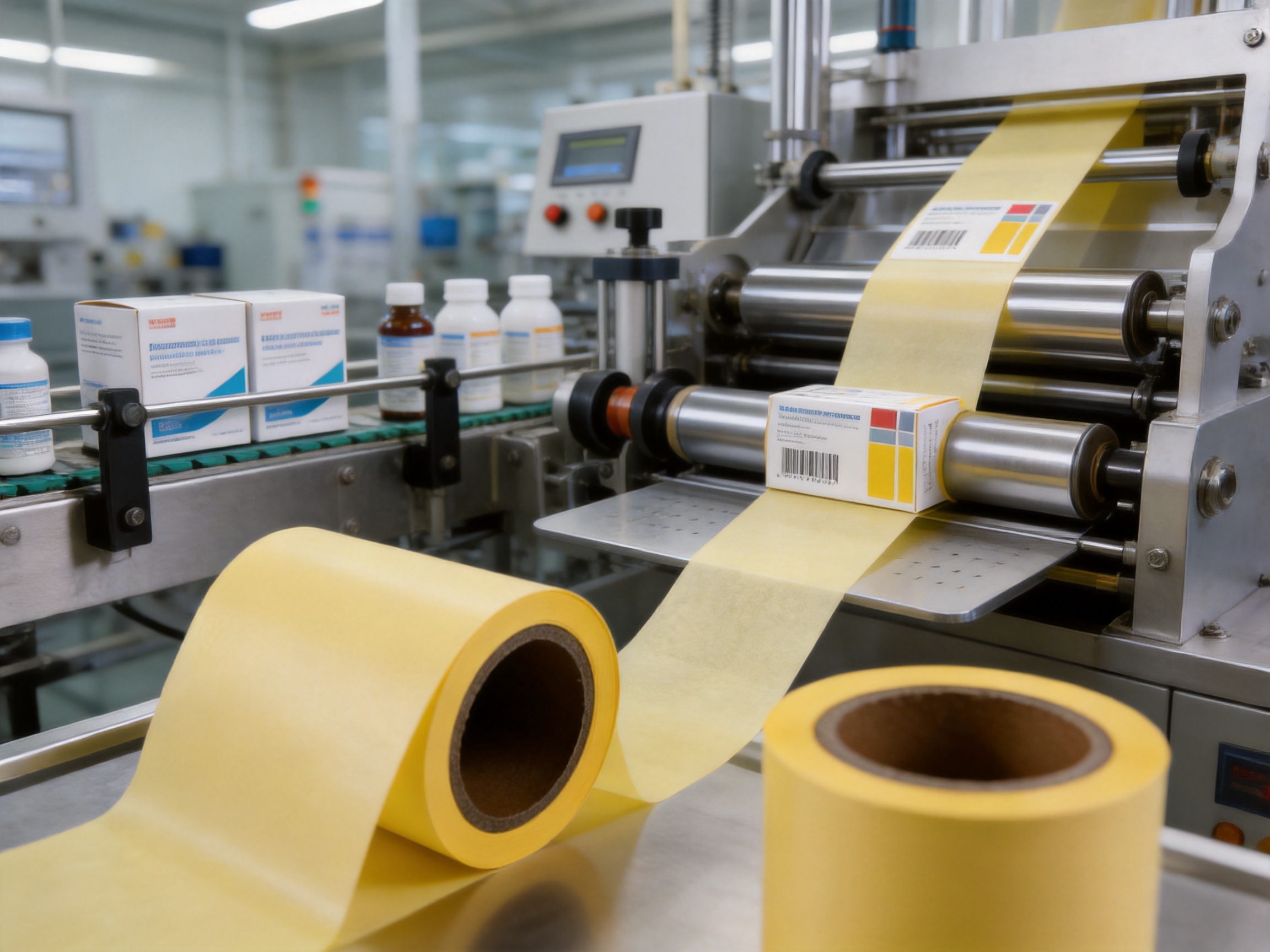
High-speed automatic labeling equipment places particular demands on liner performance. The liner must unwind evenly, separate at a predictable point, and maintain sufficient strength as it passes through rollers and peel plates. Inconsistent release can cause labels to remain on the liner, separate too early, wrinkle, or become incorrectly positioned. Properly manufactured glassine paper helps support stable operation when matched with the correct adhesive and machine settings.
Yellow glassine is suitable for labels used on cartons, bottles, bags, containers, shipping packages, pharmaceutical boxes, retail products, and industrial components. It can be paired with paper or film face materials depending on the required durability, print quality, moisture resistance, and appearance.
Applications in Pressure-Sensitive and Double-Sided Tapes
Pressure-sensitive tapes require a backing or liner that protects the adhesive during storage and handling. Glassine paper can be used as a release liner for single-sided tapes, transfer tapes, mounting tapes, medical tapes, office tapes, and industrial adhesive products.
Double-sided tape constructions often use a liner on one or both sides. The liner protects the adhesive surfaces and allows the tape to be wound, packaged, transported, and applied without unwanted blocking. Depending on the product design, the two sides may require different release levels. A specialized release construction can allow one liner to be removed first while the other side remains protected.
In tape converting, the liner must withstand coating, drying, slitting, rewinding, and die-cutting. It also needs to release cleanly without transferring silicone or other coating components to the adhesive. Consistency from roll to roll is important because even small changes in release behavior can affect dispensing, lamination, and final bonding performance.
For industrial applications, the liner may be exposed to elevated temperatures, pressure, vibration, or extended storage periods. Product selection should therefore consider the adhesive type, storage conditions, intended service temperature, and time between converting and final application.
Applications in Food and Pharmaceutical Packaging
Glassine materials are used in selected food and pharmaceutical packaging applications because their smooth, dense structure provides a clean and professional surface. The paper can be used as a release liner for adhesive labels, seals, tamper-evident components, packaging closures, and other pressure-sensitive constructions.
In food-related applications, the complete packaging structure must be evaluated for regulatory suitability. The glassine liner itself may not be in direct contact with the food, but the face material, adhesive, coating, inks, and packaging conditions must all meet the applicable requirements of the target market. Customers should confirm compliance requirements before commercial production.
In pharmaceutical packaging, accurate labeling and clean converting are especially important. Labels may contain dosage information, batch numbers, bar codes, warning statements, or traceability data. A stable liner can support precise die-cutting and label dispensing, helping manufacturers maintain reliable production quality.
Packaging suppliers may choose yellow glassine when the colored liner makes it easier to identify the adhesive construction, distinguish packaging components, or confirm whether the liner has been removed. The visual contrast can be useful during manual inspection and automated quality-control processes.
Advantages Compared With Ordinary Paper Liners
Ordinary paper liners may be less expensive in some situations, but they are not always suitable for high-speed or precision self-adhesive applications. Compared with conventional paper, glassine paper generally offers a smoother surface, denser structure, improved coating uniformity, and more consistent release performance when properly treated.
Ordinary paper can have a more open fiber structure and greater surface variation. These characteristics may make release coating more difficult to control. Surface roughness can also influence adhesive contact, coating appearance, and the quality of the final label or tape construction.
Glassine paper is also better suited to applications where clean die-cutting and accurate liner separation are required. Its compact surface supports clear cutting action and can help reduce fiber shedding or edge irregularities. This is valuable for labels with small characters, narrow gaps, intricate shapes, or closely spaced designs.
Compared with some heavier coated liners, glassine can provide an efficient balance between strength and material economy. Its relatively thin profile may help reduce the total thickness of a self-adhesive construction, allowing more labels or tape to be wound onto a roll. This can improve transport efficiency and support compact packaging.
Compared with plastic release films, glassine paper offers a paper-based alternative for customers that prefer a fiber-based liner. It can provide a different tactile appearance and may be more compatible with paper recycling systems, depending on the silicone coating, adhesive formulation, local recycling infrastructure, and final product construction. Sustainability claims should always be assessed for the complete finished product rather than the liner alone.
Advantages Compared With Competing Release Materials
Balance of Performance and Cost
Yellow glassine paper offers a practical balance of smoothness, strength, release performance, processability, and cost. It can meet the needs of many standard and demanding applications without requiring the heavier structure or higher material cost associated with certain specialty films.
Broad Processing Compatibility
The material can be supplied for both roll and sheet processing. This broad format availability makes it suitable for large industrial production as well as smaller or more specialized converting programs. Customers can select the format that best fits their existing equipment.
Clear Visual Identification
The yellow color differentiates the liner from white labels, clear films, and adhesive layers. This can help improve material handling, production inspection, and component identification. It is particularly useful where operators need to recognize the liner quickly during assembly or application.
Suitable for High-Speed Converting
Consistent web formation, controlled release, and stable dimensions support high-speed production. The material is suitable for rotary and plate die-cutting, as well as slitting, laminating, and automatic labeling processes.
Flexible Customization
The availability of multiple basis weights, widths, sheet formats, and customized dimensions allows the material to be adapted to different products. This is an advantage over suppliers that offer only one standard width or a limited number of paper grades.
Manufacturing Process and Quality Control
The performance of yellow glassine paper depends on controlled manufacturing at every stage. A reliable production process begins with raw material preparation and continues through paper formation, drying, calendering, coating, slitting, sheeting, inspection, and packaging.
Raw Material Preparation
Suitable fiber preparation is essential for producing a uniform glassine sheet. The pulp is processed to achieve the required fiber distribution and formation characteristics. Refining conditions influence fiber bonding, sheet density, tensile strength, and surface quality. Consistent raw material preparation helps reduce basis-weight variation and improves roll-to-roll uniformity.
Paper Formation
During sheet formation, the fiber suspension is distributed across the machine to create a continuous web. Uniform formation supports consistent thickness, density, and mechanical properties. Poor formation can lead to weak points, uneven coating absorption, and inconsistent release behavior.
Drying and Moisture Control
Controlled drying is important because moisture affects paper dimensions, flexibility, tensile strength, and coating performance. Excessive or uneven drying may cause curl, brittleness, shrinkage, or dimensional changes. Proper moisture control helps the glassine paper remain stable during subsequent converting and storage.
Calendering
Calendering applies pressure through polished rolls to compress and smooth the paper. This stage creates the characteristic dense and glossy surface associated with glassine. Calendering must be carefully controlled because excessive pressure may reduce strength or cause undesirable brittleness, while insufficient pressure may result in inadequate smoothness or density.
Release Coating
When the product is intended for adhesive applications, a release coating is applied to one or both sides according to the final construction. Coating weight, curing conditions, surface energy, and formulation compatibility all influence release performance. Uniform coating coverage is necessary to prevent localized adhesion, transfer, blocking, and uneven peel force.
Different adhesive systems may require different release levels. Acrylic, rubber-based, hot-melt, solvent-based, and water-based adhesives can interact differently with the release surface. A qualified supplier should evaluate the intended adhesive and recommend a suitable liner specification rather than treating all applications as identical.
Slitting and Rewinding
Jumbo rolls are converted into narrower rolls through precision slitting. Correct knife selection, tension control, web alignment, and winding pressure help produce clean edges and stable roll geometry. Poor slitting can cause edge dust, telescoping, uneven winding, or roll deformation.
Sheeting
For sheet products, the jumbo web is cut into the required dimensions. Accurate sheeting supports reliable feeding and reduces waste during use. Sheet flatness, edge quality, and dimensional tolerance are important for customers that use manual application, sheet-fed printing, or die-cutting.
Inspection and Testing
Quality inspection may include basis weight, thickness, moisture, tensile strength, elongation, surface appearance, color, roll width, sheet size, coating uniformity, release force, and blocking resistance. Visual inspection can identify wrinkles, pinholes, streaks, edge damage, contamination, and coating defects.
Maintaining an internal testing capability allows production teams to identify variation before shipment. It also supports customer-specific quality standards, technical documentation, and troubleshooting. When a customer reports a converting issue, test data can help determine whether the cause is related to the liner, adhesive, machine settings, storage environment, or final product construction.
Manufacturing Strengths of the Supplier
Suzhou Piaozhihua Composite Material Technology Co., Ltd. specializes in self-adhesive label materials and related composite products. The company integrates research and development, manufacturing, sales, and after-sales service, allowing technical decisions to be coordinated across the product lifecycle.
The manufacturing operation includes gluing, laminating, and cutting production lines. This integrated structure is valuable because the performance of a self-adhesive product depends on the interaction between the face material, adhesive, and release liner. A supplier with experience across these processes can better understand the requirements of complete label constructions rather than viewing the liner as an isolated component.
The company reports an annual production capacity of more than 280 million square meters and more than 20 years of OEM manufacturing experience. This scale and experience support stable supply, repeat production, and the ability to serve both standard and customized orders.
Its own testing laboratory and inspection equipment are used to support product quality. Laboratory capability is especially important for release materials because the correct performance cannot be judged only by appearance. Release force, coating uniformity, dimensional stability, tensile properties, and adhesive compatibility all require appropriate testing and process control.
The company also maintains research and development capabilities, including patented technologies and professional technical personnel. These resources support ODM and OEM projects for customers that require special colors, basis weights, roll dimensions, sheet sizes, adhesive constructions, or application-specific performance.
Customer drawings and samples can be used as references for customized development. This is helpful for label and tape manufacturers that already have established product designs but need a reliable material supplier to reproduce or optimize a particular construction.
OEM and ODM Support
OEM service is suitable for customers that have an existing specification or product design and need production under agreed technical requirements. The supplier can manufacture according to customer drawings, samples, packaging requirements, and inspection standards.
ODM service is appropriate for customers that need technical assistance in developing a new product. The development process may include reviewing the intended adhesive, application surface, labeling speed, die-cut shape, storage conditions, required roll dimensions, and final packaging environment.
A successful custom project normally begins with a detailed technical discussion. Important information includes the adhesive type, face material, liner side requiring release, desired peel behavior, roll width, core diameter, maximum roll diameter, winding direction, machine speed, storage period, and expected service environment.
Sampling and trial production can help confirm whether the material performs correctly on the customer’s equipment. Testing should ideally cover unwinding, printing, laminating, die-cutting, matrix removal, rewinding, label dispensing, and final application. A liner that performs well in a laboratory peel test may still require adjustment when used on a high-speed production line.
Packaging and Delivery
Packaging is designed to protect the material during handling, storage, and sea transportation. Roll and sheet products can be supplied with packaging suitable for export shipment. Sea-transit-worthy poly-wood pallet packing and carton packing are available according to product format and customer requirements.
For sheet products, the standard arrangement can include 100 sheets per ream. Each ream is packed with a strong PE-coated kraft paper wrapper to help protect the sheets from dust, moisture, abrasion, and handling damage.
For palletized shipments, strong pallets can be wrapped with stretch film and secured with plastic fastening belts. Appropriate pallet loading helps reduce movement during transportation and supports safer unloading at the destination.
Customers should confirm whether they require rolls or sheets, the number of units per pallet, pallet dimensions, carton markings, moisture protection, container loading instructions, and shipping documentation before order confirmation. Proper packaging is particularly important for paper materials because exposure to moisture or severe temperature changes can affect flatness, dimensions, and converting performance.
Storage and Handling Recommendations
Yellow glassine paper should be stored in a clean, dry, and temperature-controlled environment whenever possible. Direct exposure to rain, condensation, excessive humidity, heat sources, and sunlight should be avoided. The material should remain in its original protective packaging until it is ready for use.
Rolls should be placed on stable supports and protected from impact. Heavy objects should not be placed on top of rolls or sheet cartons. Sudden changes in temperature should be minimized because condensation can occur when cold material is moved into a warm and humid area.
Before converting, the material should be allowed to acclimatize to the production environment. The required acclimatization time depends on packaging, warehouse conditions, climate, and roll size. Customers should establish an internal procedure that allows the paper and adhesive construction to reach a stable condition before processing.
When handling sheets, operators should avoid dragging the edges across rough surfaces. Clean gloves may be useful for applications where surface cleanliness is important. Any damaged, wet, crushed, or contaminated packaging should be inspected before the material is introduced into production.
Selection Guide for Buyers
Choosing the correct yellow glassine paper requires more than selecting a color and width. The liner must be matched to the complete product construction and production process.
Choose the Appropriate Basis Weight
Lower basis weights may be suitable for lightweight labels and applications where flexibility and compact roll winding are priorities. Higher basis weights may provide greater stiffness, strength, and handling resistance for larger labels, heavier adhesive coatings, industrial tapes, or demanding converting conditions.
Confirm the Required Release Level
The release level should be evaluated with the exact adhesive formulation. A liner that is too easy to release may allow premature separation or label movement. A liner that is too difficult to release may cause dispensing problems, label lifting, adhesive transfer, or liner breaks.
Check Machine Compatibility
Roll width, core size, outer diameter, winding direction, web tension, and line speed should be confirmed with the converter’s equipment. Sheet customers should confirm sheet dimensions, flatness, stacking requirements, and feeding method.
Consider the Final Application
Labels for indoor cartons may have different requirements from labels used outdoors, in refrigerated environments, on curved containers, or on textured surfaces. Pharmaceutical, food, automotive, electronics, and logistics applications may each require different combinations of liner strength, adhesive performance, printability, and regulatory documentation.
Request Technical Documentation
Customers may request a product data sheet, test report, certificate of analysis, sample roll, or sample sheets before placing a large order. Technical documents help establish the agreed basis weight, color, dimensions, release performance, packaging method, and inspection criteria.
Environmental and Sustainability Considerations
Glassine paper is a fiber-based material, which may support sustainability goals in certain product designs. However, the environmental profile of a release liner depends on the complete material system, including pulp sourcing, manufacturing energy, silicone coating, adhesive, face material, printing inks, and end-of-life treatment.
The company states that it is developing eco-friendly solutions involving face materials, adhesives, and backing papers. This approach recognizes that sustainable label construction requires coordinated improvement across all layers rather than focusing on the liner alone.
Customers seeking environmentally improved solutions should evaluate recycled content, responsibly sourced fiber, coating chemistry, adhesive selection, liner reduction, waste management, and recycling compatibility. Local collection and recycling infrastructure also affects the practical environmental outcome.
Material reduction may be another approach. Selecting an appropriate basis weight and optimizing label dimensions can reduce total material consumption without compromising production reliability. Lightweighting should be validated carefully because an excessively thin liner may create higher waste if it causes web breaks, dispensing failures, or poor die-cutting performance.
Why Consistent Supply Matters
Self-adhesive label and tape manufacturers often operate continuous production schedules. A change in liner performance can affect adhesive coating, die-cutting, dispensing, and customer acceptance. Consistent supply is therefore as important as the initial material specification.
A stable supplier should be able to maintain agreed color, basis weight, dimensions, release behavior, packaging, and roll quality across repeat orders. Manufacturing experience, integrated production lines, testing facilities, and technical records all contribute to repeatability.
The supplier’s production capacity and international market experience support customers that need regular export shipments. Its sales and service network covers multiple domestic and international markets, while its OEM and ODM capabilities provide additional flexibility for customers with specialized requirements.
Long-term cooperation can also improve efficiency. Once a specification has been validated, future orders can follow an established technical standard. This reduces repeated trial work and helps customers plan purchasing, production, inventory, and delivery schedules.
Typical Production Workflow for a Customer Order
The order process usually begins with requirement confirmation. The customer provides information about material type, color, basis weight, roll or sheet format, quantity, application, adhesive system, and packaging expectations.
The supplier then reviews the specification and confirms whether a standard product is suitable. If the customer requires customization, technical personnel may evaluate the sample, drawing, machine conditions, and target performance.
Samples may be prepared for laboratory or production-line testing. The customer evaluates the sample for unwinding, release, die-cutting, adhesive compatibility, printing, dispensing, and final application. Any adjustment is recorded and incorporated into the revised specification.
After approval, production is scheduled. The glassine paper is manufactured or converted, inspected, packed, and prepared for shipment. Quality records and shipping information can be supplied according to the agreed order terms.
After delivery, technical support remains important. If the customer experiences a production issue, information about machine speed, temperature, humidity, adhesive batch, storage time, unwind direction, and failure appearance can help identify the cause efficiently.
Quality Issues That Can Be Avoided Through Proper Specification
Wrinkles may result from uneven web tension, moisture variation, improper winding, or unsuitable machine settings. Confirming moisture control, roll hardness, and storage conditions can reduce the risk.
Adhesive transfer may be associated with an unsuitable release level, incomplete coating cure, excessive storage temperature, or interaction between the adhesive and release chemistry. Testing the actual adhesive and liner combination is recommended.
Die-cutting problems may be caused by incorrect liner thickness, unsuitable blade settings, excessive adhesive ooze, or poor registration. The liner should be evaluated together with the face material and adhesive rather than separately.
Web breaks may result from low tensile strength, edge damage, excessive tension, splices, or moisture-related weakening. Correct basis weight, clean slitting, suitable winding, and proper machine settings can improve processing stability.
Label dispensing failures may occur when release force is inconsistent, the peel angle is unsuitable, the liner is too stiff or too flexible, or the adhesive has aged unexpectedly. Application trials on the actual labeling equipment are the most reliable way to confirm suitability.
Q&A
What is yellow glassine paper mainly used for?
It is mainly used as a release liner or backing material for self-adhesive labels, bar code labels, pressure-sensitive tapes, double-sided tapes, industrial sticky products, and selected food and pharmaceutical packaging applications.
Can yellow glassine paper be used for automatic labeling?
Yes. It is suitable for high-speed automatic labeling when the basis weight, release level, roll dimensions, and adhesive construction are properly matched to the labeling machine.
Is white glassine paper available?
Yes. White and yellow options are available. The preferred color depends on visual identification, product design, inspection requirements, and the appearance of the complete label or tape construction.
What basis weights are available?
Common options include 50, 60, 80, 100, and 120 g/m². The correct basis weight depends on the required strength, stiffness, release construction, machine speed, and end-use application.
What jumbo roll widths can be supplied?
Common jumbo roll widths include 1000 mm, 1020 mm, 1080 mm, and 1530 mm. Customized widths may be discussed for special converting equipment or product requirements.
Can the material be supplied in sheets?
Yes. Available sheet formats include A4, A3, 20 × 30 cm, 21 × 30 cm, 24 × 36 cm, 50 × 70 cm, and 70 × 100 cm. Customized sheet sizes can also be considered.
Is glassine paper suitable for rotary die-cutting?
Yes. Its smooth and dense structure makes it suitable for rotary and plate die-cutting, provided that the liner thickness, adhesive, face material, and tooling are correctly matched.
How should release performance be selected?
Release performance should be selected according to the adhesive type, label or tape construction, storage period, dispensing speed, peel angle, and final application. Testing with the actual adhesive is recommended.
Can this material be used with double-sided tape?
Yes. Glassine paper is commonly used to protect one or both adhesive sides of double-sided tape. The required release levels may vary depending on how the tape is wound and applied.
What packaging is available?
Roll and sheet packaging are available. Options include sea-transit-worthy poly-wood pallet packing, carton packing, PE-coated kraft paper wrappers for reams, stretch film, and plastic fastening belts.
Can the supplier provide OEM and ODM services?
Yes. OEM production can follow customer drawings, samples, and specifications. ODM support is available for customers that need assistance developing a customized self-adhesive material or release liner construction.
What information should be provided for a quotation?
Customers should provide the material color, basis weight, roll or sheet format, dimensions, quantity, core requirements, application, adhesive type, packaging expectations, and delivery destination. Samples or technical drawings are helpful for customized projects.
How should the product be stored?
It should be stored in a clean, dry environment away from direct sunlight, moisture, condensation, and heat sources. Original protective packaging should remain intact until the material is ready for processing.
Is yellow glassine paper environmentally friendly?
It is a fiber-based material and may support certain sustainability objectives, but the environmental performance depends on the complete label or tape construction, including coatings, adhesives, face materials, production methods, and end-of-life systems.
Why should customers test samples before mass production?
Testing confirms that the liner works with the customer’s adhesive, equipment, die-cutting tools, storage conditions, and application process. A sample trial can identify issues before a large quantity is produced.
Conclusion
Yellow glassine paper is a versatile release and backing material for self-adhesive labels, tapes, packaging products, and industrial applications. Its smooth surface, controlled release capability, translucent appearance, dimensional stability, and converting compatibility make it suitable for both standard and high-speed production environments.
The availability of 50 to 120 g/m² grades, yellow or white colors, jumbo roll widths, standard sheet sizes, and customized formats allows customers to select a practical specification for their equipment and product design. Its performance advantages are strengthened when the material is manufactured with controlled paper formation, calendering, release coating, slitting, sheeting, inspection, and packaging processes.
Suzhou Piaozhihua Composite Material Technology Co., Ltd. combines self-adhesive material manufacturing, gluing, laminating, cutting, laboratory testing, OEM experience, ODM development, and international supply capabilities. With reported annual production capacity exceeding 280 million square meters and more than two decades of manufacturing experience, the company is positioned to support customers seeking stable supply and customized release material solutions.
For the best result, customers should evaluate yellow glassine paper as part of the complete adhesive construction. Correct selection of basis weight, release level, dimensions, packaging, and storage conditions can improve converting efficiency, reduce production waste, and support reliable final label or tape performance.
References
1. General principles of glassine paper production, calendering, and release-liner conversion.
2. Technical considerations for pressure-sensitive adhesive labels and tapes.
3. Industrial practices for rotary die-cutting, slitting, laminating, and automatic labeling.
4. Packaging and storage recommendations for paper-based release liners.
5. Manufacturer-provided product specifications for yellow and white glassine paper, including basis weights, roll widths, sheet formats, and packaging options.
6. Manufacturer-provided company information regarding self-adhesive material production, OEM and ODM services, testing facilities, production capacity, and international supply.