
 English
 Español
 русский
 Français
 عربى
Self-adhesive materials used for packaging and product identification must perform reliably under changing temperatures, varying humidity, frequent handling, and demanding printing conditions. For applications exposed to refrigerated storage, cold-chain transport, frozen products, household chemicals, cosmetics, food packaging, and automotive flexible packaging, ordinary paper labels may not provide sufficient durability or adhesion. A carefully engineered synthetic label material can offer a more dependable solution.
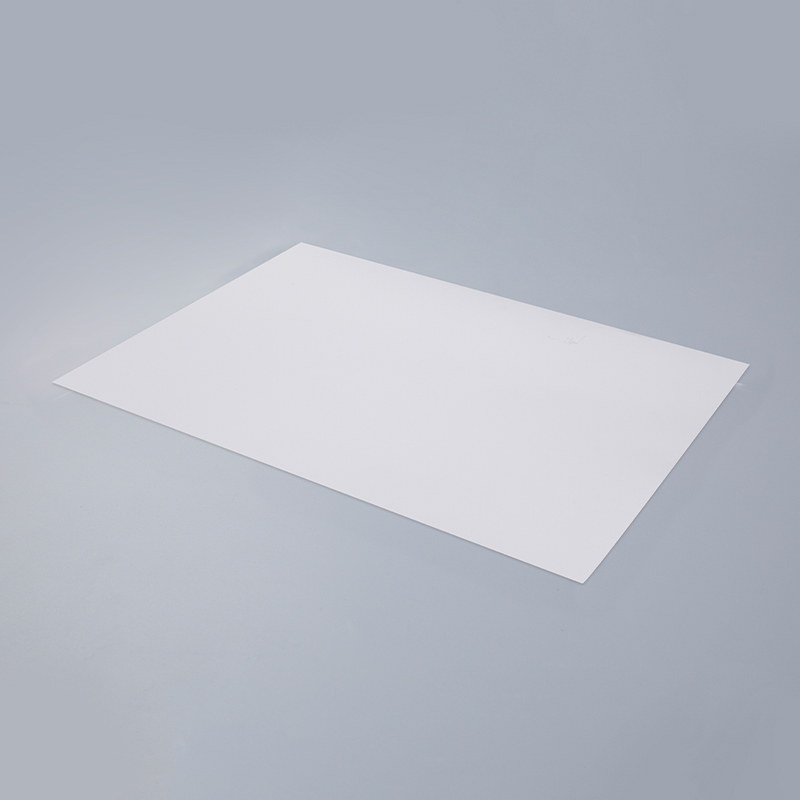
Anti-Freeze Adhesive Gloss White PP in Sheet is a premium self-adhesive material designed for users who require an attractive white appearance, dependable adhesion at low temperatures, smooth printing performance, and flexible converting options. Based on a gloss white biaxially oriented polypropylene face material, this product combines a durable synthetic film with anti-freeze adhesive technology and a release liner selected for efficient processing.
The material is available in standard sheet sizes and can also be customized for specific applications. Its structure is suitable for UV ink, relief printing, flexographic printing, screen printing, and other common label and graphic-printing processes. In addition, it can support cold-stamping effects, making it appropriate for brands that need both functional performance and a refined visual presentation.
Manufactured by Suzhou Piaozhihua Composite Material Technology Co., Ltd., the product benefits from an integrated production system covering adhesive coating, laminating, slitting, and sheet cutting. The manufacturer has more than two decades of experience in self-adhesive materials, an annual production capacity exceeding 280 million square meters, dedicated testing capabilities, and OEM and ODM service options.
Content
- 1 Product Overview
- 2 Why Gloss White PP Is Suitable for Modern Labels
- 3 Anti-Freeze Adhesive Performance
- 4 Printing and Finishing Compatibility
- 5 Packaging and Product Applications
- 6 Sheet Sizes and Jumbo Roll Supply
- 7 Release Liner Selection
- 8 Manufacturing Process and Quality Control
- 9 Advantages Over Conventional Paper Labels
- 10 Company Manufacturing Strengths
- 11 Sustainable Material Development
- 12 Packaging, Storage, and Delivery
- 13 Recommended Purchasing and Qualification Process
- 14 Technical Limitations and Responsible Use
- 15 Frequently Asked Questions
- 15.1 What is Anti-Freeze Adhesive Gloss White PP in Sheet?
- 15.2 What is the standard face-material thickness?
- 15.3 Can this product be used on frozen products?
- 15.4 Which printing methods are compatible with the material?
- 15.5 Can the product support cold stamping?
- 15.6 What liner options are available?
- 15.7 What sheet sizes can be supplied?
- 15.8 Are jumbo rolls available?
- 15.9 Can the adhesive be customized?
- 15.10 Is the PP face material waterproof?
- 15.11 What industries commonly use this material?
- 15.12 Does the manufacturer provide OEM and ODM services?
- 15.13 How should the material be stored?
- 15.14 Why should customers request samples before ordering?
- 16 Conclusion
- 17 References
- 18 Product: Anti-Freeze Adhesive Gloss White Pp In Sheet
Product Overview
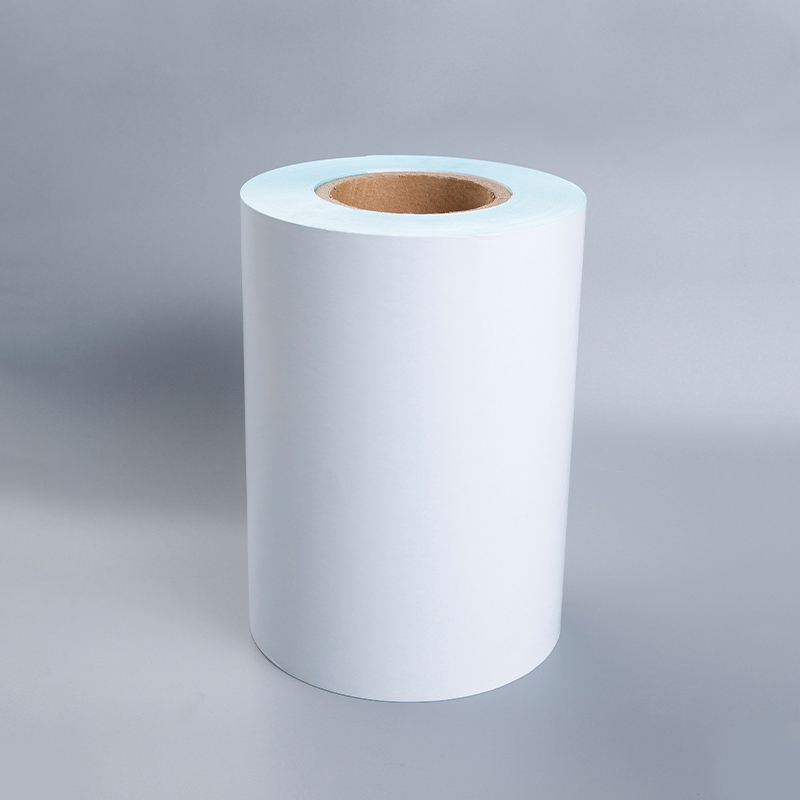
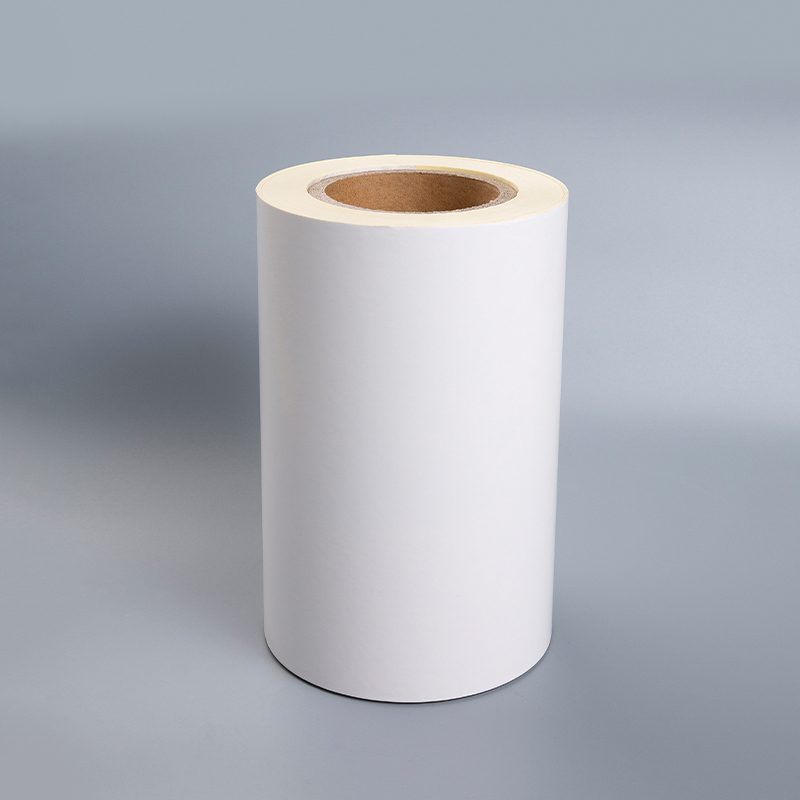
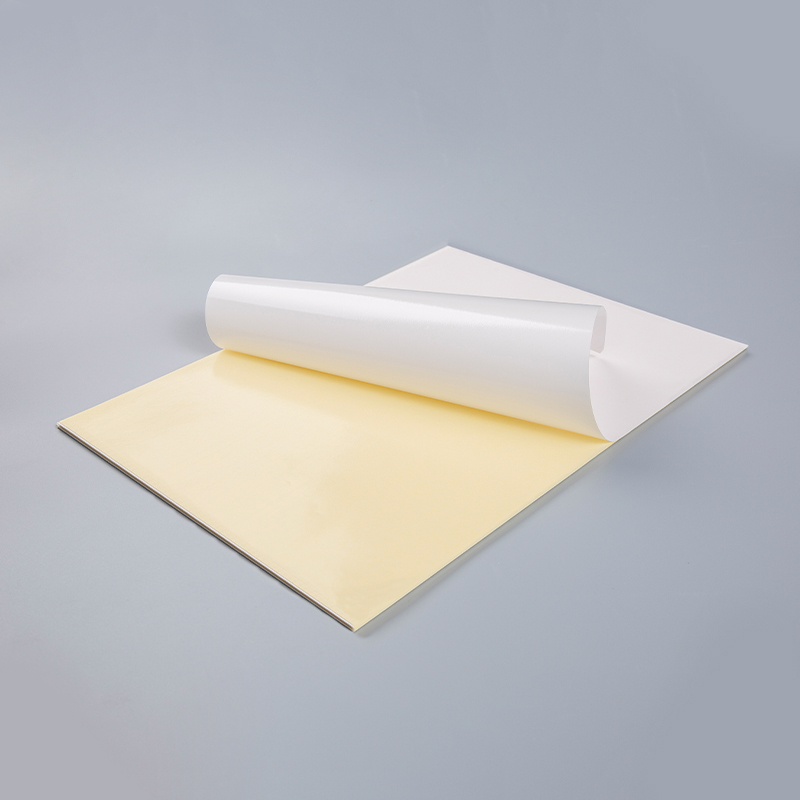
Anti-Freeze Adhesive Gloss White PP in Sheet is a pressure-sensitive label material supplied in sheet form. It is composed of three principal layers: a gloss white PP face material, an anti-freeze adhesive layer, and a release liner. Each layer contributes to the performance of the finished label.
| Component | Standard Specification | Available Options |
|---|---|---|
| Face material | 60-micron gloss white PP | 95-micron and 100-micron options |
| Adhesive | Anti-freeze adhesive | Water-based, hot-melt, solvent, removable, cryogenic, and tyre-grade rubber adhesives |
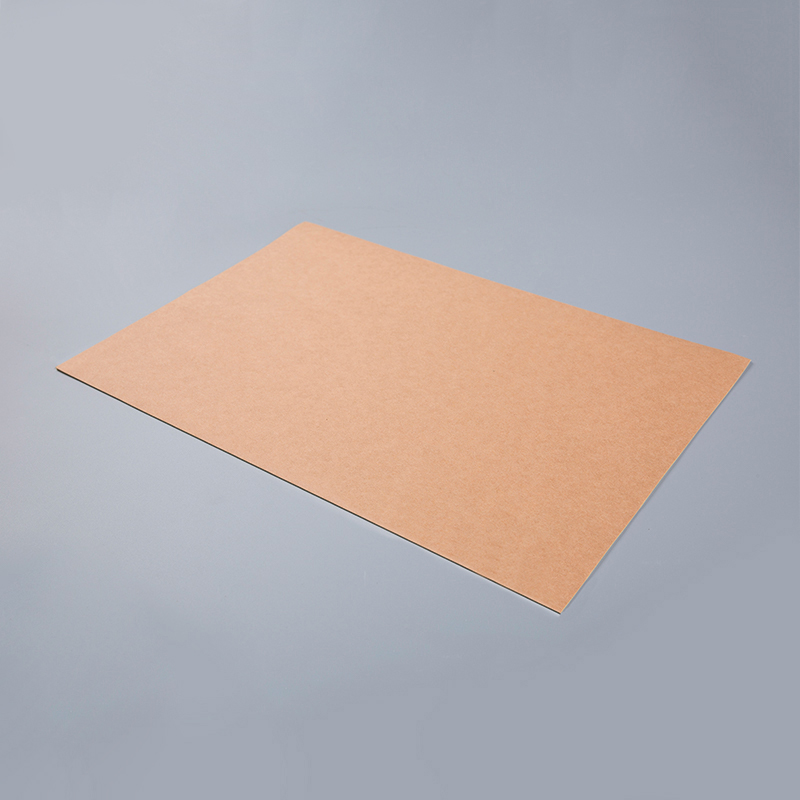
| Release liner | 60 g white glassine paper | 50/80/100/120 g glassine, 60/85/120/140 release paper, 140/165 g art paper, and 50/80/90/120 g CCK liner |
| Sheet sizes | A4, A3, 20 x 30 cm, 21 x 30 cm, 24 x 36 cm | 50 x 70 cm, 70 x 100 cm, and customized dimensions |
| Jumbo roll widths | 1000, 1020, 1080, and 1530 mm | Custom converting arrangements available |
The standard 60-micron face film provides a balance between flexibility, opacity, printability, and material economy. For applications requiring additional stiffness, enhanced handling characteristics, or a more substantial label feel, 95-micron and 100-micron face materials can be considered.
The combination of synthetic PP and anti-freeze adhesive makes the product particularly suitable for labels that may encounter cool or frozen surfaces. The material is also resistant to many of the handling challenges associated with paper labels, including moisture exposure, surface scuffing, and deformation caused by short-term contact with damp packaging.
Why Gloss White PP Is Suitable for Modern Labels
Polypropylene is widely used in pressure-sensitive labeling because it provides a practical combination of strength, flexibility, surface quality, and moisture resistance. Compared with standard uncoated paper, PP film is less likely to absorb water or lose its dimensional integrity when exposed to condensation. This is important for products stored in refrigerators, freezers, chilled display cabinets, or humid logistics environments.
The gloss white surface provides a bright and clean background for text, logos, bar codes, illustrations, safety information, and promotional graphics. Its appearance helps printed colors appear more vivid and supports a high-quality shelf presentation. For brands operating in competitive retail categories, visual clarity can be as important as basic label adhesion.
The white film also provides effective opacity. When applied over colored packaging, printed information beneath the label is less likely to interfere with the new design. This can be advantageous for over-labeling, product identification, batch information, promotional campaigns, and packaging updates.
PP film is also more resistant to tearing than ordinary paper. This characteristic helps labels remain intact during filling, transportation, warehouse handling, retail display, and consumer use. Although the exact performance depends on the label design, application surface, and environmental conditions, the synthetic face material generally provides a more durable foundation for demanding labels.
Gloss Appearance and Brand Presentation
A gloss finish reflects light and gives the label a smooth, polished appearance. This can enhance product presentation in applications such as cosmetics, personal care products, household chemicals, food containers, and specialty packaging. The glossy surface can also support decorative effects, including cold stamping and high-impact printed graphics.
For products that use color-coded labels or detailed illustrations, the white gloss background helps maintain strong contrast. Small text, symbols, bar codes, and variable information can be presented with improved visual definition when the correct printing process and ink system are selected.
Film Strength and Handling
The bidirectionally oriented structure of the PP face material contributes to dimensional stability and mechanical strength. During manufacturing, the film is stretched in two directions, which improves its overall physical balance. This is helpful during printing, die-cutting, label application, and handling.
Compared with a fragile paper label, a synthetic PP label is less likely to split or tear during application. It can therefore be suitable for packaging that experiences repeated handling or occasional contact with moisture. The material may also be beneficial when labels need to maintain a neat appearance throughout a product’s distribution cycle.
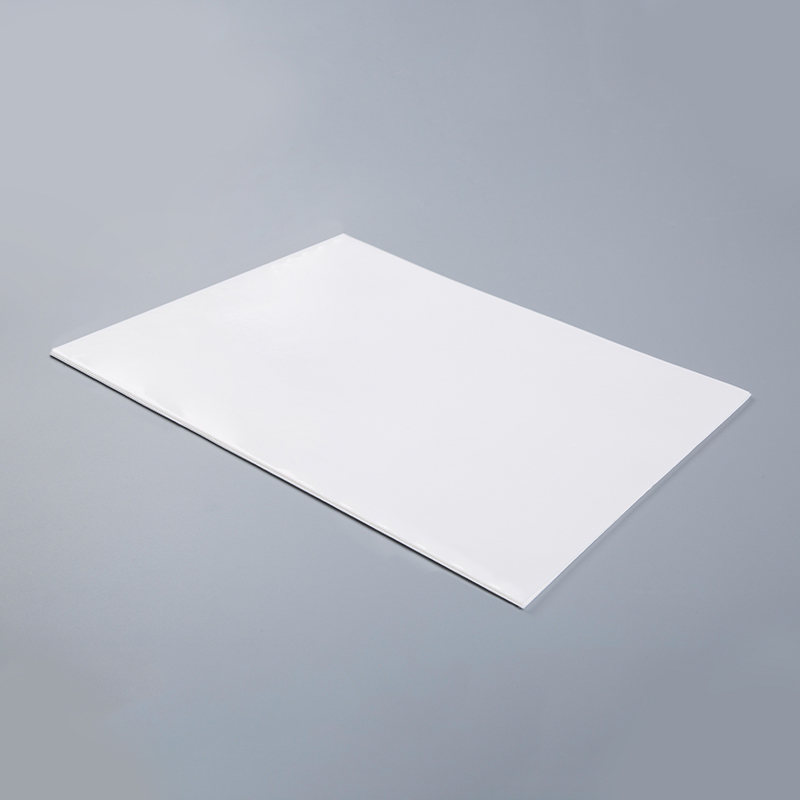
Anti-Freeze Adhesive Gloss White Pp In Sheet
Anti-Freeze Adhesive Performance
The adhesive is one of the most important functional elements in a self-adhesive label. A visually attractive label is not successful if it lifts, curls, slides, or detaches from the package. Anti-freeze adhesive is designed for applications where the label may be applied to or exposed to cold surfaces.
Many conventional pressure-sensitive adhesives are affected by low temperatures. As the temperature decreases, some adhesives become harder and less wetting, which may reduce their ability to make intimate contact with the substrate. This can result in weak initial adhesion, edge lifting, or label failure during refrigerated or frozen storage.
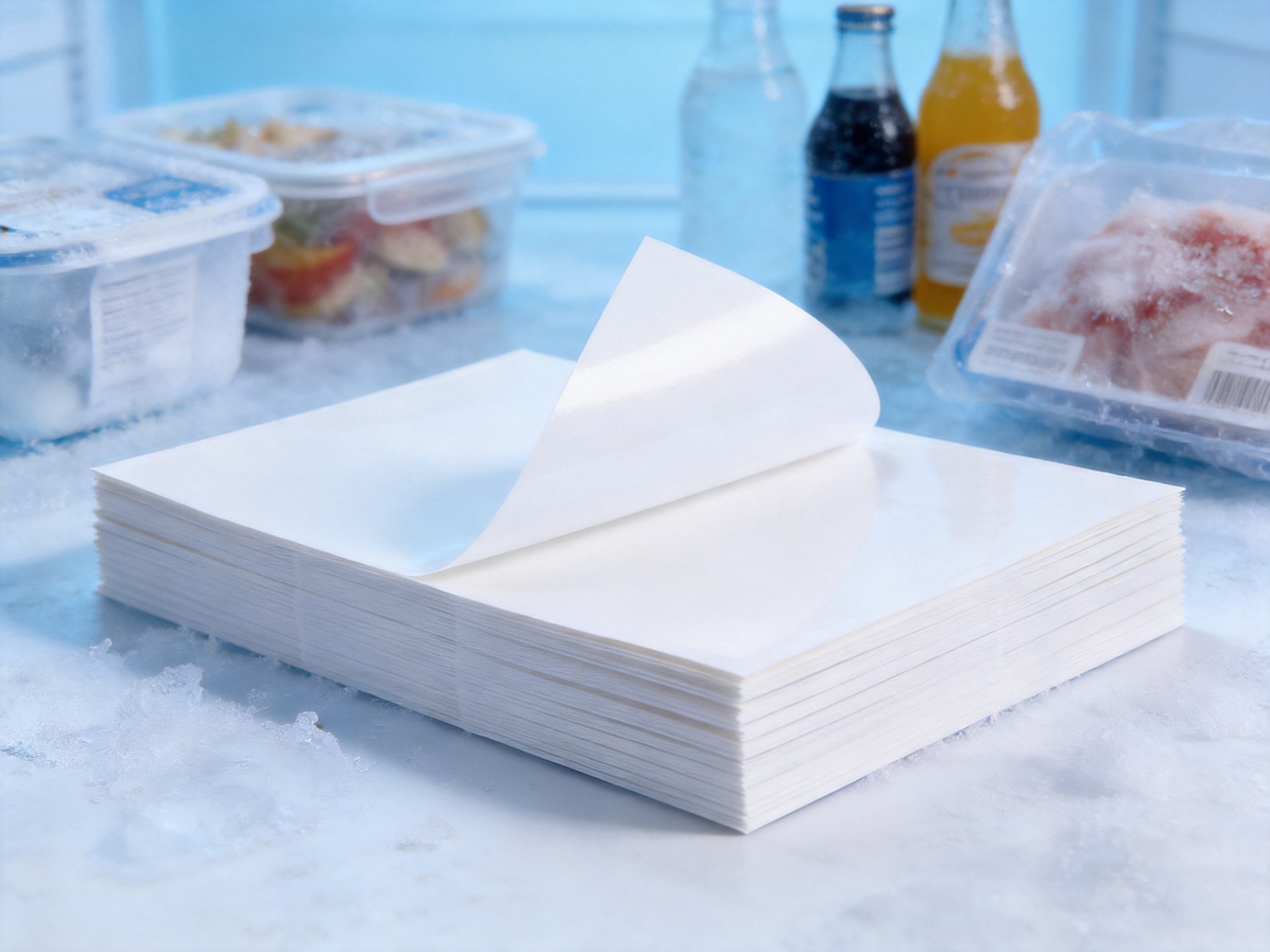
The anti-freeze adhesive used for this product is intended to maintain reliable bonding performance in cold-use conditions. It can be selected for labels applied to packaging associated with chilled foods, frozen goods, cold beverages, laboratory products, and other temperature-sensitive applications. The final performance depends on the substrate, application temperature, dwell time, storage conditions, and specific adhesive grade.
Cold-Surface Application Considerations
For the best result, the application surface should be clean, dry, and free from oil, dust, frost, condensation, and loose particles. Even a high-performance adhesive may not bond properly if ice or moisture forms a barrier between the adhesive and the substrate.
When labels are applied in cold rooms or directly to chilled packaging, the application pressure should be sufficient to support adhesive wet-out. Rollers, squeegees, or automated applicators can be used depending on the packaging format. A short dwell period may also allow the adhesive to build stronger contact over time.
Users should conduct application trials under actual operating conditions. Testing should include the coldest expected temperature, the type of packaging surface, the duration of storage, and the handling conditions encountered during distribution. This approach helps confirm whether the selected adhesive is appropriate for the intended application.
Adhesive Choices for Different Requirements
In addition to anti-freeze adhesive, the manufacturer can provide a range of adhesive technologies. Water-based adhesive may be suitable for general-purpose applications where low odor, convenient processing, and broad usability are priorities. Hot-melt adhesive can provide strong tack and efficient production performance in suitable applications.
Solvent adhesive may be considered where demanding bonding performance or specific resistance characteristics are needed. Removable adhesive is useful when labels must be removed with limited residue or surface damage. Cryogenic adhesive is intended for especially low-temperature environments, while tyre-grade rubber adhesive can be selected for difficult rubber and tyre-related surfaces.
This adhesive flexibility is an advantage over suppliers that offer only one standard adhesive formula. Different packaging materials have different surface energies, textures, curvatures, and contamination risks. The ability to match the adhesive with the substrate can improve product reliability and reduce the need for costly trial-and-error purchasing.
Printing and Finishing Compatibility
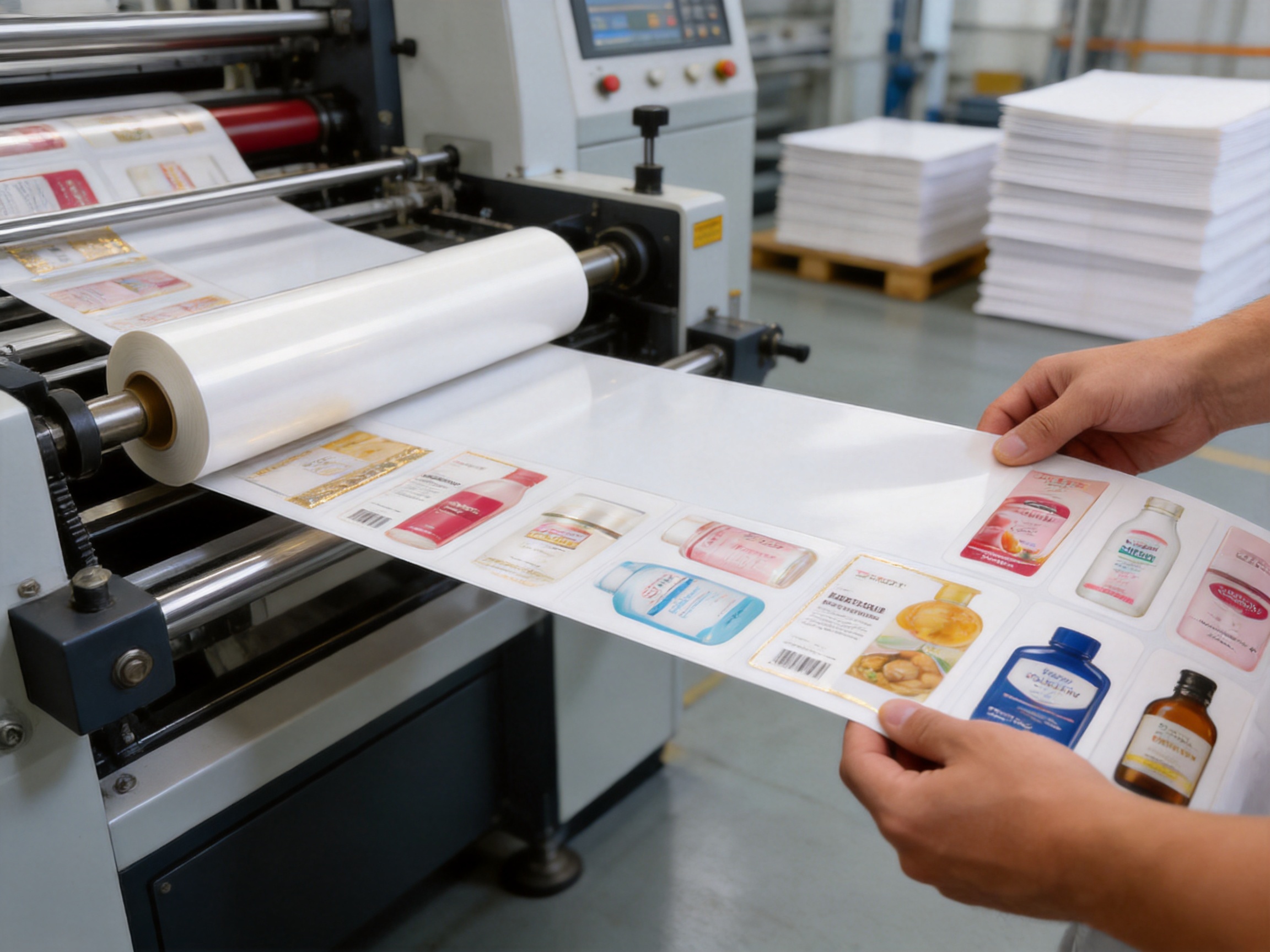
The smooth gloss white PP surface is suitable for several printing methods. The product can be used with UV ink, relief printing, flexographic printing, screen printing, and other production systems after the appropriate press and ink compatibility have been confirmed.
Flexographic printing is widely used for labels and packaging because it supports high production speeds and efficient roll-to-roll processing. UV printing can provide sharp graphics, rapid curing, and strong visual impact. Relief printing can produce bold and precise printed areas, while screen printing may be useful for selected decorative or functional effects.
The correct ink, drying or curing conditions, press settings, and surface preparation are important. Synthetic film surfaces do not behave exactly like paper, so printers should verify ink adhesion and resistance before full-scale production. A press trial can confirm color density, drying speed, rub resistance, die-cutting behavior, and overall print quality.
Cold Stamping and Decorative Effects
The product can support cold-stamping effects when the appropriate adhesive, foil, plate, pressure, and machine settings are used. Cold stamping allows metallic or specialty foil effects to be added without the heat associated with traditional hot stamping. This can help create premium packaging for cosmetics, personal care, food, gift products, and promotional items.
Decorative finishing should be evaluated together with the final label construction. The surface treatment, printing sequence, foil type, adhesive compatibility, and curing conditions all influence the result. A test run is recommended when using a new foil or combining several finishing processes.
Digital and Short-Run Printing
Sheeted self-adhesive PP can be convenient for short-run digital printing, customized labels, prototypes, seasonal packaging, variable-data projects, and small-batch production. Users can order or process only the quantity needed for a specific campaign, reducing the pressure to maintain large inventories of pre-printed labels.
Digital printing also supports version control and variable information. Different product names, batch codes, bar codes, regional languages, and promotional messages can be produced with reduced setup requirements. Before production, users should check whether their digital printer requires a particular surface treatment or media profile.
Packaging and Product Applications
Anti-Freeze Adhesive Gloss White PP in Sheet can be used in many packaging and labeling categories. Its combination of moisture resistance, cold-temperature adhesive performance, gloss appearance, and printable surface makes it a versatile material for both commercial and industrial applications.
Food and Beverage Labels
Food and beverage packaging often encounters refrigeration, condensation, wet handling, and frequent movement through distribution channels. Labels for chilled drinks, frozen foods, dairy products, sauces, seafood, prepared meals, and other food categories may benefit from synthetic film and cold-resistant adhesive technology.
The white gloss face material provides a clean background for nutritional information, ingredients, branding, bar codes, preparation instructions, and regulatory text. However, the suitability of the completed label for direct or indirect food-contact applications must be confirmed according to the packaging design, ink system, adhesive formulation, and applicable regulations.
Cosmetic and Personal Care Packaging
Cosmetic packaging requires attractive appearance as well as resistance to handling, moisture, and occasional contact with oils or lotions. Gloss white PP can provide a premium visual base for bottles, jars, tubes, cartons, and promotional packaging.
The smooth surface supports sharp logos and decorative graphics. Cold-stamping or other finishing effects can be used to emphasize brand elements, product variants, or premium positioning. For curved containers, the selected film thickness, adhesive, label dimensions, and application method should be evaluated to minimize lifting or wrinkling.
Household Chemical Labels
Household cleaning products may be stored in humid rooms, handled with wet hands, or exposed to splashes. A PP face material can offer advantages over ordinary paper because it is less prone to absorbing moisture. The label design should nevertheless be tested against the specific chemical environment, including detergents, oils, solvents, and disinfectants.
The adhesive selection is also important for containers made from low-energy plastics or containers with textured surfaces. A suitable adhesive grade can help improve contact and long-term label retention.
Automotive Flexible Packaging
Automotive products and accessories may require labels that remain legible during storage and transportation. PP labels can be considered for flexible packaging, lubricant-related products, accessory packaging, maintenance products, and identification labels.
For applications involving rubber, tyres, oily surfaces, or textured packaging, the standard anti-freeze adhesive may not be the most suitable choice. The availability of tyre-grade rubber adhesive and solvent or hot-melt alternatives allows the label construction to be adjusted to the application.
Posters and General Product Printing
Although the product is primarily designed as a self-adhesive label material, sheeted PP can also be used for posters, promotional graphics, product notices, display materials, and other printed applications where a durable adhesive-backed synthetic substrate is useful.
Its water-resistant characteristics can help printed graphics remain presentable in environments where conventional paper may soften or deform. The final outdoor or long-term exposure performance should be confirmed separately, particularly if the material will be exposed to direct sunlight, rain, severe temperature changes, or abrasion.
Sheet Sizes and Jumbo Roll Supply
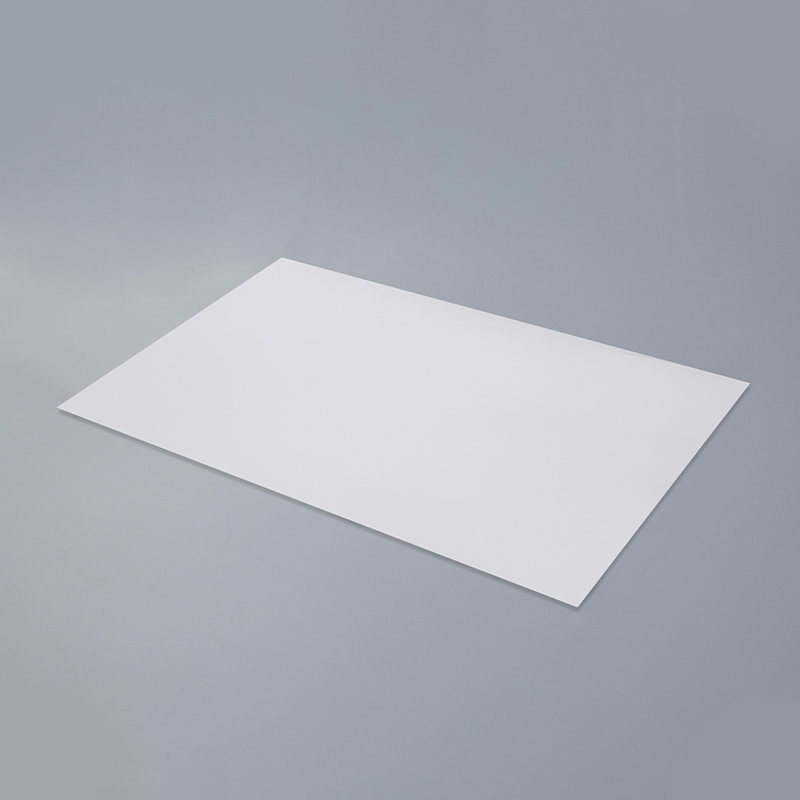
The product is available in widely used sheet formats, including A4, A3, 20 x 30 cm, 21 x 30 cm, 24 x 36 cm, 50 x 70 cm, and 70 x 100 cm. These formats support office printers, digital production equipment, commercial printing presses, label converters, and packaging operations.
Customized sheet dimensions can be produced according to project requirements. Customization may help reduce trimming waste, improve press utilization, fit a particular die layout, or support a specialized packaging format. Customers should provide the target sheet size, tolerance, grain or orientation requirements if relevant, packaging method, and expected quantity during the quotation and technical confirmation process.
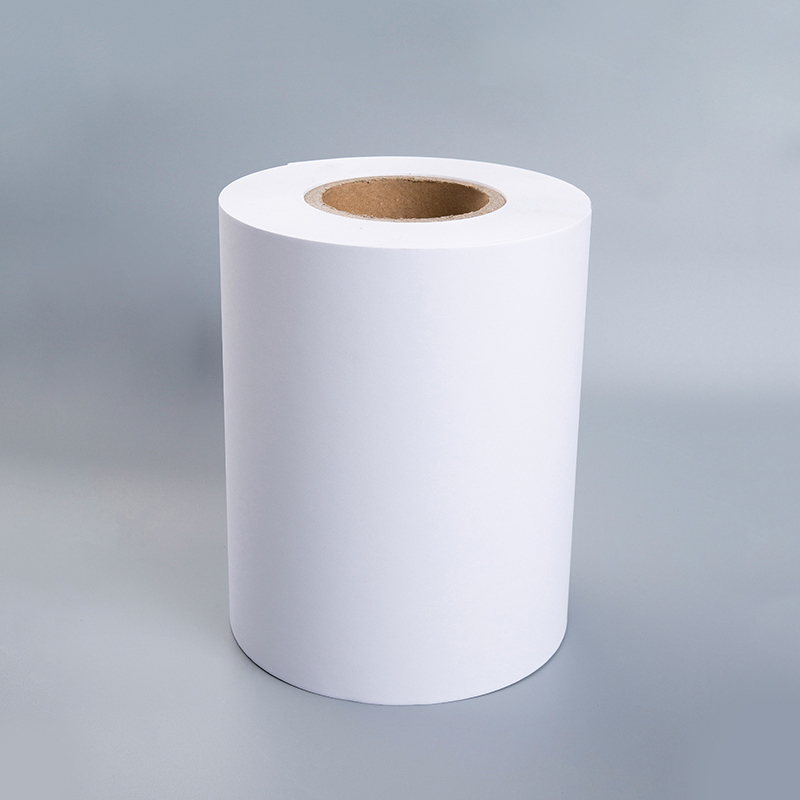
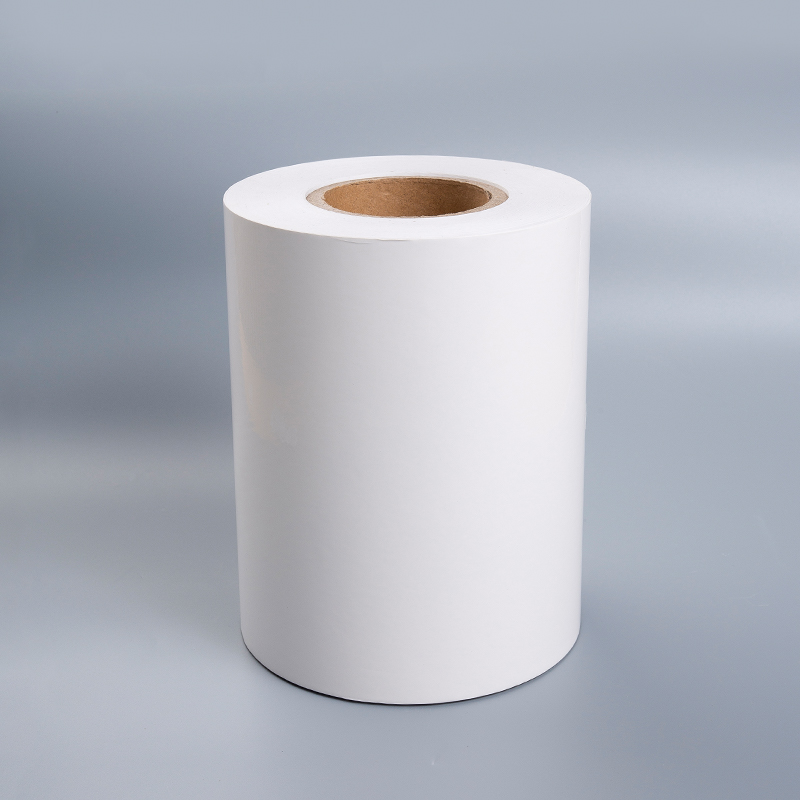
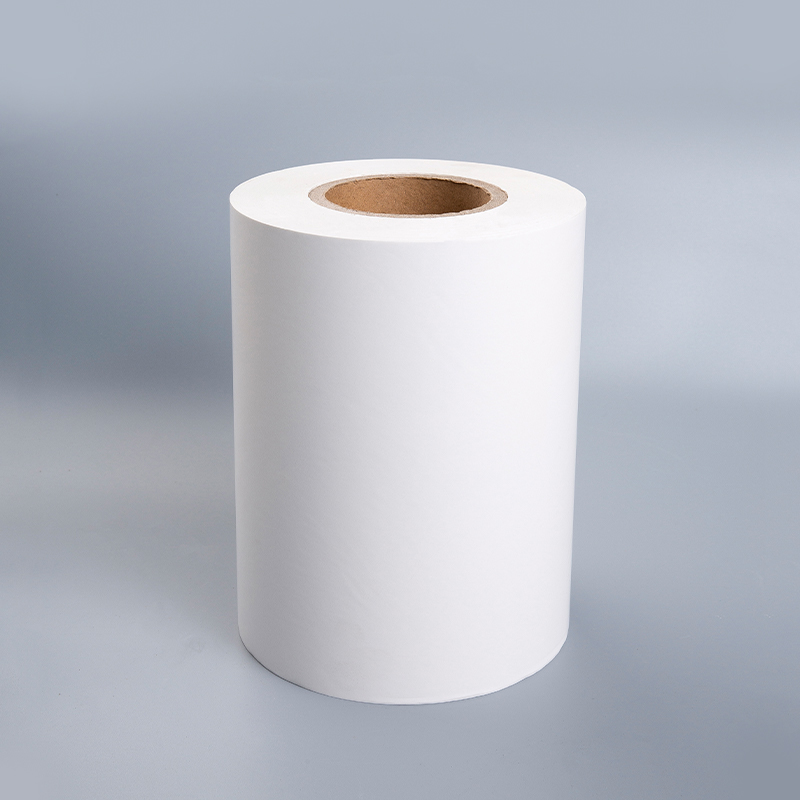
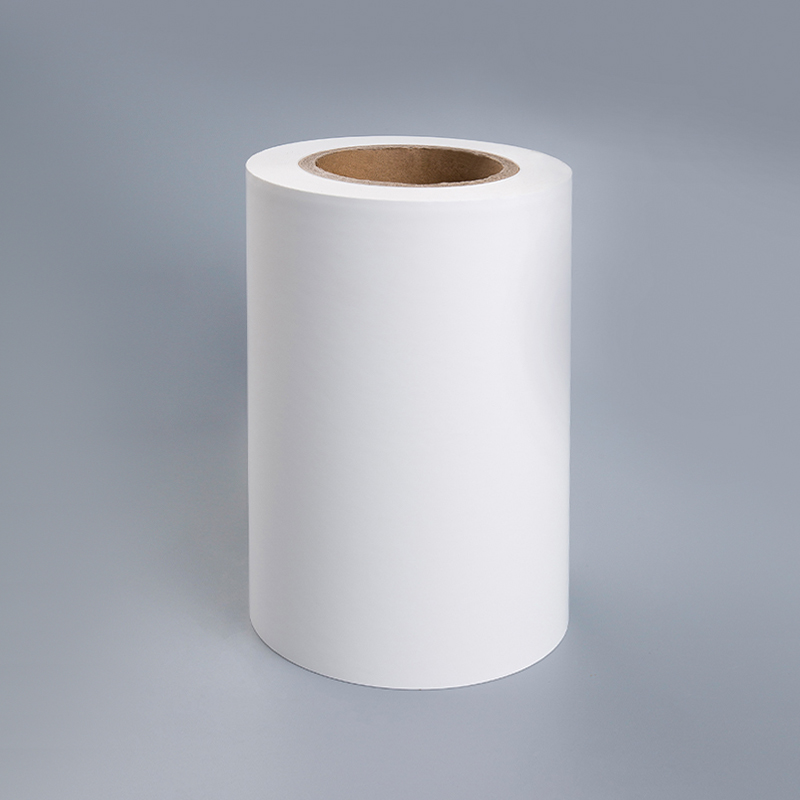
For converters and high-volume printers, jumbo rolls are available in widths of 1000 mm, 1020 mm, 1080 mm, and 1530 mm. Roll supply can support slitting, sheeting, die-cutting, printing, and other downstream processes. The appropriate roll width should be selected according to machine capability and the planned cutting layout.
| Supply Form | Typical Use | Benefit |
|---|---|---|
| A4 and A3 sheets | Digital printing, office production, samples, and short runs | Convenient handling and compatibility with common sheet equipment |
| 20 x 30 cm to 24 x 36 cm sheets | Commercial labels, cards, and specialty packaging | Useful for medium-format printing and converting |
| 50 x 70 cm and 70 x 100 cm sheets | Commercial presses, posters, and larger packaging labels | Efficient coverage for larger printed layouts |
| 1000 to 1530 mm jumbo rolls | Industrial printing, sheeting, slitting, and die-cutting | Supports high-volume production and customized conversion |
Release Liner Selection
The release liner supports the adhesive during storage, transport, printing, die-cutting, and application. It must protect the adhesive while allowing the label to be released smoothly and consistently. A suitable liner can improve machine feeding, reduce waste, and help maintain product stability.
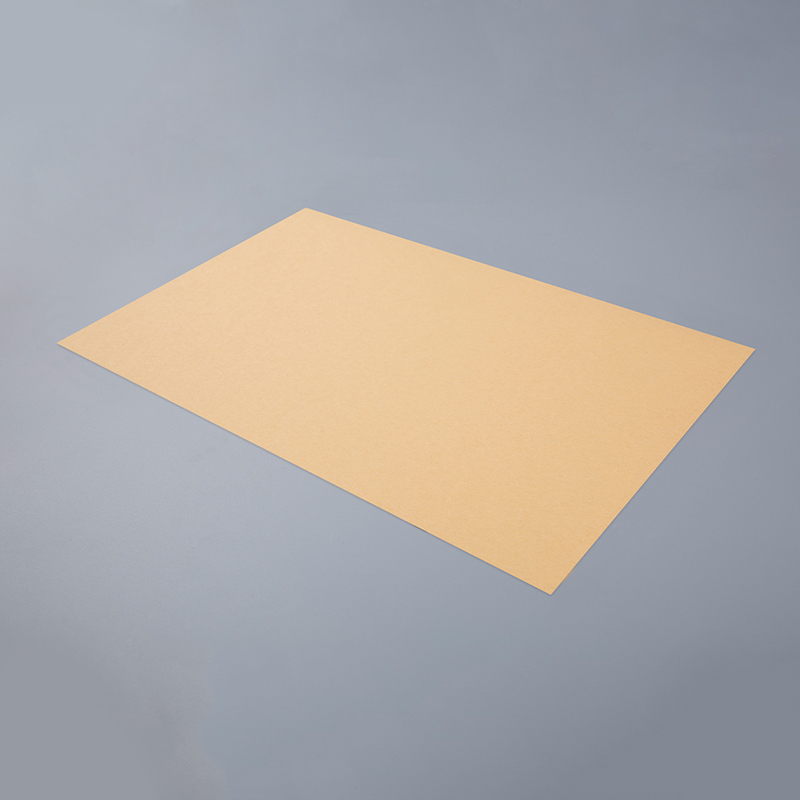
The standard liner is 60 g white glassine paper. Glassine is commonly used for self-adhesive constructions because it is smooth, dimensionally stable, and suitable for many converting operations. Its translucent or white appearance can also make label positioning and inspection easier in certain processes.
Other liner options include 50 g, 80 g, 100 g, and 120 g glassine paper. Heavier liners may provide increased stiffness or improved handling for particular machine configurations. Release paper options from 60 g to 140 g are available for applications where a different balance of rigidity, cost, and release performance is required.
Art paper liners in 140 g and 165 g can be considered where a more substantial backing is needed. CCK liners in 50 g, 80 g, 90 g, and 120 g grades are also available. The right selection depends on the label size, die-cutting method, storage conditions, feeding equipment, and customer preferences.
Importance of Release Consistency
In automated converting, inconsistent release can cause feeding problems, label lifting, matrix removal difficulties, or interruptions during application. The liner and adhesive must therefore be selected as a matched system. A liner that releases too easily may cause premature separation, while one that releases with excessive force may affect productivity.
The manufacturer’s ability to offer multiple liner options allows the construction to be adjusted for different production systems. During technical evaluation, customers should review release performance, roll or sheet flatness, liner stiffness, waste matrix behavior, and compatibility with their equipment.
Manufacturing Process and Quality Control
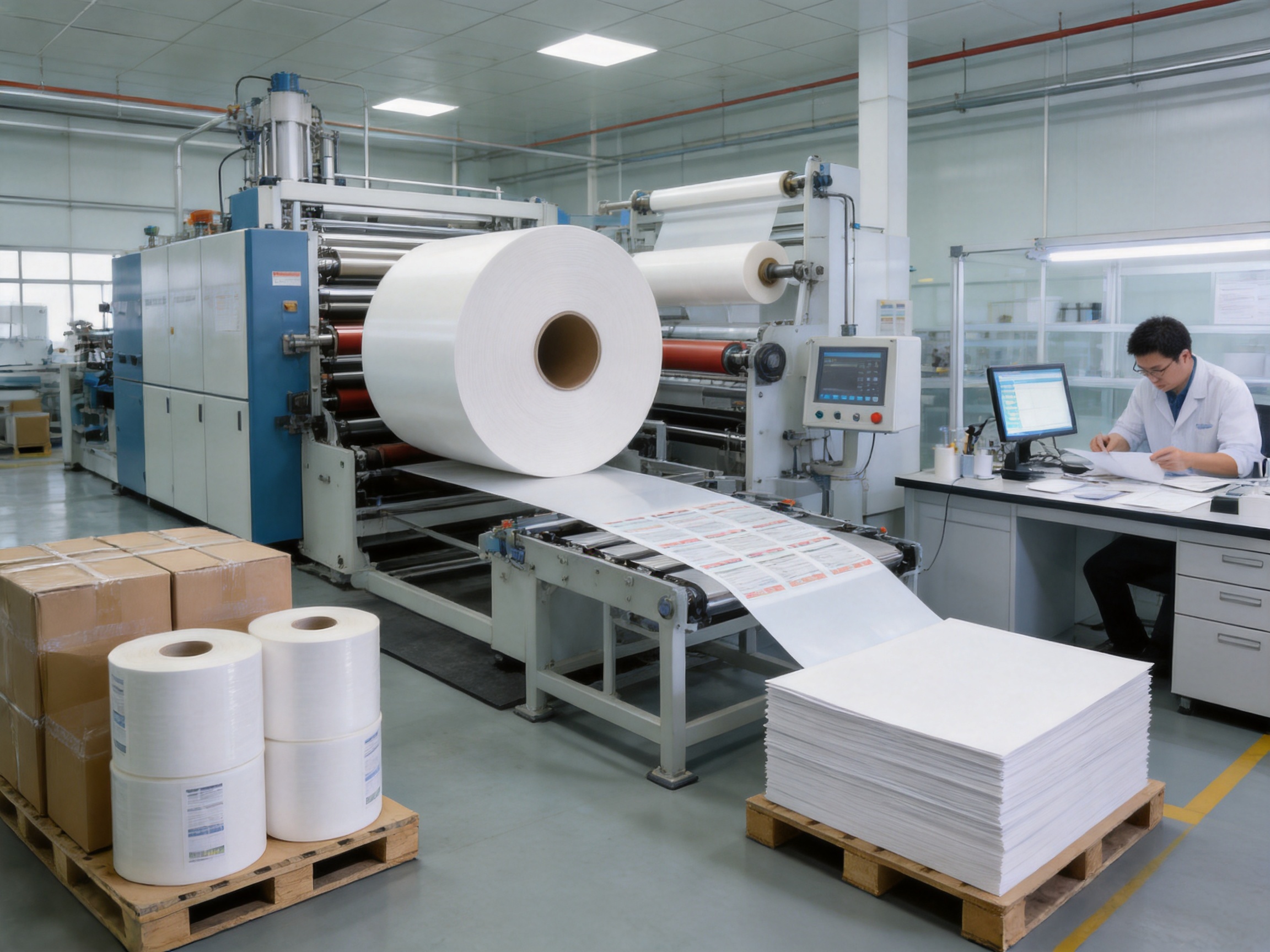
The manufacturing performance of a self-adhesive material depends not only on the raw materials but also on coating precision, lamination quality, curing or drying control, slitting accuracy, sheet cutting, packaging, and inspection. An integrated production process can help maintain consistency from adhesive coating through finished-product delivery.
Adhesive Coating
Adhesive coating requires controlled application of the adhesive layer across the face material or liner. Coating weight, uniformity, viscosity, drying conditions, and line speed must be monitored to achieve stable performance. Inadequate coating may cause weak adhesion, while excessive or uneven coating can contribute to ooze, poor die-cutting, or inconsistent release.
For anti-freeze products, adhesive formulation and coating control are particularly important because the material must maintain suitable bonding behavior under low-temperature conditions. The coating process must protect the adhesive’s functional characteristics while creating a uniform layer across the full web width.
Lamination
Lamination joins the face material, adhesive layer, and liner into a stable composite structure. Proper lamination helps prevent bubbles, wrinkles, delamination, and uneven tension. The production team must control web alignment, pressure, temperature where applicable, and line speed.
Good lamination quality supports downstream printing and converting. A stable composite is less likely to cause registration variation, curl, telescoping, or feeding problems. It also helps ensure that the finished label maintains its intended appearance after die-cutting and application.
Slitting and Sheeting
After coating and lamination, the material can be converted into jumbo rolls, narrower rolls, or sheets. Slitting accuracy is important for roll edge quality, winding stability, and compatibility with customer equipment. Sheet cutting must be controlled to achieve consistent dimensions, clean edges, and acceptable flatness.
The company’s production lines include cutting capabilities for both roll and sheet products. This allows customers to select a supply form that aligns with their printer, converter, or packaging workflow rather than adapting every project to a single standard format.
Inspection and Testing
Quality control may include checks of face-material thickness, adhesive coating uniformity, release force, peel adhesion, tack, shear performance, roll appearance, sheet dimensions, and packaging integrity. Product testing should also consider the intended application environment, particularly where freezing, condensation, or chemical exposure is expected.
An in-house testing laboratory and advanced inspection equipment support process verification and product development. While laboratory results cannot replace real-world application trials, they help establish repeatable manufacturing benchmarks and identify deviations before shipment.
Advantages Over Conventional Paper Labels
Compared with ordinary paper self-adhesive labels, gloss white PP offers several practical advantages. The synthetic face material is less vulnerable to moisture absorption, tearing, and surface deformation. This can be important for refrigerated products, wet environments, and packaging that passes through multiple handling stages.
The gloss surface can also provide stronger visual appeal than an uncoated paper face. It supports bright color reproduction, clear graphics, and decorative finishing. For businesses seeking a more premium appearance without changing the entire packaging format, a gloss white PP label can be an efficient upgrade.
The anti-freeze adhesive provides another significant distinction. A general-purpose paper label may adhere adequately at room temperature but fail when applied to cold packaging. A cold-capable adhesive is more suitable when the product is handled in chilled or frozen conditions.
PP labels may also remain more intact during consumer use. They are less likely to tear when a package is moved, wiped, or exposed to splashes. This supports continued readability of product information, bar codes, warnings, and brand graphics.
Advantages Over Basic Synthetic Film Labels
Not every synthetic film label is designed for cold-temperature applications. A standard BOPP label with a general-purpose adhesive may be cost-effective for normal room-temperature packaging, but it may not provide the same low-temperature application performance as an anti-freeze construction.
This product also offers flexibility in face thickness, adhesive type, liner weight, sheet size, and jumbo roll width. Such options allow the label construction to be adapted rather than forcing every user to accept the same material configuration.
Furthermore, the manufacturer’s experience in adhesive coating, lamination, and converting provides a technical foundation for customized solutions. Buyers can discuss the application, substrate, temperature range, printing method, and required supply form before confirming the final specification.
Company Manufacturing Strengths
Suzhou Piaozhihua Composite Material Technology Co., Ltd. specializes in the research, development, production, sales, and after-sales service of self-adhesive label materials. Its manufacturing activities cover gluing, laminating, slitting, and cutting, creating an integrated process from base material conversion to finished products.
The company reports an annual production capacity of more than 280 million square meters. This scale supports both regular commercial orders and larger industrial supply programs. Production capacity is especially important for customers who need continuity across multiple product lines, markets, or seasonal campaigns.
With more than 20 years of OEM manufacturing experience, the company has developed practical knowledge of different label structures and customer requirements. OEM and ODM services are available for customers who need materials produced according to drawings, samples, technical specifications, or unique packaging objectives.
Research and Development
A professional research and development team supports the improvement of face materials, adhesives, release liners, and finished constructions. Multiple patents and ongoing product development reflect an emphasis on technical advancement rather than reliance only on standard catalog items.
Research may involve improving adhesion, printability, release behavior, converting stability, environmental performance, and compatibility with specialized substrates. For customers with complex requirements, development support can help identify a more appropriate combination of materials and processing conditions.
Quality and Testing Infrastructure
The company maintains its own testing laboratory and uses inspection equipment to support product verification. Internal testing can help evaluate key properties before shipment and can also support the development of customized products.
Quality systems are most effective when they combine incoming-material inspection, process monitoring, finished-product testing, and customer feedback. This approach helps identify potential issues at several stages rather than relying only on a final visual inspection.
International Supply Capability
The company has developed sales and marketing networks serving customers in Asia, Europe, the Americas, Africa, the Middle East, and other regions. Its stated market coverage includes countries and regions such as the United States, Germany, Japan, South Korea, Brazil, Mexico, and Russia.
International experience can be useful for customers who require export packaging, consistent documentation, customized dimensions, and stable communication across different time zones and regulatory environments. The manufacturer’s location in Jiangsu Province also provides access to established industrial and logistics networks.
Sustainable Material Development
Environmental considerations are becoming increasingly important in label and packaging procurement. Customers may seek materials that reduce waste, support efficient production, contain fewer unnecessary components, or improve the overall sustainability profile of the package.
The manufacturer positions sustainable development and environmental protection as part of its product strategy. This includes the development of environmentally conscious options involving face materials, adhesives, and backing papers. The most suitable solution depends on the customer’s recycling system, application requirements, local regulations, and packaging structure.
PP film can contribute to longer label life and reduced replacement frequency in applications where paper labels fail prematurely. A durable label may help reduce product rework, discarded packaging, and label-related production losses. However, sustainability should be evaluated across the complete product life cycle rather than based on one material characteristic alone.
Customers should ask for relevant technical data, regulatory statements, and environmental documentation when these factors are part of the purchasing decision. The appropriate construction may vary according to whether the finished package is designed for recycling, composting, reuse, or another end-of-life route.
Packaging, Storage, and Delivery
Proper packaging protects self-adhesive materials from moisture, dust, compression, impact, and temperature fluctuations during transportation. The product can be supplied in roll or sheet form with sea-transit-worthy poly-wood pallet packing and carton packing options.
Sheets are packed at 100 sheets per ream. Each ream is packed with a strong PE-coated kraft paper wrapper, helping protect the material during handling and storage. Reams are placed on strong pallets, wrapped with stretch film, and secured with plastic fastening belts.
Packaging configuration can be adjusted according to the supply form, order quantity, shipping method, and customer requirements. Export shipments should be protected from prolonged exposure to high humidity and extreme temperature changes. Warehouse conditions should be clean, dry, and away from direct sunlight or heat sources.
Users should avoid placing heavy objects directly on sheet packs or storing rolls in a way that causes excessive edge pressure. Before production, the material should be allowed to acclimatize to the printing environment when appropriate. Sudden changes in temperature and humidity can affect curl, flatness, adhesive behavior, and feeding performance.
Recommended Purchasing and Qualification Process
A structured qualification process helps customers select the correct product configuration. The first step is to define the application: product category, packaging substrate, label dimensions, application temperature, storage temperature, expected humidity, and required service life.
The next step is to select the face-material thickness, adhesive type, liner, sheet size, or roll width. Printing and finishing requirements should also be identified, including the printing technology, ink system, die-cutting method, cold-stamping requirements, and whether variable data will be printed.
Samples should then be tested on the actual packaging substrate. Testing should include initial tack, label positioning, edge adhesion, peel performance, resistance to condensation, low-temperature storage, print quality, rub resistance, and removal of the waste matrix if die-cutting is involved.
For high-volume orders, customers should confirm the approved construction, tolerance requirements, packaging details, inspection standards, and delivery schedule. Maintaining a retained sample from the approved production batch can help with future quality comparisons.
| Evaluation Area | Recommended Test | Purpose |
|---|---|---|
| Cold application | Apply labels at the lowest expected temperature | Verify initial adhesion and positioning |
| Cold storage | Store labeled packages under expected refrigerated or frozen conditions | Check edge lifting, shrinkage, and label retention |
| Moisture resistance | Expose labels to condensation, splashes, or humid conditions | Evaluate film appearance, print stability, and bonding |
| Printing | Run the intended ink and press settings | Confirm drying, adhesion, color, and registration |
| Converting | Die-cut, sheet, slit, or apply labels using production equipment | Identify feeding, release, curling, and waste-removal issues |
| Substrate compatibility | Test on the actual container or packaging surface | Confirm bonding to the final application surface |
Technical Limitations and Responsible Use
Although anti-freeze adhesive and gloss white PP provide strong performance advantages, no self-adhesive material is universal. Adhesion may be reduced by dust, frost, oil, silicone, plasticizer migration, textured surfaces, low-energy plastics, or heavy contamination.
Performance may also vary with label size, corner radius, package flexibility, application pressure, dwell time, temperature cycling, and exposure to chemicals. The material should not be assumed to be suitable for direct food contact, medical use, outdoor exposure, or chemical resistance applications without appropriate documentation and testing.
Printing and finishing results depend on the selected ink and equipment. Ink manufacturers’ recommendations should be followed, and printed samples should be tested for adhesion, abrasion resistance, and durability. If the label will be exposed to sunlight for extended periods, the face film, ink, and protective coating should be evaluated together.
Application trials are therefore an essential part of responsible material selection. The supplier can provide technical guidance and customized options, but the final user remains responsible for confirming suitability in the actual packaging, processing, storage, and distribution environment.
Frequently Asked Questions
What is Anti-Freeze Adhesive Gloss White PP in Sheet?
It is a sheeted self-adhesive label material consisting of a gloss white biaxially oriented polypropylene face, an anti-freeze pressure-sensitive adhesive, and a release liner. It is designed for printed labels and packaging applications that may involve cold surfaces, refrigerated storage, or moisture exposure.
What is the standard face-material thickness?
The standard face material is 60 microns. Options of 95 microns and 100 microns are also available for applications requiring a different level of stiffness, handling performance, or label appearance.
Can this product be used on frozen products?
It can be considered for frozen and chilled applications because the anti-freeze adhesive is designed for low-temperature conditions. However, the exact suitability must be confirmed through testing on the actual packaging surface and under the expected application and storage temperatures.
Which printing methods are compatible with the material?
The material is suitable for UV ink, relief printing, flexographic printing, screen printing, and other printing methods when the correct ink and machine settings are used. A press trial is recommended before commercial production.
Can the product support cold stamping?
Yes. The gloss white PP surface can be used for cold-stamping effects with suitable foil, adhesive, plate, pressure, and production settings. Testing is recommended when combining cold stamping with multiple printed layers or protective coatings.
What liner options are available?
Available choices include 60 g white glassine as the standard option, other glassine weights, several release-paper grades, 140 g and 165 g art paper, and CCK liners in multiple weights. The best liner depends on the printing, die-cutting, feeding, and application process.
What sheet sizes can be supplied?
Standard options include A4, A3, 20 x 30 cm, 21 x 30 cm, 24 x 36 cm, 50 x 70 cm, and 70 x 100 cm. Customized sheet dimensions can also be discussed.
Are jumbo rolls available?
Yes. Jumbo roll widths of 1000 mm, 1020 mm, 1080 mm, and 1530 mm are available. These formats are suitable for industrial printing, slitting, sheeting, and die-cutting operations.
Can the adhesive be customized?
In addition to anti-freeze adhesive, the manufacturer offers water-based, hot-melt, solvent, removable, cryogenic, and tyre-grade rubber adhesive options. Selection should be based on the packaging surface, temperature, required permanence, and application method.
Is the PP face material waterproof?
PP film has strong resistance to moisture compared with ordinary paper, but the complete label’s performance also depends on the ink, coating, adhesive, liner, and package design. Water exposure and chemical resistance should be tested for the intended application.
What industries commonly use this material?
Potential industries include food and beverage, cosmetics, personal care, household chemicals, automotive products, flexible packaging, retail promotion, and general product identification. The material can also be used for posters and other adhesive-backed printed products.
Does the manufacturer provide OEM and ODM services?
Yes. The company offers OEM and ODM services and can produce materials based on customer drawings, samples, or technical specifications. Customized face materials, adhesives, liners, sheet sizes, and roll formats may be evaluated according to project requirements.
How should the material be stored?
Store the material in a clean, dry location away from direct sunlight, heat, dust, and excessive humidity. Keep sheet packs and rolls protected from compression and allow the material to adapt to the production environment before use when necessary.
Why should customers request samples before ordering?
Samples allow customers to verify adhesion, printing, die-cutting, release, cold-temperature behavior, and appearance on the actual packaging. This is particularly important when the material will be applied to curved, textured, oily, frozen, or low-energy surfaces.
Conclusion
Anti-Freeze Adhesive Gloss White PP in Sheet is a versatile solution for businesses that need more than a basic paper label. Its gloss white BOPP face provides a clean, attractive, and durable printing surface, while the anti-freeze adhesive is designed to support reliable bonding in cold and refrigerated applications.
The material is suitable for a broad range of packaging and labeling uses, including food, beverages, cosmetics, household chemicals, automotive products, flexible packaging, posters, and general product printing. Compatibility with UV ink, relief, flexographic, screen, and other printing methods gives converters and printers flexibility in selecting their production process.
A wide selection of adhesive grades, liner materials, face-material thicknesses, sheet sizes, and jumbo roll widths allows the construction to be adapted to different technical and commercial requirements. This flexibility is strengthened by integrated manufacturing capabilities in coating, laminating, slitting, and cutting.
Suzhou Piaozhihua Composite Material Technology Co., Ltd. combines more than 20 years of OEM manufacturing experience with substantial production capacity, in-house testing, product development resources, and international supply experience. These strengths support both standard products and customized self-adhesive material programs.
For the best result, customers should evaluate the complete label construction under actual application conditions. When matched with the correct substrate, printing process, liner, and storage environment, this gloss white PP sheet material can provide a reliable and visually appealing foundation for modern cold-chain and general-purpose labels.
References
1. Technical product information for Anti-Freeze Adhesive Gloss White PP in Sheet, including face-material, adhesive, liner, size, and packaging specifications.
2. Company manufacturing information for Suzhou Piaozhihua Composite Material Technology Co., Ltd., including production capacity, OEM and ODM capabilities, laboratory resources, and international supply coverage.
3. General principles of pressure-sensitive adhesive selection for refrigerated, frozen, humid, and difficult-to-label packaging surfaces.
4. General guidance on polypropylene film printing, flexographic processing, UV ink compatibility, screen printing, relief printing, and cold-stamping applications.
5. General converting practices for self-adhesive materials, including lamination, slitting, sheeting, die-cutting, release-liner selection, and finished-product packaging.