
 English
 Español
 русский
 Français
 عربى
عربى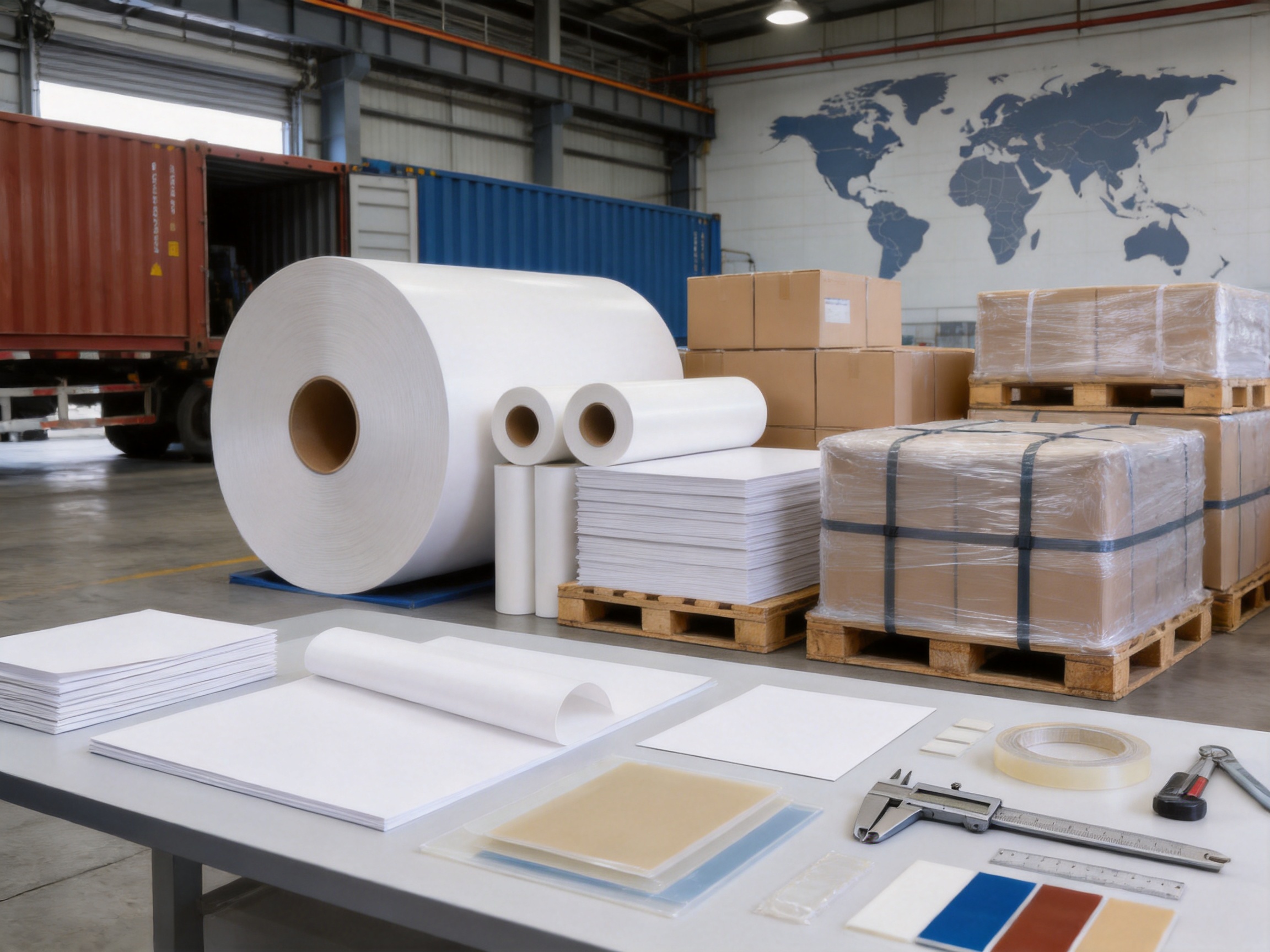
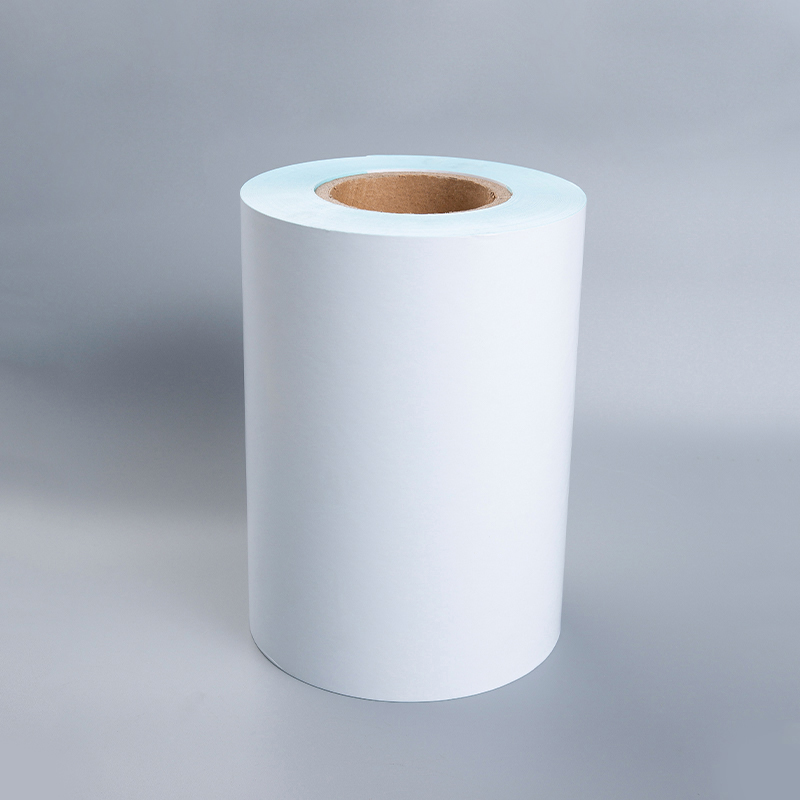
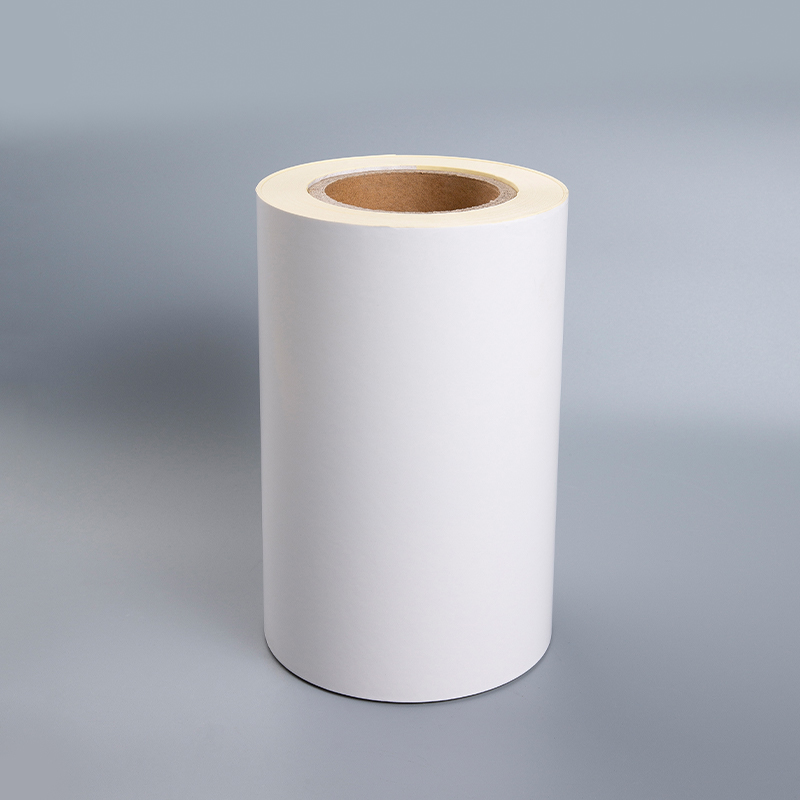
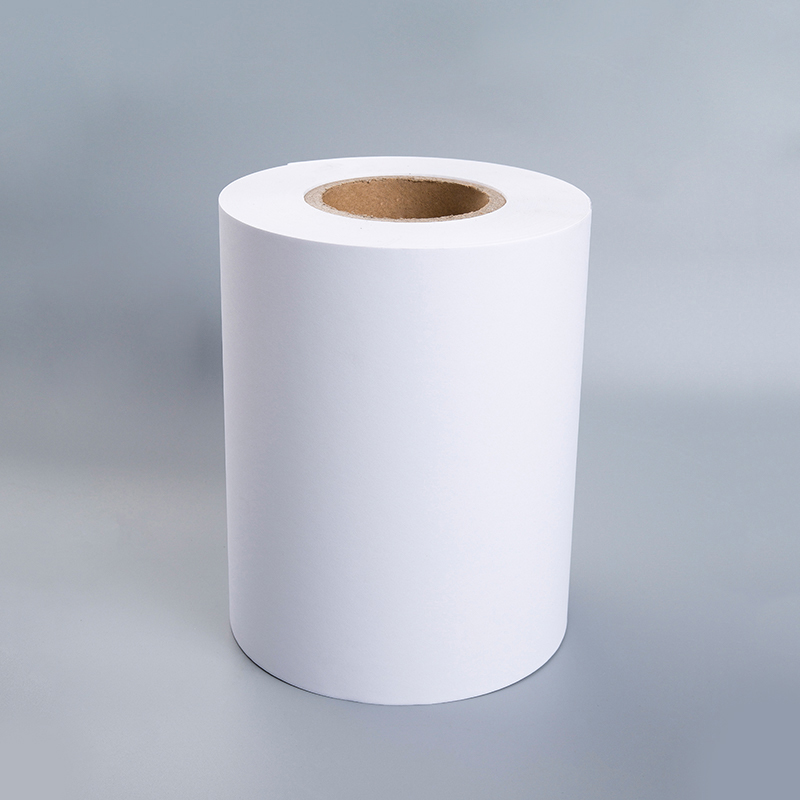
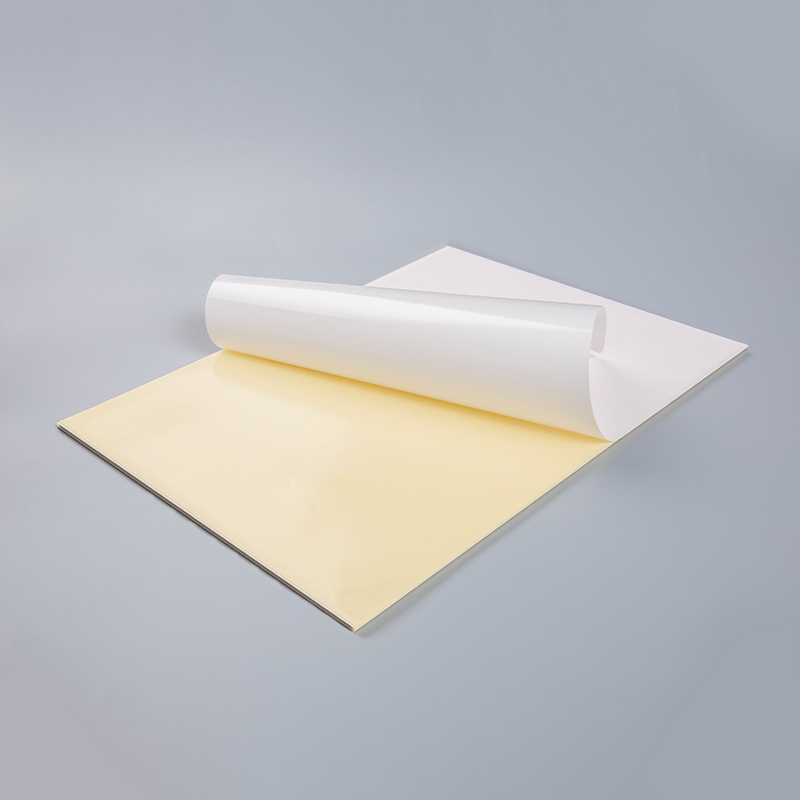
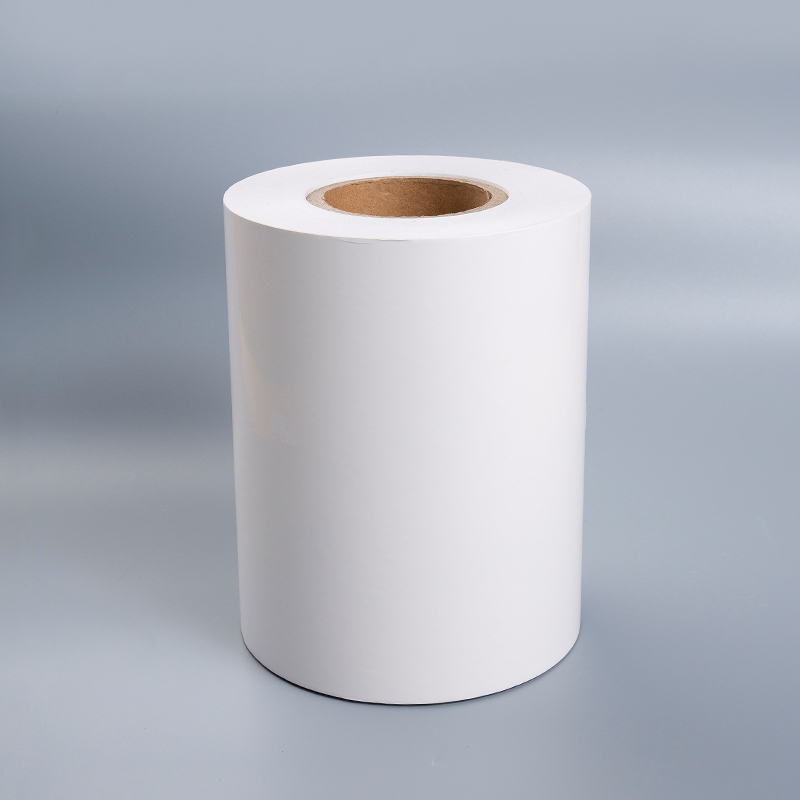
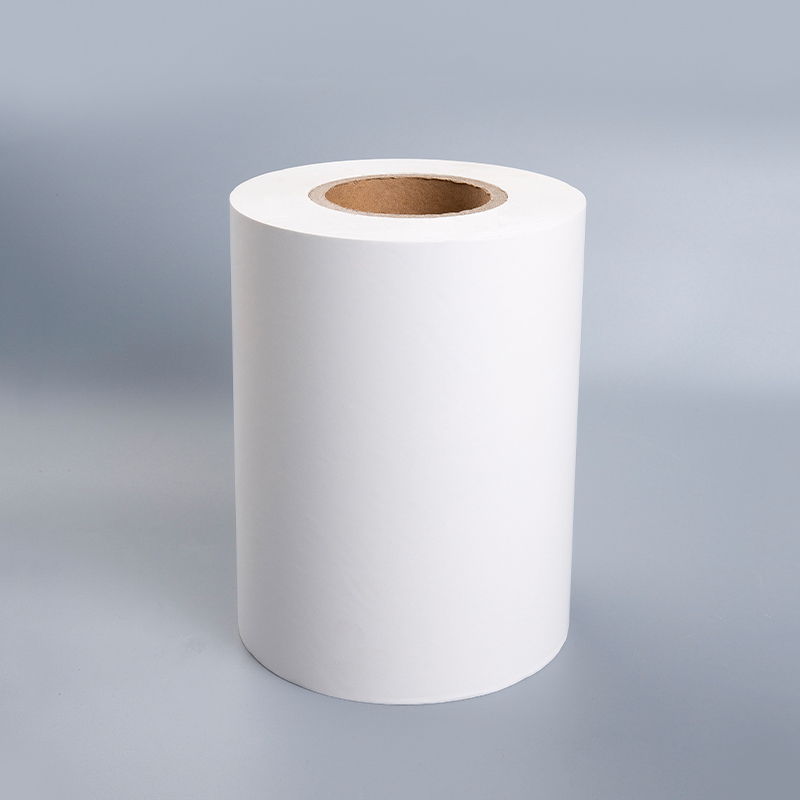
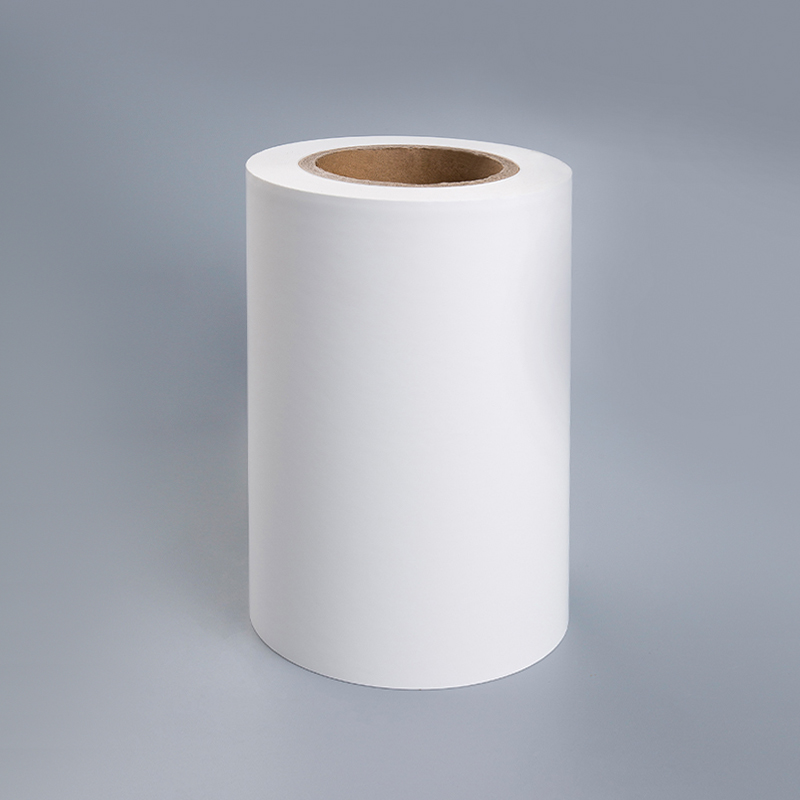
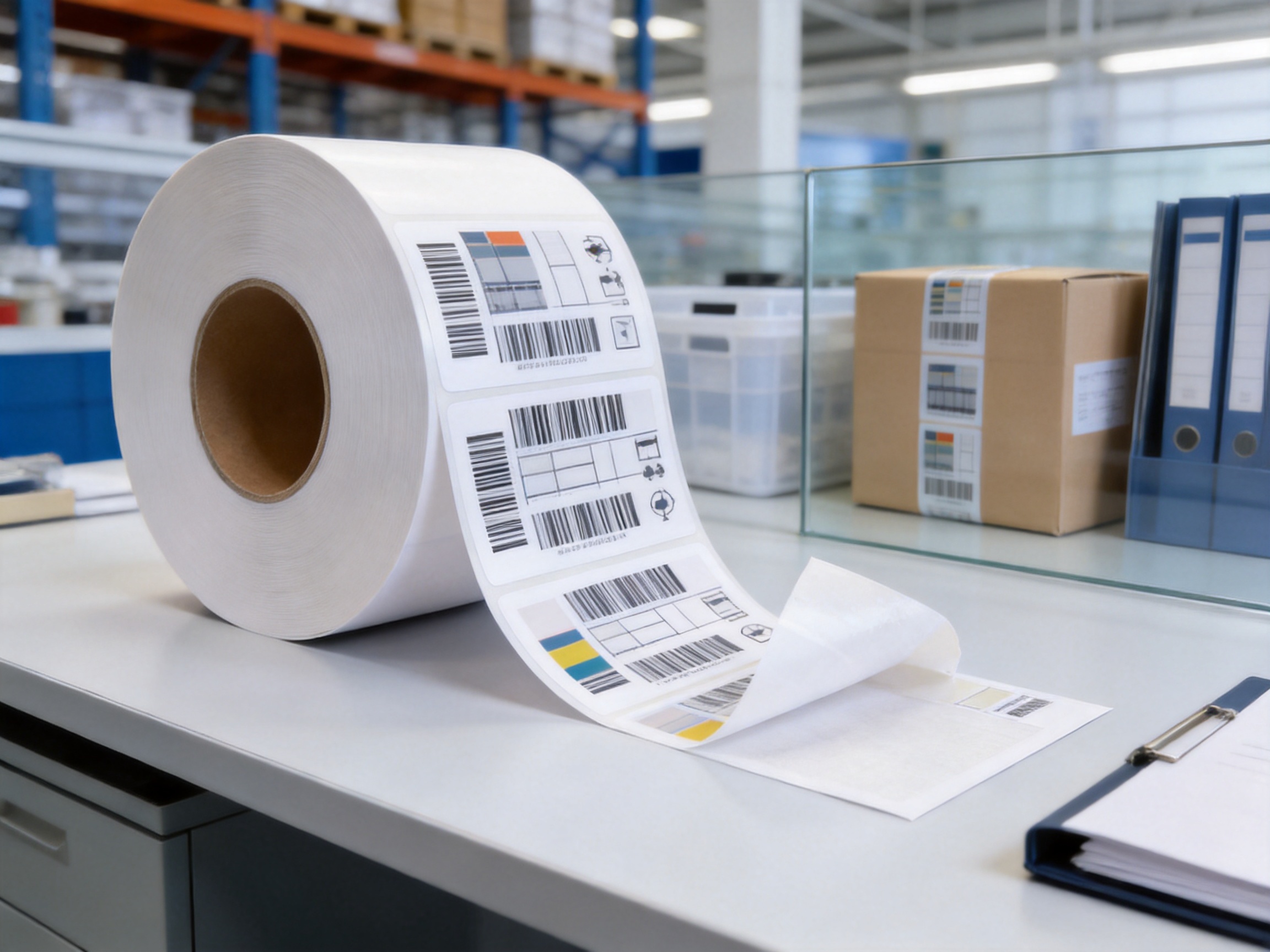
Removable solvent woodfree paper is a pressure-sensitive self-adhesive material designed for labeling, identification, organization, packaging, and temporary marking applications. It combines a smooth woodfree paper face with a removable solvent-based adhesive and a release liner engineered to support reliable converting, printing, application, and later removal. This construction provides a practical balance between printability, adhesion, repositionability, and surface protection.
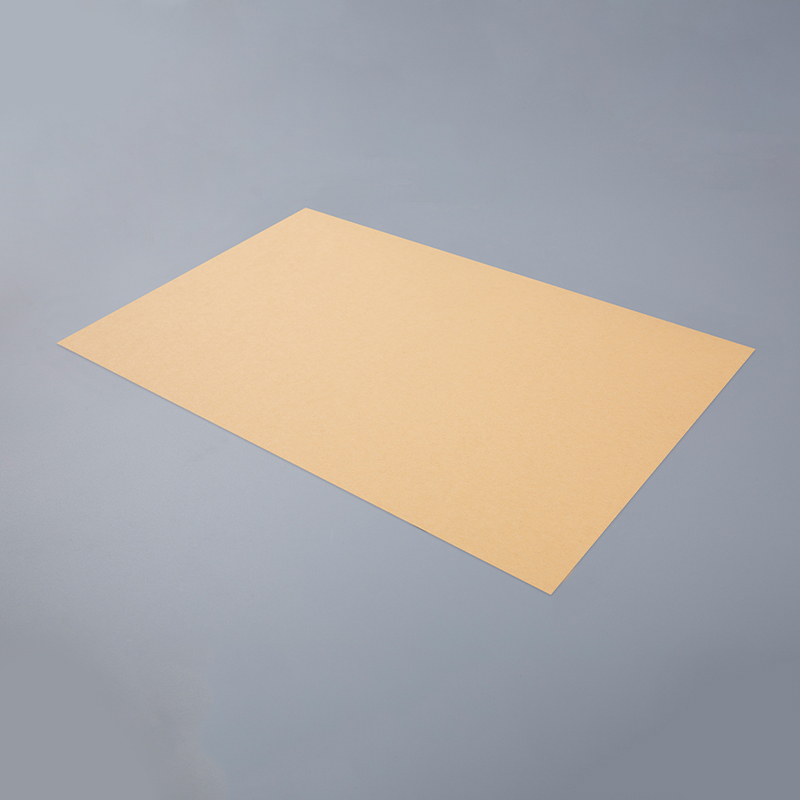
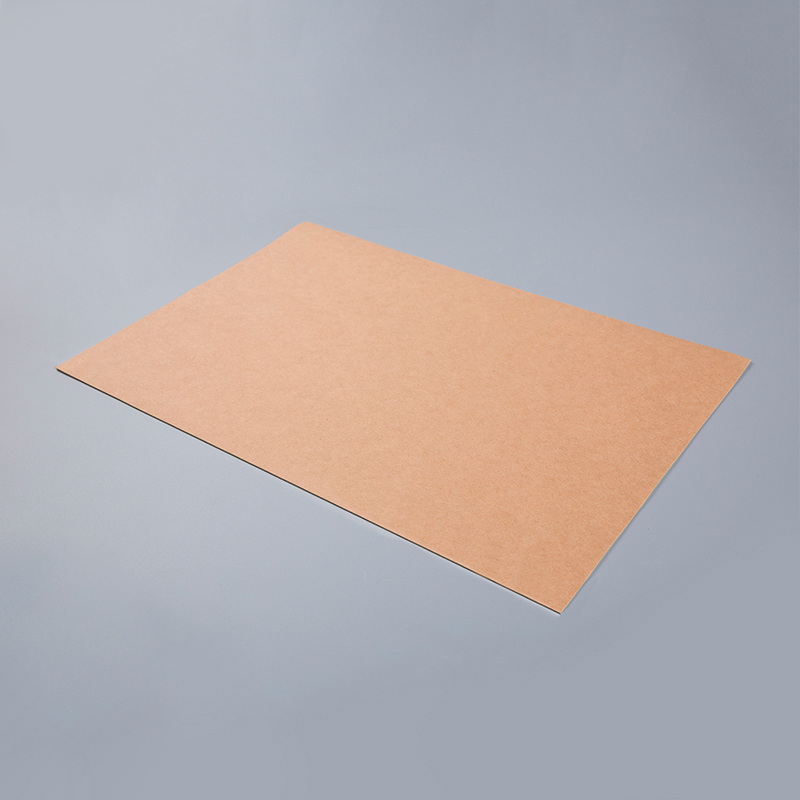
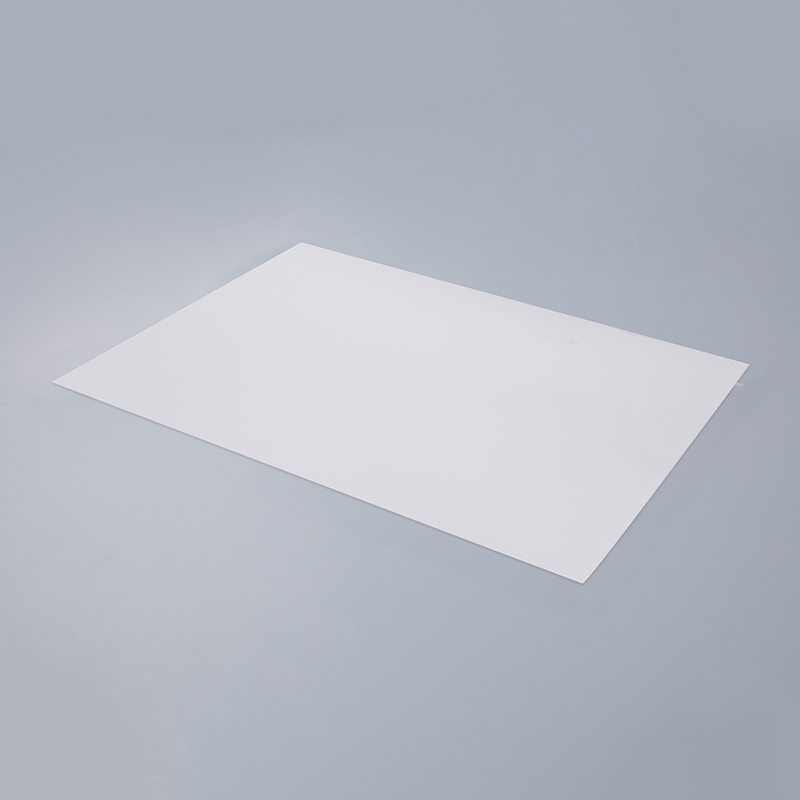
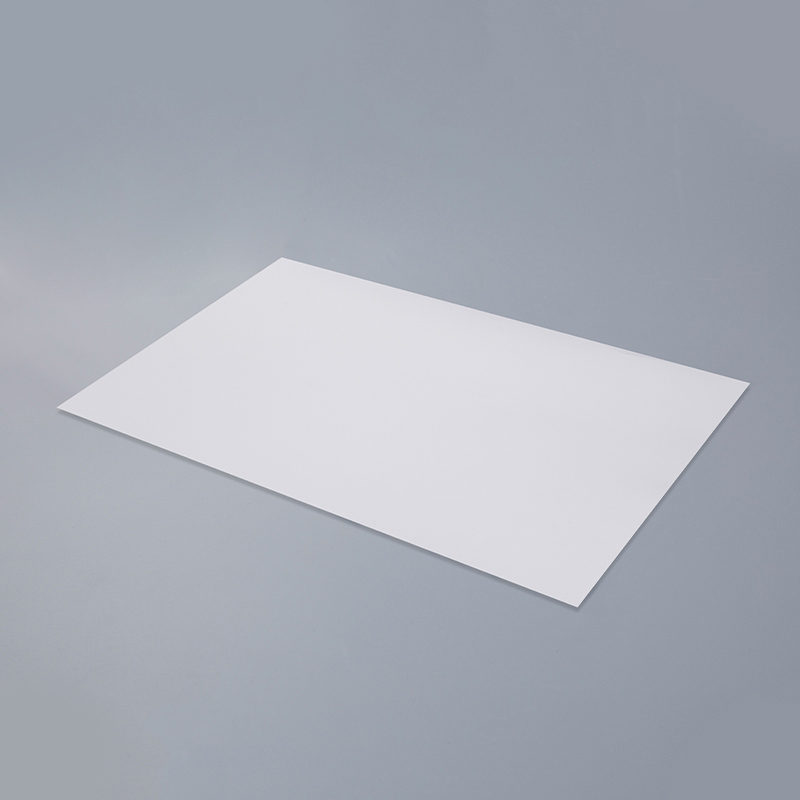
For businesses that need labels that can be applied securely but removed with limited surface disturbance, this material offers an effective alternative to permanent self-adhesive paper, ordinary office labels, and less specialized removable products. It can be supplied in jumbo rolls or converted sheets, including common sizes such as A4, A3, 20 x 30 centimeters, 21 x 30 centimeters, 24 x 36 centimeters, 50 x 70 centimeters, and 70 x 100 centimeters. Customized dimensions are also available for industrial, commercial, and professional printing requirements.
The product is manufactured by Suzhou Piaozhihua Composite Material Technology Co., Ltd., a specialist producer of self-adhesive label materials with more than 20 years of manufacturing experience. The company integrates research and development, adhesive coating, lamination, slitting, sheeting, sales, and after-sales service. Its production capabilities and broad material portfolio allow customers to source customized self-adhesive solutions from one experienced supplier rather than coordinating several separate vendors.
Removable solvent woodfree paper is particularly suitable for stores, supermarkets, warehouses, logistics operations, medical supplies, outer carton stickers, offices, and other environments where clear communication and clean removal are important. Its smooth surface supports vivid printing and easy coloring, while the removable adhesive helps reduce the risk of leaving a permanent label footprint on suitable substrates.
Removable Solvent Woodfree Paper
Content
- 1 1. Understanding the Product Construction
- 2 2. Main Advantages of Removable Solvent Woodfree Paper
- 3 3. Comparison with Common Alternative Label Materials
- 4 4. Applications in Retail and Supermarkets
- 5 5. Applications in Warehousing and Logistics
- 6 6. Applications in Medical Supply and Office Management
- 7 7. Printing and Converting Performance
- 8 8. Advanced Manufacturing Process
- 9 9. Manufacturing Strengths of the Supplier
- 10 10. Packaging and Delivery
- 11 11. Selecting the Correct Specification
- 12 12. Recommended Handling and Storage
- 13 13. Sustainability and Responsible Material Development
- 14 14. Customization and OEM/ODM Support
- 15 15. Why Manufacturing Integration Matters
- 16 16. Quality, Reliability, and Long-Term Supply
- 17 17. Practical Evaluation Before Purchase
- 18 18. Technical Specification Summary
- 19 19. Frequently Asked Questions
- 19.1 Q1: What is removable solvent woodfree paper?
- 19.2 Q2: Is the adhesive suitable for every surface?
- 19.3 Q3: Can the material be printed?
- 19.4 Q4: What face weights are available?
- 19.5 Q5: Which liner is supplied with the product?
- 19.6 Q6: Can the product be supplied in sheets?
- 19.7 Q7: What jumbo roll widths are available?
- 19.8 Q8: Can the adhesive be changed for cold environments?
- 19.9 Q9: Is the material appropriate for outdoor use?
- 19.10 Q10: Can the supplier provide OEM and ODM services?
- 19.11 Q11: How should customers test removability?
- 19.12 Q12: How is the product packaged?
- 19.13 Q13: What makes the supplier suitable for large orders?
- 19.14 Q14: What information should be included in an inquiry?
- 20 20. Conclusion
- 21 References
- 22 Product: Removable Solvent Woodfree Paper
1. Understanding the Product Construction
A self-adhesive label is generally made from three functional layers: the face material, the adhesive, and the release liner. Each layer influences the final performance of the product. The face material determines appearance, printability, stiffness, and writing quality. The adhesive controls bonding, removability, application temperature, and resistance to handling. The liner protects the adhesive before use and provides dimensional support during storage, printing, die-cutting, and label dispensing.
In removable solvent woodfree paper, the face material is a woodfree paper designed to offer a smooth and consistent printing surface. The standard listed basis weight is 70 grams per square meter, while 75, 100, 120, and 140 grams per square meter are available. This range allows buyers to select a lighter construction for economical labeling or a heavier construction when increased stiffness, opacity, and premium appearance are needed.
The adhesive is a removable solvent adhesive. Unlike a permanent adhesive, it is formulated to provide sufficient initial tack and holding power while supporting removal from compatible surfaces under appropriate conditions. This is valuable when labels must be repositioned, updated, replaced, or removed after a limited period. The precise behavior will depend on the substrate, application temperature, dwell time, pressure, surface cleanliness, and removal angle.
The standard liner is 80-gram white glassine paper. Glassine is a smooth, dense, and calendered paper that offers a stable backing for self-adhesive materials. It protects the adhesive from contamination and allows labels to be peeled from the liner during manual or automated application. Alternative liner options include 50, 60, 100, and 120-gram glassine paper, as well as 60, 90, 120, and 140-gram release paper. Art paper liners in 140 and 165 grams and CCK liners in 50, 80, 90, and 120 grams are also available.
This multi-layer construction gives the product a useful balance of functionality. The woodfree face provides a clean communication surface, the solvent adhesive provides controlled bonding, and the liner preserves product integrity before use. Together, these components make the material suitable for a broad range of labels that need to look professional while remaining practical during application and removal.
2. Main Advantages of Removable Solvent Woodfree Paper
2.1 Smooth Surface for High-Quality Printing
The smooth surface of woodfree paper is one of the most important advantages of this material. A uniform face reduces irregularities that can affect ink transfer, toner coverage, or handwritten marks. The result is a clean appearance that helps printed text, barcodes, symbols, prices, product descriptions, and identification codes remain easy to read.
The surface is also easy to color. This characteristic is useful for businesses that need to distinguish products, storage zones, shipment categories, inventory groups, or operational stages through color coding. Depending on the selected printing process, the material can support customized visual communication for short-run and large-volume requirements.
Compared with rougher or lower-grade paper labels, a smooth woodfree face can provide a more consistent visual result. It is especially useful where a label must look orderly and professional on a carton, shelf, document, package, or storage container. The paper appearance is familiar to users and can be integrated easily into existing office, retail, warehouse, and packaging workflows.
2.2 Controlled Removability
The removable solvent adhesive is designed for applications where labels should not necessarily remain permanently attached. This provides an advantage over ordinary permanent self-adhesive paper when a product, container, shelf, carton, or document may need to be relabeled later.
Removability can reduce the labor associated with scraping, soaking, or chemically treating a surface. It can also help businesses maintain a cleaner appearance when temporary information has expired. For example, a warehouse may apply temporary handling instructions, a store may use promotional price labels, or a medical supply facility may identify short-term storage locations. When the information changes, the label can be removed and replaced more efficiently.
Removable performance is substrate-dependent. Smooth, clean, dry, and compatible surfaces generally provide the most predictable results. Porous cardboard, rough wood, dusty materials, painted surfaces, recycled cartons, and surfaces exposed to heat or moisture may affect removability. For this reason, testing the actual label construction on the intended substrate is recommended before full-scale production.
2.3 Broad Application Flexibility
The product can be used across retail, logistics, warehousing, medical supply management, packaging, and office administration. Its face material is sufficiently versatile for general-purpose labeling, while its removable adhesive makes it appropriate for temporary or changeable information.
In stores and supermarkets, it can be used for shelf labels, temporary price identification, promotional communication, stock notices, and product grouping. In warehouses, it can support location identification, inventory status, carton marking, temporary routing instructions, and picking operations. In logistics, labels can be used for handling information, shipment organization, and outer box identification.
For medical supplies, removable labels may assist with temporary storage information, internal identification, shelf organization, and packaging management, subject to the relevant application and regulatory requirements. In offices, the material can be used for file organization, equipment identification, document handling, internal notices, and temporary classification.
2.4 Multiple Thickness and Liner Choices
The availability of several face weights and liner grades allows buyers to match the product to their equipment and application. A 70-gram face may provide an economical general-purpose solution. Heavier 100, 120, or 140-gram papers can offer a more substantial feel and may be preferred for labels that need greater stiffness, opacity, or visual prominence.
Liner selection can also influence converting efficiency and application behavior. Different liner weights may be chosen according to label size, die-cutting requirements, dispensing equipment, transportation conditions, and customer preferences. Glassine provides a smooth and widely used release backing, while release paper, art paper, and CCK liner options provide additional flexibility for different manufacturing specifications.
2.5 Roll and Sheet Availability
Some customers need jumbo rolls for their own coating, printing, slitting, or converting operations. Others require ready-to-use sheets for digital printing, office printing, manual labeling, or short production runs. The product is available in both forms, helping customers select the supply format that best matches their equipment and business model.
Jumbo roll widths include 1,000, 1,020, 1,080, and 1,530 millimeters. Sheet sizes include A4, A3, 20 x 30 centimeters, 21 x 30 centimeters, 24 x 36 centimeters, 50 x 70 centimeters, and 70 x 100 centimeters. Customized sizes can be discussed for customers that use specialized printers, automatic applicators, die-cutting machines, or particular packaging formats.
Having both rolls and sheets available can simplify procurement. Large converters can reduce handling and improve production efficiency with jumbo rolls, while smaller users can order sheets without investing in additional slitting or sheeting equipment. This flexibility is especially valuable for companies serving multiple markets or operating several different label production lines.
3. Comparison with Common Alternative Label Materials
Choosing a label material requires more than selecting the lowest unit price. The appropriate product must match the intended substrate, printing process, storage period, removal requirement, and operating environment. Removable solvent woodfree paper has several advantages when compared with standard permanent woodfree labels, basic office stickers, and selected synthetic alternatives.
| Material or Feature | Typical Strength | Potential Limitation | Value of Removable Solvent Woodfree Paper |
|---|---|---|---|
| Permanent self-adhesive paper | Strong long-term bonding | May be difficult to remove cleanly | Provides a controlled removable option for temporary labeling |
| Basic office label paper | Convenient for simple indoor use | Limited adhesive and size customization | Offers industrial material choices, jumbo rolls, and multiple liners |
| Uncoated rough paper | Economical appearance | Less consistent printing and coloring | Provides a smoother surface for clearer visual results |
| Plastic film label | Good moisture and tear resistance | Higher material cost and different recycling considerations | Provides a paper-based option for dry indoor applications |
| Non-adhesive paper tag | Easy to detach or replace | Requires string, clips, or another attachment method | Offers direct pressure-sensitive application |
| Permanent solvent label | Strong adhesion under demanding conditions | Not ideal for temporary or repositionable information | Uses removable solvent adhesive for changeable labeling needs |
Compared with permanent labels, the main advantage is the ability to remove or replace information with less effort when the substrate is suitable. Compared with basic office labels, the product offers more choices in face weight, liner construction, roll width, sheet size, and customization. Compared with rough paper, its smooth face improves the appearance of printed and colored information.
It is not intended to replace every synthetic film or permanent adhesive construction. Outdoor exposure, continuous moisture, severe abrasion, high-temperature conditions, and highly textured surfaces may require another material. The strength of this product lies in its combination of smooth paper printability, removable bonding, customization, and broad indoor commercial applicability.
4. Applications in Retail and Supermarkets
Retail environments frequently require labels that can be changed as products, prices, promotions, and shelf arrangements change. A permanent adhesive can create unnecessary cleaning work when temporary information is no longer needed. Removable solvent woodfree paper offers a more practical approach for many indoor retail tasks.
It may be used for temporary price changes, promotional campaigns, clearance labels, shelf organization, product grouping, and stock notices. The smooth face supports clear numbers and descriptions, while the paper surface offers a familiar appearance that blends naturally with cartons, shelves, display boards, and retail documents.
Color coding is another useful function. Different colors can help staff identify promotional items, clearance products, replenishment priorities, or storage categories. Because the material is easy to color, businesses can develop a consistent internal visual system without relying exclusively on expensive specialty substrates.
Retail users should select the adhesive and face construction according to the surface. Glass, coated metal, clean plastic, painted fixtures, and smooth packaging may provide favorable conditions. Rough wood, dusty shelves, refrigerated surfaces, or highly porous cartons should be evaluated carefully. Small-scale testing can help confirm both initial adhesion and clean removal.
5. Applications in Warehousing and Logistics
Warehouses depend on fast and accurate visual identification. Labels may need to show storage locations, picking information, pallet status, handling instructions, batch references, or temporary routing details. Since warehouse information can change frequently, removable labels can reduce the difficulty of updating operational markings.
On cartons and outer boxes, the product can provide a clean space for printed instructions or temporary information. The woodfree face can be printed with text, symbols, or color blocks that assist sorting and handling. For manual operations, sheet formats can be convenient. For high-volume conversion or automated production, jumbo rolls can improve material utilization and reduce the frequency of roll changes.
Logistics companies may use removable labels for shipment organization, internal handling marks, temporary delivery classifications, or container identification. When a box or reusable container enters another stage of the supply chain, removing an obsolete label can help prevent confusion. This is especially valuable when reusable totes, bins, trays, or transport units circulate repeatedly.
Environmental conditions remain important. Warehouse dust, oil, condensation, cold storage, and rough corrugated surfaces can affect adhesive behavior. For challenging conditions, the customer should communicate the substrate, application temperature, storage period, and expected removal timing so that the construction can be evaluated and customized appropriately.
6. Applications in Medical Supply and Office Management
Medical supply organizations often manage a large number of packages, shelves, storage zones, and internal documents. Labels may be required for temporary identification, inventory organization, supply movement, or administrative control. Removable paper labels can help staff update information without leaving a permanent label in every location.
Possible uses include internal shelf marking, temporary storage labels, package grouping, equipment identification, and document classification. The smooth face makes printed information easy to review, which is important in environments where clarity and organization support efficient work.
The product can also support daily office operations. A4 and A3 sheets are convenient for desktop printers and office workflows. Users may create temporary file labels, archive identification, asset tags, meeting materials, project folders, and document routing marks. When office layouts or classifications change, the labels can be removed from suitable surfaces and replaced.
Medical and office users should distinguish between general identification applications and regulated product labeling. If a label is intended to carry legally required information, direct product-contact information, sterilization data, or other regulated content, the complete construction and printing system should be validated for that specific purpose.
7. Printing and Converting Performance
The smooth woodfree face is suitable for a variety of common label production methods, depending on the selected grade and printer compatibility. Customers may use sheet-fed digital printing, laser printing, inkjet printing, offset printing, flexographic printing, or other processes after confirming the appropriate specification.
Printing performance depends on ink chemistry, drying conditions, printer temperature, feed path, sheet flatness, roll tension, and the interaction between the face stock and liner. A stable liner helps the self-adhesive sheet or web maintain its shape during processing. Correct storage and acclimatization are also important, especially when the material moves between different temperature and humidity environments.
For converting operations, the material may be supplied in jumbo rolls for slitting, sheeting, die-cutting, or label production. The selected liner weight should be matched to the label design. Large or complex die-cut labels may benefit from a liner with greater stiffness, while smaller labels may be produced efficiently with a lighter backing. The correct release level supports clean label stripping without causing unnecessary waste or dispensing problems.
Slitting quality is important because uneven edges, telescoping rolls, excessive dust, or poor tension control can create problems during printing and application. A professional manufacturer must coordinate adhesive coating, lamination, curing, slitting, and packing so that the finished roll remains stable through transportation and downstream processing.
For sheet products, accurate cutting and flatness are equally important. Properly converted sheets should feed smoothly through compatible printers and should not show excessive curl, edge damage, or adhesive contamination. Packaging must protect the sheets from moisture, dust, pressure, and deformation during storage and shipment.
8. Advanced Manufacturing Process
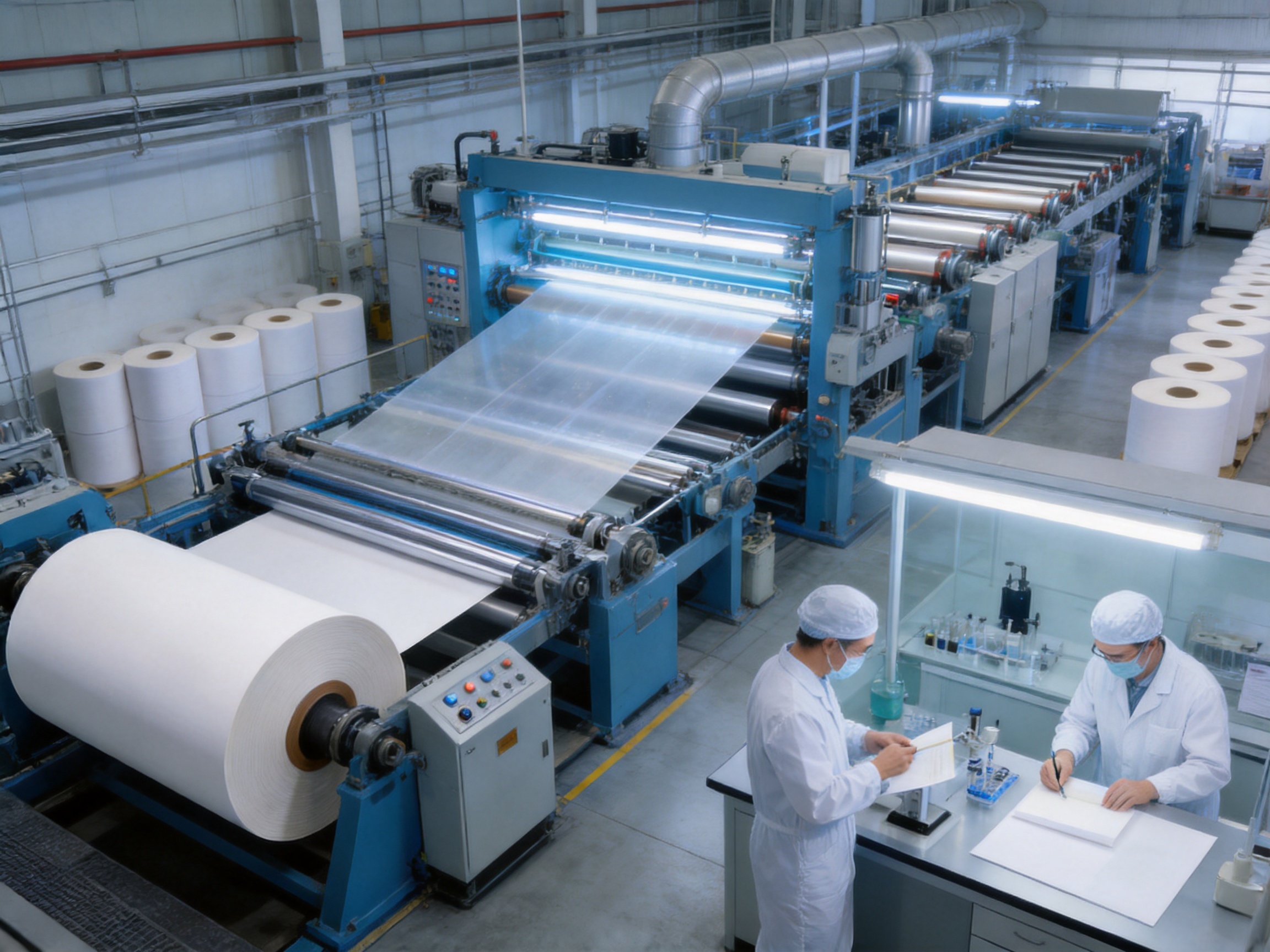
The production of self-adhesive label material requires careful control across multiple stages. The basic process includes raw material inspection, face stock preparation, adhesive formulation or preparation, precision coating, drying or curing, lamination with the release liner, aging or stabilization, slitting, sheeting, inspection, and packaging.
8.1 Raw Material Selection
Manufacturing begins with the selection of face paper, adhesive components, and release liner. The woodfree paper must provide the required smoothness, basis weight, opacity, strength, and dimensional stability. The adhesive must be compatible with the intended application and must deliver the required balance between tack, holding power, and removability.
The liner must provide consistent release performance and sufficient mechanical strength for the intended converting method. Variations in paper moisture, coating quality, release treatment, or thickness can affect the final product. Incoming materials therefore require inspection before they enter production.
8.2 Adhesive Coating
Precision adhesive coating is one of the most important manufacturing steps. The adhesive must be applied evenly across the face material at a controlled coating weight. Uneven coating can create weak bonding, excessive adhesive squeeze-out, inconsistent removability, or visible defects.
Coating parameters may include line speed, temperature, viscosity, coating gap, web tension, and drying conditions. These factors must be monitored and adjusted according to the adhesive system and paper grade. A stable process helps maintain consistent performance across the width and length of the roll.
8.3 Drying, Curing, and Stabilization
Solvent-based adhesive systems require controlled drying and curing conditions. The objective is to remove or manage volatile components and develop the intended adhesive properties without damaging the paper or release liner. Insufficient drying may affect odor, bonding, processing, or storage stability, while excessive heat may influence paper moisture, curl, or adhesive behavior.
After coating and lamination, the material may require a stabilization period. This allows the adhesive layer and the laminated structure to reach a more consistent condition before slitting or sheeting. Process control at this stage contributes to more predictable performance for customers.
8.4 Lamination
Lamination joins the adhesive-coated face material with the release liner. The operation must be controlled to prevent air entrapment, wrinkles, creases, contamination, and uneven contact. Correct web tension is essential because excessive tension may cause deformation, while insufficient tension may produce wrinkles or poor winding.
A well-laminated structure supports smooth downstream converting. It also ensures that the liner remains securely associated with the adhesive until the label is ready for application. The release liner must separate cleanly without removing adhesive from the face material or causing excessive resistance on dispensing equipment.
8.5 Slitting and Sheeting
After lamination, jumbo rolls can be slit to customer-specified widths or converted into sheets. The company provides jumbo roll widths of 1,000, 1,020, 1,080, and 1,530 millimeters, along with customized sheet dimensions. Slitting and sheeting equipment must maintain accurate dimensions and clean edges.
For roll products, winding quality affects transport, storage, and printing. A properly wound roll should have stable edges, consistent tension, and limited telescoping. For sheet products, stack alignment, cut accuracy, and packaging protection influence the user experience.
8.6 Inspection and Quality Assurance
Quality assurance should cover both appearance and functional performance. Typical inspection points include basis weight, thickness, width, length, adhesive coating uniformity, release behavior, surface cleanliness, color, edge quality, roll winding, and sheet flatness. Where required, additional tests can evaluate peel adhesion, tack, shear resistance, removability, and print compatibility.
Suzhou Piaozhihua Composite Material Technology Co., Ltd. operates its own testing laboratory and uses inspection equipment to support product quality control. Laboratory capability allows the manufacturer to compare raw materials, monitor production batches, investigate customer feedback, and develop customized constructions for specific applications.
9. Manufacturing Strengths of the Supplier
The supplier combines manufacturing, research and development, sales, and after-sales service within one organization. This integrated structure can simplify communication and reduce delays when customers need to discuss material selection, production specifications, packaging, or technical concerns.
The company has full production lines covering gluing, laminating, and cutting. Its reported annual production capacity exceeds 280 million square meters, providing the scale required for regular commercial supply and large-volume orders. High production capacity can also support more stable scheduling for customers that require ongoing replenishment.
More than 20 years of OEM manufacturing experience is another important strength. OEM experience means the manufacturer is accustomed to producing according to customer drawings, samples, technical specifications, packaging requirements, and private-label arrangements. This is particularly useful for distributors, converters, printers, and brand owners that need a material tailored to their own product range.
The company also provides ODM and OEM services supported by a professional research and development team and multiple patents. ODM capability can help customers develop a new adhesive construction, liner combination, face material, or finished format without creating an entirely new supply chain. The customer can communicate the intended use, and the manufacturer can help evaluate the technical route.
International market experience supports the company’s ability to serve customers in different regions. Its marketing network covers countries and regions in Asia, Europe, North America, South America, the Middle East, and other markets. International supply requires attention to documentation, packaging, container loading, communication, production scheduling, and after-sales response.
The supplier’s product portfolio extends beyond removable solvent woodfree paper. Available adhesive options include water-based adhesive, hotmelt adhesive, solvent adhesive, anti-freeze adhesive, cryogenic adhesive, and tyre-grade rubber adhesive. This broad range allows the manufacturer to recommend a different construction when the customer’s application requires specialized temperature resistance, flexibility, or bonding performance.
10. Packaging and Delivery
Packaging protects self-adhesive materials during storage, handling, and transportation. The product can be packed on poly-wood pallets suitable for sea transit or in cartons. Both roll and sheet products can be prepared according to the order format and shipment requirements.
For sheet products, the standard packaging information specifies 100 sheets per ream. Each ream is packed with a strong PE-coated kraft paper wrapper. This wrapper helps protect the paper from dust, handling marks, and moderate environmental exposure while maintaining a practical format for warehouse storage and distribution.
Pallets are wrapped with stretch film and secured with plastic fastening belts. This helps stabilize the load during loading, unloading, and sea transportation. Proper palletization is especially important for paper products because shifting, compression, moisture, or impact can affect sheet flatness and roll condition.
Customers should communicate destination requirements, container loading preferences, pallet dimensions, carton labeling, and any special export documentation before production. Packaging can often be coordinated with the customer’s distribution system, provided that the requested specifications are confirmed in advance.
11. Selecting the Correct Specification
The correct specification depends on several factors. First, the customer should identify the substrate. Smooth glass, coated cartons, plastic containers, painted metal, corrugated boxes, and porous paper surfaces may each produce different adhesive results. Second, the expected label life should be considered. A label intended for a few days may require a different balance of adhesion and removability than one expected to remain in place for several months.
Application temperature is also important. Labels applied in ordinary indoor conditions may be suitable for the standard construction, while cold rooms, refrigerated logistics, or frozen environments may require an anti-freeze or cryogenic adhesive. The product should not be assumed to perform identically across all temperatures without testing.
Face weight affects appearance and stiffness. Lighter paper can help reduce material consumption and may be suitable for general labels. Heavier paper can offer a more substantial appearance and improved opacity. The selected liner should be compatible with the printing and converting process, particularly where labels are large, intricately die-cut, or dispensed automatically.
Customers should also identify whether they require rolls or sheets. Roll users should provide the required width, core size, winding direction, roll diameter, and maximum roll weight if applicable. Sheet users should confirm dimensions, corner requirements, packaging format, and printer compatibility. Providing complete technical information helps the manufacturer recommend a more reliable construction.
12. Recommended Handling and Storage
Self-adhesive paper should be stored in a clean, dry, and temperature-controlled environment whenever possible. Direct sunlight, high humidity, water exposure, excessive heat, and dust should be avoided. The material should remain in its original packaging until it is ready for use.
Before printing or converting, the product should be allowed to acclimatize to the operating environment. Sudden changes in temperature and humidity can influence paper moisture, curl, dimensional stability, and printing behavior. Keeping rolls and sheets flat and properly supported helps minimize deformation.
During application, the substrate should be clean, dry, and free from oil, dust, loose fibers, and other contaminants. Sufficient pressure should be applied to promote contact between the adhesive and the surface. For removable labeling, users should avoid applying the material to surfaces that are highly rough, unstable, powdery, or heavily contaminated.
Removal should generally be performed gradually and at a controlled angle. Excessive speed, extreme temperature, or aggressive pulling may increase the chance of paper tearing or adhesive residue. Because performance varies by substrate and conditions, a practical trial is recommended before adopting the material for an important production process.
13. Sustainability and Responsible Material Development
Paper-based label materials can support sustainability goals in applications where a synthetic film is not necessary. The woodfree face and paper-based liner provide a familiar fiber-based construction, while the removable adhesive can help reusable containers, shelves, and equipment receive multiple labeling cycles over their service life.
Sustainability depends on the complete product system, including the face stock, adhesive, liner, ink, packaging, use period, and disposal route. A paper label is not automatically recyclable in every local recycling system, especially when adhesive and release liner are present. Customers should review local requirements and consider the full lifecycle of the product.
The supplier states that it develops environmentally friendly solutions involving face materials, adhesives, and backing papers. This approach recognizes that sustainable label design requires more than changing one layer. Material selection, production efficiency, waste reduction, product durability, and end-of-life considerations all influence the environmental profile of a label.
Customers seeking a more sustainable specification can discuss paper grades, adhesive choices, liner options, packaging reduction, and production waste management with the manufacturer. A technically suitable construction that reduces premature replacement or supports reuse may provide practical environmental benefits in addition to its operational value.
14. Customization and OEM/ODM Support
Standard specifications are useful for common applications, but many industrial buyers require customized solutions. The supplier can discuss face paper weight, adhesive type, liner grade, roll width, sheet size, packaging format, and other production details. Customized sizes are available beyond the listed standard sheet formats.
OEM service allows customers to purchase products according to their own brand, packaging, or technical requirements. ODM service is appropriate when customers need assistance creating a new or modified construction. For example, a customer may need a removable label with a heavier face, a different liner release level, a special sheet size, or a modified adhesive balance for a particular substrate.
A professional customization process should begin with application information. Useful details include substrate type, surface energy, label dimensions, application temperature, expected service period, removal timing, printing method, storage environment, and required packaging. Samples can then be evaluated before mass production.
The company’s own testing laboratory and R&D team support this development process. Testing should verify both the initial application and the final removal behavior. Other relevant checks may include printing quality, die-cutting, label dispensing, storage stability, and transportation performance.
15. Why Manufacturing Integration Matters
Self-adhesive label production involves interactions between paper, adhesive, liner, coating conditions, and converting equipment. If these stages are managed by unrelated suppliers, problems may be difficult to trace. An integrated manufacturer can review the complete structure and identify whether an issue is related to the face stock, adhesive, release coating, lamination, slitting, or packaging.
Integrated production can also improve consistency between batches. When the same organization controls gluing, laminating, and cutting, it can establish internal procedures for material preparation, process monitoring, inspection, and corrective action. This is important for customers that use the product continuously and need consistent performance over repeated orders.
Manufacturing integration also supports faster technical communication. A customer can discuss a printing problem, a removal issue, a roll-width change, or a packaging request with one supplier that understands the entire product construction. This can reduce the time required to identify a solution.
16. Quality, Reliability, and Long-Term Supply
Quality is not limited to the appearance of an individual label. For commercial and industrial users, reliability includes consistent roll dimensions, predictable adhesive behavior, clean processing, stable packaging, accurate delivery, and responsive technical support.
The supplier’s experience in domestic and international markets provides a foundation for long-term supply relationships. Its sales coverage and distribution network support customers in multiple locations, while its manufacturing capacity is designed for substantial annual output. These capabilities can be valuable to distributors and converters that need repeat orders rather than one-time purchases.
Long-term supply should still be supported by clear specifications and quality agreements. Customers may define acceptable tolerances for basis weight, thickness, width, roll length, sheet size, appearance, adhesive performance, and packaging. Retaining approved samples and documenting application conditions can help both parties maintain consistency over time.
17. Practical Evaluation Before Purchase
Before placing a large order, buyers should test the material under real operating conditions. A suitable evaluation may include printing, cutting, application, storage, handling, and removal. The test should use the same substrate and equipment that will be used in production whenever possible.
For retail applications, test the label on actual shelves, cartons, signs, or packaging. For warehousing, evaluate the product on corrugated boxes, plastic bins, pallets, and reusable containers. For office use, check printer feeding, toner or ink adhesion, sheet flatness, and removal from folders or equipment.
Record the application temperature, pressure, dwell time, label size, surface condition, and removal interval. These variables can affect performance significantly. A structured test gives the customer and manufacturer useful information for selecting the most appropriate face weight, adhesive, and liner.
Buyers should also confirm the supply format. Roll customers should verify the width and winding requirements. Sheet customers should confirm the exact dimensions and packing quantities. If the label will be die-cut or printed at high speed, the trial should include the relevant production equipment.
18. Technical Specification Summary
| Specification | Available Information |
|---|---|
| Product | Removable Solvent Woodfree Paper |
| Face material | Woodfree paper |
| Standard face weight | 70 grams per square meter |
| Alternative face weights | 75, 100, 120, and 140 grams per square meter |
| Standard adhesive | Removable solvent adhesive |
| Other adhesive options | Water-based, hotmelt, solvent, anti-freeze, cryogenic, and tyre-grade rubber adhesive |
| Standard liner | 80-gram white glassine paper |
| Alternative liners | 50, 60, 100, and 120-gram glassine; 60, 90, 120, and 140-gram release paper; 140 and 165-gram art paper; 50, 80, 90, and 120-gram CCK liner |
| Jumbo roll widths | 1,000, 1,020, 1,080, and 1,530 millimeters |
| Sheet sizes | A4, A3, 20 x 30 centimeters, 21 x 30 centimeters, 24 x 36 centimeters, 50 x 70 centimeters, and 70 x 100 centimeters |
| Customized sizes | Available according to customer requirements |
| Supply formats | Jumbo rolls, rolls, and sheets |
| Typical applications | Retail, supermarkets, warehousing, logistics, medical supplies, outer carton stickers, and daily office use |
| Packaging | Cartons or sea-transit-worthy poly-wood pallet packing |
19. Frequently Asked Questions
Q1: What is removable solvent woodfree paper?
It is a self-adhesive label material consisting of a smooth woodfree paper face, a removable solvent-based adhesive, and a release liner. It is designed for applications where the label must adhere to a suitable surface but may later need to be removed or replaced.
Q2: Is the adhesive suitable for every surface?
No adhesive is suitable for every surface. Smooth, clean, dry, and compatible substrates generally provide the best results. Rough, dusty, oily, porous, cold, or uneven surfaces may reduce adhesion or change removability. Testing on the actual substrate is recommended.
Q3: Can the material be printed?
Yes. The smooth woodfree paper surface is designed to support clear printing and coloring. Printer compatibility should be confirmed according to the selected face weight, liner, sheet format, ink or toner system, and production speed.
Q4: What face weights are available?
The standard face weight is 70 grams per square meter. Options of 75, 100, 120, and 140 grams per square meter are also available for customers that require different stiffness, opacity, or appearance.
Q5: Which liner is supplied with the product?
The standard liner is 80-gram white glassine paper. Other glassine, release paper, art paper, and CCK liner specifications can be selected according to label design and converting requirements.
Q6: Can the product be supplied in sheets?
Yes. Available sheet formats include A4, A3, 20 x 30 centimeters, 21 x 30 centimeters, 24 x 36 centimeters, 50 x 70 centimeters, and 70 x 100 centimeters. Customized sheet sizes can also be discussed.
Q7: What jumbo roll widths are available?
Listed jumbo roll widths are 1,000, 1,020, 1,080, and 1,530 millimeters. Other requirements may be evaluated according to production capability and order details.
Q8: Can the adhesive be changed for cold environments?
Alternative adhesive options include anti-freeze and cryogenic adhesives. Customers should provide the expected application and storage temperatures so the construction can be evaluated properly.
Q9: Is the material appropriate for outdoor use?
The product is mainly positioned for general indoor commercial, warehouse, logistics, medical supply, packaging, and office applications. Outdoor exposure, moisture, ultraviolet radiation, and severe temperature changes may require a synthetic face material or a specialized adhesive construction.
Q10: Can the supplier provide OEM and ODM services?
Yes. The supplier offers OEM and ODM services and can produce according to customer drawings, samples, or technical specifications. Customization may involve face material, adhesive, liner, size, roll format, sheet format, and packaging.
Q11: How should customers test removability?
Customers should apply sample labels to the actual substrate, allow the intended dwell period, expose them to expected handling conditions, and then remove them at the planned temperature and speed. Any visible residue, paper lifting, surface damage, or label tearing should be recorded.
Q12: How is the product packaged?
Sheet products can be packed as 100 sheets per ream with a PE-coated kraft paper wrapper. Rolls and sheets can be packed in cartons or on poly-wood pallets suitable for sea transit. Pallets are wrapped with stretch film and secured with plastic fastening belts.
Q13: What makes the supplier suitable for large orders?
The supplier has more than 20 years of OEM experience, integrated gluing, laminating, and cutting production lines, an annual production capacity of more than 280 million square meters, an internal testing laboratory, and international market experience. These capabilities support both standard and customized supply programs.
Q14: What information should be included in an inquiry?
An inquiry should include the intended application, substrate, label dimensions, face weight, adhesive requirement, liner preference, printing method, roll or sheet format, estimated order quantity, application temperature, expected service period, and destination. Complete information helps the manufacturer provide a more accurate recommendation.
20. Conclusion
Removable solvent woodfree paper is a practical self-adhesive solution for users that need clear printing, reliable application, and controlled removal. Its smooth woodfree face supports professional visual communication, while the removable solvent adhesive is suited to temporary, replaceable, and changeable labeling on compatible surfaces.
The product’s versatility is strengthened by its wide selection of face weights, liners, roll widths, sheet sizes, and alternative adhesive systems. It can serve retailers, supermarkets, warehouses, logistics providers, medical supply organizations, offices, packaging operations, printers, and label converters.
Its competitive value also comes from the manufacturing capabilities behind the material. Integrated gluing, laminating, and cutting lines, an annual capacity exceeding 280 million square meters, an internal laboratory, more than two decades of OEM experience, and ODM development support provide a strong foundation for consistent supply and customized solutions.
For the best result, the product should be selected according to the substrate, application temperature, printing process, label life, removal timing, and converting equipment. With appropriate testing and specification control, removable solvent woodfree paper can help organizations improve labeling efficiency, simplify information updates, and maintain a cleaner, more adaptable operating environment.
References
1. Pressure-Sensitive Tape Council, general principles of pressure-sensitive adhesive technology and testing.
2. FINAT, technical guidance on self-adhesive label materials, peel adhesion, tack, and release performance.
3. International Organization for Standardization, paper and board terminology, basis weight, grammage, and related material testing principles.
4. Technical information supplied for removable solvent woodfree paper, including face material, adhesive, liner, size, packaging, and application data.
5. Manufacturer information concerning self-adhesive label production, OEM and ODM services, laboratory testing, manufacturing capacity, and product development.