
 English
 Español
 русский
 Français
 عربى
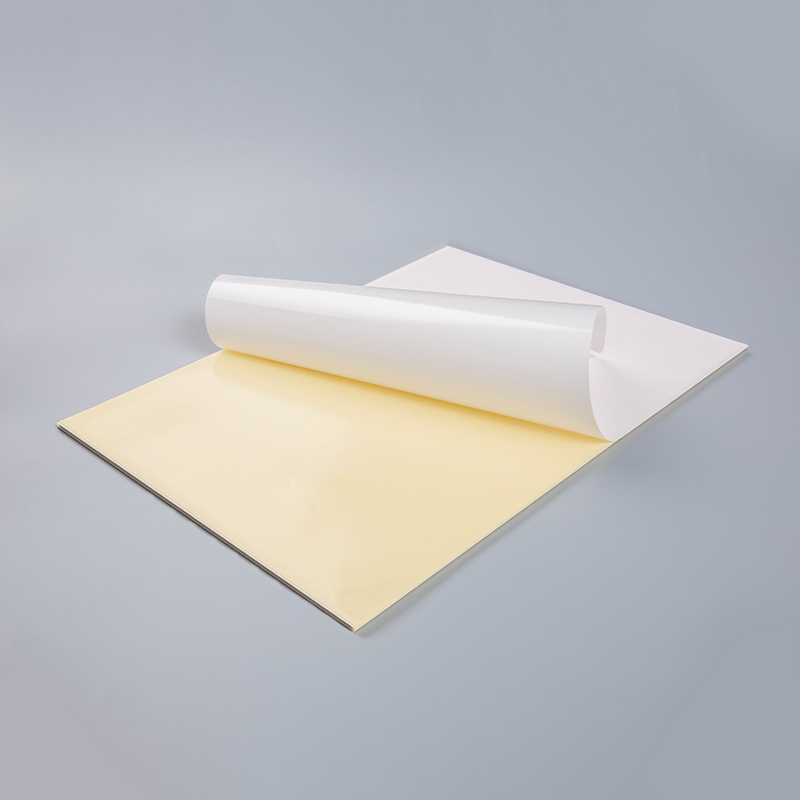
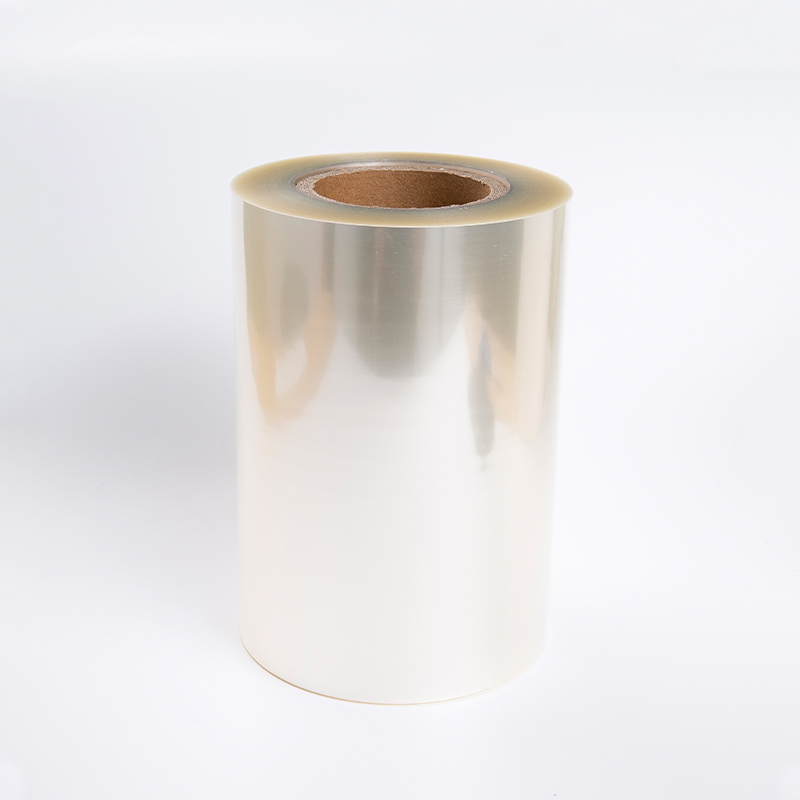
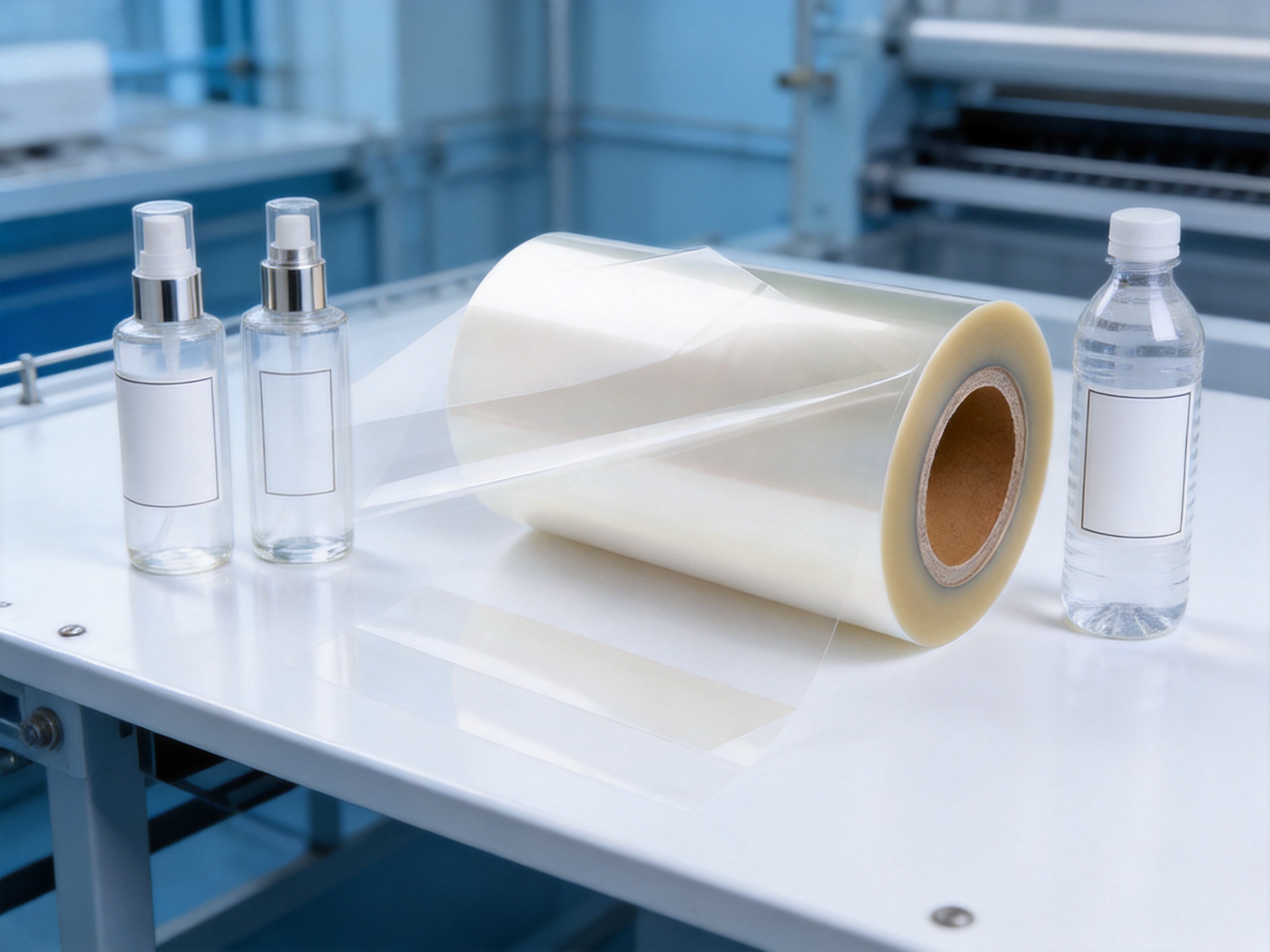
عربىTransparent PVC adhesive film with a clear PET liner is designed for applications where visual clarity, reliable adhesion, printability, and dimensional stability are equally important. By combining a transparent PVC face material, a pressure-sensitive adhesive layer, and a transparent polyethylene terephthalate liner, this construction creates a label material that can preserve the appearance of the package beneath it while carrying high-quality printed information, decoration, branding, and regulatory details.
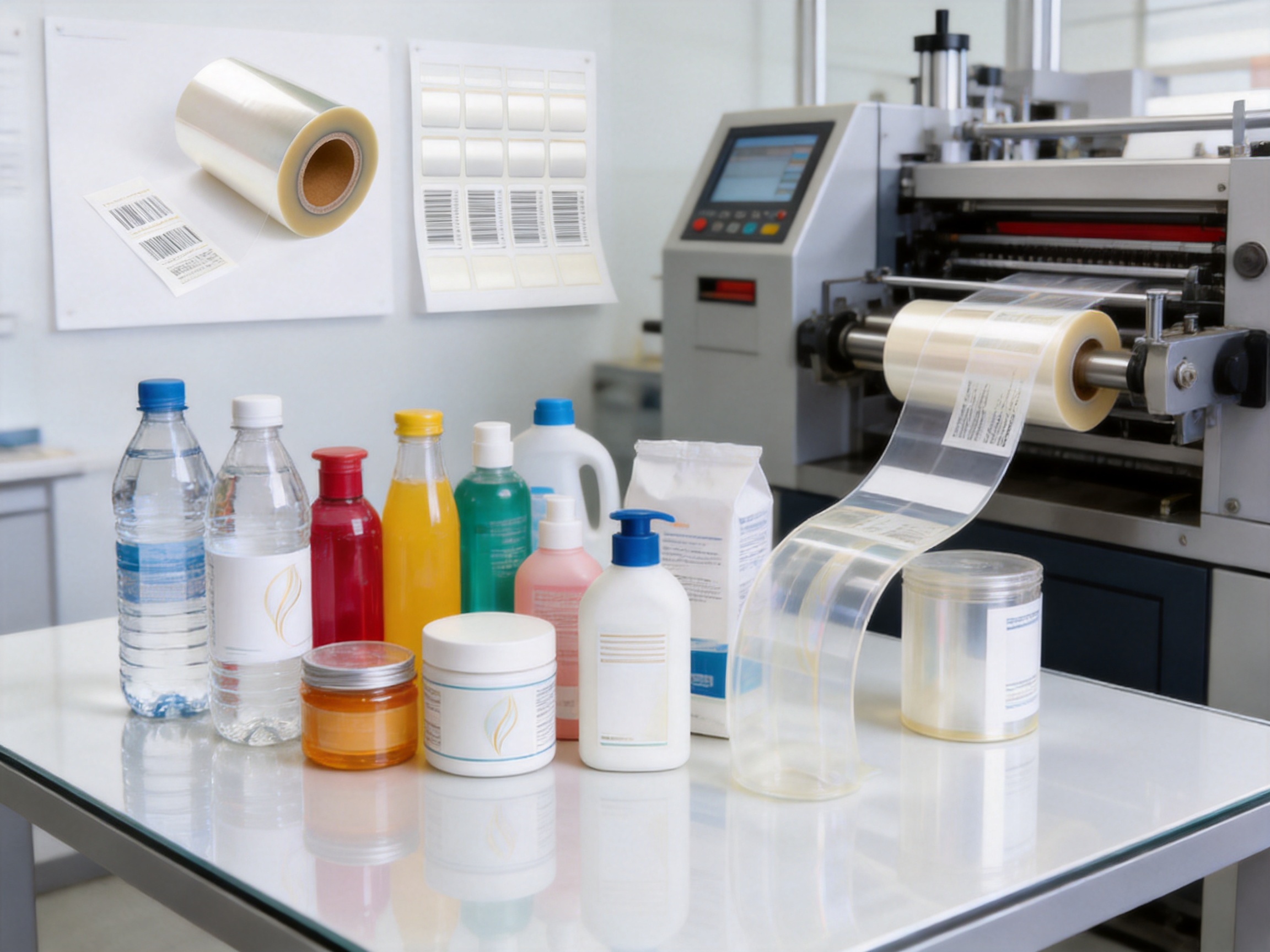
This material is especially suitable for clear-on-clear labels, transparent product identification, decorative labels, promotional graphics, and packaging applications in which the label should appear integrated with the surface rather than covering it with an opaque layer. It is widely used for mineral water, beverages, cosmetics, personal care products, daily chemical goods, building materials, consumer products, and other packaging-related applications.
The product is manufactured by Suzhou Piaozhihua Composite Material Technology Co., Ltd., a specialist producer of self-adhesive label materials, release papers, adhesive films, and customized composite materials. With more than 20 years of manufacturing experience, integrated coating, laminating, slitting, and sheet-cutting capabilities, and an annual production capacity exceeding 280 million square meters, the company provides both standardized products and customized solutions for customers in domestic and international markets.
Content
- 1 Understanding the Product Construction
- 2 Key Advantages of Transparent PVC with Clear PET Liner
- 3 Application Areas
- 4 Manufacturing Strengths and Process Control
- 5 Comparison with Conventional Label Materials
- 6 Printing and Converting Considerations
- 7 Available Specifications
- 8 Packaging and Delivery
- 9 Why Choose an Experienced Composite Material Manufacturer?
- 10 Quality Assurance for Transparent Label Materials
- 11 How to Select the Correct Product Grade
- 12 Frequently Asked Questions
- 12.1 What is transparent PVC adhesive film with a clear PET liner?
- 12.2 What is the standard face material thickness?
- 12.3 What adhesive is normally supplied?
- 12.4 Why use a clear PET liner?
- 12.5 Can the product be supplied with a paper liner?
- 12.6 Is this product suitable for beverage labels?
- 12.7 Can it be used for cosmetics and daily chemical products?
- 12.8 What printing methods can be used?
- 12.9 Can the material be ordered in sheets?
- 12.10 What jumbo roll widths are available?
- 12.11 Can the product be customized?
- 12.12 How should the material be stored?
- 12.13 Does the company provide OEM and ODM services?
- 12.14 How can customers request a quotation?
- 13 Conclusion
- 14 References
- 15 Product: Transparent PVC With Clear PET Liner
Understanding the Product Construction
A self-adhesive label is a multilayer material. Although its final appearance may seem simple, its performance depends on the compatibility and quality of every layer. The transparent PVC adhesive film with clear PET liner generally consists of three main components: the transparent PVC face stock, the pressure-sensitive adhesive, and the transparent PET release liner.
Transparent PVC Face Material
The standard face material is 50-micron transparent PVC. Alternative thicknesses, including 80, 100, 150, and 260 microns, can be supplied for projects that require a different balance of flexibility, stiffness, durability, or visual impact.
PVC is widely used for adhesive labels because it offers a useful combination of flexibility, surface strength, print receptivity, and resistance to everyday handling. A transparent PVC face can conform to curved containers and irregular surfaces more easily than many rigid label substrates. It can also provide a smooth, consistent surface for printing and finishing processes.
The clear appearance of the face material is a central product advantage. When the label is applied correctly to a clean and compatible substrate, the transparent film allows the background, package color, texture, or printed design beneath the label to remain visible. This supports the creation of a “no-label look,” a clear-on-clear appearance, or a layered visual effect that is difficult to achieve with conventional white paper labels.
Pressure-Sensitive Adhesive
The adhesive layer is responsible for creating an immediate bond between the label and the target surface. The standard configuration uses water-based adhesive, while several alternatives are available to meet different application requirements.
Available adhesive options include hot-melt adhesive, solvent adhesive, removable adhesive, anti-freeze adhesive, cryogenic adhesive, and tyre-grade rubber adhesive. This selection allows the material to be adapted for a broad range of temperatures, surfaces, application speeds, storage conditions, and end uses.
Adhesive selection should be determined by the substrate, application environment, expected service temperature, label geometry, dispensing method, and whether later removal is required. For example, an anti-freeze adhesive may be selected for products exposed to cold storage or refrigerated transportation, while a removable adhesive may be more appropriate for temporary identification or promotional labels.
Clear PET Release Liner
The standard liner is a 36-micron transparent PET liner. PET provides excellent dimensional stability, smoothness, tensile strength, and resistance to deformation during printing, die cutting, dispensing, and application.
Because the liner is transparent, operators can inspect the label construction and printed graphics more easily. The clear liner also complements the transparent face stock and supports applications in which the complete label structure must remain visually clean and consistent.
Alternative liner choices include transparent PET liners in 25, 50, and 100 microns. Paper liner options are also available, including glassine paper, release paper, art paper, and CCK liner in a variety of weights. This flexibility is valuable because liner selection affects die-cutting behavior, waste removal, roll handling, stiffness, converting efficiency, and application performance.
Transparent PVC With Clear PET Liner
Key Advantages of Transparent PVC with Clear PET Liner
Premium Transparent Appearance
The most visible advantage of this product is its transparent appearance. Traditional opaque labels can conceal the surface beneath them, while a clear self-adhesive film can preserve the visual character of the package. This is valuable for brands that use shaped bottles, colored liquids, textured containers, metallic finishes, or carefully designed packaging surfaces.
Clear labels can create a more refined and integrated appearance. When printed with suitable inks and applied under controlled conditions, the label may appear to be part of the package itself. This effect is particularly popular in beverage, cosmetics, personal care, and premium household product markets.
Suitable for Clear-on-Clear Labeling
Clear-on-clear labeling is one of the primary applications for transparent PVC adhesive film. It allows printed text, graphics, and product information to be placed on a transparent substrate without introducing a visible white border or opaque background.
This construction can support minimalist packaging designs, floating text effects, layered graphics, and high-end product presentation. It is also useful when the manufacturer wants a label to provide information while keeping the underlying product visible.
Broad Printing Compatibility
The specially coated surface is designed to support a variety of printing methods. Depending on the selected grade, ink system, and printing conditions, the material may be processed through digital printing, flexographic printing, screen printing, offset-related processes, or other suitable label printing technologies.
The coating helps improve ink acceptance and surface consistency. A stable and uniform face surface contributes to sharper text, cleaner fine lines, stronger color reproduction, and improved registration. These characteristics are important for product labels that include small legal text, variable data, barcodes, QR codes, logos, or detailed decorative patterns.
Printing performance depends on the specific press, ink, drying or curing system, image density, environmental conditions, and finishing process. For demanding projects, customers should conduct a press trial before full-scale production. The manufacturer can assist with recommending a suitable face material, adhesive, and liner combination based on the intended printing method.
Flexible Thickness Selection
The availability of several PVC thicknesses gives customers greater control over label performance. A 50-micron face material is suitable for many standard label applications where flexibility and a lightweight construction are preferred. Thicker options can provide additional stiffness, body, opacity control, or dimensional strength where required.
Thickness selection should consider container shape, label size, die-cut design, application speed, dispensing equipment, expected handling, and the desired visual effect. Thin films may be advantageous for conformability and a seamless appearance, while thicker films may be preferred for durable identification, specialty graphics, or applications requiring a more substantial label feel.
Multiple Adhesive Solutions
Many competing products are offered in only one standard adhesive grade. This can limit their suitability for unusual surfaces or demanding environments. The product range described here provides multiple adhesive options, enabling a more precise match between the label and its application.
Water-based adhesive is a common choice for general-purpose labeling. Hot-melt adhesive can provide strong initial tack and fast bonding. Solvent adhesive may be selected for demanding adhesion requirements and certain difficult substrates. Removable adhesive supports temporary labeling where clean removal is important.
Anti-freeze and cryogenic adhesive grades expand the product’s use in cold-chain, low-temperature, and specialized laboratory or industrial environments. Tyre-grade rubber adhesive is available for applications requiring adhesion to rubber-related surfaces. The ability to select the adhesive is a significant advantage for customers who need consistent performance beyond standard room-temperature packaging.
Stable PET Liner Performance
PET liners are valued for their dimensional stability and resistance to stretching. During high-speed converting, an unstable liner can create registration problems, wrinkles, die-cutting inconsistencies, or difficulties during waste matrix removal. A clear PET liner can help maintain a controlled structure through these processes.
The liner also provides a smooth release surface, allowing the finished label to separate from the backing with predictable force when applied manually or through automated dispensing equipment. Release performance must be balanced carefully: the label should remain securely attached during storage and transportation while releasing efficiently during application.
Suitable for Roll and Sheet Supply
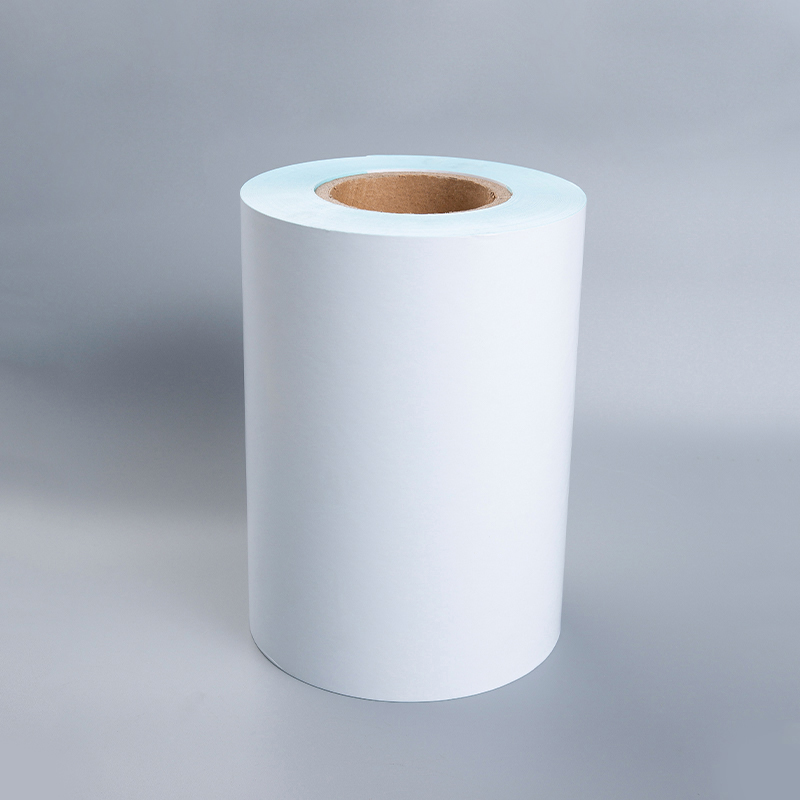
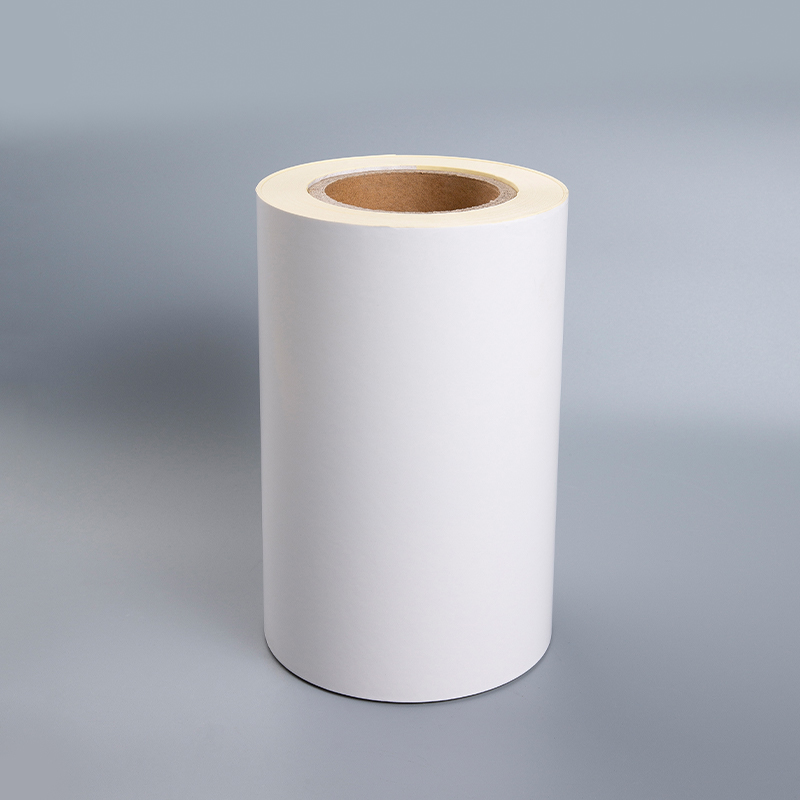
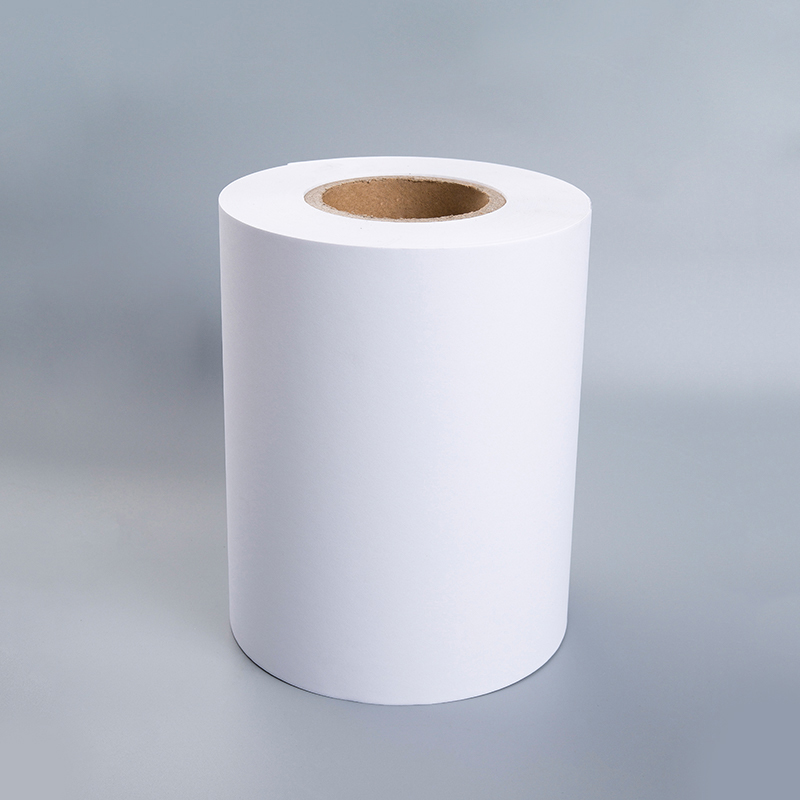
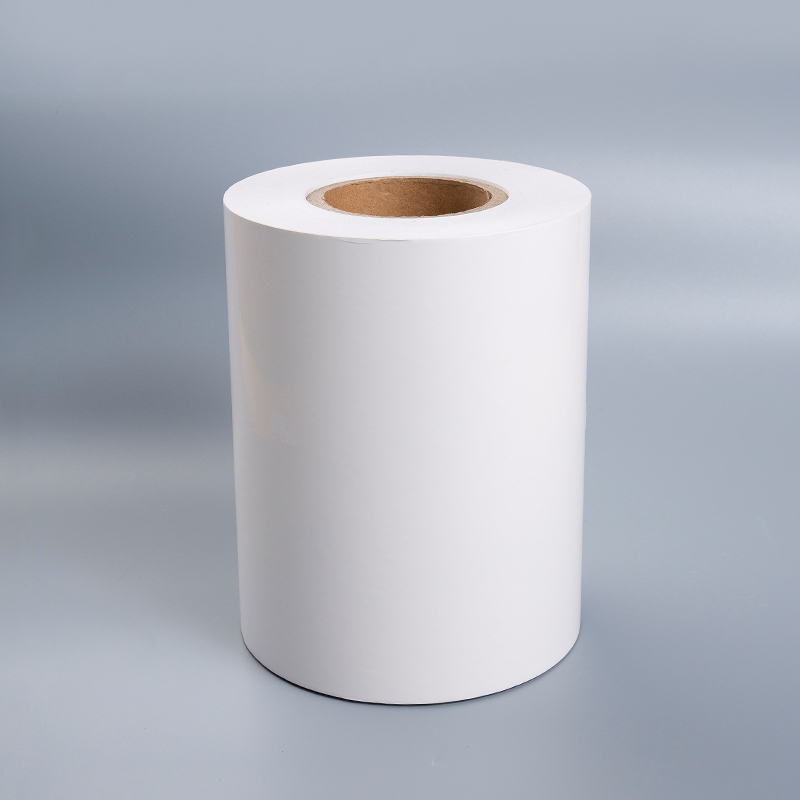
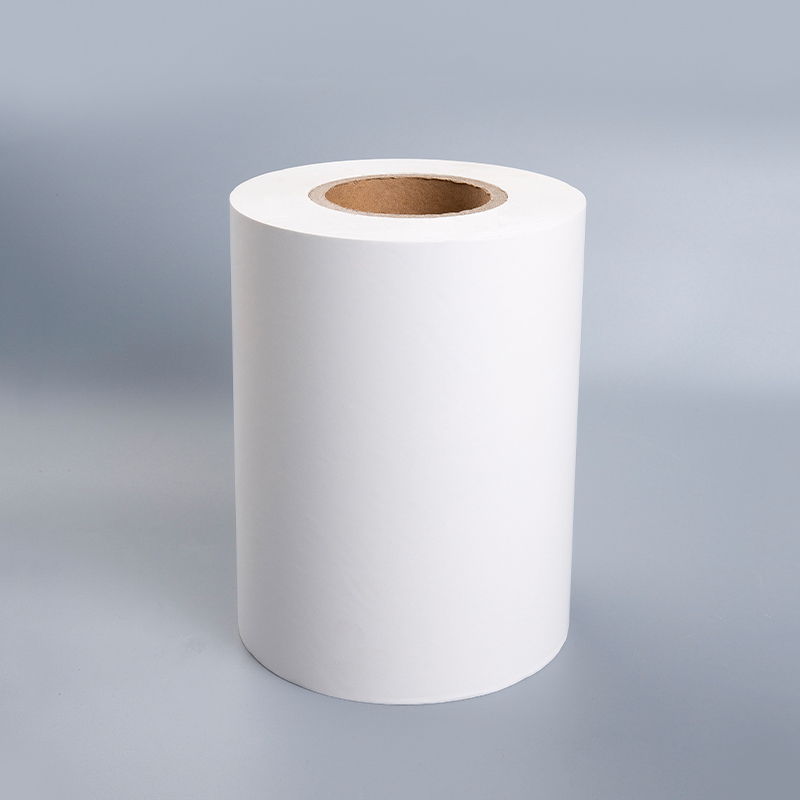
The product can be supplied in jumbo rolls or sheets. Jumbo roll widths include 1000, 1020, 1080, and 1530 millimeters, making the material suitable for industrial converting, narrow-web label production, slitting, and further processing.
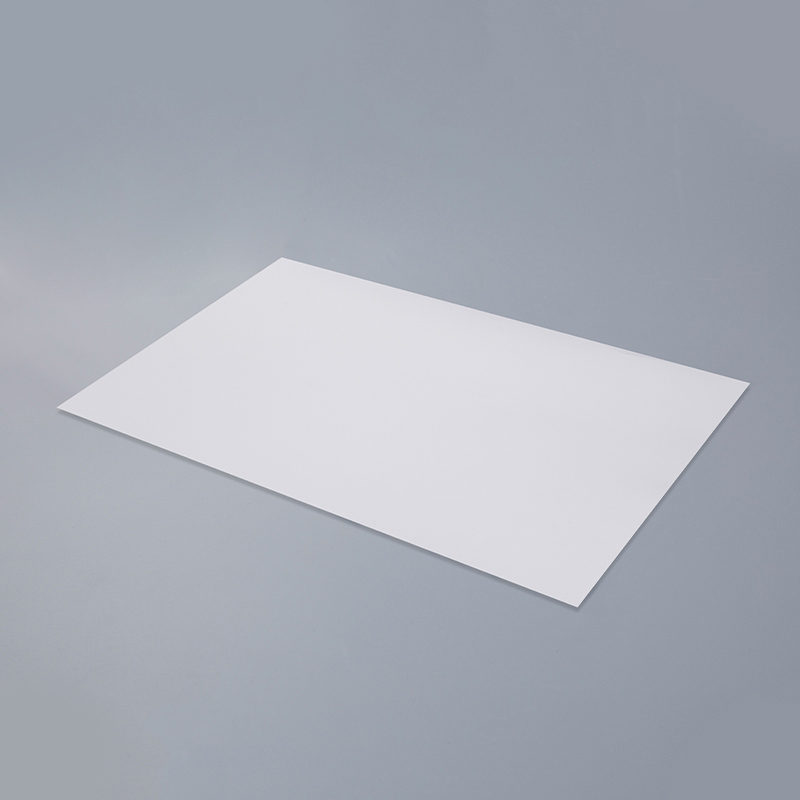
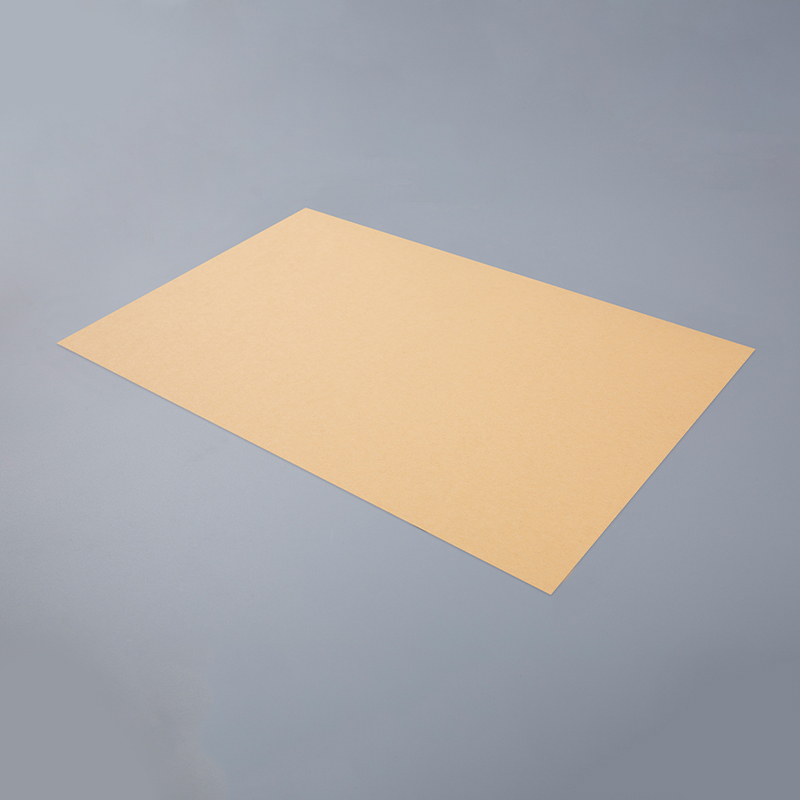
Sheet formats include A4, A3, 20 by 30 centimeters, 21 by 30 centimeters, 24 by 36 inches, 50 by 70 centimeters, and 70 by 100 centimeters. Customized sheet sizes are also available. This supply flexibility benefits both large-scale label converters and smaller users who require printable sheets for digital production, short runs, prototypes, or customized orders.
Application Areas
Mineral Water and Beverage Labels
Transparent film is widely used for mineral water and beverage labels because it can maintain visibility of the bottle and its contents. The no-label appearance is well suited to clear containers, colored drinks, premium waters, functional beverages, and products with distinctive package shapes.
For beverage applications, the adhesive should be selected according to the surface energy of the container, condensation risk, storage temperature, transportation conditions, and application line speed. Bottles exposed to refrigeration or moisture may require a specialized adhesive grade and carefully controlled application conditions.
Cosmetic and Personal Care Packaging
Cosmetic packaging often relies on clean lines, subtle decoration, metallic effects, transparent containers, and premium presentation. Transparent PVC adhesive film can support these design objectives while carrying product names, ingredient information, usage instructions, batch information, and branding.
The flexible film can be used on bottles, jars, tubes, containers, and selected curved packaging formats. It is particularly useful when the package itself contributes to the visual identity of the product.
Daily Chemical Products
Household cleaners, laundry products, personal hygiene products, air-care items, and other daily chemical goods often require durable labels with strong print clarity. Transparent PVC can be used where the label must remain attractive during handling, transportation, and regular consumer use.
For chemical products, compatibility testing is recommended. The label construction should be evaluated against the actual formulation, container material, storage conditions, and expected exposure to moisture, oils, cleaning agents, or other substances.
Building Materials and Industrial Packaging
The product is also suitable for selected building material and industrial packaging applications. Transparent labels can provide product identification, instructions, warnings, lot information, and logistics data without fully covering the surface of the package or product.
Where labels are used outdoors or in harsh environments, customers should choose the appropriate PVC thickness, adhesive grade, ink system, and protective finish. Product testing should include temperature cycling, moisture exposure, abrasion, and adhesion evaluation on the actual surface.
Promotional and Decorative Labels
Transparent adhesive film can be used for promotional graphics, seasonal packaging, window decals, decorative stickers, and special product campaigns. Its clear appearance creates opportunities for creative effects that are difficult to reproduce with ordinary paper label materials.
Depending on the desired result, transparent labels may be printed with opaque white ink, metallic ink, translucent colors, or layered graphic elements. The selection of ink and print sequence is important when the design includes both transparent and opaque areas.
Manufacturing Strengths and Process Control
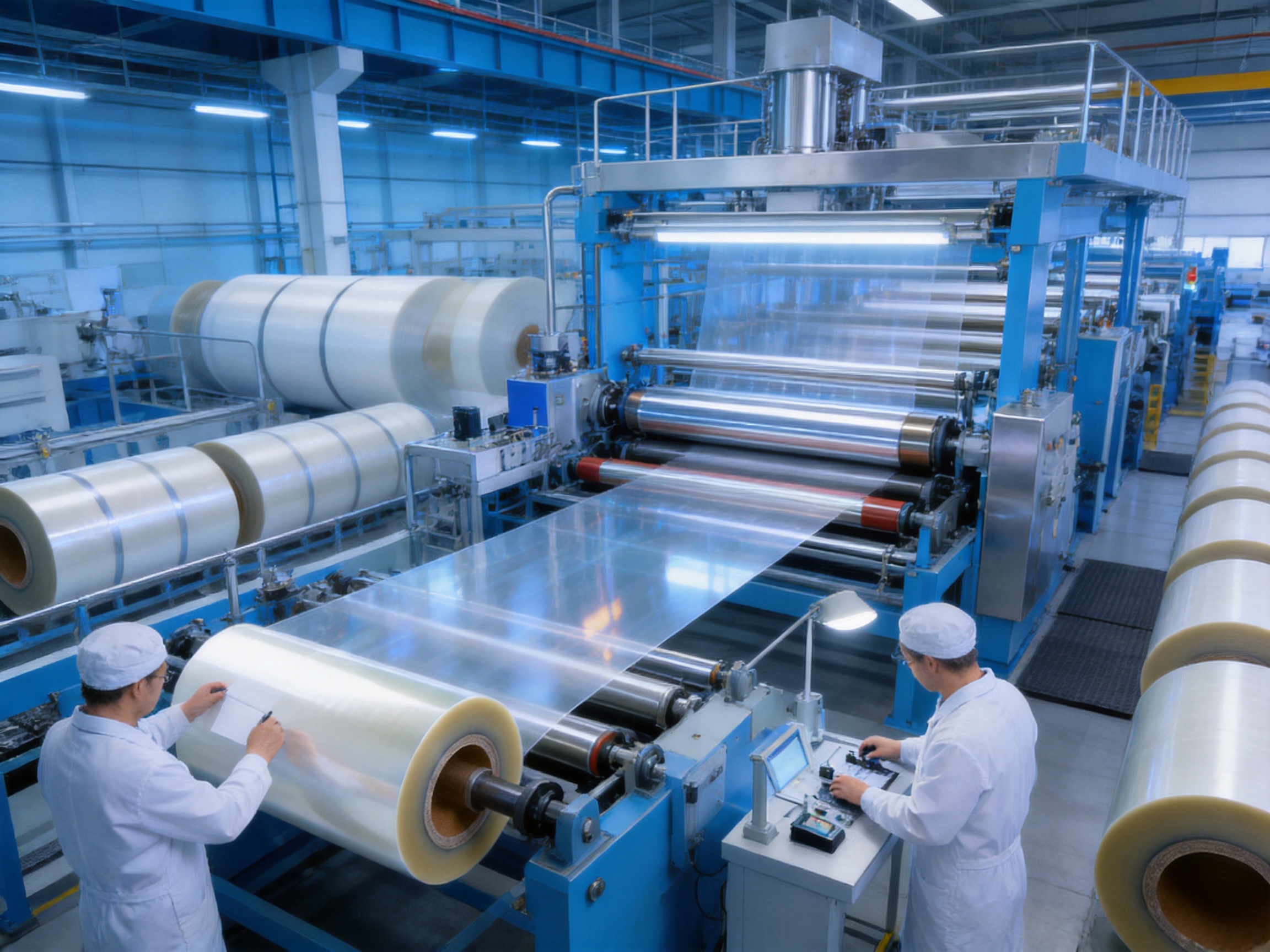
Product quality is influenced not only by the selected raw materials but also by the manufacturing process used to combine them. Suzhou Piaozhihua Composite Material Technology Co., Ltd. operates integrated production lines covering gluing, laminating, and cutting. This internal capability supports closer control over the complete self-adhesive material structure.
Integrated Gluing Operations
Gluing is a critical stage because the adhesive must be applied evenly across the face material without creating streaks, bare spots, bubbles, excessive coating weight, or unwanted edge variation. A controlled coating process contributes to consistent adhesion, clean converting, and reliable end-use performance.
The company’s production capabilities allow adhesive formulations to be matched with different face stocks and liner constructions. This is particularly important for transparent materials, where visual defects in the adhesive layer may be more noticeable than they are in opaque products.
Coating parameters must be controlled according to adhesive type, viscosity, coating weight, drying conditions, line speed, and the characteristics of the PVC and liner. Appropriate process control helps maintain uniformity from the center of the web to the edges and from the beginning of a production run to the end.
Laminating and Layer Alignment
Laminating combines the coated face material with the release liner to form the finished self-adhesive construction. Correct alignment is essential for maintaining consistent label dimensions and supporting accurate printing and die cutting.
During lamination, the materials must be managed carefully to avoid wrinkles, telescoping, trapped air, surface contamination, and uneven tension. PET liners offer a stable base, but the complete web still requires controlled tension and precise handling.
Integrated laminating capability provides an advantage because the manufacturer can coordinate the face material, adhesive, and liner as one engineered product rather than treating each component separately. This approach helps improve consistency and simplifies communication when customers require customized specifications.
Slitting and Sheet Cutting
After coating and laminating, jumbo rolls can be slit into customer-specific widths or converted into sheets. Accurate slitting is important for downstream printing and dispensing operations. Clean edges help reduce dust, web breaks, roll instability, and feeding problems.
Sheet cutting requires attention to squareness, dimensional accuracy, edge quality, and stack alignment. These factors are especially important for A4, A3, and other digital printing formats, where poor sheet geometry can affect printer feeding and image registration.
The availability of both roll and sheet converting allows the manufacturer to serve customers with different production models. Large converters may purchase jumbo rolls, while distributors, digital printers, and smaller manufacturers may prefer finished sheets.
Quality Inspection and Testing
The company maintains its own testing laboratory and uses inspection equipment to support product quality. A testing program for transparent PVC adhesive film may include evaluation of face thickness, liner thickness, adhesive coating uniformity, release force, peel adhesion, tack, shear resistance, roll appearance, dimensional stability, and surface cleanliness.
Testing can also be adapted to the final application. For example, a beverage label may require condensation and low-temperature evaluation, while a cosmetic label may require resistance to oils or handling. An industrial label may require stronger adhesion and greater resistance to abrasion or environmental exposure.
Laboratory testing does not replace application trials. The best results are achieved when laboratory data is combined with actual printing, converting, and application tests using the customer’s equipment and substrate.
Research, Development, and Customization
The company has a professional research and development team and multiple patents. Its ODM and OEM capabilities allow products to be developed around customer drawings, samples, performance targets, or application requirements.
Customization may involve the choice of PVC thickness, adhesive type, liner material, liner thickness, roll width, sheet size, release level, coating characteristics, or packaging format. This is valuable for customers who need a material that fits a particular die-cutting process, printing press, application machine, or product surface.
Rather than selecting a generic material and adapting the application around it, customers can work with the manufacturer to develop a construction that is better aligned with the intended use. This can reduce converting problems, material waste, and repeated product trials.
Comparison with Conventional Label Materials
Transparent PVC adhesive film should not be viewed as a universal replacement for every label material. Paper, polypropylene, polyester, PVC, and other synthetic films each have their own strengths. However, the transparent PVC and clear PET liner construction offers several advantages when appearance, flexibility, and clear labeling are priorities.
| Performance Consideration | Transparent PVC with Clear PET Liner | Conventional Paper Label | Typical Opaque Film Label |
|---|---|---|---|
| Visual effect | Supports clear-on-clear and no-label appearance | Usually provides an opaque paper appearance | Often covers the package surface with an opaque layer |
| Conformability | Flexible and suitable for many curved surfaces | May crease or lose appearance on complex curves | Depends on film type and thickness |
| Moisture suitability | Suitable for applications requiring a synthetic face material, subject to adhesive selection | May require additional protection against moisture | Generally suitable, depending on the film and adhesive |
| Printing potential | Coated surface supports multiple printing methods | Typically easy to print but provides a different visual result | Can support high-quality printing with suitable treatment |
| Liner stability | Clear PET liner provides strong dimensional stability | Paper liner options may be selected for cost and converting preferences | Often uses paper or PET liner depending on specification |
| Design flexibility | Supports transparent, translucent, layered, and opaque ink effects | Best suited to conventional opaque designs | Supports strong graphics but may not provide the same transparent effect |
The most appropriate material depends on the customer’s priorities. If the objective is a low-cost general-purpose label, paper may be suitable. If the application requires a premium clear appearance, synthetic durability, and flexible adhesive selection, transparent PVC with a clear PET liner may provide a stronger overall solution.
Printing and Converting Considerations
Surface Preparation
The face material should be kept clean and protected before printing. Dust, oil, moisture, and fingerprints can interfere with ink adhesion and reduce visual quality. Printing rooms should maintain stable temperature and humidity whenever possible.
Before production, printers should confirm that the selected ink system is compatible with the coated PVC surface. Ink adhesion, drying or curing, color density, rub resistance, and blocking should be evaluated under actual production conditions.
Clear Label Design
Transparent labels require different design decisions from opaque labels. Designers should consider the color and texture of the product or container beneath the label. Fine text may become difficult to read when placed over a complex background, while white ink or an opaque underlayer can improve contrast.
Designers should also consider whether the label will be viewed from the front, back, or both sides. Reverse printing, mirror printing, layered white ink, and selective opacity can create special visual effects, but each approach requires careful coordination between artwork and printing process.
Die Cutting
Die-cutting conditions should be matched to the face thickness, adhesive type, liner thickness, and label shape. The objective is to cut through the PVC and adhesive cleanly without cutting excessively into the liner.
Sharp and properly maintained tooling can reduce edge lifting, incomplete cuts, adhesive buildup, and waste-removal problems. Complex shapes may require additional testing, especially when the label has narrow areas, sharp internal corners, or very small gaps.
Storage Before Printing
Self-adhesive materials should be stored in a clean, dry location away from direct sunlight, excessive heat, and high humidity. Rolls should remain properly packaged until they are ready for use. Sheets should be kept flat and protected from dust and moisture.
Allowing the material to acclimatize to the printing room before processing can help reduce dimensional changes caused by temperature differences. Storage recommendations may vary according to the adhesive, liner, packaging method, and local climate.
Application Surface
The target surface should be clean, dry, and free from dust, oil, condensation, release agents, or other contaminants. Low-surface-energy plastics, textured surfaces, rubber, and powder-coated materials may require special adhesive grades or additional testing.
Application pressure is important. A firm and even pressure helps the adhesive establish contact with the substrate. For automated application, the dispensing equipment should be adjusted to match the label thickness, liner release, roll direction, and application speed.
Available Specifications
The product can be supplied in a range of constructions to meet different customer requirements. The standard configuration is 50-micron transparent PVC with a 36-micron transparent PET liner and water-based adhesive. However, the range can be adjusted for specialized applications.
| Component | Standard Specification | Available Alternatives |
|---|---|---|
| Face material | 50-micron transparent PVC | 80, 100, 150, and 260 microns |
| Adhesive | Water-based adhesive | Hot-melt, solvent, removable, anti-freeze, cryogenic, and tyre-grade rubber adhesive |
| Standard liner | 36-micron transparent PET | 25, 50, and 100-micron transparent PET liners |
| Paper liner options | Not applicable to the standard clear PET construction | Glassine, release paper, art paper, and CCK liner in multiple weights |
| Jumbo roll width | 1000, 1020, 1080, and 1530 millimeters | Customized widths subject to production requirements |
| Sheet sizes | A4, A3, 20 x 30 cm, 21 x 30 cm, 24 x 36 in, 50 x 70 cm, and 70 x 100 cm | Customized sheet sizes |
Final technical values should be confirmed according to the selected construction and production order. Customers should specify their printing method, label dimensions, adhesive requirements, storage environment, application surface, and intended service conditions when requesting a quotation or sample.
Packaging and Delivery
Packaging is designed to protect the material during handling, storage, and transportation. Roll and sheet products can be packed for sea transport using suitable poly-wood pallets and cartons. This packaging approach helps protect the edges, prevent deformation, and maintain the condition of the adhesive material during international shipment.
For sheet products, 100 sheets are packed per ream. Each ream is protected with a strong PE-coated kraft paper wrapper. The pallets are wrapped with stretch film and secured with plastic fastening belts. This multi-layer packaging method helps reduce exposure to dust, moisture, impact, and shifting during transit.
Packaging requirements can be discussed according to the shipping method, destination, product size, pallet configuration, and customer warehouse procedures. Export-oriented packing is particularly important for self-adhesive materials because uncontrolled moisture, pressure, or edge damage may affect later printing and converting performance.
Why Choose an Experienced Composite Material Manufacturer?
Choosing a label material supplier involves more than comparing the price per square meter. The supplier’s experience, production capacity, technical support, quality control, and ability to customize the material can influence the total cost and reliability of the customer’s operation.
Long-Term Industry Experience
Suzhou Piaozhihua Composite Material Technology Co., Ltd. has more than 20 years of experience in self-adhesive product manufacturing and OEM production. This background provides practical knowledge of face materials, adhesives, liners, coating processes, printing compatibility, and converting requirements.
Experience is particularly valuable for transparent materials because visual defects, adhesive marks, contamination, and lamination problems can be highly noticeable. An experienced manufacturer is better positioned to identify the source of a problem and recommend corrective action.
Large Production Capacity
With annual production capacity exceeding 280 million square meters, the company can support both regular supply programs and larger-volume projects. Capacity also supports production planning, material availability, and continuity for customers that depend on stable deliveries.
Large-scale production must be supported by process management and inspection systems. Capacity alone is not sufficient; it must be combined with consistent raw material control, equipment maintenance, trained personnel, and documented quality procedures.
Integrated Production Lines
The company’s gluing, laminating, and cutting lines enable better coordination between major manufacturing stages. This integrated model can shorten communication cycles, improve production efficiency, and make it easier to implement customized constructions.
It also allows the manufacturer to control more of the product’s structure internally. When coating, lamination, and finishing are separated among multiple suppliers, differences in process control can create variation. Integrated production helps reduce that risk.
OEM and ODM Services
OEM services are available for customers that already have a defined product specification, drawing, sample, or brand requirement. ODM services are suitable for customers that need technical assistance in developing a material for a particular application.
Customized development may address adhesive performance, liner selection, film thickness, roll dimensions, sheet sizes, coating characteristics, and packaging. This flexibility is useful for distributors, label converters, packaging manufacturers, and brand owners with specialized requirements.
International Market Experience
The company serves customers in many countries and regions, including markets in Asia, Europe, North America, Latin America, the Middle East, and other parts of the world. International experience supports communication across different technical standards, packaging expectations, shipping requirements, and application environments.
A supplier with international market exposure can also help customers consider climate, transportation, storage, and production differences that may affect label performance in different regions.
Commitment to Sustainable Development
The company’s product development philosophy includes environmentally conscious solutions involving face materials, adhesives, and backing papers. Sustainability requirements vary by market and application, but customers increasingly seek materials that can support responsible packaging strategies.
Transparent PVC is a synthetic film and should be evaluated within the customer’s complete packaging and disposal system. Material selection should consider product performance, service life, converting waste, packaging efficiency, and applicable regional requirements. The manufacturer can assist customers in reviewing alternative constructions where environmental targets are part of the project specification.
Quality Assurance for Transparent Label Materials
Quality assurance should begin with raw material selection. Transparent face films must have consistent clarity, thickness, surface treatment, and mechanical properties. Adhesives must be controlled for coating uniformity, tack, viscosity, and bonding behavior. PET liners must provide consistent thickness, release performance, and dimensional stability.
During production, inspection should focus on both measurable properties and visual appearance. Transparent materials require careful examination for haze, particles, streaks, bubbles, wrinkles, coating variation, edge damage, and lamination defects.
Finished rolls should be checked for width, winding quality, telescoping, roll hardness, splices, and packaging condition. Finished sheets should be checked for size, squareness, stack alignment, surface cleanliness, and edge quality.
For customers with strict requirements, a technical data sheet, sample roll, sample sheets, inspection report, or pre-production approval procedure can be arranged. Application testing should be performed before mass production when the label will be used on a new substrate, under unusual temperatures, or with a new printing and dispensing process.
How to Select the Correct Product Grade
The correct grade should be selected through a structured evaluation of the application. First, identify the target surface. Glass, PET bottles, HDPE containers, metal, coated cardboard, rubber, and painted surfaces may require different adhesive behavior.
Second, identify the environmental conditions. Consider refrigeration, freezing, outdoor exposure, humidity, water contact, chemical exposure, abrasion, and expected storage duration.
Third, define the printing and converting process. The printer should provide information about the press type, ink system, curing method, roll or sheet feeding, die-cutting method, and required finished dimensions.
Fourth, determine the visual objective. A completely transparent label, a translucent label, a label with opaque white areas, and a decorative clear label may require different print treatments and material specifications.
Finally, confirm the logistics requirements. Jumbo roll width, sheet size, core size, winding direction, pallet configuration, packaging, and delivery schedule should be defined before production begins.
Frequently Asked Questions
What is transparent PVC adhesive film with a clear PET liner?
It is a pressure-sensitive label material composed of a transparent PVC face film, an adhesive layer, and a transparent PET release liner. The face film provides the printable surface, the adhesive bonds the label to the target substrate, and the PET liner protects the adhesive before application.
What is the standard face material thickness?
The standard face material is 50-micron transparent PVC. Alternative thicknesses of 80, 100, 150, and 260 microns are available for different requirements.
What adhesive is normally supplied?
Water-based adhesive is the standard option. Hot-melt, solvent, removable, anti-freeze, cryogenic, and tyre-grade rubber adhesive options are also available.
Why use a clear PET liner?
A clear PET liner offers good dimensional stability, smoothness, tensile strength, and release performance. It is well suited to printing, die cutting, dispensing, and applications where a transparent label construction is preferred.
Can the product be supplied with a paper liner?
Yes. Glassine paper, release paper, art paper, and CCK liner options are available in different weights. The appropriate liner depends on converting equipment, stiffness, release requirements, and cost objectives.
Is this product suitable for beverage labels?
It is widely used for mineral water and beverage labels, especially where a transparent or no-label appearance is desired. The adhesive should be selected and tested according to condensation, refrigeration, container material, and application conditions.
Can it be used for cosmetics and daily chemical products?
Yes. It is suitable for many cosmetic, personal care, household, and daily chemical packaging applications. Compatibility testing is recommended when the label may contact oils, cleaning agents, moisture, or unusual container surfaces.
What printing methods can be used?
The specially coated surface is suitable for a variety of printing methods. The final choice depends on the printing equipment, ink system, artwork, curing method, and production requirements. A print trial is recommended before mass production.
Can the material be ordered in sheets?
Yes. Standard sheet formats include A4, A3, 20 by 30 centimeters, 21 by 30 centimeters, 24 by 36 inches, 50 by 70 centimeters, and 70 by 100 centimeters. Customized sheet sizes can also be discussed.
What jumbo roll widths are available?
Available jumbo roll widths include 1000, 1020, 1080, and 1530 millimeters. Customized widths may be possible depending on the production requirements.
Can the product be customized?
Yes. Customization may include face thickness, adhesive type, liner material, liner thickness, roll width, sheet size, release performance, packaging, and other technical characteristics.
How should the material be stored?
The material should be kept in its original protective packaging in a clean, dry place away from direct sunlight, excessive heat, moisture, dust, and sharp pressure. It should be acclimatized to the printing environment before processing when significant temperature differences exist.
Does the company provide OEM and ODM services?
Yes. The company provides OEM and ODM services and can develop products based on customer drawings, samples, performance targets, or application requirements. Technical consultation, testing support, and after-sales service are also available.
How can customers request a quotation?
Customers should provide the required face material thickness, adhesive type, liner specification, roll or sheet format, dimensions, quantity, printing process, target application, and delivery destination. This information allows the manufacturer to recommend a suitable construction and prepare an accurate quotation.
Conclusion
Transparent PVC adhesive film with a clear PET liner is a versatile material for modern labeling and packaging. Its transparent appearance supports premium clear-on-clear designs, while its coated surface enables a range of printing methods. Flexible PVC thicknesses, multiple adhesive choices, and several liner alternatives allow the product to be adapted to beverages, cosmetics, daily chemical products, building materials, promotional labels, and industrial applications.
The product’s performance is strengthened by integrated manufacturing capabilities covering gluing, laminating, slitting, and cutting. More than 20 years of industry experience, an annual capacity exceeding 280 million square meters, an internal testing laboratory, professional research and development resources, and OEM and ODM services provide customers with a complete supply solution rather than a single standard material.
For customers seeking a clear label material with reliable converting performance, application flexibility, and a premium visual effect, this construction offers a strong balance of appearance, printability, adhesion, and dimensional stability. Proper material selection and application testing remain essential, but the available specifications and customization options make it suitable for a wide range of professional labeling requirements.
References
1. Product specification information for transparent PVC adhesive film with clear PET liner, supplied by the manufacturer.
2. Technical information on pressure-sensitive adhesive label constructions, including face materials, adhesives, and release liners.
3. General principles of label printing, die cutting, adhesive selection, and self-adhesive material converting.
4. Packaging and transportation guidelines for self-adhesive roll and sheet materials.
5. General quality-control practices for coated films, laminated materials, pressure-sensitive adhesives, and release liners.