
 English
 Español
 русский
 Français
 عربى
عربى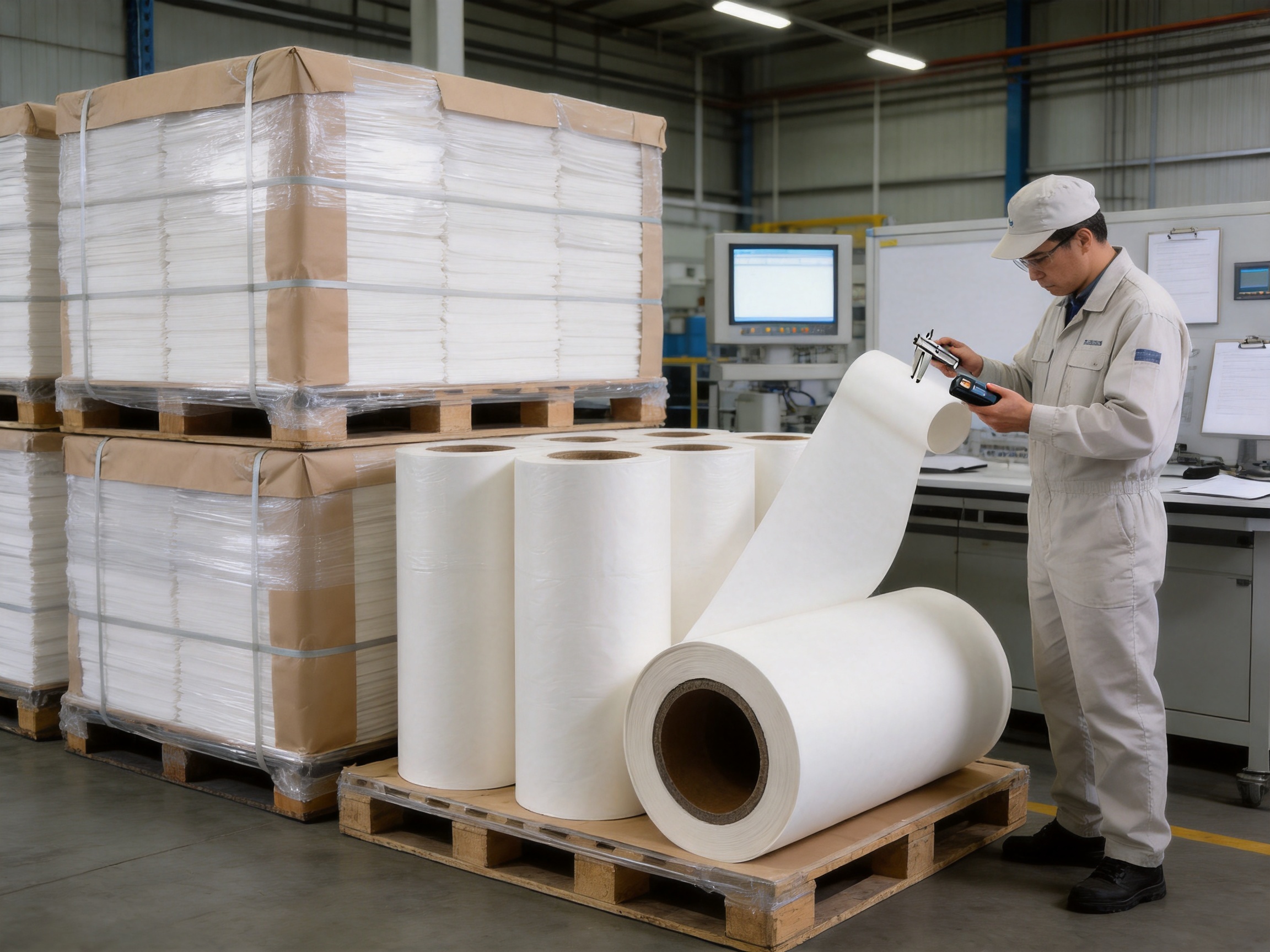
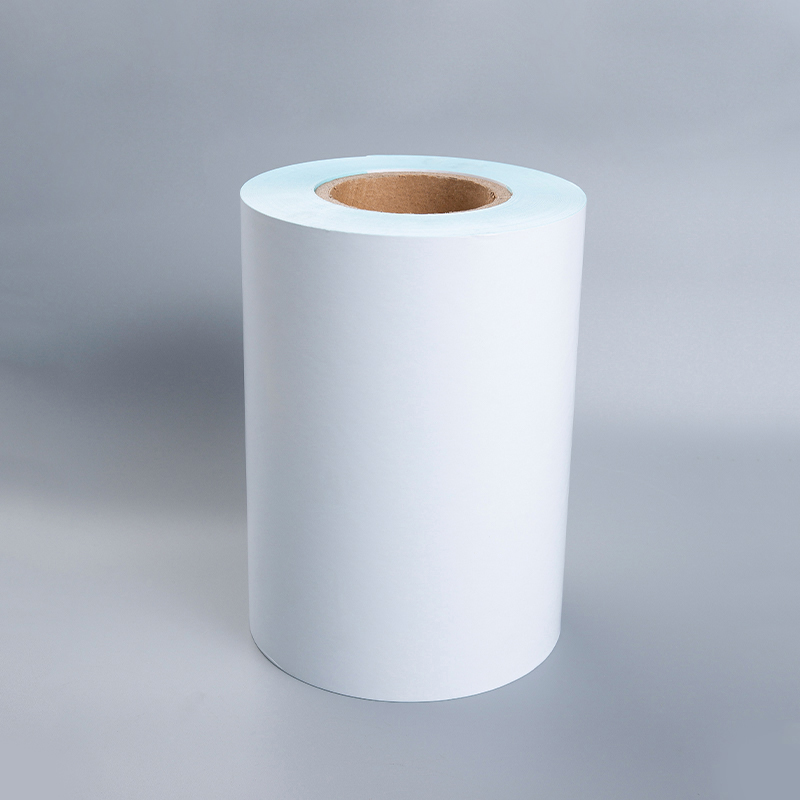
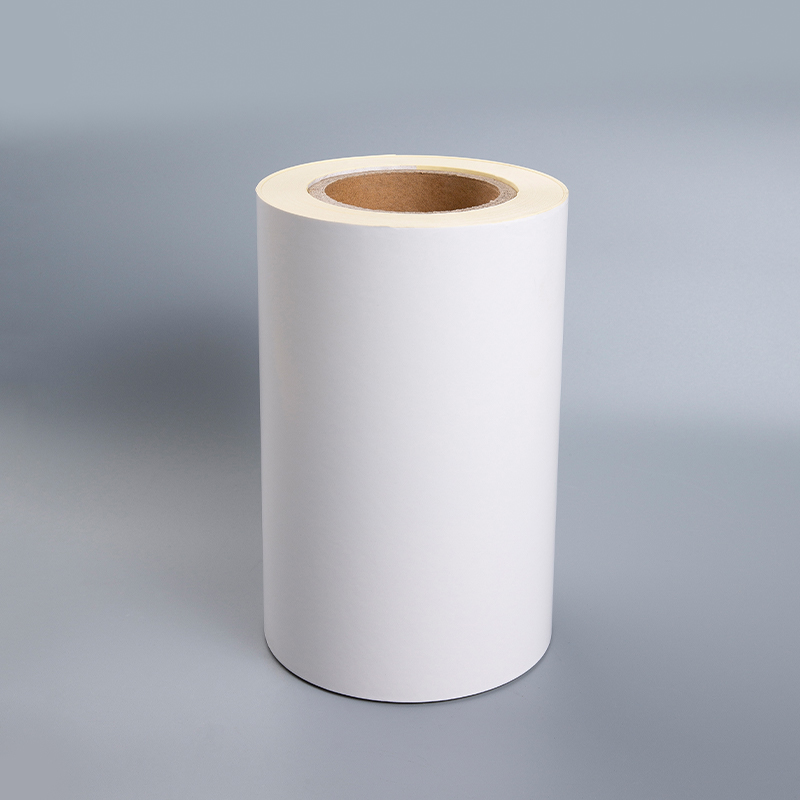
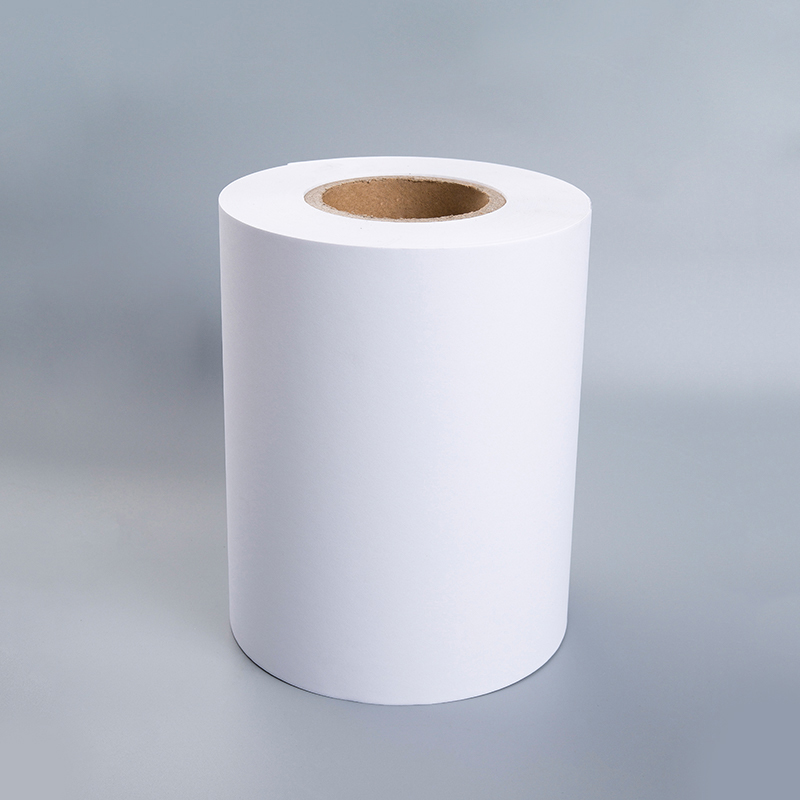
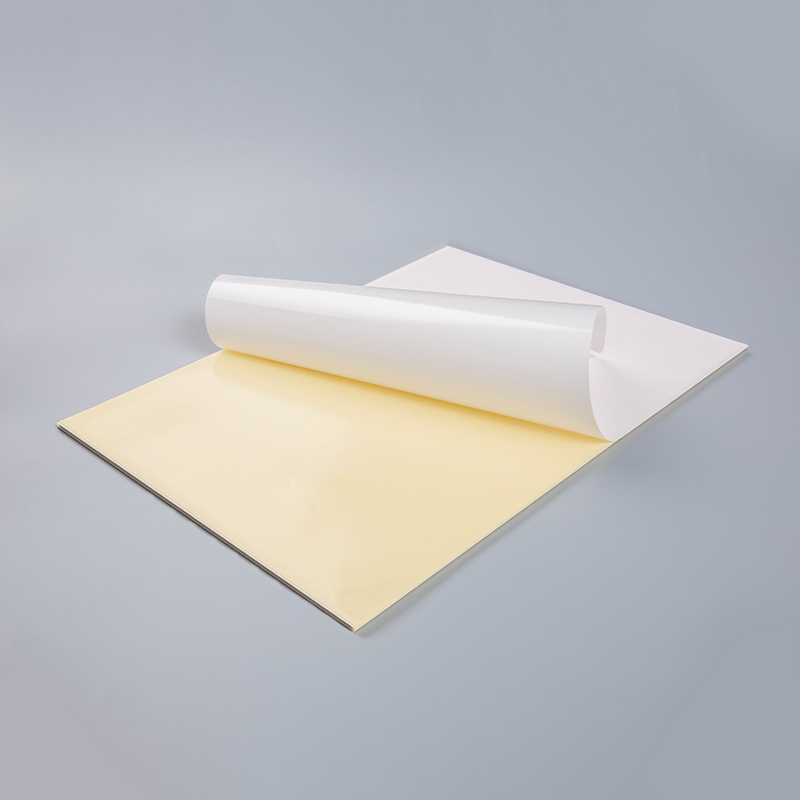
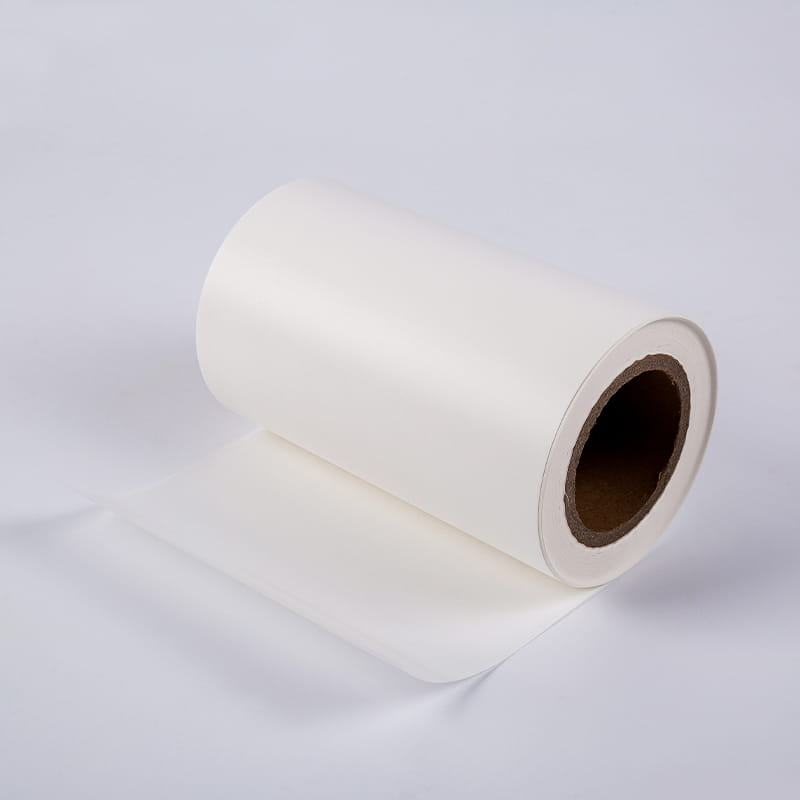
White glassine paper is a dense, smooth, translucent paper engineered for applications that require reliable release performance, dimensional stability, clean converting, and an attractive white appearance. It is widely used as a backing or release substrate for self-adhesive labels, pressure-sensitive tapes, double-sided adhesive products, barcode labels, industrial stickers, laser anti-counterfeiting labels, and other products in which an adhesive layer must be protected until the point of use.
Unlike ordinary packaging paper, white glassine paper is manufactured to achieve a highly uniform fiber structure and a compact surface. This combination gives the material excellent formation, strength, light transmission, moisture resistance, oil resistance, and temperature resistance. Its smoothness also supports high-speed die-cutting, sheet crosscutting, roll converting, rotary processing, and automatic labeling.
The product described in this article is available in several grammages, roll widths, and sheet sizes. It can be supplied in standard formats or customized according to the requirements of label manufacturers, printing companies, adhesive tape producers, packaging converters, and industrial users. Its balanced performance makes it a practical choice for organizations seeking a dependable release paper with consistent quality and flexible supply options.
Content
- 1 Understanding White Glassine Paper
- 2 Key Product Characteristics
- 3 Applications of White Glassine Paper
- 4 Advantages Compared with Conventional Release Papers
- 5 Available Grammages and Format Selection
- 6 Manufacturing Process and Quality Advantages
- 7 Manufacturing Capabilities of the Supplier
- 8 Packaging and Delivery
- 9 How to Select the Correct White Glassine Grade
- 10 Quality Control Considerations
- 11 Sustainability and Environmental Considerations
- 12 Benefits for Different Customer Groups
- 13 Recommended Customer Qualification Process
- 14 Ordering Information
- 15 Q&A
- 15.1 What is white glassine paper used for?
- 15.2 Is glassine paper the same as ordinary white paper?
- 15.3 What grammages are available?
- 15.4 Can white glassine paper be supplied in rolls?
- 15.5 Can it be supplied as sheets?
- 15.6 What colors are available?
- 15.7 Is the product suitable for high-speed automatic labeling?
- 15.8 Can it be used for double-sided tape?
- 15.9 How should the product be stored?
- 15.10 Does the supplier offer customized products?
- 15.11 What manufacturing capabilities does the supplier have?
- 15.12 How is the material packaged for export?
- 15.13 What information should be included in a quotation request?
- 16 Conclusion
- 17 References
- 18 Product: White Glassine Paper
Understanding White Glassine Paper
Glassine paper is a smooth, dense paper commonly used as a release liner or protective backing. It is produced from carefully refined paper fibers and processed through intensive calendering and finishing operations. The result is a compact paper with a relatively closed surface and a characteristic translucent appearance. When supplied in white, it provides a clean, neutral visual background and can be selected for applications where appearance, cleanliness, and consistent processing are important.
The term “glassine” is associated with the paper’s smooth, glass-like surface. However, the material is not made from glass and should not be confused with transparent plastic films. It remains a paper-based substrate, which gives it a familiar converting behavior and may make it suitable for customers who prefer paper-based materials in their product structures.
In adhesive constructions, glassine paper normally functions as a release liner. A silicone coating is applied to one or both sides of the paper, depending on the intended application. The silicone-treated surface allows an adhesive product to be stored, transported, unwound, die-cut, and dispensed before the liner is removed by the end user. The release level can be selected according to the adhesive type, converting equipment, dispensing speed, and final product requirements.
White glassine paper is especially useful when the customer requires a combination of smoothness, strength, release performance, and paper-based handling characteristics. Its dense structure helps limit excessive adhesive penetration, while its smooth surface supports uniform coating and controlled unwinding. These qualities are important in both small-format labels and large-scale industrial adhesive products.
Key Product Characteristics
Uniform and Dense Base Paper
The base paper is manufactured with a uniform fiber distribution and a dense internal structure. Uniformity is important because variations in formation can affect caliper, tensile strength, coating behavior, release performance, and the appearance of finished labels. A dense sheet also offers a more consistent surface for silicone treatment and adhesive processing.
Compared with lower-grade papers that may contain visible formation irregularities, loose fibers, or unstable thickness, high-quality glassine paper is designed to deliver a smoother and more predictable converting experience. Consistent formation can help reduce defects during slitting, sheet cutting, die-cutting, and automatic labeling.
High Surface Smoothness
The smooth surface of glassine paper is one of its most important advantages. A smooth liner can support even silicone coating, stable web contact, and controlled release. It also reduces the likelihood of surface roughness interfering with adhesive coating, lamination, or high-speed label dispensing.
For label manufacturers, a smooth release liner can help improve the appearance and handling of finished products. For tape manufacturers, it can contribute to consistent winding and unwinding. For converters using rotary equipment, a stable surface may help maintain clean cutting and reduce process interruptions caused by excessive dust or surface irregularity.
Good Strength and Handling Stability
White glassine paper is designed to provide good strength for roll and sheet applications. Strength is required throughout the supply chain, including coating, laminating, slitting, rewinding, packaging, transportation, storage, and final use. A liner that lacks adequate strength may tear during unwinding or become damaged during high-speed processing.
The material is suitable for applications involving plate crosscutting, rotary processing, and automatic labeling. These processes often place stress on the paper web, particularly when equipment operates at high speed. A well-manufactured glassine liner helps maintain web integrity and supports stable operation under demanding production conditions.
Light Transmission and Translucency
Glassine paper has good light transmission because of its dense and refined structure. This translucent quality can be useful in applications where the converter needs to observe the position of an adhesive layer, label, or printed component through the liner. It may also support optical inspection and alignment during processing.
The level of translucency can vary according to grammage, fiber composition, calendering, and manufacturing conditions. White glassine paper provides a balance between a clean white appearance and the light-transmitting characteristics associated with glassine substrates.
Resistance to Temperature, Moisture, and Oil
The product is intended to provide resistance to elevated temperatures, moisture, and oil in suitable industrial and converting environments. These properties are important because labels and adhesive products may encounter changing humidity, warm processing conditions, oily surfaces, or demanding storage environments.
Resistance does not mean that the material is unaffected by every chemical, temperature, or environmental condition. Final users should evaluate the liner with the exact adhesive, coating, printing ink, storage condition, and application temperature. Nevertheless, the inherent density and surface characteristics of glassine paper make it a practical choice for many release and protective applications.
Applications of White Glassine Paper
Self-Adhesive Labels
Self-adhesive labels are one of the most common applications for white glassine paper. In a typical label construction, the liner protects the adhesive until the label is ready to be applied. The label face material may be paper, film, foil, or another specialty substrate, while the glassine paper provides support during coating, die-cutting, storage, and dispensing.
The liner must release cleanly without removing excessive adhesive from the label face. It must also withstand the mechanical forces associated with die-cutting and matrix stripping. White glassine paper is suitable for these requirements because of its smooth surface, good strength, and controlled release characteristics when appropriately silicone-coated.
Barcode Labels
Barcode labels are used in logistics, retail, warehousing, manufacturing, healthcare, and asset management. The label material must remain dimensionally stable and easy to process so that the printed barcode can be accurately converted and applied. A consistent liner can support accurate die-cutting, smooth dispensing, and reliable application by manual or automatic equipment.
For barcode label producers, paper selection is closely linked to printer compatibility, adhesive performance, label dimensions, and dispensing conditions. White glassine paper can be supplied in roll or sheet form, allowing manufacturers to select the format that best matches their production line.
Pressure-Sensitive and Double-Sided Tapes
Pressure-sensitive tapes often require a release liner to protect the adhesive during winding, storage, and use. Double-sided tapes may use a liner on one or both sides, depending on the construction. Glassine paper can serve as a stable and smooth backing for adhesive tape products, particularly when clean release and consistent unwinding are required.
In tape converting, the liner must cooperate with adhesive coating, lamination, slitting, and roll formation. Excessive curl, poor tensile strength, or inconsistent release can create production difficulties. A carefully selected white glassine grade may help converters achieve more stable web handling and finished roll quality.
Industrial Adhesive Products
Industrial adhesive products can include mounting materials, insulation tapes, protective adhesive sheets, assembly aids, and specialty bonding products. These applications may expose the liner to pressure, temperature changes, oils, or moisture during manufacturing and storage.
White glassine paper offers a paper-based solution for products that require a clean and smooth protective surface. Its available grammages allow users to balance flexibility, strength, stiffness, and cost according to the finished product design.
Laser Anti-Counterfeiting Labels
Laser anti-counterfeiting labels and specialty security labels often require precise converting and stable support. The liner may be used during the production and application of labels containing holographic, laser-readable, or other security features. A uniform glassine substrate can support accurate positioning and smooth processing of these products.
Because security labels can involve multiple layers and specialized adhesives, product qualification should be completed with the actual label construction. Even so, the smoothness, density, and strength of glassine paper make it suitable for consideration in many specialty label systems.
Automatic High-Speed Labeling
Automatic labeling equipment depends on consistent roll quality, accurate dimensions, predictable release, and stable web tension. At high speed, small variations in the liner can become significant. A liner that releases too aggressively may cause label transfer or dispensing problems, while a liner that releases too slowly may reduce application efficiency.
White glassine paper is particularly suitable for high-speed automatic labeling when the grade, silicone system, and release level are matched to the label adhesive and equipment. Its smooth surface and good mechanical strength support reliable movement through the labeling line.
Advantages Compared with Conventional Release Papers
More Consistent Surface Quality
Conventional low-density release papers may show greater variation in surface smoothness, formation, and thickness. Such variation can affect silicone coverage and release behavior. White glassine paper is manufactured with a more compact and controlled structure, helping provide a consistent surface for coating and converting.
This consistency can be particularly valuable for customers operating large production lines, where repeated small defects may result in substantial material loss or downtime. A stable liner can contribute to more predictable process settings and reduced adjustment frequency.
Improved Converting Performance
The dense, smooth structure of glassine paper supports several converting operations, including slitting, sheet cutting, die-cutting, rotary processing, and lamination. Its good strength helps the web withstand tension and mechanical handling, while its surface supports clean contact with coating and adhesive layers.
Compared with fragile or highly porous papers, glassine paper can reduce the risk of linting, surface damage, and tearing in suitable applications. This does not eliminate the need for correct equipment settings, but it gives the converter a stronger starting point for process stability.
Balanced Flexibility and Strength
A release liner must be strong enough to run through equipment but flexible enough to conform to rolls, labels, and packaging formats. White glassine paper offers a balance between these characteristics. Different grammages can be selected to accommodate the requirements of thin labels, heavy-duty adhesive products, or larger sheet applications.
Lower grammages may be preferred where flexibility and material efficiency are important. Higher grammages may be selected when additional body, stiffness, or handling strength is needed. The correct choice should be based on the finished product structure and processing conditions.
Broad Format Availability
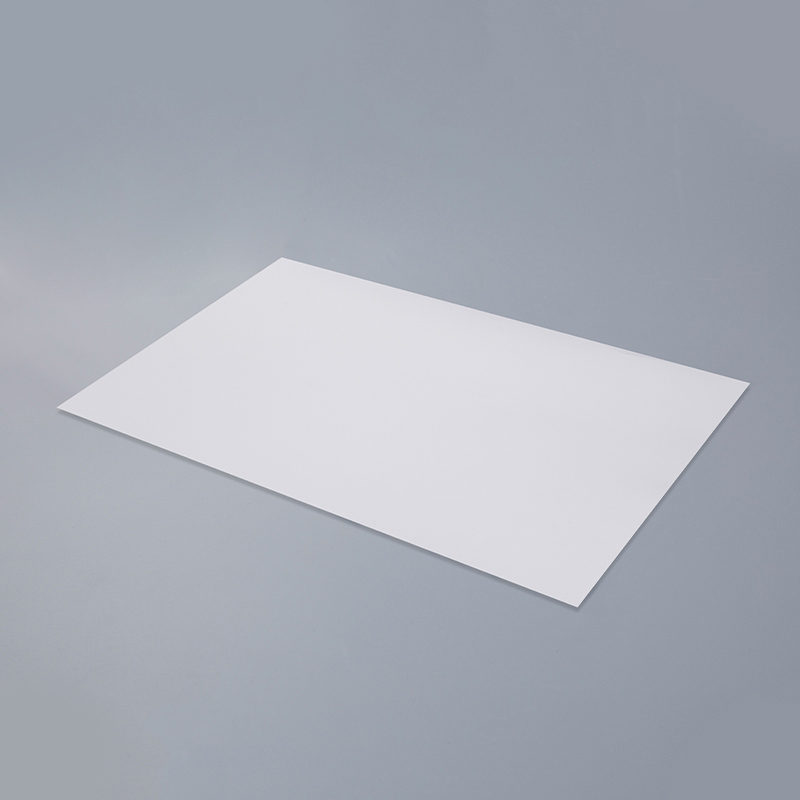
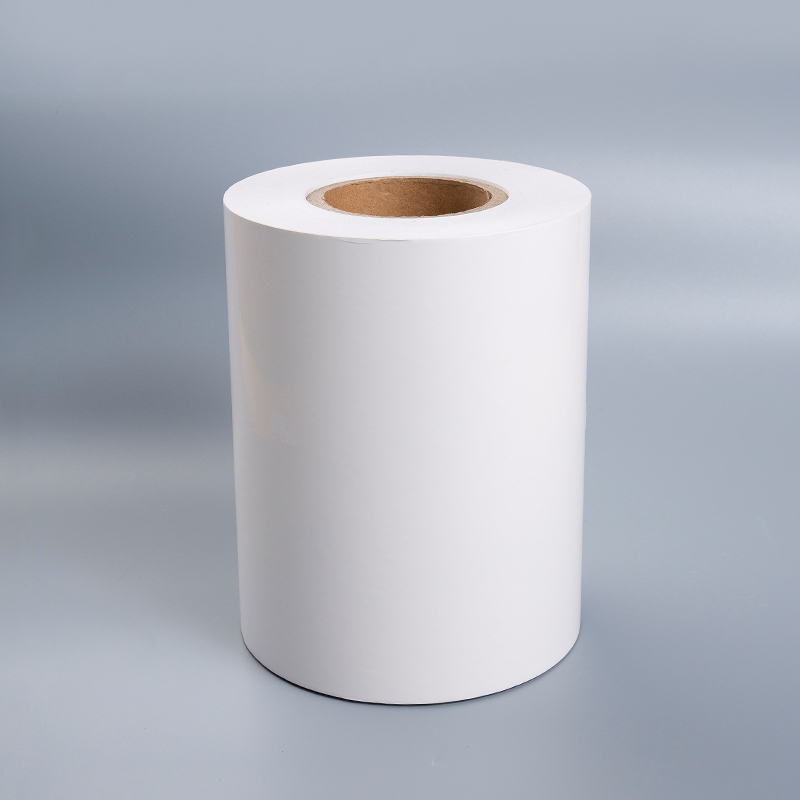
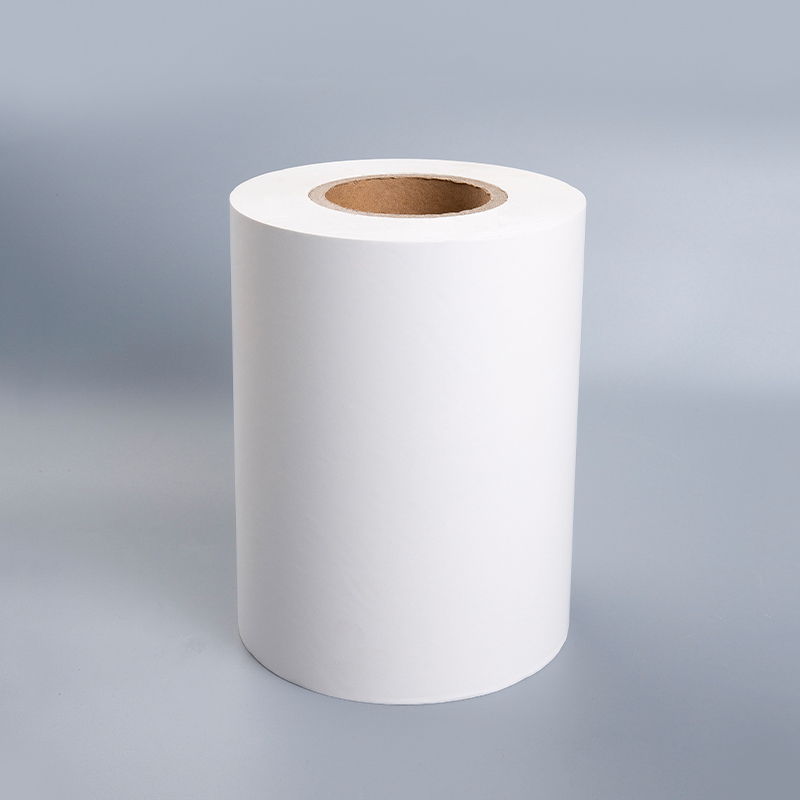
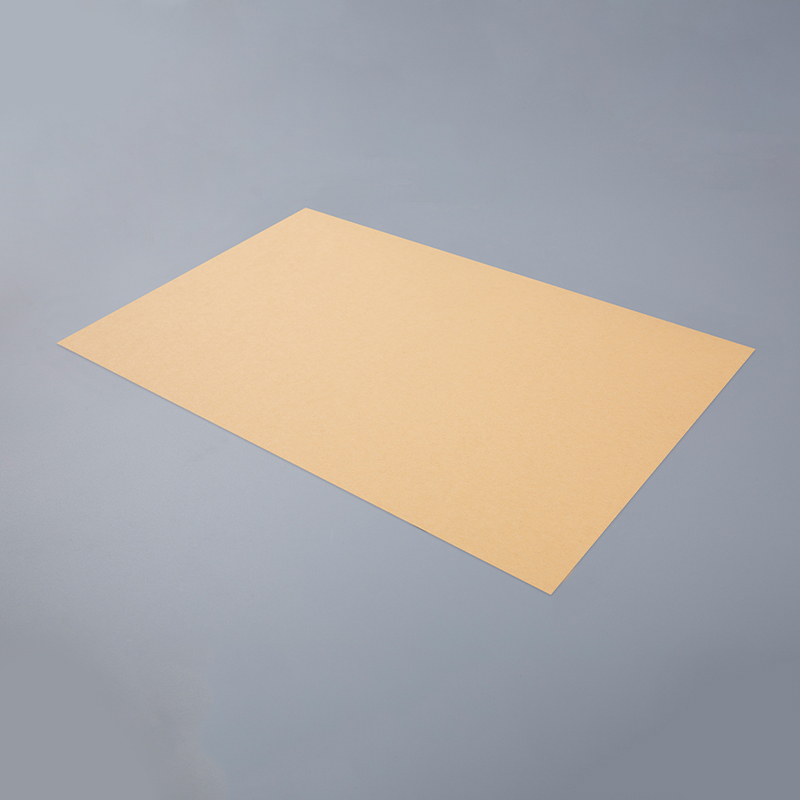
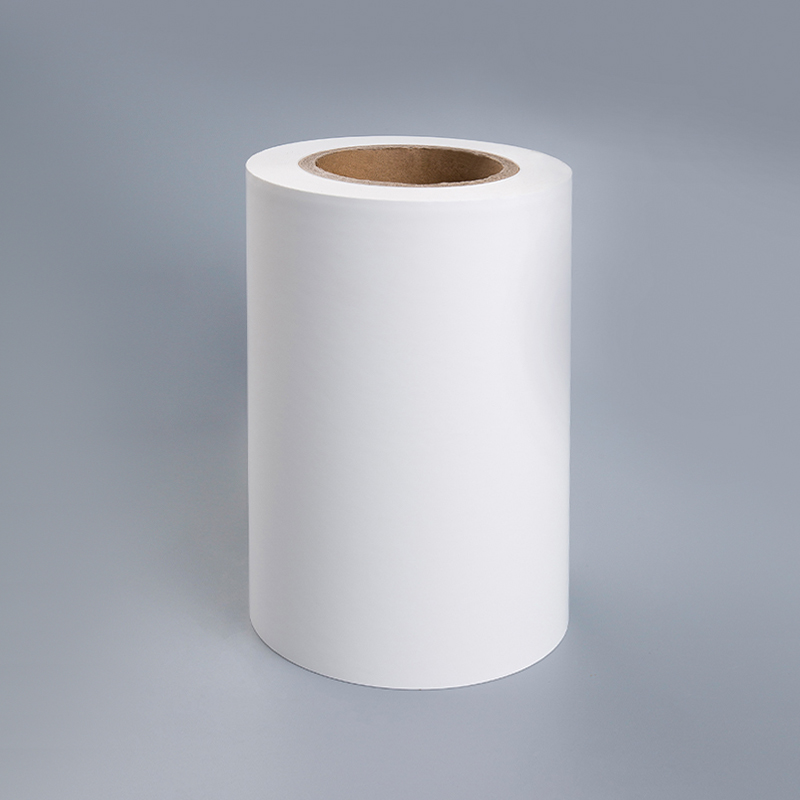
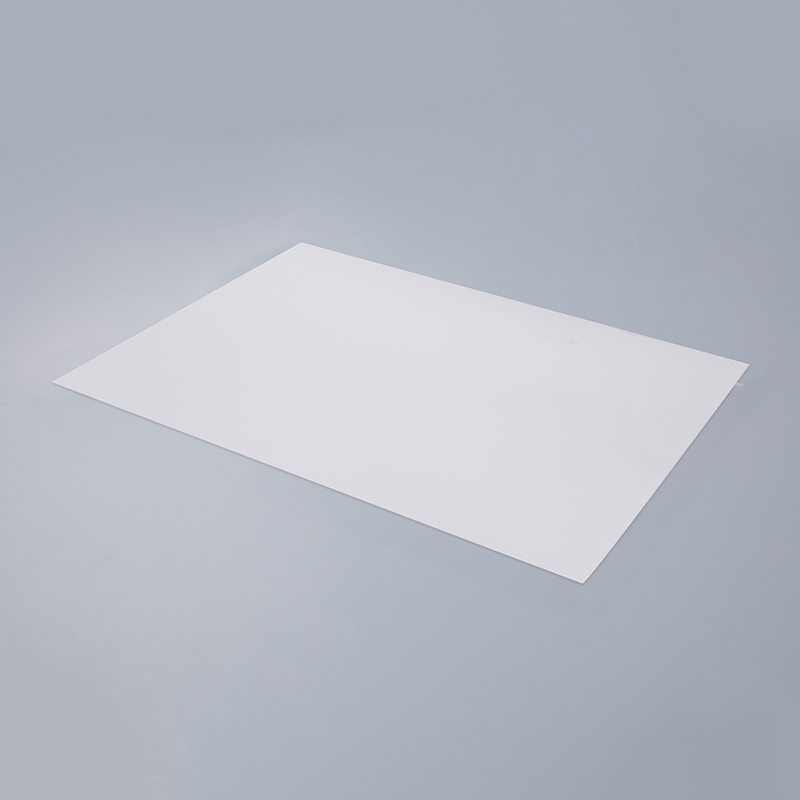
The product is available in jumbo rolls and sheets. Standard jumbo roll widths include 1000 millimeters, 1020 millimeters, 1080 millimeters, and 1530 millimeters. Sheet formats include A4, A3, 20 by 30 centimeters, 21 by 30 centimeters, 24 by 36 inches, 50 by 70 centimeters, and 70 by 100 centimeters. Customized sizes can also be discussed.
This range allows customers to purchase material in a format aligned with their equipment. Roll users can reduce unnecessary trimming, while sheet users can select sizes suitable for printing, label production, sampling, or manual application.
| Item | Available Options | Typical Value to the User |
|---|---|---|
| Material | Glassine paper | Dense, smooth paper-based release substrate |
| Grammage | 50, 60, 80, 100, and 120 grams per square meter | Selection of flexibility, strength, and stiffness |
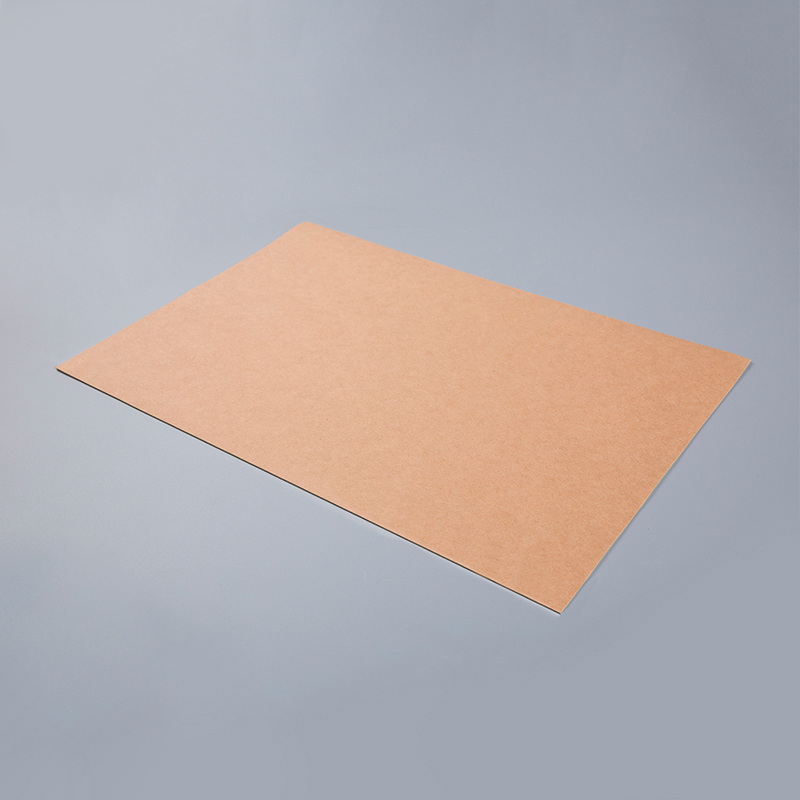
| Color | White; blue and yellow available | Visual identification and application-specific selection |
| Jumbo roll widths | 1000, 1020, 1080, and 1530 millimeters | Compatibility with different coating and converting lines |
| Sheet sizes | A4, A3, 20 × 30 cm, 21 × 30 cm, 24 × 36 in, 50 × 70 cm, and 70 × 100 cm | Convenient use in sheet-fed printing and converting |
| Supply format | Rolls or sheets | Flexible purchasing and production planning |
| Customization | Customized sizes and specifications available | Adaptation to customer equipment and product designs |
Available Grammages and Format Selection
50 and 60 GSM Grades
Lightweight 50 and 60 grams per square meter grades can be considered for applications where flexibility, material efficiency, and reduced overall construction weight are priorities. They may be suitable for labels and adhesive products that do not require a highly rigid liner.
When selecting a lightweight grade, customers should review web tension, die-cutting pressure, roll diameter, and dispensing speed. A lighter liner may offer efficiency benefits, but the equipment must be adjusted to avoid excessive tension or web deformation.
80 GSM Grade
The 80 grams per square meter grade provides a balanced option for many general-purpose labeling and adhesive applications. It offers a combination of handling strength, flexibility, and surface performance that can suit a wide range of converting conditions.
This grade may be appropriate for customers who require one versatile material for multiple label sizes or product constructions. Final suitability should be confirmed through trials using the intended adhesive and equipment.
100 and 120 GSM Grades
Higher grammages such as 100 and 120 grams per square meter provide greater body and handling strength. They may be selected for larger labels, heavier adhesive constructions, sheet products, industrial applications, or situations in which additional stiffness is beneficial.
Higher grammage can also influence roll diameter, bending behavior, and material consumption. Therefore, the choice should consider the entire production system rather than strength alone. The supplier can assist customers in comparing the available grades against their converting requirements.
Manufacturing Process and Quality Advantages
Paper Preparation and Formation
The performance of glassine paper begins with the preparation of the paper furnish and the formation of the base sheet. Fiber selection, refining, moisture control, and formation uniformity all influence the final density, strength, smoothness, and light transmission of the product.
A carefully controlled formation process helps limit local variations in thickness and structure. This is important for release applications because coating and adhesive behavior can be influenced by the condition of the paper surface. Consistent formation also improves the reliability of subsequent calendering, coating, and slitting operations.
Calendering and Surface Finishing
Calendering compresses and smooths the paper surface through controlled pressure and temperature. This operation contributes to the compact, smooth character associated with glassine paper. Appropriate calendering can improve surface uniformity while preserving the mechanical properties needed for converting.
The degree of finishing must be carefully balanced. Excessive compression may affect flexibility or tear behavior, while insufficient finishing may produce a surface that is not smooth enough for precise silicone coating. Process control is therefore essential to achieving a consistent product across production batches.
Silicone Release Coating
For use as a release liner, the glassine base paper is treated with a silicone release coating. The coating process must provide uniform coverage across the web. Incomplete or uneven coating may cause release variation, adhesive transfer, blocking, or difficulties during label dispensing.
The appropriate silicone system and release level depend on the adhesive formulation. Acrylic, rubber-based, hot-melt, and specialty adhesives may require different release characteristics. The liner supplier and customer should evaluate the complete construction, including adhesive type, coat weight, curing conditions, storage time, and application speed.
Adhesive and Lamination Compatibility
Glassine paper can be integrated into adhesive product manufacturing through coating and laminating operations. The paper surface should support stable bonding where required while still allowing controlled release where the liner must separate from the adhesive.
Lamination pressure, temperature, web tension, and adhesive rheology all influence the finished structure. A supplier with experience in gluing, laminating, and cutting can provide practical support when customers are developing a new construction or solving a converting problem.
Slitting and Rewinding
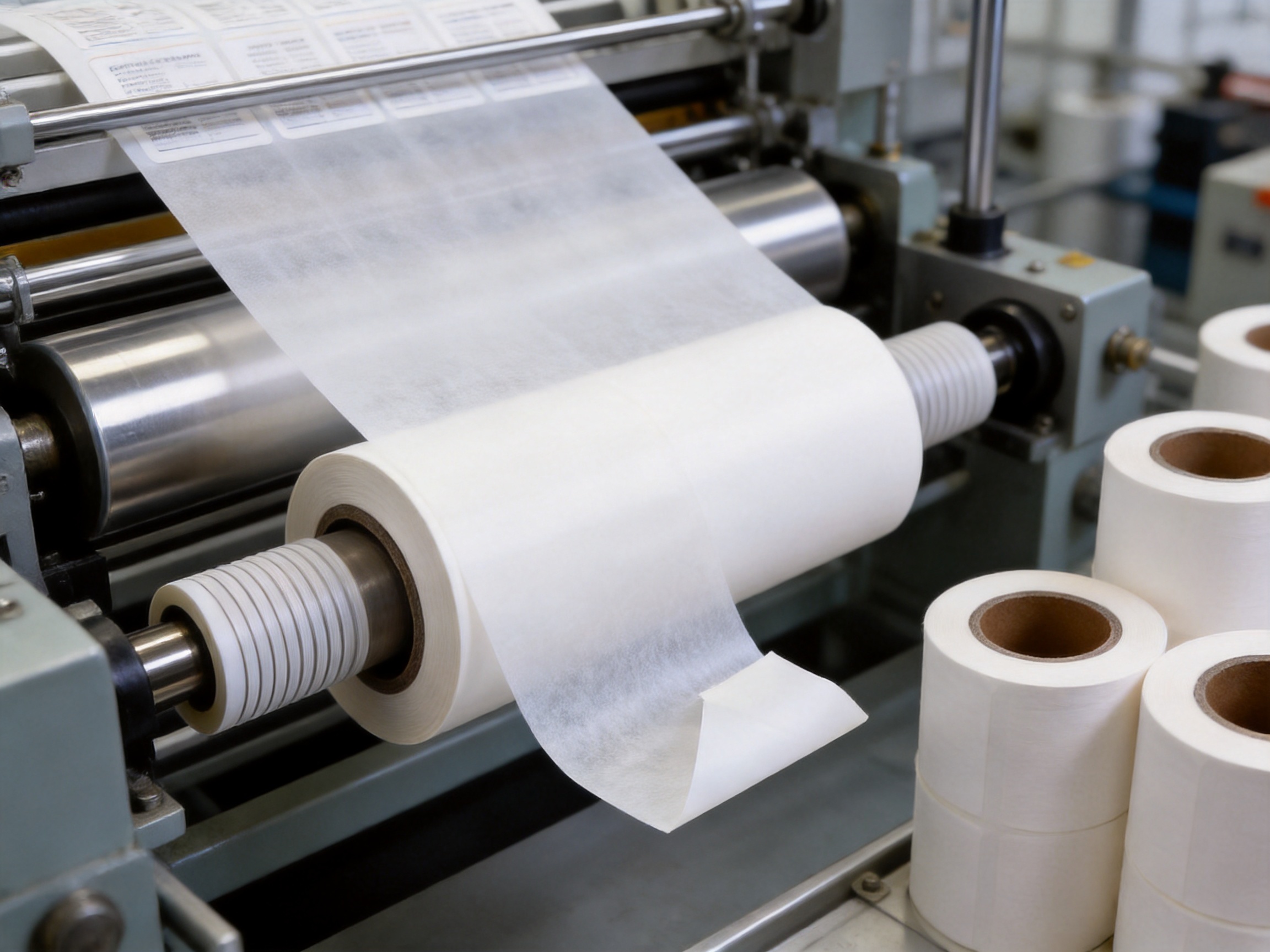
Jumbo rolls are commonly slit and rewound into narrower rolls for label, tape, or industrial applications. Slitting quality affects roll edge condition, winding tightness, telescoping resistance, and ease of unwinding. Clean cutting and stable tension are important for preventing edge damage and roll deformation.
Modern slitting and rewinding equipment can be configured for different roll widths, core sizes, roll diameters, and packaging requirements. This flexibility allows the manufacturer to supply material in forms that reduce customer-side preparation and improve line efficiency.
Sheet Cutting and Inspection
Sheet products require accurate cutting, clean edges, and reliable stacking. They may be used for sheet-fed printing, specialty labels, manual application, or customers whose equipment is not designed for roll stock. Accurate sheet dimensions help reduce registration problems and material waste.
Inspection procedures should cover appearance, dimensions, grammage, moisture, surface quality, roll or sheet condition, and packaging integrity. The manufacturer’s own testing laboratory and inspection equipment support quality monitoring throughout production.
White Glassine Paper
Manufacturing Capabilities of the Supplier
Suzhou Piaozhihua Composite Material Technology Co., Ltd. is a specialized manufacturer of self-adhesive labels and related composite materials. The company integrates research and development, production, sales, and after-sales service. Its production capabilities include gluing, laminating, cutting, and other processes associated with self-adhesive material manufacturing.
The company reports an annual production capacity of more than 280 million square meters and more than 20 years of OEM manufacturing experience. This scale provides important advantages for customers seeking stable supply, repeatable quality, and the ability to support both regular orders and customized projects.
Integrated Production Lines
Integrated production lines help coordinate multiple stages of the manufacturing process. Instead of relying entirely on separate external suppliers for coating, laminating, slitting, or cutting, an integrated manufacturer can manage the relationship between these operations more effectively.
For white glassine paper and related release materials, integration can support better control over coating uniformity, web tension, roll quality, finished dimensions, and packaging. It can also simplify communication when customers require a customized specification or need to adjust a product after testing.
Research and Development
The company maintains a professional research and development team and has developed multiple patented technologies. Research and development are important in the self-adhesive materials sector because customers increasingly require improvements in release performance, environmental characteristics, coating compatibility, converting speed, and product consistency.
R&D capabilities can help the manufacturer adapt the product to different adhesives, face materials, equipment types, and end-use conditions. They also support the development of sustainable solutions involving face materials, adhesives, and backing papers.
Testing Laboratory and Inspection Equipment
Quality assurance depends on more than visual inspection. A testing laboratory can evaluate physical and functional properties such as grammage, thickness, tensile strength, moisture, smoothness, release force, silicone coverage, and dimensional stability. The exact testing program may vary according to the product specification and customer requirements.
Advanced inspection equipment helps identify variation before products are dispatched. This is particularly important for jumbo rolls, where a small issue repeated across a long web can affect a large quantity of finished labels or tape. In-process monitoring and final inspection work together to improve batch consistency.
OEM and ODM Support
The manufacturer accepts OEM and ODM projects and can produce products based on customer drawings, samples, or technical requirements. This service is useful for customers who need a non-standard width, customized sheet size, specific grammage, special color, adjusted release performance, or a complete self-adhesive construction.
OEM production focuses on manufacturing according to an established customer specification. ODM support may involve more collaborative development, including material selection, structure design, performance evaluation, and production validation. Both approaches can help customers reduce development time and obtain a product suited to their equipment.
International Supply Experience
The company has built sales and marketing networks in China and in international markets across Asia, Europe, the Americas, Africa, and other regions. Its customer coverage includes markets such as the United States, Germany, Japan, South Korea, Brazil, Mexico, Russia, and the Middle East.
International supply experience requires attention to packaging, documentation, shipping conditions, product consistency, and communication across different time zones and business practices. These capabilities can be valuable to importers, distributors, label manufacturers, and industrial buyers seeking a long-term supply relationship.
Packaging and Delivery
White glassine paper can be supplied in rolls or sheets from stock, subject to the requested specification and inventory status. Sea-transit-worthy poly-wood pallet packing and carton packing are available. Packaging is designed to protect the material from compression, moisture, abrasion, contamination, and handling damage during transportation.
Sheet products are packed in reams, with 100 sheets per ream. Each ream is packed with a strong PE-coated kraft paper wrapper. This wrapper helps protect the sheets from dust and moisture while providing a practical unit for warehouse handling.
Pallets are wrapped with stretch film and secured with plastic fastening belts. This construction helps stabilize the shipment during loading, unloading, and sea transportation. For export shipments, the packaging format should be selected according to the destination, transportation route, container conditions, storage period, and customer unloading equipment.
Customers should confirm the following information before placing an order:
Required grammage and tolerance.
Roll or sheet format.
Finished width and length.
Core diameter and winding direction for rolls.
Required release level and silicone side.
Packaging method and pallet requirements.
Quantity per order and expected delivery schedule.
Required inspection documents or certificates.
Destination port or delivery location.
How to Select the Correct White Glassine Grade
Match the Liner to the Adhesive
The adhesive is one of the most important factors in liner selection. Different adhesives require different release levels and may respond differently to silicone chemistry, curing conditions, temperature, and storage time. A liner that works well with one adhesive may not provide the same performance with another.
Customers should conduct release and aging tests using the final adhesive formulation. Testing should evaluate initial release, release after storage, adhesive transfer, label dispensing, and the behavior of the construction at the intended application temperature.
Consider the Converting Equipment
Equipment speed, web tension, die-cutting method, slitting configuration, and roll diameter all influence liner performance. High-speed rotary equipment may require a liner with carefully controlled caliper and release. Sheet-fed processes may place greater emphasis on flatness, cut accuracy, and stacking behavior.
Providing equipment information to the manufacturer can help identify the most appropriate grammage and format. It is also useful to provide samples of the current liner or finished label when a replacement or improvement project is being considered.
Evaluate Storage and Transport Conditions
Humidity and temperature can affect paper-based materials. Although glassine paper offers good moisture resistance compared with many ordinary papers, it should still be stored in a clean, dry, and stable environment. Rolls and sheets should remain in their protective packaging until they are ready for processing.
Long-term exposure to excessive humidity, direct sunlight, condensation, or extreme temperature changes may affect dimensional stability and release behavior. Proper warehouse practices help preserve the material’s original condition.
Balance Performance and Cost
The least expensive liner is not always the most economical choice. A low-cost material that creates web breaks, poor release, label dispensing problems, or high waste may increase total production costs. A consistent liner may deliver better value by reducing downtime and improving yield.
Customers should compare total cost, including material price, conversion efficiency, waste, machine speed, labor, quality claims, and inventory requirements. White glassine paper in several grammages allows users to select a practical balance between performance and material consumption.
Quality Control Considerations
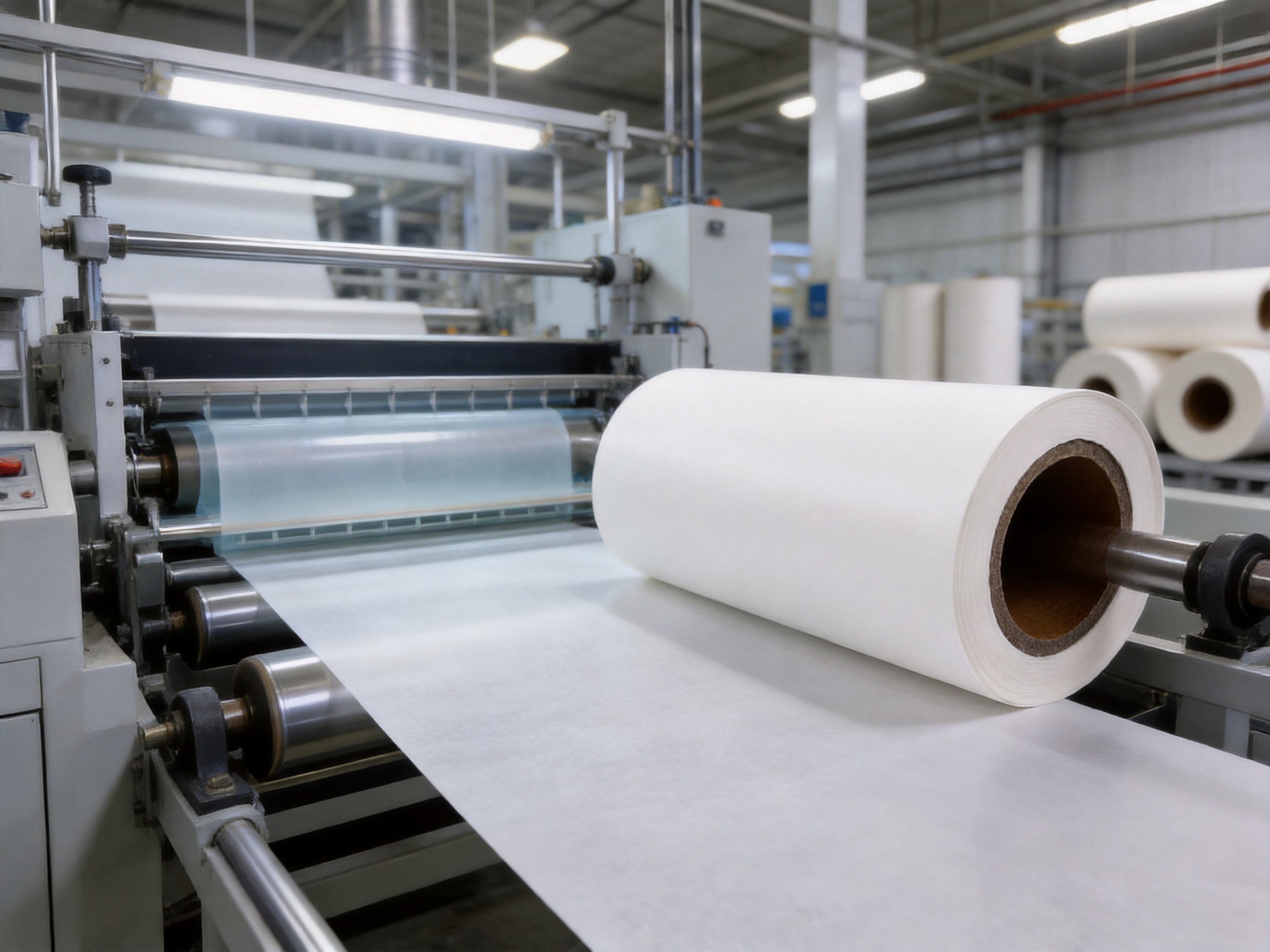
Quality control for white glassine paper should begin with incoming raw materials and continue through every manufacturing stage. Key controls may include fiber quality, moisture, base paper formation, grammage, caliper, tensile strength, smoothness, opacity or light transmission, silicone coverage, release force, roll hardness, sheet dimensions, and packaging condition.
Appearance inspection can identify wrinkles, holes, dirt, streaks, coating defects, edge damage, and other visible problems. Dimensional inspection verifies that the product conforms to the ordered width, length, and sheet size. Functional testing confirms that the liner performs correctly with the intended adhesive and converting process.
For repeat orders, maintaining a stable production specification is essential. Customers may request a retained sample, test report, batch identification, or quality certificate for traceability. Clear communication of tolerances and acceptance criteria helps prevent misunderstandings between the supplier and buyer.
Sustainability and Environmental Considerations
As a paper-based material, glassine paper may be considered by customers seeking alternatives to certain plastic-based liner structures. Its environmental suitability depends on the complete product design, including the paper fibers, silicone coating, adhesive, face material, printing inks, manufacturing energy, and end-of-life system.
The manufacturer emphasizes sustainable development and environmental protection, including the development of eco-friendly solutions for face materials, adhesives, and backing papers. This approach recognizes that sustainability is not limited to one component. A responsible product strategy considers material efficiency, manufacturing waste, energy consumption, packaging, transportation, and disposal.
Customers with specific environmental requirements should discuss applicable certifications, recycled content, responsibly sourced fibers, coating chemistry, local recycling conditions, and regulatory expectations before ordering. The correct environmental claim must always be based on verified product data and the requirements of the destination market.
Benefits for Different Customer Groups
Label Manufacturers
Label manufacturers can benefit from the product’s smoothness, good strength, available grammages, and compatibility with roll or sheet production. The material can be incorporated into standard labels, barcode labels, specialty labels, and high-speed automatic labeling products.
The manufacturer’s experience in self-adhesive products also provides a practical advantage. Customers can discuss the liner together with the face material, adhesive, and converting process rather than treating each component as an isolated purchase.
Adhesive Tape Producers
Tape producers require stable unwinding, clean release, and reliable roll handling. White glassine paper can serve as a protective liner for pressure-sensitive and double-sided tapes. Different grammages allow the producer to select the required flexibility or stiffness for the finished tape design.
Integrated gluing, laminating, and cutting capabilities can support the development of complete tape constructions and customized roll formats.
Printing Companies
Printing companies may use sheet glassine paper for specialty label production, sampling, manual application, or applications requiring clean and consistent sheet handling. Available sheet sizes include common international formats and larger commercial sizes.
Before printing or converting, the user should confirm printer compatibility, ink adhesion, drying conditions, and the effect of silicone treatment on the printing process. If the glassine is used only as a liner, printing is generally performed on the face material rather than on the silicone-coated release side.
Distributors and Importers
Distributors benefit from a product range that includes multiple grammages, colors, widths, and supply formats. Stock availability for common specifications can support shorter lead times, while OEM and ODM capabilities allow distributors to respond to special customer requirements.
Export-ready pallet and carton packaging helps simplify international logistics. Distributors should provide forecasts and packaging preferences to support efficient production planning.
Recommended Customer Qualification Process
A structured qualification process helps ensure that white glassine paper performs correctly in the intended application. The first step is to define the product construction, including face material, adhesive type, adhesive coat weight, liner grammage, silicone side, and finished dimensions.
The second step is laboratory testing. Small samples can be evaluated for appearance, smoothness, release force, adhesive transfer, tensile strength, and dimensional stability. If the liner is intended for automatic labeling, dispensing tests should be included.
The third step is a machine trial. The material should be processed on the customer’s actual equipment under normal operating conditions. Important observations include web tension, roll unwind, die-cutting quality, matrix stripping, label dispensing, edge condition, and finished roll appearance.
The fourth step is storage and aging evaluation. The finished construction should be stored under expected conditions and tested again after a defined period. This helps identify changes in release, adhesive transfer, curl, blocking, or label performance.
The final step is specification confirmation. Once the material is approved, the customer and supplier should document the grammage, dimensions, tolerances, packaging, inspection requirements, and delivery terms. This creates a clear reference for future orders.
Ordering Information
When requesting a quotation for white glassine paper, customers should provide as much technical information as possible. A complete inquiry may include the intended application, required grammage, roll width, roll length, sheet size, quantity, core diameter, packaging preference, destination, and expected annual demand.
If the product will be used as a release liner, the adhesive type and release requirements should also be shared. When available, customers should provide a sample of the current liner, label, tape, or finished construction. This allows the manufacturer to recommend a closer equivalent or develop a more suitable alternative.
For customized products, the manufacturer can review drawings, technical data sheets, physical samples, and production targets. OEM and ODM cooperation may include sample development, laboratory testing, pilot production, production approval, and ongoing supply.
Q&A
What is white glassine paper used for?
White glassine paper is mainly used as a release liner or protective backing for self-adhesive labels, barcode labels, pressure-sensitive tapes, double-sided tapes, industrial adhesive products, laser anti-counterfeiting labels, and other specialty adhesive applications.
Is glassine paper the same as ordinary white paper?
No. Glassine paper has a denser and smoother structure than ordinary printing or packaging paper. It is manufactured and finished to provide good strength, light transmission, smoothness, and suitable release-coating performance.
What grammages are available?
The available grammages include 50, 60, 80, 100, and 120 grams per square meter. The appropriate option depends on the required flexibility, stiffness, strength, equipment, adhesive construction, and finished product format.
Can white glassine paper be supplied in rolls?
Yes. It can be supplied in jumbo rolls, with standard widths of 1000, 1020, 1080, and 1530 millimeters. Other widths may be available through customization.
Can it be supplied as sheets?
Yes. Available sheet formats include A4, A3, 20 by 30 centimeters, 21 by 30 centimeters, 24 by 36 inches, 50 by 70 centimeters, and 70 by 100 centimeters. Customized sheet sizes can also be discussed.
What colors are available?
White is the main color. Blue and yellow options are also available for applications requiring different visual identification or product differentiation.
Is the product suitable for high-speed automatic labeling?
It is suitable for consideration in high-speed automatic labeling applications because of its smooth surface, good strength, uniform structure, and release-liner performance. Final suitability depends on the adhesive, silicone release level, label construction, machine speed, and dispensing conditions.
Can it be used for double-sided tape?
Yes. White glassine paper can be used as a release liner for double-sided tape and other pressure-sensitive adhesive products. The release level should be matched to the adhesive formulation and the required removal behavior.
How should the product be stored?
The product should be stored in a clean, dry environment away from direct sunlight, condensation, excessive humidity, and extreme temperature changes. Protective packaging should remain intact until the material is ready for processing.
Does the supplier offer customized products?
Yes. The supplier offers OEM and ODM services and can develop or manufacture products according to customer drawings, samples, technical specifications, and application requirements.
What manufacturing capabilities does the supplier have?
The supplier has integrated capabilities covering research and development, gluing, laminating, cutting, sales, and after-sales service. It reports more than 20 years of OEM manufacturing experience, an annual production capacity exceeding 280 million square meters, an internal testing laboratory, advanced inspection equipment, and a professional R&D team.
How is the material packaged for export?
Rolls or sheets can be packed using sea-transit-worthy poly-wood pallets and cartons. Sheet products are packed at 100 sheets per ream with PE-coated kraft paper wrappers. Pallets are wrapped with stretch film and secured with plastic fastening belts.
What information should be included in a quotation request?
Customers should provide the required grammage, color, roll or sheet format, dimensions, quantity, application, adhesive type if applicable, packaging requirements, delivery location, and any testing or certification needs.
Conclusion
White glassine paper is a versatile paper-based material for release, labeling, tape, and specialty adhesive applications. Its uniform and dense structure, smooth surface, good strength, light transmission, and resistance to temperature, moisture, and oil make it suitable for demanding converting environments.
The product is available in five grammages, multiple colors, jumbo roll widths, common sheet sizes, and customized formats. This range gives label manufacturers, tape producers, printing companies, distributors, and industrial buyers the flexibility to select a construction suited to their equipment and application.
The supplier’s integrated production lines, research and development capabilities, testing laboratory, inspection equipment, OEM and ODM services, international supply experience, and more than two decades of manufacturing experience provide additional value beyond the paper itself. Customers can obtain not only a release substrate but also technical cooperation for material selection, product development, quality control, packaging, and long-term supply.
For best results, the liner should be evaluated together with the adhesive, face material, coating system, converting machinery, storage conditions, and final application. With the correct specification and process settings, white glassine paper can support efficient production, clean release, reliable labeling, and consistent finished-product quality.
References
1. General principles of glassine paper production, calendering, paper formation, and release-liner construction.
2. Technical guidance for pressure-sensitive adhesive labels and silicone-coated release substrates.
3. Industrial practices for roll slitting, rewinding, die-cutting, sheet cutting, and automatic label dispensing.
4. Manufacturer-provided product specifications for white glassine paper, including available grammages, colors, roll widths, sheet sizes, packaging, and delivery formats.
5. Manufacturer-provided corporate information concerning self-adhesive material production, OEM and ODM services, research and development, testing capabilities, and international supply experience.
6. General quality-control considerations for paper-based release liners, including grammage, caliper, tensile strength, moisture, surface uniformity, silicone coverage, release force, and dimensional stability.