
 English
 Español
 русский
 Français
 عربى
عربى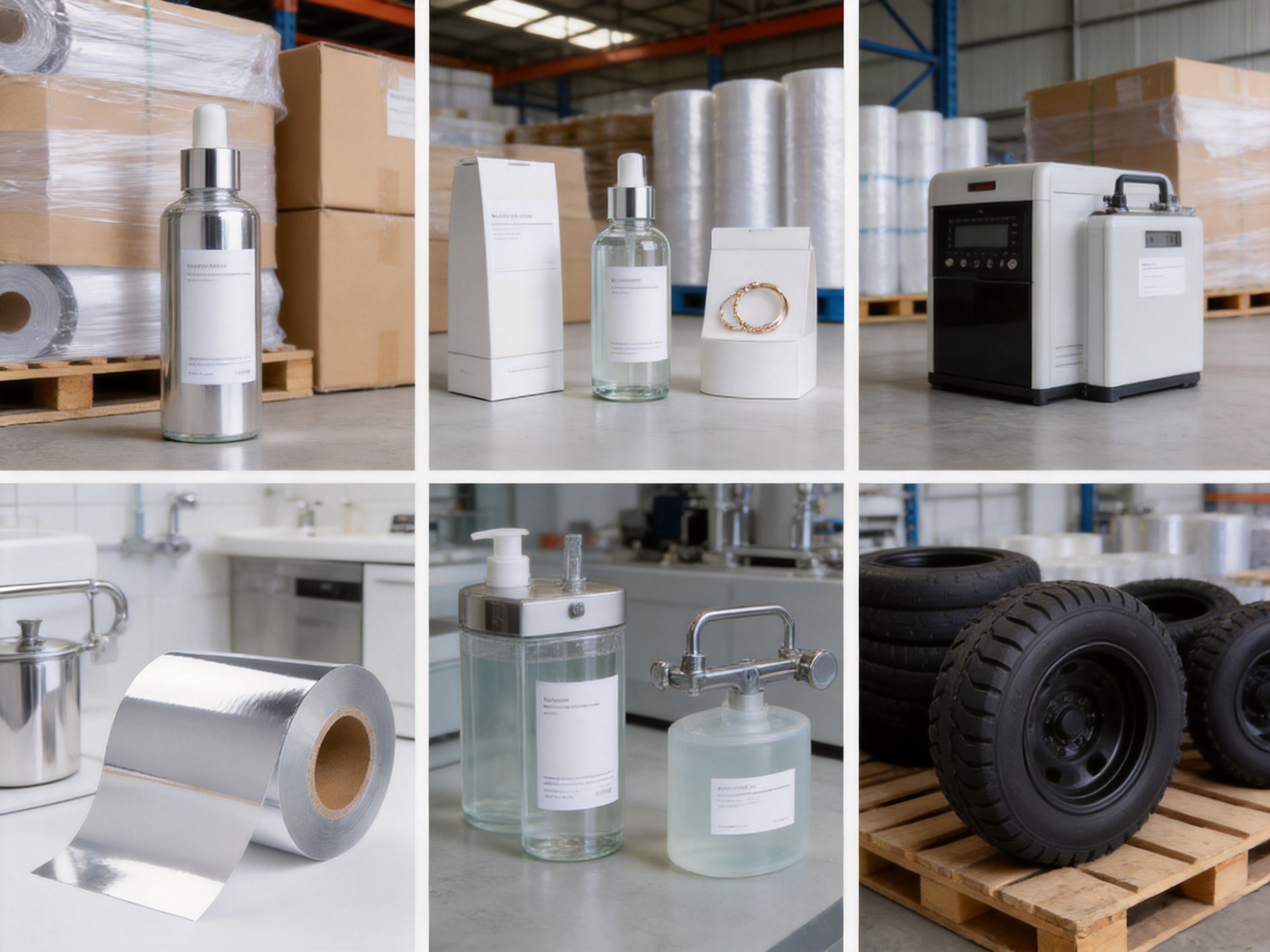
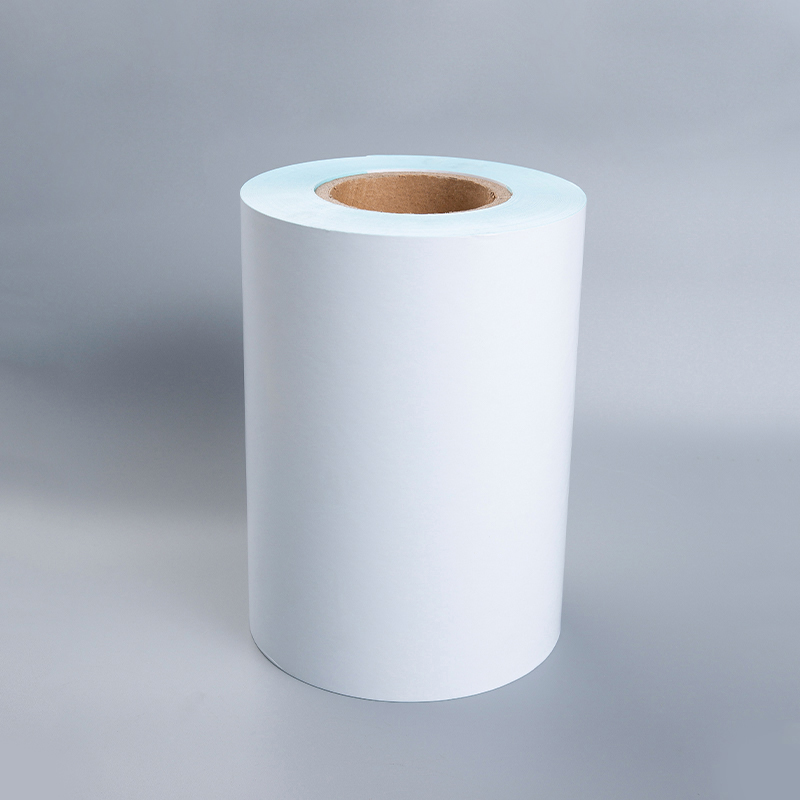
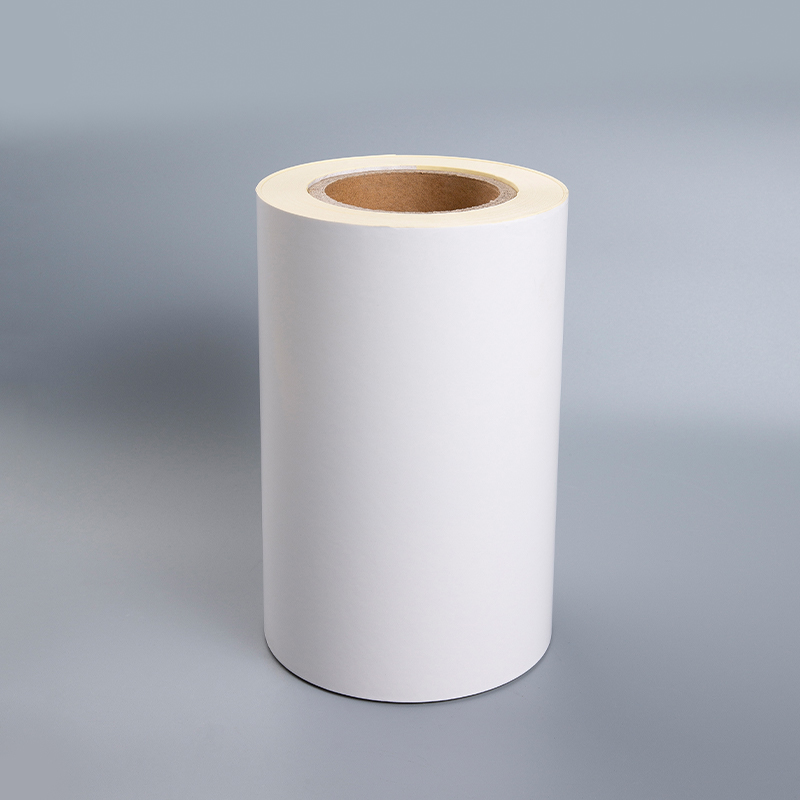
Gloss silver PET adhesive film is a high-performance self-adhesive label material developed for applications that require a metallic appearance, durable surface protection, dependable adhesion, and resistance to demanding environmental conditions. By combining a bright silver polyester face material with a specialized top coating, adhesive technology, and a release liner, this construction provides a practical solution for product identification, branding, warning labels, decorative graphics, and industrial marking.
Unlike ordinary paper labels, gloss silver PET adhesive film is designed to maintain its visual quality and physical integrity in conditions involving water, oil, chemicals, heat, abrasion, and frequent handling. Its metallic appearance helps products stand out on retail shelves, while its polyester structure provides excellent tear resistance and dimensional stability. These characteristics make it suitable for bathroom supplies, cosmetics, jewelry, household appliances, mechanical products, electrical equipment, and many other product categories.
This article examines the structure, performance advantages, manufacturing process, customization options, applications, packaging methods, and quality strengths associated with gloss silver PET adhesive film. It also explains how an experienced self-adhesive material manufacturer can support customers with tailored constructions, stable production, technical development, and reliable delivery.
Content
- 1 1. What Is Gloss Silver PET Adhesive Film?
- 2 2. Key Performance Advantages
- 3 3. Advantages Compared with Conventional Label Materials
- 4 4. Adhesive Options for Different Applications
- 5 5. Liner Selection and Its Role in Label Production
- 6 6. Manufacturing Process and Production Strengths
- 7 7. Research, Development, and Customization Capabilities
- 8 8. Printing and Converting Considerations
- 9 9. Applications Across Multiple Industries
- 10 10. Packaging, Delivery, and Inventory Reliability
- 11 11. Sustainability and Responsible Material Development
- 12 12. Why Manufacturer Experience Matters
- 13 13. Recommended Product Selection Process
- 14 14. Frequently Asked Questions
- 14.1 What is the standard face material thickness?
- 14.2 Is the material suitable for waterproof labels?
- 14.3 Can the material be used for chemical-resistant labels?
- 14.4 Which adhesives are available?
- 14.5 Can I order transparent PET liner?
- 14.6 What roll widths are available?
- 14.7 What sheet sizes can be supplied?
- 14.8 Can the material be used for digital printing?
- 14.9 Is removable adhesive available?
- 14.10 Can the material be used in cold or frozen environments?
- 14.11 Can the product be customized according to a sample?
- 14.12 How is the product packaged?
- 14.13 What industries commonly use this material?
- 15 15. Conclusion
- 16 References
- 17 Product: PaperGloss Silver PET With Coating On Top
1. What Is Gloss Silver PET Adhesive Film?
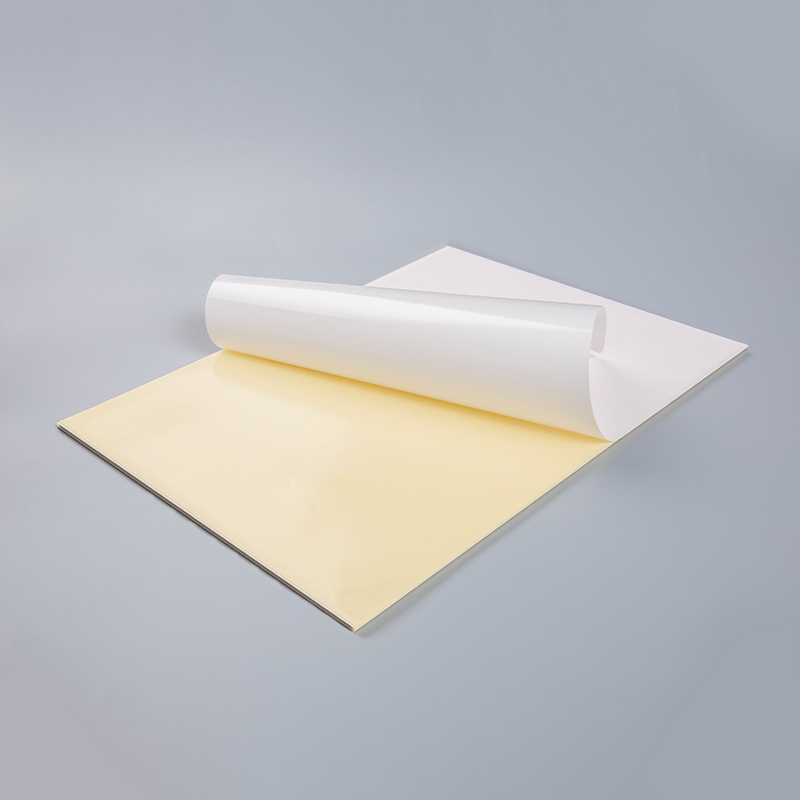
Gloss silver PET adhesive film is a pressure-sensitive label material based on a polyester film face stock. The exposed surface has a bright silver finish and a uniform special coating. On the reverse side, an adhesive layer is applied and protected by a release liner until the label is ready for conversion or application.
PET, or polyethylene terephthalate, is a strong and stable plastic film widely used in labels, packaging, electronics, industrial identification, and specialty graphics. Compared with conventional paper, PET is more resistant to moisture, tearing, stretching, and temperature variation. When a silver appearance and glossy coating are added, the material combines high functional performance with a premium metallic visual effect.
The standard construction includes 50-micron gloss silver PET with coating on top. Other face material thicknesses, including 25 microns, 100 microns, and 150 microns, can also be supplied for different requirements. The choice of thickness affects flexibility, stiffness, opacity, durability, conformability, and the overall feel of the finished label.
The top coating serves several important functions. It helps create a smooth and consistent printing surface, supports improved ink anchorage, protects the metallic appearance, and contributes to resistance against environmental exposure. Depending on the intended printing method and end use, customers may select a construction optimized for digital printing, conventional label printing, screen printing, thermal transfer, or other converting processes.
1.1 Main Components of the Material
A self-adhesive PET label is not a single-layer product. It is an engineered composite in which every layer contributes to final performance.
The face material provides appearance, strength, printability, and resistance to tearing. In this product, the face is a gloss silver PET film with a special coating on the top surface.
The adhesive creates the bond between the label and the application surface. Water-based adhesive is available as a standard option, while hotmelt, solvent-based, anti-freeze, removable, cryogenic, and tyre-grade rubber adhesive technologies can be selected for specific applications.
The liner supports the adhesive during storage, transportation, die cutting, printing, and application. A 60-gram white glassine paper is available as a common liner option. Other glassine papers, release papers, art papers, CCK liners, and transparent PET liners can be selected to match the requirements of high-speed converting and different dispensing systems.
2. Key Performance Advantages
The principal advantage of gloss silver PET adhesive film is its balanced combination of appearance and durability. Many decorative materials offer an attractive surface but lack resistance to moisture, chemicals, or abrasion. Conversely, some industrial films provide strength but do not deliver a premium visual effect. Gloss silver PET is designed to address both needs.
2.1 Bright Metallic Appearance
The bright silver surface creates a modern metallic effect that can increase the perceived value of the labeled product. It is suitable for premium packaging, decorative product identification, branded equipment labels, and specialty graphics where a standard white label would appear too ordinary.
The gloss finish reflects light and helps printed graphics appear sharp and vivid. It can also support visual differentiation between product models, product grades, or packaging sizes. In industries such as cosmetics, jewelry, electronics, and household appliances, the silver appearance can complement metallic containers, polished surfaces, chrome components, and contemporary packaging designs.
2.2 Excellent Tear Resistance
Polyester film is substantially more resistant to tearing than ordinary paper. This is important for labels that may be pulled, rubbed, folded, exposed to mechanical contact, or handled repeatedly. A tear-resistant label is less likely to break during application and remains more legible throughout the product life cycle.
For industrial labels, tear resistance can help preserve serial numbers, safety instructions, barcodes, operating information, and traceability data. For consumer products, it helps the label maintain a clean appearance during transportation, retail handling, installation, and everyday use.
2.3 Resistance to Moisture and Water
The PET face material does not absorb water in the same manner as paper. This makes the construction suitable for products used in bathrooms, kitchens, outdoor-adjacent environments, cleaning areas, and other locations where splashing or humidity may occur.
Moisture resistance is particularly valuable for bathroom supplies, personal-care products, containers, electrical equipment, and mechanical parts that may be exposed to condensation or wet handling. The final result also depends on adhesive selection, surface energy, application conditions, and the compatibility of the label with the substrate.
2.4 Oil and Chemical Resistance
Many product labels are exposed to oils, detergents, solvents, cleaning agents, lubricants, or other chemicals. A coated PET construction offers a stronger starting point than untreated paper for these demanding environments. The surface coating helps protect the printed area and supports better resistance to contamination and handling.
For chemical and oil resistance, the complete label construction should be selected according to the specific chemical, concentration, temperature, exposure time, and substrate. A customized adhesive may be required when the label must bond to low-energy plastics, oily surfaces, textured materials, or products exposed to repeated chemical contact.
2.5 High-Temperature Performance
PET film has a higher level of thermal stability than many conventional label stocks. It can be used for applications where labels encounter elevated temperatures during manufacturing, transportation, storage, or product operation. This makes it useful for certain electrical, mechanical, automotive-related, appliance, and industrial applications.
High-temperature performance is determined by the entire construction rather than the face material alone. Adhesive type, dwell time, surface condition, printing ink, and exposure duration all affect results. Customers with specialized thermal requirements can choose from different adhesive systems and material thicknesses to create a more suitable label.
2.6 Good Dimensional Stability
PET has strong dimensional stability, which helps labels maintain their shape during printing, die cutting, lamination, and application. This is important for small labels, detailed shapes, barcode labels, multilayer constructions, and applications requiring accurate registration.
Stable film dimensions can reduce problems such as label distortion, inconsistent die-cutting, edge lift caused by material movement, and registration errors during multi-color printing. For high-volume production, dimensional stability can also improve the consistency of finished label rolls and sheets.
2.7 Light Permeability and Surface Uniformity
The material is described as having light permeability in addition to a uniform special coating. This combination can be useful when designers need a controlled visual effect, reflective appearance, or a particular balance between opacity and surface brightness. The exact optical performance depends on the film thickness, coating formulation, metallic effect, printing ink, and finished construction.
A uniform coating is important because uneven coating can produce differences in gloss, color density, ink coverage, and visual texture. Consistency across the web helps converters achieve stable printing and reduces visible variation between labels produced in different production batches.
3. Advantages Compared with Conventional Label Materials
Gloss silver PET adhesive film is not intended to replace every label material. Paper remains an economical and effective choice for many indoor applications. However, PET offers important advantages when labels must combine visual impact with resistance and long-term durability.
Performance factor |
Gloss silver PET adhesive film |
Conventional paper label |
Visual appearance |
Bright silver metallic gloss with premium presentation |
Usually white or colored paper appearance |
Tear resistance |
Excellent resistance to tearing and handling damage |
More vulnerable to tearing, folding, and abrasion |
Moisture resistance |
Suitable for wet and humid environments when correctly specified |
May absorb moisture or lose strength |
Oil and chemical exposure |
More suitable for demanding environments with the proper coating and adhesive |
Often requires additional protection or lamination |
Dimensional stability |
Strong stability during converting and use |
Can change dimension with moisture and temperature |
Temperature resistance |
Better suited to elevated-temperature applications |
More limited in demanding thermal conditions |
Premium branding |
Metallic finish supports high-end product presentation |
Requires special finishing to achieve a similar effect |
The main competitive distinction is therefore not simply that the material is silver. It is that the silver visual effect is combined with a strong PET substrate, a specialized top coating, flexible adhesive choices, and multiple liner options. This allows the material to serve both decorative and functional purposes.
Another advantage is the ability to customize the construction. A label producer may need a thin and flexible film for small curved containers, a thicker face stock for industrial plates, a removable adhesive for temporary identification, or a cryogenic adhesive for low-temperature applications. A broad range of available components makes it possible to develop a product around the application rather than forcing every customer to use one standard specification.
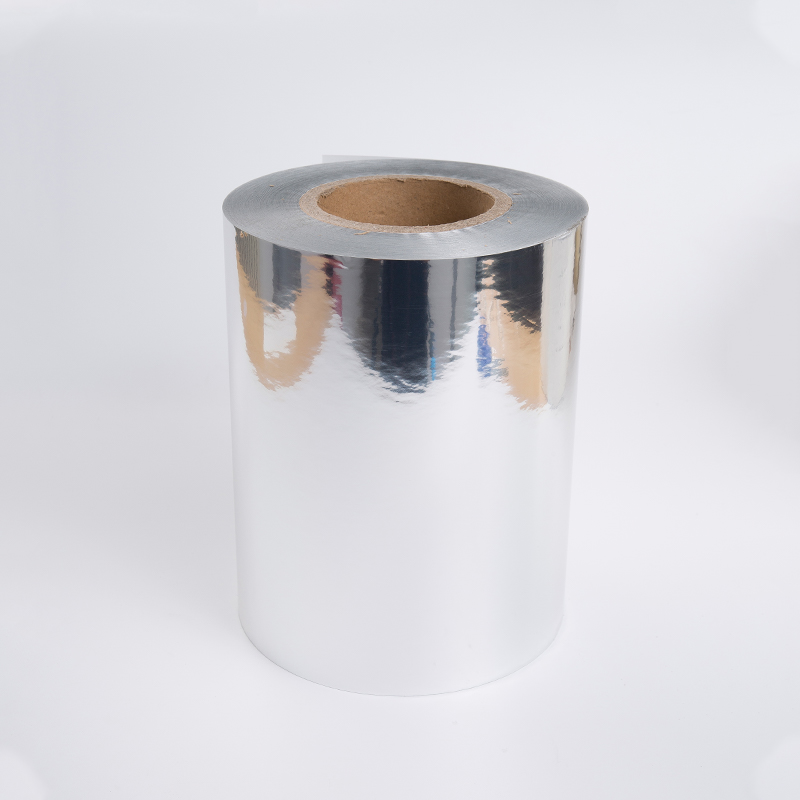
PaperGloss Silver PET With Coating On Top
4. Adhesive Options for Different Applications
Adhesive performance is one of the most important factors in self-adhesive label design. The best face material cannot compensate for an adhesive that is incompatible with the application surface or environmental conditions. For this reason, gloss silver PET adhesive film can be supplied with several adhesive technologies.
4.1 Water-Based Adhesive
Water-based adhesive is a widely used option for general-purpose labeling. It can provide a balanced combination of initial tack, adhesion, processing stability, and cost efficiency. It is suitable for many common substrates and applications where the label is applied under normal temperature and storage conditions.
Water-based systems may be selected for product labels, packaging, household items, and general industrial identification. The final adhesive choice should consider the surface material, surface cleanliness, application temperature, expected service temperature, and required permanence.
4.2 Hotmelt Adhesive
Hotmelt adhesive can provide strong initial tack and fast bonding performance. It may be appropriate for applications requiring rapid adhesion during high-speed labeling or for substrates that are more difficult to bond using a standard water-based system.
Hotmelt constructions should be selected carefully when labels are exposed to high temperatures, because adhesive behavior can change with heat. Testing is recommended for products stored or used in hot environments.
4.3 Solvent Adhesive
Solvent adhesive is available for demanding applications requiring strong adhesion and resistance. It can be considered for difficult substrates, challenging environmental conditions, and labels that require a more aggressive or durable bond.
Solvent adhesive selection should be based on the required performance and applicable production and environmental standards. A technical evaluation can help determine whether it is the most appropriate system for a particular substrate.
4.4 Anti-Freeze and Cryogenic Adhesives
Anti-freeze adhesive is intended for applications where labels may encounter cold storage, freezing conditions, or temperature changes below ordinary room temperature. Cryogenic adhesive is designed for especially low-temperature environments and specialized identification requirements.
These adhesive systems can be valuable for laboratory containers, cold-chain logistics, frozen goods, medical and scientific applications, and other products that must retain label attachment under low-temperature conditions. Surface preparation and application temperature remain important to final performance.
4.5 Removable Adhesive
Removable adhesive is useful when a label must be taken off without leaving substantial residue or damaging the application surface. It may be used for temporary product identification, promotional labeling, rental equipment, inventory management, event materials, and removable instructions.
Removability can vary according to dwell time, temperature, substrate, coating, and environmental exposure. A label designed for short-term removal should be tested after the expected service period rather than evaluated only immediately after application.
4.6 Tyre-Grade Rubber Adhesive
Tyre-grade rubber adhesive is available for demanding rubber and tyre-related applications. Rubber surfaces can be difficult to label because of their composition, surface texture, additives, curvature, and possible contamination. A specialized adhesive can improve the probability of achieving stable adhesion under appropriate conditions.
When using the material for tyres or rubber products, customers should confirm the required resistance to abrasion, moisture, chemicals, temperature changes, and flexing. The adhesive, PET thickness, label shape, and application process should be evaluated as one complete system.
5. Liner Selection and Its Role in Label Production
The release liner is more than a temporary backing. It influences how the material runs through printing and converting equipment, how easily labels are peeled, and how efficiently finished labels are dispensed. Different liner options can be selected according to label size, die-cutting speed, application method, and required stiffness.
A 60-gram white glassine paper is available as a standard liner. Glassine is widely used in self-adhesive label production because it offers a smooth surface, controlled release, and good flexibility. It can be suitable for general-purpose roll and sheet label converting.
Other glassine weights, including 50, 80, 100, and 120 grams, are available. Heavier liners may provide increased stiffness and support for larger labels or particular die-cutting requirements. Lighter liners may help reduce material consumption and improve flexibility in suitable applications.
Release paper options include 60, 85, 120, and 140 grams. Art paper liners of 140 and 165 grams are also available for applications requiring a stronger and more rigid backing. CCK liners in 50, 80, 90, and 120 grams can be selected for specific converting requirements.
Transparent PET liners are available in 25, 36, 50, and 100 microns. These liners may be useful where transparency, dimensional stability, or a particular dispensing behavior is required. PET liner selection can also support special constructions in which the appearance of the backing or the stability of the sheet is important.
Matching the liner to the label format can help reduce waste, improve die-cutting consistency, and support efficient removal during application. A technical supplier with experience in multiple liner types can help determine the most suitable combination for each project.
6. Manufacturing Process and Production Strengths
Reliable self-adhesive label material depends on controlled manufacturing at every stage. The production process involves more than coating adhesive onto film. It requires careful control of raw materials, coating uniformity, drying or curing, lamination, slitting, sheeting, inspection, packaging, and storage.
6.1 Raw Material Preparation
Production begins with the selection and preparation of PET film, coating materials, adhesive components, and release liners. The face film must meet the required thickness, gloss, appearance, tensile performance, and surface characteristics. The adhesive and liner must be compatible with the intended coating and converting process.
Raw material inspection helps reduce variation before production begins. Typical control considerations include film thickness, roll width, surface cleanliness, coating condition, liner smoothness, release behavior, and adhesive suitability. Stable input materials form the foundation for stable finished products.
6.2 Surface Coating
The top coating is applied to create a uniform printing and protective surface. Coating control is important for achieving consistent gloss, silver appearance, print reception, and resistance. The formulation and coating weight may be adjusted according to printing requirements and the intended end use.
Uniform coating helps reduce defects such as streaks, pinholes, uneven brightness, poor ink adhesion, and inconsistent surface texture. Careful web handling is also important because PET film can be affected by tension, dust, static electricity, and mechanical contact during high-speed processing.
6.3 Adhesive Coating
The adhesive is applied to the reverse side of the face material or to the liner according to the selected production method. Coating weight must be controlled so that the finished label provides the required balance of tack, peel adhesion, shear resistance, and processing performance.
Insufficient adhesive may lead to edge lifting, poor bonding, and premature label failure. Excessive adhesive can create ooze, die-cutting problems, liner release issues, and contamination of equipment. Consistent coating technology is therefore essential for producing a dependable self-adhesive construction.
6.4 Lamination
After coating, the face material and liner are laminated together under controlled pressure and tension. The lamination process must avoid air entrapment, wrinkles, telescoping, curl, and uneven contact. Correct web alignment helps ensure that the roll can be converted efficiently by the customer.
A well-laminated structure supports stable feeding through printing and die-cutting equipment. It also helps maintain consistent release performance and reduces the likelihood of delamination during storage or use.
6.5 Slitting and Sheeting
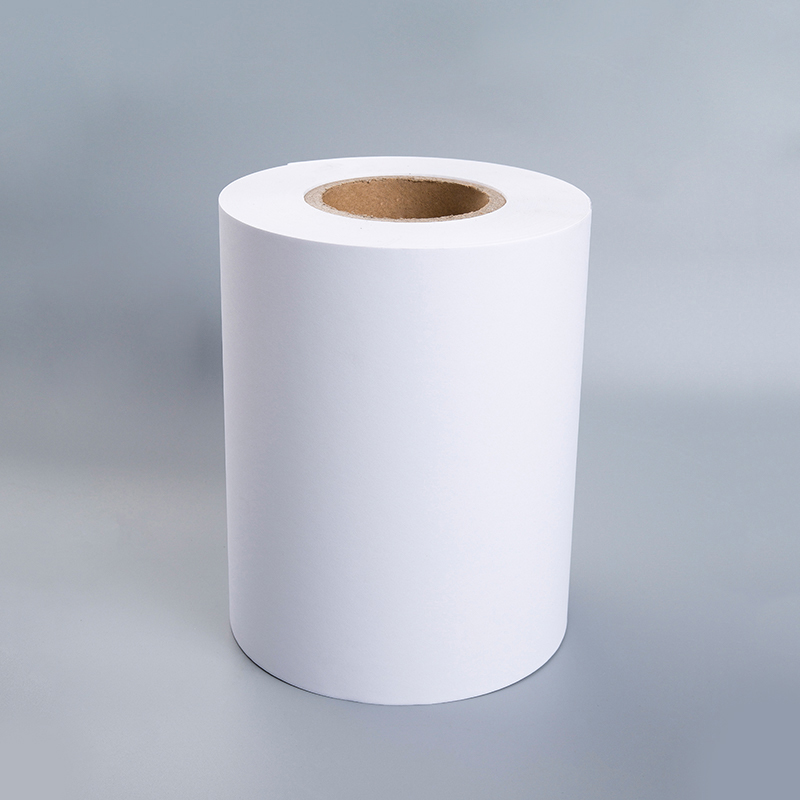
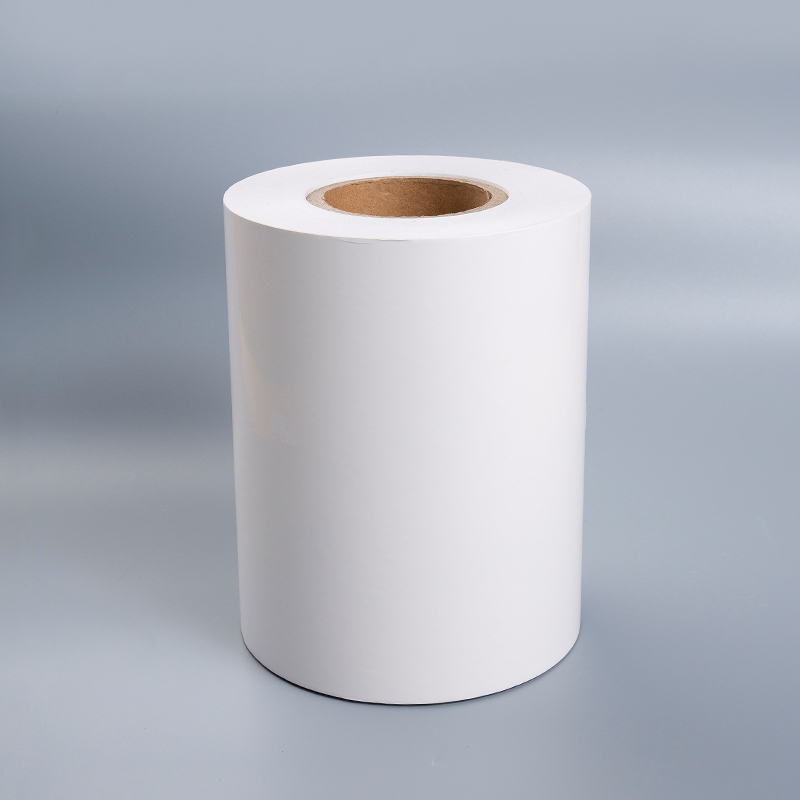
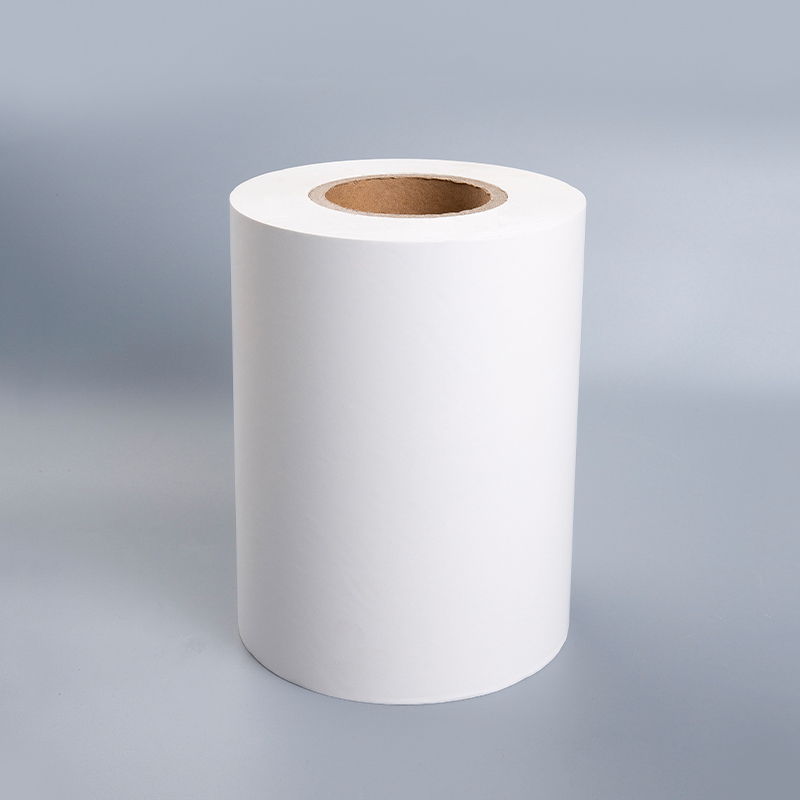
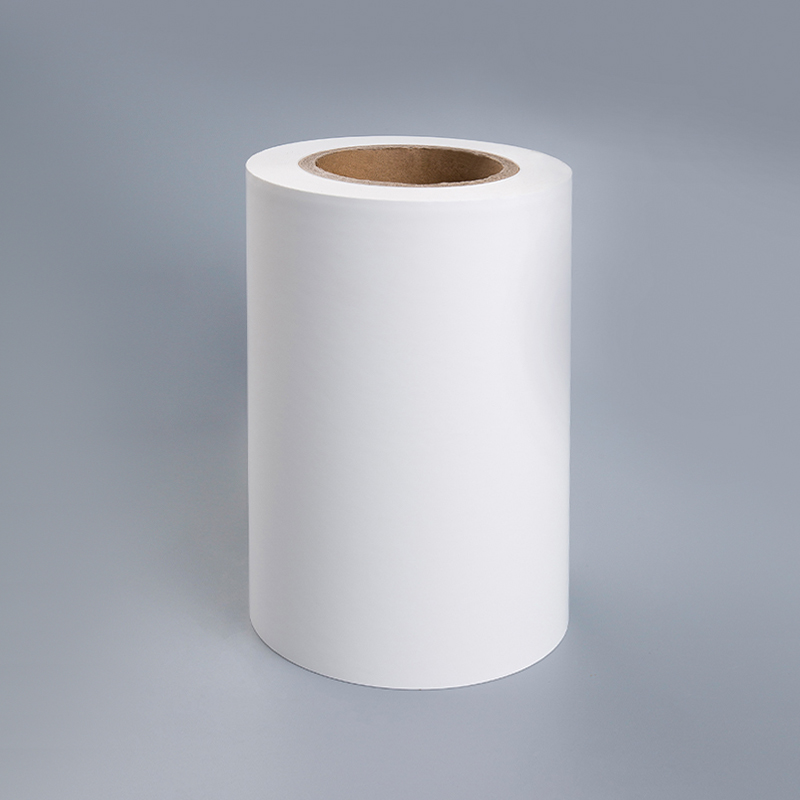
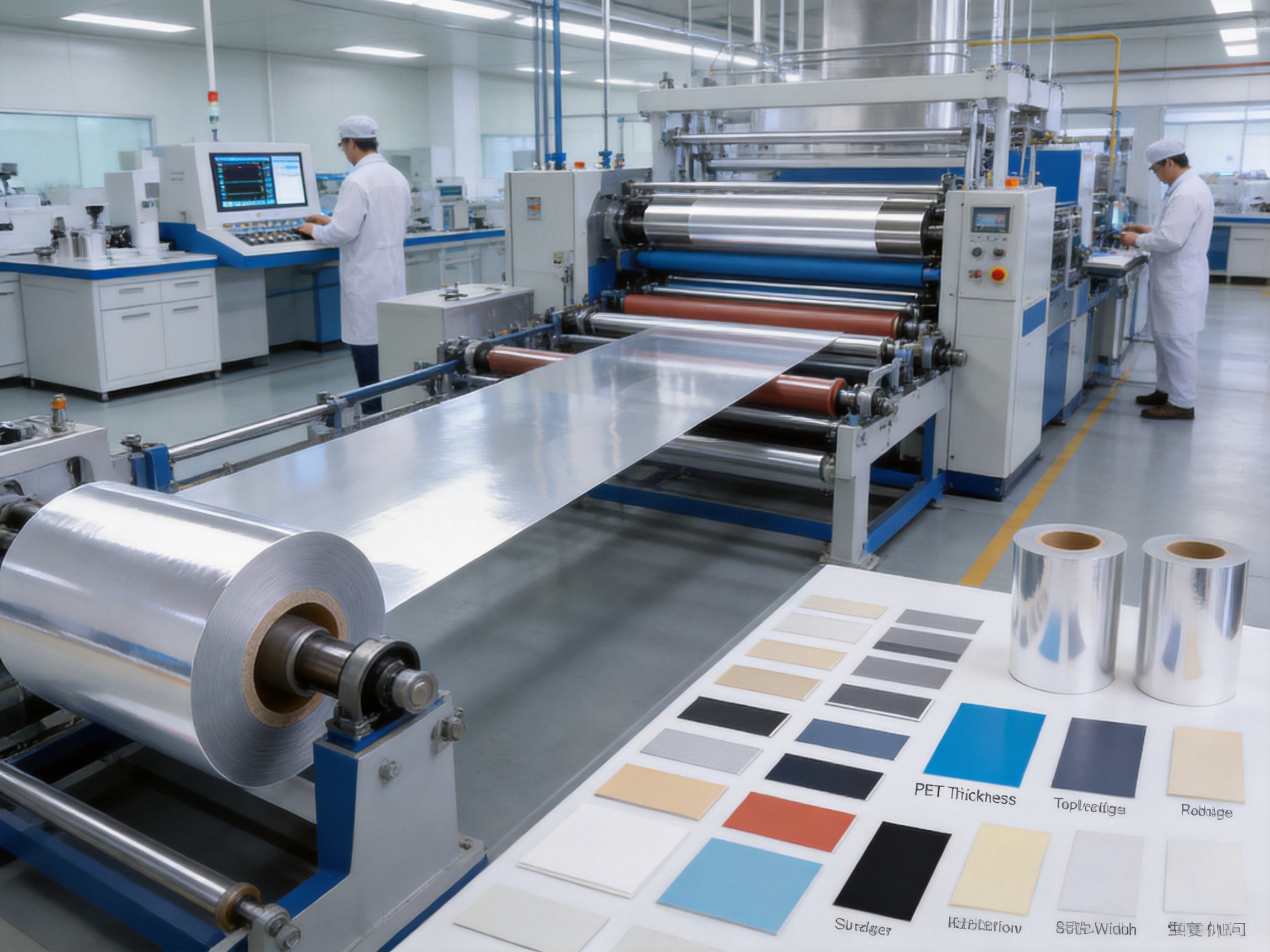
Finished jumbo rolls can be slit to customer-specified widths or converted into sheets. Available jumbo roll widths include 1000, 1020, 1080, and 1530 millimeters. These widths support different production requirements, from narrow-roll label manufacturing to wider-format applications.
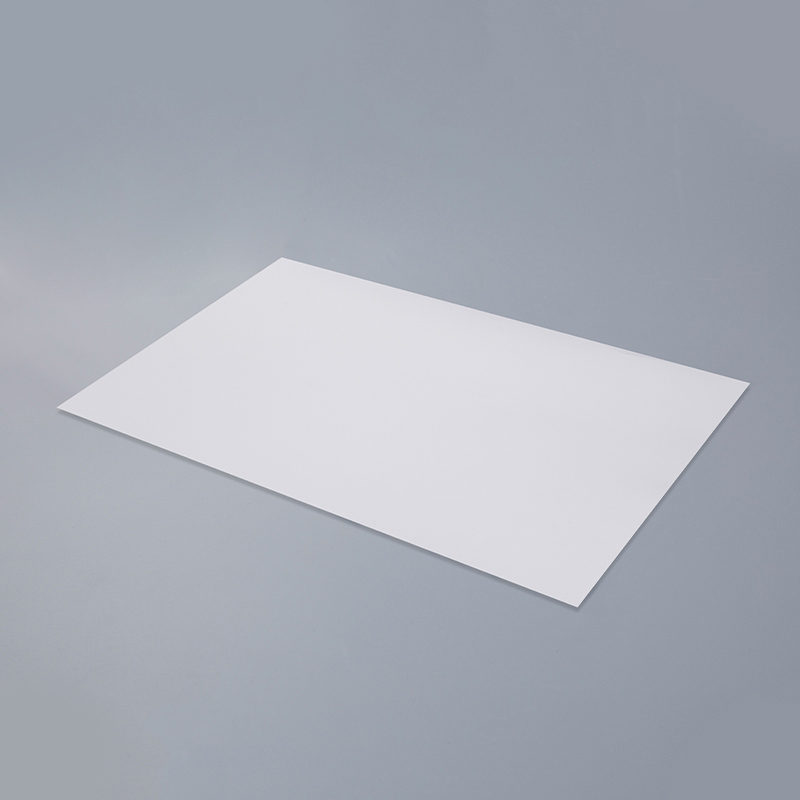
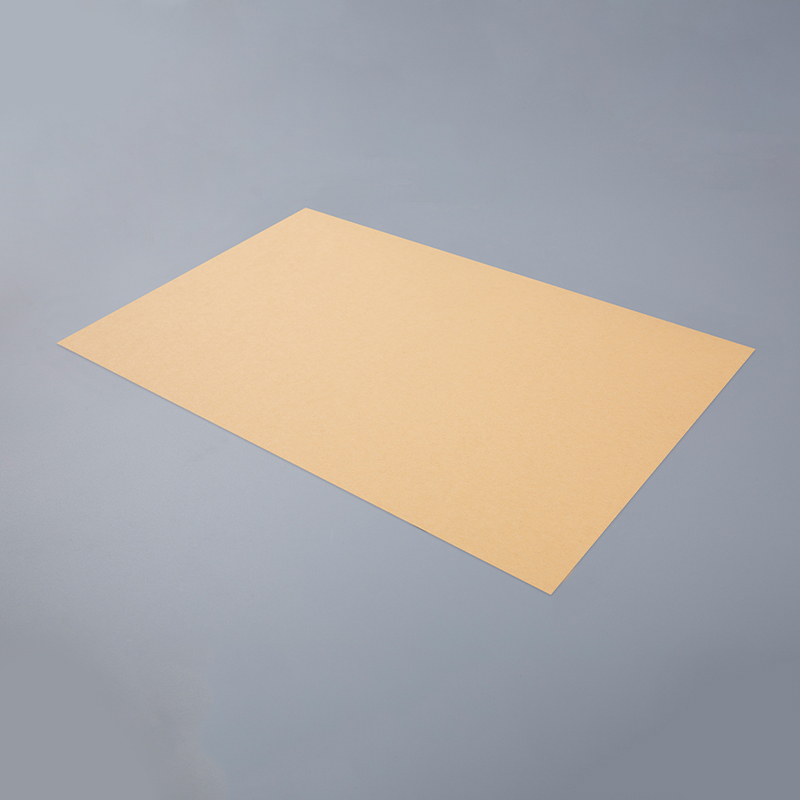
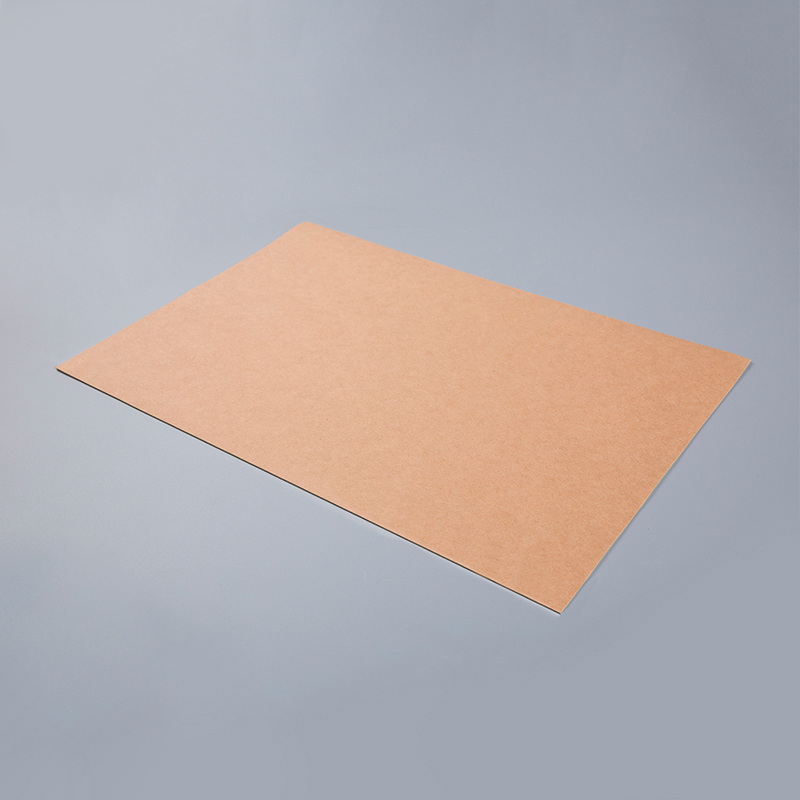
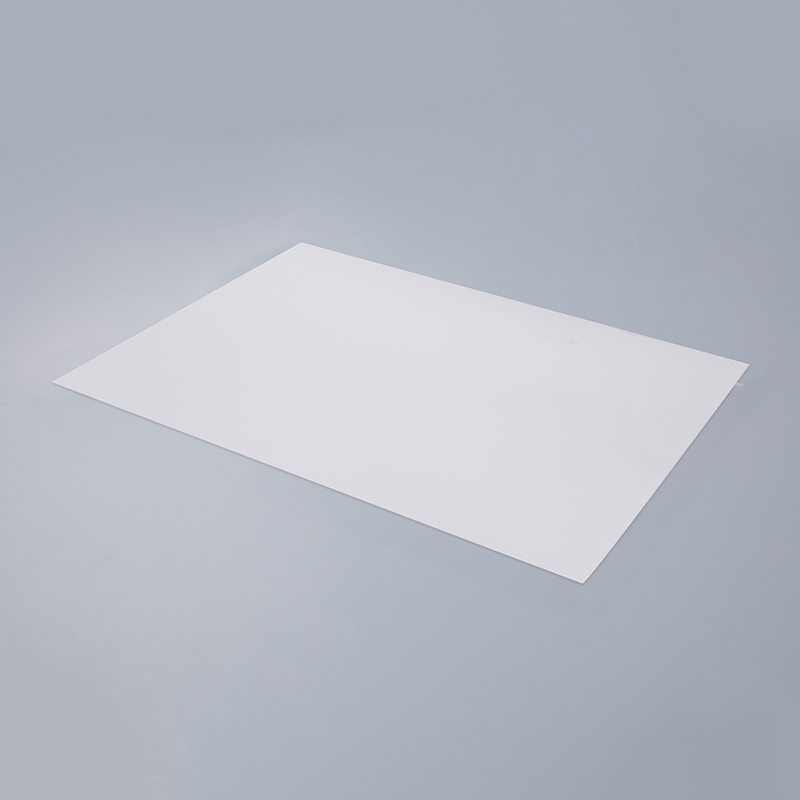
Sheet sizes include A4, A3, 20 by 30 centimeters, 21 by 30 centimeters, 24 by 36 centimeters, 50 by 70 centimeters, and 70 by 100 centimeters. Customized sheet sizes can also be supplied. Accurate sheeting is important for digital printing, office-format label production, screen printing, and specialty graphics.
6.6 Inspection and Quality Control
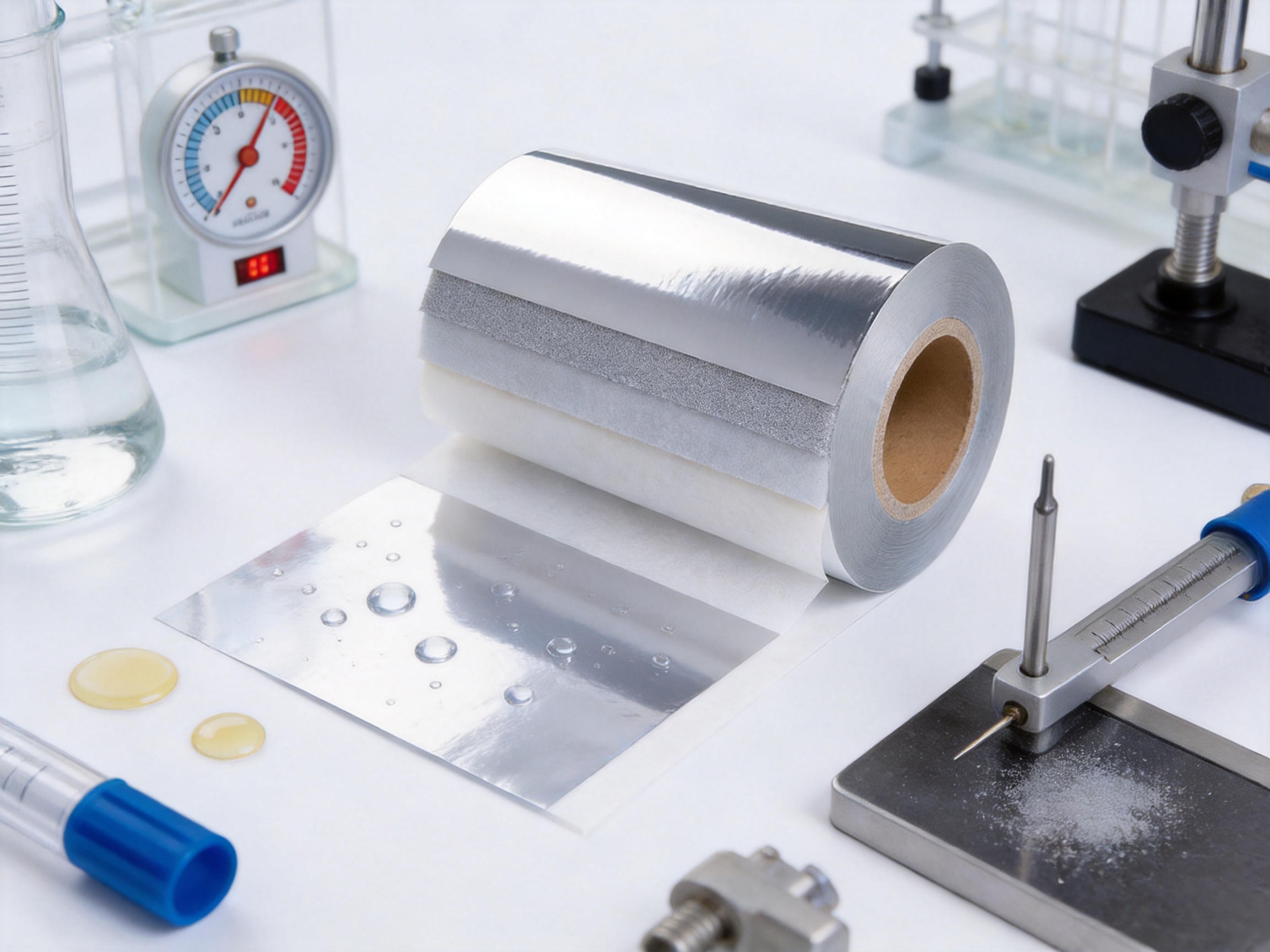
Quality inspection should continue throughout the manufacturing process rather than take place only at the end. Visual inspection can identify coating marks, contamination, wrinkles, bubbles, silver variation, edge damage, and other appearance defects. Physical and performance testing can evaluate thickness, adhesion, release force, printability, and environmental resistance.
An established testing laboratory and advanced inspection equipment can provide valuable control over product consistency. For customers requiring specialized performance, samples can be evaluated under conditions that reflect the final application, including water exposure, chemical contact, elevated temperature, cold storage, abrasion, and substrate-specific adhesion.
Quality control is especially important for metallic materials because surface variation can be more visible than on ordinary white labels. Consistent brightness, gloss, coating uniformity, and roll quality contribute directly to the appearance of the finished product.
6.7 Manufacturing Capacity and Integrated Operations
The manufacturer described in the supplied information operates production lines covering gluing, laminating, and cutting, with an annual production capacity of more than 280 million square meters. Integrated production capabilities can improve coordination between processes and support more consistent delivery for large-volume orders.
More than 20 years of manufacturing experience provides practical knowledge in material selection, coating, adhesive formulation, converting, packaging, and application support. This experience is valuable when customers require a customized construction instead of an off-the-shelf product.
7. Research, Development, and Customization Capabilities
Self-adhesive label materials are increasingly expected to deliver multiple functions at once. Customers may require an attractive appearance, high-speed printability, strong adhesion, resistance to chemicals, low-temperature performance, sustainability improvements, and compatibility with existing equipment. Meeting these requirements often requires product development rather than simple material substitution.
A professional research and development team can adjust the face material thickness, top coating, adhesive type, liner, roll width, sheet size, and packaging format to create a solution suited to the application. The supplied company information indicates strong ODM and OEM capabilities, a professional R&D team, multiple patents, and the ability to produce according to customer drawings or samples.
7.1 Customized Face Material Thickness
The standard 50-micron PET face stock can be selected for a balance of flexibility and durability. A 25-micron film may be appropriate when a thinner, lighter, or more conformable construction is needed. A 100- or 150-micron film can provide increased stiffness and a more substantial feel for industrial labels, durable plates, or applications requiring greater mechanical strength.
The correct thickness depends on label dimensions, surface curvature, handling conditions, printing process, die-cutting method, and final performance expectations. A technical assessment helps avoid selecting a film that is unnecessarily thick or insufficiently durable.
7.2 Customized Adhesive Systems
Adhesive selection can be based on the substrate, service temperature, permanence, removal requirements, chemical exposure, and application speed. Customers may request a general-purpose water-based adhesive, a fast-tack hotmelt adhesive, a strong solvent adhesive, an anti-freeze or cryogenic adhesive, a removable system, or a rubber adhesive for tyres.
For difficult surfaces, testing should include both immediate adhesion and long-term performance. Some materials show acceptable initial tack but lose adhesion after exposure to moisture, heat, cold, oil, or plasticizer migration. Application-specific testing can identify these issues before full-scale production.
7.3 Customized Liner and Format
Customers can select from multiple liner types and weights to meet equipment and dispensing requirements. Roll width can be customized within the available production capabilities, while sheet size can be adapted for digital printing, signage, product plates, or specialized packaging.
Customized formats help reduce trimming waste and improve material utilization. They can also simplify inventory planning when the supplied material is designed for a particular press, cutter, or labeling line.
7.4 OEM and ODM Support
OEM service allows customers to order material according to an established specification, drawing, or sample. ODM service supports customers who need assistance developing a new construction. This may include selecting the film, coating, adhesive, and liner, followed by trial production and performance evaluation.
Such support is useful for distributors, label converters, packaging companies, brand owners, and manufacturers launching new products. Instead of managing several unrelated suppliers, customers can work with one experienced source for development, production, quality inspection, and after-sales service.
8. Printing and Converting Considerations
Gloss silver PET with a top coating can be used in a variety of printing and converting environments, provided the construction is matched to the equipment and ink system. The coated surface is intended to support consistent printing, but pre-production trials remain important because different presses and inks behave differently.
8.1 Digital Printing
Digital printing is useful for short runs, variable data, product personalization, and rapid design changes. Silver PET can create distinctive visual effects when combined with color graphics, white ink, black text, or transparent design elements. The metallic background may influence color appearance, so customers should evaluate printed samples before production.
White ink can be used in selected designs to create opaque areas or control the metallic effect. Transparent colors may allow the silver background to remain visible, producing a reflective or premium appearance. The preferred print sequence depends on the press and the desired result.
8.2 Conventional Label Printing
The material may also be used with conventional label printing processes when the coating and ink system are appropriately matched. Roll quality, web tension, surface cleanliness, and drying conditions can affect print consistency. Operators should follow the ink supplier’s recommendations for curing, adhesion, and rub resistance.
8.3 Die Cutting
Die-cutting performance depends on face material thickness, adhesive coat weight, liner type, die condition, and machine settings. PET is strong and may require precise pressure control to achieve clean cuts without damaging the liner.
Proper matrix stripping is important for complex label shapes. Excessive adhesive ooze, insufficient die penetration, or an unsuitable liner can cause waste removal problems. Trial runs help optimize pressure, speed, stripping angle, and tool condition.
8.4 Storage Before Printing and Application
Self-adhesive materials should generally be stored in a clean, dry environment away from direct sunlight, excessive heat, moisture, and chemical vapors. Rolls should remain properly supported and protected from impact. Sudden temperature changes can lead to condensation and should be avoided.
Before printing or application, the material should be allowed to reach the working environment gradually. This helps reduce dimensional changes and improves consistency during processing. The exact storage and conditioning requirements may vary according to the adhesive and liner selected.
9. Applications Across Multiple Industries
The combination of metallic appearance, PET durability, coating performance, and adhesive flexibility allows this material to serve a broad range of industries.
9.1 Bathroom Supplies
Bathroom products may be exposed to water, steam, cleaning chemicals, and frequent handling. Gloss silver PET labels can be used for product names, instructions, warning messages, model information, and decorative branding on dispensers, fittings, fixtures, accessories, and other bathroom supplies.
The metallic finish can complement chrome-plated or stainless-steel components, while the PET substrate helps the label remain cleaner and more stable than a conventional paper label in humid conditions.
9.2 Cosmetics and Personal Care
Cosmetic packaging often requires a premium visual effect combined with resistance to oils, lotions, moisture, and handling. Silver PET can be applied to bottles, jars, tubes, cartons, gift sets, and accessory packaging.
The glossy metallic surface can support luxury, modern, technological, or minimalist design themes. It can also be combined with black, white, vibrant colors, or transparent printing to create different brand effects.
9.3 Jewelry and Premium Goods
Jewelry packaging and premium goods benefit from materials that communicate quality. Silver film can reinforce a refined appearance on boxes, pouches, trays, certificates, product cards, and security or authenticity labels.
Because the PET face material resists tearing, it is suitable for small labels that must remain neat despite repeated handling. Adhesive selection should be based on whether the label is intended to be permanent, removable, or applied to coated packaging.
9.4 Electrical Appliances
Electrical appliances require labels for model numbers, operating instructions, technical specifications, energy information, warnings, and brand identification. These labels may encounter heat, dust, oils, cleaning solutions, and repeated contact.
Gloss silver PET offers a professional appearance and supports durable printed information. A suitable adhesive can improve performance on painted metal, coated plastic, textured housings, and other appliance surfaces.
9.5 Mechanical Products
Mechanical equipment often operates in environments involving lubricants, vibration, abrasion, temperature changes, and industrial handling. Silver PET labels can be used for equipment identification, control instructions, serial numbers, maintenance schedules, safety warnings, and asset tracking.
For these applications, customers should evaluate not only the face film but also the adhesive’s resistance to the specific oil, chemical, and temperature conditions encountered during service.
9.6 Waterproof and Chemical-Resistant Labels
Products requiring waterproof or chemical-resistant identification can benefit from the non-paper face stock and protective top coating. Typical examples include containers, laboratory items, cleaning equipment, industrial components, and products used in wet processing environments.
Where exposure is severe, additional testing or a protective overlaminate may be considered. The best construction depends on the required service period and exposure conditions.
9.7 High-Temperature Product Labels
Some products experience elevated temperatures during manufacturing, installation, or operation. PET’s thermal stability makes it a potential choice for selected high-temperature label applications, including electrical components, machinery, appliances, and industrial parts.
High-temperature requirements should be defined precisely. Short exposure during production is different from continuous exposure during operation. Adhesive performance, ink durability, and substrate expansion must all be considered.
10. Packaging, Delivery, and Inventory Reliability
Packaging protects self-adhesive material from moisture, dust, impact, deformation, and handling damage during transportation. The supplied packaging system is designed for both rolls and sheets and includes sea-transit-worthy poly-wood pallet packing and carton packing.
Sheet products can be packed at 100 sheets per ream. Each ream is packed with a strong PE-coated kraft paper wrapper to provide protection during handling and storage. Strong pallets are wrapped with stretch film and fastened with plastic fastening belts to improve stability during transportation.
Appropriate packaging is especially important for large-format sheets and jumbo rolls. Poorly supported rolls may telescope, deform, or suffer edge damage. Inadequate protection can also expose the liner and adhesive to humidity or contamination. Strong pallet packing helps preserve the material’s converting condition from the factory to the customer’s warehouse.
Stock availability for roll or sheet formats can support shorter lead times for standard specifications. At the same time, customized widths, sheet sizes, adhesives, liners, and thicknesses can be developed for customers with more specialized requirements.
11. Sustainability and Responsible Material Development
Modern label buyers increasingly consider environmental impact alongside performance and price. Sustainable development may involve material selection, production efficiency, waste reduction, responsible adhesive development, packaging optimization, and improved product life.
A durable label can contribute to sustainability by reducing premature replacement and maintaining product information for a longer period. When a label remains attached and legible, fewer replacement labels or additional identification materials may be needed.
Material efficiency can also be improved through customized roll widths and sheet sizes. Producing a format that fits the customer’s equipment may reduce trimming waste and improve the usable yield of each roll or sheet.
The company information describes ongoing development of eco-friendly solutions involving face materials, adhesives, and backing papers. Sustainability requirements vary by market and application, so customers should request specific technical and environmental documentation for the selected construction.
12. Why Manufacturer Experience Matters
Self-adhesive products can appear simple, but reliable performance requires knowledge of polymer films, coatings, adhesives, liners, printing, converting, and application surfaces. A manufacturer with long-term experience can identify potential problems earlier and recommend a more balanced specification.
The supplied company profile describes more than 20 years of OEM manufacturing experience, integrated research and development, production, sales, and after-sales service. It also identifies production lines for gluing, laminating, and cutting, an annual production capacity exceeding 280 million square meters, an internal testing laboratory, advanced inspection equipment, and ODM and OEM capabilities.
These capabilities can benefit customers in several ways. Integrated operations can improve communication between technical and production teams. A testing laboratory can support application trials and quality verification. A broad product range can simplify sourcing. Experienced after-sales support can help resolve questions related to printing, die cutting, adhesive selection, and application.
A manufacturer with international market experience may also understand the documentation, packaging, and consistency expectations of customers in different regions. The supplied information indicates a sales and marketing network serving domestic markets and customers in regions including North America, Europe, Asia, Latin America, the Middle East, and other international markets.
13. Recommended Product Selection Process
Choosing the correct silver PET adhesive film begins with a clear understanding of the application. Customers should identify the label’s purpose, substrate, service environment, expected life, printing method, label dimensions, and required visual effect.
13.1 Define the Application Surface
Important substrate categories include glass, metal, painted metal, coated paper, cardboard, polyethylene, polypropylene, ABS, rubber, and textured surfaces. Surface energy, curvature, cleanliness, plasticizer content, and coating condition can all influence adhesion.
13.2 Define Environmental Conditions
Consider exposure to water, humidity, oil, cleaning agents, solvents, ultraviolet light, abrasion, heat, freezing, condensation, vibration, and repeated handling. A product used indoors for six months may require a very different construction from a product used outdoors or in an industrial process.
13.3 Select Face Material Thickness
Choose among available PET thicknesses according to flexibility, stiffness, label size, durability, and application method. Thin film may conform well to curves, while thicker film may provide greater rigidity and physical strength.
13.4 Select Adhesive and Liner
Match adhesive permanence and resistance to the application. Then select a liner that supports the intended printing, die cutting, dispensing, and storage process. If the customer uses automated equipment, liner release and stiffness should be checked during trials.
13.5 Test the Complete Construction
Testing should be performed with the actual substrate, ink, application method, and environmental conditions whenever possible. This is more reliable than evaluating the face film or adhesive in isolation.
14. Frequently Asked Questions
What is the standard face material thickness?
The standard construction uses 50-micron gloss silver PET with a special coating on top. Thicknesses of 25, 100, and 150 microns are also available for different performance and converting requirements.
Is the material suitable for waterproof labels?
The PET face material offers strong resistance to moisture and is suitable for many waterproof label applications when paired with an appropriate adhesive and printing system. Final performance should be verified under the actual water exposure conditions.
Can the material be used for chemical-resistant labels?
It can be used for selected chemical-resistant applications because the coated PET surface provides a durable starting point. The exact chemical, concentration, temperature, exposure time, ink system, and adhesive must be considered before approval.
Which adhesives are available?
Available options include water-based adhesive, hotmelt adhesive, solvent adhesive, anti-freeze adhesive, removable adhesive, cryogenic adhesive, and tyre-grade rubber adhesive. The correct choice depends on the substrate and service environment.
Can I order transparent PET liner?
Yes. Transparent PET liners are available in 25, 36, 50, and 100 microns. Glassine paper, release paper, art paper, and CCK liner options are also available.
What roll widths are available?
Jumbo roll widths include 1000, 1020, 1080, and 1530 millimeters. Other requirements may be discussed as part of a customized production project.
What sheet sizes can be supplied?
Available sheet sizes include A4, A3, 20 by 30 centimeters, 21 by 30 centimeters, 24 by 36 centimeters, 50 by 70 centimeters, and 70 by 100 centimeters. Customized sizes are also available.
Can the material be used for digital printing?
The coated surface is suitable for applications requiring a printable silver PET material, including selected digital printing processes. A press trial is recommended because ink compatibility, white ink usage, color appearance, and curing requirements vary among printing systems.
Is removable adhesive available?
Yes. Removable adhesive is available for temporary labels and applications where the label must be removed with limited residue. Removal performance depends on dwell time, substrate, temperature, and environmental exposure.
Can the material be used in cold or frozen environments?
Anti-freeze and cryogenic adhesive options are available for low-temperature applications. Customers should provide the expected storage and operating temperatures so that the construction can be tested appropriately.
Can the product be customized according to a sample?
OEM and ODM services are available. Customers can provide drawings, samples, specifications, or application details for technical evaluation and customized production.
How is the product packaged?
Rolls and sheets can be supplied with sea-transit-worthy poly-wood pallet packing and carton packing. Sheets are packed at 100 sheets per ream with PE-coated kraft paper wrappers. Pallets are protected with stretch film and plastic fastening belts.
What industries commonly use this material?
Common application areas include bathroom supplies, cosmetics, jewelry, electrical appliances, mechanical products, industrial equipment, waterproof products, oil-resistant labels, chemical-resistant labels, and high-performance product identification.
15. Conclusion
Gloss silver PET adhesive film with coating on top is a versatile material for labels that must look premium and perform reliably. Its bright metallic appearance supports distinctive branding, while the PET substrate provides tear resistance, dimensional stability, moisture resistance, and improved durability compared with conventional paper labels.
The product’s competitive strength comes from its complete construction. Customers can select among multiple face material thicknesses, adhesive systems, and liner options. This flexibility allows the material to be developed for general product labeling, digital printing, industrial identification, cold-temperature applications, temporary labels, rubber products, and demanding environments involving water, oil, chemicals, or heat.
Manufacturing capability is equally important. Integrated gluing, laminating, and cutting lines, large annual production capacity, laboratory testing, advanced inspection equipment, more than two decades of OEM experience, and professional R&D support provide a strong foundation for consistent supply and customized development.
For buyers seeking a silver label material that combines metallic presentation with functional performance, this gloss silver PET construction offers a practical and adaptable solution. By defining the application surface, environmental conditions, printing method, label format, and service life, customers can select the face stock, adhesive, liner, and packaging configuration that best matches their needs.
References
1. Internal product specification for gloss silver PET with coating on top, including available face material thicknesses, adhesive systems, liners, roll widths, and sheet sizes.
2. Internal packaging and delivery information for roll and sheet self-adhesive materials.
3. General technical principles of pressure-sensitive adhesive label construction, including face stocks, adhesive layers, and release liners.
4. General industry guidance on polyester film performance, dimensional stability, moisture resistance, and label converting.
5. Internal company information concerning research and development, OEM and ODM services, production capacity, quality inspection, and international supply capabilities.