
 English
 Español
 русский
 Français
 عربى
عربىTop coated thermal paper is a specialized label material designed for applications that require clear variable information, efficient printing, dependable adhesion, and practical handling during converting and distribution. It is widely used for retail labels, logistics labels, barcode identification, product stickers, shipping information, and other applications in which printed data must be produced quickly and read accurately.
Unlike conventional paper labels, thermal paper contains a heat-sensitive coating that reacts to the controlled heat generated by a thermal printhead. This enables text, numbers, barcodes, symbols, and simple graphics to be produced without conventional liquid ink or toner. The result is a streamlined printing process with fewer consumables, fewer maintenance requirements, and excellent suitability for high-volume label production.
Top coated thermal paper offers an additional protective layer on the printing surface. This top coating improves the smoothness, print uniformity, surface strength, and resistance of the material compared with basic uncoated thermal grades. When combined with a suitable adhesive and release liner, it becomes a versatile self-adhesive label stock that can be converted into rolls, sheets, blank labels, or customized die-cut products.
Manufactured by Suzhou Piaozhihua Composite Material Technology Co., Ltd., this type of material is supported by more than two decades of experience in self-adhesive products, integrated coating and converting capabilities, extensive production capacity, and a broad range of adhesive and liner options. These strengths allow the material to serve both standard label applications and more demanding customer-specific requirements.
Content
- 1 Understanding Top Coated Thermal Paper
- 2 Primary Applications
- 3 Key Product Advantages
- 4 Manufacturing Process and Technical Control
- 5 Why Integrated Production Matters
- 6 Customization Capabilities
- 7 Comparison with Conventional Label Materials
- 8 Application and Storage Considerations
- 9 Quality, Innovation, and Sustainability
- 10 Supply and Service Advantages
- 11 How to Select the Right Specification
- 12 Recommended Production Workflow for Customers
- 13 Four Image Insertion Positions
- 14 Frequently Asked Questions
- 14.1 What is top coated thermal paper?
- 14.2 Can this material be used for barcode printing?
- 14.3 Can it be printed with a thermal transfer printer?
- 14.4 What adhesive options are available?
- 14.5 What is the standard liner?
- 14.6 Can the product be supplied in jumbo rolls?
- 14.7 Can the product be supplied in sheets?
- 14.8 Is the product suitable for outdoor use?
- 14.9 How should the material be stored?
- 14.10 What makes an integrated manufacturer advantageous?
- 14.11 Does the supplier offer OEM and ODM services?
- 14.12 Can the product be customized for cold-temperature applications?
- 14.13 How is the product packaged for export?
- 15 Conclusion
- 16 References
- 17 Product: Top Coated Thermal Paper
Understanding Top Coated Thermal Paper
Top coated thermal paper is a heat-sensitive paper substrate with a specially engineered surface layer. The thermal layer contains components that develop a visible image when exposed to heat from a compatible printer. The top coating protects and stabilizes the thermal imaging surface while improving the paper’s appearance and printing behavior.
In a typical self-adhesive construction, the product consists of three functional layers:
1. The face material is 70 gsm top coated thermal paper. This is the printable layer that carries the visible information.
2. The adhesive layer bonds the label to the selected substrate, such as cardboard, plastic, glass, metal, packaging film, or another smooth surface.
3. The release liner protects the adhesive before application and allows the label to be processed, stored, transported, and dispensed efficiently.
Each layer has a direct effect on the final label’s performance. A high-quality face stock cannot compensate for an adhesive that is unsuitable for the application. Similarly, a well-designed adhesive system may not perform efficiently if the release liner is too difficult to remove or does not support the required converting process. For this reason, the manufacturing of self-adhesive thermal paper must be treated as an integrated system rather than as a single paper-coating operation.
The top coating is especially important because thermal labels are often used in fast-moving environments. They may pass through high-speed printers, automated applicators, warehouse handling systems, retail checkout operations, and transportation networks. A properly engineered coating helps maintain print quality and reduces the risk of uneven image formation, surface damage, dusting, or premature deterioration under normal use.
Primary Applications
Retail and Supermarket Labels
Retailers use thermal labels for product prices, shelf information, promotional messages, weighing labels, inventory identification, and internal stock control. The ability to print information on demand is valuable because prices, product codes, weights, and dates may change frequently.
Top coated thermal paper can produce sharp characters and readable barcodes at high printing speeds. This helps store personnel create labels at the point of sale, in stockrooms, or in product preparation areas. The self-adhesive format also supports quick application to cartons, retail packaging, containers, and product surfaces.
Logistics and Express Delivery Labels
Logistics operations depend on fast and accurate identification. Shipping labels may contain tracking numbers, addresses, routing information, handling instructions, barcodes, and transaction details. Thermal printing is suitable for these requirements because it eliminates the need to replace ink cartridges or ribbon during routine label production.
For short-term transportation and distribution applications, top coated thermal labels offer a practical balance of print clarity, processing efficiency, and cost control. When the label must remain readable during sorting and delivery, the smooth coated surface can support consistent barcode definition and clear text reproduction.
Barcode and Inventory Identification
Barcodes must be printed with sufficient contrast and edge definition for scanners to read them reliably. Thermal printing is widely used in retail, warehousing, manufacturing, medicine, and distribution because variable data can be generated directly from enterprise software or barcode systems.
The quality of the thermal face material influences the consistency of the printed bars and spaces. A uniform top coating allows heat to be distributed more evenly across the surface, supporting stable image development. This is particularly useful when labels are printed in large quantities or when the printing equipment operates at elevated speed.
Product Stickers and Promotional Labels
Thermal paper can also be used to create stickers containing product names, batch information, brief instructions, symbols, and simple visual designs. These labels may be applied to electronic product packaging, cartons, containers, accessories, or promotional items.
Although thermal paper is primarily selected for variable information rather than long-term outdoor graphics, it can be an efficient choice for indoor product identification and short- to medium-term labeling. The final performance should always be matched to the expected exposure conditions, including light, moisture, friction, heat, and storage duration.
Healthcare, Pharmaceutical, and Laboratory Identification
Thermal labels are commonly used for specimen identification, prescription-related information, inventory management, storage organization, and internal logistics. These applications demand clear text and reliable barcode scanning. The appropriate adhesive and liner combination is essential because labels may need to adhere to glass, plastic containers, coated cartons, or curved surfaces.
For healthcare-related use, customers should define their regulatory, durability, and storage requirements before selecting a material. The correct grade depends on whether the label is intended for temporary identification, refrigerated storage, laboratory handling, or long-term archiving.
Key Product Advantages
Clear and Consistent Thermal Printing
The primary advantage of top coated thermal paper is its ability to deliver clean, readable images through direct thermal printing. The coated surface is designed to respond predictably to the printer’s heat. This supports the formation of sharp letters, numbers, lines, and barcodes when the printer is correctly configured.
Consistent printing is important because poor image formation can result in unreadable barcodes, rejected labels, scanning delays, or additional material waste. A stable surface coating helps reduce variations caused by differences in surface smoothness and thermal sensitivity.
Efficient Ink-Free Printing
Direct thermal printing does not require conventional ink cartridges, liquid ink systems, or thermal transfer ribbons. This can simplify printer operation and reduce the number of consumables that must be purchased, stored, and replaced.
For companies printing large quantities of short-term labels, the simplified equipment configuration can improve operational efficiency. Operators can focus on paper replacement and printer maintenance rather than managing multiple printing consumables.
Suitable for High-Speed Variable Data
Thermal printers are well suited to applications where every label may contain different information. Product prices, tracking numbers, weights, dates, and identification codes can be generated in real time. Top coated thermal paper supports this workflow by providing a smooth surface that can accept rapidly changing data with consistent visual quality.
This is a significant advantage over some conventional preprinted label systems, which may require multiple print runs, larger inventories of finished labels, or costly plate and artwork changes. Thermal printing allows businesses to produce only the labels they need, when they need them.
Flexible Adhesive Selection
The product range supports several adhesive choices, allowing the label construction to be adapted to different application conditions. Available adhesive types include hotmelt adhesive, water-based adhesive, solvent adhesive, removable adhesive, anti-freeze adhesive, cryogenic adhesive, and tyre-grade rubber adhesive.
Hotmelt adhesive is often selected for strong initial tack and efficient high-speed coating. Water-based adhesive may be suitable for applications requiring a different balance of coating behavior, odor profile, and substrate compatibility. Solvent adhesive can be considered when more demanding bonding performance is required.
Removable adhesive is designed for applications where the label should be removed with reduced residue or reduced surface damage under suitable conditions. Anti-freeze and cryogenic adhesives are intended for cold-chain or low-temperature environments, where ordinary adhesives may lose tack or become brittle. Tyre-grade rubber adhesive is available for specialized applications involving tyre surfaces and challenging substrates.
Adhesive selection should be based on the actual surface, temperature, application speed, dwell time, storage conditions, and required removal behavior. Offering multiple adhesive systems gives customers greater freedom to design the label around the application rather than forcing every project into one standard construction.
Multiple Release Liner Options
The release liner supports the label during storage, die cutting, stripping, dispensing, and application. The standard configuration includes 60 gsm yellow release paper, while other available options include glassine paper, release paper, art paper, and CCK liner in various weights.
Glassine liners are known for their smooth surface and are widely used in label converting. Release papers in different weights can provide additional stiffness or handling characteristics. Art paper options may be suitable when a heavier or more substantial backing is preferred. CCK liners offer another practical option for customers who require a particular balance of caliper, release performance, and converting behavior.
The availability of multiple liner specifications is useful because label production equipment differs from one customer to another. Die-cutting pressure, stripping speed, dispensing systems, and roll tension may all influence the preferred liner grade.
Roll and Sheet Supply
The product can be supplied in jumbo rolls or sheets. Jumbo roll widths include 1000 mm, 1020 mm, 1080 mm, and 1530 mm. These formats are suitable for customers that perform their own slitting, sheeting, coating conversion, or label die cutting.
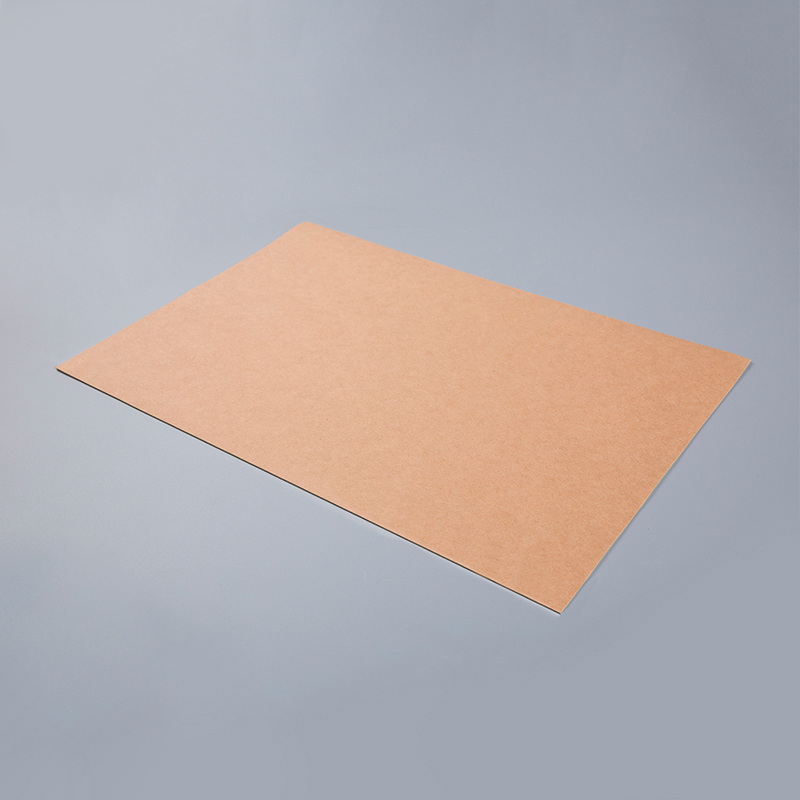
Sheet sizes include A4, A3, 20 cm by 30 cm, 21 cm by 30 cm, 24 cm by 36 cm, 50 cm by 70 cm, and 70 cm by 100 cm. Customized dimensions are also available. Sheet supply is useful for digital printing operations, office-format label production, commercial converting, and customers that require standardized sheet handling.
Practical Packaging for International Transport
Packaging is an important part of product quality because paper and adhesive materials can be affected by moisture, compression, impact, and rough handling during transportation. The product can be packed in sea-transit-worthy plywood pallets and cartons. Rolls or sheets may be supplied from stock depending on specifications and availability.
Sheet products are packed at 100 sheets per ream. Each ream is wrapped with strong polyethylene-coated kraft paper. Pallets are wrapped with stretch film and secured with plastic fastening belts. This packaging method helps maintain load stability and provides a practical barrier during handling and shipment.
| Item | Available Specification | Typical Benefit |
|---|---|---|
| Face material | 70 gsm top coated thermal paper | Clear thermal imaging and smooth printable surface |
| Standard adhesive | Hotmelt adhesive | Strong initial tack and efficient coating performance |
| Other adhesives | Water-based, solvent, removable, anti-freeze, cryogenic, and tyre-grade rubber adhesive | Adaptation to different substrates and environments |
| Standard liner | 60 gsm yellow release paper | Reliable backing and practical label handling |
| Other liners | 50/60/80/100/120 gsm glassine, 85/120/140 gsm release paper, 140/165 gsm art paper, and 50/80/90/120 gsm CCK liner | Choice of stiffness, release behavior, and converting performance |
| Jumbo roll widths | 1000, 1020, 1080, and 1530 mm | Compatibility with different converting lines |
| Sheet formats | A4, A3, 20 x 30 cm, 21 x 30 cm, 24 x 36 cm, 50 x 70 cm, 70 x 100 cm, and customized sizes | Flexible use in sheet-fed and commercial label production |
Manufacturing Process and Technical Control
Raw Material Preparation
Reliable label stock begins with the controlled selection and preparation of face paper, adhesive components, and liner materials. The thermal face stock must have suitable basis weight, surface uniformity, thermal response, and mechanical strength. The adhesive must be matched to the intended coating process and application performance. The liner must have appropriate release characteristics and dimensional stability.
Before production, materials should be reviewed according to the required specification. Important considerations include width, basis weight, moisture condition, surface cleanliness, roll integrity, and storage history. Proper material preparation reduces the risk of coating defects and supports stable production throughout the run.
Adhesive Coating
Adhesive coating is the process through which the bonding layer is applied at a controlled thickness to the face material or liner, depending on the selected construction. Uniform coating is essential. Variations in adhesive weight can cause inconsistent tack, edge ooze, poor die cutting, adhesive transfer, or weak bonding.
The manufacturer operates dedicated gluing lines as part of its integrated production system. Process controls may include coating weight management, web tension control, temperature regulation, viscosity management, and visual inspection. The exact parameters depend on the adhesive chemistry and the required product grade.
Hotmelt systems require careful management of temperature and flow. Water-based systems require appropriate drying and moisture control. Solvent systems require suitable process management and ventilation. Specialized cold-temperature adhesives may require additional attention to formulation and storage conditions.
Lamination
Lamination brings the face material, adhesive, and release liner into a stable composite structure. Correct lamination pressure and web alignment are important because the layers must remain properly positioned throughout subsequent slitting, sheeting, die cutting, and printing.
An effective lamination process helps prevent bubbles, wrinkles, delamination, telescoping, and uneven winding. It also supports consistent label thickness and reliable feeding through thermal printers or converting equipment.
Slitting and Sheeting
After coating and lamination, jumbo rolls can be slit into narrower rolls or converted into sheets. Slitting accuracy affects roll appearance, printer feeding, label registration, and downstream die-cutting efficiency. Clean edges are particularly important because loose fibers and edge debris may interfere with automated processing.
Sheeting requires accurate length control, square cutting, and stable stacking. The selected sheet size can be matched to customer equipment, label layouts, or packaging requirements. Customized sizes are available for projects that do not fit standard formats.
Inspection and Testing
The company maintains its own testing laboratory and uses inspection equipment to support product quality. Testing and inspection can cover the physical, adhesive, thermal, and converting properties of the finished material.
Typical quality considerations include:
1. Face paper basis weight and caliper.
2. Surface smoothness and coating uniformity.
3. Thermal image density and development consistency.
4. Barcode readability under suitable printer settings.
5. Adhesive tack and peel performance.
6. Adhesive residue and removability where applicable.
7. Liner release behavior.
8. Roll width, sheet dimensions, and winding quality.
9. Lamination integrity and resistance to delamination.
10. Packaging condition and shipment stability.
Testing should be interpreted in relation to the intended application. For example, the requirements for an indoor price label are different from those for a refrigerated product label, a cryogenic specimen label, or a tyre identification label.
Why Integrated Production Matters
One of the main strengths of an integrated manufacturer is the ability to manage several stages of production within one organization. Suzhou Piaozhihua Composite Material Technology Co., Ltd. has production lines covering gluing, laminating, and cutting. This reduces dependence on multiple external suppliers and makes it easier to coordinate material selection, process parameters, inspection, and delivery.
Integrated manufacturing can provide several practical advantages:
1. Better coordination between face stock, adhesive, and liner selection.
2. More direct control over coating and lamination parameters.
3. Reduced communication gaps between separate production suppliers.
4. Greater flexibility for customized roll widths and sheet formats.
5. Improved traceability during manufacturing and inspection.
6. More efficient handling of repeat orders and long-term supply programs.
7. Faster technical communication when customers need to adjust a specification.
The company reports an annual production capacity of more than 280 million square meters and is recognized among the leading self-adhesive product manufacturers in China. This scale provides the resources required for both routine orders and larger supply programs, while its specialized manufacturing background supports the technical demands of self-adhesive label materials.
Customization Capabilities
Customized Adhesive Construction
There is no single adhesive that performs best on every substrate. A label intended for corrugated cartons may require a different adhesive from one applied to glass bottles, plastic packaging, painted metal, or frozen products.
Customers can select from standard and specialized adhesive systems according to the required performance. The technical discussion should consider initial tack, final adhesion, shear strength, application temperature, service temperature, removal requirements, and surface energy.
For applications with difficult temperature conditions, anti-freeze and cryogenic adhesive options can help address the limitations of ordinary adhesive systems. However, application trials remain important because real-world performance depends on the substrate, storage period, condensation, handling, and label geometry.
Customized Liner Selection
Liner selection affects both the production process and the final user experience. A lighter liner may reduce material consumption and shipping weight, while a heavier liner may provide greater stiffness during dispensing or die cutting. Glassine, release paper, art paper, and CCK liners each offer different combinations of smoothness, caliper, stiffness, and release behavior.
Customers using automatic label applicators may require a liner with predictable release and sufficient mechanical strength. Customers performing rotary die cutting may prioritize dimensional stability and clean matrix stripping. Sheet-fed applications may require a liner that supports flatness and accurate stacking.
Customized Dimensions
Standard sheet sizes are convenient, but customized dimensions can reduce waste and improve production efficiency. A sheet can be designed around the customer’s die layout, printing equipment, or packaging format. Jumbo roll widths can also be selected to suit a particular slitter, laminator, or sheeting line.
Providing the correct width at the beginning of the supply chain can reduce trimming losses and limit unnecessary material handling. It may also help customers improve roll utilization and simplify production planning.
OEM and ODM Services
The company accepts OEM and ODM projects and can manufacture products based on customer drawings or samples. This is valuable for customers that have an established label specification but need a stable manufacturing partner, as well as for customers developing a new product and requiring technical assistance.
OEM production generally focuses on manufacturing according to an existing specification. ODM cooperation may involve greater participation in construction design, adhesive selection, liner selection, testing, and product optimization. In both cases, clear technical documentation and sample approval are important before mass production.
Comparison with Conventional Label Materials
Compared with Ordinary Uncoated Thermal Paper
Top coated thermal paper generally provides a more refined printing surface than ordinary uncoated thermal grades. The protective top layer can improve smoothness, surface strength, image uniformity, and resistance to handling. This may be especially useful when labels pass through high-speed printers or require a more polished appearance.
Basic uncoated thermal paper may be sufficient for simple, short-term receipts or low-demand identification. However, top coated material is often a better choice when barcode clarity, surface protection, and consistent appearance are more important.
Compared with Thermal Transfer Label Stock
Thermal transfer printing uses a ribbon to transfer ink onto the label surface. It can provide strong durability for applications exposed to abrasion, chemicals, heat, or extended service conditions. Direct thermal printing, by contrast, forms the image through heat-sensitive chemistry in the label itself and does not require a ribbon.
Top coated thermal paper is advantageous when fast production, simple equipment operation, and reduced consumable management are priorities. Thermal transfer may be preferred when long-term image permanence or extreme environmental resistance is required. The correct choice depends on the label’s lifecycle and exposure conditions.
Compared with Inkjet and Laser Label Printing
Inkjet and laser printing can support color graphics, detailed images, and certain long-term applications. However, they may require ink, toner, maintenance, and more complex equipment. Thermal printing is often more efficient for black-and-white variable data, barcodes, prices, dates, and tracking information.
For businesses that print thousands of labels daily, the operational simplicity of direct thermal technology can be a major advantage. Top coated thermal paper also supports compact printer designs and rapid output in retail, warehousing, and logistics environments.
Application and Storage Considerations
Thermal paper should be stored in a clean, dry, and temperature-controlled environment whenever possible. Excessive humidity, direct sunlight, high heat, chemical vapors, and prolonged pressure can affect the face material, adhesive, liner, or printed image.
Finished labels should be protected from strong ultraviolet exposure and excessive heat if image longevity is important. Direct thermal products are generally best suited to applications where the printed information does not need to remain permanently unchanged for many years. For longer-term requirements, customers should evaluate the specific grade and consider whether thermal transfer or another printing technology is more appropriate.
Before full production, users should test the material on their actual printer and application equipment. Printer speed, darkness, printhead temperature, pressure, label geometry, adhesive exposure, and substrate type can all influence performance.
When testing a new specification, customers should evaluate:
1. Print darkness and image uniformity.
2. Barcode readability.
3. Feeding and dispensing behavior.
4. Adhesion immediately after application.
5. Adhesion after storage or temperature exposure.
6. Label edge lifting and curling.
7. Liner release during manual or automatic peeling.
8. Surface appearance after handling.
9. Resistance to expected moisture, friction, and light exposure.
10. Compatibility with the customer’s converting and packaging processes.
Quality, Innovation, and Sustainability
The manufacturer’s quality philosophy is built around more than twenty years of development in self-adhesive products. Its operations combine production, research and development, sales, and after-sales service. This integrated approach supports the continuous improvement of product structures and manufacturing methods.
The company also maintains a professional research and development team with multiple patents and strong OEM and ODM capabilities. Research and development is important in the label industry because customers increasingly require materials that combine printing performance, adhesion, converting efficiency, lower waste, and environmental considerations.
Sustainability can be addressed through several parts of a label construction. The face material, adhesive, and liner can each be evaluated for material efficiency, production waste, coating formulation, packaging consumption, and end-use requirements. A thinner or more efficiently designed material may reduce resource use, but it must still meet the necessary mechanical and functional standards.
Environmental responsibility does not mean selecting the same solution for every application. A label that fails prematurely may create more waste through reprinting, replacement, product loss, and additional transportation. A well-designed label construction can support sustainability by reducing defects, improving application efficiency, and extending useful performance to the level required by the product.
The company positions its product development around sustainable development and environmental protection. This includes work on eco-friendly solutions involving face materials, adhesives, and backing papers. Customers seeking more sustainable label products can discuss the balance between material selection, application performance, converting requirements, and disposal considerations.
Supply and Service Advantages
In addition to manufacturing capacity, a reliable supplier should provide stable communication, technical support, consistent specifications, and dependable after-sales service. The company has established domestic sales coverage in numerous Chinese cities and has developed an international marketing network serving customers in North America, Europe, Asia, Latin America, the Middle East, and other regions.
International supply requires attention to more than production alone. Export customers may need specific packaging, palletization, documentation, labeling, roll identification, and shipment coordination. Sea-transit-worthy pallet and carton packing helps support the practical requirements of overseas delivery.
Long-term supply relationships also benefit from consistent product records. Once a label construction has been approved, maintaining the agreed face material, adhesive, liner, dimensions, and packaging format is essential. A manufacturer with experience in repeat OEM production can help customers manage these requirements more effectively.
How to Select the Right Specification
The selection process should begin with the application rather than with a preferred material name. Customers should define what will be printed, where the label will be applied, how long it must remain usable, and what environmental conditions it will encounter.
The following questions are useful during specification development:
1. Will the labels be printed by direct thermal or thermal transfer equipment?
2. What type of printer and printhead will be used?
3. What printing speed and image density are required?
4. Will the label carry a barcode, text, graphics, or variable data?
5. What is the label substrate: paperboard, plastic, glass, metal, rubber, or another material?
6. Is permanent or removable adhesion required?
7. Will the labels be exposed to freezing, refrigeration, moisture, heat, sunlight, or abrasion?
8. Will the labels be applied manually or by automatic equipment?
9. Is the product required in rolls, sheets, or both?
10. What roll width, core size, outer diameter, and winding direction are required?
11. What sheet size and tolerance are required?
12. What type of die cutting, slitting, or sheeting process will be used?
13. Is a standard 60 gsm yellow release paper acceptable, or is another liner preferred?
14. Are there sustainability, packaging, or regulatory objectives?
15. What testing and sample approval procedure will be used before mass production?
Answering these questions enables the supplier to recommend a more suitable combination of face material, adhesive, liner, size, and packaging.
Recommended Production Workflow for Customers
A structured workflow can reduce the risk of ordering an unsuitable label material. The first step is application analysis. The customer and supplier review the label’s intended use, printing technology, substrate, environment, and expected service period.
The second step is construction selection. The face material, adhesive, and liner are chosen according to the application. If the project involves freezing, cryogenic storage, tyres, removable labels, or difficult substrates, the appropriate specialized adhesive should be considered at this stage.
The third step is sample testing. Samples should be printed using the customer’s actual printer and applied to the intended substrate. Testing should include both immediate performance and, where relevant, aging or temperature exposure.
The fourth step is converting evaluation. If the customer will slit, sheet, die cut, or laminate the material, the sample should be processed using the intended equipment. This confirms that the liner, adhesive, winding, and dimensional characteristics are suitable.
The fifth step is specification confirmation. Once the sample is approved, the final construction should be documented, including material grade, adhesive type, liner, dimensions, roll or sheet format, packaging, and inspection requirements.
The final step is repeat-order management. Consistent product identification and production records help ensure that future orders match the approved construction. Technical communication should remain available if the application, printer, substrate, or environmental conditions change.
Four Image Insertion Positions

Top Coated Thermal Paper
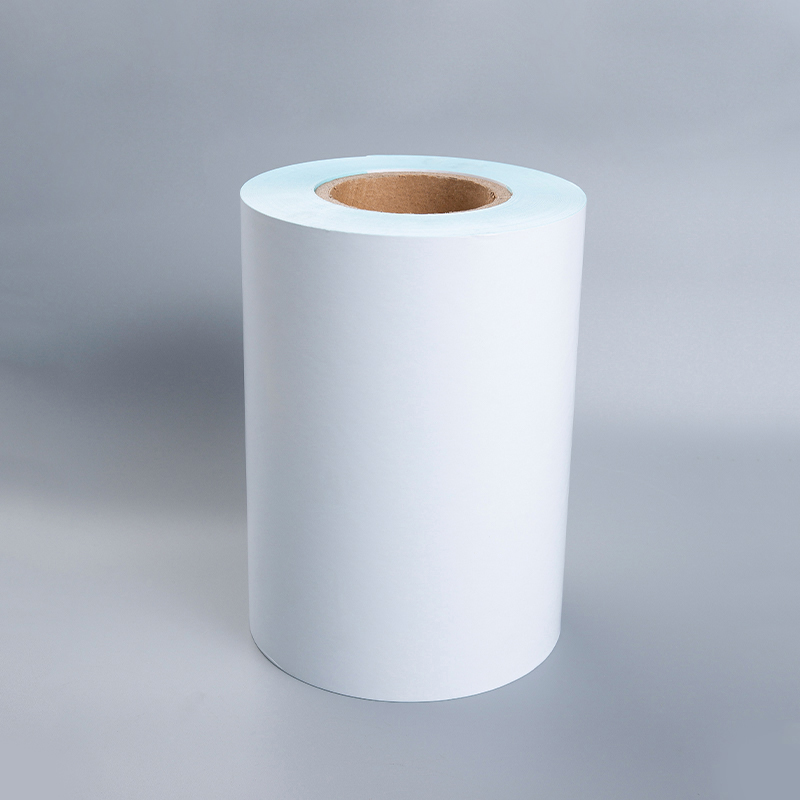
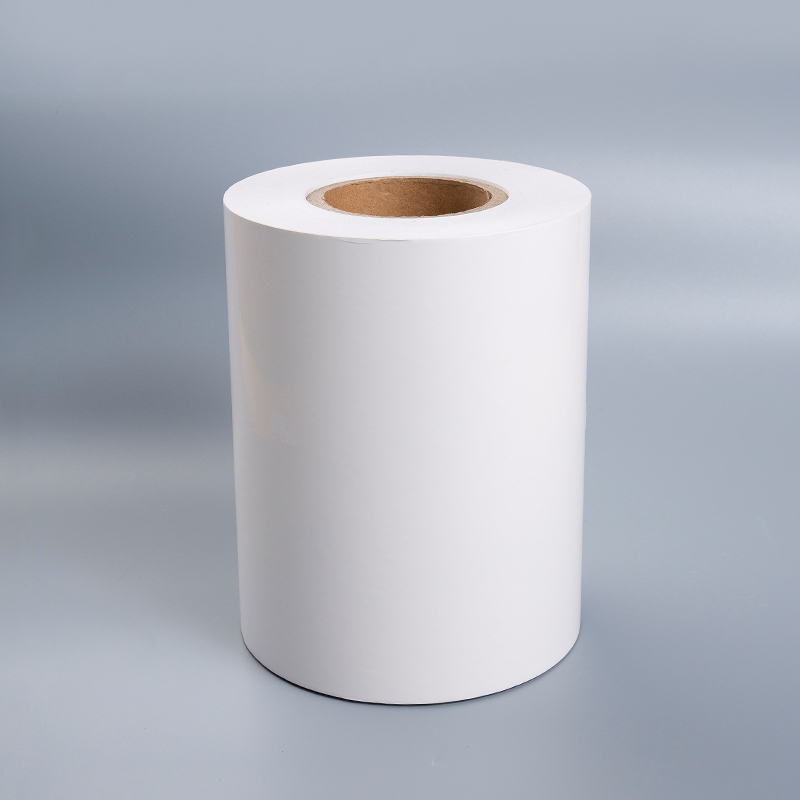
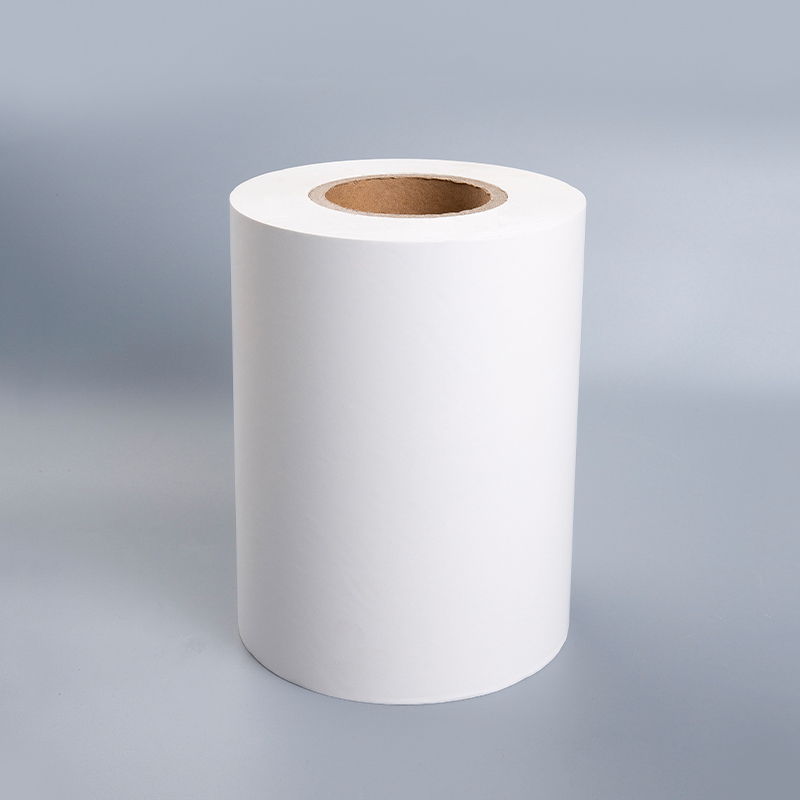
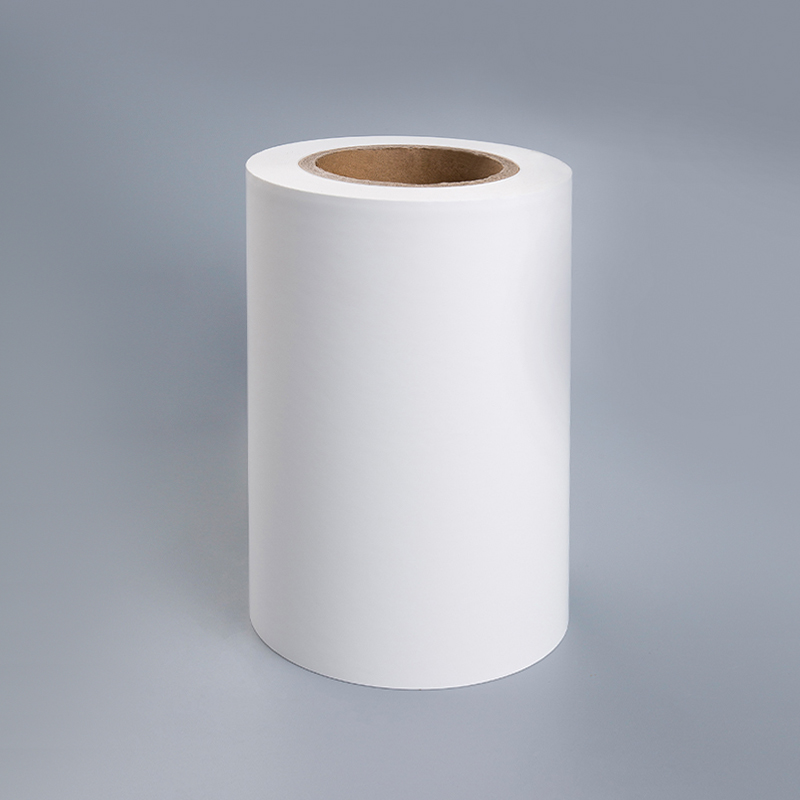
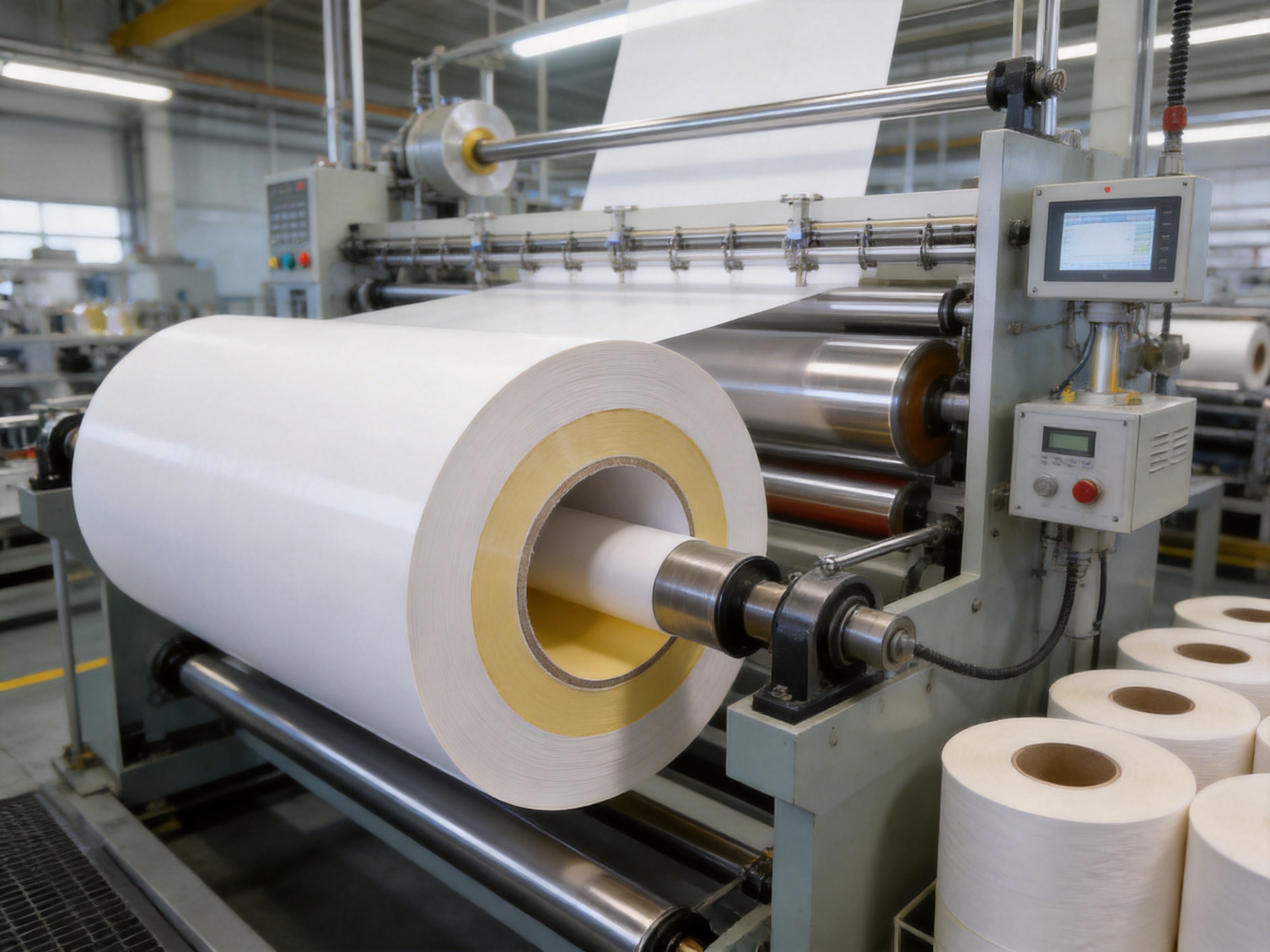
Top coated thermal paper is commonly supplied as a jumbo roll for further converting. Large-format supply allows professional label manufacturers to slit, laminate, die cut, or sheet the material according to their own production requirements. Correct roll winding and edge protection are important for maintaining quality during transportation and processing.
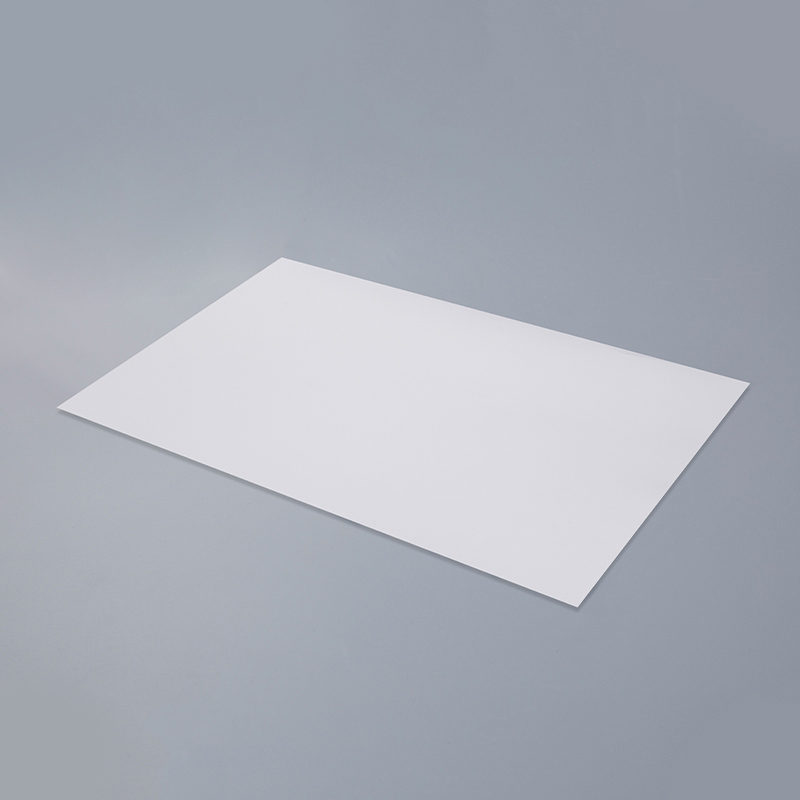
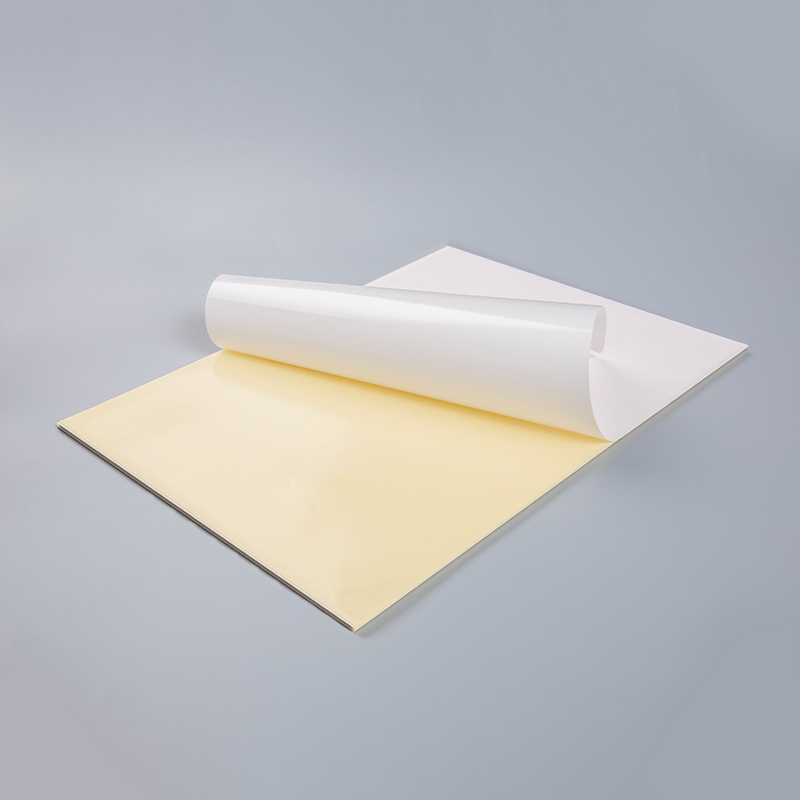
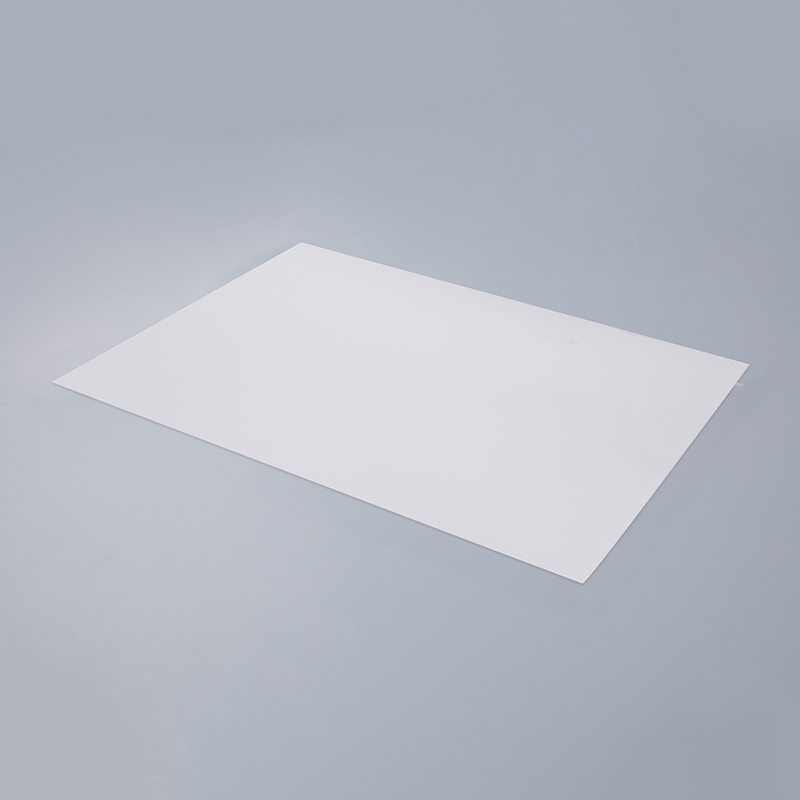
Sheet-fed formats provide another route for customers that use A4, A3, commercial sheet, or customized sheet sizes. Accurate cutting and stable stacking support efficient handling in digital printing, office label production, and downstream converting.
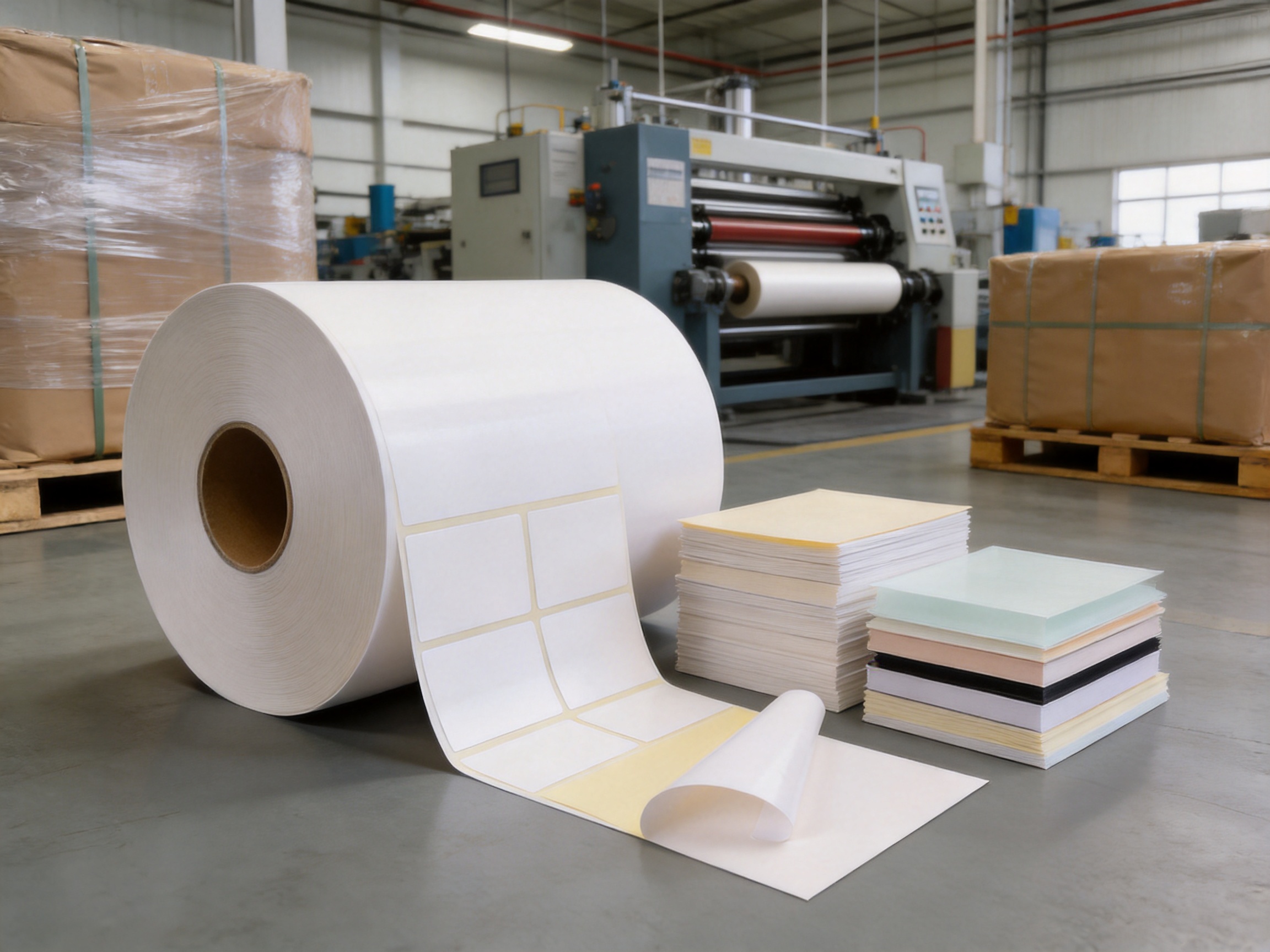
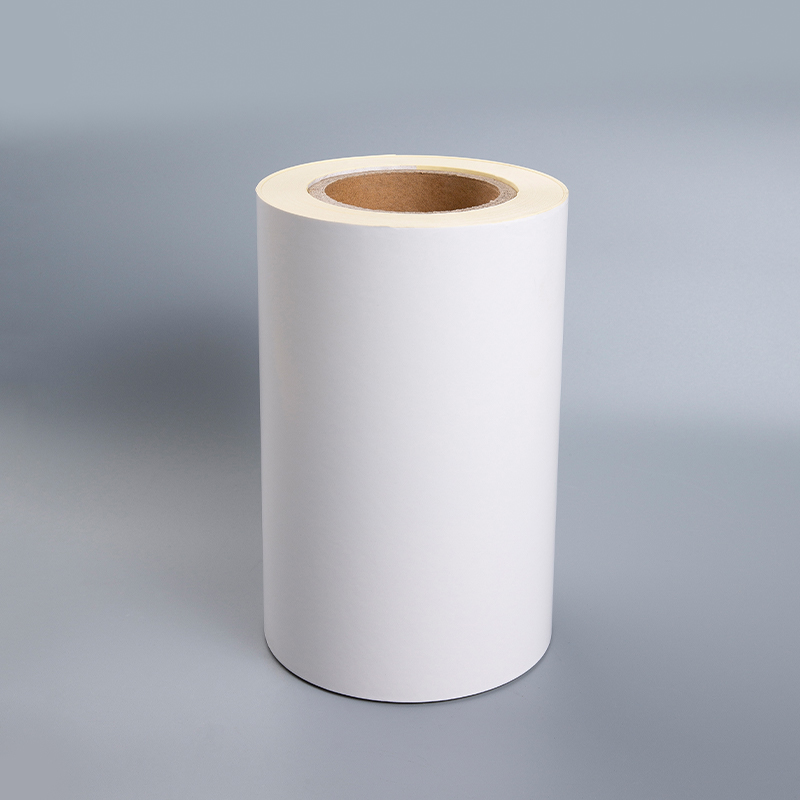
The adhesive and release liner form a coordinated system beneath the thermal face stock. Selecting the right adhesive and liner can improve application reliability, dispensing performance, and compatibility with different substrates and operating temperatures.
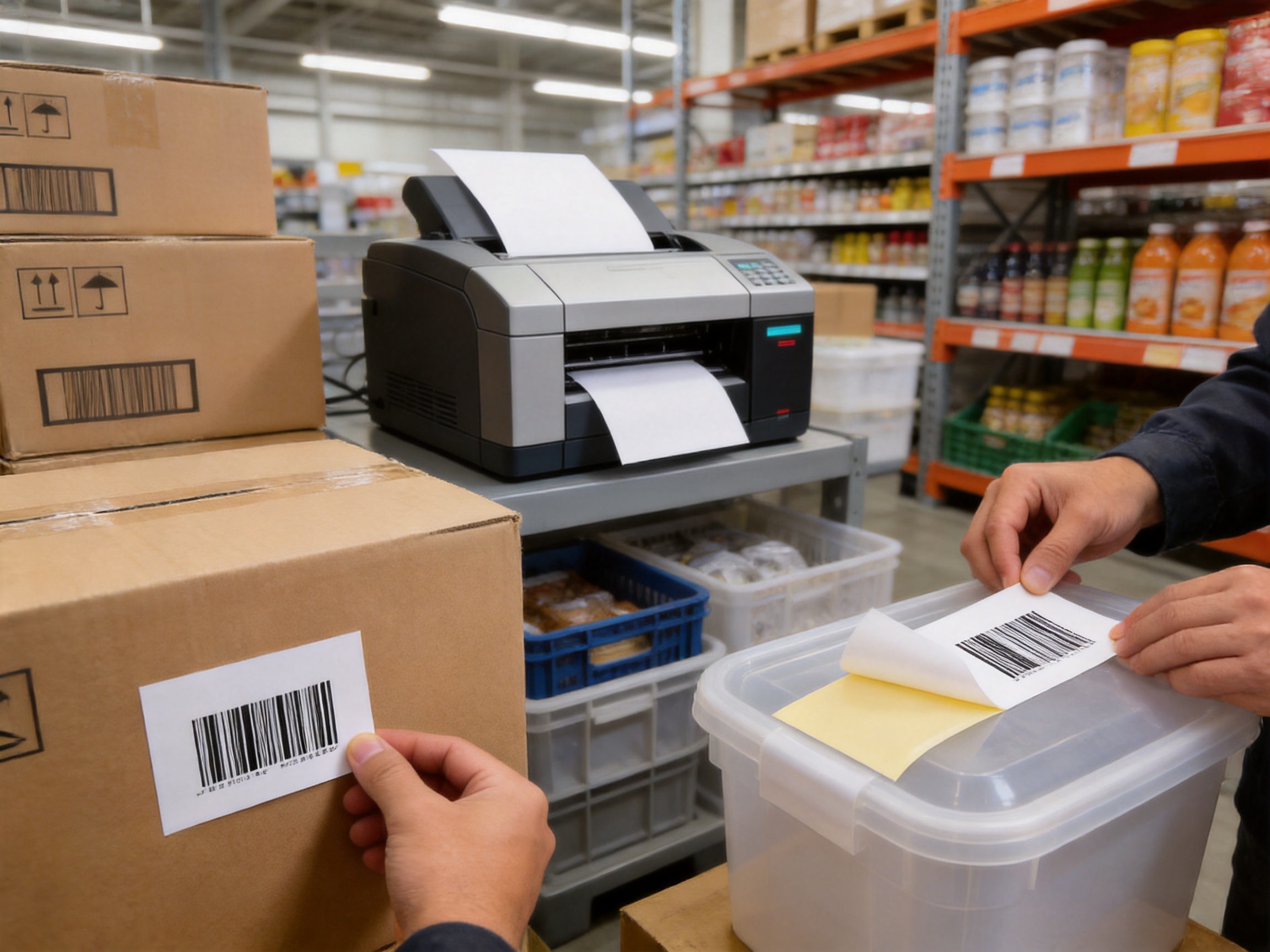
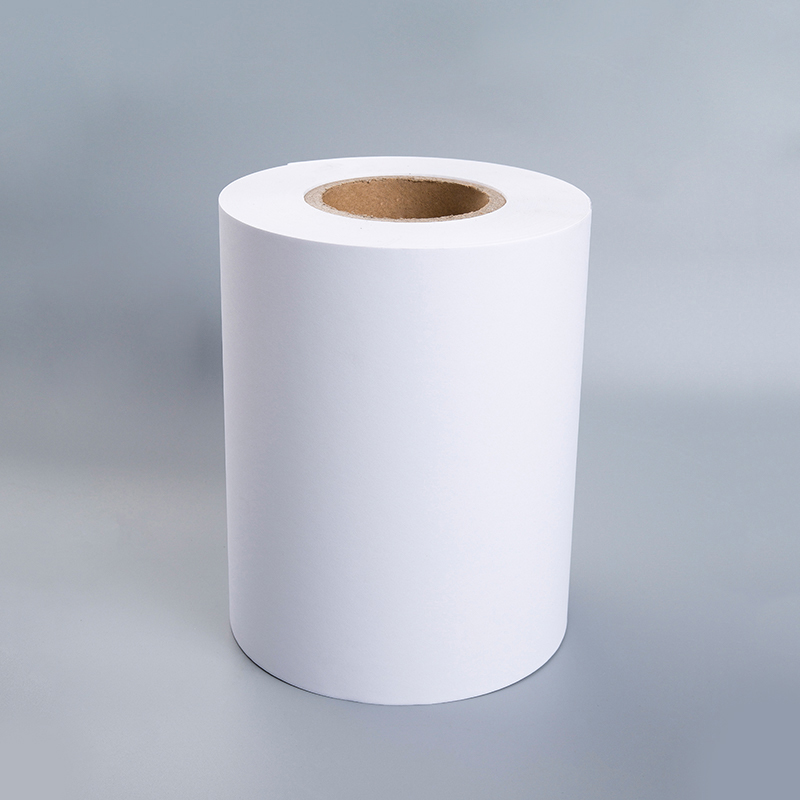
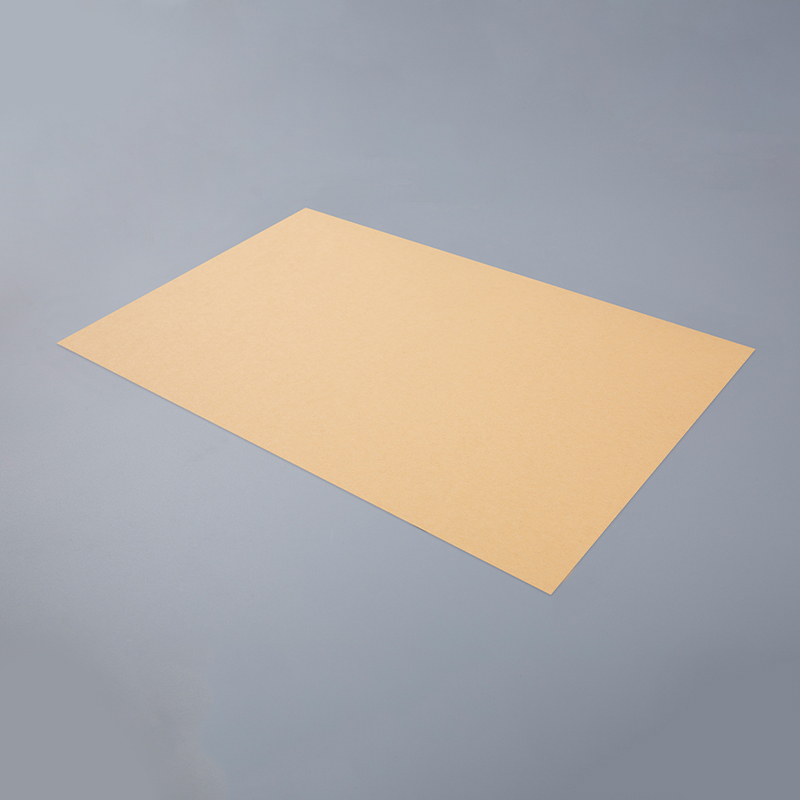
Finished self-adhesive thermal labels can be used for retail, logistics, inventory management, barcode identification, product stickers, and many other applications requiring fast, clear variable-data printing.
Frequently Asked Questions
What is top coated thermal paper?
Top coated thermal paper is a heat-sensitive paper with a protective and performance-enhancing surface coating. It develops an image when exposed to heat from a direct thermal printer. The top coating helps improve surface smoothness, image consistency, and handling performance.
Can this material be used for barcode printing?
Yes. It is suitable for barcode printing in retail, logistics, medicine, warehousing, and other industries, provided that the selected grade is compatible with the printer and the application conditions. Barcode readability should be verified using the customer’s actual equipment.
Can it be printed with a thermal transfer printer?
The supplied material is primarily designed for thermal printing. Some constructions may be tested with thermal transfer equipment, but compatibility depends on the surface treatment, ribbon type, printer settings, and required image quality. Customers should request a technical evaluation before adopting an alternative printing method.
What adhesive options are available?
Available options include hotmelt adhesive, water-based adhesive, solvent adhesive, removable adhesive, anti-freeze adhesive, cryogenic adhesive, and tyre-grade rubber adhesive. The correct choice depends on the application substrate, temperature, permanence, and required bonding performance.
What is the standard liner?
The standard liner is 60 gsm yellow release paper. Other options include glassine paper, release paper, art paper, and CCK liner in several weights.
Can the product be supplied in jumbo rolls?
Yes. Jumbo roll widths include 1000 mm, 1020 mm, 1080 mm, and 1530 mm. Other dimensions may be discussed for customized projects.
Can the product be supplied in sheets?
Yes. Available sheet formats include A4, A3, 20 cm by 30 cm, 21 cm by 30 cm, 24 cm by 36 cm, 50 cm by 70 cm, and 70 cm by 100 cm. Customized sizes are also available.
Is the product suitable for outdoor use?
Direct thermal paper is generally selected for indoor or short- to medium-term applications. Exposure to strong sunlight, heat, moisture, chemicals, or abrasion may affect the printed image. Outdoor or long-term applications should be evaluated carefully, and another face material or printing technology may be more suitable.
How should the material be stored?
It should be stored in a clean, dry environment away from direct sunlight, excessive heat, high humidity, chemical vapors, and heavy pressure. Proper storage helps protect the thermal surface, adhesive, liner, and finished roll or sheet condition.
What makes an integrated manufacturer advantageous?
An integrated manufacturer can coordinate gluing, laminating, cutting, inspection, and technical support within one production organization. This can improve communication, support customization, reduce coordination problems, and provide greater consistency for repeat orders.
Does the supplier offer OEM and ODM services?
Yes. OEM and ODM services are available. Products can be made according to customer drawings, samples, technical specifications, or application requirements.
Can the product be customized for cold-temperature applications?
Yes. Anti-freeze and cryogenic adhesive options are available for applications involving low temperatures. The customer should provide details about application temperature, storage temperature, condensation, substrate type, and expected service duration so that the construction can be evaluated properly.
How is the product packaged for export?
Rolls and sheets can be packed with sea-transit-worthy plywood pallets and cartons. Sheets are packed at 100 sheets per ream with strong polyethylene-coated kraft paper wrappers. Pallets are wrapped with stretch film and secured with plastic fastening belts.
Conclusion
Top coated thermal paper is a practical and adaptable material for businesses that require fast, clear, and efficient label printing. Its heat-sensitive surface supports direct thermal production of barcodes, text, prices, tracking information, and product identification without conventional ink or ribbon consumables. The top coating improves the printing surface and helps the material meet the handling and processing requirements of modern label operations.
The product’s value is strengthened by its flexible construction options. Customers can choose hotmelt, water-based, solvent, removable, anti-freeze, cryogenic, or tyre-grade rubber adhesive systems. They can also select from yellow release paper, glassine, release paper, art paper, and CCK liner options. Jumbo rolls, standard sheets, and customized formats are available for different converting and printing systems.
Compared with basic uncoated thermal products, top coated material can provide improved surface quality and more consistent imaging. Compared with thermal transfer, inkjet, or laser systems, it can offer simpler operation and efficient high-volume variable-data printing. The most suitable option depends on the application, environmental conditions, durability requirements, and printing equipment.
Through integrated gluing, laminating, cutting, testing, OEM, and ODM capabilities, Suzhou Piaozhihua Composite Material Technology Co., Ltd. provides a complete manufacturing resource for self-adhesive thermal label materials. Its production scale, technical experience, testing laboratory, research and development capabilities, international service network, and focus on sustainable material development support customers seeking reliable and customized label solutions.
For the best results, customers should evaluate the full label construction rather than selecting the face material alone. A coordinated combination of thermal paper, adhesive, liner, dimensions, packaging, and printing settings can improve production efficiency, reduce waste, and support dependable performance throughout the label’s intended service life.
References
1. International Organization for Standardization. Quality Management Systems: Fundamentals and Vocabulary.
2. International Organization for Standardization. Quality Management Systems: Requirements.
3. International Organization for Standardization. Paper, Board, Pulp, and Related Product Testing Principles.
4. Label Industry Technical Literature. Direct Thermal Printing, Barcode Quality, and Self-Adhesive Label Construction.
5. Packaging Materials Engineering References. Adhesive Selection for Paper, Film, Glass, Metal, and Low-Temperature Substrates.
6. Thermal Printing Equipment Manufacturers’ Technical Guides. Printer Settings, Printhead Temperature, Speed, and Image Development.
7. Self-Adhesive Label Converting References. Coating, Lamination, Slitting, Sheeting, Die Cutting, and Release Liner Performance.
8. Sustainable Packaging Materials Research. Material Efficiency, Adhesive Development, Liner Selection, and Waste Reduction.