
 English
 Español
 русский
 Français
 عربى
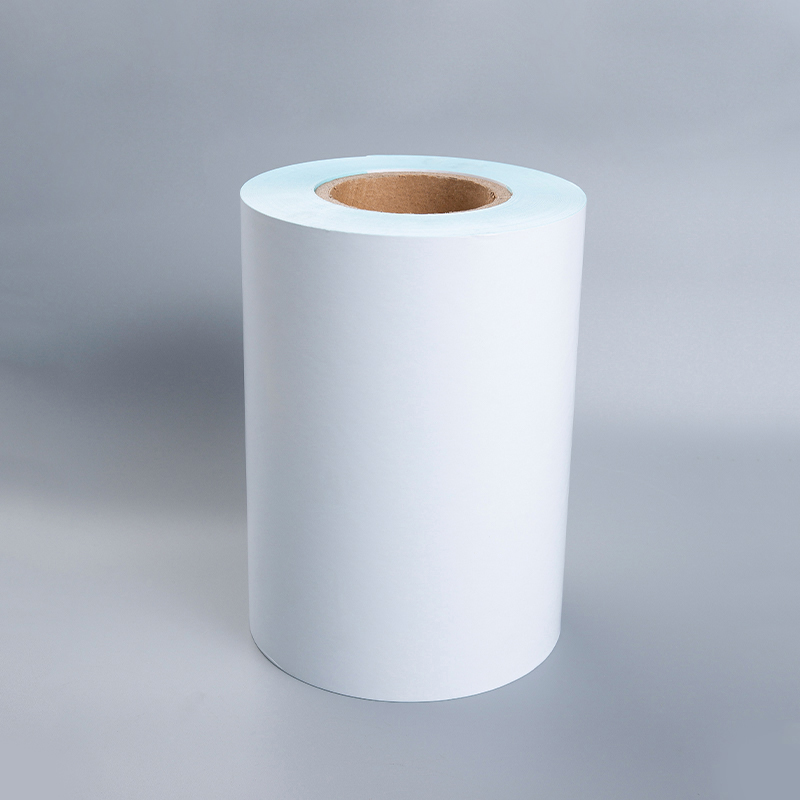
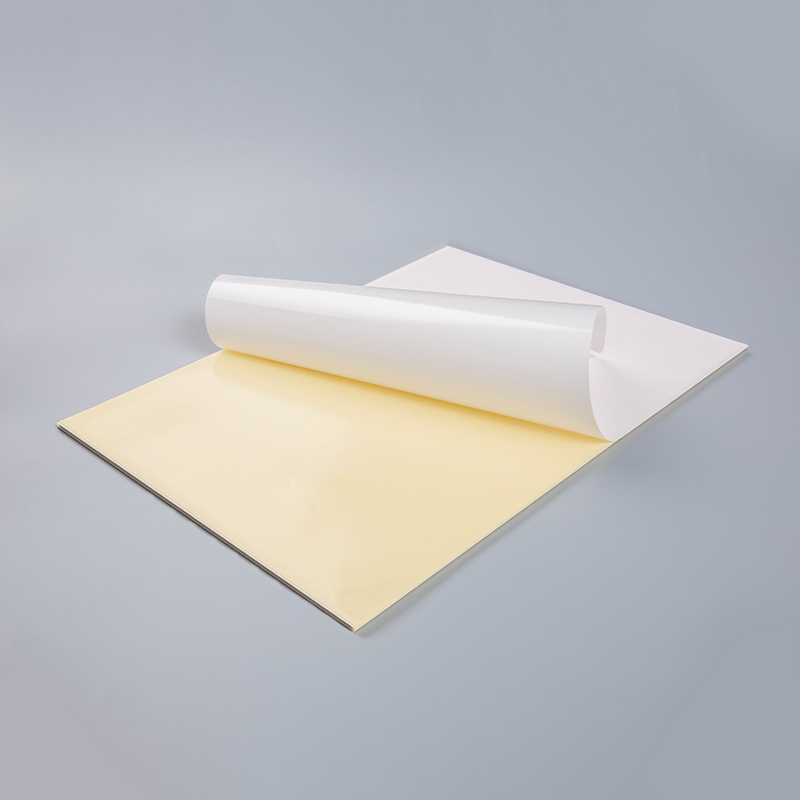
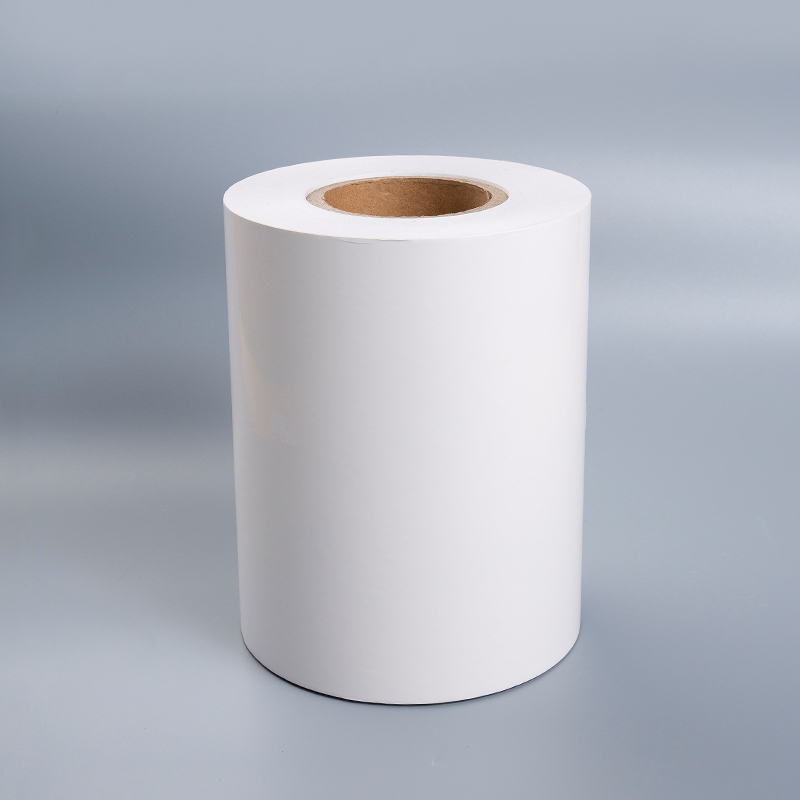
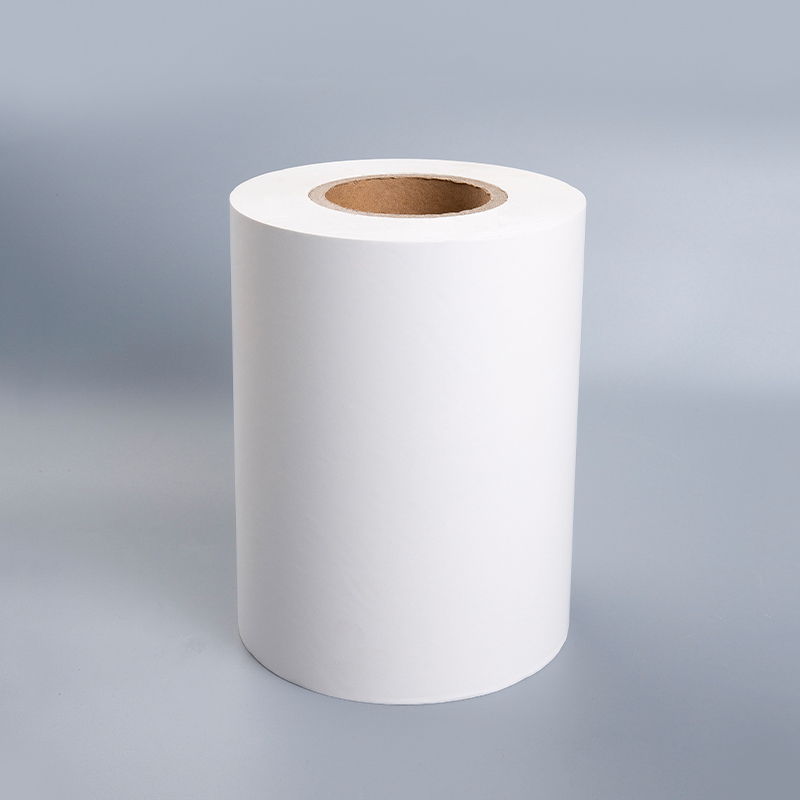
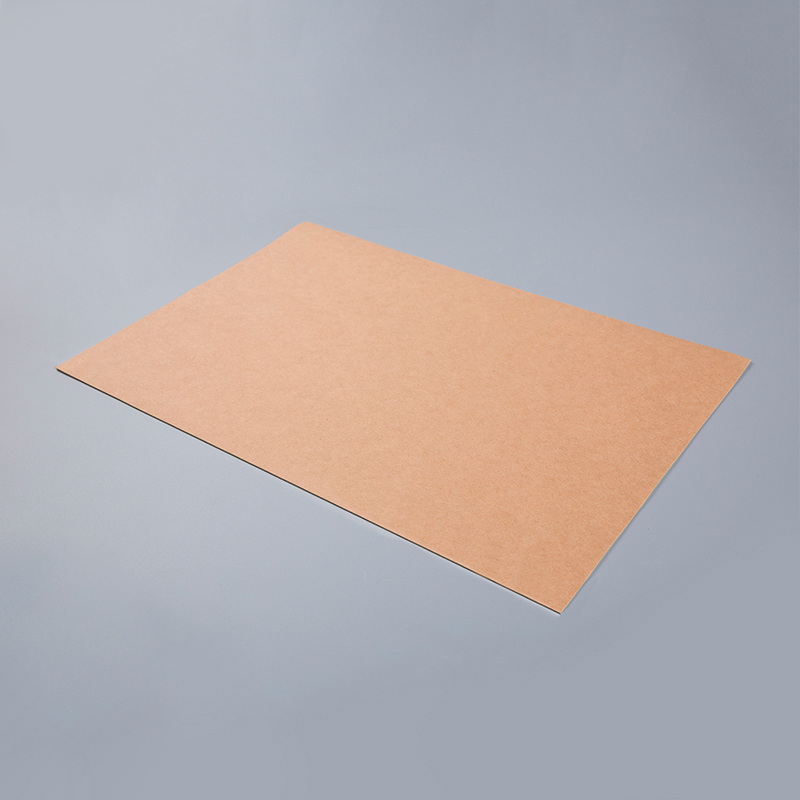
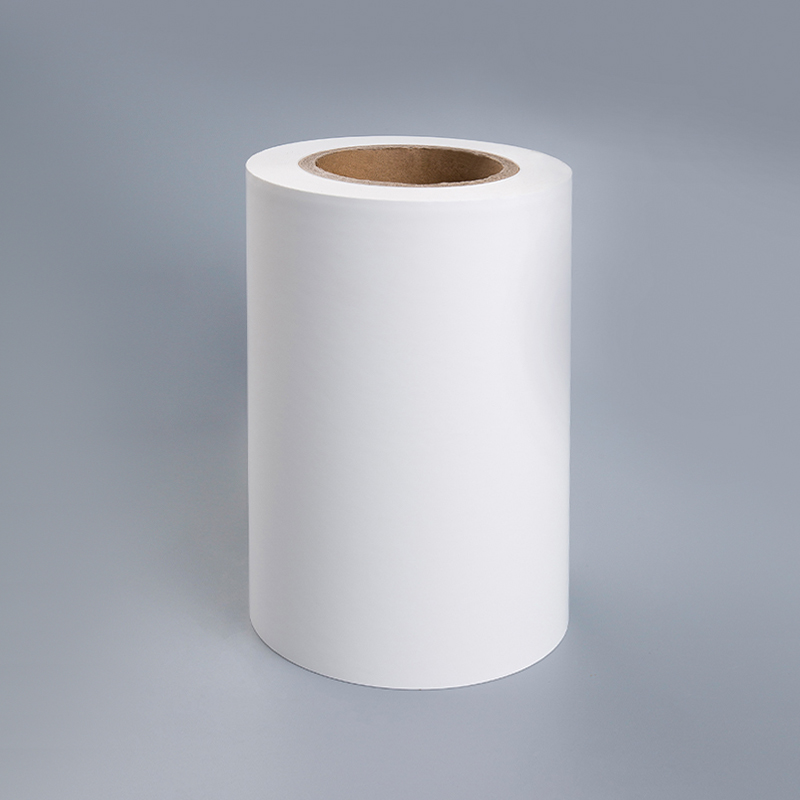
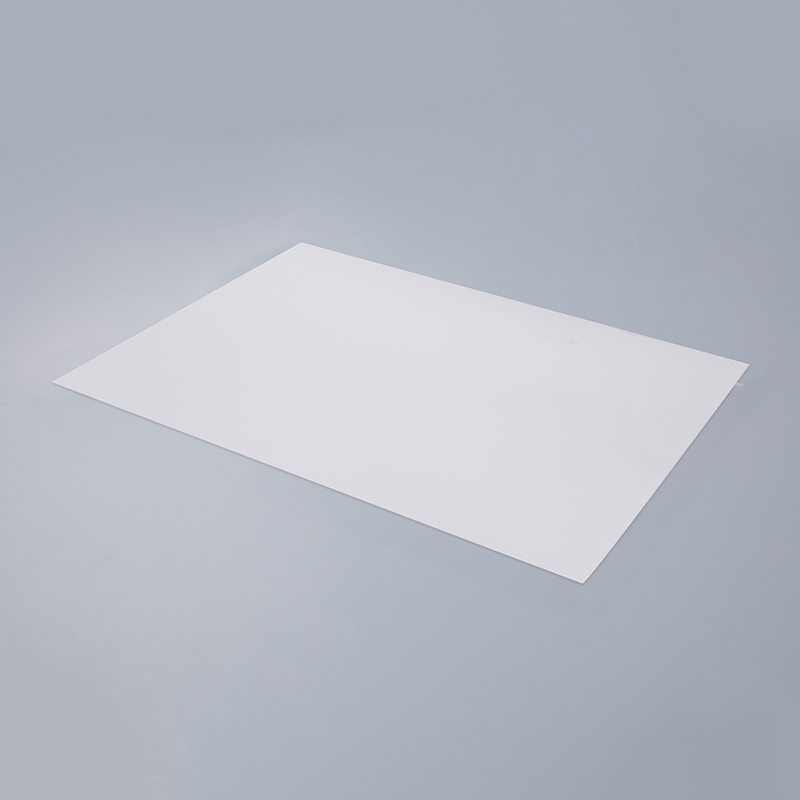
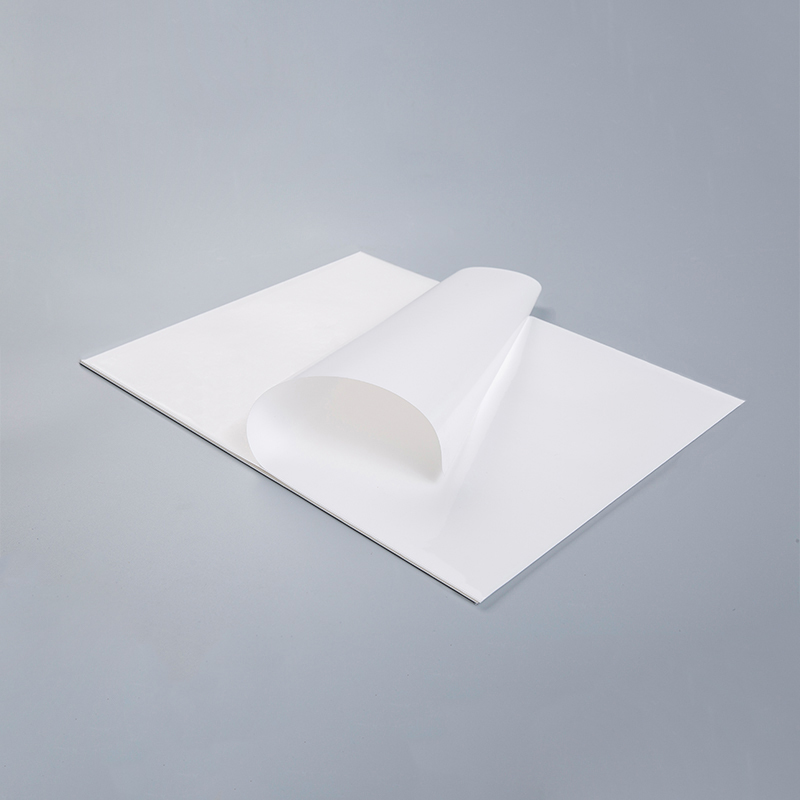
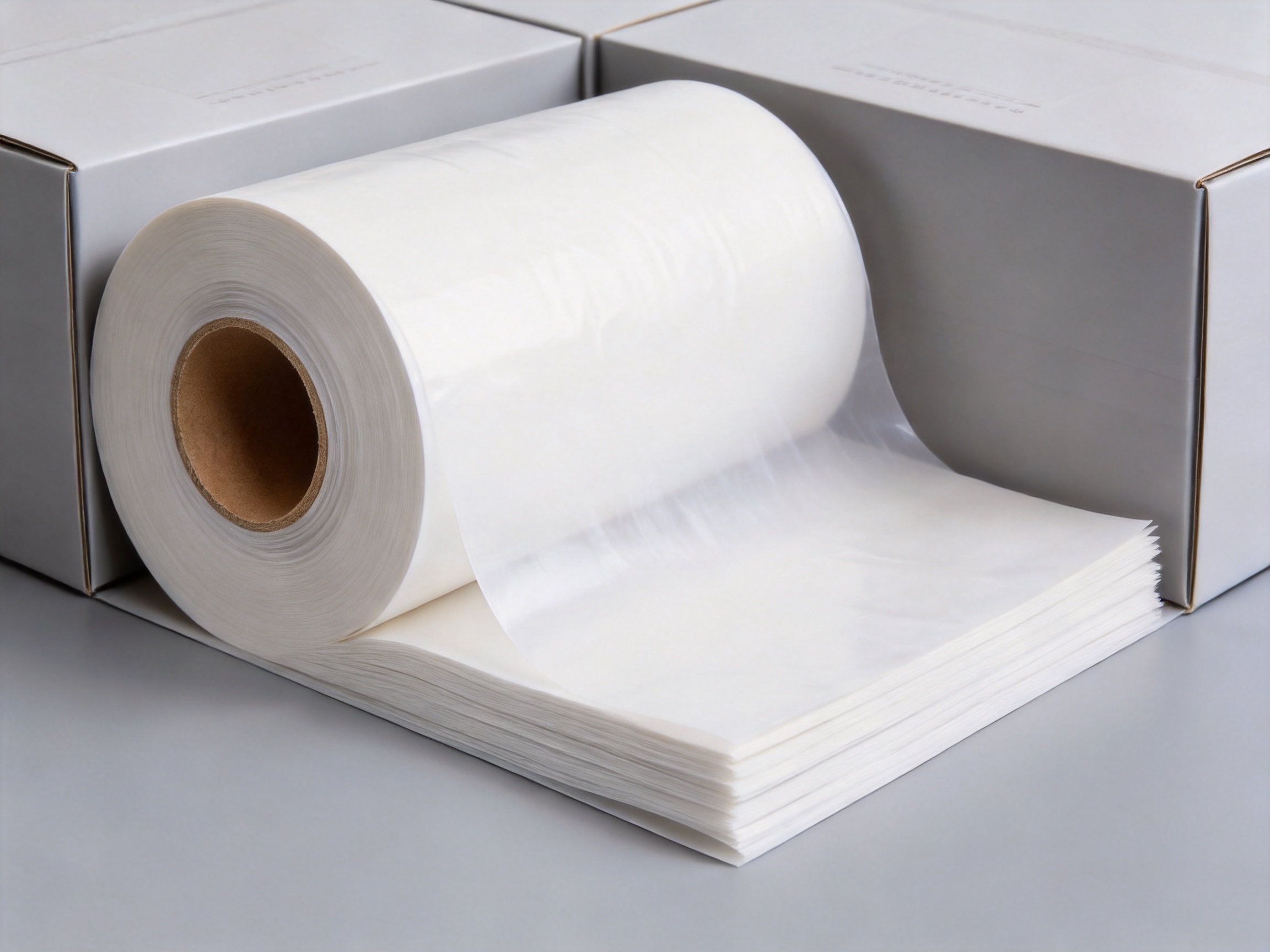
عربىWhite PE coated kraft paper is a functional paper-based material designed for applications that require strength, moisture resistance, a clean white appearance, and dependable converting performance. By combining a kraft paper base with a polyethylene coating, this material provides a practical balance between the natural rigidity of paper and the protective properties of plastic. It can be supplied in rolls or sheets and is available in multiple grammages, widths, colors, and customized sizes.
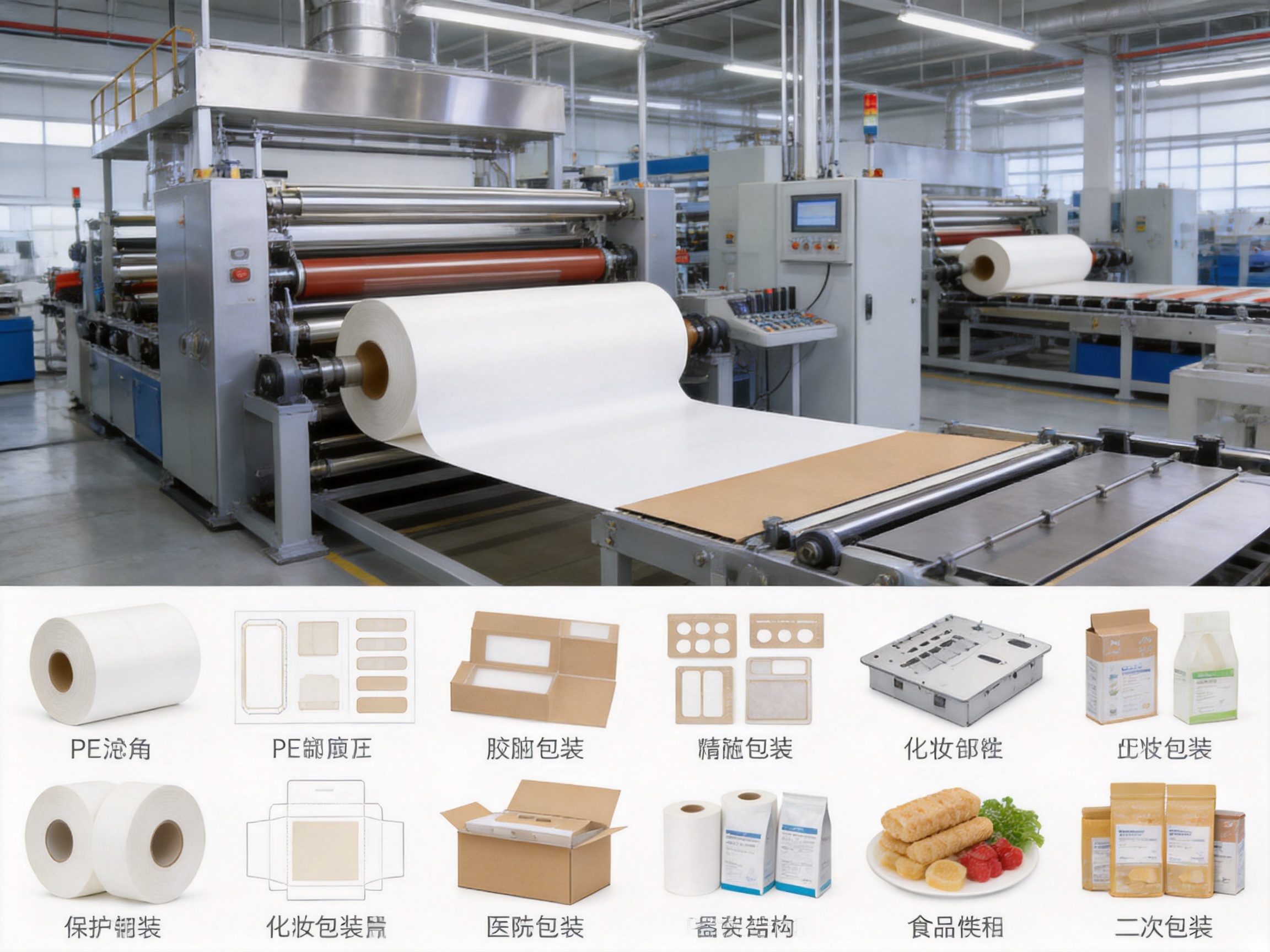
As a versatile material, white PE coated kraft paper is used in packaging, adhesive processing, die cutting, medical applications, food-related uses, cosmetics, and other industries where a stable and protective paper substrate is required. It can also serve as a component in release paper production and other composite material structures. Its surface and structure make it suitable for further coating, laminating, cutting, printing, and converting processes.
The product is manufactured and supplied by Suzhou Piaozhihua Composite Material Technology Co., Ltd., a Chinese producer specializing in self-adhesive materials, coated papers, release products, and related composite materials. With more than 20 years of manufacturing experience, integrated production capabilities, and an annual production capacity exceeding 280 million square meters, the company provides both standard and customized material solutions for customers in domestic and international markets.
Content
- 1 What Is White PE Coated Kraft Paper?
- 2 Core Construction and Material Characteristics
- 3 Advantages Compared with Conventional Uncoated Kraft Paper
- 4 Advantages Compared with Film-Only Materials
- 5 Applications of White PE Coated Kraft Paper
- 6 Available Specifications
- 7 Manufacturing Process
- 8 Integrated Production Strengths
- 9 Why Select a Specialized Composite Material Manufacturer?
- 10 Quality and Performance Considerations
- 11 Packaging and Delivery
- 12 Storage and Handling Recommendations
- 13 Customization Options
- 14 Environmental and Sustainability Considerations
- 15 Application-Specific Product Selection
- 16 Company Manufacturing and Service Profile
- 17 Frequently Asked Questions
- 17.1 What is white PE coated kraft paper used for?
- 17.2 What grammages are available?
- 17.3 Can the material be supplied in sheets?
- 17.4 Can it be supplied in jumbo rolls?
- 17.5 Is the product waterproof?
- 17.6 Can white PE coated kraft paper be used as release paper?
- 17.7 Is the product suitable for direct food contact?
- 17.8 Can the material be customized?
- 17.9 How should the material be stored?
- 17.10 What information should be provided when requesting a quotation?
- 17.11 What makes this product different from ordinary kraft paper?
- 17.12 What makes the manufacturer suitable for customized orders?
- 18 Conclusion
- 19 References
- 20 Product: White PE Coated Kraft Paper
What Is White PE Coated Kraft Paper?
White PE coated kraft paper is made by applying a polyethylene layer to kraft paper. The kraft paper provides mechanical strength, stiffness, dimensional stability, and a paper-like structure. The polyethylene coating adds resistance to moisture, surface contamination, and certain handling conditions. The white appearance gives the finished material a clean and consistent visual surface that is suitable for packaging, converting, and selected printing applications.
Kraft paper is widely recognized for its high tensile strength and reliable performance during transportation and processing. However, uncoated kraft paper can absorb moisture and may be more vulnerable to surface contamination. The PE coating helps reduce these limitations by creating a protective barrier over one or both sides, depending on the product construction and intended application.
The finished material can be manufactured in different basis weights, including 50, 60, 65, 70, 80, 85, 90, 100, 120, 135, 155, and 240 grams per square meter. This range allows buyers to select a lighter grade for flexible and economical applications or a heavier grade for improved stiffness, durability, and protection.
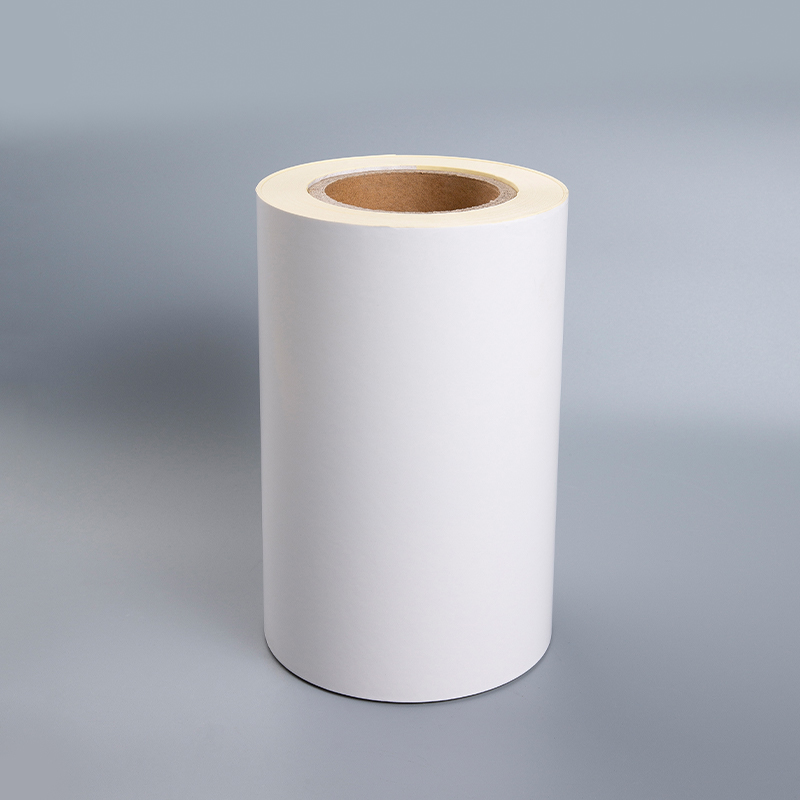
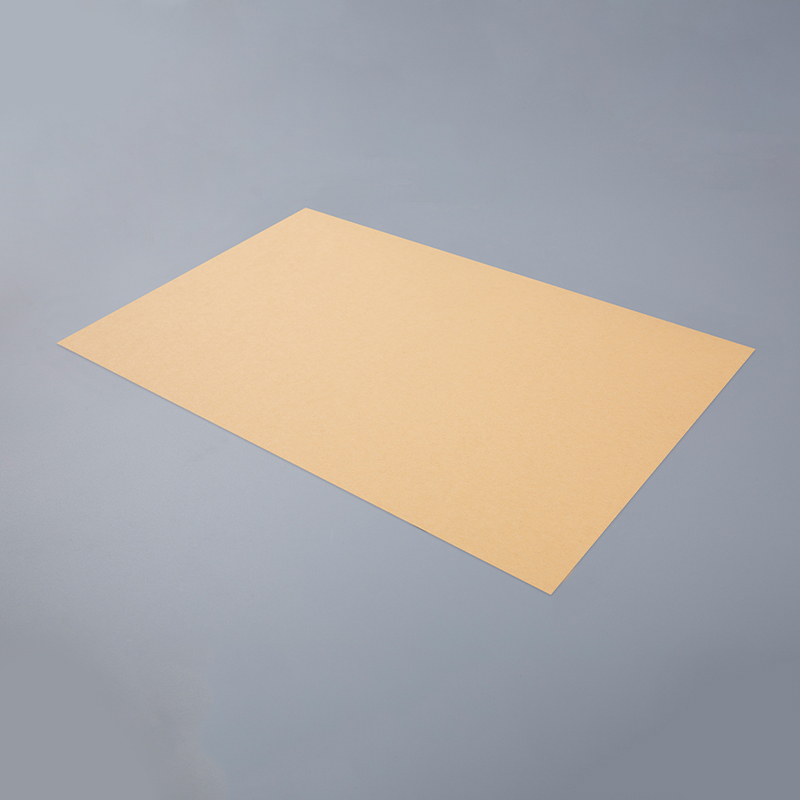
White and yellow versions are available. White PE coated kraft paper is generally selected when a bright, clean, and neutral appearance is required. Yellow material may be preferred for traditional packaging styles, visual differentiation, or specific industrial applications.
Core Construction and Material Characteristics
The performance of PE coated kraft paper depends on the interaction between its paper base and polyethylene surface. The kraft paper layer contributes strength and dimensional support, while the coating protects the surface and improves its resistance to environmental exposure.
Kraft Paper Base
The kraft paper base is engineered to provide a reliable combination of tensile strength, stiffness, folding performance, and handling stability. These characteristics are especially important when the paper is converted into sheets, rolls, wrappers, liners, packaging components, or die-cut parts.
A strong paper base helps reduce tearing during slitting, cutting, feeding, and packing. It can also support the material during transportation and storage. When used in composite structures, the kraft paper layer may provide the physical body needed to keep the finished product flat and stable.
Polyethylene Coating
Polyethylene is a thermoplastic polymer commonly used as a protective coating for paper and board products. On kraft paper, it forms a smooth and continuous surface that helps limit the penetration of moisture and reduces direct exposure of the paper fibers to external contaminants.
The PE layer can improve surface durability and make the paper more suitable for applications where ordinary paper may soften, stain, or lose performance under humid conditions. The coating also contributes to a smoother appearance and can support additional converting operations.
White Surface Appearance
The white surface gives the material a clean and professional appearance. This is useful for packaging and industrial applications where visual presentation matters. A white surface can also provide a suitable foundation for selected printing, identification, labeling, or marking processes, subject to the requirements of the printing method and the specific grade.
For companies that need both functional protection and a neat appearance, white PE coated kraft paper can be more suitable than ordinary brown kraft paper or uncoated paper. It maintains the recognizable strength of kraft paper while presenting a more uniform and refined surface.
White PE Coated Kraft Paper
Advantages Compared with Conventional Uncoated Kraft Paper
Uncoated kraft paper remains valuable for many applications, but it has limitations when exposed to moisture, grease, dust, or other contaminants. White PE coated kraft paper is developed to address several of these limitations without eliminating the useful structural qualities of kraft paper.
Improved Moisture Resistance
The polyethylene layer helps protect the kraft paper from direct contact with water and humidity. This does not mean that every PE coated grade is completely waterproof under all conditions. However, compared with uncoated kraft paper, the coating can provide a substantially more protective surface for applications involving occasional moisture exposure or damp handling environments.
This advantage is relevant to packaging, medical material processing, food-related applications, and warehouse environments where temperature changes may create condensation. Better moisture resistance can help maintain the paper’s appearance, stiffness, and usability during handling and transportation.
Better Surface Protection
The coating creates a barrier between the paper and external dirt, dust, and certain surface contaminants. This can be useful when the material is used as a wrapper, protective layer, backing component, or processing substrate.
In comparison with untreated paper, the coated surface is less likely to absorb minor spills or become immediately marked by routine handling. This may help improve production cleanliness and reduce material damage during storage and converting.
Greater Structural Versatility
White PE coated kraft paper is available in a wide range of grammages. Buyers can select a grade according to the required combination of flexibility, stiffness, strength, and cost. Lighter grades may be suitable for wrapping and lightweight composite structures, while heavier grades can be selected for demanding packaging or industrial uses.
This range is a significant advantage over suppliers that offer only one or two standard weights. A wider product range allows manufacturers to optimize material consumption and choose a construction that better matches the finished product.
Suitable for Roll and Sheet Converting
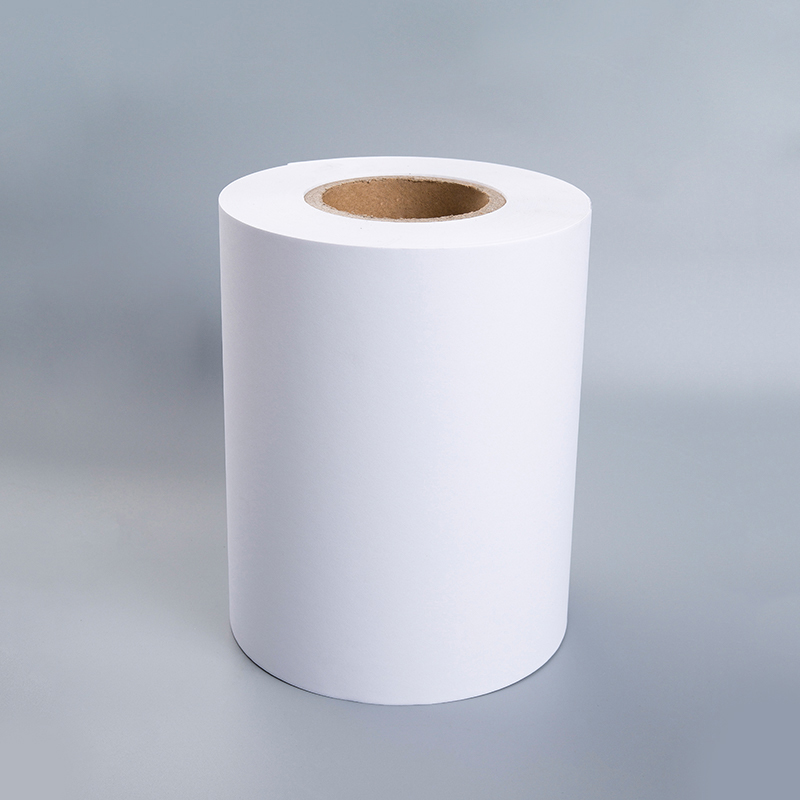
The product can be supplied as jumbo rolls or sheets. Roll formats are useful for high-speed converting, laminating, slitting, and continuous production. Sheet formats are convenient for manual processing, sheet-fed equipment, packaging operations, and smaller production batches.
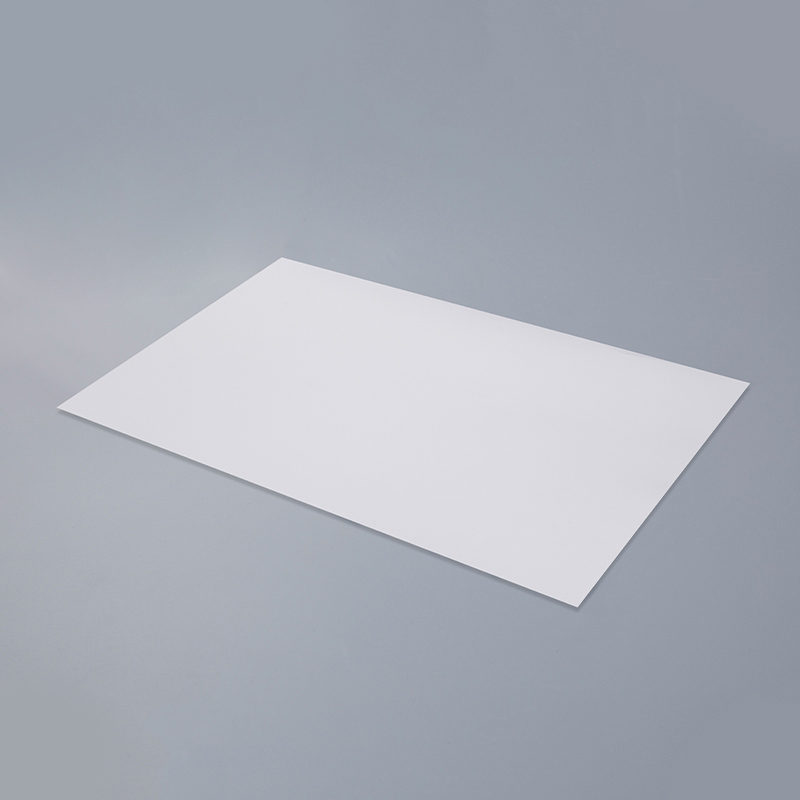
Available sheet formats include A4, A3, 20 by 30 centimeters, 21 by 30 centimeters, 24 by 36 inches, 50 by 70 centimeters, and 70 by 100 centimeters. Customized dimensions can also be discussed according to the customer’s equipment and finished-product specifications.
Clean Appearance for Professional Products
The white color creates a more consistent and modern appearance than conventional brown kraft paper. This can be important for cosmetics, medical supplies, premium packaging, and products that require a clean visual presentation.
For companies that use packaging as part of their brand image, a white coated surface may provide a more appropriate background for product information, handling instructions, or other visual elements.
Advantages Compared with Film-Only Materials
Plastic film can offer moisture resistance and flexibility, but it may not provide the stiffness, paper feel, or structural support required for every application. White PE coated kraft paper combines a paper base with a polymer coating, creating a hybrid material that can offer advantages over film-only constructions.
The kraft paper component provides rigidity and body, making the material easier to handle in certain packaging and converting operations. It can also reduce the need to use a thicker plastic film when the application requires a stable substrate. The result is a material that feels more substantial and paper-like while still benefiting from the protective function of polyethylene.
In die-cutting and composite applications, a paper-based structure may be easier to position, stack, feed, and convert than a very flexible film. The appropriate choice depends on the end use, but PE coated kraft paper offers an intermediate solution between traditional paper and plastic film.
Applications of White PE Coated Kraft Paper
Packaging Applications
White PE coated kraft paper is suitable for packaging components that require a combination of strength, surface protection, and visual cleanliness. It may be used for wrappers, inner packaging, protective layers, pouch-related structures, and other paper-based packaging products.
The polyethylene coating can help protect the paper from minor moisture exposure during storage and transportation. The kraft base contributes tear resistance and handling strength, while the white surface supports a neat and professional presentation.
Packaging manufacturers can select different grammages and formats according to the required load, folding behavior, conversion speed, and finished dimensions. Roll stock is appropriate for automated production, while pre-cut sheets can simplify smaller-scale packaging operations.
Food-Related Uses
Coated paper products are used in many food-related packaging and processing environments. White PE coated kraft paper may be selected where a paper substrate needs additional surface protection. The exact suitability for direct food contact depends on the complete material construction, coating formulation, compliance requirements, and the regulations applicable in the destination market.
Before using the product for direct food contact, buyers should confirm the relevant specifications, migration requirements, coating structure, and test documentation with the supplier. For indirect food packaging, outer wraps, protective layers, and secondary packaging, the material can provide a useful combination of strength and surface protection.
Medical Industry Applications
Medical and healthcare products often require clean, stable, and carefully converted packaging materials. PE coated kraft paper can be used in selected medical packaging structures, protective layers, and processing applications where the material’s strength and moisture resistance are beneficial.
Medical applications may require strict control of cleanliness, printability, sealing, sterilization compatibility, and barrier performance. Therefore, the correct grade must be chosen according to the specific product and sterilization process. The material should not be treated as universally suitable for every medical application without technical evaluation.
Cosmetics and Personal Care Packaging
Cosmetic packaging frequently combines appearance with protection. The white surface of PE coated kraft paper can support a clean and premium appearance, while the coated structure helps protect the paper from routine handling and minor moisture exposure.
The material can be used in secondary packaging, protective inserts, wrappers, backing structures, and other components. Its availability in sheets and rolls allows cosmetic packaging manufacturers to select the format that best matches their production system.
Adhesive Industry
The adhesive industry uses a variety of coated papers, release papers, liners, and composite substrates. White PE coated kraft paper can serve as a base or protective component in adhesive-related production, depending on the required release characteristics and the final coating system.
When the product is intended to function as release paper, an appropriate release coating may be applied to the PE coated kraft paper. The release performance is determined by the release agent, coating weight, curing conditions, surface energy, adhesive chemistry, and processing parameters. A PE coated kraft substrate can provide a stable and protected base for further treatment.
For pressure-sensitive adhesive applications, buyers should specify the adhesive type, peel force, aging conditions, intended storage period, and converting method. These factors help determine whether a standard or customized release construction is appropriate.
Die-Cutting Applications
Die cutting requires materials that can feed consistently, remain dimensionally stable, and separate cleanly after cutting. White PE coated kraft paper may be used as a substrate, liner, protective layer, or component in die-cut adhesive products.
The material’s stiffness and paper-based structure can support accurate handling during flatbed or rotary die cutting. The correct grade depends on the die design, cutting pressure, speed, waste matrix, adhesive construction, and required final dimensions.
For customers purchasing jumbo rolls, slit width, roll diameter, core size, winding direction, and edge quality should be defined in advance. These details can influence machine efficiency and material yield.
Release Paper and Separation Applications
Release paper is designed to prevent unwanted adhesion and to provide controlled separation between adhesive surfaces and other materials. It is widely used in labels, tapes, medical products, industrial laminates, decals, and die-cut components.
A PE coated kraft base may be used as part of a release paper structure because the polyethylene surface can contribute to barrier performance and provide a suitable foundation for a release coating. However, release behavior is not determined by the kraft paper alone. It depends on the complete construction and the interaction between the release surface and the adhesive.
Customers should provide details about the adhesive type, application temperature, release force, coating direction, and end-use requirements when requesting a release paper solution.
Available Specifications
| Specification Category | Available Options |
|---|---|
| Material | PE coated kraft paper |
| Basis Weight | 50, 60, 65, 70, 80, 85, 90, 100, 120, 135, 155, and 240 g/m² |
| Color | White or yellow |
| Jumbo Roll Width | 1,000, 1,020, 1,080, and 1,530 millimeters |
| Sheet Sizes | A4, A3, 20 × 30 centimeters, 21 × 30 centimeters, 24 × 36 inches, 50 × 70 centimeters, and 70 × 100 centimeters |
| Supply Form | Jumbo rolls, finished rolls, and sheets |
| Customization | Customized sizes and product constructions available according to requirements |
The listed specifications provide a starting point for product selection. Actual technical values may vary according to the grade, coating structure, paper base, production conditions, and customer requirements. Buyers should request a current technical data sheet and sample before approving a large order.
Manufacturing Process
The manufacture of PE coated kraft paper involves several controlled stages. Each stage influences the final product’s appearance, strength, surface protection, and converting performance. An integrated production system helps coordinate these stages and reduce inconsistencies between coating, laminating, slitting, and sheet cutting.
Raw Material Selection
The process begins with the selection of kraft paper, polyethylene, and other materials required for the specified construction. The paper base is evaluated for basis weight, tensile strength, thickness, moisture content, surface condition, and dimensional stability.
Material selection is particularly important for products that will be laminated, release-coated, printed, or die cut. An unsuitable paper base may create problems such as curling, wrinkling, poor coating adhesion, uneven winding, or unstable feeding during conversion.
Surface Preparation
Before coating, the paper surface may be prepared to support the required adhesion and coating uniformity. Surface preparation can include cleaning, web conditioning, corona treatment, primer application, or other methods selected according to the coating system.
Proper preparation helps the polyethylene layer bond consistently with the paper. It can also improve the quality of any subsequent coating, printing, or laminating operation.
PE Coating
The polyethylene coating is applied under controlled production conditions. Important factors include coating temperature, extrusion speed, web tension, coating weight, line speed, and cooling conditions. These parameters must be balanced to achieve a continuous and uniform layer without excessive wrinkles, pinholes, or surface defects.
Coating thickness is selected according to the intended application. A heavier coating may provide greater surface protection, while a lighter coating may be preferred when flexibility, cost efficiency, or a specific converting behavior is more important.
Laminating and Composite Processing
Some products require additional laminating or composite processing. Laminating may combine the PE coated kraft paper with another paper, film, adhesive layer, release layer, or functional substrate.
Accurate alignment and controlled bonding are essential during lamination. Poor alignment can reduce material yield, while uneven adhesive application may cause delamination, bubbles, wrinkles, or unstable roll formation. An experienced composite material manufacturer can adjust the construction according to the customer’s application and equipment.
Slitting and Rewinding
After coating or lamination, jumbo rolls can be slit into narrower rolls. Slitting requires accurate control of knife position, web tension, edge quality, roll hardness, and winding alignment.
Consistent roll formation is important for customers using automated equipment. Rolls that are too loose, too tight, telescoped, or unevenly wound may create feeding and unwinding problems. Careful rewinding helps ensure that the material runs more smoothly on downstream machinery.
Sheet Cutting
For sheet orders, the coated material is cut to the specified dimensions. Sheet cutting requires control of length, width, squareness, edge condition, and stack alignment. Standard sizes can be supplied, while customized sizes may be produced for specific packaging or converting requirements.
Accurate sheet cutting reduces trimming waste and simplifies customer production. The choice between rolls and sheets depends on the buyer’s equipment, order volume, production speed, and storage method.
Inspection and Testing
Quality control may include visual inspection, basis weight measurement, thickness testing, tensile testing, moisture evaluation, coating adhesion checks, surface inspection, roll-width verification, and sheet-dimension measurement.
For release-related products, additional tests may include release force, adhesive transfer, aging performance, coating uniformity, and compatibility with the intended adhesive. Testing should be selected according to the final application rather than relying only on general paper specifications.
Integrated Production Strengths
Suzhou Piaozhihua Composite Material Technology Co., Ltd. operates as a manufacturer specializing in self-adhesive and composite materials. Its production capabilities include gluing, laminating, and cutting. This integrated structure provides advantages for customers that require several processes to be coordinated within one supply chain.
More Than Two Decades of Experience
With more than 20 years of OEM manufacturing experience, the company has developed practical knowledge in paper coating, adhesive materials, release products, and converting. Long-term manufacturing experience can help a supplier identify production risks earlier and recommend more suitable material constructions.
Experience is particularly valuable for customized orders. Customers may need a specific width, sheet size, coating weight, roll diameter, release level, or adhesive compatibility. A supplier with established technical processes can evaluate these requirements more efficiently than a supplier focused only on standard products.
High Production Capacity
The company reports an annual production capacity of more than 280 million square meters. A large production capacity can support repeat orders, contract manufacturing, and supply programs for customers operating across multiple markets.
Capacity must be combined with effective production planning and quality control. When these systems work together, customers can benefit from more stable delivery schedules and better continuity between production batches.
OEM and ODM Support
OEM services allow the manufacturer to produce materials according to customer specifications, drawings, samples, or established product standards. ODM services provide an opportunity to develop a suitable construction with technical support from the supplier.
Customized development may involve selecting the paper base, PE coating structure, color, basis weight, roll width, sheet size, adhesive system, release coating, packaging format, or inspection requirements. This flexibility is useful for customers whose products cannot be served adequately by an off-the-shelf material.
Research and Development
The company maintains a professional research and development team and reports multiple patents. Research and development capability supports continuous improvement in product construction, coating performance, production efficiency, and sustainable material solutions.
In the self-adhesive and composite material industries, development work often focuses on improving coating uniformity, adhesive compatibility, release performance, converting stability, and environmental characteristics. These improvements can help customers achieve more reliable results in their own production processes.
Testing Laboratory and Inspection Equipment
An in-house testing laboratory and advanced inspection equipment can help monitor raw materials, semi-finished products, and finished goods. Internal testing enables faster feedback during production and supports more consistent product evaluation.
For customers, this capability can make it easier to discuss technical specifications, investigate quality concerns, compare samples, and establish acceptance criteria. The exact tests and reports should be agreed upon before production begins, especially for medical, food-related, and export applications.
Why Select a Specialized Composite Material Manufacturer?
Buying coated kraft paper from a specialized composite material manufacturer can offer several benefits compared with sourcing from a general paper trader. A specialized producer understands not only the paper base but also the coating, adhesive, laminating, slitting, and release processes that influence the final material.
This broader technical understanding can be important when a customer experiences problems such as poor coating adhesion, curl, blocking, inconsistent release, uneven rolls, difficult die cutting, or adhesive transfer. Instead of treating each issue separately, the manufacturer can evaluate the complete material structure and its processing conditions.
A specialized manufacturer may also provide more practical support for customized widths, sheet sizes, grammages, roll formats, and composite constructions. This can reduce the need for multiple suppliers and simplify quality management.
Quality and Performance Considerations
Before purchasing white PE coated kraft paper, buyers should evaluate the material according to the actual application. Important considerations include basis weight, thickness, tensile strength, coating side, coating weight, moisture resistance, surface energy, roll dimensions, core size, and converting method.
Basis Weight and Thickness
Basis weight influences stiffness, strength, coverage, and material consumption. A heavier grade may be appropriate for protective packaging or structural components, while a lighter grade may be more economical for flexible applications.
Thickness affects feeding, folding, die cutting, stacking, and the total thickness of a laminated construction. Buyers should consider both basis weight and caliper rather than selecting a grade based on weight alone.
Coating Uniformity
A uniform PE coating is important for consistent surface protection and reliable downstream processing. Uneven coating may create variations in moisture resistance, appearance, adhesion, or release performance.
Visual inspection can identify some defects, but technical testing may be needed to verify coating weight, adhesion, and barrier behavior. Customers with demanding applications should request samples for machine trials.
Roll Quality
Roll quality affects storage and production efficiency. Buyers should specify roll width tolerance, outer diameter, core diameter, winding direction, roll hardness, splice policy, and edge condition.
Properly wound rolls reduce telescoping, wrinkles, edge damage, and unwinding interruptions. These details are especially important for high-speed laminating, coating, slitting, and die-cutting lines.
Sheet Quality
For sheet products, buyers should evaluate flatness, squareness, cut accuracy, edge cleanliness, stacking alignment, and surface appearance. Sheets should be packed to reduce damage caused by moisture, compression, dust, or movement during transportation.
Packaging and Delivery
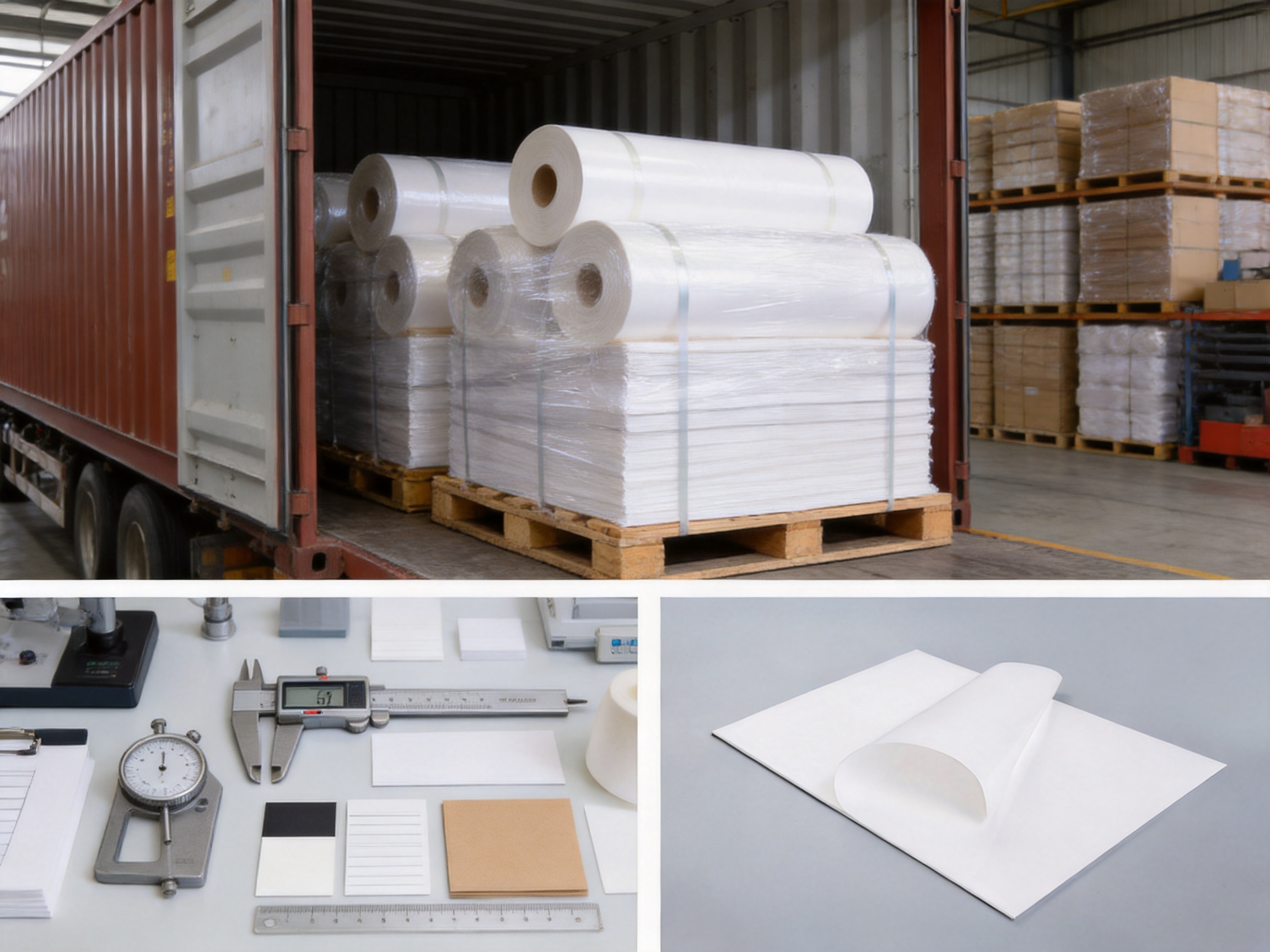
The product can be packed in rolls or sheets. Sea-transit-worthy poly-wood pallet packing and carton packing are available from stock, subject to order requirements and product format.
For sheet products, 100 sheets are packed per ream. Each ream is wrapped with strong PE coated kraft paper to provide additional protection during handling and transportation. Reams are placed on strong pallets, wrapped with stretch film, and fastened with plastic straps.
This packaging structure helps protect the material from dust, impact, shifting, and moisture exposure during logistics operations. Palletized packing also simplifies loading, unloading, warehouse handling, and container organization.
For international shipments, customers should confirm container loading plans, pallet dimensions, carton requirements, labeling, moisture protection, and documentation before production. Proper shipping preparation is essential because even a high-quality coated paper can be damaged by unsuitable transportation or storage conditions.
Storage and Handling Recommendations
White PE coated kraft paper should be stored in a clean, dry, and ventilated warehouse. Direct exposure to rain, condensation, sunlight, and extreme temperature changes should be avoided. The material should remain in its original packaging until it is ready for use.
When moving rolls, suitable lifting equipment should be used to prevent edge damage and deformation. Rolls should not be dropped or dragged across rough surfaces. Sheets should be handled with clean equipment and kept level to reduce bending and corner damage.
Before converting, the material may need to be conditioned to the temperature and humidity of the production area. Conditioning time depends on the difference between the warehouse and the converting environment. This step can help reduce dimensional changes, curl, and feeding instability.
Customers should also follow a first-in, first-out inventory system where appropriate. Storage duration, packaging integrity, temperature, humidity, and product construction can influence long-term performance.
Customization Options
Customization is an important benefit for manufacturers with specialized production requirements. The available customization options may include roll width, sheet dimensions, basis weight, color, coating structure, packaging method, and supply format.
Customers may also request development support for release paper, adhesive liners, die-cutting substrates, or other composite material constructions. Technical discussions should include the end use, equipment type, adhesive chemistry, target performance, production speed, and expected storage conditions.
For an efficient quotation and sample process, buyers should provide the following information:
1. Required product name and intended application.
2. Target basis weight and thickness.
3. Required roll width, sheet size, or finished dimensions.
4. Roll core diameter and maximum outer diameter, if applicable.
5. Required color and surface appearance.
6. Whether the material will be printed, laminated, die cut, or release coated.
7. Adhesive type and release requirements, if applicable.
8. Packaging, pallet, and shipment requirements.
9. Estimated order quantity and repeat-order schedule.
10. Applicable regulatory or testing requirements.
Environmental and Sustainability Considerations
Paper-based materials are often considered when companies seek to reduce the amount of plastic in a product structure or introduce renewable fiber content. White PE coated kraft paper contains a paper component and may support certain sustainability objectives compared with plastic-only materials.
However, the environmental profile of a coated paper depends on the complete construction, including the paper source, polyethylene coating, additives, inks, adhesives, converting waste, recycling infrastructure, and end-of-life treatment. PE coated paper should not automatically be described as fully recyclable or biodegradable without confirming the relevant local facilities and product certifications.
The company states that its brand positioning includes sustainable development and environmental protection. Its development approach includes eco-friendly solutions involving face materials, adhesives, and backing papers. Customers pursuing sustainability targets should request detailed information about fiber sourcing, coating composition, production waste management, recyclability, and available certifications.
Manufacturers can also reduce environmental impact through material optimization. Selecting the lowest basis weight that meets performance requirements may reduce material consumption. Efficient roll widths and sheet sizes can reduce trimming waste, while accurate converting can improve yield. These improvements should be evaluated together with product durability and performance.
Application-Specific Product Selection
There is no single PE coated kraft paper grade that is ideal for every application. Product selection should be based on the balance between strength, flexibility, coating protection, appearance, converting behavior, and cost.
For Lightweight Wrapping
A lighter basis weight may be suitable when the main requirements are surface protection, clean appearance, and economical wrapping. The material should still provide enough tensile strength to avoid tearing during handling.
For Protective Packaging
A heavier grade may be preferred when the product must provide greater stiffness, support, or resistance to rough handling. The required weight depends on the package dimensions, contents, folding structure, and transportation conditions.
For Die-Cut Components
Die-cutting customers should prioritize dimensional stability, consistent thickness, clean cutting, and reliable feeding. The die design and production speed should be considered during sample evaluation.
For Adhesive and Release Structures
Adhesive-related applications require a complete technical review. The release surface, adhesive chemistry, coating direction, release force, aging behavior, and final storage conditions all influence performance. Samples should be tested with the actual adhesive and equipment whenever possible.
For Medical and Food-Related Products
Customers should confirm regulatory requirements and obtain appropriate documentation before using the material in regulated applications. The required standard may vary by country, product type, contact condition, sterilization method, and intended use.
Company Manufacturing and Service Profile
Suzhou Piaozhihua Composite Material Technology Co., Ltd. is located at No. 16 Weixin Road, Shuangfeng Town, Taicang City, Suzhou City, Jiangsu Province, China. The company specializes in the research, development, production, sales, and after-sales service of high-grade self-adhesive labels and composite materials.
Its product and service capabilities include gluing, laminating, cutting, OEM manufacturing, ODM development, technical support, and customized production. The company reports sales coverage in numerous Chinese cities, including Shanghai, Ningbo, Hangzhou, Chengdu, Harbin, Wuhan, Chongqing, Guangzhou, Changsha, and Beijing.
Its international marketing network serves customers in regions including North America, Europe, Asia, Latin America, the Middle East, and other markets. The company states that it has become a long-term supplier for customers in the United States, Germany, Japan, South Korea, Brazil, Mexico, Russia, and other countries and regions.
The combination of manufacturing capacity, product development, testing resources, and customer service enables the company to provide more than a basic paper product. It can support customers from material selection and sample development through production, inspection, packaging, and after-sales communication.
Frequently Asked Questions
What is white PE coated kraft paper used for?
It is used for packaging, protective wrapping, adhesive industry applications, die cutting, release paper structures, medical-related packaging components, cosmetics packaging, food-related secondary packaging, and other composite material applications.
What grammages are available?
Available grammages include 50, 60, 65, 70, 80, 85, 90, 100, 120, 135, 155, and 240 grams per square meter. The appropriate grade depends on the required stiffness, strength, flexibility, and application conditions.
Can the material be supplied in sheets?
Yes. It can be supplied in sheets such as A4, A3, 20 by 30 centimeters, 21 by 30 centimeters, 24 by 36 inches, 50 by 70 centimeters, and 70 by 100 centimeters. Customized sheet sizes are also available.
Can it be supplied in jumbo rolls?
Yes. Jumbo roll widths of 1,000, 1,020, 1,080, and 1,530 millimeters are available. Other roll specifications may be discussed according to production requirements.
Is the product waterproof?
The polyethylene coating improves moisture resistance compared with uncoated kraft paper, but performance depends on the coating structure, exposure conditions, edge sealing, and application. Buyers should request technical confirmation for applications requiring a specific waterproof or barrier level.
Can white PE coated kraft paper be used as release paper?
It can serve as a substrate in release paper structures when combined with a suitable release coating. Release performance depends on the complete construction and the adhesive being used. Testing with the actual adhesive is recommended.
Is the product suitable for direct food contact?
Suitability depends on the exact grade, coating formulation, complete construction, and applicable regulations. Customers should request compliance documentation and confirm the intended use with the manufacturer before using it for direct food contact.
Can the material be customized?
Yes. Customization may include basis weight, color, roll width, sheet size, coating structure, packaging, and other technical requirements. OEM and ODM support is available for suitable projects.
How should the material be stored?
It should be kept in a clean, dry, and ventilated warehouse, protected from rain, condensation, direct sunlight, and extreme temperature changes. The original packaging should remain intact until use.
What information should be provided when requesting a quotation?
Buyers should provide the intended application, required basis weight, dimensions, roll or sheet format, estimated quantity, coating or release requirements, adhesive information, packaging needs, and any regulatory or testing standards.
What makes this product different from ordinary kraft paper?
The polyethylene coating provides additional surface protection and moisture resistance, while the kraft paper base maintains strength and stiffness. The white surface also offers a cleaner appearance than conventional brown uncoated kraft paper.
What makes the manufacturer suitable for customized orders?
The manufacturer has integrated gluing, laminating, and cutting capabilities, more than 20 years of OEM experience, an in-house testing laboratory, a professional research and development team, and the ability to provide customized OEM and ODM solutions.
Conclusion
White PE coated kraft paper is a practical composite material for customers who need the strength and stiffness of kraft paper together with improved surface protection, moisture resistance, and a clean white appearance. Its availability in multiple grammages, roll widths, sheet sizes, colors, and customized formats makes it suitable for a broad range of industrial and commercial applications.
The material can support packaging, adhesive processing, die cutting, release paper production, medical-related applications, cosmetics packaging, and food-related secondary packaging. Its performance depends on selecting the correct grade and evaluating the complete construction for the intended use.
Suzhou Piaozhihua Composite Material Technology Co., Ltd. provides integrated manufacturing capabilities covering gluing, laminating, cutting, research and development, inspection, OEM production, ODM development, packaging, and after-sales service. Its experience, production capacity, and customized approach make it a suitable partner for businesses seeking stable coated paper supply and composite material development.
For the best result, customers should provide detailed application information, request samples, conduct machine trials, and confirm technical and regulatory requirements before placing a large order. With proper product selection and process control, white PE coated kraft paper can provide a durable, adaptable, and cost-effective solution for demanding paper-based applications.
References
1. Technical information supplied for White PE Coated Kraft Paper, including available materials, grammages, colors, roll widths, and sheet sizes.
2. Company information supplied by Suzhou Piaozhihua Composite Material Technology Co., Ltd. concerning manufacturing capabilities, production capacity, OEM and ODM services, research and development, and quality inspection.
3. General principles of kraft paper manufacturing, polyethylene coating, paper converting, laminating, slitting, rewinding, and sheet cutting.
4. General technical guidance for pressure-sensitive adhesive liners, release paper construction, die-cutting substrates, and composite packaging materials.
5. General packaging and warehouse handling practices for coated paper rolls and sheets.
6. General sustainability considerations for paper-polymer composite materials, including material optimization, converting waste, recycling infrastructure, and end-of-life evaluation.