
 English
 Español
 русский
 Français
 عربى
Silver aluminum foil paper is a premium self-adhesive label material designed for applications that require a distinctive metallic appearance, dependable adhesion, and long-term dimensional stability. Combining an aluminum foil face material with a pressure-sensitive adhesive and a release liner, it provides a practical solution for high-grade labels used on medicine, food, cultural goods, packaging, promotional items, and other products where appearance and information protection are important.
Unlike conventional paper labels, this material uses aluminum foil as the visible label surface. It does not rely on a conventional paper or film supporting substrate beneath the foil face material. As a result, the finished label can maintain its shape more effectively when exposed to changing ambient temperature and humidity. This characteristic helps reduce edge lifting, warping, and deformation during storage, transportation, and use.
The silver surface creates a refined metallic effect that can enhance brand presentation, improve shelf visibility, and support premium product positioning. It can be used for general information labels, decorative labels, identification labels, promotional graphics, and packaging applications that benefit from a high-value appearance. Gold aluminum foil options are also available for buyers seeking an alternative metallic finish.
Manufactured by Suzhou Piaozhihua Composite Material Technology Co., Ltd., the product is supported by integrated adhesive coating, laminating, slitting, and sheet-cutting capabilities. The company offers multiple adhesive systems, liner constructions, roll widths, and sheet sizes, allowing purchasers to select a configuration suited to their converting equipment and end-use conditions.

Silver Aluminum Foil Paper
Content
- 1 What Is Silver Aluminum Foil Paper?
- 2 Key Product Specifications
- 3 Metallic Appearance for Premium Labels
- 4 Dimensional Stability in Changing Conditions
- 5 Adhesive Choices for Different Applications
- 6 Release Liner Options and Converting Flexibility
- 7 Roll and Sheet Supply Formats
- 8 Applications of Silver Aluminum Foil Paper
- 9 Advantages Compared with Conventional Label Materials
- 10 Integrated Manufacturing Capabilities
- 11 Research, Development, and Quality Assurance
- 12 Customization and OEM or ODM Support
- 13 Manufacturing Scale and Supply Reliability
- 14 Printing and Converting Considerations
- 15 Storage and Application Guidance
- 16 How to Select the Right Construction
- 17 Environmental and Sustainability Considerations
- 18 Why Choose an Experienced Composite Material Supplier?
- 19 Quality, Service, and Long-Term Cooperation
- 20 Recommended Purchasing Process
- 21 Q&A
- 21.1 What is the main benefit of silver aluminum foil paper?
- 21.2 Is the product made with a normal paper supporting substrate?
- 21.3 What is the standard face material?
- 21.4 Which adhesive is standard?
- 21.5 Can the material be used for refrigerated products?
- 21.6 What liner is normally supplied?
- 21.7 Can customers order jumbo rolls?
- 21.8 Are finished sheets available?
- 21.9 Can silver aluminum foil paper be digitally printed?
- 21.10 Can the metallic effect remain visible after printing?
- 21.11 Is removable adhesive available?
- 21.12 Is this material suitable for tire labels?
- 21.13 Does the company provide OEM and ODM services?
- 21.14 How should the product be stored?
- 21.15 Why should customers request samples before mass production?
- 22 Conclusion
- 23 References
- 24 Product: Silver Aluminum Foil Paper
What Is Silver Aluminum Foil Paper?
Silver aluminum foil paper is a self-adhesive label stock with a matt silver aluminum foil face. The standard material specification is 80gsm matt silver aluminum foil paper, while 90gsm and 100gsm options are also available. The face material is combined with an adhesive layer and a release liner to form a ready-to-convert label material.
The term “paper” in the product name reflects its role as a printable label stock and its compatibility with sheet and roll converting systems. However, the visible face is aluminum foil rather than ordinary paper. This gives the product a metallic appearance and a surface character that differs from standard wood-free paper, coated paper, or synthetic film.
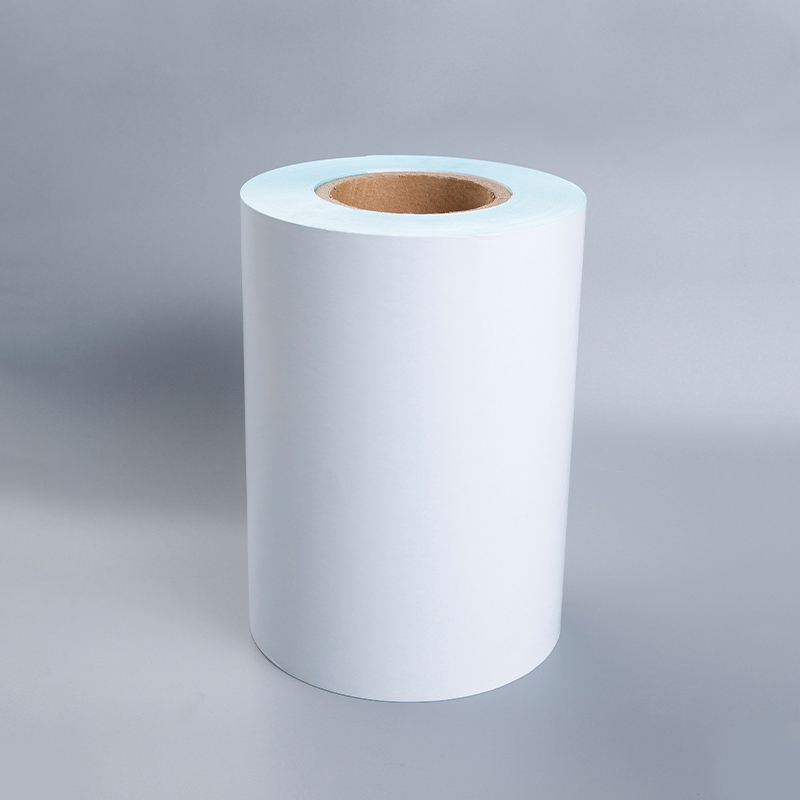
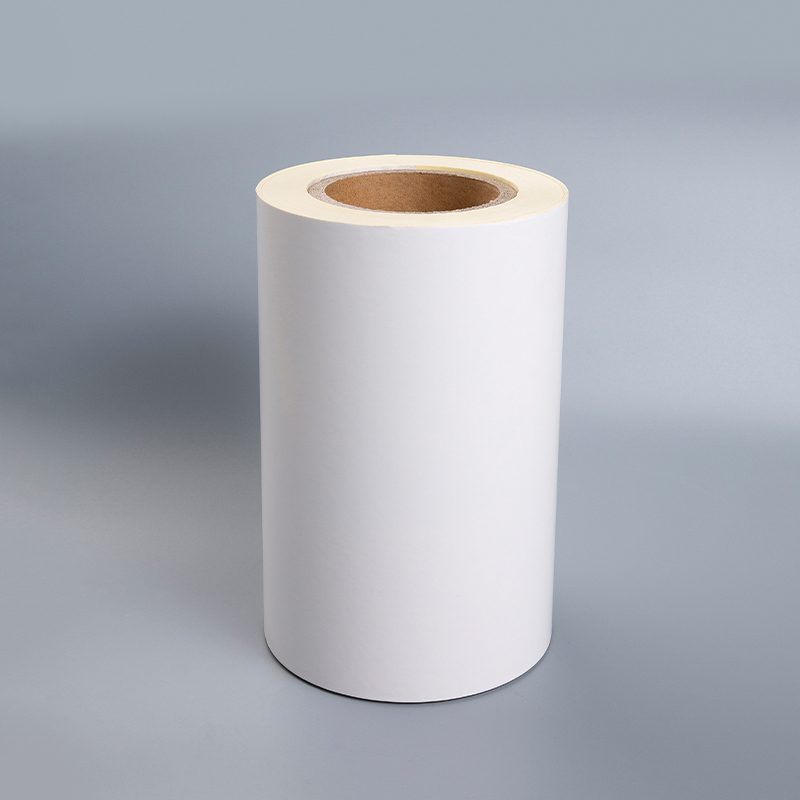
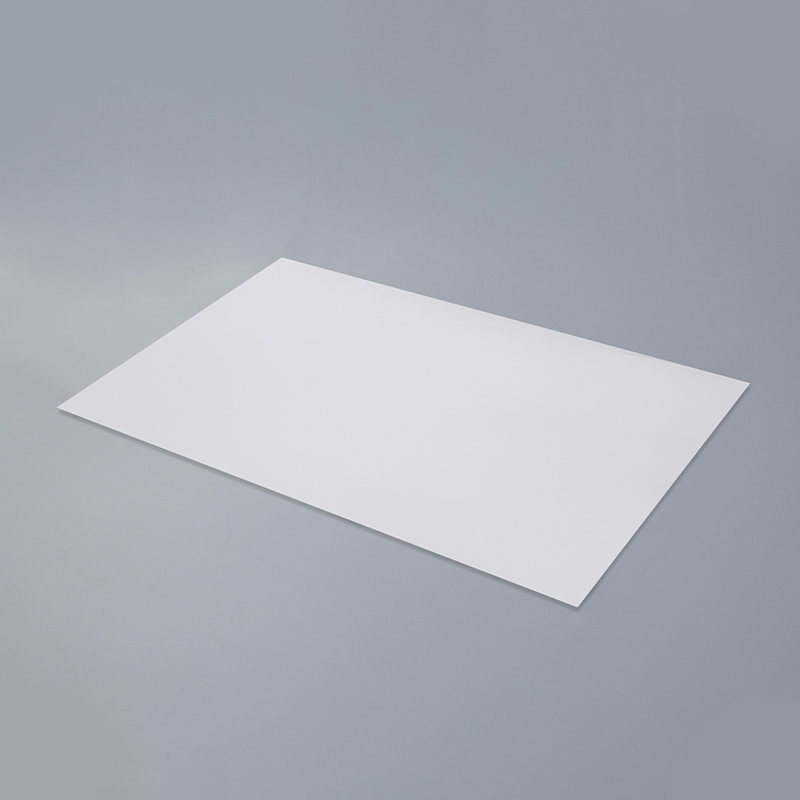
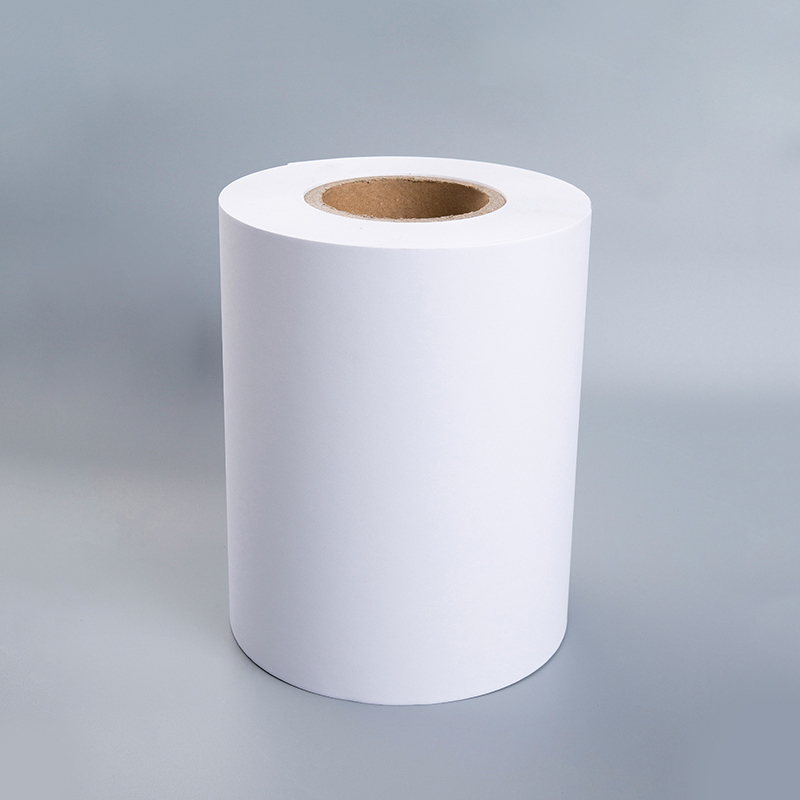
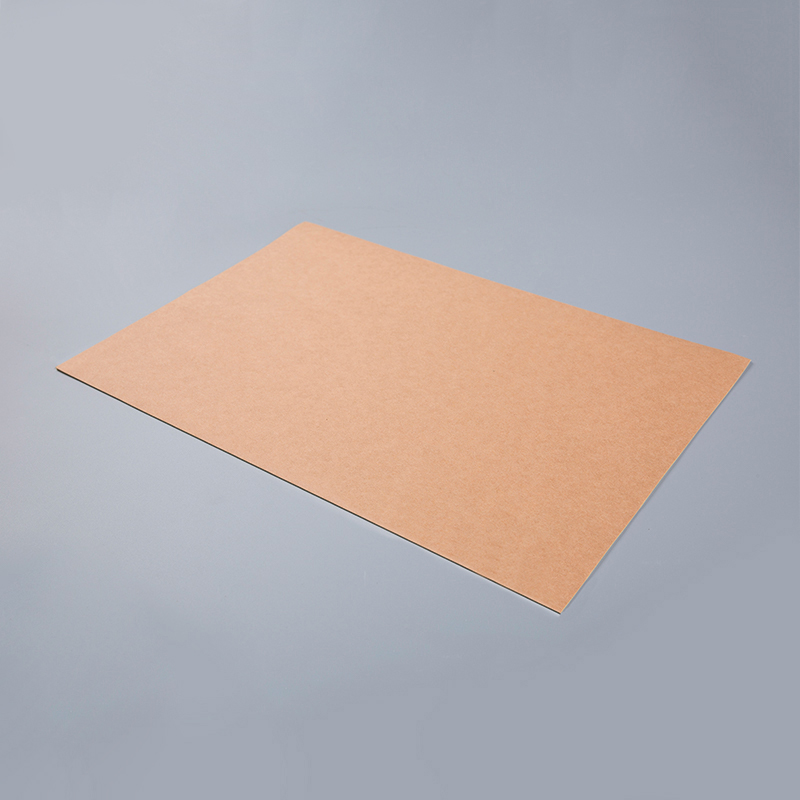
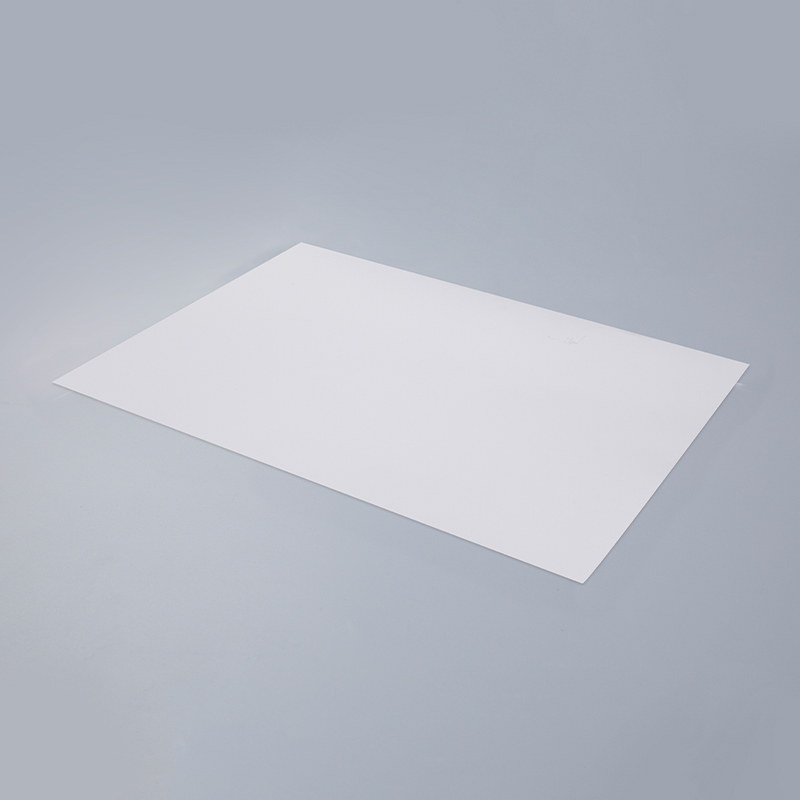
The product is supplied in jumbo rolls for industrial processing and in finished sheets for applications that require convenient manual or digital printing. Standard sheet sizes include A4, A3, 20 x 30 centimeters, 21 x 30 centimeters, 24 x 36 centimeters, 50 x 70 centimeters, and 70 x 100 centimeters. Customized dimensions can be arranged according to customer requirements.
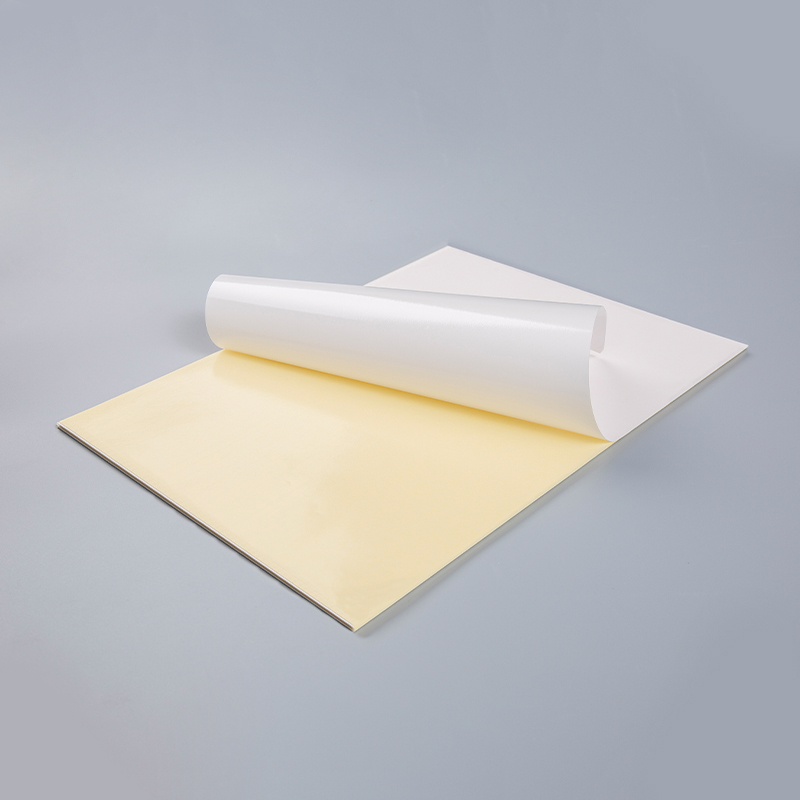
The label material consists of three functional layers:
1. The aluminum foil face provides the metallic visual effect and the printable label surface.
2. The adhesive layer bonds the label to the selected substrate. Several adhesive chemistries are available for different application environments.
3. The release liner protects the adhesive before application and supports smooth die-cutting, feeding, storage, and dispensing.
This layered construction allows the product to be adapted for diverse labeling requirements without forcing every customer to use the same adhesive or liner combination.
Key Product Specifications
The following table summarizes the principal available specifications for the silver aluminum foil paper range.
| Item | Standard Specification | Available Options |
|---|---|---|
| Face material | 80gsm matt silver aluminum foil paper | 90gsm and 100gsm options |
| Adhesive | Water-based adhesive | Hot-melt, solvent, anti-freeze, removable, cryogenic, and tire-grade rubber adhesive |
| Standard liner | 60g white glassine paper | 50g, 80g, 100g, and 120g glassine paper |
| Other liner choices | Release paper and art paper | 60g, 85g, 120g, 140g release paper; 140g and 165g art paper |
| CCK liner | Available on request | 50g, 80g, 90g, and 120g CCK liner |
| PET liner | Available on request | 25, 36, 50, and 100 micron transparent PET liner |
| Jumbo roll widths | Industrial roll supply | 1000mm, 1020mm, 1080mm, and 1530mm |
| Sheet sizes | A4, A3, and common commercial formats | 20 x 30cm, 21 x 30cm, 24 x 36cm, 50 x 70cm, 70 x 100cm, and custom sizes |
Metallic Appearance for Premium Labels
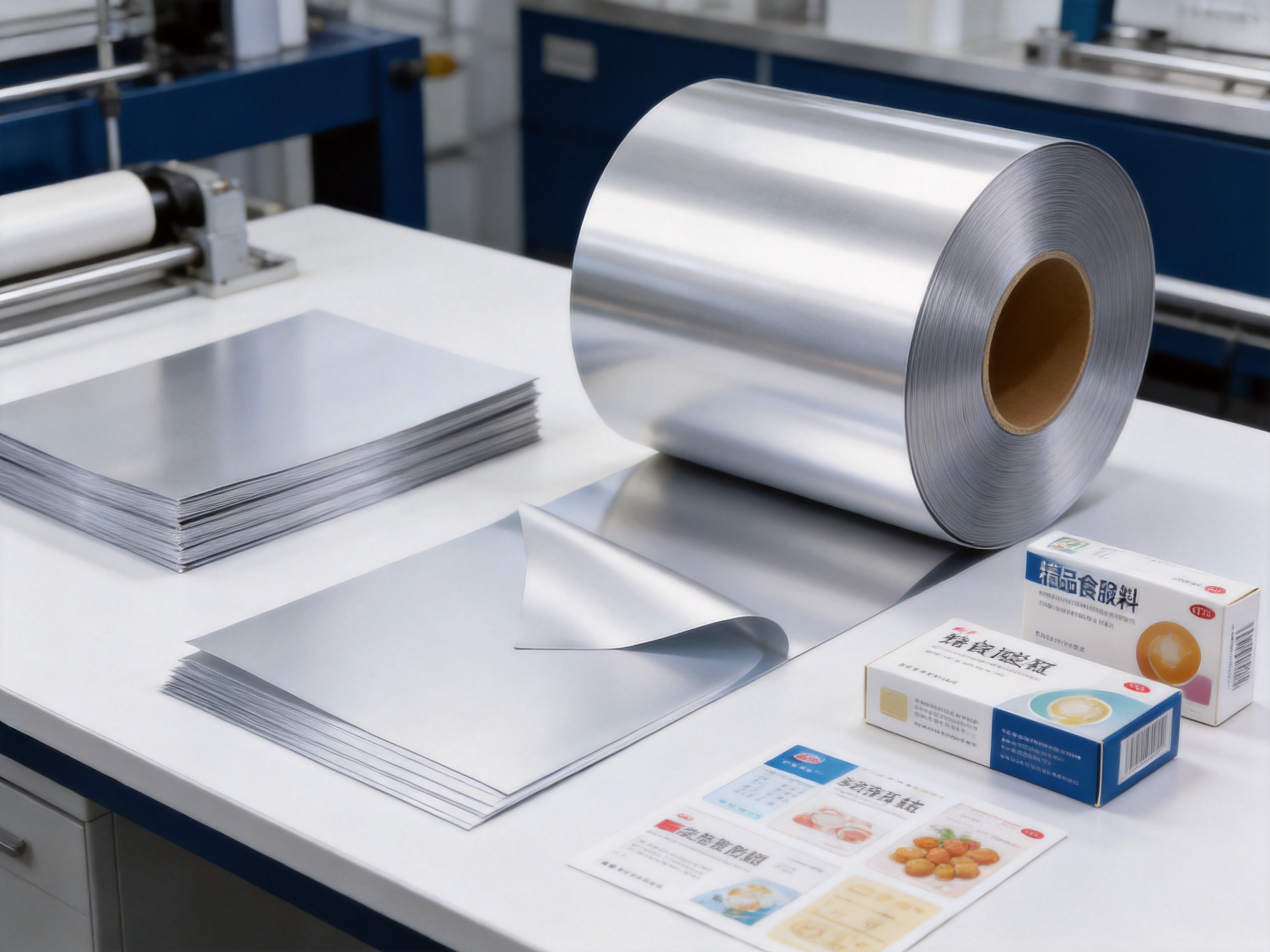
The most immediate advantage of silver aluminum foil paper is its visual impact. A matt silver surface provides a clean, modern, and premium appearance without requiring a separate metallic film lamination in every application. It can make product information more noticeable while supporting a restrained and professional design style.
Silver is particularly suitable for labels that need to communicate precision, quality, technology, hygiene, or sophistication. It can be used with black, white, deep blue, red, and other ink colors to create strong contrast. Depending on the printing method and artwork, the metallic face can remain visible as a background effect or be covered with opaque graphics.
Compared with ordinary white paper labels, silver aluminum foil paper gives designers an additional visual dimension. It can help product packaging stand out on shelves, provide a more distinctive appearance for small containers, and create a high-end effect for certificates, informational stickers, and presentation materials.
The matt finish is also useful when a softer metallic appearance is preferred over a highly reflective mirror effect. It can reduce visual harshness and create a more understated surface suitable for pharmaceutical packaging, premium food products, cultural goods, and industrial identification.
Dimensional Stability in Changing Conditions
Labels may encounter substantial changes in temperature and humidity between manufacturing, warehousing, transport, retail display, and final use. Ordinary paper materials can absorb or release moisture, which may lead to dimensional changes, curled edges, surface waviness, or deformation. These problems can affect both the appearance and the function of a finished label.
The aluminum foil face of this product does not respond to ambient moisture in the same way as conventional paper. When correctly matched with a suitable adhesive and liner, the construction can help the finished label maintain a stable shape for a long period. This is especially valuable when labels are applied to products stored in variable indoor environments or transported through different climates.
The product description specifically identifies resistance to warping and deformation after application as an important application benefit. This does not mean that every label construction is suitable for every temperature, surface, or outdoor condition. Application testing remains necessary, especially for curved containers, low-energy plastics, refrigerated products, or products exposed to condensation.
Nevertheless, the stable metallic face gives silver aluminum foil paper an important advantage over many standard paper label stocks. It can preserve a neat appearance when ordinary paper may show more noticeable dimensional movement. For customers seeking a premium label that remains visually consistent over time, this characteristic can reduce rework, complaints, and packaging inconsistencies.
Adhesive Choices for Different Applications
A label face material cannot perform effectively without an adhesive suited to the application. For this reason, the product range is available with several adhesive systems rather than a single universal adhesive. Selecting the correct adhesive depends on the application surface, temperature range, expected service life, required removability, and converting process.
Water-Based Adhesive
Water-based adhesive is the standard adhesive option listed for the product. It is suitable for many general-purpose label applications where reliable bonding is required under normal conditions. It can be a practical choice for paperboard, paper packaging, and other relatively compatible surfaces.
This adhesive option is often selected when a balanced combination of processing performance, everyday adhesion, and cost efficiency is desired. The exact performance should be confirmed through application testing because the final result depends on the substrate, surface cleanliness, pressure, temperature, and storage conditions.
Hot-Melt Adhesive
Hot-melt adhesive is available for applications requiring a different bonding profile or fast adhesive development. It may be suitable for selected packaging and industrial labeling operations where production speed and strong initial tack are important. Processing parameters should be considered when converting the material.
Solvent Adhesive
Solvent adhesive can be selected when customers require specific performance characteristics associated with solvent-based adhesive systems. It may provide a suitable option for demanding surfaces or applications in which resistance and adhesion balance must be carefully controlled.
Anti-Freeze Adhesive
Anti-freeze adhesive is available for products that may be exposed to cold storage, chilled transportation, or low-temperature application conditions. Standard adhesives can lose flexibility or adhesion at low temperatures. An anti-freeze formulation can help address those conditions, subject to confirmation of the intended temperature range.
Removable Adhesive
Removable adhesive is designed for labels that must be taken off with reduced residue or reduced risk of surface damage. It can be useful for temporary information, promotional labels, reusable containers, rental equipment, or applications where the label is not intended to remain permanently attached.
Cryogenic Adhesive
Cryogenic adhesive is offered for specialized low-temperature environments. This option may be considered for laboratory, medical, biological, or research-related labeling where products or containers are stored at very low temperatures. The exact application conditions should be supplied during quotation and sample approval.
Tire-Grade Rubber Adhesive
Tire-grade rubber adhesive is available for tire-related and rubber-surface applications. Rubber surfaces can be difficult to label because of their texture, flexibility, surface composition, and possible contamination. A dedicated adhesive option gives buyers a better opportunity to match the label construction to the substrate.
The availability of these adhesive choices is a major advantage over suppliers that offer only a standard permanent adhesive. Instead of redesigning the label around a fixed adhesive, customers can select a construction based on the actual application requirements.
Release Liner Options and Converting Flexibility
The release liner is more than a temporary backing. It affects die-cutting, matrix stripping, dispensing, storage, feeding, and label release behavior. Different converting machines and application processes may require different liner weights, stiffnesses, release characteristics, or transparency.
The standard configuration uses 60g white glassine paper. Glassine is widely used in self-adhesive label production because it offers a smooth surface and a relatively consistent structure for processing. Additional glassine weights of 50g, 80g, 100g, and 120g are available for customers who require a different balance of flexibility and strength.
Release paper options include 60g, 85g, 120g, and 140g constructions. These choices can support applications requiring a different backing thickness or handling characteristic. Art paper liners in 140g and 165g are also available for customers who prefer a heavier paper backing.
CCK liners are available in 50g, 80g, 90g, and 120g specifications. CCK liners can be selected when a smooth, dimensionally stable, and consistent release surface is preferred for a particular converting process.
For applications where visual inspection, automatic registration, or specialized processing is important, transparent PET liners are available in 25, 36, 50, and 100 micron thicknesses. PET provides a clear synthetic backing that can offer a different combination of stiffness, transparency, and dimensional stability compared with paper liners.
Providing multiple liner options gives buyers greater control over production efficiency. A converter can request a backing that matches its die-cutting equipment, label dispensing system, sheet-feeding process, or storage requirements. This reduces the need for customers to compromise between a preferred face material and an unsuitable liner.
Roll and Sheet Supply Formats
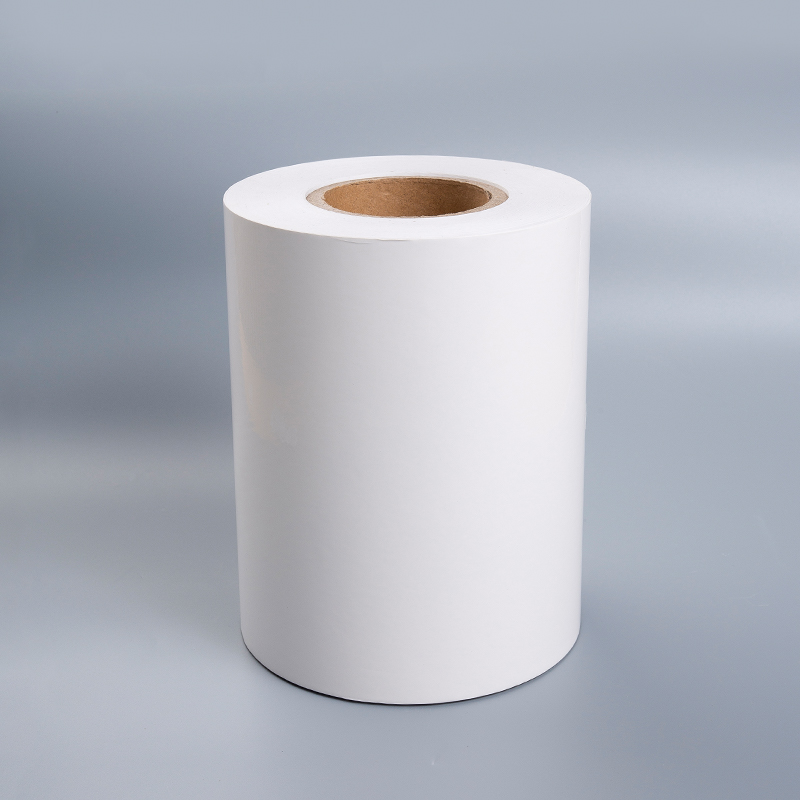
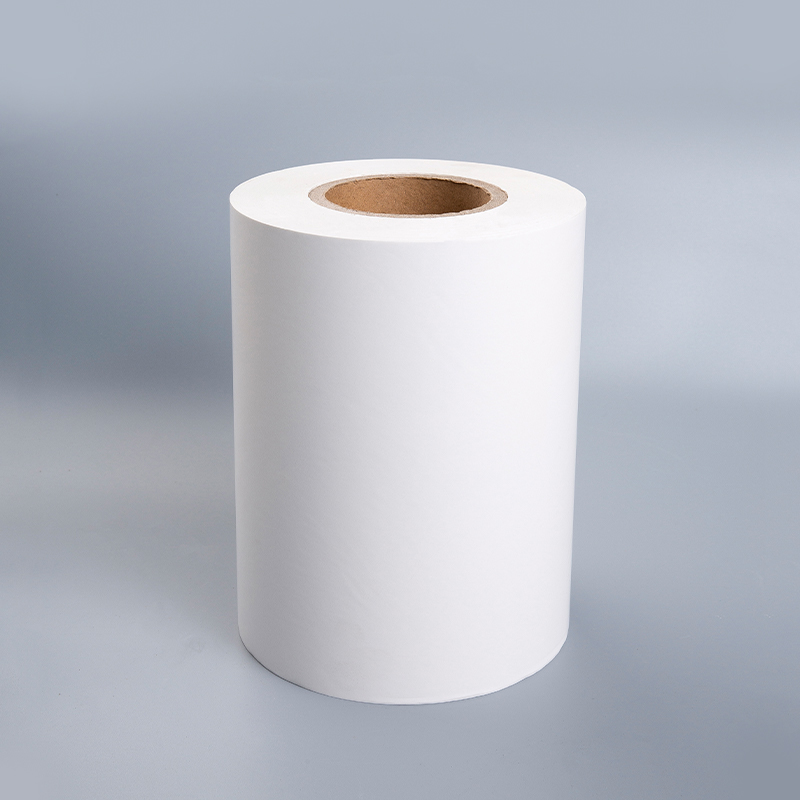
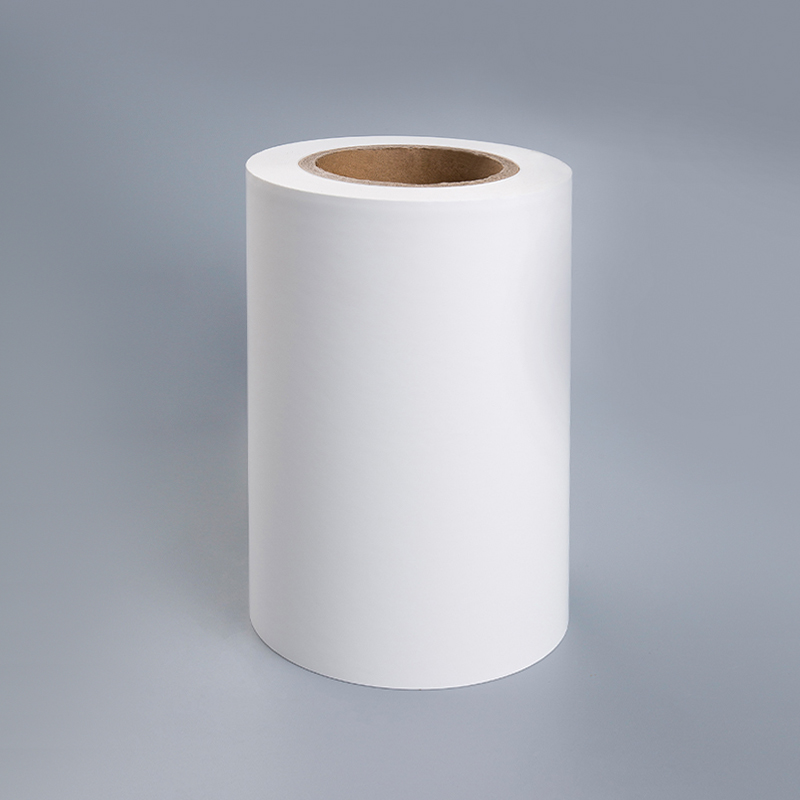
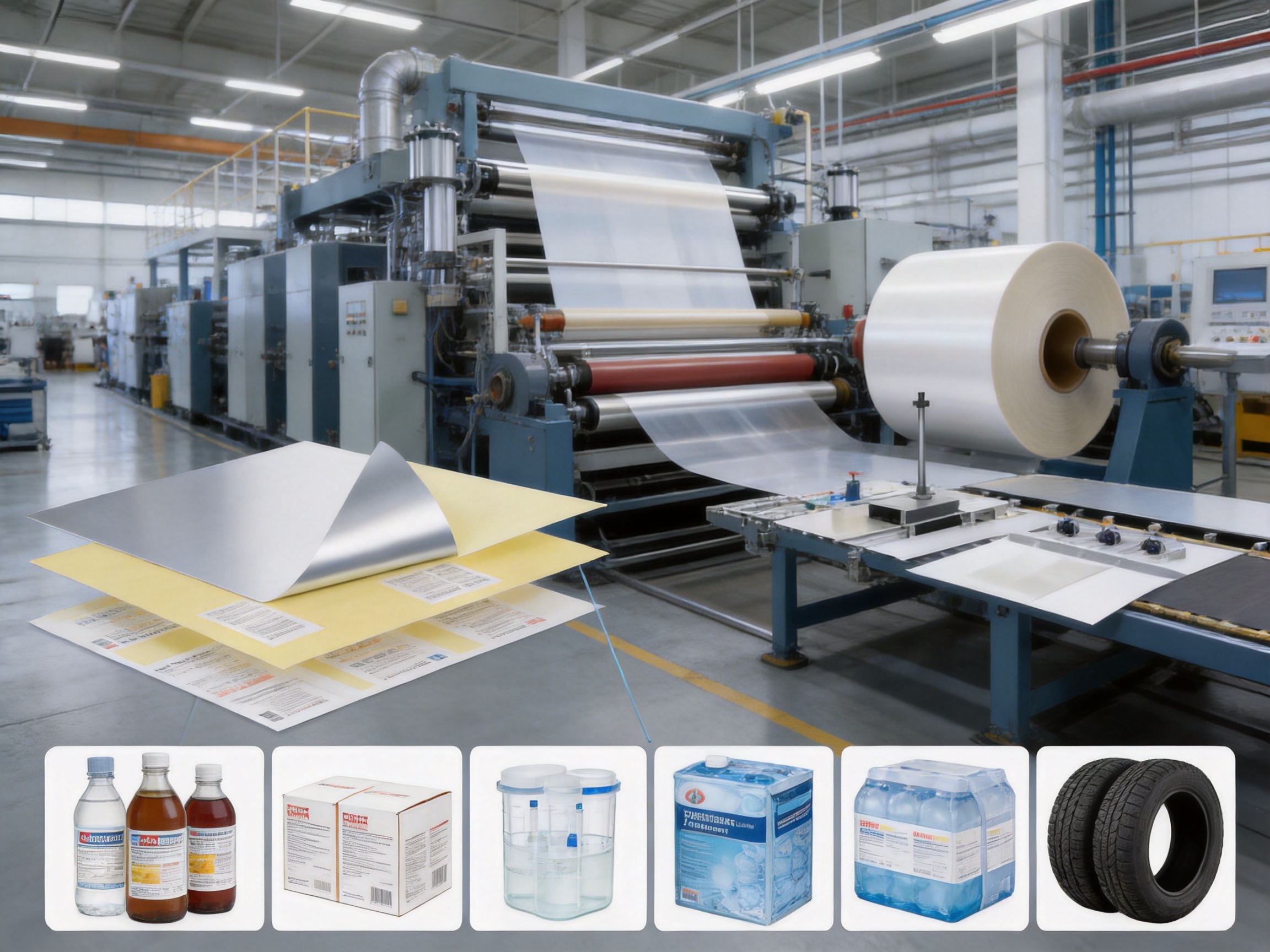
Silver aluminum foil paper is available as jumbo rolls and sheets. Jumbo rolls are supplied in widths of 1000mm, 1020mm, 1080mm, and 1530mm. These widths can support slitting, sheeting, flexographic label production, digital label production, and other industrial converting processes.
Roll supply is suitable for high-volume converters that want to produce labels in custom widths and shapes. It allows customers to optimize nesting, reduce unnecessary trim waste, and integrate the material into existing production lines. Before ordering, buyers should confirm the required core size, roll diameter, winding direction, web handling conditions, and packaging requirements.
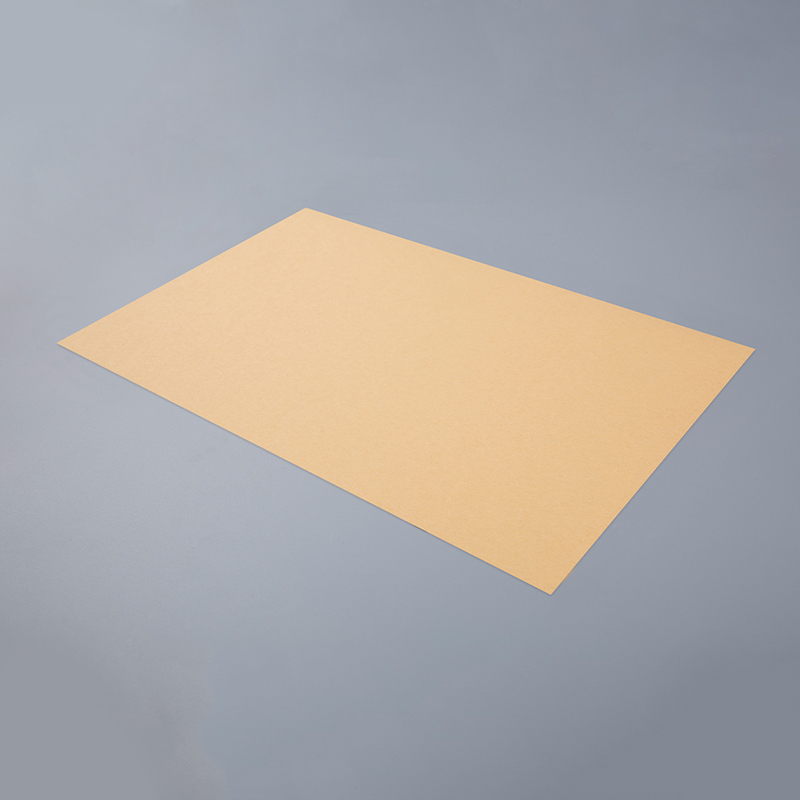
Sheet supply is convenient for digital printing, office-based production, sample development, short-run packaging, and manual label processing. Standard formats include A4 and A3, along with 20 x 30cm, 21 x 30cm, 24 x 36cm, 50 x 70cm, and 70 x 100cm. Custom sheet sizes can be discussed for specific printing equipment or packaging workflows.
The availability of both rolls and sheets gives the product broader commercial value than a material limited to one supply format. Large industrial buyers can purchase jumbo rolls, while smaller users and specialty printers can order sheeted material for flexible production.
Applications of Silver Aluminum Foil Paper
Pharmaceutical Information Labels
Silver aluminum foil paper is suitable for high-grade pharmaceutical information labels where a clear, stable, and professional appearance is required. The metallic face can distinguish product information while supporting a premium presentation. The appropriate adhesive and liner should be selected according to the package surface, storage temperature, and regulatory requirements.
For pharmaceutical use, material qualification and compatibility testing are essential. Buyers should evaluate print legibility, adhesive performance, sterilization or refrigeration exposure where applicable, and resistance to handling during distribution.
Food Packaging Labels
Food products often require labels that remain attractive through storage, transport, and retail display. The silver metallic surface can add value to specialty foods, gift foods, confectionery, beverages, and premium packaged products. The label can also be used for batch information, product identification, decorative elements, or promotional graphics.
Food-contact and regulatory requirements must be reviewed according to the intended use and market. The label material should not be assumed to be suitable for direct food contact unless the specific construction has been evaluated and approved for that purpose.
Cultural and Presentation Goods
Cultural goods, certificates, stationery, collectibles, gift products, and presentation materials can benefit from the distinctive appearance of silver aluminum foil paper. The matt metallic surface can communicate quality without requiring elaborate packaging structures.
The material is also suitable for labels used on books, folders, gift boxes, commemorative products, and premium promotional materials. Designers can use the silver background selectively to create contrast between printed information and exposed metallic areas.
Industrial Identification
Industrial products may require durable identification, warning, tracking, or equipment labels. The aluminum foil face provides a more robust alternative to ordinary paper in selected indoor and controlled-environment applications. Adhesive selection is especially important when labels are applied to metal, plastic, rubber, coated surfaces, or textured substrates.
Promotional and Decorative Labels
Silver labels are widely suited to promotional campaigns, limited-edition packaging, seasonal products, and decorative branding. The metallic surface can be combined with custom shapes, overprinting, variable information, and selective design elements. The material is available in sheet and roll forms, which supports both short-run and high-volume production.
Advantages Compared with Conventional Label Materials
Silver aluminum foil paper offers several advantages when compared with ordinary paper self-adhesive labels.
First, its metallic appearance is more distinctive. Standard white paper is versatile, but it may not provide the premium visual effect required for high-end packaging or special product editions. The matt silver face offers a ready-made metallic effect that can reduce dependence on additional decorative layers.
Second, the aluminum face can provide better dimensional stability than moisture-sensitive paper in changing ambient conditions. Labels that remain flatter and more stable can improve package presentation and reduce the chance of edge curl or visible deformation.
Third, the product is available with a broad selection of adhesives. A competitor supplying only one permanent adhesive may not be able to support refrigerated, removable, cryogenic, rubber-surface, or low-temperature applications without a separate product development process.
Fourth, the product can be ordered with several liner categories, including glassine, release paper, art paper, CCK, and transparent PET. This supports a wider range of converting equipment and application methods.
Fifth, the product can be delivered in both jumbo rolls and sheets. This benefits both industrial label converters and users who need ready-to-print sheet materials.
Sixth, custom sizes and specifications are available. Buyers can discuss face material thickness, adhesive type, liner construction, roll width, sheet size, and packaging format instead of accepting a rigid standard product.
These advantages do not eliminate the need for application testing. The best material depends on the surface energy of the container, the temperature during application, the required service life, the printing method, and the expected environmental exposure. However, the breadth of available configurations makes silver aluminum foil paper a flexible starting point for premium self-adhesive label development.
Integrated Manufacturing Capabilities
Suzhou Piaozhihua Composite Material Technology Co., Ltd. specializes in high-grade self-adhesive labels and composite materials. Its manufacturing scope includes gluing, laminating, and cutting. Integrating these processes within one company gives customers a more direct route from material selection to finished label stock.
Gluing is the process through which the selected adhesive is applied to the face material or incorporated into the composite construction. Consistent coating is important because uneven adhesive distribution can affect adhesion, die-cutting, label appearance, and conversion performance. A controlled coating process helps support reliable material quality across production batches.
Laminating combines the face material, adhesive system, and liner into a stable self-adhesive structure. Proper lamination requires attention to web tension, alignment, pressure, temperature where relevant, and surface cleanliness. Accurate control helps prevent bubbles, wrinkles, delamination, and other defects that can interfere with printing or application.
Cutting and sheeting convert the jumbo material into customer-ready rolls or sheets. Precise cutting supports accurate dimensions, clean edges, consistent feeding, and efficient downstream production. The company’s ability to supply both formats allows it to serve different production scales and market segments.
The company reports an annual production capacity of more than 280 million square meters. This scale can support regular supply programs, larger purchase orders, and repeat production requirements. Capacity alone does not replace quality control, but it provides an important foundation for stable commercial supply.
Research, Development, and Quality Assurance
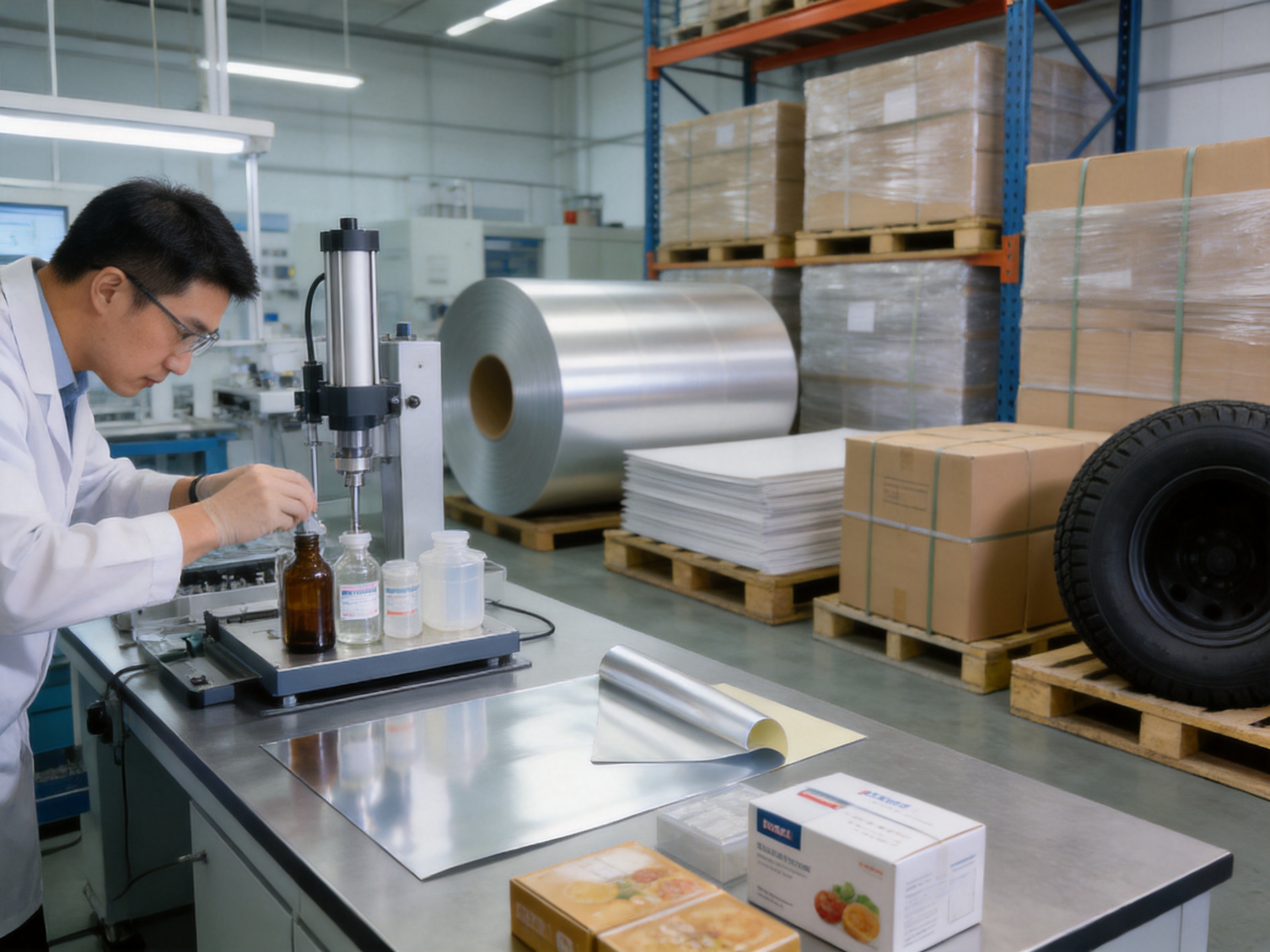
The company has more than 20 years of OEM manufacturing experience and maintains a professional research and development team. Its own testing laboratory and inspection equipment are used to support product quality and development work. These capabilities are important for self-adhesive materials because performance depends on the interaction of several layers rather than on the face material alone.
Research and development may involve testing different face material weights, adhesive formulas, liner structures, coating conditions, and converting parameters. When customers have special requirements, a development-oriented supplier can help identify a practical construction rather than simply offering an off-the-shelf specification.
Quality evaluation for silver aluminum foil paper may include visual inspection, thickness or basis-weight control, adhesive coating consistency, release performance, roll appearance, sheet dimensions, surface defects, and bonding behavior. The specific tests should be agreed with the customer according to the end use.
Application trials remain an important part of quality assurance. A label that performs well on a clean glass bottle may behave differently on a flexible plastic pouch, a textured carton, a rubber tire, or a refrigerated container. The company’s range of adhesive and liner options allows testing to be carried out with a better chance of matching the final application.
The company also states that it has multiple patents and strong ODM and OEM capabilities. These strengths can be valuable to customers requiring customized label materials, private-label production, or products developed from drawings, samples, or technical specifications.
Customization and OEM or ODM Support
Customization is important when a standard label stock does not fully meet a customer’s printing, application, or packaging requirements. Suzhou Piaozhihua Composite Material Technology Co., Ltd. accepts OEM and ODM services and can produce products based on customer drawings or samples.
For silver aluminum foil paper, customization may involve selecting a different face weight, adhesive, liner, jumbo roll width, sheet size, or packaging format. Customers may also request a specific balance between flexibility, stiffness, release force, initial tack, and long-term adhesion.
A well-prepared technical inquiry should include the application surface, label dimensions, label shape, printing method, application temperature, storage temperature, expected service environment, desired permanence, and estimated order volume. Providing this information helps the manufacturer recommend a more suitable construction and reduces unnecessary sample cycles.
For new projects, customers should request samples before mass production. Sample evaluation can include printing tests, die-cutting trials, application tests, temperature exposure, humidity exposure, and removal tests where relevant. These steps help confirm that the material works with the customer’s equipment and product packaging.
Manufacturing Scale and Supply Reliability
Self-adhesive label production often requires stable repeatability. A packaging company may use the same material across multiple product batches, markets, or facilities. An industrial supplier with integrated production lines and significant annual capacity can help support this need.
The company has developed sales and service coverage in numerous Chinese cities, including Shanghai, Ningbo, Hangzhou, Chengdu, Harbin, Wuhan, Chongqing, Guangzhou, Changsha, and Beijing. It also reports an international marketing network covering regions such as North America, Europe, East Asia, Latin America, Russia, the Middle East, and other markets.
International supply requires attention to documentation, packing, shipment planning, roll protection, and communication. The product is packed for sea transit using poly-wood pallets and cartons, with both roll and sheet packing available from stock subject to order conditions.
The stated packaging method includes 100 sheets per ream, with each ream wrapped in strong PE-coated kraft paper. Pallets are wrapped with stretch film and fastened with plastic straps. This type of packaging helps protect the material from handling damage, dust, and movement during transportation.
For export orders, buyers should confirm pallet dimensions, container loading plans, moisture protection, roll orientation, carton markings, and any destination-specific packaging or labeling requirements before shipment.
Printing and Converting Considerations
Silver aluminum foil paper can be processed in roll or sheet form, but the most suitable printing method depends on the selected construction and the customer’s equipment. Possible production environments may include digital printing, flexographic printing, offset-related sheet workflows, or other label printing processes.
The metallic face can influence color appearance. Printed colors may appear different when applied over silver compared with white paper. Designers may use opaque white ink or an appropriate underprint when accurate color reproduction is required. Alternatively, the metallic background can be intentionally incorporated into the artwork.
Before mass production, printers should verify ink adhesion, drying or curing behavior, rub resistance, barcode readability, and image quality. The exact result depends on the printing technology, ink system, surface treatment, and machine settings.
Die-cutting should be evaluated for the selected face material, adhesive, and liner combination. The liner must release cleanly while remaining strong enough to pass through the converting line. Cutting depth should be controlled to avoid cutting through the liner or creating excessive matrix-stripping difficulty.
For roll materials, web tension and storage conditions should be managed carefully. Excessive tension, uneven winding, high humidity, or extreme temperature can influence roll shape and converting behavior. Finished rolls should be protected from moisture, direct sunlight, contamination, and severe temperature fluctuation.
Storage and Application Guidance
Self-adhesive materials should normally be stored in a clean, dry, and temperature-controlled area. The material should remain in its original protective packaging until it is ready for processing. Heavy pressure, sharp objects, and rough handling should be avoided because damage to the roll edges or sheet corners may affect feeding and label quality.
The application surface should be clean, dry, and free from dust, oil, grease, release agents, and loose particles. Contamination can reduce the actual contact area between the adhesive and the substrate. Applying firm, even pressure after placement can improve contact and support adhesive development.
Labels applied at very low temperatures may not bond in the same way as labels applied at normal room temperature. If the product is intended for refrigerated, frozen, or cryogenic use, the appropriate anti-freeze or cryogenic adhesive should be selected and tested under actual conditions.
Curved or flexible surfaces require additional attention. The label dimensions, adhesive flexibility, container curvature, and edge design all influence the possibility of lifting or wrinkling. A sample trial on the actual product container is recommended before ordering large volumes.
For removable applications, the label should be tested on the real surface for both clean removal and possible residue. The same removable adhesive may behave differently on coated cartons, plastics, painted metal, glass, or varnished surfaces.
How to Select the Right Construction
The standard 80gsm matt silver aluminum foil paper with water-based adhesive and 60g white glassine liner may be suitable for many general-purpose applications. However, the best construction should be selected according to the complete use case.
Choose a heavier 90gsm or 100gsm face material when additional body, handling strength, or a different appearance is required. A heavier face may be helpful for larger labels or applications where the label must feel more substantial.
Choose hot-melt or solvent adhesive when the application requires a different tack or bonding profile. Choose anti-freeze or cryogenic adhesive for low-temperature conditions. Choose removable adhesive when temporary use and clean removal are priorities. Choose tire-grade rubber adhesive for suitable rubber and tire applications.
Select glassine liner for common label converting needs, release paper or art paper when a heavier paper backing is preferred, CCK liner for a smooth and stable release surface, and transparent PET liner when synthetic backing, transparency, or dimensional stability is important.
Choose jumbo rolls when the material will be slit, sheeted, or printed on industrial equipment. Choose finished sheets for digital printing, short runs, manual processing, or applications using standard sheet feeders.
Environmental and Sustainability Considerations
The company states that its brand positioning includes sustainable development and environmental protection. Its product development approach includes eco-friendly solutions involving face materials, adhesives, and backing papers. For customers with sustainability objectives, these areas can be discussed during product selection.
Environmental performance should be evaluated as a complete label system. The face material, adhesive, liner, printing ink, packaging, application method, and disposal route may all influence the final environmental profile. A metallic label can be appropriate for a premium application, but buyers should also review the recycling and waste-management requirements of the package to which it is applied.
Reducing production waste is another practical consideration. Suitable roll widths and sheet sizes can improve nesting and lower trim loss. Accurate cutting, stable coating, and consistent converting performance can also reduce rejected labels and unnecessary material consumption.
Customers should request project-specific information when environmental certifications, recycled content, regulatory declarations, or disposal requirements are necessary. Claims should be confirmed for the exact face, adhesive, and liner combination rather than assumed from the product category alone.
Why Choose an Experienced Composite Material Supplier?
Self-adhesive label stock is a precision composite material. A supplier must understand how the face material, adhesive, liner, printing process, and application surface work together. Experience in only one of these areas may not be enough for demanding projects.
An experienced composite material supplier can provide more than a metallic surface. It can help identify a suitable adhesive, recommend a liner, adapt the material to roll or sheet processing, and support sample testing. This integrated approach can shorten development time and improve the likelihood of successful mass production.
Suzhou Piaozhihua Composite Material Technology Co., Ltd. combines research and development, manufacturing, sales, and after-sales service. Its production lines cover gluing, laminating, and cutting, while its stated OEM and ODM capabilities support customized projects.
The company’s more than 20 years of manufacturing experience, reported annual capacity of over 280 million square meters, testing laboratory, inspection equipment, and international sales network provide a foundation for serving both domestic and overseas customers.
Its product range also extends beyond a single aluminum foil specification. Buyers can discuss self-adhesive paper, self-adhesive film, special label materials, silicone release paper, aluminum foil paper, and related composite constructions. This broader portfolio can be useful when a customer needs several label materials from one source.
Quality, Service, and Long-Term Cooperation
Long-term label material supply depends on consistency, communication, and responsive service. Customers need confidence that repeated orders will maintain the agreed face material, adhesive coating, liner, dimensions, packaging, and converting behavior.
After-sales support is especially valuable when the label is used on a new substrate or in a difficult environment. If a customer encounters edge lifting, poor adhesion, liner feeding issues, printing defects, or die-cutting problems, technical communication can help determine whether the cause is material selection, machine settings, storage, or application conditions.
The company positions quality, integrity, innovation, win-win cooperation, and responsibility as core values. These principles are relevant to industrial buyers because a successful supply relationship requires more than a competitive initial price. It requires dependable communication, accurate specification control, practical customization, and follow-up after delivery.
For international customers, the company can discuss roll or sheet packaging, sea-transit-worthy pallet packing, carton protection, and delivery planning. Buyers should provide complete order information early so that production and logistics can be coordinated efficiently.
Recommended Purchasing Process
A practical purchasing process begins by defining the final label application. The buyer should identify the label’s purpose, target surface, dimensions, printing method, operating temperature, storage conditions, required permanence, and expected service life.
The next step is to select the preliminary construction. For a general premium label, the buyer may begin with 80gsm matt silver aluminum foil paper, water-based adhesive, and 60g white glassine liner. For special conditions, the adhesive and liner can be changed.
Samples should then be requested in the intended roll or sheet format. The customer should conduct printing, converting, application, and environmental tests. If the result is satisfactory, the technical specification can be finalized.
Before mass production, the buyer and supplier should confirm material weight, adhesive type, liner specification, roll width, sheet dimensions, quantity, packaging, delivery terms, and inspection requirements. Clear documentation helps prevent misunderstandings and supports repeat ordering.
For customized projects, drawings, samples, artwork requirements, or machine details should be shared with the manufacturer. This allows the production team to evaluate feasibility and recommend changes before the order enters manufacturing.
Q&A
What is the main benefit of silver aluminum foil paper?
The main benefits are its premium matt silver appearance, suitability for high-grade labels, and improved resistance to warping or deformation compared with many conventional paper label materials. It is designed for applications where both appearance and dimensional stability matter.
Is the product made with a normal paper supporting substrate?
The application description states that no paper or film is used as the supporting substrate beneath the aluminum foil face. The finished self-adhesive construction still includes an adhesive and a release liner for handling and application.
What is the standard face material?
The standard specification is 80gsm matt silver aluminum foil paper. Materials in 90gsm and 100gsm are also available.
Which adhesive is standard?
Water-based adhesive is listed as the standard option. Hot-melt, solvent, anti-freeze, removable, cryogenic, and tire-grade rubber adhesives are also available.
Can the material be used for refrigerated products?
It may be suitable when paired with an adhesive designed for low-temperature conditions. Anti-freeze and cryogenic adhesive options are available, but the exact construction should be tested on the actual product and under the intended temperature conditions.
What liner is normally supplied?
The standard liner is 60g white glassine paper. Other glassine weights, release paper, art paper, CCK liner, and transparent PET liner options are available.
Can customers order jumbo rolls?
Yes. Jumbo roll widths of 1000mm, 1020mm, 1080mm, and 1530mm are available. The required core, roll dimensions, winding direction, and packaging should be confirmed when placing an order.
Are finished sheets available?
Yes. A4, A3, 20 x 30cm, 21 x 30cm, 24 x 36cm, 50 x 70cm, and 70 x 100cm sheets are available, and custom sheet sizes can be discussed.
Can silver aluminum foil paper be digitally printed?
It is available in sheet formats commonly used for digital printing workflows. Printing tests should be performed because ink adhesion, color appearance, drying, and opacity may vary according to the printer and ink system.
Can the metallic effect remain visible after printing?
Yes. Designers can leave selected areas unprinted so the silver metallic surface becomes part of the artwork. If opaque or highly accurate colors are required, an appropriate white underprint or other printing strategy may be necessary.
Is removable adhesive available?
Yes. Removable adhesive is one of the available options. It should be tested on the actual substrate to confirm removal behavior and residue performance.
Is this material suitable for tire labels?
A tire-grade rubber adhesive option is available for suitable tire and rubber applications. The final label should be evaluated on the actual tire compound and under the intended environmental conditions.
Does the company provide OEM and ODM services?
Yes. The company states that it accepts OEM and ODM projects and can produce materials based on customer drawings or samples. Customized face materials, adhesives, liners, dimensions, and packaging can be discussed.
How should the product be stored?
Store it in a clean, dry area, protect it from direct sunlight and moisture, and keep it in its original packaging until use. Avoid excessive pressure, rough handling, and severe temperature fluctuations.
Why should customers request samples before mass production?
Samples allow customers to verify printing quality, die-cutting performance, liner release, adhesion, application behavior, and environmental suitability. Testing is particularly important for curved, textured, flexible, refrigerated, rubber, or low-energy surfaces.
Conclusion
Silver aluminum foil paper is a versatile premium self-adhesive material for customers seeking a metallic label appearance together with dependable processing and application flexibility. Its matt silver aluminum face offers a more distinctive presentation than ordinary paper, while its construction can help reduce warping and deformation under changing ambient conditions.
The product range is strengthened by multiple adhesive choices, including water-based, hot-melt, solvent, anti-freeze, removable, cryogenic, and tire-grade rubber adhesives. A broad liner portfolio, including glassine, release paper, art paper, CCK, and transparent PET, further expands compatibility with different converting and application requirements.
Available in jumbo rolls, standard sheets, and customized formats, the material can serve industrial converters, digital printers, pharmaceutical packagers, food companies, cultural product manufacturers, and specialty label users. The company’s integrated gluing, laminating, and cutting processes, substantial production capacity, testing resources, OEM and ODM experience, and international service network provide additional support for commercial projects.
For the best result, buyers should define the application conditions clearly, choose the adhesive and liner carefully, request samples, and test the construction on the actual product surface. With the correct specification, silver aluminum foil paper can deliver a refined appearance, stable label presentation, and adaptable performance across a wide range of premium labeling applications.
References
1. Product specification and application information supplied for Silver Aluminum Foil Paper.
2. Technical data regarding available adhesive systems, release liners, jumbo roll widths, and sheet sizes supplied by the manufacturer.
3. Company profile and manufacturing capability information for Suzhou Piaozhihua Composite Material Technology Co., Ltd.
4. General principles of pressure-sensitive adhesive label construction, including face material, adhesive, liner, storage, converting, and application considerations.
5. General packaging and self-adhesive label quality-control practices for printing, die-cutting, adhesion testing, and environmental evaluation.