
 English
 Español
 русский
 Français
 عربى
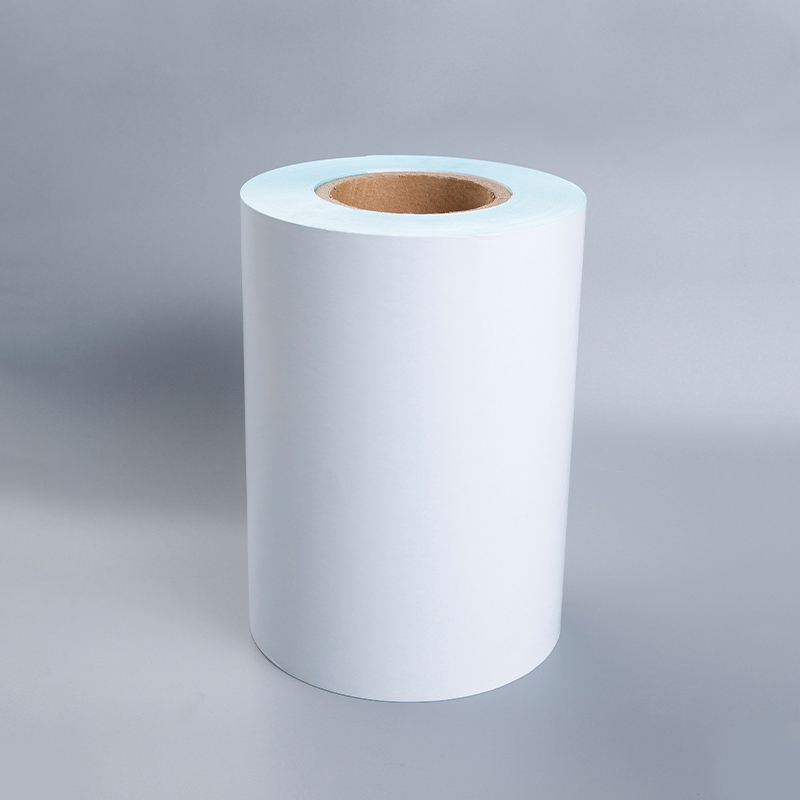
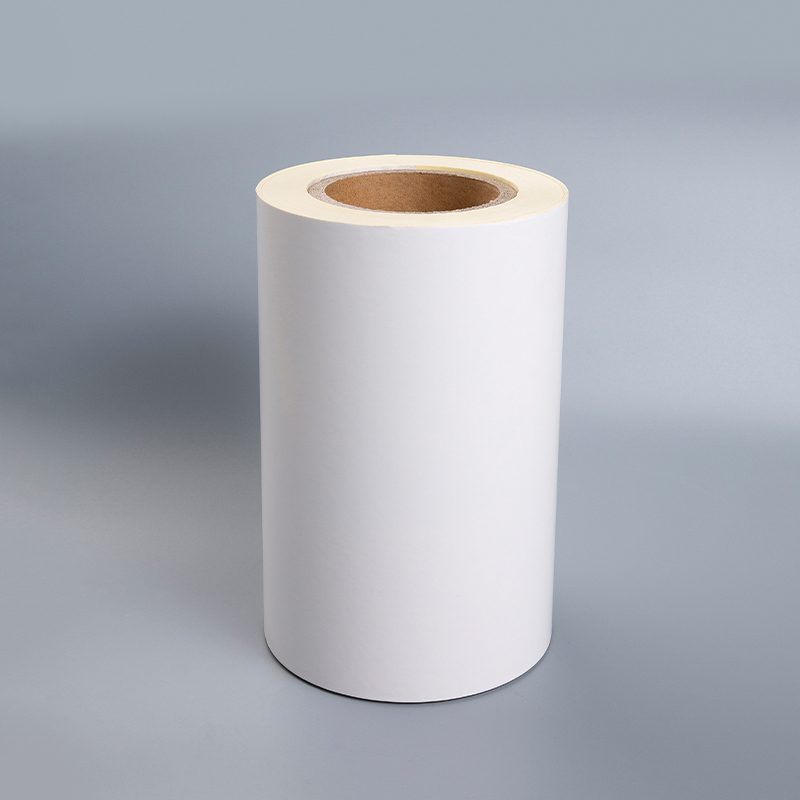
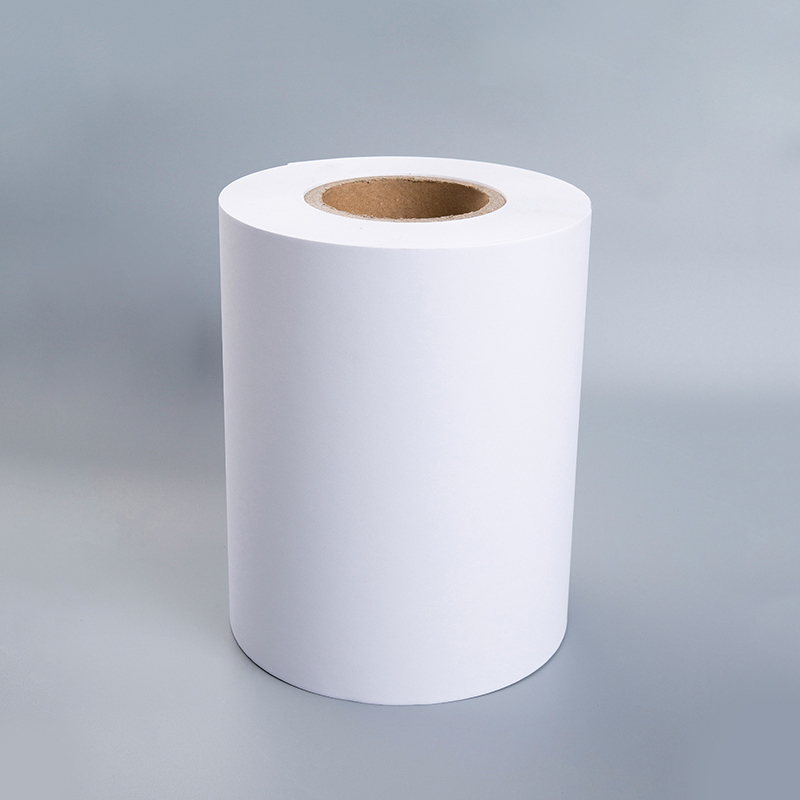
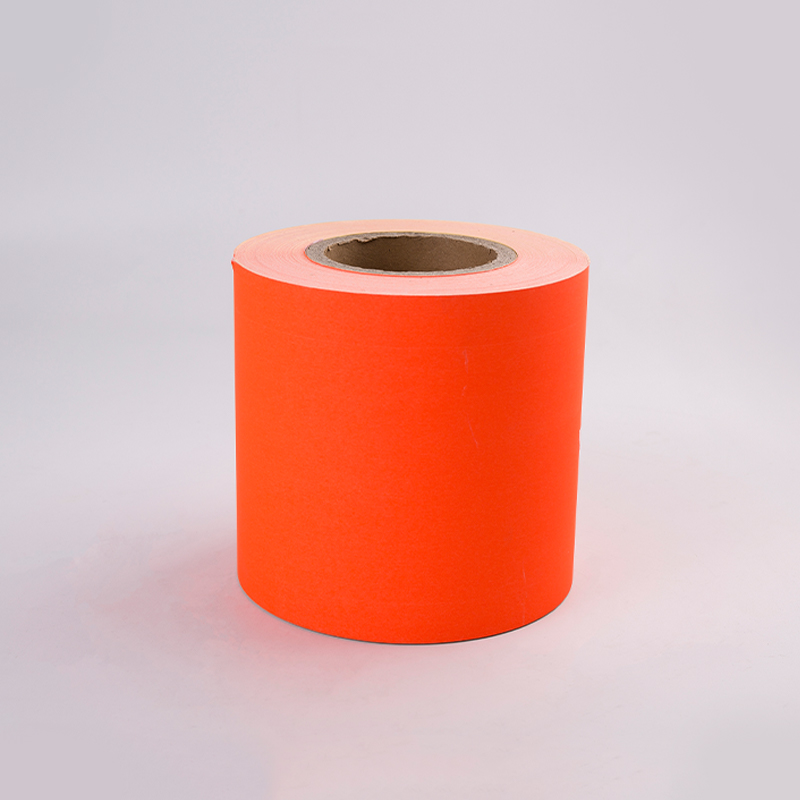
Fluorescent paper in rolls is a high-visibility self-adhesive material developed for applications that require strong visual impact, reliable adhesion, and efficient conversion. Its vivid fluorescent appearance helps printed messages, warning labels, promotional graphics, product markings, and identification signs stand out immediately. When used in suitable environments, fluorescent paper can remain noticeable under low-light conditions and is often selected for safety communication, public information, special-product packaging, toys, gifts, and decorative labels.
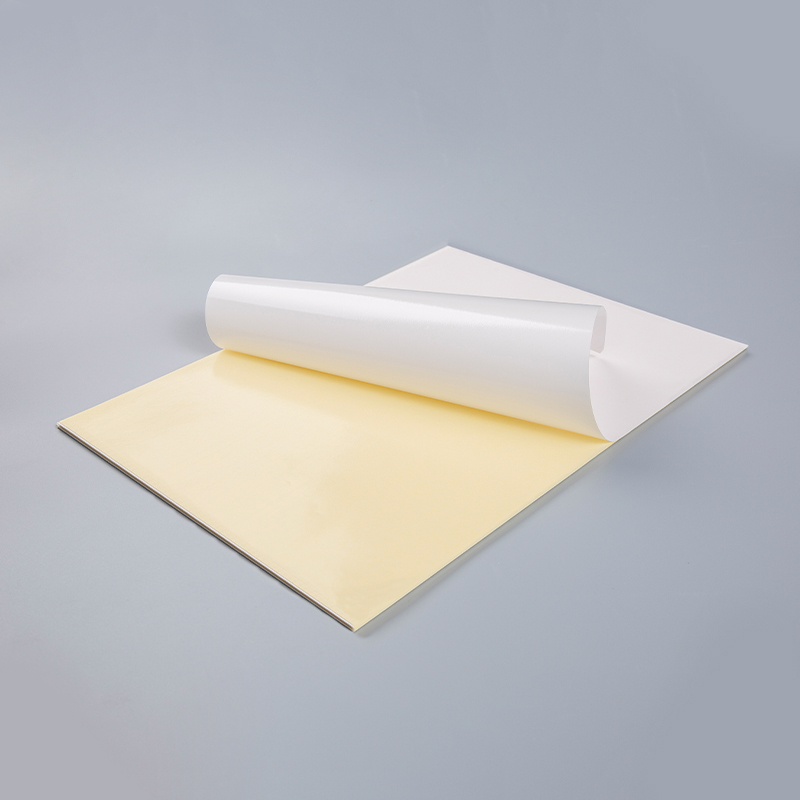
Unlike ordinary paper labels, fluorescent self-adhesive paper combines a bright face material, a pressure-sensitive adhesive, and a release liner into one ready-to-process construction. This structure allows manufacturers, printers, converters, brand owners, and distributors to select a suitable adhesive and liner according to the end use. The material can be supplied in jumbo rolls or converted into sheets, making it suitable for both industrial production and smaller-format printing requirements.
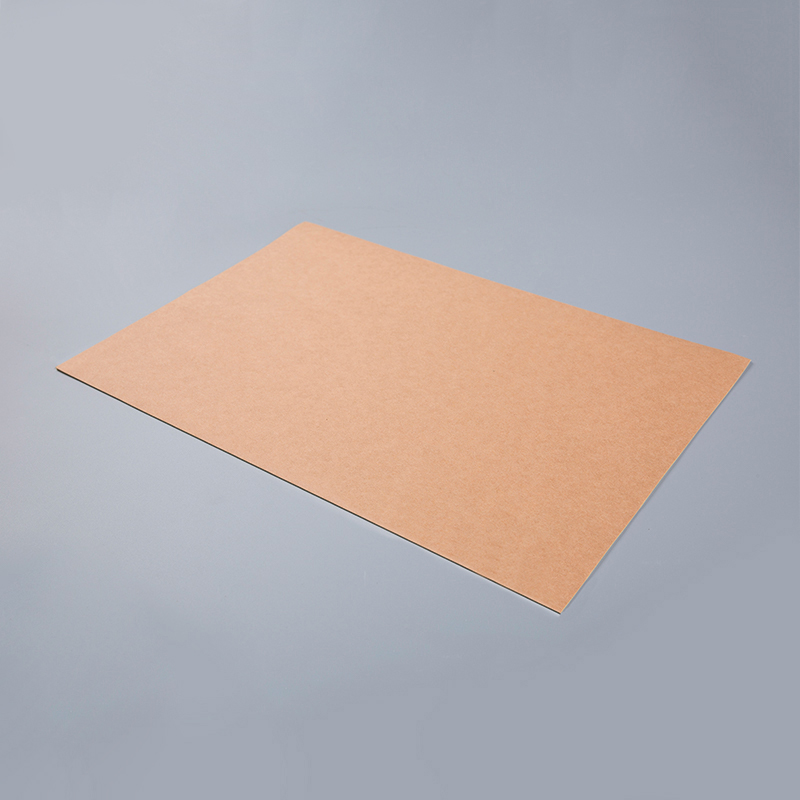
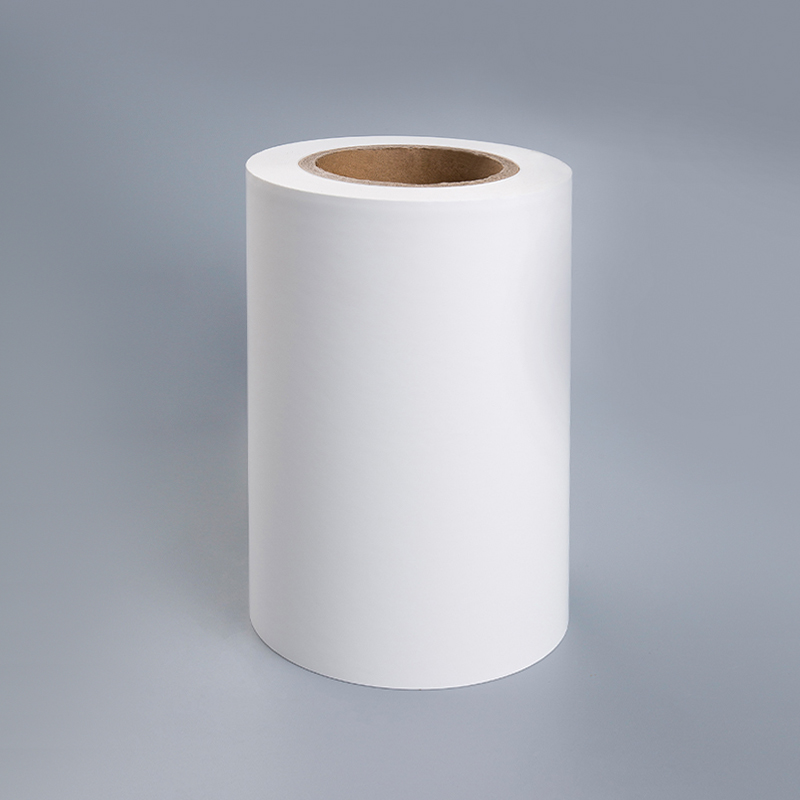
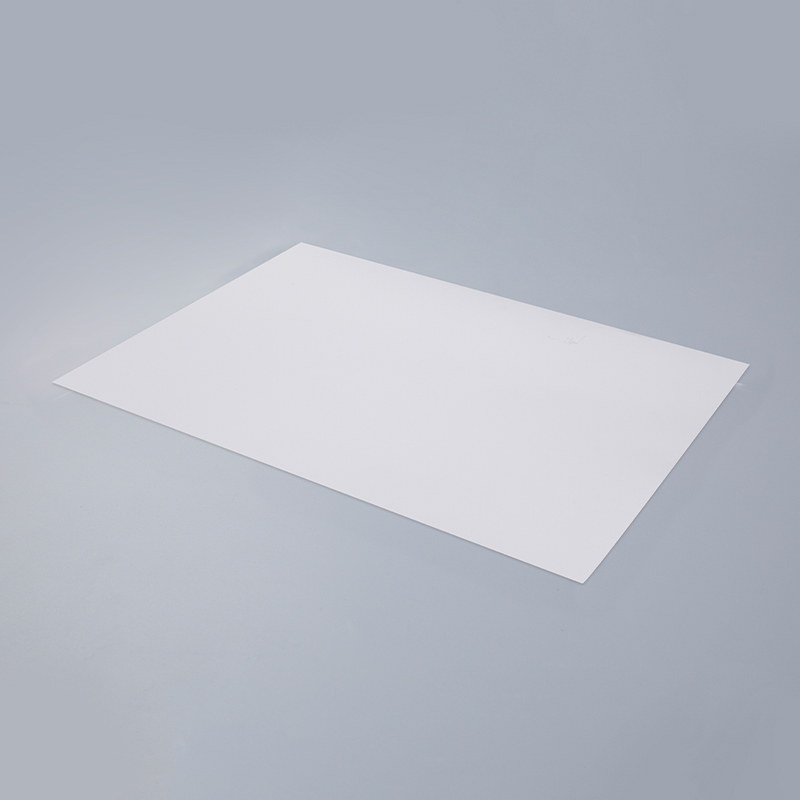
The product described in this article uses 80gsm fluorescent paper as the face material. Water-based adhesive is available as a standard option, while hot-melt, solvent-based, anti-freeze, removable, cryogenic, and tyre-grade rubber adhesives can also be selected. A broad range of release papers and transparent PET liners are available, and jumbo roll widths can be supplied in 1000mm, 1020mm, 1080mm, and 1530mm formats. Standard sheet sizes include A4, A3, 20cm by 30cm, 21cm by 30cm, 24cm by 36cm, 50cm by 70cm, and 70cm by 100cm, with customized sizes available upon request.
With integrated coating, laminating, slitting, and cutting capabilities, Suzhou Piaozhihua Composite Material Technology Co., Ltd. provides fluorescent self-adhesive paper for customers seeking stable quality, flexible specifications, and dependable supply. The company’s more than two decades of manufacturing experience, dedicated testing laboratory, professional research and development team, and established domestic and international sales network support customized material solutions for a broad range of industries.
Fluorescent Paper In Rolls
Content
- 1 What Is Fluorescent Paper in Rolls?
- 2 Construction of the Self-Adhesive Material
- 3 Advantages of Fluorescent Paper Compared with Conventional Label Materials
- 4 Applications Across Printing, Packaging, and Identification
- 5 Manufacturing Process and Quality Control
- 6 Manufacturing Strengths Supporting Customer Requirements
- 7 Printing and Converting Recommendations
- 8 Packaging and Delivery
- 9 How to Select the Correct Specification
- 10 Comparison with Other Common Label Substrates
- 11 Why Choose a Specialized Manufacturer?
- 12 Frequently Asked Questions
- 12.1 What is the basis weight of the fluorescent face paper?
- 12.2 Can the material be supplied as rolls and sheets?
- 12.3 Which adhesive should be selected for ordinary indoor labels?
- 12.4 Is an adhesive available for cold or frozen applications?
- 12.5 Can the fluorescent paper be used for removable labels?
- 12.6 Can it be used on rubber or tyres?
- 12.7 Which printing methods are compatible with the product?
- 12.8 What liner options are available?
- 12.9 What jumbo roll widths are available?
- 12.10 What sheet sizes can be supplied?
- 12.11 How is the material packaged for export?
- 12.12 Can the company provide OEM or ODM production?
- 12.13 How should customers test the material before ordering?
- 13 Conclusion
- 14 References
- 15 Product: Fluorescent Paper In Rolls
What Is Fluorescent Paper in Rolls?
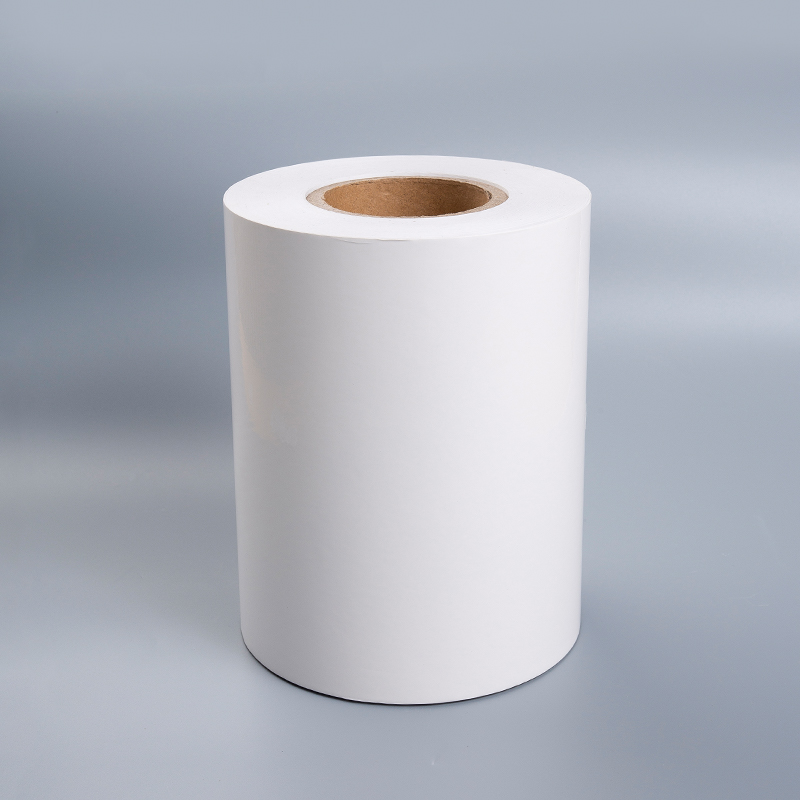
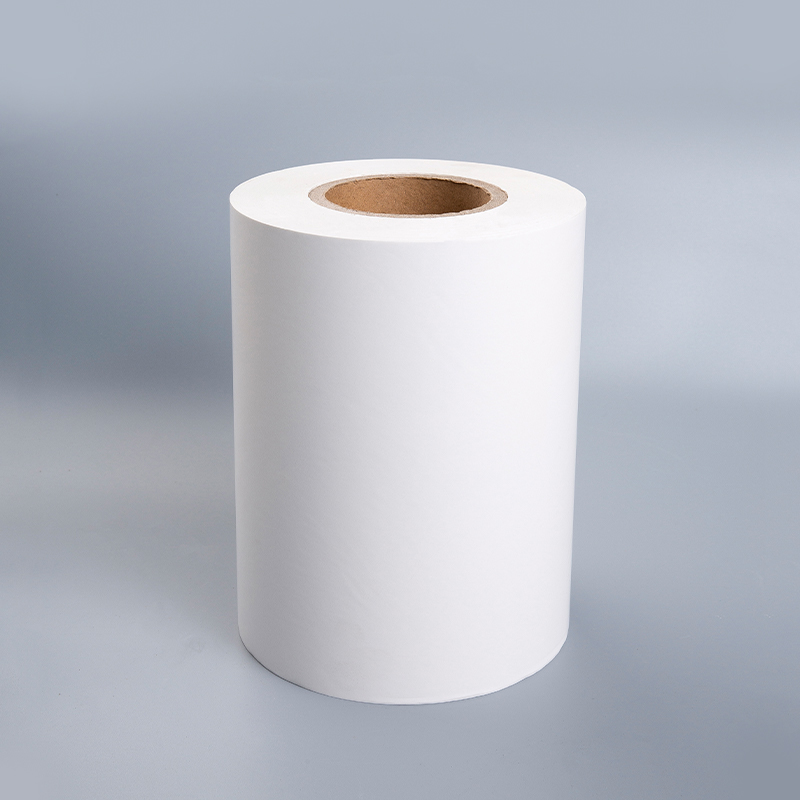
Fluorescent paper in rolls is a continuous web of brightly colored paper designed for printing, labeling, signage, and other visual communication applications. In a self-adhesive construction, the fluorescent face stock is coated with pressure-sensitive adhesive and backed by a release liner. The roll format allows the material to move efficiently through printing presses, label-converting equipment, die-cutting machines, slitting lines, and automated application systems.
The fluorescent effect comes from special colorants incorporated into the paper. These colorants create a much more intense visual appearance than conventional colored paper. Under daylight or strong artificial lighting, the surface appears highly vivid and attention-grabbing. Depending on the color and ambient conditions, fluorescent paper can also retain visual prominence when surrounding illumination becomes weaker. This makes it useful wherever a message must be seen quickly or a product must be distinguished from ordinary items.
The product is not limited to one printing method. It can be processed by letterpress, offset printing, flexographic printing, screen printing, and barcode printing when the press setup, ink system, drying conditions, and artwork are properly matched to the material. It can also be converted into labels, stickers, signs, tags, promotional pieces, shelf markings, warning notices, and decorative graphics.
Roll supply is particularly useful for professional users because it supports continuous production. Compared with handling individual sheets, a roll can reduce manual feeding, increase production consistency, and simplify integration with converting equipment. Printers can slit jumbo rolls into narrower widths, print multiple lanes, laminate additional layers, or die-cut finished labels according to customer requirements.
Construction of the Self-Adhesive Material
Fluorescent Face Paper
The face material is 80gsm fluorescent paper. This basis weight provides a practical balance between printability, flexibility, handling strength, and material efficiency. The paper is sufficiently lightweight for roll conversion while offering a stable surface for printed graphics, instructions, symbols, product identification, and promotional messages.
The fluorescent face stock is especially valuable when ordinary white, pastel, or kraft labels do not provide enough contrast. A bright face color can help distinguish a label from its background, identify an urgent message, separate product categories, or direct attention to a specific area. It can also strengthen the visual identity of temporary promotional campaigns and special-event materials.
Because fluorescent paper is designed to attract attention, it can help reduce the amount of additional graphic complexity required in a label design. A simple symbol, short message, or barcode printed on a vivid substrate may be more noticeable than the same artwork printed on an ordinary background. This can support clear communication while maintaining a relatively simple production process.
Pressure-Sensitive Adhesive
The adhesive is the functional layer that enables the label or sign to bond to a target surface. Different applications require different adhesive properties. A paper label used indoors on clean cardboard may need a different adhesive from a warning label applied to plastic, painted metal, rubber, refrigerated packaging, or a curved product surface.
Water-based adhesive is available for standard applications. It is commonly selected when balanced adhesion, efficient coating, and general-purpose performance are required. Water-based systems can be suitable for many paper, carton, packaging, promotional, and indoor labeling applications, provided that the surface is clean, dry, and compatible.
Hot-melt adhesive is available for applications requiring strong initial tack and fast bonding. It may be considered for high-speed labeling operations and surfaces where immediate adhesion is important. Solvent-based adhesive is available when demanding adhesion, environmental resistance, or specialized performance is required.
Anti-freeze adhesive is intended for applications exposed to low temperatures or cold-chain conditions. Removable adhesive can be selected when the label needs to be taken off with reduced residue or lower risk of surface damage. Cryogenic adhesive is available for extremely low-temperature environments, where ordinary label adhesives may lose adhesion or become brittle.
Tyre-grade rubber adhesive is another specialized option. It is designed for applications involving rubber surfaces and demanding bonding conditions, such as tyre identification, rubber product marking, or related industrial uses. The correct adhesive should always be selected according to the substrate, temperature range, exposure conditions, application speed, required service life, and removal expectations.
Release Liner
The release liner protects the adhesive before application and supports stable processing during printing and converting. The available liner range includes 85g yellow release paper, 50g, 60g, 80g, 100g, and 120g glassine paper, 60g, 120g, and 140g release paper, 140g and 165g art paper, 50g, 80g, 90g, and 120g CCK liner, and transparent PET liners in 25-micron, 36-micron, 50-micron, and 100-micron specifications.
Glassine liners are often selected when smoothness, dimensional stability, and clean release are important. CCK liners can provide a practical balance of strength, surface quality, and cost for various label constructions. Art paper liners may be suitable when a heavier backing is useful for handling or converting. Transparent PET liners can support applications where a thin, strong, and dimensionally stable backing is preferred.
The choice of liner affects die cutting, matrix stripping, dispensing, label application, storage, and overall converting performance. A thinner liner can reduce total material consumption, while a heavier liner may provide additional stiffness during processing. Transparent liners can offer process visibility and may be selected for specialized constructions. The availability of multiple liner options allows the material to be engineered for different production conditions instead of relying on a single standard combination.
Advantages of Fluorescent Paper Compared with Conventional Label Materials
Higher Visual Impact
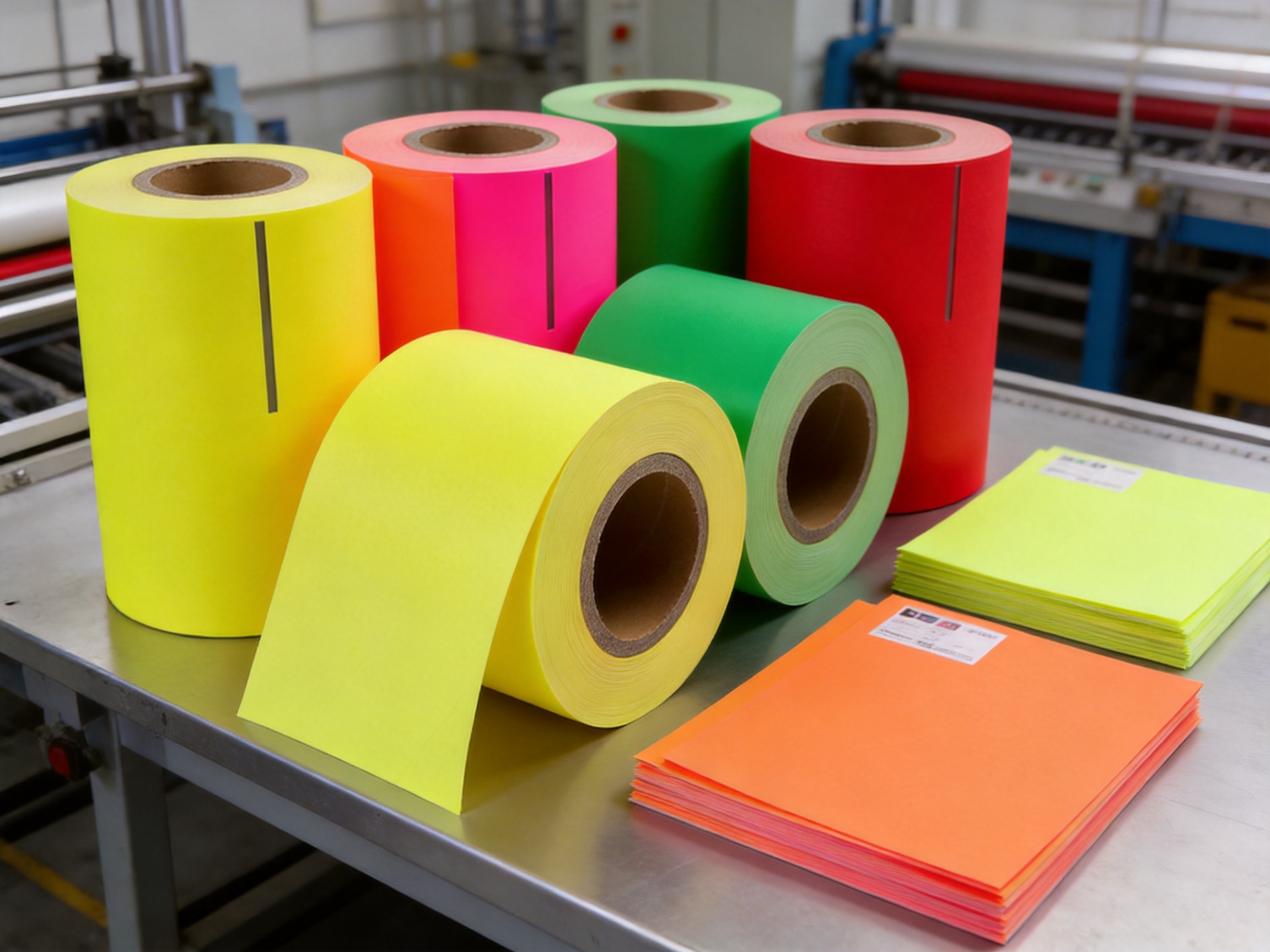
The most immediate advantage of fluorescent paper is its ability to attract attention. Standard white paper remains useful for many labels, but it can blend into cartons, shelves, documents, and general surroundings. Fluorescent colors create a stronger visual separation, helping the label communicate urgency, importance, or product distinction.
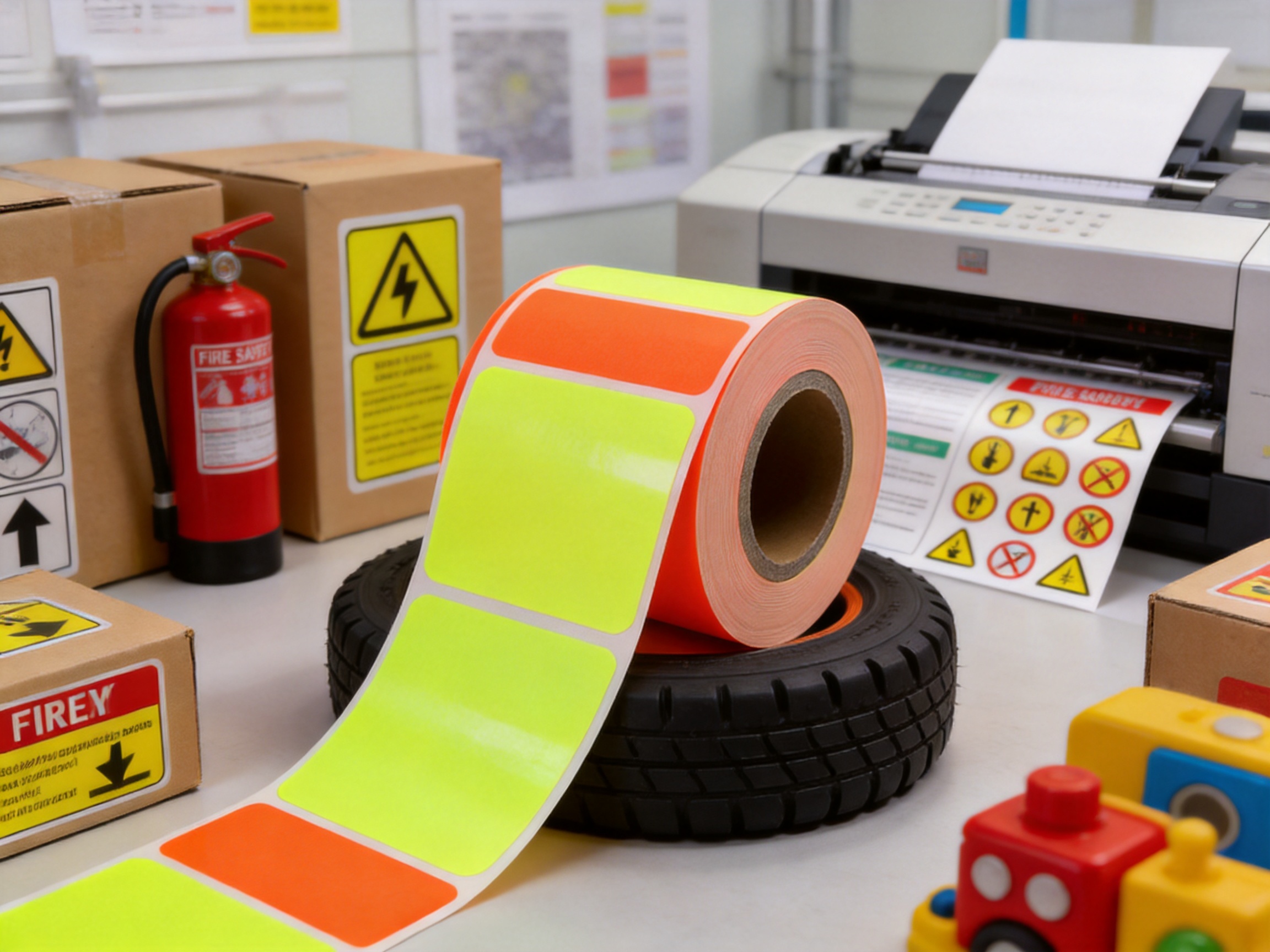
This advantage is particularly relevant for safety notices, fire equipment markings, emergency direction labels, warning stickers, promotional displays, temporary signs, and special-product packaging. In crowded retail or industrial environments, a bright label can make identification faster and reduce the possibility that an important message will be overlooked.
Flexible Printing Compatibility
Fluorescent self-adhesive paper can be used with several common printing processes. Letterpress printing can provide sharp text and strong graphic definition. Offset printing is useful for detailed images and multi-color layouts. Flexographic printing supports continuous roll production and is widely used in label and packaging conversion. Screen printing can add bold ink coverage and special visual effects, while barcode printing supports product tracking and identification applications.
This flexibility gives converters more freedom when planning production. A customer does not necessarily need to change the entire printing method simply because the substrate is fluorescent. Instead, the printer can adjust ink selection, drying, pressure, registration, and other process parameters to suit the face paper and desired result.
Roll and Sheet Availability
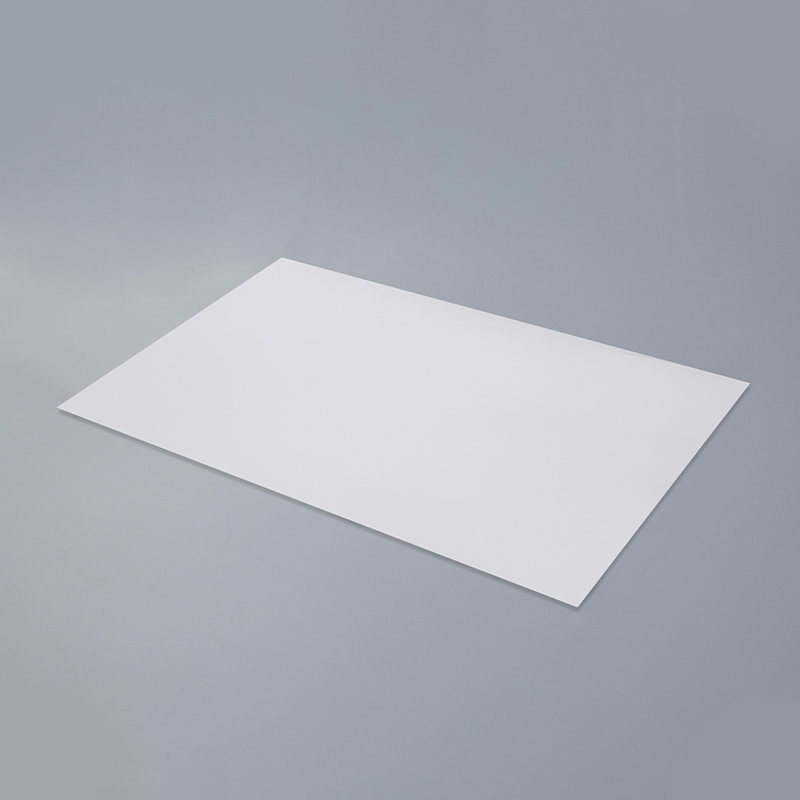
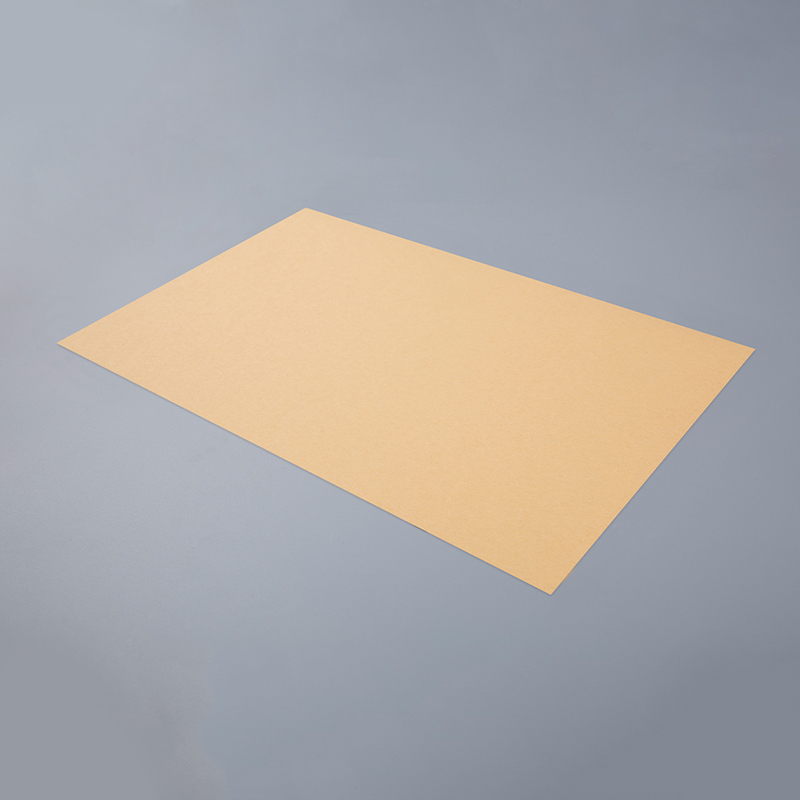
Some label materials are offered primarily in one format, which can create difficulties for customers with different types of equipment. Fluorescent paper is available in jumbo rolls for industrial processing and in sheets for conventional sheet-fed printing, manual application, or smaller production batches.
Rolls are efficient for high-volume converting and automated operations. Sheets are convenient for office printing, short runs, sampling, signage, promotional production, and customers who do not operate roll-fed equipment. Standard formats simplify purchasing and inventory planning, while customized sizes allow the material to match specific equipment and product requirements.
Broad Adhesive Selection
A major advantage over basic self-adhesive paper is the availability of several adhesive technologies. A general-purpose material may not perform reliably in cold storage, on rubber, on difficult plastics, or when clean removal is needed. By offering water-based, hot-melt, solvent, anti-freeze, removable, cryogenic, and tyre-grade rubber adhesive options, the product range addresses a wider set of technical conditions.
This approach can reduce the need to search for separate suppliers for every application. It also gives the manufacturer a stronger foundation for customized product development. The adhesive can be selected as part of the complete face-paper, adhesive, and liner construction rather than treated as an afterthought.
Multiple Liner Choices
The wide range of release liner options provides another advantage. Liner weight, thickness, stiffness, transparency, release force, and surface smoothness can influence how efficiently a material runs through a press or converting line. The ability to choose glassine, release paper, art paper, CCK, or PET backing allows the specification to reflect the customer’s process requirements.
This flexibility can be especially important for narrow-web label production, high-speed die cutting, automated dispensing, large-format sheets, and applications that require dimensional stability. A suitable liner can help improve handling and reduce problems such as curling, premature release, uneven feeding, and difficulty during label separation.
Suitable for Special-Purpose Communication
Fluorescent paper is not only a decorative substrate. Its visibility makes it suitable for communication tasks where recognition speed matters. It can be used to identify fire equipment, highlight public facilities, mark special products, display temporary instructions, organize warehouse materials, and support product or package differentiation.
For toys, gifts, and promotional materials, the bright appearance can create a lively and memorable visual effect. For industrial and public applications, the same characteristic can support faster recognition of a warning or location marker. The material therefore combines commercial appeal with functional communication value.
Applications Across Printing, Packaging, and Identification
Fire Equipment and Safety Markings
Fire extinguishers, fire cabinets, emergency equipment, alarm points, and other safety installations must be easy to identify. Fluorescent labels can help distinguish these items from surrounding walls, machinery, storage areas, or general equipment. They may be printed with symbols, operating instructions, inspection information, or directional messages.
The appropriate adhesive should be chosen based on the equipment surface and the expected environment. For indoor applications, a standard water-based adhesive may be sufficient. For metal, painted surfaces, outdoor areas, cold environments, or long-term industrial use, a specialized adhesive may be more appropriate.
Public Places and Directional Communication
Public buildings, transportation areas, schools, warehouses, hospitals, exhibition spaces, and commercial facilities often require temporary or permanent visual communication. Fluorescent self-adhesive paper can be converted into arrows, notices, floor markers, identification labels, and directional signs.
Its vivid color can help separate important instructions from ordinary printed information. For example, a fluorescent label may be used to identify a restricted area, mark an emergency route, highlight a temporary service point, or communicate a change in operating conditions. The material can be printed with simple text or detailed graphics according to the communication objective.
Product and Packaging Labels
Fluorescent labels can help products stand out on retail shelves, display tables, cartons, and shipping packages. They may be used for promotional prices, limited-edition products, special offers, batch identification, inventory control, or handling instructions.
Packaging converters can use roll material for continuous printing and die cutting. Sheet material can support short runs, manual production, or packaging departments that already use sheet-fed equipment. The bright surface is also useful when a package needs a strong visual accent without changing the entire package structure.
Barcode and Inventory Labels
Barcode printing requires careful control of contrast, registration, ink coverage, and scanner compatibility. Fluorescent paper can be used for barcode labels when the selected fluorescent color and printing method provide adequate optical contrast for the intended scanner and application. Testing is recommended before mass production, particularly for automated scanning systems.
Warehouse labels, stock identification labels, container markers, and internal logistics signs can benefit from the fast visual recognition provided by fluorescent material. Different fluorescent colors may also be used to separate departments, inventory classes, processing stages, or priority levels.
Toys, Gifts, and Decorative Products
The lively appearance of fluorescent paper makes it suitable for toys, gift packaging, greeting products, craft items, event materials, and decorative labels. It can be used to create colorful stickers, product accents, package seals, promotional messages, and themed graphics.
In these applications, the face material contributes directly to product appearance. Designers can use the fluorescent background as part of the artwork or print contrasting text and symbols over it. The choice of adhesive and liner can then be adjusted for the intended application method, whether manual placement, automated dispensing, or die-cut sticker production.
Advertising and Promotional Graphics
Promotional communication depends on visibility and fast message recognition. Fluorescent paper provides a practical way to emphasize a campaign, highlight a discount, or direct attention to a product display. It can be converted into shelf labels, posters, point-of-sale pieces, window decals, package stickers, and event labels.
For short-term promotions, removable adhesive may be preferred when labels must be taken down after the campaign. For long-term indoor signs, a standard permanent adhesive may provide stronger service life. The availability of different roll widths and sheet sizes helps support both large-format promotional production and smaller printed materials.
Manufacturing Process and Quality Control
Material Selection and Formulation
Manufacturing begins with the selection of face paper, adhesive components, and release liner. Each layer must be compatible with the others. The fluorescent paper must provide a uniform appearance and suitable print surface. The adhesive must deliver the required tack, peel adhesion, cohesion, and temperature performance. The liner must protect the adhesive while releasing cleanly during application.
For customized products, the manufacturer evaluates the customer’s application conditions before recommending a construction. Important factors include the substrate type, surface energy, curvature, application temperature, service temperature, humidity, exposure to chemicals or moisture, expected label life, and whether the label must be removable.
Adhesive Coating
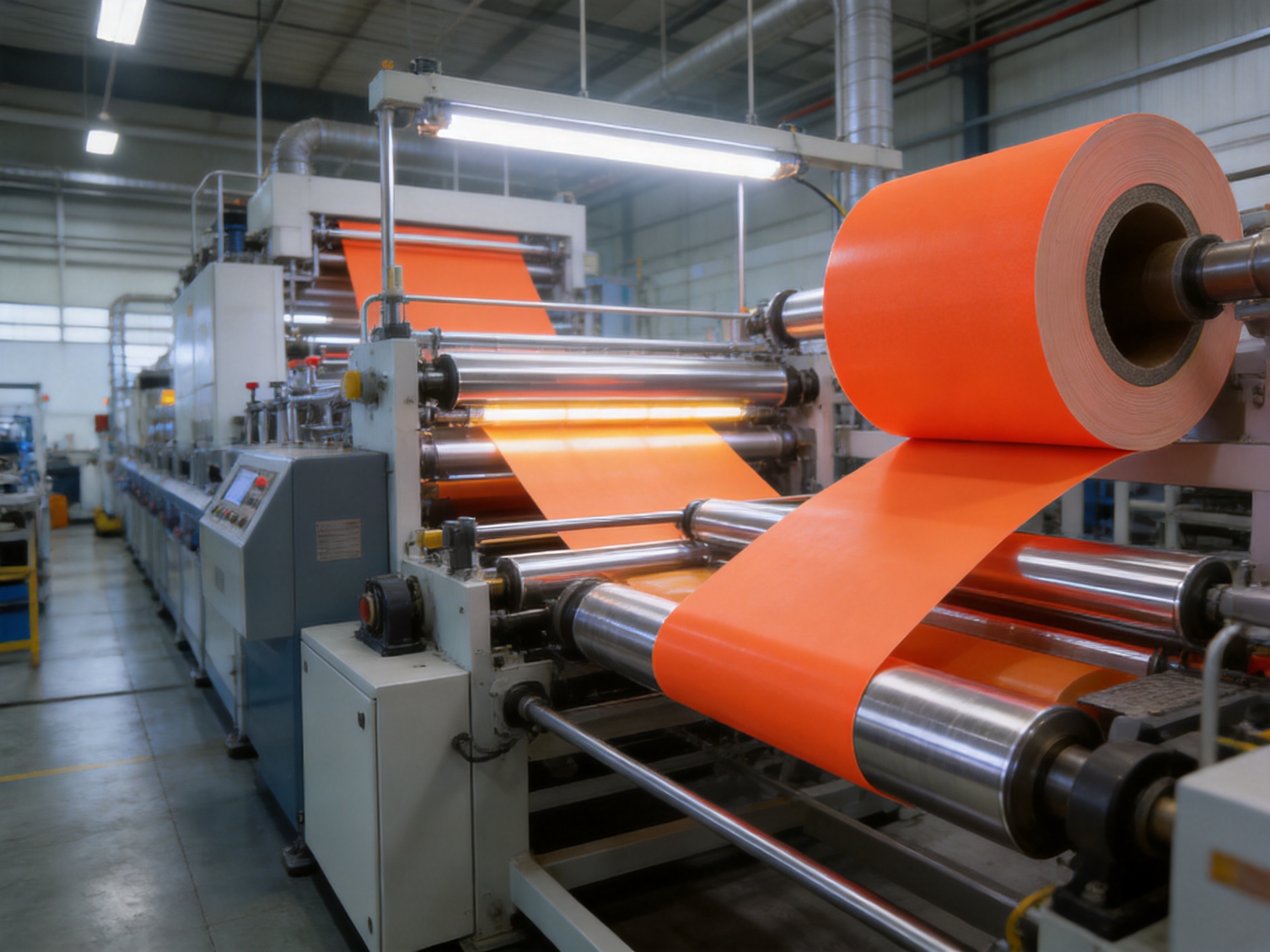
The adhesive coating process determines the amount and uniformity of adhesive applied to the face material. A controlled coating line helps maintain consistent coat weight across the web. Uniform coating is important because insufficient adhesive can cause lifting or edge failure, while excessive adhesive can create squeeze-out, poor die cutting, residue, or processing difficulties.
Different adhesive systems require different coating and drying conditions. Water-based adhesive generally requires controlled drying to remove moisture. Hot-melt adhesive requires accurate temperature management to maintain viscosity and coating stability. Solvent-based systems require appropriate drying and safety controls. Specialized low-temperature and rubber-grade formulations must be evaluated for their intended application performance.
Laminating and Web Integration
After coating, the adhesive-coated face material is laminated with the selected release liner. Lamination requires controlled tension, pressure, alignment, and web handling. A stable laminated structure supports smooth unwinding, printing, slitting, die cutting, and label dispensing.
Inconsistent lamination can lead to wrinkles, bubbles, telescoping rolls, uneven release, or liner separation. Advanced equipment and experienced operators help reduce these risks. The manufacturing process is designed to maintain a consistent bond between the adhesive and face stock while preserving the release characteristics of the liner.
Slitting and Roll Conversion
Jumbo rolls can be slit into customer-specified widths. Accurate slitting is essential for printers and converters because roll width directly affects press setup, material waste, and production efficiency. Clean edges help reduce dust, loose fibers, and web breaks during downstream processing.
Available jumbo roll widths include 1000mm, 1020mm, 1080mm, and 1530mm. These sizes can be converted into narrower rolls according to printing equipment, label dimensions, or multi-lane production requirements. Proper winding tension helps maintain roll stability during transport and storage.
Sheet Cutting
For customers requiring sheet-fed formats, the material can be cut into standard sizes such as A4, A3, 20cm by 30cm, 21cm by 30cm, 24cm by 36cm, 50cm by 70cm, and 70cm by 100cm. Customized sheet dimensions can also be produced.
Sheet cutting must maintain accurate dimensions, square edges, and consistent stacking. These factors influence printer feeding, registration, manual handling, and final presentation. The sheet format is suitable for businesses that require fluorescent labels but do not need full jumbo-roll quantities or roll-fed processing equipment.
Inspection and Testing
Quality control covers the face paper, adhesive, liner, finished roll, and finished sheets. The company operates an in-house testing laboratory and uses inspection equipment to support product evaluation. Depending on the product specification, testing may include basis weight, thickness, color consistency, adhesive tack, peel adhesion, holding power, release performance, dimensional stability, printability, and appearance.
Inspection also helps identify defects such as wrinkles, coating streaks, pinholes, uneven color, edge damage, bubbles, contamination, telescoping, and improper winding. Quality records can support batch traceability and help the technical team analyze customer feedback or improve future formulations.
Manufacturing Strengths Supporting Customer Requirements
Integrated Production Lines
The company operates a full range of production lines covering gluing, laminating, and cutting. This integrated structure provides better control over the complete self-adhesive material construction. Instead of relying entirely on unrelated external processors, the manufacturer can coordinate the major stages within one production system.
Integrated manufacturing can improve communication between departments, shorten the response time for specification changes, and support more consistent quality from one batch to the next. It also makes it easier to develop customized combinations of fluorescent paper, adhesive, and liner.
Large Annual Production Capacity
With an annual production capacity of more than 280 million square meters, the company is positioned to support both regular commercial supply and larger-volume purchasing programs. Production capacity is important for distributors, packaging groups, printing companies, and international buyers that need continuity rather than occasional spot shipments.
A large production base can also improve planning for standard products. Customers may benefit from more predictable manufacturing schedules, stronger supply coordination, and the ability to combine standard specifications with customized converting requirements.
More Than Twenty Years of Experience
The company has more than twenty years of experience in self-adhesive product manufacturing and OEM production. This experience contributes to practical knowledge in adhesive selection, coating, lamination, roll handling, sheet conversion, packaging, and application support.
Long-term manufacturing experience is particularly valuable for specialized materials because performance depends on the interaction between multiple layers. A product may look correct but still fail if the adhesive is not suitable for the substrate, the liner releases inconsistently, or the roll is wound incorrectly. Experienced technical teams can evaluate these factors together.
OEM and ODM Capabilities
Customers may require products based on their own drawings, samples, label dimensions, press conditions, or performance targets. OEM and ODM capabilities allow the manufacturer to develop products around these requirements rather than offering only fixed catalog items.
Customization may involve fluorescent color, adhesive type, liner selection, roll width, roll diameter, sheet size, packaging method, or application-specific performance. The company’s professional research and development team and multiple patents support continuing innovation in self-adhesive materials and related technologies.
Domestic and International Service Network
The company has established direct sales coverage in numerous Chinese cities, including Shanghai, Ningbo, Hangzhou, Chengdu, Harbin, Wuhan, Chongqing, Guangzhou, Changsha, and Beijing. It also serves customers in international markets across Asia, Europe, the Americas, Africa, the Middle East, and other regions.
A broad service network can help customers communicate technical questions, coordinate orders, manage delivery requirements, and obtain after-sales assistance. For international buyers, experience with export packaging and sea transportation is important because the material must arrive in stable condition after long-distance shipment.
Quality and Sustainability Orientation
The company’s quality manufacturing concept is supported by product testing, process management, technical development, and customer service. Its product development approach also includes eco-friendly solutions involving face materials, adhesives, and backing papers.
Sustainability requirements vary by market and application. Customers may be seeking lower-material constructions, suitable paper-based components, responsible adhesive choices, or improved product efficiency. Any environmental claim should be evaluated against the complete construction, relevant regulations, recycling infrastructure, and the conditions of actual use. The manufacturer’s ability to adjust face material, adhesive, and liner provides a foundation for discussing such requirements on a project-by-project basis.
Printing and Converting Recommendations
Artwork and Color Planning
Fluorescent paper already provides a strong background color, so artwork should be designed with sufficient contrast. Dark inks, black text, strong outlines, and simple symbols are often effective. Fine details and low-contrast color combinations should be tested because the fluorescent substrate can influence the final appearance of printed inks.
When color accuracy is important, the printer should approve a physical proof rather than relying only on digital screen simulation. The fluorescent face stock may change the visual tone of transparent or semi-transparent inks. Ink coverage, drying, and overprinting should be evaluated before full production.
Printing Process Control
Printers should confirm that the chosen press and ink system are suitable for self-adhesive paper. Web tension must be controlled to prevent stretching, wrinkling, or registration problems. Sheet-fed equipment should be adjusted for the material thickness and liner combination. Drying conditions should be sufficient to avoid blocking, offsetting, or adhesive contamination.
For barcode applications, test prints should be scanned under the actual operating conditions. Factors such as fluorescent color, ink density, barcode size, scanner type, and lighting can affect readability. A barcode verifier or equivalent inspection method can help confirm that the finished label meets the customer’s requirements.
Die Cutting and Label Conversion
Die-cutting pressure should be adjusted to cut through the face material and adhesive without excessively damaging the liner. Over-cutting can weaken the liner and create dispensing problems. Under-cutting can make labels difficult to peel or cause the matrix to lift incompletely.
Sharp, properly maintained dies support clean label edges. Matrix stripping speed, web tension, liner strength, and adhesive formulation should be considered together. The appropriate liner can significantly influence die-cutting performance, especially for small labels, intricate shapes, or high-speed production.
Storage and Handling
Fluorescent self-adhesive material should be stored in a clean, dry environment away from excessive heat, direct sunlight, moisture, and contamination. Rolls should remain in their original protective packaging until they are ready for use. Sudden changes in temperature and humidity can affect paper dimensions, adhesive behavior, and liner performance.
Before printing, the material may need time to acclimatize to the production room. This is particularly relevant when rolls or sheets have been transported through significantly different temperature or humidity conditions. Correct storage and handling help maintain flatness, print quality, release performance, and adhesive reliability.
Packaging and Delivery
Packaging is an important part of self-adhesive material quality. Even a well-manufactured roll can be damaged by moisture, impact, compression, poor stacking, or inadequate protection during transportation. The product can be supplied using sea-transit-worthy poly-wood pallet packing and carton packing. Both roll and sheet packaging options are available from stock, subject to order requirements.
Sheets are packed at 100 sheets per ream. Each ream is protected with a strong PE-coated kraft paper wrapper. This wrapping helps protect the sheets from dust, moisture, abrasion, and handling damage. Reams can then be arranged on stable pallets for loading, storage, and delivery.
Strong pallets are wrapped with stretch film and fastened with plastic fastening belts. This packaging method helps stabilize the load and reduce movement during transportation. For export shipments, pallet packing can be coordinated with container loading requirements, destination conditions, and customer unloading arrangements.
Packaging specifications can be discussed according to roll diameter, roll weight, sheet format, container capacity, and destination. Buyers should provide information about transportation mode, warehouse conditions, handling equipment, and local packaging regulations so that the final packing plan can be properly evaluated.
How to Select the Correct Specification
The best fluorescent self-adhesive material depends on the complete application rather than on face color alone. Buyers should identify the target surface, application temperature, service temperature, expected use period, printing method, label dimensions, dispensing process, and removal requirements.
For ordinary indoor paper or carton labeling, 80gsm fluorescent paper with water-based adhesive and a standard release paper may provide a practical starting point. For high-speed roll converting, a glassine liner may be considered for its smoothness and handling characteristics. For demanding dimensional stability or special processing, a PET liner may be appropriate.
For refrigerated or frozen products, anti-freeze or cryogenic adhesive should be evaluated. For temporary signs or promotional campaigns, removable adhesive may be preferred. For rubber products and tyre-related applications, tyre-grade rubber adhesive should be considered. For challenging industrial surfaces, solvent-based or hot-melt adhesive may offer a stronger performance profile, subject to testing.
Roll width should match the press or slitting equipment. The available jumbo widths of 1000mm, 1020mm, 1080mm, and 1530mm provide several starting points for industrial planning. Sheet users can select a standard size or request a customized format to minimize trimming waste and improve press utilization.
Before approving a large order, it is recommended to conduct application trials. Testing should include printing, die cutting, application, adhesion, aging, temperature exposure, removal, and barcode scanning when relevant. The manufacturer can use test feedback to refine the adhesive, liner, dimensions, or packaging specification.
Comparison with Other Common Label Substrates
Material Type |
Main Strength |
Typical Limitation |
Best Use Consideration |
Fluorescent self-adhesive paper |
High visibility, flexible printing, broad adhesive and liner choices |
Paper construction may require protection from prolonged moisture |
Safety labels, promotions, public notices, packaging, and special-product identification |
Standard white self-adhesive paper |
General printability and broad availability |
Lower visual impact in crowded environments |
Routine product labels and conventional documentation |
Self-adhesive film |
Potentially higher moisture and tear resistance |
May have a higher cost and different printing requirements |
Outdoor, wet-area, and durable labeling applications |
Plain colored paper |
Color variety and basic visual differentiation |
Usually less intense than fluorescent paper |
General decorative and organizational labeling |
Directly printed packaging |
No separate label application step |
Less flexible for short-run changes or temporary messages |
Large-volume packaging with stable artwork |
Fluorescent paper is not intended to replace every label substrate. Film may be more suitable for long-term outdoor exposure or wet environments, while standard white paper may be more economical for ordinary identification. Its competitive advantage is strongest when visibility, flexible conversion, and self-adhesive convenience are central requirements.
Why Choose a Specialized Manufacturer?
Buying fluorescent paper from a specialized self-adhesive material manufacturer offers advantages beyond material supply. The manufacturer can help coordinate the face paper, adhesive, and liner as one engineered system. This is valuable because the performance of a label depends on the interaction of all three layers.
A specialized producer can also support a more efficient development process. Instead of testing unrelated materials from several suppliers, a customer can discuss printing, adhesive, liner, roll, sheet, and packaging requirements with one technical team. This may reduce communication gaps and help identify the root cause of production issues more quickly.
Manufacturing scale is another consideration. A supplier with gluing, laminating, slitting, and cutting lines can provide both standard and customized formats. Large annual capacity supports repeat orders, while an established research and development team can address new requirements such as specialized low-temperature adhesives, removable constructions, or more sustainable material combinations.
Quality control and after-sales service are equally important. Testing facilities help verify material consistency, while technical support can assist with application trials and process adjustments. A long-term supplier should be able to provide stable specifications, clear documentation, responsive communication, and practical solutions when customer conditions change.
Frequently Asked Questions
What is the basis weight of the fluorescent face paper?
The standard fluorescent face material described here is 80gsm paper. Other parts of the construction, including the adhesive and release liner, contribute to the total product thickness and weight.
Can the material be supplied as rolls and sheets?
Yes. It can be supplied in jumbo rolls for printing and converting, as well as in sheets for sheet-fed printing, manual application, short runs, promotional production, and signage. Standard and customized dimensions are available.
Which adhesive should be selected for ordinary indoor labels?
Water-based adhesive is a common option for general indoor applications on clean, compatible surfaces. The final choice should consider the substrate, required service life, application temperature, and expected environmental exposure.
Is an adhesive available for cold or frozen applications?
Yes. Anti-freeze adhesive and cryogenic adhesive options are available for low-temperature applications. These materials should be evaluated under the actual storage and application conditions before mass production.
Can the fluorescent paper be used for removable labels?
Removable adhesive is available. It can be considered for temporary promotions, event labels, short-term notices, and applications where the label must be removed with reduced residue. Surface compatibility and removal timing should be tested in advance.
Can it be used on rubber or tyres?
Tyre-grade rubber adhesive is available for rubber-related applications. Because rubber compounds and surface treatments vary, application testing is recommended to confirm adhesion, aging, and resistance performance.
Which printing methods are compatible with the product?
The product is suitable for letterpress, offset, flexographic, screen, and barcode printing when the press, ink, drying, and processing conditions are correctly adjusted. A print trial is recommended for detailed artwork or barcode applications.
What liner options are available?
Available options include 85g yellow release paper; glassine paper in 50g, 60g, 80g, 100g, and 120g; release paper in 60g, 120g, and 140g; art paper in 140g and 165g; CCK liner in 50g, 80g, 90g, and 120g; and transparent PET liners in 25-micron, 36-micron, 50-micron, and 100-micron specifications.
What jumbo roll widths are available?
Available jumbo roll widths include 1000mm, 1020mm, 1080mm, and 1530mm. Narrower slit widths can be discussed according to the customer’s equipment and finished label requirements.
What sheet sizes can be supplied?
Standard sheet formats include A4, A3, 20cm by 30cm, 21cm by 30cm, 24cm by 36cm, 50cm by 70cm, and 70cm by 100cm. Customized dimensions are also available.
How is the material packaged for export?
Rolls or sheets can be packed using sea-transit-worthy poly-wood pallets and cartons. Sheets are packed at 100 sheets per ream with strong PE-coated kraft paper wrappers. Pallets are wrapped with stretch film and secured with plastic fastening belts.
Can the company provide OEM or ODM production?
Yes. The company offers OEM and ODM services and can develop products based on customer drawings, samples, specifications, or application requirements. Customization may include adhesive, liner, size, roll format, sheet format, and packaging.
How should customers test the material before ordering?
Customers should conduct a trial using the actual printer, target surface, application method, storage conditions, and service environment. Testing may include print quality, die cutting, adhesion, removal, temperature exposure, aging, and barcode scanning where relevant.
Conclusion
Fluorescent paper in rolls provides a practical combination of visual impact, self-adhesive convenience, printing flexibility, and specification versatility. Its 80gsm fluorescent face material helps printed messages and product markings stand out, while the available adhesive range allows the construction to be adapted for standard indoor labels, promotional materials, cold environments, removable applications, cryogenic conditions, and rubber surfaces.
The availability of multiple release liners, jumbo roll widths, standard sheet sizes, and customized formats supports both industrial conversion and sheet-fed production. Letterpress, offset, flexographic, screen, and barcode printing options make the material useful across packaging, public communication, safety identification, advertising, decoration, and special-product applications.
The manufacturing strengths of Suzhou Piaozhihua Composite Material Technology Co., Ltd. further support the product’s value. Integrated gluing, laminating, and cutting lines, annual capacity exceeding 280 million square meters, more than twenty years of OEM experience, an in-house testing laboratory, advanced inspection equipment, and professional research and development capabilities provide a strong foundation for consistent supply and customized development.
For buyers comparing fluorescent paper with conventional white labels, plain colored paper, or self-adhesive film, the key advantage is targeted visibility. When a label needs to be noticed quickly, separated from its surroundings, or given a strong promotional and functional identity, fluorescent self-adhesive paper can be an effective material choice. Proper adhesive selection, liner selection, printing trials, storage, and application testing will help ensure reliable performance in the final product.
References
1. Pressure-Sensitive Adhesive Materials: Principles, Applications, and Converting Practices.
2. Industrial Label Printing and Converting: Substrate Selection, Ink Compatibility, and Process Control.
3. Paper-Based Packaging and Label Materials: Basis Weight, Coating, Lamination, and Release Liner Technology.
4. Barcode Printing and Verification Practices for Product Identification Labels.
5. Self-Adhesive Label Manufacturing Quality Control: Adhesion, Release, Dimensional Stability, and Roll Handling.
6. Manufacturer product information for 80gsm fluorescent paper self-adhesive material, available adhesive systems, liner options, roll widths, sheet sizes, packaging, and manufacturing capabilities.