
 English
 Español
 русский
 Français
 عربى
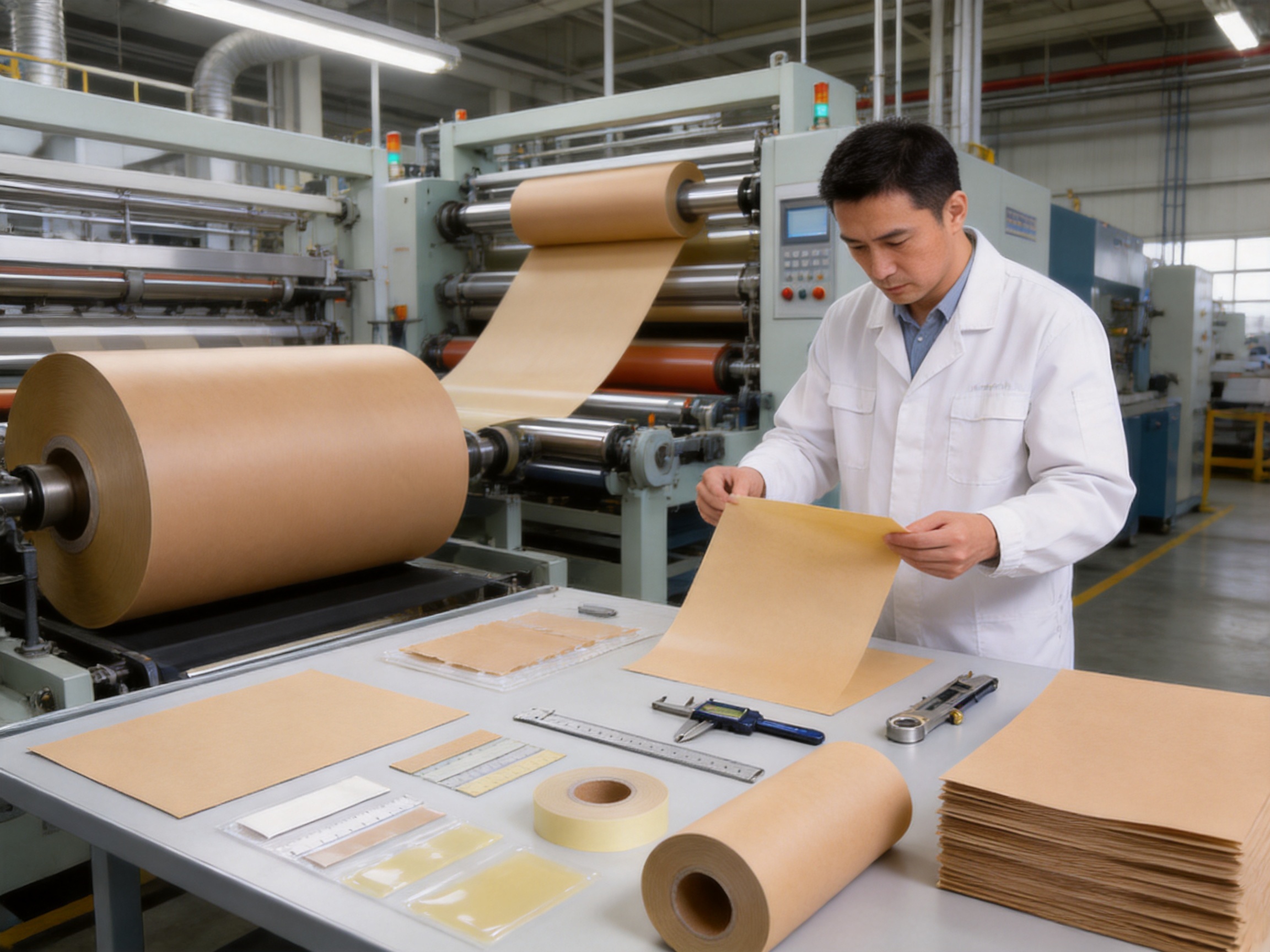
Imported Kraft Paper is a versatile paper material designed for packaging, labeling, stationery, sealing, and craft applications that require a natural appearance, dependable handling, and a distinctive handmade character. With its warm kraft tone, practical strength, and compatibility with adhesive converting processes, this material offers an attractive alternative to ordinary white paper, coated packaging stock, and synthetic label facestocks.
The product is particularly suitable for brands and manufacturers that want packaging to communicate authenticity, simplicity, craftsmanship, and environmental awareness. It can be used for paper bags, envelopes, notebooks, exercise books, outer stickers, product seals, food packaging, tea packaging, snack packaging, takeaway packaging, and handmade goods. Its visual texture and earthy appearance help products stand out while preserving a natural and approachable image.
Manufactured by Suzhou Piaozhihua Composite Material Technology Co., Ltd., the product benefits from more than two decades of experience in self-adhesive material development and production. The company operates gluing, laminating, slitting, and cutting production lines, supporting both roll and sheet supply. Its manufacturing capabilities, adhesive options, liner selection, inspection systems, and customization services allow buyers to select a construction that matches their converting equipment and end-use requirements.
Content
- 1 What Is Imported Kraft Paper?
- 2 Natural Appearance for Modern Product Packaging
- 3 Key Product Specifications
- 4 Adhesive Options for Different Applications
- 5 Release Liner Selection and Processing Performance
- 6 Applications in Food and Takeaway Packaging
- 7 Applications in Handmade and Creative Products
- 8 Use in Paper Bags, Envelopes, and Stationery
- 9 Advantages Compared with Conventional Label Materials
- 10 Manufacturing Capabilities and Quality Focus
- 11 Research, Testing, and Product Development
- 12 Packaging and Delivery
- 13 Printing and Converting Considerations
- 14 Customization and OEM Support
- 15 Sustainability and Responsible Material Development
- 16 Why Choose a Specialized Self-Adhesive Material Manufacturer?
- 17 How to Select the Right Construction
- 18 Recommended Quality Checks Before Mass Production
- 19 Frequently Asked Questions
- 19.1 What is the basis weight of the standard Imported Kraft Paper?
- 19.2 Is the product available in both rolls and sheets?
- 19.3 Which adhesive is supplied as the standard option?
- 19.4 Can this material be used for food packaging?
- 19.5 Can the kraft paper be used for handmade product labels?
- 19.6 What release liners are available?
- 19.7 Can the product be used in cold or frozen environments?
- 19.8 Does the supplier offer OEM and ODM services?
- 19.9 How is the product packaged for delivery?
- 19.10 What information should be provided when requesting a quotation?
- 20 Conclusion
- 21 References
- 22 Product: Imported Kraft Paper
What Is Imported Kraft Paper?
Imported Kraft Paper is an 80 gsm kraft paper face material supplied in self-adhesive constructions or as a material suitable for further processing. The kraft paper provides the visible surface, while the adhesive and release liner determine how the product is applied, converted, stored, and removed.
Kraft paper is commonly valued for its natural fiber appearance and practical balance of flexibility and durability. Compared with highly glossy or heavily coated papers, kraft paper creates a warmer and more tactile presentation. This makes it well suited to products positioned around natural ingredients, handmade production, traditional techniques, small-batch manufacturing, and simple packaging design.
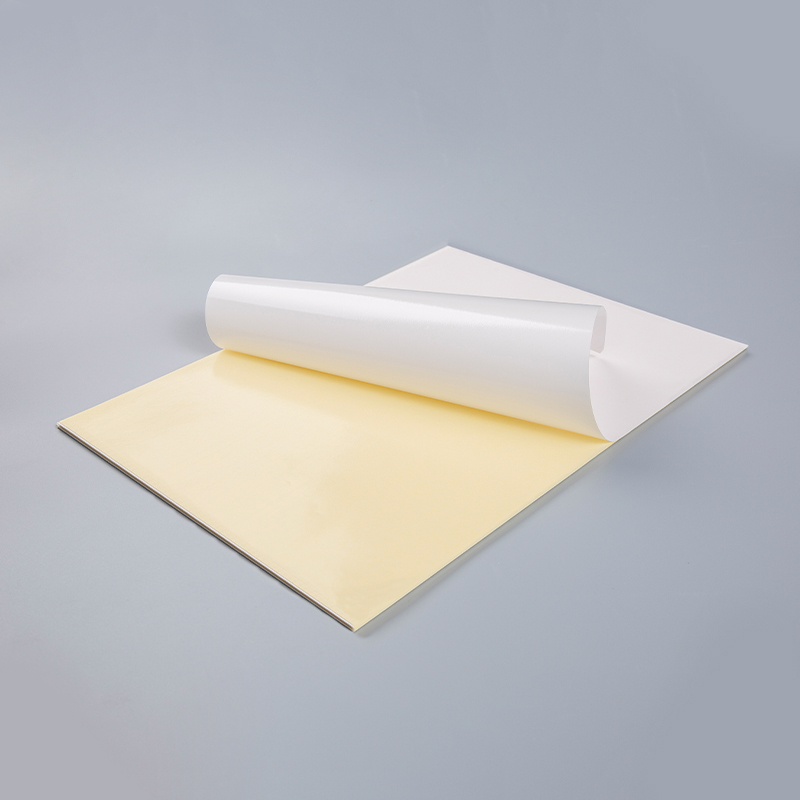
In self-adhesive form, the material typically consists of three functional layers:
1. The kraft paper face material, which provides the printable and visible surface.
2. The adhesive layer, which bonds the label or paper component to a selected substrate.
3. The release liner, which protects the adhesive before application and allows the material to be processed through label and packaging equipment.
Each layer can influence the finished product. The face material affects appearance, print performance, stiffness, and tear behavior. The adhesive determines initial tack, permanent adhesion, removability, temperature resistance, and application suitability. The liner supports smooth unwinding, die-cutting, sheet feeding, dispensing, and storage stability.
Natural Appearance for Modern Product Packaging
One of the most important advantages of Imported Kraft Paper is its visual character. The warm brown or natural kraft appearance immediately communicates a different message from bright white paper or transparent film. It can suggest authenticity, responsible sourcing, handmade production, and a connection with traditional paper craftsmanship.
This appearance is increasingly valuable in competitive packaging markets. Consumers often encounter many similar products on shelves, in online delivery packages, and at food service counters. A kraft paper label or seal can provide a recognizable visual cue without relying on complex graphics or expensive structural packaging.
The material also works well with minimalist design. A simple black logo, one-color illustration, handwritten-style typography, or a small product description can look highly effective on a kraft surface. Designers may choose to preserve the natural paper color as part of the design or apply additional printing to create a more detailed appearance.
For food, tea, snacks, craft products, and takeaway goods, the tactile and visual qualities of kraft paper can reinforce the product story. It is especially useful when a business wants to present its products as carefully made, locally inspired, traditionally prepared, or packaged with a simple and practical philosophy.
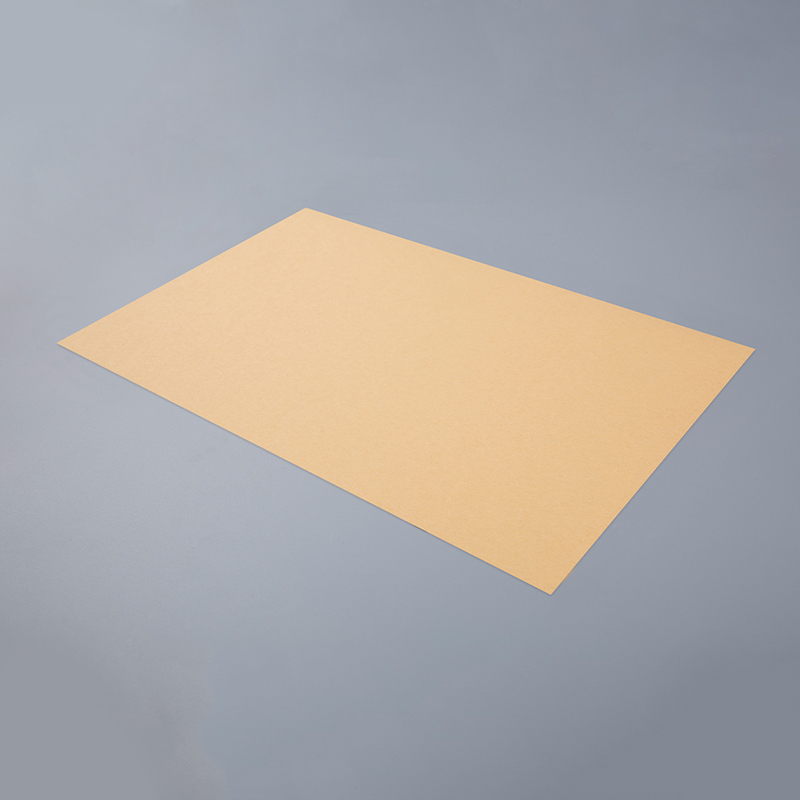
Imported Kraft Paper
Key Product Specifications
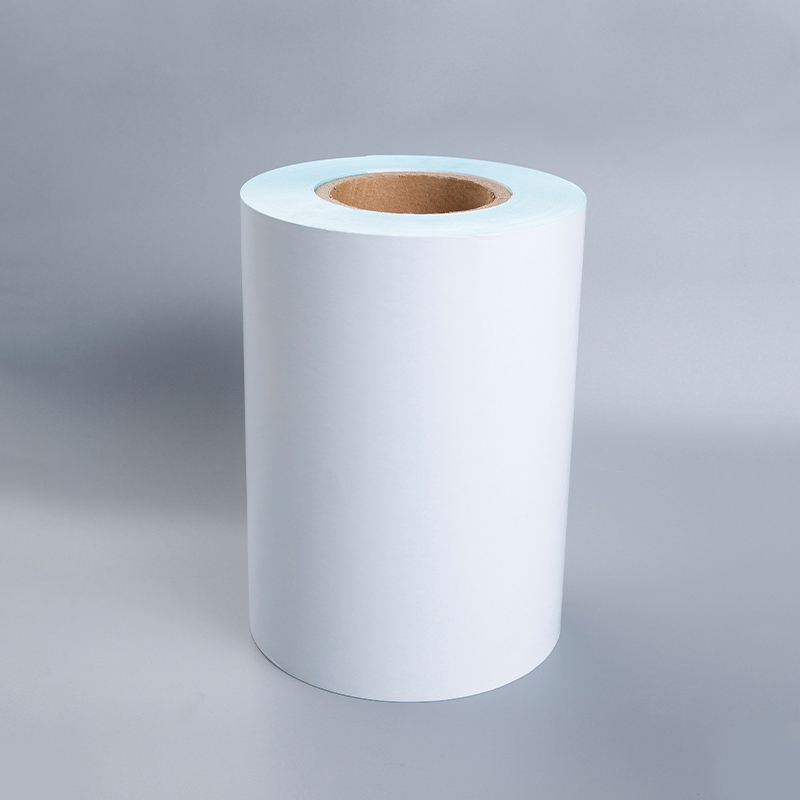
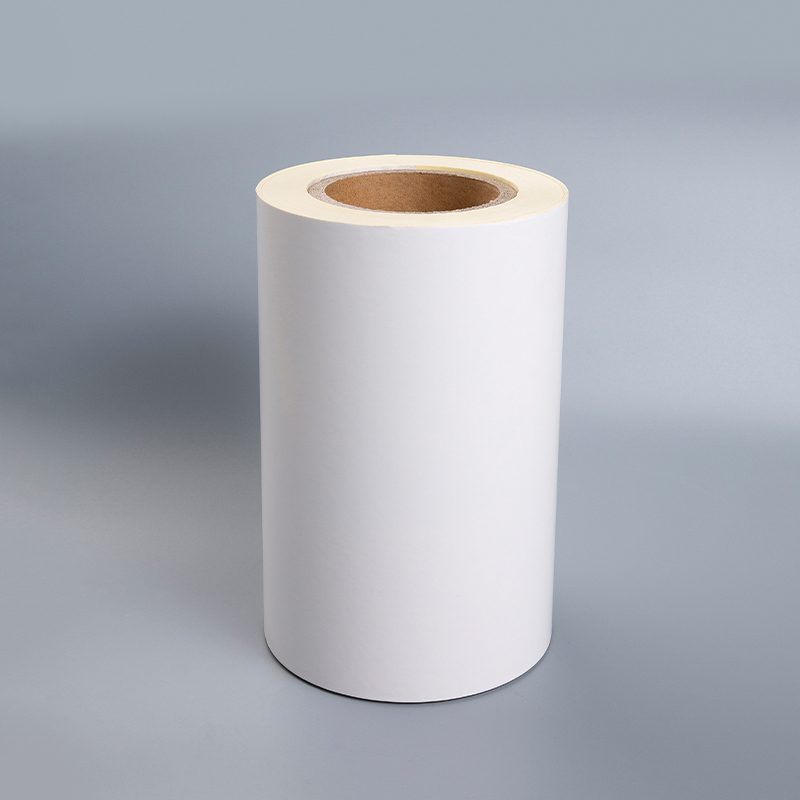
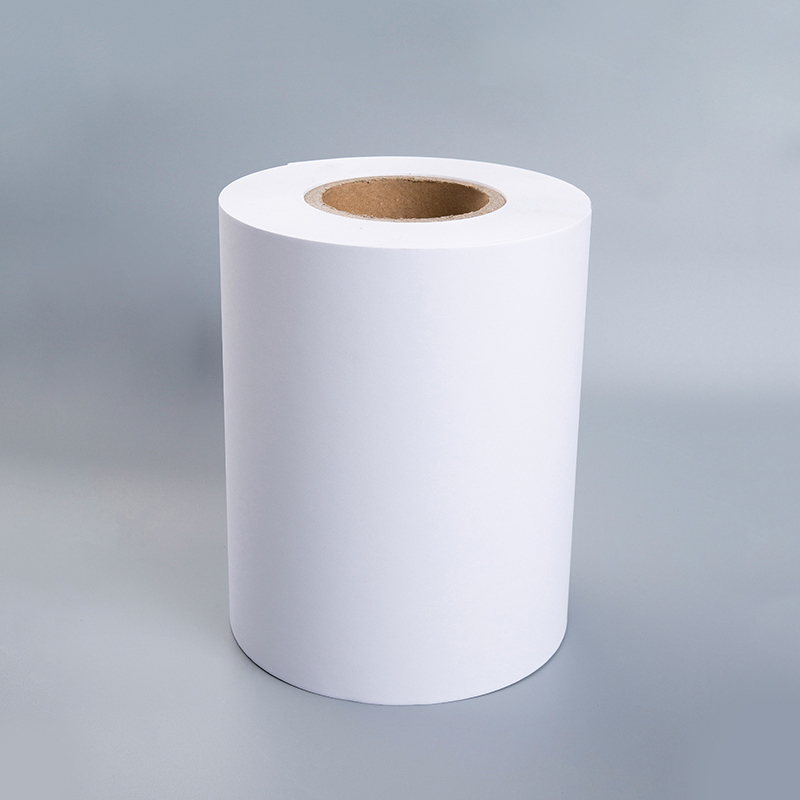
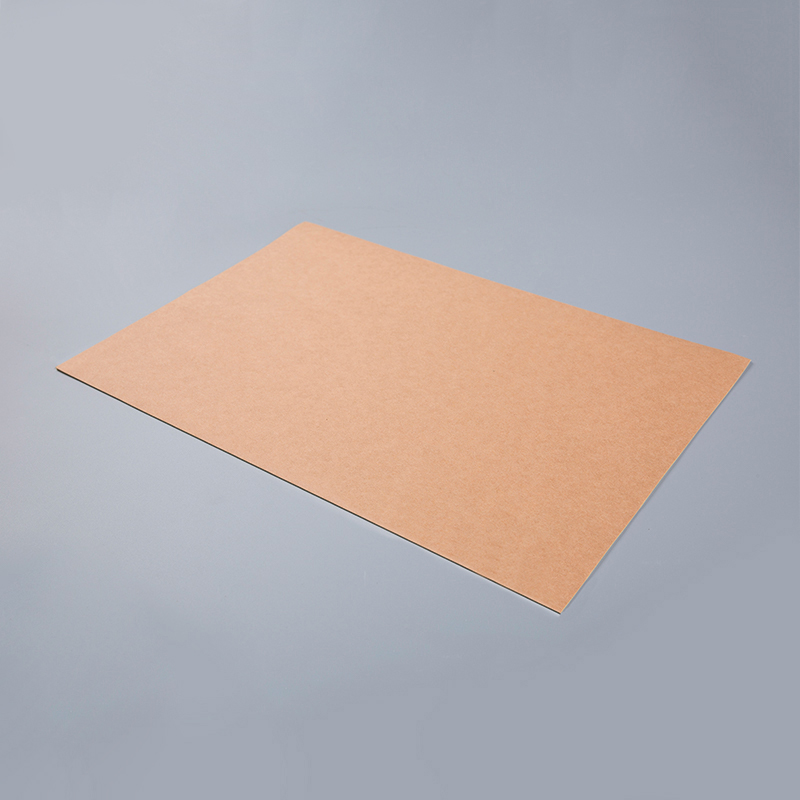
The standard face material is 80 gsm Imported Kraft Paper. This basis weight provides a practical combination of flexibility, handling performance, and visual substance. It is suitable for labels, stickers, seals, wrappers, envelopes, notebooks, and other applications in which the paper must remain easy to process while retaining a clear paper presence.
| Item | Specification or Available Option |
|---|---|
| Face material | 80 gsm Imported Kraft Paper |
| Standard adhesive | Hotmelt Adhesive |
| Additional adhesive options | Waterbased Adhesive, Solvent Adhesive, Removable Adhesive, Anti-freeze Adhesive, Cryogenic Adhesive, Tyre-grade Rubber Adhesive |
| Standard liner | 85 g Yellow Release Paper |
| Glassine liner options | 50 g, 60 g, 80 g, 100 g, and 120 g Glassine Paper |
| Additional release paper options | 60 g, 120 g, and 140 g Release Paper |
| Art paper liner options | 140 g and 165 g Art Paper |
| CCK liner options | 50 g, 80 g, 90 g, and 120 g CCK Liner |
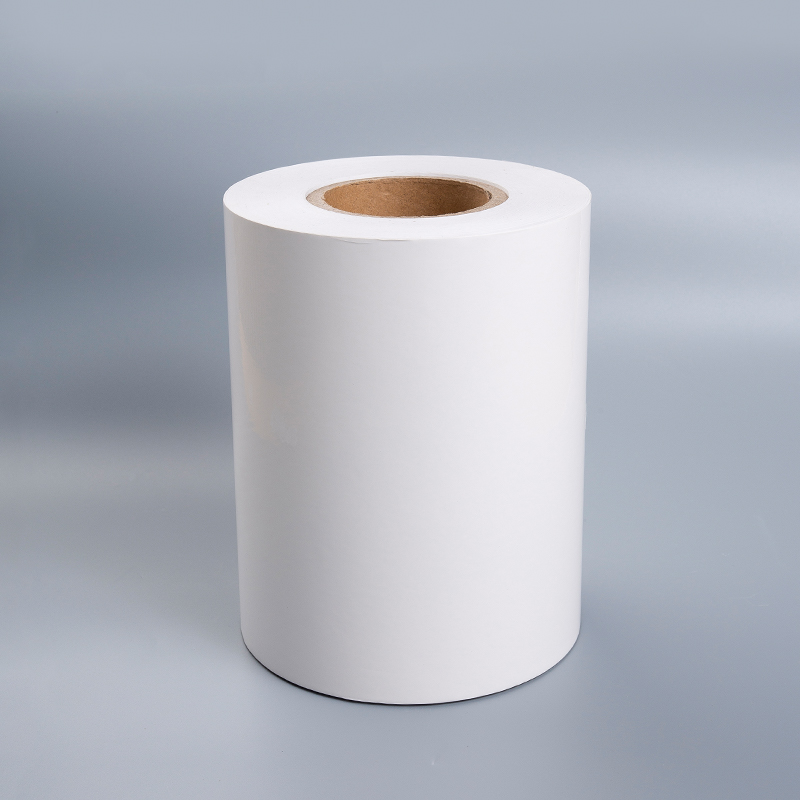
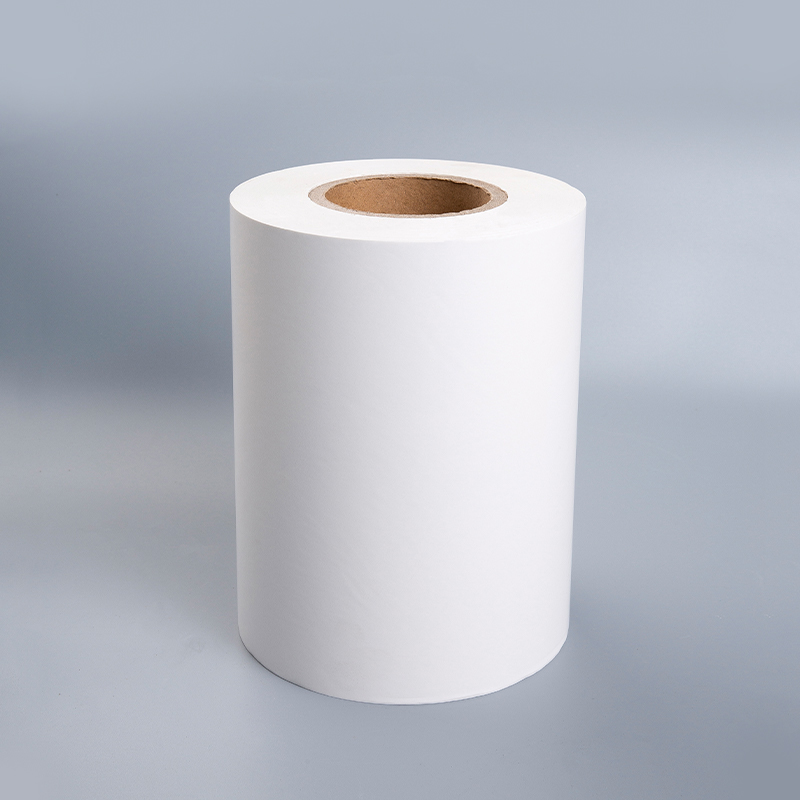
| Jumbo roll widths | 1000 mm, 1020 mm, 1080 mm, and 1530 mm |
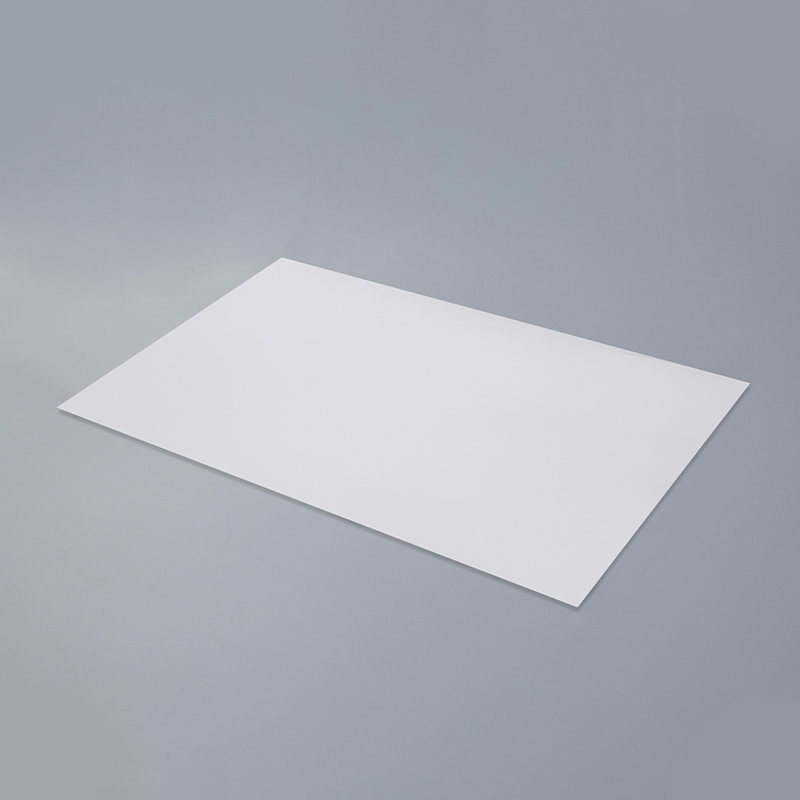
| Sheet sizes | A4, A3, 20 x 30 cm, 21 x 30 cm, 24 x 36 cm, 50 x 70 cm, and 70 x 100 cm |
| Customization | Customized sizes and constructions available according to requirements |
The range of face materials, adhesive systems, liners, roll widths, and sheet sizes provides flexibility for different purchasing and production models. Buyers can order jumbo rolls for slitting, rewinding, printing, or downstream converting. They can also select finished sheets for digital printing, craft production, manual packaging, or smaller-scale operations.
Adhesive Options for Different Applications
Adhesive selection is a central part of self-adhesive material performance. A kraft paper face material may be used on cardboard, paperboard, glass, plastic, metal, wood, painted surfaces, or other substrates. These surfaces vary in smoothness, porosity, cleanliness, temperature, and surface energy. For that reason, a single adhesive formulation may not be ideal for every application.
Hotmelt Adhesive
Hotmelt adhesive is the standard adhesive option listed for the product. It is commonly selected when strong initial tack and efficient bonding are required. Hotmelt constructions can be suitable for general-purpose labels, packaging stickers, shipping-related applications, paper bags, seals, and product identification.
The adhesive can help labels bond quickly during production or manual application. This is useful when packages move rapidly through a filling, sealing, packing, or distribution process. The final result depends on the substrate, application pressure, surface condition, storage environment, and required service temperature, so users should confirm suitability through testing.
Waterbased Adhesive
Waterbased adhesive is available for applications where a water-based adhesive system is preferred. It may be considered for selected paper and packaging substrates, especially when the end user has specific production, handling, or sustainability preferences. Its performance should be evaluated against the absorbency and surface properties of the material being labeled.
Solvent Adhesive
Solvent adhesive is available for demanding bonding situations that require a different balance of adhesion and resistance. It may be considered for selected substrates or environments where standard adhesive systems are not sufficient. The correct specification depends on the application conditions, including temperature, humidity, substrate composition, and expected exposure.
Removable Adhesive
Removable adhesive can be selected when labels or stickers need to be removed with limited residue or reduced surface disturbance. It may be useful for temporary promotions, reusable containers, retail identification, event packaging, seasonal products, and applications where the package or surface should remain presentable after label removal.
Anti-Freeze and Cryogenic Adhesives
Anti-freeze adhesive and cryogenic adhesive options are available for applications involving low-temperature storage or transport. These adhesive systems can be considered for products exposed to refrigerated or frozen environments, although the exact operating range and performance should always be confirmed with application testing.
Tyre-Grade Rubber Adhesive
Tyre-grade rubber adhesive is available for specialized requirements involving strong adhesion to selected rubber or demanding industrial surfaces. This option demonstrates the company’s ability to provide more than a standard packaging adhesive. It also reflects the importance of matching the adhesive layer to the intended substrate rather than treating all label applications as identical.
When choosing an adhesive, buyers should consider the application surface, application temperature, storage temperature, humidity, expected service life, desired removability, and application speed. The company can support construction selection for customers who need a customized face material, adhesive, and liner combination.
Release Liner Selection and Processing Performance
The release liner protects the adhesive before use and supports the converting process. Imported Kraft Paper can be supplied with an 85 g yellow release paper as a standard option. Additional liner choices include glassine paper, release paper, art paper, and CCK liner in several basis weights.
Glassine liners are often selected for their smooth surface, compact structure, and suitability for label converting. They can support die-cutting, matrix stripping, roll handling, and automated dispensing when matched correctly with the adhesive and equipment.
Heavier release papers may be chosen when additional stiffness or handling support is needed. This can be useful for sheet-fed processing, manual application, special die-cut shapes, or packaging components that require a more stable backing during storage and transport.
Art paper liners can provide a substantial backing option for customers with particular appearance, stiffness, or processing requirements. CCK liners are also available in several weights, giving converters additional flexibility when they need a liner with a particular release behavior and handling profile.
The liner should not be viewed as a secondary component. Its release force, caliper, stiffness, moisture behavior, and compatibility with the adhesive all influence production efficiency. A suitable liner can contribute to clean die-cutting, consistent label dispensing, reduced waste, and stable roll performance.
Applications in Food and Takeaway Packaging
Imported Kraft Paper is especially suitable for food packaging applications that require a natural and approachable appearance. It can be used for snack labels, tea packaging, takeaway seals, bakery packaging, specialty food packaging, and handmade food products.
A kraft paper seal can close a paper bag, envelope, carton, or wrapping paper while adding a branded point of contact. The label may include a product name, flavor, date information, preparation note, logo, or short brand message. For small food businesses and independent producers, this provides an efficient way to add identity without changing the basic packaging structure.
Tea packaging is another appropriate application. The natural color of kraft paper pairs effectively with botanical illustrations, simple typography, and product descriptions. It can help create a traditional or handcrafted appearance for loose-leaf tea, herbal blends, gift sets, and specialty tea products.
Snack packaging can also benefit from kraft labels and seals. The material is suitable for products such as baked snacks, dried foods, confectionery, nuts, and handmade treats when the packaging system and adhesive are appropriately selected. It can provide a clear space for product information while supporting a warm visual presentation.
For takeaway operations, kraft stickers can be used to close bags, identify orders, seal paper containers, or communicate handling instructions. The material can support a consistent identity across cups, bags, boxes, and envelopes. Businesses may choose different sheet sizes or roll formats depending on whether labels are applied manually or through automated equipment.
Food-contact requirements vary by market and application. The suitability of the complete construction should be evaluated according to the intended use, including whether the label directly contacts food, whether it is used on external packaging, and whether it is exposed to oil, moisture, refrigeration, or freezing.
Applications in Handmade and Creative Products
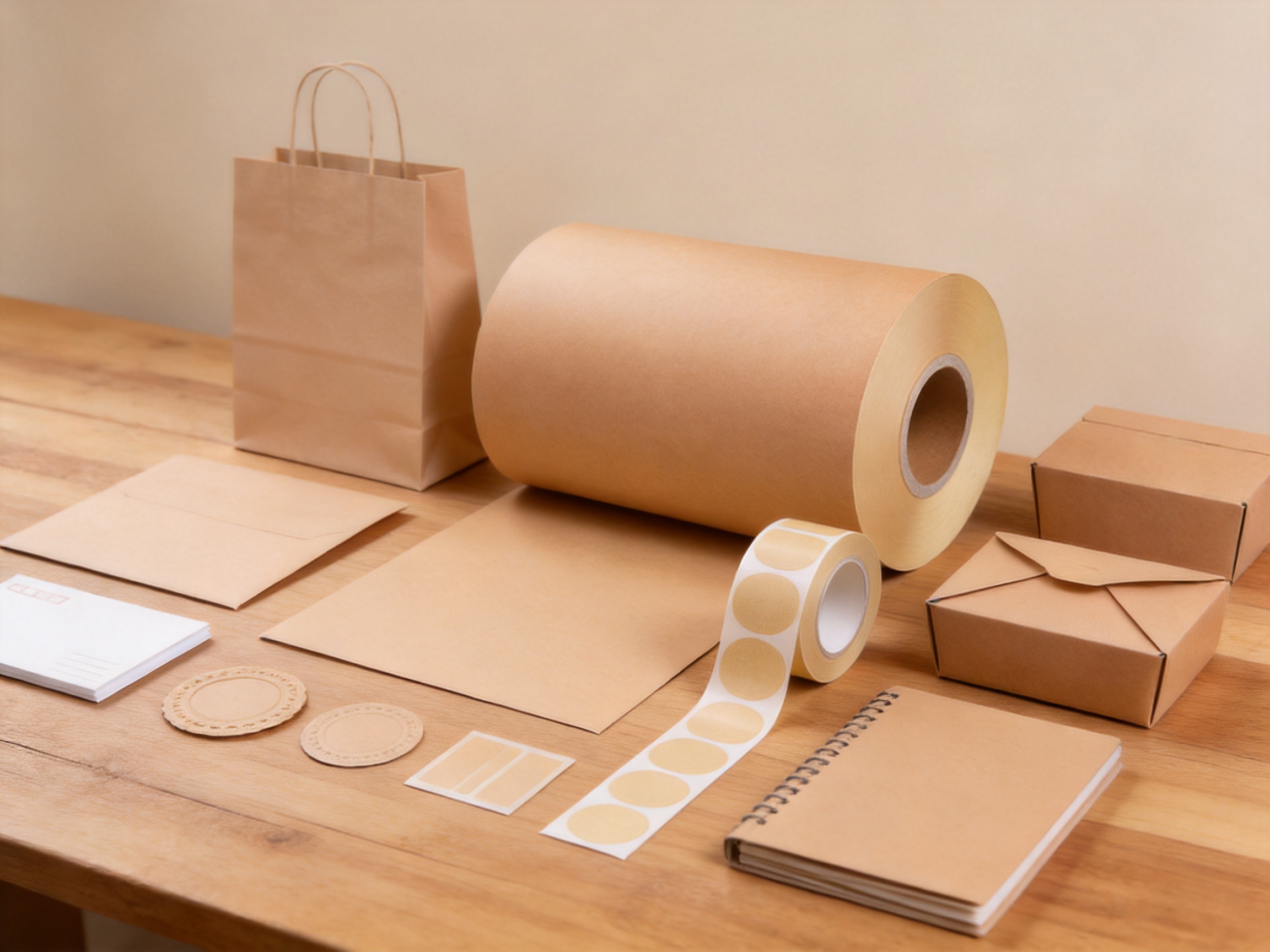
The product is well suited to handmade products because its appearance complements the character of artisanal goods. It can be used for candle labels, soap packaging, handmade stationery, craft boxes, gift wrapping, small-batch cosmetics, home products, and creative market merchandise.
Handmade businesses often need packaging that looks personal rather than mass-produced. Kraft paper can provide this impression while remaining compatible with professional printing and converting. A simple rectangular label, round seal, or custom die-cut sticker can be created for different packaging formats.
The material can also be used to make external stickers for exercise books, notebooks, envelopes, storage folders, and craft projects. Its natural surface may be left uncoated for a tactile effect or printed with a design that combines the paper’s base color with selected graphic elements.
For gift packaging, kraft stickers can close tissue paper, wrap boxes, paper bags, and envelopes. They can carry messages such as thank-you notes, seasonal greetings, product instructions, or care information. This makes the material useful not only as a label but also as a functional and decorative packaging component.
Use in Paper Bags, Envelopes, and Stationery
Paper bags and envelopes often benefit from a closure or identification label that is easy to apply and visually consistent with the bag or envelope itself. Kraft paper stickers can act as seals, product tags, address-related labels, or promotional elements.
For notebooks and exercise books, the material can be used as an external label or cover detail. It can identify a subject, collection, owner, production batch, or product series. The 80 gsm face material offers enough paper presence for a visible label while remaining suitable for cutting into common shapes.
Stationery producers can order sheets in A4, A3, 20 x 30 cm, 21 x 30 cm, 24 x 36 cm, 50 x 70 cm, or 70 x 100 cm formats. Customized sheet sizes are also available. These options allow businesses to select a format compatible with their digital printer, offset printing process, cutting table, or manual production workflow.
Roll formats are useful for high-volume label production. Jumbo roll widths of 1000 mm, 1020 mm, 1080 mm, and 1530 mm can support slitting and rewinding programs based on the converter’s preferred finished width. Buyers can discuss the required roll dimensions, core specifications, winding direction, and downstream processing needs before placing an order.
Advantages Compared with Conventional Label Materials
Distinctive Visual Identity
Compared with standard white paper, Imported Kraft Paper offers a warmer and more recognizable visual identity. It can reduce the need for heavy background printing and provide a natural base color that supports minimalist design.
Natural Tactile Character
The paper surface provides a tactile quality that synthetic films may not reproduce. This is beneficial for brands that want consumers to associate the package with handmade production, traditional methods, or simple material choices.
Flexible Adhesive Construction
The availability of hotmelt, waterbased, solvent, removable, anti-freeze, cryogenic, and tyre-grade rubber adhesives allows the product to serve a wide range of applications. Customers can select a construction according to the substrate and service conditions.
Multiple Liner Choices
The extensive liner range supports different converting, dispensing, die-cutting, and sheet-handling requirements. Buyers are not limited to a single backing paper, which makes it easier to optimize the finished product for specific equipment.
Roll and Sheet Availability
Both roll and sheet formats are available from stock according to the product arrangement. This benefits high-volume converters as well as smaller businesses that need ready-to-use sheets for digital printing or manual application.
Customizable Dimensions
Standard widths and sheet formats simplify purchasing, while customized dimensions help reduce waste and improve production efficiency. Customers can request sizes that match their label layout, printing equipment, or packaging structure.
Broad End-Use Potential
The material is not limited to one industry. It can serve food packaging, takeaway packaging, tea and snack products, paper bags, envelopes, notebooks, craft products, stationery, handmade goods, and selected industrial labeling applications.
Manufacturing Capabilities and Quality Focus
Suzhou Piaozhihua Composite Material Technology Co., Ltd. specializes in self-adhesive labels and related composite materials. Its production system includes gluing, laminating, and cutting capabilities. These processes are important because a self-adhesive product is not defined by the face paper alone. Consistent coating, controlled lamination, accurate slitting, and reliable packaging all contribute to the final product’s performance.
Gluing is used to apply the selected adhesive to the face material or liner construction. Consistency in coating weight and coverage can influence tack, adhesion, die-cutting, and storage stability. Different adhesive systems require appropriate process controls and production parameters.
Laminating combines the functional layers into a stable composite structure. The process must support suitable bonding between the face material, adhesive, and release liner while maintaining a clean, even appearance. A well-controlled laminated structure can improve roll handling and downstream converting behavior.
Cutting and slitting convert large parent rolls into usable jumbo rolls, narrow rolls, or sheets. Accurate dimensional control helps converters reduce setup time and material waste. It also supports compatibility with printing presses, digital printers, die-cutting machines, label applicators, and manual packaging operations.
The company reports an annual production capacity of more than 280 million square meters and ranks among the top 10 companies in China for self-adhesive products. This scale provides the production resources needed to support recurring orders, customized constructions, and international supply programs.
More than 20 years of OEM manufacturing experience also contribute to the company’s ability to work from customer drawings, samples, technical specifications, and application requirements. OEM and ODM services are available for buyers that need a construction developed for a specific product or packaging system.

Research, Testing, and Product Development
Product quality depends on more than manufacturing volume. The company maintains its own testing laboratory and uses inspection equipment to support quality control. Testing can help evaluate the consistency of the paper, adhesive, liner, and finished composite material.
Typical evaluation areas for self-adhesive paper may include appearance, basis weight, thickness, dimensional stability, adhesive coating uniformity, initial tack, peel adhesion, holding power, release performance, roll quality, and die-cutting behavior. The exact testing program should be selected according to the construction and final application.
A professional research and development team supports continued product innovation. The company has multiple patents and develops solutions involving face materials, adhesives, and backing papers. This integrated approach helps customers address performance requirements at the construction level rather than relying on a single standard product.
For example, a customer may need a kraft label that remains bonded in a cold environment, a removable label for temporary packaging, a more rigid sheet for manual application, or a roll construction designed for high-speed dispensing. Each requirement may involve changes to the adhesive, liner, basis weight, or converting process.
Technical evaluation is particularly important when the material will be exposed to moisture, oil, temperature changes, abrasion, freezing, or long-term storage. Customers should provide detailed application information so that the most suitable construction can be recommended and verified.
Packaging and Delivery
Imported Kraft Paper is available in packaging designed for storage and transportation. The product can be supplied in sea-transit-worthy poly-wood pallet packing and carton packing. Both roll and sheet formats are available according to stock and order requirements.
For sheets, 100 sheets are packed per ream. Each ream is wrapped with a strong PE-coated kraft paper wrapper. This helps protect the sheets from handling damage and supports organized storage at the customer’s facility.
Pallets are wrapped with stretch film and fastened with a plastic fastening belt. This packaging method helps stabilize the load during transportation and provides an additional barrier against handling-related movement. Customers with specific export packing, pallet, carton, labeling, or container-loading requirements can discuss those details with the supplier before production.
Proper storage remains important after delivery. Self-adhesive paper should generally be protected from excessive humidity, direct sunlight, dust, and extreme temperature fluctuations. Rolls and sheets should remain in their original packaging until they are ready for use. Before converting or application, the material should be acclimatized to the operating environment when required by the customer’s production procedure.
Printing and Converting Considerations
Imported Kraft Paper can be considered for a variety of printing and converting processes, subject to printer compatibility and testing. The natural paper color influences the final appearance of printed colors. Light colors may appear softer or less vivid than they would on bright white paper, while dark inks and strong contrast designs can remain highly visible.
Designers should account for the kraft background during artwork development. Black, dark green, deep red, navy, and other strong colors may produce a bold natural appearance. Metallic, white, and pastel effects may require specific printing techniques or an underlayer to achieve the desired result.
For digital printing, sheet size and printer feeding requirements should be reviewed carefully. The chosen liner must support smooth feeding and separation. For roll printing, the jumbo roll width, winding direction, core size, web tension, and finished roll diameter should be coordinated with the printing or converting equipment.
Die-cutting performance depends on the face material, adhesive thickness, liner strength, die condition, and machine settings. A construction that performs well on one machine may require adjustments on another. Testing before large-scale production is recommended, particularly for small labels, intricate shapes, narrow gaps, or high-speed processing.
Application quality also depends on the substrate. Surfaces should be clean, dry, and free from dust, grease, loose fibers, and contamination. Application pressure should be sufficient to create contact across the label area. Curved, rough, porous, cold, or low-energy surfaces may require a more specialized adhesive construction.
Customization and OEM Support
Customization is one of the product’s important commercial advantages. Buyers can request customized sizes, adhesive types, release liners, roll widths, and sheet formats. This allows the material to be adapted to a specific packaging line, printing process, distribution environment, or product design.
OEM services are available for customers that already have a clear product specification or sample. The company can manufacture according to customer drawings or reference materials. ODM support is also available when customers need assistance developing a suitable construction from an application requirement.
A successful customization project normally begins with technical information. Buyers should provide the intended substrate, application temperature, service temperature, indoor or outdoor use, desired permanence, label size, printing method, packaging format, annual volume, and required delivery schedule.
Samples may be used to verify visual appearance, printing behavior, adhesion, release performance, and converting compatibility. Once the construction is confirmed, production parameters and inspection standards can be documented for repeat orders.
Sustainability and Responsible Material Development
Kraft paper is often selected by companies seeking a more natural-looking packaging material. The appearance can support environmental communication, but responsible claims should be based on the full product construction and applicable regulations. The face material, adhesive, liner, printing inks, packaging, and disposal route all influence the environmental profile of a finished label.
The company’s product development approach includes eco-friendly solutions involving face materials, adhesives, and backing papers. This integrated focus is important because sustainability is not determined by one layer alone. Buyers may need to evaluate recycled content, fiber sourcing, liner disposal, adhesive composition, packaging materials, and production waste.
For customers with environmental objectives, the supplier can discuss suitable material combinations and documentation requirements. Any environmental, recycling, compostability, or biodegradability claim should be verified for the complete product and the destination market before being used in commercial communication.
Why Choose a Specialized Self-Adhesive Material Manufacturer?
Purchasing kraft paper from a specialist in self-adhesive materials provides several practical advantages. A specialized manufacturer understands the interaction between face paper, adhesive, release liner, coating equipment, slitting, die-cutting, and final application.
This integrated knowledge can reduce the risk of selecting a visually attractive paper that does not perform well during production. It can also help customers avoid problems such as excessive adhesive bleed, liner cracking, uneven coating, poor label release, roll telescoping, edge damage, or inconsistent adhesion.
A specialist manufacturer can also provide more than one standard construction. If the customer’s application changes, the supplier may be able to adjust the adhesive, liner, basis weight, roll size, or sheet format without requiring a completely new supply chain.
The company’s direct sales networks in multiple Chinese cities and its international marketing network across Asia, Europe, the Americas, Africa, the Middle East, and other regions support domestic and overseas customers. This distribution experience is valuable for buyers who require export packaging, stable communication, recurring production, and long-term supply arrangements.
The company’s core values emphasize quality, integrity, innovation, win-win cooperation, and responsibility. These principles are reflected in its focus on OEM and ODM service, laboratory testing, product development, after-sales support, and environmentally oriented solutions.
How to Select the Right Construction
The best construction depends on the intended application rather than the face material alone. Buyers should begin by identifying the surface to which the label or sticker will be applied. Paperboard, corrugated board, glass, plastic, metal, painted surfaces, rubber, and wood can all require different adhesive behavior.
Next, define whether the label should be permanent or removable. Permanent applications may require strong initial tack and long-term holding power. Removable applications require a balance between reliable placement and clean removal. If the label will be applied in a cold room or stored in a freezer, anti-freeze or cryogenic adhesive options may be more appropriate.
The printing process should also be considered. Digital printing, flexographic printing, offset printing, and other methods may have different requirements for surface smoothness, sheet stiffness, roll configuration, and liner handling. A sample trial can help confirm print quality and feeding performance.
Finally, confirm the delivery format. Jumbo rolls may be appropriate for professional converters, while sheets may be better for digital printers, manual packaging operations, stationery production, and smaller orders. Standard sizes can support faster purchasing, while custom dimensions can improve material utilization.
Recommended Quality Checks Before Mass Production
Before approving a large order, customers should conduct a practical trial under normal production conditions. The trial should use the actual substrate, printer, die-cutting equipment, application method, and storage environment whenever possible.
Important checks may include:
1. Visual consistency of the kraft paper surface and color.
2. Smooth feeding through the intended printer or converting machine.
3. Print clarity, ink adhesion, color appearance, and drying behavior.
4. Easy separation of the liner from the adhesive layer.
5. Clean die-cutting without excessive liner damage or adhesive buildup.
6. Sufficient initial tack during application.
7. Appropriate long-term adhesion or removability.
8. Performance after exposure to expected temperature and humidity conditions.
9. Roll stability, sheet flatness, edge quality, and packaging condition.
10. Compatibility with the customer’s storage and transportation procedures.
These checks help confirm that the selected face material, adhesive, and liner operate as one complete system.
Frequently Asked Questions
What is the basis weight of the standard Imported Kraft Paper?
The standard face material is 80 gsm Imported Kraft Paper. Customized constructions may be discussed according to the customer’s application and processing requirements.
Is the product available in both rolls and sheets?
Yes. The product can be supplied in jumbo rolls and sheets. Available jumbo roll widths include 1000 mm, 1020 mm, 1080 mm, and 1530 mm. Standard sheet formats include A4, A3, 20 x 30 cm, 21 x 30 cm, 24 x 36 cm, 50 x 70 cm, and 70 x 100 cm. Customized sizes are also available.
Which adhesive is supplied as the standard option?
Hotmelt adhesive is listed as the standard adhesive option. Waterbased, solvent, removable, anti-freeze, cryogenic, and tyre-grade rubber adhesives are also available for different applications.
Can this material be used for food packaging?
It is suitable for many external food packaging applications, including snacks, tea, takeaway packaging, and handmade food products. The complete construction must be evaluated according to the specific food-contact conditions, local regulations, moisture exposure, temperature, and packaging design.
Can the kraft paper be used for handmade product labels?
Yes. Its natural appearance is suitable for handmade products, craft goods, stationery, candles, soaps, gift packaging, envelopes, notebooks, and other products that benefit from a tactile and traditional visual style.
What release liners are available?
The standard liner is 85 g yellow release paper. Available alternatives include 50 g, 60 g, 80 g, 100 g, and 120 g glassine paper; 60 g, 120 g, and 140 g release paper; 140 g and 165 g art paper; and 50 g, 80 g, 90 g, and 120 g CCK liner.
Can the product be used in cold or frozen environments?
Anti-freeze and cryogenic adhesive options are available for low-temperature applications. The exact suitability should be confirmed through technical review and testing under the expected storage and application conditions.
Does the supplier offer OEM and ODM services?
Yes. The company offers OEM and ODM services and can produce according to customer drawings, samples, technical specifications, and application requirements.
How is the product packaged for delivery?
Sheet products are packed 100 sheets per ream, with each ream wrapped in strong PE-coated kraft paper. Pallets are wrapped with stretch film and secured with a plastic fastening belt. Poly-wood pallet packing and carton packing are available for sea transportation and other delivery requirements.
What information should be provided when requesting a quotation?
Customers should provide the required face material, adhesive type, liner preference, roll or sheet format, dimensions, quantity, printing method, application substrate, operating temperature, storage conditions, and destination. Samples or drawings can also help the manufacturer recommend the most suitable construction.
Conclusion
Imported Kraft Paper combines a natural kraft appearance with the functional flexibility of a self-adhesive composite material. Its 80 gsm face material is suitable for labels, stickers, seals, envelopes, notebooks, paper bags, food packaging, takeaway packaging, tea, snacks, and handmade products. The material helps businesses create packaging with a clear sense of craftsmanship, taste, simplicity, and retro character.
Its competitive advantages include multiple adhesive options, a broad release liner range, standard roll and sheet formats, customized dimensions, and suitability for both manual and industrial processing. The product can be adapted for permanent, removable, low-temperature, specialty, and selected industrial applications.
Behind the product is a manufacturer with more than 20 years of experience, integrated gluing, laminating, and cutting production lines, an annual capacity exceeding 280 million square meters, OEM and ODM capabilities, an in-house testing laboratory, and an international supply network. This combination of material flexibility and manufacturing expertise allows customers to develop solutions that are not only visually distinctive but also appropriate for their production and application requirements.
For businesses seeking a kraft paper label or packaging material with a natural visual identity and configurable technical performance, Imported Kraft Paper provides a practical foundation for both standard orders and customized self-adhesive projects.
References
1. Product technical information for 80 gsm Imported Kraft Paper, including adhesive, liner, roll width, and sheet size specifications.
2. Manufacturer-provided information on gluing, laminating, cutting, OEM, ODM, testing, and annual production capacity.
3. General principles of pressure-sensitive adhesive label construction and release liner selection.
4. General packaging design practices for kraft paper, food packaging labels, handmade product packaging, and takeaway applications.
5. General material evaluation practices for paper face stocks, adhesive performance, liner release, printing, die-cutting, and storage.