
 English
 Español
 русский
 Français
 عربى
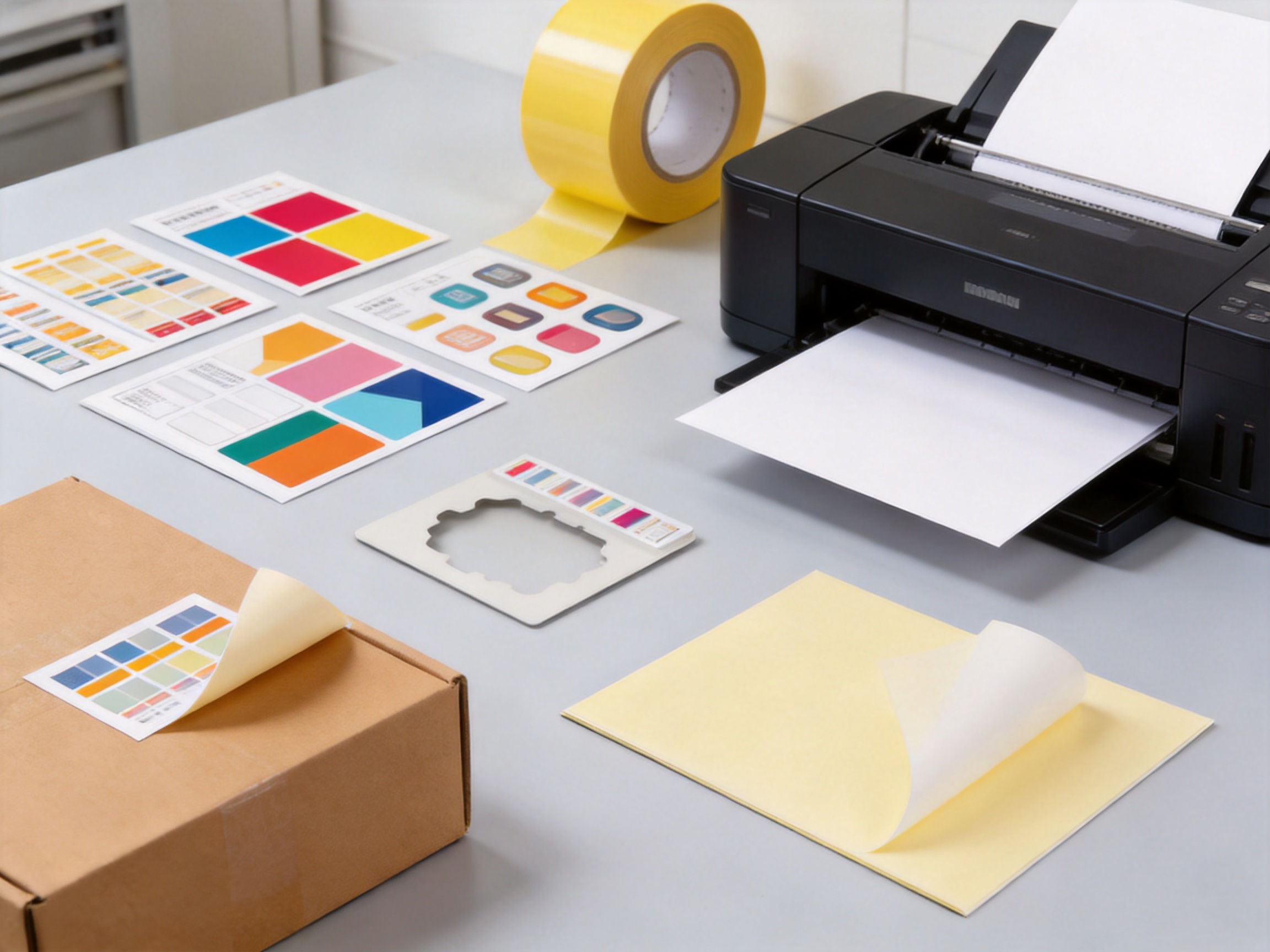
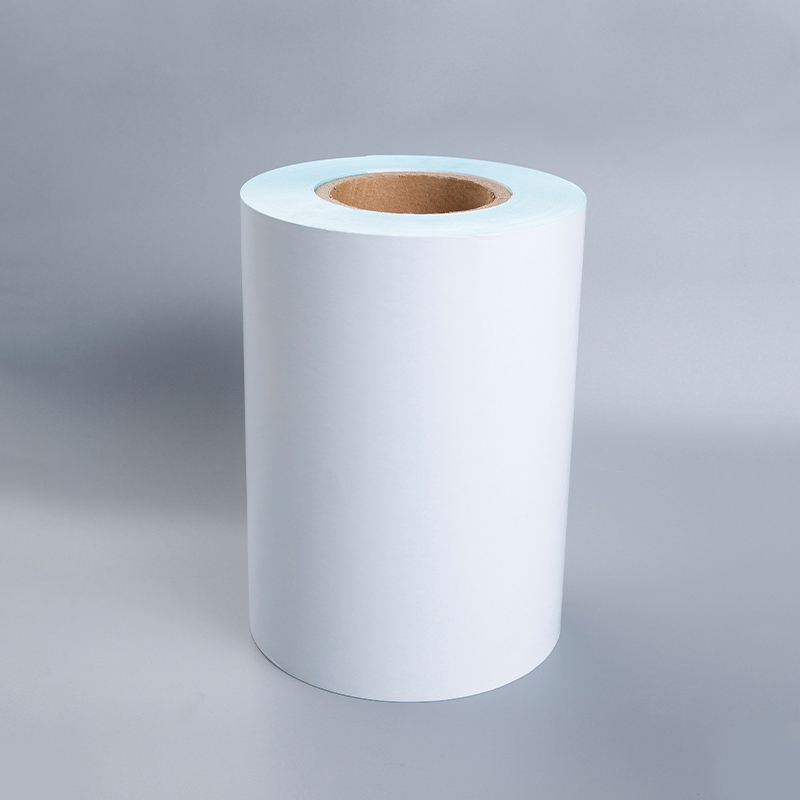
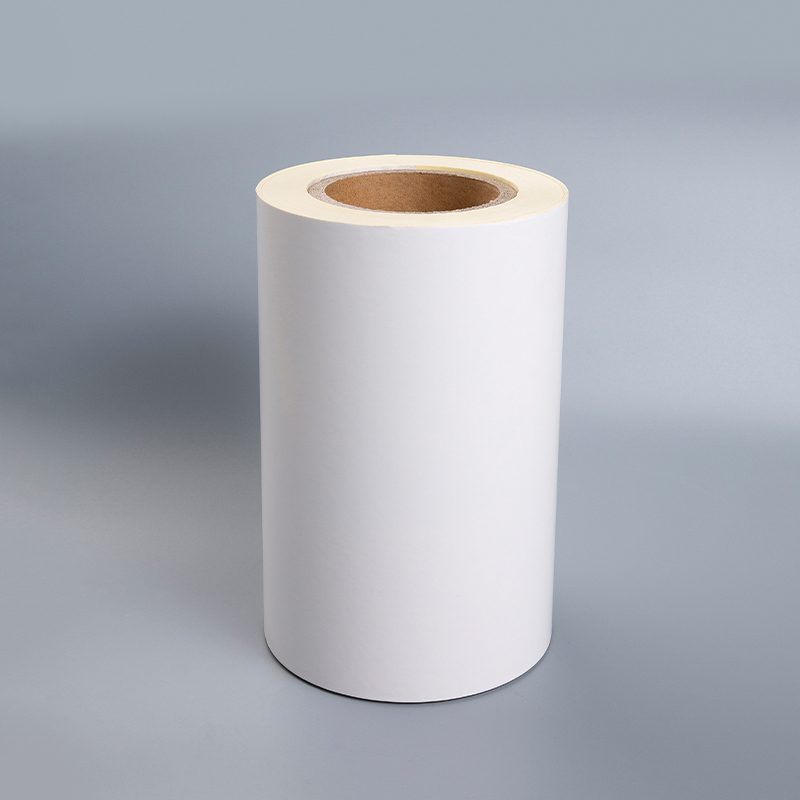
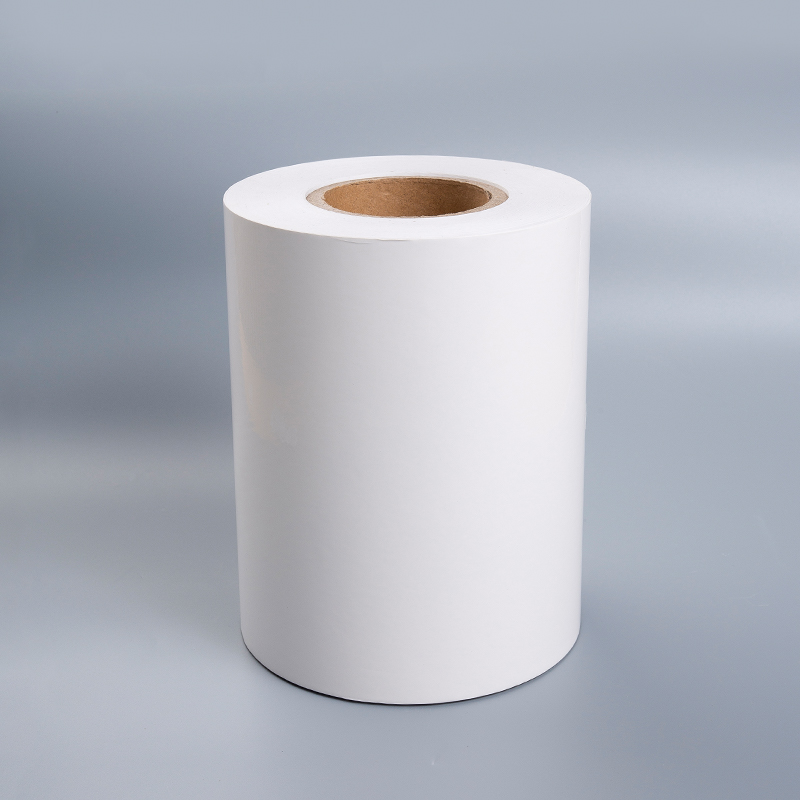
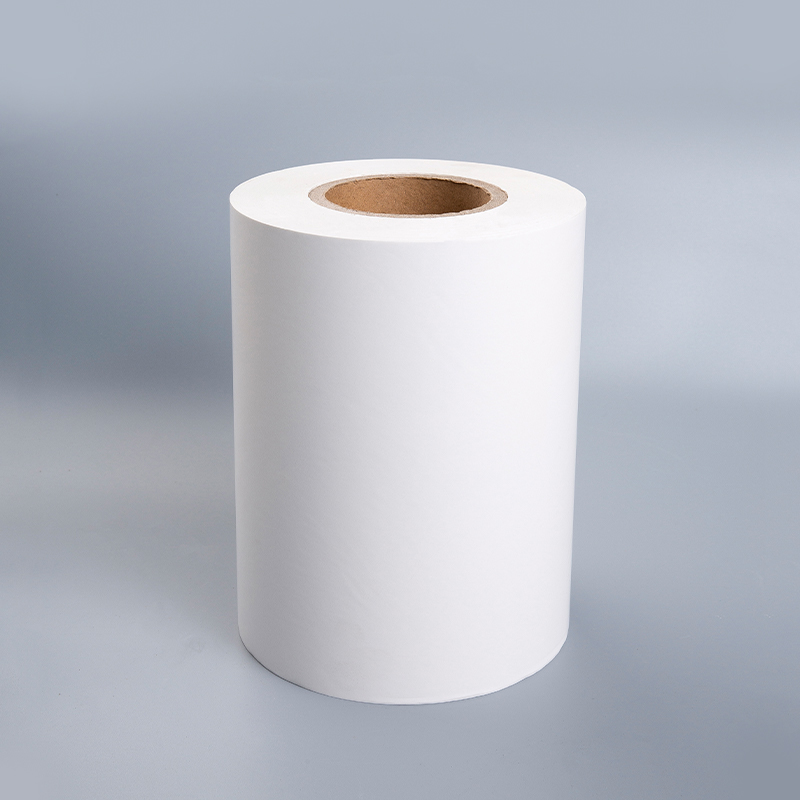
Cast coated paper with a yellow release liner is a premium self-adhesive material designed for applications that require an attractive printed surface, dependable adhesion, clean converting, and efficient release during use. Combining a smooth cast coated face material with a protective adhesive layer and a yellow release backing, this construction offers a practical solution for labels, promotional graphics, product identification, packaging, stickers, signage, and decorative applications.
The material is particularly suitable for customers seeking a balance between visual quality and processing reliability. The cast coated face creates a bright, smooth, and refined surface that supports high-resolution printing. The adhesive can be selected according to the application, while the yellow release liner protects the adhesive during storage, transport, printing, die-cutting, and application. This flexible structure enables the product to serve a broad range of industries and converting requirements.
Manufactured by Suzhou Piaozhihua Composite Material Technology Co., Ltd., the product benefits from more than two decades of experience in self-adhesive materials. The company integrates research and development, coating, laminating, slitting, sheet cutting, quality inspection, sales, and after-sales service. Its production capabilities, broad adhesive portfolio, multiple liner options, customization services, and established export experience allow customers to source both standard and application-specific self-adhesive materials from one manufacturing partner.
Content
- 1 Understanding the Product Structure
- 2 Key Advantages Over Conventional Self-Adhesive Paper
- 3 Technical Specification Overview
- 4 Manufacturing Process and Quality Control
- 5 Application Areas
- 6 Why Adhesive Selection Matters
- 7 Competitive Advantages for Buyers
- 8 Printing and Converting Recommendations
- 9 Sustainability and Material Development
- 10 Packaging and Delivery Capabilities
- 11 Company Manufacturing Strengths
- 12 Quality, Service, and Long-Term Supply
- 13 How to Select the Correct Specification
- 14 Frequently Asked Questions
- 14.1 What is cast coated paper with a yellow release liner?
- 14.2 What makes the cast coated surface different from ordinary paper?
- 14.3 Is the product available in sheets and rolls?
- 14.4 Can the adhesive be customized?
- 14.5 What is the standard liner specification?
- 14.6 Can the product be used for vehicle stickers?
- 14.7 Can customers request custom sizes?
- 14.8 Does the manufacturer provide OEM and ODM services?
- 14.9 How are sheets packaged?
- 14.10 What information should be provided when requesting a quotation?
- 15 Conclusion
- 16 References
- 17 Product: Cast Coated Paper With Yellow Release Liner
Understanding the Product Structure
Cast coated paper with a yellow release liner is a multi-layer material. Each layer has a specific function, and the overall performance depends on how effectively these layers work together.
Cast Coated Face Material
The face material is a cast coated paper surface designed to provide smoothness, brightness, and printability. Compared with ordinary uncoated paper, cast coated paper generally presents a more polished appearance and a more uniform surface. This helps printed text, logos, barcodes, patterns, and images appear sharper and more attractive.
The smooth surface is valuable in promotional and decorative applications because it provides a clean visual impression. It can also improve the consistency of ink transfer during offset, flexographic, digital, or other compatible printing processes. For businesses producing product labels or promotional stickers, surface quality can directly influence how customers perceive the finished product.
Pressure-Sensitive Adhesive
The adhesive layer is responsible for bonding the label or graphic to the target surface. The standard construction can use hot melt adhesive, while water-based adhesive, solvent adhesive, removable adhesive, anti-freeze adhesive, cryogenic adhesive, and tyre-grade rubber adhesive are also available.
Different adhesives are suited to different environments. A general-purpose adhesive may be suitable for common packaging and indoor labeling. A removable adhesive may be preferred when a label must be removed without leaving significant residue. Anti-freeze or cryogenic adhesive can be selected for cold-chain, refrigerated, or low-temperature applications. Tyre-grade rubber adhesive is intended for demanding rubber surfaces and applications where strong bonding is important.
Yellow Release Liner
The yellow release liner covers and protects the adhesive before application. Its release properties allow the liner to be removed smoothly without taking excessive adhesive from the face material. The yellow color also provides a clear visual contrast, making the liner easy to identify during converting and manual application.
A release liner must maintain dimensional stability, protect the adhesive from contamination, and separate consistently. If the liner releases too easily during processing, premature peeling may occur. If it releases with excessive force, high-speed dispensing and manual application can become inefficient. A properly engineered release system provides a controlled balance between protection and release performance.
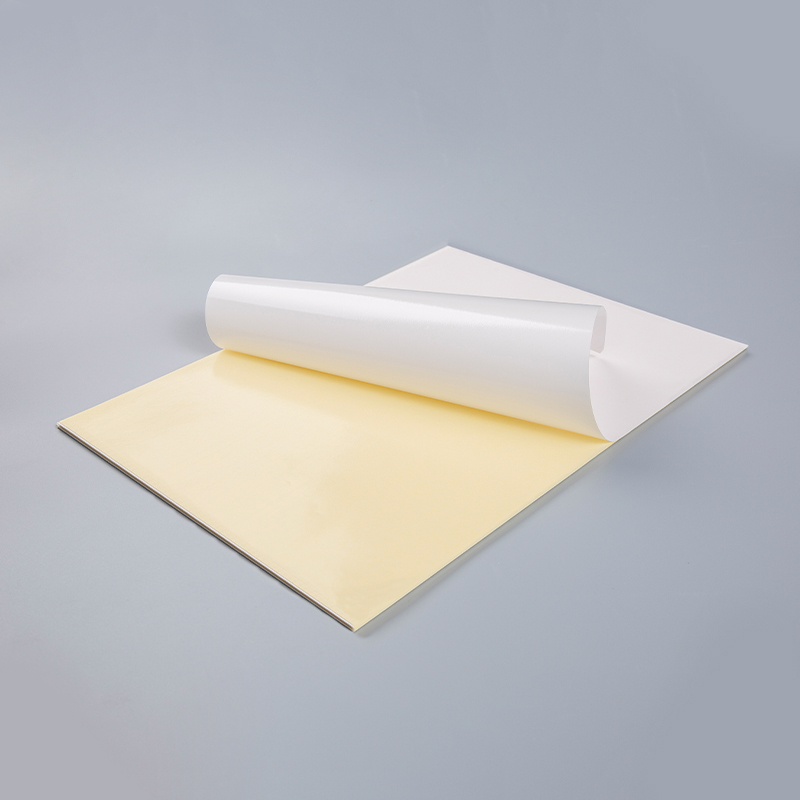
Cast Coated Paper With Yellow Release Liner
Key Advantages Over Conventional Self-Adhesive Paper
Customers often compare self-adhesive materials according to appearance, printability, adhesion, converting behavior, storage stability, customization, and total cost. Cast coated paper with a yellow release liner offers advantages in each of these areas when the specification matches the intended application.
Enhanced Surface Appearance
The cast coated surface creates a smoother and more refined appearance than standard uncoated label paper. This makes it suitable for applications where the printed label contributes to brand presentation, product differentiation, or promotional impact.
A clean and uniform surface helps reduce the visual distractions caused by irregular paper fibers and uneven ink absorption. It can support stronger color definition and clearer small text, which is important for product information, warnings, instructions, promotional messages, and identification marks.
Reliable Printing Performance
Printability is one of the most important advantages of cast coated paper. A consistent coating surface helps printers achieve stable ink coverage and predictable image quality. Depending on the printing system and ink selection, the material can be used for labels, advertising stickers, decorative graphics, and other printed products.
The material is also suitable for sheet and roll formats. Roll stock can support continuous printing and automated converting, while sheet formats can be used by customers working with office printers, digital production equipment, sheet-fed presses, or manual cutting systems. This format flexibility simplifies purchasing for businesses with different production methods.
Adhesive Flexibility
A major advantage over fixed-specification self-adhesive paper is the availability of multiple adhesive choices. There is no single adhesive that performs equally well on every substrate and under every environmental condition. By offering hot melt, water-based, solvent, removable, anti-freeze, cryogenic, and tyre-grade rubber adhesive options, the manufacturer can help customers select a construction based on actual use conditions.
This approach can reduce application failures caused by choosing a general-purpose adhesive for a specialized environment. For example, labels for refrigerated products may require stronger low-temperature performance than ordinary indoor labels. A temporary promotional sticker may need clean removability rather than maximum permanent adhesion. A label applied to a textured or flexible surface may require a different balance of tack, cohesion, and flexibility.
Suitable for Roll and Sheet Converting
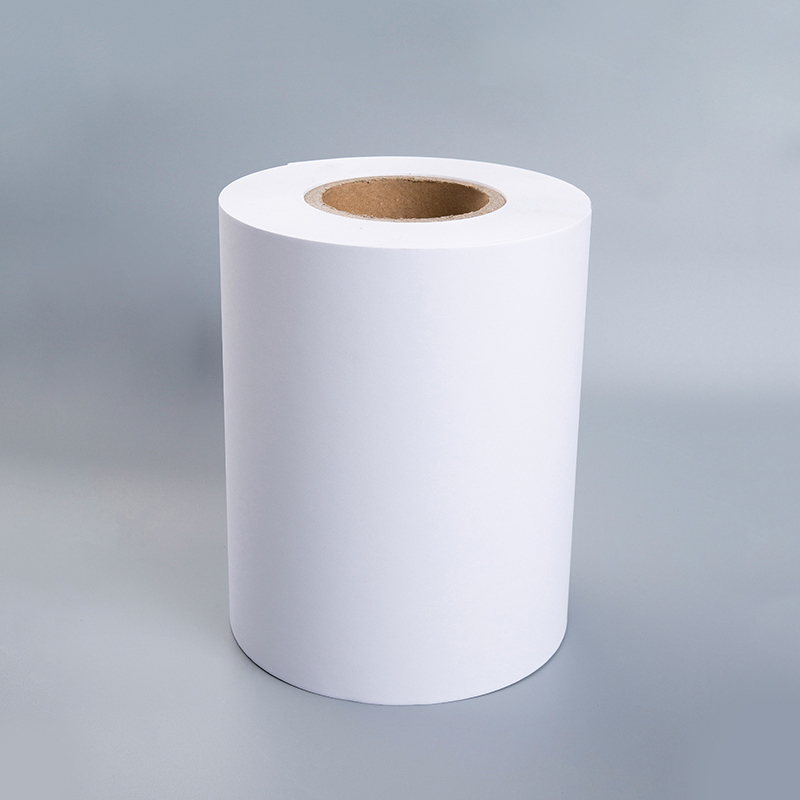
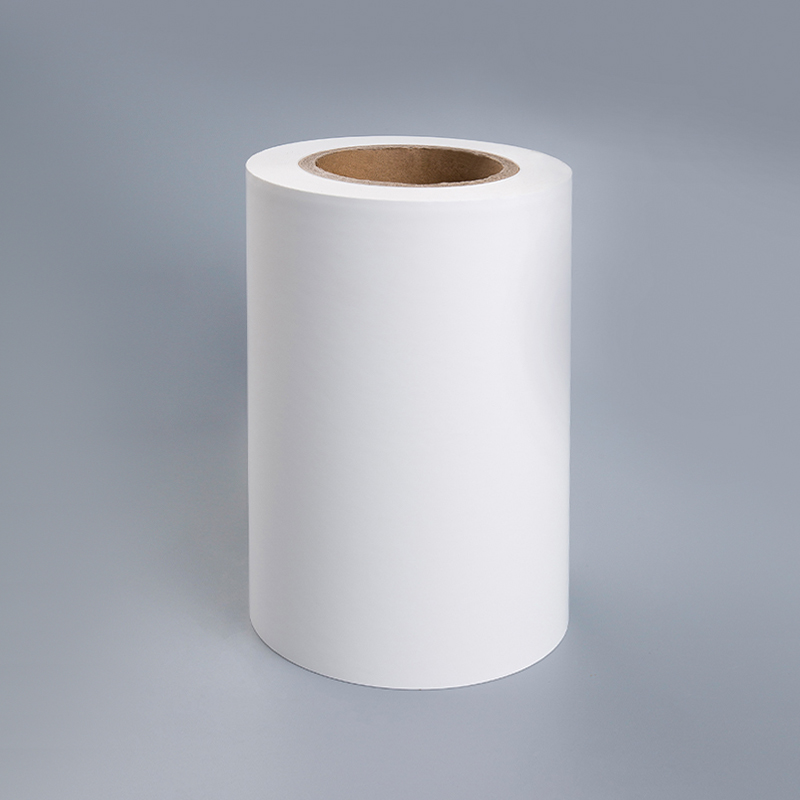
The product can be supplied in jumbo rolls or converted sheets. Jumbo roll widths of 1000, 1020, 1080, and 1530 millimeters are available, while custom sizes can be discussed for specific production programs.
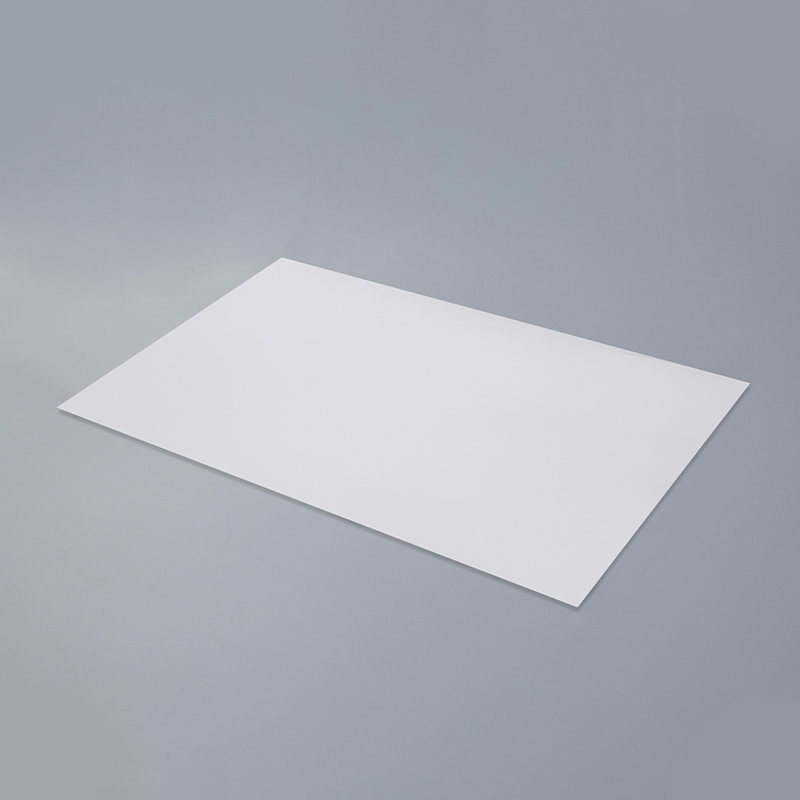
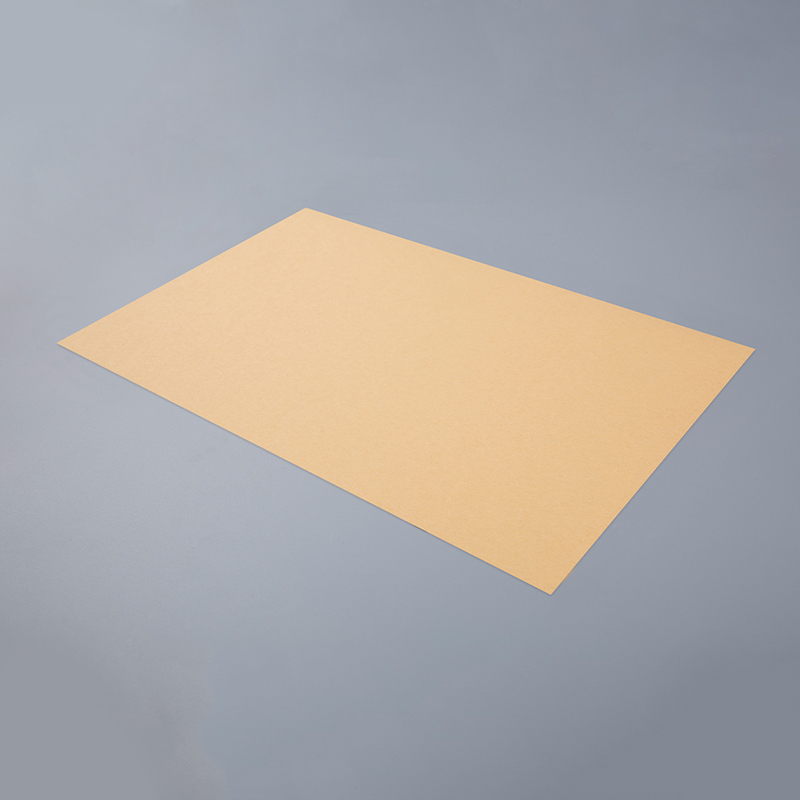
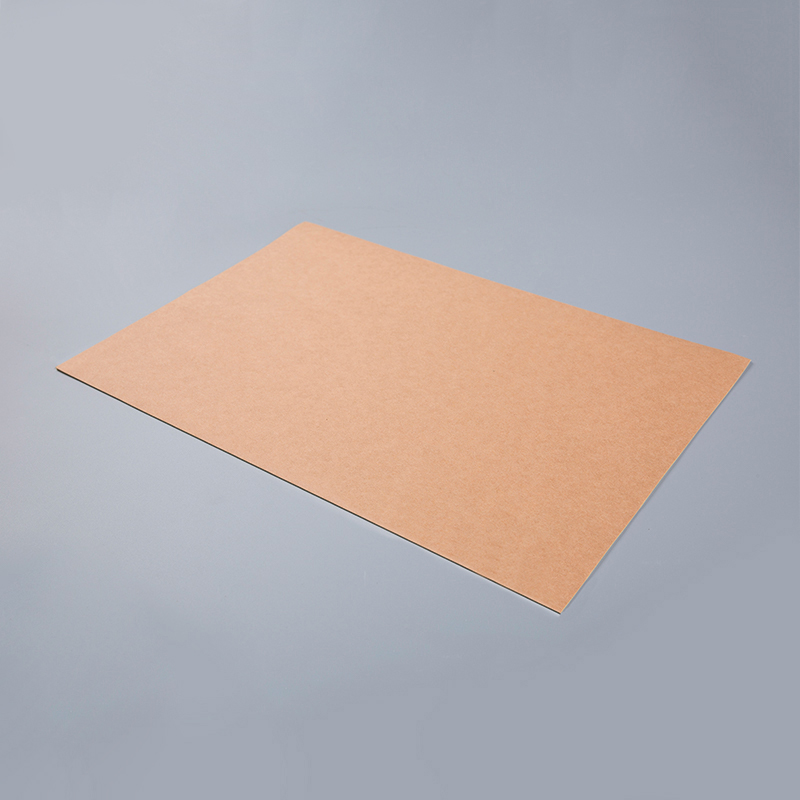
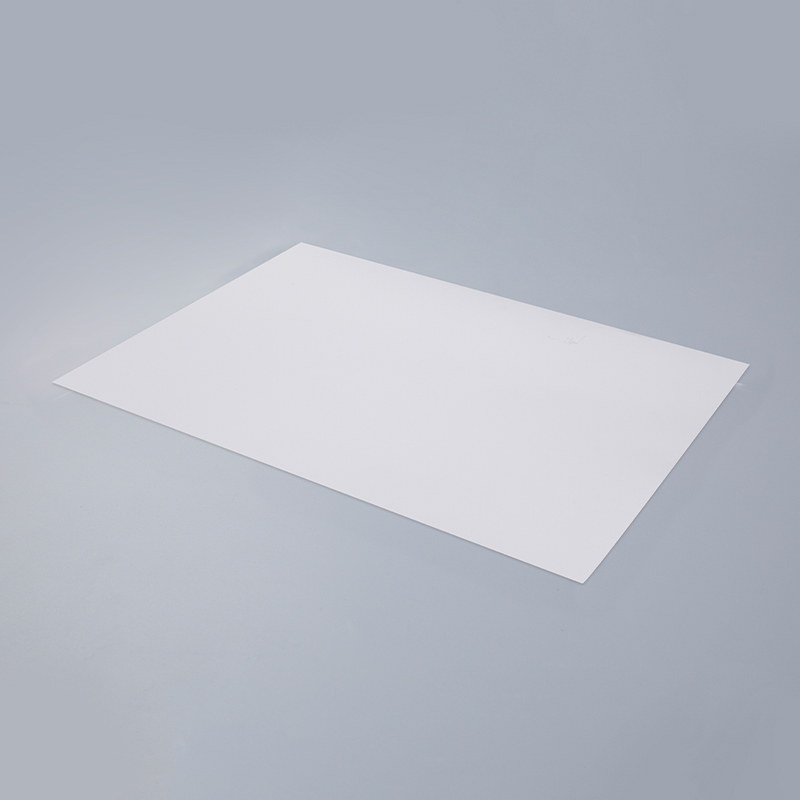
Sheet formats include A4, A3, 20 by 30 centimeters, 21 by 30 centimeters, 24 by 36 centimeters, 50 by 70 centimeters, and 70 by 100 centimeters. Customized dimensions are also available. This range supports label converters, commercial printers, packaging companies, advertising producers, and distributors that require different finished formats.
Protection During Storage and Transport
The yellow release liner protects the adhesive from dust, moisture, handling damage, and unwanted contact before application. Correct packaging further protects the material from deformation and contamination during shipment.
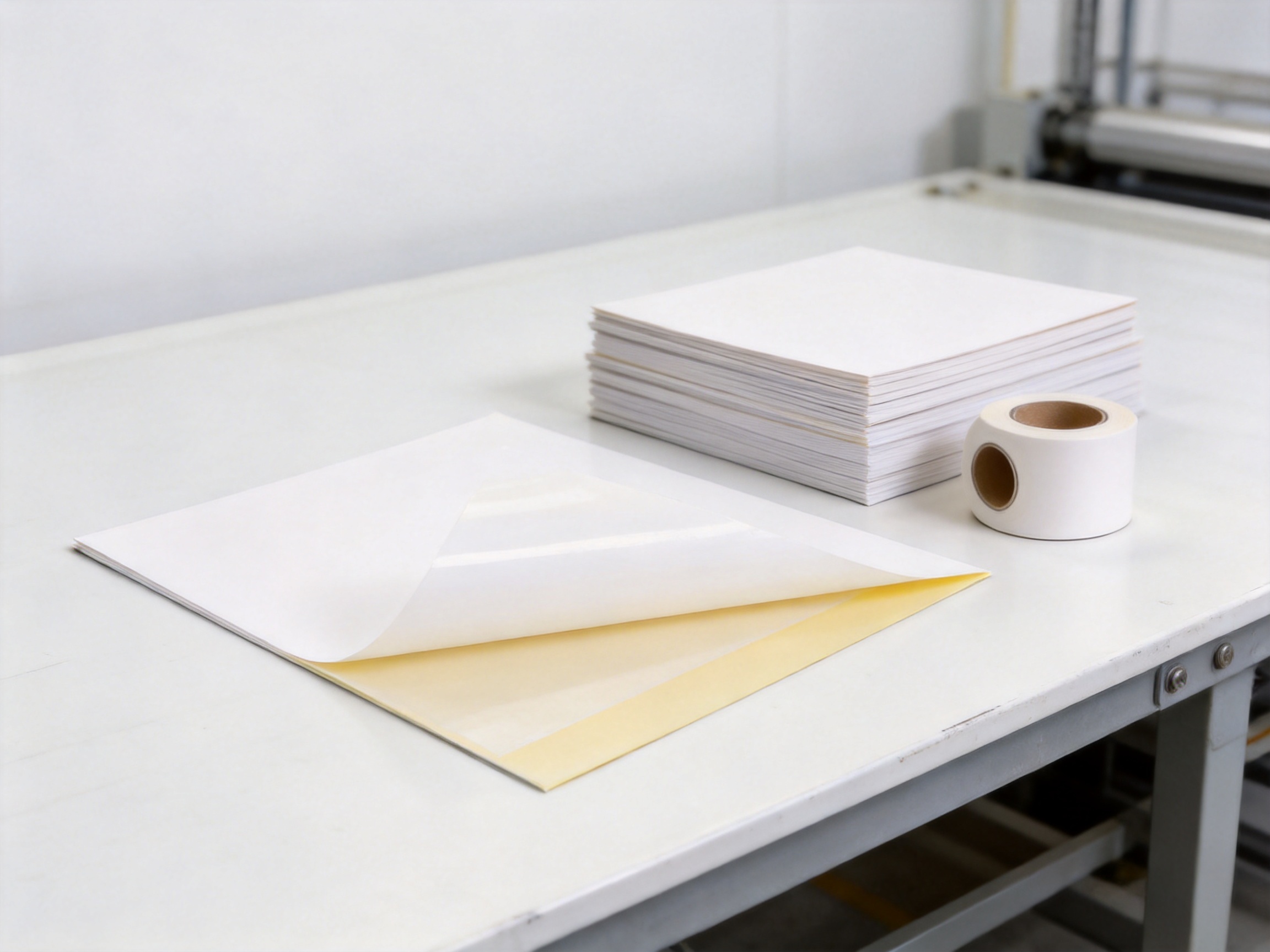
The product is suitable for sea-transit-worthy poly-wood pallet packing and carton packing. Rolls and sheets can be prepared according to customer requirements and stock availability. Sheet products are packed at 100 sheets per ream, with each ream wrapped in strong PE-coated kraft paper. Pallets are wrapped with stretch film and secured with plastic fastening belts.
Technical Specification Overview
The following table summarizes the principal available specifications. Exact performance may vary according to the selected adhesive, liner, surface condition, printing process, and final application.
| Item | Available Specification | Application Consideration |
|---|---|---|
| Face material | 80 gsm woodfree paper | Suitable for smooth printed labels, stickers, and promotional materials |
| Alternative face weights | 75 gsm, 78 gsm, and 90 gsm available | Allows adjustment of stiffness, opacity, and handling characteristics |
| Standard adhesive | Hot melt adhesive | Suitable for many general-purpose self-adhesive applications |
| Alternative adhesives | Water-based, solvent, removable, anti-freeze, cryogenic, and tyre-grade rubber adhesive | Enables selection according to temperature, surface, and removability requirements |
| Standard liner | 90 gsm white release paper | Provides adhesive protection and controlled release |
| Alternative liners | 50, 60, 80, 100, and 120 gsm glassine paper | Useful for different converting, stiffness, and release requirements |
| Other release liners | 60, 120, and 140 gsm release paper | Supports customized construction design |
| Art paper liners | 140 gsm and 165 gsm art paper | Provides additional thickness and handling strength |
| CCK liners | 50, 80, 90, and 120 gsm CCK liner | Suitable for selected high-performance and specialized label structures |
| Jumbo roll width | 1000, 1020, 1080, and 1530 mm | Compatible with a variety of converting and slitting programs |
| Sheet sizes | A4, A3, 20 × 30 cm, 21 × 30 cm, 24 × 36 cm, 50 × 70 cm, and 70 × 100 cm | Standard sizes are available, with customized sizes upon request |
Manufacturing Process and Quality Control
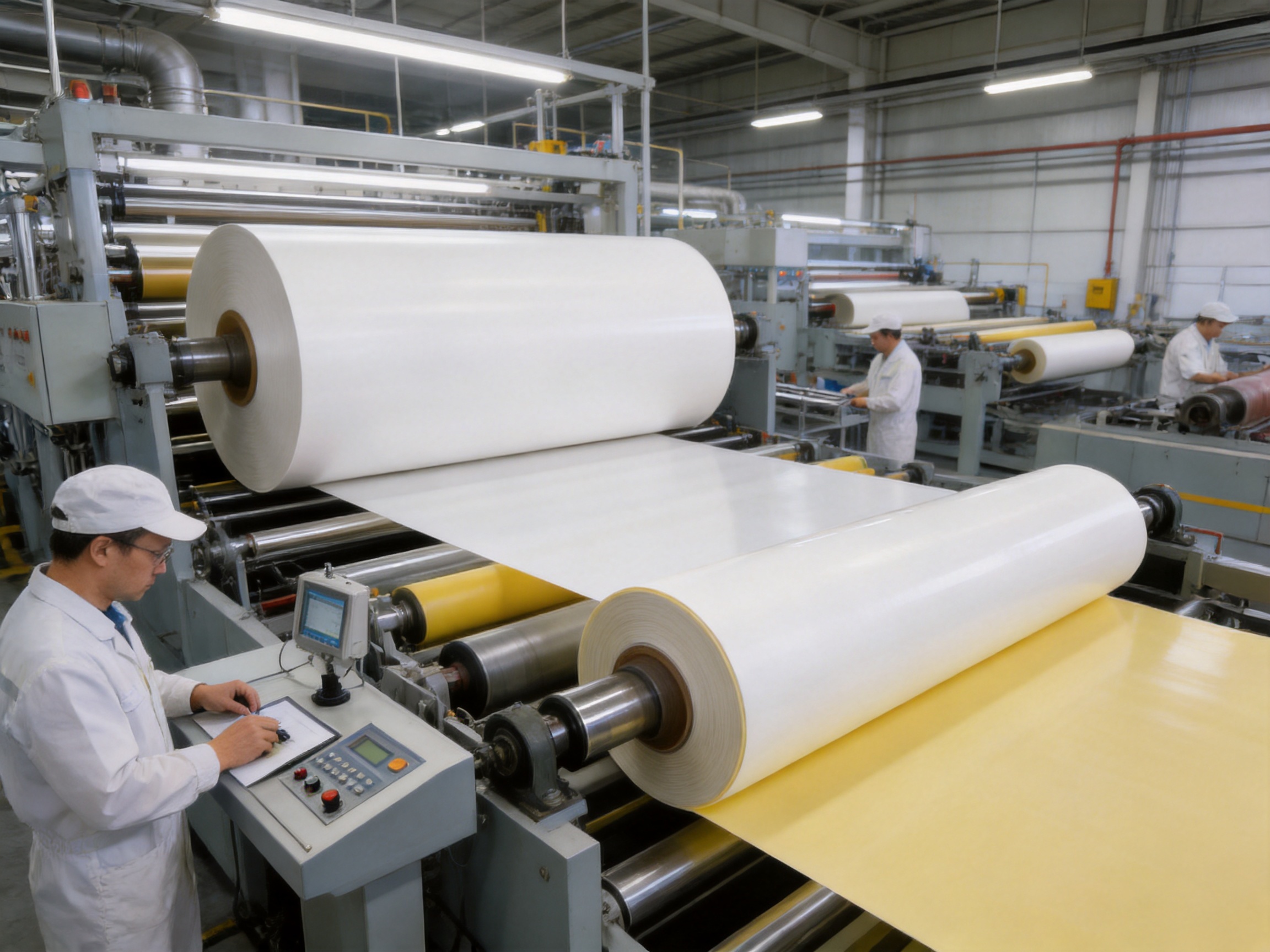
The performance of a self-adhesive product is determined not only by the raw materials but also by the manufacturing process. Accurate coating, stable lamination, controlled tension, precise cutting, and systematic inspection are essential for producing consistent material.
Raw Material Selection
The production process begins with the selection of face paper, adhesive components, and release liner. The face material must meet requirements for grammage, smoothness, formation, opacity, moisture balance, and surface compatibility. The adhesive must be chosen according to the intended bonding conditions and processing method. The liner must provide appropriate release force, dimensional stability, and protection.
Careful raw material selection helps reduce variation throughout the manufacturing process. It also allows the manufacturer to develop different constructions for different customer needs instead of offering only one standard product.
Adhesive Coating
Adhesive coating requires accurate control of coating weight, temperature, viscosity, and line speed. Uniform coating is important because differences across the web can result in inconsistent adhesion, edge lifting, adhesive squeeze-out, or difficult release.
Hot melt adhesive production requires controlled heating and application conditions. Water-based and solvent adhesive systems require their own process controls, including drying and solvent or moisture management. The manufacturing team must match the coating method to the adhesive chemistry and the desired final performance.
Laminating
After the adhesive is applied, the face material and liner are laminated together. Lamination must maintain proper alignment and contact while avoiding wrinkles, air entrapment, telescoping, and excessive web tension.
Stable lamination contributes to consistent die-cutting and dispensing. It also helps ensure that labels remain flat and that the liner separates cleanly from the adhesive during application. Advanced laminating equipment and experienced operators are important advantages when producing wide jumbo rolls or high-volume orders.
Slitting and Sheet Cutting
Slitting converts jumbo rolls into narrower rolls suitable for customer equipment. Accurate slitting is essential for maintaining edge quality, roll stability, and dimensional consistency. Poorly controlled slitting may lead to uneven edges, loose winding, dust generation, and problems during printing or dispensing.
Sheet cutting requires precise control of length, width, squareness, and stack alignment. The manufacturer can supply standard sheet formats or customize dimensions according to the customer’s equipment and downstream product design.
Inspection and Testing
Quality inspection can include checks of basis weight, thickness, surface appearance, adhesive coating uniformity, release performance, tack, peel adhesion, shear resistance, dimensional stability, and roll or sheet appearance. The appropriate tests depend on the construction and application.
The company maintains its own testing laboratory and uses advanced inspection equipment to support quality management. Laboratory testing helps identify potential issues before shipment and supports the development of customized materials. It also provides customers with greater confidence when the product is used in high-volume or export supply programs.
Application Areas
Product Labels
Cast coated self-adhesive paper is suitable for product labels that require a smooth printed appearance and dependable bonding. Labels can be used for consumer goods, household products, stationery, packaged items, promotional products, and general industrial identification.
The face material can display product names, brand marks, instructions, handling information, barcodes, batch details, and marketing messages. The final adhesive should be selected based on the packaging surface, expected service temperature, storage conditions, and whether the label is intended to be permanent or removable.
Advertising and Promotional Stickers
Advertising stickers benefit from a bright, smooth surface because the label itself serves as a communication tool. The material can be used for promotional campaigns, retail displays, event graphics, window stickers, product launches, price messages, and temporary marketing activities.
Where a campaign requires later removal, removable adhesive can be considered. Where the sticker must remain attached for an extended period, a permanent adhesive may be more appropriate. The ability to select the adhesive makes the construction more versatile than a one-type-fits-all product.
Packaging Decoration
Self-adhesive cast coated paper can add decoration and product information to cartons, paperboard boxes, bags, bottles, containers, and other packaging formats. It is especially useful when the packaging design requires a separate printed label rather than direct printing on the package.
Labels can provide a cost-effective method for updating packaging information, adding seasonal graphics, introducing limited-edition designs, or applying different language versions for international markets. The smooth face material supports attractive graphic presentation while the liner helps protect the adhesive until the label is applied.
Signs and Identification Graphics
The product can be used to produce signs, notices, directional labels, safety reminders, and identification graphics. For indoor use, the material can provide an economical alternative to more expensive synthetic label stocks when paper performance is sufficient.
For outdoor or high-moisture applications, customers should confirm whether an additional protective coating, lamination, or a synthetic face material is required. Application conditions should always be reviewed before selecting the final construction.
Newspaper and Publication Stickers
Self-adhesive paper can be used for newspaper stickers, publication inserts, promotional notices, and other printed communication products. Its printable surface supports text and graphics, while the adhesive backing allows the material to be placed on paper, packaging, display surfaces, or other suitable substrates.
Vehicle and Transportation Graphics
Mirror self-adhesive materials are often used for styling and body stickers on trucks, ships, aircraft, and other vehicles. The product description identifies these applications as part of the wider use of mirror self-adhesive materials.
When used for vehicle-related applications, customers should evaluate surface curvature, exposure to sunlight, moisture, temperature changes, cleaning chemicals, vibration, and removal requirements. The adhesive type and any protective overlaminate should be selected according to the expected service environment.
Why Adhesive Selection Matters
Adhesive selection is one of the most important decisions in label material purchasing. A visually attractive label may still fail if it does not bond correctly to the substrate or if it cannot withstand the expected environmental conditions.
Hot Melt Adhesive
Hot melt adhesive is widely used in general self-adhesive applications because it can offer strong initial tack and efficient production. It is often suitable for common labeling, packaging, and promotional materials when the surface and temperature conditions are within the adhesive’s operating range.
Water-Based Adhesive
Water-based adhesive may be selected for applications where specific environmental, processing, or odor considerations are important. Its performance depends on drying, substrate porosity, moisture, and storage conditions. Customers should confirm the appropriate application range before ordering.
Solvent Adhesive
Solvent adhesive can provide strong bonding and may be suitable for demanding surfaces or environments. It is often considered when high adhesion, flexibility, or resistance is required. Production and compliance requirements should be reviewed carefully for the chosen solvent system.
Removable Adhesive
Removable adhesive is designed for labels and stickers that need to be removed with minimal residue or surface damage. It can be useful for promotional campaigns, temporary identification, rental equipment, seasonal products, and applications where the underlying surface must remain clean.
Anti-Freeze and Cryogenic Adhesive
Low-temperature adhesives are designed for applications involving freezing, refrigeration, cold storage, or cryogenic conditions. Ordinary adhesives may lose tack or become brittle at low temperatures, whereas specialized formulations can provide more reliable performance within their specified range.
Tyre-Grade Rubber Adhesive
Tyre-grade rubber adhesive is available for applications involving rubber surfaces and demanding bonding conditions. This option can be considered for tire labeling and related industrial uses where a conventional paper label adhesive may not provide sufficient adhesion.
Competitive Advantages for Buyers
From a purchasing perspective, the product offers several advantages that can improve supply-chain efficiency and reduce the need to coordinate multiple vendors.
One Supplier for Multiple Constructions
Customers can discuss different face materials, adhesives, liners, roll widths, and sheet sizes with one manufacturer. This simplifies technical communication and can reduce the administrative burden associated with sourcing several different material components.
Customized Product Development
The company accepts OEM and ODM projects and can produce materials based on customer drawings, samples, or technical requirements. Customization may include adhesive type, liner weight, face paper weight, jumbo roll width, sheet dimensions, packaging method, and other construction details.
Customized development is particularly valuable for printers and converters with specialized equipment. A material that matches the exact requirements of the converting line can improve production efficiency and reduce waste.
High Production Capacity
The company has an annual production capacity of more than 280 million square meters. This capacity supports both recurring volume orders and larger supply programs. High production capability can also improve continuity when customers need regular shipments across multiple markets.
Integrated Production Lines
The company operates production lines covering gluing, laminating, and cutting. Vertical integration provides greater control over the manufacturing sequence and enables the manufacturer to respond more efficiently to changes in product specifications.
Integrated operations also support closer coordination between material preparation, adhesive application, lamination, finishing, packaging, and inspection. This can be more efficient than relying on unrelated subcontractors for each stage of the process.
OEM and ODM Experience
More than 20 years of OEM manufacturing experience gives the company practical knowledge of customer-specific production requirements. The professional research and development team has multiple patents and continues to develop new solutions for face materials, adhesives, and release liners.
For international customers, this experience can help shorten the communication cycle between initial inquiry, sample development, technical confirmation, trial production, and regular supply.
Printing and Converting Recommendations
To obtain the best finished result, customers should consider the complete process rather than evaluating the face paper alone.
Storage Before Printing
Self-adhesive paper should be stored in a clean, dry, and stable environment. Excessive humidity can affect paper dimensions and adhesive behavior, while excessive dryness may contribute to static electricity, curl, or handling difficulties. Materials should remain in their original protective packaging until they are ready for production.
Rolls and sheets should be protected from direct sunlight, water, dust, and excessive heat. Before printing, the material may need to be conditioned to the production environment so that temperature and moisture differences do not create dimensional instability.
Printer Compatibility
The printing process should be selected according to the coating surface, ink system, drying method, and required image quality. Customers should conduct production trials before committing to large-scale manufacturing, particularly when using a new ink, printer, or finishing process.
Ink adhesion, drying, rub resistance, color density, barcode readability, and cutting behavior should all be checked. If the label will be exposed to moisture, abrasion, sunlight, or chemicals, an appropriate protective finish may be considered.
Die-Cutting
Die-cutting parameters should be adjusted according to the face material, adhesive thickness, and liner construction. The goal is to cut through the face material and adhesive without excessively cutting into the liner. Correct die pressure helps maintain clean label edges and smooth dispensing.
During high-speed processing, web tension and waste matrix removal should be carefully controlled. Excessive tension may cause stretching or liner deformation, while insufficient tension may result in tracking and registration problems.
Application Surface Preparation
The target surface should be clean, dry, and free from dust, oil, grease, moisture, and loose particles. Rough, curved, low-energy, or contaminated surfaces may require a specialized adhesive or additional application pressure.
Labels should be applied at a suitable temperature. Low temperatures can reduce initial tack, while very high temperatures may change adhesive flow. Customers should confirm the expected application and service temperatures when selecting the adhesive.
Sustainability and Material Development
Sustainable product development is becoming increasingly important in the self-adhesive label industry. Although the performance requirements of labels remain demanding, customers are also seeking solutions that reduce environmental impact through responsible material selection and efficient production.
The company focuses on developing eco-friendly solutions involving face materials, adhesives, and backing papers. This approach recognizes that sustainability depends on the complete label construction rather than on one layer alone.
Material efficiency can also contribute to sustainability. Accurate coating, precise slitting, suitable sheet sizes, and stable production reduce scrap and improve the usable yield from each jumbo roll. Customized dimensions can help customers reduce offcuts during their own converting process.
Customers interested in sustainable constructions should discuss the intended application, required durability, recycling conditions, adhesive chemistry, liner options, and local packaging or labeling regulations. A technically suitable sustainable solution must still meet the performance requirements of printing, conversion, application, and service.
Packaging and Delivery Capabilities
Packaging is an essential part of product quality because self-adhesive materials can be affected by moisture, impact, compression, contamination, and improper handling during transportation.
For sheet products, 100 sheets are packed per ream. Each ream is protected with a strong PE-coated kraft paper wrapper. This wrapper helps protect the sheets from dust, moisture, and handling damage.
For palletized shipments, strong pallets are wrapped with stretch film and fastened with plastic belts. Poly-wood pallet packing and carton packing are available for sea transportation. The packaging method can be discussed according to product format, order volume, destination, and customer handling requirements.
Roll products require attention to winding stability, edge protection, core specifications, and pallet loading. Sheet products require attention to stack alignment, corner protection, compression, and moisture protection. Appropriate packaging helps preserve the material from the factory to the customer’s production floor.
Company Manufacturing Strengths
Suzhou Piaozhihua Composite Material Technology Co., Ltd. is a private manufacturer specializing in high-grade self-adhesive labels and related composite materials. Its business integrates research and development, production, sales, and after-sales service.
The company has more than 20 years of experience in the self-adhesive product sector and ranks among the top 10 companies in China for self-adhesive products according to the supplied company information. Its production capacity exceeds 280 million square meters per year.
The company has developed direct sales networks in multiple Chinese cities, including Shanghai, Ningbo, Hangzhou, Chengdu, Harbin, Wuhan, Chongqing, Guangzhou, Changsha, and Beijing. It also serves customers in international markets such as the United States, Germany, Japan, South Korea, Brazil, Mexico, Russia, and the Middle East.
This international market coverage supports export customers that require stable communication, repeat orders, customized production, and long-term supply relationships. The company’s sales and service approach is based on quality manufacturing, technical experience, product variety, and customer support.
The company also maintains an own testing laboratory and advanced inspection equipment. These resources support product verification, process monitoring, and customized material development. A professional research and development team with multiple patents contributes to the company’s ability to provide ODM and OEM solutions.
Quality, Service, and Long-Term Supply
For self-adhesive material buyers, product quality is only one part of the purchasing decision. Consistent lead times, responsive technical communication, reliable packaging, documentation, and after-sales service are equally important for long-term supply.
The company’s integrated structure allows customers to communicate with a manufacturer that understands the complete product chain. Technical questions about adhesive performance can be discussed alongside liner selection, printing compatibility, sheet dimensions, packaging, and delivery.
Customers can provide samples, drawings, application details, or equipment information when requesting a customized product. This information can help the manufacturer recommend a more suitable construction and reduce the risk of ordering a material that is not compatible with the customer’s process.
How to Select the Correct Specification
Before placing an order, buyers should define the following points:
First, identify the substrate to which the label will be applied. Paperboard, glass, plastic, metal, rubber, painted surfaces, and textured materials may require different adhesive behavior.
Second, determine whether the label should be permanent or removable. This decision affects adhesive selection and application performance.
Third, confirm the expected temperature range. If the product will be refrigerated, frozen, or exposed to high temperatures, a specialized adhesive may be required.
Fourth, define the printing process and finished format. Roll printing, sheet-fed printing, digital printing, die-cutting, and manual application may require different face and liner specifications.
Fifth, specify the required roll width or sheet size. Standard sizes may offer faster availability, while custom sizes may improve material utilization.
Sixth, consider storage and transportation conditions. Export shipments, long-distance sea freight, humid climates, and temperature fluctuations require suitable protective packaging.
Finally, determine whether the product requires additional finishing, such as lamination, varnishing, embossing, or protective coating. These processes can influence the choice of face material and adhesive.
Frequently Asked Questions
What is cast coated paper with a yellow release liner?
It is a pressure-sensitive self-adhesive material consisting of a smooth cast coated paper face, an adhesive layer, and a yellow release liner. The liner protects the adhesive until the label or sticker is ready to be applied.
What makes the cast coated surface different from ordinary paper?
The cast coated surface is smoother and more polished than ordinary uncoated paper. It can provide improved visual quality, more consistent ink coverage, and a refined appearance for printed labels and promotional materials.
Is the product available in sheets and rolls?
Yes. The material is available in jumbo rolls and sheets. Jumbo roll widths include 1000, 1020, 1080, and 1530 millimeters. Standard sheet sizes include A4, A3, 20 by 30 centimeters, 21 by 30 centimeters, 24 by 36 centimeters, 50 by 70 centimeters, and 70 by 100 centimeters.
Can the adhesive be customized?
Yes. Available options include hot melt, water-based, solvent, removable, anti-freeze, cryogenic, and tyre-grade rubber adhesive. The selection should be based on the surface, temperature, durability, and removal requirements of the application.
What is the standard liner specification?
The standard liner is 90 gsm white release paper. Glassine paper, release paper, art paper, and CCK liner options are also available in different weights.
Can the product be used for vehicle stickers?
Self-adhesive materials are used for styling and body stickers on trucks, ships, aircraft, and other vehicles. However, vehicle applications should be evaluated carefully according to exposure, surface type, temperature, moisture, vibration, and removal requirements.
Can customers request custom sizes?
Yes. In addition to standard roll widths and sheet sizes, customized dimensions can be discussed according to the customer’s equipment, product design, and material utilization goals.
Does the manufacturer provide OEM and ODM services?
Yes. The company accepts OEM and ODM projects and can produce materials based on customer drawings, samples, and technical requirements.
How are sheets packaged?
Sheets are packed at 100 sheets per ream. Each ream is wrapped with strong PE-coated kraft paper. Pallets are wrapped with stretch film and secured with plastic fastening belts.
What information should be provided when requesting a quotation?
Customers should provide the intended application, substrate, adhesive requirement, printing method, roll or sheet format, dimensions, estimated order quantity, service temperature, and delivery destination. Samples or drawings are also helpful for customized projects.
Conclusion
Cast coated paper with a yellow release liner is a versatile self-adhesive material for customers who require attractive printing, dependable adhesive performance, controlled release, and flexible format options. Its smooth face material is suitable for labels, advertising stickers, packaging decoration, signs, newspaper stickers, and various identification applications.
The availability of multiple adhesive technologies and liner constructions provides an important advantage over standardized self-adhesive paper. Customers can select a structure based on the target surface, temperature, permanence, printing process, and converting requirements.
With integrated gluing, laminating, and cutting capabilities, an annual production capacity of more than 280 million square meters, a dedicated testing laboratory, advanced inspection equipment, professional research and development resources, and more than 20 years of OEM experience, Suzhou Piaozhihua Composite Material Technology Co., Ltd. is positioned to support both standard and customized self-adhesive material programs.
For buyers seeking a reliable supplier, the combination of cast coated print quality, yellow liner protection, adhesive flexibility, customized production, export packaging, and technical service makes this product a practical choice for modern labeling and promotional applications.
References
1. Pressure-Sensitive Adhesive Tape Council, pressure-sensitive adhesive material terminology and performance principles.
2. FINAT, technical guidance on self-adhesive label materials, release liners, and converting practices.
3. Technical Association of the Pulp and Paper Industry, general methods for paper grammage, thickness, moisture, and dimensional testing.
4. International Organization for Standardization, quality management principles for manufacturing and process control.
5. International Organization for Standardization, general guidance for environmental management and sustainable product development.
6. Manufacturer-provided product specifications for cast coated paper, adhesive options, release liners, roll widths, sheet sizes, packaging, and production capabilities.