
 English
 Español
 русский
 Français
 عربى
عربىIn modern converting, labeling, die-cutting, printing, and packaging operations, the release liner is far more than a temporary backing material. It is a functional component that affects production speed, adhesive performance, dimensional stability, surface quality, waste levels, and the final appearance of the finished product. As manufacturers continue to demand higher precision and more efficient automated processing, the choice of release liner has become increasingly important.
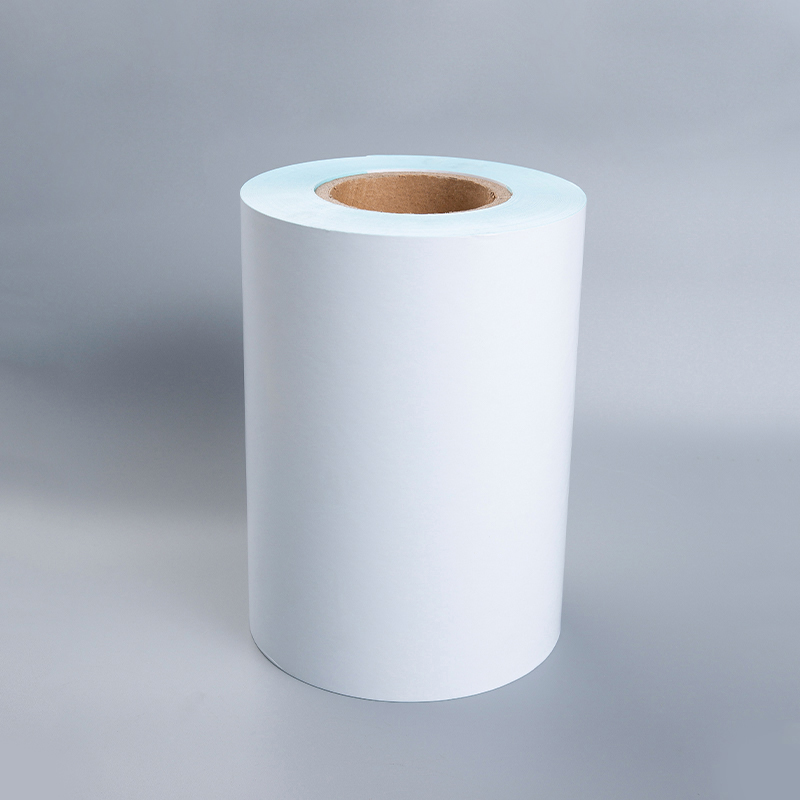
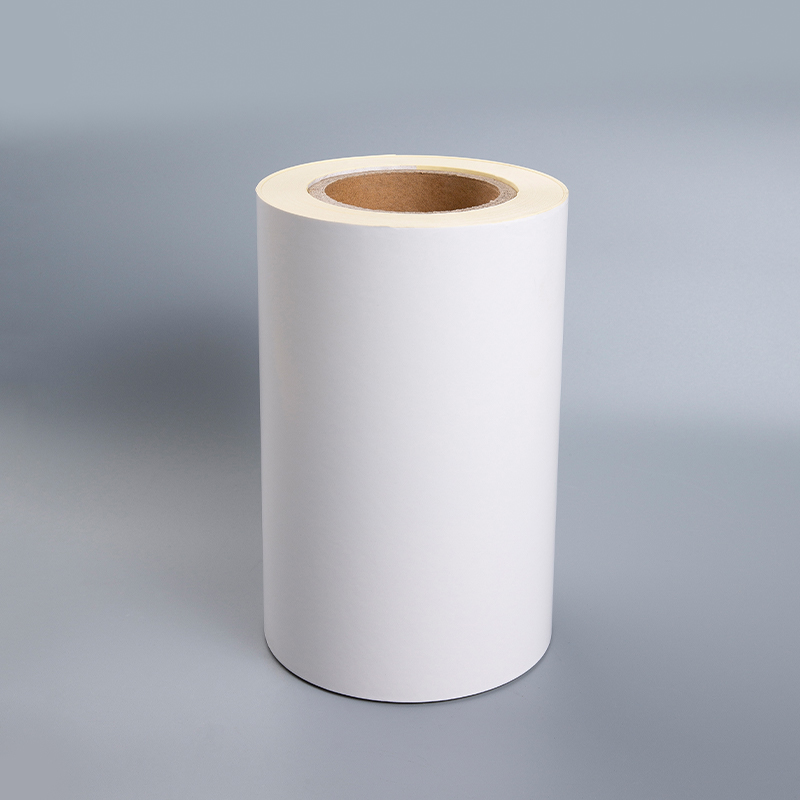
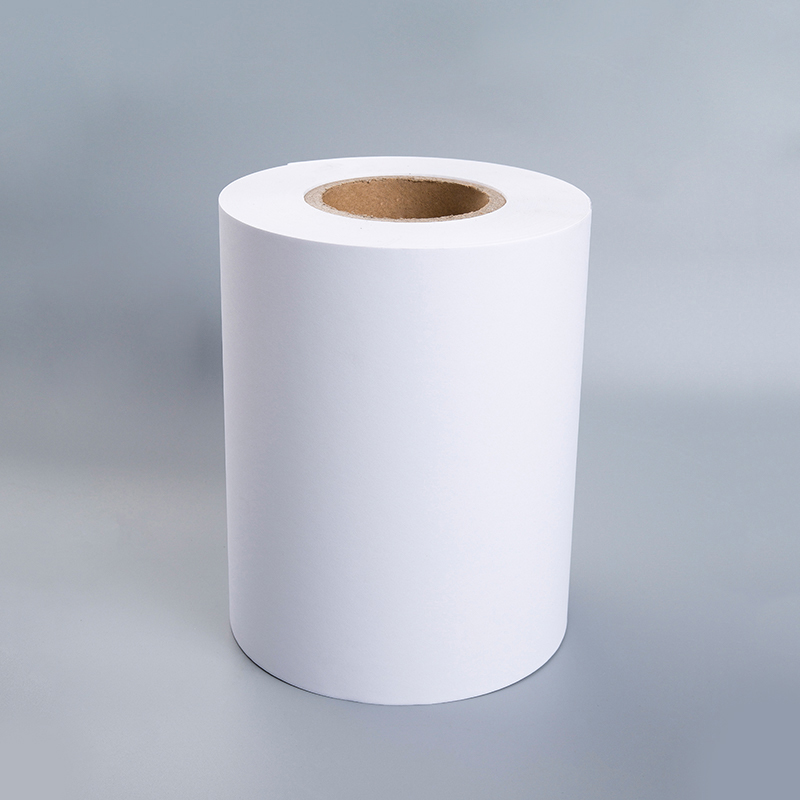
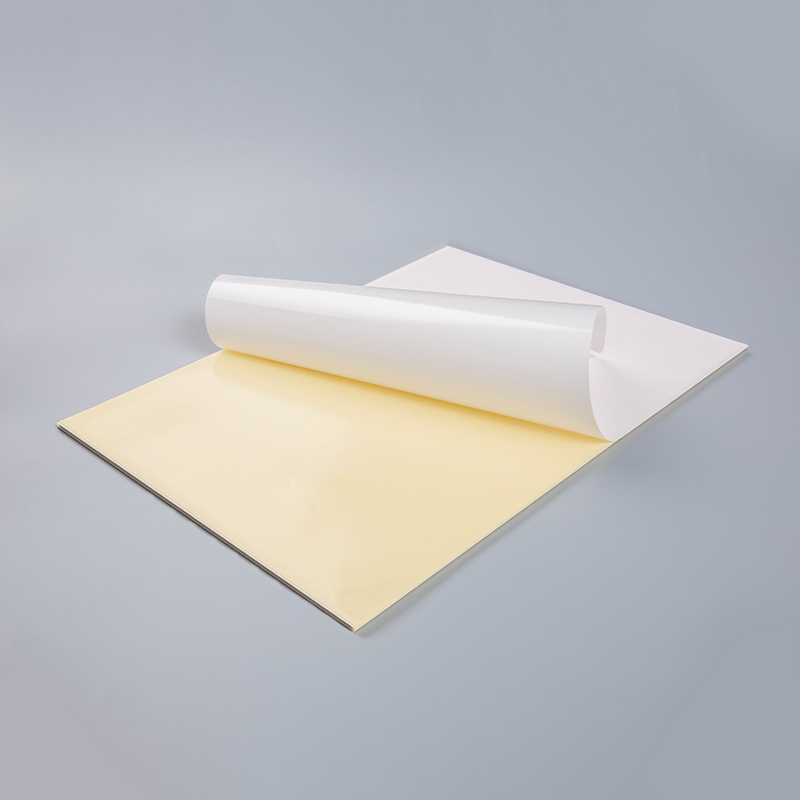
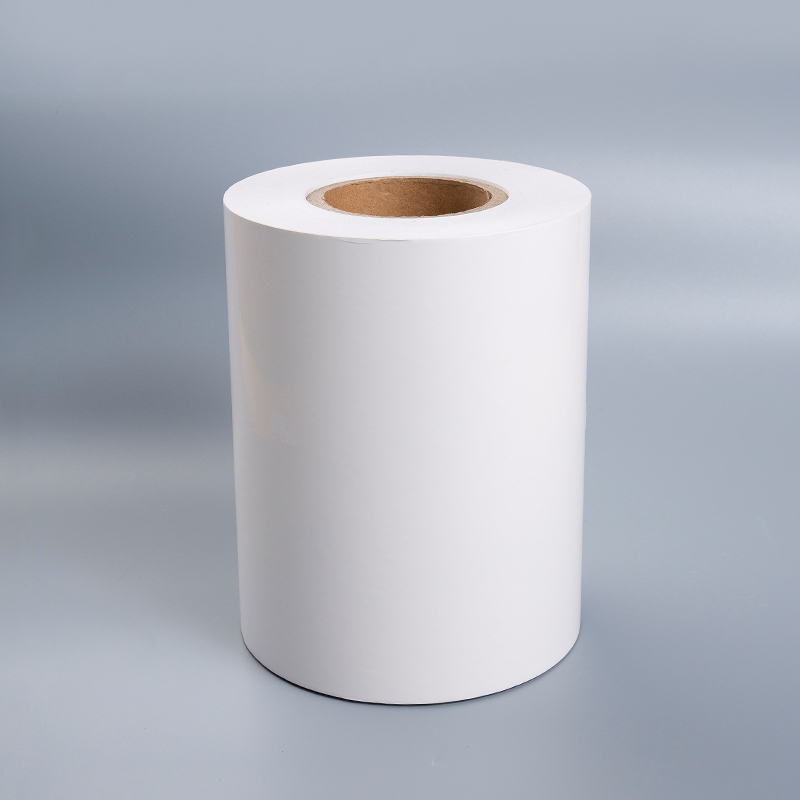
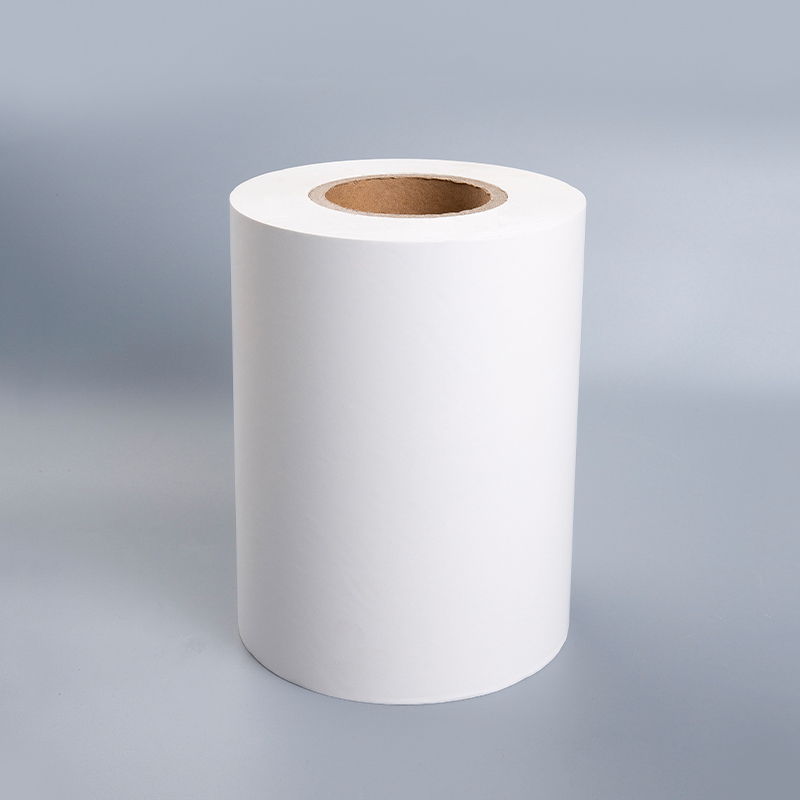
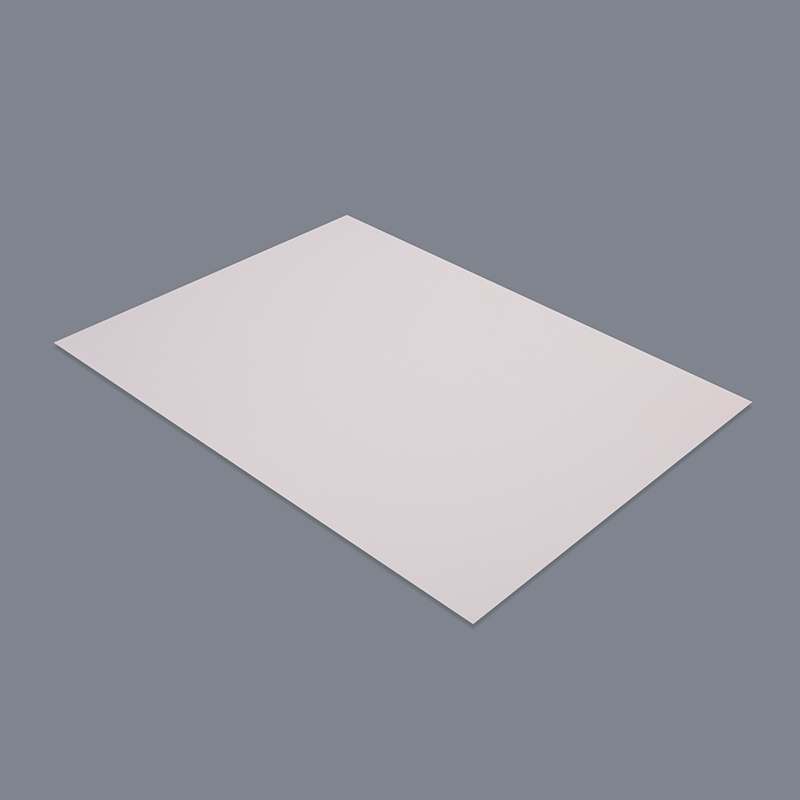
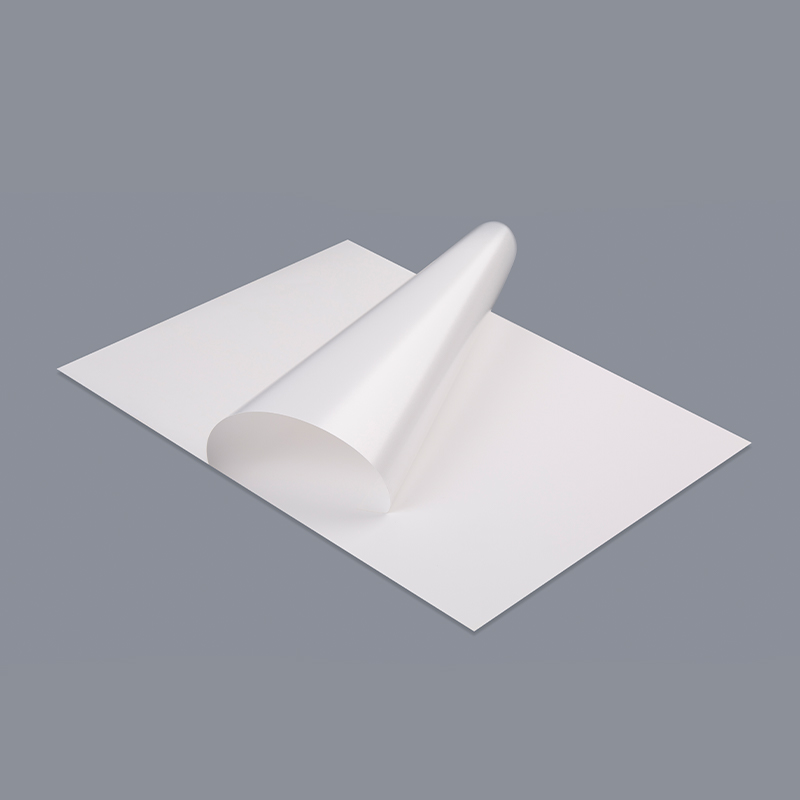
CCK liner is a specialized release paper designed to provide a smooth, stable, and reliable surface for adhesive-coated products and other converting applications. Based on CCK paper, it combines excellent flatness, high stiffness, stable release performance, and good resistance to demanding processing conditions. It can be supplied in jumbo rolls, sheets, and customized formats, with multiple basis weights and dimensions available to meet different production requirements.
This product is particularly suitable for electronic components, adhesive tapes, foam materials, labels, printed products, packaging applications, and other products requiring clean separation between the adhesive layer and the backing material. Its uniform surface and controlled silicone coating help reduce sticking, residue, tearing, deformation, and other common problems encountered during high-speed converting.
Manufactured by Suzhou Piaozhihua Composite Material Technology Co., Ltd., the CCK liner benefits from an integrated production system covering adhesive application, laminating, slitting, cutting, inspection, packaging, and delivery preparation. With more than 20 years of manufacturing experience, an annual production capacity exceeding 280 million square meters, dedicated testing facilities, and OEM and ODM capabilities, the company provides both standardized materials and customized release-liner solutions.
CCK Liner
Content
- 1 What Is CCK Liner?
- 2 Core Product Specifications
- 3 Superior Flatness for Reliable Processing
- 4 High Stiffness for High-Speed Die-Cutting
- 5 Smooth and Clean Surface Quality
- 6 High-Temperature Resistance and Processing Stability
- 7 Uniform Release Force and Clean Separation
- 8 Substrate and Coating Flexibility
- 9 Advantages Compared with Standard Release Papers
- 10 Applications in Precision Die-Cutting
- 11 Applications in the Label Industry
- 12 Applications in Printing and Packaging
- 13 Manufacturing Process and Quality Control
- 14 Integrated Production Strengths
- 15 Customization Services
- 16 Packaging Designed for International Transportation
- 17 Sustainability and Responsible Material Development
- 18 How to Select the Correct CCK Liner
- 19 Recommended Quality Evaluation Procedure
- 20 Why Choose an Experienced Manufacturing Partner?
- 21 Typical Benefits for Different Users
- 22 Storage and Handling Recommendations
- 23 Conclusion
- 24 Questions and Answers
- 24.1 What is the main function of CCK liner?
- 24.2 What does CCK mean in CCK liner?
- 24.3 What basis weights are available?
- 24.4 Is the liner available with coating on both sides?
- 24.5 Can the release force be customized?
- 24.6 Which industries use CCK liner?
- 24.7 What roll widths are available?
- 24.8 Can CCK liner be supplied in sheets?
- 24.9 How does stiffness help during die-cutting?
- 24.10 Is CCK liner suitable for high-temperature processing?
- 24.11 How is product quality controlled?
- 24.12 Does the manufacturer provide OEM and ODM services?
- 24.13 How is the product packaged for export?
- 24.14 What information should a customer provide when requesting a quotation?
- 25 References
- 26 Product: CCK Liner
What Is CCK Liner?
CCK liner is a release paper made with a clay-coated kraft, or CCK, paper substrate. The substrate is engineered to provide a relatively smooth and consistent surface, while a silicone release coating is applied to support controlled separation from pressure-sensitive adhesives, transfer adhesives, tapes, labels, foams, and other adhesive products.
Compared with ordinary paper backings, CCK liner offers better surface uniformity and improved dimensional stability. The clay-coated surface can provide a more refined appearance and a smoother processing interface. The paper structure also offers useful stiffness, making the material suitable for high-speed die-cutting, sheet feeding, roll converting, and automated production lines.
The liner may be produced with single-sided or double-sided silicone treatment, depending on the application. Release force can be adjusted according to the adhesive formulation and the desired separation behavior. A light release force may be suitable for products that require easy removal, while a stronger or more controlled release force may be required to prevent premature separation during production, storage, or transport.
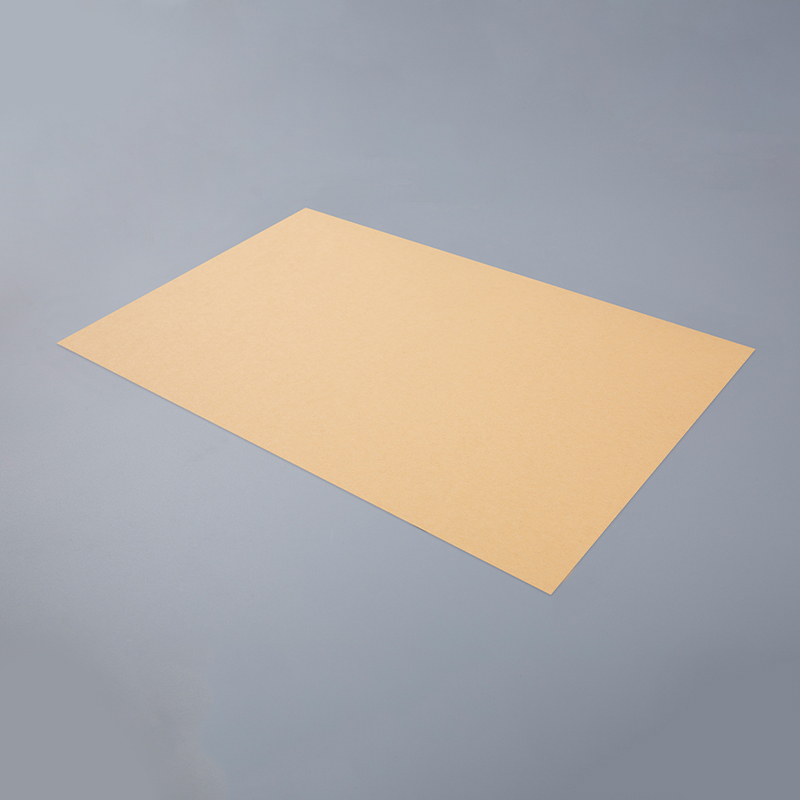
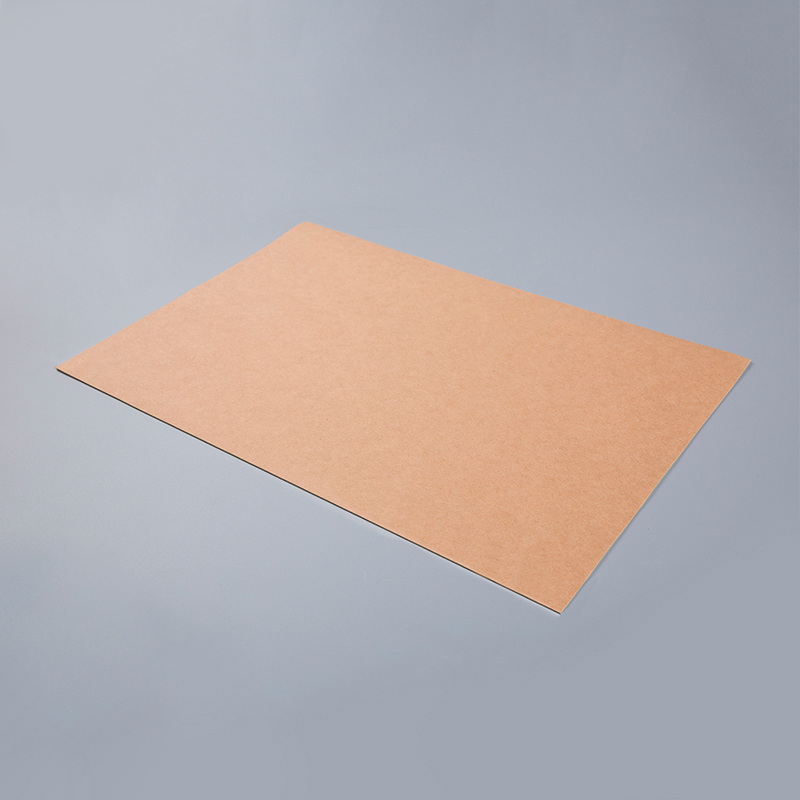
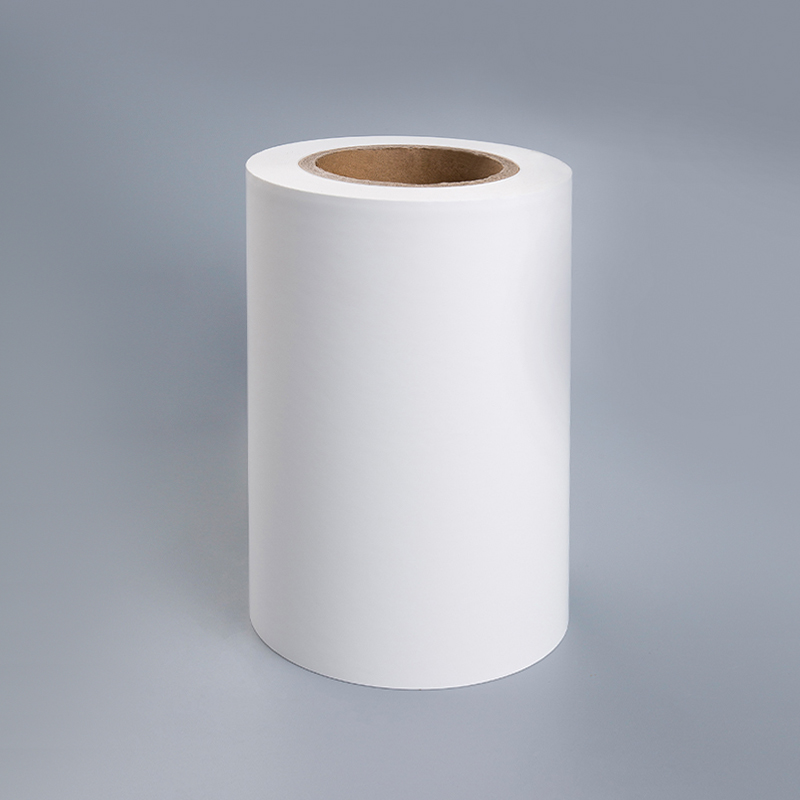
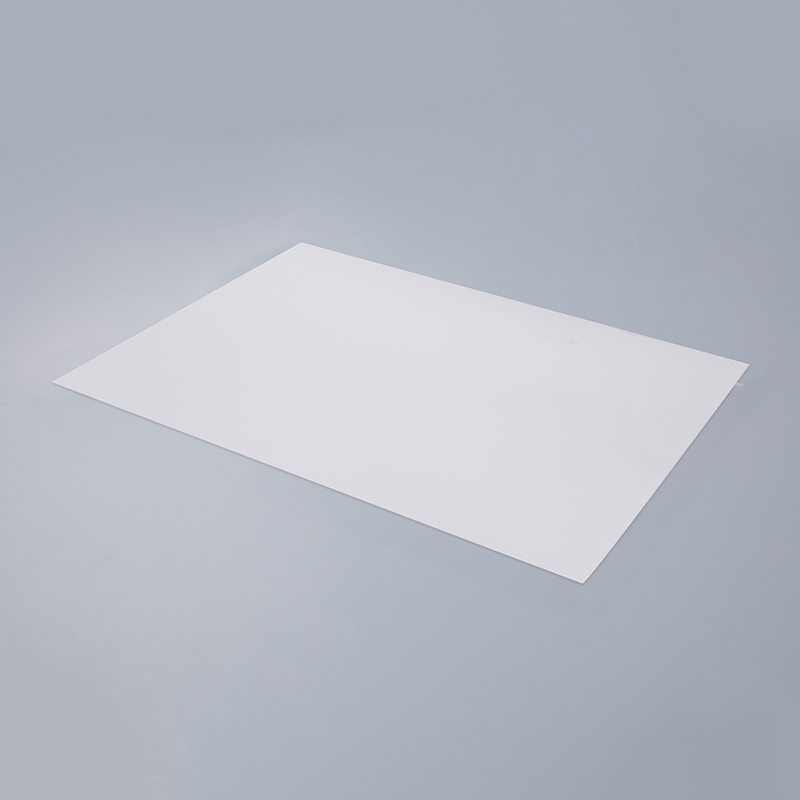
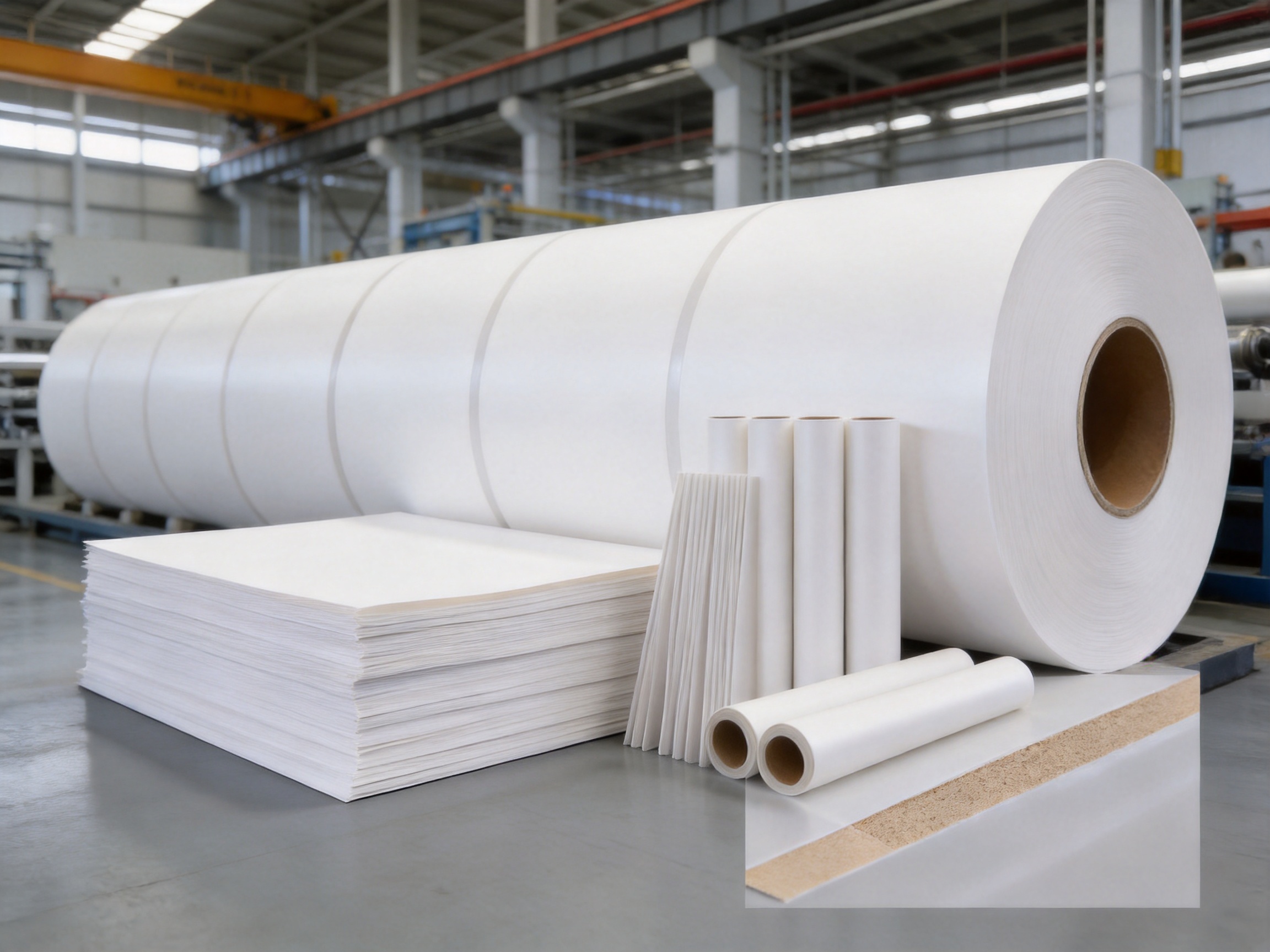
CCK liner is available in white and can be supplied in different basis weights, including 50, 80, 90, and 120 grams per square meter. It can be converted into jumbo rolls or sheets in standard and customized sizes. This flexibility allows manufacturers to select a structure that corresponds with their equipment, adhesive system, die-cutting requirements, and finished-product dimensions.
Core Product Specifications
| Item | Specification | Application Significance |
|---|---|---|
| Base material | CCK paper | Provides a smooth, stable, and stiff substrate for release coating and converting. |
| Available basis weights | 50, 80, 90, and 120 g/m² | Allows selection according to stiffness, handling, and finished-product requirements. |
| Color | White | Supports a clean appearance and clear visual inspection during processing. |
| Coating options | Single-sided or double-sided silicone coating | Adapts the liner to different adhesive and product constructions. |
| Release behavior | Adjustable release force | Helps achieve clean separation without unwanted sticking or residue. |
| Jumbo roll widths | 1000, 1020, 1080, and 1530 mm | Supports large-scale slitting, laminating, and automated production. |
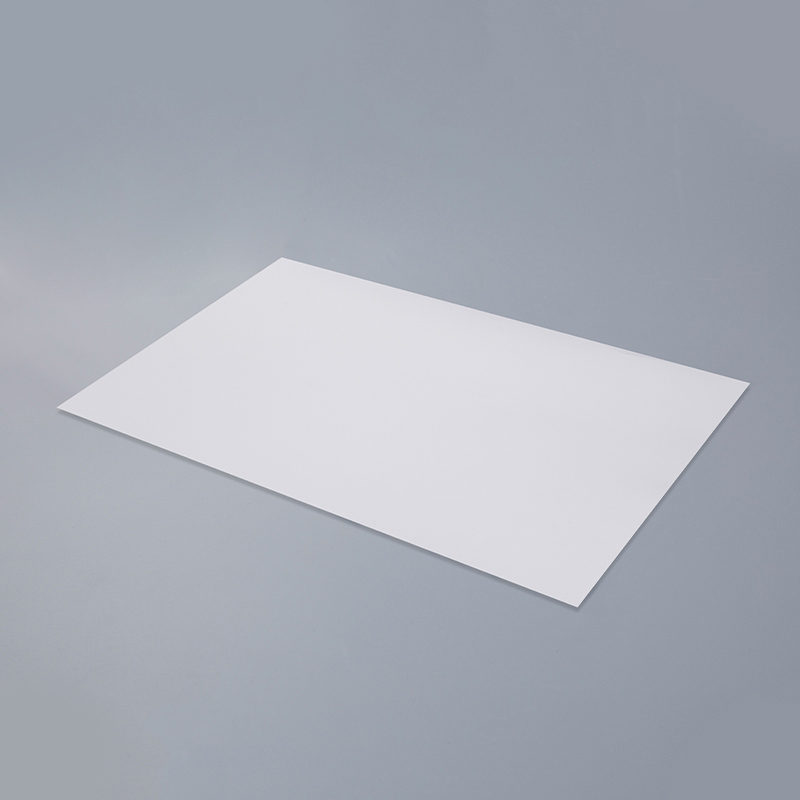
| Sheet formats | A4, A3, 20 × 30 cm, 21 × 30 cm, 24 × 36 cm, 50 × 70 cm, and 70 × 100 cm | Suitable for sheet-fed production, printing, die-cutting, and custom applications. |
| Customized formats | Available upon request | Reduces material waste and improves compatibility with customer equipment. |
The specifications above provide a foundation for selecting the correct liner. However, the final construction should be determined by the adhesive type, coating weight, converting speed, storage environment, die-cutting method, and required peel behavior. A technical evaluation is recommended when the material will be used with a new adhesive or in a particularly demanding production process.
Superior Flatness for Reliable Processing
Flatness is one of the most important performance characteristics of a release liner. A liner that curls, wrinkles, waves, or develops uneven tension can create problems during coating, laminating, slitting, die-cutting, printing, and automatic feeding. Even minor deformation may result in inaccurate registration, adhesive contamination, incomplete cuts, or production interruptions.
CCK liner is designed to maintain a smooth and stable profile during processing. Its paper substrate provides a balanced structure, while controlled manufacturing conditions help minimize unnecessary tension variations. Good flatness enables the liner to move more evenly through production equipment and supports consistent contact with adhesives, dies, rollers, and printing systems.
For sheet applications, flatness contributes to reliable stacking and feeding. Sheets that remain level are easier to load into automatic feeders and less likely to cause double-feeding or alignment problems. For roll applications, stable flatness helps maintain an even winding profile and reduces the likelihood of telescoping, edge damage, or roll deformation.
Flatness also affects the final appearance of labels, tapes, and laminated products. When the liner remains stable, the adhesive layer can be applied more uniformly and the face material can be laminated with fewer air pockets, wrinkles, or visual defects. This is especially valuable for premium labels, electronic components, and decorative printed materials where surface quality is closely inspected.
High Stiffness for High-Speed Die-Cutting
Stiffness gives a release liner the mechanical strength needed to withstand tension, pressure, bending, and repeated handling. In high-speed die-cutting, the liner must support the adhesive-coated product while allowing the die to produce accurate, clean cuts. If the backing is too weak or flexible, it may deform under pressure, resulting in poor registration, incomplete cutting, liner breakage, or unstable waste removal.
The CCK substrate provides a useful balance between stiffness and processability. It supports adhesive products during rotary die-cutting, flatbed die-cutting, kiss-cutting, and other precision converting methods. Its structural stability can help manufacturers maintain more consistent cutting depth and reduce variation across the web or sheet.
High stiffness is also beneficial for automated production lines. The liner can provide a stable base during feeding, transfer, stacking, and application. This can reduce jams and help equipment operate with fewer interruptions. In applications involving narrow strips, small labels, electronic components, or complex shapes, the mechanical support of the liner is particularly important.
Compared with less rigid release papers, a well-engineered CCK liner can offer better control during processing without requiring excessive material thickness. This allows manufacturers to select a suitable basis weight according to the balance between stiffness, cost, roll length, and application demands.
Smooth and Clean Surface Quality
Surface quality directly influences the performance and appearance of adhesive products. Dust, fibers, impurities, wrinkles, scratches, pinholes, and coating irregularities can transfer defects to the adhesive or face material. In sensitive applications, even small imperfections may affect bonding, printing, die-cutting, or the appearance of the finished product.
CCK liner is manufactured with a smooth surface intended to support consistent adhesive contact and clean product separation. The controlled substrate surface helps create a more uniform interface between the silicone coating and the adhesive layer. This consistency is useful for applications requiring predictable peel behavior across the entire roll or batch.
A clean surface is particularly valuable in electronic component processing, where contamination can affect assembly and reliability. It is also important in premium label production, where surface marks and unevenness may be visible after application. For printed materials and packaging, a smooth liner can contribute to better handling and improved overall presentation.
Surface inspection is an essential part of the manufacturing process. Materials can be checked for visible defects, coating consistency, roll condition, dimensions, and other quality indicators. By combining process control with inspection equipment, manufacturers can identify potential problems before the product is shipped to the customer.
High-Temperature Resistance and Processing Stability
Many adhesive and laminating operations involve elevated temperatures. Heat may be introduced during thermal lamination, drying, curing, coating, printing, or other processing steps. A release liner that loses stability under heat can shrink, curl, wrinkle, or experience changes in release performance.
CCK liner is designed to maintain stable performance in high-temperature processing environments. The paper substrate and silicone coating are selected and controlled to support dimensional stability and predictable release behavior under demanding conditions. This helps reduce the risk of adhesive transfer, liner distortion, and process inconsistency.
Heat resistance does not mean that every liner is suitable for every temperature or adhesive system. Actual performance depends on dwell time, equipment design, coating conditions, adhesive chemistry, humidity, and the temperature profile used by the customer. Nevertheless, a liner with good thermal stability provides a stronger foundation for reliable processing and can be evaluated for applications that involve heat exposure.
Stable performance during heating is particularly important when a liner must remain attached to an adhesive product until a later assembly stage. Premature release or edge lifting can lead to contamination, misalignment, and product waste. Controlled release force helps maintain the required balance between secure handling and clean removal.
Uniform Release Force and Clean Separation
The primary function of a release liner is to protect an adhesive surface while allowing that adhesive to be exposed when required. The liner must release cleanly, but it must not separate prematurely during coating, slitting, die-cutting, winding, storage, or transportation.
CCK liner uses a uniform silicone coating to provide controlled release behavior. Consistency is important because variations in release force can create uneven peel performance from one area of the roll to another. Such variation may cause operators to adjust equipment repeatedly or may lead to inconsistent application results.
Clean separation helps protect the adhesive from silicone transfer, paper fibers, dust, and other contamination. It also supports smooth application to substrates such as glass, metal, plastic, foam, paper, and coated surfaces. In label production, clean release can help the label detach from the liner without stretching, tearing, curling, or losing its shape.
Release force can be adjusted to meet different adhesive requirements. The correct release level depends on whether the product uses hot-melt adhesive, water-based adhesive, solvent-based adhesive, acrylic adhesive, rubber-based adhesive, transfer adhesive, or another formulation. The liner can be evaluated with the customer’s adhesive to establish the most suitable construction.
Substrate and Coating Flexibility
Although this product focuses on CCK paper, the company’s broader release-material capabilities include different substrate options such as kraft paper, PET film, art paper, and other specialized papers. This allows customers to compare constructions according to stiffness, transparency, temperature resistance, surface appearance, thickness, and application conditions.
For applications requiring a paper-based backing with strong handling properties, CCK paper is a practical choice. For applications requiring high transparency, exceptional dimensional stability, or greater resistance to moisture and chemicals, PET film may be considered. Kraft paper may be selected when a different balance of strength, cost, and surface behavior is needed, while art paper may be appropriate for specialized printing and presentation requirements.
Silicone coating can be applied to one side or both sides. Single-sided release is suitable for many standard label, tape, and adhesive constructions. Double-sided release may be used when both surfaces require controlled separation or when the liner is part of a specialized multilayer system.
This flexibility enables the release liner to be designed around the customer’s process instead of forcing the customer to modify the process to fit a limited standard product. Basis weight, width, length, sheet size, coating side, release force, and packaging format can all be considered during product development.
Advantages Compared with Standard Release Papers
Standard glassine and coated kraft papers remain useful in many applications, but they may not provide the ideal combination of stiffness, surface smoothness, temperature performance, and customization for every production requirement. CCK liner is positioned as an alternative for customers seeking a more specialized release-paper structure.
One advantage is its balance of stiffness and smoothness. Some lightweight liners are easy to handle but may lack the rigidity required for high-speed die-cutting. Some heavier papers provide strength but may not offer the desired surface quality or release consistency. CCK liner provides multiple basis-weight options so users can select a practical compromise between mechanical support and material efficiency.
Another advantage is its suitability for precision processing. A smooth and clean surface can support more accurate cutting and more consistent adhesive contact. This is useful when the finished product has narrow tolerances, small dimensions, complex contours, or a high visual-quality standard.
CCK liner also offers broader customization than a single standard construction. Customers can request different roll widths, sheet dimensions, coating configurations, and release-force requirements. This helps reduce unnecessary trimming and may improve material utilization compared with using a one-size-fits-all liner.
In high-temperature or demanding laminating environments, the product’s thermal stability can offer an advantage over release papers that are designed primarily for ordinary room-temperature use. The exact performance should always be confirmed through application testing, but the construction is intended to support more challenging processing conditions.
| Evaluation Factor | Basic Release Paper | CCK Liner |
|---|---|---|
| Surface consistency | May vary depending on paper grade and coating process. | Designed for a smooth, uniform surface suitable for precision applications. |
| Stiffness | Depends strongly on basis weight and paper structure. | Available in multiple grades to support die-cutting and automated handling. |
| Release control | May be limited to standard release levels. | Release force can be adjusted according to adhesive requirements. |
| Temperature performance | Suitable for general applications, depending on construction. | Designed to maintain stability in demanding laminating and processing conditions. |
| Format options | Often limited to standard rolls or sheets. | Available in jumbo rolls, standard sheets, and customized dimensions. |
| Application range | General labels, tapes, and packaging. | Precision die-cutting, electronics, foams, labels, printing, and packaging. |
Applications in Precision Die-Cutting
Die-cutting requires precise coordination between the die, adhesive product, face material, and liner. The liner must support the product without shifting excessively or deforming under pressure. It must also allow the finished shapes to be removed cleanly while maintaining the integrity of the remaining web.
CCK liner is suitable for precision die-cutting of electronic components, foam parts, adhesive tapes, gaskets, insulation materials, and other engineered products. Its stiffness can help maintain product position, while its smooth silicone surface supports clean removal after cutting.
For kiss-cutting, the liner provides a controlled base that allows the die to cut through the face material and adhesive while leaving the backing intact. For rotary die-cutting, stable web handling and consistent thickness help support high-speed operation. In flatbed processes, sheet flatness contributes to accurate registration and repeatable cutting results.
The appropriate basis weight depends on the product geometry and equipment. Lightweight grades may be sufficient for small labels and flexible adhesive products, while heavier grades may be preferred for larger parts, thicker foams, or operations requiring greater support.
Applications in the Label Industry
In self-adhesive labels, the release liner protects the adhesive before the label is applied. It must remain stable through printing, die-cutting, waste matrix removal, winding, storage, transportation, and final application. Any weakness in the liner can affect the efficiency of the entire label production process.
CCK liner can support label constructions for industrial identification, product packaging, logistics, retail, promotional printing, and specialty applications. Its white surface can provide a clean backing appearance, while its smoothness helps maintain contact with the adhesive and face material.
For high-quality labels, the liner should remain flat during printing and converting. This can help reduce wrinkles, registration errors, and feed interruptions. When the labels are removed from the liner, controlled release helps minimize edge lifting and face-material distortion.
Customized sheet sizes may be useful for digital printing, small-batch production, sample development, and specialty label manufacturing. Roll formats are appropriate for continuous web production and automated label-converting equipment.
Applications in Printing and Packaging
Printing and packaging manufacturers often require materials that combine clean appearance, reliable handling, and compatibility with finishing processes. CCK liner can be used as a backing or release component in premium printed materials, decorative packaging, adhesive-backed graphics, and specialty presentation products.
The smooth surface helps support an attractive finished construction, particularly when the liner is visible during processing or when it must protect a printed adhesive material. The material can be supplied in sheet sizes compatible with common printing and finishing workflows, including A4, A3, 20 × 30 cm, 21 × 30 cm, 24 × 36 cm, 50 × 70 cm, and 70 × 100 cm formats.
Customized dimensions can help reduce edge waste and make it easier for manufacturers to use the liner with existing equipment. A suitable sheet size can also improve stacking, storage, feeding, and manual handling efficiency.
Manufacturing Process and Quality Control
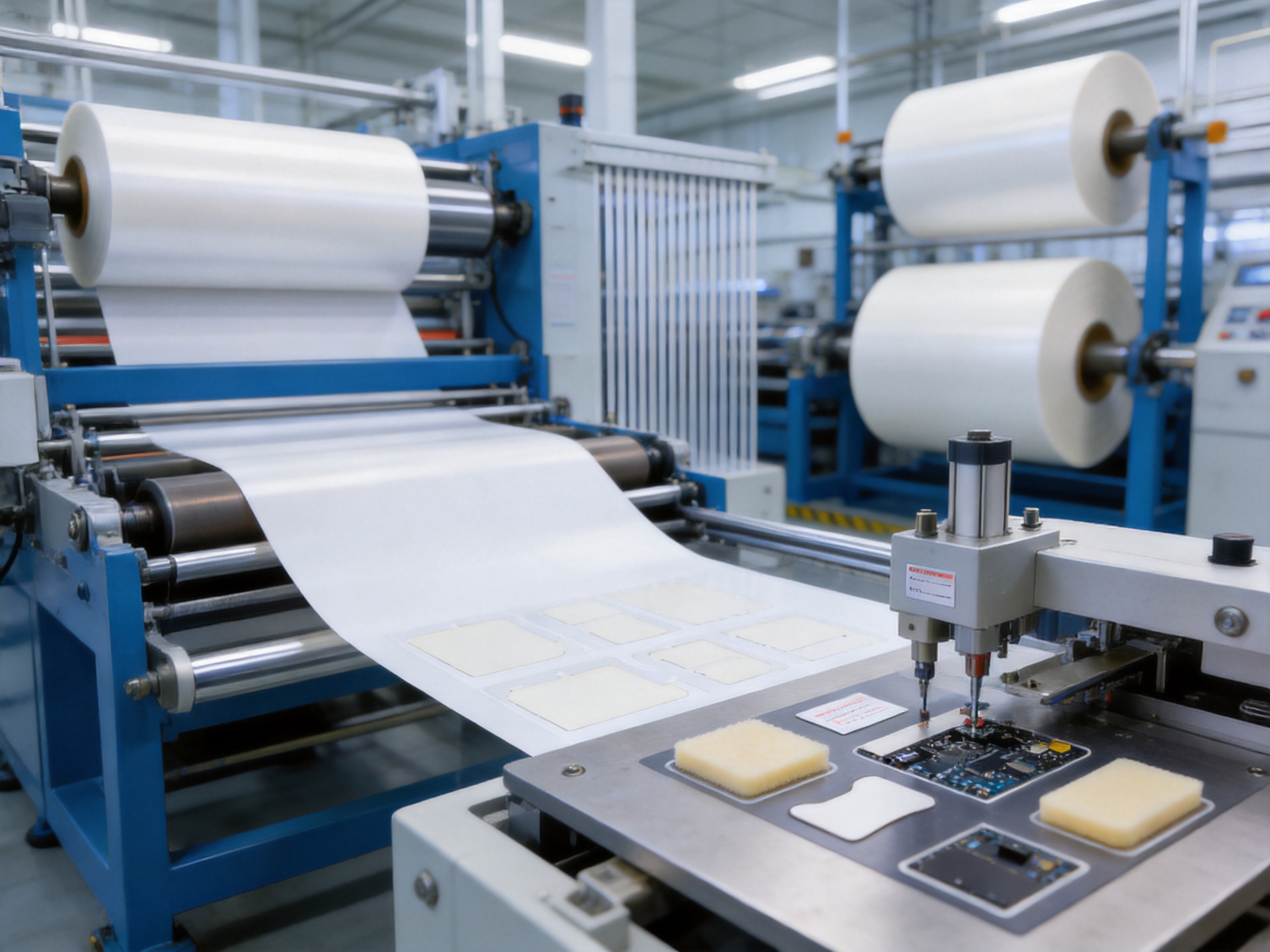
The performance of a release liner depends not only on the raw materials but also on how those materials are processed. The manufacturer operates an integrated production system that includes gluing, laminating, cutting, and related converting operations. This integration helps coordinate different production stages and provides better control over product consistency.
Raw Material Selection
Production begins with the selection of appropriate CCK paper and coating materials. Factors considered include basis weight, surface smoothness, paper strength, moisture condition, dimensional stability, and compatibility with the intended silicone treatment. Raw materials must be suitable for the customer’s final application and production environment.
Surface Preparation
Before silicone coating or lamination, the paper surface must be clean and appropriately conditioned. Surface preparation supports coating uniformity and helps prevent defects caused by dust, fibers, moisture, or contamination. Maintaining a stable substrate condition is important for achieving consistent release performance across the web.
Silicone Coating
The silicone coating process determines many of the liner’s most important functional characteristics. Coating amount, coating uniformity, curing conditions, and line speed must be controlled carefully. The objective is to create a continuous release layer with predictable peel behavior and minimal risk of adhesive transfer.
Depending on the product design, silicone may be applied to one side or both sides. The coating process can be adjusted to meet different release-force requirements. Proper curing is also essential because insufficient curing may result in unstable release, migration, or residue, while excessive or poorly controlled treatment may affect the desired peel characteristics.
Laminating and Converting
Where a multilayer construction is required, laminating joins the release paper with other materials under controlled pressure and tension. Good lamination ensures that the layers remain securely aligned without bubbles, wrinkles, delamination, or excessive stress.
After coating and lamination, the material can be slit into narrower rolls or cut into sheets. Slitting accuracy is important for applications using automatic label or tape equipment. Sheet cutting must also maintain dimensional accuracy and clean edges to support reliable feeding and stacking.
Inspection and Testing
Quality control may include visual inspection, basis-weight verification, thickness measurement, width and length checks, surface evaluation, release-force testing, roll inspection, and packaging inspection. Application-specific testing can also be performed when customers require a particular adhesive or processing condition.
The company maintains its own testing laboratory and uses inspection equipment to support product evaluation. This provides a technical basis for production decisions and helps identify variations before shipment. Testing is especially important for customized orders, where the liner may be designed around a customer’s adhesive, equipment, and finished-product specifications.
Integrated Production Strengths
An integrated manufacturing structure offers several benefits to customers. When gluing, laminating, coating, slitting, and cutting capabilities are coordinated within one organization, communication between stages is more direct. This can simplify technical discussions, shorten development cycles, and improve consistency between samples and mass production.
The company has an annual production capacity of more than 280 million square meters. This capacity supports both regular orders and large-volume supply programs. It also provides the production resources needed to serve customers in different industries and geographic markets.
More than 20 years of OEM manufacturing experience have helped the company develop practical knowledge of adhesive products, label materials, release papers, and converting processes. OEM and ODM services allow the company to produce according to customer drawings, samples, specifications, or functional requirements.
A professional research and development team supports product improvement and the development of customized structures. The company also maintains multiple patents and continues to invest in technical innovation. These capabilities are useful for customers seeking more than a standard catalog item.
Manufacturing strength is not limited to equipment capacity. It also includes process discipline, raw-material management, quality inspection, technical communication, production scheduling, and after-sales support. By combining these areas, the company can provide a more complete supply solution for release-liner users.
Customization Services
Different applications require different release-liner structures. A label manufacturer may prioritize clean peel and printing compatibility, while an electronic-component producer may require superior cleanliness, stiffness, and dimensional stability. A foam-converting company may need a heavier backing with reliable die-cutting support. Customization enables one material platform to serve these different requirements more effectively.
Substrate Customization
Customers can select CCK paper or evaluate alternative substrates such as kraft paper, PET film, art paper, and other specialized materials. The choice depends on the required stiffness, transparency, heat resistance, moisture resistance, surface appearance, and cost target.
Basis Weight Selection
Available CCK liner basis weights include 50, 80, 90, and 120 g/m². Lower basis weights may be useful when flexibility and material efficiency are priorities. Higher basis weights can provide increased stiffness and support for larger or heavier adhesive products.
Silicone Coating Configuration
Single-sided and double-sided coating options are available. The coating structure can be matched to the adhesive product and the intended method of use. Release force may also be adjusted to achieve the desired balance between holding strength during processing and ease of removal during application.
Roll and Sheet Dimensions
Jumbo roll widths of 1000, 1020, 1080, and 1530 mm are available. Sheet formats include widely used sizes such as A4, A3, 20 × 30 cm, 21 × 30 cm, 24 × 36 cm, 50 × 70 cm, and 70 × 100 cm. Custom dimensions can be developed for customers seeking improved material utilization or compatibility with specific equipment.
OEM and ODM Support
For OEM projects, the company can manufacture according to customer specifications, drawings, or samples. For ODM projects, the technical team can assist with material selection and product development. The process may include reviewing the adhesive system, substrate, coating side, release force, basis weight, roll dimensions, packaging, and application conditions.
Packaging Designed for International Transportation
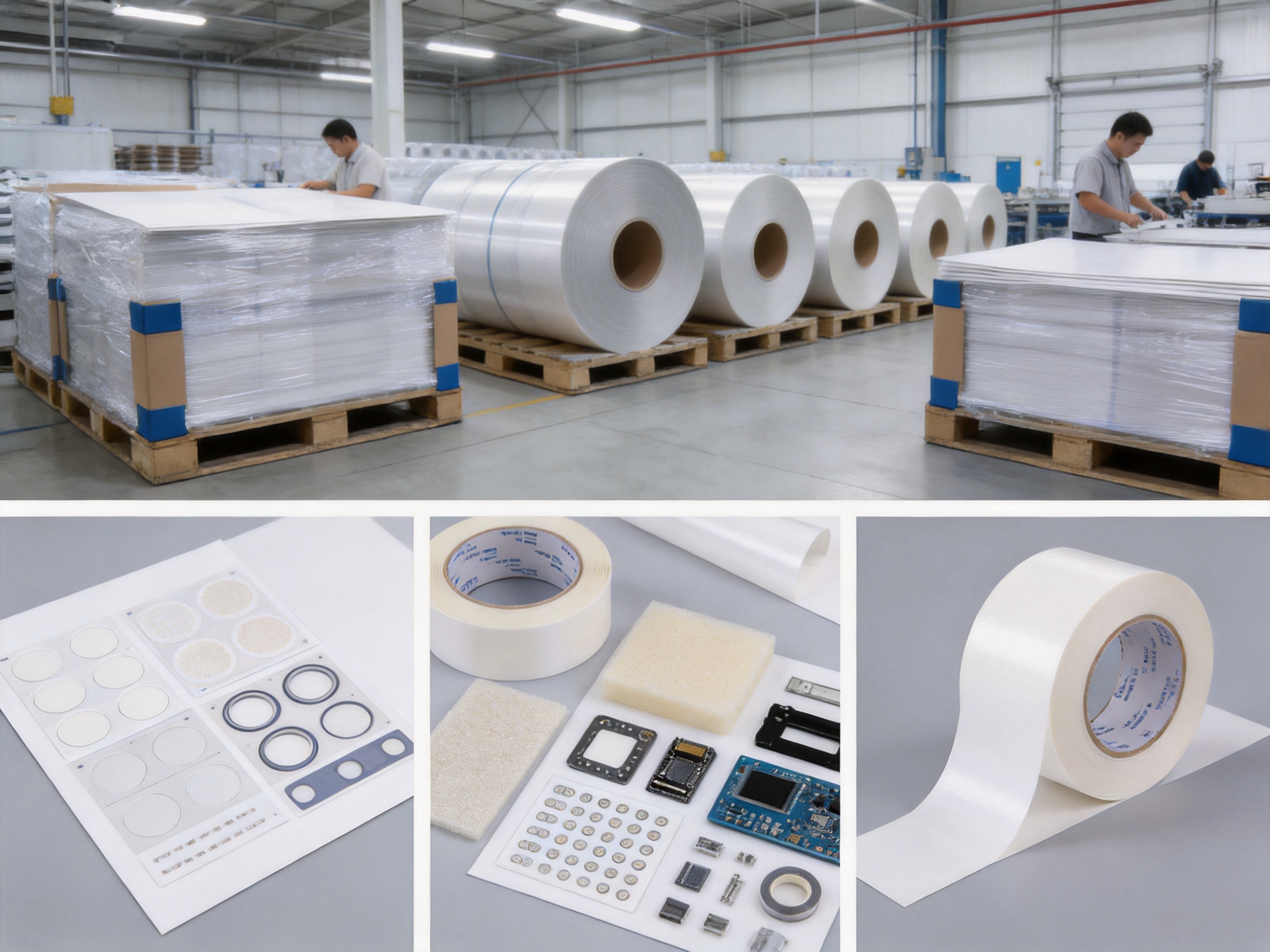
Release paper can be damaged by moisture, impact, compression, contamination, and improper stacking during transportation. Packaging is therefore an important part of product quality. The company uses fumigation-treated recycled wooden pallets that comply with international shipping requirements and provide resistance to insects and mold.
The pallet structure is designed to improve stacking stability and distribute weight evenly. This helps reduce pressure concentration that could deform rolls or damage sheet stacks. Protective corner guards are embedded to protect vulnerable edges during handling, while stretch film helps shield the products from dust and moisture.
Standardized forklift slots improve loading and unloading efficiency. This is useful during factory handling, container loading, warehouse transfer, and customer delivery. Proper pallet design also helps reduce the risk of shifting during transportation.
For ream packaging, each ream contains 100 sheets. The ream is sealed with PE-coated kraft paper to provide protection against moisture and dust. Reinforced edges help minimize corner damage during handling. Multiple reams are stacked on pallets and secured with high-strength stretch film and anti-slip plastic straps.
These packaging methods are intended to preserve the condition of the liner from the production facility to the customer’s warehouse. They also support more efficient storage and inventory management by keeping rolls and sheet packs organized and protected.
Sustainability and Responsible Material Development
Environmental considerations are becoming more important throughout the label, packaging, and adhesive-material industries. Customers increasingly evaluate not only product performance but also raw-material selection, production efficiency, waste reduction, packaging, and end-of-life considerations.
The company’s development philosophy includes sustainable solutions involving face materials, adhesives, and backing papers. CCK liner can support material-efficiency goals through customized dimensions, appropriate basis-weight selection, and formats designed to reduce unnecessary trimming and production waste.
Paper-based release liners may also be considered in applications where a paper substrate is preferred for handling, printing, or downstream disposal considerations. The environmental profile of the complete product depends on the silicone coating, adhesive, face material, recycling infrastructure, and local waste-management practices. Customers should evaluate the complete construction rather than a single component in isolation.
Responsible manufacturing also includes reducing defects, improving production yield, optimizing packaging, and ensuring that products meet specifications consistently. A liner that performs reliably can help reduce rejected material, machine downtime, and unnecessary reprocessing.
How to Select the Correct CCK Liner
Selecting a release liner should begin with the adhesive and the end-use application. Important questions include how the adhesive will be coated, whether the product will be printed, what die-cutting method will be used, how quickly the material will run, and how the finished product will be stored and applied.
Adhesive Compatibility
The liner should be tested with the actual adhesive formulation. Acrylic, rubber-based, hot-melt, water-based, solvent-based, and transfer adhesives may require different release levels. The objective is to achieve clean separation without excessive force, adhesive transfer, or premature release.
Processing Speed
High-speed equipment may require greater stiffness, precise roll winding, accurate width control, and stable release behavior. A liner that performs well during manual processing may not be suitable for continuous automated production without additional evaluation.
Die-Cutting Requirements
Consider the shape, size, thickness, and density of the product being die-cut. Small electronic parts and intricate labels may require high dimensional stability and clean surface quality. Thick foam products may require a heavier basis weight to provide adequate support.
Temperature and Environment
Temperature, humidity, storage duration, and exposure to heat during processing can affect liner performance. Customers should provide information about production temperatures and storage conditions so that the construction can be evaluated appropriately.
Format and Equipment Compatibility
Roll width, core size, winding direction, sheet dimensions, and packaging configuration should correspond with the customer’s equipment. Customized sizes may improve production efficiency by reducing edge waste and minimizing the need for secondary conversion.
Finished-Product Appearance
For premium labels, printed packaging, and decorative products, surface quality and flatness are essential. A suitable white CCK liner can provide a clean backing appearance and support an attractive, consistent product construction.
Recommended Quality Evaluation Procedure
Before full-scale production, customers should conduct a structured trial using the intended adhesive, face material, equipment, and processing conditions. Laboratory data is useful, but production trials provide the most practical indication of performance.
The trial should examine roll or sheet handling, feeding, lamination, printing, die-cutting, waste removal, winding, storage, and final application. Operators should observe whether the liner wrinkles, curls, breaks, shifts, or releases prematurely.
Release testing should be performed at the intended peel angle and speed whenever possible. The test should consider both initial release and release after aging. Adhesive transfer, silicone migration, residue, and face-material distortion should also be evaluated.
For heat-related applications, samples should be exposed to the expected temperature and dwell time. For long-term storage, samples may be evaluated after conditioning under representative temperature and humidity conditions.
A complete evaluation helps establish the appropriate basis weight, coating configuration, release force, roll width, and packaging method. It also allows the customer and manufacturer to identify potential process improvements before regular production begins.
Why Choose an Experienced Manufacturing Partner?
Release-liner performance is closely connected with production experience. A supplier may provide a nominal specification, but the customer also needs confidence that the material will be manufactured consistently from batch to batch. Experience in adhesive products and converting materials helps the supplier understand how liner properties affect the complete product.
Suzhou Piaozhihua Composite Material Technology Co., Ltd. combines research and development, production, sales, and after-sales service. Its production lines include gluing, laminating, and cutting, while its testing laboratory and inspection equipment support quality management.
The company has established sales and service coverage in multiple regions of China and maintains international market relationships across Asia, Europe, the Americas, the Middle East, and other regions. This international experience supports communication with customers who have different technical standards, packaging requirements, and supply-chain expectations.
The company’s manufacturing philosophy emphasizes quality, integrity, innovation, mutual benefit, and responsibility. These principles are reflected in its investment in product development, customized manufacturing, quality inspection, and customer support.
For customers purchasing CCK liner, the practical advantage is access to a supplier capable of supporting the complete process: material selection, sample development, production, inspection, packaging, shipment, and follow-up service. This can simplify procurement and reduce the risks associated with coordinating multiple suppliers.
Typical Benefits for Different Users
| User Group | Primary Requirement | Relevant CCK Liner Benefit |
|---|---|---|
| Label manufacturers | Stable printing, die-cutting, and label release | Flatness, clean surface, adjustable release force, and roll or sheet options. |
| Electronic-component converters | Precision, cleanliness, and dimensional stability | Smooth surface, controlled release, stiffness, and support for detailed die-cutting. |
| Foam-product manufacturers | Backing support for thick or flexible materials | Multiple basis weights and strong handling performance during cutting and lamination. |
| Adhesive-tape producers | Clean separation and high-speed web processing | Uniform silicone coating, stable release, and jumbo roll availability. |
| Printing companies | Clean appearance and compatible sheet formats | White surface, smooth handling, and standard or customized sheet sizes. |
| Packaging manufacturers | Reliable protection and attractive finishing | Flatness, surface consistency, customized formats, and durable transport packaging. |
Storage and Handling Recommendations
CCK liner should be stored in a clean, dry, and well-ventilated environment. Direct exposure to rain, condensation, excessive humidity, and strong heat should be avoided. The material should remain in its original protective packaging until it is ready for use.
Rolls should be placed on stable supports and protected from impact. Heavy objects should not be stacked directly on top of the rolls. Sheet packs should be stored flat when possible, with edges protected from compression and moisture.
Before processing, the material should be allowed to reach the production environment’s temperature and humidity conditions. This conditioning step can help reduce dimensional changes caused by sudden environmental transitions.
During use, operators should avoid touching the silicone-coated surface with contaminated gloves or tools. Dust, oil, and debris can affect adhesive contact and release behavior. Clean equipment, controlled tension, and appropriate web alignment will help the liner perform as intended.
Conclusion
CCK liner is a versatile release paper developed for manufacturers that require more than basic adhesive backing. Its combination of smooth surface quality, superior flatness, high stiffness, controlled release force, and temperature stability supports a wide range of demanding applications.
The material is suitable for precision die-cutting, electronic components, foam products, adhesive tapes, self-adhesive labels, printing, and packaging. Available in several basis weights, roll widths, sheet formats, coating configurations, and customized specifications, it can be adapted to different adhesives, equipment, and production methods.
Its advantages over less specialized release papers include improved processing stability, better support for automated production, more consistent separation, and greater flexibility in product design. These benefits can help reduce machine interruptions, material waste, surface defects, and inconsistencies in finished products.
Manufacturing capability is an equally important part of the solution. With integrated gluing, laminating, coating, cutting, and inspection resources, more than 20 years of OEM experience, an annual capacity exceeding 280 million square meters, an in-house testing laboratory, and OEM and ODM support, Suzhou Piaozhihua Composite Material Technology Co., Ltd. can provide both standard and customized release-liner solutions.
For companies seeking a stable release paper for high-speed converting or specialized adhesive applications, CCK liner offers a practical combination of performance, flexibility, and manufacturing support. Final selection should be confirmed through application testing with the customer’s actual adhesive, equipment, and operating conditions.
Questions and Answers
What is the main function of CCK liner?
CCK liner protects an adhesive surface before application and provides controlled separation when the adhesive product is ready to be used. It also acts as a stable backing during coating, laminating, printing, die-cutting, winding, storage, and transportation.
What does CCK mean in CCK liner?
CCK refers to a clay-coated kraft paper substrate. The coated paper surface provides smoothness and supports a consistent silicone release coating while retaining useful stiffness and handling strength.
What basis weights are available?
The available basis weights are 50, 80, 90, and 120 grams per square meter. The appropriate selection depends on the required stiffness, product thickness, die-cutting method, equipment, and cost target.
Is the liner available with coating on both sides?
Yes. Single-sided and double-sided silicone coating options are available. The correct option depends on the construction of the adhesive product and whether one or both surfaces require controlled release.
Can the release force be customized?
Yes. Release force can be adjusted according to the adhesive system and application requirements. Testing with the actual adhesive is recommended to establish the most suitable release level.
Which industries use CCK liner?
Typical applications include self-adhesive labels, adhesive tapes, electronic components, foam products, precision die-cut parts, printing, packaging, and other industrial adhesive products.
What roll widths are available?
Jumbo roll widths of 1000, 1020, 1080, and 1530 millimeters are available. Other widths may be considered for customized orders.
Can CCK liner be supplied in sheets?
Yes. Standard sheet sizes include A4, A3, 20 × 30 cm, 21 × 30 cm, 24 × 36 cm, 50 × 70 cm, and 70 × 100 cm. Custom sheet dimensions are also available.
How does stiffness help during die-cutting?
Stiffness helps the liner support the adhesive-coated material and maintain dimensional stability under die pressure. This can improve cutting accuracy, waste removal, feeding, and production continuity.
Is CCK liner suitable for high-temperature processing?
It is designed to maintain stable performance in high-temperature laminating and processing environments. The exact suitability depends on the temperature, exposure time, adhesive, equipment, and complete product construction, so application testing is recommended.
How is product quality controlled?
Quality control may include raw-material inspection, surface evaluation, coating control, release-force testing, thickness and basis-weight checks, dimensional inspection, roll inspection, and packaging verification. The manufacturer also maintains its own testing laboratory and inspection equipment.
Does the manufacturer provide OEM and ODM services?
Yes. The company can manufacture according to customer drawings, samples, or specifications and can also support the development of customized release-material structures through its research and development capabilities.
How is the product packaged for export?
Products are packed on fumigation-treated recycled wooden pallets. Rolls are protected with corner guards, stretch film, and stable pallet structures. Reams contain 100 sheets and are sealed with PE-coated kraft paper before being stacked and secured on pallets.
What information should a customer provide when requesting a quotation?
Useful information includes the adhesive type, intended application, coating side, desired release force, basis weight, roll or sheet format, dimensions, core requirements, order quantity, processing speed, temperature conditions, and packaging preferences.
References
1. Internal product specification for CCK release paper, including substrate, basis weight, color, roll widths, and sheet formats.
2. Internal technical information concerning silicone coating options, release-force adjustment, substrate customization, and converting applications.
3. Internal company information regarding integrated gluing, laminating, cutting, quality inspection, research and development, and OEM and ODM manufacturing capabilities.
4. Internal packaging specifications for export pallets, ream packaging, protective materials, and international transportation preparation.
5. General principles of pressure-sensitive adhesive technology, release-liner construction, die-cutting, laminating, and industrial converting.