
 English
 Español
 русский
 Français
 عربى
عربى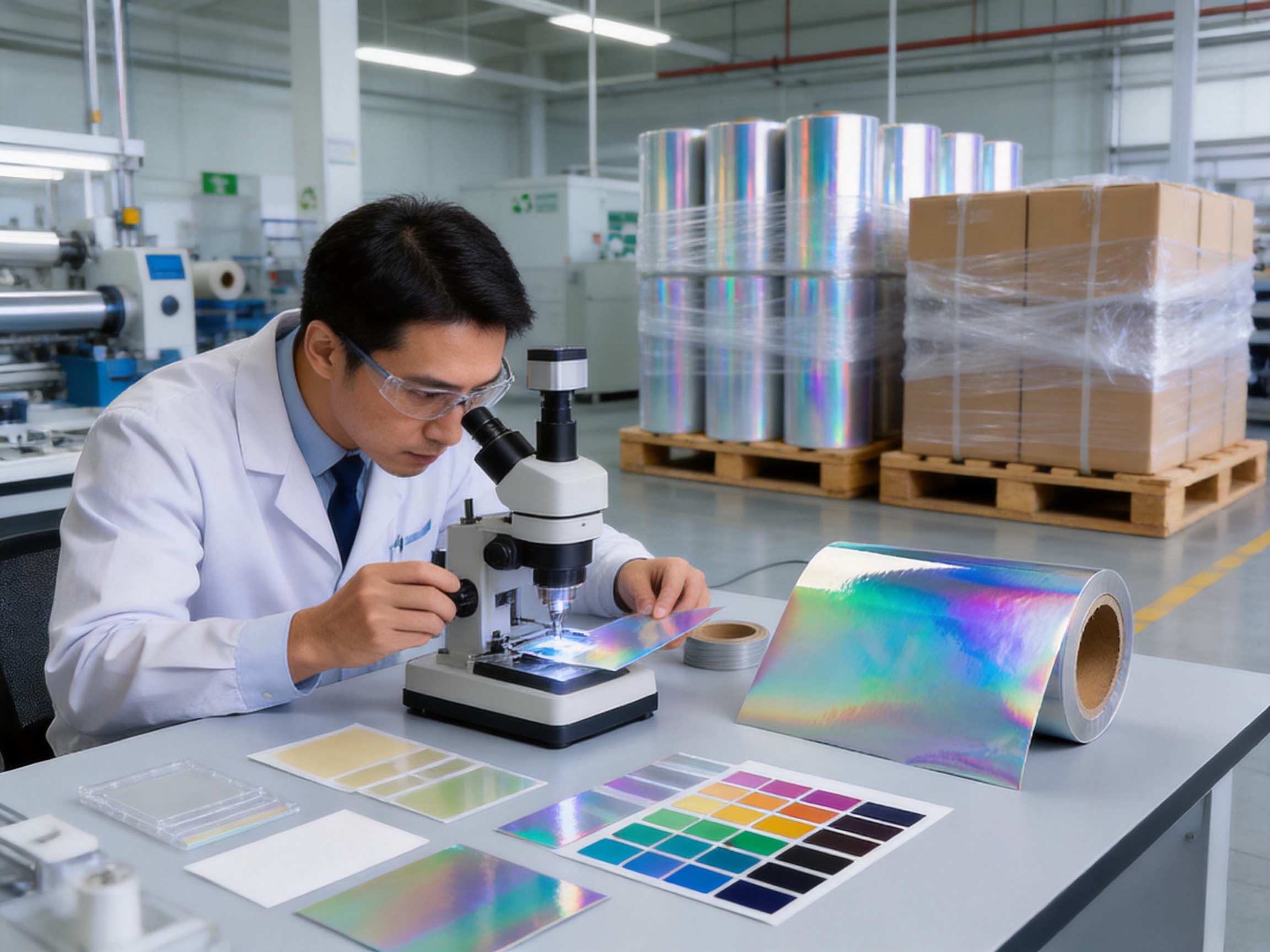
Content
- 1 Introduction
- 2 Product Overview
- 3 Visual Advantages of Holographic Laser Film
- 4 Adhesive Selection for Different Applications
- 5 Release Liner Options
- 6 Manufacturing Capabilities and Process Control
- 7 Printing and Converting Flexibility
- 8 Applications Across Multiple Industries
- 9 Advantages Over Conventional Label Materials
- 10 Quality, Testing, and Technical Support
- 11 Customization and OEM/ODM Development
- 12 Packaging and Delivery
- 13 Sustainability and Responsible Material Development
- 14 Company Manufacturing Strengths
- 15 Recommended Selection Process
- 16 Frequently Asked Questions
- 16.1 What is plain holographic laser film in rolls?
- 16.2 What makes the film holographic?
- 16.3 Can the material be printed?
- 16.4 Which adhesive is supplied as standard?
- 16.5 Can the adhesive be customized?
- 16.6 What liner is normally used?
- 16.7 What jumbo roll widths are available?
- 16.8 Are sheets available?
- 16.9 Can the product be used for cold-temperature applications?
- 16.10 Is removable adhesive available?
- 16.11 Can the film be used on rubber or tyres?
- 16.12 Does the company provide OEM and ODM services?
- 16.13 How is the product packaged?
- 16.14 What should be tested before ordering?
- 17 Conclusion
- 18 References
- 19 Product: Plain Holographic Laser Film In Rolls
Introduction
Plain holographic laser film in rolls is a premium self-adhesive label material designed for applications that require strong visual appeal, flexible converting options, and dependable production performance. Its holographic surface creates a changing laser effect when viewed from different angles, helping printed labels, promotional graphics, packaging, security marks, and decorative products attract attention in competitive markets.
The material combines a 50-micron plain holographic film face with a pressure-sensitive adhesive and a release liner. This construction gives converters and brand owners considerable freedom to select the adhesive and backing combination that best suits the intended application. Water-based adhesive is available for general-purpose use, while hot-melt, solvent, anti-freeze, removable, cryogenic, and tyre-grade rubber adhesive options can be supplied for more demanding environments.
Unlike a conventional plain film, holographic laser film adds dimensional movement and reflective brilliance without requiring a complex printed design. The visual effect can become part of the brand identity, enhance shelf presence, support product differentiation, and provide an attractive foundation for additional printing. Because it is available in jumbo rolls as well as cut-sheet formats, the product can serve both industrial converting operations and smaller-scale printing requirements.
Suzhou Piaozhihua Composite Material Technology Co., Ltd. manufactures and supplies this material through integrated coating, laminating, slitting, and cutting capabilities. The company’s experience in self-adhesive materials, combined with its broad selection of adhesives and liners, enables customers to develop customized constructions rather than relying on a single standard specification.
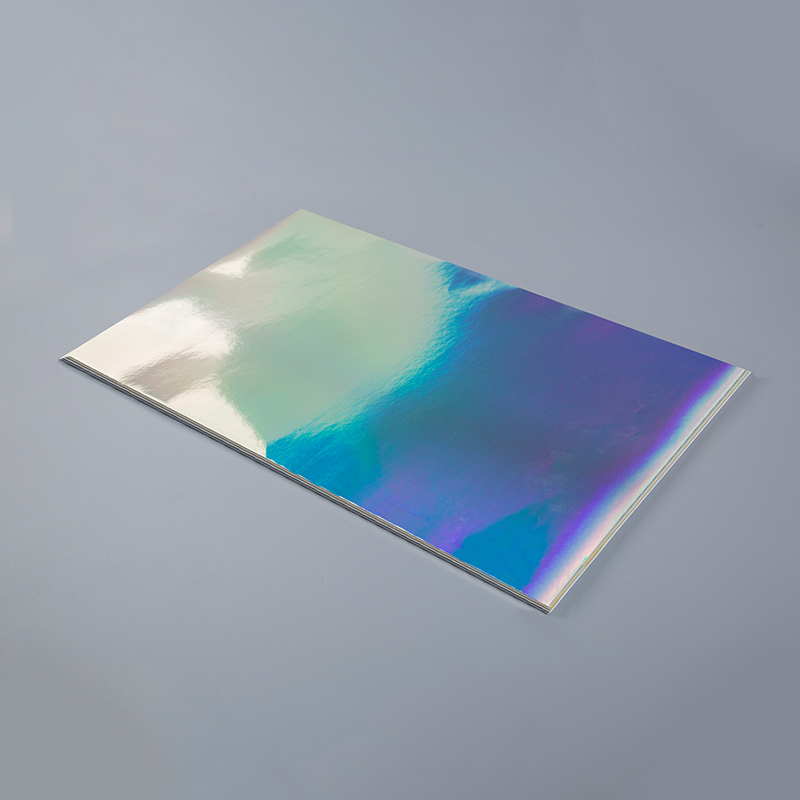
Plain Holographic Laser Film In Rolls
Product Overview
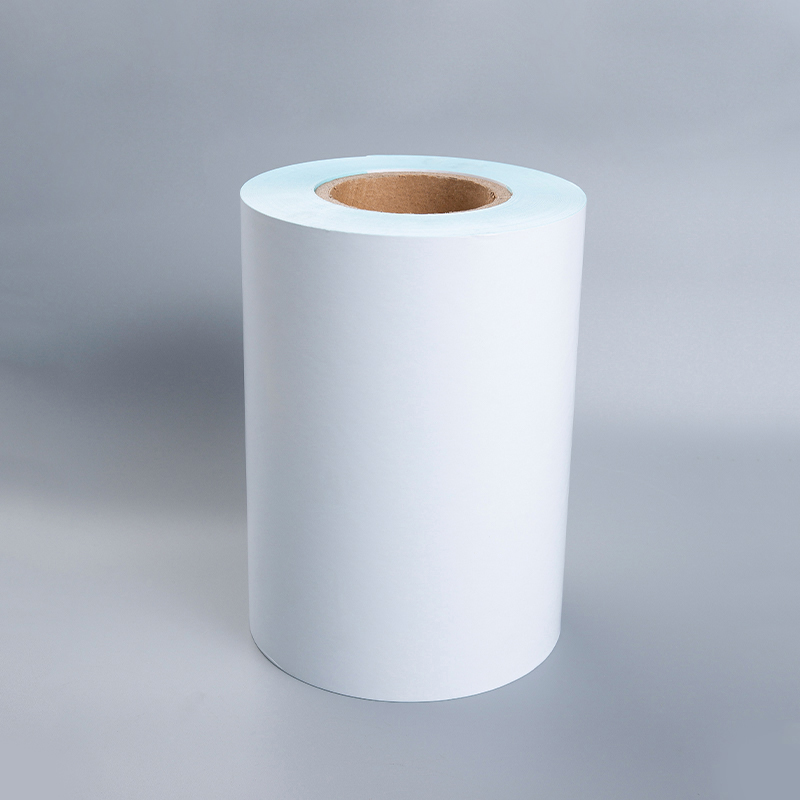
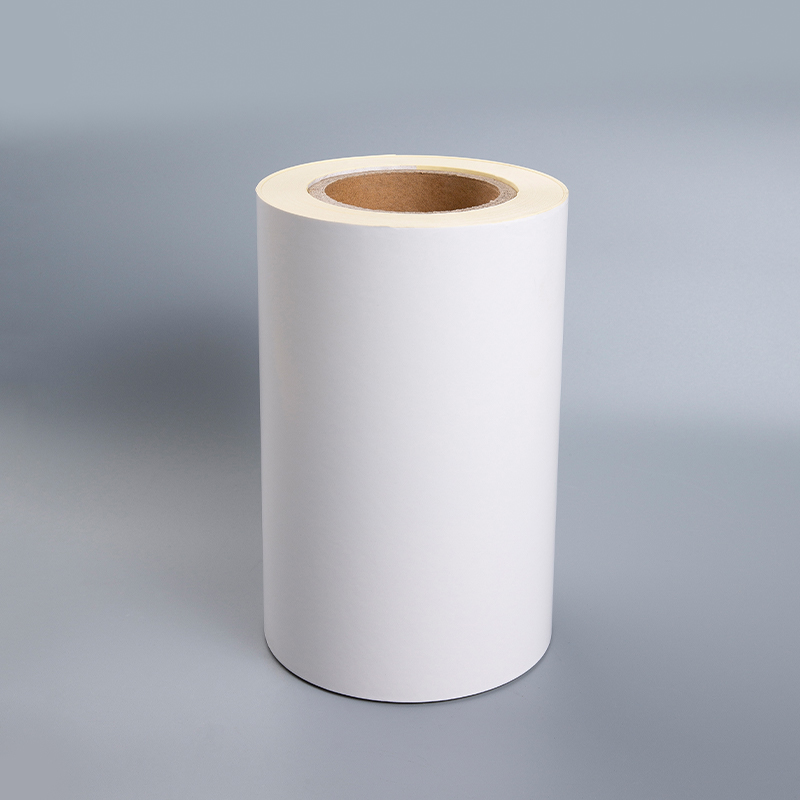
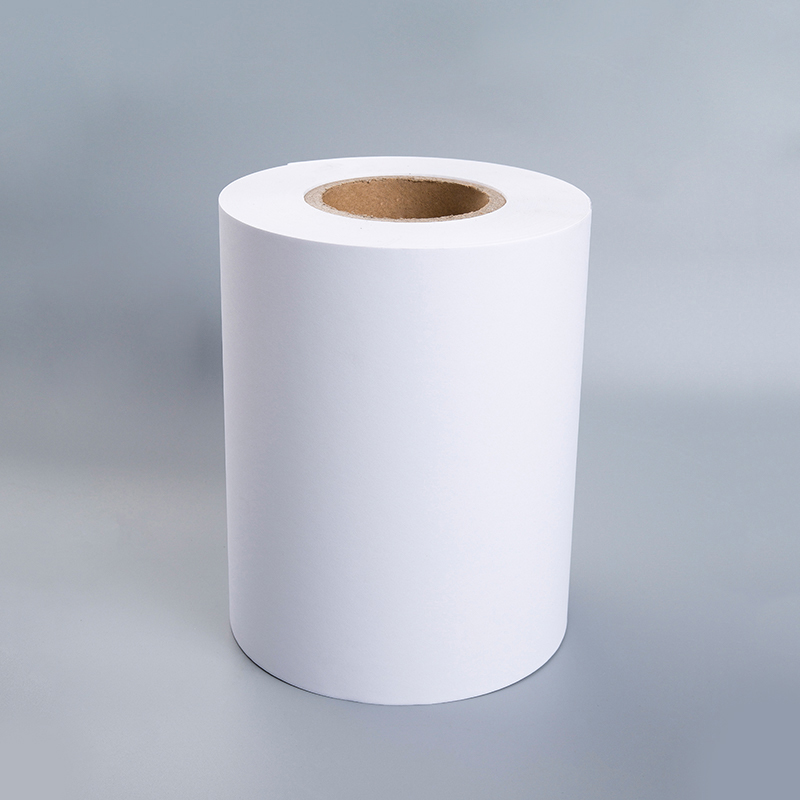
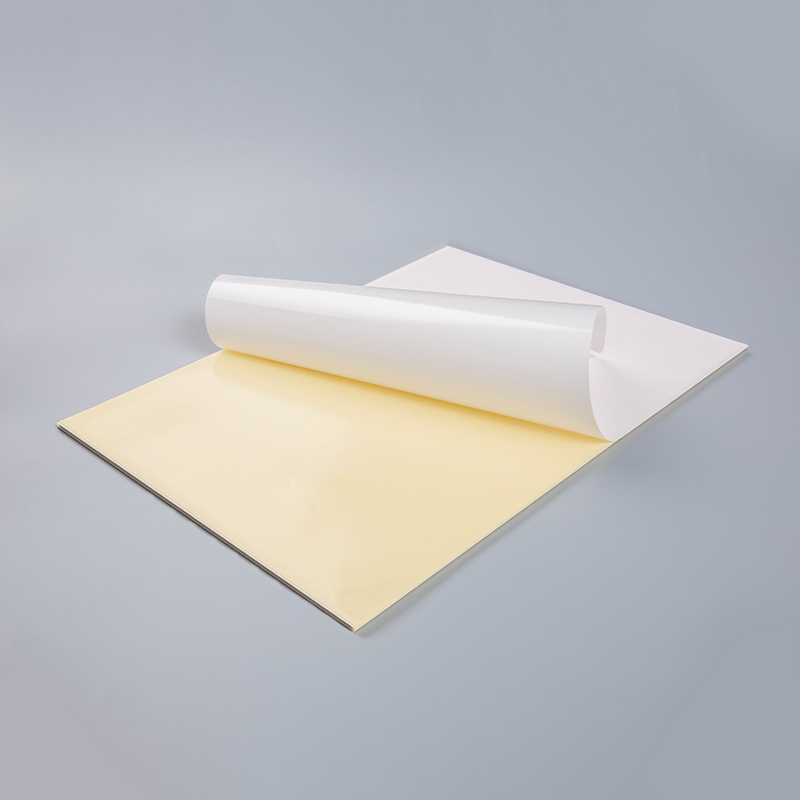
Plain holographic laser film in rolls is a self-adhesive material consisting of a holographic film surface, an adhesive layer, and a release liner. The face film is specified as 50 microns thick. It is supplied in a plain holographic appearance, allowing customers to use the reflective surface directly or add printed information, graphics, codes, and brand elements during a later converting process.
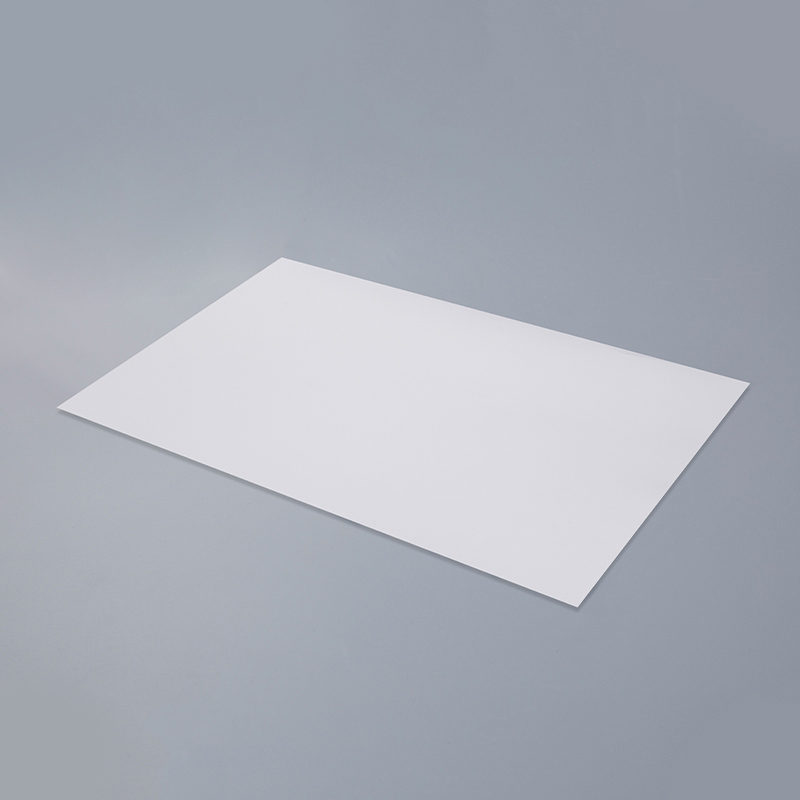
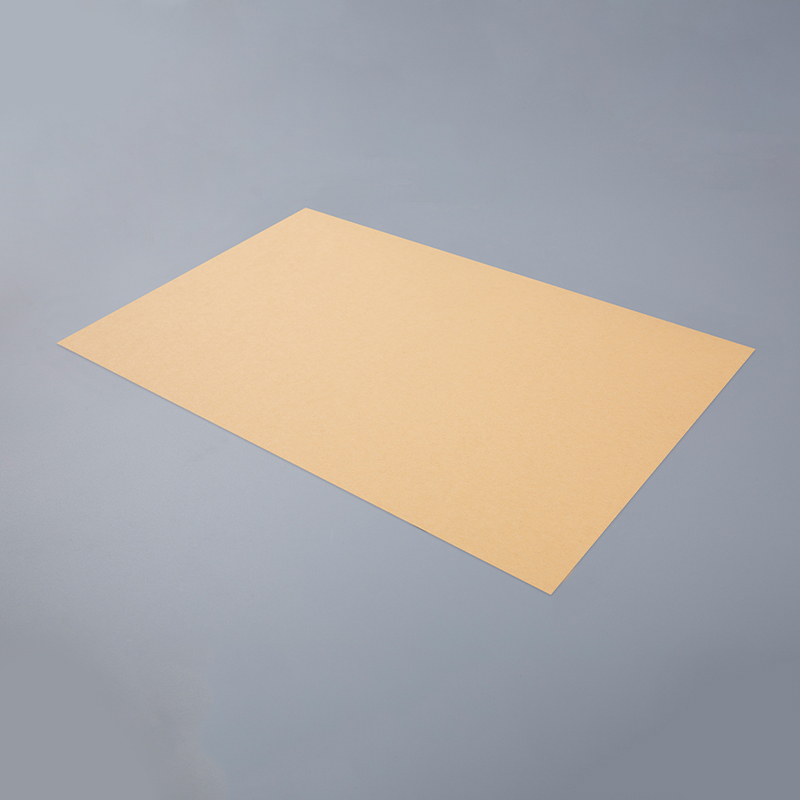
The film is produced for use in label and graphic applications where appearance, converting flexibility, and material consistency are important. It can be processed in roll form for high-volume production or supplied as sheets in commonly used sizes. Available sheet formats include A4, A3, 20 by 30 centimeters, 21 by 30 centimeters, 24 by 36 inches, 50 by 70 centimeters, and 70 by 100 centimeters. Customized dimensions can also be discussed according to customer requirements.
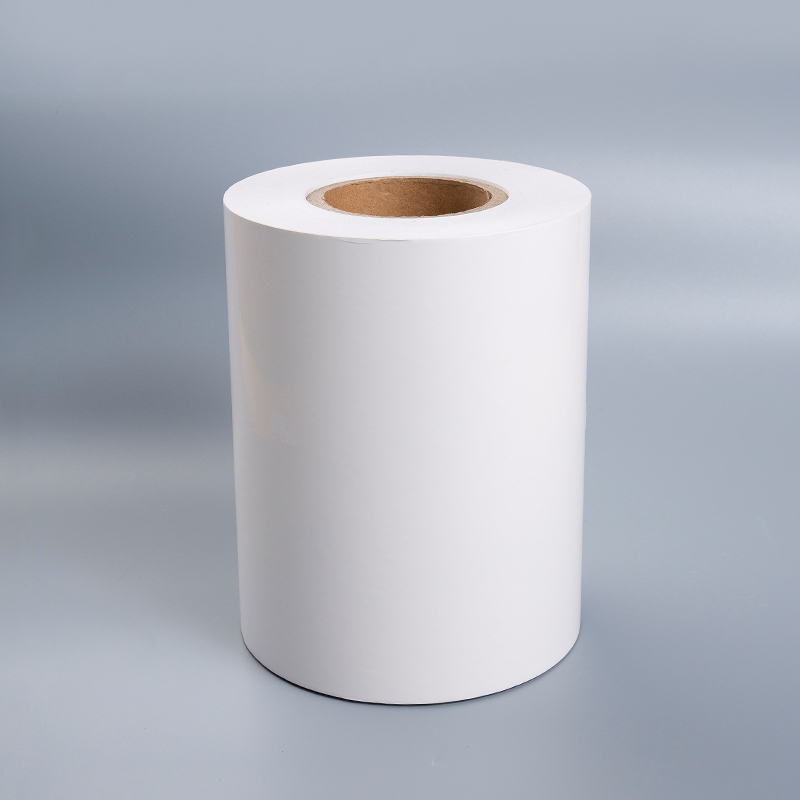
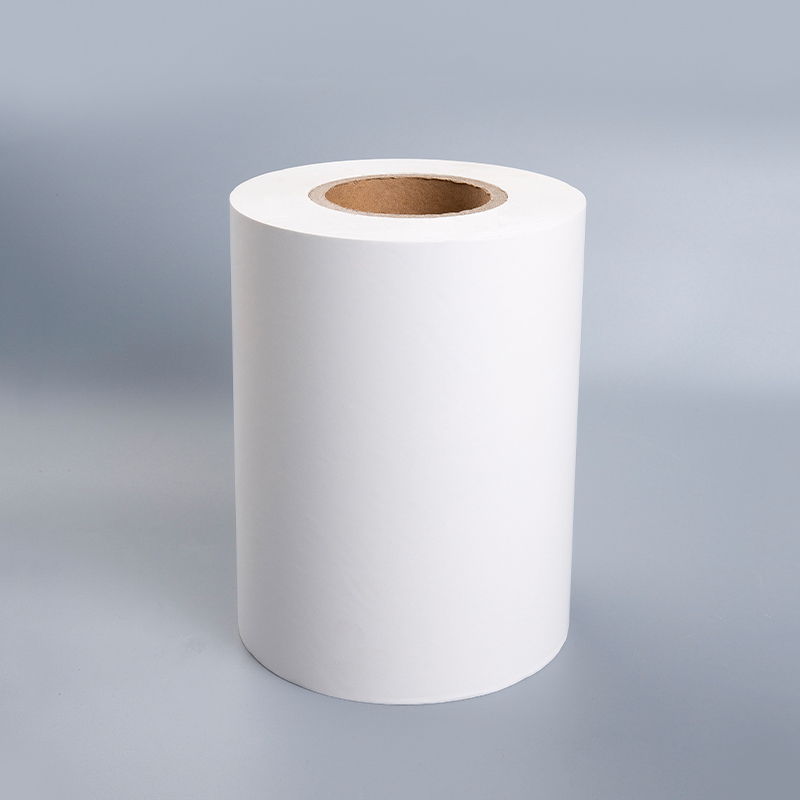
Jumbo roll widths include 1000 millimeters, 1020 millimeters, 1080 millimeters, and 1530 millimeters. These widths provide practical options for different coating, printing, slitting, and die-cutting systems. The ability to order material in broad jumbo rolls can help converters optimize layout planning, reduce unnecessary trim, and produce multiple finished label widths from one parent roll.
The material is suitable for a wide range of self-adhesive label production methods. The supplied information identifies flat printing, letterpress printing, and combination printing as available processing routes. Depending on the printer, ink system, artwork, and finishing requirements, the holographic surface can be incorporated into decorative labels, product identification labels, promotional graphics, and specialty packaging components.
Basic Construction
| Component | Available Specification | Functional Role |
|---|---|---|
| Face material | 50-micron plain holographic film | Provides the reflective laser appearance and printable surface |
| Adhesive | Water-based adhesive; hot-melt, solvent, anti-freeze, removable, cryogenic, and tyre-grade rubber adhesive options | Creates bonding performance appropriate to the application |
| Standard liner | 140-gram white release paper | Protects the adhesive before application and supports handling |
| Alternative paper liners | 50, 60, 80, 90, 100, 120, 140, and 165-gram options depending on liner family | Allows customers to balance stiffness, release performance, and converting requirements |
| PET liners | 25, 36, 50, and 100-micron transparent PET liner options | Provides a dimensionally stable and transparent backing option |
| Roll widths | 1000, 1020, 1080, and 1530 millimeters | Supports jumbo-roll converting and customized slitting |
| Sheet sizes | A4, A3, 20 by 30 centimeters, 21 by 30 centimeters, 24 by 36 inches, 50 by 70 centimeters, and 70 by 100 centimeters | Supports sheet-fed printing and customized finished formats |
Visual Advantages of Holographic Laser Film
The primary advantage of this product is its distinctive visual effect. A holographic surface reflects light in a changing pattern, creating an appearance that can be brighter, more dynamic, and more engaging than a conventional white, clear, metallic, or solid-color label stock. This makes the material particularly useful when a product must stand out in a crowded retail environment.
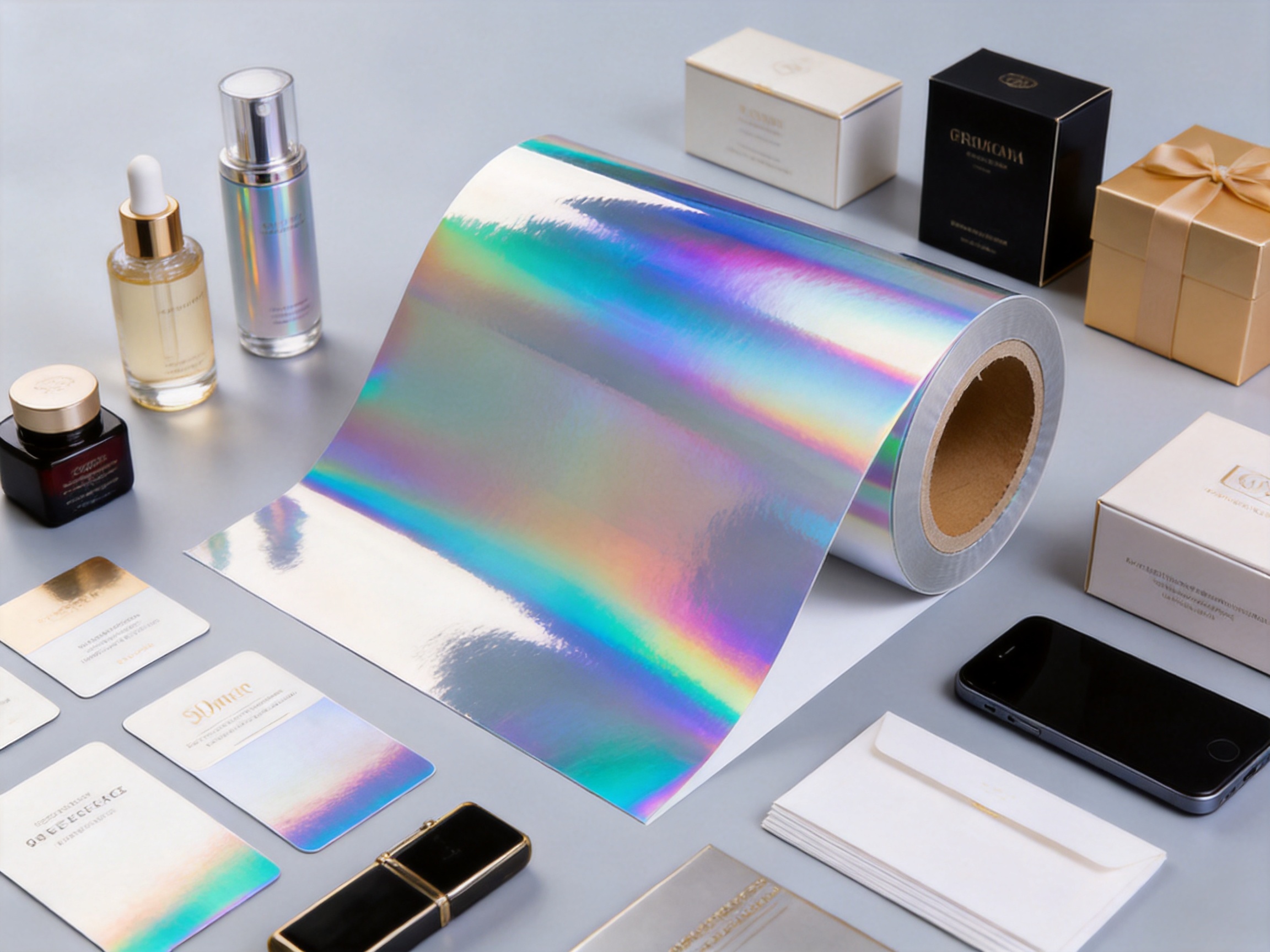
The laser effect can support product positioning in industries such as cosmetics, personal care, consumer electronics, gifts, stationery, promotional merchandise, specialty foods, beverages, and premium packaging. It can also be used for event materials, decorative labels, certificates, product seals, and visual identification elements. The same base material can be adapted to different industries through changes in adhesive, liner, printing, die shape, and finishing.
Holographic film also provides a foundation for creative printing. Designers can combine transparent, opaque, metallic, and colored inks with the reflective background to produce different levels of contrast and visual depth. Printed areas can be used to control where the holographic effect remains visible, while unprinted areas can expose the laser appearance as a decorative highlight. This gives designers more possibilities than a standard single-color face stock.
Because the film is plain rather than permanently printed with a specific pattern or message, it gives customers greater control over the final appearance. A label converter can print different customer designs on the same general material platform. This is useful for businesses that want a flexible stock suitable for multiple product lines, seasonal campaigns, or customized short-run work.
Brand Differentiation
Packaging and labeling are often among the first points of contact between a product and a potential buyer. A reflective holographic label can help create a premium or technologically advanced impression without requiring a fully complex multilayer decoration process. The visual movement of the surface may also encourage consumers to examine the package more closely.
For brand owners, the material can be incorporated into a wider identity system. A company may use the holographic film for a complete label, a partial logo panel, a tamper-related visual element, a promotional badge, or a limited-edition design. The flexible format allows the same material family to support both large and small label components.
Holographic film can also provide a practical differentiation strategy for products competing in categories where packages commonly use ordinary paper or standard clear film. By introducing a reflective surface, brands can create a recognizable appearance while retaining the operational advantages of self-adhesive construction.
Adhesive Selection for Different Applications
The adhesive is a critical part of any self-adhesive label construction. A visually attractive face film cannot perform effectively if the adhesive is not matched to the substrate, temperature, application speed, storage conditions, or service environment. This product range is advantageous because it offers multiple adhesive choices rather than limiting customers to one universal formula.
Water-Based Adhesive
Water-based adhesive is suitable for many general-purpose labeling requirements. It can be selected when customers need a balanced solution for ordinary indoor or moderate-condition applications. This adhesive type may be considered for paperboard, coated paper, plastic packaging, and other relatively stable substrates, subject to application testing and final-use conditions.
Its availability provides a practical starting point for customers who require a cost-conscious and broadly applicable self-adhesive construction. Water-based adhesive can also be integrated into a production program where coating control, consistent laydown, and reliable release performance are important.
Hot-Melt Adhesive
Hot-melt adhesive can be considered for applications that require strong initial tack and rapid bonding. This can be useful in high-speed labeling operations or on substrates where quick contact adhesion is desirable. The final choice should be based on the surface energy of the substrate, the application temperature, the expected service temperature, and the required permanence.
Solvent Adhesive
Solvent adhesive options are available for customers seeking specific performance characteristics in demanding applications. Solvent-based systems may be selected where enhanced resistance or specialized bonding properties are required. Testing is important because compatibility can vary with substrate type, coating, surface treatment, and storage environment.
Anti-Freeze Adhesive
Anti-freeze adhesive is intended for applications exposed to low-temperature conditions. Labels used in cold storage, refrigerated logistics, outdoor winter environments, or temperature-controlled distribution may require an adhesive that remains functional when ordinary adhesives become less flexible or lose tack.
Using an adhesive designed for low-temperature conditions can help reduce application failures, lifting, edge release, and label displacement. The complete label construction should nevertheless be evaluated under realistic temperature cycles before commercial use.
Removable Adhesive
Removable adhesive is useful when labels must be taken off with limited residue or without permanently damaging the substrate. Potential applications include temporary promotions, reusable containers, short-term identification, retail displays, and replaceable product information. The actual removability depends on dwell time, surface type, temperature, pressure, and environmental exposure.
Cryogenic Adhesive
Cryogenic adhesive is available for extremely low-temperature applications. It may be relevant to laboratory, medical, scientific, or specialized logistics environments in which labels must remain attached during freezing or cryogenic storage. Such applications require careful validation because the label, adhesive, container, and printing system all need to function as a complete system.
Tyre-Grade Rubber Adhesive
Tyre-grade rubber adhesive provides an option for demanding rubber-related applications. It can be considered for tire identification, rubber products, and other surfaces requiring specialized bonding behavior. The suitability of this adhesive should be confirmed through trials involving the specific rubber compound, surface contamination level, curvature, and service conditions.
Release Liner Options
The release liner protects the adhesive before application and supports the production process during printing, die cutting, stripping, dispensing, and final labeling. The correct liner can influence feeding stability, dimensional behavior, die-cutting performance, release force, and finished-roll handling.
The standard option is a 140-gram white release paper. This construction offers a familiar backing format for many self-adhesive label applications and provides a stable base for roll and sheet processing. Customers can also select from multiple glassine paper, release paper, art paper, CCK liner, and transparent PET liner options.
Glassine liners are available in 50, 60, 80, 100, and 120 grams. Depending on the selected grade, glassine can offer a smooth surface, controlled thickness, and useful handling characteristics for label converting. Different weights allow customers to adjust the balance between flexibility, stiffness, and processing behavior.
Release paper options include 60, 85, and 120-gram specifications. Art paper liners are available in 140 and 165 grams, while CCK liners are available in 50, 80, 90, and 120 grams. These choices allow the construction to be adapted to equipment requirements and the desired finished-product feel.
Transparent PET liners are available in 25, 36, 50, and 100 microns. PET provides a dimensionally stable backing option and can be useful when a transparent liner is preferred. It may also support specialized converting processes where resistance to moisture, improved flatness, or stable registration is important.
Offering multiple liner families is an important advantage over a restricted product range. The liner is not merely packaging; it is a functional part of the material. A converter running narrow-web die cutting may have different requirements from a sheet-fed printer, and a high-speed automatic labeling line may require a different release and stiffness profile from a manual application process.
Manufacturing Capabilities and Process Control
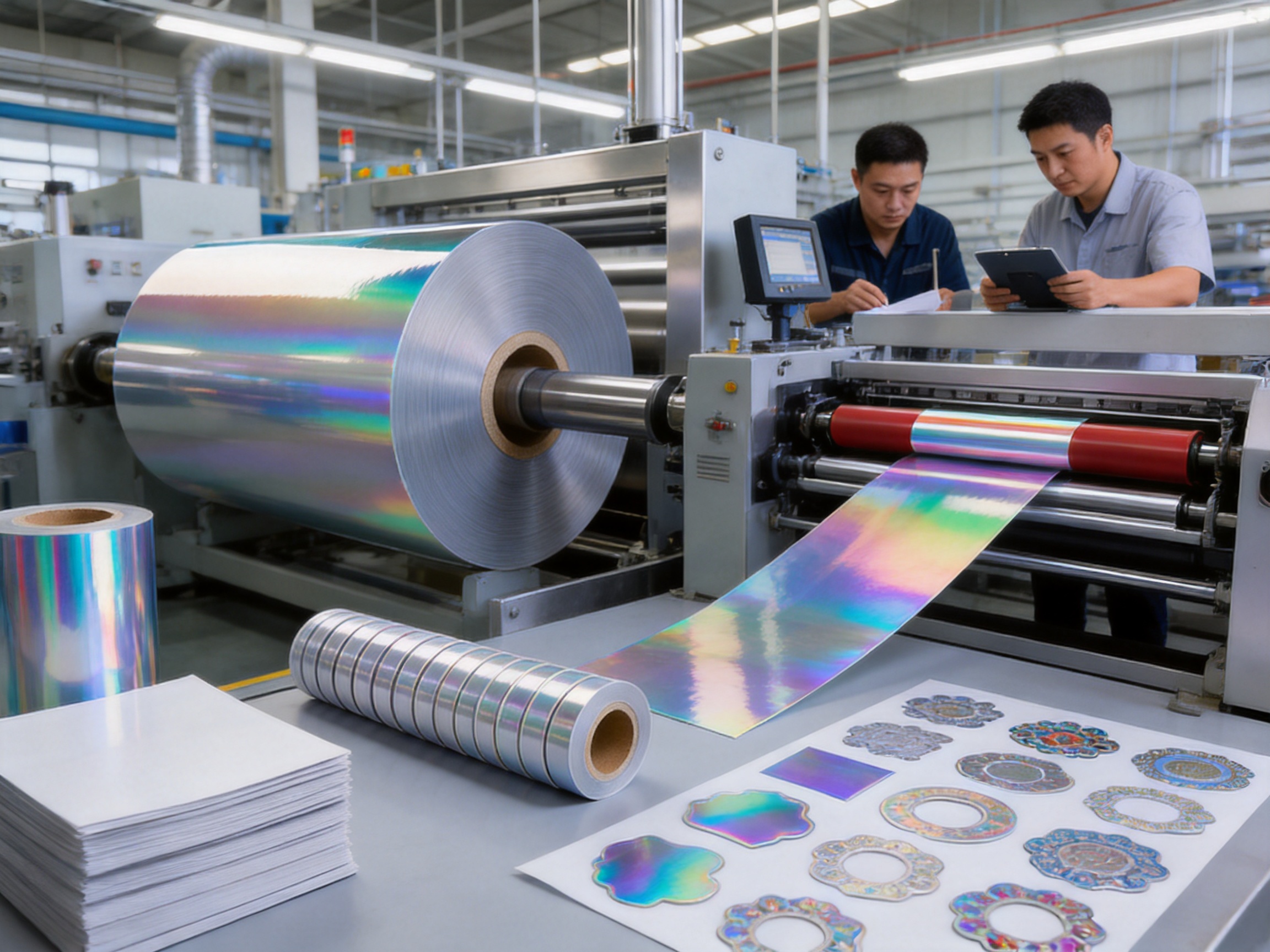
Suzhou Piaozhihua Composite Material Technology Co., Ltd. operates as an integrated manufacturer of self-adhesive label materials. Its production capabilities include gluing, laminating, and cutting. This integrated structure allows the company to manage several key stages internally rather than depending entirely on disconnected suppliers.
Gluing is responsible for applying the selected adhesive to the face material or liner under controlled production conditions. Consistent coating is essential for stable adhesion, clean converting, and predictable application behavior. Variations in adhesive weight, coating uniformity, drying, or curing can affect the performance of the finished roll, so process discipline is central to product quality.
Laminating combines the face material, adhesive, and release liner into a functional self-adhesive construction. Proper lamination helps ensure that the layers remain evenly joined while maintaining the required release characteristics. The process must also support a flat, clean, and workable material that can be printed, die cut, slit, or sheeted without unnecessary defects.
Cutting and slitting convert jumbo materials into practical roll widths or sheet formats. The company provides jumbo roll widths of 1000, 1020, 1080, and 1530 millimeters, as well as standard and customized sheet sizes. This production flexibility helps customers order material in a form that fits their existing equipment and workflow.
The company reports annual production capacity exceeding 280 million square meters. This scale supports regular supply programs, larger-volume orders, and manufacturing schedules for customers operating in multiple markets. Capacity alone does not determine quality, but it can contribute to supply continuity when combined with effective planning, process control, and inventory management.
Integrated Production Benefits
An integrated production line can improve communication between technical, manufacturing, and commercial teams. When customers request a special adhesive, liner, width, or sheet format, the manufacturer can evaluate the complete construction rather than treating each layer as an isolated component.
This approach is especially useful for holographic materials because appearance and converting behavior must work together. The reflective face film, adhesive, and liner need to remain compatible with the customer’s printing and finishing equipment. Integrated production provides a stronger foundation for troubleshooting, specification control, and customized development.
It can also simplify the purchasing process. Instead of coordinating separate face-film, adhesive, and liner suppliers, customers can discuss the required self-adhesive construction with one specialist manufacturer. This may reduce technical ambiguity and improve consistency between repeat orders.
Printing and Converting Flexibility
Plain holographic laser film is designed to give customers room for further processing. The material can be used with several printing methods, including flat printing, letterpress printing, and combination printing. The appropriate method depends on artwork, production volume, ink system, press configuration, registration requirements, and the desired visual result.
Flat Printing
Flat printing can be used for designs that require a direct and efficient printing approach. It may be suitable for text, logos, product information, promotional details, and decorative graphics. When printed over a holographic surface, the choice of ink opacity can determine whether the laser effect remains visible or becomes partially concealed.
Letterpress Printing
Letterpress printing can add tactile and graphic character to self-adhesive labels. It may be considered for premium labels, specialty stationery, product seals, and applications where crisp detail and controlled ink placement are important. The final result depends on plate preparation, ink selection, pressure, drying, and the specific characteristics of the holographic film.
Combination Printing
Combination printing can bring together different printing processes to achieve more complex effects. A converter may combine processes to create layered graphics, fine text, color contrast, protective elements, or a balance between opaque and transparent areas. Holographic film is particularly suitable for creative combination work because its reflective background can contribute to the visual effect without additional printing.
Die Cutting and Slitting
After printing, the material can be slit into narrower rolls or die cut into finished labels. Custom shapes may be developed according to the customer’s design. Common options may include rectangular, circular, oval, contour-cut, and irregular decorative formats, provided that the selected construction is compatible with the converting equipment.
Slitting quality is important for roll-fed production. Clean edges, consistent winding, and stable roll tension help reduce telescoping, wrinkles, edge damage, and feeding interruptions. Sheet cutting also requires attention to squareness, flatness, and clean separation, especially when the product is intended for digital or sheet-fed printing.
Digital Printing Considerations
Customers who use digital printing should confirm printer compatibility, ink adhesion, curing requirements, and feeding performance before full-scale production. Different digital presses use different toner or ink technologies, and holographic surfaces can interact with those systems in different ways. A technical trial can establish suitable print settings and determine whether a primer, overprint varnish, or protective coating is required.
The material’s plain holographic appearance gives digital printers a useful substrate for customized labels and variable designs. This can be valuable for short runs, seasonal packaging, personalized products, promotional campaigns, and test-market programs where changing artwork is common.
Applications Across Multiple Industries
The product’s combination of visual impact, adhesive flexibility, and available formats supports a broad range of end uses. The following applications are examples and should be validated against the exact substrate, environment, and regulatory requirements.
Cosmetics and Personal Care
Cosmetic packaging often depends on visual presentation. Holographic labels can be used on bottles, jars, cartons, gift sets, and promotional packages to create a premium appearance. The reflective effect can complement metallic closures, colored containers, transparent packaging, and high-contrast typography.
Consumer Electronics
Electronics brands may use holographic film for product badges, model identification, promotional labels, warranty-related markings, and packaging accents. The laser appearance can reinforce a modern or technology-oriented design language.
Stationery and Gifts
Notebooks, greeting products, gift boxes, decorative cards, craft products, and premium envelopes can use holographic labels or self-adhesive graphics. Sheet sizes such as A4, A3, and larger formats are suitable for businesses that require flexible sheet-fed processing.
Promotional Materials
Promotional campaigns often benefit from materials that attract attention quickly. Holographic film can be converted into stickers, badges, seals, display graphics, event labels, and limited-edition decorations. Customers can select removable adhesive where temporary application is required or permanent adhesive where long-term attachment is preferred.
Specialty Packaging
Food, beverage, gift, and consumer product packaging can use holographic labels to emphasize a premium range, new product launch, seasonal edition, or promotional offer. The material can be used as a full label or as a smaller decorative feature integrated into a broader packaging design.
Industrial Identification
Industrial products may use the material for visual identification, equipment labeling, product coding, and promotional branding. Where exposure to cold, rubber surfaces, or demanding storage conditions is expected, customers can evaluate the anti-freeze, cryogenic, or tyre-grade rubber adhesive options.
Security-Related Visual Features
Holographic effects are commonly associated with visual authentication and product differentiation. Plain holographic film can serve as a decorative or supplementary security feature when combined with controlled artwork, unique printing, variable data, numbering, or other authentication methods. It should not be treated as a complete security system without a suitable product-specific security design.
Advantages Over Conventional Label Materials
Compared with ordinary paper labels, holographic film offers a more reflective and visually dynamic surface. It is particularly advantageous when the label must communicate premium quality, novelty, celebration, or technological sophistication. The film format also provides a different design language from standard matte or uncoated stocks.
Compared with a single fixed decorative material, plain holographic film provides greater customization flexibility. Customers can select printing methods, adhesive types, liner grades, roll widths, sheet sizes, and die shapes. This modular approach helps the material serve different industries and operating environments.
Compared with a narrowly specified self-adhesive product, the available liner and adhesive options make it easier to create a more application-specific construction. A refrigerated label, a removable promotional sticker, a laboratory label, and a premium cosmetic label may all require different adhesive behavior. A broad component range is therefore a practical advantage for converters and distributors.
Compared with sourcing each production stage from separate vendors, an integrated manufacturer can provide a more coordinated material solution. Gluing, laminating, and cutting capabilities support product consistency and allow technical discussions to cover the entire construction. This is especially valuable when customers need customized sizes or special adhesive and liner combinations.
Compared with buying only finished sheets, jumbo rolls can provide greater efficiency for industrial converters. Wide rolls allow customers to slit, print, and die cut according to their own production plan. At the same time, the availability of sheets supports customers who do not operate roll-fed equipment or who require ready-to-use formats.
Quality, Testing, and Technical Support
Self-adhesive label performance depends on more than appearance. A successful product must remain stable during transportation, storage, printing, converting, application, and service. For this reason, customers should evaluate the full construction against their own requirements rather than selecting a face material in isolation.
Suzhou Piaozhihua Composite Material Technology Co., Ltd. reports that it maintains its own testing laboratory and advanced inspection equipment. These resources support quality evaluation during development and production. Testing may include examination of appearance, roll condition, adhesive performance, liner release, dimensional behavior, and converting suitability, depending on the product specification.
A technical review should consider the label substrate, surface energy, curvature, application temperature, service temperature, humidity, exposure to chemicals, expected dwell time, and required permanence. The selected adhesive may behave differently on glass, coated paper, corrugated board, polyethylene, polypropylene, PET, metal, rubber, or textured surfaces.
Printing trials are also recommended. The holographic face can influence ink appearance, drying, adhesion, opacity, color balance, and readability. Designers should confirm that small text, barcodes, variable data, and fine lines remain legible against the reflective background. Protective varnishes or laminates may be considered where the finished label requires additional abrasion or moisture resistance.
For repeat orders, maintaining a controlled specification is important. The face film thickness, adhesive type, liner grade, roll width, winding direction, core size, roll diameter, packaging method, and tolerance requirements should be documented. Clear specifications help ensure that future deliveries remain compatible with the customer’s equipment.
Customization and OEM/ODM Development
One of the strongest features of this product platform is its suitability for customization. Customers can request different material combinations, roll widths, sheet dimensions, and finished formats. The company also provides OEM and ODM services and can produce according to customer drawings or samples.
Customization may involve selecting the most suitable adhesive for the application, changing the liner to meet die-cutting requirements, adjusting the jumbo width, producing a special sheet size, or developing a finished label shape. The practical scope of customization should be confirmed during technical consultation and sampling.
OEM production can be useful for distributors, label converters, packaging companies, and brands that need material manufactured to an established specification. ODM development may be suitable when a customer has a performance target or application concept but needs technical support to determine the construction.
The company’s professional research and development team, reported patent portfolio, testing laboratory, and more than 20 years of OEM manufacturing experience provide a foundation for customized development. These capabilities can help reduce the gap between an initial design idea and a stable production specification.
A well-managed development process generally begins with an application review. The customer explains the substrate, printing process, label size, application conditions, required adhesive performance, expected quantity, and delivery requirements. The manufacturer can then recommend a preliminary face-film, adhesive, and liner combination for sampling.
After sample testing, adjustments may be made to the adhesive, liner, roll format, or finishing method. Once the product meets the customer’s performance and processing requirements, the specification can be finalized for regular production. This approach is more reliable than selecting a material based only on appearance or nominal thickness.
Packaging and Delivery
Packaging is designed to protect the material during storage and transportation. Sea-transit-worthy poly-wood pallet packing and carton packing are available for rolls or sheets from stock. The appropriate packaging format depends on the product dimensions, order quantity, transport method, and customer handling system.
For sheet products, the stated packing arrangement includes 100 sheets per ream. Each ream is packed with a strong PE-coated kraft paper wrapper. Pallets are wrapped with stretch film and fastened with plastic fastening belts. This multilayer approach helps protect the sheets from dust, movement, moisture exposure, and handling damage during shipment.
Roll products require stable winding and secure external protection. Pallet and carton arrangements can be selected according to the roll format and delivery route. Customers should communicate any requirements related to core diameter, maximum roll weight, outer diameter, pallet dimensions, container loading, or warehouse handling before production.
Appropriate storage is also important after delivery. Self-adhesive materials should normally be kept in a clean, dry environment away from direct sunlight, excessive heat, and sudden temperature changes. Rolls and sheets should remain in their original packaging until they are ready for processing. Before printing or application, the material should be conditioned to the production environment when required.
Sustainability and Responsible Material Development
The company states that its brand positioning includes sustainable development and environmental protection. Its development approach includes exploring eco-friendly solutions for face materials, adhesives, and backing papers. This is relevant because the environmental profile of a self-adhesive label depends on the complete construction, not only the visible face film.
Customers increasingly evaluate material efficiency, packaging waste, adhesive chemistry, liner selection, production yield, and end-of-life considerations. A customized construction may help reduce waste by matching the roll width or sheet size more closely to the finished label layout. Efficient slitting and die-cutting can also reduce trim loss.
Sustainability claims should always be assessed against the specific product specification and applicable standards. Customers may request information about adhesive composition, liner materials, packaging, recycled content, production practices, or compliance documentation. The suitability of a product for a particular environmental claim depends on verified data and the requirements of the relevant market.
In practical terms, the company’s broad range of material options allows customers to consider environmental objectives while still addressing functional needs. A suitable liner, adhesive, and face material combination can help balance appearance, performance, manufacturing efficiency, and responsible resource use.
Company Manufacturing Strengths
Suzhou Piaozhihua Composite Material Technology Co., Ltd. is a private company specializing in high-grade self-adhesive labels and related materials. Its operations integrate research and development, production, sales, and after-sales services. This combination gives customers access to both product supply and technical support.
The company reports more than 20 years of experience in the self-adhesive materials field and more than 20 years of OEM manufacturing experience. It also reports annual production capacity of more than 280 million square meters and describes itself as one of the top 10 self-adhesive product companies in China.
Its production lines include gluing, laminating, and cutting. These capabilities are directly relevant to holographic laser film because the product requires controlled assembly of the face material, adhesive, and liner. Internal production resources can support repeatability, product development, and customized order execution.
The company maintains sales and service coverage in numerous Chinese cities, including Shanghai, Ningbo, Hangzhou, Chengdu, Harbin, Wuhan, Chongqing, Guangzhou, Changsha, and Beijing. It also reports international marketing coverage across regions including the United States, Germany, Japan, South Korea, Brazil, Mexico, Russia, the Middle East, and other markets in Asia, Europe, the Americas, and Africa.
Its stated capabilities include OEM and ODM production, customer-specific manufacturing based on drawings or samples, professional research and development, a testing laboratory, advanced inspection equipment, and multiple patents. These strengths are valuable for customers seeking more than a standard catalog item.
Customer-Oriented Service
After-sales service is particularly important for self-adhesive products because material issues can affect printing schedules, converting yields, and final application performance. Technical communication before order confirmation can help identify potential problems early. Customers should provide detailed information about equipment, substrate, storage, application, and service conditions.
A professional supplier should be able to discuss adhesive selection, liner choice, roll format, sheet size, printing method, packaging, and trial requirements. The company’s stated approach combines production resources with technical service, giving customers a single point of contact for the complete material solution.
Recommended Selection Process
The first step is to define the visual objective. Customers should decide whether the holographic effect will cover the entire label, appear in selected areas, or serve as a background for printed graphics. Artwork complexity, ink opacity, color requirements, and desired reflectivity should be discussed with the converter and printer.
The second step is to identify the application substrate. The label may be applied to paperboard, glass, plastic, metal, rubber, or another surface. Surface energy, texture, curvature, cleanliness, and coating all influence adhesive behavior.
The third step is to define the environmental conditions. Customers should consider indoor or outdoor use, cold storage, freezer exposure, cryogenic conditions, humidity, heat, abrasion, chemical contact, and expected service life. This information helps determine whether water-based, hot-melt, solvent, anti-freeze, removable, cryogenic, or tyre-grade rubber adhesive should be evaluated.
The fourth step is to select the liner and format. Roll converters may require a specific liner stiffness, release profile, core, width, and winding direction. Sheet-fed users may require a particular sheet size, flatness, and packaging format. The available paper, glassine, CCK, art paper, and PET liners provide several technical options.
The fifth step is to conduct production trials. Testing should include printing, die cutting, stripping, rewinding, application, and environmental exposure where relevant. A successful trial should confirm not only the appearance of the label but also its behavior throughout the customer’s complete process.
The final step is to establish a written specification. The specification should identify the face material, adhesive, liner, dimensions, tolerances, packaging, and inspection requirements. This supports consistent repeat ordering and helps both the manufacturer and customer manage quality expectations.
Frequently Asked Questions
What is plain holographic laser film in rolls?
It is a self-adhesive label material using a 50-micron plain holographic film as the face material. The construction also includes an adhesive and release liner. It is supplied in jumbo rolls, narrower converted rolls, or sheets for printing and label production.
What makes the film holographic?
The film has a laser-style holographic surface that reflects light in a changing pattern. The visual effect varies with viewing angle and illumination, creating a bright, dimensional appearance compared with a conventional plain label surface.
Can the material be printed?
Yes. The product information identifies flat printing, letterpress printing, and combination printing as suitable processing methods. Customers should test their specific inks, press, artwork, and finishing system before commercial production.
Which adhesive is supplied as standard?
Water-based adhesive is listed as an available adhesive option. Hot-melt, solvent, anti-freeze, removable, cryogenic, and tyre-grade rubber adhesives are also available for different application requirements.
Can the adhesive be customized?
Yes. Adhesive selection can be discussed according to the substrate, application temperature, service environment, required permanence, and converting process. Sampling and application testing are recommended before final approval.
What liner is normally used?
The standard listed liner is 140-gram white release paper. Other choices include glassine paper, release paper, art paper, CCK liner, and transparent PET liner in several weights or thicknesses.
What jumbo roll widths are available?
The listed jumbo roll widths are 1000, 1020, 1080, and 1530 millimeters. Customized widths may be discussed according to production requirements.
Are sheets available?
Yes. Available formats include A4, A3, 20 by 30 centimeters, 21 by 30 centimeters, 24 by 36 inches, 50 by 70 centimeters, and 70 by 100 centimeters. Customized sheet dimensions are also possible.
Can the product be used for cold-temperature applications?
Anti-freeze and cryogenic adhesive options are available for evaluation. The complete label construction should be tested under the actual low-temperature conditions, including application, storage, freezing, thawing, and service exposure.
Is removable adhesive available?
Yes. Removable adhesive is listed as an available option. Actual removability depends on the substrate, dwell time, temperature, application pressure, and environmental conditions.
Can the film be used on rubber or tyres?
A tyre-grade rubber adhesive option is available. Customers should provide details about the rubber surface and service conditions so that the proposed construction can be tested for adhesion and durability.
Does the company provide OEM and ODM services?
Yes. The company reports OEM and ODM capabilities and can produce materials based on customer drawings or samples. Customized adhesives, liners, widths, sheet sizes, and finished formats can be discussed.
How is the product packaged?
Sea-transit-worthy poly-wood pallet packing and carton packing are available for rolls and sheets. Sheets are described as being packed 100 per ream with a PE-coated kraft paper wrapper, while pallets are wrapped with stretch film and secured with plastic fastening belts.
What should be tested before ordering?
Customers should test printing quality, ink adhesion, barcode readability, die-cutting, stripping, roll handling, application adhesion, release performance, and environmental durability. The trial should use the intended substrate and production equipment whenever possible.
Conclusion
Plain holographic laser film in rolls is a versatile self-adhesive material for businesses seeking a stronger visual presence, flexible printing options, and application-specific construction choices. Its 50-micron holographic face film creates a distinctive reflective effect, while the range of adhesive and liner options allows the material to be adapted to general, removable, cold-temperature, cryogenic, rubber, and other specialized applications.
The availability of jumbo rolls and sheet formats gives customers flexibility in production planning. Broad roll widths support industrial converting, while standard and customized sheet sizes support sheet-fed printing and specialty applications. Compatibility with flat printing, letterpress printing, and combination printing provides additional creative and operational freedom.
The manufacturing strengths of Suzhou Piaozhihua Composite Material Technology Co., Ltd. further support the product. Integrated gluing, laminating, and cutting lines, a reported annual capacity of more than 280 million square meters, an in-house testing laboratory, advanced inspection equipment, OEM and ODM services, and extensive industry experience provide a strong foundation for reliable supply and customized development.
For the best result, customers should select the entire construction rather than focusing only on the holographic appearance. Face material, adhesive, liner, printing process, application substrate, environmental exposure, roll format, and packaging must work together. With appropriate technical evaluation and production trials, this material can provide an effective combination of visual impact, manufacturing flexibility, and self-adhesive performance.
References
1. Product specification information for Plain Holographic Laser Film in Rolls, including face material, adhesive options, liner choices, roll widths, sheet sizes, applications, and packaging details.
2. Technical information supplied by Suzhou Piaozhihua Composite Material Technology Co., Ltd. concerning gluing, laminating, cutting, OEM, ODM, research and development, testing, and production capacity.
3. General principles of pressure-sensitive adhesive label construction, including the relationship between face stock, adhesive, release liner, substrate, application temperature, and service environment.
4. General printing and converting practices for self-adhesive films, including flat printing, letterpress printing, combination printing, slitting, sheeting, and die cutting.
5. General packaging and logistics practices for roll and sheet self-adhesive materials, including pallet protection, carton packing, stretch-film wrapping, and moisture-conscious storage.
6. General considerations for sustainable development in self-adhesive products, including material selection, adhesive choice, liner design, production efficiency, waste reduction, and packaging management.