
 English
 Español
 русский
 Français
 عربى
عربى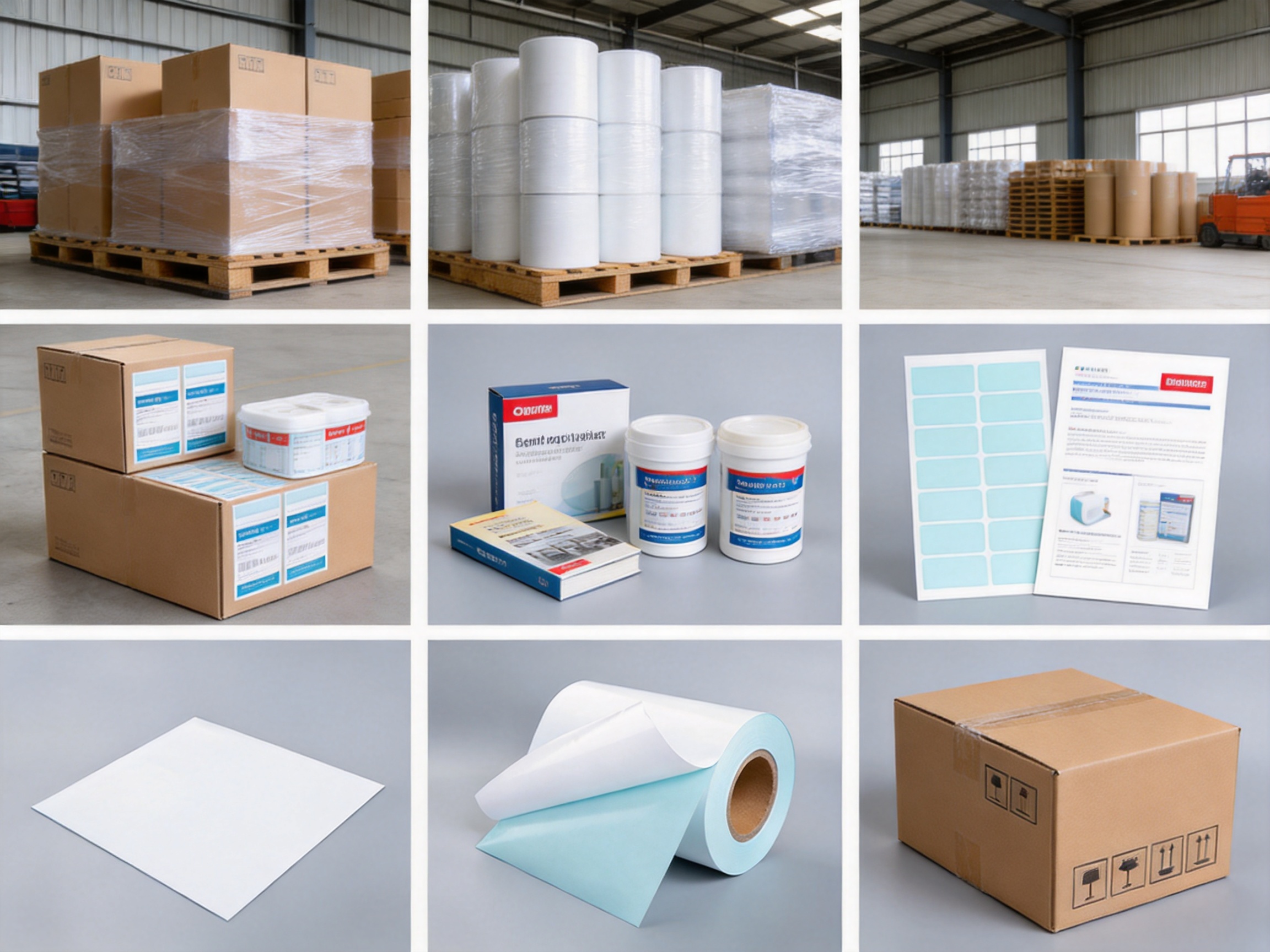
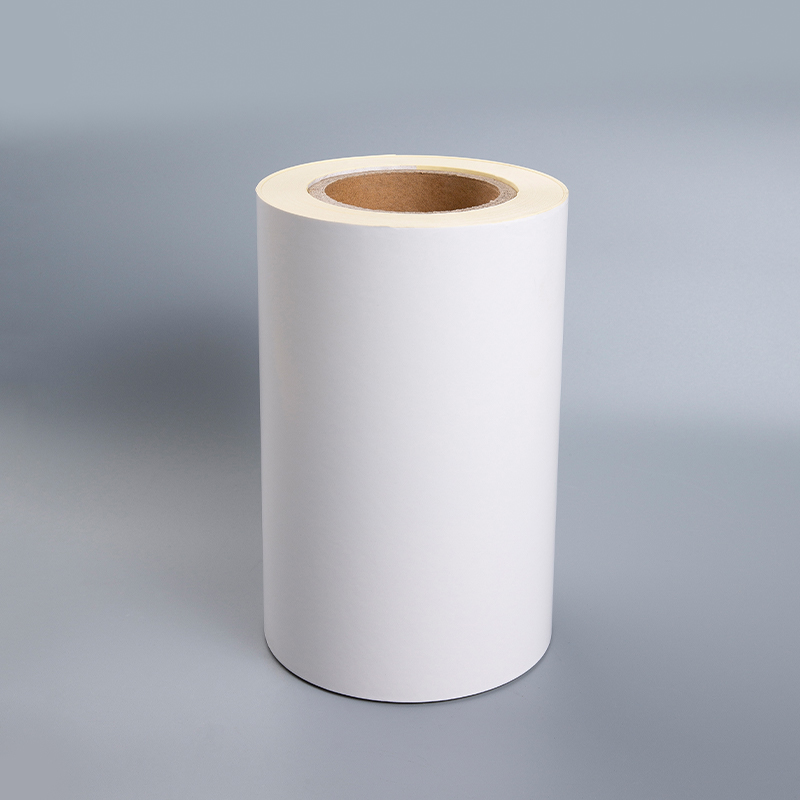
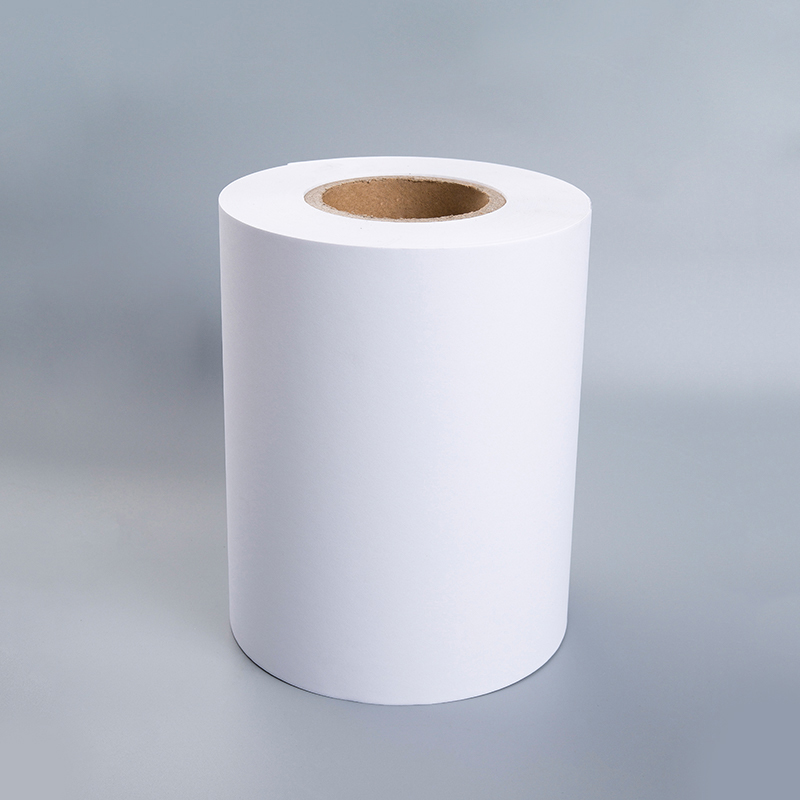
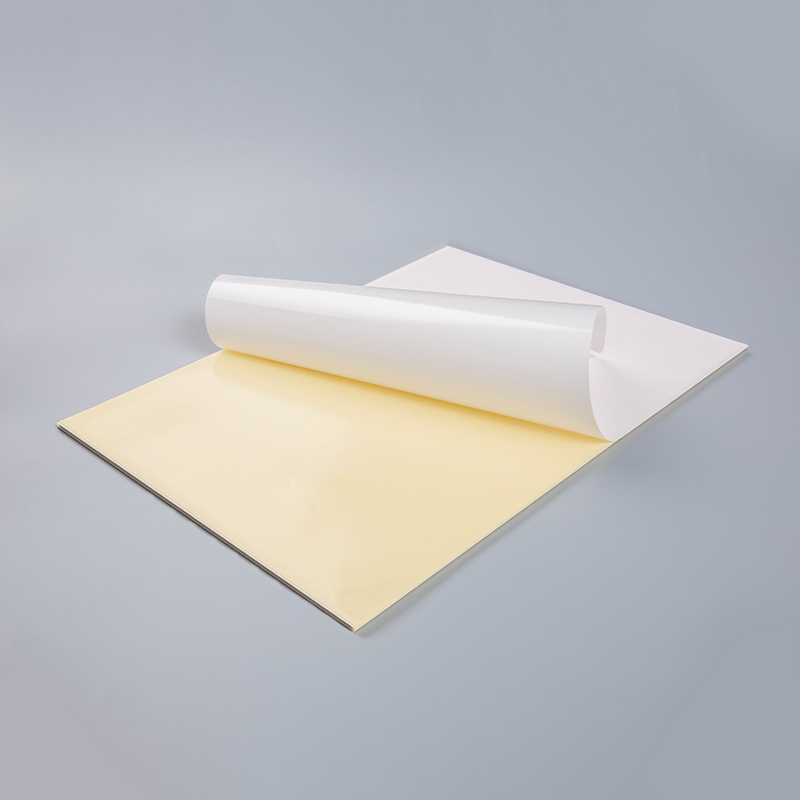
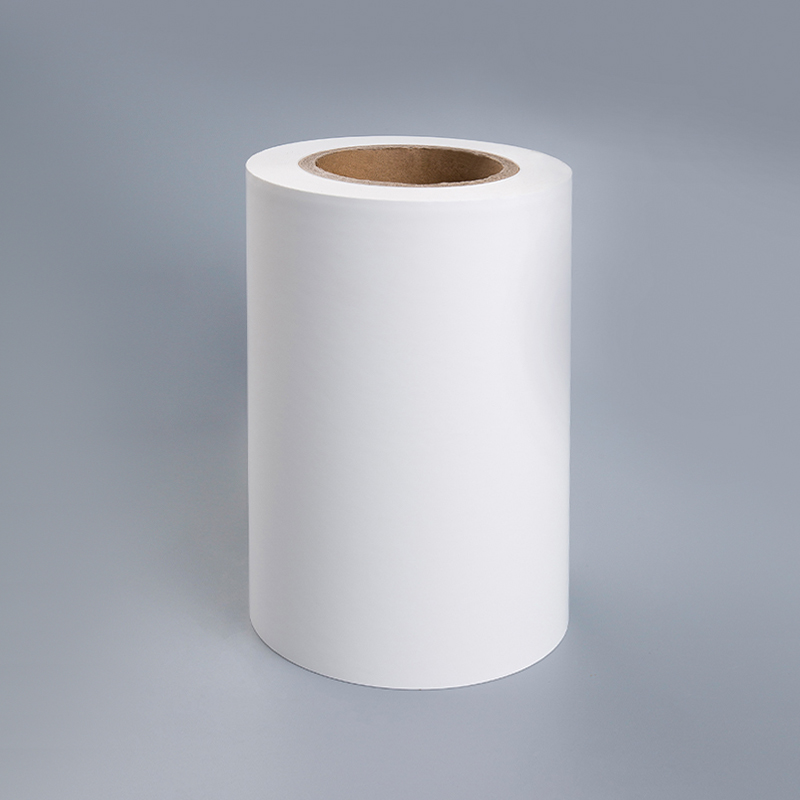
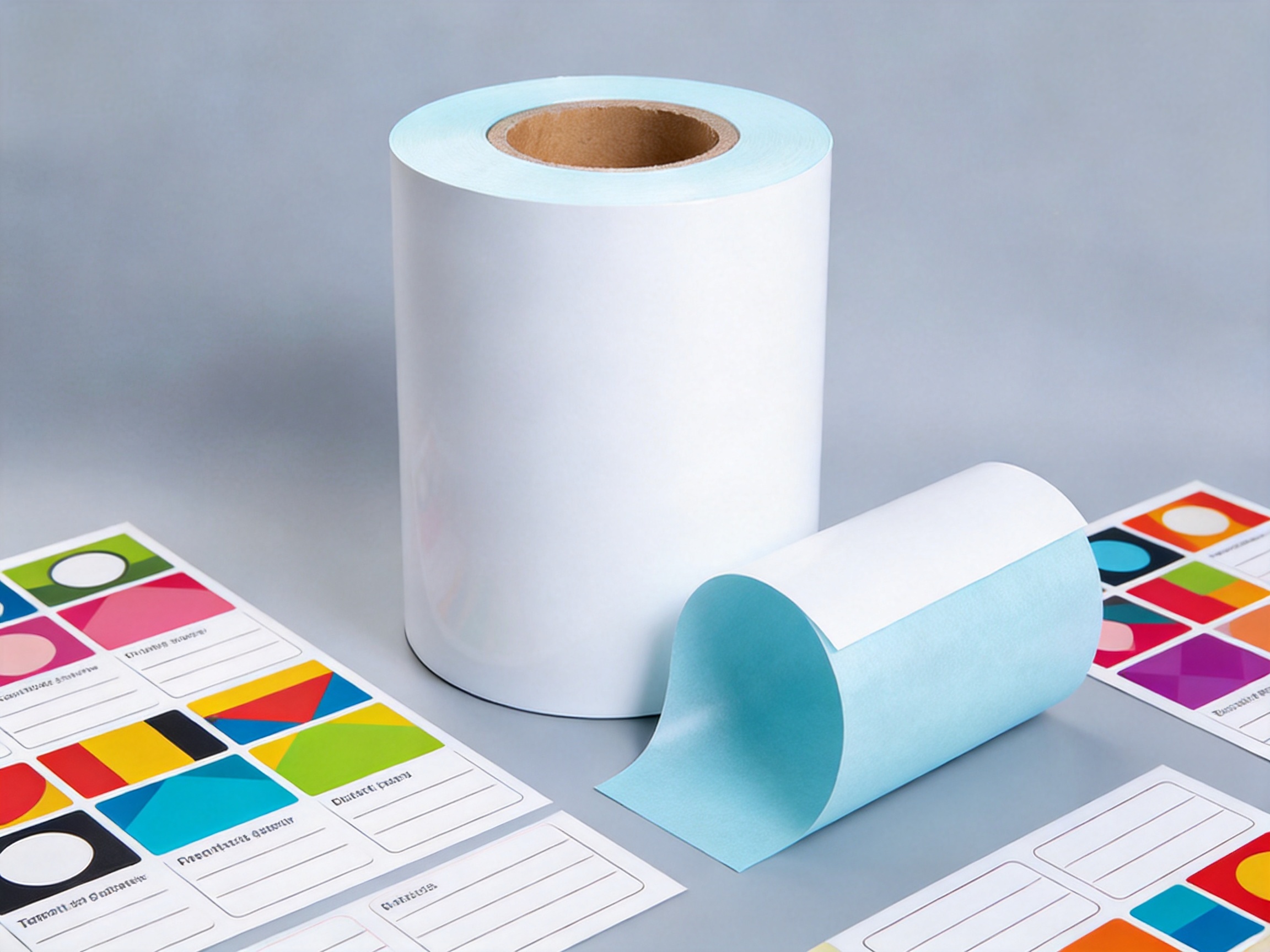
Semi-glossy self-adhesive paper with a blue glassine liner is a versatile label material designed for applications that require attractive color reproduction, reliable adhesion, clean die-cutting, and convenient release handling. It combines a printable semi-glossy paper face, a pressure-sensitive adhesive layer, and a blue glassine backing paper. This three-layer structure provides an effective balance between visual quality, converting efficiency, storage stability, and application convenience.
The material is suitable for labels, product packaging, promotional graphics, book-related applications, commercial printing, product samples, trademarks, and many other uses. Its smooth semi-glossy surface helps printed colors appear clear and vivid, while the blue glassine liner provides a stable support during printing, cutting, transportation, and label application.
For buyers, printers, converters, packaging manufacturers, and brand owners, the value of this product extends beyond its basic appearance. The paper can be supplied in multiple face-stock weights, adhesive types, liner options, roll widths, and sheet sizes. This flexibility enables users to select a construction suited to their printing method, environmental conditions, application surface, and production volume.
The product is manufactured by Suzhou Piaozhihua Composite Material Technology Co., Ltd., a specialized producer of self-adhesive label materials and composite paper products. With coating, gluing, laminating, slitting, and sheet-cutting capabilities, the company provides both standard materials and customized solutions for domestic and international customers.
Content
- 1 Understanding the Product Structure
- 2 Key Advantages Over Conventional Label Materials
- 3 Printing and Visual Performance
- 4 Adhesive Options for Different Operating Conditions
- 5 Manufacturing Process and Quality Control
- 6 Manufacturing Strengths and Customization Capability
- 7 Sustainable Material Development
- 8 Applications Across Commercial and Industrial Markets
- 9 Roll and Sheet Packaging for Delivery
- 10 Technical Specification Overview
- 11 How to Select the Correct Construction
- 12 Best Practices for Storage and Handling
- 13 Why Work with a Specialized Manufacturer?
- 14 Quality, Service, and Long-Term Supply
- 15 Frequently Asked Questions
- 15.1 What is semi-glossy self-adhesive paper with a blue glassine liner?
- 15.2 What makes the material suitable for color printing?
- 15.3 What face-paper weights are available?
- 15.4 Is the blue glassine liner the only liner option?
- 15.5 Which adhesive should be selected?
- 15.6 Can the product be supplied in sheets?
- 15.7 Can the product be supplied in jumbo rolls?
- 15.8 Is it suitable for labels applied in cold environments?
- 15.9 Can the adhesive be removed after application?
- 15.10 Does the manufacturer provide OEM and ODM services?
- 15.11 What quality support is available?
- 15.12 How should the material be stored?
- 15.13 What is the minimum order quantity?
- 16 Conclusion
- 17 References
- 18 Product: Semi Glossy Paper With Blue Glassine Liner
Understanding the Product Structure
A self-adhesive label material is engineered as a composite rather than as a single sheet of paper. Each layer contributes to the final performance of the product. The semi-glossy paper controls print appearance and surface feel. The adhesive creates the bond between the label and the target substrate. The blue glassine liner protects the adhesive before use and supports smooth feeding through converting and dispensing equipment.
Semi-Glossy Paper Face Stock
The face stock is a semi-glossy paper designed to support high-quality color printing. Compared with untreated or highly porous paper, a semi-glossy surface can provide a more controlled print appearance. Ink or toner is distributed across a relatively smooth surface, helping printed details remain defined and helping colors appear more consistent.
The surface is appropriate for product information, logos, decorative graphics, illustrations, barcodes, promotional messages, and other label content. It can also create a more refined appearance than ordinary matte paper when used for consumer packaging, samples, book covers, or commercial print products.
Available face-material weights include 65, 80, 105, 128, 157, 200, and 250 gsm options. The broad weight range allows users to select a lighter construction for flexible labels or a heavier construction for a more substantial appearance. The final selection should consider the label dimensions, application surface, printing method, dispensing equipment, and desired stiffness.
Pressure-Sensitive Adhesive
The adhesive layer is designed to bond when pressure is applied. It allows the label to be supplied as a ready-to-use construction, eliminating the need for a separate wet-gluing or heat-activation step during ordinary application.
Several adhesive families are available. Water-based acrylic adhesive is a common choice for general-purpose labeling because it can provide a balanced combination of adhesion, coating uniformity, and processing suitability. Hot-melt adhesive can be selected when high initial tack or rapid bonding is important. Solvent adhesive is available for applications requiring specialized adhesion performance.
Other options include removable adhesive, anti-freeze adhesive, cryogenic adhesive, and tyre-grade rubber adhesive. These alternatives allow the material to be matched to demanding conditions, such as temporary labeling, low-temperature storage, cold-chain logistics, laboratory environments, or rubber-related applications.
Adhesive selection should not be based solely on the face material. The intended substrate, surface energy, temperature, humidity, application pressure, storage period, and expected removal behavior all influence performance. A suitable adhesive can improve label reliability, while an unsuitable adhesive may cause lifting, residue, premature failure, or difficult removal.
Blue Glassine Release Liner
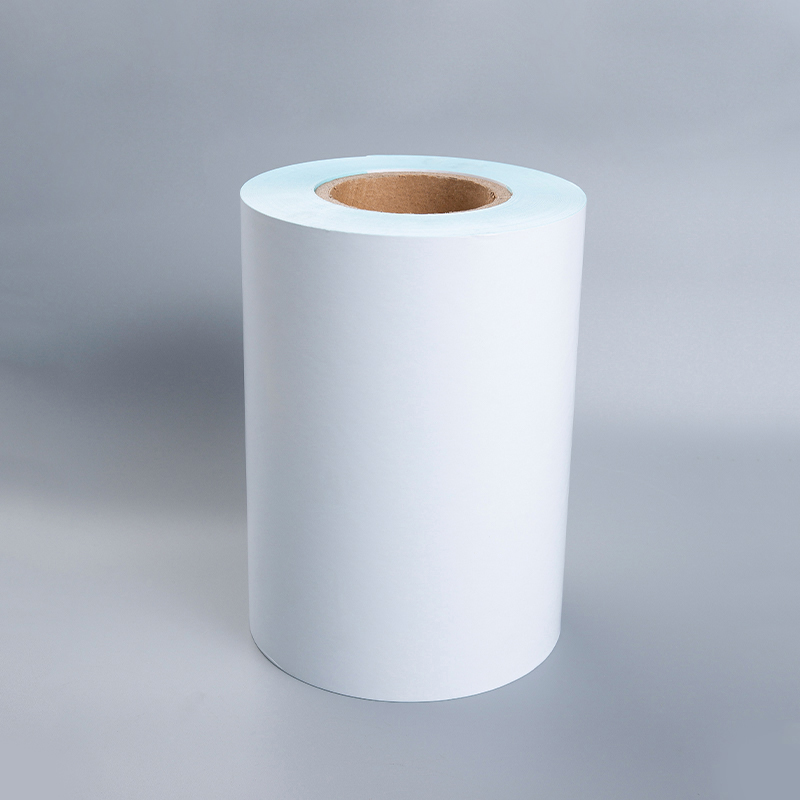
The standard liner is an 80 g blue glassine paper. Glassine is a smooth, dense, translucent paper commonly used as a release-liner substrate. Its compact structure offers dimensional support and helps maintain a consistent surface for the silicone release coating.
The blue color gives the backing a distinctive appearance that can assist with visual identification during handling, inspection, converting, and application. It may also make the liner easier to distinguish from the face material or from other materials in a mixed production environment.
The liner supports the adhesive during storage and protects it from contamination before application. During dispensing or manual use, the release layer allows the label to separate from the backing with controlled force. This balance is important: release that is too strong can slow the application process, while release that is too weak can cause premature separation or processing problems.
Alternative liner options include 50, 60, 100, and 120 g glassine paper; 60, 90, 120, and 140 g release paper; 140 and 165 g art paper; and 50, 80, 90, and 120 g CCK liner. These options enable the construction to be adjusted for stiffness, release behavior, machine compatibility, and customer requirements.
Semi Glossy Paper With Blue Glassine Liner
Key Advantages Over Conventional Label Materials
Semi-glossy self-adhesive paper with a blue glassine liner offers several practical advantages when compared with basic paper labels, uncoated self-adhesive sheets, or less flexible standard constructions. Its benefits arise from the interaction of the printable face, adhesive, and release liner rather than from any single component.
Enhanced Color Presentation
The semi-glossy face is designed for attractive color printing. It is particularly suitable for designs that depend on clear images, strong contrast, fine text, and recognizable brand colors. Product photographs, illustrations, decorative patterns, and promotional graphics can achieve a more polished visual effect than on rough or highly absorbent paper.
This visual quality is valuable in competitive retail environments. Packaging labels are often the first point of contact between a product and a customer. A clean, consistent, and professional label can support product recognition and help communicate quality before the package is opened.
The material is suitable for color printing used on book covers and illustrations, color pictures, product advertising, samples, packaging, trademarks, and related commercial applications. It can support both informative and decorative label designs.
Balanced Label Stiffness and Flexibility
Different face-stock weights provide a useful range of stiffness. Lower-weight papers can conform more easily to curved surfaces and may reduce material consumption. Higher-weight papers can provide a more substantial hand feel and improved dimensional presence on cartons, folders, product packages, and promotional materials.
This range gives buyers more freedom than a single fixed construction. Instead of changing suppliers for every label application, a customer can evaluate multiple weights within the same general product family. This can simplify purchasing and help standardize print and converting procedures.
Reliable Release Performance
The blue glassine liner provides a smooth and stable backing for the adhesive coating. It is suitable for roll and sheet formats and can support common converting operations, including slitting, sheeting, die-cutting, inspection, and label dispensing.
A reliable liner is especially important for small labels, intricate shapes, and high-speed production. The liner must remain sufficiently stable while the face stock is cut and the waste matrix is removed. Consistent release behavior helps reduce production interruptions and supports clean separation during application.
Wide Adhesive Selection
Many standard self-adhesive papers offer only one general-purpose adhesive. This product range provides several adhesive choices so that the construction can be adapted to the end use. Removable adhesive may be used where labels must be taken off with limited surface impact. Anti-freeze or cryogenic adhesive can be considered for low-temperature conditions. Tyre-grade rubber adhesive can be selected for specialized rubber-related labeling requirements.
This choice is a significant advantage for manufacturers serving several industries. It allows the label material to be optimized for the application rather than forcing one adhesive formulation to perform in every situation.
Roll and Sheet Availability
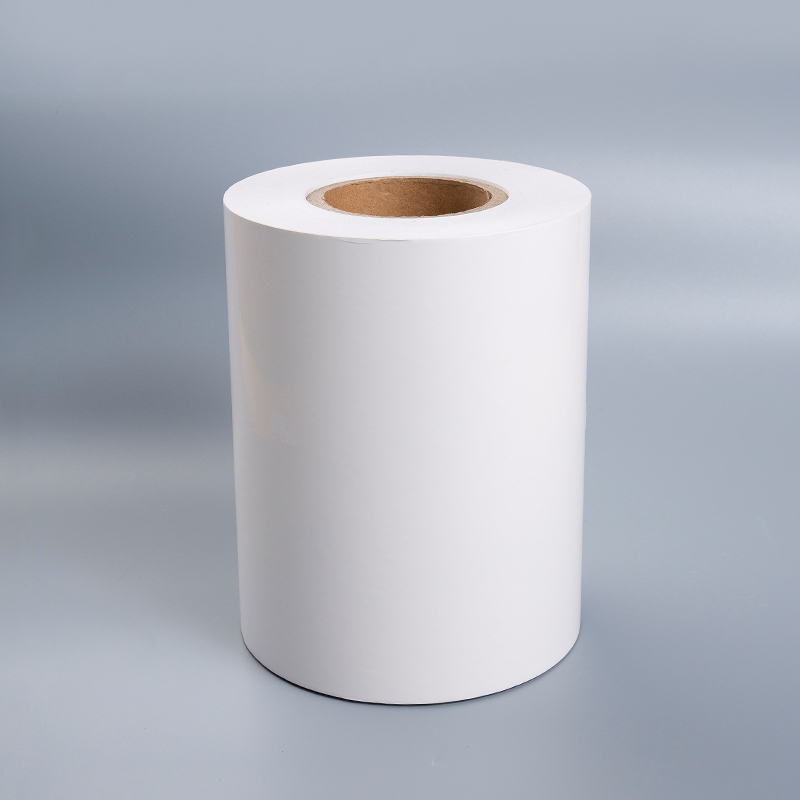
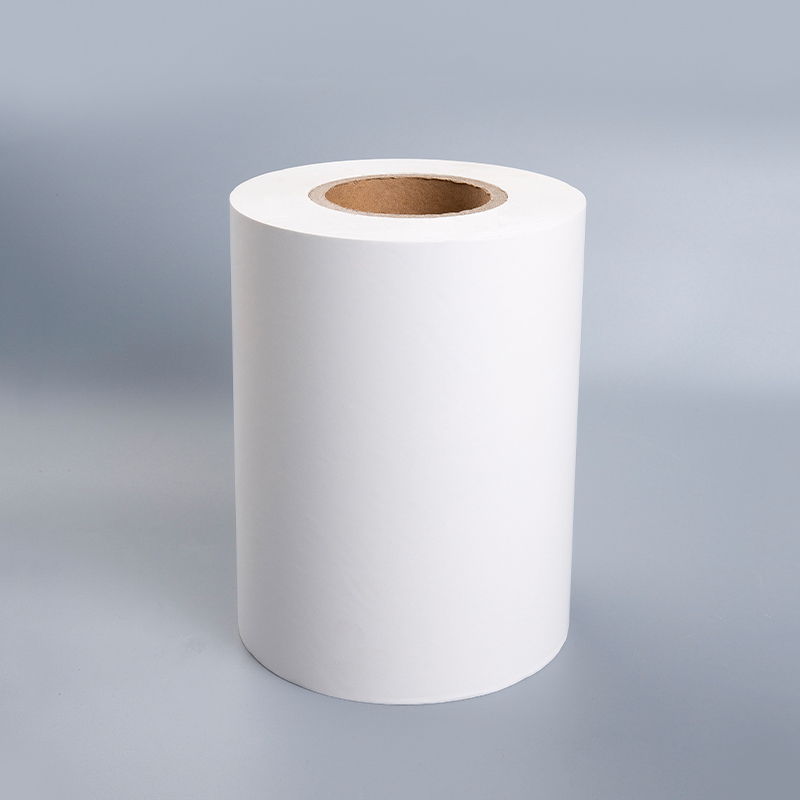
The product can be supplied in jumbo rolls and sheets. Jumbo roll widths include 1000, 1020, 1080, and 1530 mm. These widths can be used as production inputs for slitting, sheeting, printing, and further converting.
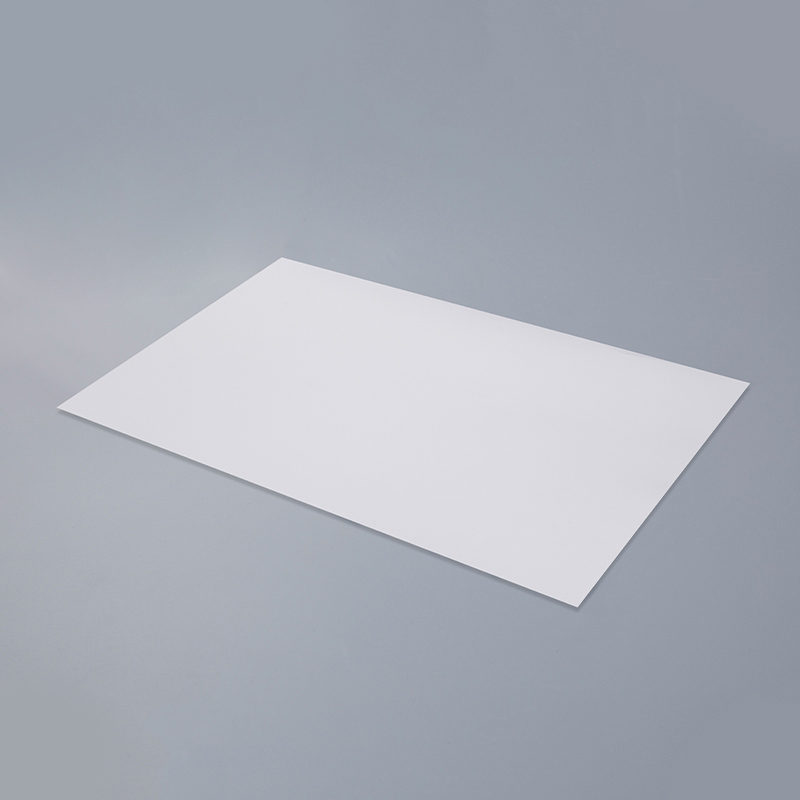
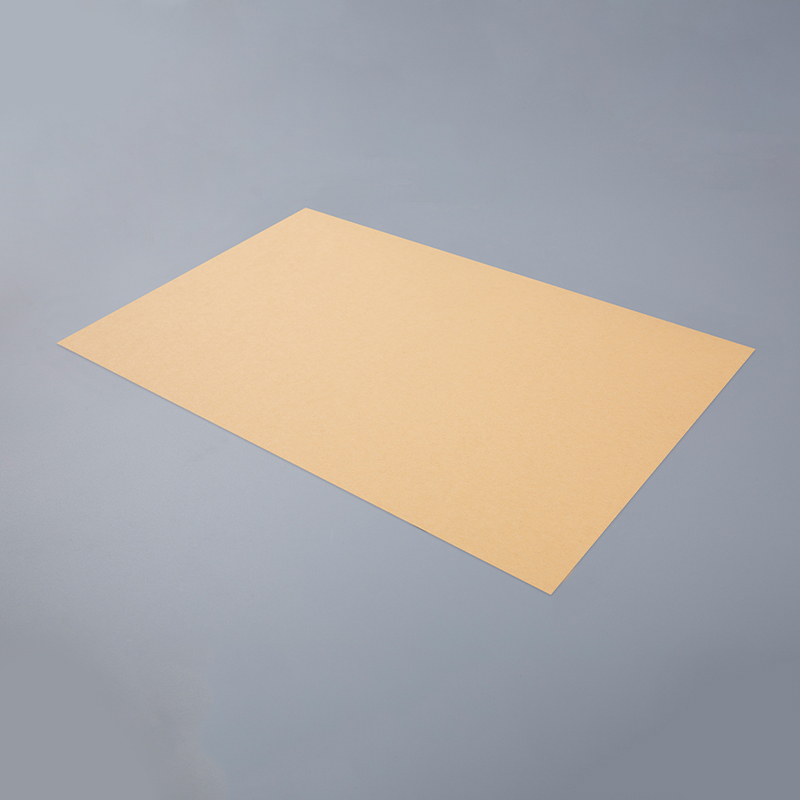
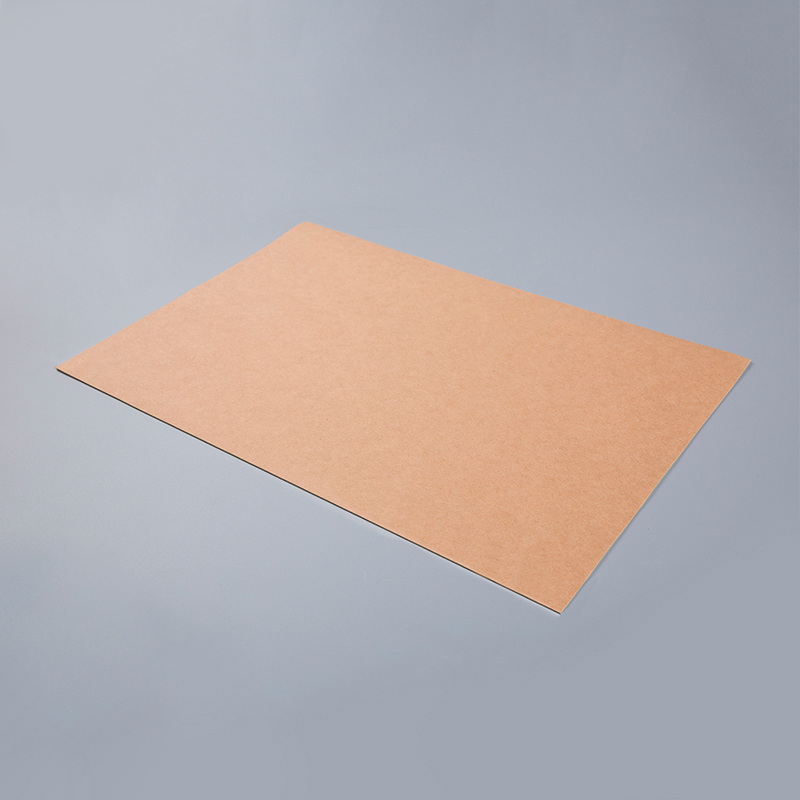
Sheet sizes include A4, A3, 20 by 30 cm, 21 by 30 cm, 24 by 36 cm, 50 by 70 cm, and 70 by 100 cm. Customized dimensions are also available. Roll and sheet options give users flexibility according to equipment, order volume, printing process, and finished-label format.
Broad Application Compatibility
The material can be used for a wide range of applications, including retail labels, product identification, decorative packaging, shipping-related identification, promotional labels, book and publication products, samples, trademarks, and general commercial printing.
Its combination of printability and pressure-sensitive application makes it suitable for users that want to produce attractive labels without adding a separate adhesive application process. The ready-to-use format can simplify production planning and reduce the number of materials required on the factory floor.
Printing and Visual Performance
Printing performance is a central reason to select semi-glossy paper. A label is not only a carrier for adhesive; it is also a communication surface. It must present product names, instructions, graphics, codes, and marketing messages with clarity.
Suitable for High-Quality Color Work
The semi-glossy surface is appropriate for color printing where visual impact matters. It can be used for product images, illustrations, promotional panels, decorative motifs, and brand marks. The smooth surface helps printed elements appear organized and refined.
For the best result, printers should match ink, toner, drying conditions, press settings, and finishing methods to the selected paper weight and surface. Color management remains important because the final appearance depends on the complete printing system, not only on the label stock.
Before mass production, a proof or trial run is recommended. The trial can confirm color density, drying or fusing behavior, feeding performance, cutting quality, barcode readability, and adhesion after application. It can also reveal whether the selected face weight and liner are appropriate for the specific equipment.
Fine Text and Graphic Detail
Many labels contain a mixture of large graphics and small mandatory information. Product specifications, ingredients, warnings, usage instructions, batch numbers, and contact information may need to be printed in small type. A controlled semi-glossy surface can help preserve the clarity of fine characters and line work.
Graphic designers should still consider minimum text size, contrast, bleed, quiet zones, and barcode requirements. A high-quality label material improves the printing foundation, but good artwork preparation and appropriate press operation remain essential.
Professional Surface Appearance
Semi-glossy paper occupies a useful middle position between matte and highly glossy materials. It provides visual brightness without necessarily creating the intense reflection associated with a mirror-like film. This makes it suitable for many product labels that require a clean appearance while remaining easy to read under ordinary lighting.
The paper appearance can also support premium positioning for books, samples, packaging, and promotional items. When combined with precise printing and clean die-cutting, it can produce labels with a consistent and commercially finished look.
Adhesive Options for Different Operating Conditions
The adhesive must be chosen according to the conditions that the label will experience throughout its life. A label that performs well in a dry indoor environment may require a different adhesive when used on chilled packaging, rough cartons, flexible plastics, or rubber surfaces.
Water-Based Acrylic Adhesive
Water-based acrylic adhesive is a versatile option for many ordinary labeling applications. It can provide stable coating behavior and a balanced adhesion profile. It is often considered when users require general-purpose performance, clean processing, and compatibility with common paper and packaging substrates.
The final bonding result depends on the substrate condition. Dust, oil, moisture, release agents, and low surface energy can reduce adhesion. Clean application surfaces and sufficient pressure help the adhesive make effective contact.
Hot-Melt Adhesive
Hot-melt adhesive can provide strong initial tack and rapid bonding. It may be useful when labels must adhere quickly during high-speed packaging or when the substrate requires immediate attachment.
Temperature exposure should be considered during storage and transport. The adhesive selection should be reviewed with the supplier when the labels will be exposed to elevated temperatures, fluctuating conditions, or prolonged outdoor handling.
Solvent Adhesive
Solvent adhesive is available for applications that demand specialized adhesion characteristics. It may be considered for challenging substrates or conditions where a more aggressive bonding profile is required.
Because application requirements vary considerably, users should conduct compatibility testing before production. The test should evaluate initial tack, final adhesion, resistance to edge lifting, residue, and performance after exposure to the expected environment.
Removable Adhesive
Removable adhesive is suitable for temporary labels, promotional identification, price labels, office materials, and applications where the label must be removed with limited damage to the surface. Removability can vary according to dwell time, temperature, substrate type, and surface condition.
A label that is removable from glass may behave differently on painted metal, cardboard, plastic, or varnished paper. Testing on the actual application surface is therefore recommended.
Low-Temperature and Specialty Adhesives
Anti-freeze and cryogenic adhesives are available for applications involving cold storage or very low temperatures. These adhesives are intended to maintain useful bonding behavior under conditions in which ordinary adhesives may lose tack or become brittle.
Tyre-grade rubber adhesive is available for specialized labeling requirements involving tyre or rubber surfaces. Rubber can present a demanding substrate because of its surface chemistry, texture, flexibility, and potential migration of additives. A purpose-selected adhesive can improve the probability of reliable bonding.
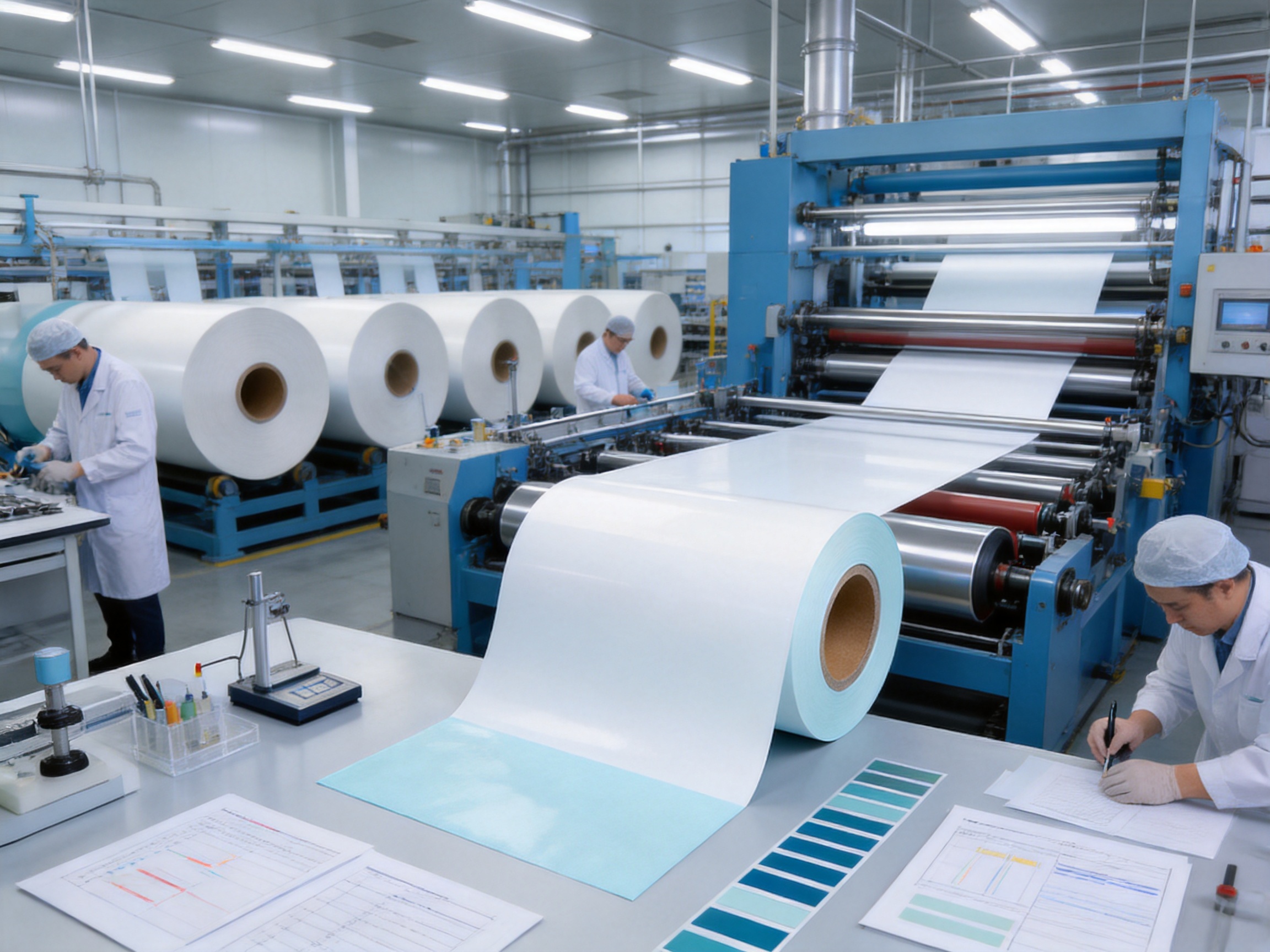
Manufacturing Process and Quality Control
The performance of a self-adhesive paper depends heavily on manufacturing precision. Even when the paper, adhesive, and liner are individually suitable, poor coating uniformity, inaccurate lamination, uneven winding, or imprecise cutting can reduce final product quality.
Material Preparation
Production begins with the selection and preparation of face stock, adhesive components, and release-liner materials. The materials must be matched to the required construction, weight, width, and end-use performance.
Incoming material inspection may include checks of basis weight, appearance, moisture, dimensional condition, surface cleanliness, roll integrity, and compatibility with the planned production process. Careful preparation helps reduce variation before coating and laminating begin.
Adhesive Coating
The adhesive is applied to the selected liner or face-material interface using controlled coating equipment. Coating uniformity is essential because variations in adhesive weight can produce uneven tack, inconsistent peel strength, visible defects, or unstable converting performance.
Coating parameters may include adhesive temperature, viscosity, line speed, coating gap, drying or curing conditions, and web tension. These parameters must be controlled according to the adhesive type. Water-based, hot-melt, and solvent adhesive systems each require their own process discipline.
Drying, Curing, and Conditioning
After coating, the adhesive may require drying, curing, or conditioning before the layers are laminated. Proper treatment helps stabilize the adhesive and reduces the risk of residual moisture, incomplete bonding, odor, blocking, or roll telescoping.
Conditioning is also important because paper products respond to temperature and humidity. Controlled storage and production environments can help maintain dimensional stability and improve consistency during subsequent converting.
Lamination
The face stock and adhesive-coated liner are combined through a controlled laminating process. Lamination must maintain even contact across the web while avoiding wrinkles, air pockets, delamination, and excessive tension.
Accurate web alignment is particularly important for labels that will later be die-cut or printed in register. A stable laminate supports predictable feeding and helps the finished material run smoothly through downstream equipment.
Slitting and Sheet Cutting
After lamination, jumbo rolls can be slit into narrower rolls or converted into sheets. Slitting quality affects edge cleanliness, roll winding, width accuracy, and machine performance. Sheet cutting quality affects squareness, stack alignment, feeding, and finished presentation.
The company operates production lines covering gluing, laminating, and cutting. This integrated capability allows several important stages to be managed within one manufacturing system. It can also simplify communication when a customer requires a customized width, sheet size, liner, adhesive, or packaging format.
Inspection and Testing
Quality control should cover both raw materials and finished constructions. Typical evaluation areas include face appearance, basis weight, adhesive coating, release behavior, peel strength, tack, shear resistance, dimensional accuracy, liner condition, roll hardness, sheet flatness, and print suitability.
Testing should be connected to the intended application. For example, a removable label requires removal testing, while a cold-chain label requires low-temperature testing. A label for a flexible package requires flexing and edge-lift evaluation. A material intended for high-speed die-cutting requires converting trials.
Manufacturing Strengths and Customization Capability
Suzhou Piaozhihua Composite Material Technology Co., Ltd. specializes in self-adhesive labels and composite materials. The company integrates research and development, production, sales, and after-sales service, enabling it to support customers through multiple stages of product selection and implementation.
Integrated Production Lines
The company has production lines for gluing, laminating, and cutting. These capabilities are central to self-adhesive material manufacturing because the final product is created through the controlled combination of several layers and subsequent conversion into practical roll or sheet formats.
Integrated production can improve coordination between process stages. It may also reduce the complexity involved in handling customized orders because coating, lamination, and cutting requirements can be considered together rather than managed as unrelated operations.
Large Annual Production Capacity
The company reports an annual production capacity of more than 280 million square meters. This level of capacity is appropriate for customers requiring repeat supply, large-volume production, or stable support for multiple product programs.
Capacity alone does not determine quality, but it can support supply continuity and production planning. For label converters and packaging manufacturers, dependable availability is important because a shortage of label stock can interrupt printing, filling, packaging, and distribution operations.
More Than Two Decades of Experience
With more than 20 years of manufacturing experience, the company has developed practical knowledge in self-adhesive product production, material matching, converting, and customer support. Long-term experience can be especially valuable when customers are selecting between different face stocks, adhesive systems, and liners.
Experienced technical teams can help identify potential problems before mass production, such as adhesive incompatibility, excessive liner release force, unsuitable roll width, poor low-temperature performance, or insufficient stiffness for a particular label format.
OEM and ODM Services
The company accepts OEM and ODM projects and can manufacture products based on customer drawings or samples. This capability is useful for buyers that require a construction not listed as a standard item.
Customization may involve face-paper weight, adhesive type, liner weight, color, roll width, sheet size, packaging method, or other technical parameters. A customized development program should include specification confirmation, sample production, application testing, and approval of final production standards.
Research and Development
The company maintains a professional research and development team and reports multiple patents. Research and development support is important in a market where customers increasingly require materials for special temperatures, difficult substrates, sustainable packaging, or more efficient converting.
Development work can involve improving adhesive performance, reducing material variation, adjusting release characteristics, creating new combinations of face materials and liners, or developing products for specific industries. A strong technical foundation helps manufacturers move beyond one-size-fits-all solutions.
Testing Laboratory and Inspection Equipment
The company operates its own testing laboratory and uses inspection equipment to support product quality. Internal testing can improve the speed of technical evaluation and provide a structured basis for comparing materials.
For customers, laboratory support can help with sample analysis, quality verification, production troubleshooting, and application testing. It also reinforces the importance of measurable specifications rather than relying only on visual inspection.
Sustainable Material Development
Sustainability is becoming increasingly important in packaging and labeling. Buyers are examining not only the face material but also the adhesive, liner, production process, packaging method, and end-of-life considerations.
The company states that its brand positioning focuses on sustainable development and environmental protection. Its development efforts include eco-friendly solutions involving face materials, adhesives, and backing papers. This approach recognizes that the environmental profile of a self-adhesive label is influenced by the entire composite structure.
Customers seeking sustainable options should define their objectives clearly. These may include reduced material consumption, more responsible paper sourcing, lower production waste, improved recyclability, reduced packaging materials, or compatibility with a particular recycling stream. Because self-adhesive products contain multiple layers, the most appropriate solution depends on the packaging substrate and recycling system involved.
Sustainability claims should be supported by relevant documentation, technical data, and application-specific evaluation. A material that performs efficiently can also help reduce waste caused by misprints, label failure, poor die-cutting, or repeated application attempts.
Applications Across Commercial and Industrial Markets
Product Packaging Labels
Semi-glossy self-adhesive paper is suitable for packaging labels that require a combination of product information and visual presentation. It can be used on cartons, boxes, paperboard packages, containers, and selected plastic or metal surfaces, subject to adhesive compatibility testing.
Packaging labels may include product names, sizes, instructions, ingredients, promotional graphics, barcodes, batch details, and regulatory information. The available face weights and adhesives allow the construction to be adapted to different packaging conditions.
Advertising and Promotional Materials
Promotional labels can be used for campaigns, seasonal products, event materials, special offers, and point-of-sale activities. The semi-glossy surface supports colorful artwork and can make short-term promotional messages more noticeable.
Removable adhesive may be appropriate when a campaign label must be taken off after a promotion ends. Permanent adhesive may be preferable when the label is intended to remain with the product throughout distribution and use.
Book Covers and Illustrations
The material can be used for high-grade book covers, illustrations, color pictures, and related printed products. Its appearance can help reproduce decorative designs and visual content with a polished surface effect.
For book-related applications, the selected paper weight should be matched to the cover structure and finishing process. Creasing, folding, trimming, and lamination requirements should be evaluated before selecting the final construction.
Product Samples and Trademarks
Samples and trademark labels often require clear brand presentation and reliable attachment. The semi-glossy face can support logos, product descriptions, and visual identity elements, while the pressure-sensitive adhesive simplifies application to packages, sample cards, folders, or containers.
General Commercial Printing
The material can also serve commercial printing needs where self-adhesive functionality is required. Possible uses include identification labels, office labels, inventory markings, promotional sheets, decorative stickers, and short-run customized products.
Roll and Sheet Packaging for Delivery
Packaging is an important part of product protection. Self-adhesive paper must arrive with its roll structure, sheet alignment, face appearance, adhesive, and liner in suitable condition. Inadequate packaging can expose the material to moisture, dust, impact, compression, or deformation.
The product is suitable for sea-transit-worthy poly-wood pallet packing and carton packing. Both roll and sheet formats can be prepared from stock according to order requirements. Pallets are wrapped with stretch film and fastened with plastic straps to improve load stability during transport.
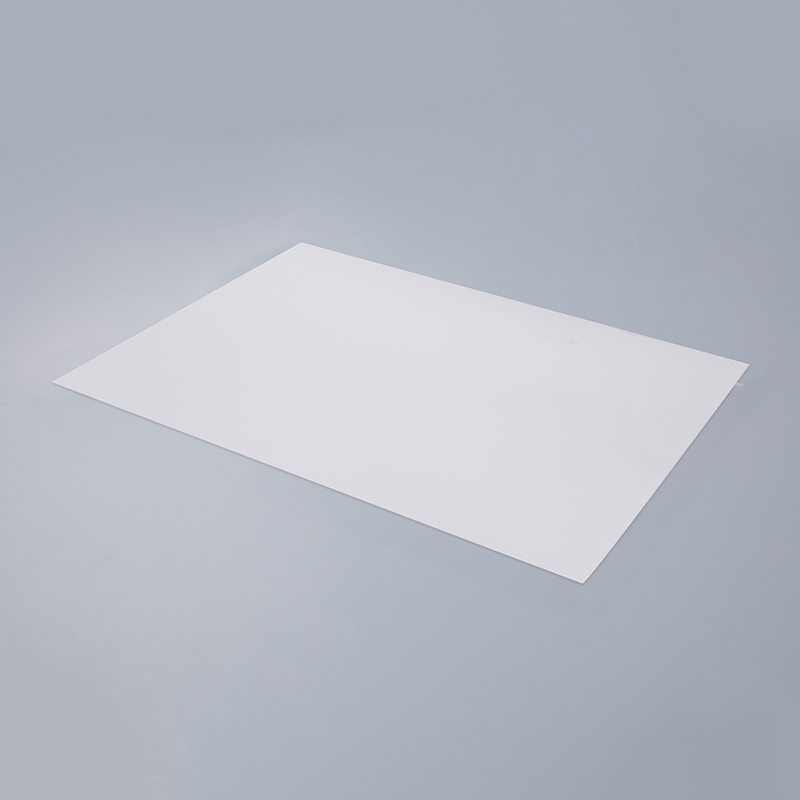
For sheet products, 100 sheets are supplied per ream. Each ream is packed with a strong PE-coated kraft paper wrapper. This packaging helps protect the sheets from handling damage and supports organized storage and counting.
For roll products, packaging should preserve the roll edges and prevent telescoping or crushing. Buyers should confirm core size, outside diameter, roll weight, winding direction, pallet configuration, and moisture-protection requirements before shipment.
Technical Specification Overview
Product type |
Semi-glossy self-adhesive paper with blue glassine liner |
Face material |
65, 80, 105, 128, 157, 200, and 250 gsm semi-glossy paper options |
Standard adhesive |
Water-based acrylic adhesive |
Additional adhesive options |
Hot-melt, solvent, removable, anti-freeze, cryogenic, and tyre-grade rubber adhesive |
Standard liner |
80 g blue glassine liner |
Alternative liners |
Glassine paper, release paper, art paper, and CCK liner in several weights |
Jumbo roll widths |
1000, 1020, 1080, and 1530 mm |
Sheet sizes |
A4, A3, 20 by 30 cm, 21 by 30 cm, 24 by 36 cm, 50 by 70 cm, and 70 by 100 cm |
Customization |
Customized sizes and constructions available |
Packaging |
PE-coated kraft paper reams, cartons, poly-wood pallets, stretch film, and plastic fastening belts |
How to Select the Correct Construction
Choosing the right product configuration requires more than selecting a face-paper weight. The label should be evaluated as a complete system. The following factors can guide the selection process.
Define the Application Surface
Identify whether the label will be applied to coated paperboard, corrugated board, glass, metal, rigid plastic, flexible plastic, rubber, painted surfaces, or another substrate. Surface texture and energy can affect the adhesive bond.
Also determine whether the surface is clean, dry, dusty, oily, curved, porous, or exposed to condensation. These factors may influence the need for a higher-tack, removable, cold-temperature, or specialty adhesive.
Consider Environmental Conditions
Record the expected temperature range during application, storage, transportation, and use. A label applied in a warm warehouse may later be stored in a freezer or refrigerated truck. The adhesive must be selected for the most demanding relevant condition.
Humidity, water exposure, sunlight, abrasion, chemicals, and handling should also be considered. Paper is generally most appropriate for indoor or protected applications unless the complete construction is specifically designed and tested for harsher conditions.
Match the Printing Process
Users should identify whether the material will be printed by digital toner, inkjet, offset, flexographic, or another process. The press manufacturer’s recommendations should be reviewed, and a print trial should be conducted when the material is being introduced into a new system.
Important evaluation points include feeding, static, ink adhesion, toner fusing, drying, color reproduction, barcode readability, and resistance to scuffing during finishing.
Select the Appropriate Format
Sheet format may be convenient for office printing, digital production, small batches, or applications using standard sheet-fed equipment. Roll format may be more efficient for high-volume printing, automated dispensing, slitting, and continuous converting.
The required width, core, winding direction, roll diameter, and packaging configuration should be confirmed before ordering. For sheets, size tolerance, squareness, flatness, ream quantity, and stack protection should be specified.
Evaluate the Liner
The standard 80 g blue glassine liner is suitable for many applications, but alternative liner weights may be useful when greater stiffness, different release force, or a particular converting behavior is required.
High-speed equipment, intricate die cuts, small labels, and automatic dispensing systems may benefit from carefully controlled liner selection. A technical trial can confirm whether the liner separates cleanly and feeds consistently.
Best Practices for Storage and Handling
Self-adhesive paper should be stored in a clean, dry environment protected from direct sunlight, excessive heat, and sudden temperature changes. Packaging should remain intact until the material is ready for use.
Before printing or converting, the material should be allowed to acclimatize to the production environment. This can help reduce dimensional changes caused by differences in temperature and humidity between storage and the pressroom.
Rolls should be handled carefully to avoid edge damage, crushing, impact, or telescoping. Sheets should be kept flat and protected from moisture. Operators should avoid placing heavy objects on reams or exposing the liner to dirt and dust.
During application, the target surface should be clean and dry. Adequate pressure should be applied across the label, especially along edges and corners. The application temperature should be compatible with the selected adhesive.
Why Work with a Specialized Manufacturer?
A specialized manufacturer can provide more than a standard roll of paper. It can help coordinate face stock, adhesive, liner, format, production volume, packaging, and application requirements.
Suzhou Piaozhihua Composite Material Technology Co., Ltd. has a product focus on self-adhesive labels and related composite materials. The company combines manufacturing, research and development, sales, and after-sales support. This structure allows customers to discuss technical concerns with a supplier familiar with the complete material construction.
The company has developed sales and service coverage in China and international markets, including regions in Asia, Europe, the Americas, Africa, the Middle East, and other areas. Its reported customer network includes long-term supply relationships and support for OEM and ODM production.
For customers purchasing internationally, experience with export packing, pallet protection, roll and sheet formats, and sea transportation can be valuable. Proper logistics preparation helps preserve material quality from the factory to the customer’s warehouse.
Quality, Service, and Long-Term Supply
Reliable self-adhesive material supply depends on consistency over time. A customer may approve a label after a successful trial, but the material must continue to meet the agreed specifications across future orders.
Long-term supply programs should define the face material, adhesive, liner, thickness or basis weight, width, roll length, sheet size, packaging, inspection requirements, and acceptable tolerances. Retained samples and clear technical documentation can help both parties identify changes or deviations.
After-sales service is also important when a customer experiences a printing, converting, or application issue. A supplier with in-house technical knowledge can investigate whether the cause relates to material specifications, press conditions, storage, substrate preparation, or application procedures.
The company’s stated quality concept emphasizes quality, integrity, innovation, mutual benefit, and responsibility. These principles are relevant to a product that is often used as a critical component in packaging and labeling operations.
Frequently Asked Questions
What is semi-glossy self-adhesive paper with a blue glassine liner?
It is a pressure-sensitive label material composed of semi-glossy paper, an adhesive layer, and an 80 g blue glassine release liner. The paper face is designed for printing, the adhesive bonds the label to a surface, and the liner protects the adhesive before application.
What makes the material suitable for color printing?
The semi-glossy paper has a smooth printable surface that supports clear graphics, fine text, illustrations, product images, and strong color presentation. A printing trial should still be conducted to confirm compatibility with the selected ink, toner, press, and finishing process.
What face-paper weights are available?
Available face-material weights include 65, 80, 105, 128, 157, 200, and 250 gsm. The appropriate weight depends on the required stiffness, label size, application surface, printing process, and finished appearance.
Is the blue glassine liner the only liner option?
No. The standard construction uses an 80 g blue glassine liner, while alternative glassine, release-paper, art-paper, and CCK-liner options are available in several weights. Customized liner configurations can be discussed according to the application and converting equipment.
Which adhesive should be selected?
Water-based acrylic adhesive is a common general-purpose option. Hot-melt, solvent, removable, anti-freeze, cryogenic, and tyre-grade rubber adhesives are also available for specialized requirements. Selection should consider the substrate, temperature, humidity, dwell time, and desired permanence.
Can the product be supplied in sheets?
Yes. Available sheet formats include A4, A3, 20 by 30 cm, 21 by 30 cm, 24 by 36 cm, 50 by 70 cm, and 70 by 100 cm. Customized sheet dimensions can also be considered.
Can the product be supplied in jumbo rolls?
Yes. Jumbo roll widths include 1000, 1020, 1080, and 1530 mm. Customers should confirm roll length, core specifications, winding direction, outside diameter, and packaging requirements for their equipment.
Is it suitable for labels applied in cold environments?
Special anti-freeze and cryogenic adhesive options are available for low-temperature applications. The exact construction should be tested under the expected application, storage, and service conditions before commercial production.
Can the adhesive be removed after application?
A removable adhesive option is available. However, removability depends on the substrate, surface condition, temperature, dwell time, and removal angle. Testing on the actual surface is recommended.
Does the manufacturer provide OEM and ODM services?
Yes. The company accepts OEM and ODM projects and can manufacture according to customer drawings or samples. Customized solutions may include paper weight, adhesive, liner, format, width, size, and packaging.
What quality support is available?
The company reports its own testing laboratory, inspection equipment, research and development resources, and production lines for gluing, laminating, and cutting. These capabilities support material evaluation, quality control, customization, and technical service.
How should the material be stored?
It should be kept in a clean, dry, temperature-controlled environment, protected from direct sunlight, moisture, excessive heat, and physical impact. The original packaging should remain intact until the material is ready for production.
What is the minimum order quantity?
The appropriate order quantity depends on the selected material construction, roll or sheet format, customization requirements, and production schedule. Buyers should contact the manufacturer for a quotation and order recommendation based on their specification.
Conclusion
Semi-glossy self-adhesive paper with a blue glassine liner provides a practical and attractive solution for printed labels, packaging, books, illustrations, product samples, trademarks, advertising, and commercial applications. Its main strengths include clear color presentation, a broad range of face-paper weights, multiple adhesive choices, a stable blue glassine liner, roll and sheet availability, and support for customized sizes.
Compared with a basic fixed-specification label stock, this product offers greater flexibility for users with different printing, application, environmental, and converting requirements. The ability to select among acrylic, hot-melt, solvent, removable, low-temperature, cryogenic, and specialty adhesives helps customers build a construction that better matches its intended use.
Manufacturing capability is another important advantage. Integrated gluing, laminating, and cutting lines, a reported annual capacity exceeding 280 million square meters, more than 20 years of experience, OEM and ODM services, an in-house testing laboratory, and a professional research and development team provide a strong foundation for consistent supply and technical customization.
For the best results, buyers should evaluate the complete label construction rather than focusing only on the paper appearance. Application surface, temperature, humidity, printing process, label size, dispensing method, liner release, storage, and transport should all be considered. With the correct specification and suitable testing, this semi-glossy self-adhesive paper can provide dependable performance and a professional printed finish across a wide range of labeling requirements.
References
1. Company Product Specification, Semi-Glossy Paper with Blue Glassine Liner.
2. Company Manufacturing and Corporate Information, Suzhou Piaozhihua Composite Material Technology Co., Ltd.
3. Pressure-Sensitive Tape Council, Test Methods for Pressure-Sensitive Adhesive Materials.
4. FINAT Technical Handbook, Recommendations for Self-Adhesive Label Materials and Testing.
5. Technical Association of the Pulp and Paper Industry, General Principles for Paper Basis Weight, Moisture, and Dimensional Testing.
6. International Organization for Standardization, Quality Management Principles for Manufacturing and Supply Operations.