
 English
 Español
 русский
 Français
 عربى
عربى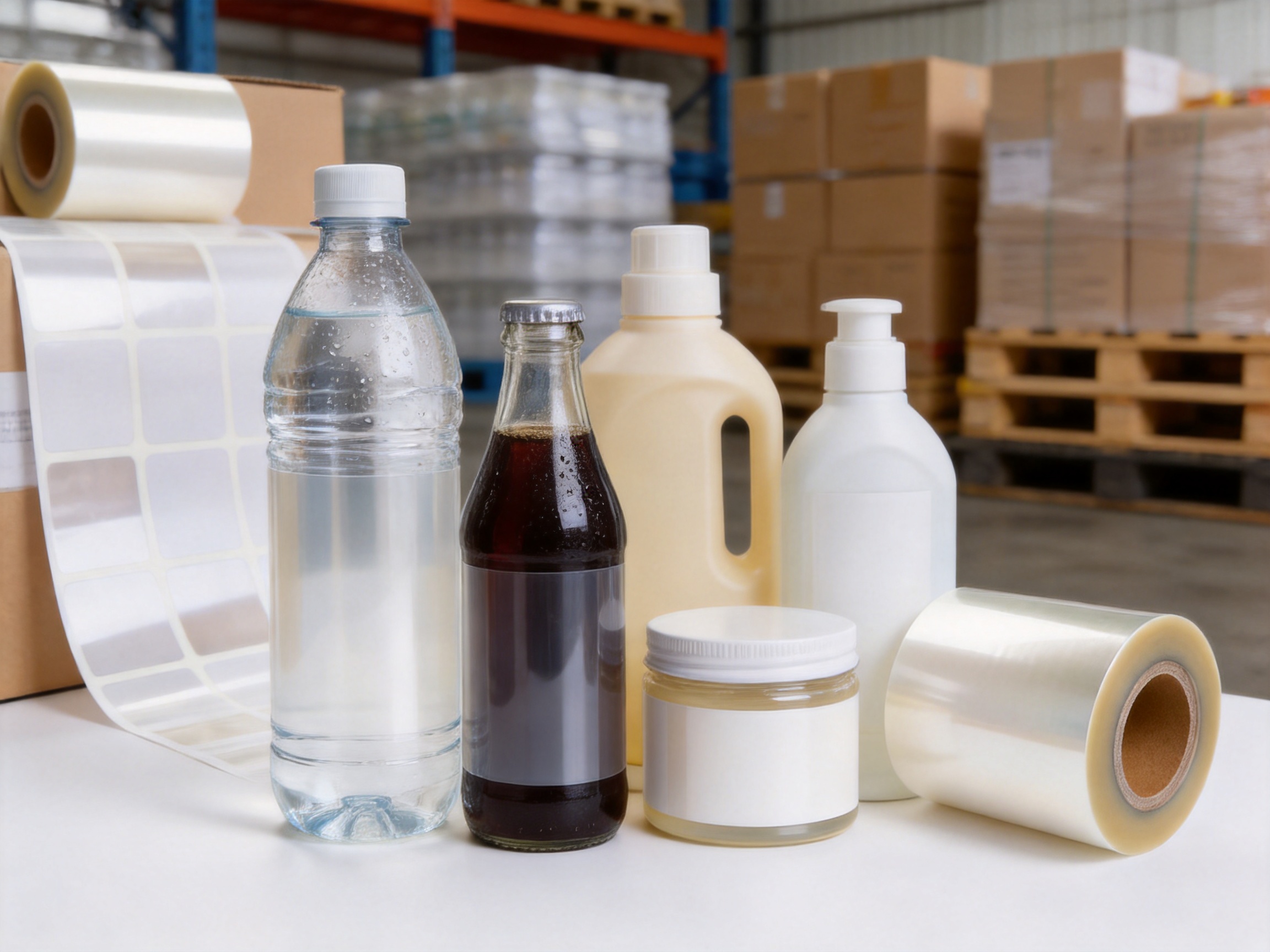
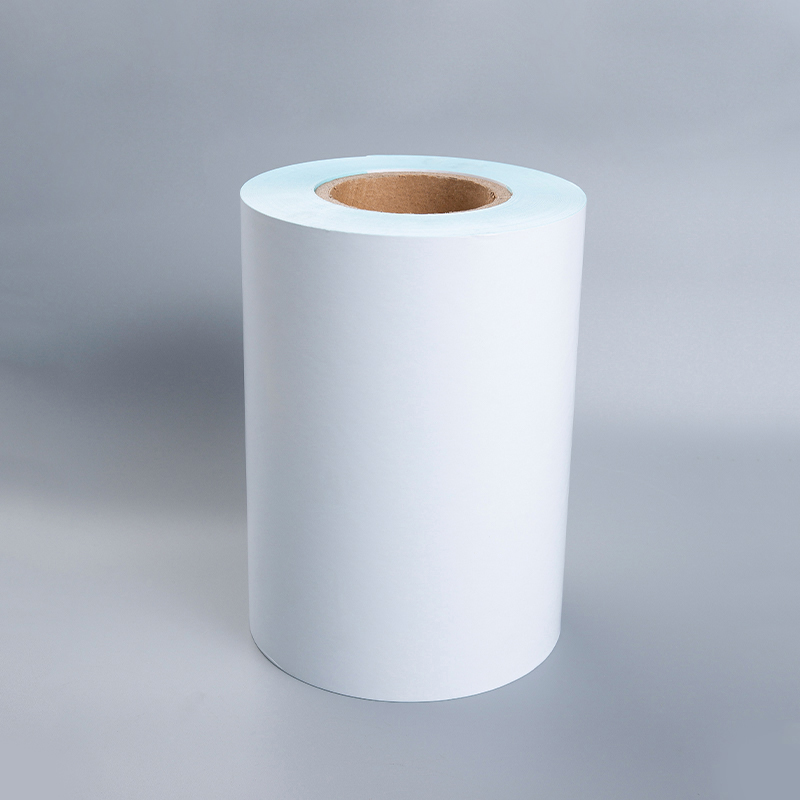
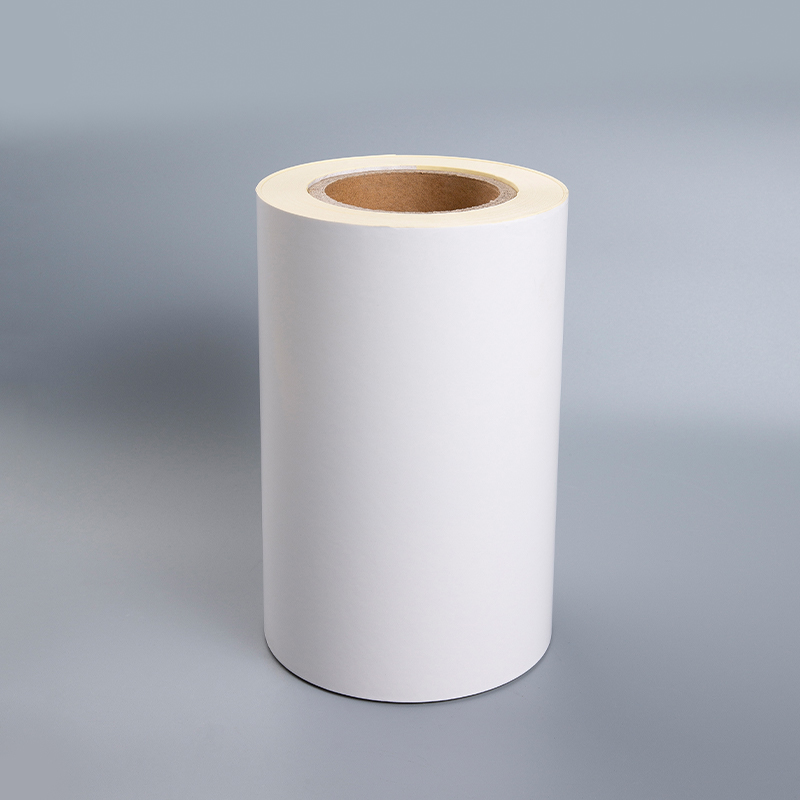
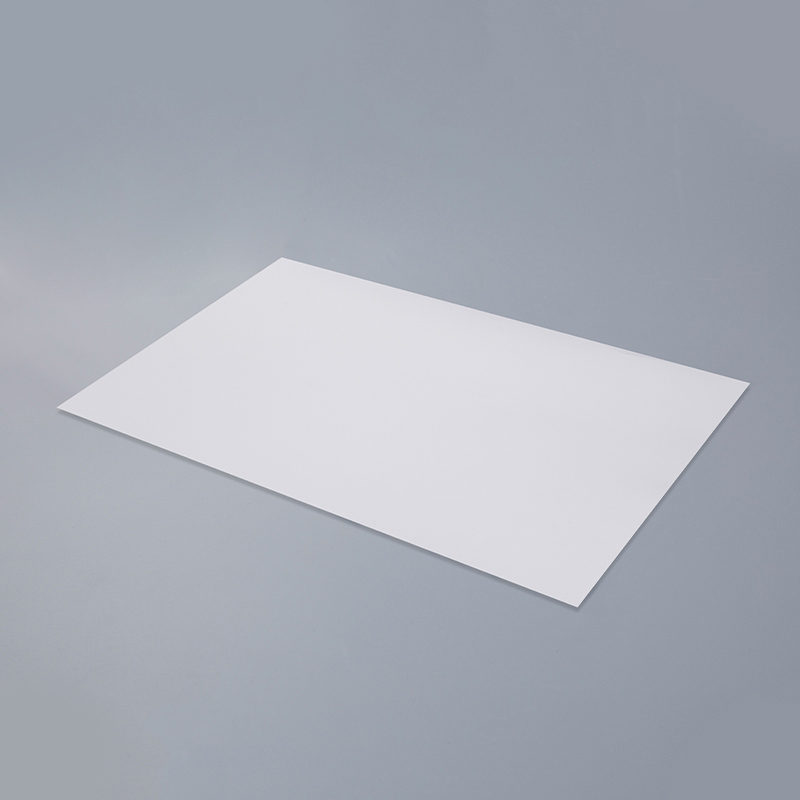
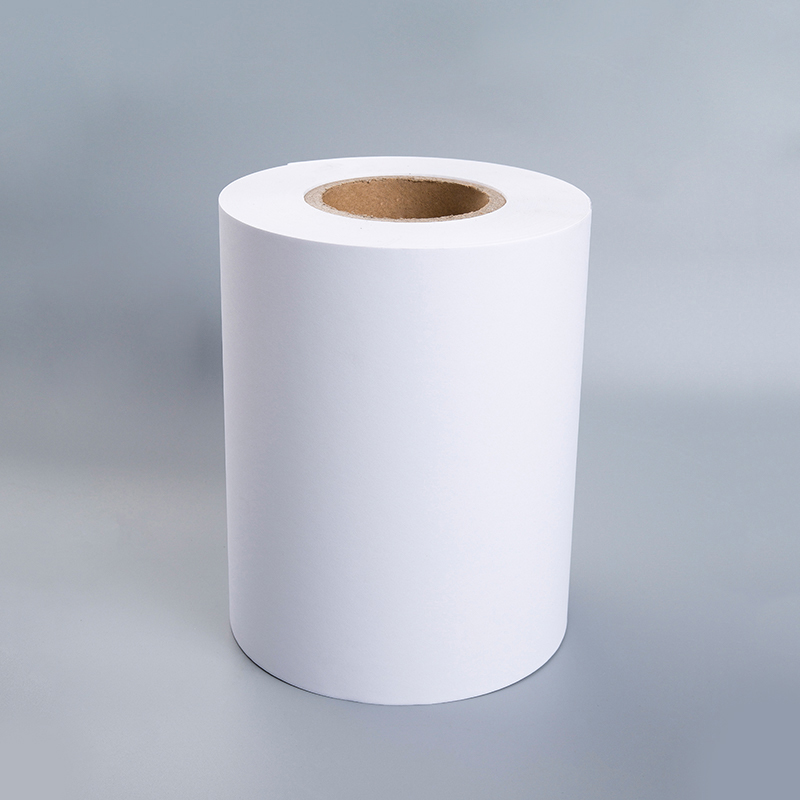
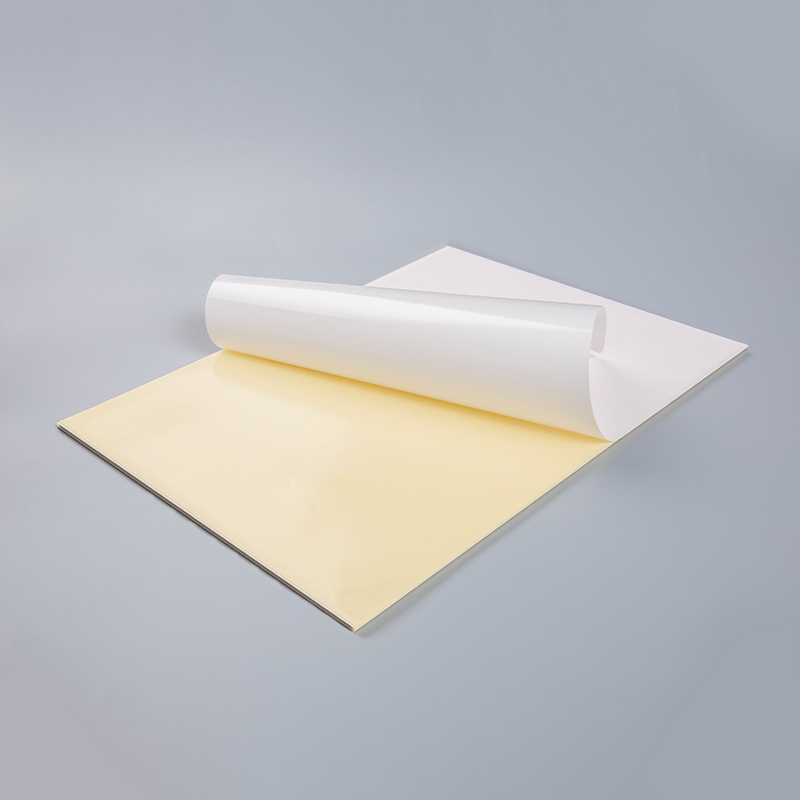
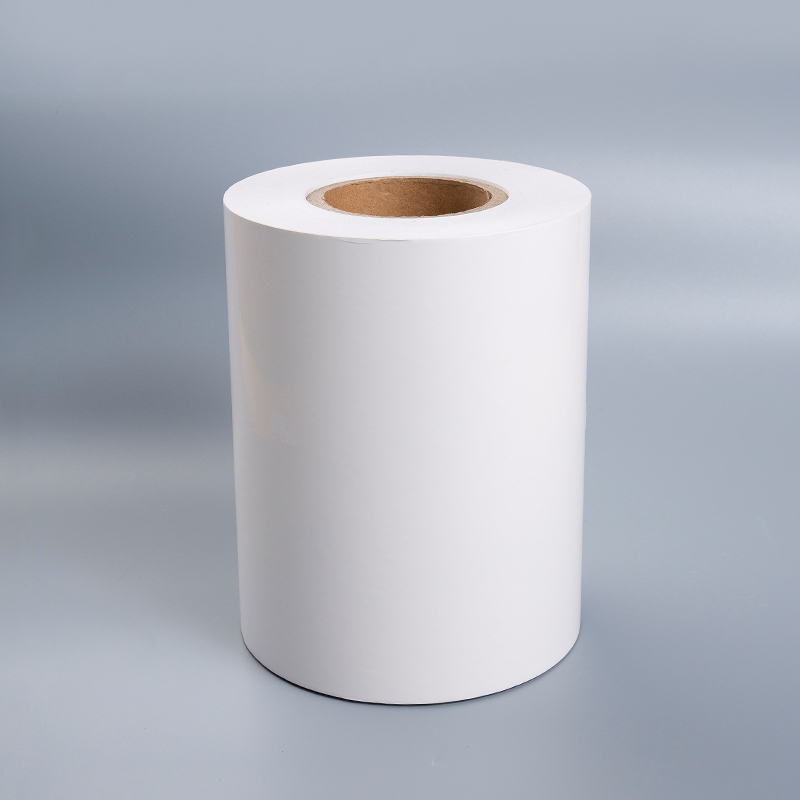
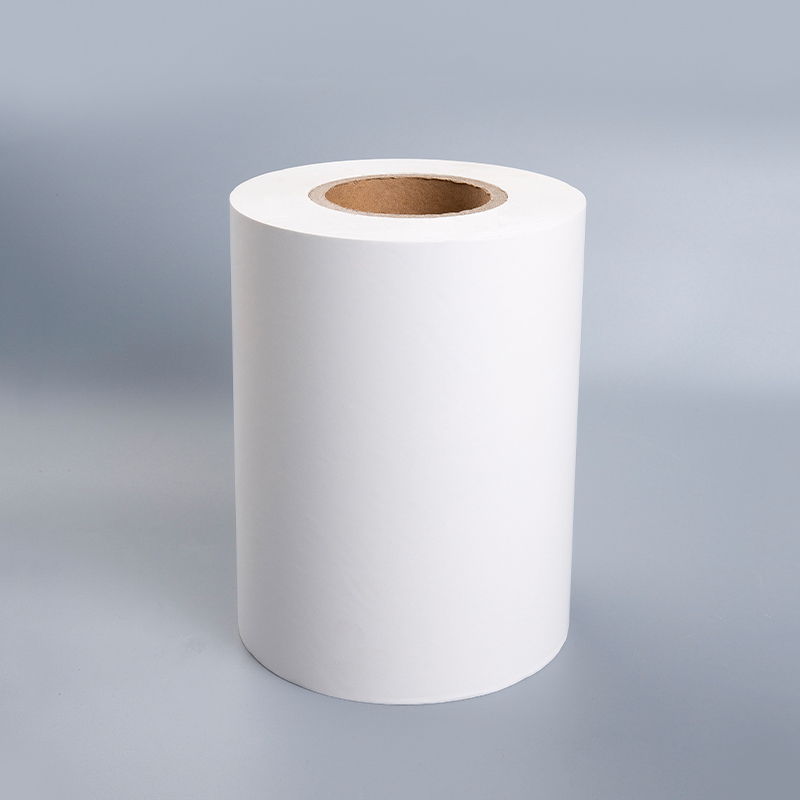
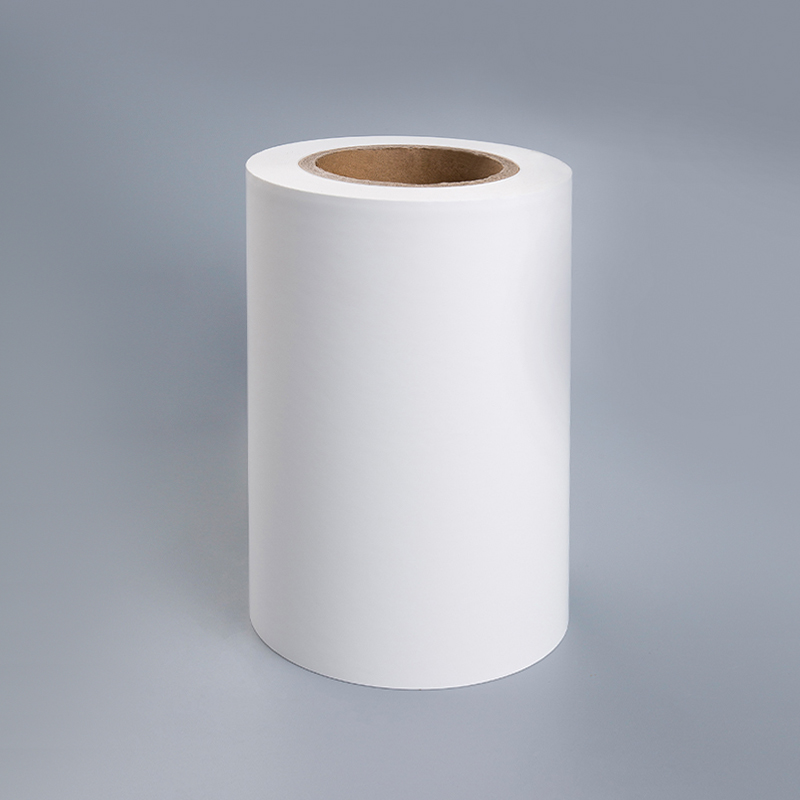
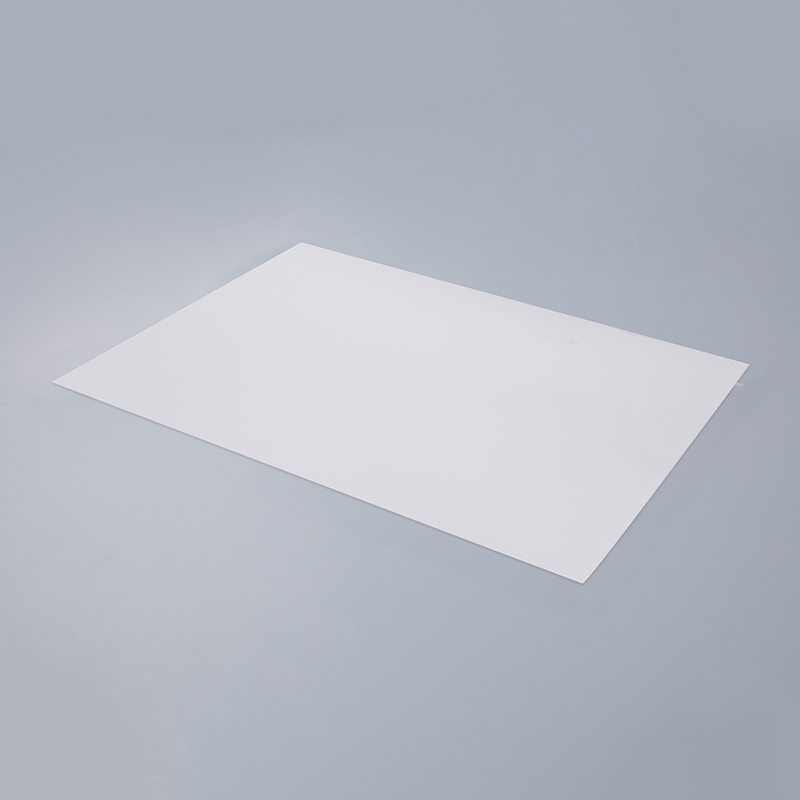
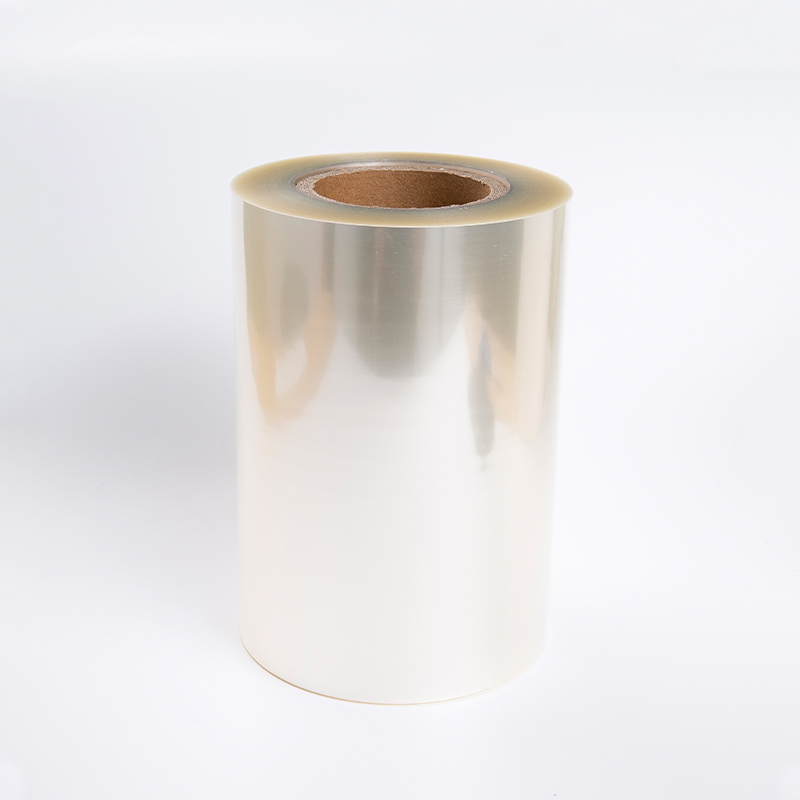
Transparent PVC adhesive film with a clear PET liner is a specialized pressure-sensitive label material designed for applications where appearance, print quality, dimensional stability, and visual clarity are equally important. The product combines a transparent PVC face material, a pressure-sensitive adhesive layer, and a transparent PET release liner. This construction supports the production of clear or “no-label-look” labels that allow the packaged product, container color, graphics, or surface texture to remain visible.
Transparent labeling has become increasingly important across beverage, mineral water, cosmetics, personal care, household chemical, packaging, building material, and general industrial markets. Product manufacturers often want labels that communicate essential information without visually covering the entire package. A transparent adhesive film can meet this requirement while still providing a printable surface for branding, regulatory information, instructions, barcodes, and decorative elements.
Compared with conventional paper labels, transparent PVC adhesive film offers improved resistance to moisture, better flexibility, and a more contemporary appearance. Compared with some opaque synthetic label stocks, its clear construction provides a stronger visual connection between the printed design and the package itself. The clear PET liner further supports accurate converting, stable handling, and a clean appearance during production.
Manufactured by Suzhou Piaozhihua Composite Material Technology Co., Ltd., this product is part of a broad portfolio of self-adhesive papers, self-adhesive films, special label materials, and silicone release papers. The company integrates research and development, adhesive coating, laminating, slitting, sheet cutting, sales, and after-sales service. Its manufacturing capabilities and customization options allow the material to be adapted to different printing processes, adhesive requirements, liner specifications, and finished dimensions.
Content
- 1 1. Product Construction and Functional Design
- 2 2. Main Advantages Over Conventional Label Materials
- 3 3. Application Areas
- 4 4. Printing and Finishing Considerations
- 5 5. Manufacturing Process and Quality Control
- 6 6. Manufacturing Strengths of the Supplier
- 7 7. Available Specifications
- 8 8. Packaging and Delivery
- 9 9. Storage and Handling Recommendations
- 10 10. How to Select the Correct Construction
- 11 11. Sustainability and Responsible Product Development
- 12 12. Why Work with an Experienced Manufacturer?
- 13 13. Practical Evaluation Before Mass Production
- 14 14. Frequently Asked Questions
- 14.1 Q1: What is transparent PVC with a clear PET liner?
- 14.2 Q2: What is the standard PVC thickness?
- 14.3 Q3: What adhesive is supplied with the standard product?
- 14.4 Q4: What is the standard liner thickness?
- 14.5 Q5: Can the material be used for beverage and mineral water labels?
- 14.6 Q6: Can it be printed using digital printing equipment?
- 14.7 Q7: Is the label completely invisible after application?
- 14.8 Q8: Are customized sizes available?
- 14.9 Q9: Can the product be supplied in sheets?
- 14.10 Q10: What should be considered when selecting the adhesive?
- 14.11 Q11: Does the supplier provide OEM and ODM services?
- 14.12 Q12: How does the company support quality assurance?
- 14.13 Q13: How should the material be stored?
- 14.14 Q14: Is transparent PVC suitable for every packaging application?
- 15 15. Conclusion
- 16 References
- 17 Product: Transparent PVC With Clear PET Liner
1. Product Construction and Functional Design
The performance of a self-adhesive label material is determined by the interaction of its three primary layers: the face material, the adhesive, and the release liner. Each layer contributes a specific function, and the final product must maintain balance among clarity, printability, adhesion, converting performance, and storage stability.
1.1 Transparent PVC Face Material
The standard face material for this product is 50-micron transparent PVC. Alternative thicknesses of 80, 100, 150, and 260 microns are also available. This range enables customers to select a construction based on the desired stiffness, durability, opacity, handling behavior, and application environment.
Transparent PVC is widely used in self-adhesive labels because it combines flexibility with good dimensional performance. It can conform to curved containers and irregular surfaces more readily than many rigid materials. It also provides a smooth, uniform surface suitable for high-quality printed graphics. When properly processed, the transparent film supports clean edges, consistent die cutting, and a visually attractive finished label.
The clear appearance is especially valuable when the label is intended to blend into the package. Rather than presenting a separate white or colored rectangle, a transparent label can allow the underlying bottle, jar, carton, panel, or product surface to remain visible. This effect is often used for premium packaging, minimalist designs, promotional labels, and products where the appearance of the container is part of the brand presentation.
1.2 Pressure-Sensitive Adhesive Layer
The adhesive layer creates the bond between the printed film and the target surface. The standard construction uses water-based adhesive, while several alternative adhesive technologies are available. These include hotmelt adhesive, solvent adhesive, removable adhesive, anti-freeze adhesive, cryogenic adhesive, and tyre-grade rubber adhesive.
This variety is an important advantage for buyers who require more than one standard label solution. Different packaging surfaces and operating conditions call for different adhesive properties. A water-based adhesive may be suitable for common labeling applications and general-purpose packaging. A hotmelt adhesive can be selected when high initial tack or rapid bonding is required. A solvent adhesive may be considered for demanding surfaces or conditions where enhanced resistance is needed.
Removable adhesive is useful when labels must be removed with minimal residue or when temporary identification is required. Anti-freeze and cryogenic adhesive options are designed for low-temperature environments, cold-chain packaging, refrigerated goods, and other applications where ordinary adhesives may lose tack. Tyre-grade rubber adhesive is available for specialized industrial labeling where the substrate and service conditions require a rubber-based bonding system.
Adhesive selection should always consider the target substrate, surface energy, temperature, humidity, storage time, application speed, and expected service life. The availability of multiple adhesive systems allows the manufacturer to develop a more suitable construction rather than forcing every application into a single adhesive category.
1.3 Clear PET Release Liner
The standard liner is a 36-micron transparent PET liner. Clear PET provides a stable and smooth backing for the adhesive-coated film. Its dimensional stability is useful during printing, die cutting, slitting, dispensing, and label application. The transparent liner also preserves the clear visual character of the material and can make inspection of the adhesive and film layers easier.
In addition to 36-micron transparent PET, customers may select transparent PET liners in 25, 50, or 100 microns. Other available liner options include glassine paper in 50, 60, 80, 100, and 120 grams; release paper in 60, 85, 120, and 140 grams; art paper in 140 and 165 grams; and CCK liners in 50, 80, 90, and 120 grams.
This liner flexibility is beneficial because the liner affects the way the material runs through printing and converting equipment. A film liner may offer dimensional stability and a smooth release surface, while a paper liner may provide a different level of stiffness and cost efficiency. Selecting the correct liner can improve roll handling, sheet feeding, die-cutting accuracy, waste removal, and label dispensing performance.
Transparent PVC With Clear PET Liner
2. Main Advantages Over Conventional Label Materials
Transparent PVC with a clear PET liner offers a combination of visual, functional, and manufacturing advantages. Its suitability depends on the end-use requirements, but several benefits distinguish it from ordinary paper labels and less specialized film constructions.
2.1 A Clean No-Label Appearance
The most recognizable advantage is the ability to create a label-free visual effect. When the label is applied correctly to a clear or compatible package, the printed design appears to sit directly on the container. This can produce a clean, modern, and premium presentation.
This effect is particularly useful for mineral water bottles, beverage containers, cosmetics, toiletries, household products, and transparent packaging. Designers can use clear areas, selective printing, white ink, metallic effects, or layered graphics to control which parts of the package remain visible. The film can therefore support both minimalist designs and highly detailed decorative labels.
Conventional paper labels cover the underlying package with an opaque surface. Although paper remains useful for many applications, it cannot provide the same transparent integration. For brands that want the package shape, liquid color, or container finish to remain part of the visual identity, transparent film offers a clear competitive advantage.
2.2 Moisture and Environmental Resistance
PVC film generally provides better resistance to moisture than untreated paper. This makes it suitable for products exposed to condensation, splashing, refrigeration, handling, and humid storage environments. The film face material is less likely to absorb water or swell in the same way as a conventional paper label.
Improved moisture resistance helps preserve the label’s visual appearance and physical integrity. It can reduce wrinkling, edge lifting, staining, and loss of stiffness caused by humidity. The exact resistance of the finished label depends on the adhesive, ink system, coating, package surface, and service conditions, so application testing remains important.
2.3 Flexibility for Curved Containers
Transparent PVC is flexible enough for many curved and contoured surfaces. This is valuable for bottles, jars, tubes, cans, and other packages with cylindrical or shaped geometries. The material can be converted into labels that follow the package profile while maintaining a smooth appearance.
For curved applications, the interaction between film flexibility, adhesive tack, liner release, label dimensions, and application equipment is critical. The availability of different face thicknesses and adhesive grades allows the construction to be adjusted to the shape and application speed of the package.
2.4 Compatibility with Multiple Printing Methods
The product includes a special surface coating designed to support a variety of printing methods. This is important for converters and brand owners who use different printing platforms for short runs, variable data, packaging graphics, or large-volume production.
Depending on the selected ink and process, the material may be used with digital printing, flexographic printing, offset-related processes, screen printing, and other suitable technologies. Printers should confirm ink compatibility, drying conditions, color density, adhesion, and finishing requirements before full-scale production.
The coated surface helps improve ink reception and print definition. On a transparent substrate, color management is especially important because the background package can influence the appearance of printed colors. White ink or an opaque underlayer may be used when strong color density is required, while unprinted transparent areas can be retained for visual effect.
2.5 Stable Converting Performance
Transparent label materials must be processed carefully because defects can be more visible than they are on opaque stocks. A stable film-and-liner construction helps support slitting, sheeting, die cutting, matrix stripping, and dispensing.
The clear PET liner contributes to dimensional stability during converting. It can help the label web remain consistent as it passes through equipment, reducing the risk of registration variation, deformation, or handling problems. Proper release coating also helps labels separate from the liner at the intended point without excessive adhesive transfer or premature release.
2.6 Broad Customization Potential
One of the strongest advantages of this product family is the ability to customize several components. Customers can select face thickness, adhesive chemistry, liner type, roll width, sheet size, and packaging format. This reduces the need to compromise between general-purpose stock and application-specific performance.
Jumbo roll widths include 1000, 1020, 1080, and 1530 millimeters. Sheet sizes include A4, A3, 20 by 30 centimeters, 21 by 30 centimeters, 24 by 36 inches, 50 by 70 centimeters, and 70 by 100 centimeters. Customized dimensions are also available.
Customization is valuable for printing companies, label converters, distributors, and original equipment manufacturers. A converter can order a width that better matches its slitting plan, while a digital printer may choose a sheet format compatible with its press. A packaging manufacturer may specify an adhesive and liner combination based on the application environment.
3. Application Areas
3.1 Mineral Water and Beverage Labels
Mineral water and beverage packaging often requires labels that tolerate refrigeration, condensation, frequent handling, and exposure to moisture. Transparent film can create a clean appearance while preserving the visual clarity of the bottle and liquid inside.
Clear labels are also useful for beverages with distinctive colors or layered packaging designs. A transparent background may be combined with white ink, metallic elements, or selective color printing. The finished label can provide essential product information while avoiding the heavier appearance of a fully opaque label.
3.2 Cosmetics and Personal Care Products
Cosmetic packaging frequently emphasizes visual refinement, surface finish, and product presentation. Transparent PVC labels can be used on bottles, jars, tubes, and containers where the package material or product color contributes to the overall design.
For premium products, the label can include fine typography, transparent windows, decorative borders, or layered graphic effects. The material’s smooth surface supports detailed printing, while the clear construction can complement glass, plastic, and glossy containers.
3.3 Daily Chemical Products
Household cleaners, personal care products, detergents, and other daily chemical goods often require labels that resist humid environments and routine handling. Transparent film can offer a practical alternative to paper when the container may be exposed to splashes or wet storage areas.
Adhesive selection is important in this category because containers may be made from different plastics with varying surface energy. The manufacturer’s range of adhesive options allows the label construction to be evaluated for the particular bottle, container, or packaging surface.
3.4 Building Materials and Industrial Packaging
The product is also used in building materials, packaging, and other industrial sectors. In these markets, labels may be required for product identification, batch tracking, specifications, warnings, barcodes, or logistics information.
Industrial applications may require thicker film, specialized adhesive, greater resistance, or a liner that supports high-speed converting. The availability of 80, 100, 150, and 260-micron PVC options enables customers to consider constructions with increased body and durability compared with the standard 50-micron material.
3.5 Promotional and Decorative Labels
Clear adhesive film is suitable for promotional labels, limited-edition packaging, event labels, decorative stickers, and product upgrades. It can be printed with variable information or short-run graphics using digital printing equipment, making it practical for customized campaigns.
The transparency of the material allows designers to use the package itself as part of the artwork. This can reduce visual clutter and create effects that are difficult to reproduce with conventional white label stock.
4. Printing and Finishing Considerations
Transparent film requires careful preparation because the substrate does not behave exactly like paper. Printers should evaluate ink adhesion, drying or curing, surface energy, color density, registration, coating compatibility, and finishing requirements before production.
4.1 Ink Selection
The suitable ink system depends on the printing method and the final application. Ink must adhere firmly to the coated PVC surface and maintain its appearance during converting and use. In some applications, additional varnish or protective coating may be considered to improve scratch resistance or visual finish.
Because the film is transparent, printed colors may appear less dense when viewed against a clear or dark package. White ink can be used as a base to create opaque areas, improve color brightness, or isolate particular design elements from the package background. Printing in reverse on the film may also be considered for certain constructions, provided that the adhesive, liner, and viewing direction are compatible with the design.
4.2 Registration and Die Cutting
Clear label materials can make registration errors more noticeable, especially when the design includes fine borders or precise transparent windows. Accurate web control, stable liner performance, and properly maintained dies help improve finished label quality.
Die-cutting pressure should be adjusted to cut through the face material and adhesive without unnecessarily cutting into the liner. Excessive penetration can complicate matrix removal and label dispensing. Insufficient cutting may result in incomplete label separation. Trials should be performed with the selected thickness, adhesive, and liner combination.
4.3 Dispensing and Application
Labels may be supplied in rolls or sheets. Roll labels can be used with automatic or semi-automatic application equipment, while sheets are suitable for digital printing, manual application, office-format production, and selected sheet-fed processes.
Application conditions affect final adhesion. The substrate should be clean, dry, and free from oil, dust, condensation, and release agents. Application pressure should be sufficient to establish contact, particularly on curved or textured surfaces. The bond may continue to develop after application, so the product should be tested over the expected storage and service period.
5. Manufacturing Process and Quality Control
The performance of transparent PVC adhesive film depends not only on the raw materials but also on the consistency of the manufacturing process. A well-controlled production system must manage coating uniformity, adhesive weight, lamination pressure, web tension, release performance, slitting accuracy, and packaging protection.
5.1 Adhesive Coating
The manufacturing process begins with preparation of the selected adhesive system. Water-based, hotmelt, solvent, removable, anti-freeze, cryogenic, and rubber adhesive constructions may require different process conditions. Viscosity, coating temperature, drying or curing, and coating weight must be controlled according to the formulation and target application.
Uniform adhesive coating is essential. Variations may lead to differences in tack, peel adhesion, shear resistance, label appearance, and application behavior. A controlled coating line helps ensure that the adhesive is distributed evenly across the web and that the finished roll remains consistent from edge to edge and from beginning to end.
5.2 Drying, Curing, and Process Stability
Water-based adhesive systems require appropriate drying to remove moisture and establish the intended adhesive properties. Solvent systems require controlled solvent removal and safe process management. Hotmelt systems depend on accurate temperature control and uniform application.
Process stability protects both performance and appearance. Inadequate drying may cause blocking, odor, poor adhesion, or storage problems. Excessive heat may affect the PVC face material, liner, adhesive, or release coating. The production team must therefore balance line speed, oven conditions, coating weight, and web tension.
5.3 Laminating the Face Material and Liner
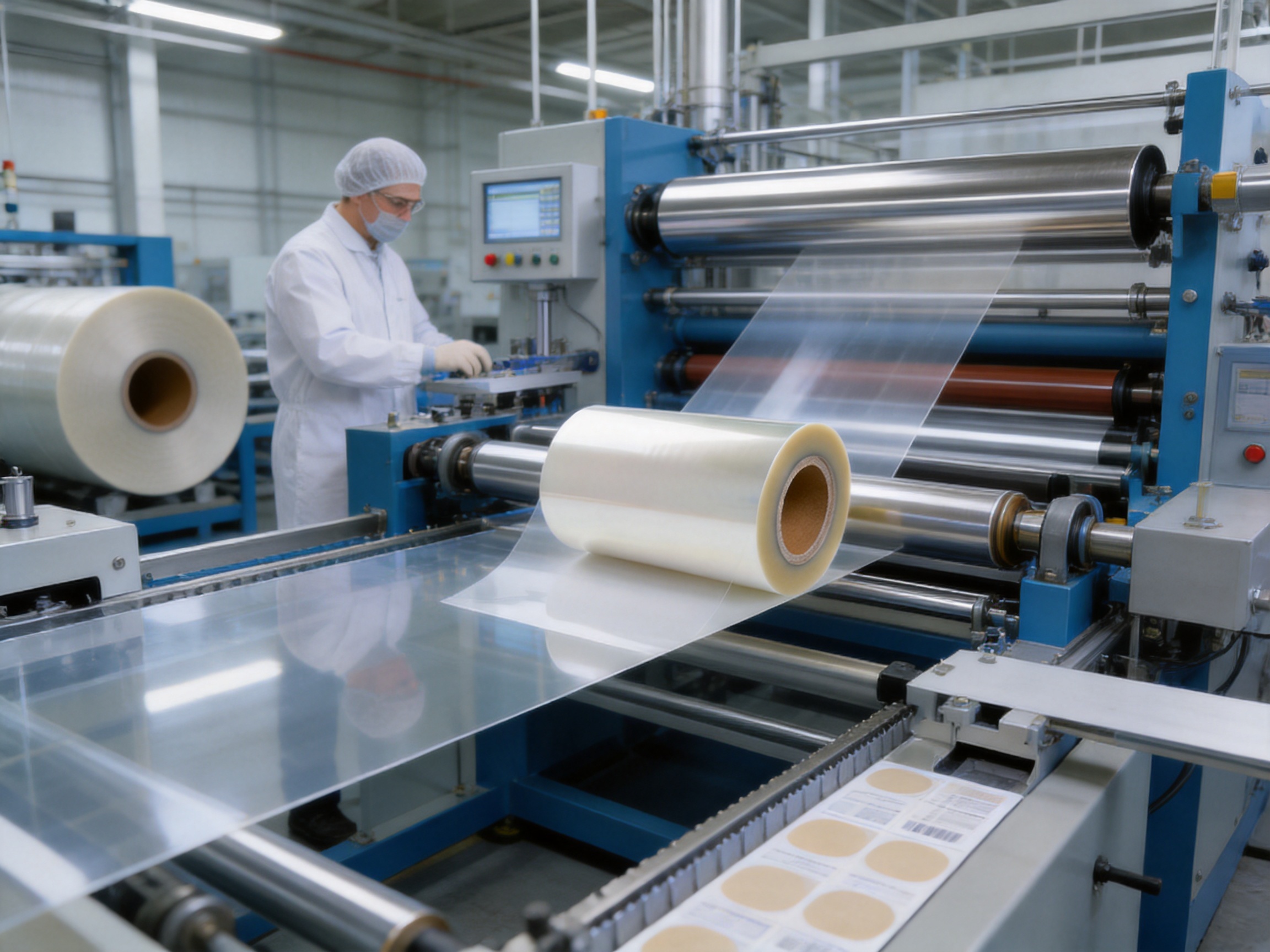
After adhesive coating, the transparent PVC film is laminated with the selected release liner. The liner must be aligned accurately with the face material, and the lamination pressure must be sufficient to create a stable composite without introducing wrinkles, air pockets, or telescoping.
The clear PET liner provides a smooth and dimensionally stable foundation. Its performance depends on the quality of the PET film, the silicone release coating, and the consistency of the lamination process. Release force should be balanced so that the label remains protected during storage and transport but can be removed cleanly during application.
5.4 Slitting and Sheeting
Large jumbo rolls are converted into narrower rolls or sheets according to customer requirements. Slitting accuracy affects roll width, edge quality, winding stability, and compatibility with downstream equipment. Clean cutting reduces loose fibers, edge damage, and web handling problems.
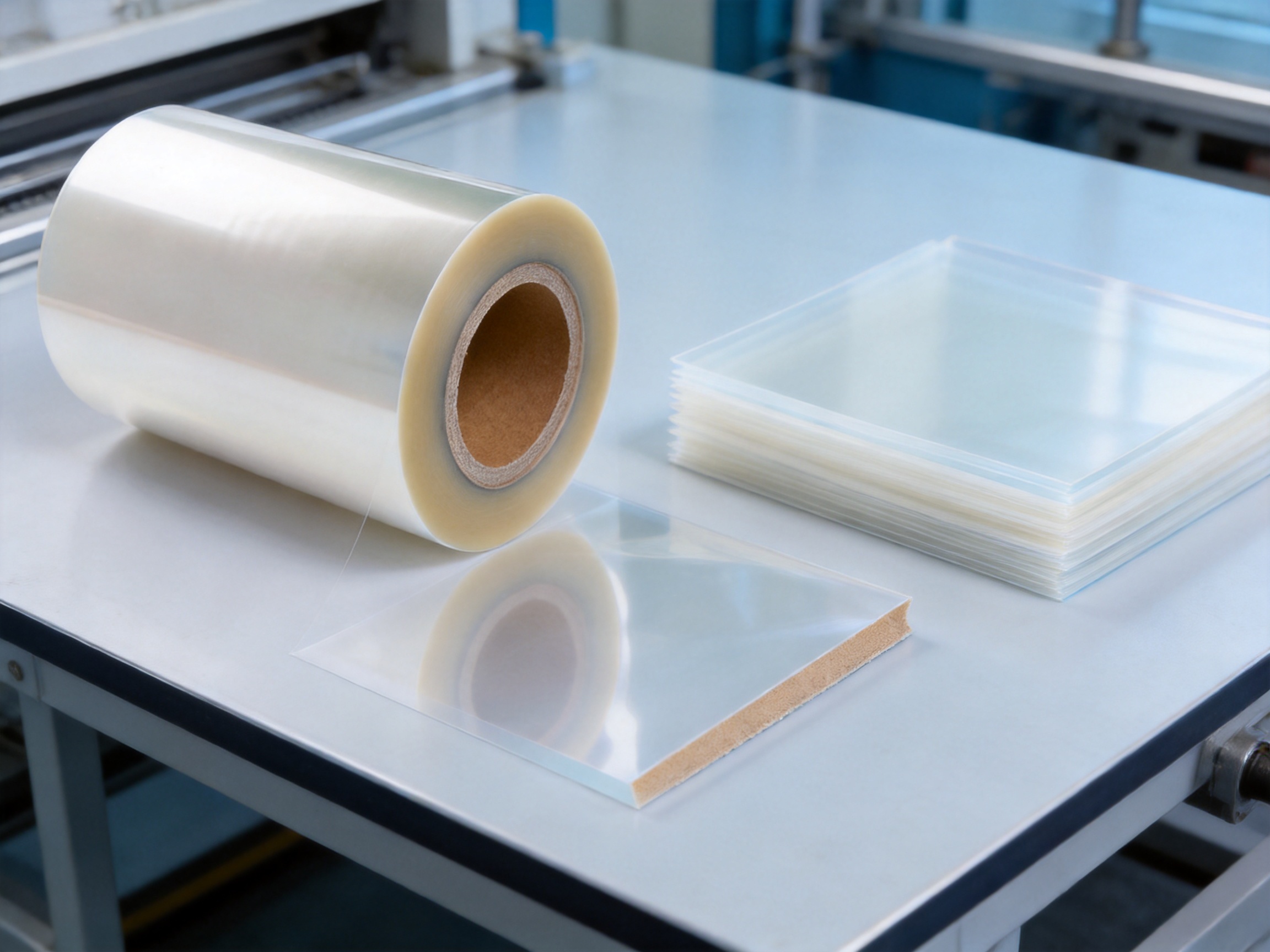
Sheeting requires additional attention to cut length, squareness, stack alignment, and surface protection. The material can be supplied in standard formats such as A4 and A3, as well as larger commercial sizes and customized dimensions. Proper stacking prevents edge deformation and helps maintain a flat, usable sheet.
5.5 Inspection and Testing
Quality control may include inspection of appearance, thickness, coating uniformity, liner release, adhesive tack, peel adhesion, shear strength, dimensional stability, and converting behavior. Testing methods should reflect the intended application and may include evaluation on representative substrates.
Transparent materials require careful visual inspection because contamination, scratches, bubbles, wrinkles, coating marks, and adhesive irregularities can affect the final appearance. Inspection equipment and trained personnel help identify defects before shipment.
Suzhou Piaozhihua Composite Material Technology Co., Ltd. maintains its own testing laboratory and uses advanced inspection equipment as part of its quality system. This supports product verification, process improvement, and customer-specific development. The company’s integrated production lines include gluing, laminating, and cutting, allowing greater control over the complete manufacturing sequence.
6. Manufacturing Strengths of the Supplier
A supplier’s technical and organizational capabilities are important when selecting a self-adhesive material for commercial production. The manufacturer behind this transparent PVC product has more than 20 years of experience in self-adhesive product development and OEM manufacturing.
6.1 Integrated Production Capability
The company operates a full range of production lines covering adhesive coating, laminating, slitting, and cutting. This integrated structure can simplify communication between departments and reduce the risks associated with outsourcing separate stages to unrelated suppliers.
Integrated manufacturing also supports more efficient customization. When a customer requests a particular face material, adhesive, liner, roll width, or sheet size, the technical and production teams can coordinate the complete construction. This is especially useful for projects that require repeated supply consistency rather than a one-time purchase.
6.2 Large Annual Production Capacity
The company has an annual production capacity of more than 280 million square meters. Such capacity supports both regular commercial orders and larger-volume supply programs. It also provides a foundation for serving customers in multiple industries and regions.
Capacity alone does not guarantee quality, but sufficient production resources can improve scheduling flexibility, material availability, and continuity of supply. Customers can discuss stock formats, jumbo roll requirements, customized sheets, and production planning according to their needs.
6.3 Research and Development
The supplier maintains strong research and development capabilities and has developed multiple patented technologies. Its technical work covers face materials, adhesive systems, backing papers, and environmentally oriented product solutions.
Research and development is valuable because label applications are becoming more specialized. Customers may require improved cold-temperature adhesion, removability, compatibility with a particular printing system, higher converting speed, or a different balance between transparency and stiffness. A professional R&D team can help evaluate these requirements and develop a suitable construction.
6.4 OEM and ODM Services
The company accepts OEM and ODM projects and can produce materials based on customer drawings, samples, or technical specifications. This service is useful for distributors, printing companies, packaging manufacturers, and brand owners that need a private-label or application-specific product.
OEM and ODM cooperation may include the selection of film thickness, adhesive type, liner, roll diameter, core size, sheet dimensions, packaging method, and inspection standards. Technical discussions should establish the target performance, production tolerances, expected order volume, and testing procedure before mass production.
6.5 Domestic and International Market Experience
The supplier has established sales coverage in China and maintains an international marketing network across Asia, Europe, the Americas, Africa, and other regions. Its products are supplied to customers in markets including the United States, Germany, Japan, South Korea, Brazil, Mexico, Russia, and the Middle East.
International market experience can support communication regarding packaging, shipping, documentation, quality requirements, and regional application conditions. It also reflects the company’s ability to serve customers with different technical expectations and business models.
7. Available Specifications
The following table summarizes the principal specifications and options associated with transparent PVC adhesive film with a clear PET liner.
| Item | Standard Specification | Available Options |
|---|---|---|
| Face material | 50-micron transparent PVC | 80, 100, 150, and 260 microns |
| Standard adhesive | Water-based adhesive | Hotmelt, solvent, removable, anti-freeze, cryogenic, and tyre-grade rubber adhesive |
| Standard liner | 36-micron transparent PET liner | 25, 50, and 100-micron transparent PET; glassine, release paper, art paper, and CCK liner |
| Jumbo roll width | 1000, 1020, 1080, and 1530 millimeters | Customized widths subject to production requirements |
| Sheet formats | A4, A3, 20 × 30 cm, 21 × 30 cm, 24 × 36 in, 50 × 70 cm, and 70 × 100 cm | Customized sheet sizes |
| Supply form | Rolls or sheets | Stock supply or made-to-order production |
| Primary uses | Clear labels and no-label-look packaging | Beverage, cosmetics, daily chemical, building material, packaging, and industrial applications |
8. Packaging and Delivery
Packaging is designed to protect the material during storage, handling, and sea transportation. Roll and sheet formats can be packed according to the customer’s order and shipping requirements.
For sheet products, 100 sheets are packed per ream. Each ream is wrapped with strong PE-coated kraft paper to provide protection against dust, moisture, abrasion, and ordinary handling damage. The reams are then arranged on sturdy pallets.
Pallets are wrapped with stretch film and secured with plastic fastening belts. This packaging method helps maintain load stability during transport and reduces the chance of shifting or corner damage. Poly-wood pallets and carton packing are available for sea-transit-worthy shipment arrangements.
Customers should confirm the preferred roll diameter, core size, pallet configuration, carton requirements, moisture protection, and shipping marks before order confirmation. Proper packaging specifications are particularly important for transparent films because surface scratches, contamination, and edge damage may affect printing and final appearance.
9. Storage and Handling Recommendations
Self-adhesive film should be stored in a clean, dry, and well-ventilated environment. The material should be protected from direct sunlight, excessive heat, high humidity, dust, and contact with chemicals that may affect the film, adhesive, or release liner.
Rolls should be stored in a stable position that prevents telescoping, crushing, or edge deformation. Heavy objects should not be placed on top of the material. Sheets should remain flat and supported to minimize curling or bending.
Before printing or application, the material should be allowed to reach the operating environment. Temperature differences between storage and production areas may result in condensation or temporary dimensional changes. Conditioning time should be determined according to the warehouse and production conditions.
During handling, operators should avoid touching the printable surface with dirty or oily gloves. Scratches and fingerprints may be especially visible on clear film. Protective packaging should remain in place until the material is ready for processing.
Storage life and application performance depend on the adhesive system, packaging conditions, and environmental exposure. Buyers should request technical guidance for long-term storage, refrigerated products, cryogenic applications, outdoor use, or contact with unusual substrates.
10. How to Select the Correct Construction
Choosing the correct transparent PVC adhesive film requires more than selecting a thickness. The complete construction should be matched to the printing process, target substrate, application temperature, label shape, service environment, and removal expectations.
10.1 Select the Face Thickness
The 50-micron PVC face is a practical starting point for many common label applications. Thicker options may be considered when greater body, stiffness, durability, or handling strength is required. Thin constructions may conform more easily to curved surfaces, while thicker constructions may be easier to handle during certain converting operations.
10.2 Select the Adhesive
Water-based adhesive is suitable for many general-purpose applications, but specialized conditions may require another adhesive. Refrigerated products may require anti-freeze performance. Cryogenic environments call for a suitable low-temperature adhesive. Temporary labels may require removability, while industrial surfaces may require higher tack or rubber-based adhesion.
Adhesive testing should be performed on the actual substrate. Plastic packaging can vary significantly in surface energy, texture, curvature, and the presence of additives or contaminants. A label that performs well on glass may not perform identically on polyethylene, polypropylene, PVC, painted metal, or coated board.
10.3 Select the Liner
A clear PET liner is an effective choice when dimensional stability, smooth handling, and transparent construction are priorities. Paper liners may be selected when a particular stiffness, cost structure, or sheet-fed performance is preferred. The liner should be compatible with the printer, die-cutting equipment, dispensing method, and expected storage conditions.
10.4 Select Roll or Sheet Supply
Roll supply is generally convenient for high-volume printing, automatic labeling, and continuous converting. Sheet supply is appropriate for digital printing, prototype production, short-run jobs, manual application, and customers using sheet-fed equipment.
Customized roll widths and sheet sizes can help reduce waste and improve production efficiency. A converter should evaluate the finished label dimensions, repeat length, web width, matrix layout, and number of labels per sheet or roll before choosing the material format.
11. Sustainability and Responsible Product Development
Environmental responsibility is becoming an increasingly important consideration in label material selection. The supplier’s product development approach includes efforts to create more environmentally friendly solutions involving face materials, adhesives, and backing papers.
The environmental profile of a label construction depends on the entire system, including the face film, adhesive, liner, inks, coatings, packaging, converting waste, and disposal route. Transparent PVC may be selected for its performance advantages, but customers should evaluate the complete life cycle and local recycling requirements for the finished package.
Material efficiency can also contribute to responsible production. Accurate roll widths and customized sheet sizes may reduce trim waste. Suitable adhesive selection can improve application success and reduce rejected labels. Consistent manufacturing can minimize defects and avoid unnecessary consumption of raw materials.
Customers with specific sustainability targets should discuss recycled content, liner optimization, adhesive selection, packaging reduction, and applicable environmental documentation with the supplier before finalizing a product specification.
12. Why Work with an Experienced Manufacturer?
Self-adhesive label materials may appear simple, but reliable performance depends on many controlled variables. An experienced manufacturer understands the relationship between coating chemistry, film properties, release liners, printing, converting, and end-use conditions.
A capable supplier can help customers avoid common problems such as poor ink adhesion, label lifting, liner splitting, inconsistent release, edge ooze, excessive curling, adhesive residue, and poor performance at low temperatures. Technical support before production can be more valuable than simply comparing the initial price of different materials.
Suzhou Piaozhihua Composite Material Technology Co., Ltd. combines more than two decades of manufacturing experience with integrated production lines, laboratory testing, R&D resources, OEM and ODM capability, and international supply experience. These strengths provide a foundation for stable, application-oriented product development.
The company’s product range extends beyond transparent PVC film to include self-adhesive paper, self-adhesive film, special label materials, and silicone release paper. This broader portfolio can make it easier for customers to source multiple label constructions from one supplier and compare alternative materials for different product lines.
13. Practical Evaluation Before Mass Production
Before placing a large order, customers should conduct a structured evaluation using the actual printing equipment, label design, substrate, and application conditions. Laboratory data is useful, but production trials reveal issues that may not appear in simple material inspection.
The trial should evaluate printing quality, color density, drying or curing, scratch resistance, die cutting, matrix stripping, label dispensing, adhesion, storage, and final appearance. For transparent labels, the package should be inspected under the lighting conditions used by consumers or quality personnel.
Testing should also include the lowest and highest expected application temperatures. If products are refrigerated, frozen, stored outdoors, or transported through changing climates, the label should be evaluated under representative conditions. Long-term observation can reveal edge lifting, adhesive migration, discoloration, or loss of adhesion.
For removable labels, residue and clean removal should be tested after the intended dwell time. For permanent labels, peel and shear performance should be evaluated after sufficient bonding time. For industrial uses, resistance to moisture, abrasion, oils, chemicals, and temperature cycling may be required.
14. Frequently Asked Questions
Q1: What is transparent PVC with a clear PET liner?
It is a pressure-sensitive adhesive label material composed of a transparent PVC face film, an adhesive layer, and a transparent PET release liner. The construction is designed for clear labels, decorative labels, product identification, and no-label-look packaging.
Q2: What is the standard PVC thickness?
The standard face material is 50 microns. PVC thicknesses of 80, 100, 150, and 260 microns are also available for applications requiring different levels of stiffness, durability, or handling performance.
Q3: What adhesive is supplied with the standard product?
The standard adhesive is water-based adhesive. Hotmelt, solvent, removable, anti-freeze, cryogenic, and tyre-grade rubber adhesive options are available for specialized requirements.
Q4: What is the standard liner thickness?
The standard liner is 36-micron transparent PET. Transparent PET liners in 25, 50, and 100 microns can also be considered. Glassine, release paper, art paper, and CCK liner options are available as alternatives.
Q5: Can the material be used for beverage and mineral water labels?
Yes. The product is widely used for mineral water, beverage, cosmetics, daily chemical, and other labels. Its moisture-resistant film construction and transparent appearance make it suitable for many bottle and container applications, subject to adhesive and application testing.
Q6: Can it be printed using digital printing equipment?
The coated surface is designed to support a variety of printing methods, including suitable digital printing processes. The printer should confirm compatibility among the selected film, ink, coating, curing method, and finishing process before commercial production.
Q7: Is the label completely invisible after application?
The label can create a no-label-look effect when the transparent film, adhesive, package surface, and printing design are properly matched. The final appearance depends on the clarity of the film, the presence of printed areas, the package color, surface condition, and application quality.
Q8: Are customized sizes available?
Yes. Jumbo roll widths include 1000, 1020, 1080, and 1530 millimeters, and customized widths can be discussed. Standard sheet sizes include A4, A3, 20 by 30 centimeters, 21 by 30 centimeters, 24 by 36 inches, 50 by 70 centimeters, and 70 by 100 centimeters, with customized sheet sizes also available.
Q9: Can the product be supplied in sheets?
Yes. The material can be supplied in either roll or sheet form. Sheet formats are suitable for digital printing, short runs, prototypes, manual application, and sheet-fed production.
Q10: What should be considered when selecting the adhesive?
The target substrate, surface energy, application temperature, storage conditions, humidity, expected service life, removability requirements, and exposure to chemicals or freezing temperatures should all be considered. Testing on the actual packaging surface is recommended.
Q11: Does the supplier provide OEM and ODM services?
Yes. The supplier accepts OEM and ODM projects and can develop products according to customer drawings, samples, technical specifications, or application requirements.
Q12: How does the company support quality assurance?
The company uses integrated production lines for gluing, laminating, and cutting, supported by its own testing laboratory and advanced inspection equipment. These resources help monitor product quality and support customized development.
Q13: How should the material be stored?
It should be stored in a clean, dry, and well-ventilated environment away from direct sunlight, excessive heat, humidity, dust, and chemical contamination. Rolls should be protected from crushing and telescoping, while sheets should be stored flat.
Q14: Is transparent PVC suitable for every packaging application?
No single label material is suitable for every application. Transparent PVC is a strong option for clear, flexible, moisture-resistant labels, but the final construction should be tested against the package surface, temperature range, printing process, and service conditions.
15. Conclusion
Transparent PVC adhesive film with a clear PET liner is a versatile material for manufacturers and converters seeking high-clarity labels, reliable converting performance, and a modern no-label-look appearance. Its transparent 50-micron PVC face, clear 36-micron PET liner, printable coated surface, and range of adhesive choices provide a practical foundation for beverage, mineral water, cosmetics, daily chemical, packaging, building material, and industrial applications.
The product’s key advantages include visual integration with transparent packaging, flexibility on curved containers, improved moisture resistance compared with conventional paper, compatibility with multiple printing methods, stable PET liner support, and extensive customization potential. Alternative film thicknesses, adhesive systems, liner constructions, roll widths, and sheet sizes allow the material to be adapted to specific production requirements.
The manufacturing capabilities of Suzhou Piaozhihua Composite Material Technology Co., Ltd. further strengthen the product offering. More than 20 years of industry experience, integrated gluing and laminating lines, high annual production capacity, laboratory testing, advanced inspection equipment, R&D expertise, and OEM and ODM services provide customers with a complete technical and supply partner.
For the best result, buyers should evaluate the complete construction rather than the face film alone. A successful label depends on the correct relationship among PVC thickness, adhesive chemistry, PET or paper liner, printing process, package surface, converting method, application temperature, and storage environment. With proper selection and testing, transparent PVC adhesive film can deliver an attractive, durable, and commercially effective labeling solution.
References
1. General principles of pressure-sensitive adhesive label construction, including face material, adhesive, and release liner functions.
2. Technical guidance for transparent synthetic films used in packaging and product identification labels.
3. Printing and converting considerations for coated PVC films and clear label materials.
4. Industrial practices for adhesive coating, laminating, slitting, sheeting, and release-liner inspection.
5. Manufacturer-provided product specifications for transparent PVC adhesive film with clear PET liner.
6. Manufacturer-provided information regarding adhesive alternatives, liner options, packaging, production capacity, OEM services, ODM services, and quality-control capabilities.
7. General storage and handling recommendations for pressure-sensitive adhesive materials and release-liner products.