
 English
 Español
 русский
 Français
 عربى
Content
- 1 Introduction
- 2 What Is Grid Holographic Laser Film in Sheet Form?
- 3 Key Product Advantages
- 4 Applications in Premium Packaging and Labeling
- 5 Advantages Compared with Conventional Label Materials
- 6 Manufacturing Capabilities and Process Strengths
- 7 Printing and Converting Considerations
- 8 Packaging and Delivery Protection
- 9 Sustainability and Responsible Material Development
- 10 Quality, Service, and Supply Reliability
- 11 How to Select the Correct Configuration
- 12 Why Work with an Experienced Specialty Material Manufacturer?
- 13 Q&A
- 13.1 What is the thickness of the holographic film?
- 13.2 Can the material be supplied in sheets?
- 13.3 Is the product available in rolls?
- 13.4 Which adhesive is supplied as standard?
- 13.5 Can the product be used in refrigerated or low-temperature applications?
- 13.6 Can the holographic film be printed?
- 13.7 Can the label be removed after application?
- 13.8 What liner options are available?
- 13.9 What products are suitable for this material?
- 13.10 How is the material packed?
- 13.11 Can the company provide customized products?
- 13.12 What information should be provided when requesting a quotation?
- 14 Conclusion
- 15 References
- 16 Product: Grid Holographic Laser Film in Sheet
Introduction
Packaging is no longer limited to protecting a product and displaying basic information. In competitive consumer markets, packaging must attract attention, communicate quality, support brand recognition, and withstand the conditions encountered during transportation, storage, retail display, and everyday use. Grid holographic laser film in sheet form is designed to meet these requirements by combining a striking optical effect with the functional performance expected from a modern self-adhesive label material.
This material features a 50-micron grid holographic film face combined with a pressure-sensitive adhesive and a release liner. Its holographic grid appearance produces changing reflections and visual depth when viewed from different angles. The result is a premium decorative surface suitable for labels, packaging, promotional materials, product identification, and specialty printing applications.
Unlike ordinary paper labels or non-decorative transparent films, grid holographic laser film provides a distinctive visual effect while maintaining resistance to moisture, light, temperature changes, and general handling. It can be supplied in standard sheet sizes, jumbo rolls, or customized dimensions. A variety of adhesive and liner combinations are also available, allowing converters, printers, packaging producers, and brand owners to select a structure suited to their specific application.
Suzhou Piaozhihua Composite Material Technology Co., Ltd. manufactures this type of specialty self-adhesive material through integrated coating, laminating, slitting, and sheeting operations. With more than two decades of experience, an annual production capacity exceeding 280 million square meters, dedicated testing capabilities, and OEM and ODM services, the company is positioned to provide both standard products and application-specific solutions.
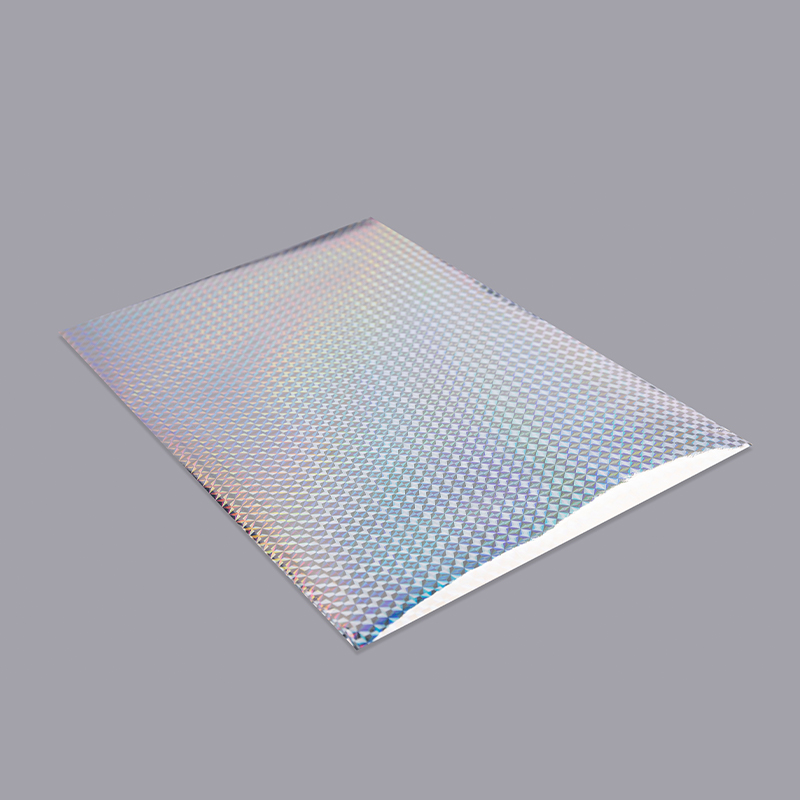
Grid Holographic Laser Film in Sheet
What Is Grid Holographic Laser Film in Sheet Form?
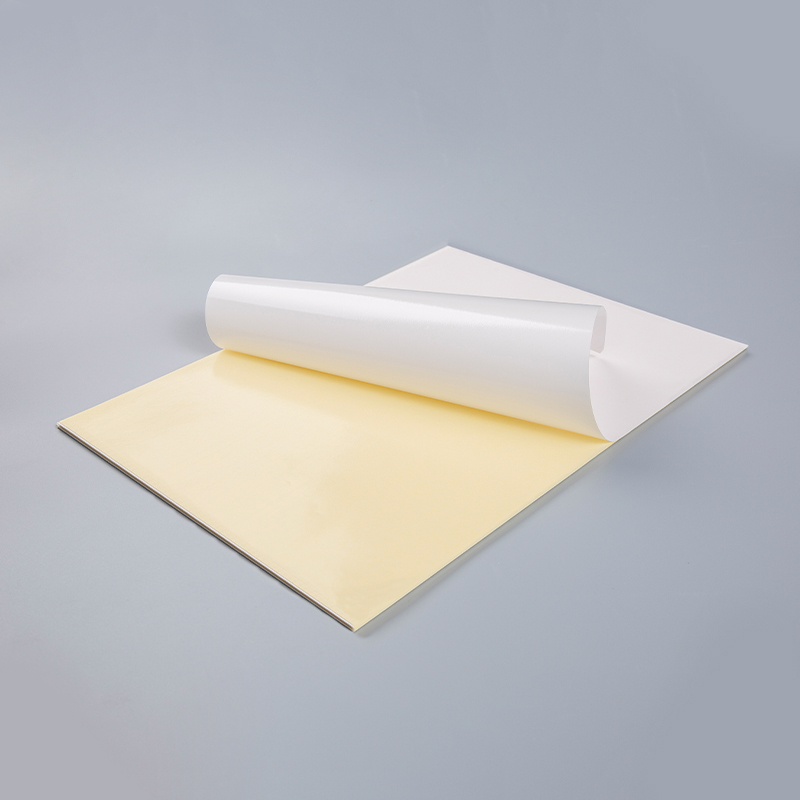
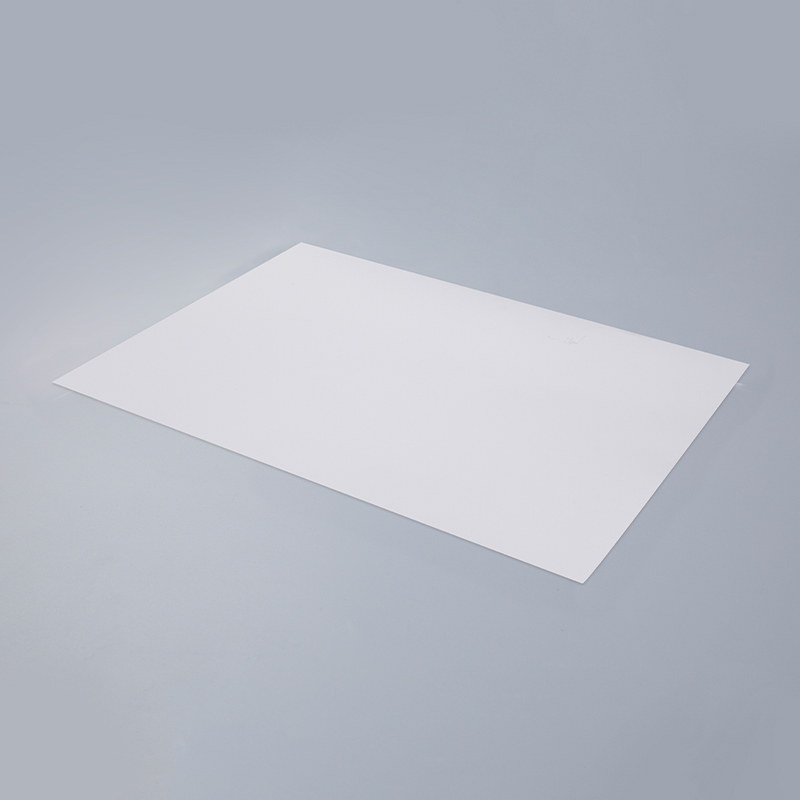
Grid holographic laser film in sheet form is a decorative self-adhesive material constructed from several functional layers. The primary face material is a 50-micron holographic film with a regular grid pattern. A pressure-sensitive adhesive is applied to the reverse side of the film, and a release liner protects the adhesive before application.
The holographic surface is created through specialized optical processing. Fine patterns incorporated into the film interact with light and generate a reflective, shifting, or rainbow-like appearance. The grid structure gives the surface a recognizable geometric character rather than a plain metallic or mirror effect. This makes it useful where a product requires visual enhancement without relying solely on printed colors or complex graphics.
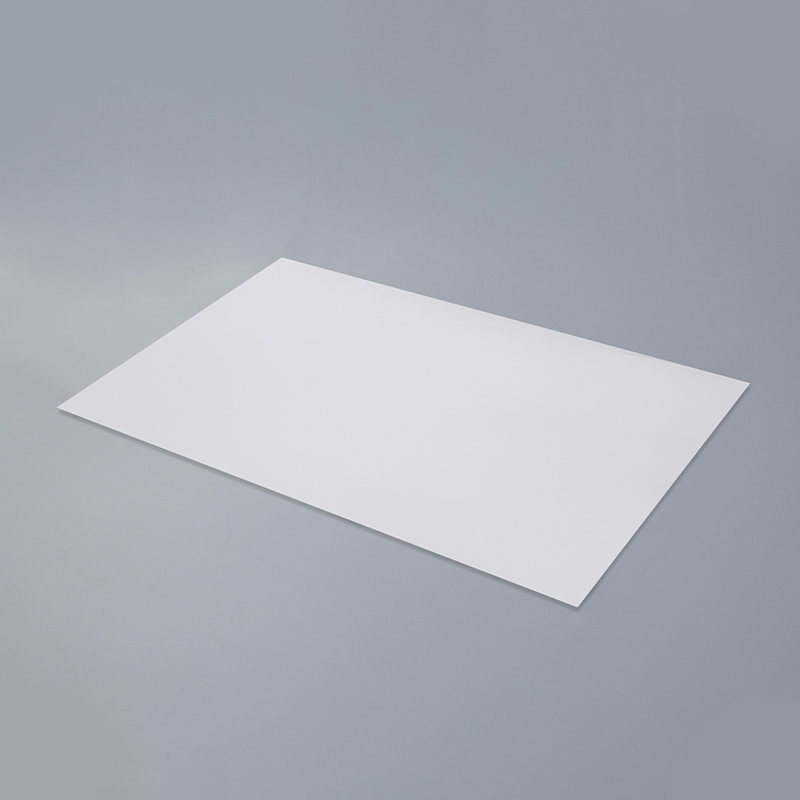
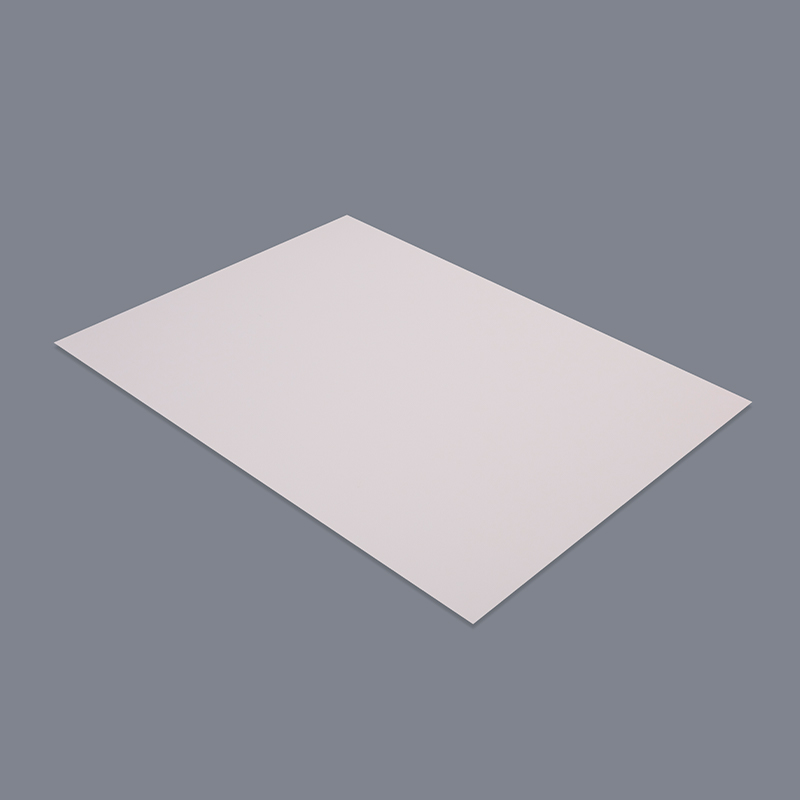
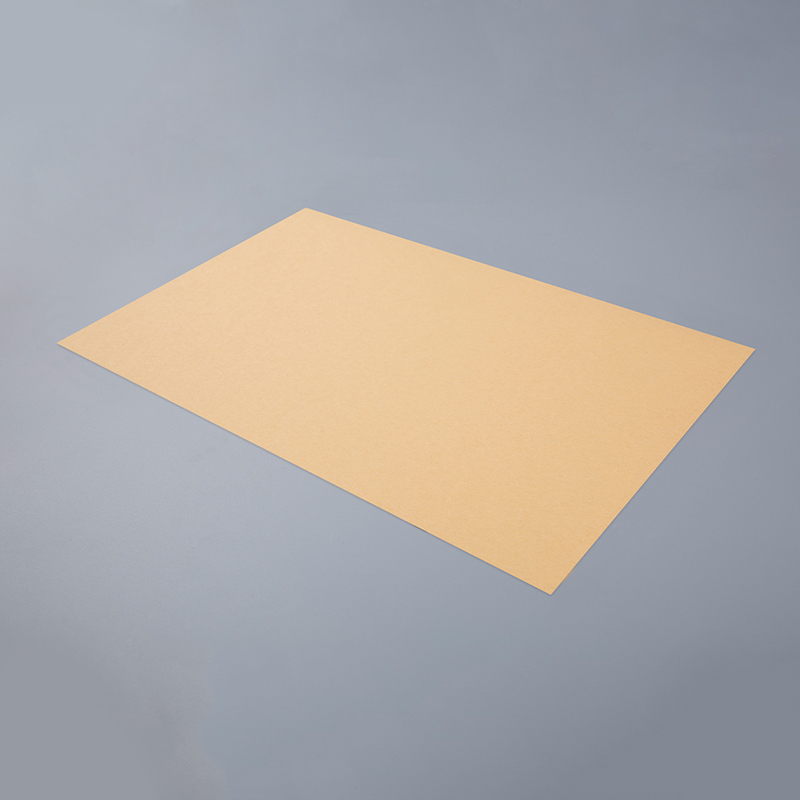
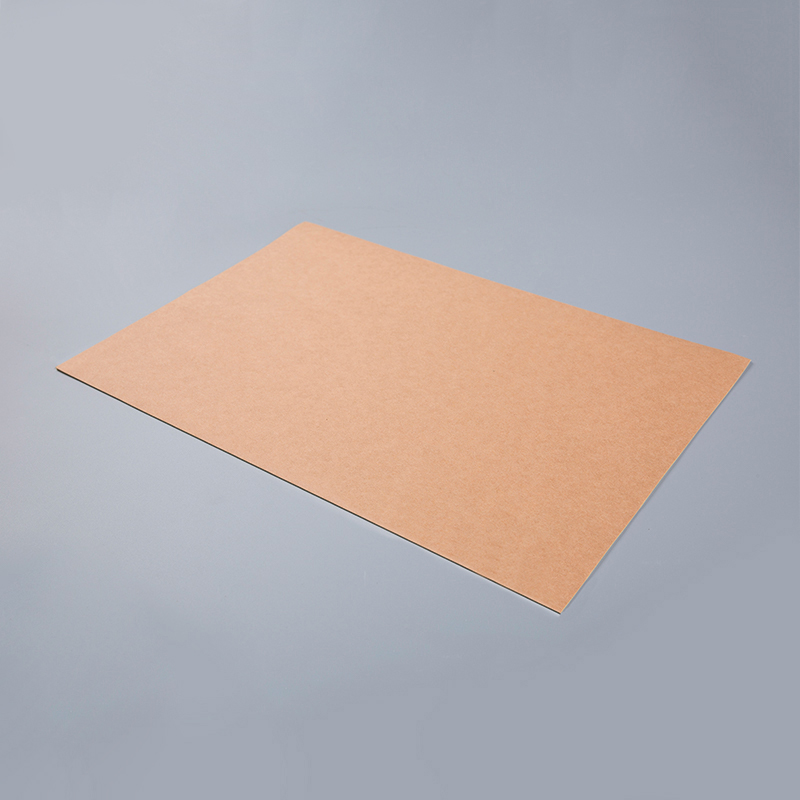
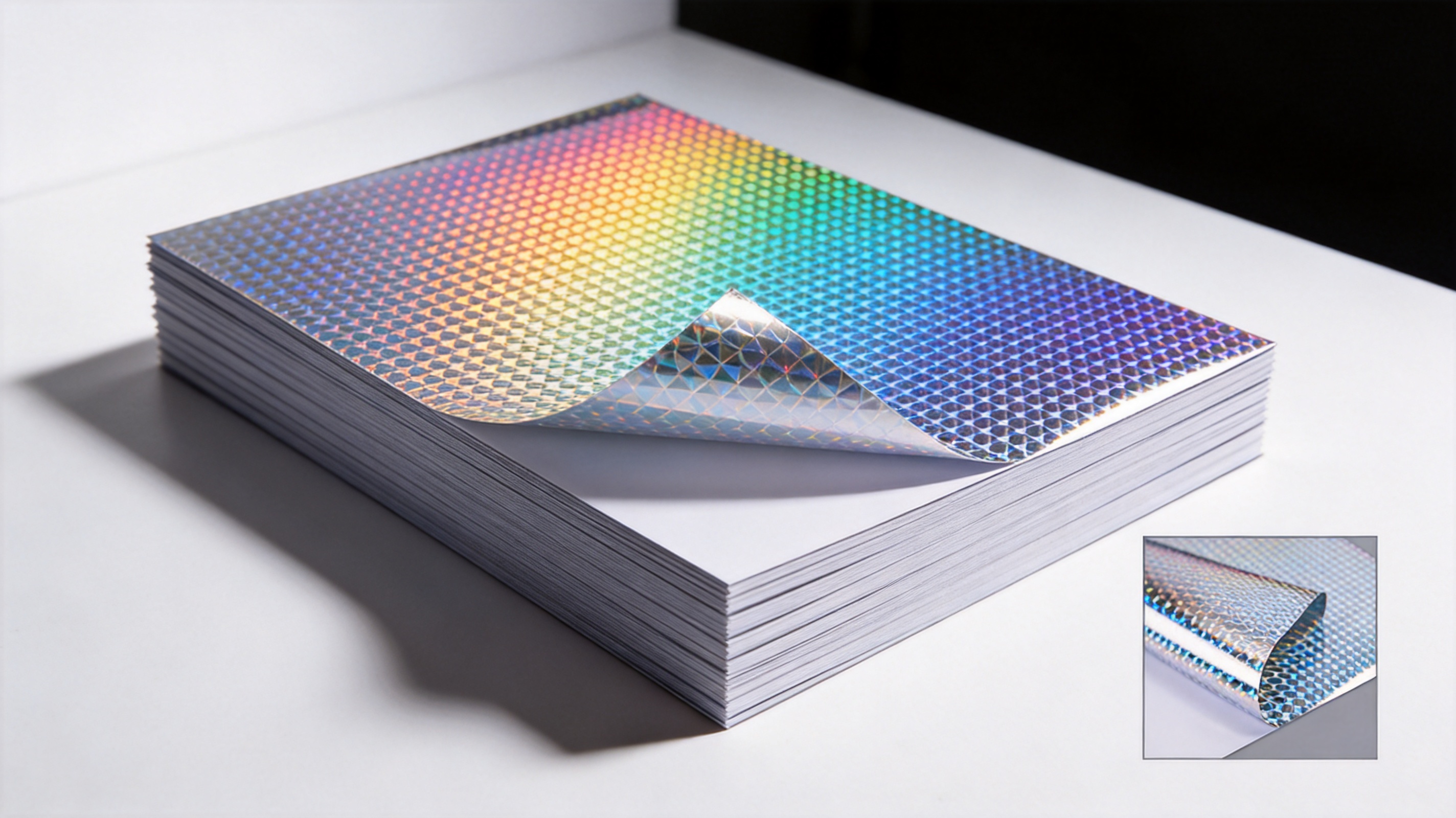
In sheet form, the material is ready for use in flatbed printing, digital printing, die-cutting, label converting, craft production, promotional packaging, and other processes that handle individual sheets. Sheet supply can reduce preparation time for customers who do not operate roll-fed equipment. It can also be convenient for short production runs, sample development, digital printing, and customized packaging projects.
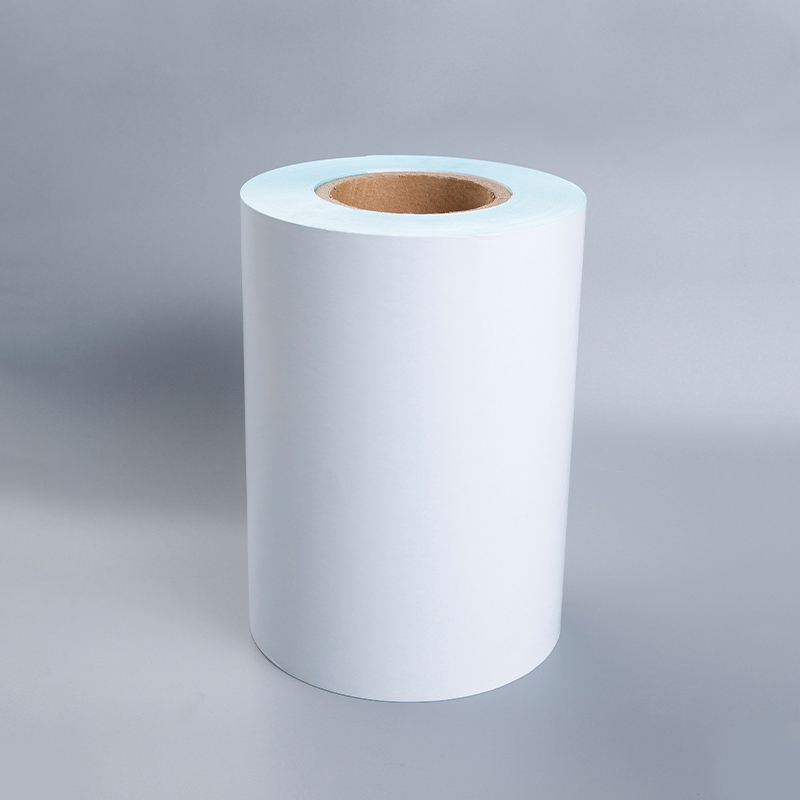
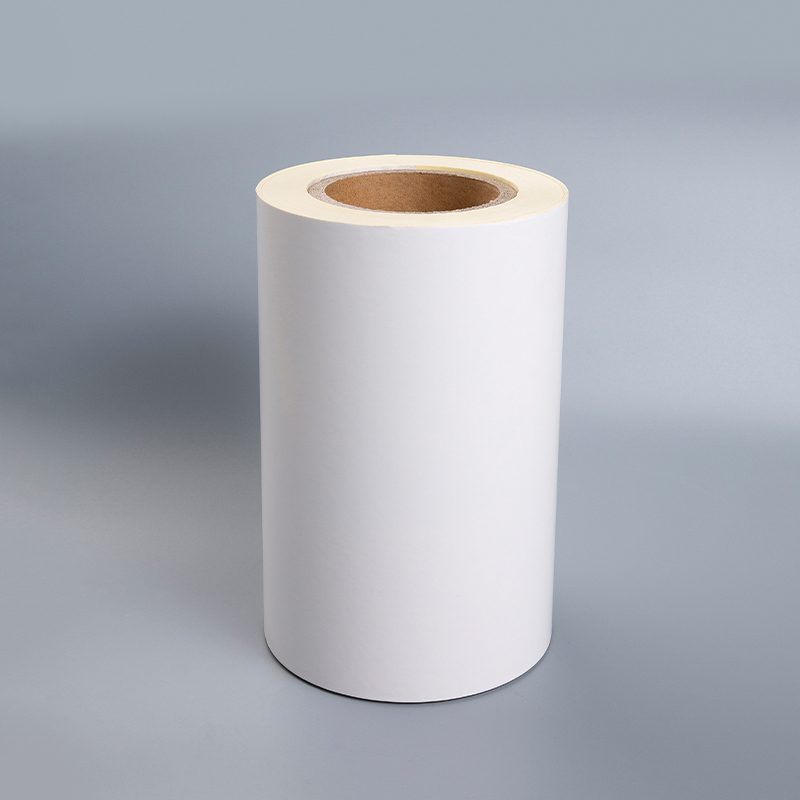
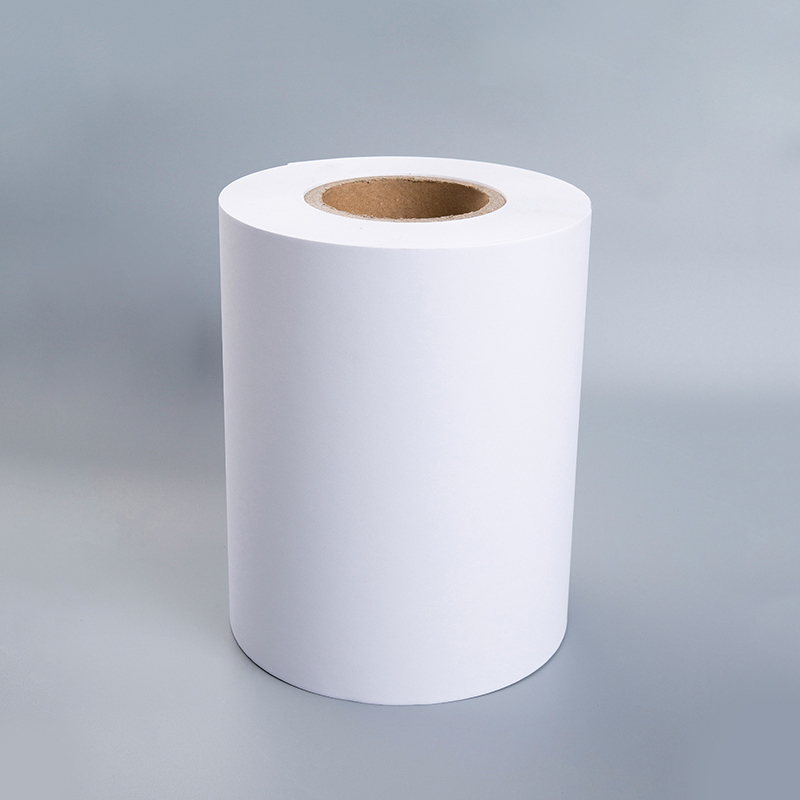
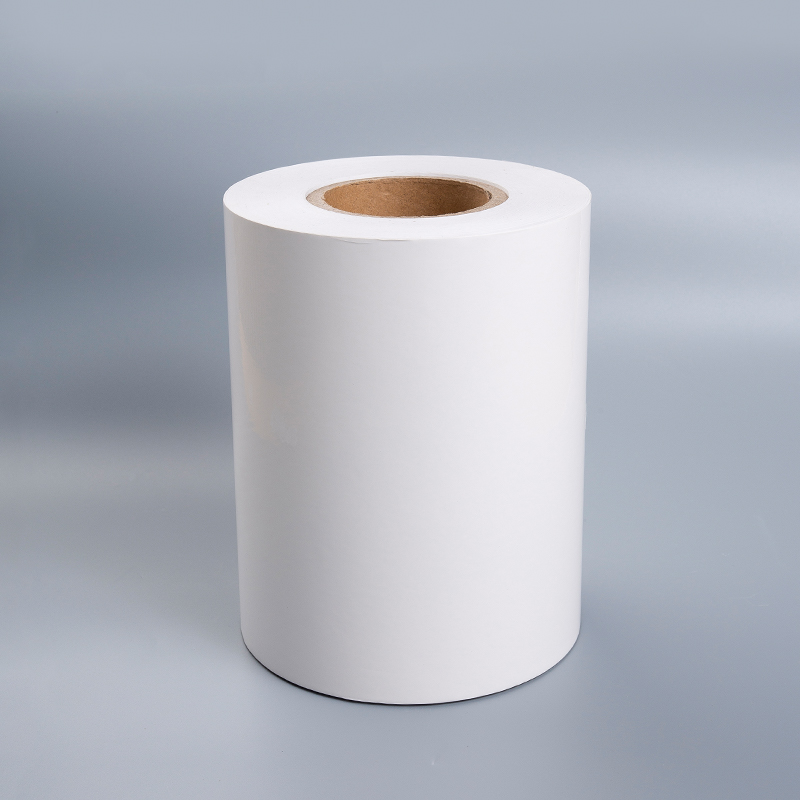
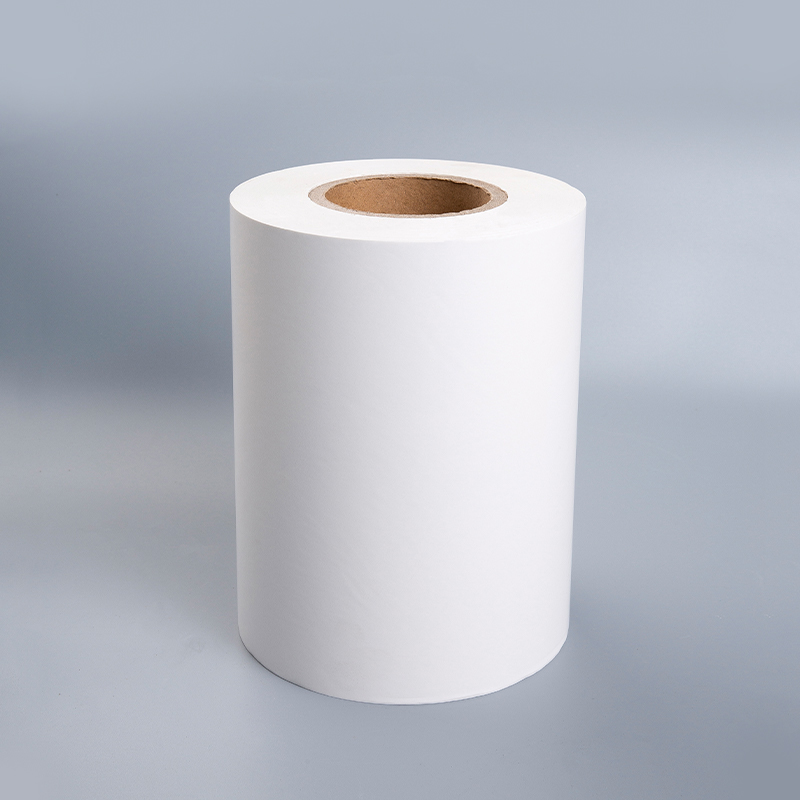
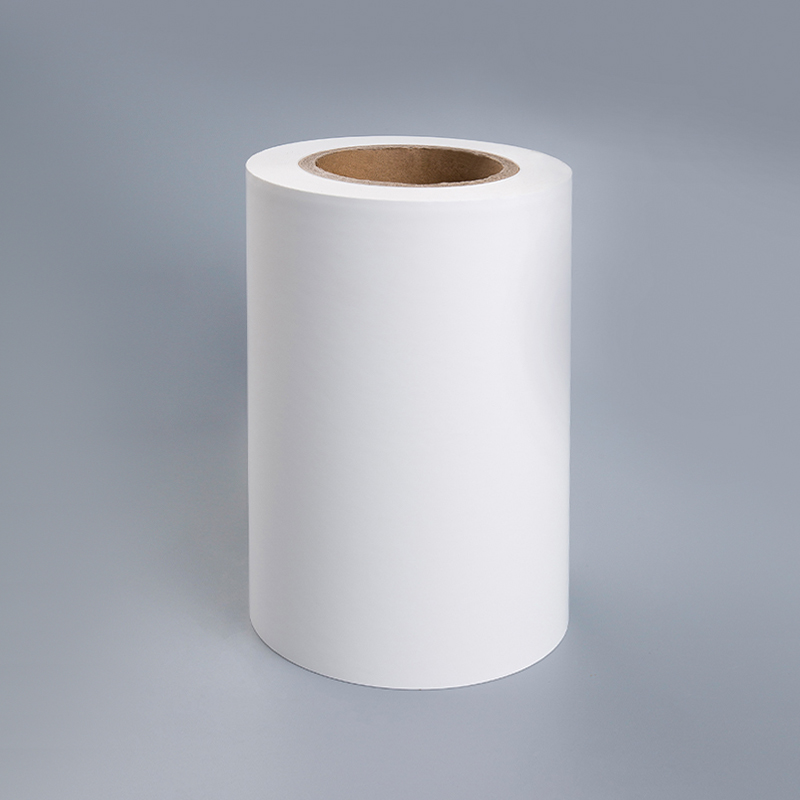
Although the product is supplied as sheets, the same material family can also be produced in jumbo rolls. The available jumbo roll widths include 1,000 mm, 1,020 mm, 1,080 mm, and 1,530 mm. This provides flexibility for both sheet users and high-volume converters. Roll-to-sheet conversion can be organized according to customer requirements, including custom dimensions and packing arrangements.
Basic Material Structure
Layer |
Function |
50-micron grid holographic film |
Provides the decorative optical effect, surface durability, and printable or label-facing surface. |
Pressure-sensitive adhesive |
Creates the bond between the film and the selected product surface. |
Release liner |
Protects the adhesive during storage, transportation, printing, converting, and handling before application. |
The structure can be adjusted by selecting a suitable adhesive and liner. This is important because the best label construction depends on the substrate, application temperature, expected service conditions, required removability, and printing or converting method.
Key Product Advantages
Distinctive Grid Holographic Appearance
The most immediate advantage of the product is its visual impact. A grid holographic surface reflects light in multiple directions and changes in appearance as the viewing angle changes. This effect can make labels appear more dynamic and premium than standard white paper, clear film, or conventional silver foil materials.
The geometric grid pattern adds structure to the optical effect. It can support a modern, technical, luxurious, or futuristic design depending on the printed artwork and packaging format. Designers may use the holographic background as a complete visual field, as a border, as a highlight behind selected graphics, or as a security-inspired feature combined with text and variable information.
For high-end wine, cosmetics, electronic products, promotional goods, and specialty consumer packaging, visual differentiation can influence purchasing decisions. A holographic label may help a product stand out on a crowded shelf and communicate a stronger sense of value without requiring a completely different bottle, box, or container.
Improved Resistance to Moisture and Water Exposure
Paper-based labels may soften, wrinkle, or lose strength when exposed to moisture. The film face of this product provides a stronger barrier against water and humidity than ordinary uncoated paper labels. This makes it suitable for products that may be stored in humid environments, transported through changing climates, or handled with damp hands.
Water resistance does not mean that every adhesive construction is suitable for permanent immersion or every substrate. The performance of the finished label depends on the adhesive, the application surface, edge sealing, printing inks, and storage conditions. Nevertheless, the film-based structure offers a practical advantage in applications where resistance to occasional splashes, condensation, and humid air is important.
Light and Color Stability
Exposure to light can cause some printed materials and decorative surfaces to fade over time. The holographic film structure is designed for good light resistance and improved durability in normal product-use environments. This helps preserve the visual quality of the label during retail display and storage.
For outdoor or highly exposed applications, the final product should be evaluated with the selected ink system, overprint varnish, adhesive, and substrate. Customers can discuss the expected service environment with the manufacturer so that the material construction can be selected appropriately.
Resistance to Temperature and Humidity Changes
Products may pass through multiple climate zones between manufacturing and final sale. They can also encounter warehouse heat, refrigerated storage, cold transportation, or high humidity. The film and adhesive construction is developed to withstand a broad range of ordinary environmental changes without easily fading, deforming, or becoming damaged.
Available adhesive options include anti-freeze adhesive and cryogenic adhesive. These options are especially useful when the label must be applied or stored at low temperatures, or when the finished product will remain in a cold-chain environment. Selecting the appropriate adhesive is essential because adhesive performance varies according to surface energy, temperature, application pressure, and storage conditions.
Long Service Life
Durability is an important advantage over low-cost materials intended only for short-term indoor use. A film face resists tearing better than many paper alternatives and is less vulnerable to accidental contact with water. The finished label can therefore maintain its appearance and basic integrity for a longer period under normal handling conditions.
This long service life is valuable for product labels, packaging labels, promotional graphics, warehouse identification, and other applications where replacement would be inconvenient or where a damaged label could negatively affect product presentation.
Wide Adhesive Selection
A major strength of this product family is the availability of multiple adhesive types. Water-based adhesive is suitable for many general-purpose applications and supports efficient production. Hotmelt adhesive can provide strong initial tack and may be selected for specific substrates or production requirements. Solvent adhesive is available for applications requiring particular bonding characteristics.
For specialized conditions, the manufacturer can provide anti-freeze adhesive, removable adhesive, cryogenic adhesive, and tyre-grade rubber adhesive. These choices allow the same general holographic film concept to be adapted for different surfaces and operating environments.
Adhesive option |
Potential application focus |
Water-based adhesive |
General-purpose labeling and packaging applications. |
Hotmelt adhesive |
Applications requiring strong tack and fast bonding behavior. |
Solvent adhesive |
Specialized bonding requirements and selected challenging substrates. |
Removable adhesive |
Temporary labels, promotional graphics, and applications requiring clean removal. |
Anti-freeze adhesive |
Cold environments and products exposed to low temperatures. |
Cryogenic adhesive |
Specialized low-temperature or cryogenic labeling conditions. |
Tyre-grade rubber adhesive |
Applications involving rubber surfaces and demanding bonding conditions. |
Multiple Release Liner Choices
The release liner affects processing efficiency, dispensing behavior, die-cutting, storage, and application. The standard option for this material is 140-gram white release paper. Other paper and film liners can be selected according to the requirements of the converter or end user.
Available liner materials include 50, 60, 80, 100, and 120-gram glassine paper; 60, 85, and 120-gram release paper; 140 and 165-gram art paper; 50, 80, 90, and 120-gram CCK liner; and transparent PET liners in 25, 36, 50, and 100 microns.
Paper liners can offer efficient handling and economical processing, while transparent PET liners may be preferred when dimensional stability, transparency, or specialized converting performance is important. The correct liner can help reduce waste, improve die-cutting accuracy, and support consistent label application.
Sheet and Roll Flexibility
The product is available in A4, A3, 20 x 30 cm, 21 x 30 cm, 24 x 36 cm, 50 x 70 cm, and 70 x 100 cm sheet sizes. Customized sizes are also available. This range supports office-scale digital printing, commercial printing, packaging production, label conversion, and large-format requirements.
Sheet sizes can be matched to printing equipment and finished label dimensions. Supplying the material in the correct format may reduce trimming, improve material utilization, and simplify production planning. Customers requiring continuous processing can select jumbo rolls in the listed widths and arrange further slitting or sheeting according to their needs.
Applications in Premium Packaging and Labeling
Wine and Beverage Packaging
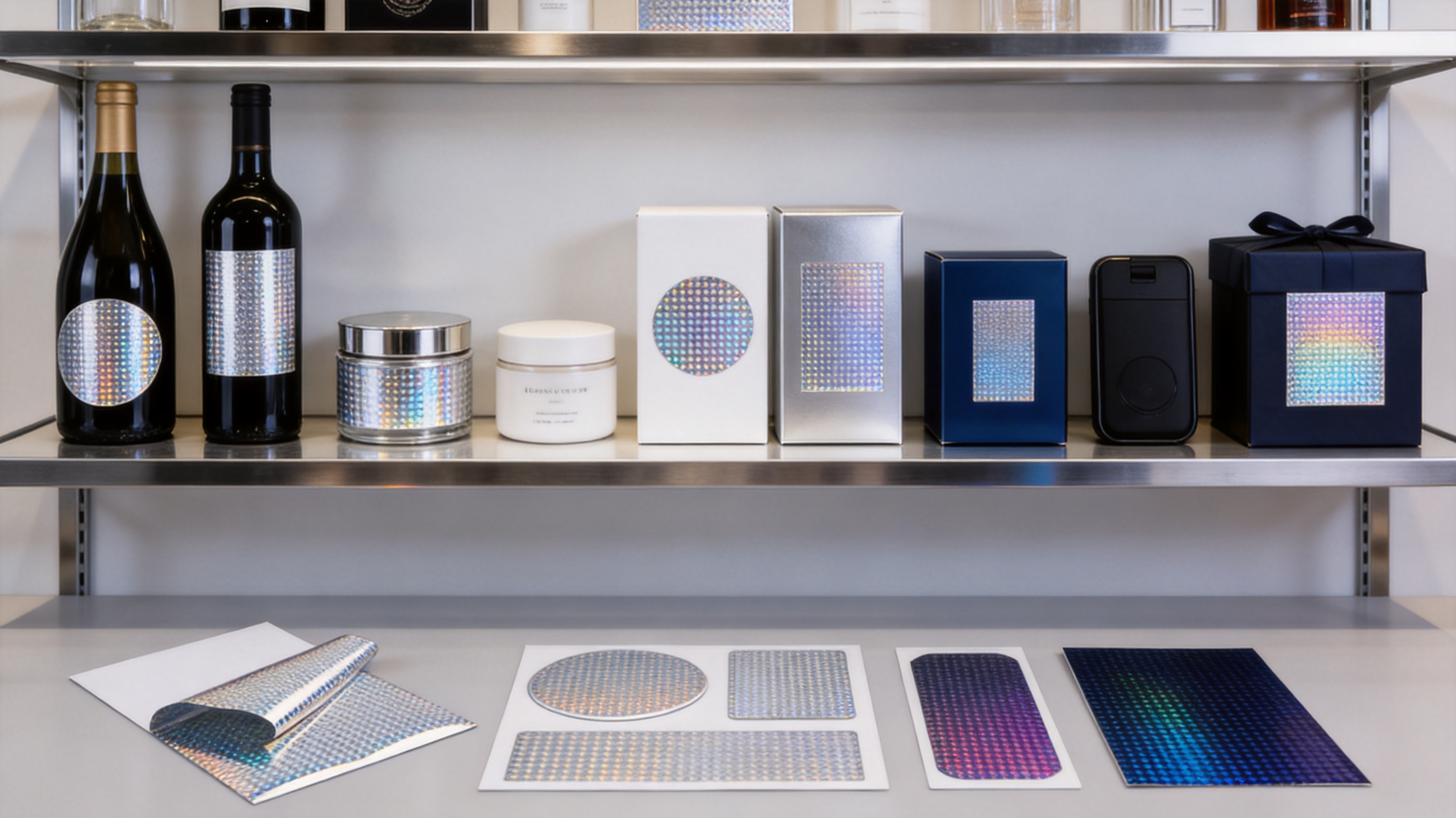
Wine packaging often depends on a combination of tactile and visual elements. A holographic label can add a premium appearance to bottles, gift boxes, promotional packs, and limited-edition products. The reflective grid can be used selectively so that the label remains elegant rather than overly decorative.
Film-based construction is also useful for beverage environments where condensation, refrigeration, and handling may expose the label to moisture. The selected adhesive should be matched to the bottle surface, coating, storage temperature, and expected duration of use.
Cosmetic and Personal Care Products
Cosmetic packaging frequently uses metallic, pearlescent, transparent, and holographic effects to communicate sophistication. Grid holographic film can be applied to bottles, jars, cartons, tubes, gift sets, and promotional packaging. It can support products positioned as luxury, innovative, youthful, artistic, or technologically advanced.
The material may be combined with opaque printing, transparent inks, white ink, fine text, barcodes, or variable data. Designers can allow sections of the holographic pattern to remain visible while using printed layers to control readability and brand hierarchy.
Electronic Products and Accessories
Electronic product packaging benefits from clean, precise, and modern visual effects. Holographic film can be used for product seals, accessory boxes, warranty labels, identification labels, and promotional graphics. The grid pattern can reinforce a technical design language and help distinguish genuine packaging from visually plain alternatives.
Where a label is used for authentication or tamper indication, the optical effect may provide an additional visual feature. However, holographic appearance alone should not be presented as a complete security system. Brands requiring high-security protection should combine the material with controlled artwork, serialized data, special inks, tamper-evident structures, or other security technologies.
Food and General Consumer Packaging
Food packaging often requires materials that can tolerate humidity, temperature variation, and frequent handling. Grid holographic film can be considered for outer packaging, promotional labels, gift packs, seasonal designs, and decorative product identification. Application suitability should be verified for the particular food-contact environment, especially where the label may come into direct contact with food.
For general consumer goods, the material can be used on cartons, plastic containers, coated boards, glass, metal, and other compatible surfaces. Adhesive selection and surface preparation remain important to ensure reliable bonding.
Promotional and Event Materials
Short-term campaigns, product launches, special events, and limited editions often require a visual effect that can be noticed immediately. Sheet-form holographic film is convenient for prototypes, short runs, point-of-sale graphics, invitations, certificates, promotional cards, and special packaging.
The removable adhesive option may be appropriate for temporary displays or promotional labels where the customer wants to remove the label after an event. For permanent applications, a stronger adhesive system can be selected after considering the substrate and service environment.
Advantages Compared with Conventional Label Materials
Compared with Ordinary Paper Labels
Ordinary paper labels are economical and widely used, but they may be less resistant to water, tearing, abrasion, and humidity. They also provide limited visual depth unless additional foil, varnish, embossing, or complex printing processes are added. Grid holographic laser film offers a built-in optical effect and a more durable film face.
The film can reduce the need for separate decorative treatments in some designs. It may also maintain a more consistent appearance when exposed to condensation or moderate moisture. However, paper remains suitable for many basic applications, and the best selection depends on performance requirements, cost targets, and the desired visual result.
Compared with Plain Transparent Film
Transparent film provides clarity and a clean appearance, but it does not automatically create the same level of visual movement as a holographic grid surface. Holographic film can deliver stronger shelf presence and a more distinctive appearance while retaining the basic advantages associated with a film face.
Plain transparent materials may be preferred when an invisible-label effect is required. Grid holographic film is better suited to projects where the decorative effect is an intentional part of the packaging design.
Compared with Conventional Metallic Foil Effects
Metallic foil can produce a bright and luxurious appearance, but its visual character is generally more uniform and directional. Holographic film can create a shifting effect with multiple colors and reflections. It can therefore provide greater movement and visual complexity without requiring a separate foil-stamping operation for every design.
Depending on the printing process and design, the two effects can also be combined. A converter may use holographic film as the base and add selected printed or metallic elements to create contrast, hierarchy, and controlled emphasis.
Compared with Low-Grade Decorative Films
Low-grade decorative films may show inconsistent optical effects, poor dimensional stability, weak adhesive performance, or rapid deterioration under heat and humidity. A professionally manufactured product with controlled coating, laminating, and inspection processes can provide greater consistency from batch to batch.
The value of a specialty film is not based only on its appearance. Thickness control, adhesive uniformity, liner release, sheet flatness, roll quality, packaging, and technical support all contribute to the performance of the finished label.
Manufacturing Capabilities and Process Strengths
Integrated Production Lines
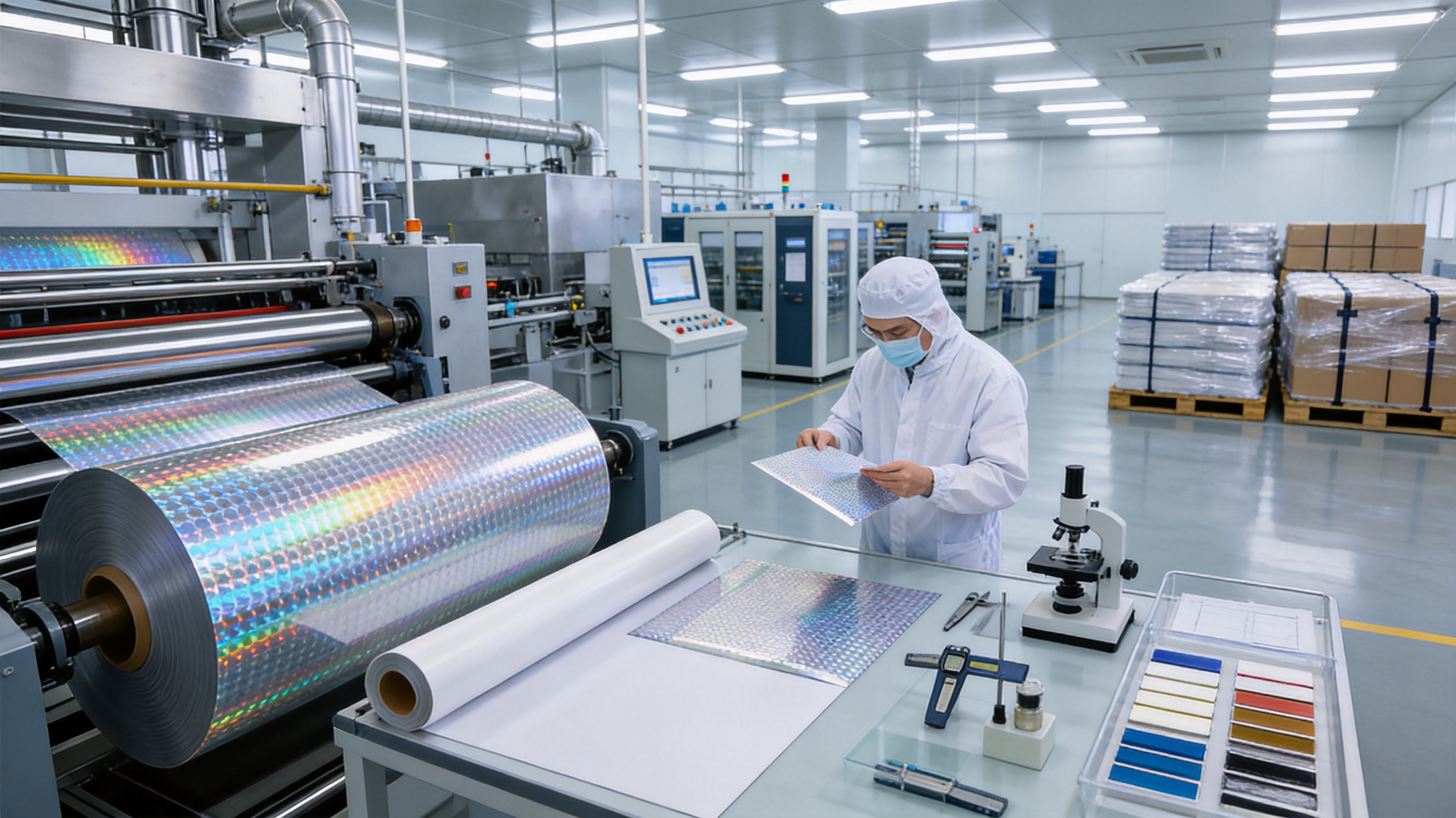
Suzhou Piaozhihua Composite Material Technology Co., Ltd. operates integrated production lines covering gluing, laminating, and cutting. Managing these stages within one manufacturing organization helps support better coordination between the face material, adhesive, liner, and finished format.
Integrated production can reduce unnecessary handling and allow production parameters to be adjusted across different stages. It also makes it easier to develop customized constructions because the company can coordinate adhesive selection, liner selection, roll width, sheet size, and packaging requirements as one project rather than treating each stage as an unrelated purchase.
Adhesive Coating Control
Adhesive coating is one of the most important manufacturing stages for self-adhesive products. Uneven coating can cause weak bonding, excessive ooze, poor die-cutting, inconsistent release, or application defects. Controlled coating processes are therefore essential for dependable label conversion.
The company provides different adhesive chemistries for different uses, including water-based, hotmelt, solvent, removable, anti-freeze, cryogenic, and tyre-grade rubber options. The availability of these systems indicates a manufacturing approach based on application requirements rather than a single universal adhesive.
Customers can specify their substrate and working conditions so that the adhesive can be evaluated for initial tack, final adhesion, temperature resistance, removability, and compatibility with the intended surface. This approach helps reduce the risk of selecting a material that looks correct but does not meet practical bonding requirements.
Laminating Technology
Laminating joins the film, adhesive, and liner into a stable composite structure. Proper tension control and alignment are important for preventing wrinkles, bubbles, telescoping, edge damage, and dimensional variation. High-quality laminating supports smooth printing and converting downstream.
For a holographic material, laminating quality is particularly important because surface irregularities can affect both appearance and processing. A consistent composite structure helps maintain a uniform visual effect across the sheet or roll and supports accurate die-cutting and feeding.
Precision Slitting and Sheeting
After coating and laminating, the material can be converted into jumbo rolls, narrower rolls, or sheets. Precision slitting helps produce clean edges and consistent widths. Accurate sheeting supports reliable feeding through digital printers, offset equipment, cutting systems, and label processing machinery.
The available sheet sizes cover commonly used formats, while customized dimensions can be arranged for specific applications. Correct sheeting also improves material utilization because the finished dimensions can be matched to the customer’s production layout.
Testing and Inspection
The company maintains its own testing laboratory and uses inspection equipment to support product quality. Testing is important for specialty self-adhesive materials because performance depends on several interacting variables. Typical evaluation areas may include appearance, film thickness, adhesive coating, liner release, dimensional stability, tack, adhesion, and resistance to environmental exposure.
Inspection helps identify defects before shipment and supports more consistent production. For customers with demanding applications, testing can also assist in selecting the appropriate adhesive and liner combination. Product trials remain recommended because the final result depends on the customer’s surface, printing process, application conditions, and storage environment.
Large Production Capacity
With annual production capacity of more than 280 million square meters, Suzhou Piaozhihua Composite Material Technology Co., Ltd. is equipped to support both regular supply programs and larger orders. Capacity is particularly important for brands and converters that require continuity across multiple production sites or markets.
Large-scale production can also support more stable procurement planning. Customers may be able to organize standard materials for regular demand while using customized constructions for special campaigns, seasonal packaging, or new product development.
OEM and ODM Support
The company has more than 20 years of OEM manufacturing experience and offers customized solutions based on customer drawings or samples. This is useful when a buyer needs a specific sheet size, adhesive, liner, roll width, packaging method, or optical design.
ODM capability adds a further level of support for customers developing a new material structure. Instead of selecting only from an existing catalog, customers can discuss the required appearance, application surface, environmental conditions, converting process, and target performance. The manufacturer can then help develop a suitable product configuration.
Research and Development
A professional research and development team, supported by multiple patents and ongoing product innovation, enables the company to work across different self-adhesive material categories. Its product range includes self-adhesive paper, self-adhesive film, special label materials, and silicone release paper.
This broader material knowledge is valuable because a successful label is a system rather than a single layer. Face material, adhesive, liner, ink, varnish, cutting process, and application surface must work together. Research and development across these areas supports more practical and balanced product recommendations.
Printing and Converting Considerations
Artwork and Visual Planning
Holographic film should be considered at the beginning of the design process. Because the base material already contains a reflective grid effect, certain colors, fine lines, and small text may appear differently than they would on white paper. Designers should test how the holographic background interacts with transparent inks, dark colors, white ink, and solid coverage.
Selective printing can preserve the holographic effect in important areas while improving readability in others. A white or opaque layer may be used under text or graphics when strong contrast is required. A transparent printed color can create a tinted holographic appearance, while leaving selected regions unprinted can emphasize the original optical effect.
Digital Printing
Sheet sizes such as A4 and A3 make the product suitable for many digital printing workflows. Digital printing can be useful for prototypes, variable data, short runs, limited editions, personalized packaging, and market testing. The exact compatibility depends on the printer, ink technology, fuser or curing system, feeding method, and surface treatment.
Before full production, users should conduct a press trial to confirm feeding, ink adhesion, drying or curing, image quality, cutting behavior, and stacking performance. The holographic surface may influence color perception, so printed proofs should be evaluated under the lighting conditions used for the final product.
Die-Cutting and Kiss-Cutting
Film labels can be converted by die-cutting or kiss-cutting. The choice of liner thickness, adhesive type, cutting pressure, blade condition, and machine settings affects the quality of the finished label. Excessive pressure can cut through the liner, while insufficient pressure may leave incomplete cuts.
Clean edges are important for premium packaging. Correct tooling and controlled production conditions help prevent lifting, edge fraying, adhesive contamination, and liner damage. The manufacturer can provide material samples for converter trials before a larger order is placed.
Storage and Handling
Self-adhesive sheets should be kept in a clean, dry environment away from direct sunlight, excessive heat, and high humidity. Packages should remain properly sealed until use. The material should be acclimatized to the printing room when there is a significant difference between storage and production temperatures.
During handling, users should avoid bending, crushing, or placing heavy loads on the sheets. Rolls should be stored in a stable position according to the agreed packing instructions. Proper storage supports sheet flatness, adhesive stability, and consistent printing performance.
Packaging and Delivery Protection
Specialty label material can be damaged if it is not packed correctly. The company offers sea-transit-worthy poly-wood pallet packing and carton packing for rolls or sheets from stock. The goal is to protect the material from moisture, impact, compression, and movement during transportation.
Sheets are packed at 100 sheets per ream. Each ream is wrapped with strong PE-coated kraft paper. Pallets are wrapped with stretch film and fastened with plastic fastening belts. This multilayer packing structure helps maintain package stability and provides additional protection during loading, unloading, and long-distance transportation.
Packaging can also be coordinated with order requirements. Customers should confirm sheet counts, pallet configuration, carton details, labeling, and shipping instructions before production. Clear packaging specifications help reduce receiving errors and support efficient warehouse management.
Packaging element |
Purpose |
100 sheets per ream |
Creates a standardized unit for counting, handling, and inventory control. |
PE-coated kraft paper wrapper |
Helps protect each ream from dust, moisture, and handling damage. |
Carton packing |
Supports organized shipment and convenient warehouse handling. |
Poly-wood pallet |
Provides a stable base for sea transportation and pallet movement. |
Stretch film |
Helps secure the load and protect it from external contamination. |
Plastic fastening belt |
Reduces pallet movement and improves load stability. |
Sustainability and Responsible Material Development
Environmental considerations are increasingly important in label and packaging procurement. A responsible material strategy includes more than choosing a decorative face film. It also involves reviewing adhesive chemistry, liner selection, production efficiency, packaging, waste generation, and the complete application process.
Suzhou Piaozhihua Composite Material Technology Co., Ltd. focuses on sustainable development and environmental protection through the development of eco-friendly solutions involving face materials, adhesives, and backing papers. Customers seeking more responsible packaging options can discuss the balance between decorative performance, durability, converting efficiency, and environmental objectives.
Material selection should be based on the complete product life cycle. A durable label may reduce the need for replacement and help prevent packaging waste caused by premature damage. At the same time, the film structure and liner should be reviewed according to the recycling system available in the target market. Local recycling rules, ink systems, adhesive composition, and packaging design all influence end-of-life options.
Efficient sheeting and roll conversion can also reduce material waste. Customized dimensions may allow customers to use more of each sheet or roll, while accurate coating and inspection can reduce defective output. These production improvements support both cost efficiency and responsible resource use.
Quality, Service, and Supply Reliability
Product quality is only one part of a successful supply relationship. Customers also need consistent specifications, responsive communication, dependable delivery, technical assistance, and after-sales service. Suzhou Piaozhihua Composite Material Technology Co., Ltd. integrates research and development, production, sales, and after-sales support.
The company has established sales coverage in many Chinese cities, including Shanghai, Ningbo, Hangzhou, Chengdu, Harbin, Wuhan, Chongqing, Guangzhou, Changsha, and Beijing. Its international marketing network extends across regions including North America, Europe, Asia, Latin America, the Middle East, and other global markets.
This international experience helps the company understand the requirements of customers operating in different packaging and label markets. It also supports long-term supply relationships for buyers who need regular production, customized materials, or coordinated technical assistance.
The company’s quality manufacturing philosophy has been developed over more than 20 years. Its stated strengths include advanced inspection equipment, an internal testing laboratory, professional research and development personnel, multiple patents, OEM and ODM capabilities, and full after-sales service. These capabilities are especially relevant for specialty materials because small differences in adhesive, liner, or coating can influence the final result.
How to Select the Correct Configuration
Before ordering grid holographic laser film in sheets, customers should define the intended use as clearly as possible. Important considerations include the product surface, indoor or outdoor exposure, application temperature, storage temperature, expected service life, printing process, label size, removal requirements, and desired visual effect.
Substrate Compatibility
The label may be applied to glass, coated paperboard, plastic, metal, rubber, or other surfaces. These substrates differ in surface energy, texture, flexibility, cleanliness, and coating composition. A material that performs well on glass may not perform identically on a low-energy plastic or textured rubber surface.
Samples should be tested on the actual substrate whenever possible. The trial should include application pressure, dwell time, temperature, and storage conditions similar to the final production environment.
Temperature Requirements
If the product is applied in a cold room, stored in a refrigerator, transported through freezing conditions, or used in a cryogenic environment, a standard adhesive may not be sufficient. Anti-freeze or cryogenic adhesive options should be evaluated for these conditions.
Temperature testing should examine both application performance and long-term adhesion. An adhesive that bonds well at room temperature may behave differently at low temperatures or after repeated temperature cycling.
Permanent or Removable Use
Permanent labels require stable long-term bonding, while temporary labels may need clean and easy removal. The removable adhesive option can be considered for promotional materials, temporary identification, event graphics, and short-term campaigns. Permanent applications should use an adhesive selected for the expected service conditions.
Sheet Size and Equipment
Customers should match the sheet format to their printer, cutter, or finishing equipment. A4 and A3 sheets may suit digital printing, while 50 x 70 cm and 70 x 100 cm sheets may support larger commercial or packaging workflows. Custom sizes can be considered when standard formats create excessive trimming waste or inefficient nesting.
Liner Selection
Paper and PET liners provide different handling and processing characteristics. Glassine, art paper, CCK, release paper, and transparent PET liners can be selected according to the requirements of the converting line. Factors include stiffness, transparency, release force, dimensional stability, die-cutting performance, and cost.
Why Work with an Experienced Specialty Material Manufacturer?
Specialty self-adhesive materials require coordinated knowledge of films, adhesives, release liners, coating, laminating, printing, and conversion. A supplier focused only on one layer may not be able to solve problems that arise from the interaction of several layers.
An experienced composite material manufacturer can provide a more complete evaluation. For example, if a label lifts from a plastic container, the cause may involve the adhesive, the surface energy, contamination, application pressure, or storage temperature. If a sheet curls during printing, the cause may relate to liner selection, moisture balance, coating tension, or printer conditions. Integrated technical knowledge helps identify the real cause rather than simply changing one specification without testing.
Suzhou Piaozhihua Composite Material Technology Co., Ltd. combines material development with production capabilities in gluing, laminating, and cutting. Its product range and customization services enable customers to develop a structure around the application rather than adapting the application to a limited standard product.
The company’s experience in domestic and international markets, together with its OEM and ODM services, supports projects ranging from standard label supply to customized packaging development. Customers can submit drawings, samples, performance requirements, or target dimensions for evaluation.
Q&A
What is the thickness of the holographic film?
The standard face material is a 50-micron grid holographic film. The complete product thickness will be greater because it also includes the adhesive and selected release liner.
Can the material be supplied in sheets?
Yes. Available sheet sizes include A4, A3, 20 x 30 cm, 21 x 30 cm, 24 x 36 cm, 50 x 70 cm, and 70 x 100 cm. Customized sheet sizes can also be discussed.
Is the product available in rolls?
Yes. Jumbo roll widths include 1,000 mm, 1,020 mm, 1,080 mm, and 1,530 mm. Roll specifications can be coordinated according to the customer’s converting equipment and order requirements.
Which adhesive is supplied as standard?
Water-based adhesive is listed as an available adhesive option. Hotmelt, solvent, anti-freeze, removable, cryogenic, and tyre-grade rubber adhesives are also available for different applications.
Can the product be used in refrigerated or low-temperature applications?
It may be suitable when the correct anti-freeze or cryogenic adhesive is selected. Customers should provide details about application temperature, storage temperature, humidity, substrate, and service duration so that the construction can be evaluated properly.
Can the holographic film be printed?
It can be considered for digital and other printing processes, subject to compatibility between the film surface, ink system, printer, and curing or drying method. A press trial is recommended before mass production.
Can the label be removed after application?
A removable adhesive option is available for temporary applications. Removal performance depends on the substrate, dwell time, temperature, surface condition, and adhesive selection, so testing on the actual application surface is recommended.
What liner options are available?
Available liners include 140-gram white release paper, glassine paper in several weights, release paper in several weights, 140- and 165-gram art paper, CCK liner, and transparent PET liners ranging from 25 to 100 microns.
What products are suitable for this material?
Potential applications include high-end wine packaging, cosmetics, electronic products, food and general consumer packaging, promotional labels, gift packaging, product identification, and specialty printed materials requiring a durable optical effect.
How is the material packed?
Sheets are packed at 100 sheets per ream and wrapped with strong PE-coated kraft paper. Carton packing and sea-transit-worthy poly-wood pallet packing are available. Pallets are wrapped with stretch film and secured with plastic fastening belts.
Can the company provide customized products?
Yes. The company provides OEM and ODM services and can develop products based on customer drawings, samples, dimensions, adhesive requirements, liner preferences, and application conditions.
What information should be provided when requesting a quotation?
Customers should provide the required sheet or roll size, estimated quantity, adhesive type, liner preference, printing method, application substrate, operating temperature, service environment, packing requirements, and delivery destination. Samples or drawings are useful for customized projects.
Conclusion
Grid holographic laser film in sheet form combines decorative impact with the durability and flexibility required for modern self-adhesive labeling. Its 50-micron holographic film face provides a distinctive grid effect, while the film construction offers good resistance to water, light, temperature changes, humidity, and routine handling. Multiple adhesive and liner options allow the material to be adapted for general packaging, low-temperature environments, temporary labels, rubber surfaces, and other specialized uses.
The availability of A4, A3, commercial sheet formats, customized dimensions, and jumbo rolls makes the material practical for both short-run and high-volume production. Its potential applications include premium wine, cosmetics, electronics, food-related packaging, promotional materials, and products requiring stronger visual differentiation.
Behind the product is an integrated manufacturing system covering adhesive coating, laminating, cutting, testing, research and development, OEM production, and ODM customization. Suzhou Piaozhihua Composite Material Technology Co., Ltd. combines more than 20 years of manufacturing experience with substantial production capacity, an internal testing laboratory, advanced inspection equipment, international market experience, and a broad portfolio of self-adhesive materials.
For buyers seeking a specialty label material that is visually distinctive, configurable, and suitable for demanding packaging environments, grid holographic laser film in sheets offers a balanced solution. Final performance should always be verified through application and printing trials, but the combination of optical design, adhesive flexibility, liner selection, and manufacturing support provides a strong foundation for premium labeling projects.
References
1. Company-provided product specification for 50-micron grid holographic film in sheet and roll formats.
2. Company-provided information on adhesive options, including water-based, hotmelt, solvent, removable, anti-freeze, cryogenic, and tyre-grade rubber adhesives.
3. Company-provided information on release liner options, including glassine paper, release paper, art paper, CCK liner, and transparent PET liner.
4. Company-provided packaging and delivery specifications for ream, carton, pallet, and sea-transit protection.
5. Company-provided corporate profile covering production capacity, testing facilities, OEM and ODM services, research and development, and international distribution.
6. General technical principles of pressure-sensitive adhesive label construction, film coating, release liner selection, and label converting practice.