
 English
 Español
 русский
 Français
 عربى
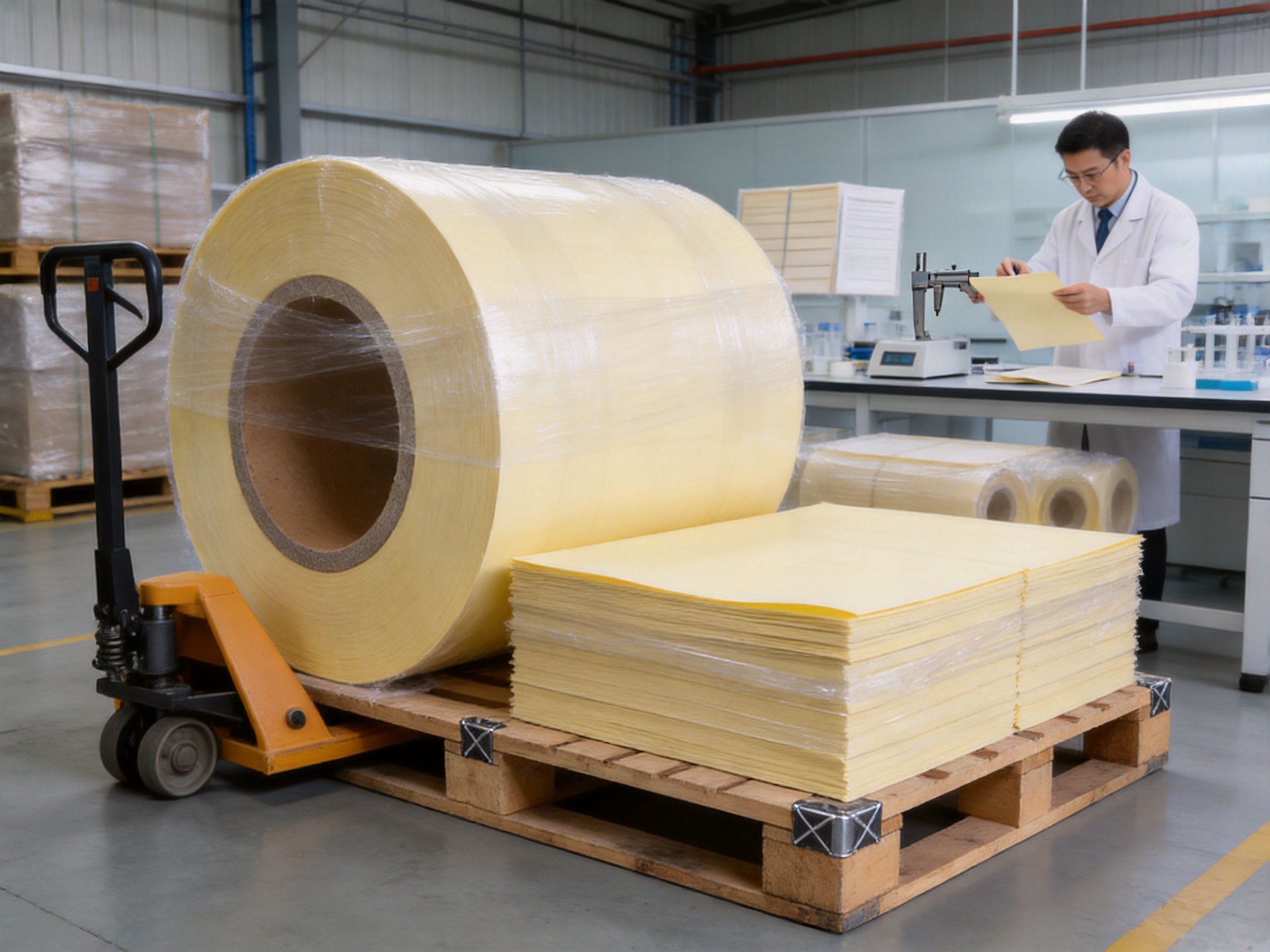
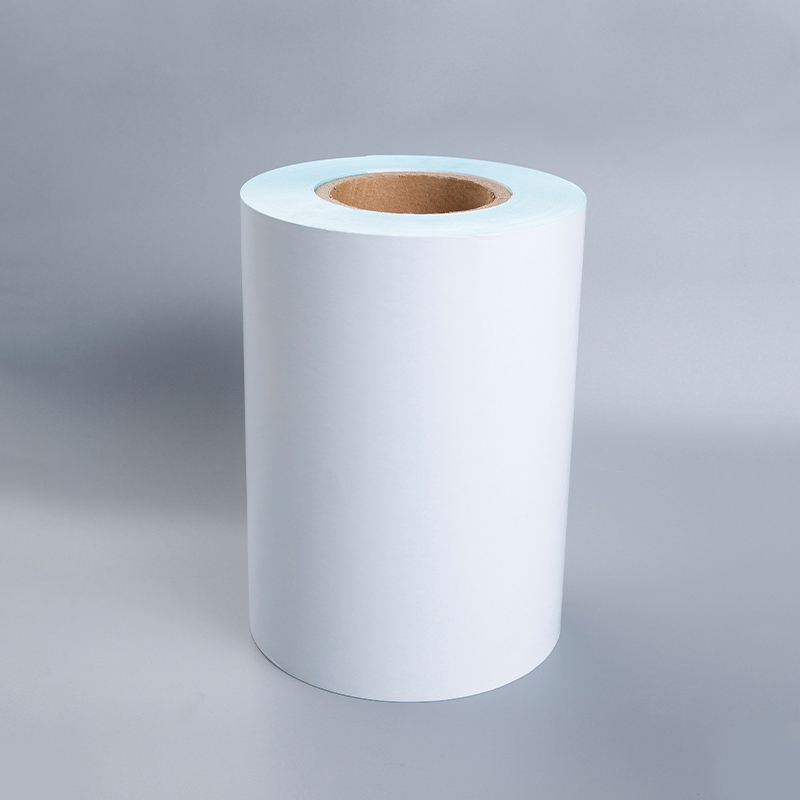
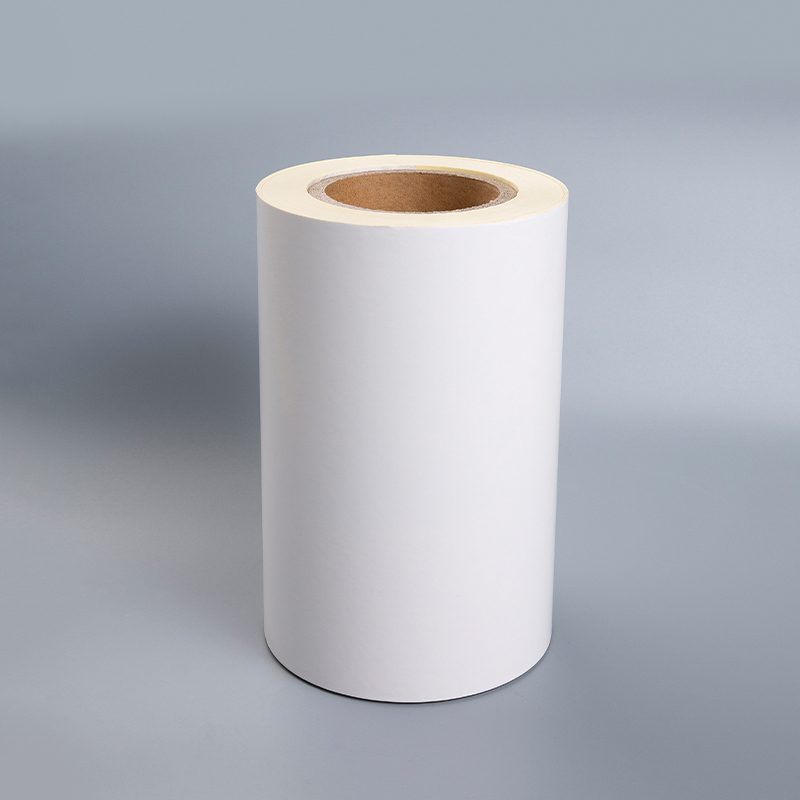
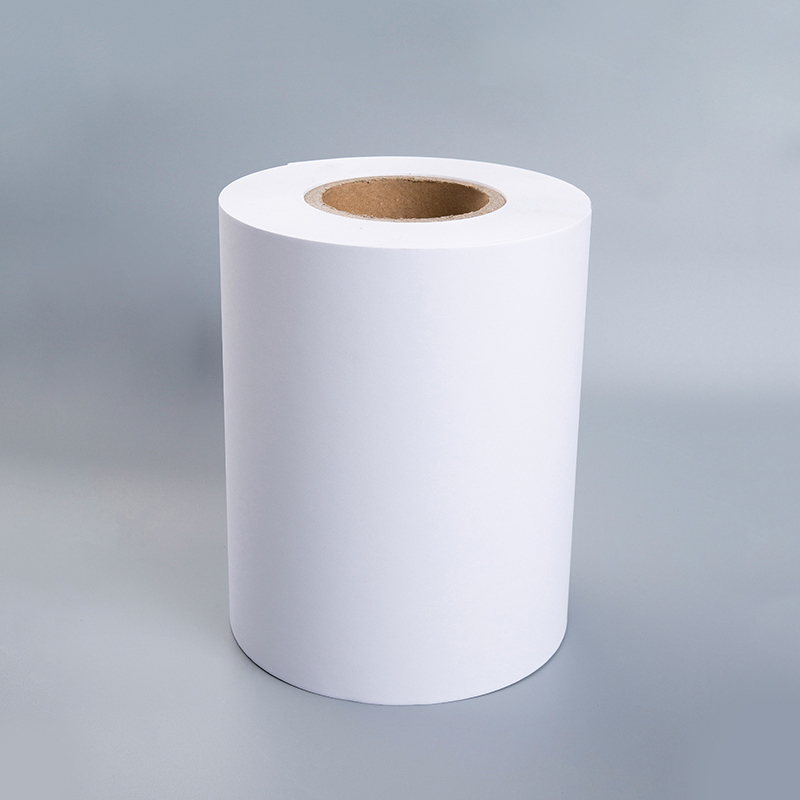
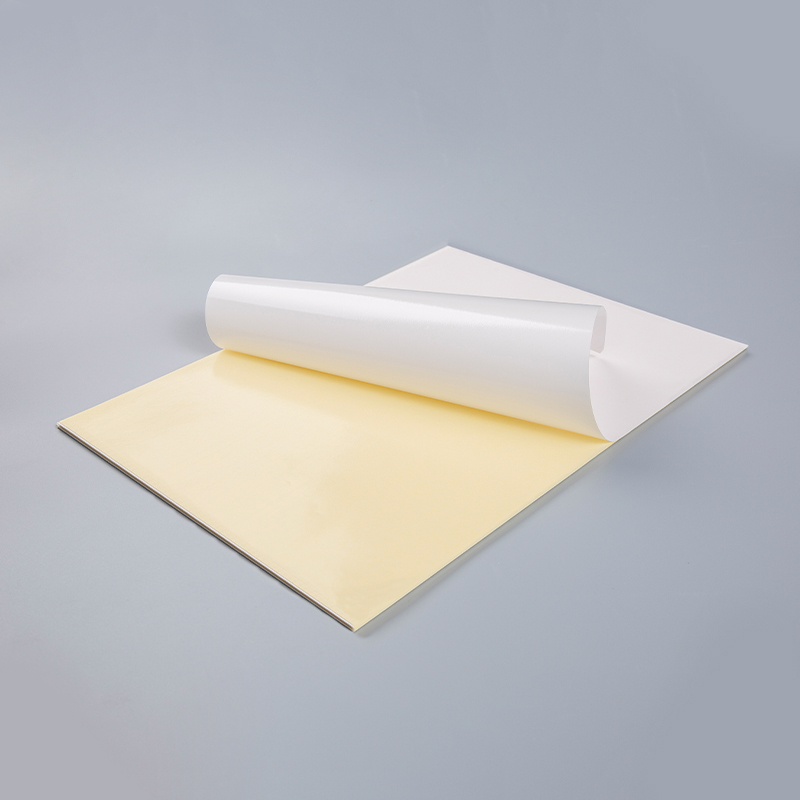
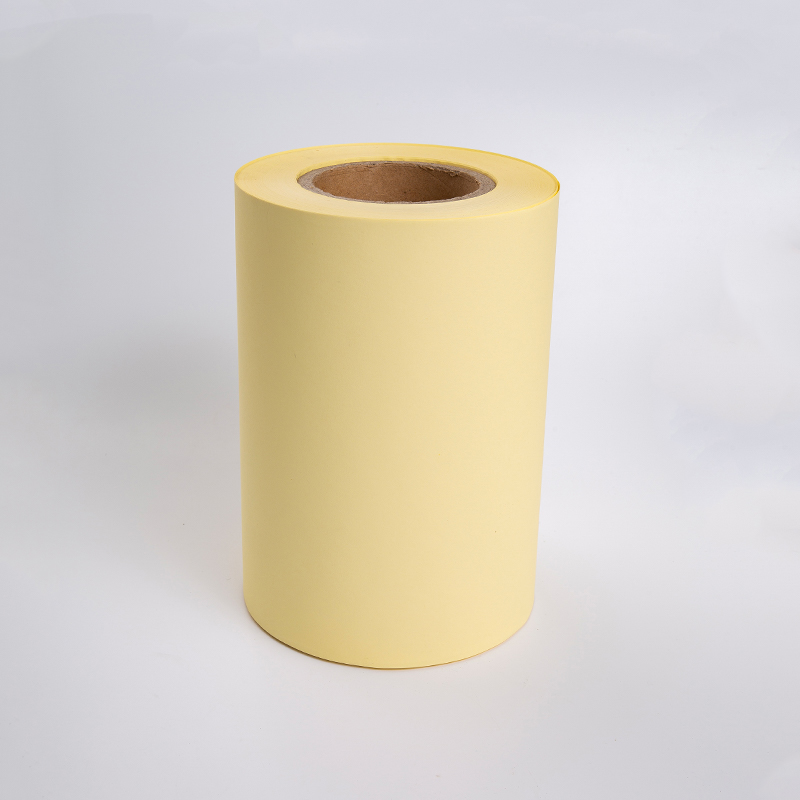
Yellow release paper is a specialized backing material designed to support the production, storage, processing, and application of pressure-sensitive adhesive products. As a PE coated kraft paper with a silicone release surface, it combines mechanical strength, dimensional stability, moisture resistance, smoothness, and controlled release performance. These characteristics make it suitable for self-adhesive labels, electronic device labels, hot-stamping foils, pressure-sensitive adhesive printing, medical products, packaging components, and other applications requiring clean and reliable separation.
In modern converting operations, release paper is much more than a temporary carrier. It directly influences printing quality, die-cutting accuracy, adhesive protection, application efficiency, and the overall appearance of the finished product. A release liner with uneven density, poor moisture resistance, unstable dimensions, or inconsistent silicone coverage can lead to curling, misalignment, adhesive transfer, dust contamination, difficult peeling, and production waste. Yellow release paper is developed to address these challenges through a carefully engineered kraft paper base, PE coating technology, and precision silicone coating.
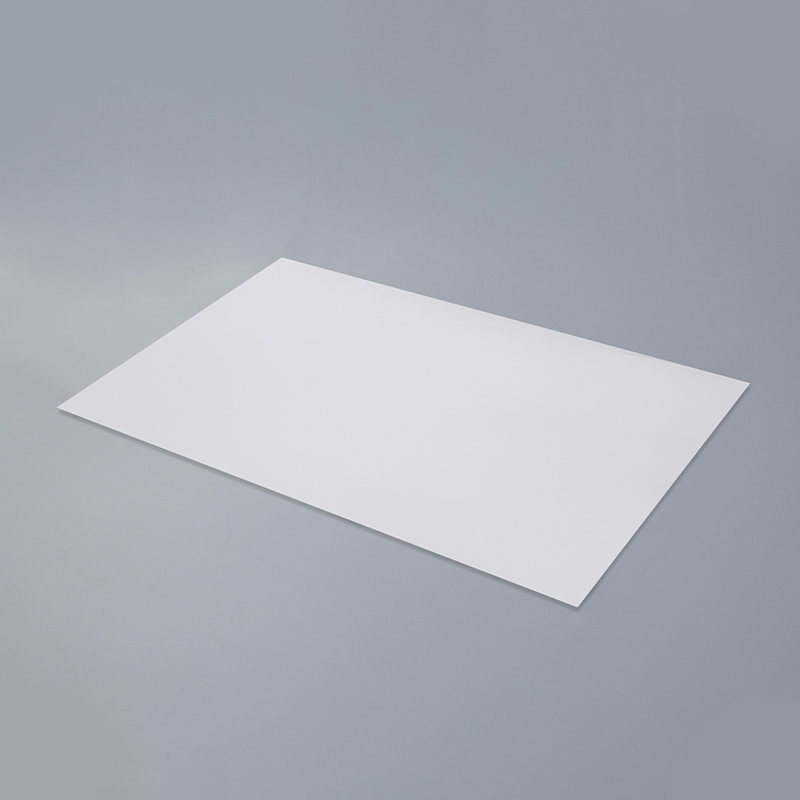
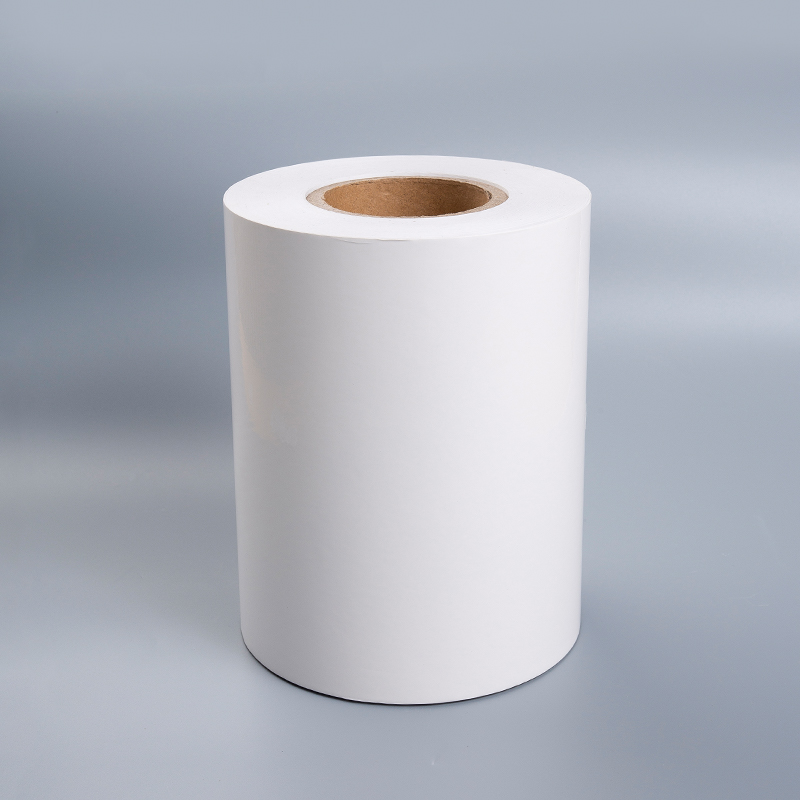
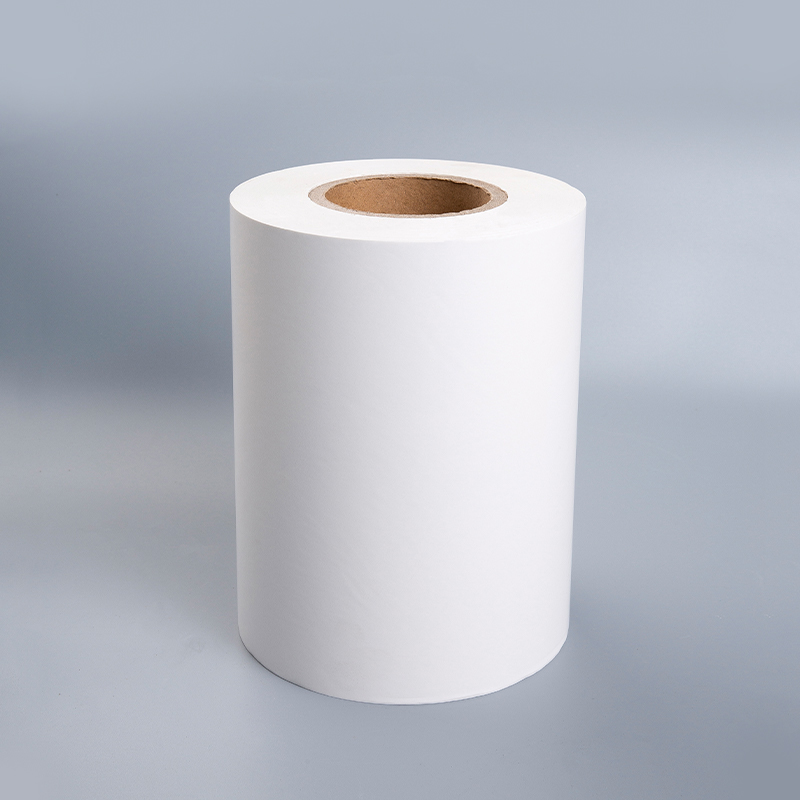
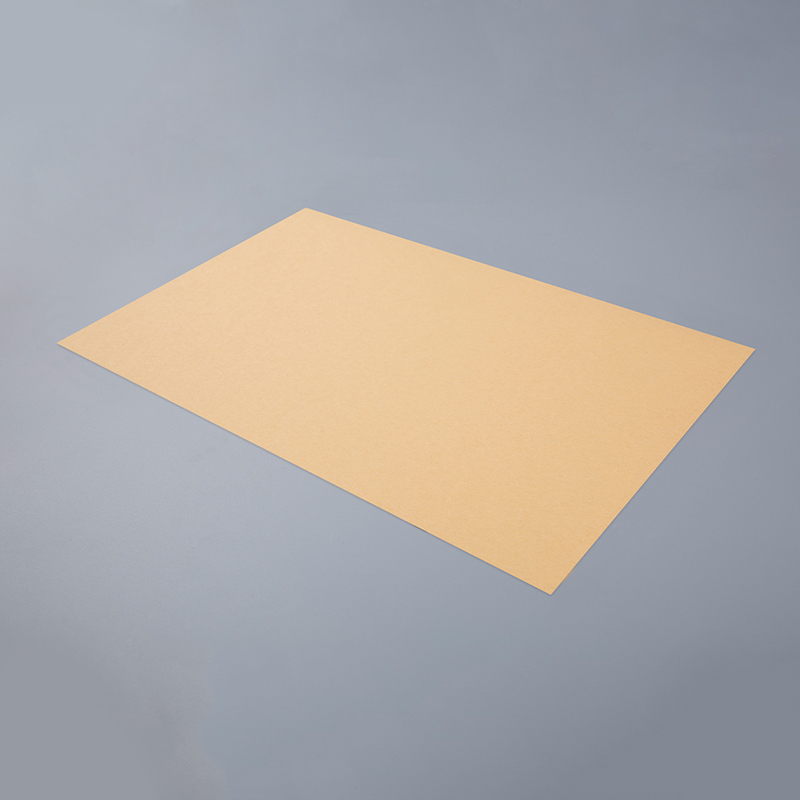
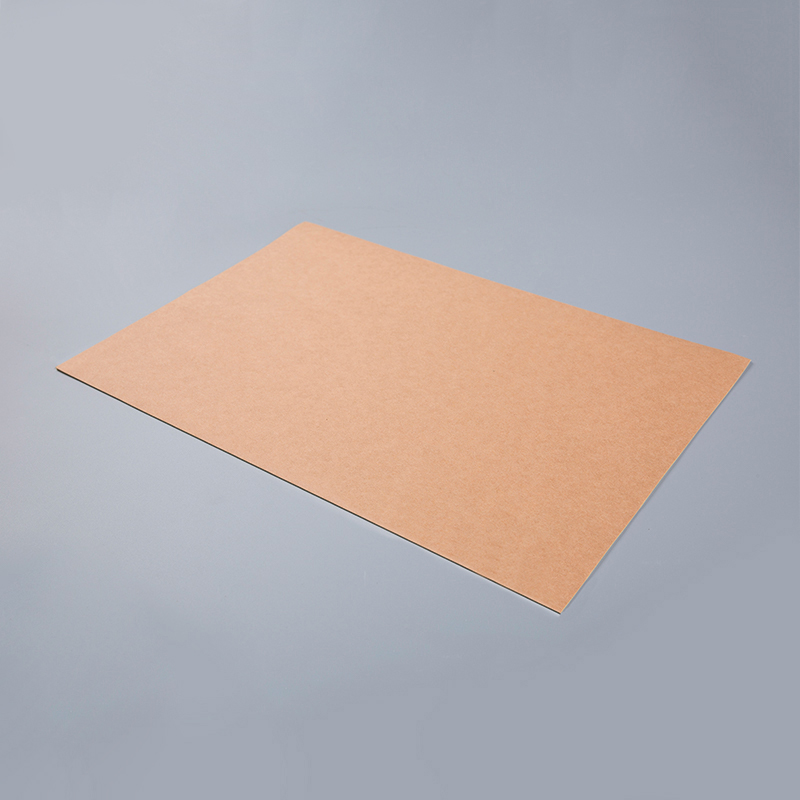
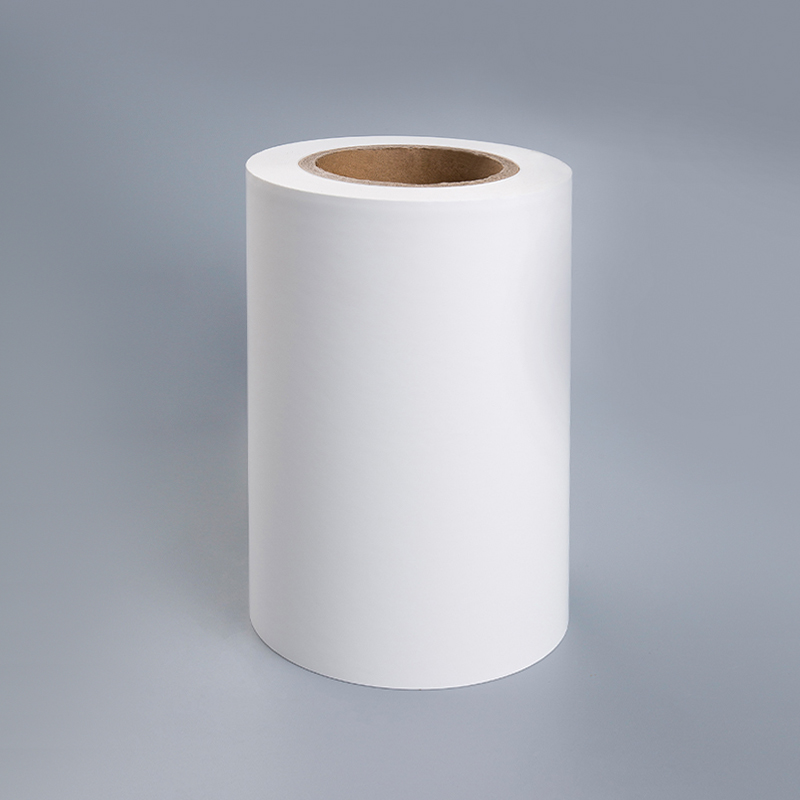
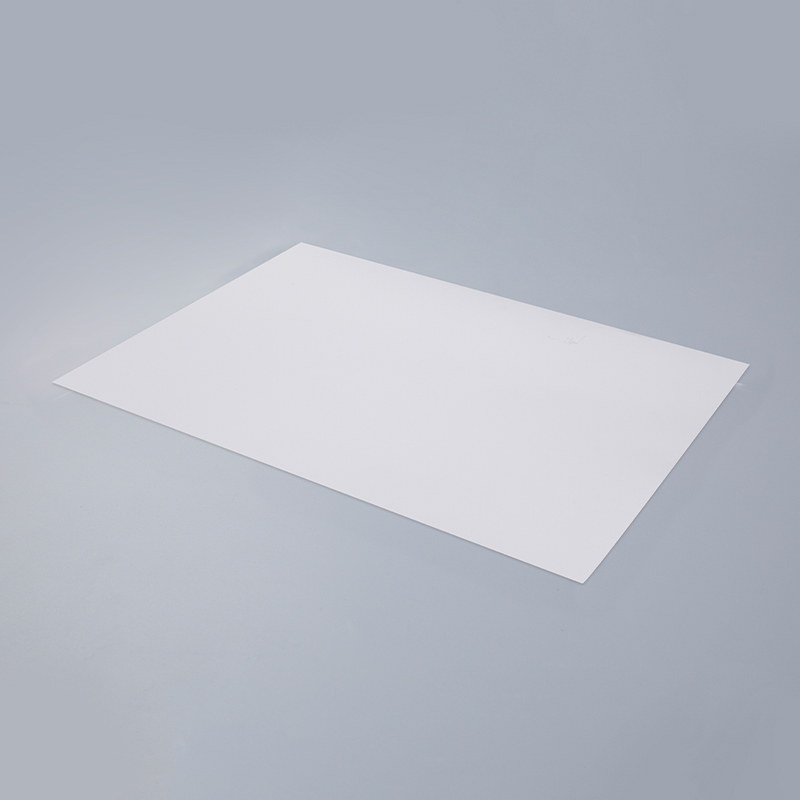
The product is available in multiple basis weights, widths, colors, and sheet formats. Yellow and white versions can be selected according to application requirements, equipment compatibility, printing design, and customer preference. Jumbo rolls are available in widths of 1000 mm, 1020 mm, 1080 mm, and 1530 mm, while sheet formats include A4, A3, 20 × 30 cm, 21 × 30 cm, 24 × 36 cm, 50 × 70 cm, and 70 × 100 cm. Customized sizes can also be produced for specific converting lines and finished-product formats.
Content
- 1 What Is Yellow Release Paper?
- 2 Core Construction and Material Options
- 3 Advantages Compared with Ordinary Release Paper
- 4 Advanced Manufacturing Processes
- 5 Applications in Self-Adhesive Labels
- 6 Applications in Hot Stamping and Decorative Foil Transfer
- 7 Use in Medical and High-Precision Products
- 8 Performance in Automated Production
- 9 Packaging, Storage, and International Delivery
- 10 Available Specifications
- 11 Customization and OEM/ODM Support
- 12 Manufacturing Strengths of the Supplier
- 13 Sustainability Considerations
- 14 How to Select the Correct Grade
- 15 Recommended Quality Evaluation Procedure
- 16 Conclusion
- 17 Questions and Answers
- 17.1 What is yellow release paper used for?
- 17.2 What is the main material structure?
- 17.3 Is yellow release paper available in different basis weights?
- 17.4 Can the product be supplied in white?
- 17.5 What jumbo roll widths are available?
- 17.6 Are sheet formats available?
- 17.7 Can it be used for high-speed automated label production?
- 17.8 Can it be used for hot stamping?
- 17.9 Is the release paper suitable for medical products?
- 17.10 Can the supplier provide OEM and ODM services?
- 17.11 How should the product be stored?
- 17.12 Is the paper recyclable?
- 17.13 Why is product testing recommended before mass production?
- 18 References
- 19 Product: Yellow Release Paper
What Is Yellow Release Paper?
Yellow release paper is a paper-based liner consisting primarily of a kraft paper substrate, a polyethylene coating, and a silicone release layer. The kraft paper provides structural support and handling strength. The PE coating improves resistance to moisture and helps create a smoother, more stable surface. The silicone layer controls the adhesion between the liner and the adhesive or coated material, allowing the finished label or adhesive product to be peeled away when required.
The yellow appearance is commonly used for visual identification, process differentiation, and product recognition. In a busy converting facility, color can help operators quickly distinguish one liner specification from another. It may also support production organization when different release levels, basis weights, or application categories are being used. The color does not replace performance specifications, but it provides a practical visual feature for manufacturing and inventory control.
During label production, the release paper is laminated to a face material carrying pressure-sensitive adhesive. The liner protects the adhesive during storage and transportation. When the label is ready to be applied, the liner is removed, exposing the adhesive while keeping the label clean and properly supported until the point of use.
For hot stamping, the release paper can serve as a carrier for metallic or decorative foils. The controlled release surface helps the transferred layer separate cleanly during the stamping process. A stable and flat carrier is important because foil handling, registration, transfer sharpness, and final gloss can all be affected by liner movement or surface irregularity.
Core Construction and Material Options
Kraft Paper Substrate
The kraft paper base gives the release liner its essential tensile strength, stiffness, and dimensional support. A well-formed kraft substrate can withstand winding, slitting, laminating, die-cutting, printing, and automated dispensing. Its uniform density also helps reduce weak points and improve resistance to puncture during production and transportation.
The available basis weights range from 50 g/m² to 240 g/m², including 50, 60, 65, 70, 80, 85, 90, 100, 120, 135, 155, and 240 g/m² options. This broad range allows customers to select a liner according to the required balance of flexibility, stiffness, support, roll performance, and application speed.
Lighter grades may be suitable where material efficiency, flexibility, and compact roll construction are priorities. Medium-weight grades can provide a practical balance for general label production, adhesive printing, and die-cutting. Heavier grades are useful where additional rigidity, dimensional support, or carrier strength is needed, including certain hot-stamping and industrial applications.
PE Coating
The polyethylene coating functions as a protective barrier between the paper fibers and the surrounding environment. Paper naturally responds to changes in humidity, but the PE layer helps reduce moisture penetration and limits the effect of environmental changes on the liner. This is especially valuable during long-distance transportation, warehouse storage, and production in facilities where temperature and humidity fluctuate.
PE coating also contributes to surface smoothness and flatness. A consistent coating can reduce the exposure of paper fibers, lower the risk of paper dust, and support more stable silicone application. Depending on the product structure and customer requirements, single-sided or double-sided coating options may be considered.
Silicone Release Layer
The silicone release layer is responsible for controlled separation. Its performance must be consistent across the width and length of the roll so that the adhesive-backed product can be peeled away smoothly without excessive force, adhesive transfer, tearing, or premature release.
Release performance is not simply a matter of making the surface non-stick. The liner must provide the correct balance between protection during storage and easy removal during application. If the release force is too high, labels may lift, stretch, tear, or become difficult to dispense. If it is too low, the liner may separate prematurely during converting or transport. Precision coating technology helps maintain a stable release profile suited to the intended adhesive and application process.
Advantages Compared with Ordinary Release Paper
High Dimensional Stability
Dimensional stability is one of the most important advantages of a high-quality release liner. Changes in temperature and humidity can cause untreated or poorly coated paper to expand, contract, curl, or deform. These changes may create registration problems in printing, inaccurate die-cutting, wrinkles during lamination, and difficulties in automated feeding.
Yellow release paper is engineered to provide excellent dimensional stability after coating. The combination of a uniform kraft paper base, PE barrier layer, and controlled coating process helps the material maintain its shape during normal processing and storage conditions. This stability supports accurate printing and converting, particularly when narrow tolerances are required.
For manufacturers using high-speed equipment, stable dimensions can also reduce line interruptions. When the liner remains flat and tracks consistently, operators can spend less time adjusting web tension, correcting alignment, or removing defective sections.
Durability and Puncture Resistance
Release liners are exposed to tension, bending, winding, slitting, and pressure throughout the supply chain. A weak liner may break during unwinding or become damaged at the edges. Punctures and tears can interrupt production and compromise the finished product.
The kraft paper construction provides robust support, while uniform density helps distribute mechanical stress more evenly. This makes the liner better suited to roll handling, die-cutting, and other demanding converting operations. Improved durability can also reduce the risk of damage during palletized shipment and warehouse movement.
Reduced Paper Dust
Paper dust is a common concern in printing and converting environments. Loose fibers can accumulate on rollers, sensors, cutting tools, and other machine components. Dust contamination may affect print quality, weaken adhesive bonds, create surface defects, and increase cleaning requirements.
The coated structure and controlled manufacturing process help minimize paper dust during production. Lower dust generation supports cleaner operating conditions and may contribute to longer equipment service intervals. This benefit is especially useful for high-speed automated lines, clean production areas, electronic labeling, and applications where surface cleanliness is critical.
Moisture and Chemical Resistance
Moisture can cause paper swelling, edge deformation, loss of flatness, and changes in mechanical strength. In some environments, exposure to chemicals or adhesive components can further affect the liner. The PE coating provides a protective barrier that improves resistance to moisture and helps protect the paper substrate from environmental exposure.
This protection is valuable during long-term storage, sea transportation, and production in humid climates. It can help prevent warping and maintain a more stable surface until the material is converted. The liner is therefore suitable for customers who require dependable performance across different geographical regions and supply-chain conditions.
Smooth and Flat Surface
A smooth surface supports uniform contact during printing, laminating, adhesive coating, and die-cutting. It also helps reduce air pockets, wrinkles, and uneven pressure distribution. Flatness is particularly important when the release paper is used as a carrier for delicate foils or high-precision adhesive products.
The smooth coated surface allows the liner to run more consistently through automated equipment. It also helps the face material remain supported until application, reducing the likelihood of premature lifting or edge deformation.
Stable Release Performance
Stable release performance is a central product advantage. The silicone layer is applied using precision coating systems intended to promote uniform distribution and consistent surface behavior. This supports clean peeling and helps reduce adhesive residue, label deformation, and liner splitting.
For pressure-sensitive label production, consistent release allows the label to remain protected during storage while still being removed efficiently by the end user. For hot stamping, it supports clean separation of the foil carrier and helps preserve the definition and gloss of the transferred metallic finish.
Advanced Manufacturing Processes
Cast Extrusion Coating Technology
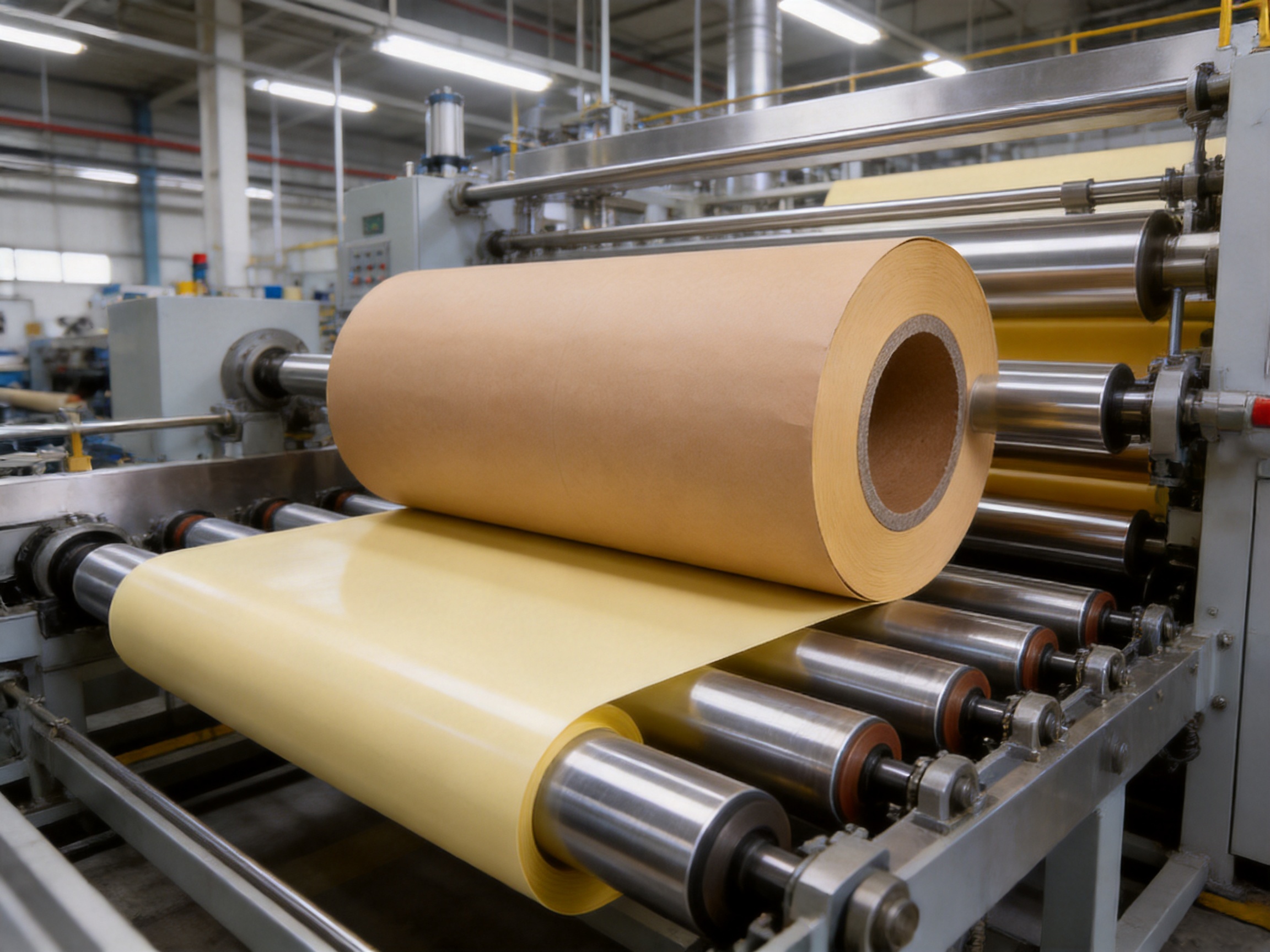
Cast extrusion coating is used to create a controlled PE layer on the kraft paper substrate. In this process, molten polyethylene is formed into a uniform film and applied to the paper under controlled conditions. The process can be configured for single-sided or double-sided coating depending on the required product structure.
Uniform PE application is important because differences in coating thickness can influence moisture resistance, stiffness, surface smoothness, and subsequent silicone coating behavior. A controlled cast extrusion process helps create a consistent barrier and supports stable performance across the web.
The coating process also requires accurate control of temperature, web speed, pressure, and cooling conditions. Proper coordination of these variables helps reduce defects such as uneven coverage, wrinkles, pinholes, edge instability, or coating separation. The result is a more reliable base for demanding label and adhesive applications.
Multi-Roller Precision Coating
A multi-roller precision coating system is used to distribute the silicone release layer across the coated paper surface. Multiple rollers allow the coating to be metered, transferred, spread, and leveled under controlled conditions. This arrangement supports even silicone coverage and helps maintain a consistent release profile.
Precision roller coating is particularly important for wide jumbo rolls. As web width increases, small variations can become significant during downstream converting. Uniform application across the entire width helps ensure that material produced from different areas of the roll performs consistently on printing, laminating, and die-cutting equipment.
The coating system can also help control breathability and surface characteristics. Controlled breathability is relevant when the liner must interact with adhesive layers or remain stable through drying, curing, and storage. The precise structure supports high-accuracy bonding and can be adapted to applications requiring demanding surface performance.
Slitting and Size Conversion
After coating and inspection, release paper can be converted into jumbo rolls or sheets. Slitting must be performed accurately to create clean edges and maintain roll stability. Poorly slit edges can lead to telescoping, uneven unwinding, web breaks, or damage to adjacent layers.
For sheet products, cutting accuracy is equally important. Standard sheet formats are available, while customized dimensions can be produced according to customer drawings, equipment specifications, or finished label requirements. Proper sheet conversion helps maintain square edges, consistent dimensions, and convenient handling during printing and application.
Inspection and Quality Control
Quality control is integrated into the manufacturing process to verify the appearance, dimensions, coating condition, and physical performance of the material. Typical inspection considerations include basis weight, thickness, width, surface uniformity, release behavior, tensile strength, moisture resistance, and roll or sheet appearance.
The manufacturer operates its own testing laboratory and uses advanced inspection equipment to support product consistency. Laboratory testing is important because release paper performance depends on the interaction of several layers rather than on a single characteristic. A liner may appear visually acceptable but still fail if its release force, moisture resistance, or dimensional stability is unsuitable for the intended adhesive.
Testing and process monitoring provide a foundation for repeatable production. They also support OEM and ODM projects in which the customer requires a customized liner specification, special size, alternative color, or application-specific structure.
Yellow Release Paper
Applications in Self-Adhesive Labels
Electronic Device Labels
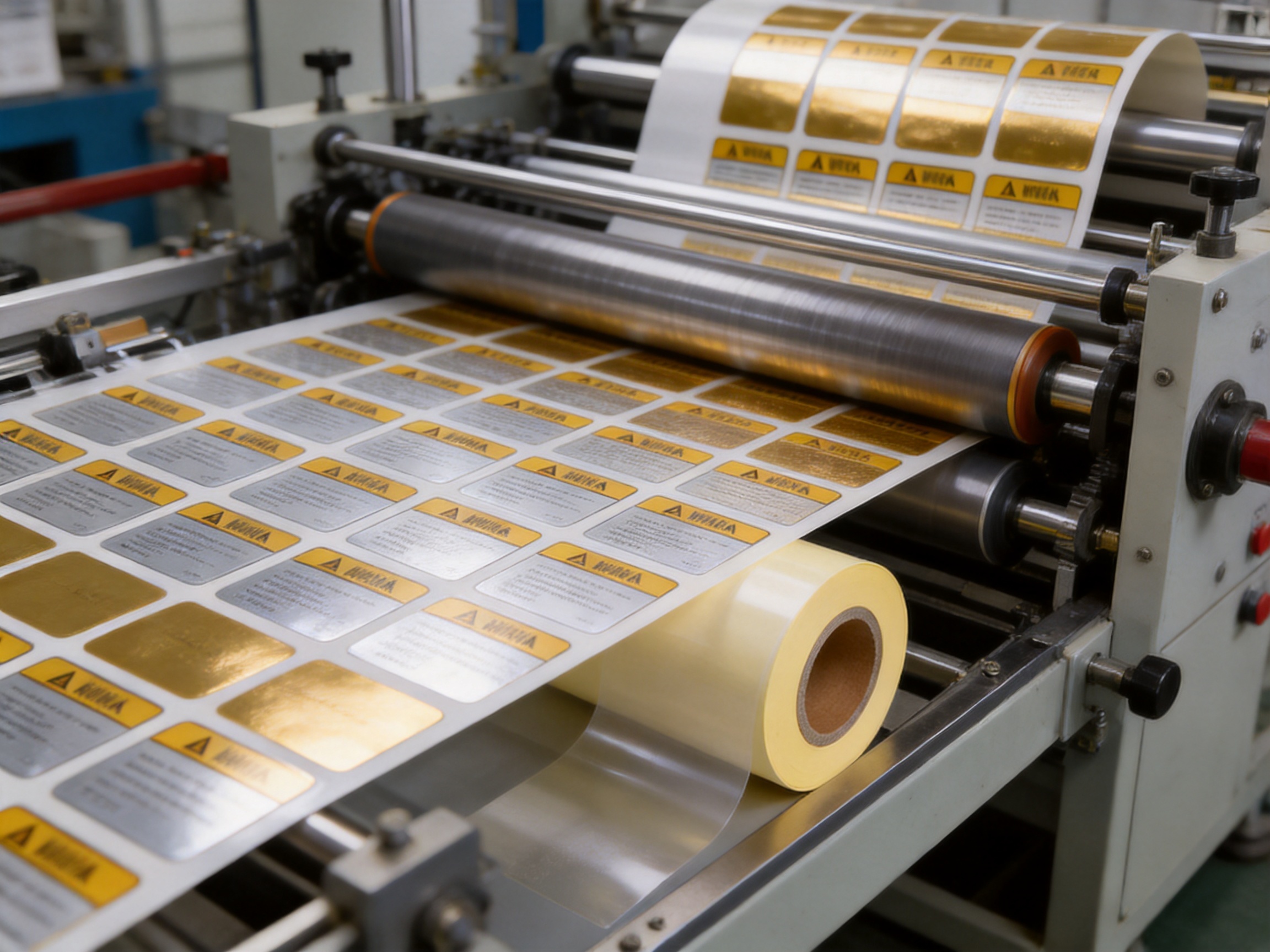
Electronic products often require product identification labels, warning labels, serial number labels, rating labels, and compliance markings. These labels may need to be printed with fine text, barcodes, variable data, or high-contrast graphics. The release liner must provide stable support during printing and die-cutting while protecting the adhesive until final application.
Yellow release paper helps maintain a flat and uniform backing surface, supporting accurate registration and clean label edges. Its moisture resistance is also valuable when labels are stored before assembly or transported between different production sites. At the point of use, the liner can be removed efficiently, allowing the label to be positioned on plastic, metal, glass, coated surfaces, or other electronic product housings, subject to adhesive selection and application testing.
Product Identification and Warning Labels
Industrial goods, household products, machinery, and packaging often use labels to communicate model information, safety instructions, handling requirements, and regulatory details. These applications demand reliable print quality and easy label dispensing.
The liner supports the label during production and protects the adhesive from dust, moisture, and accidental contact. A stable release surface helps labels separate without damaging small printed elements or distorting narrow label shapes. The available basis weights allow converters to select a liner suited to the label size and dispensing method.
Pressure-Sensitive Adhesive Printing
Pressure-sensitive adhesive printing requires a carrier that remains flat and stable through coating, drying, printing, laminating, and die-cutting. Yellow release paper serves as a practical backing material for adhesive label production by protecting the adhesive layer and supporting the face stock.
Its smooth surface supports consistent contact with printing and laminating equipment. Its release characteristics allow the finished label to be removed without excessive force. During high-speed production, dimensional stability helps maintain registration and reduce the risk of wrinkles or web misalignment.
Applications in Hot Stamping and Decorative Foil Transfer
Hot stamping is used to apply gold, silver, metallic, holographic, and other decorative effects to printed materials, packaging, labels, and product surfaces. The carrier must transport the foil through the process and allow the decorative layer to transfer cleanly under heat and pressure.
Yellow release paper can function as a carrier for hot-stamping foils. Its smoothness and flatness help maintain contact between the foil and the receiving surface. Its stable release properties support clean separation after transfer, helping preserve sharp edges, high gloss, and accurate details.
A stable carrier is especially important when the design contains fine lettering, narrow lines, logos, or detailed patterns. Movement, wrinkles, or uneven pressure can reduce transfer quality and create incomplete areas. By providing a consistent support layer, the release paper helps the stamping process achieve a more uniform result.
Selection should be based on the foil structure, stamping temperature, machine speed, pressure, receiving substrate, and desired release behavior. Trial production is recommended when introducing a new foil or changing process conditions.
Use in Medical and High-Precision Products
Medical labels, adhesive components, wound-care products, and other precision applications require clean production, predictable release, and reliable dimensional control. The release liner may be exposed to sensitive adhesive formulations and must remain stable through converting and storage.
The product is manufactured using a clean production process intended to meet safety expectations associated with food and medical-related industries. Customers should confirm the exact regulatory, sterilization, biocompatibility, and application requirements for their particular medical product. The release paper can then be evaluated through compatibility testing with the adhesive, face material, and intended processing conditions.
For medical and high-precision products, low contamination, smoothness, controlled release, and consistent dimensions are particularly important. A liner that sheds fibers or varies significantly across its width may create unacceptable defects. The coated kraft construction and precision silicone application are designed to support dependable converting performance.
Performance in Automated Production
Automation places demanding requirements on release paper. Webs may travel at high speeds through printing presses, laminators, die-cutters, inspection systems, and applicators. Any variation in thickness, edge quality, flatness, or release force can affect equipment operation.
Yellow release paper is designed for compatibility with high-speed automated production. Its stable structure helps maintain web tracking, while its smooth surface supports consistent contact with rollers and processing tools. Reduced paper dust can help protect sensors and moving components. Reliable release behavior supports automatic label dispensing and reduces manual intervention.
For converters, these advantages can contribute to improved line efficiency. Fewer web breaks and less frequent cleaning can support more predictable production schedules. Stable material behavior may also reduce setup time when changing rolls or moving between product specifications.
Performance depends on the complete system, including adhesive chemistry, face material, machine tension, temperature, humidity, die configuration, and storage conditions. The release paper should therefore be qualified under actual operating conditions before full-scale production.
Packaging, Storage, and International Delivery
Appropriate packaging protects release paper from moisture, dust, compression, edge damage, and deformation during transportation. This is particularly important for long-distance sea freight, where cargo may encounter changes in humidity, temperature, vibration, and handling conditions.
For international shipments, fumigation-treated recycled wooden pallets are used in accordance with global transportation requirements. The pallets provide a stable base and help reduce the risks associated with insects and mold. Their design supports secure stacking and more even weight distribution, helping prevent roll deformation during transit.
Protective corner guards are embedded to shield vulnerable roll edges. The pallets are tightly wrapped with stretch film to reduce exposure to dust and moisture and to keep the shipment stable. Standardized forklift slots improve handling efficiency at factories, warehouses, ports, and distribution centers.
For ream packaging, each ream contains 100 sheets. The ream is sealed with PE-coated kraft paper to provide protection against moisture and dust. Reinforced edges help minimize damage during handling. Multiple reams can be stacked on pallets and secured with high-strength stretch film and anti-slip plastic straps to prevent movement during transportation.
Good packaging is an important part of product quality. Even a technically excellent release liner may be affected if it is stored in an excessively humid environment, exposed to water, or compressed unevenly. Customers should keep the material in a clean, dry warehouse and protect it from direct sunlight, extreme temperature changes, and heavy impact.
Available Specifications
Product |
Yellow Release Paper |
Material |
PE Coated Kraft Paper |
Basis Weights |
50, 60, 65, 70, 80, 85, 90, 100, 120, 135, 155, and 240 g/m² |
Colors |
Yellow and white available |
Jumbo Roll Widths |
1000 mm, 1020 mm, 1080 mm, and 1530 mm |
Sheet Sizes |
A4, A3, 20 × 30 cm, 21 × 30 cm, 24 × 36 cm, 50 × 70 cm, and 70 × 100 cm |
Customized Sizes |
Available according to customer requirements |
Coating Options |
Single-sided or double-sided PE coating options, subject to specification |
Primary Applications |
Self-adhesive labels, electronic labels, warning labels, hot-stamping foil carriers, pressure-sensitive adhesive printing, and precision adhesive products |
Customization and OEM/ODM Support
Different customers require different combinations of liner stiffness, release behavior, width, basis weight, color, and sheet size. A standard product may be appropriate for general label manufacturing, while specialized applications may require a customized structure or conversion format.
The manufacturer provides OEM and ODM services and can develop products according to customer drawings, samples, or technical specifications. Customization may include jumbo roll width, sheet dimensions, basis weight, coating structure, release characteristics, packaging format, and labeling requirements.
Effective customization begins with a clear understanding of the application. Customers should provide information about the adhesive type, face material, printing process, die-cutting method, operating speed, storage conditions, application surface, and desired peeling force. This information helps the technical team recommend a suitable material structure and testing plan.
Samples can be evaluated through laboratory testing and trial production. Important evaluation points include web handling, surface appearance, adhesive anchorage, release force, label dispensing, dimensional change, die-cutting performance, and storage stability. A structured qualification process reduces the risk of selecting a liner that performs well in one process but fails after a change in adhesive, temperature, or machine speed.
Manufacturing Strengths of the Supplier
Suzhou Piaozhihua Composite Material Technology Co., Ltd. specializes in self-adhesive label materials and related composite products. The company integrates research and development, production, sales, and after-sales service. Its production capabilities include gluing, laminating, cutting, and other processes required for self-adhesive material manufacturing.
With an annual production capacity of more than 280 million square meters, the company can support both regular orders and large-volume supply programs. Its production scale is supported by more than 20 years of manufacturing experience, providing practical knowledge of label materials, adhesive systems, release liners, and converting requirements.
The company maintains an extensive sales and service network in China, with direct sales coverage in cities including Shanghai, Ningbo, Hangzhou, Chengdu, Harbin, Wuhan, Chongqing, Guangzhou, Changsha, and Beijing. Its international marketing network extends across North America, Europe, Asia, Latin America, the Middle East, and other regions.
Its own testing laboratory and advanced inspection equipment support quality assurance. A professional research and development team with multiple patents contributes to product innovation and application development. These resources are valuable for customers seeking more than a standard material catalogue, particularly when a new adhesive product or specialized label format is being developed.
The supplier also emphasizes sustainable development and environmental responsibility. Its product development approach includes eco-friendly solutions involving face materials, adhesives, and backing papers. Customers seeking to reduce material impact can discuss recyclable structures, paper-based components, and other sustainability objectives during product selection.
Sustainability Considerations
Yellow release paper contains a paper-based kraft substrate, which can support material efficiency and responsible resource use when managed appropriately. The product information identifies the paper as recyclable and biodegradable, although actual recyclability depends on local collection systems, the presence of silicone and PE coatings, adhesive residues, and the facilities available in the customer’s region.
Customers should evaluate the complete product system rather than judging sustainability from one layer alone. The face material, adhesive, release liner, packaging, transportation method, and end-of-life process all contribute to the environmental profile of a self-adhesive product.
Material optimization can also reduce environmental impact. Selecting the lowest basis weight that still provides adequate performance may reduce material consumption. Efficient roll design can improve transportation utilization, while accurate slitting can reduce production waste. Durable and stable material may also help reduce rejects during printing and converting.
The supplier’s focus on sustainable development includes the continued development of environmentally oriented solutions for face stocks, adhesives, and backing papers. Customers can work with the technical team to define sustainability targets while maintaining the required release, moisture resistance, and processing performance.
How to Select the Correct Grade
The correct release paper grade should be selected according to the complete application rather than color alone. The first consideration is the required mechanical support. Small labels, flexible products, and high-speed dispensing may require a different basis weight from large labels, industrial tags, or rigid adhesive components.
The second consideration is release compatibility. The silicone release level must work with the adhesive formulation and the intended peeling direction and speed. A material that releases easily from one adhesive may not provide the same performance with another. Laboratory and production trials are therefore essential.
The third consideration is the processing environment. If the product will be printed, laminated, or stored in humid conditions, moisture resistance and dimensional stability become more important. If the material will be used on a high-speed line, web strength, low dust, edge quality, and roll uniformity should receive additional attention.
The fourth consideration is the finished format. Jumbo rolls are suitable for converters with slitting and sheet-cutting equipment. Pre-cut sheets may be preferable for digital printing, manual processing, or customers requiring ready-to-use formats. Customized dimensions can reduce trimming waste and improve production efficiency.
Finally, customers should review packaging and storage requirements. Even a well-selected liner can be affected by exposure to water, extreme humidity, excessive heat, or uneven pressure. Proper warehouse control helps preserve its original performance.
Recommended Quality Evaluation Procedure
A practical evaluation begins with a review of the technical specification and intended application. The customer should identify the adhesive, face material, printing method, die-cutting process, operating speed, storage period, and application surface.
The next stage is sample testing. The release paper should be inspected for color uniformity, surface smoothness, edge condition, curl, wrinkles, and visible coating defects. Basis weight, thickness, width, and roll appearance should be checked against the agreed specification.
Process testing should then be conducted on the intended equipment. The material should be unwound at normal production speed and observed for web tracking, tension stability, dust generation, edge behavior, and machine compatibility. Printing, laminating, and die-cutting results should be assessed for registration, cutting accuracy, label shape, and waste removal.
Release testing should be performed with the actual adhesive system. The evaluation should examine peel force, adhesive transfer, liner splitting, label deformation, and storage changes. If the product is intended for hot stamping, foil transfer quality, metallic gloss, detail sharpness, and separation should also be assessed.
Finally, the finished material should be stored under representative conditions and retested after the planned storage period. This helps identify changes caused by humidity, temperature, aging, or interaction between the adhesive and release liner.
Conclusion
Yellow release paper is a versatile PE coated kraft paper liner developed for stable and efficient performance in self-adhesive label production, hot stamping, pressure-sensitive adhesive printing, electronic labeling, packaging, and high-precision adhesive applications. Its key advantages include dimensional stability, mechanical durability, puncture resistance, moisture protection, a smooth and flat surface, reduced paper dust, and controlled silicone release.
The product is supported by cast extrusion coating technology, multi-roller precision coating, controlled converting, laboratory testing, and customized production capabilities. These manufacturing strengths help create a consistent material that can operate effectively on high-speed automated equipment and support accurate printing, bonding, die-cutting, foil transfer, and label application.
Multiple basis weights, colors, roll widths, sheet formats, and customized sizes allow customers to select a structure suited to their process. Strong packaging and international delivery procedures further protect the product through transportation and storage.
For customers comparing release liners, the most important factors are not only price and appearance but also process reliability, release consistency, moisture resistance, dimensional control, cleanliness, customization support, and long-term supply capability. When these factors are evaluated together, yellow release paper can provide a dependable foundation for high-quality adhesive products and efficient converting operations.
Questions and Answers
What is yellow release paper used for?
It is used as a backing or carrier for self-adhesive labels, electronic device labels, warning labels, pressure-sensitive adhesive products, hot-stamping foils, and other applications requiring controlled separation from an adhesive or transferred coating.
What is the main material structure?
The main structure is PE coated kraft paper with a silicone release layer. The kraft paper provides strength, the PE coating improves moisture resistance and surface stability, and the silicone layer controls release.
Is yellow release paper available in different basis weights?
Yes. Available basis weights include 50, 60, 65, 70, 80, 85, 90, 100, 120, 135, 155, and 240 g/m². The appropriate grade depends on the required stiffness, strength, flexibility, and converting process.
Can the product be supplied in white?
Yes. Yellow and white versions are available. Color selection can be based on visual identification, production organization, customer preference, or application requirements.
What jumbo roll widths are available?
Standard jumbo roll widths include 1000 mm, 1020 mm, 1080 mm, and 1530 mm. Customized widths may be discussed according to production equipment and order requirements.
Are sheet formats available?
Yes. Common sheet sizes include A4, A3, 20 × 30 cm, 21 × 30 cm, 24 × 36 cm, 50 × 70 cm, and 70 × 100 cm. Other dimensions can be customized.
Can it be used for high-speed automated label production?
Yes. Its dimensional stability, smooth surface, durable paper structure, low dust generation, and stable release characteristics are intended to support high-speed automated processing. Actual performance should be confirmed with the customer’s adhesive and equipment.
Can it be used for hot stamping?
Yes. It can act as a carrier for gold, silver, and other hot-stamping foils. The stable and smooth surface supports accurate transfer and clean separation, helping maintain sharpness and gloss.
Is the release paper suitable for medical products?
It can be considered for medical-related and high-precision adhesive products because of its clean production process, controlled release, surface smoothness, and dimensional stability. Customers must confirm all specific regulatory, sterilization, and compatibility requirements for the finished medical product.
Can the supplier provide OEM and ODM services?
Yes. OEM and ODM services are available. Products can be developed according to customer drawings, samples, application requirements, and technical specifications.
How should the product be stored?
It should be stored in a clean, dry environment and protected from water, excessive humidity, direct sunlight, extreme temperature changes, and heavy impact. Original packaging should remain intact until the material is ready for use.
Is the paper recyclable?
The paper-based material is identified as recyclable and biodegradable, but actual recycling depends on local facilities and the complete structure, including PE, silicone, adhesives, and face materials. Customers should verify end-of-life options in their region.
Why is product testing recommended before mass production?
Release performance depends on the interaction between the liner, adhesive, face stock, equipment, temperature, humidity, and processing speed. Testing confirms that the selected grade provides the required peel behavior, dimensional stability, die-cutting performance, and storage reliability.
References
1. Technical product information for PE coated kraft paper and yellow release paper supplied by the manufacturer.
2. Internal product specifications covering basis weight, color, roll width, sheet size, coating structure, and application range.
3. General principles of pressure-sensitive adhesive label construction and release liner selection.
4. General practices for silicone release coating, paper-based liner converting, and adhesive compatibility testing.
5. Packaging and transportation requirements for coated paper rolls, sheet products, and palletized international shipments.
6. General industry guidance concerning dimensional stability, moisture resistance, die-cutting, hot stamping, and automated label dispensing.