
 English
 Español
 русский
 Français
 عربى
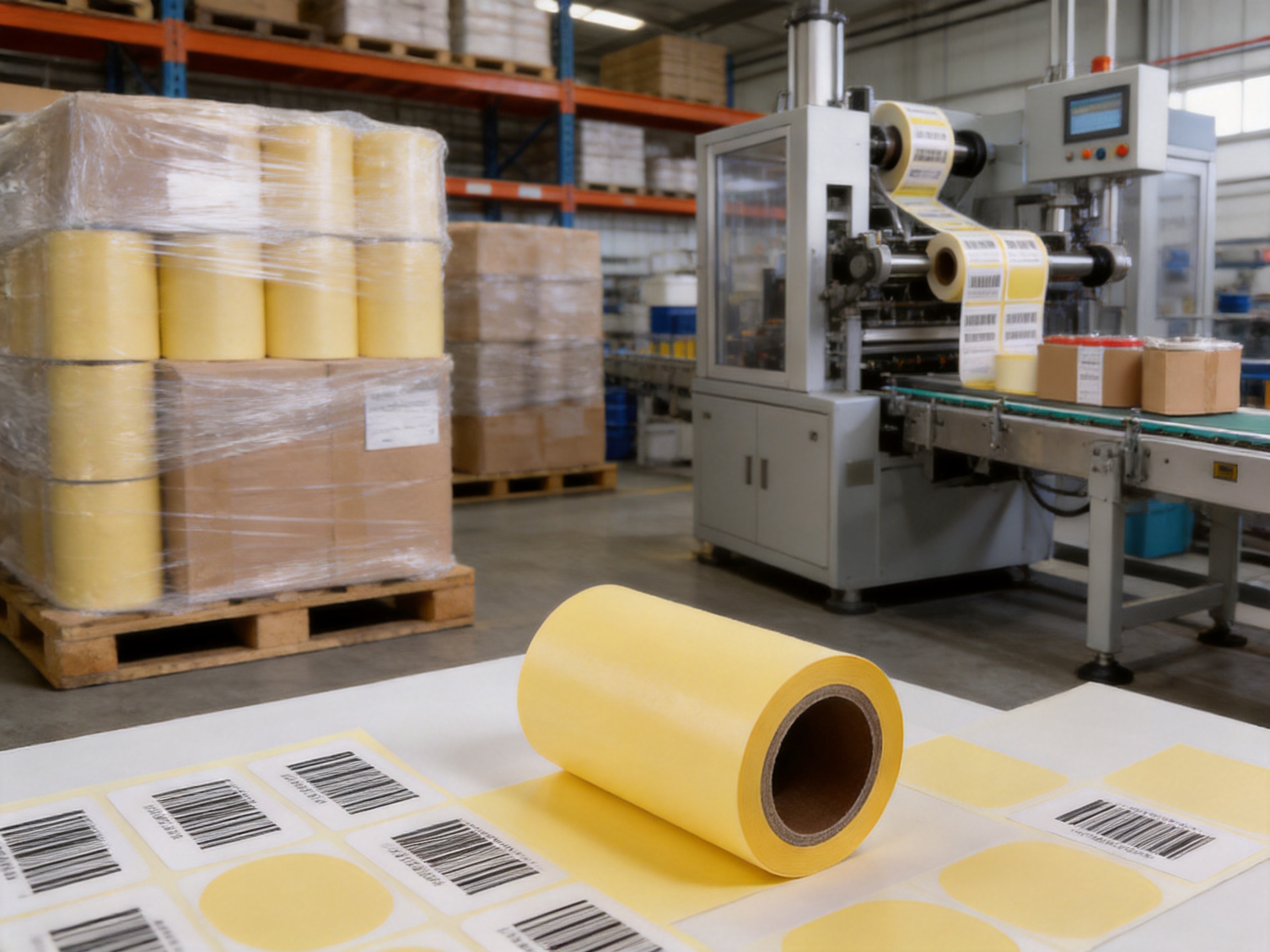
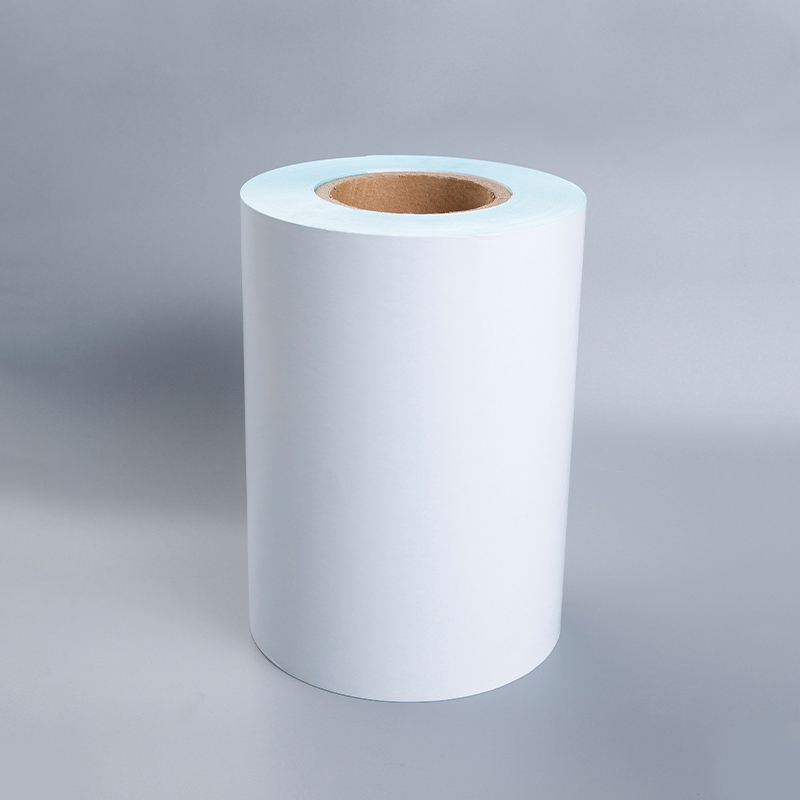
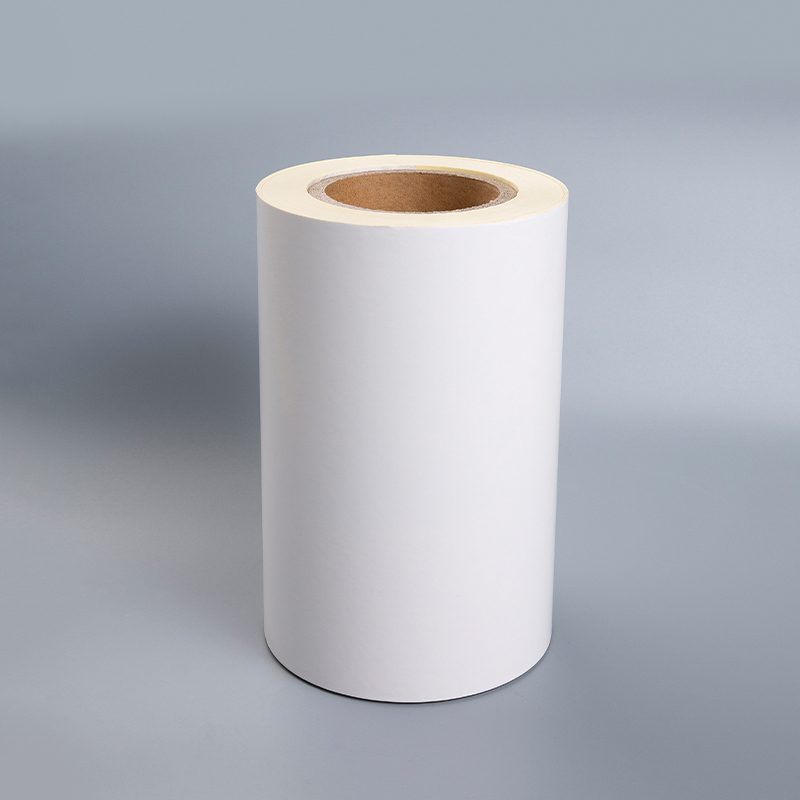
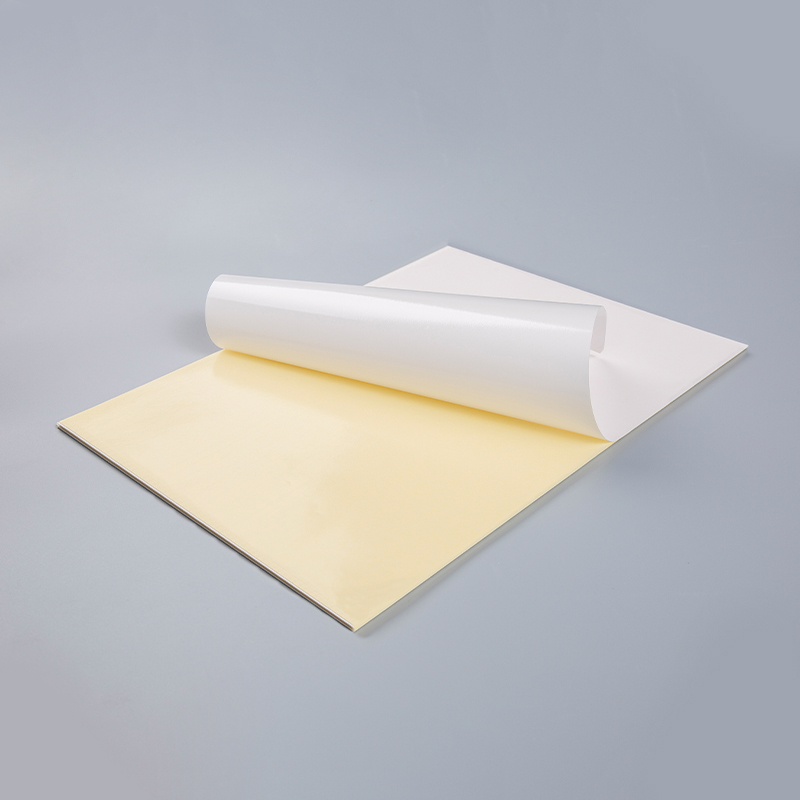
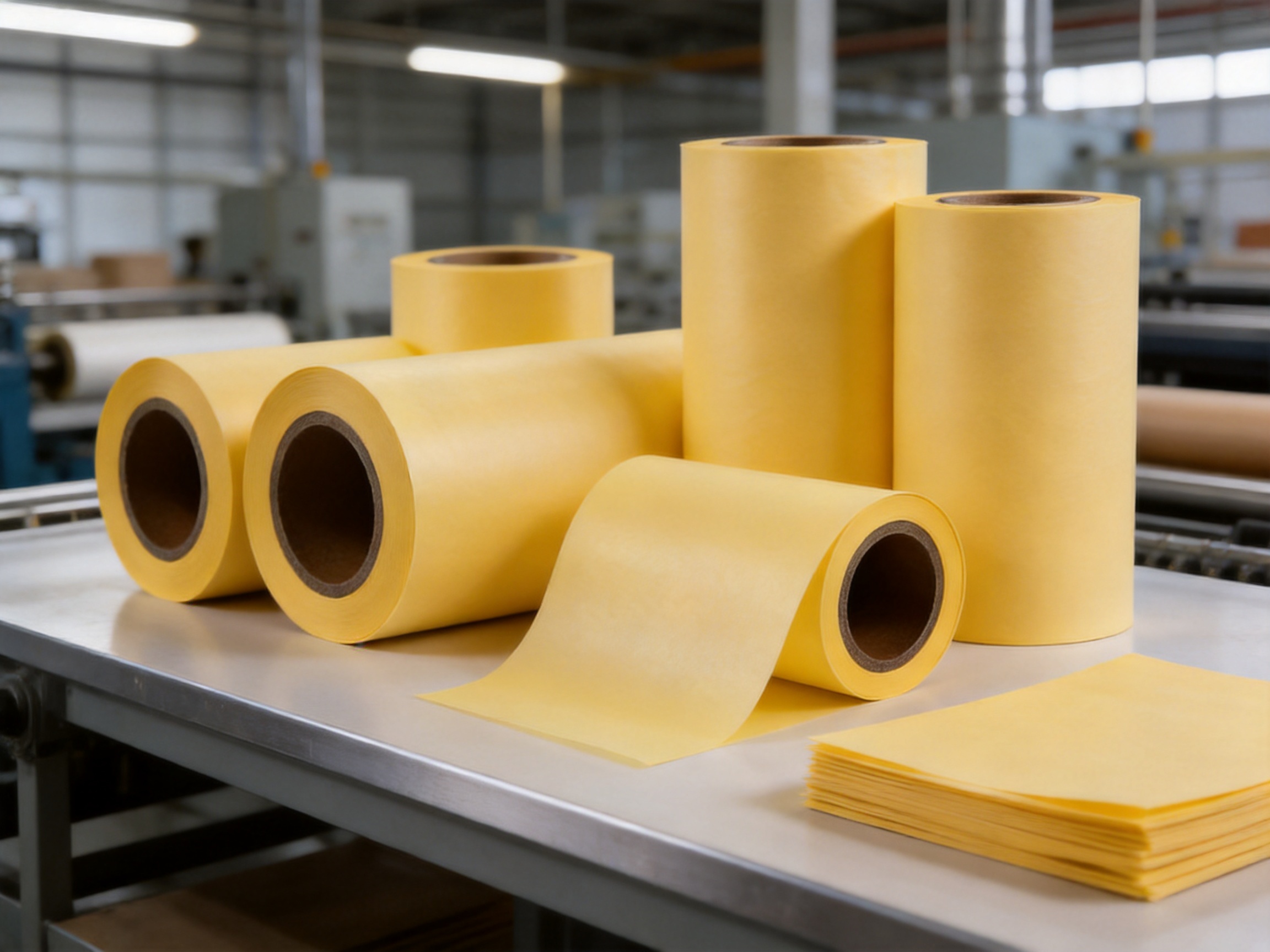
Yellow glassine paper is a smooth, dense, and highly calendered paper material designed for applications that require reliable release performance, dimensional stability, clean converting, and consistent surface quality. As a specialized release substrate, it is widely used in the production of bar code labels, self-adhesive labels, pressure-sensitive tapes, double-sided tape, sticky industrial products, food packaging labels, pharmaceutical packaging, and other products that must be separated cleanly from an adhesive layer.
Unlike ordinary paper, glassine paper is manufactured through a controlled refining, drying, calendering, and finishing process that gives it a compact structure and a smooth surface. Its dense formation allows it to provide a dependable base for silicone release coatings and adhesive products. The yellow appearance also provides useful visual differentiation in production environments, helping operators distinguish release liners from white face materials, printed papers, or other components during converting and assembly.
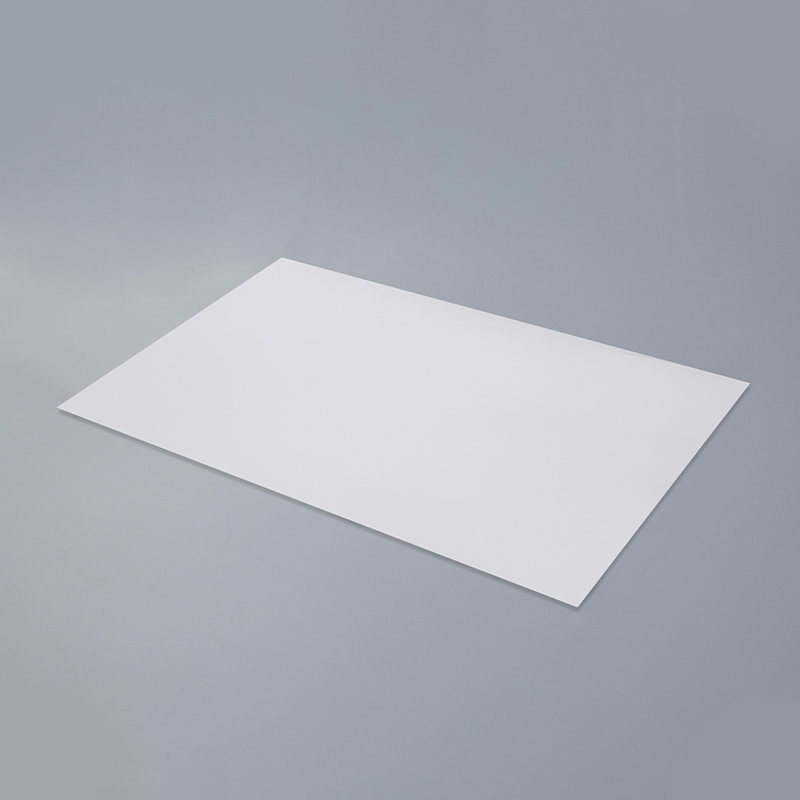
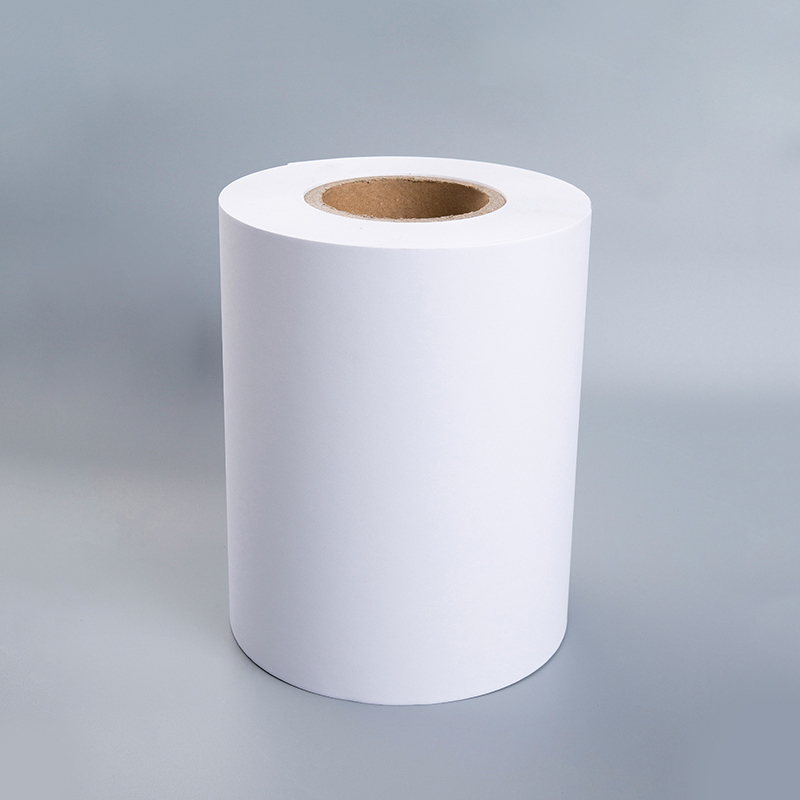
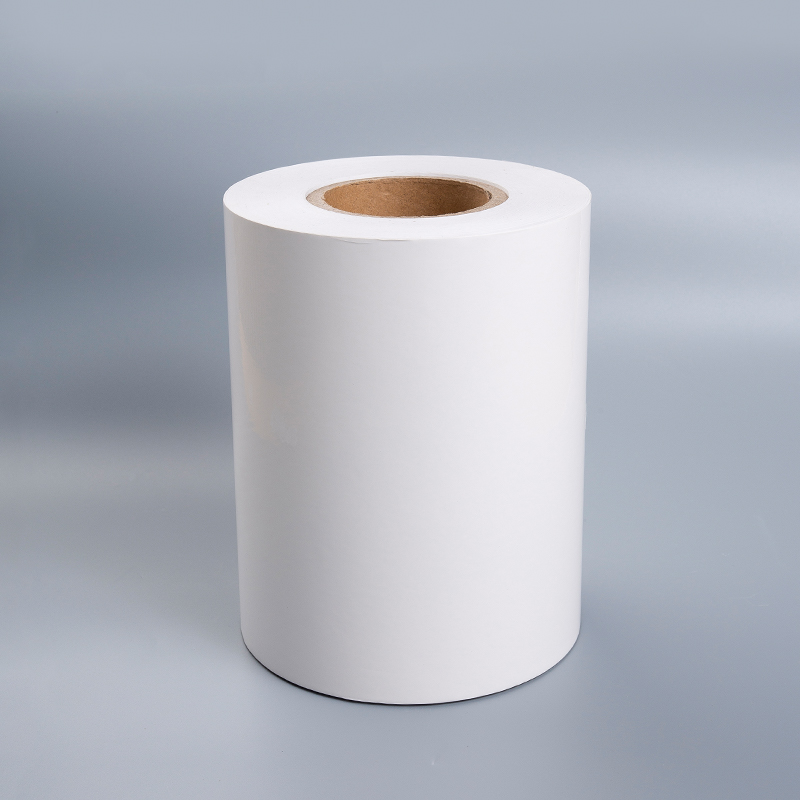
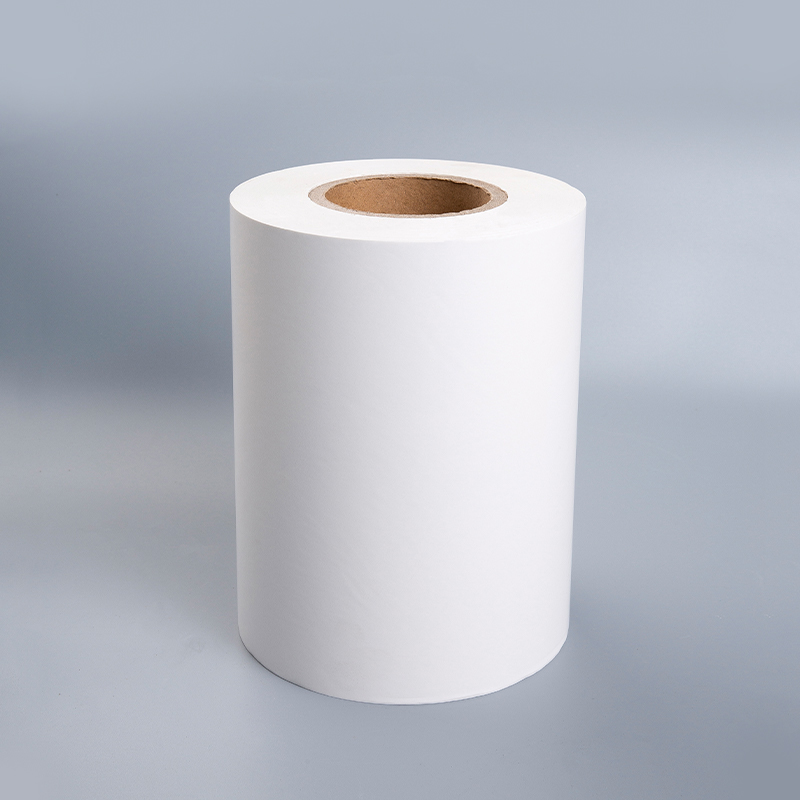
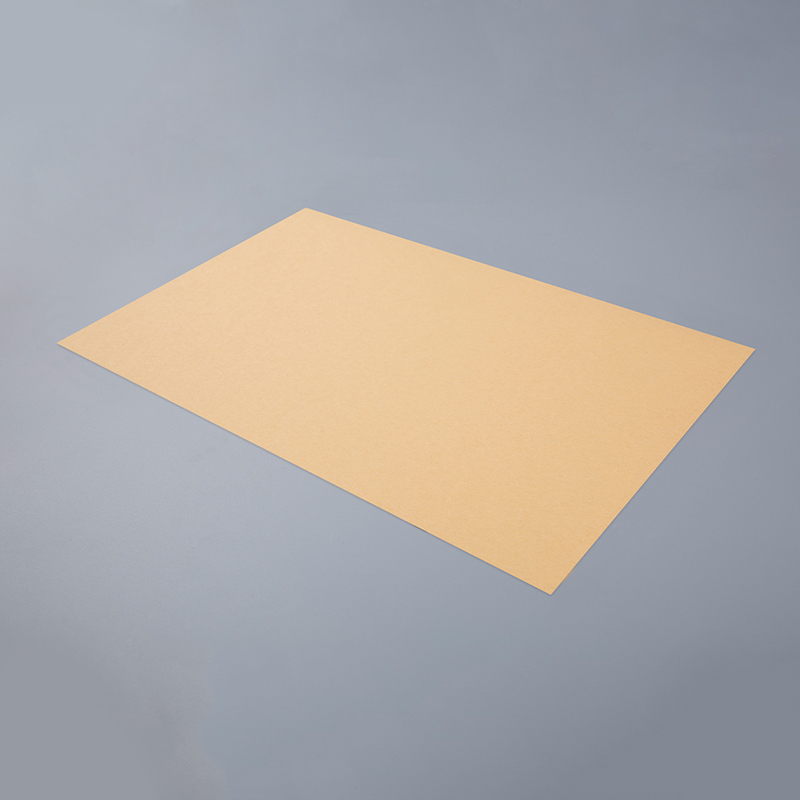
The product described in this article is available in several basis weights, including 50 g, 60 g, 80 g, 100 g, and 120 g options. It can be supplied in jumbo rolls or sheets, with standard and customized sizes available. Jumbo roll widths include 1000 mm, 1020 mm, 1080 mm, and 1530 mm. Sheet formats include A4, A3, 20 × 30 cm, 21 × 30 cm, 24 × 36 cm, 50 × 70 cm, and 70 × 100 cm, while other dimensions can be produced according to customer requirements.
With more than two decades of experience in self-adhesive material manufacturing, Suzhou Piaozhihua Composite Material Technology Co., Ltd. combines material development, coating, laminating, slitting, cutting, inspection, packaging, and customer service within an integrated production system. Its annual production capacity exceeds 280 million square meters, supporting both standard orders and customized OEM or ODM projects for customers in domestic and international markets.
Content
- 1 Understanding Yellow Glassine Paper
- 2 Main Product Specifications
- 3 Applications of Yellow Glassine Paper
- 4 Performance Advantages Over Ordinary Paper Liners
- 5 Advanced Manufacturing Process
- 6 Quality Control and Inspection
- 7 Packaging and Delivery
- 8 Customized Manufacturing and OEM Support
- 9 Manufacturing Strengths of the Supplier
- 10 How to Select the Correct Grade
- 11 Environmental and Sustainability Considerations
- 12 Practical Advantages for Buyers
- 13 Recommended Ordering Information
- 14 Frequently Asked Questions
- 14.1 What is yellow glassine paper used for?
- 14.2 Is yellow glassine paper available in different weights?
- 14.3 Can the material be supplied in rolls and sheets?
- 14.4 What jumbo roll widths are available?
- 14.5 Is yellow glassine paper suitable for die-cutting?
- 14.6 Can it be used on automatic labeling machines?
- 14.7 Can customers request customized sizes?
- 14.8 Does the company provide OEM and ODM services?
- 14.9 How is the product packaged for export?
- 14.10 How should buyers choose between a lighter and heavier grade?
- 14.11 Can the material be used for food or pharmaceutical labels?
- 14.12 What information should be supplied when requesting a quotation?
- 15 Conclusion
- 16 References
- 17 Product: Yellow Glassine Paper
Understanding Yellow Glassine Paper
Glassine paper is a translucent or semi-translucent paper made from highly refined pulp. During production, the paper fibers are processed to create a dense, smooth, and relatively uniform sheet. The finished material can then be treated or coated for specific applications, including release liner production.
The primary role of yellow glassine paper in self-adhesive products is to act as a backing or release substrate. A silicone release coating is generally applied to one or both sides, depending on the intended use. The silicone layer reduces the adhesion between the paper and the pressure-sensitive adhesive, allowing the adhesive product to be stored, transported, die-cut, laminated, and applied without sticking permanently to the liner.
When the liner is removed, the adhesive should remain on the face material, tape, label, or industrial product. This simple separation function is essential in modern labeling and converting operations. If the liner releases inconsistently, tears during removal, curls excessively, or transfers unwanted material to the adhesive, the entire production process can be affected.
Yellow glassine paper is particularly suitable when manufacturers need a release liner that combines a smooth surface with good converting behavior. Its compact paper structure supports clean rotary die-cutting and plate die-cutting. It can also be processed through high-speed automatic labeling equipment when the correct grade, coating, thickness, tension, and adhesive combination are selected.
Why Glassine Is Used as a Release Liner
Several characteristics make glassine paper suitable for release applications. The dense fiber structure provides a stable base for coating. The smooth surface helps produce an even silicone layer. The paper can be manufactured in multiple basis weights, allowing converters to balance flexibility, stiffness, handling strength, and cost.
Glassine paper also offers a familiar and efficient option for manufacturers that prefer paper-based liners. Compared with some plastic liner materials, paper may provide a different balance of stiffness, printability, cutting behavior, handling performance, and sustainability potential. The appropriate choice depends on the adhesive system, application environment, required release force, production speed, and end-use requirements.
The yellow version provides an additional practical benefit: visual identification. In busy converting plants, different backing materials may be used on the same production line. A colored liner can help workers quickly identify the correct material, detect splices or changes in stock, and separate finished rolls or sheets from other products. This can support more organized production and reduce the risk of material confusion.
Main Product Specifications
Yellow glassine paper is offered in a range of specifications to accommodate different label, tape, packaging, and industrial converting requirements. The following table summarizes the principal available options.
| Item | Available Specification | Typical Benefit |
|---|---|---|
Material |
Glassine paper |
Dense, smooth, stable substrate for release coating and adhesive products |
Basis weight |
50 g, 60 g, 80 g, 100 g, and 120 g |
Allows selection of flexibility, stiffness, handling strength, and cost |
Color |
Yellow; white and other options may be available |
Supports visual identification and production organization |
Jumbo roll width |
1000 mm, 1020 mm, 1080 mm, and 1530 mm |
Suitable for different coating, slitting, laminating, and converting lines |
Sheet sizes |
A4, A3, 20 × 30 cm, 21 × 30 cm, 24 × 36 cm, 50 × 70 cm, and 70 × 100 cm |
Convenient for sheet-fed processing, manual application, and packaging use |
Customization |
Customized widths, lengths, and sheet dimensions |
Helps match customer equipment and finished-product requirements |
Supply format |
Rolls or sheets |
Supports both continuous web production and sheet-based operations |
Basis weight selection is important because it influences the behavior of the liner during production and application. A lighter grade may be suitable for applications where flexibility and material economy are priorities. A heavier grade may offer improved handling, stiffness, and resistance to deformation during die-cutting or manual processing. The best specification should be selected together with the adhesive type, face material, equipment, and final product design.
Roll width selection is also important. A jumbo roll should be compatible with the coating or laminating machine, slitter, rewinder, and final converting equipment. Standard widths can simplify procurement and production planning, while customized widths may reduce trim waste and improve material utilization for specific label or tape formats.
Applications of Yellow Glassine Paper
Bar Code Labels
Bar code labels require accurate die-cutting, consistent dimensions, and reliable separation from the liner. Yellow glassine paper can provide the stable backing needed to support label production and application. During manufacturing, the release liner carries the adhesive-coated label stock through printing, inspection, die-cutting, matrix stripping, rewinding, and packaging.
For high-volume bar code label production, the liner must remain sufficiently stable while passing through fast equipment. Excessive curl, stretching, or uneven release can cause registration problems, web breaks, label lifting, or application errors. A properly selected glassine grade helps create a dependable production foundation.
Warehousing, transportation, retail, manufacturing, and logistics operations all depend on bar code labels for tracking and identification. The liner may be removed manually or by an automatic applicator. In either case, predictable release behavior helps the label stay intact and ready for transfer to cartons, pallets, shelves, containers, or products.
Self-Adhesive Labels
Self-adhesive labels are among the most common applications for glassine release liners. The liner protects the adhesive before use and allows the label to be supplied in rolls or sheets. It also supports the label during printing and converting.
Self-adhesive labels may be used for product identification, shipping, retail pricing, pharmaceutical information, food packaging, household products, industrial components, and promotional packaging. Each application may require different face materials, adhesives, colors, dimensions, and performance characteristics.
Yellow glassine paper can be integrated into label constructions where the release liner must provide smooth handling and compatibility with high-speed processing. It is especially useful when a converter wants a paper liner with several available basis weights and the ability to order customized formats.
Pressure-Sensitive Tape
Pressure-sensitive tape is designed to bond when pressure is applied, without requiring water, heat, or solvent activation during normal use. Before application, the adhesive side is often protected by a release liner. Yellow glassine paper can serve as that protective liner for single-sided tape, transfer tape, and other adhesive constructions.
For tape manufacturers, the liner must separate from the adhesive without damaging the adhesive layer or leaving excessive residue. It must also withstand coating, drying, slitting, winding, and storage. A smooth glassine surface can support uniform coating and controlled release when the material is correctly engineered for the adhesive system.
Double-Sided Tape
Double-sided tape normally has adhesive on both sides of a carrier or adhesive film. A release liner may protect one side during production and use, or a larger liner may protect both adhesive surfaces depending on the construction. The liner must be easy to remove while remaining strong enough to support the tape during converting.
Applications include mounting, bonding, signage, electronics assembly, furniture production, automotive components, packaging, and general industrial use. The required liner grade may vary according to tape thickness, adhesive chemistry, die-cut shape, winding tension, and application method.
Food and Pharmaceutical Packaging
Glassine materials are commonly associated with packaging applications because they have a smooth, clean, paper-based structure. When used in a self-adhesive label or release system, the liner must be produced, handled, and packed under controlled conditions appropriate to the intended application.
Food and pharmaceutical label applications often require clear identification, accurate printing, good die-cutting, and reliable adhesive transfer. The release liner is not normally the final contact surface for the packaged product, but its quality still affects the manufacture and application of the label. A liner that releases cleanly can help reduce label waste and improve line efficiency.
End users should confirm all regulatory, migration, cleanliness, and application requirements before selecting materials for food or pharmaceutical packaging. The appropriate specification depends on the complete label construction and the conditions under which the finished package will be produced and stored.
High-Speed Automatic Labeling
Automatic labeling equipment places high demands on the label web and liner. The material moves continuously through unwind stations, printing or inspection areas, peel plates, applicator heads, and rewind systems. The liner must maintain suitable tension and dimensional stability throughout the process.
Yellow glassine paper is suitable for high-speed automatic labeling when its basis weight, release coating, width, winding quality, and adhesive compatibility are correctly matched to the equipment. A consistent material can help minimize web breaks, misfeeds, label lifting, and downtime.
High-speed operations also benefit from accurate roll preparation. Uniform roll edges, controlled winding hardness, proper core selection, and secure packaging all contribute to reliable performance at the customer’s facility. These factors are addressed through converting and quality-control procedures before shipment.
Performance Advantages Over Ordinary Paper Liners
Smoother Surface
Ordinary paper may have a more open fiber structure and a rougher surface. Glassine paper is highly calendered and compact, producing a smoother surface that is more suitable for release coating. A smooth base can help create a more uniform silicone layer and support consistent release behavior.
Surface smoothness is also important for laminated constructions. Irregularities in the liner can create air pockets, uneven contact, coating defects, or visual imperfections. A well-made glassine liner provides a more controlled interface between the release coating and adhesive.
Improved Converting Behavior
Die-cutting performance depends on the relationship between the face material, adhesive, liner, die, pressure, speed, and winding conditions. Glassine paper offers a compact and stable structure that is suitable for rotary and plate die-cutting. This makes it a practical choice for labels and tape products with complex shapes or narrow waste margins.
Clean converting can help reduce matrix waste, improve label consistency, and support better production yields. While no liner eliminates the need for correct machine setup, an appropriate glassine grade can provide a more predictable base for the process.
Multiple Basis Weight Options
A single liner thickness cannot meet every application requirement. Lightweight materials may be preferred for flexible constructions, while heavier materials may be needed for robust handling or larger labels. The availability of 50 g, 60 g, 80 g, 100 g, and 120 g grades gives customers a broader selection than a one-grade supply model.
This range also supports product development. A customer can test different liner weights while keeping other components of the construction similar. Such testing helps identify the best balance between machine performance, end-user handling, material cost, and finished-product requirements.
Roll and Sheet Supply
Some customers operate continuous web equipment, while others use sheet-fed printing, manual labeling, or sheet-based packaging processes. Supplying both rolls and sheets allows the same material family to serve different production environments.
Rolls are efficient for coating, laminating, slitting, rewinding, and automatic label production. Sheets are convenient for smaller production runs, manual operations, sample development, packaging inserts, and applications requiring pre-cut formats. The availability of standard and custom sheet sizes can help customers reduce secondary cutting operations.
Visual Identification
The yellow color is a practical alternative to conventional white liners. It can help operators identify the release backing at a glance and distinguish it from white label stock or other materials. This benefit is particularly useful in plants handling multiple grades, colors, and constructions.
Color may also assist with stock management, production scheduling, and quality checks. Any unusual change in color, splice position, or roll appearance can be more noticeable during inspection. The color itself does not replace technical quality control, but it can support more efficient visual management.
Advanced Manufacturing Process
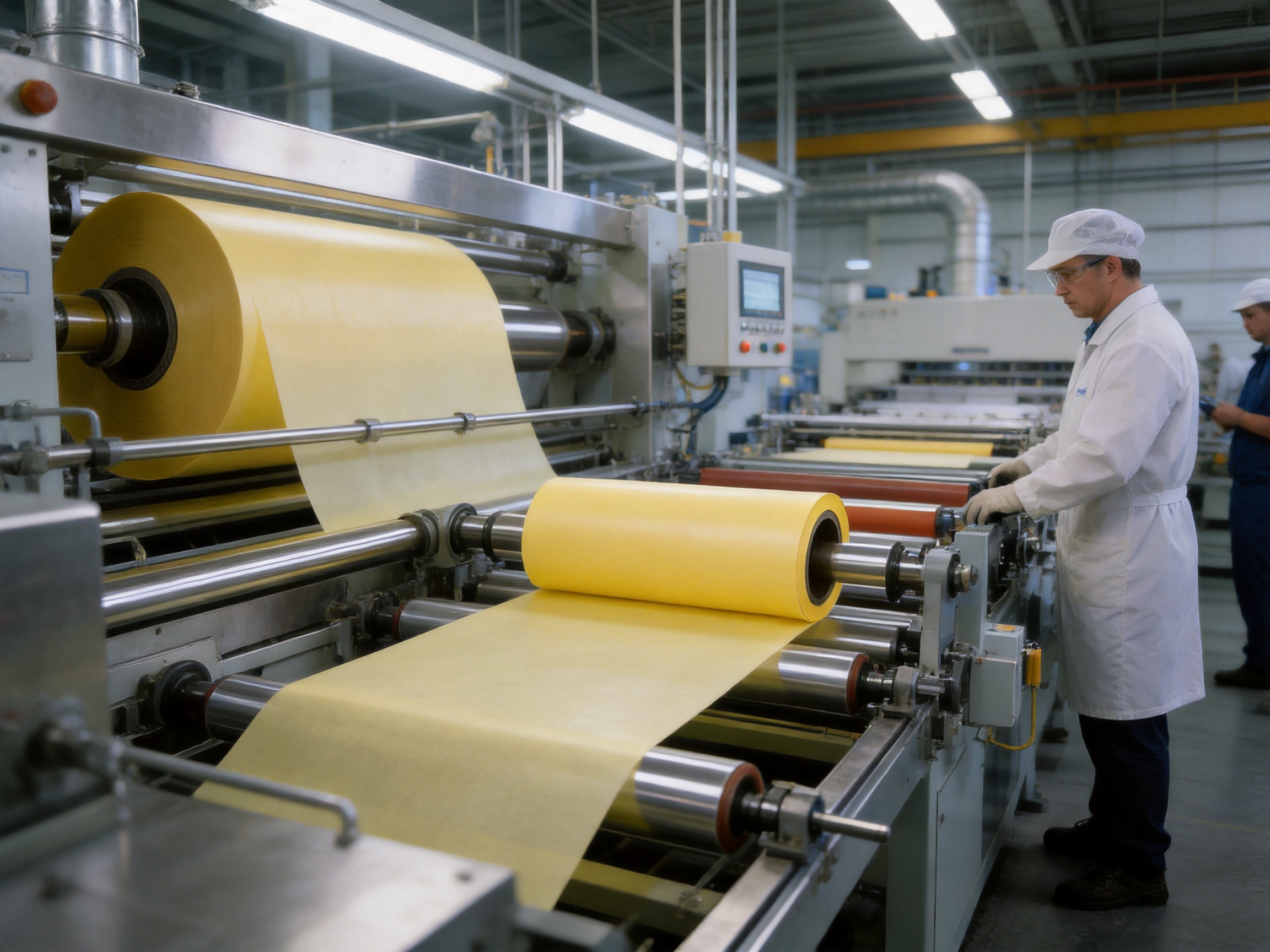
The quality of a release liner depends on much more than the paper specification shown on a purchase order. The complete process includes raw material preparation, paper formation, surface treatment, release coating, drying, laminating when required, slitting, sheet cutting, inspection, and packaging. Each stage can influence the final product.
Material Preparation and Paper Formation
The first stage is the preparation of refined cellulose fibers. Fiber quality, refining level, moisture control, and formation uniformity influence the density and surface of the finished glassine paper. A controlled fiber structure is necessary to produce a sheet that performs consistently during coating and converting.
Paper formation must be carefully managed to reduce unevenness. Variations in basis weight, moisture, caliper, or formation can affect winding, coating, release, and die-cutting. Stable process control creates a more reliable substrate for subsequent operations.
Calendering and Surface Smoothing
Calendering compresses and smooths the paper. The pressure, temperature, roll condition, and line speed must be controlled to achieve the desired surface quality without compromising strength or dimensional stability.
A properly calendered surface can improve coating uniformity and reduce surface roughness. It can also contribute to a more consistent appearance and better contact with adhesive layers. Over-calendering, however, may affect flexibility or handling, so the process must be matched to the intended grade.
Silicone Release Coating
For release applications, silicone is applied to the glassine paper in a controlled coating process. The coating amount and curing conditions influence release force, surface coverage, and compatibility with the adhesive. The coating must be sufficiently uniform to avoid areas that release too strongly or too weakly.
The correct release level depends on the adhesive chemistry and the application. A label adhesive may require different release behavior from a rubber-based tape adhesive, acrylic adhesive, hot-melt adhesive, or specialty industrial adhesive. For this reason, customers should provide information about the adhesive and converting process when requesting a product recommendation.
Drying and curing are equally important. Inadequate curing may cause migration, unstable release, or adhesion problems. Excessive heat or an unsuitable drying profile may affect the paper or adhesive compatibility. Controlled coating and curing help create a stable product for shipment and later processing.
Laminating and Composite Construction
Some self-adhesive products require a combination of face material, adhesive, and liner. Laminating brings these layers together under controlled pressure and tension. The goal is to create a smooth composite without wrinkles, bubbles, telescoping, or misalignment.
The company operates gluing, laminating, and cutting production lines, allowing different materials to be integrated and converted within one manufacturing system. This integrated capability is valuable for customers that need more than a basic paper supply. It can support customized constructions and reduce the coordination required among multiple suppliers.
Slitting and Rewinding
Jumbo rolls are slit into narrower rolls according to customer specifications. Slitting requires accurate positioning, suitable knife selection, controlled tension, and careful edge management. Poor slitting may produce rough edges, dust, uneven widths, or winding defects that interfere with automatic processing.
Rewinding must create rolls with appropriate hardness and alignment. Rolls that are too soft may deform or telescope, while rolls that are too hard may cause blocking, adhesive disturbance, or feeding problems. The correct winding profile depends on the basis weight, coating, width, core, and downstream equipment.
Sheet Cutting
For sheet orders, the material is cut to standard or customized dimensions. Accurate sheet cutting helps ensure compatibility with printing machines, die-cutting equipment, packaging lines, and manual applications. Clean edges and uniform dimensions are important for stacking, feeding, and visual presentation.
Standard formats such as A4, A3, 20 × 30 cm, 21 × 30 cm, 24 × 36 cm, 50 × 70 cm, and 70 × 100 cm can serve common requirements. Customized sizes may be produced when customers need to reduce trim waste or match an existing process.

Yellow Glassine Paper
Quality Control and Inspection
Quality control begins with incoming material inspection and continues through every production stage. For glassine release paper, important quality factors may include basis weight, caliper, moisture, color, surface smoothness, roll width, sheet size, edge condition, winding quality, and release performance.
Visual inspection can identify wrinkles, folds, stains, coating marks, pinholes, edge damage, telescoping, and other defects. Dimensional inspection verifies that rolls and sheets meet the agreed specifications. Process records help connect inspection results with specific production batches.
Release performance should be evaluated with the intended adhesive or a suitable reference adhesive. Testing may include peel force, aging behavior, transfer, blocking, and separation at different speeds. Since release is a system property, testing the liner alone cannot fully predict the result in every finished construction.
The company maintains its own testing laboratory and uses inspection equipment to support product quality. Laboratory capability allows technical staff to investigate customer requirements, compare materials, monitor production, and develop customized solutions. This is especially important for OEM and ODM orders where the product may need to meet a customer’s drawing, sample, or internal standard.
Quality Stability for International Supply
International customers require stable specifications across repeated shipments. Changes in basis weight, coating, color, winding, or packing can cause problems when a material is introduced into an established production line. Consistent manufacturing and documented inspection help reduce variation from batch to batch.
Export packaging must also protect the product during long-distance transportation. Rolls and sheets may encounter vibration, humidity changes, compression, and handling during sea or land transit. Proper packing helps preserve the liner’s edges, surface, and winding condition until it reaches the customer.
Packaging and Delivery
Yellow glassine paper can be supplied in rolls or sheets from stock, subject to availability and order requirements. Sea-transit-worthy poly-wood pallet packing and carton packing are available. Packaging is designed to support safe handling, storage, and transportation.
Sheet products are packed at 100 sheets per ream. Each ream is packed with a strong PE-coated kraft paper wrapper. Reams are then arranged on strong pallets, wrapped with stretch film, and fastened with plastic fastening belts. This multilayer packing system helps protect sheets from dust, moisture, abrasion, shifting, and edge damage.
Roll products require secure palletization and protection of the roll surface and edges. Appropriate wrapping and support reduce the risk of deformation during loading and unloading. Customers with special warehouse or container requirements can discuss packing details before production.
Good packaging is part of product quality. Even a technically excellent liner can be damaged by poor transportation preparation. Secure packing helps maintain the original roll hardness, sheet flatness, and surface condition, improving the likelihood of trouble-free conversion after delivery.
Customized Manufacturing and OEM Support
Different customers may require different combinations of basis weight, color, width, length, release level, core size, roll diameter, sheet format, and packaging. A flexible manufacturer should be able to evaluate these requirements rather than offering only a fixed catalog product.
The company provides OEM and ODM services and can produce according to customer drawings or samples. This capability is useful for customers developing private-label materials, specialized label constructions, custom tape products, and application-specific release liners.
Customization begins with technical communication. The customer should provide the intended application, adhesive type, coating or laminating process, machine speed, die-cutting method, label or tape dimensions, storage conditions, and expected release behavior. Additional information about packaging, core size, roll weight, and delivery requirements can help create a complete specification.
After the requirements are reviewed, a trial specification may be proposed. Samples can be evaluated on the customer’s equipment, allowing both sides to confirm feeding, release, die-cutting, winding, and application performance. If necessary, the basis weight, coating, width, or packing method can be adjusted before mass production.
Benefits of an Integrated Supplier
An integrated supplier can simplify communication because material development, coating, laminating, converting, inspection, and packing are coordinated within one organization. Customers do not need to manage every stage through separate vendors, which can reduce technical misunderstandings and shorten response times.
Integrated manufacturing also makes it easier to investigate quality issues. If a customer reports a release or converting problem, the manufacturer can review the paper formation, coating, adhesive compatibility, slitting, rewinding, and packaging records together. This broader view can support faster root-cause analysis.
For repeat orders, a stable integrated process can support consistent product identification and production planning. The customer can maintain an agreed specification while receiving material in the required roll or sheet format.
Manufacturing Strengths of the Supplier
Suzhou Piaozhihua Composite Material Technology Co., Ltd. specializes in self-adhesive labels and related composite materials. Its capabilities cover research and development, production, sales, and after-sales service. The company has more than 20 years of OEM manufacturing experience and an annual production capacity of more than 280 million square meters.
The company’s production lines include gluing, laminating, and cutting equipment. These capabilities support the manufacture of self-adhesive products and customized composite material solutions. The company also maintains a professional research and development team, advanced inspection equipment, and its own testing laboratory.
Its product and service strengths include the following:
First, the company has experience in high-grade self-adhesive labels and related materials. This experience helps its technical team understand the relationship between face stock, adhesive, release liner, printing, die-cutting, and application.
Second, the company can support standard products as well as customized solutions. Customers can request different sizes, constructions, packaging methods, and production arrangements according to their equipment and market requirements.
Third, integrated production lines allow the company to coordinate coating, laminating, slitting, and cutting operations. This can improve production efficiency and help maintain greater control over product consistency.
Fourth, laboratory and inspection resources provide a foundation for quality monitoring and product development. Testing is important when customers require stable release behavior, specific dimensions, or compatibility with a particular adhesive system.
Fifth, the company has developed domestic and international sales networks. Its products serve customers in Asia, Europe, the Americas, Africa, the Middle East, and other regions. International experience supports more effective communication regarding packaging, delivery, documentation, and customer service.
Sixth, the company emphasizes OEM and ODM cooperation. Producing according to customer drawings or samples can help businesses develop differentiated products without building their own complete release-material manufacturing infrastructure.
Finally, the company promotes sustainable development and environmental protection as part of its brand positioning. This includes efforts to develop more environmentally conscious solutions involving face materials, adhesives, and backing papers. Customers seeking improved sustainability should evaluate the complete product construction and confirm the specific environmental characteristics required for their market.
How to Select the Correct Grade
Selecting yellow glassine paper should begin with the finished product rather than the liner alone. The liner must work with the adhesive, face material, equipment, and storage conditions. A material that performs well in one label or tape construction may not be suitable for another.
Consider the Adhesive
Adhesive chemistry has a direct influence on release requirements. Acrylic, rubber-based, hot-melt, solvent-based, and water-based adhesives may interact differently with the silicone release surface. The customer should identify the adhesive type and, when possible, provide a sample or technical data sheet.
Strong adhesives may require a liner with appropriate release force and resistance to adhesive transfer. Very aggressive adhesives can create challenges during storage and unwinding. The release system should be tested under the customer’s actual or simulated conditions.
Consider the Converting Equipment
Rotary die-cutting, flatbed die-cutting, sheet cutting, slitting, and automatic labeling equipment each place different demands on the liner. Machine speed, web tension, peel angle, roll diameter, and winding direction should be considered when selecting the product.
For high-speed operations, customers should pay particular attention to dimensional stability, roll quality, edge condition, and release consistency. For manual or sheet-fed use, flatness, stiffness, surface appearance, and sheet accuracy may be more important.
Consider the Finished Product
Large labels, small labels, narrow tapes, wide tapes, irregular die-cut shapes, and full-sheet adhesive products may require different liner characteristics. The liner must support the product during production and remain easy to remove during final application.
Storage temperature and humidity can also influence the final result. Customers should test the complete construction after normal storage and, where relevant, after accelerated aging. This helps identify changes in release, curl, adhesion, or liner strength before commercial production begins.
Consider the Delivery Format
Roll customers should confirm jumbo width, slit width, core size, roll diameter, roll weight, winding direction, and pallet arrangement. Sheet customers should confirm sheet dimensions, quantity per ream, wrapping requirements, carton configuration, and pallet height.
Clear specifications reduce production errors and help ensure that the delivered material can be placed directly into the customer’s workflow.
Environmental and Sustainability Considerations
Paper-based release liners can be part of sustainability discussions because paper is a renewable material when sourced and managed responsibly. However, the total environmental profile depends on the paper fiber, silicone coating, adhesive, face material, manufacturing energy, transportation, and end-of-life pathway.
Customers seeking more sustainable solutions should assess the complete self-adhesive construction rather than focusing on one component. Important questions may include whether the paper is sourced responsibly, whether the material can be recovered through available recycling systems, how silicone and adhesive residues affect processing, and whether the finished product is designed for practical disposal or recycling.
The supplier’s stated focus on sustainable development includes the development of eco-friendly solutions involving face materials, adhesives, and backing papers. This provides a basis for discussing future-oriented material options. Specific environmental claims, certifications, recycled content, or recyclability statements should be confirmed for the exact grade and market before use in commercial communications.
Material efficiency is another sustainability consideration. Selecting the correct width and sheet size can reduce trim waste. Stable production can reduce rejected rolls and sheets. Reliable release and clean die-cutting can reduce label waste during manufacturing. These practical improvements may contribute to better resource efficiency throughout the supply chain.
Practical Advantages for Buyers
For purchasing departments, yellow glassine paper offers a combination of product flexibility and supply convenience. Multiple weights, roll widths, and sheet sizes allow buyers to consolidate requirements or source related formats from one supplier.
For production managers, the material provides a suitable platform for die-cutting, labeling, tape conversion, and adhesive-product manufacturing. Visual yellow identification can also support warehouse organization and material control.
For engineers, the availability of customized sizes and OEM development makes it possible to optimize the liner for a particular machine or finished product. Technical cooperation can reduce trial-and-error during material selection.
For quality managers, the supplier’s laboratory, inspection equipment, and integrated production lines offer a basis for discussing specifications, testing methods, batch consistency, and corrective action.
For international buyers, roll and sheet packing suitable for sea transportation supports practical export procurement. Strong PE-coated kraft wrappers, stretch film, plastic fastening belts, cartons, and pallets help protect the material through transportation and storage.
Recommended Ordering Information
When requesting a quotation or sample, customers should provide the product name, preferred basis weight, color, roll or sheet format, size, estimated quantity, application, adhesive type, and delivery destination.
For rolls, include the required jumbo width or slit width, core diameter, maximum roll diameter, winding direction, and approximate roll weight if these are controlled by the production line. For sheets, include the required dimensions, sheets per ream, reams per carton, and pallet requirements.
Customers should also state whether the material is intended for bar code labels, self-adhesive labels, food packaging, pharmaceutical packaging, pressure-sensitive tape, double-sided tape, automatic labeling, or another application. This information helps technical staff recommend a more appropriate grade.
Samples should be evaluated using the customer’s adhesive and equipment whenever possible. Important observations may include unwinding, release force, label transfer, die-cutting, matrix stripping, printing, sheet feeding, curl, storage stability, and final application.
Frequently Asked Questions
What is yellow glassine paper used for?
Yellow glassine paper is used as a release liner or backing material for bar code labels, self-adhesive labels, pressure-sensitive tape, double-sided tape, food and pharmaceutical packaging labels, high-speed automatic labeling, and other adhesive products.
Is yellow glassine paper available in different weights?
Yes. Available basis weights include 50 g, 60 g, 80 g, 100 g, and 120 g. The appropriate choice depends on the required flexibility, stiffness, handling strength, converting method, adhesive, and finished-product design.
Can the material be supplied in rolls and sheets?
Yes. The product can be supplied as jumbo rolls, converted rolls, or sheets. Standard sheet formats include A4, A3, 20 × 30 cm, 21 × 30 cm, 24 × 36 cm, 50 × 70 cm, and 70 × 100 cm. Customized dimensions can also be discussed.
What jumbo roll widths are available?
Available jumbo roll widths include 1000 mm, 1020 mm, 1080 mm, and 1530 mm. Other widths may be considered according to production requirements and order quantities.
Is yellow glassine paper suitable for die-cutting?
It is suitable for rotary and plate die-cutting when the correct grade is selected and the die-cutting equipment is properly adjusted. The final result also depends on the face material, adhesive, die condition, machine speed, pressure, and web tension.
Can it be used on automatic labeling machines?
Yes. Yellow glassine paper is suitable for high-speed automatic labeling applications when its release performance, basis weight, width, roll quality, and winding characteristics match the labeling equipment and adhesive construction.
Can customers request customized sizes?
Yes. Customized roll widths, slit widths, sheet sizes, packaging formats, and other specifications can be discussed. Customers should provide detailed information about their equipment and finished product.
Does the company provide OEM and ODM services?
Yes. The company has more than 20 years of OEM manufacturing experience and supports OEM and ODM cooperation. Products can be developed according to customer drawings, samples, or technical requirements.
How is the product packaged for export?
Rolls or sheets can be packed using sea-transit-worthy poly-wood pallets and cartons. Sheets are packed at 100 sheets per ream, wrapped with strong PE-coated kraft paper, placed on pallets, wrapped with stretch film, and fastened with plastic fastening belts.
How should buyers choose between a lighter and heavier grade?
A lighter grade may be preferred for flexibility, material economy, and lightweight constructions. A heavier grade may be selected for improved handling, stiffness, and dimensional support. The final choice should be confirmed through testing with the adhesive and equipment.
Can the material be used for food or pharmaceutical labels?
It can be used in label and packaging constructions for food or pharmaceutical applications, but the complete construction must satisfy the relevant regulatory, cleanliness, migration, storage, and application requirements. Buyers should confirm the specific compliance needs of their market.
What information should be supplied when requesting a quotation?
Provide the intended application, basis weight, color, roll or sheet format, dimensions, quantity, adhesive type, machine type, packaging requirements, and destination. Samples or drawings are useful for customized projects.
Conclusion
Yellow glassine paper is a versatile release material for labels, tapes, packaging products, and industrial adhesive applications. Its dense paper structure, smooth surface, available basis weights, yellow visual identification, and suitability for rolls or sheets make it a practical option for many converting environments.
The material is especially valuable where clean release, reliable die-cutting, stable web handling, and high-speed automatic labeling are required. Standard sizes support efficient purchasing, while customized formats help customers adapt the liner to their own equipment and product designs.
The manufacturing strength behind the product is equally important. With gluing, laminating, cutting, slitting, laboratory testing, inspection equipment, OEM experience, and international supply capabilities, Suzhou Piaozhihua Composite Material Technology Co., Ltd. can support both standard requirements and technically customized self-adhesive material projects.
By matching the glassine basis weight and release construction with the adhesive, face material, machinery, storage conditions, and final application, customers can improve production stability and reduce waste. For businesses seeking a dependable paper-based liner for labels, tapes, and packaging, yellow glassine paper provides a balanced combination of performance, flexibility, and supply practicality.
References
1. Technical product information for yellow glassine paper, including available basis weights, colors, roll widths, sheet sizes, applications, and packaging formats.
2. Company manufacturing information concerning self-adhesive labels, gluing, laminating, cutting, research and development, inspection, OEM, and ODM services.
3. General principles of glassine paper production, paper calendering, silicone release coating, pressure-sensitive adhesive construction, and label converting.
4. General converting practices for rotary die-cutting, plate die-cutting, slitting, rewinding, sheet cutting, and high-speed automatic labeling.
5. General packaging and logistics practices for roll and sheet materials transported on pallets and in cartons.