
 English
 Español
 русский
 Français
 عربى
Domestic Kraft Paper is a versatile self-adhesive material designed for applications that require a natural paper appearance, dependable adhesion, and flexible converting options. Combining an 80gsm imported kraft paper face material with pressure-sensitive adhesive and a release liner, this product provides a practical solution for labels, packaging decoration, handmade products, food and beverage identification, craft projects, and many other applications.
Its brown kraft appearance gives finished products a warm, natural, and handcrafted character. Compared with ordinary white paper labels, kraft paper labels can create a stronger connection with environmentally conscious design, artisanal production, traditional packaging, and premium presentation. At the same time, the self-adhesive construction helps simplify application by eliminating the need for separate glue, brushes, or additional mounting materials.
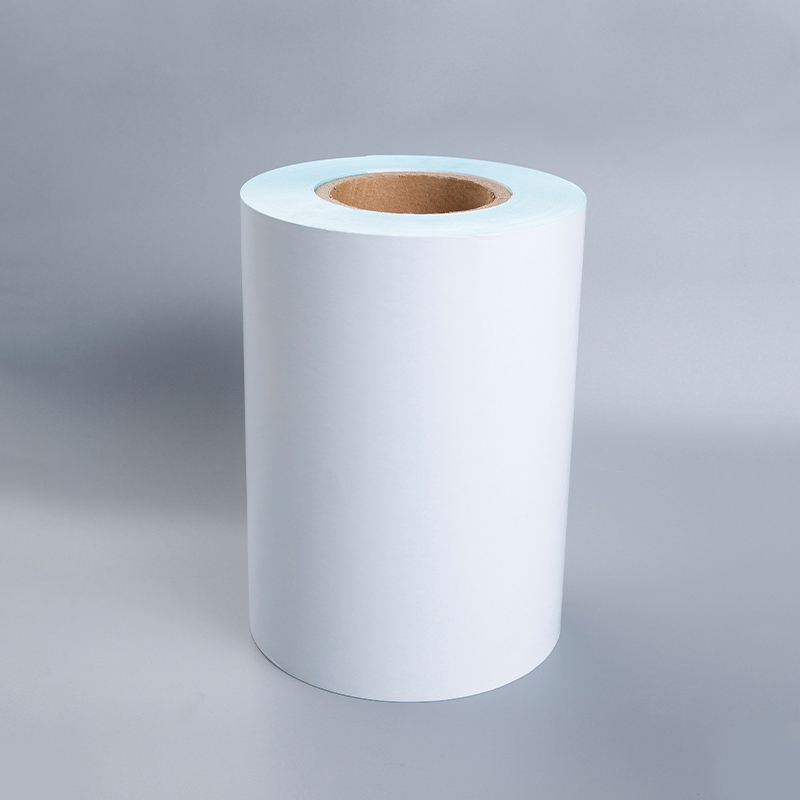
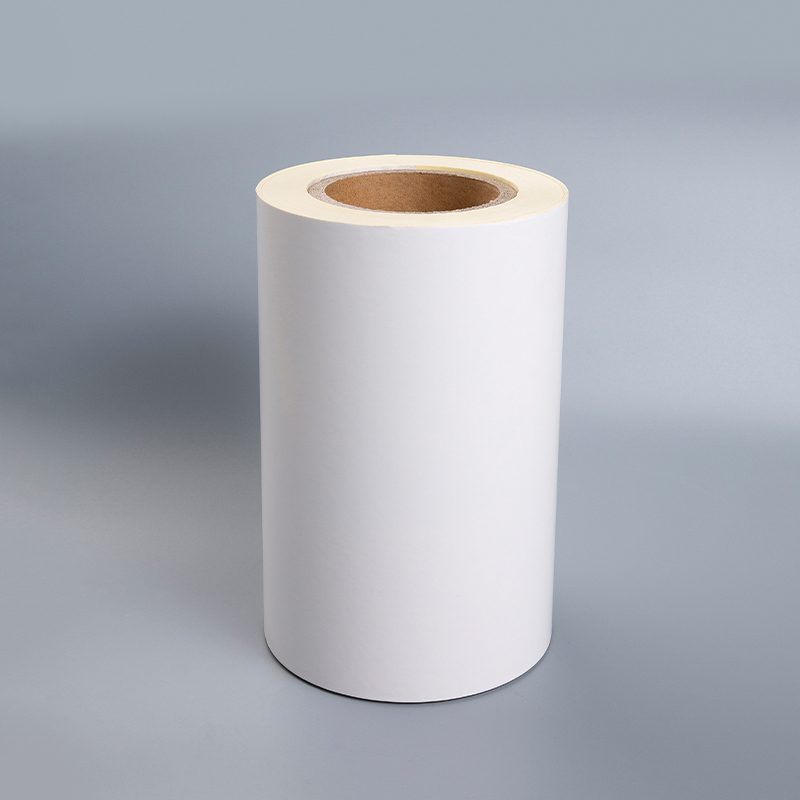
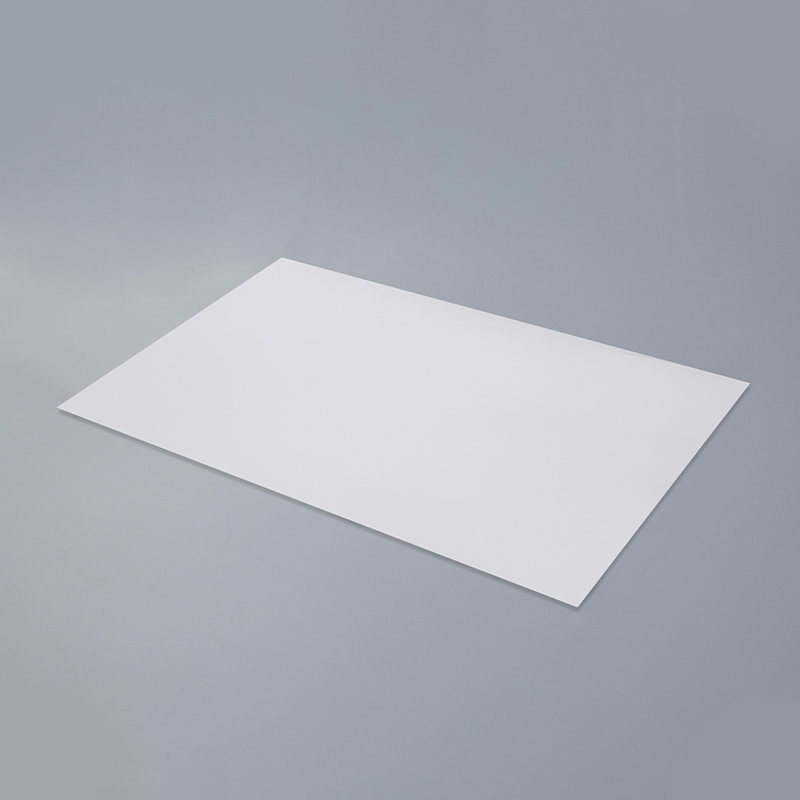
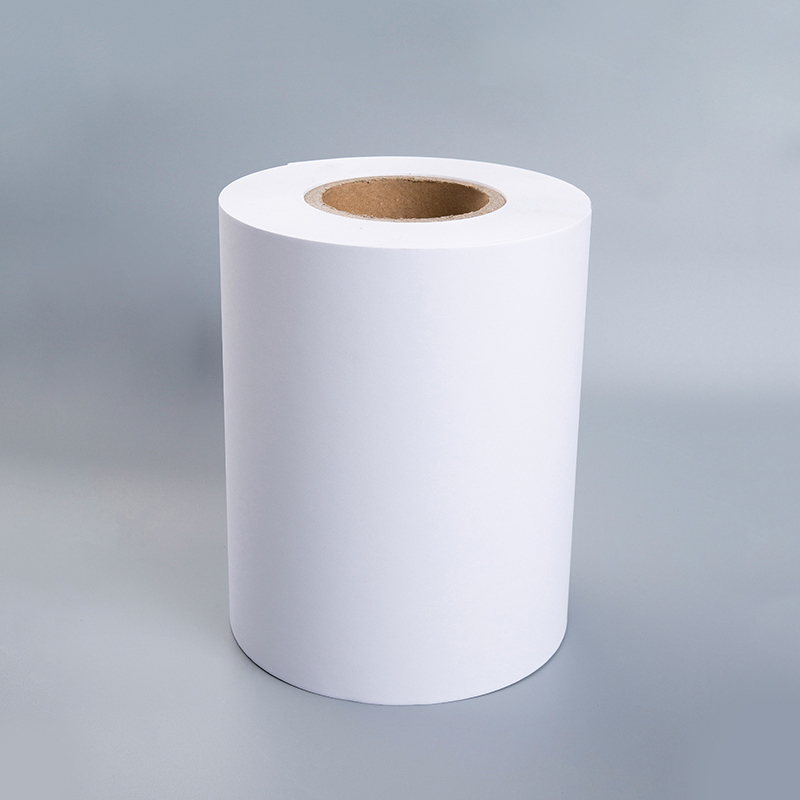
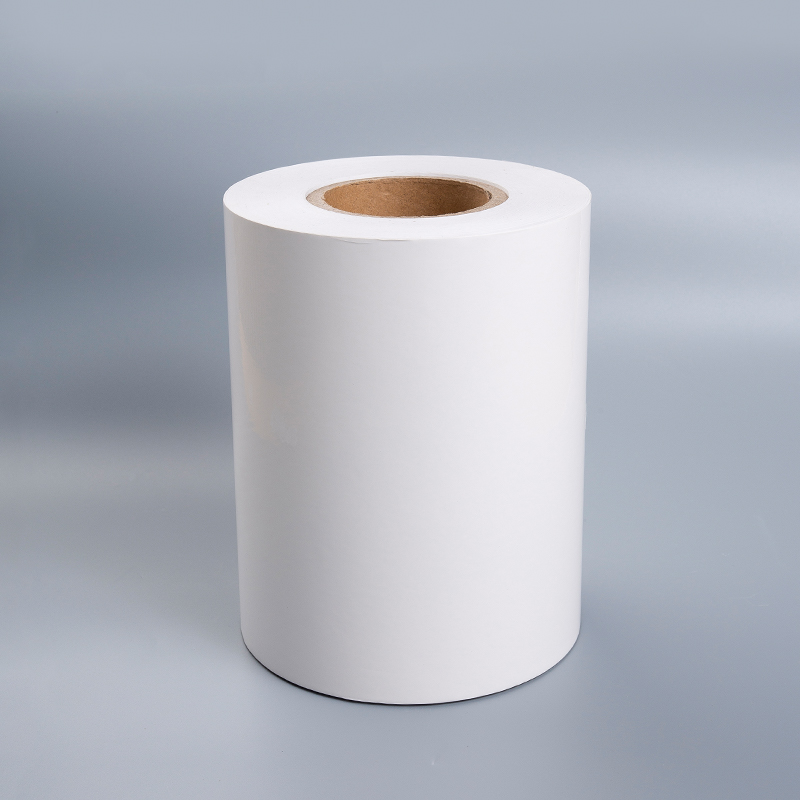
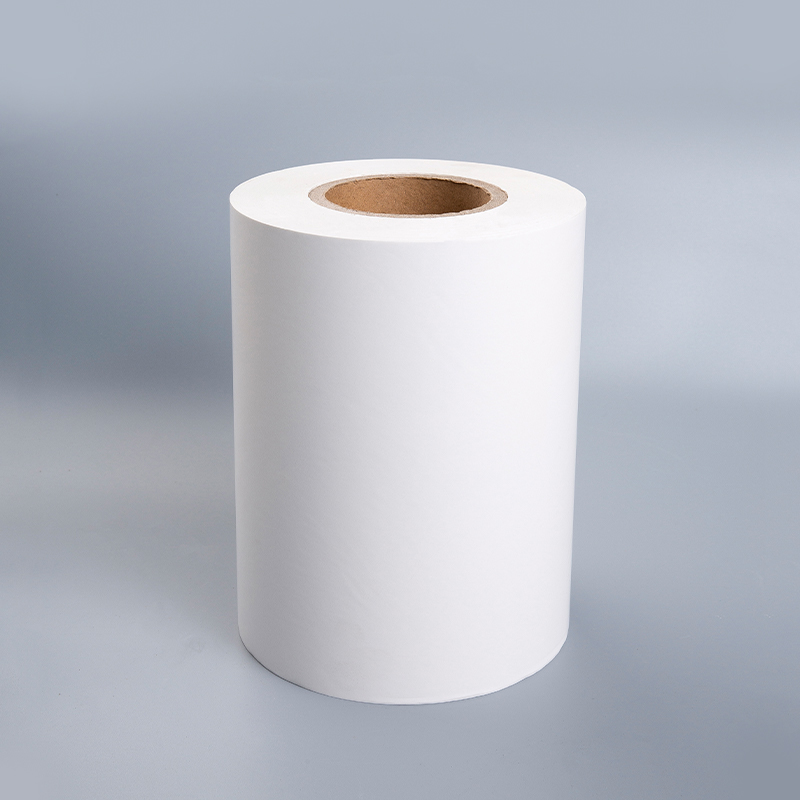
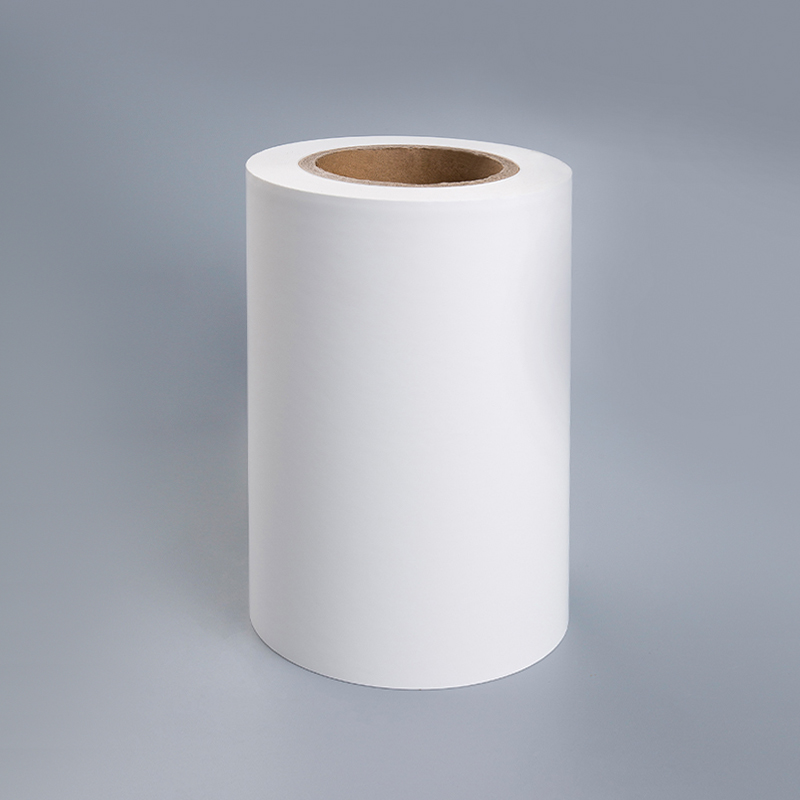
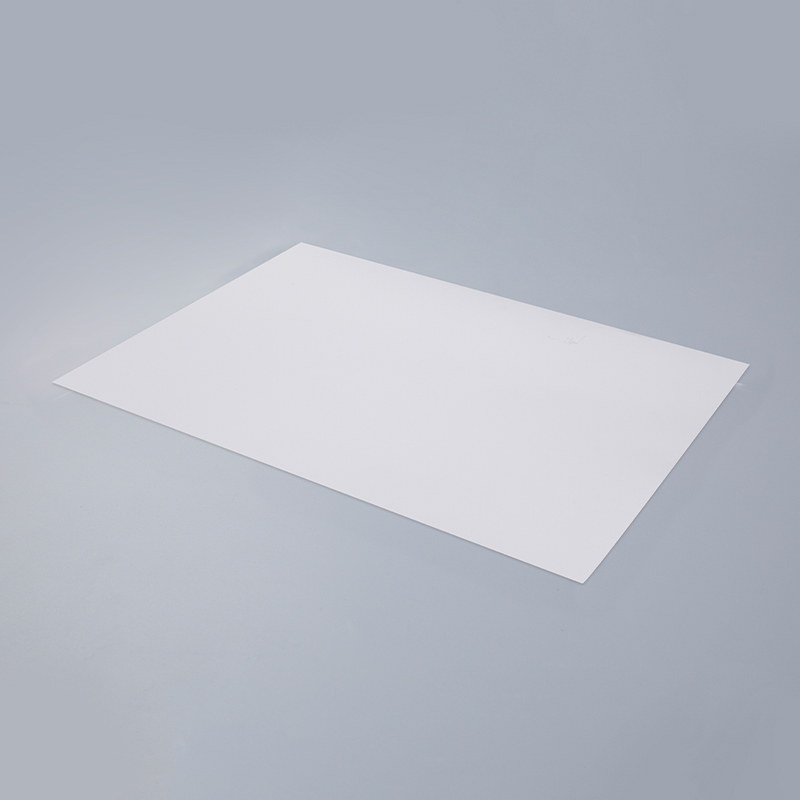
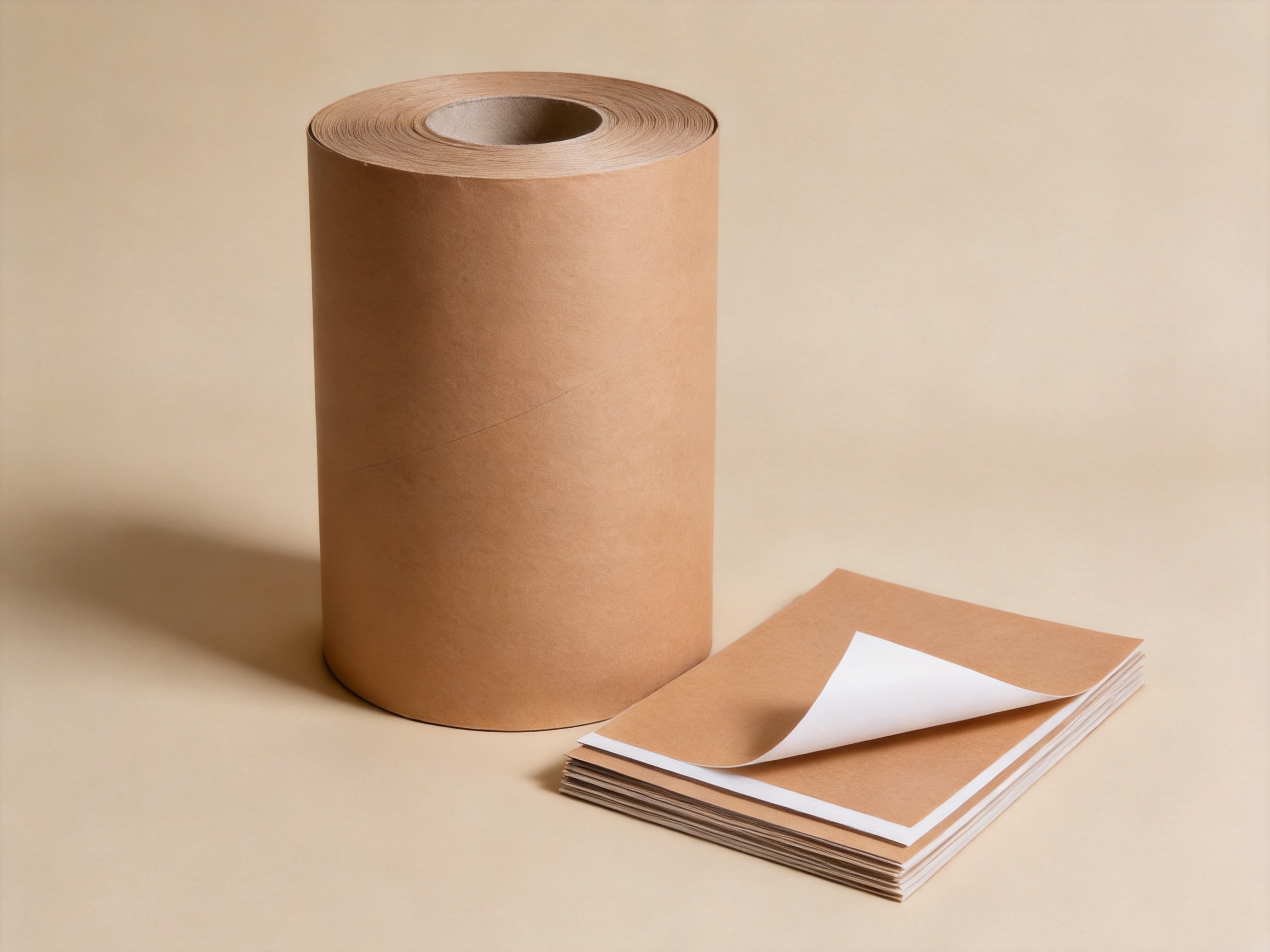
The material is available in jumbo rolls and sheets. Standard jumbo roll widths include 1000mm, 1020mm, 1080mm, and 1530mm, while sheet formats include A4, A3, 20cm × 30cm, 21cm × 30cm, 24cm × 36cm, 50cm × 70cm, and 70cm × 100cm. Customized sizes can also be produced according to customer requirements.
With multiple adhesive choices and several liner options, Domestic Kraft Paper can be configured for different product conditions, application methods, and performance expectations. It is suitable for both small creative projects and large-scale commercial converting.
Domestic Kraft Paper
Content
- 1 1. Product Overview
- 2 2. Main Material Advantages
- 3 3. Applications of Domestic Kraft Paper
- 4 4. Printing and Converting Considerations
- 5 5. Manufacturing Strengths and Production Process
- 6 6. Advantages Compared with Ordinary Kraft Stickers
- 7 7. Packaging and Delivery
- 8 8. Recommended Selection Guide
- 9 9. How to Obtain the Best Application Results
- 10 10. Sustainability and Responsible Material Development
- 11 11. Company Manufacturing and Service Strengths
- 12 12. Frequently Asked Questions
- 12.1 Q1: What is Domestic Kraft Paper?
- 12.2 Q2: What does the product look like?
- 12.3 Q3: Which adhesive types are available?
- 12.4 Q4: Can the product be used for frozen products?
- 12.5 Q5: Is removable kraft paper available?
- 12.6 Q6: What liner options can be selected?
- 12.7 Q7: What jumbo roll widths are available?
- 12.8 Q8: What sheet sizes are available?
- 12.9 Q9: Can the material be used for food labels?
- 12.10 Q10: Is the material suitable for digital printing?
- 12.11 Q11: Can the product be customized?
- 12.12 Q12: How is the product packed?
- 12.13 Q13: What information should be provided when requesting a quotation?
- 13 13. Conclusion
- 14 References
- 15 Product: Domestic Kraft Paper
1. Product Overview
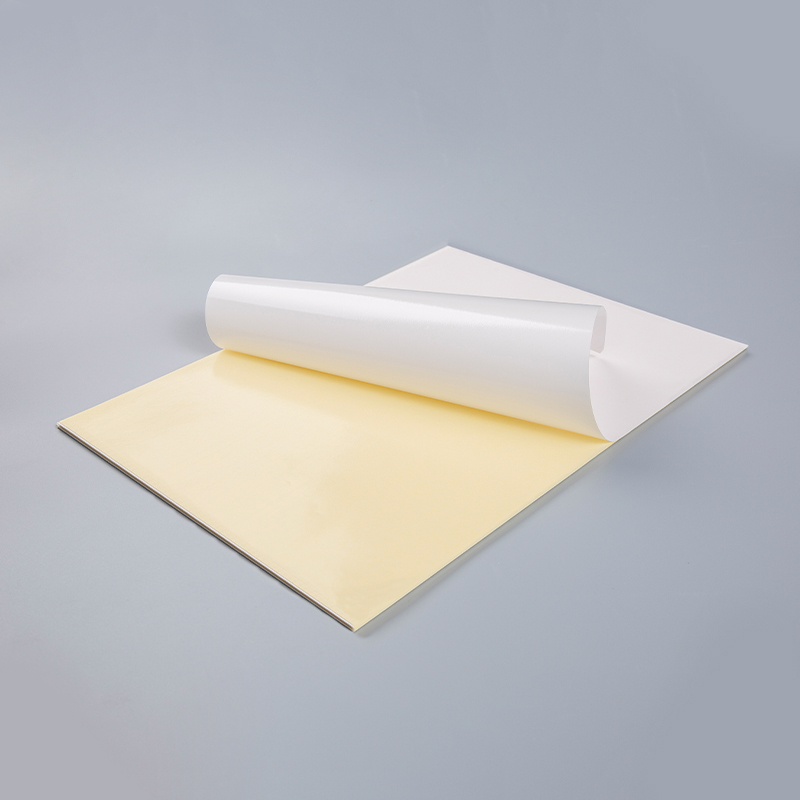
Domestic Kraft Paper is a self-adhesive kraft paper product developed for users who need a distinctive paper surface combined with convenient peel-and-stick application. The product consists of three main layers: the kraft paper face material, the adhesive layer, and the release liner.
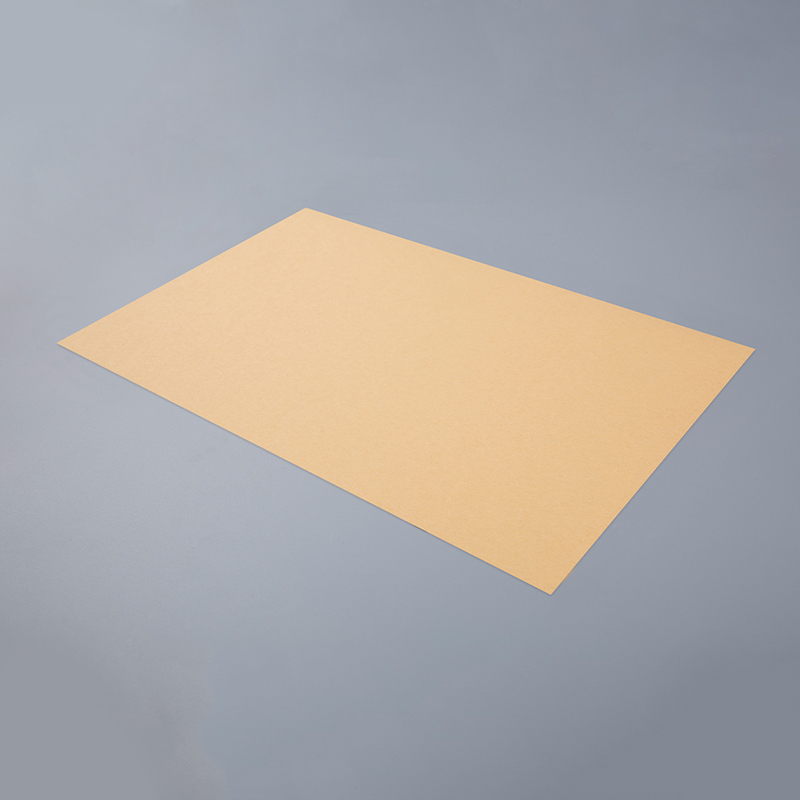
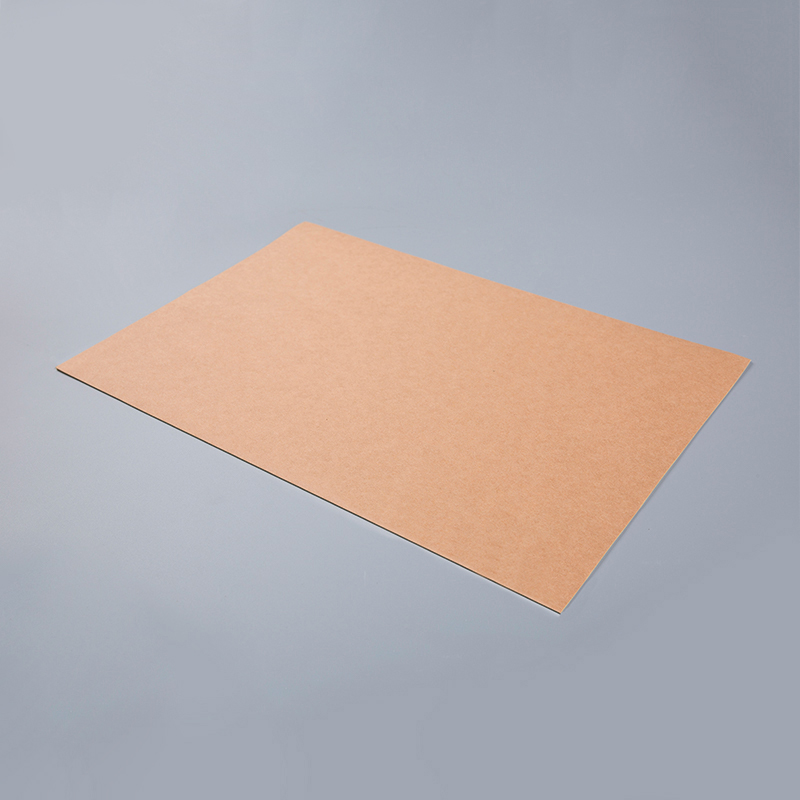
The face material is made from 80gsm imported kraft paper. This paper provides the visible surface of the finished label or sticker. Its natural brown tone and paper texture are especially suitable for products that want to communicate simplicity, craftsmanship, authenticity, or a connection with natural materials.
The adhesive layer is selected according to the intended use. Hotmelt adhesive is available for applications requiring strong initial tack and efficient production performance. Water-based adhesive, solvent adhesive, removable adhesive, anti-freeze adhesive, cryogenic adhesive, and tyre-grade rubber adhesive can also be supplied for specialized requirements.
The liner protects the adhesive before use and supports stable die-cutting, sheet conversion, roll processing, storage, and dispensing. The standard liner is 85g white release paper. Other available options include 50g, 60g, 80g, 100g, and 120g glassine paper; 60g, 120g, and 140g release paper; 140g and 165g art paper; and 50g, 80g, 90g, and 120g CCK liner.
This three-layer structure allows the material to be adapted to different label shapes, application surfaces, printing processes, and operating environments. Buyers can select a suitable adhesive and liner combination instead of being limited to a single standard construction.
2. Main Material Advantages
2.1 Natural Kraft Appearance
The most recognizable advantage of this product is its kraft paper appearance. The brown face stock creates a natural visual effect that is difficult to reproduce with conventional bright white label paper. It can make packaging appear more personal, traditional, handmade, or environmentally responsible.
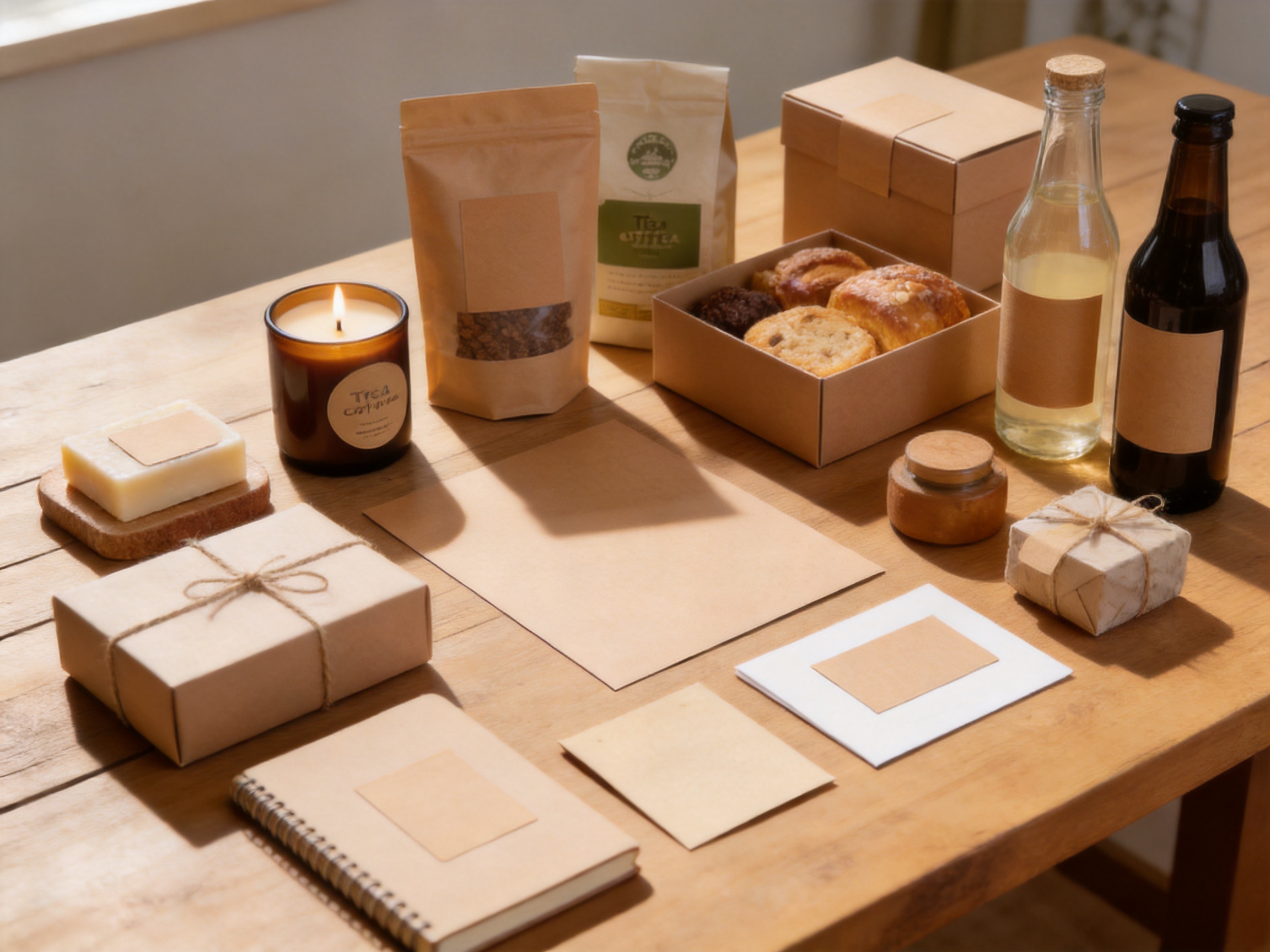
This appearance is valuable for coffee, tea, bakery, handmade soap, candles, wine, specialty foods, handicrafts, gift products, and small-batch consumer goods. It can also support minimalist branding, especially when paired with dark ink, black typography, simple illustrations, or one-color printing.
Kraft paper labels are often selected by brands that want to avoid an overly industrial appearance. Their subtle texture can make a package feel more authentic and tactile. For products sold through boutiques, farmers’ markets, craft stores, restaurants, and specialty retailers, the material can help create a stronger shelf presence.
2.2 Convenient Self-Adhesive Application
Because the product is supplied with a pressure-sensitive adhesive, users can apply labels by peeling away the release liner and pressing the label onto a clean surface. This is more convenient than applying separate liquid glue and can reduce handling steps during packaging.
Self-adhesive application is suitable for manual packaging operations and automated or semi-automated labeling lines, depending on the selected construction and converting format. The adhesive layer is engineered to support attachment to common packaging substrates such as paperboard, corrugated board, coated paper, glass, selected plastics, and other smooth or moderately textured surfaces.
Surface preparation remains important. The application surface should generally be clean, dry, and free from dust, oil, moisture, and loose particles. Proper storage and application conditions should also be considered when selecting the adhesive type.
2.3 Multiple Adhesive Options
A major advantage over single-construction kraft stickers is the availability of multiple adhesive choices. Different products and environments demand different bonding characteristics. A label for an indoor gift box may not require the same adhesive as a label applied to frozen food packaging, a tyre, or a cold-storage container.
Hotmelt adhesive can provide strong initial adhesion and efficient production handling. It is often considered when quick bonding and high processing efficiency are important.
Water-based adhesive can be selected for applications where a water-based adhesive system is preferred. It may be suitable for general-purpose labeling and packaging applications when matched with the correct face stock and substrate.
Solvent adhesive can be considered for demanding applications requiring strong bonding performance or improved resistance characteristics. The final suitability depends on the target substrate, environmental conditions, and technical specification.
Removable adhesive is available for temporary labels, promotional markings, event decoration, short-term organization, and applications where the label needs to be removed with reduced risk of residue or surface damage. Removal performance should always be tested on the actual substrate before commercial use.
Anti-freeze adhesive and cryogenic adhesive are available for low-temperature applications. These options may be appropriate for products exposed to refrigeration, frozen storage, or other cold environments, subject to application testing and the required temperature range.
Tyre-grade rubber adhesive is available for specialized labeling requirements involving tyres or rubber-based surfaces. Rubber surfaces can be difficult to label because of their texture, flexibility, surface energy, and possible contamination. A dedicated adhesive option can provide a more appropriate starting point than a general-purpose adhesive.
2.4 Broad Liner Selection
The release liner is not simply a temporary backing. It affects converting, die-cutting, dispensing, sheet handling, storage, and label release behavior. Domestic Kraft Paper offers a broad range of liner materials and weights to support different production requirements.
The standard 85g white release paper provides a practical general-purpose construction. Glassine liners are available in several weights and can be selected where a smooth, dense, and dimensionally stable liner is preferred. Release papers in different weights can help meet requirements related to stiffness, handling, and conversion.
Art paper liners in 140g and 165g provide additional stiffness for certain sheet products and die-cut formats. CCK liners in 50g, 80g, 90g, and 120g are also available for customers seeking alternative backing performance.
The choice of liner can be coordinated with the label size, die-cut complexity, dispensing method, storage conditions, and packaging format. This flexibility gives converters and brand owners more control over the finished product.
2.5 Roll and Sheet Availability
Some label materials are supplied only in a limited format, which can create unnecessary slitting, sheeting, or repacking work. Domestic Kraft Paper is available in both jumbo rolls and sheets, allowing customers to select a format that matches their production process.
Jumbo roll widths of 1000mm, 1020mm, 1080mm, and 1530mm can support industrial converting, slitting, printing, and die-cutting. Sheet options include commonly used office and commercial formats, as well as larger sheet sizes for packaging and display applications.
Customized sizes are available for buyers who need special dimensions. Customization can help reduce material waste, improve machine utilization, and simplify downstream processing. The exact production feasibility should be confirmed according to the order quantity, adhesive selection, liner construction, and required tolerances.
3. Applications of Domestic Kraft Paper
3.1 Handmade Products
Handmade enthusiasts frequently use kraft paper stickers to decorate notebooks, handmade books, photo albums, diaries, journals, cards, gift boxes, and craft storage containers. The natural paper appearance complements handwritten text, ink illustrations, stamps, twine, wood, fabric, and other traditional craft materials.
Because the material is self-adhesive, users can create decorative compositions without applying separate glue. Labels can be used as borders, seals, writing areas, product tags, date markers, or decorative accents. The kraft surface also provides an attractive background for simple printing and hand lettering.
For small creative businesses, the material can support customized branding on handmade candles, soaps, baked goods, pottery, jewelry, stationery, and home décor items. A simple kraft label can communicate a personal production story while keeping packaging costs manageable.
3.2 Packaging Box Decoration
Kraft self-adhesive material can add texture and character to packaging boxes. It may be used as a front label, sealing sticker, logo label, thank-you sticker, product information label, or decorative panel.
On high-quality gift packaging, the warm color of kraft paper can create an understated premium effect. When combined with a carefully designed logo, a restrained color palette, and high-quality printing, it can support a refined and contemporary appearance.
On corrugated cartons and paperboard boxes, kraft labels can reinforce a natural or artisanal brand image. They may also be used for limited editions, seasonal packaging, promotional kits, subscription boxes, and direct-to-consumer shipments.
3.3 Food and Beverage Labels
Kraft paper self-adhesive material can be used for labels on food, wine, coffee, tea, sauces, honey, confectionery, bakery products, and other packaged goods. It is especially suitable for products that emphasize traditional production, natural ingredients, small-batch manufacturing, or local identity.
Before use in food-related applications, the complete label construction should be evaluated according to the packaging surface, storage conditions, moisture exposure, temperature, printing process, and applicable regulatory requirements. The suitability of the adhesive and face material should be confirmed for the specific application rather than assumed from appearance alone.
For wine and beverage packaging, kraft labels can provide a distinctive alternative to bright white labels. For coffee and tea packaging, the material can support a roasted, natural, or craft-focused brand identity. For bakery products, it can add a personal and handmade look to bags, boxes, and wrapping paper.
3.4 Wine and Specialty Product Packaging
Wine, craft beer, specialty spirits, gourmet foods, and gift products often depend on packaging design to communicate quality. A kraft label can create a tactile contrast against glass bottles, metallic closures, natural cork, wood boxes, and textured cartons.
Designers may use kraft paper as the main label face or as a secondary label for information such as batch numbers, tasting notes, production dates, or limited-edition messages. The material can also be combined with black, dark green, deep red, navy, or metallic-style printing effects, depending on the selected print process.
3.5 Retail and Inventory Labels
In retail environments, kraft labels can be used for product identification, price marking, shelf organization, packaging closure, and stock management. The labels can be produced in different shapes and sizes to suit cartons, bags, jars, storage boxes, and display materials.
For internal organization, kraft stickers can identify raw materials, work-in-progress products, sample collections, archive boxes, and workshop supplies. Removable adhesive may be preferred when labels need to be changed or removed later.
3.6 Promotional and Event Materials
Kraft self-adhesive labels can be used for promotional campaigns, wedding favors, party gifts, exhibition materials, event invitations, and seasonal packaging. Their natural appearance can suit rustic, outdoor, vintage, minimalist, and handmade themes.
Small businesses can use them to add a logo or message to plain packaging without investing in fully printed boxes or bags. This makes them useful for product launches, short production runs, and limited promotional campaigns.
4. Printing and Converting Considerations
Domestic Kraft Paper can be converted into labels, stickers, sheets, and roll products according to customer requirements. The final appearance depends on the printing method, ink selection, artwork, drying conditions, and the natural color of the kraft face material.
Because kraft paper is brown rather than bright white, printed colors may appear more muted or deeper than they would on white paper. Dark ink, black text, earthy tones, and simple graphic designs generally produce strong visual results. Designers should evaluate color performance on the actual kraft material before mass production.
Fine text, small logos, barcodes, and variable information should be tested for readability. If a high-contrast appearance is required, the artwork may need to be adjusted to account for the background color and texture.
For die-cutting, the relationship between face stock, adhesive, and liner should be considered carefully. The selected liner should support clean cutting and reliable waste removal. Complex shapes, small internal details, and narrow borders may require a construction with suitable stiffness and release characteristics.
For sheet products, flatness, stacking behavior, edge quality, and protection during transport are important. For roll products, winding tension, roll diameter, core size, splice control, and storage orientation should be coordinated with the customer’s equipment.
Customized specifications can be discussed for width, sheet size, adhesive, liner, roll format, and packaging. Samples and application trials are recommended before large-scale production, particularly for unusual substrates or demanding temperature conditions.
5. Manufacturing Strengths and Production Process
5.1 Integrated Production Capabilities
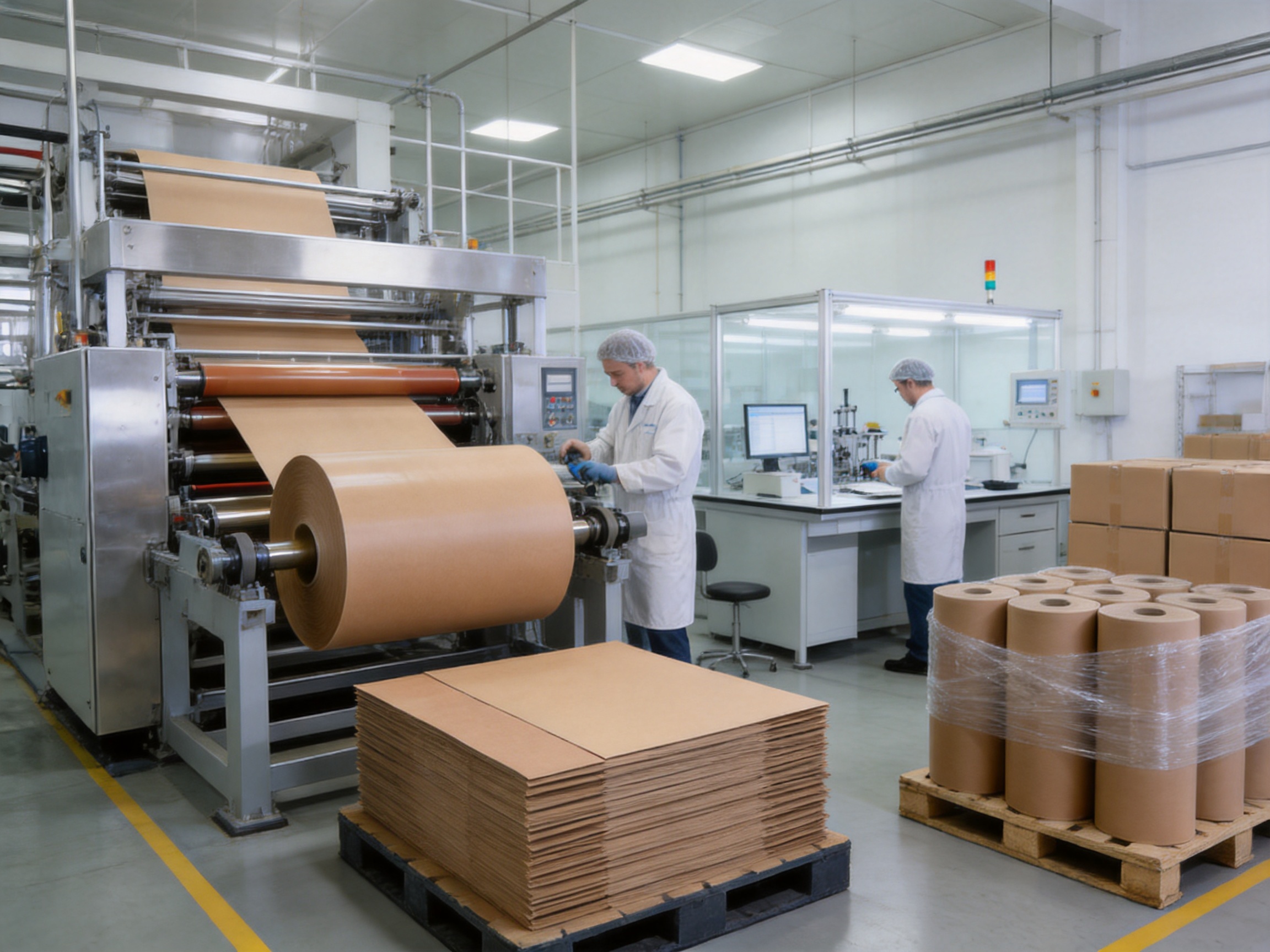
Suzhou Piaozhihua Composite Material Technology Co., Ltd. specializes in self-adhesive label materials and related composite products. Its production capabilities include gluing, laminating, slitting, cutting, and other processes required for the manufacture of self-adhesive materials.
An integrated production structure can provide better coordination between face material selection, adhesive coating, liner lamination, roll conversion, and final inspection. It also allows production teams to respond more efficiently to customized requirements.
The company reports an annual production capacity of more than 280 million square meters. This scale supports both regular supply programs and customized orders, subject to material availability, technical requirements, and production scheduling.
5.2 Adhesive Coating
Adhesive coating is one of the most important processes in self-adhesive material production. Coating uniformity affects adhesion consistency, label appearance, converting performance, and final application results.
During production, the adhesive must be applied to the selected face material or liner at a controlled coating weight. The process must account for viscosity, drying or cooling behavior, coating speed, web tension, and the required performance of the finished construction.
Different adhesive types require different process controls. Water-based adhesives may require drying and moisture management. Hotmelt adhesives require temperature control and stable application conditions. Solvent adhesives require suitable handling, drying, and safety procedures. Specialized adhesives for freezing, cryogenic, removable, or rubber applications must be matched to their intended performance conditions.
Consistent coating helps reduce problems such as uneven tack, edge lifting, adhesive transfer, bubbles, poor dispensing, or inconsistent die-cutting. It also supports more reliable performance from roll to roll and across different production batches.
5.3 Lamination
Lamination combines the kraft paper, adhesive system, and release liner into a stable composite structure. Proper lamination requires accurate web alignment, suitable pressure, controlled tension, and appropriate handling of the materials being combined.
Good lamination quality helps prevent wrinkles, tunnels, delamination, creases, and uneven release behavior. It also supports stable processing during later slitting, sheeting, printing, and die-cutting operations.
The use of different liners means that lamination conditions may be adjusted according to liner thickness, surface properties, stiffness, and release characteristics. This is particularly important when producing customized constructions for specific customers.
5.4 Slitting and Cutting
Slitting converts jumbo rolls into narrower rolls that can be used by label printers, packaging manufacturers, and other converters. Accurate slitting helps ensure consistent roll width, clean edges, and stable winding.
Cutting and sheeting convert the material into standard or customized sheet sizes. Common formats such as A4 and A3 are convenient for digital printing, office use, sample preparation, and small-batch production. Larger sheets such as 50cm × 70cm and 70cm × 100cm can support packaging, signage, and commercial converting.
High-quality cutting is important because uneven edges, dust, telescoping, or poor stacking can create problems during printing and application. Production inspection should therefore cover dimensions, appearance, roll condition, sheet flatness, and packaging integrity.
5.5 Quality Inspection
The company maintains its own testing laboratory and uses inspection equipment to support product quality control. Laboratory and production checks can be used to evaluate properties such as basis weight, thickness, adhesive behavior, release performance, coating uniformity, dimensions, and appearance.
Quality control is most effective when it is applied throughout the production process rather than only at the final packing stage. Incoming materials should be checked, process parameters should be monitored, and finished products should be inspected before shipment.
For customers with specialized requirements, quality evaluation may include application trials on the target substrate, low-temperature testing, removal testing, print testing, and converting trials. The specific test program should reflect the intended use of the material.
6. Advantages Compared with Ordinary Kraft Stickers
6.1 More Construction Choices
Many ordinary kraft stickers are offered with one fixed adhesive and one standard liner. This can be sufficient for basic indoor decoration but may be inadequate for applications involving moisture, temperature variation, removable labeling, specialty substrates, or automated processing.
Domestic Kraft Paper provides several adhesive and liner choices. This allows the construction to be optimized instead of forcing every application into one standard combination.
6.2 Better Support for Industrial Converting
The availability of jumbo rolls in multiple widths makes the product suitable for professional converting operations. Manufacturers can slit, print, laminate, die-cut, or sheet the material according to their own processes.
At the same time, sheet formats provide convenience for smaller users that do not require industrial roll equipment. This combination gives the product a wider market range than materials offered in only one format.
6.3 More Flexible Customization
Customized sheet sizes, roll widths, adhesive systems, and liners can help customers reduce waste and improve production efficiency. A label manufacturer may require a specific width for a printing machine, while a packaging supplier may need a special sheet dimension for a die-cutting layout.
Customization can also help match product performance to actual use. A temporary promotional label, for example, may require a different adhesive from a permanent carton label. A frozen product label may require a low-temperature adhesive, while a handmade gift label may prioritize appearance and easy application.
6.4 Stronger Supply and Technical Support
The manufacturer has more than 20 years of OEM manufacturing experience and provides OEM and ODM services. This experience can support customers that need help selecting materials, developing constructions, matching samples, or producing according to drawings and specifications.
Technical support is especially valuable when a customer is moving from a general-purpose sticker to a more demanding label application. The correct solution depends on the surface, temperature, storage period, application speed, printing method, and desired removal behavior.
6.5 Broad Market Experience
The company serves domestic and international markets and has developed sales coverage in multiple regions. Its products are supplied to customers across Asia, Europe, the Americas, Africa, the Middle East, and other markets.
International experience can help a manufacturer understand differences in packaging requirements, logistics, product formats, and customer expectations. It can also support communication regarding export packing, documentation, customization, and delivery planning.
7. Packaging and Delivery
Packaging is designed to protect the product during storage, handling, and transportation. Sea-transit-worthy poly-wood pallet packing and carton packing are available for rolls or sheets from stock, depending on the order format and customer requirements.
Sheet products are packed at 100 sheets per ream. Each ream is wrapped with strong PE-coated kraft paper to help protect the sheets from dust, handling damage, and environmental exposure.
Reams and cartons can be placed on strong pallets. The pallets are wrapped with stretch film and fastened with plastic fastening belts to improve stability during transportation. Proper pallet packing helps reduce movement, corner damage, and load shifting during long-distance shipment.
For roll products, packaging should protect the roll edges, outer surface, core, and winding condition. Customers should communicate any requirements concerning pallet dimensions, container loading, moisture protection, roll identification, labels, and export documentation before production.
Storage should generally be in a clean, dry environment away from direct sunlight, excessive heat, moisture, and chemical contamination. Rolls and sheets should remain in their protective packaging until they are ready for conversion or application.
8. Recommended Selection Guide
Requirement |
Recommended Consideration |
Available Option |
Natural packaging appearance |
Use kraft paper face material with suitable print design |
80gsm imported kraft paper |
General-purpose labeling |
Select a standard adhesive and release liner construction |
Hotmelt adhesive with 85g white release paper |
Temporary or repositionable labeling |
Evaluate removable adhesive on the actual substrate |
Removable adhesive available |
Cold or frozen applications |
Confirm temperature range and conduct application testing |
Anti-freeze and cryogenic adhesives available |
Rubber or tyre labeling |
Use a construction designed for rubber-based surfaces |
Tyre-grade rubber adhesive available |
Industrial roll converting |
Select a jumbo roll width compatible with equipment |
1000mm, 1020mm, 1080mm, or 1530mm |
Digital printing or small-batch work |
Choose a convenient sheet format |
A4, A3, and other standard or customized sizes |
Special converting requirements |
Match liner weight and stiffness to die-cutting and dispensing |
Glassine, release paper, art paper, and CCK liners |
9. How to Obtain the Best Application Results
The first step is to identify the actual application environment. Important factors include the substrate, surface energy, texture, temperature, humidity, exposure to water or oil, expected service life, and whether the label must be permanent or removable.
The surface should be clean and dry before application. Dust, grease, moisture, and loose coatings can reduce contact between the adhesive and the substrate. On rough or porous surfaces, the label should be pressed firmly to improve contact across the available surface area.
Application pressure is also important. A label may have good adhesive properties but still perform poorly if it is applied with insufficient pressure or if only a small part of the label contacts the substrate. Rollers, squeegees, or firm hand pressure can help remove air pockets and improve bonding.
For cold applications, the material should be tested at the actual temperature. Some adhesives require time to build adhesion, while others are designed for low-temperature application. The difference between applying a label at room temperature and exposing it to a cold environment later should also be considered.
For removable labels, testing should include both removal force and residue. A label may remove easily from one surface but leave residue or damage another. Application trials should therefore use the actual packaging material, coating, ink, and storage conditions.
10. Sustainability and Responsible Material Development
Kraft paper is often selected because its appearance supports natural and environmentally conscious product positioning. The paper face material can help brands communicate a preference for paper-based packaging and a simpler visual language.
However, environmental performance depends on the complete label construction, including the face material, adhesive, liner, printing inks, packaging, and disposal process. Customers should evaluate the entire product system rather than judging sustainability only by the brown color of the paper.
The company focuses on developing eco-friendly solutions involving face materials, adhesives, and backing papers. This approach recognizes that improved sustainability may require coordinated development across all layers of a self-adhesive product.
For customers with specific environmental goals, suitable questions may include the origin of the paper, recycled content, adhesive chemistry, liner selection, production waste management, packaging materials, and compatibility with local recycling systems. Final claims should be based on verified product information and the requirements of the target market.
11. Company Manufacturing and Service Strengths
Suzhou Piaozhihua Composite Material Technology Co., Ltd. is a private company specializing in high-grade self-adhesive labels and composite materials. Its operations integrate research and development, production, sales, and after-sales service.
The company operates production lines for gluing, laminating, and cutting. This combination supports the manufacture of self-adhesive paper, self-adhesive film, special label materials, silicone release paper, and related products.
With more than 20 years of OEM manufacturing experience, the company can produce products according to customer drawings, samples, and technical specifications. Its ODM and OEM capabilities are supported by a professional research and development team, patents, an internal testing laboratory, and advanced inspection equipment.
The manufacturer has established domestic sales networks in cities including Shanghai, Ningbo, Hangzhou, Chengdu, Harbin, Wuhan, Chongqing, Guangzhou, Changsha, and Beijing, as well as additional franchise and sales channels. Its international marketing network covers numerous countries and regions.
This combination of production capacity, customization, technical experience, quality inspection, and market coverage provides a strong foundation for long-term supply relationships. Customers can work with the manufacturer on standard products, customized label constructions, private-label projects, and application-specific development.
The company’s stated values include quality, integrity, innovation, mutual benefit, and responsibility. These values are reflected in its focus on product consistency, technical development, customer service, sustainable solutions, and long-term cooperation.
12. Frequently Asked Questions
Q1: What is Domestic Kraft Paper?
Domestic Kraft Paper is a self-adhesive kraft paper material made with an 80gsm imported kraft paper face, a pressure-sensitive adhesive layer, and a release liner. It is used for labels, packaging decoration, handmade products, food and beverage identification, and other applications.
Q2: What does the product look like?
The face material has a natural brown kraft paper appearance. It provides a warm, textured, and handcrafted visual effect that differs from conventional white self-adhesive paper.
Q3: Which adhesive types are available?
Available adhesive options include hotmelt adhesive, water-based adhesive, solvent adhesive, removable adhesive, anti-freeze adhesive, cryogenic adhesive, and tyre-grade rubber adhesive. The appropriate option depends on the substrate and application environment.
Q4: Can the product be used for frozen products?
Anti-freeze and cryogenic adhesive options are available for low-temperature applications. The final construction should be selected and tested according to the actual application temperature, substrate, storage conditions, and required service life.
Q5: Is removable kraft paper available?
Yes. Removable adhesive is available. Removal performance should be tested on the actual surface because coatings, plastics, glass, paperboard, temperature, and storage time can affect removability.
Q6: What liner options can be selected?
The standard liner is 85g white release paper. Other available options include glassine paper in several weights, release paper, art paper, and CCK liner in different weights.
Q7: What jumbo roll widths are available?
Standard jumbo roll widths include 1000mm, 1020mm, 1080mm, and 1530mm. Customized widths may be discussed according to production requirements.
Q8: What sheet sizes are available?
Available sheet sizes include A4, A3, 20cm × 30cm, 21cm × 30cm, 24cm × 36cm, 50cm × 70cm, and 70cm × 100cm. Customized sheet sizes are also available.
Q9: Can the material be used for food labels?
It can be considered for food and beverage label applications, including coffee, tea, wine, bakery products, and specialty foods. The complete construction must be evaluated for the actual packaging surface, moisture, temperature, printing process, and applicable regulatory requirements.
Q10: Is the material suitable for digital printing?
Sheet formats such as A4 and A3 can be convenient for digital printing and small-batch work. Printing compatibility should be confirmed with the selected printer, ink system, and application requirements. Because the face material is brown, printed colors may differ from those produced on white paper.
Q11: Can the product be customized?
Yes. Customization may include sheet size, roll width, adhesive type, liner type, packaging method, and other technical parameters. Customers should provide application information and target specifications for evaluation.
Q12: How is the product packed?
Rolls or sheets can be packed using sea-transit-worthy poly-wood pallets and cartons. Sheets are packed at 100 sheets per ream, with PE-coated kraft paper wrappers. Pallets can be wrapped with stretch film and secured with plastic fastening belts.
Q13: What information should be provided when requesting a quotation?
Useful information includes the required quantity, roll or sheet format, width and length, adhesive type, liner preference, printing or converting process, target substrate, application temperature, packaging requirements, and delivery destination.
13. Conclusion
Domestic Kraft Paper combines the visual appeal of natural kraft paper with the convenience of self-adhesive application. Its 80gsm imported kraft paper face creates a distinctive surface for labels, packaging, handmade products, and specialty goods, while the range of adhesive and liner options allows the material to be adapted to different performance requirements.
The product is available in both jumbo rolls and sheets, making it suitable for industrial converting as well as smaller commercial and creative applications. Multiple sizes, including standard and customized formats, help customers improve production efficiency and reduce unnecessary material waste.
Its main advantages over ordinary kraft stickers include construction flexibility, specialized adhesive choices, a broad liner range, industrial roll availability, customized production, and support from an experienced self-adhesive material manufacturer.
Behind the product is an integrated manufacturing system covering research and development, adhesive coating, laminating, slitting, cutting, testing, packaging, and after-sales service. With large production capacity, more than two decades of OEM experience, advanced inspection resources, and international market service, Suzhou Piaozhihua Composite Material Technology Co., Ltd. can support both standard orders and application-specific projects.
For buyers seeking a natural-looking label material with practical self-adhesive performance, flexible specifications, and professional manufacturing support, Domestic Kraft Paper offers a reliable foundation for packaging, identification, decoration, and creative product development.
References
1. Product specification information for Domestic Kraft Paper, including face material, adhesive options, liner options, roll widths, sheet sizes, and packaging methods.
2. Manufacturing information supplied for Suzhou Piaozhihua Composite Material Technology Co., Ltd., including production capacity, coating, laminating, cutting, testing, OEM, and ODM capabilities.
3. General principles of pressure-sensitive adhesive label construction, including face stock, adhesive layer, release liner, application surface preparation, and converting considerations.
4. General packaging and label design practices for kraft paper, handmade products, food and beverage packaging, retail identification, and specialty goods.
5. General guidance for evaluating self-adhesive materials under different temperature, moisture, substrate, storage, printing, and removal conditions.