
 English
 Español
 русский
 Français
 عربى
عربىMatt Silver PET with White Glassine Liner is a high-performance self-adhesive label material designed for applications that require a refined metallic appearance, strong dimensional stability, reliable adhesion, and long-term resistance to demanding environments. As a PET adhesive film product, it combines the strength of polyester film with a matte silver surface effect and a smooth release liner system, making it suitable for premium electronics, cosmetics, personal care packaging, industrial equipment, outdoor assets, automotive components, and other fields where label appearance and durability must work together.
In many markets, label buyers face a common challenge: ordinary paper labels are economical but easily damaged by water, oils, abrasion, heat, and chemicals, while some synthetic labels offer durability but lack the premium appearance required for branded products. Matt Silver PET label film addresses both needs. It provides the visual impression of metal, a clean and uniform matte texture, and the mechanical and chemical resistance expected from a polyester-based label material. The result is a label stock that supports both brand presentation and technical identification.
This article introduces the structure, advantages, manufacturing logic, application value, customization options, packaging methods, and frequently asked questions for Matt Silver PET with White Glassine Liner. It also explains why advanced coating, laminating, adhesive selection, slitting, sheeting, and inspection capabilities are important when choosing a reliable self-adhesive material supplier.
Matt Silver PET With White Glassine Liner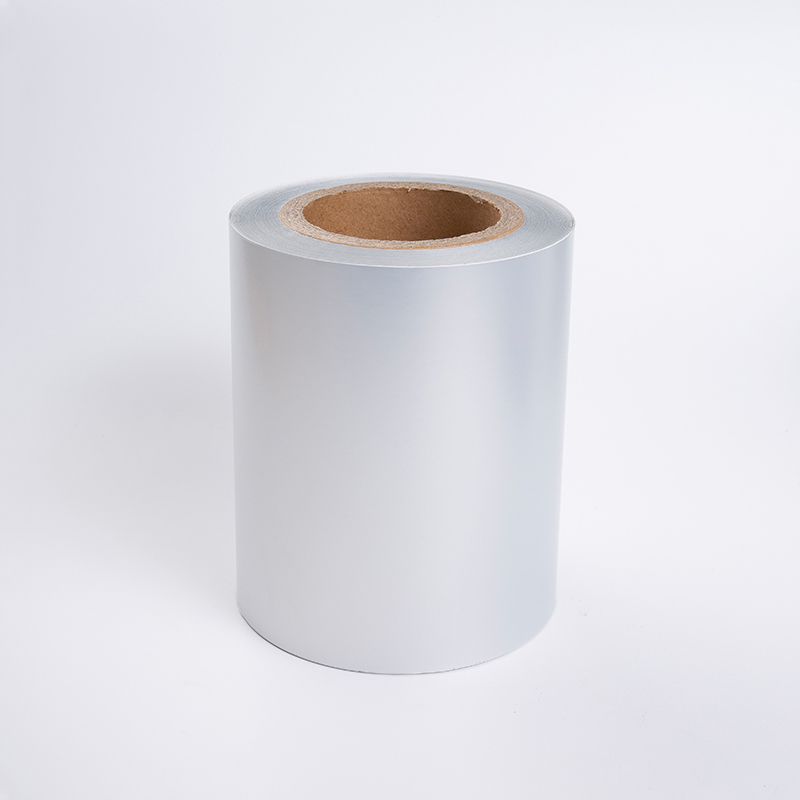
Content
- 1 Product Overview
- 2 Key Material Structure
- 3 Advantages Over Conventional Label Materials
- 4 Competitive Advantages in Printing and Converting
- 5 Advanced Manufacturing Processes and Company Strengths
- 6 Applications in Premium Electronics
- 7 Applications in Cosmetics and Personal Care
- 8 Applications in Industrial Equipment and Outdoor Assets
- 9 Customization Services
- 10 Packaging and International Delivery Protection
- 11 Sustainability and Compliance Considerations
- 12 How to Select the Right Matt Silver PET Construction
- 13 Why This Product Stands Out Against Competitors
- 14 Frequently Asked Questions
- 14.1 Q1: What is Matt Silver PET with White Glassine Liner mainly used for?
- 14.2 Q2: Why choose PET instead of ordinary paper label material?
- 14.3 Q3: What is the advantage of a matte silver surface?
- 14.4 Q4: Can the adhesive be customized?
- 14.5 Q5: Is white glassine liner necessary?
- 14.6 Q6: Can this material be used outdoors?
- 14.7 Q7: Is the material suitable for cosmetics and personal care packaging?
- 14.8 Q8: What roll widths and sheet sizes are available?
- 14.9 Q9: How does the company ensure product quality?
- 14.10 Q10: What information should customers provide before ordering?
- 15 Conclusion
- 16 References
- 17 Product: Matt Silver PET With White Glassine Liner
Product Overview
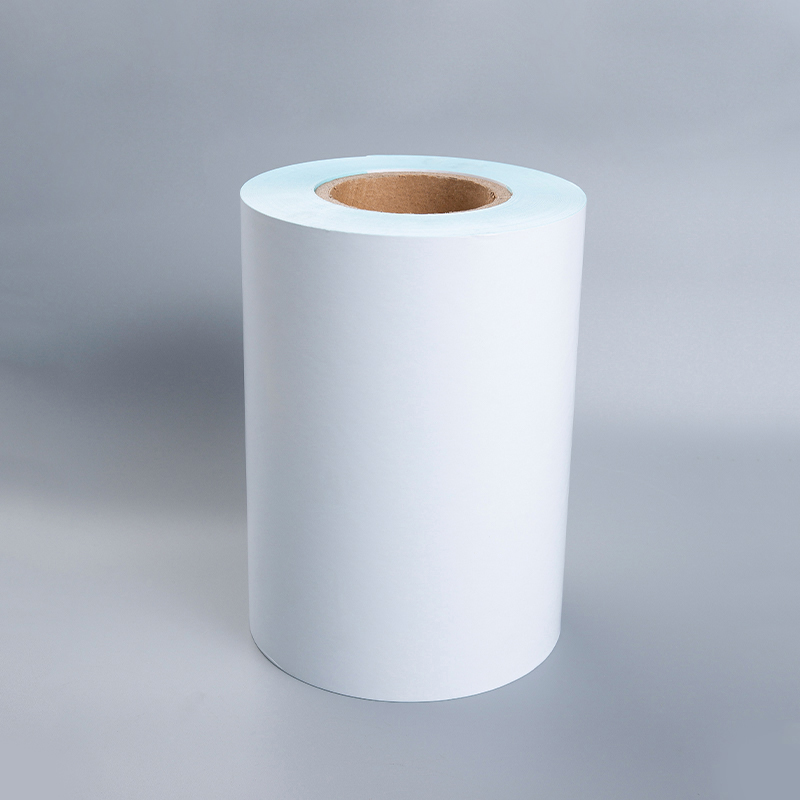
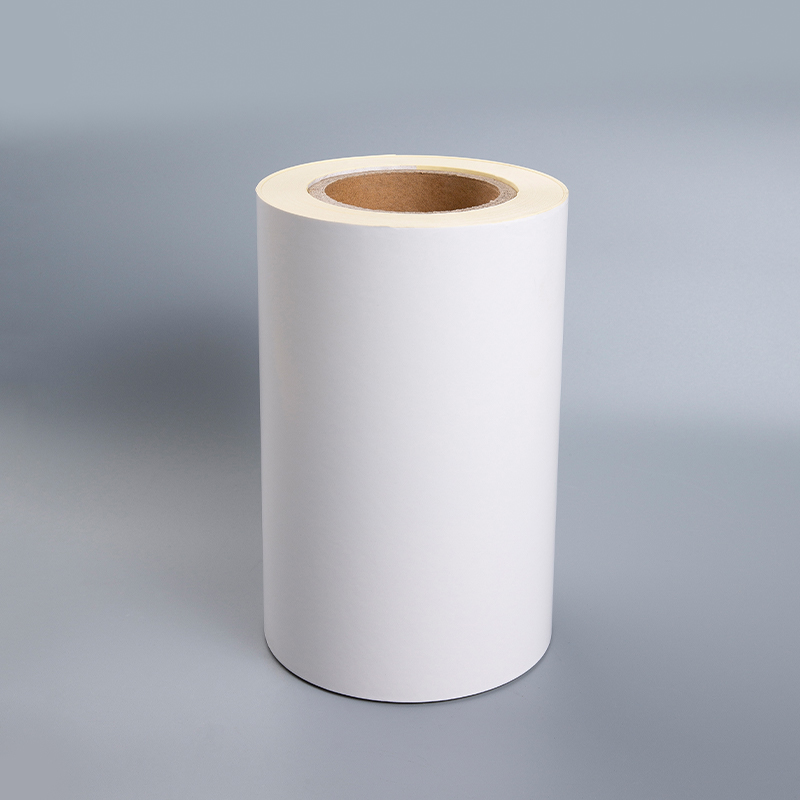
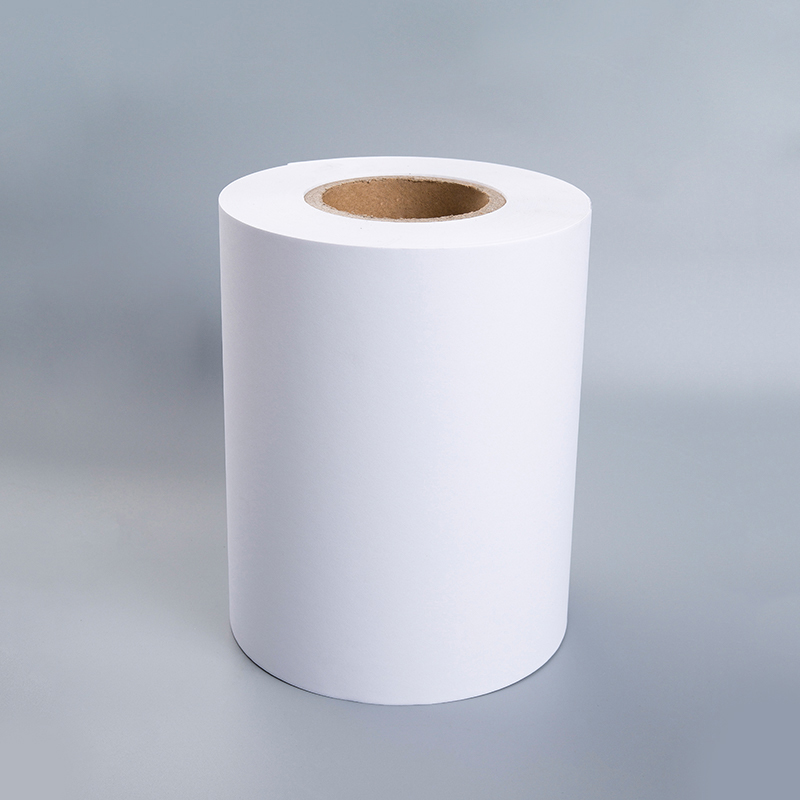
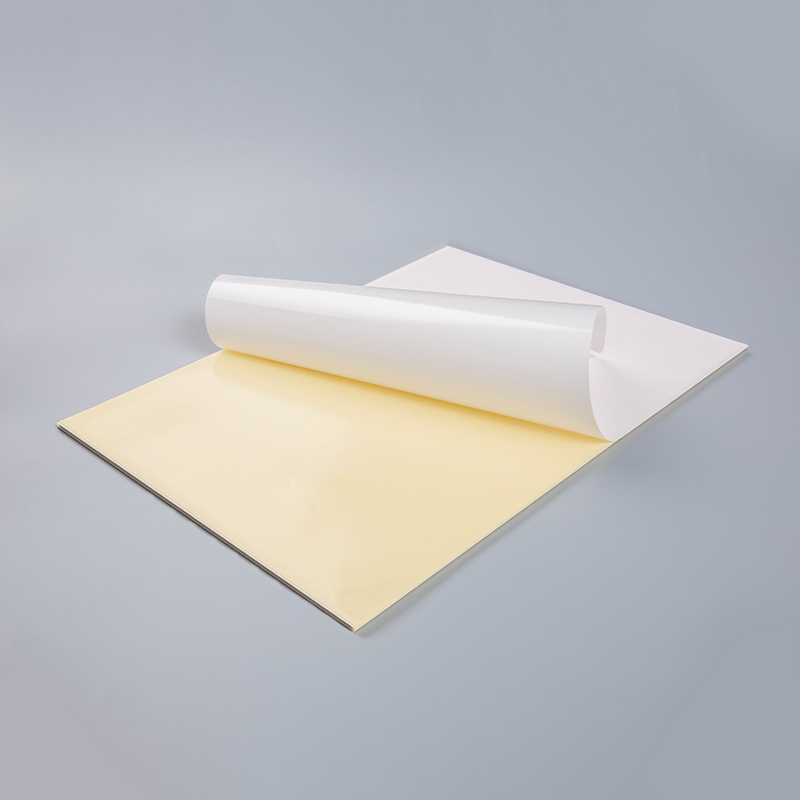
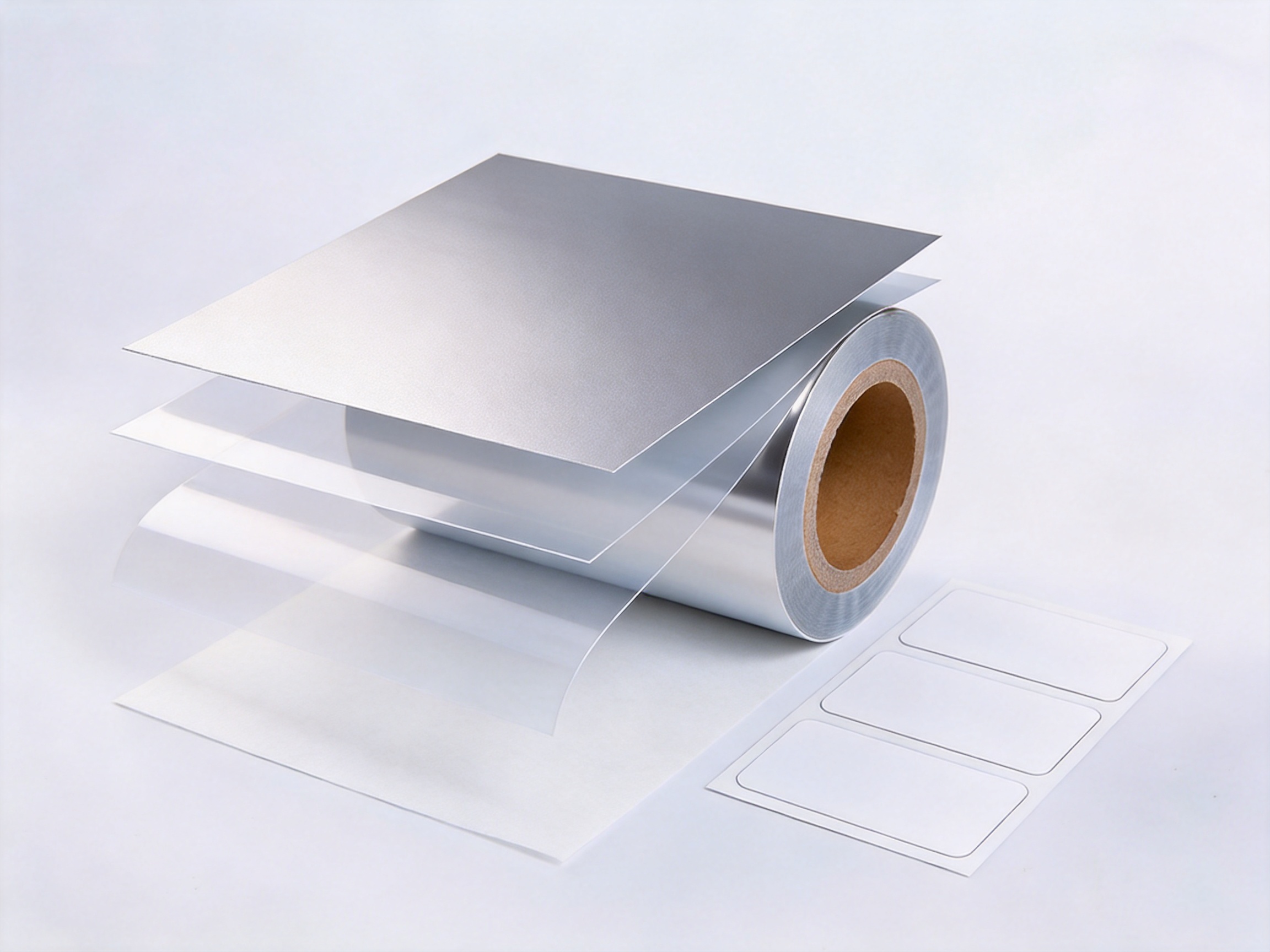
Matt Silver PET with White Glassine Liner belongs to the PET adhesive film category. Its standard construction includes a matte silver PET face material, a pressure-sensitive adhesive layer, and a release liner such as white glassine paper or other liner options. The face material provides the visible surface and functional resistance, the adhesive ensures bonding performance, and the liner protects the adhesive before the label is converted, printed, die-cut, and applied.
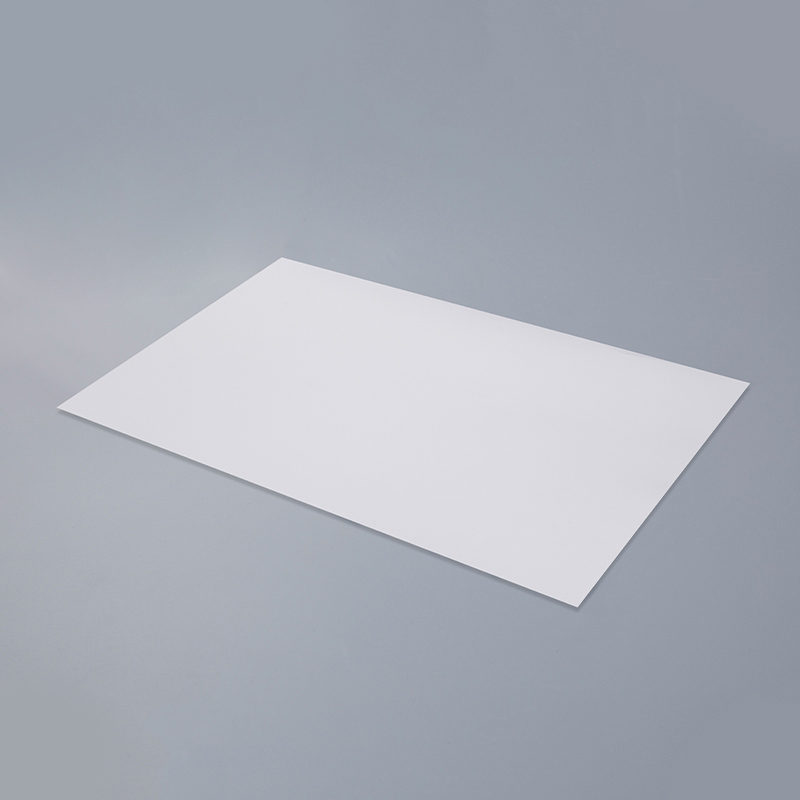
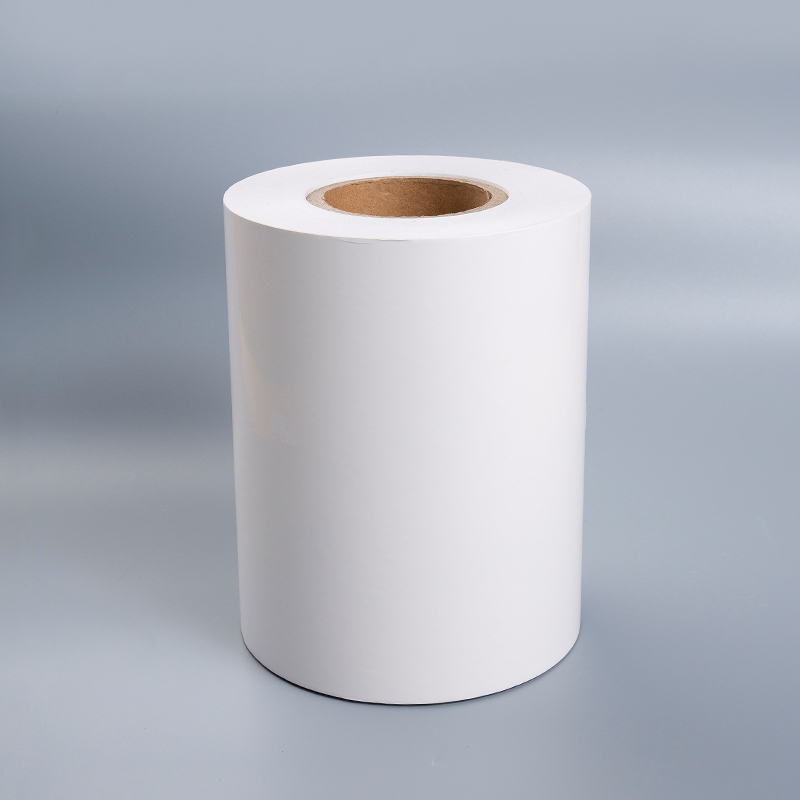
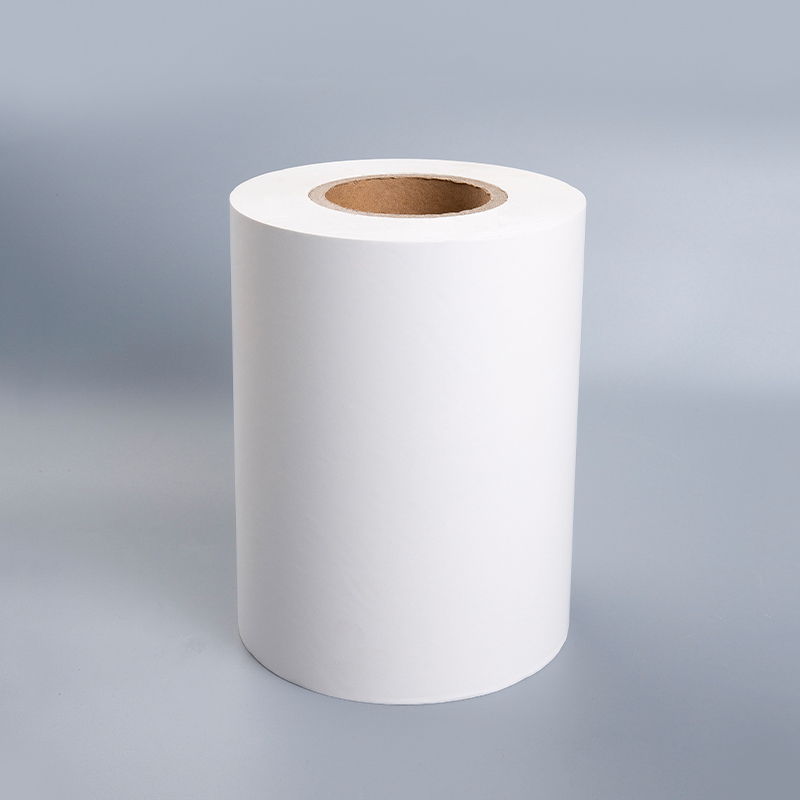
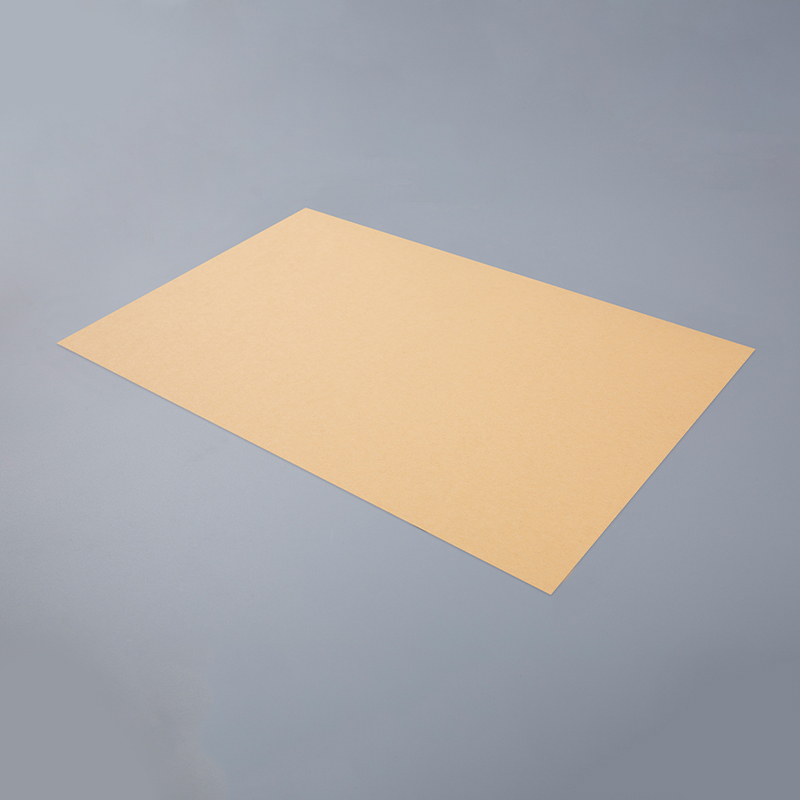
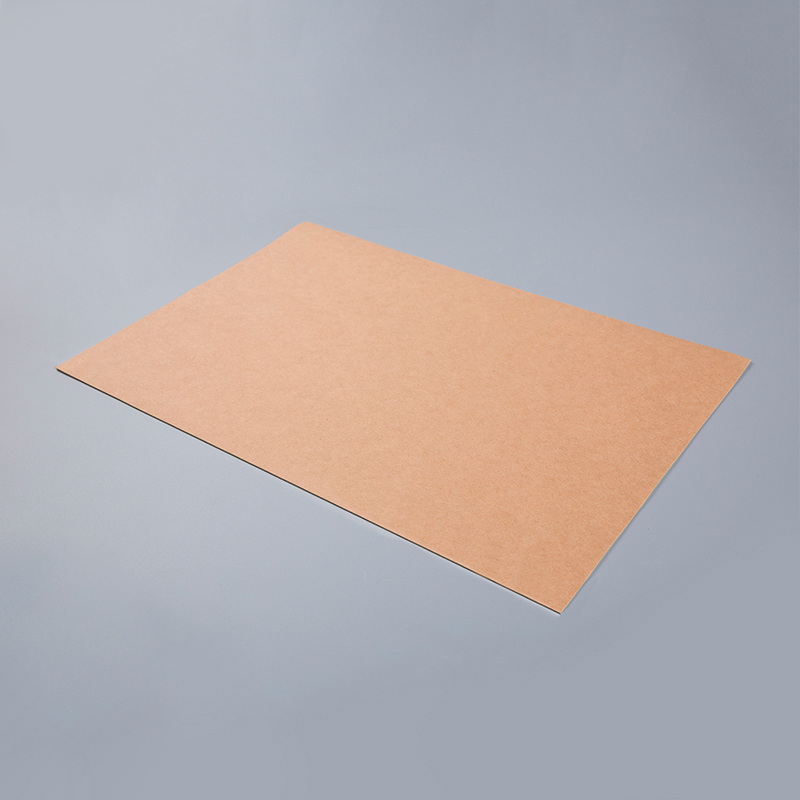
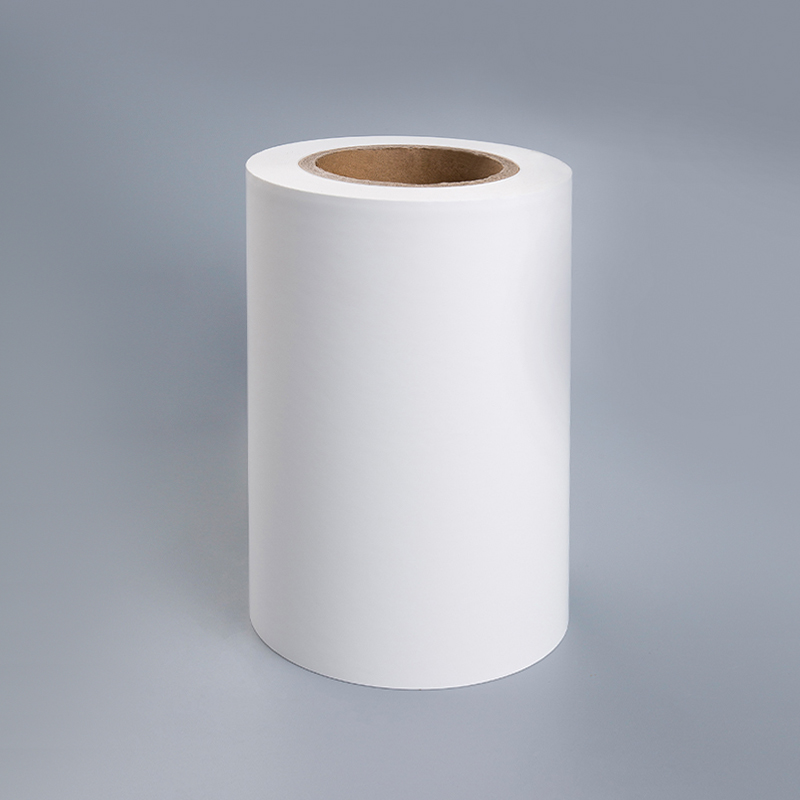
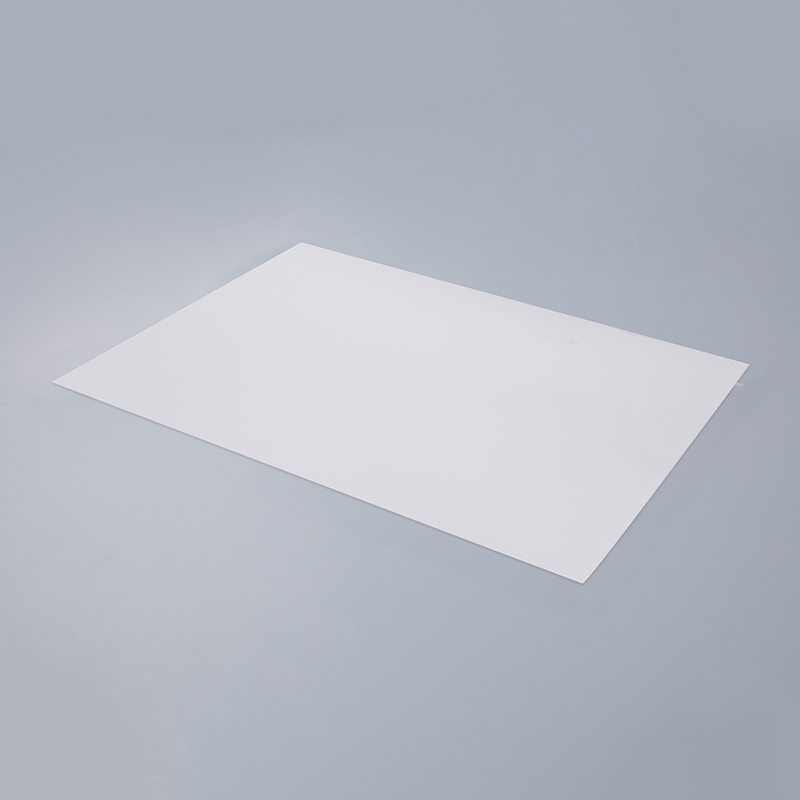
The material is commonly supplied in jumbo rolls for label converters, printers, and industrial users. Standard jumbo roll widths can include 1000 mm, 1020 mm, 1080 mm, and 1530 mm, while sheet formats such as A4, A3, 20 x 30, 21 x 30, 24 x 36, 50 cm x 70 cm, and 70 cm x 100 cm can also be customized according to production needs. Thickness options may include 25 mic matte silver PET as a standard choice, with 50 mic, 100 mic, and 150 mic PET options available when higher stiffness, opacity, or durability is required.
The product is engineered for printing and conversion. The matte silver surface can support high-quality graphics, barcodes, product identification, warning labels, brand logos, and decorative elements. Because the surface has a metallic effect but avoids excessive glare, it is suitable for applications where labels must look sophisticated while remaining readable. The matte finish also helps reduce fingerprints and provides improved visual consistency under different lighting conditions.
The liner plays a crucial role in manufacturing efficiency. White glassine liner provides a smooth release surface, consistent caliper, and good die-cutting support. It is particularly valuable for high-speed label converting, automatic dispensing, and precision die-cutting because it helps maintain clean label edges, stable web movement, and controlled adhesive release. In addition to glassine, liner options may include CCK liner, release paper, art paper liner, and transparent PET liner depending on the printing, die-cutting, and dispensing requirements.
Key Material Structure
A durable self-adhesive label is not only a single layer of film. It is a composite system in which every layer affects the final performance. Matt Silver PET with White Glassine Liner is designed as a balanced construction that combines aesthetics, processing stability, and end-use reliability.
Component |
Typical Options |
Functional Purpose |
Face Material |
25 mic Matt Silver PET; 50 mic, 100 mic, and 150 mic options available |
Provides metallic matte appearance, dimensional stability, tear resistance, heat resistance, and abrasion resistance |
Adhesive |
Water-based adhesive; hotmelt adhesive, solvent adhesive, anti-freeze adhesive, removable adhesive, cryogenic adhesive, and tyre-grade rubber adhesive available |
Controls bonding strength, removability, temperature resistance, initial tack, and compatibility with different substrates |
Release Liner |
White glassine paper, CCK paper, release paper, art paper, or transparent PET liner |
Protects adhesive, supports printing and die-cutting, enables stable release and automatic labeling |
Roll and Sheet Format |
Jumbo roll widths such as 1000, 1020, 1080, and 1530 mm; customized sheets available |
Adapts the material to printing presses, slitting machines, sheet-fed printing, digital printing, and die-cutting systems |
Surface Finish |
Matte silver finish with uniform metallic texture |
Improves premium appearance, reduces glare, supports readability, and enhances decorative value |
The PET face film is the foundation of performance. Polyester is known for its high tensile strength, excellent dimensional stability, low moisture absorption, and resistance to many environmental stresses. Compared with paper and some lower-grade films, PET is less likely to tear, stretch, wrinkle, or deform during printing, die-cutting, dispensing, and actual use. This makes it suitable for labels that must remain legible and intact throughout the product life cycle.
The matte silver coating provides a premium metallic effect without the overly reflective quality of mirror silver films. This is important for electronics, cosmetic packaging, and industrial nameplates because users often need both elegance and readability. A bright mirror finish may look attractive in some circumstances, but it can cause glare under strong lighting, making small text, QR codes, and barcodes harder to read. A matte silver surface reduces this issue while preserving a high-end visual identity.
The adhesive layer can be selected according to the application environment. Water-based adhesive is widely used for general durable labels because it offers balanced bonding performance and cleaner processing. Hotmelt adhesive can provide strong tack on difficult surfaces. Solvent adhesive may be chosen for higher chemical or temperature resistance. Anti-freeze and cryogenic adhesives are suitable for cold-chain or low-temperature environments. Removable adhesive supports applications where clean removal is required, while tyre-grade rubber adhesive is designed for challenging curved, rough, or low-energy surfaces.
The release liner affects conversion quality. White glassine liner is valued for its density, smoothness, translucency, and consistent release behavior. It supports clean die-cutting, stable matrix stripping, and efficient label dispensing. In automated labeling, liner consistency can reduce downtime because inconsistent release force can cause labels to lift too early, fail to release, or misalign during application. Therefore, a well-matched liner is not merely a backing paper; it is an essential part of process reliability.
Advantages Over Conventional Label Materials
Matt Silver PET with White Glassine Liner provides multiple advantages over ordinary paper labels, low-grade synthetic labels, and some competitive metallic label materials. These advantages can be grouped into durability, appearance, printing adaptability, environmental resistance, processing efficiency, and customization flexibility.
High Durability and Mechanical Stability
One of the most significant advantages of PET label film is its strong mechanical durability. Ordinary paper labels can tear, scuff, swell, or delaminate when exposed to moisture, friction, oils, or repeated handling. Matt Silver PET is much more resistant to tearing and abrasion. This is important for products such as electronics, machinery, tools, logistics assets, and automotive parts that may be handled repeatedly or exposed to mechanical stress.
Dimensional stability is another key benefit. During printing and die-cutting, materials may be exposed to tension, heat, pressure, and rapid web movement. PET film maintains its shape better than many other substrates. This helps preserve registration accuracy, die-cut precision, barcode readability, and consistent label size. For high-speed converting operations, stable film reduces waste and improves productivity.
In comparison with lower-grade metallic films, high-quality matt silver PET offers a more reliable balance between flexibility and stiffness. It can conform to many product surfaces while still providing a strong, premium label body. The material is suitable for complex processing scenarios, including high-speed die-cutting, roll-to-roll printing, and custom sheet conversion.
Premium Matte Metallic Appearance
Brand owners increasingly need packaging and identification labels that communicate quality immediately. The matte silver surface creates a refined metallic effect that is associated with precision, technology, cleanliness, and premium value. It is particularly suitable for electronics, cosmetics, personal care containers, automotive parts, and industrial equipment where the label must not look cheap or temporary.
Compared with standard white labels, matt silver PET gives products a more professional and distinctive appearance. Compared with glossy metallic labels, it reduces glare and fingerprints, making it easier to maintain a clean appearance during handling and display. The uniform texture also helps printed graphics appear controlled and balanced. For small logos, fine text, technical codes, and safety icons, this can be a meaningful advantage.
The matte silver effect can also reduce the need for additional decorative processes in some applications. Instead of using foil stamping or metallic ink on a standard substrate, converters may print directly on a metallic film surface. This can simplify production, shorten lead times, and improve visual consistency across batches.
Excellent Weather and Environmental Resistance
Durable labels are often exposed to challenging environments. Outdoor equipment labels may face sunlight, rain, dust, humidity, and temperature changes. Industrial labels may contact oils, cleaning agents, solvents, or chemicals. Cosmetics and personal care labels may experience water, lotion, essential oils, alcohol, and repeated touch. Matt Silver PET label film is designed to maintain its function and appearance under these conditions.
The PET film base offers good water resistance and chemical stability. When paired with the correct adhesive and suitable printing ink or ribbon, the final label can remain legible even in humid or demanding environments. UV-resistant formulation and appropriate surface treatments can help prevent discoloration, warping, and premature aging caused by sunlight exposure. This makes the material valuable for long-term product identification and outdoor labeling.
Compared with paper-based labels, PET film does not absorb moisture in the same way. This reduces swelling, wrinkling, and edge lifting caused by water exposure. In many applications, this difference determines whether a label remains professional throughout the product’s life or begins to fail after only limited contact with moisture.
Heat Resistance and Industrial Reliability
Electronics, automotive parts, power tools, machinery, and industrial components often require labels that can withstand elevated temperatures. PET film is well known for its thermal stability compared with many paper and lower-grade plastic label materials. It can maintain shape and readability in environments where ordinary labels may shrink, deform, or discolor.
Heat resistance is especially important for circuit components, chargers, adapters, motors, batteries, automotive engine-area parts, and industrial nameplates. A label used in these conditions may carry safety warnings, certification information, model numbers, serial numbers, or traceability codes. If the label fails, the product may become difficult to service, regulate, or identify. Matt Silver PET helps reduce this risk by providing a durable information carrier.
Adhesive choice is equally important for heat performance. A suitable solvent adhesive or high-performance acrylic adhesive can be selected when labels must remain bonded under heat. For low-temperature environments, anti-freeze or cryogenic adhesive can be chosen. This ability to match the face material with the correct adhesive system is one of the reasons customized self-adhesive construction is valuable.
Waterproof and Oil-Resistant Performance
Many labels must maintain appearance when exposed to water, oils, and emulsions. Cosmetics and personal care products are typical examples. A lotion bottle, skincare jar, shampoo container, fragrance package, or essential oil bottle may be exposed to bathroom humidity, wet hands, oily ingredients, and repeated rubbing. A label that stains, wrinkles, or peels quickly damages the perceived quality of the product.
Matt Silver PET can deliver a clean and durable label appearance for these environments. Its synthetic film surface provides a better barrier against moisture than paper, while a suitable adhesive can maintain bonding on plastic, glass, metal, or coated containers. The matte finish also reduces visible fingerprints and helps the package retain an elegant look during use.
In industrial settings, oil resistance is equally important. Labels applied to machinery, lubricant containers, tool cases, and automotive components may contact grease or chemical residues. A durable PET film label provides improved resistance and helps maintain readable instructions, warning information, and traceability data.
Competitive Advantages in Printing and Converting
A label material must perform well not only after application but also during production. For converters and printers, the cost of a material includes not only the purchase price but also waste rate, downtime, print consistency, die-cutting quality, and customer complaint risk. Matt Silver PET with White Glassine Liner is engineered to support efficient converting and stable printing results.
High-Speed Die-Cutting Compatibility
High-speed die-cutting requires a stable face film, reliable adhesive coating, and consistent release liner. If the face film stretches, the adhesive flows unevenly, or the liner release is unstable, label edges may become rough, matrix stripping may fail, and waste may increase. PET film offers the tensile strength and dimensional stability needed for precise die-cutting.
White glassine liner supports smooth cutting and release. Its consistent surface and caliper help the die strike evenly, reducing the risk of cutting too deep into the liner or leaving uncut corners. This is important for small labels, complex shapes, rounded corners, warning icons, and high-volume roll labels.
Compatibility with Multiple Printing Systems
Matt Silver PET label material can be adapted for a variety of printing and marking processes depending on surface treatment, ink selection, and production requirements. It may be used in flexographic printing, letterpress printing, screen printing, thermal transfer printing, UV printing, digital printing, and sheet-fed processes when properly matched with inks and equipment.
For industrial identification, thermal transfer printing is often used because it allows variable data such as serial numbers, barcodes, QR codes, production dates, and batch numbers. PET film can work well with suitable resin ribbons when the surface is designed for ribbon anchorage. For brand packaging, UV flexographic printing or digital printing can provide colorful graphics over the metallic base, creating attractive contrast and premium visual depth.
Because the material is available in both roll and sheet forms, it can serve both large converters and smaller production users. Jumbo rolls can be slit into narrower rolls for automatic label presses, while customized sheets can support digital printing, sample production, or short-run specialty packaging projects.
Reduced Waste Through Consistent Construction
Consistent coating and lamination are essential for reducing production waste. Uneven adhesive thickness can cause oozing, poor die-cutting, edge contamination, or inconsistent adhesion. Poor surface coating can cause print defects, color variation, or scratches. Inconsistent liner release can cause dispensing failure. A professional self-adhesive material manufacturer must control each of these factors during production.
The product benefits from an integrated manufacturing approach that includes gluing, laminating, cutting, and inspection. A supplier with full-process control can better manage adhesive coat weight, drying conditions, web tension, liner matching, roll hardness, and slit edge quality. These details are often invisible when looking at a label sample, but they become very important in mass production.
Advanced Manufacturing Processes and Company Strengths
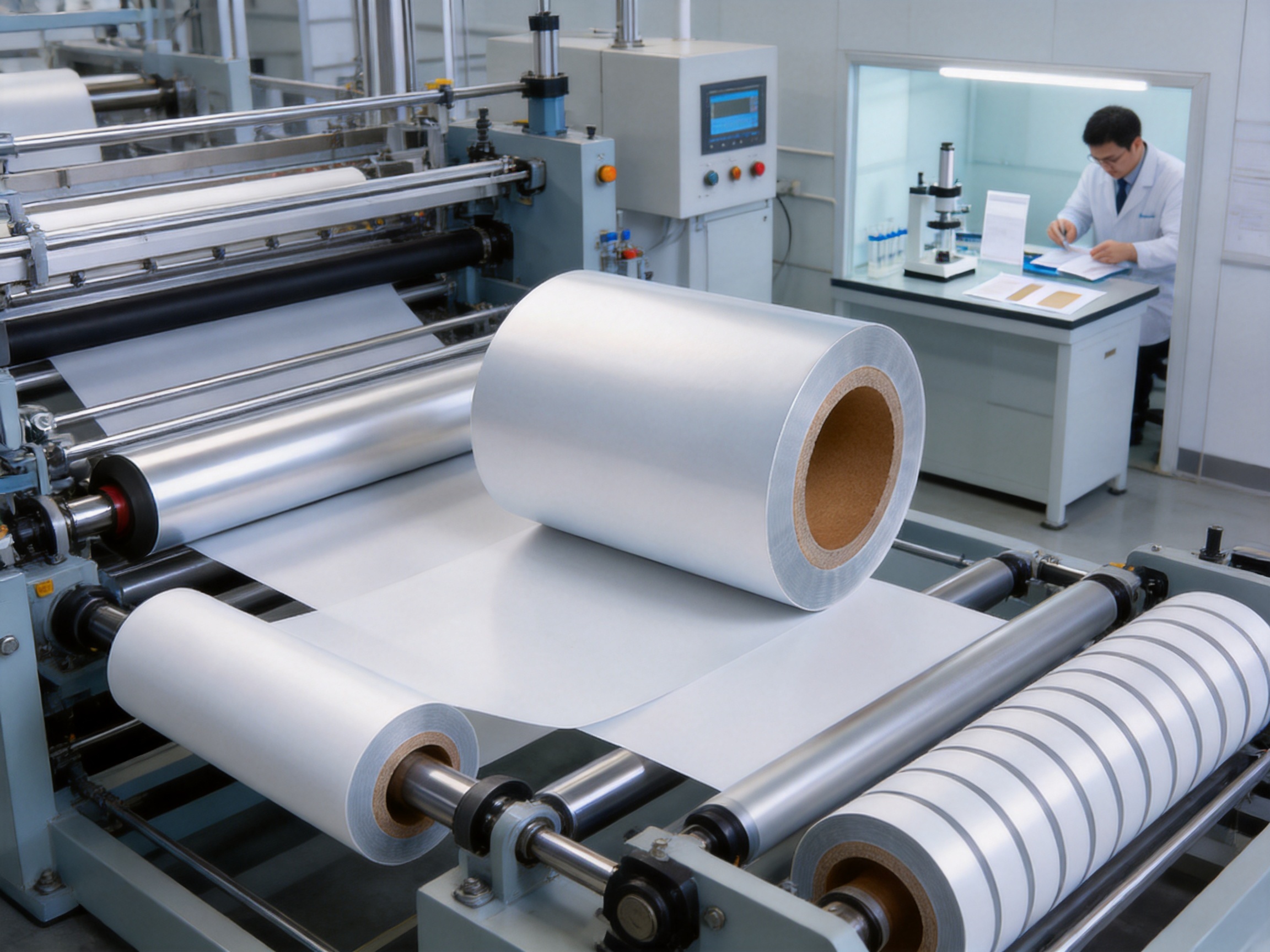
Suzhou Piaozhihua Composite Material Technology Co., Ltd. specializes in high-grade self-adhesive label materials and integrates research and development, production, sales, and after-sales service. The company’s manufacturing strength is important because durable PET label materials require more than a good raw film. They require accurate coating, controlled lamination, clean slitting, stable release behavior, and reliable quality inspection.
The company operates a full range of production lines, including gluing, laminating, and cutting. This complete manufacturing structure allows tighter process coordination. When adhesive coating, film lamination, liner selection, and roll finishing are managed within a coordinated system, it is easier to maintain quality consistency and respond to customer-specific requirements.
With an annual production capacity of more than 280 million square meters, the company can support large-volume orders, long-term supply agreements, and international distribution needs. Large production capacity also indicates experience in managing process stability across different product categories, such as self-adhesive paper, self-adhesive film, special label material, and silicone release paper.
Adhesive Coating Capability
Adhesive coating is one of the most critical steps in self-adhesive label manufacturing. The adhesive must be applied evenly across the web, with a controlled coat weight suitable for the intended application. Too little adhesive may reduce bonding strength, while too much adhesive may lead to oozing, die-cutting problems, adhesive transfer, or poor roll appearance.
For Matt Silver PET, coating control is especially important because the material may be used in high-end products where label failure is not acceptable. Water-based adhesive can provide reliable performance for many general applications, while hotmelt, solvent, anti-freeze, removable, cryogenic, and tyre-grade rubber adhesive options allow the product to be customized for different environments.
Advanced coating processes must also manage drying and curing. If an adhesive is not properly dried, residual moisture or solvent can affect bonding, release, odor, or aging. If drying is too aggressive, the film or liner may deform. A skilled manufacturer balances temperature, web speed, airflow, and adhesive chemistry to create a stable composite material.
Lamination and Web Tension Control
Lamination combines the face material, adhesive, and liner into a finished self-adhesive construction. During lamination, web tension must be controlled carefully. PET film, adhesive, and paper liner have different mechanical properties, and improper tension can cause curling, tunneling, wrinkles, or edge misalignment. These defects can later affect printing, die-cutting, and automatic application.
Professional lamination ensures that the matte silver PET surface remains smooth and clean, the adhesive layer remains uniform, and the liner maintains stable release. For a premium metallic surface, surface protection during production is also important. Scratches, pressure marks, or contamination can reduce the value of the finished label material. Clean handling and controlled winding are therefore essential.
Slitting, Cutting, and Sheet Conversion
After lamination, the material may be slit into narrower rolls or cut into sheets. Slitting quality affects printer performance and label appearance. Poor slitting can create dust, rough edges, telescoping rolls, blocked edges, or uneven tension. These problems may cause press downtime or material waste. A strong converting capability helps ensure that rolls are clean, stable, and compatible with customer equipment.
Sheet conversion requires accurate cutting and flatness control. PET labels supplied in sheets must remain flat enough for printing and die-cutting. Moisture protection, edge reinforcement, and careful packaging are important because sheet materials can be affected by handling, stacking pressure, and storage conditions. Customized sheet sizes allow customers to match the material to their own printing formats.
Quality Inspection and Testing
A durable label material must be tested for more than appearance. Quality inspection may include thickness measurement, adhesive coat weight, release force, peel adhesion, tack, aging resistance, surface quality, roll appearance, and printing suitability. The company’s own testing lab and advanced inspection equipment help verify product performance before shipment.
Testing is particularly important for customized adhesive systems. A label for a cosmetic glass bottle, an automotive component, a low-temperature storage container, and a rough tyre surface may all require different adhesive behavior. Laboratory testing helps confirm whether the selected construction meets customer expectations before full-scale production begins.
Long-term production experience also matters. With more than 20 years of OEM manufacturing experience, the company can help customers avoid common material selection problems. For example, a buyer may initially choose a standard adhesive for a low-temperature application, but professional consultation may reveal that an anti-freeze or cryogenic adhesive is more suitable. This technical support can reduce trial-and-error costs and speed up product development.
OEM and ODM Capability
OEM and ODM capabilities allow customers to request label materials based on drawings, samples, performance targets, or end-use requirements. For Matt Silver PET, customization may involve film thickness, surface finish, adhesive type, liner weight, roll width, sheet size, release force, and packaging method. This flexibility is valuable for customers who must match label materials to specific printing machines, automatic labeling equipment, product surfaces, or regulatory expectations.
The company’s professional R&D team and patent-supported innovation capability contribute to continuous product improvement. Self-adhesive materials are not static commodities; they evolve with new printing technologies, environmental requirements, packaging designs, and industrial identification standards. A supplier with R&D strength can develop more suitable solutions for changing market demands.
Applications in Premium Electronics
Premium electronics are one of the most suitable markets for Matt Silver PET label film. Smartphones, computers, chargers, adapters, batteries, smart home devices, cameras, automotive electronics, and industrial control components often require labels that are both attractive and technically reliable. These labels may carry model numbers, serial codes, compliance marks, safety warnings, service information, and brand identity.
Electronics labels often face heat, abrasion, handling, and long service periods. A paper label may become worn or unreadable, especially on devices that are touched frequently or used in warm environments. PET film provides better resistance to these stresses. The matte silver appearance also fits well with electronic products because it communicates precision and advanced technology.
In many electronics applications, small text and barcodes must remain readable. The low-glare matte surface helps improve legibility compared with highly reflective metallic surfaces. When paired with suitable printing methods and inks, the label can achieve sharp contrast and reliable scanning performance.
Applications in Cosmetics and Personal Care
Cosmetic and personal care brands must combine visual appeal with resistance to water, oils, and daily handling. Matt Silver PET offers a premium look suitable for skincare bottles, fragrance packaging, haircare containers, lotion bottles, essential oil products, and luxury personal care packaging. The metallic matte finish can enhance shelf presence without appearing excessive or overly reflective.
In this market, label feel and visual consistency matter. A scratched, stained, or peeling label can reduce consumer trust, even if the product inside is high quality. PET film resists moisture better than paper and can maintain a cleaner appearance during product use. The matte finish helps conceal fingerprints and minor handling marks, which is useful for retail display and consumer experience.
For direct contact or near-contact packaging environments, material safety and odor control are also important. The product can be designed with non-toxic and low-odor components suitable for cosmetics and personal care packaging needs. Adhesive selection should be confirmed according to the container material, surface energy, filling conditions, and storage environment.
Applications in Industrial Equipment and Outdoor Assets
Industrial labels often operate in environments where appearance alone is not enough. Machinery, power equipment, outdoor installations, tools, control panels, warning plates, asset tags, and chemical containers require labels that can resist abrasion, temperature changes, oil, water, and chemicals. Matt Silver PET is well suited to these demanding conditions.
Industrial labels may carry critical safety and operational information. If a warning label becomes unreadable, the risk of misuse or maintenance errors can increase. PET film supports long-term legibility, while the appropriate adhesive helps maintain attachment to metal, plastic, painted surfaces, and other substrates. For outdoor use, UV resistance and weatherability are especially valuable.
The matte silver surface also provides a professional technical appearance. It can resemble a lightweight metal nameplate while offering the flexibility and process efficiency of self-adhesive film. For many applications, this can reduce the need for heavier metal plates, mechanical fasteners, or more complex identification systems.
Customization Services
Customization is one of the strongest advantages of a professional self-adhesive material supplier. Matt Silver PET with White Glassine Liner can be adjusted according to material thickness, adhesive performance, liner type, roll dimensions, sheet dimensions, and surface requirements. This allows customers to select a construction that matches their actual printing and application conditions rather than forcing one standard product into every use.
Material Optimization
The standard option may use 25 mic matte silver PET, but thicker PET films such as 50 mic, 100 mic, and 150 mic can be selected when the customer needs higher rigidity, improved handling, greater opacity, or a more nameplate-like feel. Surface choices may include matte silver, glossy silver, or specialty coatings depending on visual and functional requirements.
Liner optimization is also important. White glassine liner is appropriate for many high-speed labeling and converting processes, but alternatives may be better for specific uses. CCK paper can provide excellent layflat and moisture resistance. Heavier release paper may support sheet-fed processes. Transparent PET liner can offer high dimensional stability and clarity for specialized applications. Art paper liner may be used for certain sheet or specialty products.
Adhesive Performance Enhancements
Adhesive selection should always be based on the actual surface and environment. A smooth glass bottle, a textured plastic container, a painted metal panel, a rubber tyre, and a frozen package all require different adhesive strategies. Available adhesive options include water-based adhesive, hotmelt adhesive, solvent adhesive, anti-freeze adhesive, removable adhesive, cryogenic adhesive, and tyre-grade rubber adhesive.
Water-based adhesive is often chosen for balanced performance and general applications. Hotmelt adhesive can provide strong initial tack. Solvent adhesive can be selected for demanding heat or chemical environments. Anti-freeze adhesive supports cold storage. Cryogenic adhesive can be used where extremely low temperatures are involved. Removable adhesive is useful for temporary labels or products where clean removal is required. Tyre-grade rubber adhesive is designed for challenging bonding surfaces that need aggressive adhesion.
Tailored Specifications
Roll width, roll length, sheet size, core size, and packaging format can be customized. Standard jumbo roll widths include 1000 mm, 1020 mm, 1080 mm, and 1530 mm, but customers may request slitting to narrower widths for their own printing presses or labeling lines. Sheet sizes can include A4, A3, 20 x 30, 21 x 30, 24 x 36, 50 cm x 70 cm, 70 cm x 100 cm, or custom dimensions.
Tailored specifications reduce waste and improve production efficiency. If a converter receives a roll width that matches its press layout, it can reduce trimming loss. If a sheet-fed printer receives a size that matches its equipment, it can improve feeding and reduce cutting labor. Customization therefore contributes directly to cost control.
Packaging and International Delivery Protection
Packaging is often overlooked, but it is essential for self-adhesive materials. PET label film must arrive clean, flat, dry, and free from deformation. During international sea transportation, materials may experience humidity changes, stacking pressure, vibration, and long transit times. A well-designed packaging system protects both roll and sheet products.
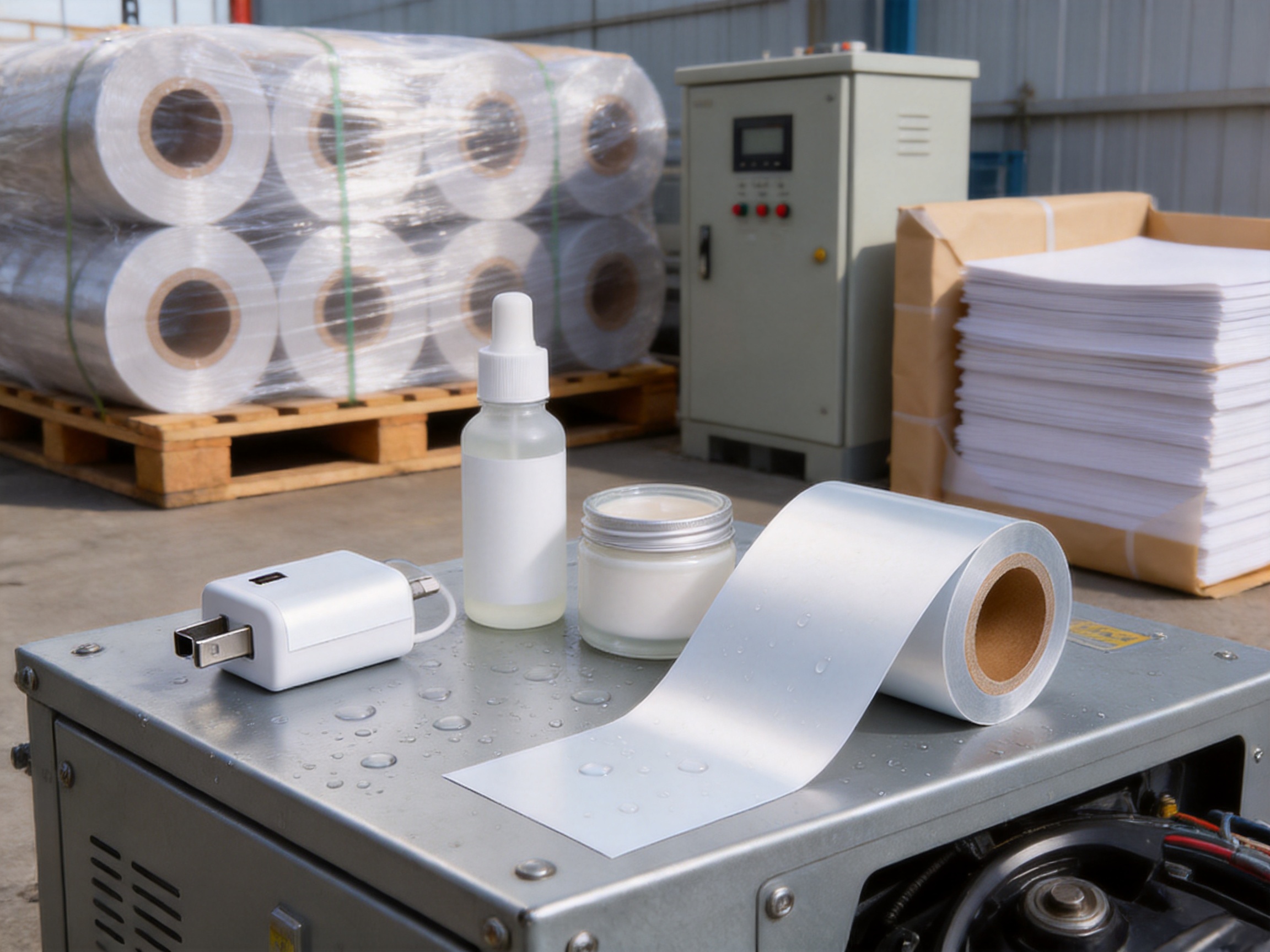
For roll packaging, fumigation-treated recycled wooden pallets can be used to meet international transportation requirements. These pallets provide insect and mold resistance and support safe export handling. The pallet design helps optimize stacking stability and distribute weight evenly, reducing the risk of roll deformation. Protective corner guards and stretch film wrapping help protect the rolls from impact, dust, and shifting during transit. Standardized forklift slots improve logistics efficiency and reduce handling damage.
For ream packaging, such as 100 sheets per ream, each ream can be sealed with PE-coated kraft paper to protect against moisture and dust. Reinforced edges help reduce damage during handling. Multiple reams are stacked on pallets, secured with high-strength stretch film and anti-slip plastic straps to prevent movement during transportation. This type of packaging is especially important for sheet materials that must remain clean and flat for printing.
Good packaging contributes to customer value because it reduces receiving defects, storage loss, and production interruptions. A premium label material should not only be manufactured well but also delivered in a condition that preserves its performance.
Sustainability and Compliance Considerations
Modern label buyers increasingly consider sustainability, safety, and compliance when selecting materials. Matt Silver PET label film can be designed to meet relevant food-grade or industrial safety expectations depending on the final application and regulatory requirements. Non-toxic and low-odor constructions are especially important for cosmetics, personal care, and consumer goods packaging.
The company’s development direction includes environmentally responsible solutions for face materials, adhesives, and backing papers. Sustainable manufacturing in self-adhesive materials can involve recyclable material choices, lower-emission adhesives, responsible liner selection, optimized production efficiency, and reduced waste through accurate converting. Although PET is a synthetic film, its durability can also support sustainability by reducing label replacement, product relabeling, and premature packaging failure.
When sustainability is a priority, customers should discuss the complete label life cycle. This includes the face material, adhesive chemistry, liner disposal or recycling options, printing ink, application surface, and end-of-life packaging stream. A professional supplier can help evaluate trade-offs and identify the most practical eco-conscious solution for the target market.
How to Select the Right Matt Silver PET Construction
Choosing the correct self-adhesive construction requires more than selecting a film color. Buyers should evaluate the application surface, environment, printing method, label size, expected service life, and regulatory needs. A structured selection process reduces the risk of label failure and improves production efficiency.
First, identify the application surface. Labels may be applied to glass, metal, PET bottles, HDPE containers, PP containers, painted panels, coated paper boxes, rubber, or textured surfaces. Each surface has different energy and roughness. Low-energy plastics often require stronger or specially designed adhesives.
Second, define the environmental conditions. Will the label face water, oil, chemicals, sunlight, heat, freezing temperatures, or abrasion? A label for a bathroom cosmetic bottle has different requirements from a label for an outdoor electrical box or a tyre label. Environmental testing is recommended when performance is critical.
Third, select the printing method. If the customer uses thermal transfer printing, the surface must be compatible with the ribbon. If UV flexographic printing is used, ink adhesion and curing must be considered. If digital printing is required, surface treatment may need to be optimized. Good communication between material supplier, printer, and end user can prevent print failure.
Fourth, evaluate die-cutting and dispensing. Small labels, complex shapes, and automatic application lines require stable release force and precise die-cutting behavior. White glassine liner is often a strong choice for these needs, but special liner options can be selected when required.
Finally, confirm packaging and storage. Self-adhesive materials should be stored in controlled conditions away from excessive heat, humidity, direct sunlight, and dust. Proper storage preserves adhesive performance and printing quality.
Why This Product Stands Out Against Competitors
Matt Silver PET with White Glassine Liner stands out because it combines several advantages in one construction: premium matte metallic appearance, strong PET durability, customizable adhesive systems, reliable liner options, stable converting performance, and professional manufacturing support. Many competing materials may provide one or two of these features, but not all in a balanced and customizable solution.
Against paper labels, the product offers superior water resistance, tear resistance, abrasion resistance, heat stability, and premium appearance. Against ordinary synthetic labels, it provides a more refined metallic surface and stronger dimensional stability. Against some metallic films, the matte finish improves readability and fingerprint resistance. Against commodity label materials, the customized adhesive and liner choices provide better application-specific reliability.
The manufacturer’s integrated production capability also creates competitive value. A company with gluing, laminating, cutting, R&D, testing, OEM service, ODM service, and large-scale capacity can support both standard supply and special technical projects. For customers, this means fewer supply-chain complications, faster technical communication, and better consistency across repeated orders.
Frequently Asked Questions
Q1: What is Matt Silver PET with White Glassine Liner mainly used for?
It is mainly used for durable and premium self-adhesive labels in electronics, cosmetics, personal care products, industrial equipment, automotive components, outdoor assets, tools, machinery, and technical identification. It is suitable when the label needs a metallic matte appearance, good readability, and long-term resistance to water, abrasion, heat, and chemicals.
Q2: Why choose PET instead of ordinary paper label material?
PET provides much better mechanical strength, dimensional stability, water resistance, heat resistance, and abrasion resistance than ordinary paper. Paper labels are suitable for many indoor and short-term uses, but they can wrinkle, tear, stain, or peel in demanding environments. PET is a better choice when durability and premium appearance are required.
Q3: What is the advantage of a matte silver surface?
The matte silver surface offers a refined metallic look while reducing glare and fingerprints. It gives products a high-end technical appearance and improves readability compared with highly reflective mirror surfaces. This is useful for labels containing small text, barcodes, QR codes, and technical information.
Q4: Can the adhesive be customized?
Yes. Adhesive options can include water-based adhesive, hotmelt adhesive, solvent adhesive, anti-freeze adhesive, removable adhesive, cryogenic adhesive, and tyre-grade rubber adhesive. The correct adhesive should be selected according to the application surface, temperature range, exposure conditions, and removability requirements.
Q5: Is white glassine liner necessary?
White glassine liner is a strong option for high-speed converting, die-cutting, and automatic dispensing because it offers smooth release and stable processing. However, other liners such as CCK paper, release paper, art paper, and transparent PET liner can be selected depending on the application and processing method.
Q6: Can this material be used outdoors?
Yes, it can be used for many outdoor applications when matched with the correct adhesive, ink, and surface treatment. PET provides good weather resistance, and UV-resistant formulation can help reduce discoloration and aging. For critical outdoor projects, testing under actual conditions is recommended.
Q7: Is the material suitable for cosmetics and personal care packaging?
Yes. The material is suitable for skincare bottles, fragrance packaging, lotion containers, haircare products, and other personal care packaging where water resistance, oil resistance, and premium appearance are important. Low-odor and non-toxic constructions can be considered according to specific safety requirements.
Q8: What roll widths and sheet sizes are available?
Jumbo roll widths can include 1000 mm, 1020 mm, 1080 mm, and 1530 mm. Sheet sizes can include A4, A3, 20 x 30, 21 x 30, 24 x 36, 50 cm x 70 cm, and 70 cm x 100 cm. Custom sizes can also be produced according to customer requirements.
Q9: How does the company ensure product quality?
The company uses integrated production lines for gluing, laminating, and cutting, supported by testing laboratory capability and advanced inspection equipment. Quality control may include checks for coating consistency, thickness, release force, adhesive performance, surface quality, roll condition, and converting suitability.
Q10: What information should customers provide before ordering?
Customers should provide the intended application surface, label size, printing method, required durability, temperature range, exposure to water or chemicals, desired adhesive type, liner preference, roll or sheet dimensions, and packaging requirements. Samples or drawings are also helpful for OEM and ODM customization.
Conclusion
Matt Silver PET with White Glassine Liner is a premium self-adhesive label material that successfully combines elegant metallic appearance with industrial-grade durability. Its PET face film provides strength, dimensional stability, heat resistance, and weatherability, while the matte silver finish enhances brand image and readability. The white glassine liner supports efficient die-cutting, printing, and automatic label dispensing, making the product practical for both converters and end users.
The material offers clear advantages over ordinary paper labels and many commodity synthetic labels. It resists moisture, abrasion, chemicals, heat, and handling damage while maintaining a clean and professional appearance. It is well suited for electronics, cosmetics, personal care packaging, industrial equipment, outdoor assets, and automotive components.
Equally important is the manufacturing strength behind the material. Advanced coating, lamination, cutting, inspection, R&D, and customization capabilities make it possible to tailor the product to different surfaces, environments, printing systems, and performance requirements. With large-scale production capacity, OEM and ODM experience, laboratory testing, and international packaging support, the manufacturer can provide stable supply and technical value for customers seeking reliable self-adhesive label solutions.
For buyers who need a label material that is attractive, durable, customizable, and conversion-friendly, Matt Silver PET with White Glassine Liner is a strong choice. It is not merely a decorative film; it is a complete engineered label construction designed to protect information, strengthen product identity, and perform reliably through demanding production and end-use conditions.
References
1. Pressure Sensitive Tape Council. Pressure Sensitive Adhesives and Label Materials: Technical Principles and Application Guidance.
2. FINAT. Technical Handbook for Self-Adhesive Label Materials and Converting Performance.
3. ASTM International. Standard Test Methods for Pressure-Sensitive Adhesive-Coated Tapes and Label Stocks.
4. Afera. Guidelines for Pressure Sensitive Adhesive Tape and Label Performance Evaluation.
5. International Organization for Standardization. Packaging and Labeling Materials: Durability, Safety, and Environmental Considerations.
6. Handbook of Pressure-Sensitive Adhesive Technology. Studies on Adhesive Chemistry, Release Liners, and Filmic Label Constructions.