
 English
 Español
 русский
 Français
 عربى
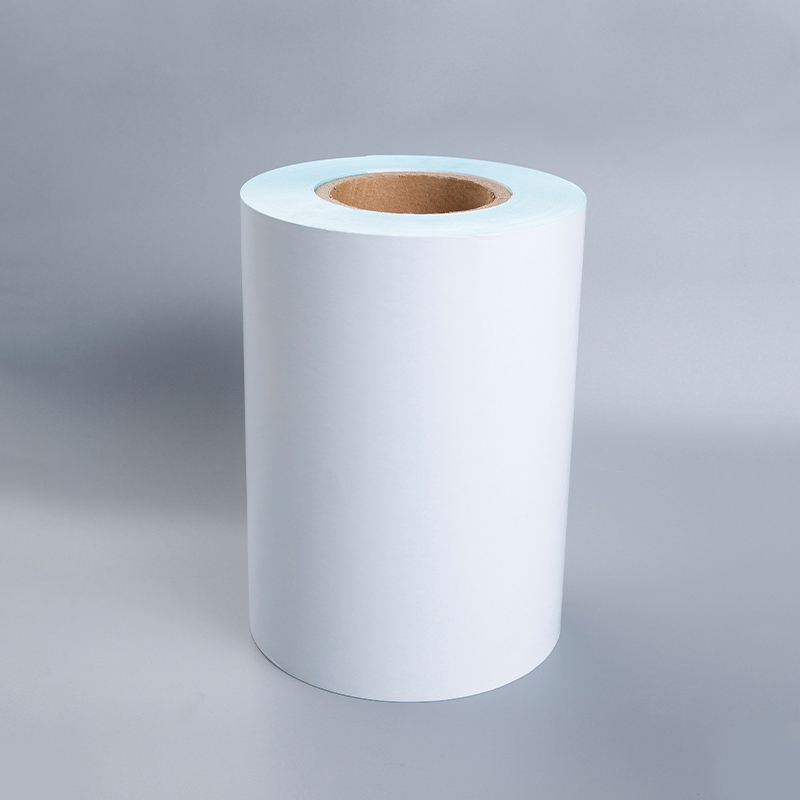
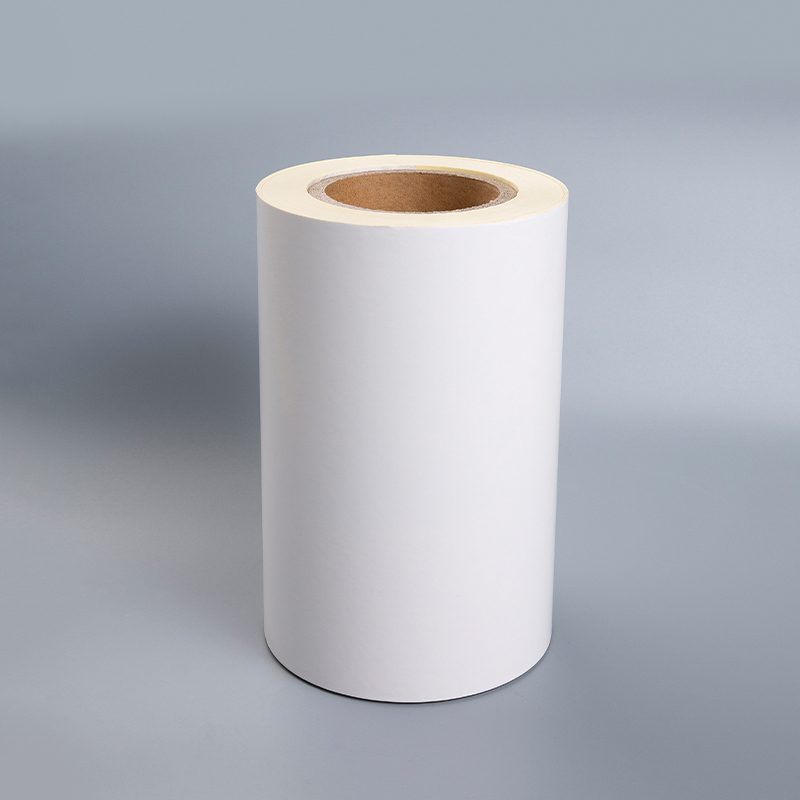
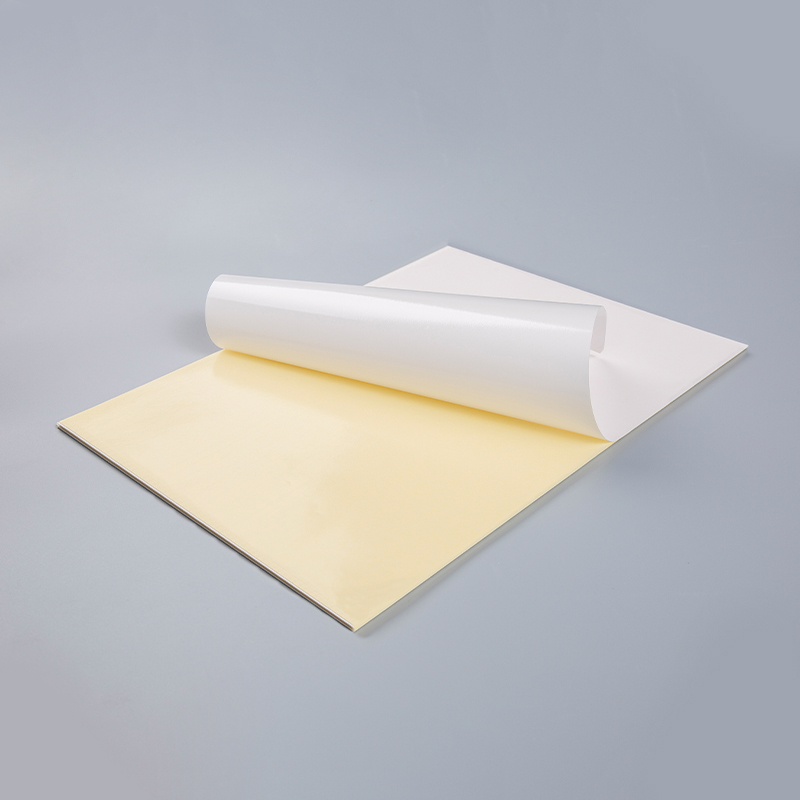
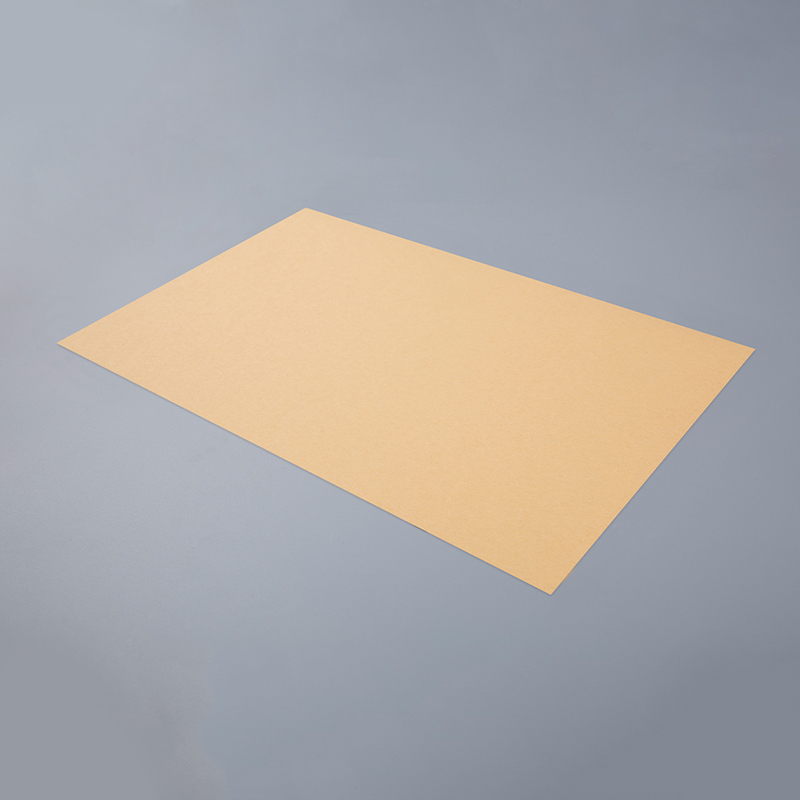
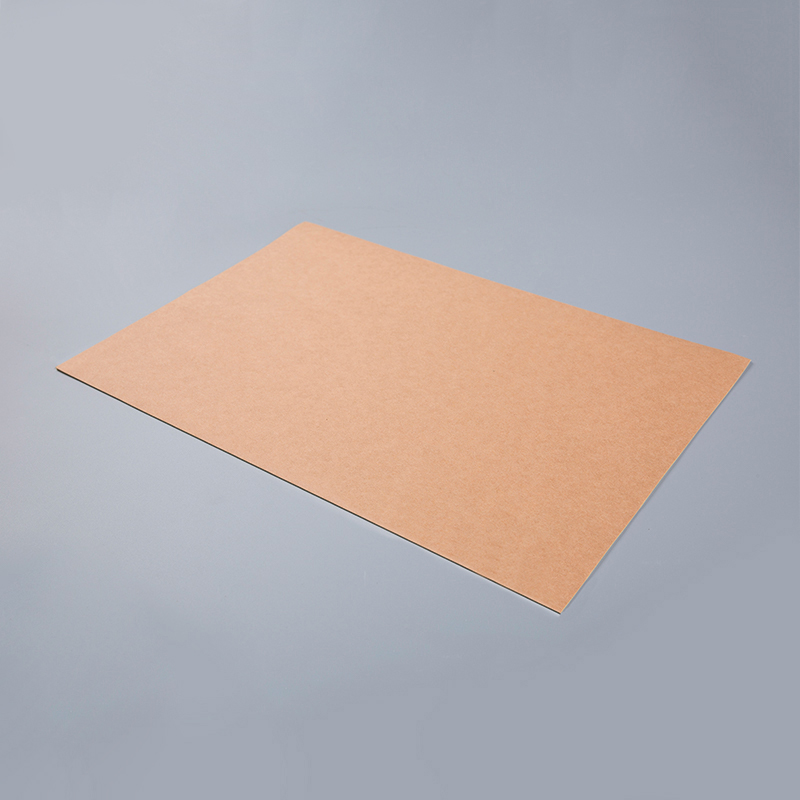
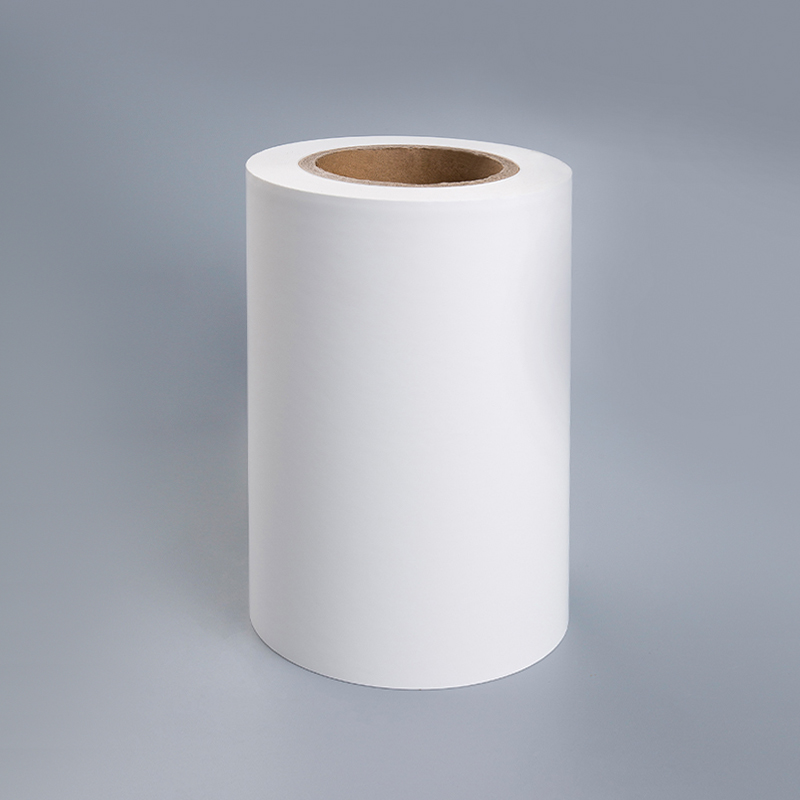
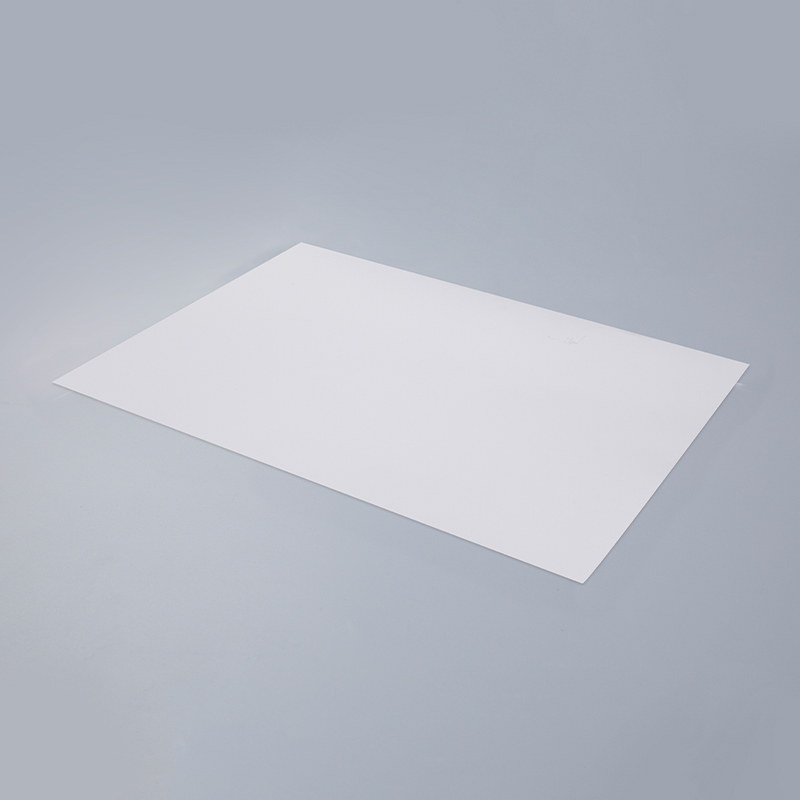
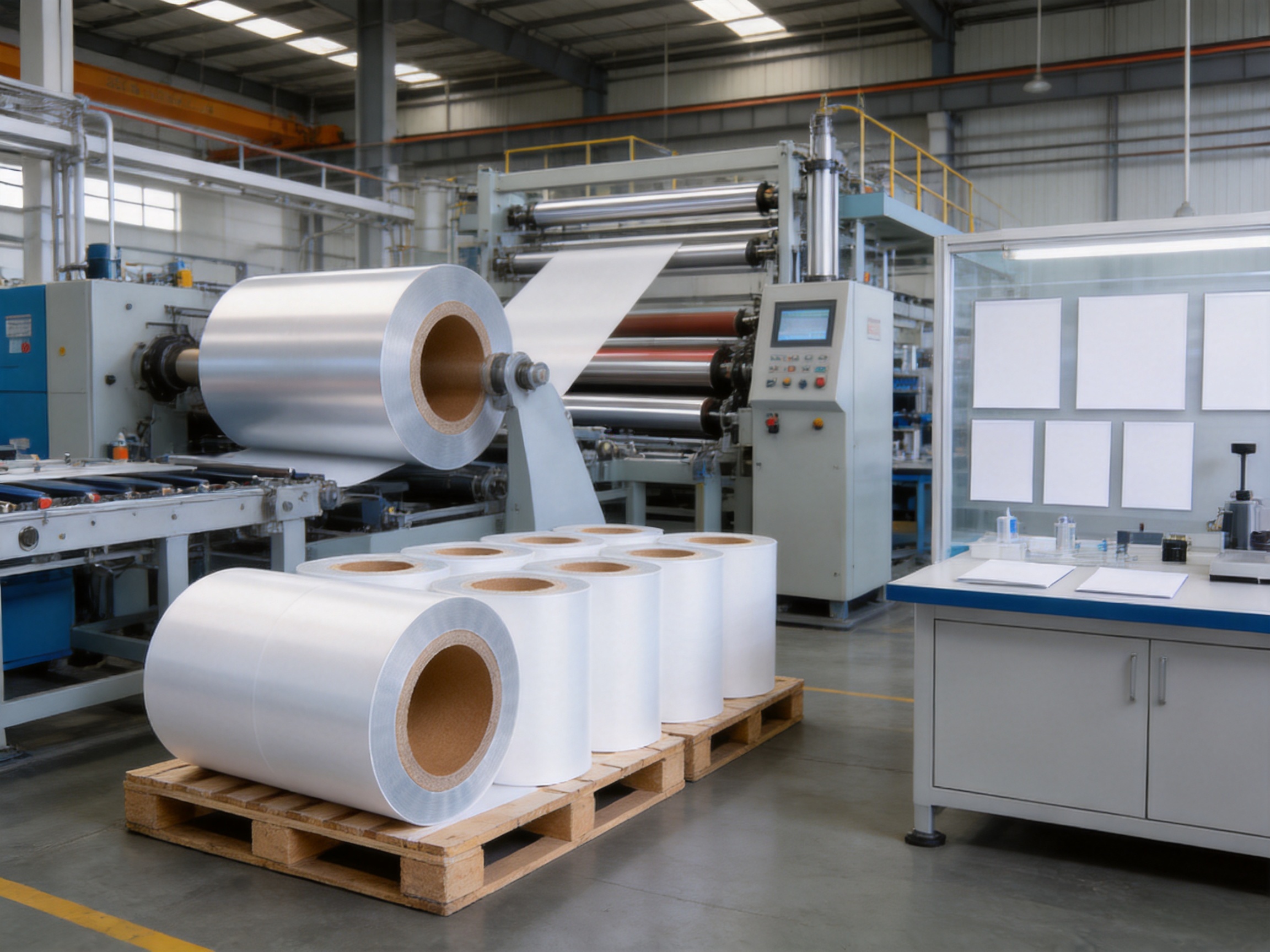
Matt Silver PET with White Glassine Liner is a premium self-adhesive label material designed for applications that require visual sophistication, dimensional stability, strong adhesion, and dependable performance in demanding environments. Its combination of a matt silver PET face material, a configurable adhesive system, and a white glassine release liner gives converters and brand owners a versatile construction for high-quality labels, product identification, packaging, asset tracking, and industrial marking.
Unlike ordinary paper labels or low-performance decorative films, this material is designed to withstand moisture, abrasion, temperature changes, chemicals, ultraviolet exposure, and repeated handling. The matt silver surface creates a refined metallic appearance without the excessive reflectivity associated with highly glossy foils. This makes it suitable for modern product designs that require an understated, technical, or premium visual effect.
The product is manufactured by Suzhou Piaozhihua Composite Material Technology Co., Ltd., a specialized producer of self-adhesive label materials with more than 20 years of OEM manufacturing experience. The company integrates research and development, adhesive coating, laminating, slitting, sheeting, quality inspection, sales, and after-sales support. With multiple production lines and an annual capacity exceeding 280 million square meters, the manufacturer is equipped to serve both standard material requirements and highly customized orders.
For buyers comparing self-adhesive films, the main value of this construction lies in its balance. It offers a metallic appearance without sacrificing printability, a durable synthetic face without the brittleness of some foil materials, and a white glassine liner that supports efficient converting and dispensing. Different adhesive chemistries, liner weights, face thicknesses, roll widths, sheet formats, and surface treatments can also be selected to match the intended application.
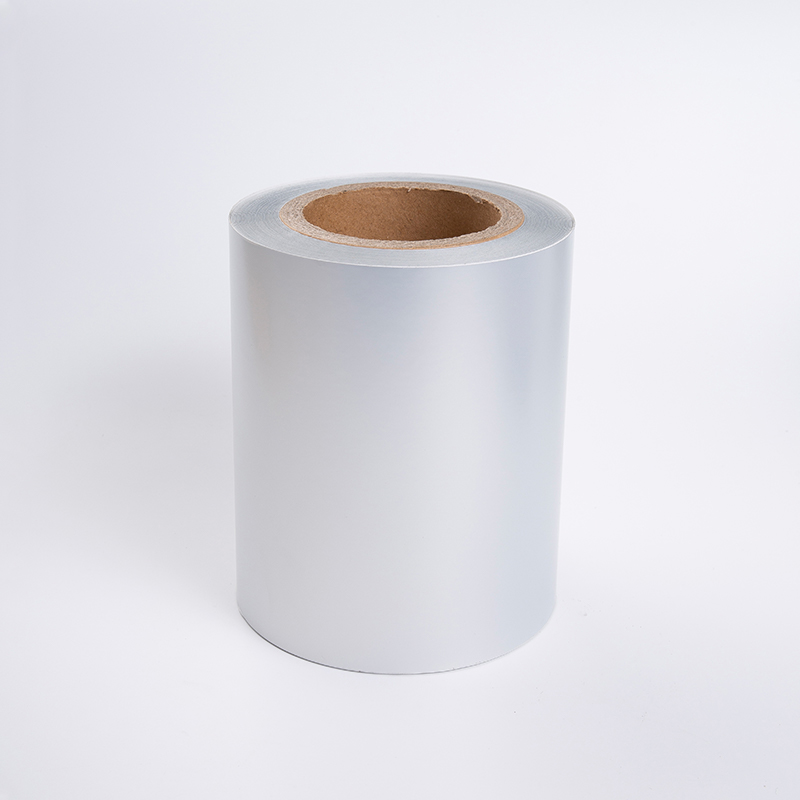
Matt Silver PET With White Glassine Liner
Content
- 1 1. Product Construction and Functional Design
- 2 2. Main Performance Advantages
- 3 3. Printing, Die-Cutting, and Converting Performance
- 4 4. Applications in Key Industries
- 5 5. Advantages Compared with Common Alternatives
- 6 6. Manufacturing Capabilities and Quality Strengths
- 7 7. Customization Options for Different Requirements
- 8 8. Packaging and International Delivery Protection
- 9 9. Sustainability and Responsible Material Development
- 10 10. Recommended Selection and Validation Process
- 11 11. Company Manufacturing and Service Advantages
- 12 12. Frequently Asked Questions
- 12.1 Q1: What is the standard face material in this product?
- 12.2 Q2: What is the standard liner?
- 12.3 Q3: Which adhesives are available?
- 12.4 Q4: Is the material suitable for outdoor labels?
- 12.5 Q5: Can the material be used for cosmetic packaging?
- 12.6 Q6: Can this material be printed digitally?
- 12.7 Q7: What roll widths are available?
- 12.8 Q8: What sheet sizes are available?
- 12.9 Q9: Is the material suitable for high-speed die-cutting?
- 12.10 Q10: How is the product packaged for international shipment?
- 12.11 Q11: Can the company produce according to customer samples?
- 12.12 Q12: What information should be supplied when requesting a quotation?
- 13 13. Conclusion
- 14 References
- 15 Product: Matt Silver PET With White Glassine Liner
1. Product Construction and Functional Design
A self-adhesive label material is more than a decorative surface. Its performance depends on the interaction of the face material, adhesive layer, and release liner. Matt Silver PET with White Glassine Liner is engineered as a laminated structure in which every layer contributes to the final label’s appearance, processing performance, and service life.
Matt Silver PET Face Material
The standard face material is 25-micron matt silver PET, with 50-micron, 100-micron, and 150-micron options available for applications requiring additional stiffness, opacity, dimensional stability, or mechanical strength. PET, or polyethylene terephthalate, is a synthetic film widely used in demanding label and packaging applications because it combines strength, relatively low elongation, surface stability, and resistance to moisture.
The matt silver finish is produced to deliver a consistent metallic effect across the label surface. Compared with bright silver films, the matt surface reduces harsh reflections and creates a more controlled visual appearance under retail lighting, warehouse lighting, or outdoor conditions. It can also help reduce the visibility of fingerprints, minor handling marks, and small surface imperfections.
The face material is suitable for labels that need to maintain their shape and graphic alignment during printing, die-cutting, application, transportation, and product use. Its synthetic construction is more resistant to tearing than conventional paper materials. This characteristic is particularly useful for narrow labels, small-format labels, wraparound applications, and labels exposed to frequent handling.
White Glassine Release Liner
The standard liner configuration is a white glassine liner. Glassine is a smooth, dense, translucent-to-white paper commonly used as a release liner for self-adhesive products. It provides a stable carrier for the adhesive-coated face material and supports accurate feeding through label presses, die-cutting equipment, laminating machines, and dispensing systems.
A white glassine liner can also provide a clean contrast during inspection and processing. It helps operators identify the outline of the label matrix, monitor die-cutting accuracy, and handle rolls or sheets efficiently. The liner protects the adhesive before application while allowing the label to be released in a controlled manner when required.
The manufacturer can provide alternative liner constructions, including 50-gram, 60-gram, 80-gram, 100-gram, and 120-gram glassine papers. Other available choices include CCK liners, release papers, art papers, and transparent PET liners. This range allows customers to select a liner according to label size, dispensing method, converting speed, storage conditions, and end-use requirements.
Adhesive Options
The product can be supplied with water-based adhesive as a standard option, while hot-melt, solvent-based, anti-freeze, removable, cryogenic, and tyre-grade rubber adhesives are also available. The adhesive should be selected according to the substrate, application temperature, service temperature, required permanence, environmental exposure, and regulatory requirements.
Water-based adhesive is suitable for many general-purpose labeling applications and can offer a balanced combination of coating uniformity, bonding performance, and production efficiency. Hot-melt adhesive may be selected when rapid initial tack and strong bonding are important. Solvent-based adhesive can be considered for applications involving demanding substrates or aggressive environmental exposure.
Anti-freeze adhesive is designed for applications that involve cold storage, refrigerated logistics, or low-temperature application conditions. Removable adhesive is useful when a label must be removed cleanly or repositioned with limited residue. Cryogenic adhesive is available for specialized low-temperature environments, while tyre-grade rubber adhesive is intended for difficult rubber surfaces and related industrial uses.
Because adhesive performance depends heavily on the application surface and environmental conditions, customers should confirm the precise adhesive specification through sampling and application testing. The availability of multiple adhesive choices is nevertheless a major advantage over standard label stocks that offer only one fixed adhesive formulation.
2. Main Performance Advantages
High Durability and Tear Resistance
One of the most important advantages of a PET self-adhesive film is its resistance to tearing and mechanical damage. Paper labels can wrinkle, split, or lose structural integrity when exposed to water, oil, rough handling, or repeated friction. Matt silver PET provides a stronger synthetic face that is better suited to products moving through automated packaging lines, distribution centers, industrial facilities, and outdoor environments.
The material is especially valuable where labels must remain attached and legible throughout a product’s service life. Examples include identification labels on electronic equipment, warning labels on machinery, component labels in automotive production, and durable packaging labels for cosmetics and personal care products.
Its strength also supports high-speed die-cutting and complex converting operations. A stable film can help reduce tearing during matrix removal, improve the handling of small label shapes, and support consistent production when labels include narrow borders, intricate contours, or internal cutouts.
Water and Moisture Resistance
Moisture resistance is a central difference between synthetic film labels and standard uncoated paper labels. Matt silver PET does not absorb water in the same manner as ordinary paper. As a result, the face material is better suited to humid environments, condensation, splashing, cleaning operations, and products stored in refrigerated or outdoor locations.
Water resistance is particularly useful for personal care packaging, beverage-related applications, household products, cleaning products, and industrial containers. A label that remains stable when exposed to water helps preserve brand presentation and product information. It can also reduce the risk of label failure caused by swelling, edge lifting, or surface distortion.
Although the PET face material has strong moisture resistance, the complete label construction still depends on adhesive selection and substrate compatibility. Porous, textured, oily, dusty, or low-energy surfaces may require a specialized adhesive or surface preparation. For this reason, performance should be evaluated using the actual product container and expected environmental conditions.
Heat and Chemical Stability
The material is designed for applications where labels may encounter elevated temperatures, chemicals, oils, or cleaning agents. PET offers good dimensional stability compared with many conventional films, helping the label retain its form during processing and use.
This makes the product suitable for industrial equipment, automotive components, electronic devices, machinery, and chemical containers. In these applications, the label may be exposed to lubricants, mild solvents, cleaning fluids, or repeated temperature changes. A durable face material can help protect printed information from premature deterioration, while the correct adhesive can help maintain bonding under the same conditions.
Chemical resistance is not identical for every ink, coating, or adhesive combination. The surface treatment and printing system should therefore be selected according to the chemicals expected in the application. Testing with the intended ink, varnish, cleaning agent, and substrate is recommended before large-scale production.
Ultraviolet and Outdoor Performance
Outdoor labels must withstand sunlight, rain, temperature changes, dust, and repeated handling. The matt silver PET construction is suitable for applications requiring improved resistance to weather-related degradation. Its synthetic face helps maintain physical integrity in humid or exposed conditions, while suitable printing inks and surface treatments can improve resistance to fading.
For long-term outdoor use, the complete system should be designed as a combination of face material, adhesive, ink, protective coating, and application substrate. A label intended for outdoor machinery, electrical cabinets, transport equipment, or installation components may require UV-resistant inks or an additional protective varnish. The manufacturer can support customized surface treatments and adhesive solutions for these requirements.
Fingerprint Resistance and Refined Appearance
The matt silver finish provides a visual advantage over high-gloss films and ordinary white labels. It gives products a technical, premium, or contemporary appearance while reducing the intensity of reflected light. The controlled surface texture can also help minimize the visual impact of fingerprints and light handling marks.
This is beneficial for electronics, cosmetics, personal care products, premium accessories, automotive components, and industrial products where packaging design must communicate quality and reliability. The metallic background can be used as a design element or combined with opaque white printing, dark colors, transparent effects, bar codes, and variable information.
Designers can use the silver surface to create contrast and depth. Dark typography can provide a strong industrial appearance, while white and pastel graphics can create a modern premium effect. Depending on the printing process and ink system, the silver base may be selectively covered or allowed to show through as part of the visual design.
3. Printing, Die-Cutting, and Converting Performance
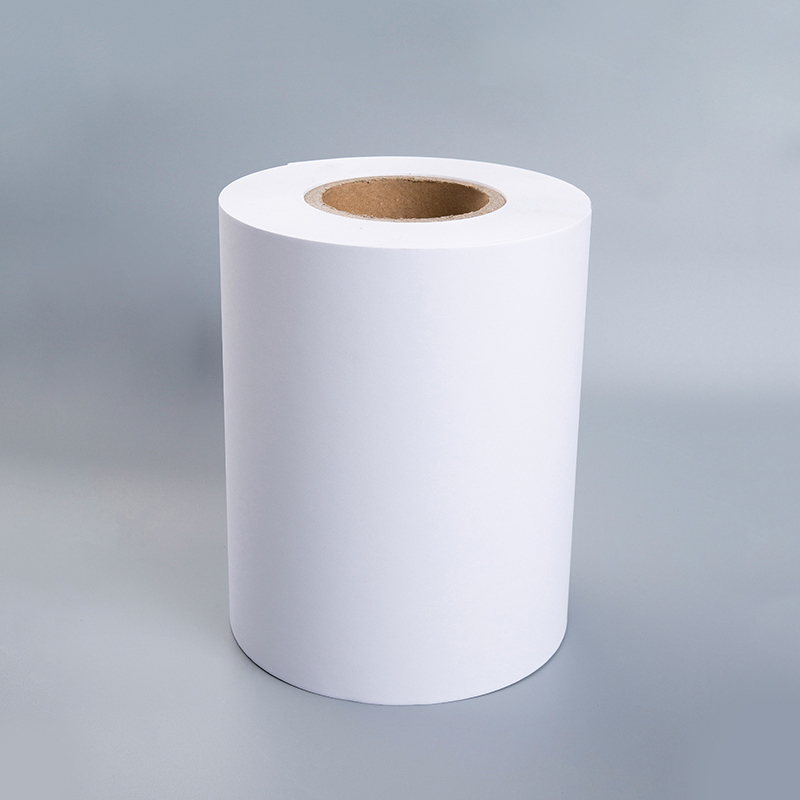
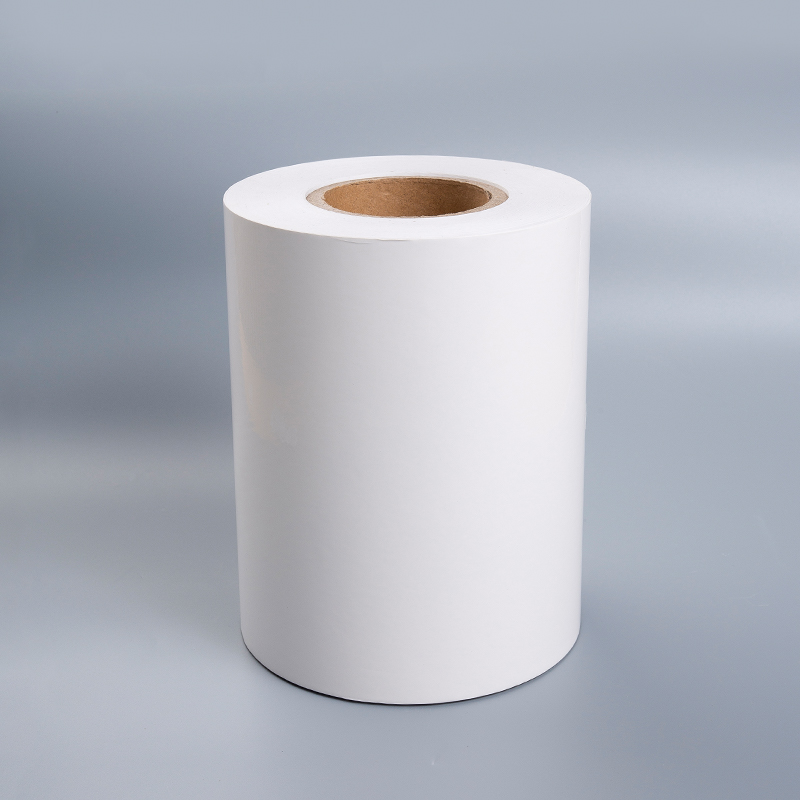
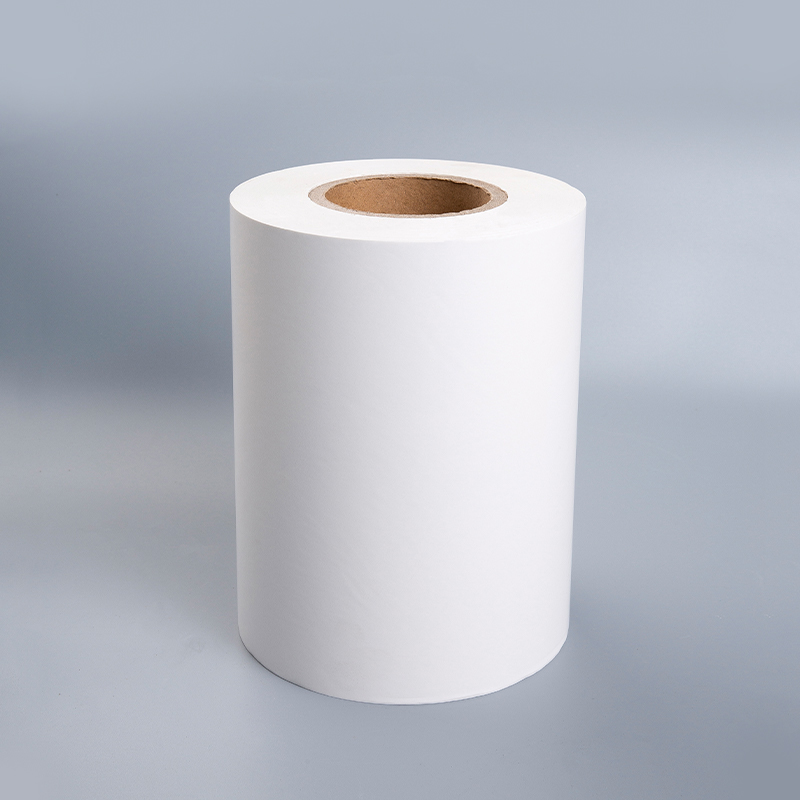
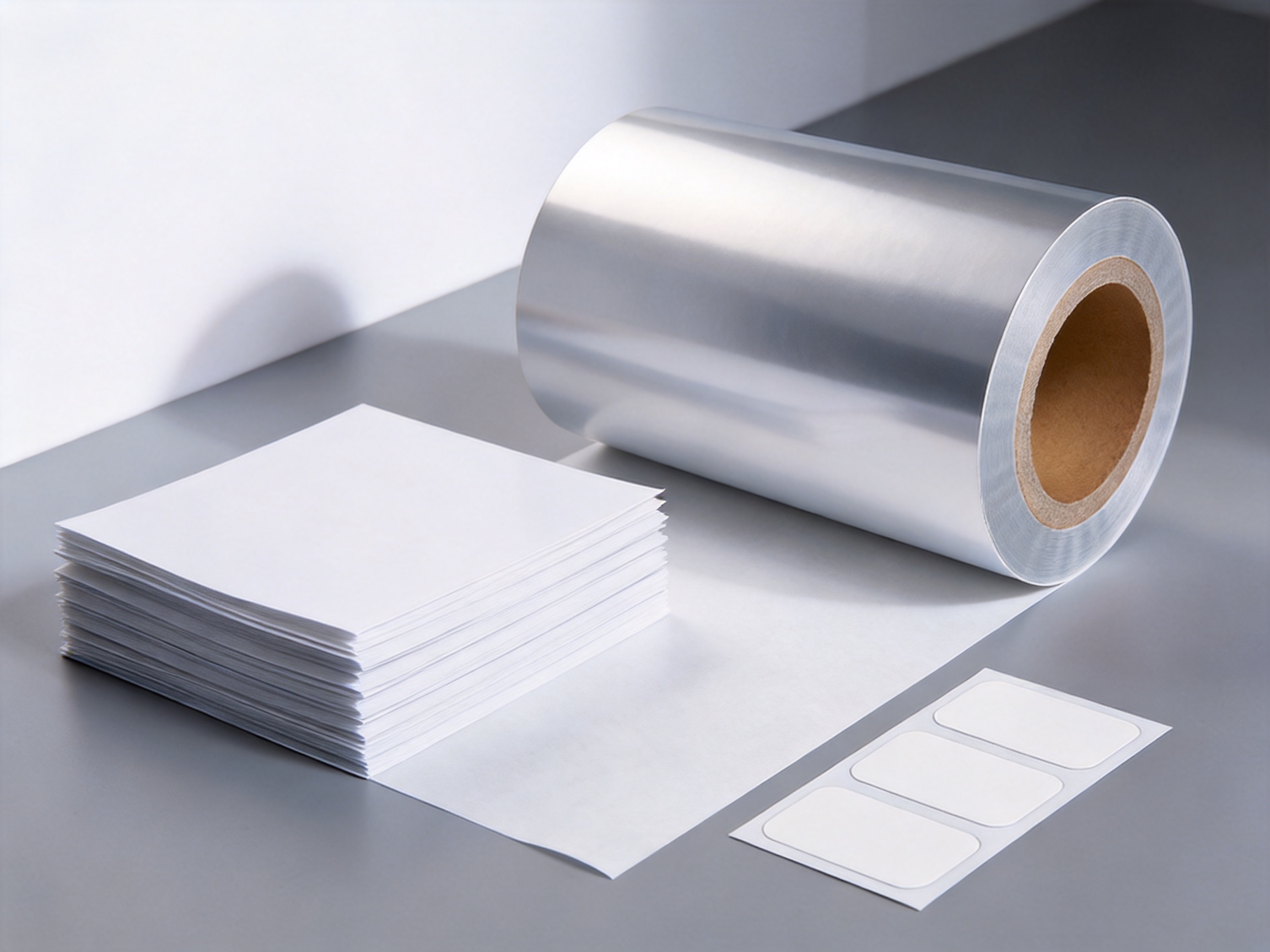
Matt silver PET with white glassine liner is intended for a wide range of printing and converting systems. It can be supplied in jumbo rolls or sheets, allowing converters to select the format that matches their production equipment and order volume.
Compatibility with Printing Systems
The surface can be prepared for different printing requirements through material optimization and surface treatment. Customers may request a configuration suitable for digital printing, flexographic printing, offset printing, screen printing, or other commercial and industrial processes, subject to technical confirmation.
Digital printing is useful for short runs, variable data, personalized labels, prototypes, and frequent artwork changes. The metallic base can help create an attractive visual effect without requiring a separate foil-laminating operation. Flexographic printing is often suitable for high-volume label production, while offset or screen printing may be selected for particular graphic effects, ink deposition requirements, or specialty applications.
Ink adhesion is influenced by the film coating, ink chemistry, curing process, and storage conditions. Printers should verify ink compatibility and perform rub, scratch, moisture, and chemical-resistance tests. Where necessary, a primer, overprint varnish, or protective coating can be specified to improve the final performance.
High-Speed Die-Cutting
The stable PET face and suitable release liner support efficient die-cutting. Accurate die-cutting is essential for labels with small dimensions, complex profiles, close spacing, or high registration requirements. A properly balanced face-and-liner construction can help reduce web breaks and improve matrix stripping during production.
The liner weight should be selected according to label shape, die pressure, machine speed, and matrix removal requirements. Heavier liners can provide additional support for larger labels or complex shapes, while lighter liners may be suitable for applications where reduced material consumption and efficient dispensing are priorities.
Converters can request jumbo rolls in widths of 1,000 millimeters, 1,020 millimeters, 1,080 millimeters, or 1,530 millimeters. Custom widths may also be discussed according to production equipment and order requirements. The availability of multiple widths helps reduce unnecessary trim waste and can simplify production planning.
Sheeting and Small-Batch Flexibility
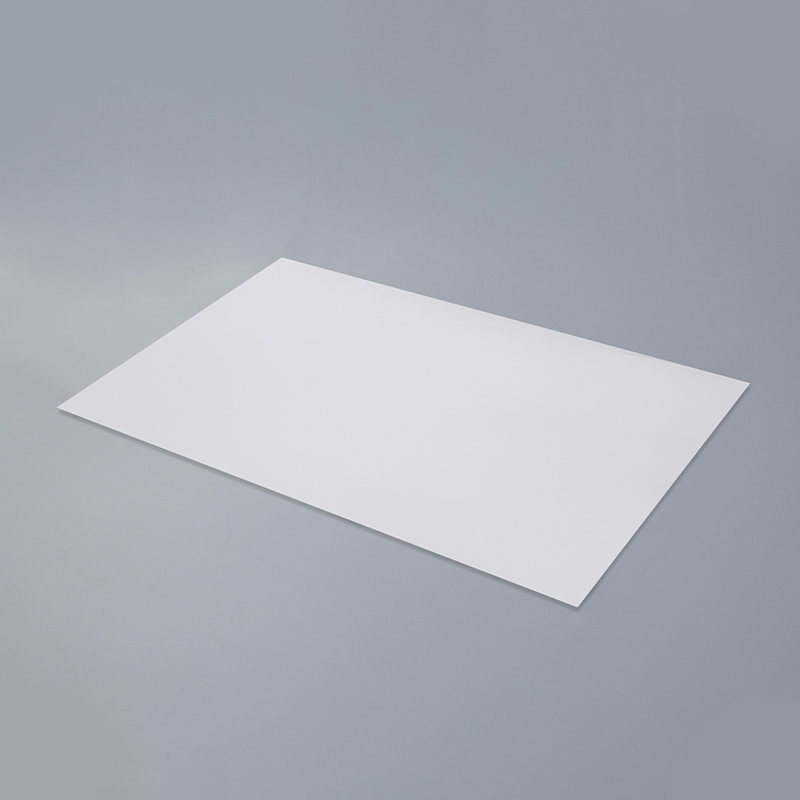
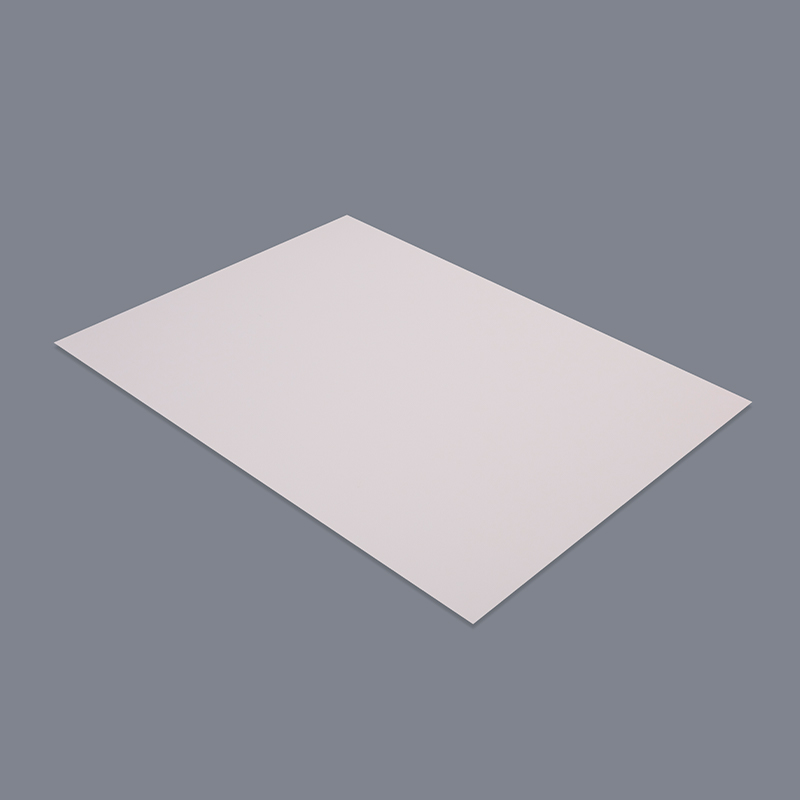
In addition to rolls, the material can be supplied in sheet formats such as A4, A3, 20 by 30 centimeters, 21 by 30 centimeters, 24 by 36 inches, 50 by 70 centimeters, and 70 by 100 centimeters. Custom sheet sizes are available.
Sheeted material is useful for digital printing, office-compatible label production, sample development, low-volume packaging, and customers that do not operate roll-fed equipment. It can also support regional distribution, where different customers require ready-to-print sheet formats rather than jumbo rolls.
For ream packaging, the standard arrangement is 100 sheets per ream. Each ream is sealed with PE-coated kraft paper to provide protection against moisture and dust. Reinforced edges help reduce corner and edge damage during storage and transport.
4. Applications in Key Industries
Electronics and Electrical Products
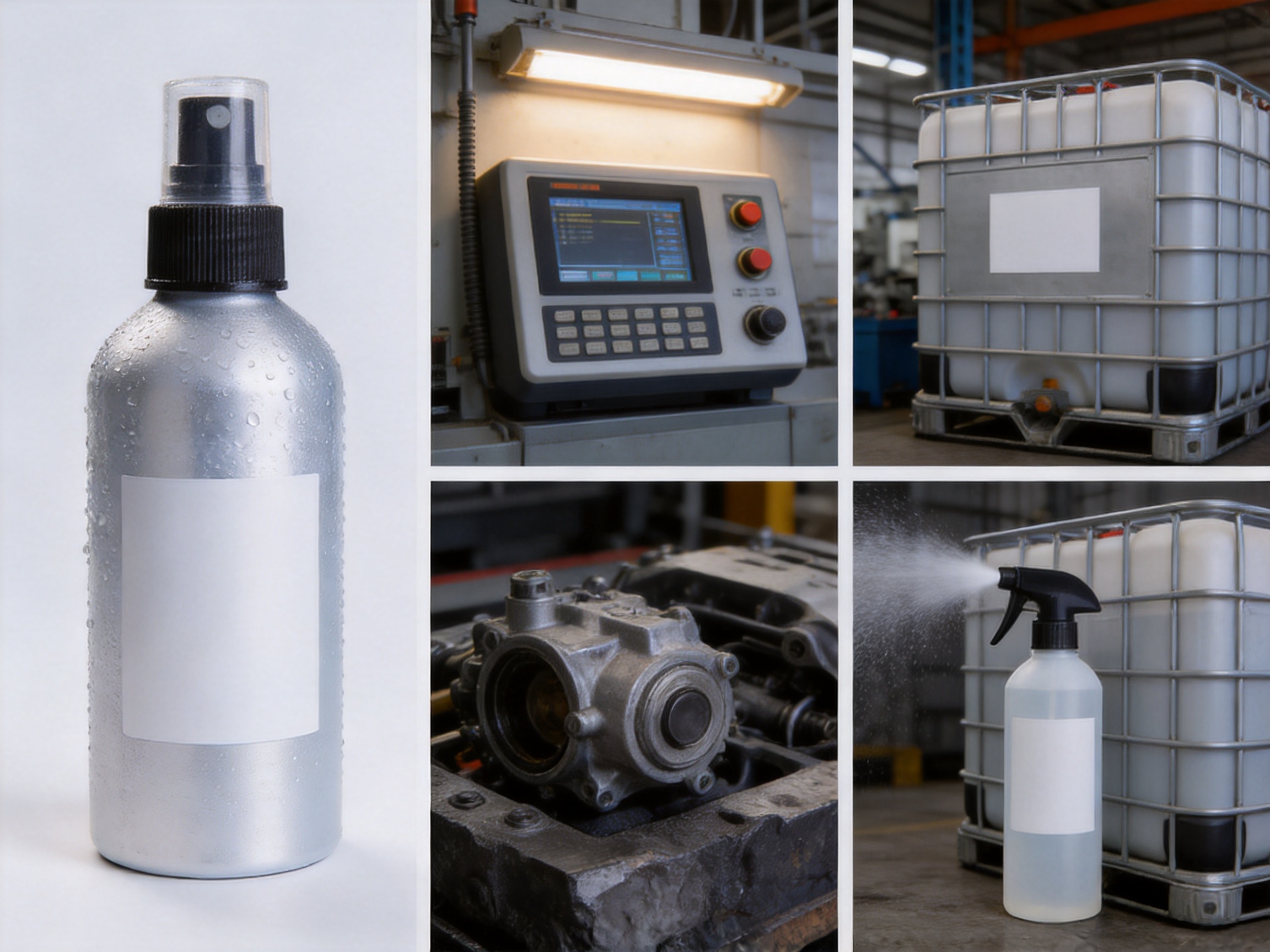
Electronics manufacturers often need labels that combine appearance, dimensional stability, abrasion resistance, and reliable adhesion. Matt silver PET can be used for labels on smartphones, computers, appliances, batteries, chargers, electronic components, and automotive electrical systems.
The metallic appearance complements the technical character of electronic products. At the same time, the synthetic face is better suited to handling during assembly, inspection, packaging, and distribution than many paper alternatives. Labels can carry serial numbers, regulatory information, bar codes, model details, operating instructions, or brand graphics.
For electronics exposed to heat, cleaning agents, or friction, customers can evaluate a suitable adhesive and protective coating. A thinner 25-micron face may support flexible applications and efficient material use, while thicker 50-micron, 100-micron, or 150-micron options may be selected where higher stiffness or additional durability is required.
Cosmetics and Personal Care
Cosmetic packaging requires strong shelf appeal as well as resistance to water, oils, lotions, and frequent handling. Matt silver PET can create a premium appearance on skincare bottles, fragrance packaging, hair-care containers, cosmetic boxes, and personal care accessories.
The low-glare metallic finish is suitable for minimalist, luxury, clinical, and modern packaging designs. It can be combined with high-contrast typography, fine line graphics, opaque white areas, and selective gloss effects. The film structure helps the label remain attractive when exposed to bathroom humidity, condensation, oils, or repeated contact.
For products used in wet environments, the adhesive and container surface should be evaluated together. Curved bottles, squeezable tubes, textured containers, and low-energy plastics can require adhesive optimization. The manufacturer’s customization capability allows customers to investigate alternative adhesive types and surface treatments for these conditions.
Industrial Equipment and Machinery
Industrial labels must often remain readable and attached in environments involving dust, grease, chemicals, vibration, outdoor exposure, and temperature variation. Matt silver PET is appropriate for equipment identification, control-panel labels, asset tags, safety information, rating plates, maintenance labels, and component tracking.
Its metallic appearance can resemble traditional industrial nameplates while offering the processing convenience of a pressure-sensitive label construction. This can reduce the need for mechanical fasteners or separate metal plates in applications where a printed synthetic label is sufficient.
For machinery installed outdoors, the label system should be specified with suitable UV-resistant printing and adhesive performance. Customers may also request protective coatings or customized surface treatments to improve resistance to abrasion and chemicals.
Automotive and Transport Components
Automotive components are frequently exposed to heat, vibration, oils, cleaning agents, and difficult substrates. PET label materials are commonly considered for under-hood identification, component tracking, logistics labels, replacement-part information, and packaging for automotive products.
The availability of tyre-grade rubber adhesive is useful for specialized applications involving rubber surfaces or demanding bonding conditions. However, application trials remain essential because rubber compounds, plasticizers, surface energy, and operating temperatures differ between products.
Logistics and Product Identification
For logistics, warehousing, and asset management, the label must remain legible from printing through transportation and final use. The material can be used for bar codes, serialized labels, carton identification, pallet labels, and durable product tracking where moisture or rough handling is expected.
Digital printing and variable-data capability make the material suitable for short-run or customized identification programs. The matt surface can provide a professional appearance while the PET face helps protect the label from tearing during handling.
5. Advantages Compared with Common Alternatives
Compared with Standard Paper Labels
Standard paper labels are economical and suitable for many indoor applications, but they can be vulnerable to water, tearing, abrasion, and environmental changes. Matt silver PET offers stronger resistance in these areas and provides a more distinctive appearance.
Paper may still be preferable for temporary indoor labels, highly porous surfaces, or applications where the lowest initial cost is the primary consideration. However, when label replacement, product presentation, or environmental exposure is important, the longer service life of a synthetic film can provide better overall value.
Compared with Glossy Silver Film
Glossy silver film creates a bright and reflective appearance, but it may produce glare under strong lighting and show fingerprints more readily. Matt silver PET offers a softer metallic effect that is easier to view from different angles and may better suit premium or technical branding.
The choice depends on design intent. Glossy silver may be preferred for maximum brilliance, whereas matt silver is often selected for refined presentation, reduced glare, and a contemporary surface texture.
Compared with Aluminum Foil Labels
Aluminum foil can provide an authentic metallic appearance and strong barrier properties, but it may be more susceptible to creasing, cracking, or permanent deformation during handling and converting. PET offers film flexibility, dimensional stability, and strong tear resistance while still delivering a metallic visual effect.
For applications that require a true metal barrier or specific foil performance, aluminum may remain appropriate. For durable decorative and identification labels that prioritize flexible processing and consistent appearance, matt silver PET can be a more practical alternative.
Compared with Uncoated Synthetic Films
White or clear synthetic films provide durability but may not offer the same premium metallic appearance. Matt silver PET combines the advantages of a synthetic face with an integrated decorative finish, reducing the need for an additional decorative layer in many designs.
This can simplify the material structure, support efficient printing, and provide a consistent appearance across production batches when the coating and laminating processes are properly controlled.
| Performance Factor | Matt Silver PET with White Glassine Liner | Standard Paper Label | Glossy Silver Film |
|---|---|---|---|
| Visual effect | Refined, low-glare metallic appearance | Traditional paper appearance | Bright, highly reflective metallic appearance |
| Moisture resistance | High, subject to adhesive and printing system | Limited unless specially coated | Generally high |
| Tear resistance | High synthetic-film strength | Lower than synthetic film | High |
| Fingerprint visibility | Reduced by matt surface | Usually low, depending on coating | May be more visible |
| Processing flexibility | Suitable for rolls, sheets, printing, and die-cutting | Broadly printable but less durable | Suitable for many processes, with higher glare |
| Available thicknesses | 25, 50, 100, and 150 microns | Various paper grammages | Various film thicknesses |
| Adhesive choices | Water-based, hot-melt, solvent, removable, cryogenic, and others | Often more limited | Depends on supplier and construction |
6. Manufacturing Capabilities and Quality Strengths
The performance of a self-adhesive material depends heavily on manufacturing control. Inconsistent coating weight, poor laminating, uneven slitting, liner damage, or inadequate inspection can affect label release, print quality, die-cutting, and final adhesion. The manufacturer addresses these requirements through integrated production capabilities.
Integrated Production Lines
The company operates production lines covering gluing, laminating, and cutting. This integrated structure allows the major stages of material production to be coordinated within one manufacturing organization. It can also improve communication between technical, production, and quality teams when customers require a customized construction.
Gluing control is important because adhesive distribution affects initial tack, ultimate adhesion, edge lifting, residue, and processing performance. Laminating control is important because the face material, adhesive, and liner must remain evenly bonded without wrinkles, bubbles, telescoping, or excessive curl. Cutting and slitting control determines whether rolls and sheets can run efficiently on customer equipment.
Research and Development
The company maintains a professional research and development team and reports multiple patents related to its products and processes. R&D capabilities support the development of different face materials, adhesive systems, release liners, surface treatments, and finished formats.
This is particularly important for customers whose requirements do not match a standard catalog product. A label may need to adhere to a curved plastic surface, remain bonded during freezing, resist a cleaning chemical, support a specific digital printing process, or meet a special sheet and roll dimension. Technical development allows the material structure to be adjusted instead of forcing the customer to compromise with an unsuitable standard grade.
Testing and Inspection
An in-house testing laboratory and advanced inspection equipment support quality assurance. Testing may involve evaluation of adhesive properties, release behavior, coating uniformity, dimensional stability, appearance, print compatibility, and resistance to environmental conditions.
Quality inspection is valuable at several stages: incoming raw materials, coating and laminating, roll conversion, finished-product release, and pre-shipment packaging. Consistent inspection helps reduce defects that could otherwise appear during printing or application.
Customers with critical applications should define acceptance criteria in advance. These may include face thickness, liner grammage, roll width, splice limits, adhesive coat weight, release force, appearance tolerance, winding direction, core size, and packaging requirements. Clear specifications allow the manufacturer and buyer to align production and inspection procedures.
Large-Scale Production Capacity
With annual production capacity exceeding 280 million square meters, the company is positioned to support both trial orders and large-volume supply programs. Scale can help improve production planning, raw-material coordination, and supply continuity for customers using self-adhesive materials on a regular basis.
Large capacity is especially relevant to brand owners and converters that need consistent supply across multiple product lines or markets. At the same time, the company’s OEM and ODM experience supports smaller customized projects, allowing customers to begin with sampling and move toward repeat production after validation.
7. Customization Options for Different Requirements
Face Material Customization
The standard construction uses 25-micron matt silver PET, but thicker 50-micron, 100-micron, and 150-micron versions are available. Thicker films may provide greater stiffness, opacity, or resistance to handling. They can also be considered for labels that must bridge small surface irregularities or remain more rigid during application.
Surface appearance can be adjusted through matt silver, glossy silver, or other specialty coating options. This allows customers to align the label material with their brand identity, product category, and printing process.
Adhesive Customization
Adhesive selection is one of the most important customization decisions. A permanent adhesive may be needed for long-term identification, while a removable adhesive may be preferred for temporary labels, rental equipment, retail promotions, or reusable containers.
Cold-chain, freezer, cryogenic, tyre, and industrial applications can require specialized formulations. The correct choice depends on surface composition, application temperature, storage temperature, final service temperature, humidity, exposure to chemicals, and expected label lifespan.
Liner Customization
Liner selection influences processing efficiency and dispensing behavior. Glassine, CCK paper, release paper, art paper, and transparent PET liner options are available in different weights or thicknesses.
A paper liner may be suitable for general-purpose converting and cost control. A transparent PET liner can be considered when dimensional stability, transparency, or specialized converting performance is required. Heavier liners may support large or complex labels, while lighter liners can reduce material consumption where the application permits.
Roll and Sheet Customization
Jumbo roll widths of 1,000, 1,020, 1,080, and 1,530 millimeters are available, with other sizes subject to confirmation. Finished rolls can be prepared according to customer requirements for width, diameter, core, winding direction, and quantity.
Sheet sizes include A4, A3, 20 by 30 centimeters, 21 by 30 centimeters, 24 by 36 inches, 50 by 70 centimeters, and 70 by 100 centimeters. Custom dimensions can help reduce production waste and improve compatibility with customer printing systems.
Customization should be discussed before production so that the material structure, winding, packaging, and inspection requirements can be coordinated as one specification. This is more efficient than changing only one component after a production trial has already begun.
8. Packaging and International Delivery Protection
Self-adhesive materials can be damaged by moisture, pressure, impact, dust, and poor roll handling during transportation. The company uses packaging designed for international sea transportation and long-distance logistics.
Fumigation-treated recycled wooden pallets are used to comply with global transportation requirements while providing resistance to insects and mold. The pallet design supports stable stacking and balanced weight distribution, helping reduce the risk of roll deformation during shipment.
Protective corner guards are embedded to reduce edge damage. Rolls are tightly wrapped with stretch film to help protect against dust and moisture. Standardized forklift slots improve handling efficiency and reduce the risk of improper lifting during loading and unloading.
For ream packaging, 100 sheets are packed in each ream. PE-coated kraft paper seals the ream against moisture and dust, while reinforced edges help protect the sheets from bending and impact. Multiple reams are stacked on pallets and secured with high-strength stretch film and anti-slip plastic straps to reduce movement during transport.
Proper packaging is particularly important for silver films because scratches, dents, liner deformation, or edge damage can affect both appearance and converting performance. Secure packaging helps preserve the condition of the product from factory dispatch to customer production.
9. Sustainability and Responsible Material Development
Modern label buyers increasingly consider environmental performance alongside price, appearance, and durability. The company’s product development approach includes eco-friendly solutions involving face materials, adhesives, and backing papers. This creates opportunities to evaluate the complete label construction rather than focusing on one layer alone.
The supplied product information describes the substrate as recyclable and biodegradable. Because PET and paper components have different recycling characteristics, customers should confirm the precise construction, local recycling requirements, and applicable claims before making environmental statements on packaging or marketing materials.
Material optimization can contribute to sustainability by reducing unnecessary thickness, minimizing production waste, extending label service life, and selecting an adhesive and liner appropriate to the application. A durable label that does not need frequent replacement may also reduce consumption over the product lifecycle.
The use of recycled wooden pallets and protective packaging designed for international transport can support responsible logistics. Reusable or recyclable packaging components may be evaluated according to the customer’s supply chain and destination-market requirements.
For regulated applications, customers should request appropriate technical documentation, safety information, and compliance confirmation. Food-contact, cosmetic, pharmaceutical, electronic, and industrial products may each have different requirements depending on the label’s location, printing system, adhesive, and intended use.
10. Recommended Selection and Validation Process
Selecting the correct self-adhesive film should begin with a clear application review. The buyer should identify the substrate, label dimensions, surface curvature, application temperature, service temperature, exposure conditions, printing method, die-cutting method, expected lifespan, and removal requirements.
Step One: Define the Substrate
Common substrates include coated cartons, glass, metals, painted surfaces, ABS, polypropylene, polyethylene, PET containers, rubber, and powder-coated equipment. Each surface has different levels of smoothness, porosity, surface energy, and resistance to adhesive bonding.
Cleanliness is also important. Dust, oil, silicone, moisture, mold-release agents, and fingerprints can reduce adhesion. The label should be applied to a clean and dry surface unless the adhesive has been specifically designed for a more difficult condition.
Step Two: Define the Environment
Buyers should record the lowest and highest temperatures encountered during application, storage, transportation, and final use. Humidity, water contact, ultraviolet exposure, abrasion, chemical contact, vibration, and outdoor exposure should also be considered.
A general-purpose water-based adhesive may be sufficient for indoor packaging, while freezer, cryogenic, tyre, outdoor, or industrial conditions may require a specialized adhesive. Choosing the correct formulation at the beginning reduces the risk of application failure later.
Step Three: Test Printing and Converting
Trial printing should evaluate ink adhesion, color consistency, bar-code readability, drying or curing, scratch resistance, and appearance under the expected lighting conditions. Die-cutting trials should evaluate label release, matrix stripping, liner stability, waste removal, and web handling.
For variable-data labels, barcode verification should be performed after printing and after any protective coating has been applied. For small labels, the trial should include the narrowest gaps and most complex shapes planned for production.
Step Four: Test Application and Aging
Labels should be applied to the actual product or a representative substrate. Initial tack, repositionability, edge adhesion, and final adhesion should be recorded. Where the label will be exposed to heat, cold, water, chemicals, or sunlight, accelerated testing can provide useful comparative information.
Testing should be conducted using the final face material, adhesive, liner, ink, coating, and substrate combination. Results from one construction should not automatically be applied to another because changing the adhesive or liner can alter the final performance.
11. Company Manufacturing and Service Advantages
Suzhou Piaozhihua Composite Material Technology Co., Ltd. specializes in high-grade self-adhesive labels and related composite materials. Its business model integrates product development, manufacturing, sales, and after-sales service, giving customers a single technical contact for material selection and supply coordination.
The company has more than two decades of manufacturing experience and more than 20 years of OEM experience. This background is valuable for customers that require products made according to drawings, samples, technical data sheets, or established internal specifications.
Its production network serves customers in domestic and international markets. The company reports marketing coverage across Asia, Europe, the Americas, Africa, the Middle East, and other regions. International experience can help support export packaging, shipment planning, product documentation, and communication across different customer requirements.
The company also provides ODM and OEM services. ODM support may include the development of a material structure, adhesive selection, surface treatment, roll configuration, or sheet format. OEM production can be based on customer drawings or samples, subject to technical review and production feasibility.
Quality, integrity, innovation, responsibility, and win-win cooperation are identified as core operating values. These principles are relevant to self-adhesive material buyers because long-term supply depends on more than a single shipment. It requires stable quality, responsive technical support, realistic lead times, and a willingness to solve application problems collaboratively.
12. Frequently Asked Questions
Q1: What is the standard face material in this product?
The standard face material is 25-micron matt silver PET. Options in 50-micron, 100-micron, and 150-micron thicknesses are also available for applications requiring different levels of stiffness, opacity, or durability.
Q2: What is the standard liner?
The standard liner is white glassine paper. Alternative glassine weights, CCK liners, release papers, art papers, and transparent PET liners can be supplied depending on the customer’s converting and dispensing requirements.
Q3: Which adhesives are available?
Water-based adhesive is available, along with hot-melt, solvent, anti-freeze, removable, cryogenic, and tyre-grade rubber adhesive options. The adhesive should be selected according to the substrate, temperature, exposure conditions, and required permanence.
Q4: Is the material suitable for outdoor labels?
Matt silver PET is suitable for applications requiring weather and moisture resistance. For long-term outdoor use, the complete label system should include appropriate UV-resistant inks, coatings, and adhesive performance. Testing under actual conditions is recommended.
Q5: Can the material be used for cosmetic packaging?
Yes. It is suitable for many skincare, fragrance, personal care, and cosmetic packaging applications because the matt silver surface offers a premium appearance and the PET face provides resistance to moisture and handling. The adhesive and compliance requirements should be confirmed for the specific package and market.
Q6: Can this material be printed digitally?
The material can be prepared for digital printing and other printing processes, subject to the selected surface treatment and ink system. Customers should conduct a print trial to confirm ink adhesion, drying, color, barcode quality, and scratch resistance.
Q7: What roll widths are available?
Jumbo roll widths include 1,000 millimeters, 1,020 millimeters, 1,080 millimeters, and 1,530 millimeters. Custom roll widths can be discussed according to the customer’s equipment and production plan.
Q8: What sheet sizes are available?
Available sheet sizes include A4, A3, 20 by 30 centimeters, 21 by 30 centimeters, 24 by 36 inches, 50 by 70 centimeters, and 70 by 100 centimeters. Other sizes can be customized.
Q9: Is the material suitable for high-speed die-cutting?
The PET face and glassine liner construction are designed to support efficient die-cutting and complex processing. Actual performance depends on label geometry, die design, machine settings, liner weight, adhesive, and production speed.
Q10: How is the product packaged for international shipment?
Rolls are packed on fumigation-treated recycled wooden pallets with protective corner guards, stretch film, and suitable forklift access. Reams of 100 sheets are sealed with PE-coated kraft paper, stacked on pallets, and secured with stretch film and anti-slip plastic straps.
Q11: Can the company produce according to customer samples?
Yes. The company offers OEM and ODM services and can develop or produce materials based on customer drawings, samples, and technical requirements after feasibility evaluation.
Q12: What information should be supplied when requesting a quotation?
Customers should provide the face material and thickness, adhesive type, liner type, roll or sheet format, dimensions, quantity, printing process, substrate, application temperature, service environment, packaging requirements, and destination. Providing this information helps the manufacturer recommend a suitable construction and prepare an accurate quotation.
13. Conclusion
Matt Silver PET with White Glassine Liner is a versatile self-adhesive film for customers seeking a combination of premium appearance and dependable technical performance. Its matt metallic surface supports attractive product design, while the PET face provides improved resistance to tearing, water, abrasion, heat, chemicals, and outdoor exposure compared with many conventional paper labels.
The white glassine liner supports stable converting, die-cutting, and dispensing. Multiple adhesive systems allow the construction to be adapted to general packaging, cold-chain products, industrial equipment, automotive components, rubber surfaces, removable labeling, and specialized low-temperature applications.
Available roll widths, sheet formats, face thicknesses, liner choices, adhesive formulations, and surface treatments provide flexibility for converters and brand owners. The manufacturer’s integrated gluing, laminating, cutting, testing, and inspection capabilities further support consistent production and customized development.
With more than 20 years of manufacturing and OEM experience, large annual production capacity, an in-house testing laboratory, R&D resources, and international supply experience, Suzhou Piaozhihua Composite Material Technology Co., Ltd. is positioned to provide both standard and customized self-adhesive label solutions. For the best result, buyers should validate the complete label system through printing, application, environmental, and aging tests before full-scale production.
References
1. Technical product information supplied for Matt Silver PET with White Glassine Liner.
2. Technical information supplied by Suzhou Piaozhihua Composite Material Technology Co., Ltd. regarding adhesive, liner, roll, sheet, and customization options.
3. General principles of pressure-sensitive adhesive label construction and converting practice.
4. General guidance on PET film properties, synthetic label durability, and packaging-material selection.
5. General guidance on label printing, die-cutting, environmental testing, and industrial product identification.
6. General considerations for international pallet packaging, moisture protection, and long-distance transportation of self-adhesive materials.