
 English
 Español
 русский
 Français
 عربى
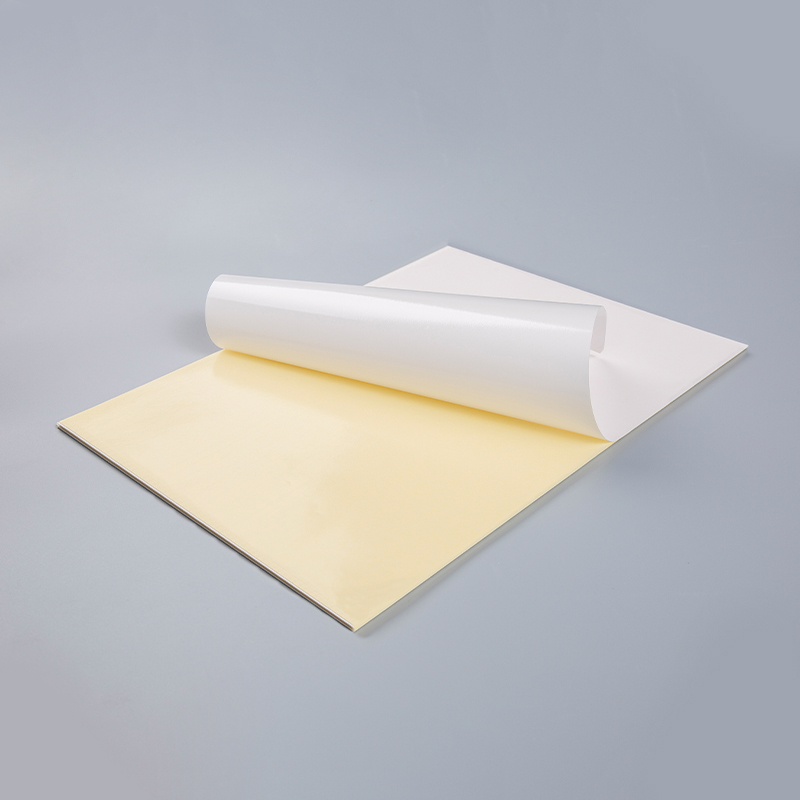
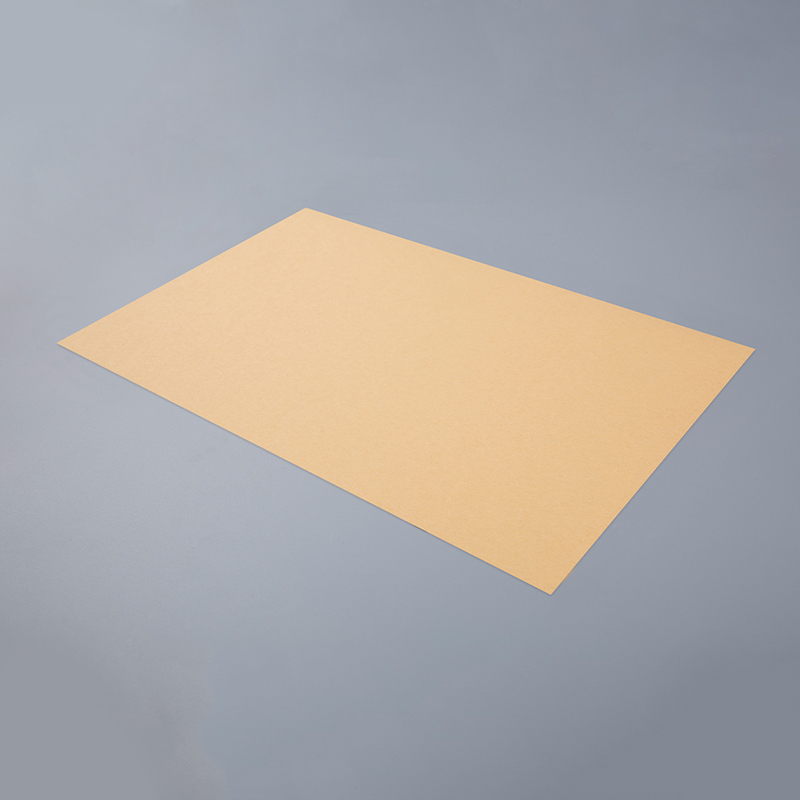
Imported Kraft Paper is a versatile paper-based material developed for applications that require a natural appearance, reliable converting performance, and a strong connection with handmade, traditional, or environmentally conscious visual styles. With an 80gsm imported kraft paper face material, multiple adhesive choices, and a broad range of liner options, this product can be configured for paper bags, envelopes, exercise books, outer stickers, seals, food packaging, takeaway packaging, tea packaging, snack packaging, and handmade products.
Unlike ordinary packaging paper, this material can be supplied as a self-adhesive construction. The combination of a kraft paper face, pressure-sensitive adhesive, and release liner allows users to print, die-cut, laminate, label, seal, and apply the material according to the needs of a wide variety of products. It can be delivered in jumbo rolls or sheets, with standard and customized dimensions available for commercial and industrial users.
The product is manufactured by Suzhou Piaozhihua Composite Material Technology Co., Ltd., a specialist producer of self-adhesive labels and composite materials in China. The company integrates research and development, adhesive coating, laminating, slitting, sheeting, sales, and after-sales support. Its production capability, broad adhesive portfolio, inspection resources, and OEM and ODM experience enable customers to obtain a kraft-based label or packaging material tailored to their actual application.
This article examines the structure, performance, application value, manufacturing process, customization potential, packaging, quality control, and competitive advantages of Imported Kraft Paper. It also explains how buyers can select the correct adhesive, liner, format, and delivery configuration for their products.
Imported Kraft Paper
Content
- 1 1. Product Overview
- 2 2. Why Kraft Paper Remains Important in Modern Packaging
- 3 3. Product Construction and Material Selection
- 4 4. Main Application Areas
- 5 5. Advantages Compared with Conventional Alternatives
- 6 6. Manufacturing Capabilities and Process Strengths
- 7 7. Quality Management and Customer Assurance
- 8 8. Packaging and Delivery
- 9 9. Selecting the Correct Product Configuration
- 10 10. Customization and OEM/ODM Support
- 11 11. Sustainability and Environmental Considerations
- 12 12. Why Work with an Integrated Manufacturer?
- 13 13. Practical Benefits for Different Buyers
- 14 14. Storage, Handling, and Application Recommendations
- 15 15. Ordering and Technical Communication
- 16 16. Frequently Asked Questions
- 16.1 Q1. What is the face material of Imported Kraft Paper?
- 16.2 Q2. Is the product available as rolls and sheets?
- 16.3 Q3. Which adhesive options are available?
- 16.4 Q4. Which liner is supplied with the product?
- 16.5 Q5. Can the material be used for food packaging?
- 16.6 Q6. Can the kraft material be printed?
- 16.7 Q7. Is removable adhesive available?
- 16.8 Q8. Is there an option for cold or frozen applications?
- 16.9 Q9. Does the company support OEM and ODM orders?
- 16.10 Q10. How are sheet products packed?
- 16.11 Q11. What is the company’s production capability?
- 16.12 Q12. How should buyers begin a customized project?
- 17 17. Conclusion
- 18 References
- 19 Product: Imported Kraft Paper
1. Product Overview
Imported Kraft Paper is built around an 80gsm kraft paper face material. Kraft paper is widely recognized for its organic surface appearance, warm color impression, and tactile quality. These characteristics make it especially suitable for products that need to communicate simplicity, authenticity, craftsmanship, and a retro atmosphere.
The paper can be used as a visible outer surface or as a self-adhesive label material. When used as a face material, it provides a paper-like texture that is different from the glossy appearance of conventional plastic films. When combined with an adhesive and release liner, it becomes a practical solution for product identification, sealing, decoration, packaging closure, and short-form brand communication.
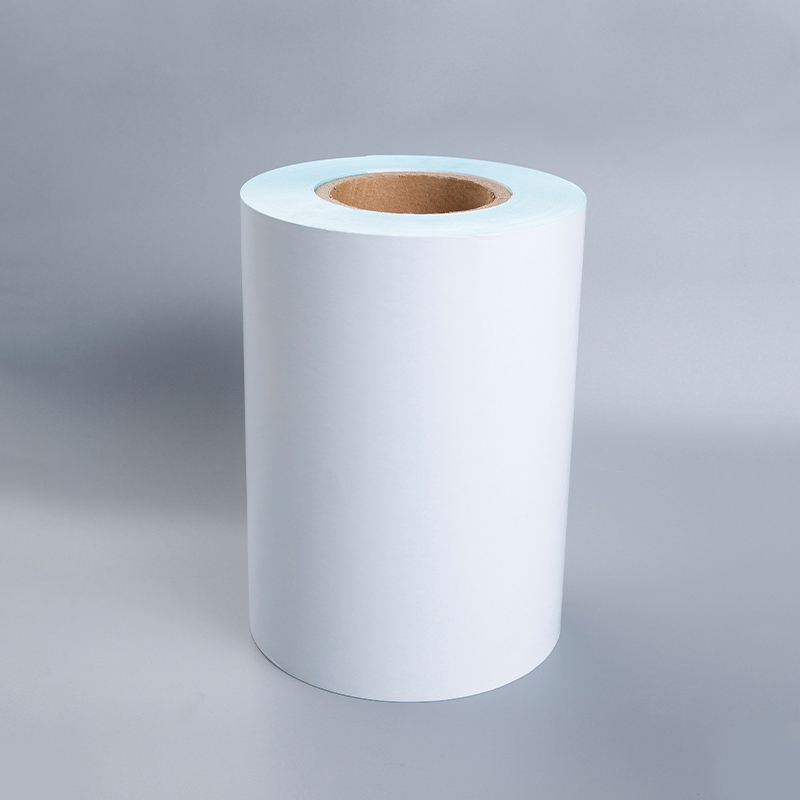
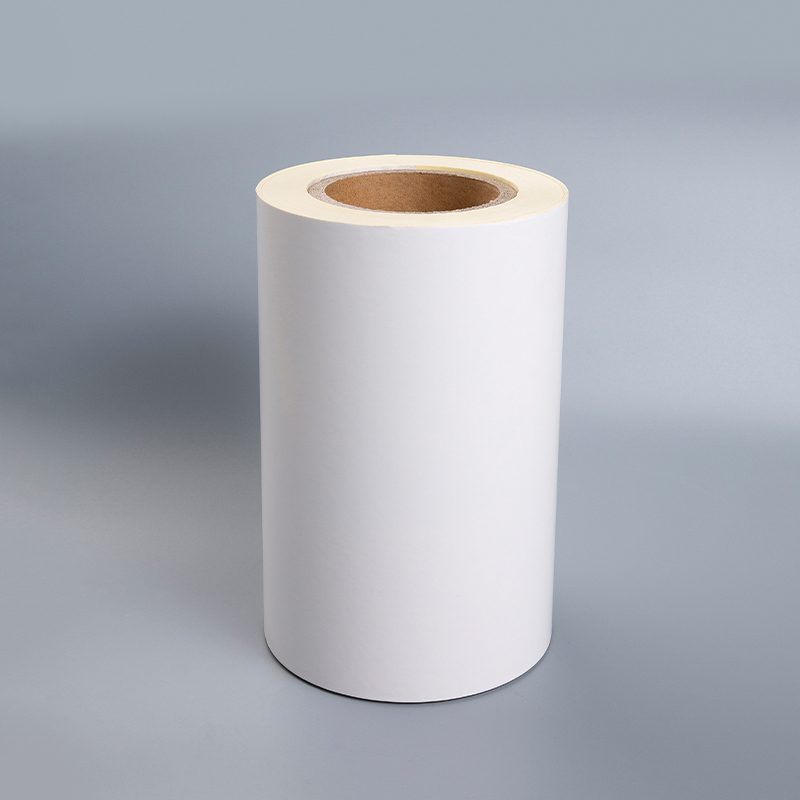
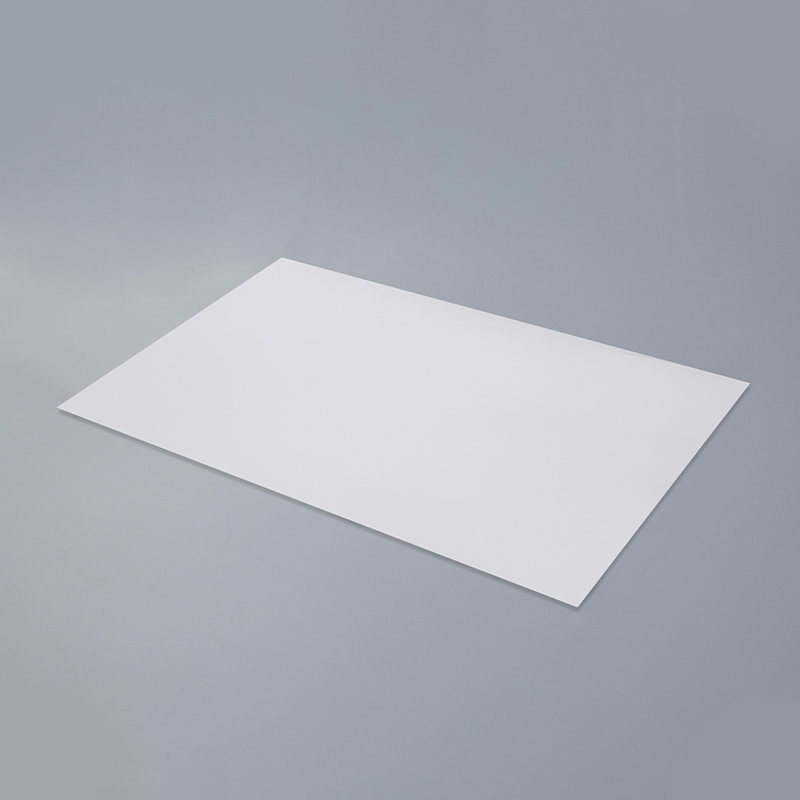
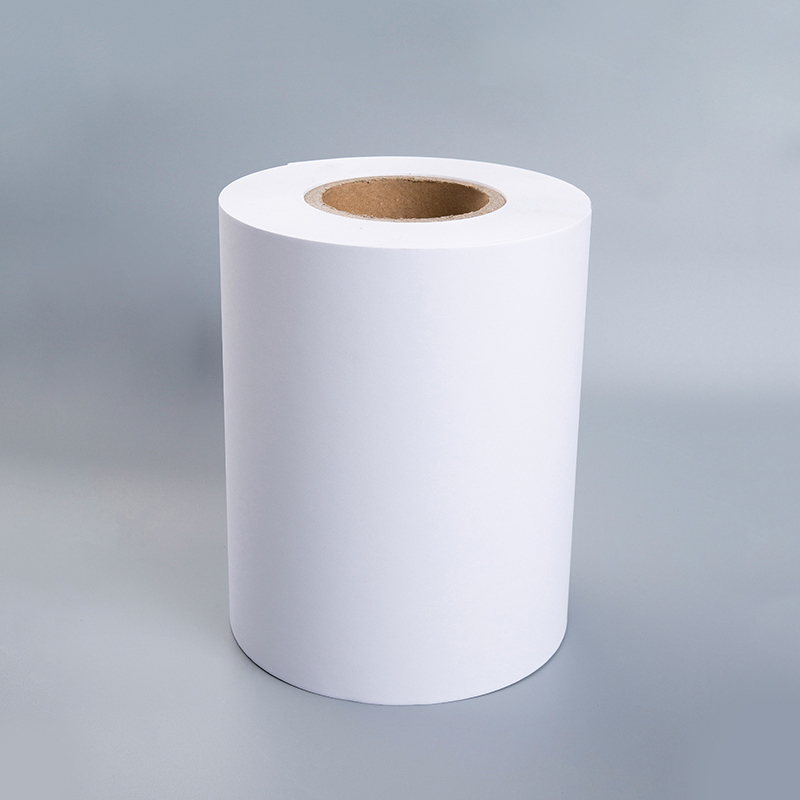
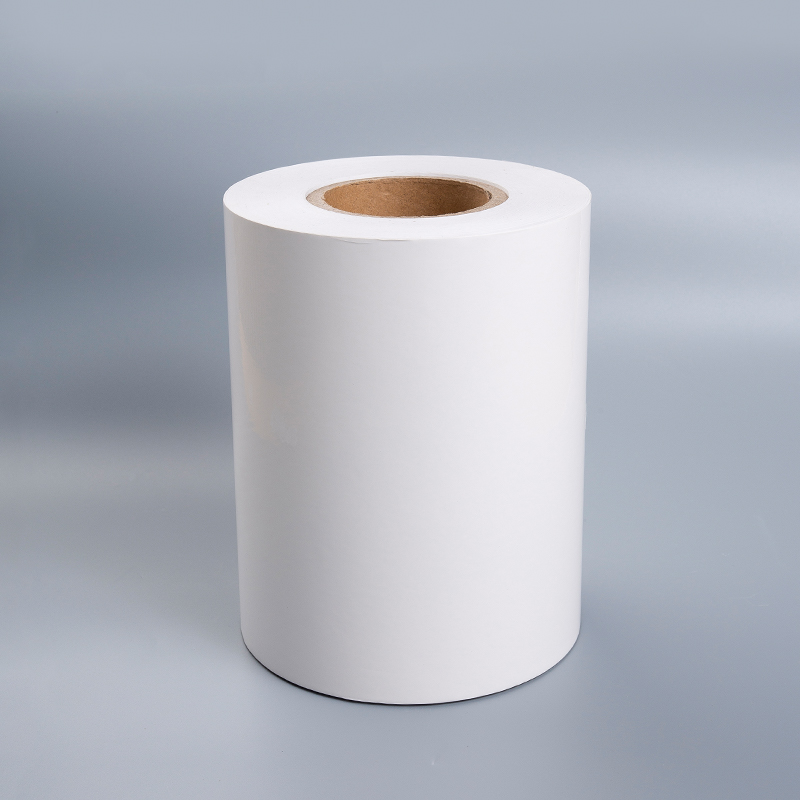
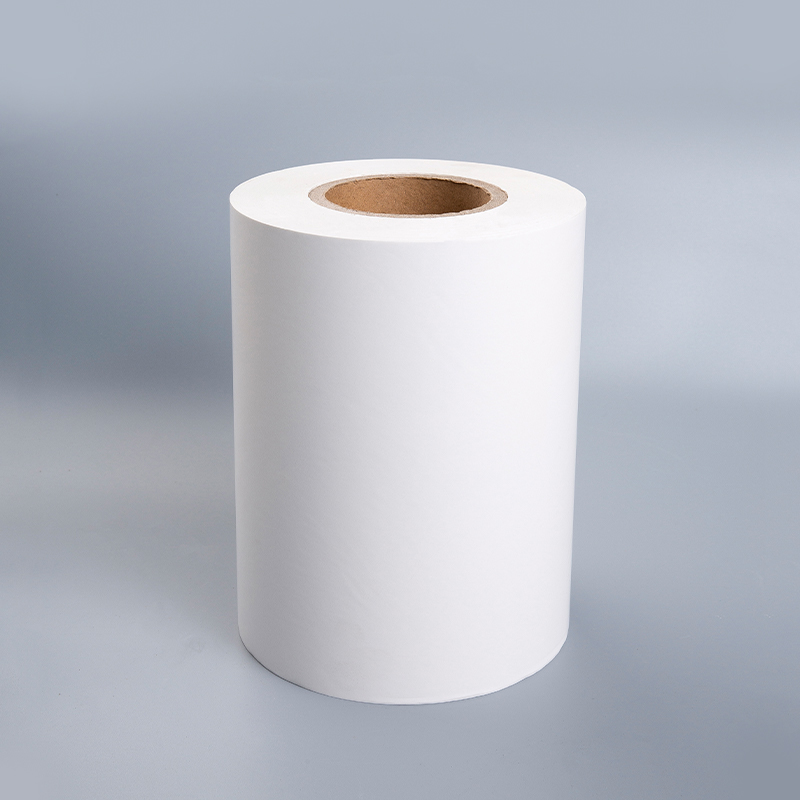
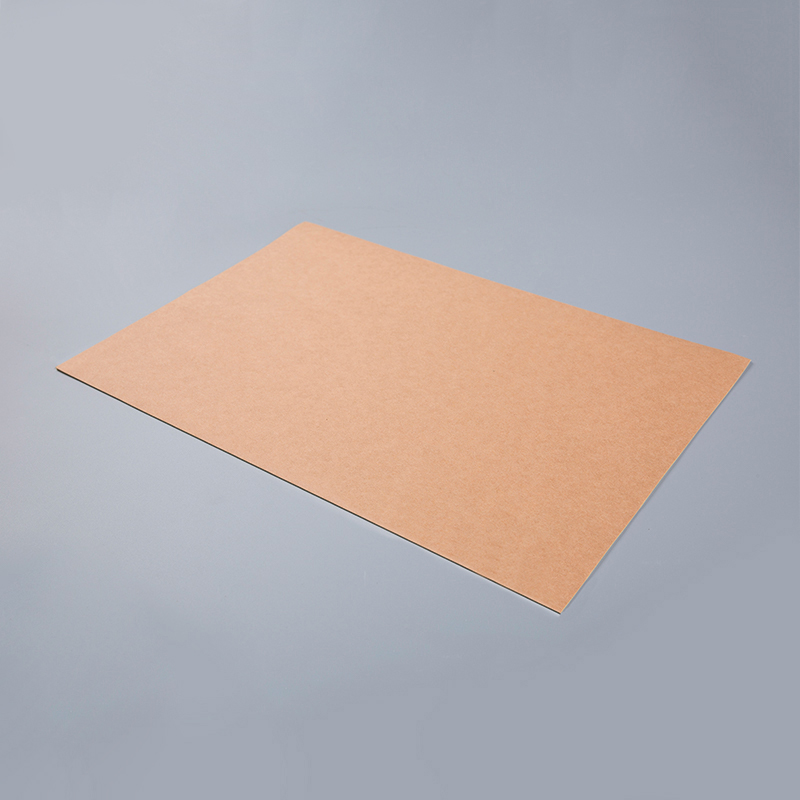
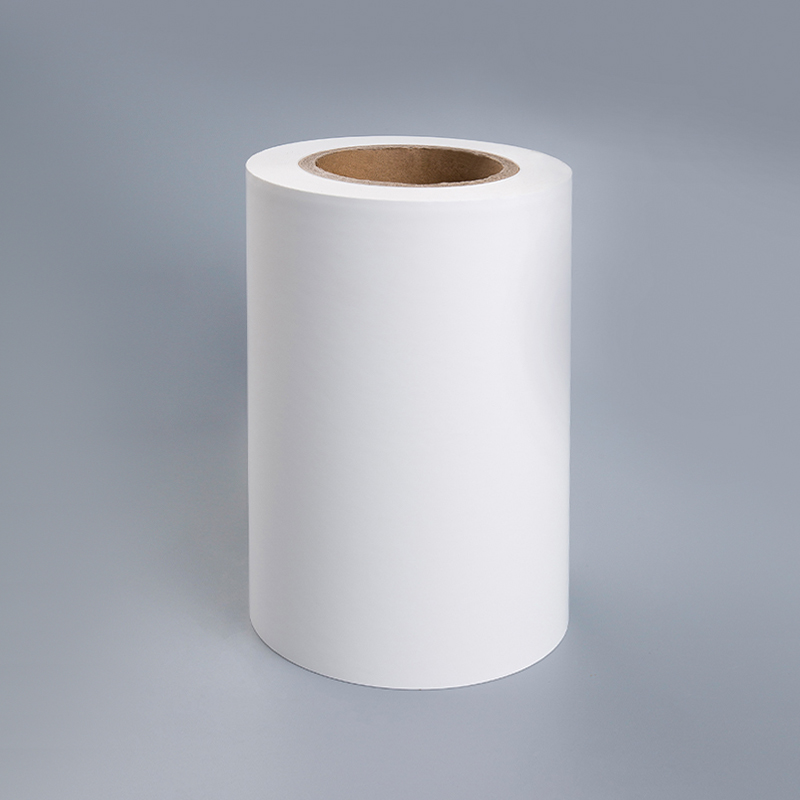
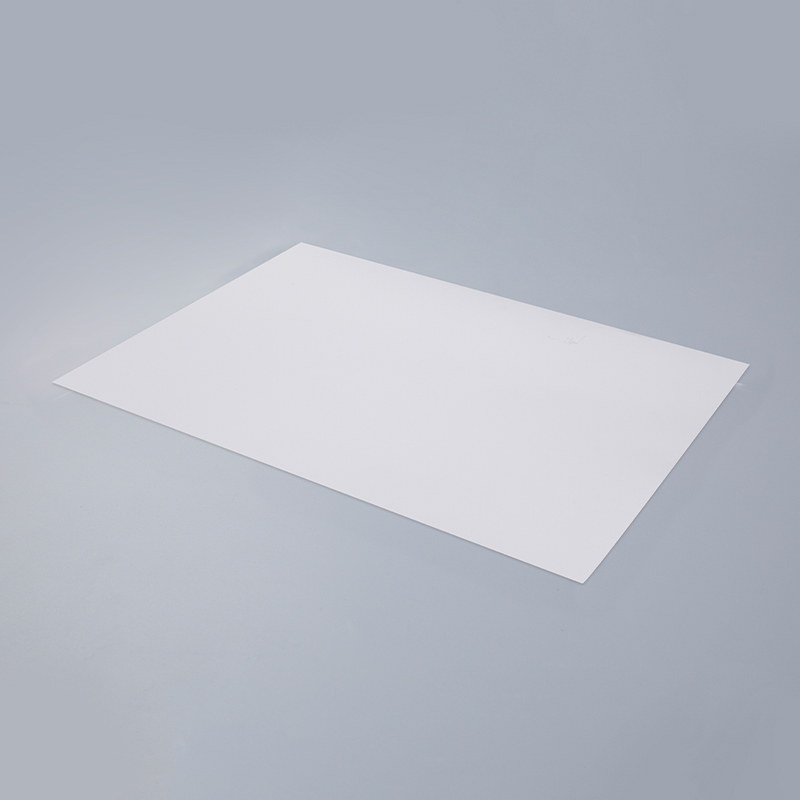
The product is offered in roll and sheet forms. Jumbo rolls are available in widths of 1000mm, 1020mm, 1080mm, and 1530mm. Sheet options include A4, A3, 20cm x 30cm, 21cm x 30cm, 24cm x 36cm, 50cm x 70cm, and 70cm x 100cm. Customized sizes can also be discussed according to printing equipment, die-cutting requirements, packaging dimensions, or production schedules.
The material is not limited to a single adhesive or liner specification. Hotmelt adhesive is available as a standard option, while water-based adhesive, solvent adhesive, removable adhesive, anti-freeze adhesive, cryogenic adhesive, and tyre-grade rubber adhesive can also be supplied. The liner range includes yellow release paper, glassine paper, release paper, art paper, and CCK liner in different grammages.
This flexible construction gives buyers greater control over the finished product. A food packaging customer may require a kraft appearance with a dependable permanent adhesive. A retailer may need a removable label for temporary displays. A cold-chain customer may need an anti-freeze or cryogenic adhesive. A manufacturer with high-speed converting equipment may prefer a specific liner stiffness and release behavior. The product can be configured to meet these different conditions.
2. Why Kraft Paper Remains Important in Modern Packaging
Packaging materials must perform two functions at the same time. They must protect, identify, or close the product, and they must communicate the product’s value to the customer. Kraft paper is attractive because it performs strongly in the second function while remaining practical for many of the first functions.
Its natural visual character is particularly useful for food, beverages, handmade goods, and lifestyle products. Snacks, tea, coffee-related products, bakery items, take-away meals, soaps, candles, stationery, and artisan products often benefit from packaging that looks personal rather than overly industrial. A kraft surface can help create an impression of warmth, simplicity, and trust.
In a competitive retail environment, packaging appearance can influence the first impression of a product. A highly reflective film may communicate modernity and technical sophistication, while kraft paper often communicates tradition, natural ingredients, manual production, and a lower-impact design philosophy. The correct choice depends on the product position, but kraft paper provides a distinctive alternative to standard white paper, coated paper, and plastic film.
Kraft paper is also compatible with a wide range of design styles. It can be printed with text, symbols, illustrations, logos, product information, and decorative patterns. Designers may deliberately combine the paper’s natural base tone with black ink, dark green, muted red, cream, or other colors to create a vintage or artisanal appearance. It can also be used as a background for modern minimalist designs.
For businesses producing smaller batches or multiple product variations, sheet formats can be convenient for digital printing, prototype development, local converting, and short-run label production. For larger manufacturers, jumbo rolls can support continuous processing, automated printing, slitting, and die-cutting. This ability to serve both flexible and industrial workflows is one of the product’s important commercial advantages.
3. Product Construction and Material Selection
3.1 80gsm Imported Kraft Paper Face Material
The 80gsm face material provides a balance between a lightweight structure and a substantial paper feel. It is suitable for labels, seals, external stickers, envelopes, paper products, and other applications where the user wants a recognizable kraft surface without excessive material thickness.
Face material selection affects print appearance, label flexibility, converting performance, and the tactile impression of the final package. The kraft paper structure is especially valuable when the visual identity of the package depends on an authentic paper surface. It gives the finished product a more natural appearance than many synthetic label materials.
The paper can be processed in roll form for industrial production or supplied in sheet form for printers, packaging workshops, stationery producers, and businesses that require more flexible handling. The available sheet sizes support common printing and craft workflows, while customized dimensions reduce material waste for special applications.
3.2 Adhesive Options
Adhesive selection is one of the most important factors in self-adhesive material performance. The same kraft face material may need to perform differently on cardboard, glass, coated paper, plastic, metal, flexible packaging, or textured surfaces. It may also be exposed to different temperatures, moisture conditions, transportation cycles, or removal requirements.
Hotmelt adhesive is available for applications requiring strong initial tack and efficient coating performance. It is commonly considered when fast bonding and reliable attachment are important. It can be suitable for general packaging labels, stickers, seals, and applications in which the label must adhere promptly after application.
Water-based adhesive is available for customers who prefer a water-based adhesive system for a specific production or environmental requirement. It may be selected when the converting process, end-use conditions, or customer standards favor this adhesive type.
Solvent adhesive is another available option. It can be considered for applications that require particular resistance or bonding characteristics. The correct selection should be based on the substrate, temperature, humidity, storage duration, and required permanence.
Removable adhesive is intended for applications where a label or sticker should be removed with limited residue or reduced surface damage under appropriate conditions. It can be useful for temporary promotions, reusable containers, product identification during manufacturing, retail displays, and seasonal packaging.
Anti-freeze adhesive is available for applications exposed to cold environments. This option may be considered for refrigerated distribution, low-temperature storage, frozen products, or logistics situations in which ordinary adhesive performance may be affected by temperature reduction.
Cryogenic adhesive is designed for specialized low-temperature applications. Buyers should provide detailed information about the expected temperature range, substrate, application method, dwell time, and storage conditions so that the material can be evaluated and matched appropriately.
Tyre-grade rubber adhesive is also available for demanding rubber-related applications. This illustrates the breadth of the company’s adhesive development and coating capability. Instead of limiting buyers to a single general-purpose adhesive, the supplier can discuss specialized constructions for industrial uses.
3.3 Release Liner Options
The release liner supports the adhesive before application and must be removed smoothly when the label is ready to use. Liner selection influences stiffness, dispensing behavior, die-cutting, waste removal, storage stability, and machine compatibility.
The standard listed liner is 85g yellow release paper. Its color can provide a clear visual distinction between the liner and the kraft face material during handling and converting. The product can also be supplied with 50g, 60g, 80g, 100g, or 120g glassine paper, depending on the required release and handling characteristics.
Additional release paper options include 60g, 120g, and 140g grades. Art paper liners are available in 140g and 165g specifications, while CCK liner options include 50g, 80g, 90g, and 120g. This selection allows buyers to choose a construction that matches their equipment and application rather than accepting a fixed, one-size-fits-all structure.
For high-speed label application, the liner must move consistently through the equipment and separate cleanly from the label. For hand application, a different balance of stiffness and release may be preferred. For die-cutting, the liner must support accurate processing and efficient matrix removal. The supplier can discuss these requirements during product development.
4. Main Application Areas
4.1 Food Packaging
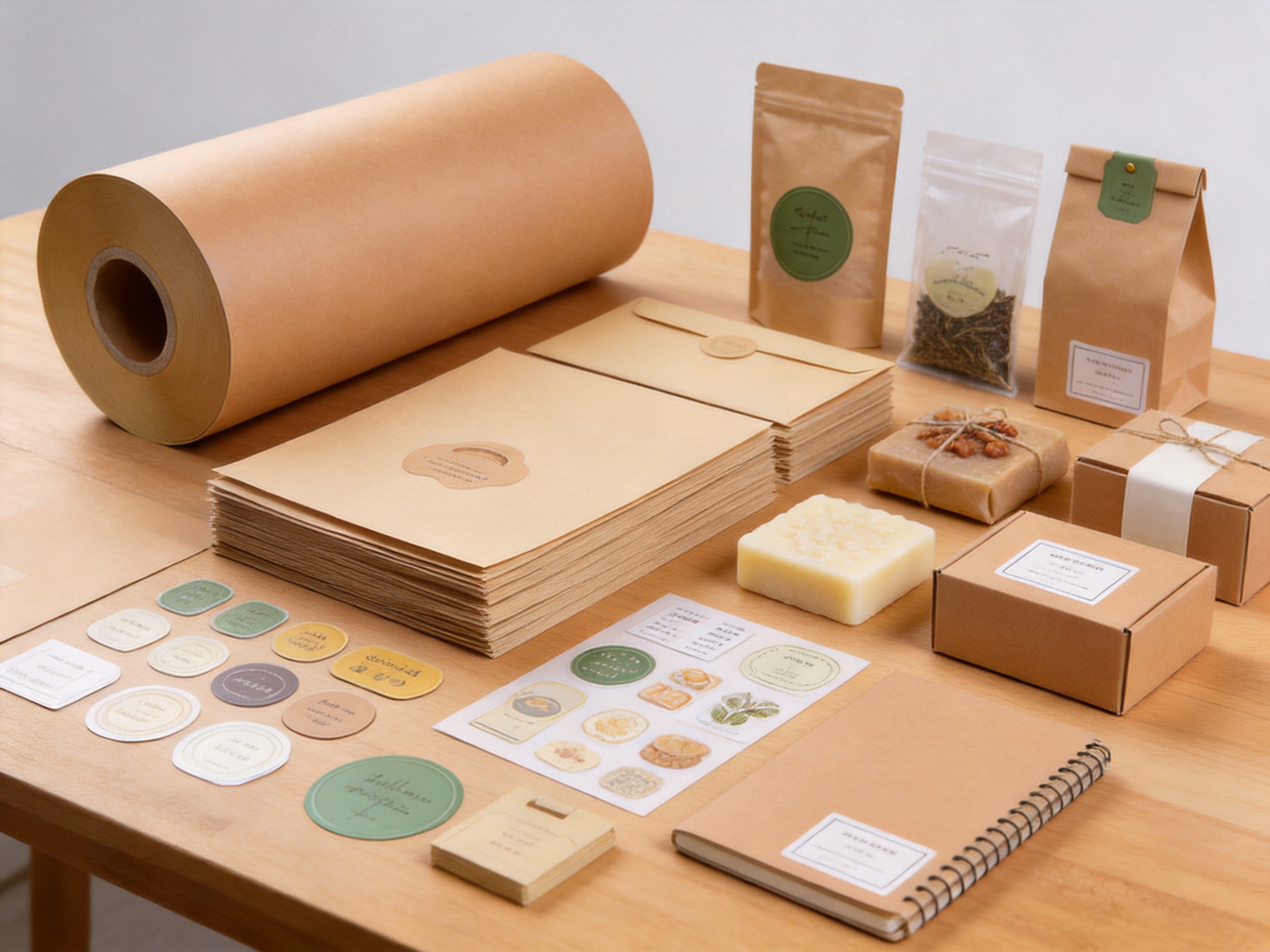
Imported Kraft Paper is suitable for food packaging applications that benefit from a natural, handmade, or retro appearance. It can be used for labels, outer stickers, seals, package closures, and decorative elements for snacks, tea, bakery products, take-away meals, and other food-related products.
In food packaging, appearance is closely connected with consumer expectations. A kraft label can help communicate simplicity and craftsmanship, especially when paired with clear product information and restrained graphic design. It may be used on paper bags, cartons, boxes, pouches, takeaway containers, jars, and other suitable packaging substrates.
Food packaging requirements vary considerably. Some applications involve room-temperature dry goods, while others involve refrigeration, moisture, grease, or frozen distribution. Buyers should therefore identify the exact substrate and environmental conditions before selecting the adhesive. The availability of anti-freeze and cryogenic adhesive options provides additional flexibility for cold-related applications.
4.2 Tea, Snacks, and Take-Away Products
Tea and snack products often rely on visual cues associated with tradition, natural ingredients, and careful preparation. Kraft paper is well suited to this design language. It can be used for product labels, bag seals, outer stickers, promotional messages, and packaging accents.
Take-away businesses can use kraft-based self-adhesive materials for closing paper bags, identifying orders, adding flavor or allergen information, and presenting a consistent visual identity across cups, boxes, bags, and containers. A suitable adhesive can help the label remain attached during transport and handling.
For businesses with frequently changing menus or seasonal products, sheet formats can support short-run production. For larger food manufacturers, roll formats can be integrated into continuous label printing and converting operations.
4.3 Handmade and Artisan Products
Handmade goods often require packaging that reinforces the story of the product. Kraft paper can complement handmade soap, candles, pottery, textiles, stationery, gifts, natural cosmetics, and craft food products. A paper-based label or seal can make the packaging look more personal and less standardized.
The material is suitable for logos, care instructions, ingredient information, batch identification, thank-you messages, and decorative sealing. Businesses can use one base material for several label sizes and designs, simplifying the visual identity of a product range.
4.4 Stationery and Paper Products
Envelopes, exercise books, notebooks, folders, paper bags, and other stationery products can use kraft self-adhesive material for exterior stickers, seals, identification labels, and decorative applications. The paper surface matches the character of many stationery products and can be printed with school, office, retail, or creative designs.
For small stationery manufacturers and studios, A4 and A3 sheets are convenient for design testing, digital printing, sample production, and manual cutting. Larger sheet options, including 50cm x 70cm and 70cm x 100cm, may be more suitable for commercial printing and packaging workshops.
4.5 Sealing and Closure Applications
Self-adhesive kraft material can be used as a sealing element for envelopes, bags, cartons, gift packaging, and handmade product packaging. The label can provide functional closure while also carrying a message, logo, or decorative pattern.
Permanent adhesive may be selected when the seal must remain closed during normal handling. Removable adhesive may be more appropriate for temporary attachment or applications in which the package must be opened without leaving excessive residue. The required performance depends on the package surface and the expected opening method.
5. Advantages Compared with Conventional Alternatives
5.1 More Natural Visual Appeal
Compared with many glossy synthetic films, Imported Kraft Paper provides a warmer and more tactile appearance. This is a significant advantage for brands that want to communicate handmade quality, traditional values, or a natural product position.
Compared with ordinary white label paper, kraft paper offers stronger visual differentiation. It can help products stand out on shelves, at markets, in gift stores, and in online delivery packaging. The material itself becomes part of the design rather than merely serving as a blank printing surface.
5.2 Flexible Adhesive Configuration
Many competing materials are available with only one standard adhesive. This can limit their suitability for cold storage, temporary labeling, industrial surfaces, or specialty applications. The range of hotmelt, water-based, solvent, removable, anti-freeze, cryogenic, and tyre-grade rubber adhesives gives this product a broader application range.
Customers can select the adhesive according to actual performance requirements instead of changing the face material whenever the end use changes. This can simplify sourcing and support a consistent appearance across different product lines.
5.3 Broad Liner Selection
The choice of liner is also a competitive advantage. Different printers, die-cutters, dispensers, and label applicators may require different liner weights and release characteristics. The availability of yellow release paper, glassine, release paper, art paper, and CCK liner options gives buyers more freedom to optimize the product for their equipment.
5.4 Roll and Sheet Availability
Some suppliers focus only on jumbo rolls, while others provide only finished sheets. This product is available in both formats. Roll supply is suitable for large-scale converting, while sheets are convenient for digital printing, small-batch work, stationery production, and customized packaging.
The ability to supply standard and custom sizes can also improve material utilization. Customers may reduce unnecessary trimming by selecting a width or sheet dimension closer to the final product requirements.
5.5 Suitability for Custom Production
The product can be developed around customer requirements for adhesive type, liner, width, sheet size, and application. This is especially important for importers, packaging converters, label printers, and brand owners whose products have different surfaces or distribution conditions.
5.6 Combination of Appearance and Function
Imported Kraft Paper is not selected only because it looks natural. It also provides the functional structure of a self-adhesive material. The kraft face supports printing and visual communication, the adhesive enables attachment, and the liner protects the adhesive before use. This combination allows one product to contribute to both packaging performance and brand presentation.
6. Manufacturing Capabilities and Process Strengths
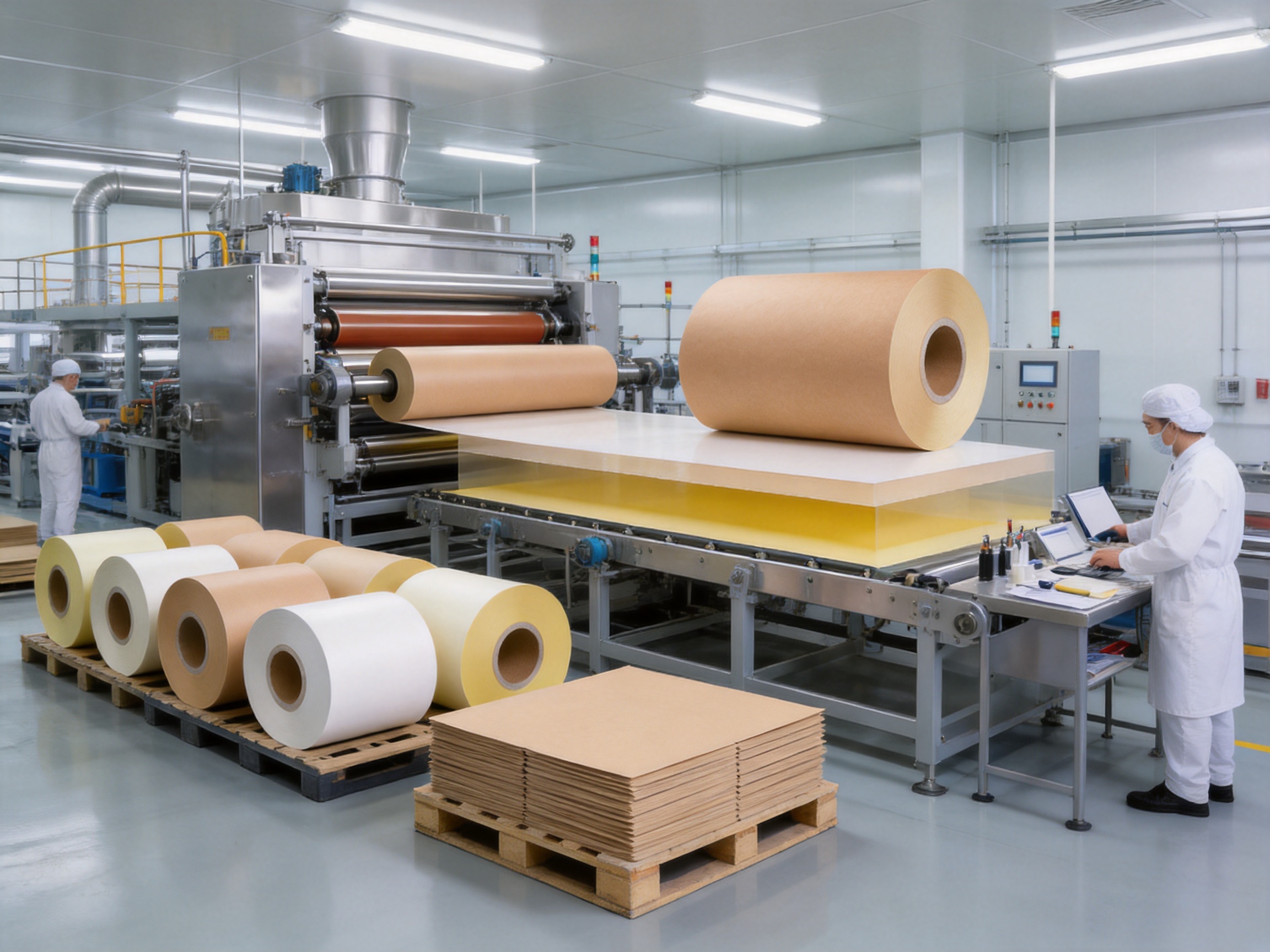
Suzhou Piaozhihua Composite Material Technology Co., Ltd. operates as an integrated manufacturer rather than a simple trading company. Its activities include research and development, adhesive coating, laminating, slitting, cutting, sales, and after-sales service. This integrated model can improve communication between material development and production execution.
6.1 Research and Development
The company maintains a professional research and development team and has experience in developing customized self-adhesive solutions. Its product portfolio covers multiple face materials, adhesives, and backing papers, which supports the development of application-specific constructions.
Research and development is important because self-adhesive material performance depends on the interaction of several layers. The face paper, adhesive, liner, coating weight, storage condition, application temperature, and substrate must be considered together. A change in one layer can influence converting, adhesion, release, or final appearance.
For customers with special requirements, the development process can begin with product drawings, samples, application descriptions, or technical specifications. The company’s OEM and ODM capabilities allow it to produce according to customer drawings or samples when the project requirements are clearly defined.
6.2 Adhesive Coating
Adhesive coating is a central manufacturing step. The coating must be applied consistently across the web so that the finished material provides predictable tack and bonding. Coating control also affects the cleanliness of the label edge, the behavior during die-cutting, and the stability of the product during storage.
The company’s ability to work with hotmelt, water-based, solvent, removable, anti-freeze, cryogenic, and tyre-grade rubber adhesive systems demonstrates a broad coating capability. Different adhesive types require different process controls, formulation considerations, and drying or curing conditions. A manufacturer with experience in multiple adhesive technologies is better positioned to match material construction to the final use.
6.3 Laminating
Laminating joins the face material, adhesive layer, and release liner into a stable composite structure. Accurate lamination is necessary to prevent wrinkles, bubbles, delamination, uneven tension, and other defects that could interfere with printing or application.
Production parameters may be adjusted according to paper weight, liner type, adhesive system, roll width, and required converting behavior. Proper web handling helps preserve the flatness and visual quality of the material while supporting subsequent slitting or sheeting.
6.4 Slitting and Cutting
Slitting converts jumbo rolls into narrower rolls suitable for printers, label converters, or end users. Accurate slit width and clean edges are essential for smooth machine feeding and efficient production. The company can supply jumbo roll widths of 1000mm, 1020mm, 1080mm, and 1530mm, while customized sizes can be considered for specific equipment.
Sheeting converts roll material into flat formats such as A4, A3, 20cm x 30cm, 21cm x 30cm, 24cm x 36cm, 50cm x 70cm, and 70cm x 100cm. Controlled cutting helps ensure that sheets are consistent and practical for printing, packing, and manual application.
6.5 Production Scale
The company has an annual production capacity of more than 280 million square meters and is described as one of the top 10 companies in China for self-adhesive products. This scale can support regular commercial supply, larger orders, and long-term procurement programs.
Production scale is valuable when a customer needs continuity. Packaging businesses must often maintain consistent appearance and performance across repeated orders. A stable manufacturing base can help reduce the risk of frequent material changes, unexpected shortages, or inconsistent adhesive and liner combinations.
6.6 Testing and Inspection
The company maintains its own testing laboratory and uses advanced inspection equipment to support product quality. Testing is important for self-adhesive materials because visual inspection alone cannot confirm all relevant performance characteristics.
Depending on the product specification, evaluation may include appearance, roll condition, sheet dimensions, adhesive tack, release behavior, bonding performance, and resistance under the intended environmental conditions. Customers should communicate their test standards and application requirements so that the appropriate inspection plan can be established.
7. Quality Management and Customer Assurance
Quality in self-adhesive paper begins with raw material selection and continues through coating, lamination, slitting, sheeting, packaging, storage, and delivery. A defect introduced at any stage can affect the customer’s printing or application process.
The company’s stated quality manufacturing concept has guided its development for more than 20 years. Its production experience, testing laboratory, inspection equipment, and after-sales service provide a foundation for long-term customer cooperation.
Quality assurance is especially important for customers using automated application equipment. A label roll with inconsistent thickness, uneven edges, poor winding, or unstable release can cause stoppages and waste. Consistent sheet cutting is similarly important for digital printing and manual converting.
For buyers, quality assurance should include more than a general statement of product grade. A complete purchasing discussion should confirm the face material, adhesive type, liner grade, width, sheet size, core diameter, winding direction if required, packaging method, storage conditions, and inspection criteria.
Samples are recommended before large-scale production. Testing the sample on the customer’s actual substrate and through the customer’s printing or converting equipment can reveal practical issues that cannot always be predicted from a technical data sheet alone.
8. Packaging and Delivery
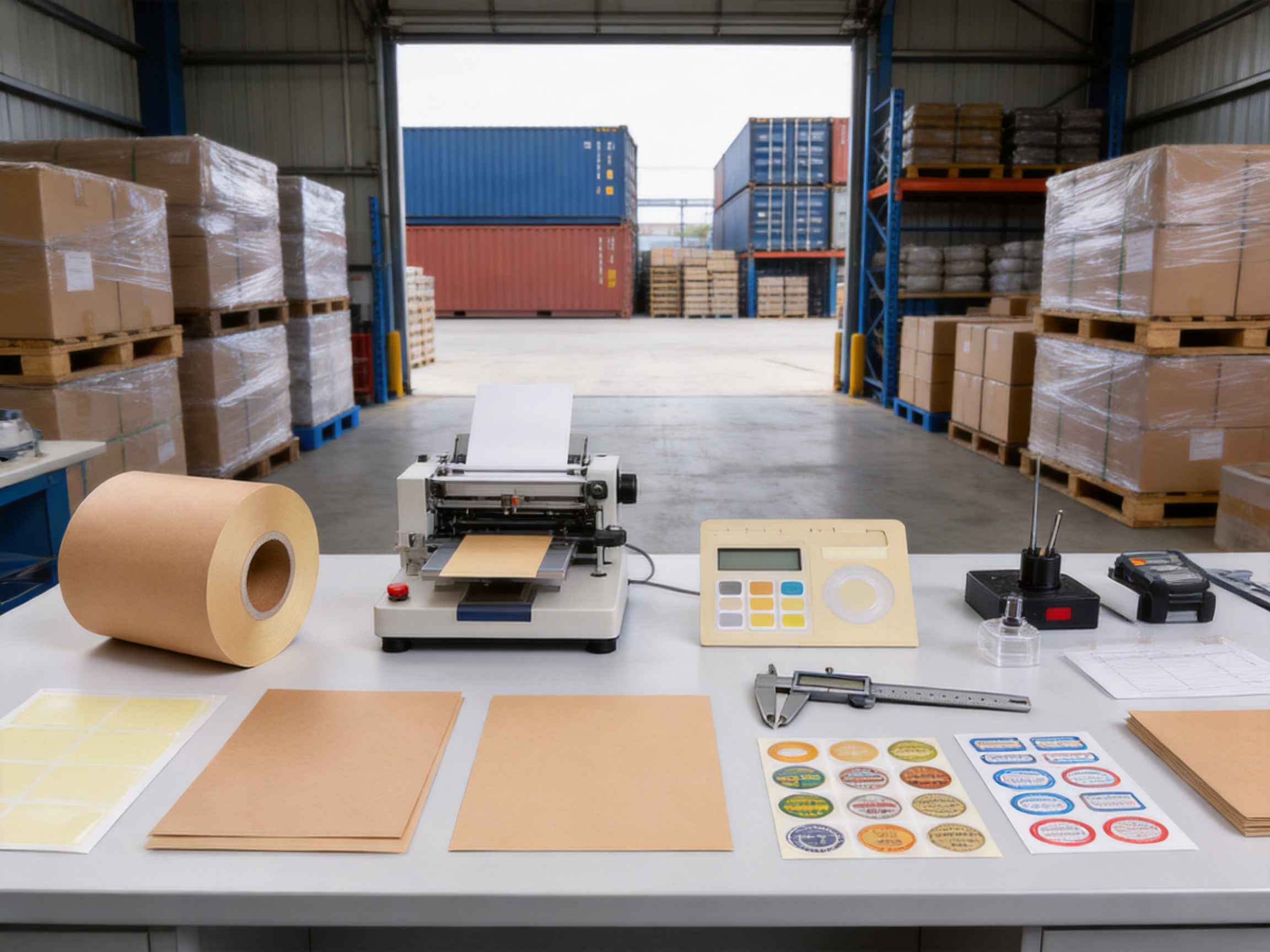
Imported Kraft Paper is suitable for sea-transit-worthy poly-wood pallet packing and carton packing. Both roll and sheet products can be packed according to the order configuration and transportation requirements.
For sheet products, 100 sheets are packed per ream. Each ream is wrapped with a strong PE-coated kraft paper wrapper. This wrapper helps protect the sheets during handling, storage, and transportation while maintaining a packaging style consistent with the product’s paper-based nature.
Strong pallets are wrapped with stretch film and fastened with a plastic fastening belt. Pallet stabilization is important for export orders because cargo may experience lifting, stacking, vibration, humidity changes, and repeated handling during sea transportation.
Appropriate packaging helps preserve the flatness of sheets, the winding condition of rolls, and the cleanliness of the adhesive construction. Customers with special warehouse or container requirements should provide those requirements before order confirmation.
9. Selecting the Correct Product Configuration
9.1 Consider the Application Surface
The substrate is one of the first factors to evaluate. Kraft self-adhesive material may be applied to paperboard, corrugated packaging, glass, plastic, metal, wood, or other surfaces. Surface energy, texture, cleanliness, curvature, and flexibility can all affect adhesion.
A smooth, clean surface may require a different adhesive balance from a rough or porous surface. Packaging that flexes during transport may require stronger and more flexible bonding. Buyers should provide substrate samples whenever possible.
9.2 Consider Temperature
Application temperature and service temperature should be considered separately. A label may be applied in a warm production room but later stored in a refrigerated warehouse. In another case, it may be applied in a cold environment and then exposed to changing temperatures.
Hotmelt, anti-freeze, and cryogenic adhesive options make it possible to discuss different temperature requirements. The customer should specify the minimum and maximum temperatures, exposure duration, condensation risk, and whether the product will be frozen, refrigerated, or transported through several climate zones.
9.3 Consider Removability
Permanent and removable labels serve different purposes. Permanent adhesive is normally selected when the label must remain attached throughout the product’s life cycle. Removable adhesive is considered when the label is temporary or when the surface should remain clean after removal.
Removability can depend on the surface, storage time, temperature, humidity, and label age. A removable construction should therefore be tested under actual conditions rather than judged only by a general description.
9.4 Consider Printing and Converting Equipment
Roll users should confirm roll width, core requirements, winding direction, roll diameter, and machine compatibility. Sheet users should confirm the maximum printable area, feeding direction, cutting tolerance, and packaging quantity.
The choice of liner can influence performance on digital printers, flexographic presses, offset equipment, die-cutters, and label dispensers. Providing equipment information helps the manufacturer recommend a more appropriate construction.
9.5 Consider Appearance
The kraft face is selected partly for its visual character. However, the final appearance also depends on ink, print technology, coating, die-cut shape, label size, and the color of the application surface. Designers should create a physical proof when color accuracy and brand appearance are important.
10. Customization and OEM/ODM Support
Customization is a major strength for customers whose requirements do not fit a standard product. The company accepts OEM and ODM services and can produce according to customer drawings or samples. This can support importers, distributors, packaging converters, retailers, and brand owners.
A customized project may involve selecting a different adhesive, changing the liner, adjusting the roll width, producing a special sheet size, or creating a structure for an unusual application. The customer may also require a specific packaging method, labeling system, or export arrangement.
ODM support is valuable when the customer knows the desired performance but does not have a complete material structure. For example, the customer may describe a kraft label that must adhere to a refrigerated carton, run through a particular printer, and remain attached during distribution. The manufacturer can then help evaluate the face material, adhesive, liner, and production format.
OEM support is more suitable when the customer already has a defined specification, drawing, sample, or private-label requirement. The manufacturer can organize production around the agreed construction and packaging instructions.
More than 20 years of OEM manufacturing experience gives the company practical knowledge of customer communication, sample confirmation, production scheduling, inspection, packing, and after-sales service. This experience can reduce avoidable errors during the transition from sample approval to commercial production.
11. Sustainability and Environmental Considerations
Kraft paper is often chosen by businesses seeking a paper-oriented packaging appearance and a more natural design language. It can support brand communication around responsible packaging, material simplicity, and reduced reliance on highly glossy synthetic surfaces.
However, sustainability should be evaluated as a complete product system. The face material, adhesive, liner, printing ink, packaging, disposal method, and local recycling infrastructure all influence the environmental profile of the final label or package.
Suzhou Piaozhihua Composite Material Technology Co., Ltd. states that its brand positioning focuses on sustainable development and environmental protection. The company develops eco-friendly solutions involving face materials, adhesives, and backing papers to meet customers’ sustainability needs.
Customers requiring environmental documentation should discuss the exact product construction and applicable standards with the supplier. A kraft face material does not automatically make every finished self-adhesive product recyclable or compostable, because the adhesive and liner must also be considered. Clear technical communication is essential.
12. Why Work with an Integrated Manufacturer?
Purchasing from an integrated manufacturer can offer advantages over sourcing the face paper, adhesive, and liner from separate suppliers. When all layers are coordinated by one producer, it may be easier to control compatibility, identify the cause of a performance issue, and maintain consistency across repeated orders.
An integrated manufacturer can also support a shorter development path. Instead of asking one supplier about the paper, another about the adhesive, and a third about the liner, the customer can discuss the complete self-adhesive construction with one technical team.
Production integration also supports more direct quality management. Coating, laminating, slitting, and cutting can be coordinated under a unified production system. This is particularly useful when the customer requires customized widths, sheet formats, or specialty adhesive combinations.
For international buyers, an integrated supplier can also simplify communication about export packaging, order scheduling, technical documents, sample approval, and after-sales service. The company’s marketing network covers multiple countries and regions, including markets in Asia, Europe, the Americas, Africa, the Middle East, and other areas.
13. Practical Benefits for Different Buyers
13.1 For Label Printers
Label printers can use the product as a distinctive face material for food, beverage, handmade, retail, and lifestyle labels. Roll formats support continuous printing and converting, while the adhesive and liner options allow the printer to offer different solutions to end customers.
13.2 For Packaging Converters
Packaging converters can use jumbo rolls to produce stickers, seals, bag closures, package identifiers, and decorative labels. The selection of roll widths can help match common converting equipment, while customized widths may reduce trimming waste.
13.3 For Food Producers
Food producers can use kraft labels to create a consistent appearance across snacks, tea, bakery products, and takeaway packaging. The adhesive can be selected according to the packaging surface and storage environment.
13.4 For Retailers and Small Brands
Retailers and small brands can benefit from sheet formats for short-run printing and flexible packaging updates. A small business can produce seasonal messages, limited-edition labels, gift seals, or product information without committing to a very large roll order.
13.5 For Distributors
Distributors can offer one kraft face material with several adhesive and liner configurations. This expands the range of end-use applications and makes it possible to serve customers in food packaging, stationery, handmade goods, logistics, and industrial labeling.
14. Storage, Handling, and Application Recommendations
Self-adhesive paper should be stored in a clean, dry environment away from excessive heat, direct sunlight, moisture, and contamination. Rolls and sheets should remain in their protective packaging until they are ready for processing.
Before printing or converting, the material should be allowed to reach the temperature and humidity conditions of the production area. Sudden changes in environmental conditions can affect paper dimensions, curl, adhesive behavior, and liner performance.
Rolls should be handled carefully to prevent edge damage. Damaged edges may interfere with slitting, printing, die-cutting, or automated dispensing. Sheets should be stored flat and protected from pressure, water, dust, and uneven stacking.
Application surfaces should be clean, dry, and free of dust, oil, grease, and loose particles. The label should be applied with appropriate pressure to promote contact between the adhesive and the substrate. The final performance should be checked after the required bonding time and under the intended environmental conditions.
These recommendations are general. Specific storage and application instructions should be confirmed according to the selected adhesive, liner, substrate, and transportation conditions.
15. Ordering and Technical Communication
A clear technical inquiry helps the manufacturer provide an accurate quotation and recommendation. Buyers should include the product application, face material requirement, adhesive preference, liner preference, roll or sheet format, dimensions, estimated quantity, printing method, application surface, and shipping destination.
It is also helpful to provide information about temperature, humidity, storage duration, expected label life, removability, and any regulatory or environmental requirements. If the product will be used on food packaging, the buyer should explain whether the label will contact food directly or only the outer package.
Sample evaluation should include printing, cutting, peeling, application, storage, and removal tests where relevant. For industrial customers, machine trials are recommended because material behavior can vary between equipment types.
After the construction has been approved, the customer and manufacturer should confirm the final specification in writing. This should include the exact face material, adhesive, liner, size, tolerance, roll or sheet arrangement, packaging, and inspection requirements.
16. Frequently Asked Questions
Q1. What is the face material of Imported Kraft Paper?
The face material is 80gsm imported kraft paper. It is selected for its natural visual appearance, paper texture, and suitability for packaging, stickers, seals, stationery, and handmade product applications.
Q2. Is the product available as rolls and sheets?
Yes. It can be supplied in jumbo rolls and sheets. Jumbo roll widths include 1000mm, 1020mm, 1080mm, and 1530mm. Sheet sizes include A4, A3, 20cm x 30cm, 21cm x 30cm, 24cm x 36cm, 50cm x 70cm, and 70cm x 100cm. Customized dimensions can also be discussed.
Q3. Which adhesive options are available?
Available choices include hotmelt adhesive, water-based adhesive, solvent adhesive, removable adhesive, anti-freeze adhesive, cryogenic adhesive, and tyre-grade rubber adhesive. The correct choice depends on the substrate, temperature, permanence, and application requirements.
Q4. Which liner is supplied with the product?
An 85g yellow release paper is available, together with glassine paper, release paper, art paper, and CCK liner options in different grammages. The liner can be selected according to printing, die-cutting, dispensing, and handling requirements.
Q5. Can the material be used for food packaging?
It is suitable for many food packaging-related applications, including snacks, tea, takeaway products, paper bags, seals, and outer stickers. The exact adhesive and construction should be evaluated according to the packaging substrate, temperature, moisture, and applicable customer requirements.
Q6. Can the kraft material be printed?
It can be used as a printable face material, but the final result depends on the printing process, ink system, design, and required color effect. A physical printing trial is recommended before full production.
Q7. Is removable adhesive available?
Yes. Removable adhesive is available for temporary labels, displays, promotions, and other applications where the label may need to be removed. Actual removability should be tested on the intended substrate and under the expected environmental conditions.
Q8. Is there an option for cold or frozen applications?
Yes. Anti-freeze and cryogenic adhesive options are available. Buyers should provide the expected application and storage temperatures, condensation conditions, substrate, and label service period so that the construction can be evaluated properly.
Q9. Does the company support OEM and ODM orders?
Yes. The company accepts OEM and ODM services and can produce products based on customer drawings or samples. Customization may include adhesive, liner, roll width, sheet size, packaging, and other technical requirements.
Q10. How are sheet products packed?
Sheet products are packed at 100 sheets per ream. Each ream is wrapped with a strong PE-coated kraft paper wrapper. Pallets are wrapped with stretch film and secured with a plastic fastening belt for transportation stability.
Q11. What is the company’s production capability?
The company has multiple production lines covering gluing, laminating, and cutting, with an annual production capacity of more than 280 million square meters. It also maintains a testing laboratory and inspection equipment for product quality control.
Q12. How should buyers begin a customized project?
Buyers should provide the application, substrate, adhesive requirements, temperature conditions, dimensions, roll or sheet format, printing or converting process, estimated order quantity, and destination. Samples and drawings are also helpful for technical evaluation.
17. Conclusion
Imported Kraft Paper combines a distinctive natural paper appearance with the practical benefits of a self-adhesive composite material. Its 80gsm imported kraft paper face is suitable for businesses that want to express handmade quality, taste, simplicity, or retro character. Its application range includes paper bags, envelopes, exercise books, external stickers, seals, snacks, tea, takeaway products, food packaging, stationery, and handmade goods.
The product’s strongest competitive advantages are its flexible construction and broad customization potential. Hotmelt, water-based, solvent, removable, anti-freeze, cryogenic, and tyre-grade rubber adhesives are available, while multiple glassine, release paper, art paper, yellow release paper, and CCK liner options support different production and application requirements.
Roll and sheet availability makes the material suitable for both industrial converting and smaller flexible production. Standard sizes support efficient purchasing, while customized widths and dimensions can help customers align the material with their equipment and package design.
Behind the product is an integrated manufacturing organization with more than 20 years of experience, broad production capabilities, a stated annual capacity exceeding 280 million square meters, a professional research and development team, OEM and ODM support, and an in-house testing laboratory. These strengths allow Suzhou Piaozhihua Composite Material Technology Co., Ltd. to provide more than a basic paper product: it can develop complete self-adhesive solutions based on the customer’s substrate, adhesive, liner, temperature, printing, converting, and delivery requirements.
For buyers seeking a paper-based label and packaging material that combines visual differentiation, application flexibility, and manufacturing support, Imported Kraft Paper is a strong option for modern packaging and specialty labeling projects.
References
1. Product specification information for Imported Kraft Paper, including face material, adhesive options, liner options, roll widths, and sheet sizes.
2. Company production and capability information supplied by Suzhou Piaozhihua Composite Material Technology Co., Ltd.
3. General principles of pressure-sensitive adhesive label construction, including face materials, adhesive layers, and release liners.
4. General packaging material selection practices for food, stationery, handmade products, and retail applications.
5. General quality-control considerations for adhesive coating, laminating, slitting, sheeting, storage, and transportation of self-adhesive materials.