
 English
 Español
 русский
 Français
 عربى
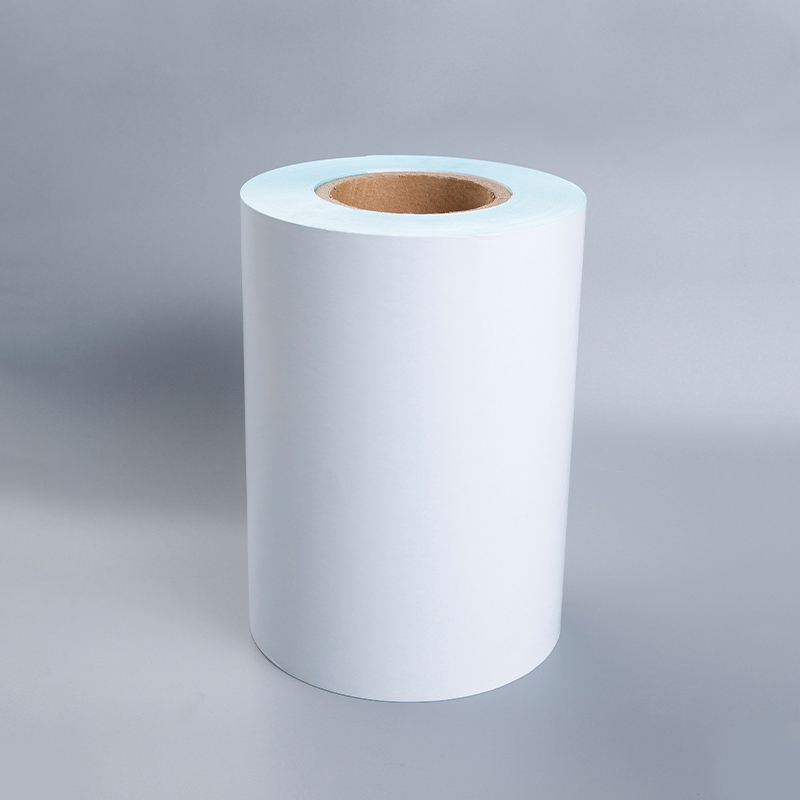
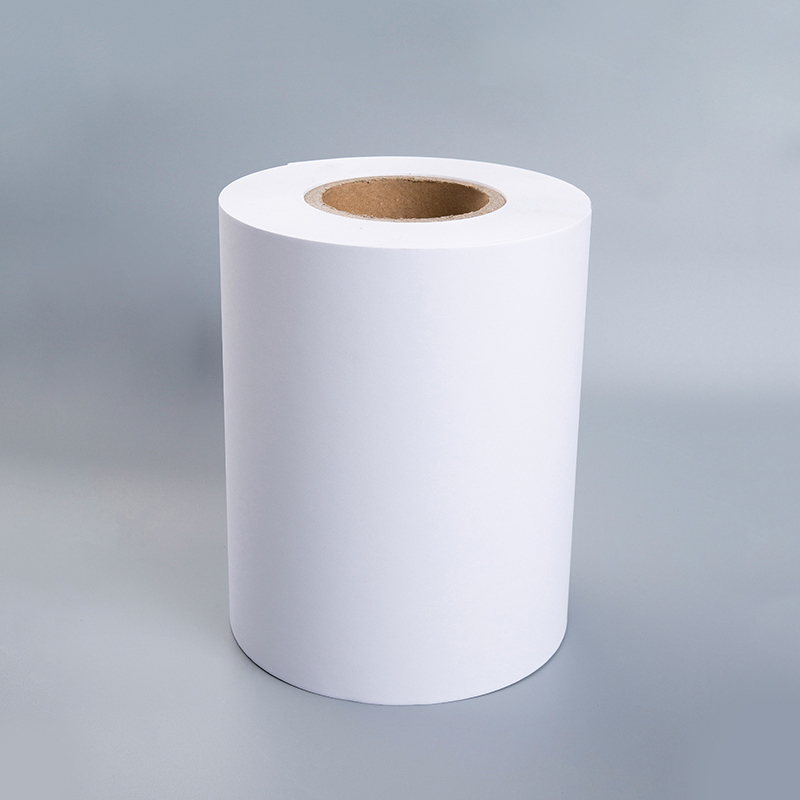
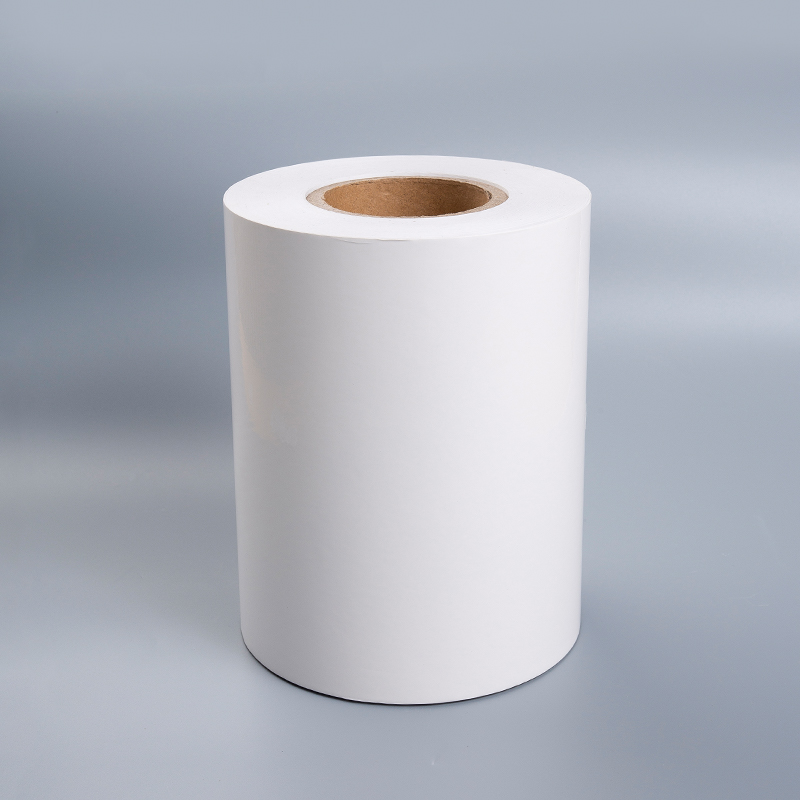
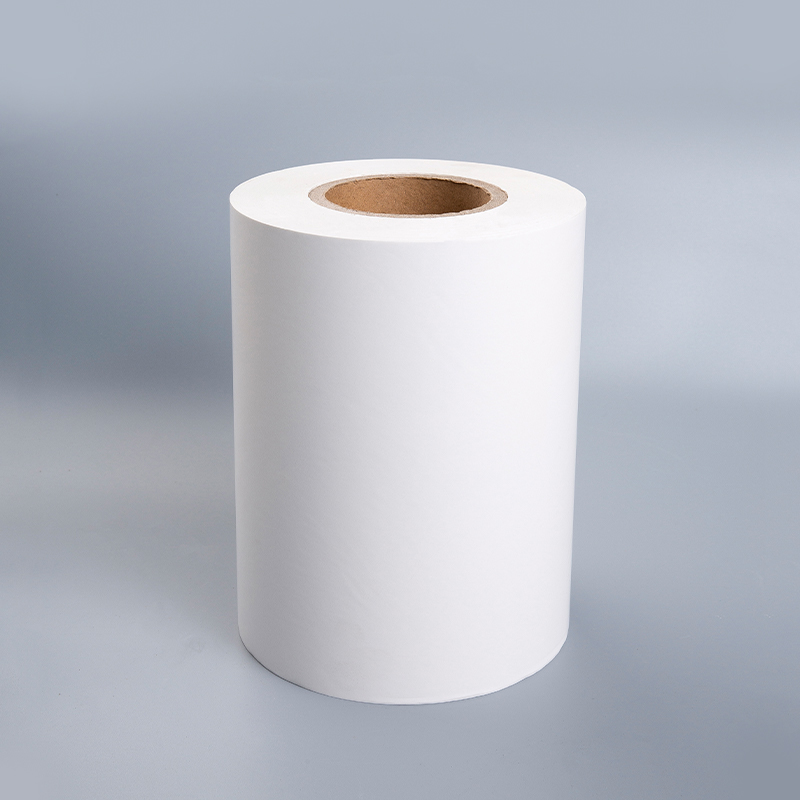
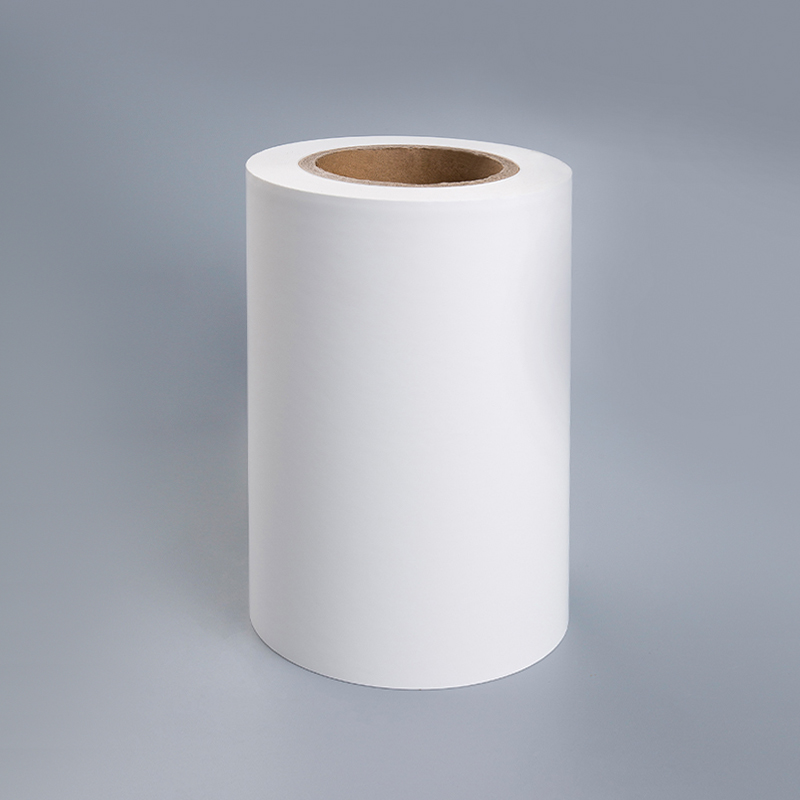
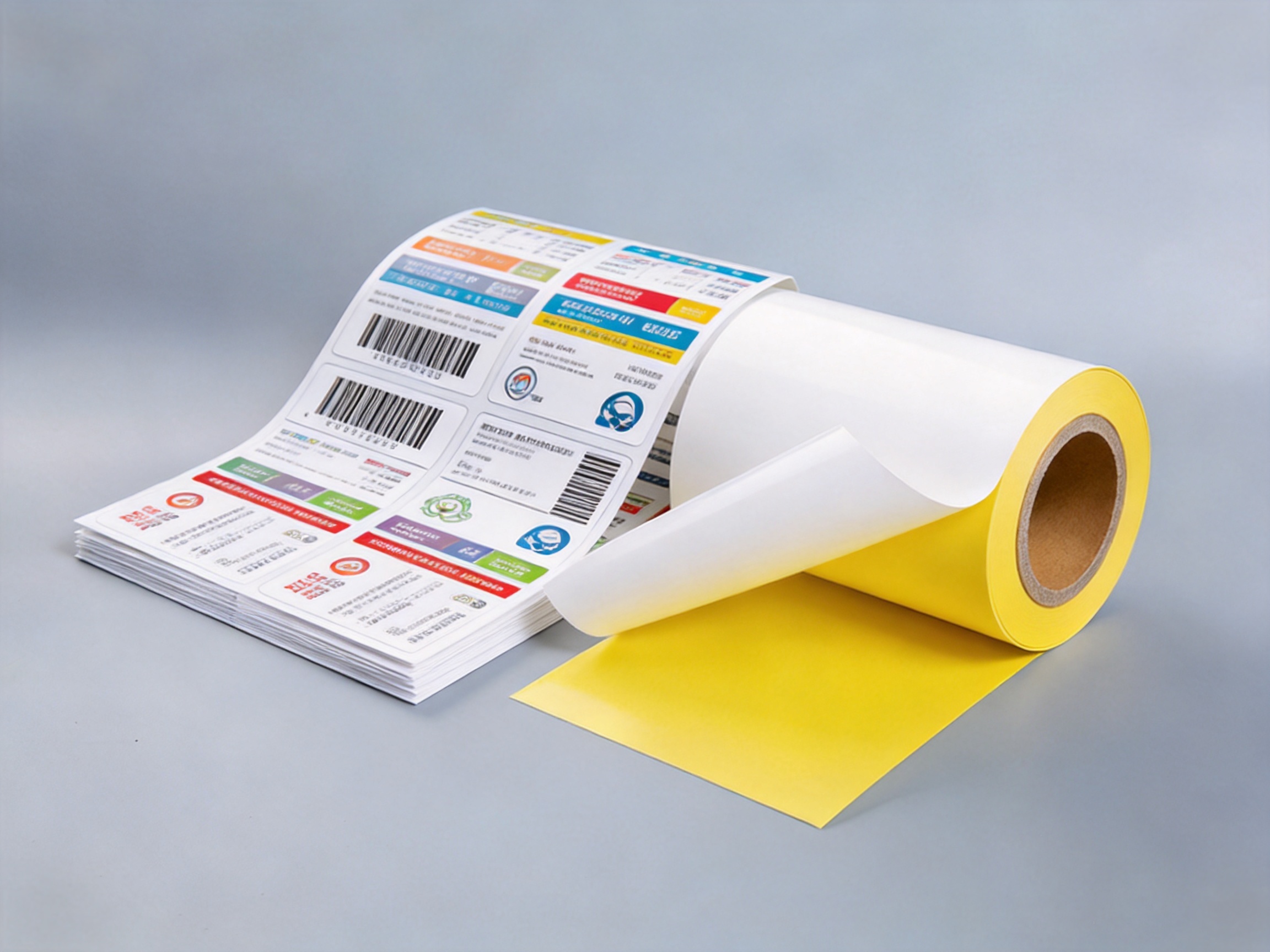
Semi-glossy self-adhesive paper with a yellow release liner is a versatile label material designed to combine attractive print appearance, dependable adhesion, and convenient liner release. It is widely used for everyday labels, product identification, packaging, promotional graphics, book covers, illustrations, commercial printing, and a broad range of industrial and retail applications.
Unlike ordinary uncoated paper, semi-glossy paper offers a smoother and more reflective surface that helps printed colors appear brighter and details look sharper. At the same time, it retains the familiar texture, writing characteristics, and cost advantages associated with paper-based labeling materials. When paired with a carefully selected adhesive and a yellow silicone-coated release paper, the construction provides a practical balance of appearance, converting performance, and application reliability.
This product is manufactured by Suzhou Piaozhihua Composite Material Technology Co., Ltd., a specialist producer of self-adhesive label materials and composite products. The company integrates research and development, adhesive coating, laminating, slitting, sheeting, sales, and after-sales service. Its production capabilities, broad material portfolio, testing resources, customization options, and more than two decades of manufacturing experience support applications ranging from standard labels to specialized customer requirements.
Content
- 1 What Is Semi-Glossy Self-Adhesive Paper?
- 2 Key Product Structure
- 3 Advantages of the Semi-Glossy Face Material
- 4 Yellow Release Liner Performance
- 5 Adhesive Options for Different Applications
- 6 Application Areas
- 7 Roll and Sheet Supply Options
- 8 Manufacturing Process and Quality Control
- 9 Company Manufacturing Strengths
- 10 Advantages Compared with Less Specialized Alternatives
- 11 Printing and Converting Considerations
- 12 Packaging and Delivery
- 13 How to Select the Right Construction
- 14 Quality, Sustainability, and Responsible Material Development
- 15 Recommended Customer Evaluation Program
- 16 Frequently Asked Questions
- 16.1 What is the standard face material weight?
- 16.2 What is the standard release liner?
- 16.3 Can the adhesive be customized?
- 16.4 Is this material available in rolls and sheets?
- 16.5 What printing applications are suitable?
- 16.6 Can the material be used for refrigerated products?
- 16.7 Is the material waterproof?
- 16.8 Can the product be supplied according to a sample or drawing?
- 16.9 How should the material be stored?
- 16.10 What packaging is available for delivery?
- 16.11 What makes this product different from ordinary self-adhesive paper?
- 17 Conclusion
- 18 References
- 19 Product: Semi Glossy Paper With Yellow Release Liner
What Is Semi-Glossy Self-Adhesive Paper?
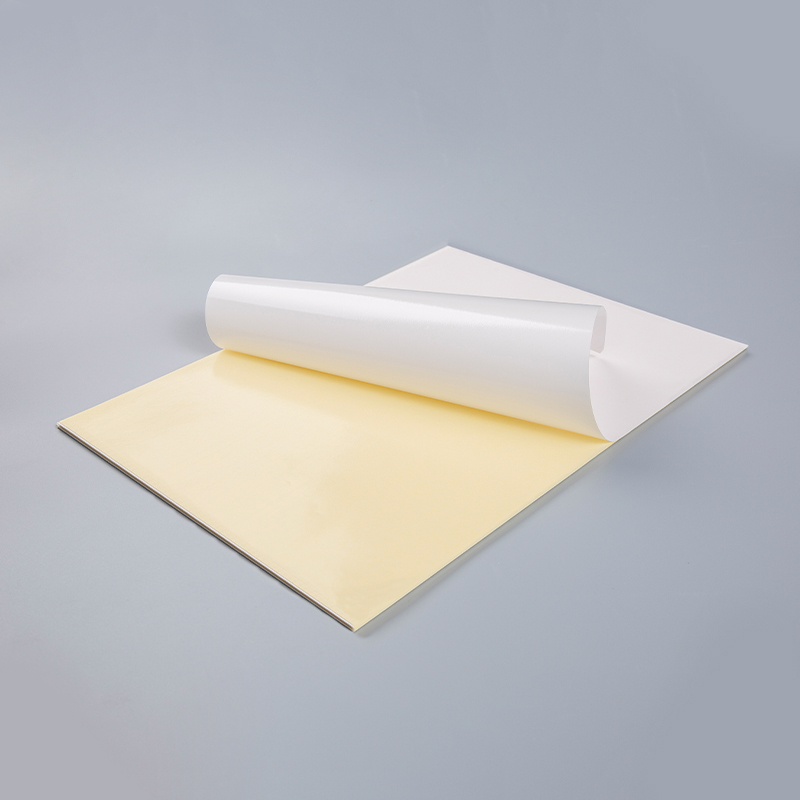
Semi-glossy self-adhesive paper is a pressure-sensitive material made from three principal layers: a printable face material, an adhesive layer, and a release liner. The face material is semi-glossy paper, the adhesive can be selected according to the intended application, and the liner is commonly a 60-gram yellow release paper. Each layer contributes to the final performance of the label.
The semi-glossy face stock is engineered to provide a clean, attractive surface for printing. Its moderate gloss level is more refined than a fully matte paper while remaining less reflective than a high-gloss film. This makes it suitable for labels that need a professional visual finish but do not require the water resistance or high durability of synthetic film.
The adhesive bonds the label to the selected substrate. Hot melt adhesive is a standard option, while water-based, solvent-based, removable, anti-freeze, cryogenic, and tyre-grade rubber adhesive systems are also available. This broad selection enables the material to be adapted to different surfaces, temperatures, holding requirements, and end-use conditions.
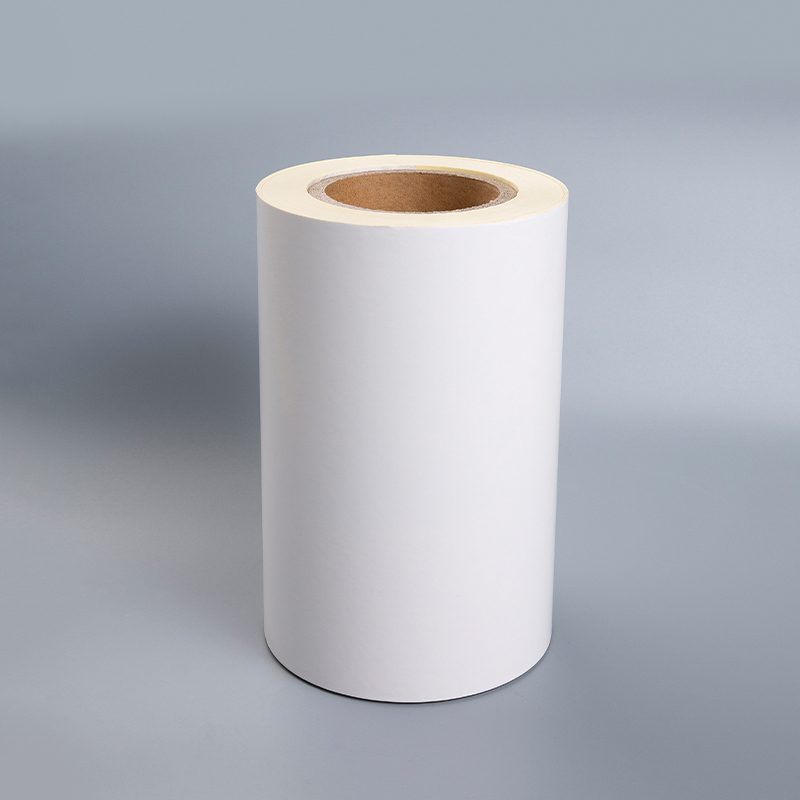
The yellow release liner protects the adhesive before application and allows the label to be peeled away from the backing. Its color also creates visual contrast between the liner and the white or lightly colored face paper, which can help operators identify the release side during converting and application.
Key Product Structure
| Component | Available Specification or Option | Function |
|---|---|---|
| Face material | 65 gsm semi-glossy paper; 80, 105, 128, 157, 200, and 250 gsm options | Provides the printable surface, appearance, stiffness, and tactile character of the label |
| Adhesive | Hot melt, water-based, solvent-based, removable, anti-freeze, cryogenic, and tyre-grade rubber adhesive | Creates the bond between the label and the application surface |
| Standard liner | 60 gsm yellow release paper | Protects the adhesive and supports clean, controlled label release |
| Alternative liners | 50, 60, 80, 100, and 120 gsm glassine; 90, 120, and 140 gsm release paper; 140 and 165 gsm art paper; 50, 80, 90, and 120 gsm CCK liner | Allows the construction to be adjusted for converting, stiffness, printing, and dispensing needs |
| Jumbo roll widths | 1000, 1020, 1080, and 1530 mm | Supports industrial converting and high-volume production |
| Sheet sizes | A4, A3, 20 × 30 cm, 21 × 30 cm, 24 × 36 cm, 50 × 70 cm, 70 × 100 cm, and customized sizes | Supports office, commercial, digital, and industrial sheet-fed applications |
The product can therefore be supplied as a standard construction or configured for a particular printer, die-cutting machine, application surface, or storage environment. Buyers can select the face weight, adhesive chemistry, liner type, roll width, sheet dimensions, and packaging method according to their production requirements.
Semi Glossy Paper With Yellow Release Liner
Advantages of the Semi-Glossy Face Material
Balanced Visual Appearance
The most prominent advantage of semi-glossy paper is its balanced surface appearance. A fully matte label can appear understated, while a highly glossy surface may create strong reflections under bright light. Semi-glossy paper occupies the middle ground. It provides enough surface smoothness to make colors appear vivid and images look clear without creating the intense glare associated with some high-gloss materials.
This balanced finish is especially useful for retail labels, product packaging, promotional samples, and product identification. It gives the label a clean and polished appearance while preserving the natural paper impression that many brands and consumers associate with practical, approachable packaging.
Suitable for Detailed Printing
The smooth face supports the reproduction of text, lines, logos, illustrations, and color images. The surface can be used for a variety of conventional and digital printing processes, subject to compatibility testing with the selected ink system. It is suitable for everyday labels as well as higher-grade book covers, illustrations, advertisements, samples, product packaging, and trademarks.
Compared with rougher paper stocks, semi-glossy paper can reduce the visual disruption caused by surface irregularities. Fine text remains easier to read, and graphic elements can appear more consistent across a production run. For businesses that need professional-looking labels without moving to synthetic film, this combination can be commercially attractive.
Paper-Based Handling Characteristics
Paper face materials are familiar to printers, converters, warehouse operators, and label applicators. They are generally easy to slit, sheet, die-cut, print, and handle using widely available equipment. The product can be supplied in rolls or sheets, giving users flexibility when their production workflow is based on roll-fed or sheet-fed machinery.
The paper construction also offers a tactile quality that differs from plastic film. For applications where a paper look is part of the product presentation, semi-glossy paper can be more suitable than polypropylene, polyethylene, polyester, or other synthetic facestocks.
Multiple Basis Weights
The standard face material is listed as 65 gsm, while 80, 105, 128, 157, 200, and 250 gsm options are available. This range allows users to match the paper weight to the desired stiffness, opacity, label size, dispensing method, and visual impact.
Lighter face stocks can be appropriate for compact labels and applications where material efficiency is important. Heavier grades can provide a more substantial feel for book covers, presentation materials, premium product labels, and applications requiring increased stiffness. The correct selection should consider label dimensions, die-cut shape, storage conditions, the application surface, and the capabilities of the printing and dispensing equipment.
Yellow Release Liner Performance
The standard backing is a 60 gsm yellow release paper. Release paper is treated with a silicone coating that reduces adhesion between the liner and the pressure-sensitive adhesive. This enables the label to be peeled away when required while keeping the adhesive protected during storage, transport, printing, and converting.
Visual Identification
The yellow color offers a practical visual distinction. Operators can quickly identify the liner side, separate waste backing from the face material, and check whether the label has been correctly loaded into a machine. This can be useful in high-volume production environments where fast material recognition supports productivity.
Controlled Release
A consistent release profile is important because labels must remain securely protected before use but should also separate smoothly during dispensing. If the liner releases too easily, labels may lift prematurely or shift during processing. If it releases with excessive force, automated application may become less efficient and the label could deform during peeling.
The release liner construction is selected and manufactured to support a practical balance between adhesive protection and release behavior. However, actual release performance depends on adhesive type, storage conditions, machine speed, label geometry, and the surface energy of the substrate. Buyers should evaluate the complete construction rather than judging the liner separately from the adhesive and face paper.
Alternative Liner Choices
Although yellow release paper is the standard option for this product, customers can choose from glassine paper, other release paper grades, art paper, and CCK liners. Glassine is often selected when a thinner, smoother, or more translucent liner is useful. Heavier release papers may be preferred when additional stiffness is needed for processing or dispensing. Art paper and CCK liner options can be considered when customers require a different surface or converting behavior.
Providing alternative liner choices is an important advantage over a single-standard construction. It allows the label material to be matched to the production line instead of forcing the buyer to modify its equipment or accept unnecessary compromises.
Adhesive Options for Different Applications
The adhesive is one of the most important factors in self-adhesive label performance. A label may have an attractive face and a suitable liner, but it will not perform properly if the adhesive does not match the substrate or service conditions. This product family offers several adhesive technologies for different requirements.
Hot Melt Adhesive
Hot melt adhesive is a standard option for this semi-glossy paper construction. It is widely used for pressure-sensitive applications because it can provide strong initial tack and efficient bonding. It is suitable for many general labeling tasks and can support high-speed converting when the coating is properly controlled.
Hot melt systems can be useful when rapid adhesion is important. They should nevertheless be tested against the actual substrate, especially when the label will be applied to textured, dusty, low-energy, curved, or irregular surfaces.
Water-Based Adhesive
Water-based adhesive may be selected for applications that require a different coating profile, processing characteristic, or environmental preference. It can be appropriate for general-purpose labeling and paper-to-paper applications, depending on the required tack and final bond strength.
Solvent Adhesive
Solvent-based adhesive can be considered when high performance is required on challenging surfaces or under demanding service conditions. It may provide strong adhesion across a broader range of substrates, although the final choice should be based on the application environment and the customer's regulatory, safety, and production requirements.
Removable Adhesive
Removable adhesive is designed for applications where the label should be removed with limited residue or substrate damage under appropriate conditions. It is useful for temporary promotions, reusable containers, office identification, retail marking, logistics, and products that may need to be relabeled.
Removability is not universal across all surfaces or time periods. Bond strength may increase over time, and removal behavior can be affected by temperature, humidity, surface coatings, and exposure to sunlight. Testing on the actual substrate is recommended before commercial use.
Anti-Freeze and Cryogenic Adhesives
Anti-freeze adhesive is intended for applications that may encounter low temperatures. Cryogenic adhesive is designed for more specialized environments in which labels must function at extremely low temperatures. These options broaden the potential use of the semi-glossy paper construction beyond normal indoor labeling.
Cold-temperature applications require attention to both application temperature and service temperature. A label applied in a cold warehouse may require different performance from one applied at room temperature and later exposed to freezing conditions. The selected adhesive should therefore be validated under the complete temperature cycle.
Tyre-Grade Rubber Adhesive
Tyre-grade rubber adhesive is available for specialized labeling requirements associated with tyres and rubber-related products. Such surfaces can be difficult because of their texture, composition, curvature, and contamination risk. A specialized adhesive can provide a better starting point than a general-purpose formulation, but application testing remains essential.
Application Areas
Everyday Product Labels
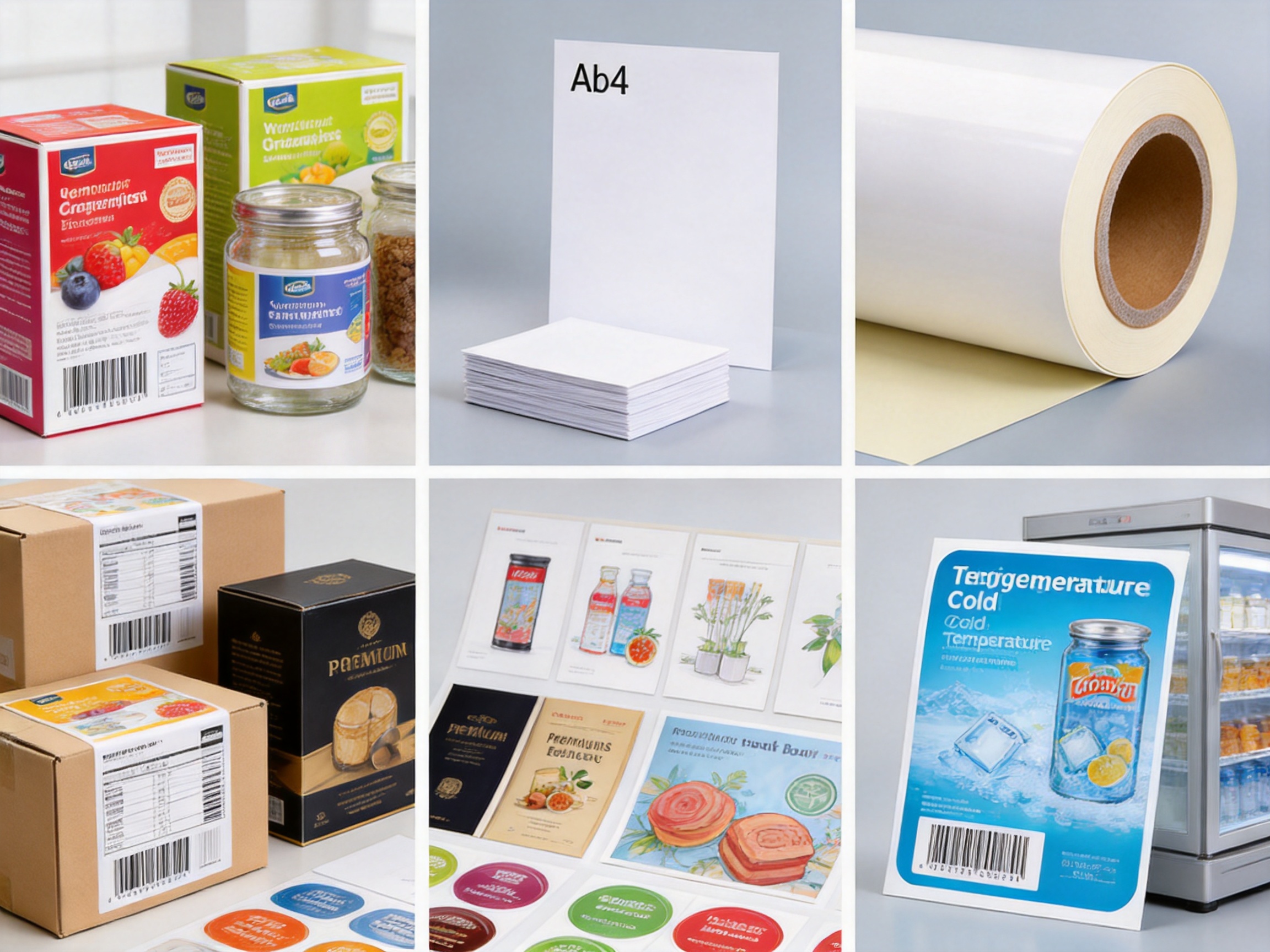
The material is suitable for everyday labels used on consumer goods, household products, retail packages, office supplies, and general merchandise. The semi-glossy finish provides a professional appearance while the pressure-sensitive format supports fast application.
Labels can be produced with product names, barcodes, variable data, ingredients, handling instructions, batch numbers, pricing, or promotional graphics. The available sheet and roll formats make the material adaptable to both small and large production environments.
Book Covers and Illustrations
Higher-grade paper options can be used for book covers, printed illustrations, educational materials, and decorative applications. The semi-glossy surface helps reproduce images and graphic details while retaining the visual character of paper.
When used for book-related products, buyers should consider the required stiffness, fold behavior, edge finishing, and adhesive selection. A heavier face stock may be preferable for covers or large-format presentation pieces, while a lighter grade may suit smaller decorative labels.
Color Pictures and Advertising
The smooth surface is suitable for color pictures, advertising labels, samples, and promotional materials. Product images, logos, and campaign graphics can be printed with an attractive level of clarity. This makes the material useful for marketing programs where the label serves both an identification and a presentation function.
Product Packaging
Semi-glossy self-adhesive paper can be used on cartons, boxes, jars, bottles, bags, and other packaging formats. It is especially suitable when the package requires an applied label rather than direct printing. The label can carry brand information, product details, decorative graphics, or compliance information.
Packaging applications vary widely, so the adhesive must be matched to the package material. Smooth coated paperboard, corrugated board, glass, plastic, and metal each present different bonding conditions. Surface cleanliness, curvature, temperature, and handling time should be included in the qualification process.
Trademarks and Brand Identification
The product can support trademark labels and brand identification pieces that require a neat, consistent appearance. The semi-glossy finish can enhance the visual impact of a logo without the highly reflective appearance of some plastic labels. Variable sizes and customized die-cut formats can help companies create labels for different product lines.
Logistics and Warehouse Labels
Self-adhesive paper is commonly used for cartons, inventory identification, shipment marking, and warehouse organization. For these applications, readability, reliable adhesion, and efficient dispensing are often more important than decorative appearance. The yellow liner can also make material handling easier for operators.
If labels will be exposed to moisture, abrasion, outdoor conditions, oils, or severe temperature changes, the user should determine whether paper is suitable or whether a film-based material would provide better durability. This product is strongest where the application benefits from a printable paper face and does not require the full environmental resistance of synthetic film.
Roll and Sheet Supply Options
The material is available in jumbo rolls with widths of 1000, 1020, 1080, and 1530 millimeters. Jumbo rolls are suitable for professional converters that perform slitting, rewinding, die-cutting, or custom sheeting in-house. They can help reduce the number of incoming material changes and support efficient high-volume production.
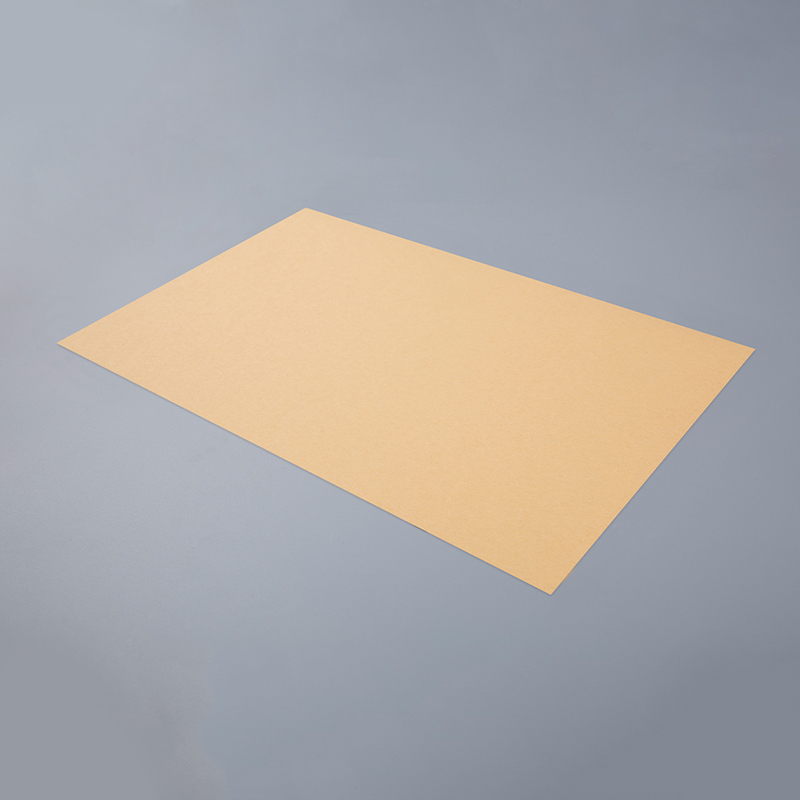
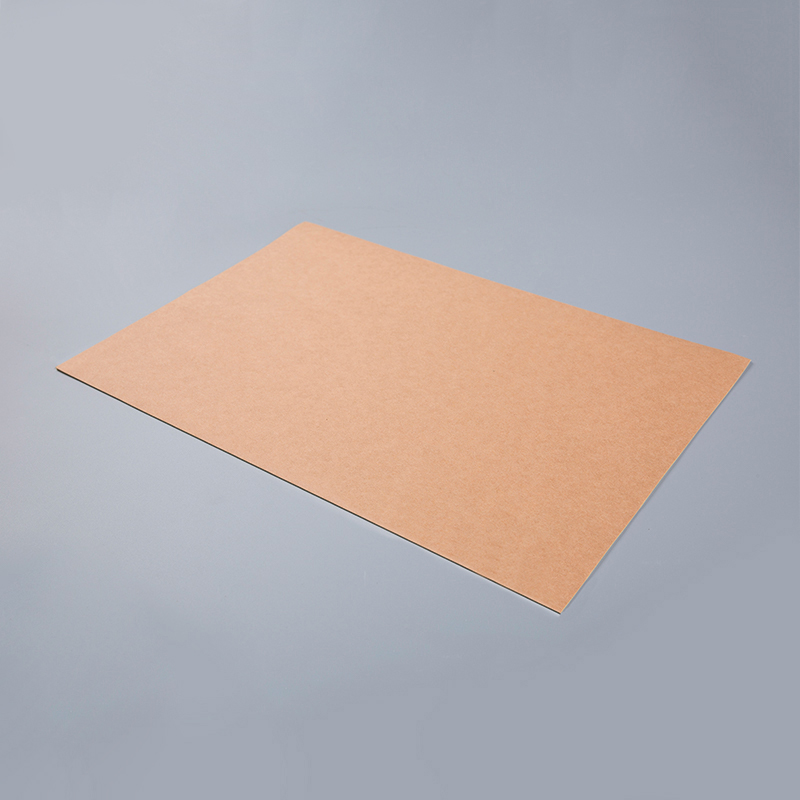
Sheet formats include A4, A3, 20 × 30 centimeters, 21 × 30 centimeters, 24 × 36 centimeters, 50 × 70 centimeters, and 70 × 100 centimeters. Customized sizes are also available. Sheet supply is convenient for digital printers, office printing, commercial print shops, and customers that need ready-to-use material without additional slitting or sheeting.
The choice between rolls and sheets depends on the customer's equipment and production volume. Roll material is often preferred for automated converting and continuous processing. Sheets may be more convenient for short runs, variable-data printing, digital production, or customers that do not operate roll-handling equipment.
| Supply format | Typical user | Main benefit |
|---|---|---|
| Jumbo roll | Self-adhesive label converters and industrial printers | Efficient for high-volume slitting, rewinding, and die-cutting |
| Standard sheet | Digital printers, offices, commercial print businesses | Ready for sheet-fed printing and straightforward handling |
| Customized sheet | Packaging producers and specialized label users | Reduces trimming and adapts to product-specific dimensions |
| Custom roll width | Automated production lines and contract converters | Improves material utilization and machine compatibility |
Manufacturing Process and Quality Control
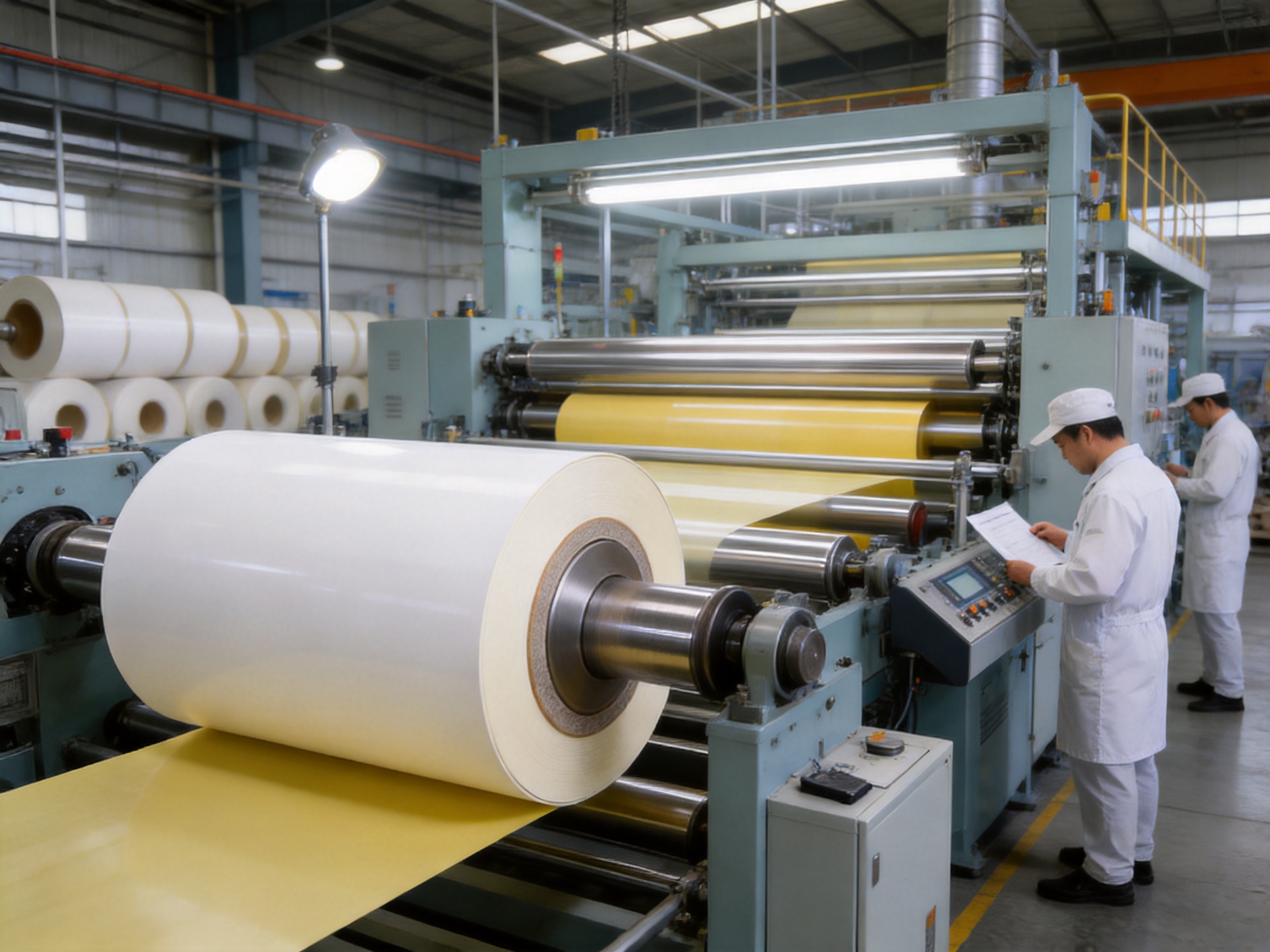
The performance of a self-adhesive material depends not only on the raw materials but also on the manufacturing process. Face paper, adhesive, and liner must be combined with accurate coating, controlled lamination, and precise cutting. Poor control at any stage can lead to uneven adhesive coverage, bubbles, wrinkles, poor release, edge ooze, curl, or inconsistent die-cutting.
Material Selection
Production begins with the selection of face paper, adhesive components, and release liner. The chosen face weight must be appropriate for the required appearance and stiffness. The adhesive must correspond to the application surface and operating temperature. The liner must provide the desired release behavior and support the converting process.
Material selection is also influenced by the final format. A narrow label, a large sheet, a wraparound design, and a small barcode label may require different combinations of stiffness, tack, release force, and dimensional stability.
Adhesive Coating
Adhesive coating is a critical manufacturing step. The coating system must distribute the adhesive evenly across the web while controlling coat weight and avoiding defects. An even adhesive layer supports consistent adhesion, smooth converting, and predictable label application.
Advanced coating control can help reduce variation from one section of a jumbo roll to another. It also supports the production of customized constructions when different adhesive chemistries or coat weights are required. The exact coating parameters are determined by the adhesive formulation, face material, liner, production speed, and target performance.
Laminating
Lamination joins the coated face material to the release liner. Proper nip pressure, web tension, alignment, and process temperature are important for producing a flat, stable composite. The aim is to create a uniform construction without air entrapment, wrinkles, telescoping, or excessive curl.
Stable lamination is particularly important for digital printing and die-cutting. A poorly laminated web may feed unevenly, while an unstable sheet can cause registration problems or mechanical handling difficulties. Integrated laminating capability allows the manufacturer to control this stage as part of the complete production process.
Slitting and Sheeting
After coating and lamination, the jumbo material can be slit into narrower rolls or converted into sheets. Slitting accuracy affects roll width, edge quality, machine compatibility, and waste. Sheeting accuracy affects dimensions, squareness, stack quality, and printer feeding performance.
Clean edges are important because adhesive contamination or uneven trimming can create problems during roll unwinding, die-cutting, label dispensing, and packaging. Professional cutting equipment and trained operators help maintain stable dimensions across production batches.
Inspection and Testing
Quality control may include visual inspection, basis-weight verification, thickness measurement, adhesive coating checks, release evaluation, peel adhesion testing, tack testing, shear testing, dimensional inspection, and printability assessment. The specific test program should reflect the final application.
Testing is most valuable when it is linked to customer requirements. For example, a removable label needs removal and residue evaluation, while a cold-temperature label needs performance testing at the intended application and storage temperatures. A product label for a smooth glass bottle may require a different test protocol from a label applied to corrugated board.
Company Manufacturing Strengths
Suzhou Piaozhihua Composite Material Technology Co., Ltd. specializes in high-grade self-adhesive labels and related composite materials. Its business model covers research and development, manufacturing, sales, and after-sales service. This integrated structure can simplify communication for customers that need technical guidance, customized materials, and stable repeat production.
The company operates production lines covering gluing, laminating, and cutting. Its stated annual production capacity exceeds 280 million square meters, providing a substantial manufacturing base for domestic and international orders. The combination of large production capacity and multiple processing stages enables the company to serve both standard products and customized constructions.
More than 20 years of OEM manufacturing experience supports the development of customer-specific solutions. OEM capability is valuable when a buyer requires a particular face material, adhesive, liner, width, sheet size, packaging method, or label performance target. The manufacturer can produce according to customer drawings or samples, subject to technical evaluation and production confirmation.
The company also reports ODM and OEM capabilities supported by a professional research and development team and multiple patents. This indicates a focus on continuous product development rather than relying only on fixed standard constructions. Customers seeking new label materials, sustainable alternatives, or improved performance can work with the manufacturer during product definition and testing.
An internal testing laboratory and advanced inspection equipment provide further support for quality assurance. In self-adhesive materials, laboratory testing is important because performance often depends on the interaction of multiple layers. A controlled testing environment helps identify differences in tack, peel adhesion, release force, dimensional stability, and temperature performance before the product reaches the customer.
The company has developed sales and service coverage in numerous Chinese cities and maintains an international marketing network across Asia, Europe, the Americas, Africa, and other regions. A broad service network can support communication, order coordination, technical questions, and long-term supply relationships for overseas buyers.
Advantages Compared with Less Specialized Alternatives
When compared with basic paper labels or single-specification suppliers, this product offers several practical advantages. The first is construction flexibility. Buyers are not limited to one face weight, one adhesive, or one liner. They can select a combination that matches the intended application and equipment.
The second advantage is the balance between appearance and production practicality. Semi-glossy paper offers a more refined print surface than ordinary uncoated paper, while remaining familiar to printers and converters. It can deliver a professional visual result without requiring a move to a fully synthetic material.
The third advantage is format flexibility. Jumbo roll widths and multiple sheet sizes support different production models. A buyer can order material for industrial converting, digital printing, commercial sheets, or a customized packaging workflow.
The fourth advantage is integrated manufacturing. A supplier with gluing, laminating, cutting, inspection, and research capabilities can manage more of the value chain internally. This may reduce the complexity of coordinating separate raw-material, coating, and converting suppliers.
The fifth advantage is application-specific adhesive selection. General-purpose label stock may not perform adequately in freezing conditions, on removable applications, or on rubber surfaces. The availability of anti-freeze, cryogenic, removable, and tyre-grade adhesive options gives customers more opportunity to select a technically appropriate construction.
The sixth advantage is support for customized development. A supplier with OEM and ODM experience can evaluate customer samples, drawings, and performance specifications. This is particularly helpful when standard label stock produces excessive waste, poor machine compatibility, inadequate adhesion, or an unsuitable appearance.
These advantages do not mean that one material is suitable for every environment. Paper labels may not be the first choice for prolonged outdoor exposure, heavy water contact, aggressive chemicals, or severe abrasion. The strength of this product lies in its combination of printability, paper appearance, adhesive choice, liner flexibility, and practical converting performance.
Printing and Converting Considerations
Before large-scale production, customers should confirm compatibility with their selected printing method. The printer, ink, drying system, print speed, and artwork all influence the final result. A small trial run can verify ink adhesion, color reproduction, drying time, barcode readability, and resistance to handling.
For digital printing, sheet flatness and surface cleanliness are important. The paper should feed consistently through the machine without excessive curl or edge damage. For flexographic, offset, or other roll-fed processes, web tension, roll diameter, slit width, and adhesive behavior should be reviewed.
Die-cutting requires a balance between cutting through the face material and adhesive without cutting deeply into the liner. The liner must remain sufficiently intact to support label dispensing and waste removal. Die pressure, blade condition, label geometry, adhesive type, and paper weight all affect the result.
Storage is also important. Self-adhesive materials should generally be kept in clean, dry conditions away from direct sunlight and excessive heat. Rolls and sheets should remain in their protective packaging until needed. Allowing the material to acclimatize to the printing room before use can help reduce dimensional changes caused by temperature and humidity differences.
Packaging and Delivery
The product can be packed for sea transport using poly-wood pallets, with carton packing also available for rolls or sheets from stock. Strong packaging is essential because self-adhesive material can be affected by crushing, moisture, edge impact, and deformation during transportation.
Sheet products are packed at 100 sheets per ream. Each ream is wrapped with strong PE-coated kraft paper, helping protect the sheets from handling damage and environmental exposure. Pallets are wrapped with stretch film and secured with plastic fastening belts to improve load stability during transport.
Packaging requirements can be discussed according to shipment method, order size, destination, and warehouse handling system. Customers should confirm pallet dimensions, carton configuration, roll orientation, labeling requirements, and moisture protection before production.
How to Select the Right Construction
Step One: Define the Substrate
Identify the material receiving the label. Common substrates include paperboard, corrugated board, glass, metal, plastic, rubber, and painted surfaces. Surface texture, cleanliness, curvature, and surface energy can strongly affect adhesion.
Step Two: Define the Temperature Range
Record the temperature at application, during storage, and during use. A label applied in a refrigerated warehouse may need a different adhesive from one applied at room temperature. Anti-freeze or cryogenic adhesive may be appropriate for low-temperature applications.
Step Three: Determine Whether the Label Is Permanent
Permanent, removable, and repositionable requirements should be clearly identified. If the label must be removed without damaging the package, a removable adhesive should be evaluated on the exact substrate for the intended duration.
Step Four: Select the Face Weight
Choose the face weight according to label size, required stiffness, print appearance, folding behavior, and dispensing equipment. The 65 gsm option may suit many everyday labels, while heavier grades may be better for larger labels, covers, illustrations, or premium presentation.
Step Five: Select the Liner
The 60 gsm yellow release paper is a practical standard. Glassine, heavier release paper, art paper, and CCK liner alternatives can be considered when the customer needs different stiffness, release behavior, or converting characteristics.
Step Six: Confirm the Format
Specify whether the material will be supplied in jumbo rolls, narrow rolls, standard sheets, or customized sheets. Providing the printer or converter model, required width, core size, roll diameter, sheet tolerance, and packing requirements can improve order accuracy.
Quality, Sustainability, and Responsible Material Development
The company positions sustainable development and environmental protection as important parts of its product strategy. Its development work includes eco-friendly solutions involving face materials, adhesives, and backing papers. This approach recognizes that sustainability in self-adhesive products depends on the complete construction rather than on the face paper alone.
Customers seeking more sustainable label solutions should discuss the intended use, required performance, recycling pathway, adhesive chemistry, liner handling, and applicable regulations. A paper face may be advantageous in some packaging systems, but the adhesive and liner can also influence recycling and waste management considerations.
Responsible material selection should balance environmental objectives with product safety, print quality, shelf life, adhesion, and converting reliability. A construction that fails in use may create more waste through rework, replacement, or rejected products. Therefore, performance testing and application-specific engineering remain important parts of a sustainable purchasing decision.
Recommended Customer Evaluation Program
A structured evaluation can help confirm whether the material is appropriate for a particular product. Begin by applying printed samples to the actual substrate. Test both clean and typical production surfaces if contamination or dust may be present. Record initial tack and observe whether the label remains flat at the edges.
Next, evaluate peel adhesion after the expected dwell time. Test at room temperature and at any important high- or low-temperature conditions. If the label will be exposed to moisture, condensation, oil, friction, or sunlight, reproduce those conditions as closely as possible.
For roll applications, run the material through the actual printer, slitter, die-cutter, or applicator. Check web tracking, feeding, print registration, waste matrix removal, release behavior, and finished roll appearance. For sheet applications, inspect stack flatness, feeding, cutting accuracy, and print consistency.
Finally, compare the results with the customer's acceptance criteria. These may include appearance, barcode readability, adhesive strength, removability, liner release, dimensional tolerance, packaging integrity, and delivery consistency. A documented trial reduces the risk of choosing a material based only on its appearance or nominal specifications.
Frequently Asked Questions
What is the standard face material weight?
The standard face material is 65 gsm semi-glossy paper. Other available face weights include 80, 105, 128, 157, 200, and 250 gsm, allowing the construction to be adjusted for different stiffness and appearance requirements.
What is the standard release liner?
The standard liner is 60 gsm yellow release paper. It protects the adhesive before application and provides visual contrast that makes the liner easy to identify during handling.
Can the adhesive be customized?
Yes. Hot melt adhesive is available as a standard option, and water-based, solvent-based, removable, anti-freeze, cryogenic, and tyre-grade rubber adhesive options are also available. The correct choice depends on the substrate, temperature, permanence, and application conditions.
Is this material available in rolls and sheets?
Yes. Jumbo roll widths include 1000, 1020, 1080, and 1530 millimeters. Sheet sizes include A4, A3, 20 × 30 centimeters, 21 × 30 centimeters, 24 × 36 centimeters, 50 × 70 centimeters, and 70 × 100 centimeters. Customized sizes can also be discussed.
What printing applications are suitable?
The material is suitable for everyday labels, book covers, illustrations, color pictures, advertising materials, product samples, packaging, trademarks, and other printed label applications. Printing compatibility should be confirmed using the customer's actual printer and ink system.
Can the material be used for refrigerated products?
It may be suitable when paired with an appropriate anti-freeze or cryogenic adhesive. The selected construction should be tested at the actual application and service temperatures because low-temperature performance depends on the complete material system.
Is the material waterproof?
The semi-glossy face is paper-based and should not be assumed to provide the same water resistance as synthetic film. If the label will experience prolonged water exposure, condensation, abrasion, or outdoor use, the application should be evaluated carefully and a film-based alternative may be more appropriate.
Can the product be supplied according to a sample or drawing?
The manufacturer offers OEM and ODM services and can develop customized products based on customer drawings or samples, subject to technical review. Customers should provide detailed information about the substrate, printing process, temperature, label size, adhesive requirements, and delivery format.
How should the material be stored?
Keep the material in its original protective packaging in a clean, dry environment. Avoid direct sunlight, excessive heat, moisture, and heavy pressure on rolls or sheet stacks. Allowing the material to reach the printing-room environment before use can help support stable processing.
What packaging is available for delivery?
Sea-transit-worthy poly-wood pallet packing and carton packing are available for rolls or sheets from stock. Sheet products are packed at 100 sheets per ream, with PE-coated kraft paper wrappers and pallet protection using stretch film and plastic fastening belts.
What makes this product different from ordinary self-adhesive paper?
The main differences are the semi-glossy printable surface, the yellow release liner, broad adhesive selection, multiple liner choices, roll and sheet availability, customized formats, and support from a manufacturer with integrated gluing, laminating, cutting, testing, OEM, and ODM capabilities.
Conclusion
Semi-glossy self-adhesive paper with a yellow release liner is a practical solution for customers seeking a professional paper appearance, reliable pressure-sensitive bonding, and flexible supply formats. Its smooth semi-glossy surface supports clear printing and attractive color reproduction, while the paper construction remains familiar to printers and converters.
The 60 gsm yellow release liner provides adhesive protection and straightforward handling. A broad range of adhesive technologies makes the material adaptable to permanent, removable, low-temperature, cryogenic, rubber, and general-purpose applications. Alternative face weights, liners, jumbo roll widths, sheet sizes, and customized dimensions further expand its usefulness.
The manufacturing capabilities of Suzhou Piaozhihua Composite Material Technology Co., Ltd. strengthen the product offering. Integrated coating, laminating, cutting, inspection, research and development, OEM, and ODM services provide a foundation for stable production and customer-specific solutions. With large annual capacity, an internal testing laboratory, extensive industry experience, and international service coverage, the company is positioned to support both routine label orders and technically demanding projects.
For the best result, customers should select the adhesive and liner together with the face material, evaluate the construction on the actual substrate, and conduct printing and application trials before full-scale production. When properly specified, this semi-glossy self-adhesive paper can deliver an effective combination of appearance, performance, processing convenience, and commercial value.
References
1. Pressure-Sensitive Tape Council, Test Methods for Pressure-Sensitive Adhesive Products.
2. FINAT, Technical Handbook for Self-Adhesive Label Materials and Label Converting.
3. International Organization for Standardization, Quality Management Systems: Fundamentals and Vocabulary.
4. International Organization for Standardization, Environmental Management Systems: Requirements and Guidance for Use.
5. Technical product information supplied for semi-glossy self-adhesive paper with yellow release liner.
6. Manufacturer information concerning adhesive coating, laminating, slitting, sheeting, OEM, ODM, packaging, and quality-control capabilities.