
 English
 Español
 русский
 Français
 عربى
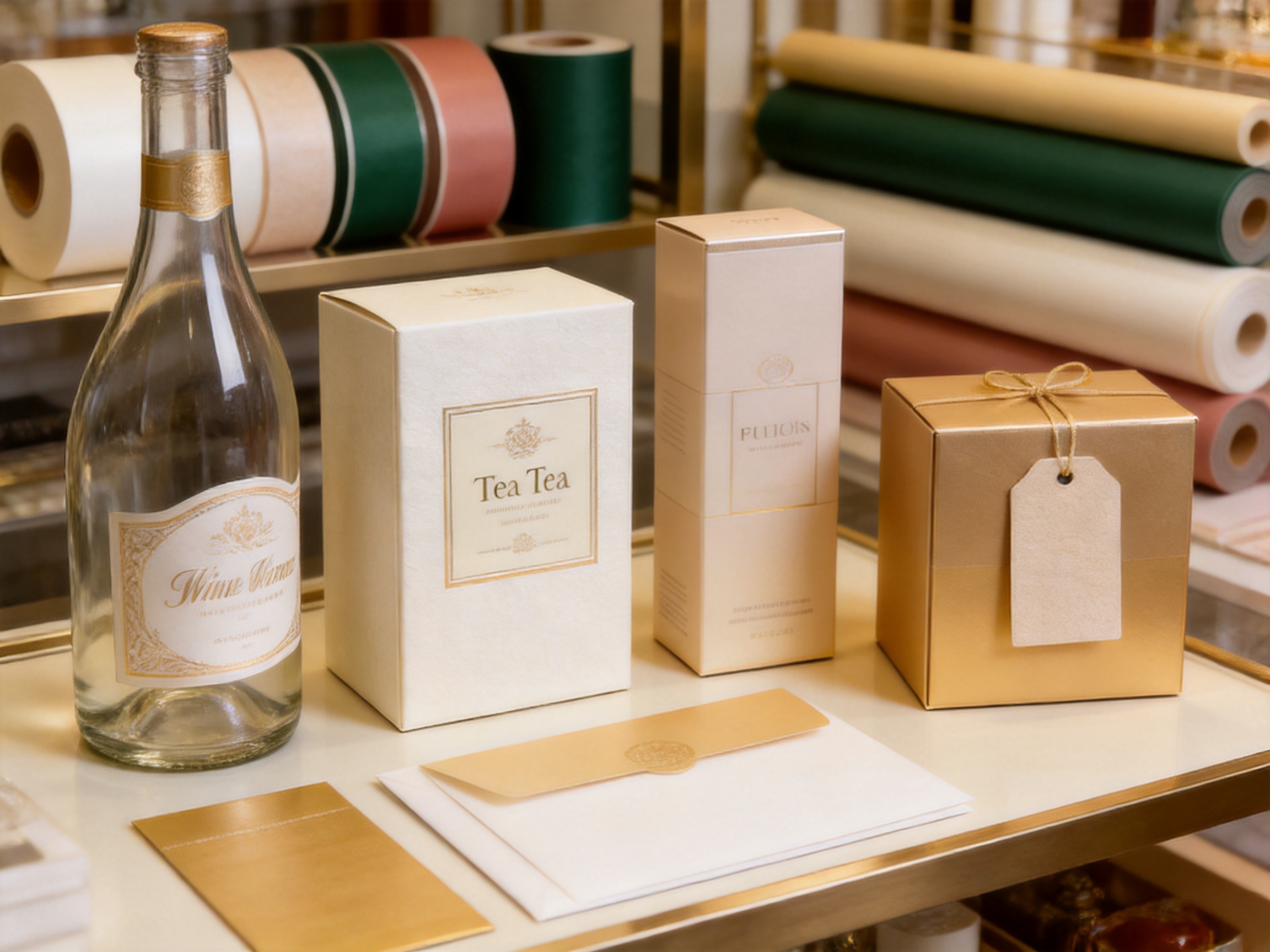
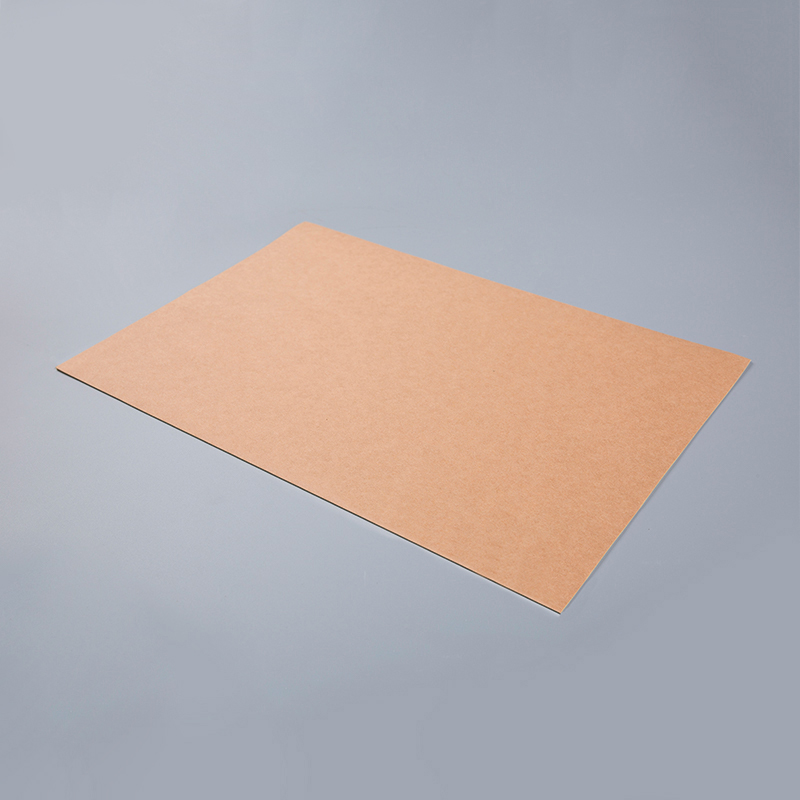
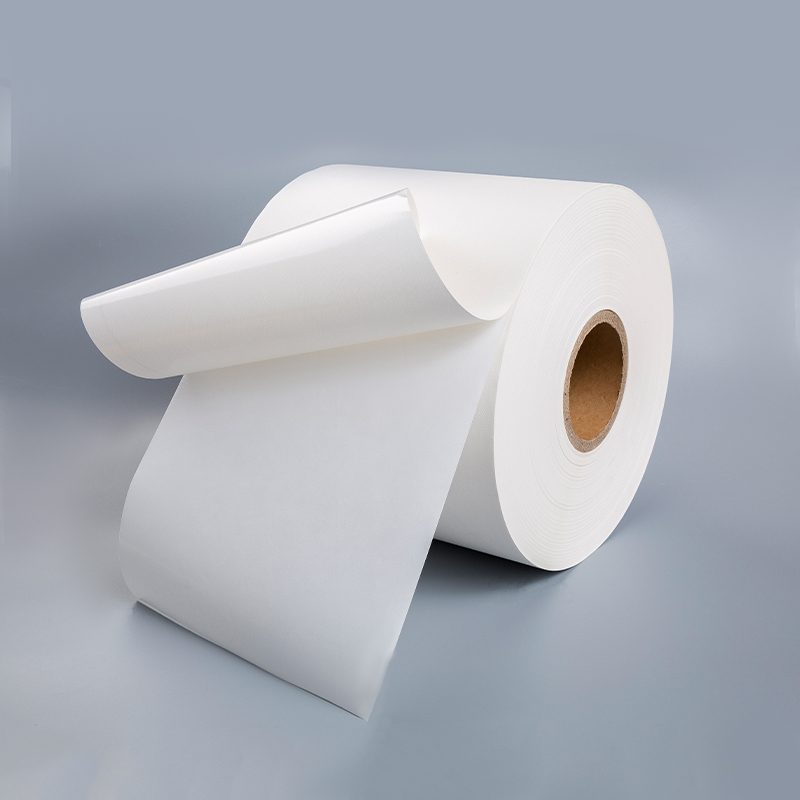
Special embossed paper is a premium self-adhesive label material developed for brands that want packaging to communicate quality before the product is opened. Its textured surface creates a distinctive visual and tactile impression, helping wine bottles, tea packages, cosmetics, gift products, and luxury goods stand apart in competitive retail environments. Unlike ordinary smooth label stock, embossed paper combines decorative depth with practical printing and application performance.
This material is designed for businesses that need more than a basic identification label. A premium label must support brand storytelling, present colors accurately, remain attractive during handling, and stay securely attached throughout the product lifecycle. The 100gsm special embossed paper described in this article addresses these requirements through a carefully selected face material, water-based adhesive, and glassine release liner construction.
Manufactured by Suzhou Piaozhihua Composite Material Technology Co., Ltd., the product benefits from integrated capabilities in coating, adhesive application, laminating, slitting, cutting, quality inspection, and customized production. The company has more than 20 years of OEM manufacturing experience, an annual production capacity exceeding 280 million square meters, and production resources dedicated to self-adhesive materials for domestic and international markets.
Content
- 1 What Is Special Embossed Paper?
- 2 Product Construction and Technical Specifications
- 3 The Importance of the Face Material
- 4 Water-Based Adhesive Performance
- 5 Glassine Release Liner Options
- 6 Advantages Over Conventional Smooth Label Paper
- 7 Applications in Wine Labels
- 8 Applications in Tea Packaging
- 9 Applications in Cosmetics and Personal Care
- 10 Applications in Gift Wrapping and Stationery
- 11 Manufacturing Capabilities and Process Control
- 12 Quality and Production Strengths
- 13 OEM and ODM Customization
- 14 Printing and Finishing Considerations
- 15 Sustainability Considerations
- 16 Packaging and International Delivery
- 17 Storage and Handling Recommendations
- 18 How to Select the Right Specification
- 19 Why Work with an Integrated Manufacturer?
- 20 Recommended Evaluation Procedure
- 21 Frequently Asked Questions
- 21.1 What is the standard face material?
- 21.2 What adhesive does the product use?
- 21.3 Which liner is supplied with the material?
- 21.4 Can the material be used for wine bottles?
- 21.5 Is the paper suitable for digital printing?
- 21.6 What roll widths are available?
- 21.7 Which sheet sizes are available?
- 21.8 Can the texture be customized?
- 21.9 Is the product environmentally friendly?
- 21.10 Can the company provide OEM and ODM services?
- 21.11 How is the material packaged for export?
- 21.12 How should the material be stored?
- 22 Conclusion
- 23 References
- 24 Product: Special Embossed Paper
What Is Special Embossed Paper?
Special embossed paper is a decorative paper substrate with a textured or raised surface. The embossing process changes the surface structure of the paper, creating patterns that can be seen under light and felt by touch. Depending on the design, the texture may resemble linen, felt, leather, fabric, fine grain, or another decorative finish.
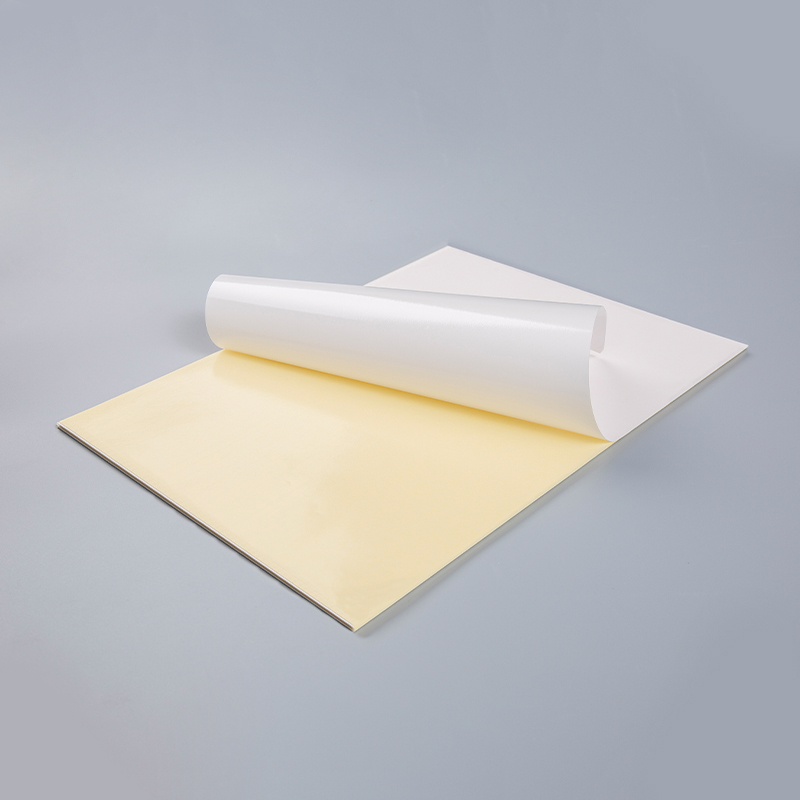
When converted into a self-adhesive material, the embossed face paper is combined with an adhesive layer and a release liner. The face paper provides the appearance and printable surface. The adhesive creates the bond between the label and the target packaging. The liner protects the adhesive before application and supports accurate die-cutting, handling, storage, and dispensing.
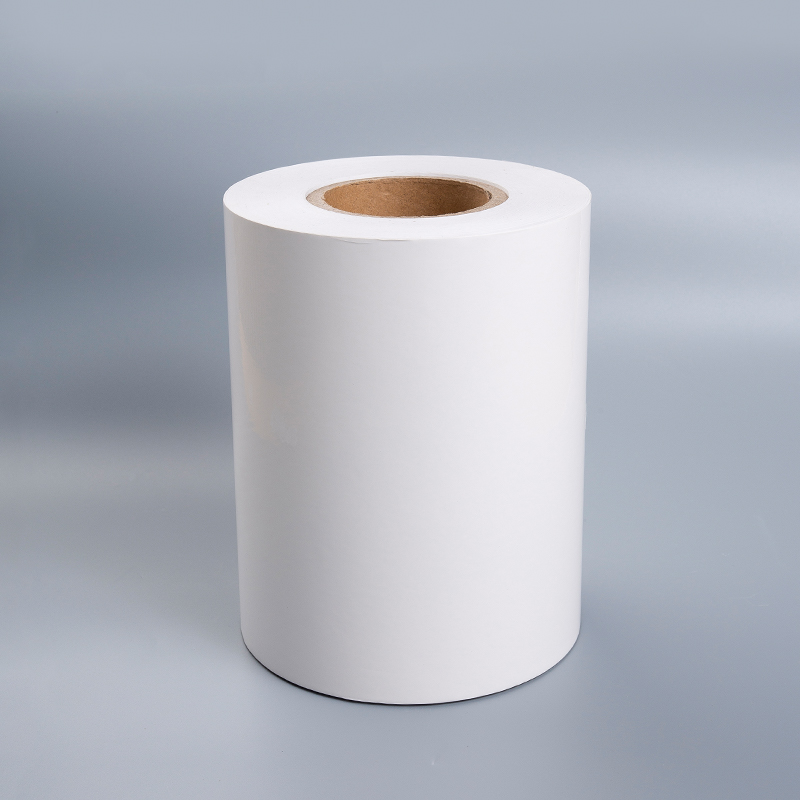
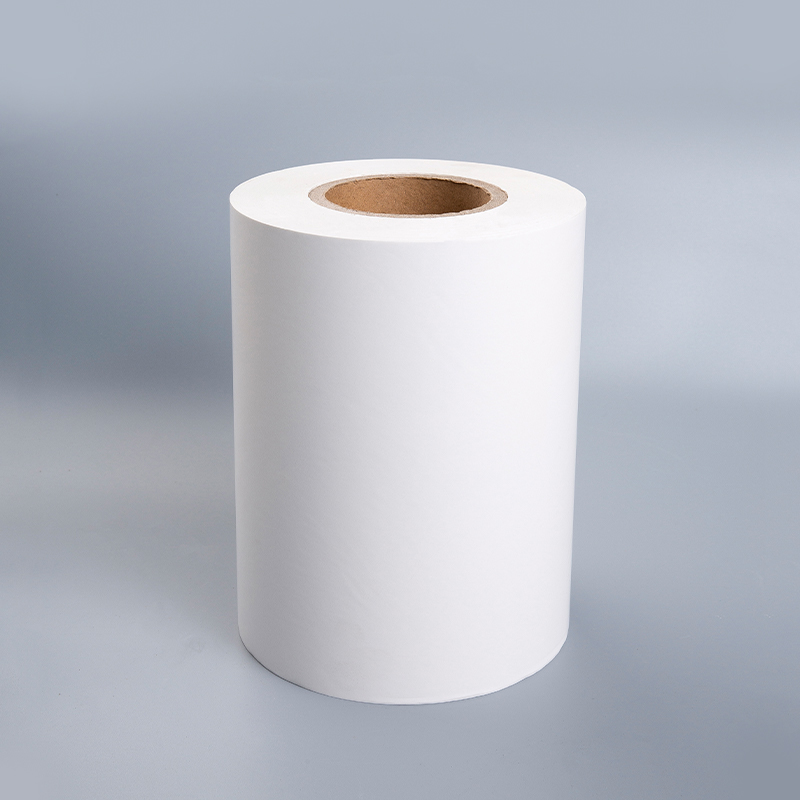
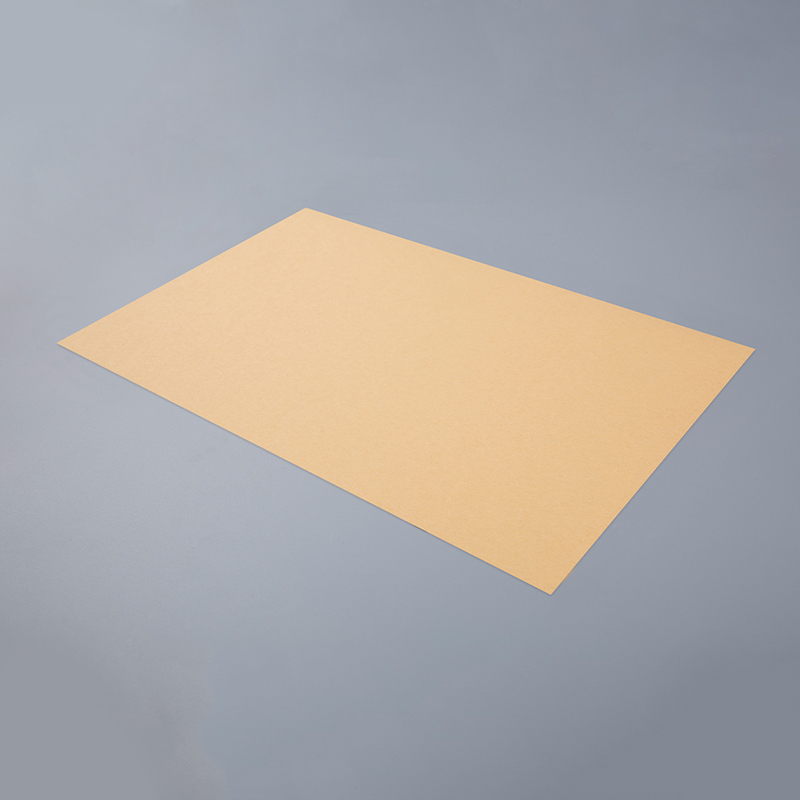
This three-layer structure makes the material suitable for both decorative and functional labeling. It can be supplied in jumbo rolls for industrial converting or in sheet formats for commercial printing, short-run production, customized packaging, and digital printing workflows.
The embossed surface is especially useful when a brand wants to create a premium impression without relying exclusively on metallic films, complex laminations, or expensive finishing procedures. The texture itself becomes part of the design language. It can reinforce ideas such as craftsmanship, tradition, authenticity, natural quality, heritage, elegance, or exclusivity.
Product Construction and Technical Specifications
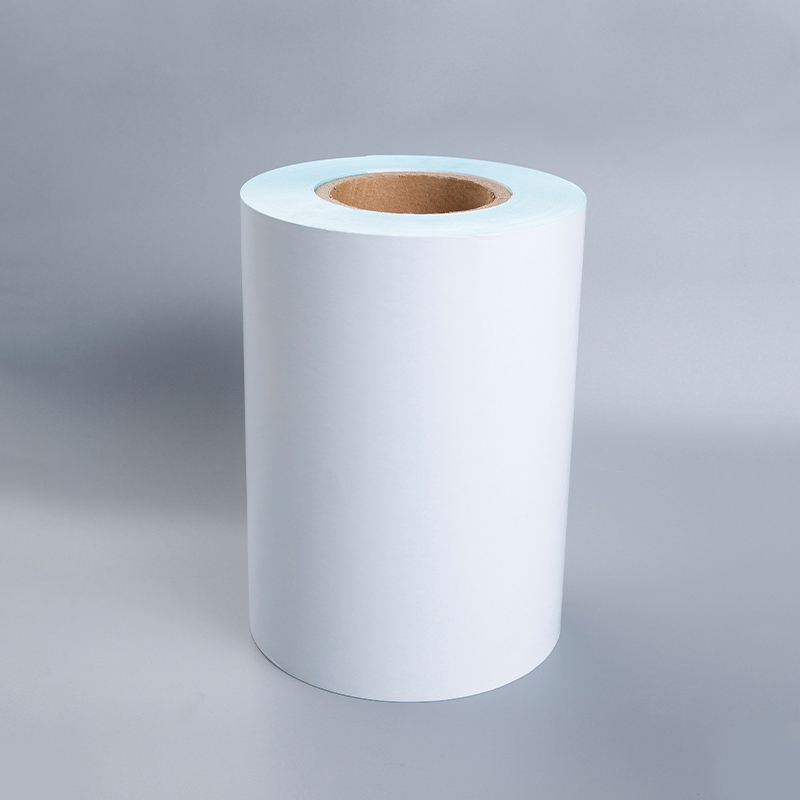
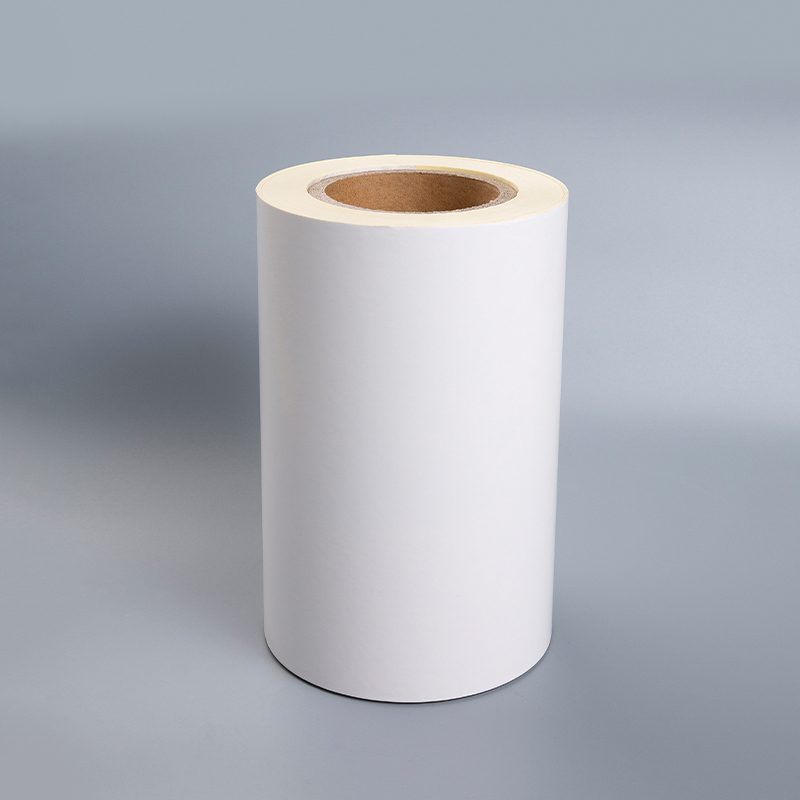
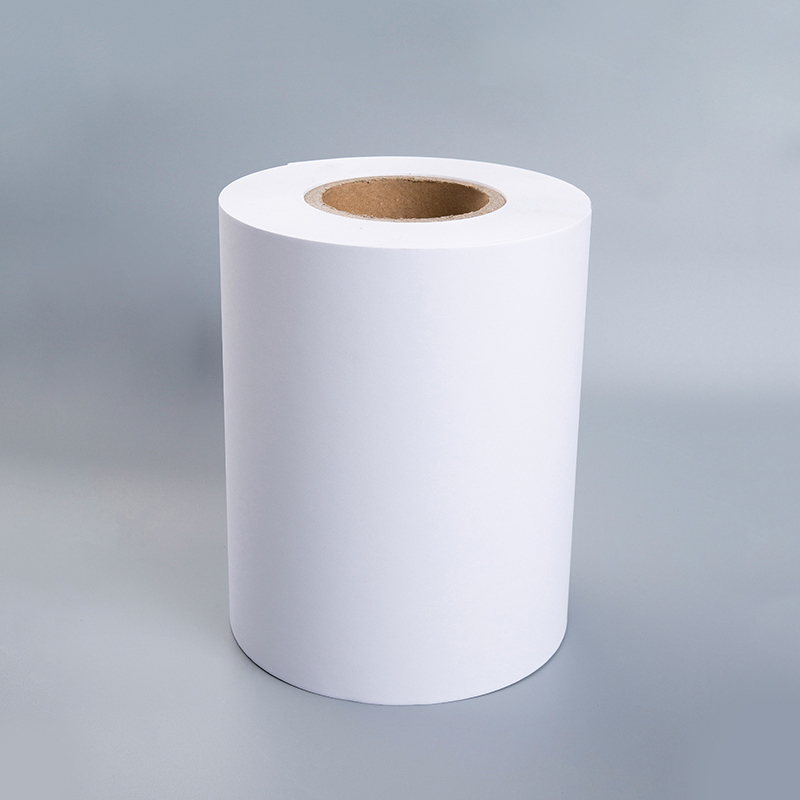
The standard product is built around a 100gsm special embossed paper face material. It uses water-based adhesive and a white glassine release liner. This construction is suitable for a broad range of self-adhesive label applications, particularly where appearance, printability, and reliable application are important.
| Item | Specification | Application Significance |
|---|---|---|
| Face material | 100gsm special embossed paper | Provides a textured, premium, and printable label surface |
| Adhesive | Water-based adhesive | Supports secure attachment while aligning with cleaner production objectives |
| Standard liner | 60g white glassine paper | Protects the adhesive and supports smooth converting and label release |
| Optional liner grades | 50g, 80g, 100g, and 120g glassine paper available | Allows the construction to be adjusted for converting, dispensing, and application requirements |
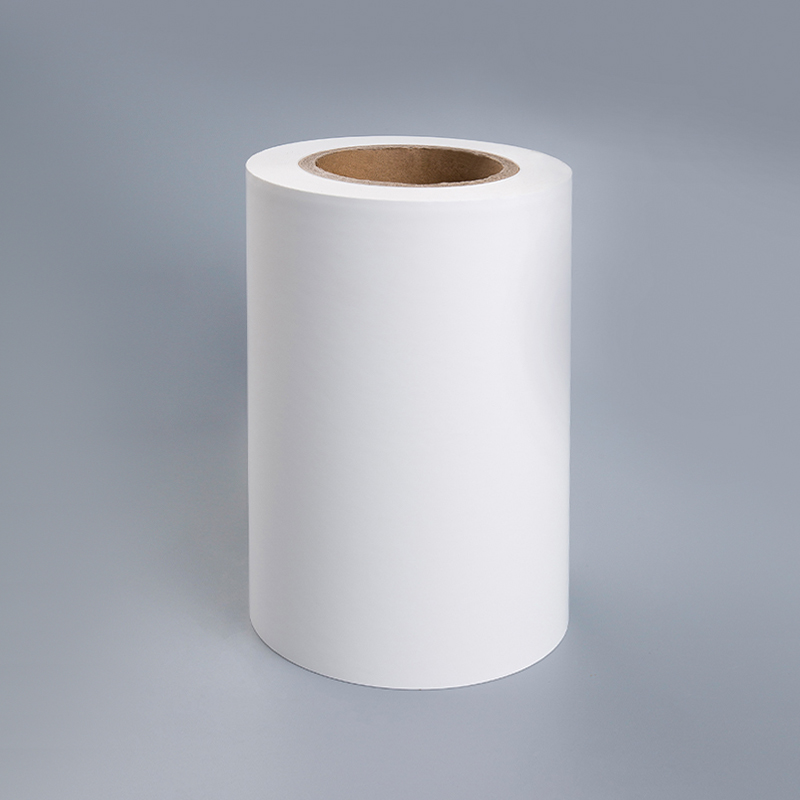
| Jumbo roll widths | 1000mm, 1020mm, 1080mm, and 1530mm | Suitable for different printing, laminating, slitting, and converting equipment |
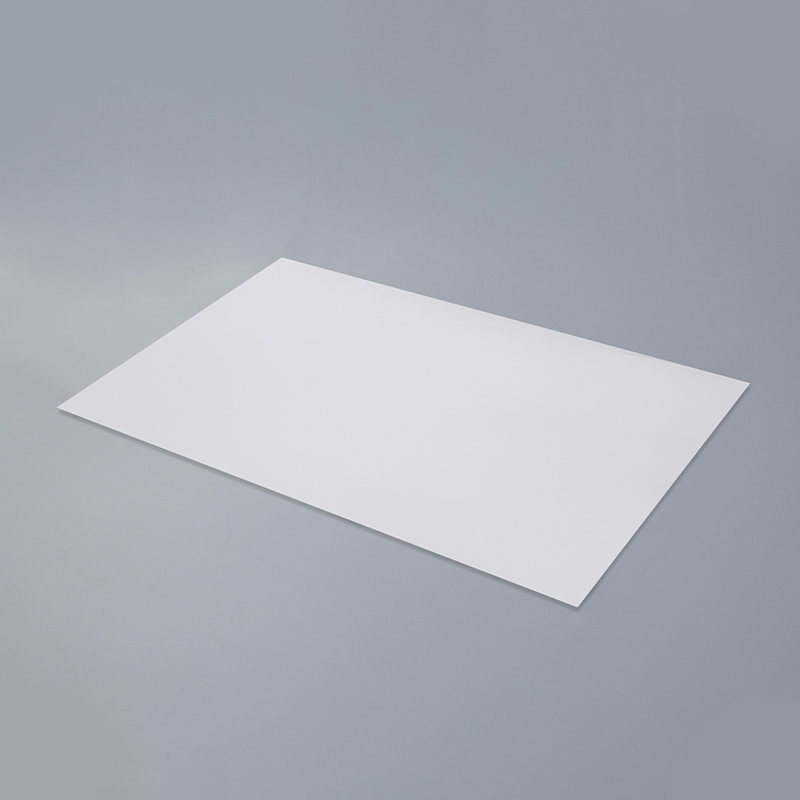
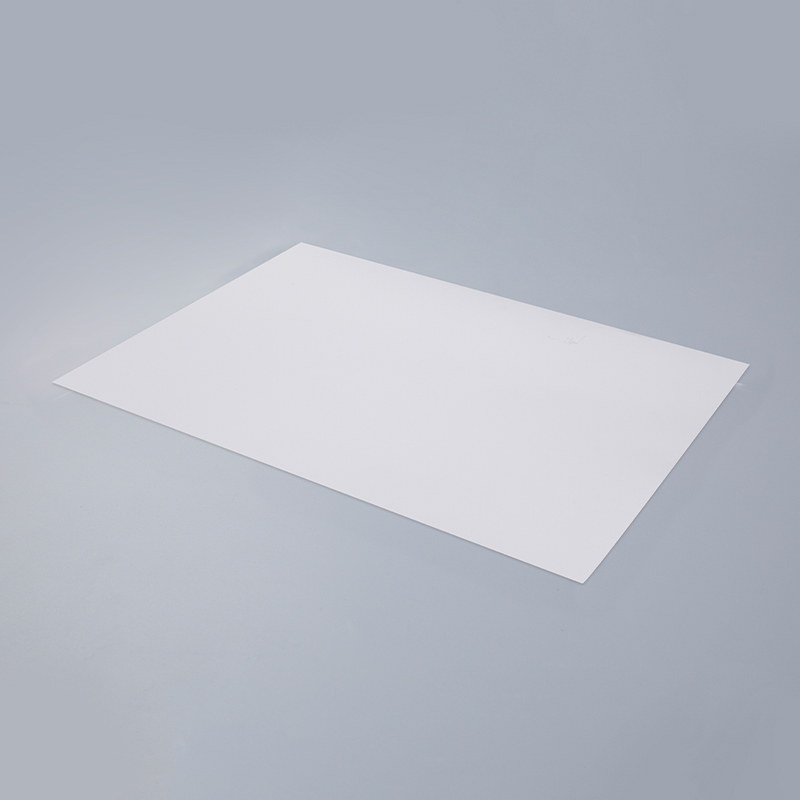
| Sheet formats | A4, A3, 20 x 30cm, 21 x 30cm, 24 x 36cm, 50 x 70cm, and 70 x 100cm | Supports commercial printing, digital printing, and customized sheet production |
| Customization | Customized sizes and specifications available | Helps match customer machinery, artwork, packaging dimensions, and order volumes |
The listed specifications provide a practical starting point rather than a limitation. Different customers may require alternative liner weights, roll widths, sheet dimensions, adhesive performance, or surface treatments. A professional manufacturer can review the intended application and recommend the most suitable construction before mass production.
The Importance of the Face Material
The face material is the visible and printable part of the label. In a premium application, its contribution is substantial because consumers often judge product quality through packaging details. A well-designed embossed face can produce subtle shadows, highlights, and tactile contrast that a standard smooth paper cannot provide.
The 100gsm basis weight offers a balance between visual substance and practical convertibility. The paper has enough body to create a substantial appearance on a bottle or package, while remaining suitable for roll processing, sheet cutting, die-cutting, printing, and application. The final selection should still be matched to the label dimensions, adhesive system, packaging curvature, printing method, and production speed.
Embossed paper can also help reduce the need for excessive graphic complexity. A simple logo printed on a textured surface may appear more distinctive than the same logo printed on an ordinary flat substrate. This enables designers to build premium packaging around restrained typography, a limited color palette, fine line work, and carefully positioned decorative elements.
The surface texture may affect ink coverage, drying, dot gain, and color appearance. For this reason, testing is recommended before a large commercial run. Print trials can help determine ink selection, printing pressure, drying conditions, color targets, varnish compatibility, and the best balance between texture visibility and image clarity.
Special Embossed Paper
Water-Based Adhesive Performance
The adhesive is the functional layer that connects the label to the bottle, box, carton, pouch, or other packaging surface. The product uses water-based adhesive, a widely used adhesive technology for paper label constructions. It is designed to provide secure attachment while supporting a more environmentally considerate material strategy than some solvent-intensive alternatives.
Adhesive selection should always consider the application surface and operating environment. Glass bottles, coated cartons, uncoated paperboard, plastic containers, and painted surfaces can have different surface energies and levels of porosity. The adhesive must also be evaluated against temperature changes, humidity, condensation, transportation vibration, handling friction, and the duration of the product lifecycle.
For wine labels, the adhesive must perform on curved glass surfaces and remain attractive during distribution, storage, retail display, and consumer handling. Wine bottles may experience cold storage, refrigeration, moisture, and condensation. The final label specification should therefore be confirmed through application trials under the expected conditions.
For tea packaging and cosmetics, the adhesive must work with the package material and production method. Folding cartons may have coatings, varnishes, or textured surfaces. Cosmetic containers may include glass, plastic, metal, or laminated board. A customized construction can help address these differences and reduce the risk of lifting, edge curling, bubbling, or premature detachment.
Good adhesive performance also depends on application quality. The package surface should be clean, dry, and free of dust, oil, release agents, and other contaminants. The application pressure, label dispensing speed, storage conditions, and package geometry can influence the result. Technical consultation and pilot testing are valuable when the label will be used for high-value products or exported to demanding markets.
Glassine Release Liner Options
The release liner protects the adhesive until the label is ready to be applied. The standard construction uses 60g white glassine paper, while 50g, 80g, 100g, and 120g glassine options are available. This range gives converters greater flexibility when selecting a liner for die-cutting, matrix stripping, label dispensing, sheet handling, or high-speed application.
Glassine is valued for its smoothness, compact structure, and controlled release properties. A consistent liner helps the label move smoothly through production equipment and supports clean separation when the label is removed from the backing. It also contributes to the dimensional stability of the self-adhesive construction during converting and storage.
A lighter liner may reduce material consumption and shipping weight, while a heavier liner may provide additional stiffness for specific converting or dispensing requirements. The correct choice depends on the label size, shape, die-cut design, machine configuration, application speed, and desired handling characteristics.
The liner is not merely a disposable backing material. Its quality influences the entire production process. Poor dimensional stability, inconsistent release, excessive curl, or inadequate strength can create waste and interruptions. By offering multiple glassine weights, the manufacturer can help customers select a construction that is compatible with their production conditions rather than forcing every project into one standard format.
Advantages Over Conventional Smooth Label Paper
Premium Tactile Presentation
The most immediate advantage of special embossed paper is its tactile quality. Consumers can feel the texture when they pick up a bottle, box, card, or package. This physical interaction can strengthen brand memory and create an impression of craftsmanship. Smooth paper can provide excellent print quality, but it does not offer the same dimensional experience without additional finishing.
Distinctive Shelf Appearance
Retail shelves are often crowded with products using similar colors, shapes, and graphic conventions. Embossed paper introduces surface variation that can catch light differently as the package moves or the consumer approaches it. The texture can make a restrained label design appear more refined and can help a product maintain visual distinction even when viewed from a distance.
Design Flexibility
The material is compatible with a wide range of design directions. It can support traditional wine branding, minimalist cosmetics, natural tea packaging, premium stationery, luxury gift tags, and seasonal gift wrapping. Designers can combine the textured face with typography, line art, logos, borders, foil elements, coatings, or selective printing to create a tailored result.
Compatibility with Multiple Printing Techniques
The product is suitable for different printing requirements when the correct ink, pressure, and production settings are selected. It can be evaluated for digital printing, flexographic printing, offset printing, screen printing, and other commercial processes. This versatility allows customers to choose a printing method based on order volume, artwork complexity, variable data, color requirements, and production schedule.
Functional Durability
Premium appearance is valuable only when it remains intact during handling. The paper construction is intended to resist ordinary wear and tear and to maintain its decorative character through packaging, transportation, retail display, and consumer use. Durability also depends on the selected adhesive, coating, label shape, package surface, and environmental conditions.
Material Customization
Customers can select from multiple roll widths, sheet formats, liner weights, and customized dimensions. This flexibility can reduce unnecessary trimming, improve material utilization, and simplify integration with existing equipment. It also supports both large-scale industrial production and smaller specialized packaging projects.
More Responsible Material Positioning
Paper-based face materials are attractive to brands seeking renewable, recyclable, or biodegradable packaging components. The product is made from responsibly sourced paper materials and supports sustainability-oriented packaging strategies. However, the recyclability or biodegradability of the complete label depends on the adhesive, liner, inks, coatings, packaging substrate, and local recycling infrastructure. These factors should be evaluated as a complete system.
Applications in Wine Labels
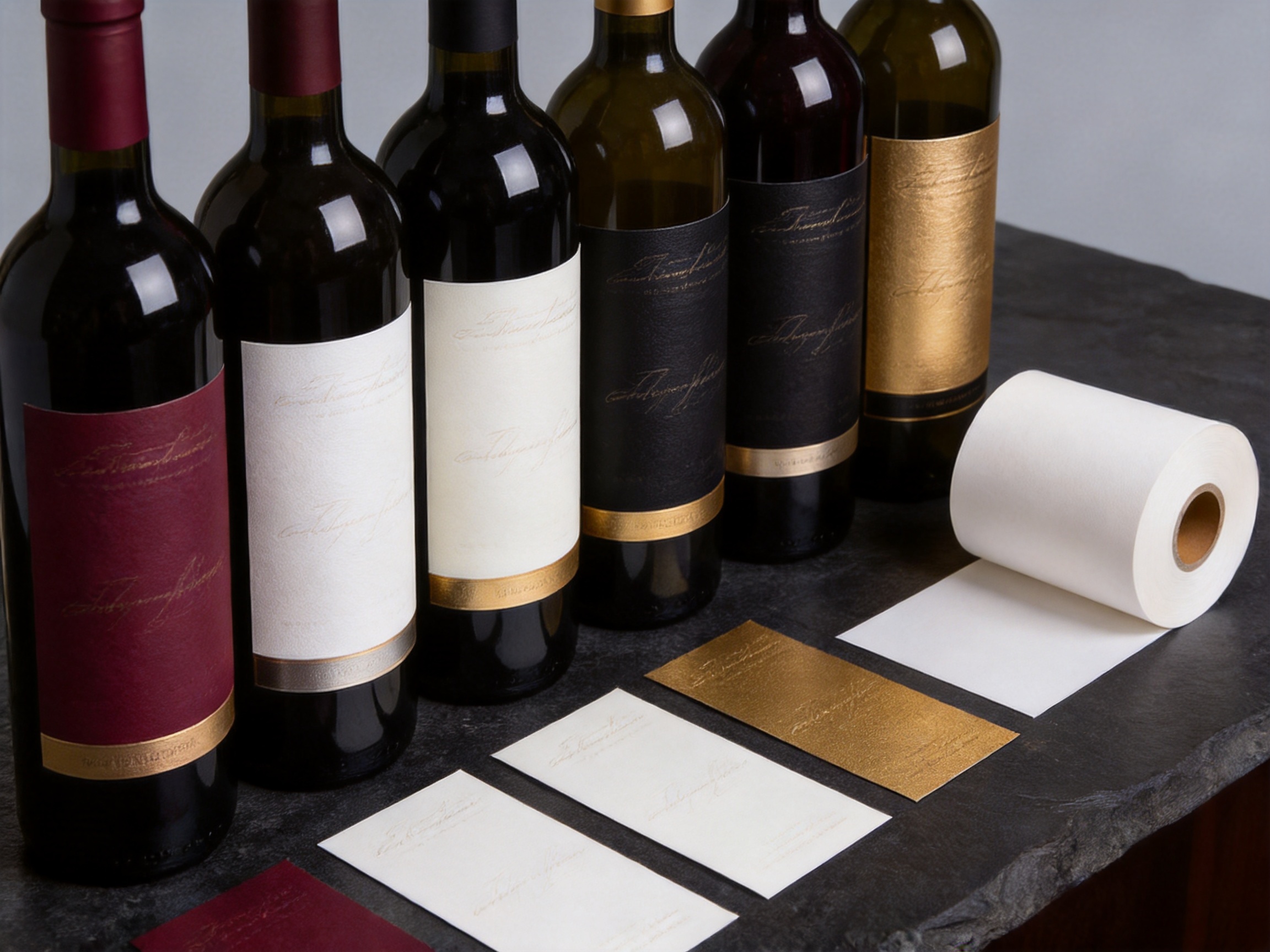
Wine is one of the most natural applications for special embossed paper. Wine buyers often associate tactile labels with vineyard heritage, small-batch production, regional identity, and premium craftsmanship. A textured label can support these associations while giving the bottle a more substantial and memorable presence.
The material can be used for front labels, back labels, neck labels, limited-edition labels, promotional stickers, gift box labels, and product seals. Different embossing patterns can distinguish product families within the same brand. For example, one texture may represent a reserve series, another may identify an organic range, and a third may be used for seasonal or commemorative releases.
Embossed paper is also suitable for labels that use restrained graphics. A single-color logo, a vintage illustration, or a fine-line vineyard image can gain visual depth from the paper texture. When combined with spot varnish, metallic details, or carefully controlled color contrast, the surface can create a sophisticated appearance without overwhelming the bottle.
Wine producers should consider the bottle curvature, label dimensions, storage temperature, moisture exposure, and application line speed. Samples should be applied to the actual bottle and evaluated after refrigeration, transportation simulation, and extended storage. These tests help confirm that the label remains flat and attractive under real conditions.
Applications in Tea Packaging
Tea packaging benefits from materials that communicate natural quality, tradition, and sensory experience. Special embossed paper can add warmth and texture to tea boxes, canisters, pouches, sachet envelopes, gift sets, and promotional cards. Its surface can complement botanical illustrations, calligraphy, natural color palettes, and heritage-inspired branding.
For tea products positioned around origin and craftsmanship, embossed paper can reinforce the idea of carefully selected ingredients and deliberate preparation. For modern premium tea brands, a clean design printed on a subtle texture can create a balance between contemporary simplicity and traditional character.
Tea packages may be produced from coated paperboard, kraft board, laminated structures, or rigid boxes. Each substrate has different bonding characteristics. The adhesive construction should therefore be selected and tested according to the final package material. Label size and placement should also be considered because larger labels and labels positioned near folds may require different converting or application parameters.
Applications in Cosmetics and Personal Care
Cosmetics packaging depends strongly on visual and tactile branding. Perfume boxes, skincare cartons, lipstick cases, candle packages, beauty gift sets, and promotional inserts all benefit from details that communicate luxury. A special embossed label can provide that detail while allowing the package to retain a paper-based appearance.
Cosmetic brands can use the material for ingredient labels, product name labels, limited-edition decorations, outer box seals, bottle labels, and gift packaging. The tactile surface may be especially effective for fragrances, botanical skincare, premium soaps, and products that emphasize natural or artisanal ingredients.
Because cosmetics may use glass, coated board, metal, and several types of plastic, application testing is important. Product oils, creams, alcohol-based formulations, and changes in temperature may affect packaging surfaces or adhesive performance. A technical review should be completed when the label is expected to remain attached in bathrooms, refrigerators, travel bags, or other demanding environments.
Applications in Gift Wrapping and Stationery
Special embossed paper is well suited to greeting cards, invitations, gift tags, envelopes, premium wrapping accessories, certificates, folders, notebooks, and luxury stationery. In these applications, the texture can become part of the tactile experience of opening a gift or receiving a formal communication.
Stationery designers can use the material for logos, monograms, seals, address labels, decorative strips, and package closures. The range of sheet sizes supports both short-run creative work and commercial printing. Customized dimensions can be produced for special invitations, branded gift boxes, and coordinated campaign materials.
For seasonal products, embossed paper can help create a sense of exclusivity without requiring a complicated package structure. A coordinated texture across labels, tags, and wrapping elements can make a complete gift presentation feel more unified and carefully designed.
Manufacturing Capabilities and Process Control
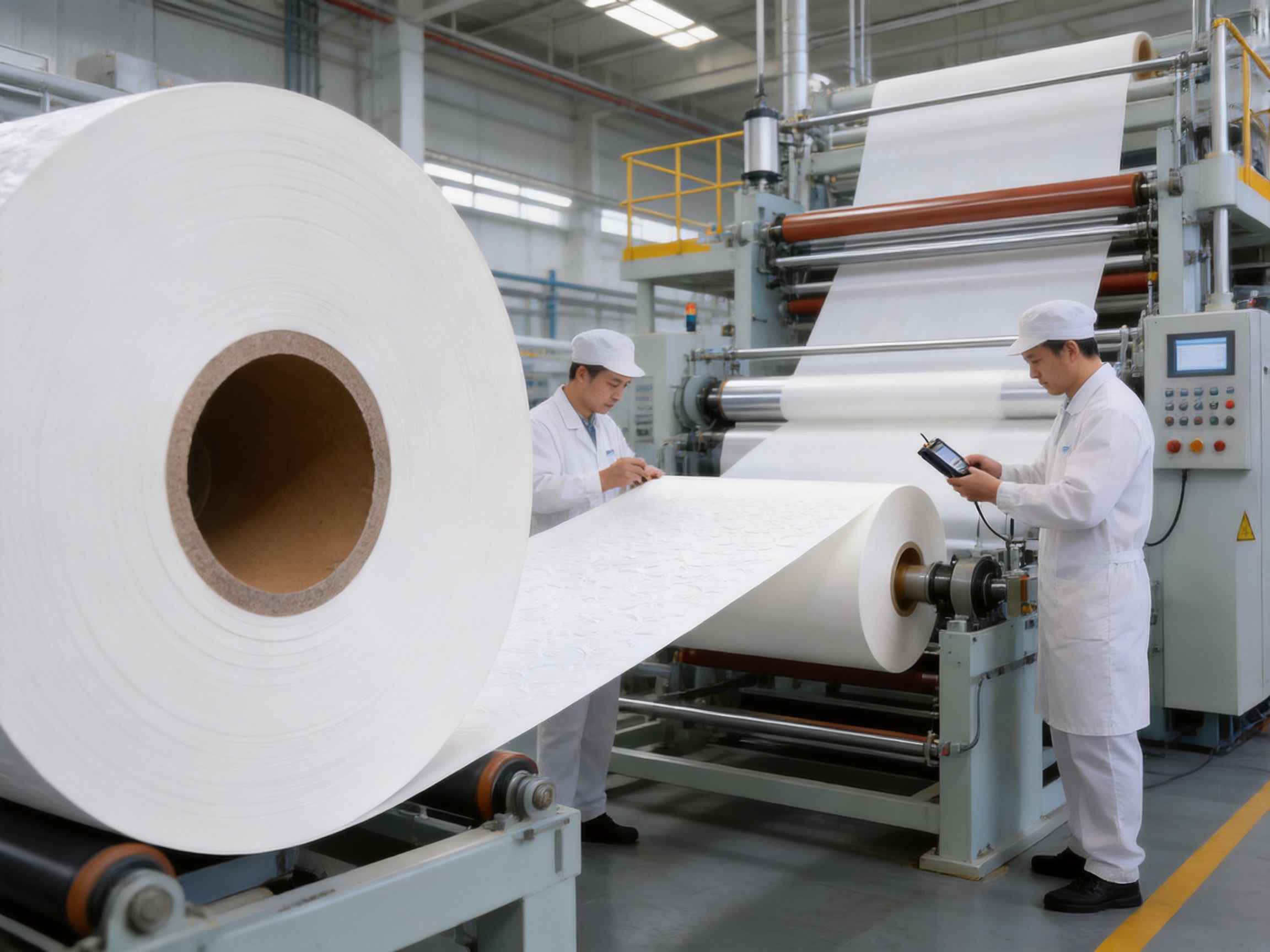
The performance of a self-adhesive embossed paper depends on more than the face material alone. Consistent production requires careful control of raw materials, adhesive application, laminating, curing, slitting, cutting, packaging, and inspection. Suzhou Piaozhihua Composite Material Technology Co., Ltd. integrates these operations through a full range of production lines.
Raw Material Selection
Production begins with the selection and inspection of the paper, adhesive, glassine liner, and other required materials. Face paper must be checked for basis weight, surface uniformity, moisture balance, texture consistency, roll condition, and print suitability. Glassine must be evaluated for smoothness, release performance, strength, and dimensional stability.
Raw material control is particularly important for embossed products because variations in surface structure may affect both appearance and printing. Consistent sourcing and incoming inspection help reduce differences between production batches and support stable downstream processing.
Adhesive Coating
The adhesive coating stage applies a controlled layer of water-based adhesive to the selected substrate. Coating weight, web tension, drying conditions, line speed, and moisture removal must be managed carefully. Excessive adhesive can increase ooze, affect converting, or cause application problems. Insufficient adhesive may reduce bond strength or create edge lifting.
Uniform coating is essential across the full web width. The manufacturer’s available production scale and process experience support the production of wide jumbo rolls for efficient conversion. Customers can also discuss specific requirements related to package surface, label size, application temperature, and expected service conditions.
Laminating
Laminating joins the embossed face material, adhesive layer, and release liner into a stable self-adhesive construction. Alignment, pressure, tension, and web cleanliness are carefully controlled. Good lamination helps prevent wrinkles, bubbles, delamination, and uneven roll formation.
The embossed face must be handled carefully during lamination. Excessive pressure or inappropriate tension could flatten the texture or create unwanted deformation. Process settings should preserve the decorative surface while ensuring adequate contact between the layers.
Slitting and Rewinding
Jumbo rolls can be slit into narrower widths according to customer requirements. Accurate slitting supports efficient use on printing presses, label converters, and automated application lines. Rewinding quality is also important because telescoping, loose edges, uneven tension, or roll deformation can cause problems during later processing.
The available jumbo roll widths include 1000mm, 1020mm, 1080mm, and 1530mm. These options allow customers to plan production around their existing machinery and reduce unnecessary material waste. Customized widths can be discussed for projects with special equipment or unusual label dimensions.
Sheet Cutting
For digital printing, commercial stationery, invitations, and short-run packaging, the material can be supplied in sheet sizes such as A4, A3, 20 x 30cm, 21 x 30cm, 24 x 36cm, 50 x 70cm, and 70 x 100cm. Sheet cutting must maintain accurate dimensions, clean edges, flatness, and reliable feeding characteristics.
Sheet production gives customers greater flexibility when they do not require full jumbo rolls. It can also support sampling, prototype development, seasonal campaigns, and customized product launches. The appropriate format should be selected based on printer specifications, label size, artwork layout, and expected production volume.
Inspection and Testing
Quality inspection may include visual checks, basis weight verification, adhesive coating assessment, liner release evaluation, roll appearance inspection, dimensional checks, and application testing. Finished materials should be reviewed for texture uniformity, wrinkles, contamination, edge damage, roll tightness, and other defects that could affect printing or converting.
The company maintains its own testing laboratory and uses inspection equipment to support product quality. Laboratory resources are valuable because they allow technical teams to compare materials, investigate customer feedback, verify process changes, and develop customized solutions for different applications.
Quality and Production Strengths
The manufacturer has more than two decades of experience in self-adhesive product manufacturing. This experience supports practical knowledge of paper selection, adhesive formulation, coating, laminating, converting, packaging, and export logistics. Long-term manufacturing experience also helps production teams identify potential issues before they become costly problems for customers.
The company operates production lines covering gluing, laminating, and cutting, with annual capacity exceeding 280 million square meters. A high-capacity production platform is useful for customers who need stable supply, repeat orders, large-scale packaging programs, or coordinated deliveries across multiple markets.
Its manufacturing approach combines standard products with OEM and ODM services. Customers may provide drawings, samples, packaging requirements, or technical specifications for evaluation. The professional research and development team can then help convert the concept into a practical self-adhesive material construction.
Product development is supported by testing resources and multiple patents. While a patent portfolio does not replace application testing, it indicates an ongoing commitment to technical development and process improvement. Continuous innovation is particularly important in specialty label materials, where customers increasingly request better sustainability, improved printability, distinctive textures, and more reliable application performance.
The company serves domestic and international markets through sales networks and long-term supply relationships. Its export experience helps it understand the importance of documentation, production consistency, protective packaging, transportation planning, and communication across different regions.
OEM and ODM Customization
Standard specifications are suitable for many applications, but premium packaging projects often require customization. Label dimensions may be determined by the bottle shape, carton layout, printing sheet, or automated application equipment. Liner weight may need to be adjusted for die-cutting or dispensing. Adhesive performance may need to match a particular substrate or storage condition.
OEM production allows customers to order materials according to established specifications, brand requirements, or production standards. ODM development is more suitable when the customer needs assistance selecting a face paper, adhesive, liner, texture, format, or finishing combination.
A typical customization process begins with a discussion of the product application. Important information includes the target packaging material, surface shape, label dimensions, printing method, application temperature, storage environment, expected service life, order quantity, and desired appearance. Samples can then be prepared for printing and application testing.
Testing should be performed on the actual package whenever possible. A label that performs well on a flat laboratory panel may behave differently on a curved bottle, textured carton, coated plastic container, or folding box. Real-package trials help evaluate adhesion, edge performance, texture appearance, print quality, die-cutting, and consumer handling.
Printing and Finishing Considerations
Embossed paper can support vibrant colors and sharp details when printing conditions are properly controlled. Designers and printers should consider the texture before finalizing artwork. Fine text, small barcodes, delicate line work, and solid ink areas may require adjustments depending on the depth and pattern of the embossing.
Color proofing is recommended because the paper surface can influence perceived color. Textured areas may scatter light differently from smooth areas, producing a softer or more tactile visual effect. A printed proof on the actual material is more reliable than a proof produced on ordinary paper.
Finishing options may include varnish, selective coating, foil details, die-cutting, perforation, numbering, or variable data printing. Compatibility should be confirmed through trials because additional coatings or finishing processes can influence surface feel, ink adhesion, flexibility, and the appearance of the embossed texture.
Barcodes and small functional graphics should be placed on relatively stable areas of the label where possible. Scanning performance should be checked after printing, especially when the design uses dark textured backgrounds, metallic effects, low contrast, or protective coatings.
Sustainability Considerations
Sustainable packaging decisions require consideration of the entire material system. The paper face provides a renewable and familiar substrate, and the product is designed to support environmentally conscious brand positioning. Recyclable and biodegradable paper components can contribute to a responsible packaging strategy when they are compatible with local collection and recycling systems.
However, a self-adhesive label includes paper, adhesive, liner, ink, and possibly coatings or decorative finishes. The final environmental profile depends on how these components interact with the primary package and how the finished package is processed after use. Brands should therefore evaluate the complete package rather than making assumptions based only on the face paper.
Material efficiency is another important consideration. Selecting the correct roll width or sheet size can reduce trimming waste. Accurate production and stable converting can lower the amount of rejected material. Lightweight or optimized liner options may reduce transportation weight, provided they meet the customer’s processing requirements.
Responsible sourcing, controlled manufacturing, efficient packaging, and appropriate end-of-life communication can work together to support a more balanced sustainability program. Customers with specific environmental certifications or regulatory requirements should communicate those needs before production so that the suitable materials and documentation can be reviewed.
Packaging and International Delivery
Special embossed paper must be protected during storage and transportation. Moisture, dust, impact, compression, and roll deformation can affect the material before it reaches the printing or application line. The manufacturer uses packaging methods designed to meet international sea transportation requirements.
Fumigation-treated recycled wooden pallets are used in accordance with global shipping expectations. The pallets provide protection against insects and mold while supporting stable stacking. Their design helps distribute weight evenly, reducing the risk of roll deformation during long-distance transportation.
Protective corner guards are embedded to help protect roll edges from impact. The palletized goods are tightly wrapped with stretch film, which helps limit movement and provides an additional barrier against dust and handling damage. Standardized forklift slots improve loading and unloading efficiency at the factory, warehouse, port, and customer facility.
For ream packaging, each ream contains 100 sheets. The ream is fully sealed with PE-coated kraft paper to provide protection against moisture and dust. Reinforced edges help minimize damage during handling. Multiple reams are stacked on pallets and secured with high-strength stretch film and anti-slip plastic straps to reduce shifting during transportation.
Good packaging is especially important for embossed paper because crushed edges, surface contamination, or moisture exposure can affect both appearance and processing performance. Export-ready palletization helps customers receive materials in a condition suitable for inspection, storage, printing, and converting.
Storage and Handling Recommendations
Self-adhesive embossed paper should be stored in a clean, dry, and temperature-controlled environment whenever possible. Rolls and sheets should remain in their original packaging until they are ready for use. Direct exposure to sunlight, high humidity, condensation, dust, and rapid temperature changes should be avoided.
Before printing or application, the material should be allowed to acclimatize to the production area. This is particularly important when the material has been transported through different climates. Sudden changes in temperature and humidity can influence paper moisture, curl, dimensional stability, adhesive behavior, and printing performance.
Rolls should be stored securely on suitable supports and protected from impact. They should not be placed directly on wet floors or exposed to excessive pressure. Sheets should be kept flat and protected from bending, edge damage, and contamination.
Printers and converters should follow their equipment manufacturer’s recommendations for web tension, printing pressure, drying, die-cutting, and waste stripping. A small production trial can identify adjustments before the material is used for a large order.
How to Select the Right Specification
The first consideration is the package surface. Glass, coated board, uncoated paperboard, plastic, metal, and laminated materials may require different adhesive behavior. The second consideration is the package shape. Flat cartons, cylindrical bottles, tapered containers, and irregular surfaces place different demands on label flexibility and edge adhesion.
The printing method should also be identified in advance. Digital printing may require a suitable sheet format and surface compatibility. Flexographic or offset production may require specific roll dimensions, ink systems, and drying conditions. High-speed application lines may benefit from a particular liner weight and roll configuration.
Environmental exposure is another key factor. Products stored in dry indoor conditions may have different requirements from wine bottles exposed to refrigeration, condensation, or damp transport conditions. Cosmetics used in bathrooms or carried during travel may also require more demanding adhesive and label construction testing.
Finally, the visual objective should be defined. A subtle texture may be suitable for minimalist luxury packaging, while a stronger embossed pattern may be preferred for gift products or heritage brands. Samples should be reviewed under retail lighting and in combination with the intended ink colors and finishing treatments.
Why Work with an Integrated Manufacturer?
An integrated manufacturer can coordinate material selection, adhesive coating, laminating, slitting, sheet cutting, inspection, packaging, and delivery. This reduces the need for customers to manage several separate suppliers and can make it easier to investigate technical issues.
Integrated production also supports better communication between development and manufacturing teams. If a customer reports a problem with printing, liner release, roll tension, or application, the manufacturer can review the complete construction rather than examining only one isolated component.
For recurring orders, integrated control can support consistency from batch to batch. Consistent face paper, adhesive coating, liner performance, roll dimensions, and packaging reduce variation in the customer’s own production process.
Suzhou Piaozhihua Composite Material Technology Co., Ltd. combines production capacity, laboratory testing, R&D resources, OEM and ODM services, and international supply experience. These capabilities are relevant to customers who need both a decorative material and a dependable long-term supply partner.
Recommended Evaluation Procedure
Step One: Define the Application
Identify the package type, surface material, shape, label dimensions, intended use, storage environment, and expected service life. Provide as much information as possible about the printing and application equipment.
Step Two: Select Initial Samples
Choose a suitable embossed texture, face material, adhesive construction, liner weight, and format. Samples should include the intended roll or sheet size whenever practical.
Step Three: Conduct Printing Trials
Print the actual artwork using the planned production method. Review color, sharpness, text legibility, barcode readability, ink adhesion, drying, and the visual relationship between the artwork and texture.
Step Four: Apply Labels to Actual Packaging
Apply the labels to the final bottle, carton, box, or container. Check positioning, wrinkle formation, edge adhesion, conformability, and overall appearance.
Step Five: Perform Environmental Testing
Where necessary, expose samples to refrigeration, humidity, condensation, transportation vibration, stacking, and extended storage. The test conditions should reflect the product’s real distribution and use environment.
Step Six: Confirm Production and Delivery Details
After technical approval, confirm roll widths, sheet sizes, packaging format, pallet configuration, order quantity, lead time, inspection requirements, and shipping documentation.
Frequently Asked Questions
What is the standard face material?
The standard face material is 100gsm special embossed paper. It provides a textured, premium appearance while remaining suitable for printing, converting, and self-adhesive label production.
What adhesive does the product use?
The standard construction uses water-based adhesive. Final adhesive suitability should be confirmed according to the package surface, application temperature, storage conditions, and expected service environment.
Which liner is supplied with the material?
The standard liner is 60g white glassine paper. Alternative 50g, 80g, 100g, and 120g glassine papers are available for different converting and dispensing requirements.
Can the material be used for wine bottles?
Yes. Wine labels are one of the main applications for special embossed paper. The material can provide a premium tactile appearance, but application testing is recommended for curved glass, refrigeration, condensation, and long-term storage conditions.
Is the paper suitable for digital printing?
It can be supplied in sheet formats suitable for digital printing evaluation. The printer, ink system, artwork, and surface texture should be tested together to confirm color, drying, adhesion, and image quality.
What roll widths are available?
Standard jumbo roll widths include 1000mm, 1020mm, 1080mm, and 1530mm. Customized widths can be discussed according to customer equipment and production requirements.
Which sheet sizes are available?
Available sheet formats include A4, A3, 20 x 30cm, 21 x 30cm, 24 x 36cm, 50 x 70cm, and 70 x 100cm. Customized sheet sizes can also be considered.
Can the texture be customized?
Texture and construction options should be discussed with the manufacturer according to the desired appearance, printing process, order quantity, and technical feasibility. Samples are recommended before mass production.
Is the product environmentally friendly?
The paper-based construction supports sustainability-oriented packaging strategies, and the product uses responsibly sourced paper materials and water-based adhesive. The complete environmental profile depends on the liner, inks, coatings, package substrate, and local recycling facilities.
Can the company provide OEM and ODM services?
Yes. The company offers OEM and ODM services and can produce materials based on customer drawings, samples, specifications, or application requirements. Its R&D team and testing laboratory support customized development.
How is the material packaged for export?
Export packaging includes fumigation-treated recycled wooden pallets, protective corner guards, stretch film, and standardized forklift openings. Reams are sealed with PE-coated kraft paper and secured with stretch film and anti-slip plastic straps.
How should the material be stored?
Store it in a clean, dry environment away from direct sunlight, moisture, condensation, dust, and sudden temperature changes. Keep rolls and sheets in their protective packaging until use, and allow them to acclimatize before printing or application.
Conclusion
Special embossed paper offers a practical way to combine premium appearance, tactile differentiation, printability, and self-adhesive functionality. Its 100gsm textured face material helps wine labels, tea packages, cosmetics, gift products, and stationery communicate quality through both sight and touch. Water-based adhesive and flexible glassine liner options provide a foundation for reliable application, while multiple roll and sheet formats support different production systems.
The product’s advantages over conventional smooth label paper are most visible in premium packaging environments. It can create stronger shelf presence, enrich restrained designs, support brand storytelling, and deliver a more memorable consumer experience. At the same time, its performance depends on correct specification, suitable printing conditions, proper application, and realistic environmental testing.
Suzhou Piaozhihua Composite Material Technology Co., Ltd. strengthens the product offering through integrated manufacturing lines, more than 20 years of experience, high annual production capacity, OEM and ODM development, laboratory testing, professional R&D resources, and export-ready packaging. These capabilities allow the company to provide more than a decorative paper material: they support a complete supply solution from technical consultation and sample development to mass production and international delivery.
For brands seeking distinctive, durable, and customizable labels, special embossed paper is a strong choice for creating packaging that looks refined, feels substantial, and remains functional throughout the product lifecycle.
References
1. International Organization for Standardization. Quality management principles and general manufacturing quality practices.
2. International Organization for Standardization. Packaging and environmental management considerations for paper-based products.
3. Technical guidance on pressure-sensitive adhesive label construction, including face materials, adhesives, and release liners.
4. Industry reference materials on glassine paper, release coating performance, and self-adhesive label converting.
5. Printing industry guidance on paper surface characteristics, ink adhesion, color control, and digital printing evaluation.
6. Packaging engineering references covering label application, storage, transportation vibration, humidity, and condensation testing.
7. Manufacturer-provided product specifications for 100gsm special embossed paper, water-based adhesive, glassine liner options, roll widths, sheet formats, and export packaging.
8. Manufacturer-provided company information concerning production capacity, OEM and ODM services, laboratory resources, R&D capabilities, and international supply experience.