
 English
 Español
 русский
 Français
 عربى
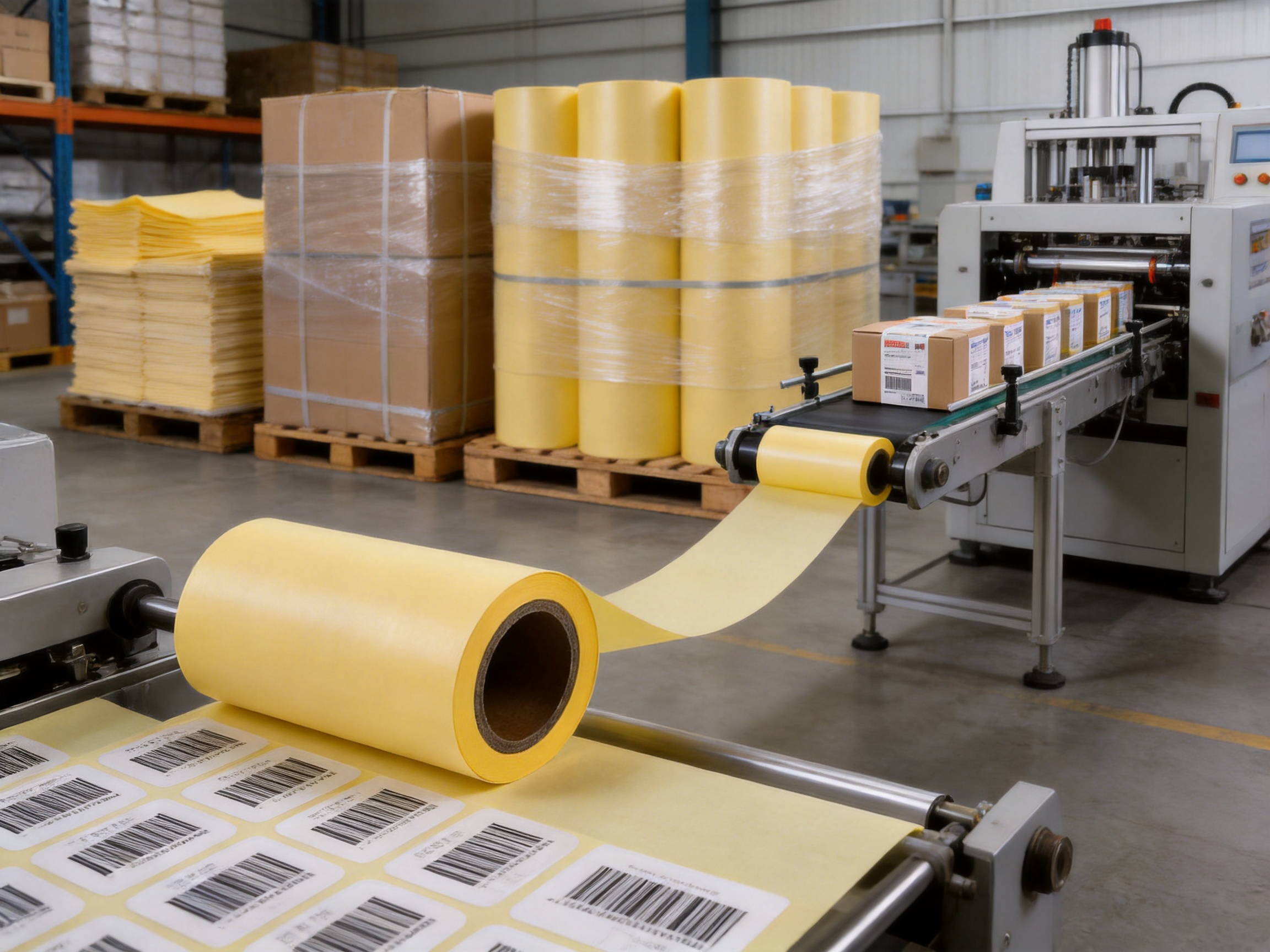
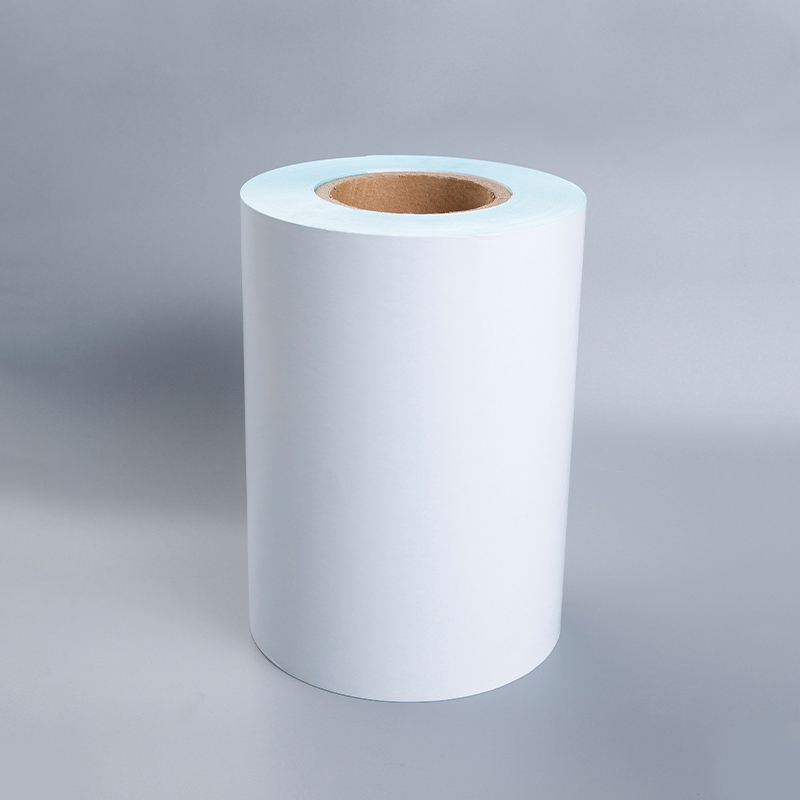
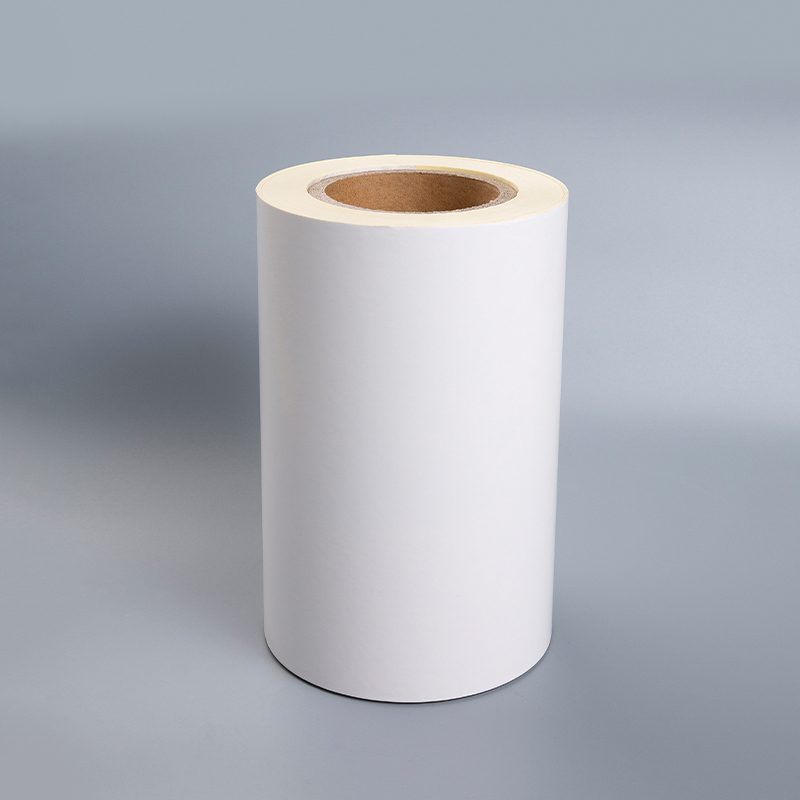
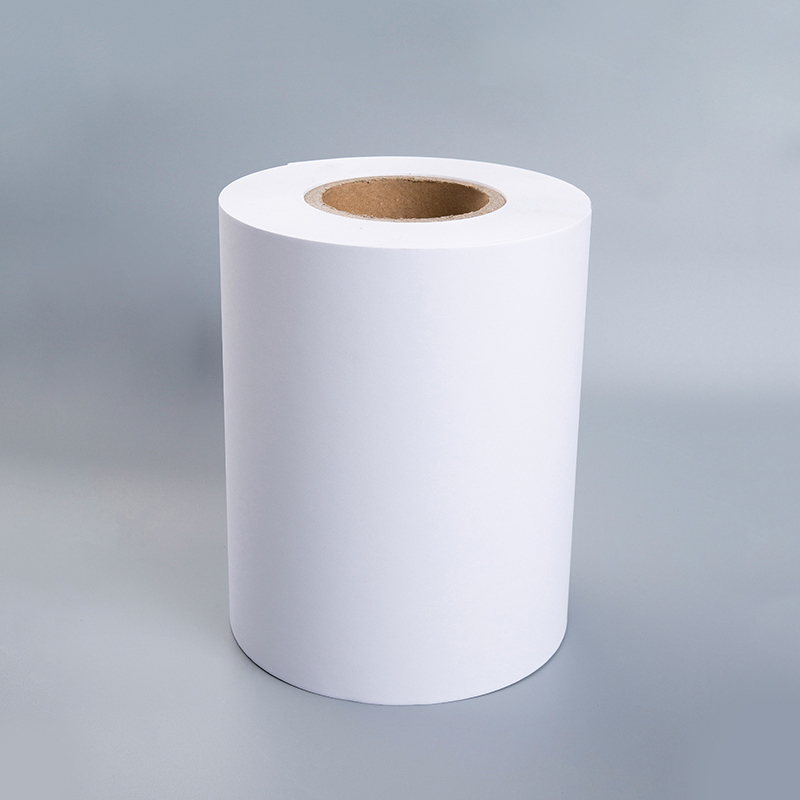
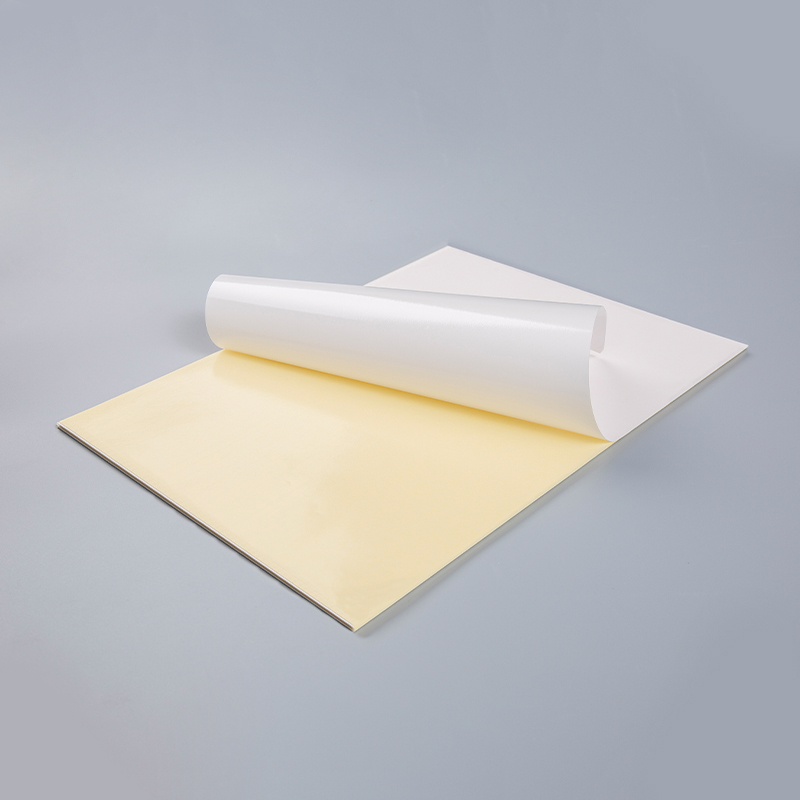
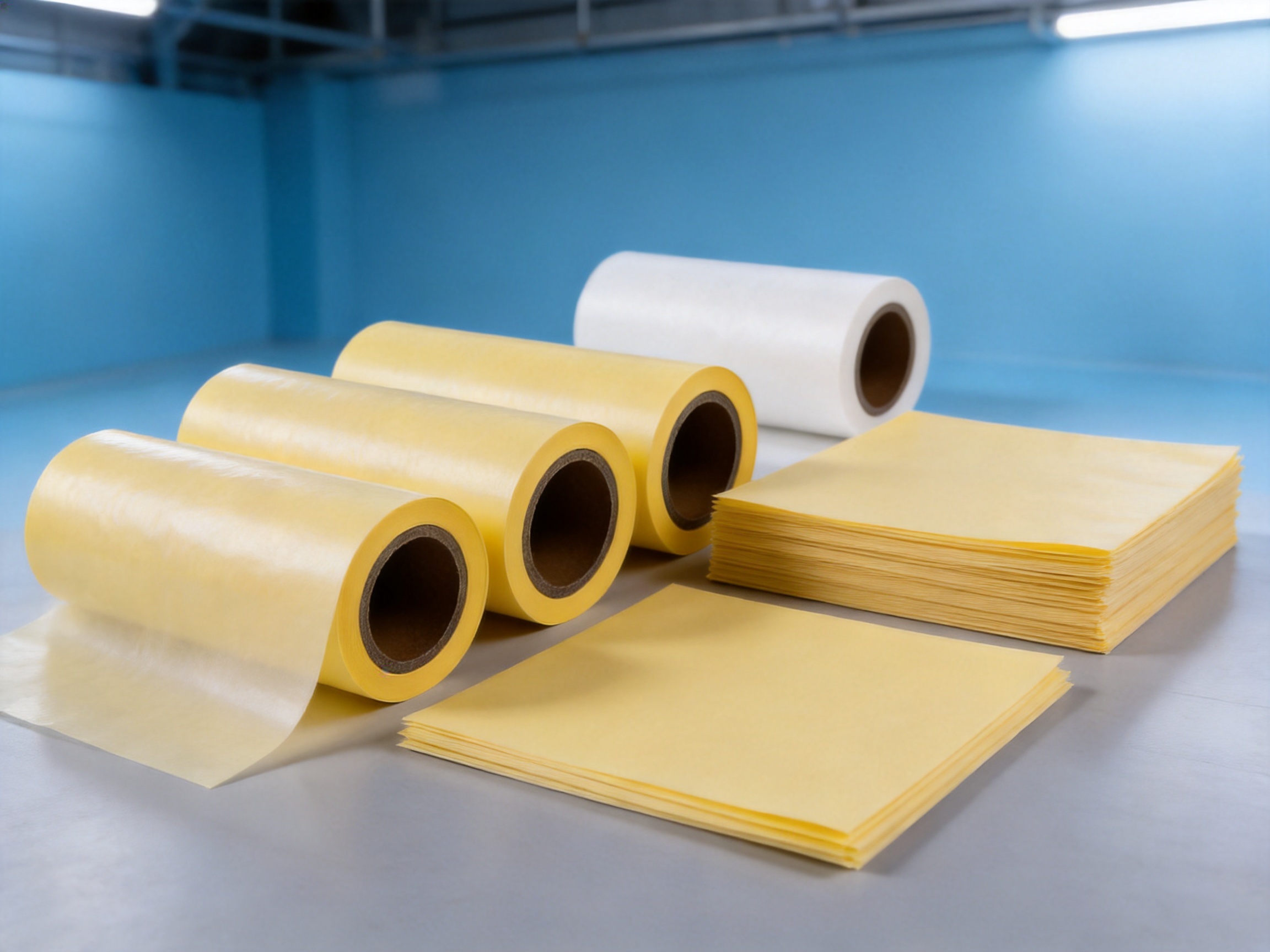
Yellow Glassine Paper is a smooth, translucent, compact paper material developed for self-adhesive labels, tapes, packaging components, and other release applications. Its combination of uniform formation, clean surface quality, dimensional stability, and flexible converting performance makes it a practical choice for manufacturers that need dependable backing material for high-speed production.
Used as a label liner or release-paper substrate, glassine paper supports efficient die-cutting, converting, dispensing, storage, and application. The yellow appearance provides a recognizable visual identity and can assist with material differentiation during production. White and yellow options are available, allowing purchasers to select a suitable appearance for product organization, processing, and end-use requirements.
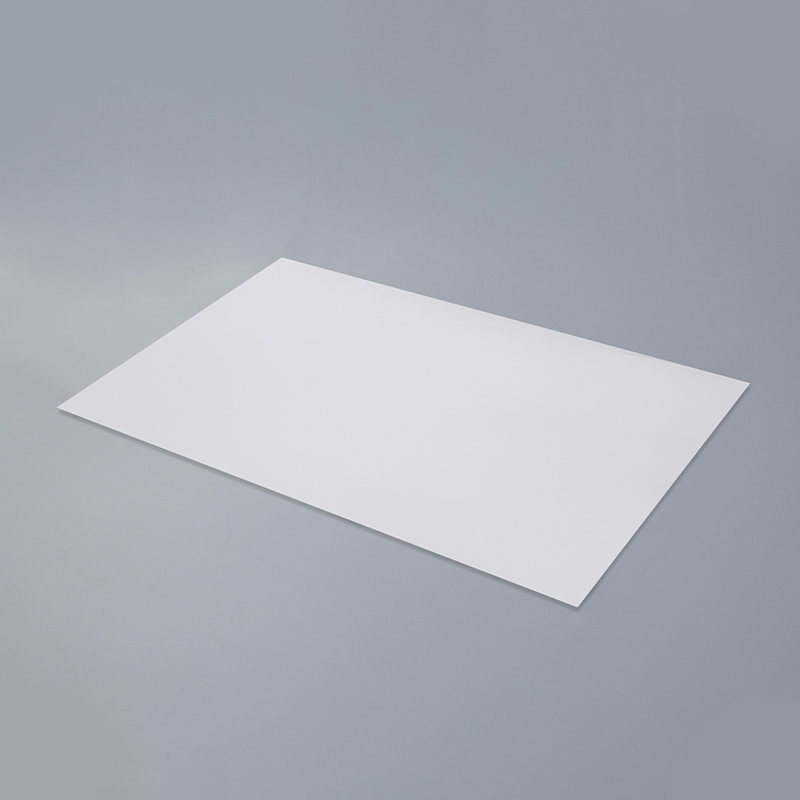
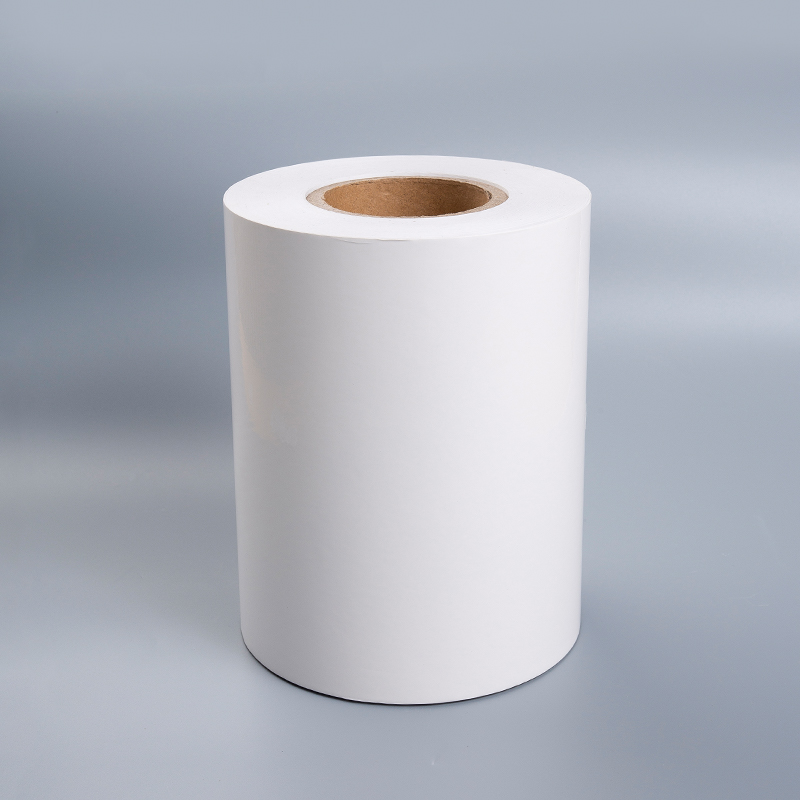
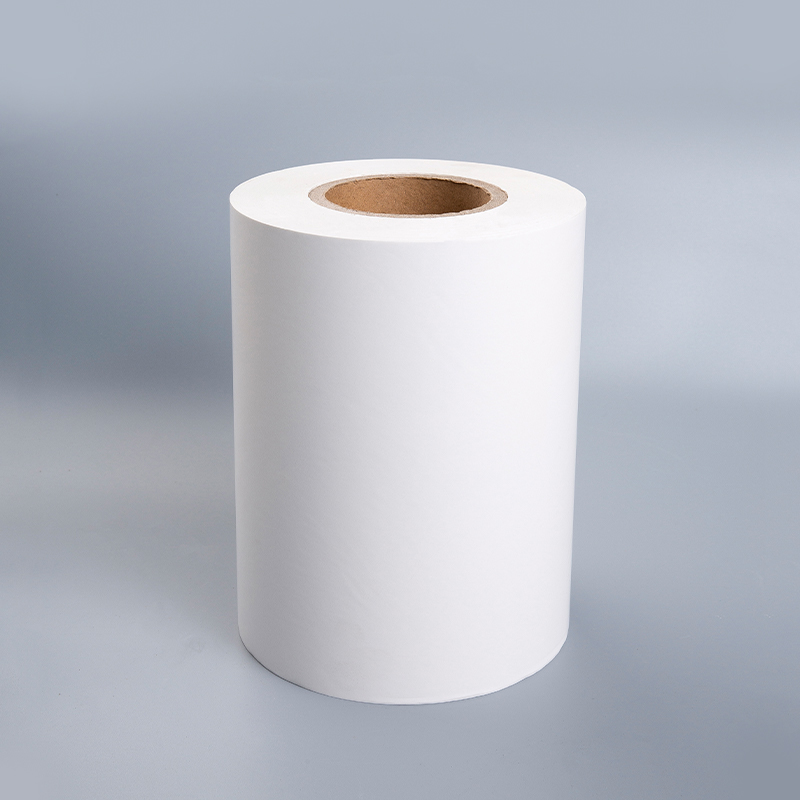
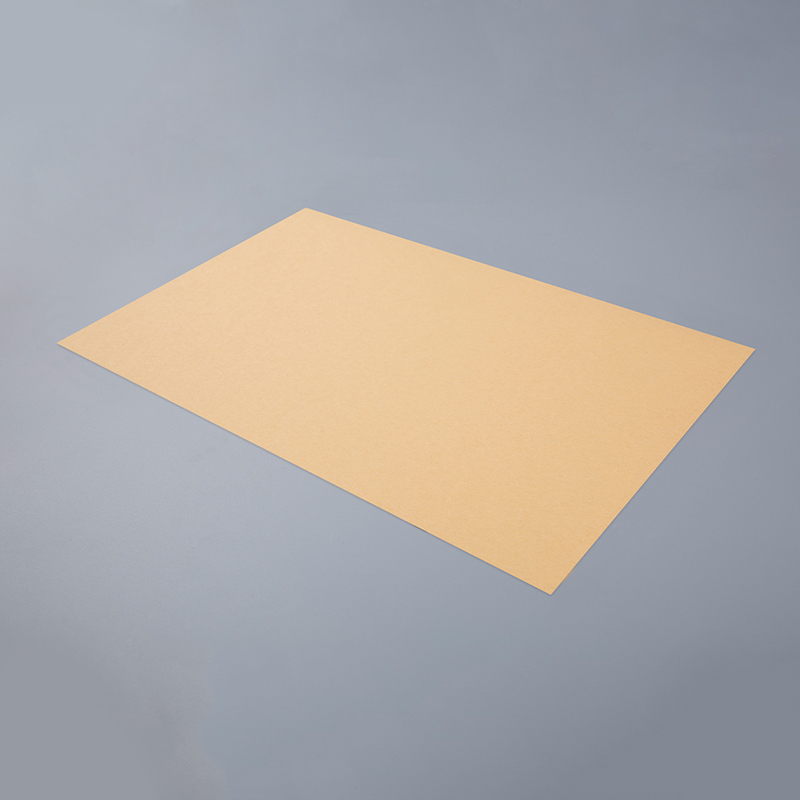
Yellow Glassine Paper is available in several basis weights, including 50 g, 60 g, 80 g, 100 g, and 120 g options. It can be supplied in jumbo rolls with widths of 1000 mm, 1020 mm, 1080 mm, and 1530 mm, as well as in sheets such as A4, A3, 20 by 30 inches, 21 by 30 inches, 24 by 36 inches, 50 by 70 cm, and 70 by 100 cm. Customized dimensions can also be discussed for specific production systems and converting requirements.
For buyers comparing conventional paper liners, plastic films, and other release substrates, glassine paper offers an attractive balance between processability, appearance, material efficiency, and application versatility. It is particularly suitable for users seeking a paper-based solution for self-adhesive products while maintaining reliable performance during rotary and flatbed die-cutting.

Yellow Glassine Paper
Content
- 1 What Is Yellow Glassine Paper?
- 2 Main Product Specifications
- 3 Key Advantages of Yellow Glassine Paper
- 4 Applications in Label and Adhesive Manufacturing
- 5 Manufacturing Process and Technical Strengths
- 6 Why Choose an Experienced Manufacturing Partner?
- 7 Advantages Compared with Ordinary Paper Liners
- 8 Advantages Compared with Plastic Film Liners
- 9 Roll and Sheet Packaging
- 10 How to Select the Correct Grade
- 11 Quality Control Recommendations for Customers
- 12 Environmental and Sustainability Considerations
- 13 Customization and OEM Support
- 14 Ordering and Technical Communication
- 15 Frequently Asked Questions
- 15.1 What is Yellow Glassine Paper mainly used for?
- 15.2 What basis weights are available?
- 15.3 Is the product available in colors other than yellow?
- 15.4 Can the material be supplied in jumbo rolls?
- 15.5 Can it be purchased in sheets?
- 15.6 Is Yellow Glassine Paper suitable for automatic labeling?
- 15.7 Can it be used for double-sided tape?
- 15.8 How does glassine compare with ordinary paper?
- 15.9 How does it compare with plastic film liners?
- 15.10 Does the product include a release coating?
- 15.11 Can the company provide OEM or ODM services?
- 15.12 How should the product be stored?
- 15.13 What packaging options are available?
- 15.14 Can the manufacturer help choose the correct basis weight?
- 16 Conclusion
- 17 References
- 18 Product: Yellow Glassine Paper
What Is Yellow Glassine Paper?
Glassine paper is a highly calendered paper with a dense and exceptionally smooth surface. During manufacturing, the paper web is refined and compressed to create a more uniform structure than ordinary printing or packaging paper. This process gives glassine its characteristic smoothness, translucency, compactness, and relatively low porosity.
Yellow Glassine Paper is a colored glassine grade designed for applications in which a yellow backing material is preferred. The color may be selected for visual differentiation, brand coordination, warehouse identification, or production management. Depending on the final construction, the glassine substrate can be used with suitable adhesive and release systems to create liners for labels, tapes, and other sticky products.
In a self-adhesive label construction, the glassine liner generally protects the adhesive layer before application. The liner must remain stable during coating, drying, rewinding, slitting, die-cutting, storage, and dispensing. It should also separate from the adhesive at a controlled level when the finished label is applied to a package, product, container, or document.
In addition to label applications, glassine paper can serve as a release substrate for double-sided tape, specialty adhesive products, industrial stickers, and selected packaging components. Its smooth surface and consistent formation make it suitable for processes that require accurate cutting and clean handling.
Main Product Specifications
The product range is designed to cover both general-purpose and more demanding converting requirements. Different basis weights provide options for flexibility, stiffness, handling behavior, and finished-product construction. A lighter grade can be appropriate where material reduction and flexibility are important, while a heavier grade may be preferred when additional body and handling strength are required.
Item | Available Specification | Application Consideration |
Material | Glassine paper | Suitable for labels, tapes, adhesive products, and release applications |
Basis weight | 50 g, 60 g, 80 g, 100 g, and 120 g | Selection can be based on flexibility, stiffness, converting, and product construction |
Color | Yellow; white also available | Supports visual differentiation and customized product programs |
Jumbo roll widths | 1000 mm, 1020 mm, 1080 mm, and 1530 mm | Suitable for slitting, coating, laminating, and roll-to-roll converting |
Sheet sizes | A4, A3, 20 by 30, 21 by 30, 24 by 36, 50 by 70 cm, and 70 by 100 cm | Suitable for sheet-fed processing and customized requirements |
Customized size | Available according to customer requirements | Can be considered for special machines, formats, and production lines |
The listed sizes provide a practical starting point for customers, but purchasing decisions should also consider the adhesive system, label geometry, die-cutting method, dispensing equipment, storage conditions, and final application surface. A technically suitable liner is selected not only by basis weight, but also by its compatibility with the full adhesive construction.
Key Advantages of Yellow Glassine Paper
Smooth and Uniform Surface
The most important advantage of glassine paper is its smooth, compact surface. Compared with ordinary paper, glassine has a more controlled formation and a more even surface profile. This supports consistent contact with adhesive coatings, release coatings, laminates, and converting equipment.
A uniform surface can help reduce variation in the finished adhesive construction. It also supports clean printing or marking on suitable production systems and helps the paper pass through rollers, guides, slitting stations, and die-cutting units with less surface disturbance.
Suitable for High-Speed Processing
Modern label and tape manufacturers often operate at high line speeds. Production efficiency depends on stable web handling, accurate tension control, reliable unwinding, and predictable behavior during die-cutting. Yellow Glassine Paper is designed for the types of roll and sheet applications commonly used in high-speed automatic labeling and adhesive-product manufacturing.
Its compact structure and smooth finish support efficient movement through converting machinery. When the selected basis weight and roll construction are matched correctly to the equipment, the material can contribute to steady web flow and reduced interruptions caused by roughness, excessive dust, inconsistent thickness, or poor winding.
Effective for Rotary and Plate Die-Cutting
Die-cutting performance is a major consideration in label production. Labels may be produced in complex shapes, narrow formats, small dimensions, or closely spaced arrangements. The liner must provide a stable support layer while the adhesive face material is cut or processed.
Yellow Glassine Paper is especially suitable for rotary and plate die-cutting. Its smooth and consistent structure helps support accurate cutting and clean waste removal. It can be used for standard label shapes as well as customized designs, subject to the selected adhesive construction and machine settings.
Proper die pressure, anvil condition, blade sharpness, web tension, and material thickness should always be evaluated together. The paper itself is an important part of the converting system, but excellent results depend on matching the material to the complete production process.
Good Dimensional Stability
Dimensional stability is essential when a liner is used with a coated face material and pressure-sensitive adhesive. Changes in humidity, temperature, or tension can influence paper dimensions and create difficulties during lamination, die-cutting, slitting, and label dispensing.
The dense structure of glassine paper provides a more controlled substrate than many conventional papers. This supports consistent roll formation and helps maintain accurate registration during converting. For users producing narrow labels, multiple lanes, or intricate die-cut patterns, stable material behavior can improve overall process control.
Paper-Based Material Choice
Many manufacturers and product owners are assessing the material composition of packaging and labeling systems. Glassine paper provides a paper-based alternative for applications where a paper liner is preferred. It can support product programs focused on paper materials, efficient construction, and responsible resource selection.
Material sustainability depends on the complete product design, including the face stock, adhesive, release coating, printing inks, converting method, and local recycling infrastructure. Nevertheless, selecting an appropriate paper substrate can be an important step in developing a more environmentally considered label or adhesive product.
Flexible Supply in Rolls and Sheets
Different customers use different production methods. Large label converters may require jumbo rolls for slitting and continuous processing, while smaller manufacturers, printers, laboratories, packaging companies, or specialty converters may prefer pre-cut sheets.
The availability of both rolls and sheets allows buyers to select the format that best matches their equipment. Roll supply can support automated coating, laminating, slitting, and labeling operations. Sheet supply can be convenient for manual conversion, sheet-fed printing, prototyping, small-batch production, and standardized office or packaging formats.
Visual Identification Through Yellow Color
Color is not only an aesthetic feature. In a busy production environment, a yellow liner can help operators identify a particular material grade, distinguish one construction from another, or separate customer-specific orders. This may simplify inventory management and reduce the risk of using the wrong substrate.
Yellow glassine can also create a distinctive appearance when the liner is visible during application or when labels are temporarily stored before use. White glassine remains available for customers who prefer a neutral appearance or who require a different visual effect.
Applications in Label and Adhesive Manufacturing
Barcode Labels
Barcode labels require accurate dimensions, clean edges, stable feeding, and dependable adhesive protection before application. Yellow Glassine Paper can serve as a liner for barcode constructions used on cartons, packages, containers, logistics units, inventory items, and industrial products.
During label production, the liner supports the face material and adhesive while the label shape is cut. During application, it protects the adhesive until the label is dispensed and transferred to the target surface. Its smooth structure is suitable for the continuous handling required by roll-fed barcode label systems.
Self-Adhesive Labels
Self-adhesive labels are used in consumer goods, industrial products, shipping, warehousing, retail, chemicals, food packaging, medicine packaging, and many other sectors. The liner is a vital part of the label because it protects the adhesive, supports converting, and influences dispensing behavior.
Yellow Glassine Paper can be integrated into self-adhesive label constructions with suitable face materials and adhesive types. The choice of 50 g, 60 g, 80 g, 100 g, or 120 g material can be considered according to the label format, machine requirements, storage conditions, and desired handling characteristics.
Specialty Tapes
Adhesive tapes often require a release liner that can protect the adhesive during winding, storage, transportation, and conversion. Glassine paper can be used for specialty tape constructions where smoothness and clean separation are required.
For double-sided tape, the liner may protect one or both adhesive surfaces, depending on the product design. The correct release performance must be established according to the adhesive chemistry, coating weight, tape structure, and intended application. Testing is recommended before large-scale production.
Double-Sided Adhesive Products
Double-sided adhesive products are used for mounting, joining, sealing, assembly, signage, decoration, and industrial production. Their liner often needs to withstand coating, winding, slitting, die-cutting, and dispensing without excessive curl or deformation.
The dense, smooth nature of glassine paper makes it a practical candidate for this category. It can provide a consistent support layer and help protect the adhesive until the customer is ready to apply the product.
Food and Medicine Packaging
Glassine paper is commonly used in packaging-related applications, including selected food and medicine packaging operations. In these areas, the final construction must meet all relevant regulatory, hygiene, migration, and performance requirements for the intended market.
The suitability of a complete label or adhesive construction cannot be determined from the liner alone. Customers should confirm that the face material, adhesive, release system, inks, coatings, and converting process comply with applicable requirements. Yellow Glassine Paper can provide a suitable substrate option for projects that require a smooth paper liner, subject to complete product validation.
Industrial Sticky Products
Industrial adhesive products may be exposed to demanding storage, handling, and application conditions. Labels and adhesive components used in machinery, electrical equipment, construction materials, automotive parts, and general manufacturing require predictable converting and protection before use.
A stable glassine liner can support these products by maintaining a smooth separation surface and protecting the adhesive layer. The best grade depends on the size and shape of the product, the adhesive formulation, the application method, and the expected storage environment.
Manufacturing Process and Technical Strengths
The performance of a glassine liner is closely connected to manufacturing discipline. A high-quality material requires more than a paper roll and a specified color. It requires controlled material selection, accurate coating or laminating operations where applicable, reliable slitting, careful winding, and inspection throughout the process.
Material Preparation
Production begins with the selection and preparation of suitable paper stock. Fiber formation, moisture balance, basis weight, surface characteristics, and roll condition all influence the finished product. Consistent preparation helps create a stable foundation for later calendering, converting, and finishing operations.
Moisture management is especially important for paper products. Excessive variation can influence curl, dimensional stability, tensile behavior, and roll quality. Controlled production conditions help reduce these risks and support repeatable results from batch to batch.
Calendering and Surface Development
Glassine paper depends on intensive surface development. Calendering compresses and smooths the paper web, producing the dense and even surface associated with glassine. The process must be controlled carefully because excessive pressure or unsuitable conditions can affect flexibility, thickness, opacity, and handling performance.
A controlled surface helps the paper move through converting equipment and provides a suitable base for release-related constructions. The objective is to achieve a balanced material that is smooth without becoming unnecessarily brittle, stable without losing useful flexibility, and compact without compromising practical handling.
Gluing and Coating Capabilities
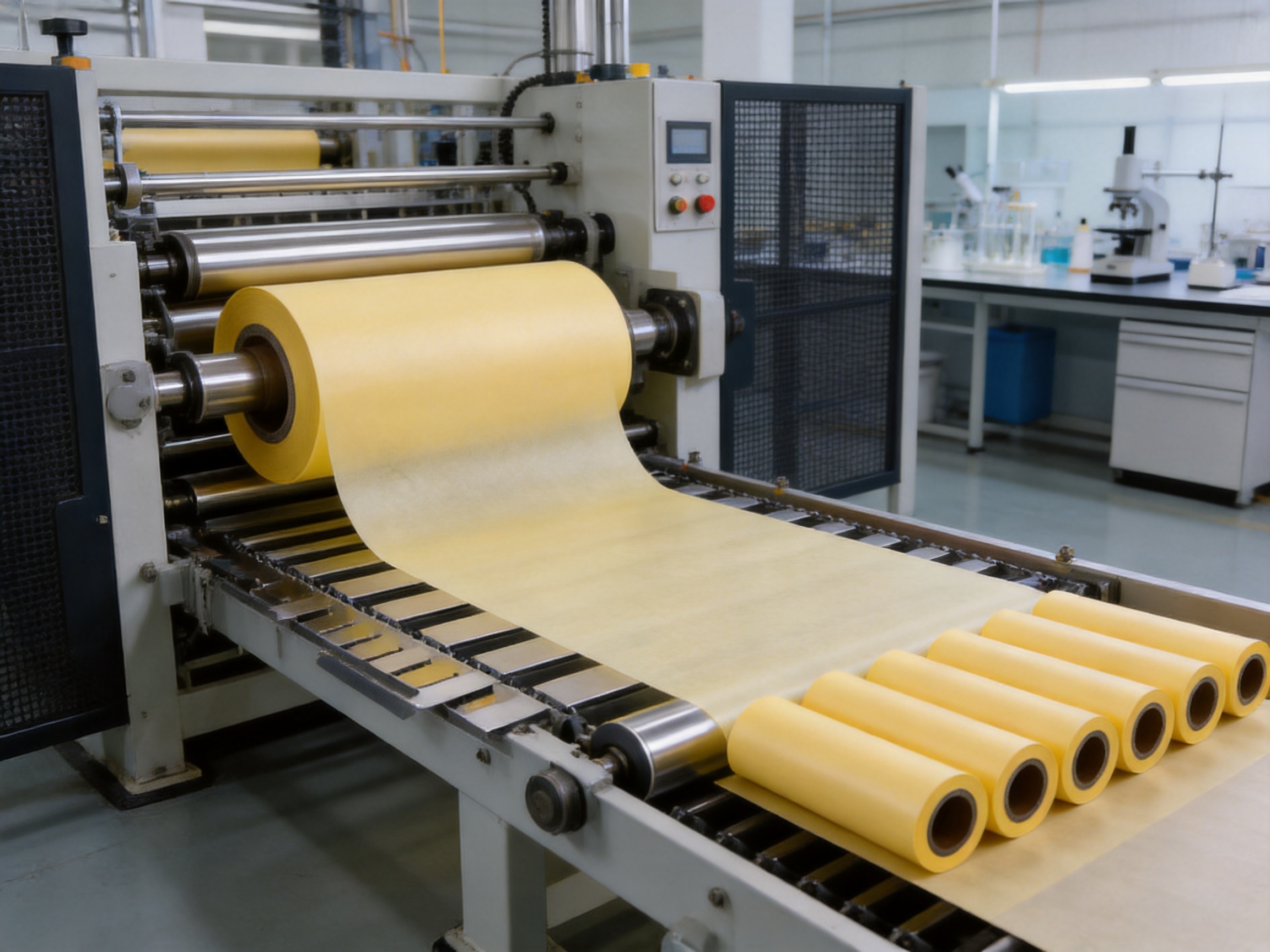
The manufacturer operates production lines that include gluing, laminating, and cutting. These capabilities are important because many self-adhesive products are multi-layer constructions. The liner, face material, adhesive, and other functional layers must be brought together with accurate coating and lamination control.
Controlled gluing helps manage adhesive distribution and supports uniform bonding across the web. Coating parameters may include coating weight, viscosity, drying conditions, line speed, and web tension. Each parameter can influence final adhesion, release, appearance, and converting performance.
For release applications, the specific release system must be selected according to the adhesive and intended end use. A suitable release coating can help achieve the desired peel behavior, but the release level should be tested with the customer’s adhesive formulation and application process rather than assumed solely from the paper grade.
Laminating Operations
Lamination combines the glassine paper with another material to create a functional composite. The process requires accurate alignment, appropriate adhesive application, sufficient drying or curing, and controlled winding. Poor lamination can lead to bubbles, wrinkles, tunnel formation, delamination, or uneven tension.
Advanced laminating control helps support a cleaner finished roll and a more dependable downstream process. It is particularly valuable for customers who purchase converted labelstock or require customized multi-layer structures.
Slitting and Cutting
After the main web has been produced or converted, it may be slit into narrower rolls or cut into sheets. Slitting accuracy affects roll width, edge quality, winding stability, and the ability of the customer’s equipment to process the material.
Sheet cutting requires control of length, width, squareness, stacking, and edge condition. Standard sheet sizes are available, while customized formats can be considered for special machines and product designs. Accurate cutting can reduce setup time and material waste for sheet-fed users.
Inspection and Testing
Quality assurance should be integrated into every stage of production. Inspection may include checks of basis weight, thickness, color, surface appearance, roll width, sheet dimensions, winding condition, edge quality, and visible defects. For adhesive or release constructions, additional tests may evaluate peel, adhesion, release force, lamination strength, and aging behavior.
The manufacturer maintains its own testing laboratory and uses advanced inspection equipment to support product quality. Laboratory capabilities help identify deviations before shipment and provide a basis for improving formulations, process settings, and customized products.
Why Choose an Experienced Manufacturing Partner?
Purchasing release paper is not simply a matter of selecting a nominal basis weight. Customers need a supplier that understands the complete product structure and can support the material from development through regular supply. An experienced manufacturer can help coordinate the paper grade, adhesive system, release performance, roll format, packaging, and delivery requirements.
Suzhou Piaozhihua Composite Material Technology Co., Ltd. specializes in self-adhesive label materials and related composite products. The company integrates research and development, production, sales, and after-sales service. Its product capabilities include gluing, laminating, and cutting, allowing customers to discuss both standard materials and customized constructions with one manufacturing partner.
With an annual production capacity of more than 280 million square meters, the company is equipped to support substantial volume requirements. Capacity is valuable when it is combined with process control, consistent raw-material management, reliable scheduling, and customer-focused technical support.
The company reports more than 20 years of OEM manufacturing experience. This experience can be useful for customers that require production according to drawings, samples, technical specifications, or particular machine conditions. OEM and ODM support also allows product development to proceed from a customer’s existing construction rather than starting from a standard catalog product alone.
A professional research and development team, multiple patents, an internal testing laboratory, and advanced inspection equipment provide a foundation for ongoing product improvement. These resources support the development of face materials, adhesives, backing papers, and other self-adhesive solutions.
Advantages Compared with Ordinary Paper Liners
Ordinary paper may be less expensive in some situations, but it often lacks the compact and smooth structure required for demanding release applications. Its surface may be rougher, its formation less uniform, and its behavior more affected by moisture and processing conditions.
Glassine paper is developed specifically to provide a more controlled surface and structure. This can improve compatibility with coating, lamination, die-cutting, and dispensing operations. It is therefore more appropriate for customers whose production lines require accurate and repeatable handling.
Compared with heavier or less refined paperboard-style liners, glassine can offer a more efficient balance of thinness, strength, smoothness, and flexibility. The correct basis weight remains important, but the product can be selected for applications where a dense paper liner is needed without using an unnecessarily bulky construction.
Advantages Compared with Plastic Film Liners
Plastic films can provide excellent moisture resistance and flexibility, but they may not be the preferred choice for every label or tape program. Some customers prefer a paper-based liner for product positioning, material sourcing, converting behavior, or sustainability objectives.
Yellow Glassine Paper gives these users a paper option with a smooth, compact surface and strong suitability for rotary and plate die-cutting. Its yellow color can also assist material identification in production and inventory systems.
The choice between glassine paper and plastic film should be based on the complete application. Factors such as humidity, temperature, adhesive compatibility, machine speed, waste handling, recycling practices, and end-user expectations should be considered. Glassine paper is particularly competitive when a high-quality paper substrate is desired for standard label, tape, and release applications.
Roll and Sheet Packaging
Packaging protects the material during storage and transportation. Sea-transit-worthy poly-wood pallet packing and carton packing are available for rolls or sheets from stock. Proper packaging is important because paper products can be affected by moisture, impact, compression, dust, and rough handling during shipment.
Sheet products are packed at 100 sheets per ream. Each ream is packed with a strong PE-coated kraft paper wrapper. Reams are placed on strong pallets, which are wrapped with stretch film and secured with plastic fastening belts. This layered packaging system helps keep the sheets together and provides protection during warehouse handling and international transportation.
Roll packaging should be selected according to roll diameter, width, weight, core specification, and shipping method. Customers should communicate any special requirements for pallet dimensions, container loading, moisture protection, labeling, or outer packaging before production.
How to Select the Correct Grade
The first consideration is the intended application. A barcode label for automatic dispensing may require a different construction from a double-sided industrial tape or a specialty packaging label. The liner should be evaluated together with the face material, adhesive, release coating, and converting method.
The second consideration is basis weight. A 50 g or 60 g grade may be selected for lighter and more flexible constructions, while 80 g, 100 g, or 120 g may provide additional body for larger labels, demanding handling, or specific machine requirements. These are general guidelines, and final selection should be confirmed through testing.
The third consideration is format. Jumbo rolls are appropriate for customers with slitting, coating, laminating, or continuous label production equipment. Sheet sizes are convenient for sheet-fed processes, manual handling, prototypes, and smaller production runs.
The fourth consideration is environmental exposure. If the finished product will be stored or used in high humidity, low temperature, elevated temperature, or fluctuating conditions, the complete construction should be tested under those conditions. Storage and transport conditions should be communicated to the supplier so that packaging and material selection can be reviewed properly.
The fifth consideration is release and adhesive compatibility. A liner that performs well with one adhesive may not provide the same result with another. Peel force, aging, coating weight, application speed, and adhesive chemistry all affect performance. Trial production is recommended before finalizing a large-volume order.
Quality Control Recommendations for Customers
Upon receipt, customers should inspect the outer packaging for damage, moisture exposure, or deformation. Rolls and cartons should be stored in a clean and dry environment, away from direct sunlight, excessive heat, and sudden temperature changes.
Before production, the material should be conditioned according to the customer’s normal plant environment. This helps reduce the influence of abrupt humidity or temperature differences between transportation and production areas.
Operators should inspect roll edges, winding tightness, sheet flatness, surface cleanliness, and visible color consistency. If the glassine paper is being integrated into a release construction, customers should also test peel behavior, adhesive transfer, die-cutting, waste matrix removal, and label dispensing.
Maintaining records of batch number, basis weight, roll width, machine settings, adhesive type, and production results can help customers establish a repeatable process. Such records are particularly valuable when several liner grades are used across different production lines.
Environmental and Sustainability Considerations
Sustainability is increasingly evaluated across the complete label and packaging life cycle. The liner is one part of that system, and its environmental profile should be considered together with the face material, adhesive, coating, printing, transportation, and disposal route.
The company focuses on developing environmentally considered solutions involving face materials, adhesives, and backing papers. Paper-based materials such as glassine can support customers that are seeking alternatives to certain plastic components or that prefer paper in their product design.
Responsible material selection also involves reducing waste during production. Accurate roll widths, customized sheet sizes, efficient die-cutting layouts, stable web handling, and suitable packaging can all help reduce avoidable material loss. A liner that performs consistently may also help reduce waste caused by rejected labels, poor dispensing, web breaks, or unstable converting.
Customers should confirm local recycling and disposal practices before making environmental claims. The presence of adhesive, release coating, laminate layers, inks, or other components can influence the recyclability of the final construction. Technical documentation and market-specific compliance review may be required for regulated applications.
Customization and OEM Support
Not every customer can use a standard stock size. Some require a particular width for an existing slitter, a special sheet dimension for a die-cutting machine, or a customized construction for a proprietary label. Customized size options allow the product to be adapted more closely to the customer’s equipment and workflow.
OEM manufacturing is available for customers that have established specifications, drawings, samples, or proprietary designs. The manufacturer can work with the customer to evaluate the material structure, processing conditions, packaging, and delivery plan.
ODM support is also available for customers that need help developing a new product. The development process may include application analysis, material recommendation, sample production, laboratory testing, trial conversion, performance review, and final specification approval.
Effective customization requires detailed technical information. Customers should provide the intended application, adhesive type, label or tape dimensions, machine type, operating speed, storage conditions, preferred roll or sheet format, annual volume, packaging requirements, and destination-market standards.
Ordering and Technical Communication
When requesting a quotation, buyers should identify Yellow Glassine Paper by material name, color, basis weight, width, length or roll diameter, core size, quantity, and packaging preference. If the material will be used in a self-adhesive construction, information about the face stock and adhesive should also be included.
Samples are recommended for customers who are changing suppliers, introducing a new adhesive, increasing production speed, or developing a special label shape. A sample trial can reveal issues related to peel behavior, curl, tension, waste removal, die pressure, or dispensing before the product enters full-scale production.
For technical discussions, customers can contact Suzhou Piaozhihua Composite Material Technology Co., Ltd. at info@piaozhihua.com. The company address is No. 16 Weixin Road, Shuangfeng Town, Taicang City, Suzhou City, Jiangsu Province, China. Telephone contacts include +86-13621727329, +86-512-53419666, and +86-512-53416667.
Frequently Asked Questions
What is Yellow Glassine Paper mainly used for?
It is mainly used as a paper substrate or liner for barcode labels, self-adhesive labels, specialty tapes, double-sided tapes, sticky industrial products, and selected food or medicine packaging applications. It is especially suitable for rotary and plate die-cutting and high-speed automatic labeling systems.
What basis weights are available?
The available basis weights are 50 g, 60 g, 80 g, 100 g, and 120 g. The most suitable grade depends on the required flexibility, stiffness, label size, adhesive construction, machine conditions, and handling requirements.
Is the product available in colors other than yellow?
Yes. Yellow is the featured color, and white is also available. Color selection can be based on appearance, inventory identification, production organization, or customer preference.
Can the material be supplied in jumbo rolls?
Yes. Jumbo roll widths include 1000 mm, 1020 mm, 1080 mm, and 1530 mm. Other customized formats may be discussed according to equipment and order requirements.
Can it be purchased in sheets?
Yes. Standard sheet options include A4, A3, 20 by 30, 21 by 30, 24 by 36, 50 by 70 cm, and 70 by 100 cm. Customized sheet sizes can also be considered.
Is Yellow Glassine Paper suitable for automatic labeling?
It is designed for applications that include high-speed automatic labeling. However, the final result depends on the complete label construction, adhesive, dispensing equipment, machine tension, label geometry, and operating conditions. A production trial is recommended for new applications.
Can it be used for double-sided tape?
Yes. Glassine paper is commonly used in release applications for double-sided tape and other adhesive products. The release performance must be matched to the specific adhesive and tape construction.
How does glassine compare with ordinary paper?
Glassine has a denser, smoother, and more compact structure than ordinary paper. These characteristics can provide better support for coating, laminating, die-cutting, slitting, and release applications. Ordinary paper may be suitable for less demanding uses, but glassine is generally better suited to controlled adhesive-product converting.
How does it compare with plastic film liners?
Plastic film liners may offer advantages in moisture resistance and certain specialized applications. Glassine paper is preferred when a smooth paper-based substrate, reliable die-cutting performance, and a paper-oriented product design are important. The correct choice depends on the complete construction and operating environment.
Does the product include a release coating?
The glassine paper serves as the paper substrate for release applications. Whether a particular product includes a release coating or other treatment depends on the ordered construction and customer specification. Release force and adhesive compatibility should be confirmed during technical review and sample testing.
Can the company provide OEM or ODM services?
Yes. The company provides OEM and ODM services and can develop products based on customer drawings, samples, technical specifications, and application requirements. Its capabilities include research and development, gluing, laminating, cutting, inspection, and after-sales support.
How should the product be stored?
It should be stored in a clean, dry environment and protected from direct sunlight, excessive heat, moisture, and sudden temperature changes. The original packaging should remain intact until the material is ready for production.
What packaging options are available?
Sea-transit-worthy poly-wood pallet packing and carton packing are available for rolls and sheets. Sheet products are packed at 100 sheets per ream with PE-coated kraft paper wrappers, then protected on pallets with stretch film and plastic fastening belts.
Can the manufacturer help choose the correct basis weight?
Yes. Customers can provide details about the adhesive, label size, machine, line speed, die-cutting method, storage conditions, and final use. Based on this information, the manufacturer can recommend a suitable starting grade and arrange samples for validation.
Conclusion
Yellow Glassine Paper is a versatile paper material for self-adhesive labels, barcode labels, specialty tapes, double-sided adhesive products, industrial stickers, and release applications. Its smooth, dense, and uniform structure supports high-speed handling, rotary and plate die-cutting, slitting, laminating, and automatic labeling.
The availability of 50 g, 60 g, 80 g, 100 g, and 120 g grades gives customers flexibility when balancing material body, handling, converting, and finished-product design. Jumbo roll widths and a broad range of sheet sizes support both industrial roll-to-roll manufacturing and sheet-fed production. Yellow and white color choices further support product organization and customized supply programs.
Its principal advantages over ordinary paper include improved surface smoothness, more controlled formation, suitability for precision converting, and reliable support for adhesive constructions. Compared with plastic film liners, it offers a paper-based option for customers seeking a smooth release substrate with strong die-cutting and label-processing potential.
Manufacturing capabilities in gluing, laminating, cutting, testing, OEM production, and ODM development strengthen the product supply chain. Combined with more than 20 years of manufacturing experience, substantial annual capacity, an internal laboratory, advanced inspection equipment, and international service capabilities, these strengths allow the material to be developed for both standard and customized applications.
For the best result, customers should evaluate Yellow Glassine Paper as part of the complete label or adhesive system. Careful selection of basis weight, format, adhesive, release performance, packaging, and storage conditions will help achieve stable converting and dependable end-use performance.
References
1. Internal product specification for Yellow Glassine Paper, including available basis weights, colors, roll widths, and sheet sizes.
2. Internal packaging and delivery specification for roll and sheet products.
3. Technical information on self-adhesive label materials, release liners, and pressure-sensitive adhesive constructions.
4. General industrial guidance on rotary die-cutting, plate die-cutting, slitting, laminating, and automatic label dispensing.
5. General paper-converting principles covering calendering, moisture control, web tension, winding, and dimensional stability.
6. Manufacturer information concerning research and development, OEM and ODM production, laboratory testing, manufacturing capacity, and quality inspection.
7. General packaging and sustainability considerations for paper liners, adhesive products, labels, and composite packaging constructions.