
 English
 Español
 русский
 Français
 عربى
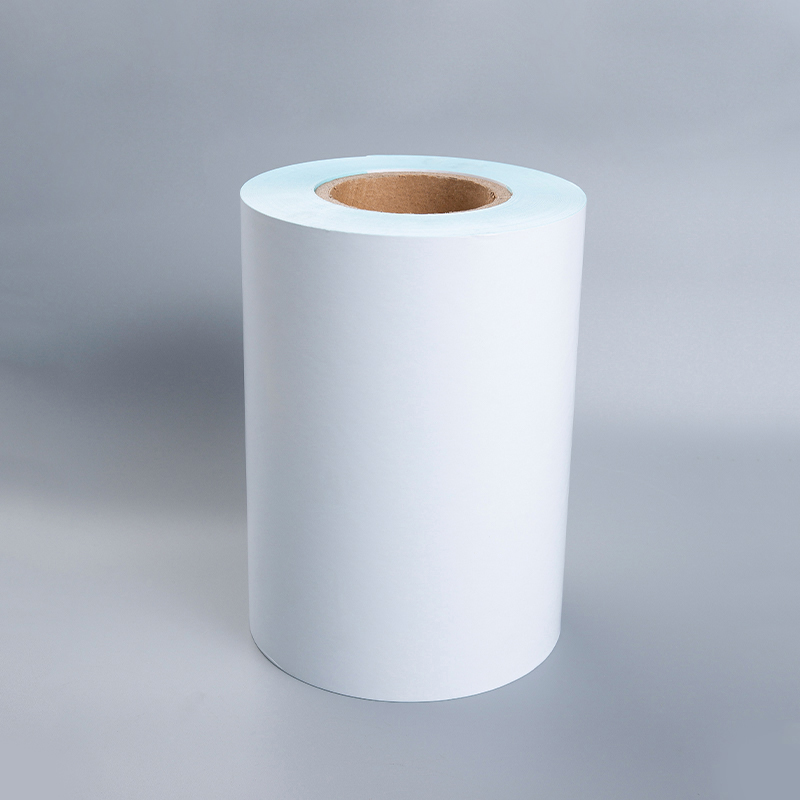
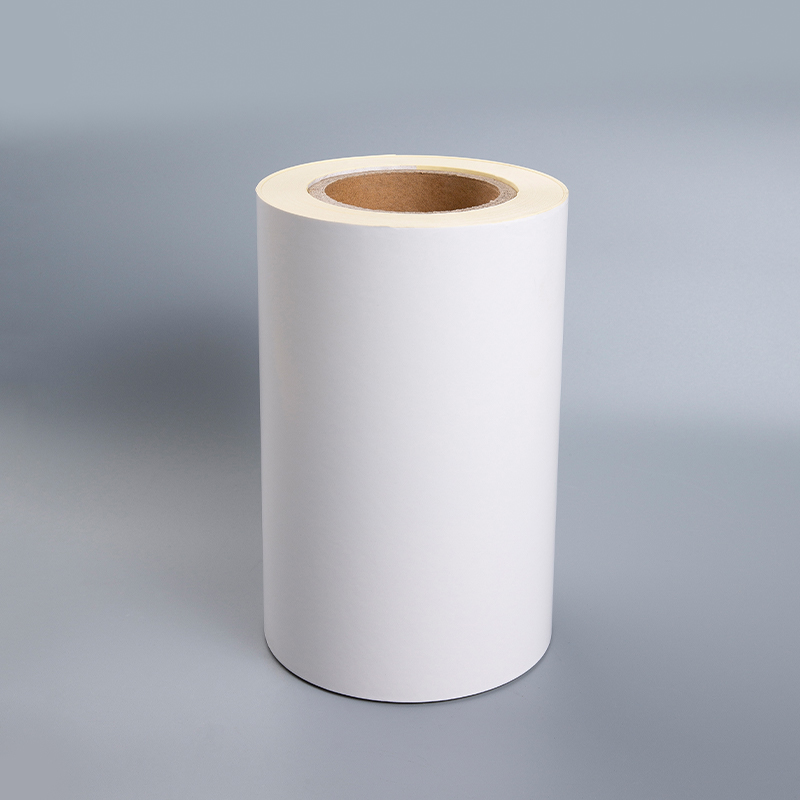
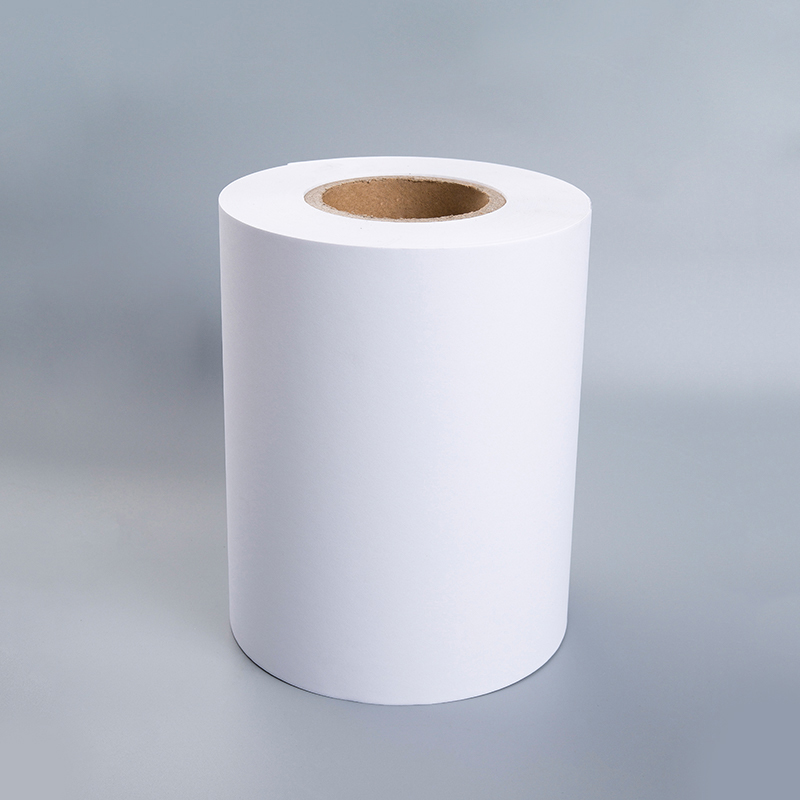
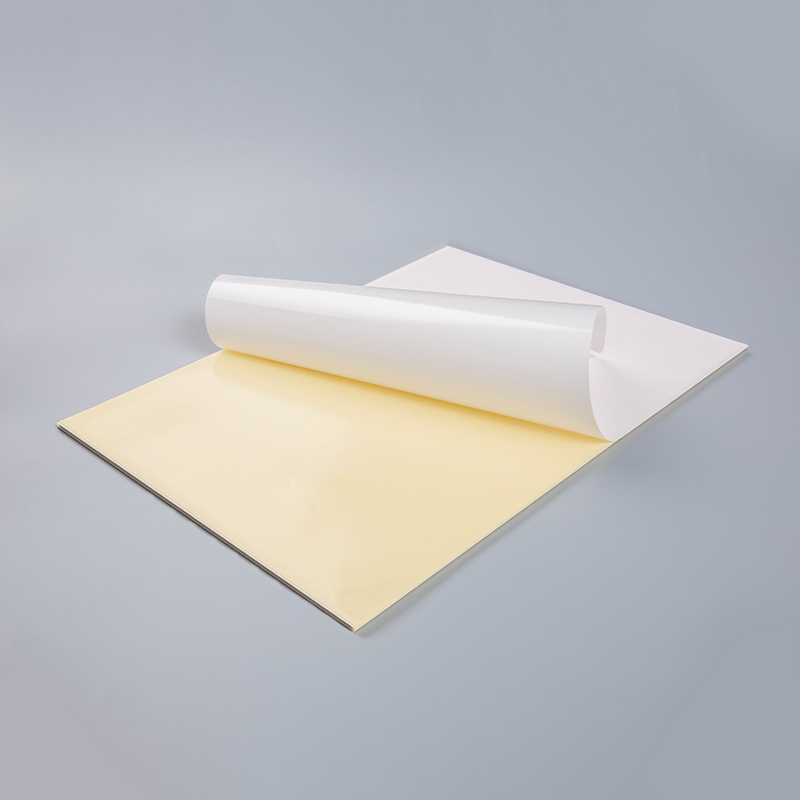
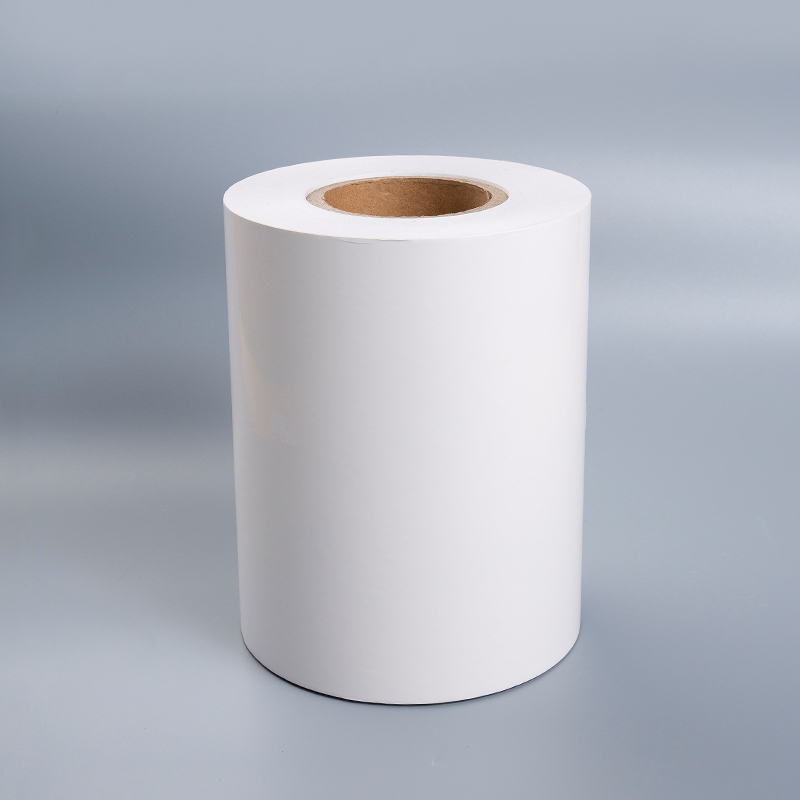
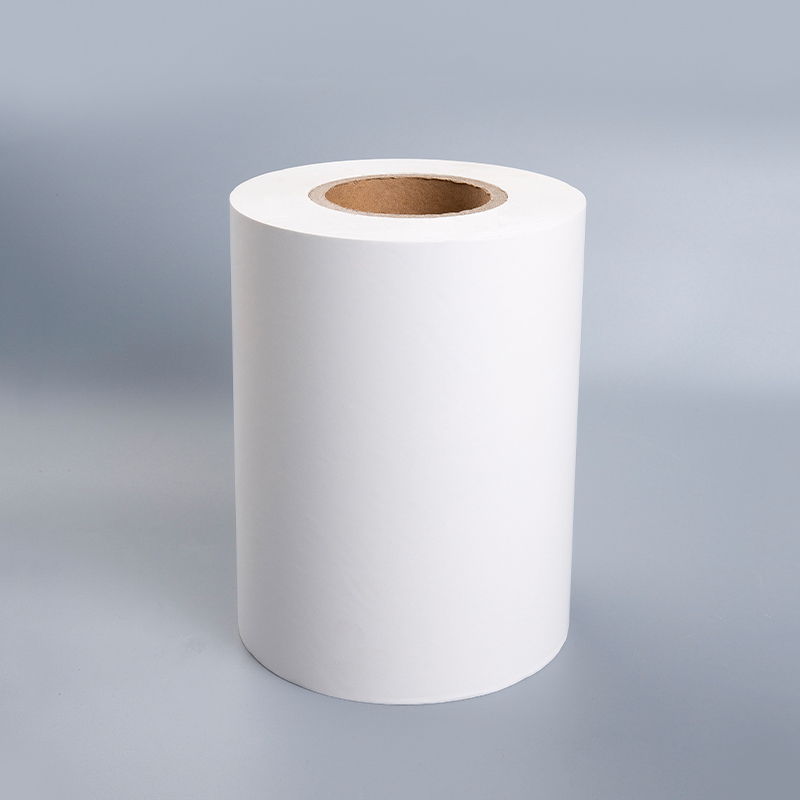
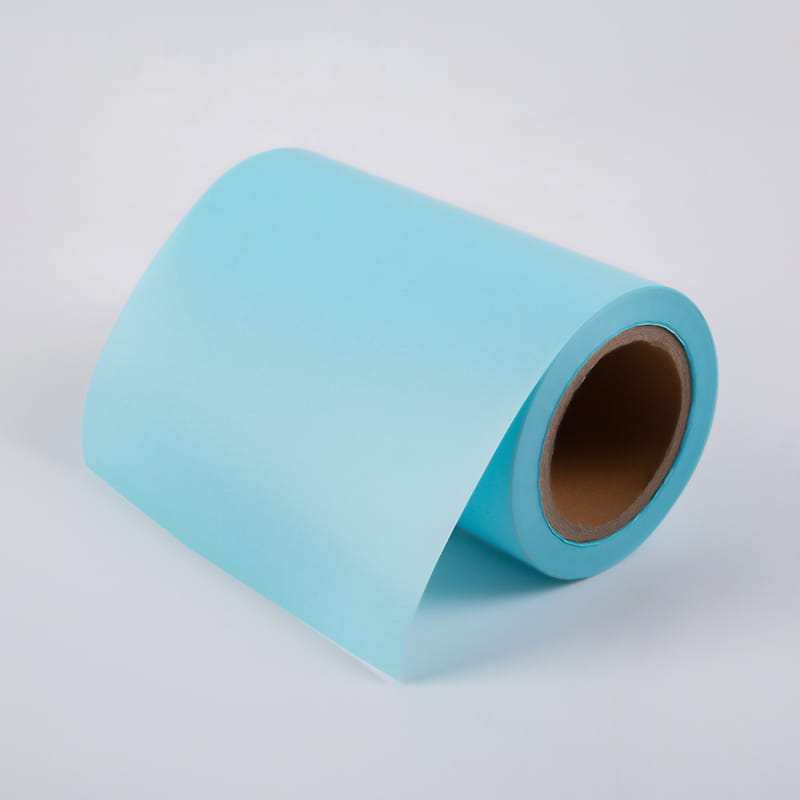
عربىBlue glassine paper is a specialized release base material designed for demanding label, tape, self-adhesive, and packaging applications where clean separation, dimensional stability, and high converting efficiency are essential. As the self-adhesive materials industry continues to move toward faster production speeds, tighter die-cutting tolerances, cleaner release performance, and more reliable packaging workflows, blue glassine paper has become a preferred backing and release material for manufacturers, converters, printers, and packaging companies.
This article explores the performance value of blue glassine paper, its technical advantages, its role in self-adhesive label manufacturing, and the reasons it is widely used in food, medicine, logistics, barcode labeling, tapes, double-sided tapes, and other industrial release applications. It also highlights the manufacturing strengths, quality control systems, customization capabilities, and service advantages of Suzhou Piaozhihua Composite Material Technology Co., Ltd., a professional manufacturer with more than 20 years of experience in self-adhesive label materials, composite materials, and release paper solutions.
Content
- 1 Understanding Blue Glassine Paper
- 2 Core Product Specifications
- 3 Why Blue Glassine Paper Matters in Self-Adhesive Label Materials
- 4 Key Advantages of Blue Glassine Paper
- 5 Applications in Food Packaging
- 6 Applications in Medicine and Healthcare Packaging
- 7 Applications in Barcode Labels and Logistics Labels
- 8 Applications in Specialty Tape and Double-Sided Tape
- 9 Competitive Advantages Over Ordinary Release Papers
- 10 Manufacturing Strength Behind the Product
- 11 Advanced Production Processes
- 12 Packaging and Delivery Advantages
- 13 Customization for Different Industries
- 14 Role in Sustainable Material Development
- 15 Quality Values Supporting Long-Term Cooperation
- 16 How to Select the Right Blue Glassine Paper
- 17 Product: Blue Glassine Paper
Understanding Blue Glassine Paper
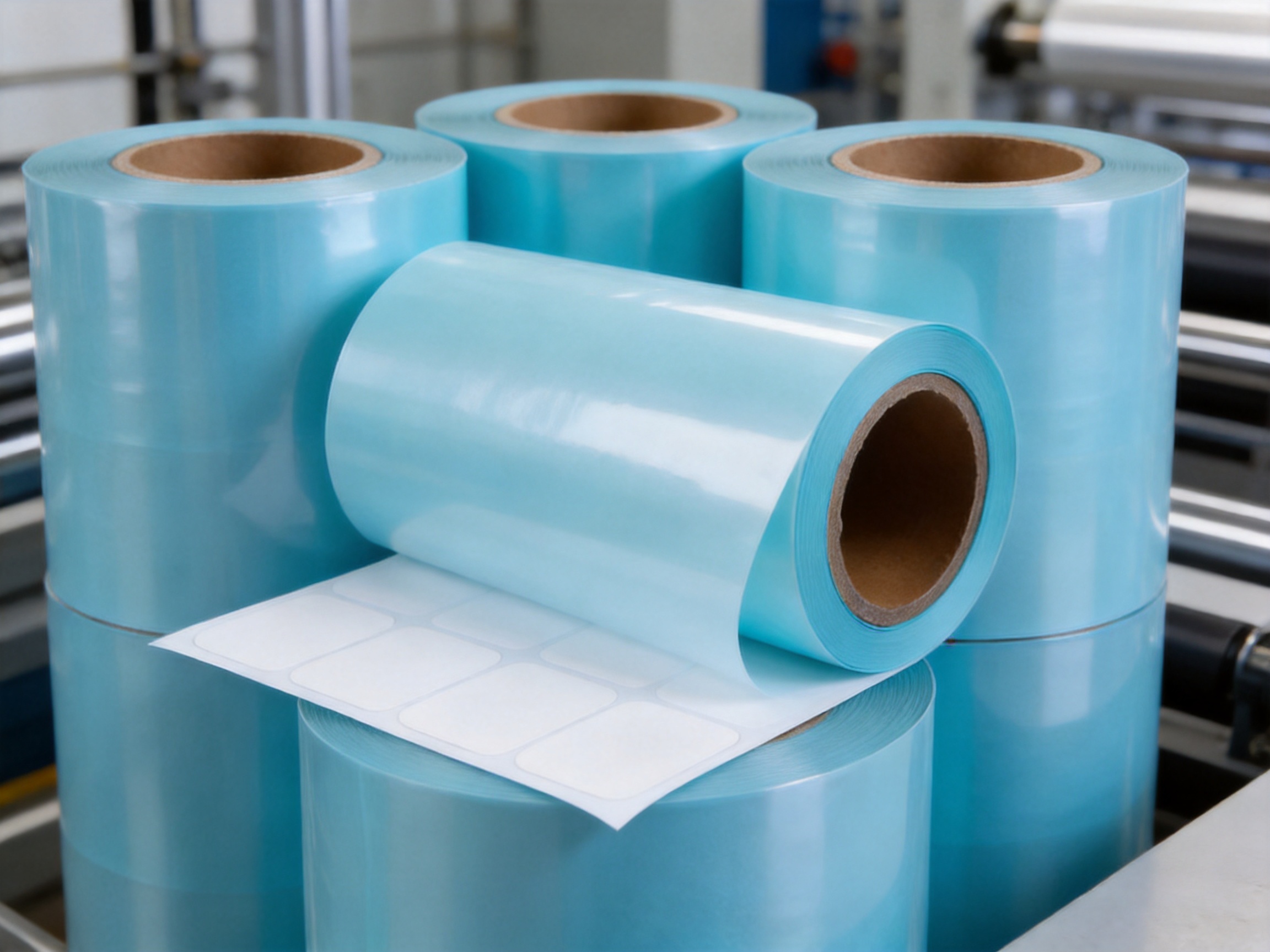
Blue glassine paper is a smooth, dense, highly refined paper material commonly used as a release liner after silicone coating or as part of self-adhesive constructions. It is made from carefully processed paper fibers that are refined, pressed, and finished to create a uniform, translucent, compact surface. Compared with ordinary paper, glassine paper has higher density, improved surface smoothness, better transparency, enhanced resistance to moisture and oil, and excellent suitability for silicone release coating.
The blue color serves both practical and visual functions. It helps users distinguish the liner from white face stock, simplifies inspection during label converting, and makes die-cutting, stripping, and rewinding easier to monitor. In many industrial settings, color differentiation reduces errors, improves process control, and supports efficient production management.
Glassine paper is often selected when a clean release surface is required. It can be stripped from many adhesive surfaces smoothly without leaving residual glue. This makes it suitable for barcode labels, self-adhesive labels, specialty tapes, double-sided tapes, and other adhesive industrial products. Because the material performs well in rotary die-cutting and flatbed die-cutting, it is widely used by label converters seeking higher production speed, better waste stripping, and consistent release force.
Core Product Specifications
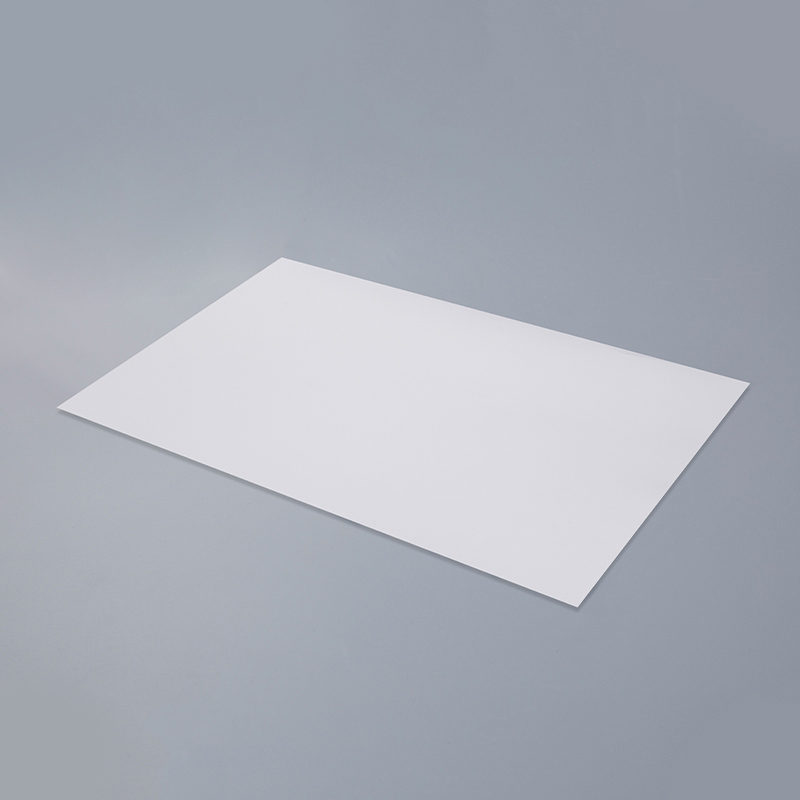
The following table summarizes typical specifications available for blue glassine paper and related options. Actual requirements can be customized according to production conditions, converting equipment, end-use application, and packaging method.
Item |
Specification |
Application Value |
Material |
Glassine Paper |
Dense, smooth, uniform base for release applications |
Available Grammage |
50 g, 60 g, 80 g, 100 g, 120 g |
Supports different label, tape, packaging, and converting needs |
Color |
Blue; white and yellow also available |
Easy process identification and visual inspection |
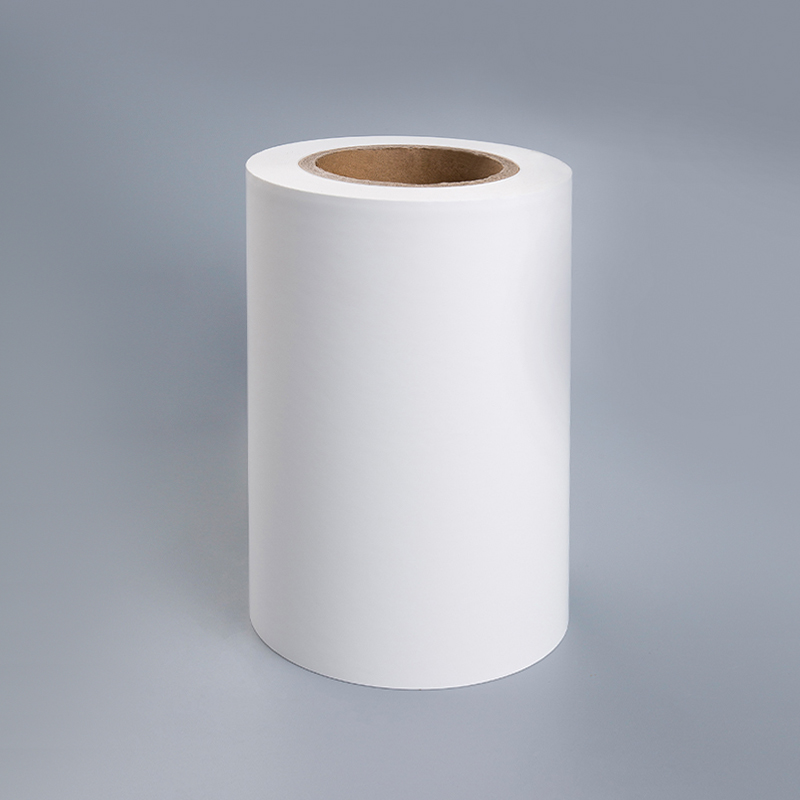
Jumbo Roll Width |
1000 mm, 1020 mm, 1080 mm, 1530 mm |
Suitable for slitting, coating, laminating, and large-scale conversion |
Sheet Size |
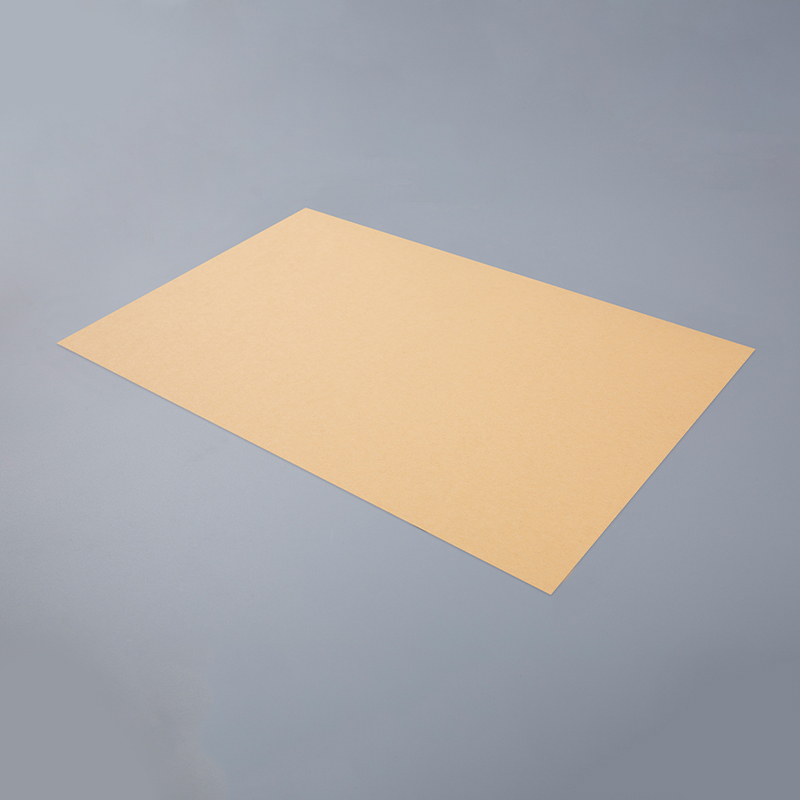
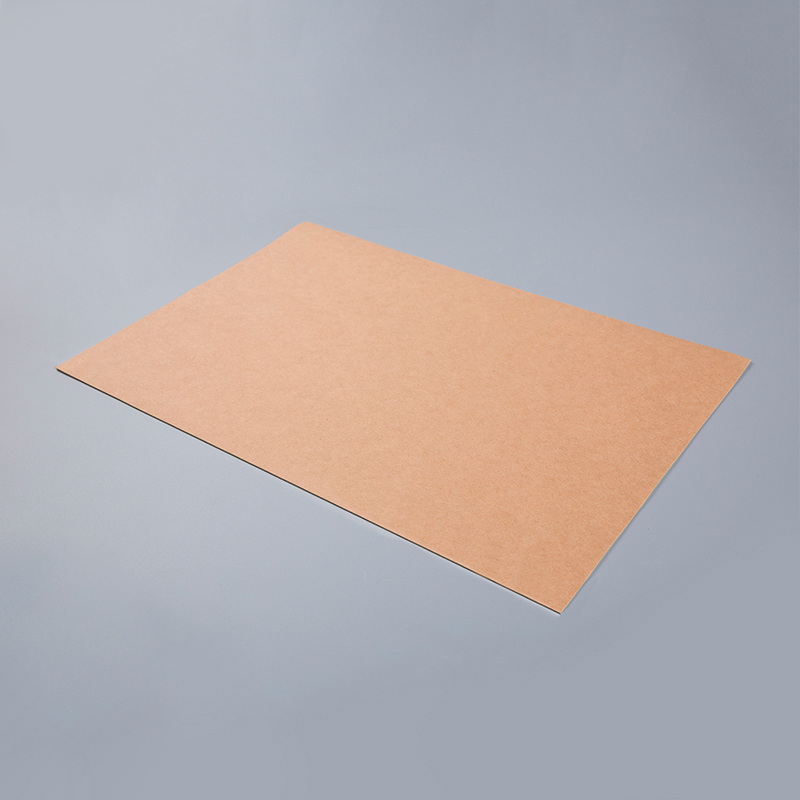
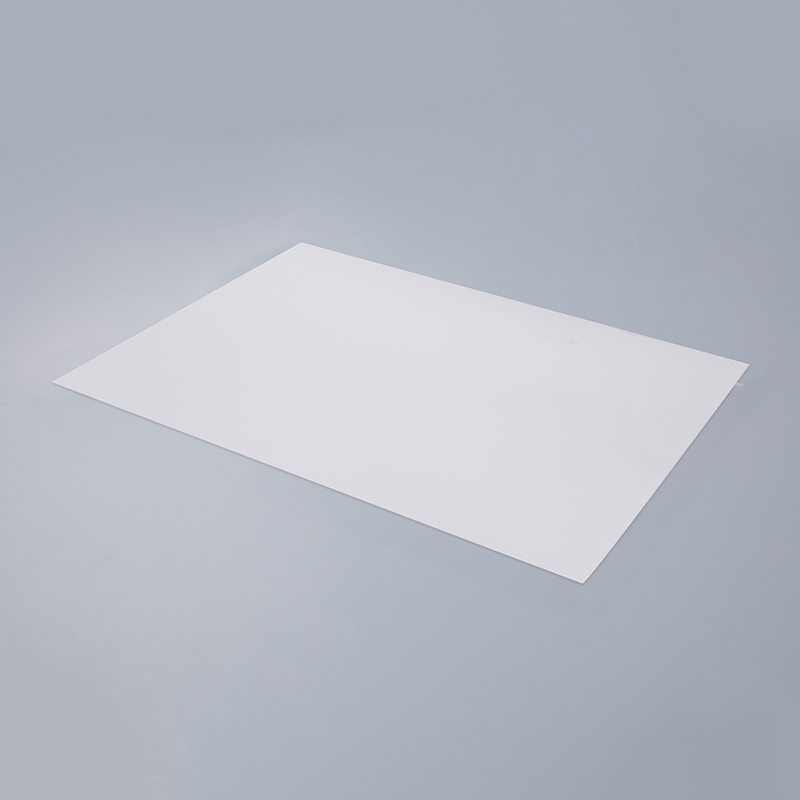
A4, A3, 20 x 30, 21 x 30, 24 x 36, 50 cm x 70 cm, 70 cm x 100 cm |
Suitable for sample making, sheet packaging, specialty applications, and custom processing |
Customized Size |
Available |
Allows matching with customer equipment, label formats, and packaging lines |
Packaging |
Roll or sheet packing; pallet and carton options |
Suitable for sea-transit-worthy shipment and warehouse handling |
Why Blue Glassine Paper Matters in Self-Adhesive Label Materials
In a self-adhesive label structure, the release liner is not simply a temporary backing. It influences coating quality, label flatness, die-cutting performance, waste matrix removal, printing registration, automatic labeling stability, storage performance, and the final experience of label application. A weak or inconsistent liner can cause release failure, adhesive contamination, curling, tearing, label lifting, unstable tension, and poor automatic dispensing.
Blue glassine paper solves many of these problems through its compact surface, uniform formation, controlled thickness, good mechanical strength, and compatibility with release coating. When used correctly, it helps converters maintain predictable production conditions, especially when running at high speeds. This is why it is commonly used in high-speed automatic labeling, barcode label production, medical packaging labels, food packaging labels, specialty tape release liners, and double-sided tape structures.
For brands and manufacturers that depend on smooth downstream operations, a reliable release paper is a direct contributor to production efficiency. It reduces downtime, minimizes waste, and improves the consistency of finished labels. It also helps adhesive materials maintain their designed performance by preventing unwanted transfer, surface damage, or contamination.
Key Advantages of Blue Glassine Paper
Uniform Paper Texture
One of the most important characteristics of high-quality blue glassine paper is uniform texture. A uniform paper structure provides consistent thickness, stable release behavior, and predictable processing performance. When paper formation is poor, coating may become uneven, die-cutting pressure may fluctuate, and adhesive release may vary across the web. A well-formed glassine base reduces these risks.
Uniformity is particularly important for rotary die-cutting. In high-speed label production, even minor changes in caliper or density may influence cutting depth. If the release liner is too inconsistent, the blade may either fail to cut the face stock properly or cut too deeply into the liner. Blue glassine paper with stable formation allows converters to maintain tighter tolerances and more reliable waste stripping.
Strong Transmittance
Glassine paper is known for its translucent appearance. Strong transmittance helps operators identify adhesive layers, printed materials, die-cut patterns, and possible defects. In converting workshops, this visual advantage can improve inspection speed and reduce production errors.
The blue tone enhances contrast in many label structures. When a white label face material is laminated onto a blue liner, the edge of the label can often be seen more clearly. This is useful during quality control, rewinding, and sheet cutting. For customers that require consistent label presentation, improved visibility is an important benefit.
High Temperature Resistance
High temperature resistance is valuable in coating, laminating, drying, printing, and packaging environments. During production, self-adhesive materials may pass through drying tunnels, heated rollers, hot-melt adhesive systems, or thermal printing conditions. A release liner that cannot withstand heat may shrink, curl, wrinkle, or deform.
Blue glassine paper offers stable behavior under many processing conditions. This makes it suitable for industrial label production and release applications where heat exposure may occur. Its dimensional stability helps maintain web tension, coating uniformity, and product flatness.
Moisture Resistance
Moisture can be a major challenge for paper-based materials. Ordinary paper may absorb water vapor from the environment, causing expansion, curling, waviness, and changes in release performance. Blue glassine paper has a dense structure that improves resistance to moisture compared with many standard paper grades.
This characteristic is especially important for labels used in food, medicine, logistics, and storage environments. While proper packaging and storage are still necessary, moisture-resistant release paper helps improve shelf stability and reduces the possibility of processing defects caused by humidity fluctuation.
Oil Resistance
Oil resistance is another advantage of glassine paper. In adhesive, label, and packaging applications, liners may come into contact with oils, plasticizers, coating components, or processing aids. A paper liner with poor oil resistance may stain, weaken, or allow unwanted migration. Blue glassine paper provides better barrier performance than ordinary porous papers, supporting cleaner handling and more stable release results.
Clean Release Without Residual Glue
The essential function of release paper is to separate cleanly from adhesive surfaces. Blue glassine paper can be used as a base for release applications that require smooth peeling and minimal adhesive residue. Clean release is critical in label dispensing, tape unwinding, double-sided tape lamination, and automatic labeling.
If release is too tight, labels may fail to dispense, causing machine stoppage. If release is too easy, labels may pre-dispense, shift, or lift during rewinding and transport. High-quality glassine paper supports controlled release behavior, helping manufacturers achieve balance between secure storage and smooth application.
Excellent Suitability for Rotary and Flatbed Die-Cutting
Label converters often choose glassine paper because it performs well in die-cutting. Rotary die-cutting requires high speed, accurate tension control, and stable liner strength. Flatbed die-cutting requires reliable pressure resistance and clean cutting results. Blue glassine paper can support both methods when the correct grammage and construction are selected.
The paper’s dense and smooth surface helps reduce dust and fiber contamination. Its strength helps maintain web integrity during matrix stripping. Its stable thickness helps optimize die pressure. These factors make it a practical material for self-adhesive labels, barcode labels, industrial labels, and specialty adhesive products.
Applications in Food Packaging
Food packaging requires label materials that support efficient production, attractive presentation, and reliable application. Labels may be applied to bottles, boxes, bags, cartons, containers, wrappers, and fresh food packaging. In these environments, release liners must work reliably with automatic labeling machines and must support clean separation from the adhesive layer.
Blue glassine paper is suitable for food packaging label production because it helps labels feed smoothly and release consistently. The material’s moisture and oil resistance are particularly valuable when labels are stored or applied in environments where humidity and surface contamination may vary. Its smooth surface also supports quality coating and laminating, which can help the final label material maintain good appearance and performance.
For high-volume food producers, downtime on labeling lines can be costly. A release liner that breaks, curls, or releases inconsistently can slow production and create waste. By using reliable blue glassine release paper, manufacturers can improve labeling stability and reduce the risk of production interruptions.
Applications in Medicine and Healthcare Packaging
Medicine and healthcare packaging require stable, traceable, and accurate label performance. Labels may carry batch numbers, expiration dates, dosage information, product identification, regulatory information, anti-counterfeit features, and barcode data. In such applications, label failure is not only inconvenient; it can create compliance and safety concerns.
Blue glassine paper supports the production of medical and pharmaceutical labels by offering clean release, smooth converting, and reliable die-cutting performance. The blue liner can also help visual inspection during production, allowing operators to detect label edges, missing labels, and matrix stripping defects more easily.
In pharmaceutical packaging environments, automatic labeling systems often run continuously and require precise label dispensing. A stable glassine liner helps labels peel away at the correct moment, improving placement accuracy and reducing mislabeling. This contributes to safer, more efficient packaging operations.
Applications in Barcode Labels and Logistics Labels
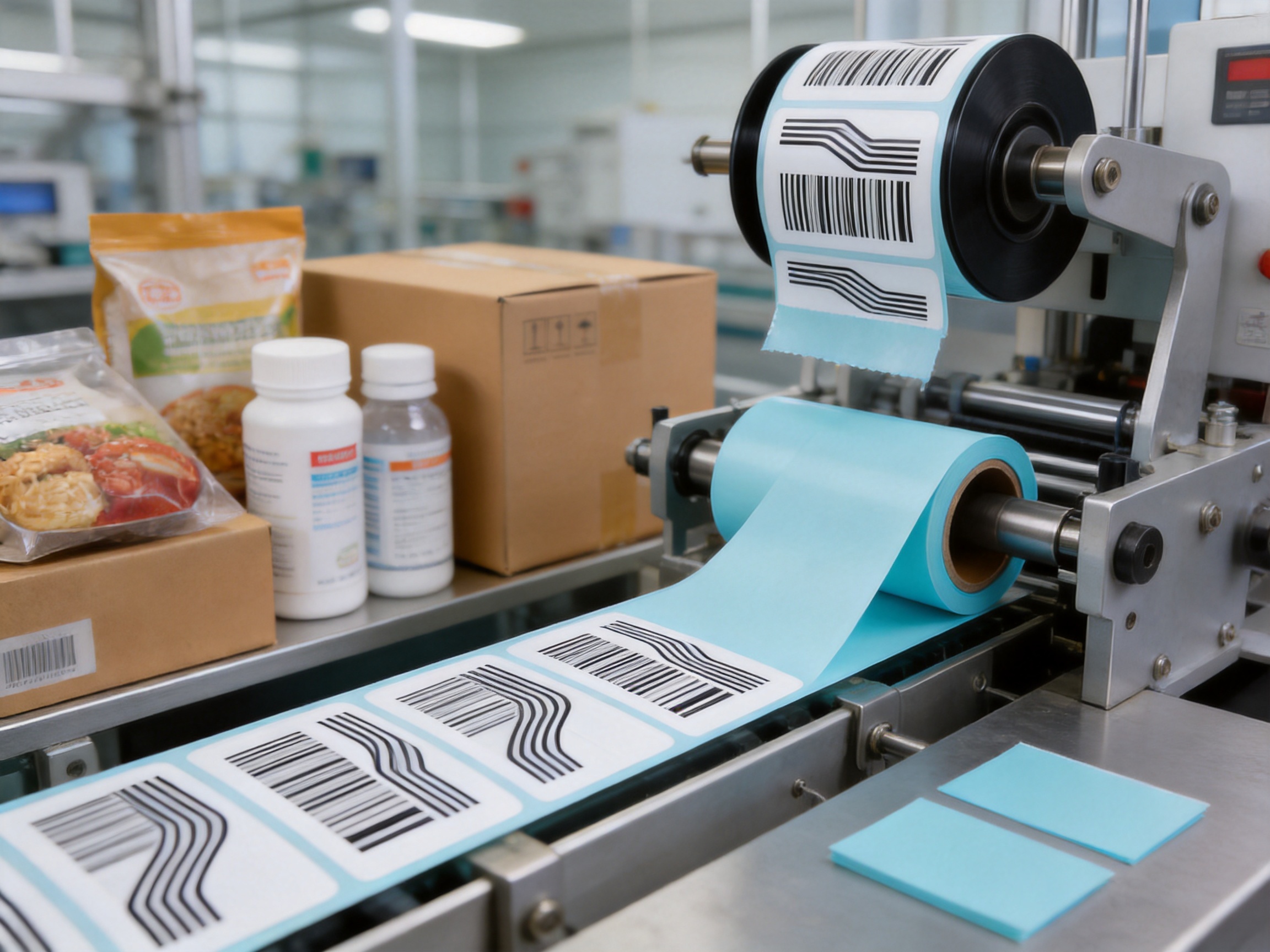
Barcode labels are used in warehouses, retail systems, distribution centers, courier services, manufacturing plants, and inventory management. They must be printed clearly, dispensed efficiently, and adhered reliably. The release liner plays a key role in the label’s performance before application.
Blue glassine paper is a common material for barcode label production because it supports high-speed conversion and automatic dispensing. During printing and rewinding, stable liner tension helps maintain registration and roll quality. During application, controlled release supports smooth label separation from the liner.
In logistics, labels may be produced in large volumes and applied rapidly. The blue liner helps with roll identification and inspection. It also supports efficient die-cutting, allowing converters to produce label formats that match different barcode printers and application systems.
Applications in Specialty Tape and Double-Sided Tape
Specialty tapes and double-sided tapes require release liners that protect adhesive layers until use. These products may be used in electronics, automotive parts, packaging, construction, office supplies, industrial assembly, decoration, and medical products. A release liner must be strong enough to protect the adhesive, yet easy enough to remove when needed.
Blue glassine paper is suitable for many tape release applications because it offers clean peeling and good resistance to moisture and oil. In double-sided tape structures, the liner may need to separate from one adhesive side without disturbing the other. Stable release performance is therefore essential.
For specialty tapes, liner color may also be important. A blue liner can create visual distinction during assembly and use, making it easier for workers to identify the release side and remove it correctly. This improves production efficiency and reduces handling mistakes.
Competitive Advantages Over Ordinary Release Papers
Better Surface Density
Compared with ordinary paper liners, blue glassine paper has a denser and smoother surface. This improves coating uniformity and reduces adhesive penetration. A dense paper structure helps the release coating remain on the surface, where it can perform its intended function. This leads to more predictable release force and cleaner peeling.
Improved Converting Stability
In high-speed converting, unstable paper can cause web breaks, wrinkles, poor slitting, and inconsistent roll tension. Blue glassine paper provides better mechanical stability than many lower-grade alternatives. It is especially useful when converters need to run large orders with consistent quality.
Enhanced Visual Control
The blue color gives this material an advantage in production environments where visual differentiation matters. Operators can quickly distinguish the liner from white or transparent face materials. This reduces inspection errors and supports faster troubleshooting.
Stronger Release Performance Potential
Because glassine paper is a preferred base for release coating, it can deliver more stable release performance after proper treatment. Ordinary paper may have uneven porosity and surface irregularities that interfere with coating quality. Glassine paper offers a more suitable surface for high-performance release applications.
Better Fit for High-Speed Automatic Labeling
Automatic labeling lines demand reliable liner behavior. The liner must bend around dispensing plates, release the label cleanly, and continue through the machine without tearing. Blue glassine paper provides the strength, smoothness, and consistency needed for many high-speed labeling systems.
Manufacturing Strength Behind the Product
Suzhou Piaozhihua Composite Material Technology Co., Ltd. specializes in high-grade self-adhesive label materials and composite materials. The company integrates research and development, production, sales, and after-sales services, providing customers with full-process support from material selection to application guidance.
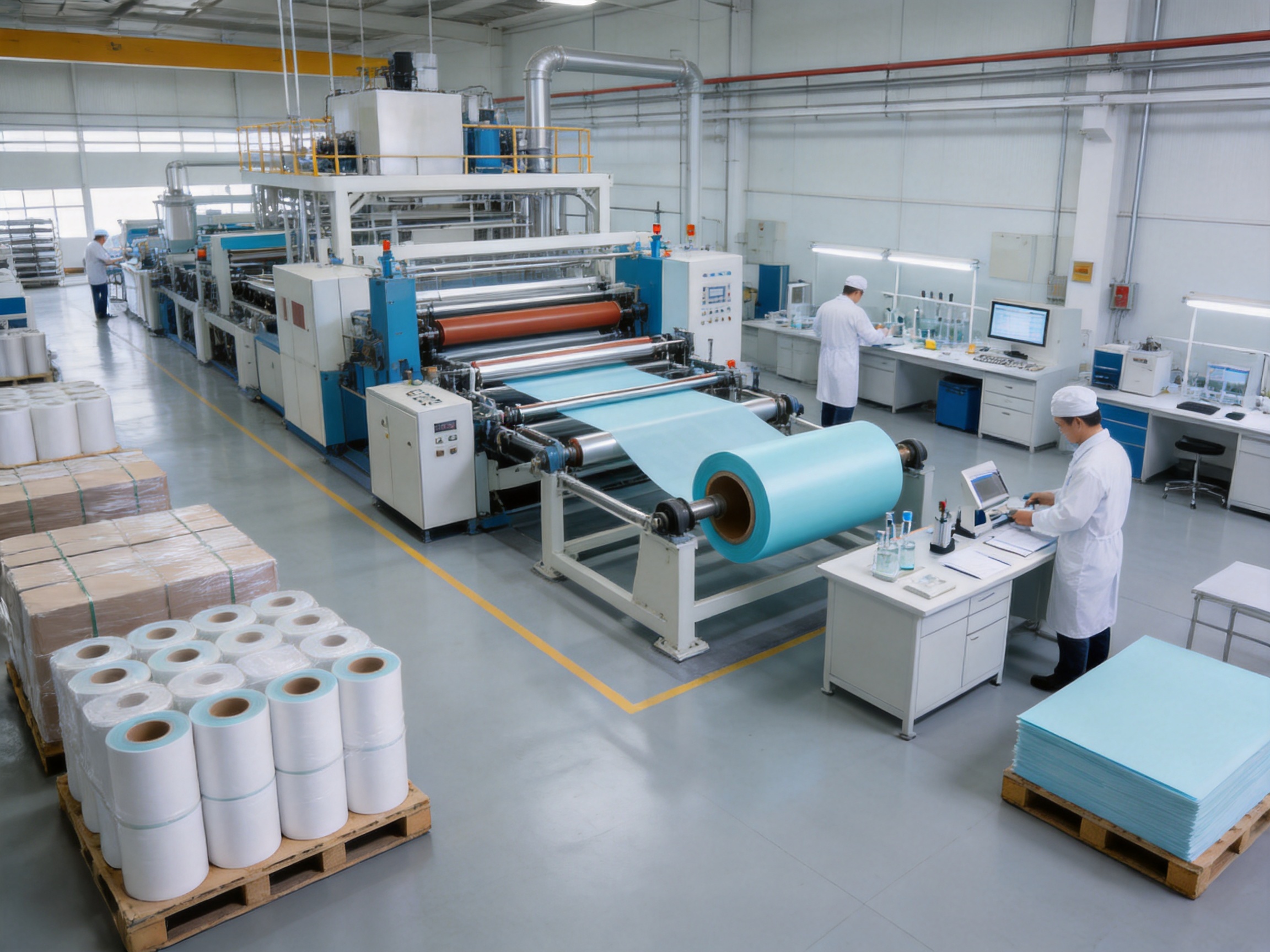
With a full range of production lines, including gluing, laminating, and cutting, the company can support large-scale production and customized requirements. Its annual production capacity exceeds 280 million square meters, allowing it to serve both domestic and international customers with stable supply capability. Strong capacity is particularly important for label converters and packaging manufacturers that require long-term supply continuity.
The company has developed its manufacturing system over more than 20 years. This experience allows it to understand the practical requirements of self-adhesive materials, such as coating stability, liner release performance, adhesive compatibility, roll quality, cutting accuracy, packaging protection, and export transportation requirements.
Advanced Production Processes
Material Selection and Incoming Inspection
Quality begins with raw material selection. For blue glassine paper, the base paper must meet requirements for grammage, thickness, formation, moisture content, color consistency, tensile strength, smoothness, and cleanliness. Incoming inspection helps ensure that raw materials are suitable for coating, laminating, slitting, and final application.
A professional manufacturer does not rely only on appearance. It checks physical properties and process compatibility. This reduces the risk of batch variation and helps maintain stable quality across production runs.
Coating and Gluing Capability
Gluing is an important process in self-adhesive material production. Adhesive coating must be uniform, stable, and compatible with the face material and release liner. Uneven coating can cause label lifting, adhesive overflow, poor release, or weak bonding.
The company’s gluing production capability supports the creation of different self-adhesive label materials for various industries. By controlling coating weight, adhesive distribution, drying conditions, and web tension, the production system helps ensure reliable final product performance.
Laminating Process Control
Laminating combines the face material, adhesive layer, and release liner into a stable self-adhesive construction. During laminating, tension balance is critical. If tension is too high or uneven, the material may curl, wrinkle, or deform. If pressure is not controlled, bonding quality may suffer.
Blue glassine paper must remain flat and stable during lamination. Advanced laminating control helps maintain product smoothness and roll appearance. This is especially important for customers who use high-speed printing or labeling equipment, where poor roll quality can cause operational problems.
Cutting and Slitting Precision
Cutting and slitting convert jumbo rolls into customer-specified widths, lengths, sheets, or rolls. Precision in this process directly affects customer usability. Poor slitting can cause burrs, dust, uneven roll edges, telescoping, or web breaks.
The company’s cutting capability supports both roll and sheet formats. Available jumbo roll widths include 1000 mm, 1020 mm, 1080 mm, and 1530 mm, while sheet sizes can include A4, A3, 20 x 30, 21 x 30, 24 x 36, 50 cm x 70 cm, 70 cm x 100 cm, and customized dimensions. This flexibility helps customers reduce secondary processing and match material supply with their equipment.
Testing Laboratory and Inspection Equipment
A key strength of the company is its own testing laboratory and advanced inspection equipment. In label material production, testing is essential because many defects are not visible at first glance. Release force, adhesive performance, thickness, moisture content, tensile strength, surface smoothness, coating quality, and aging stability may all influence final performance.
By using laboratory testing and process inspection, the company can identify quality variation early and maintain more consistent product output. This benefits customers by reducing unexpected production problems and improving confidence in each shipment.
OEM and ODM Development
Different customers use different adhesives, face materials, printers, labeling machines, storage conditions, and application surfaces. A standard product may not always be enough. The company offers OEM and ODM services, producing products based on customer drawings, samples, or application requirements.
For blue glassine paper, customization may involve grammage, color, roll width, sheet size, release level, packaging method, and compatibility with specific self-adhesive constructions. This ability to customize is an important competitive advantage because it helps customers solve real production problems rather than forcing them to adapt to a fixed product.
Packaging and Delivery Advantages
Packaging is critical for release paper because paper-based materials can be affected by moisture, dust, impact, and deformation during transport. Blue glassine paper can be supplied in rolls or sheets from stock, with sea-transit-worthy poly-wood pallet packing and carton packing available.
For sheet products, 100 sheets per ream can be packed with strong PE-coated kraft paper wrapping. Pallets are wrapped with stretch film and fastened with plastic fastening belts. This packaging structure helps protect products during storage, handling, and long-distance transportation.
Good packaging is not merely a shipping detail. It protects the material’s flatness, cleanliness, moisture balance, and edge quality. For customers receiving materials for immediate conversion, well-protected packaging reduces preparation time and helps maintain production efficiency.
Customization for Different Industries
Blue glassine paper is not limited to one application. Its value lies in its adaptability. Different industries require different grammage, roll width, release performance, and packaging methods. A manufacturer with strong customization capability can help customers select suitable specifications based on end-use conditions.
For high-speed automatic labeling, the customer may require stable release and excellent roll quality. For double-sided tape, the customer may focus on clean peeling and adhesive protection. For medical labels, the requirement may include stable die-cutting and high inspection reliability. For food packaging labels, moisture resistance and production efficiency may be especially important.
By offering multiple grammage options, including 50 g, 60 g, 80 g, 100 g, and 120 g, the product can be adapted to lighter or heavier applications. Lighter grades may be selected for cost efficiency and flexible label constructions, while heavier grades may be selected for strength, stability, or specialty processing.
Role in Sustainable Material Development
The label industry is increasingly influenced by sustainability requirements. Customers want materials that support efficient production, reduce waste, improve recyclability where possible, and align with environmental responsibility. A stable release liner contributes to sustainability by reducing production waste, minimizing rejected labels, and improving process efficiency.
Suzhou Piaozhihua Composite Material Technology Co., Ltd. focuses on sustainable development and environmental protection in its brand positioning. The company develops eco-friendly solutions involving face materials, adhesives, and backing papers to meet customer needs for more sustainable products. This approach reflects the broader direction of the self-adhesive industry, where performance and environmental responsibility must develop together.
Although release liner sustainability can be technically complex, choosing consistent, high-quality materials is a practical first step. Materials that run efficiently, generate less waste, and support optimized production contribute to better resource utilization.
Quality Values Supporting Long-Term Cooperation
Long-term customers do not choose a material only because of one specification. They choose reliability, technical support, supply stability, and manufacturing discipline. The company’s values include quality, integrity, innovation, win-win cooperation, and responsibility. These values are reflected in the way it develops products, supports customers, and invests in manufacturing capabilities.
Quality means pursuing excellence in each batch. Integrity means being sincere and trustworthy in business relationships. Innovation means continuously improving products and processes. Win-win cooperation means helping customers succeed rather than simply completing transactions. Responsibility means taking accountability for product performance and contributing positively to the industry and society.
These values are especially important in self-adhesive materials because customers depend on stable supply for continuous production. A liner failure can disrupt printing, converting, packaging, or labeling. Therefore, supplier reliability is a core part of product value.
How to Select the Right Blue Glassine Paper
Consider the Application
The first step is to identify the end use. A barcode label, food package label, pharmaceutical label, double-sided tape, and industrial adhesive product may all require different liner properties. Understanding the final application helps determine grammage, release requirements, roll format, and packaging needs.
Evaluate Converting Equipment
Equipment conditions strongly influence material selection. Rotary die-cutting machines, flatbed die-cutting machines, slitting machines, printers, laminators, and automatic labeling systems each place different demands on the liner. High-speed machines generally require better tension stability, smoother release, and cleaner edges.
Choose Suitable Grammage
Grammage affects strength, stiffness, cost, and processing behavior. A 50 g or 60 g option may be appropriate for lighter labels, while 80 g, 100 g, or 120 g options may be preferred when higher strength, better handling, or special processing is required. The best choice depends on the balance between performance and cost.
Check Release Requirements
Release force should match the adhesive system and dispensing method. If release is too tight, application may be difficult. If it is too loose, labels may shift or detach prematurely. Customers should work with the manufacturer to test release performance under actual production conditions.