
 English
 Español
 русский
 Français
 عربى
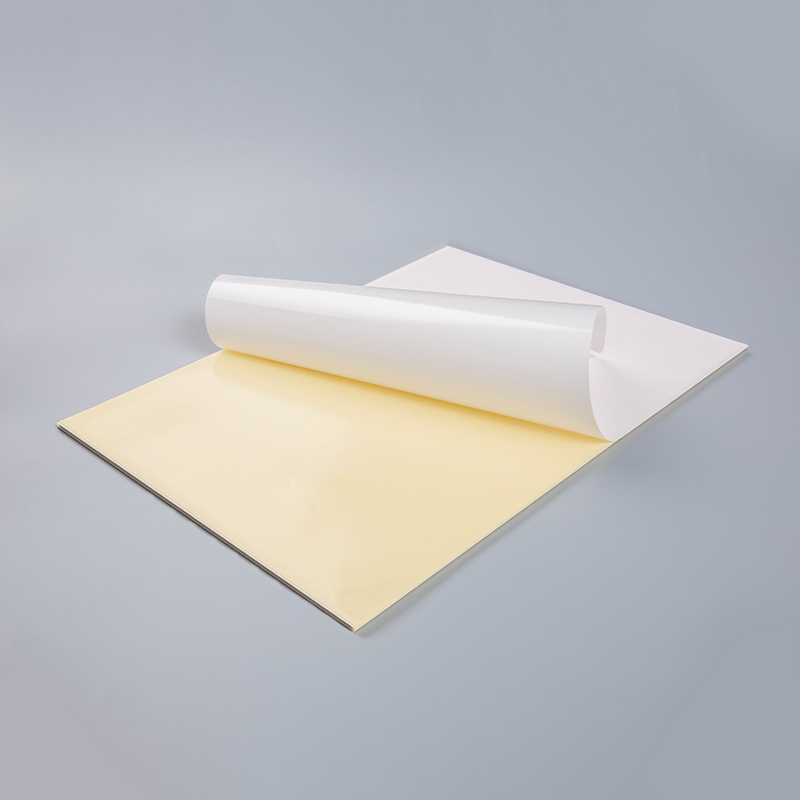
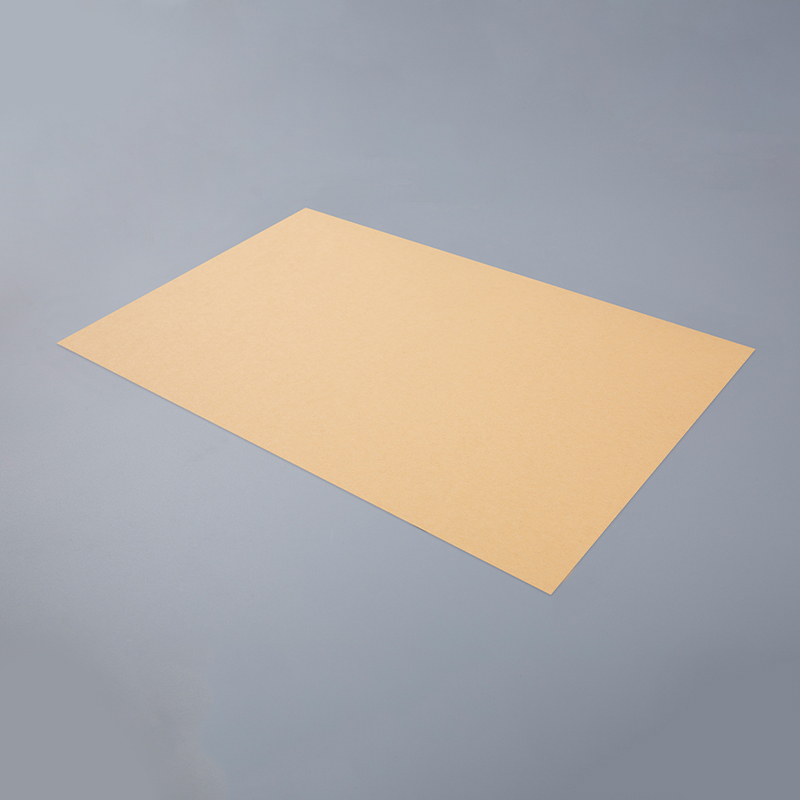
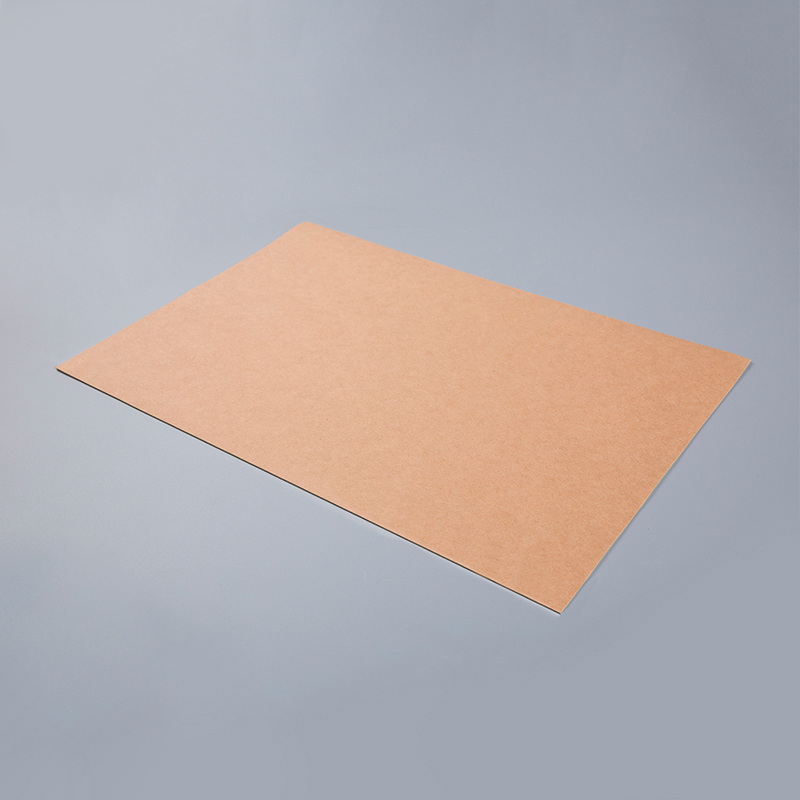
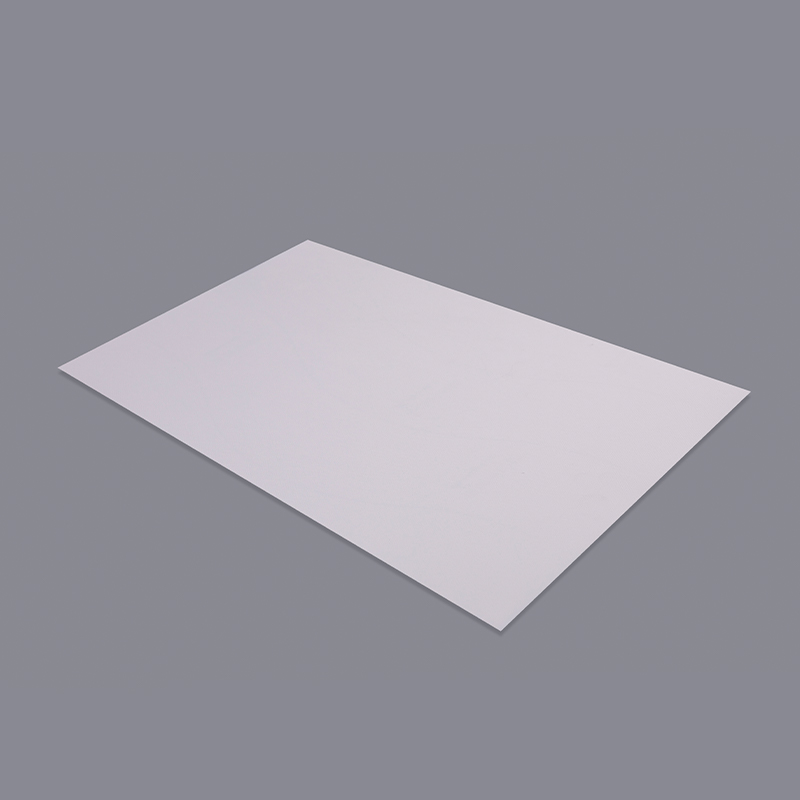
عربىCoated art paper is a versatile specialty paper material designed for applications that require a smooth appearance, reliable handling, clean printing, and consistent converting performance. It combines the visual and printability benefits of art paper with the structural stability needed for labeling, packaging, die-cutting, lamination, and industrial processing. Depending on the final construction, it may be supplied as a printable paper, a self-adhesive paper face material, a laminated sheet, or a release-supported material for specialized applications.
Modern converters and product manufacturers increasingly require paper materials that perform consistently across the entire production process. A substrate must accept ink evenly, resist tearing during high-speed processing, remain stable during storage, and protect the finished product during transportation. It must also be available in practical roll and sheet formats and support customization in basis weight, size, coating, adhesive construction, and packaging.
This coated art paper is developed to address those requirements. Available in several paper weights and multiple jumbo-roll and sheet dimensions, it can be adapted to label printing, packaging tags, barcode production, food-related packaging liners, medical product separation, electronic die-cutting, and flexible circuit board manufacturing. Its balanced performance makes it suitable for both conventional printing operations and demanding industrial converting environments.
Content
- 1 Product Overview
- 2 Superior Strength and Durability
- 3 Moisture and Water Resistance
- 4 Smooth and Consistent Printing Surface
- 5 Clean Release and Efficient Converting
- 6 Advantages Over Conventional and Lower-Grade Alternatives
- 7 Application in Label Printing
- 8 Application in Food Packaging
- 9 Application in Healthcare Products
- 10 Application in Electronics and Flexible Circuit Manufacturing
- 11 Material Selection and Customization
- 12 Advanced Manufacturing Capabilities
- 13 Quality Control and Technical Development
- 14 Environmental and Safety Considerations
- 15 Packaging and Delivery Protection
- 16 Why Manufacturing Experience Matters
- 17 Recommended Purchasing Process
- 18 Frequently Asked Questions
- 18.1 What is coated art paper used for?
- 18.2 What paper weights are available?
- 18.3 Is the material available as self-adhesive paper?
- 18.4 Can the material be supplied in jumbo rolls?
- 18.5 What sheet sizes are available?
- 18.6 Is coated art paper suitable for barcode printing?
- 18.7 Can it be used for food packaging?
- 18.8 Can it be used for medical products?
- 18.9 How does the material perform in humid conditions?
- 18.10 Does the company provide OEM and ODM services?
- 18.11 How are reams packaged?
- 18.12 How are jumbo rolls protected during delivery?
- 18.13 How can a buyer select the correct grade?
- 19 Conclusion
- 20 References
- 21 Product: Coated Art Paper
Product Overview
Coated art paper is manufactured from a smooth art paper base with a uniform surface treatment. The coating improves the appearance, ink receptivity, surface consistency, and handling characteristics of the paper. In applications requiring adhesive performance, the paper can be combined with a suitable adhesive layer and backing or release material to create a self-adhesive construction.
The available base paper weights include 90 grams per square meter, 120 grams per square meter, 140 grams per square meter, and 165 grams per square meter. These options allow buyers to select a lighter grade for flexible labels and economical packaging or a heavier grade for durable tags, premium printed materials, and applications that require additional stiffness.
The standard color is white, providing a clean background for text, product information, barcodes, logos, graphics, and variable data. White coated surfaces are especially useful where color accuracy, sharp contrast, or a premium visual appearance is important.
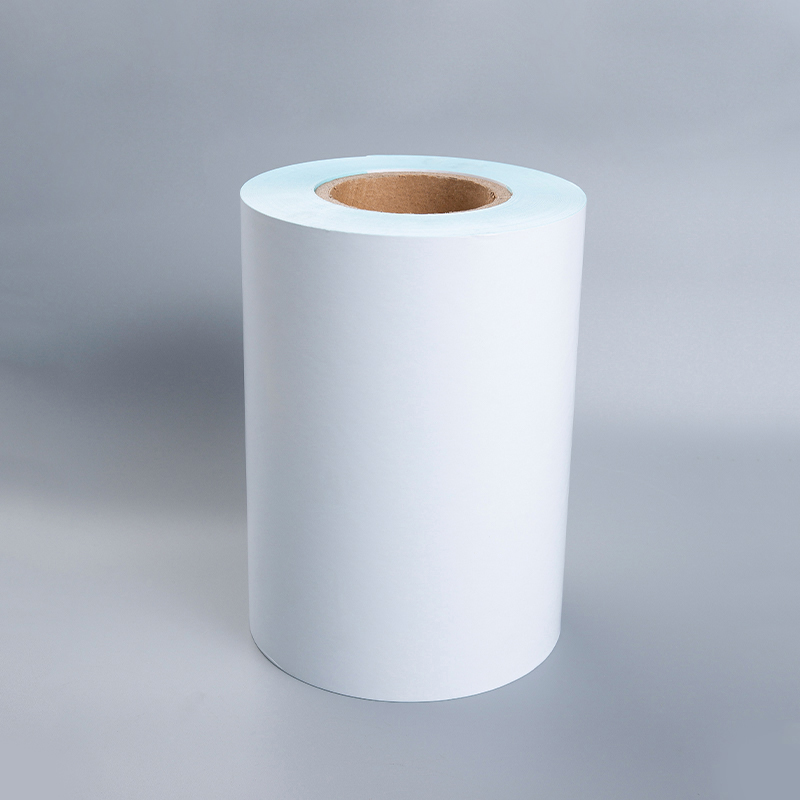
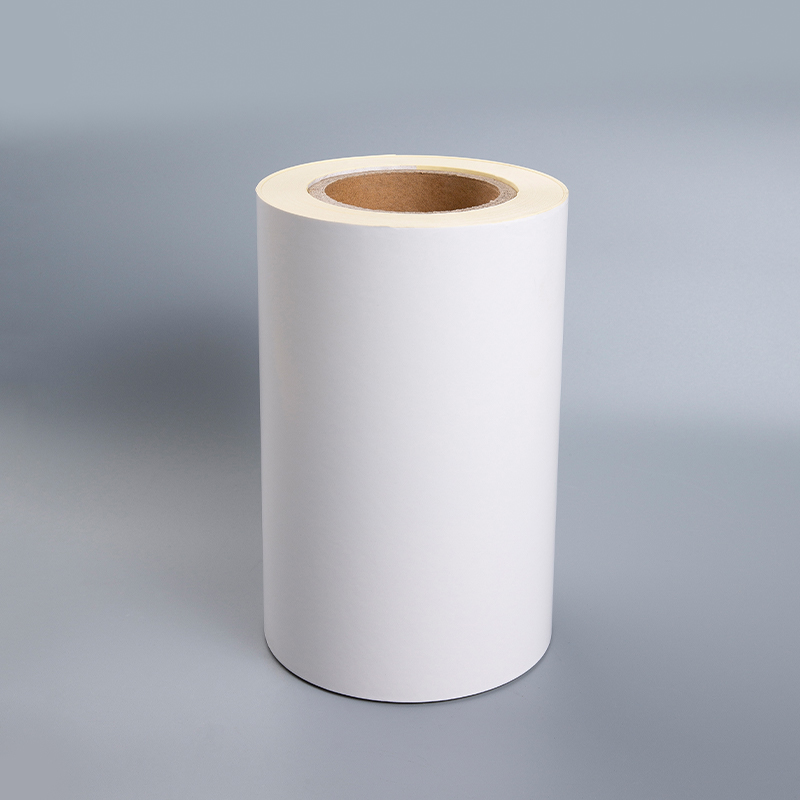
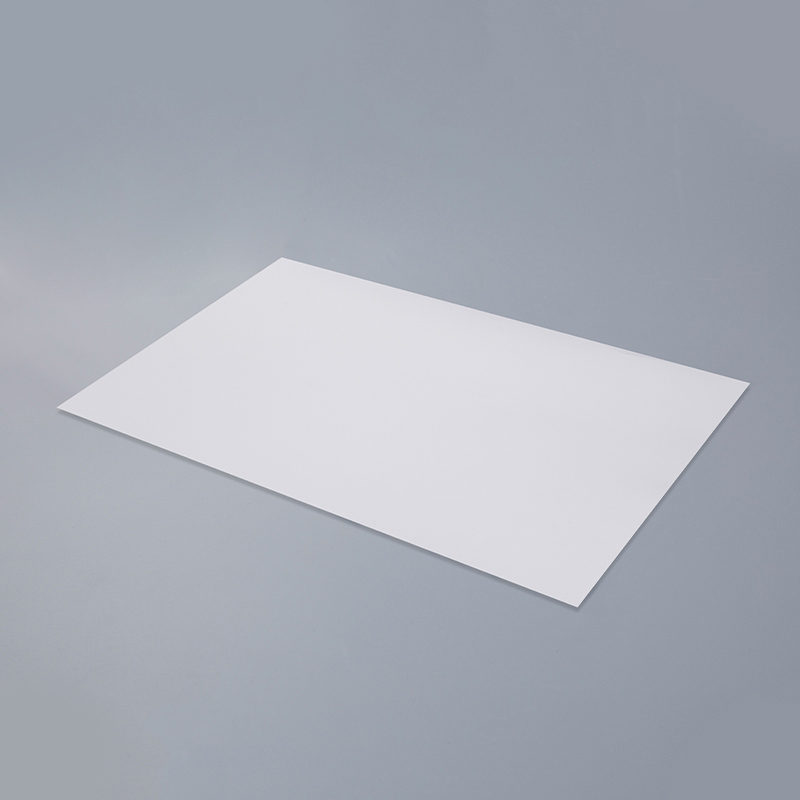
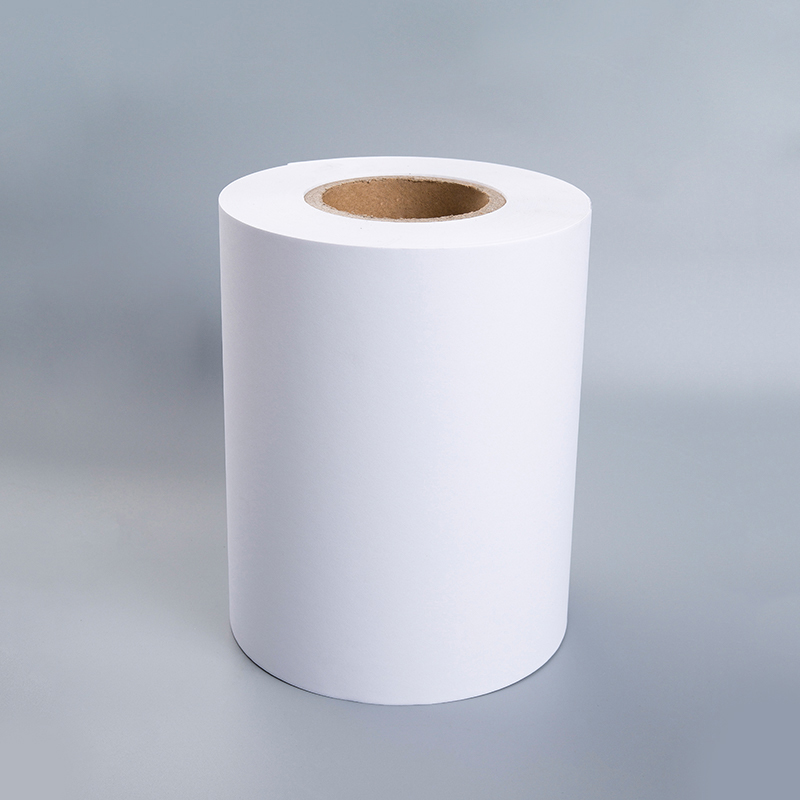
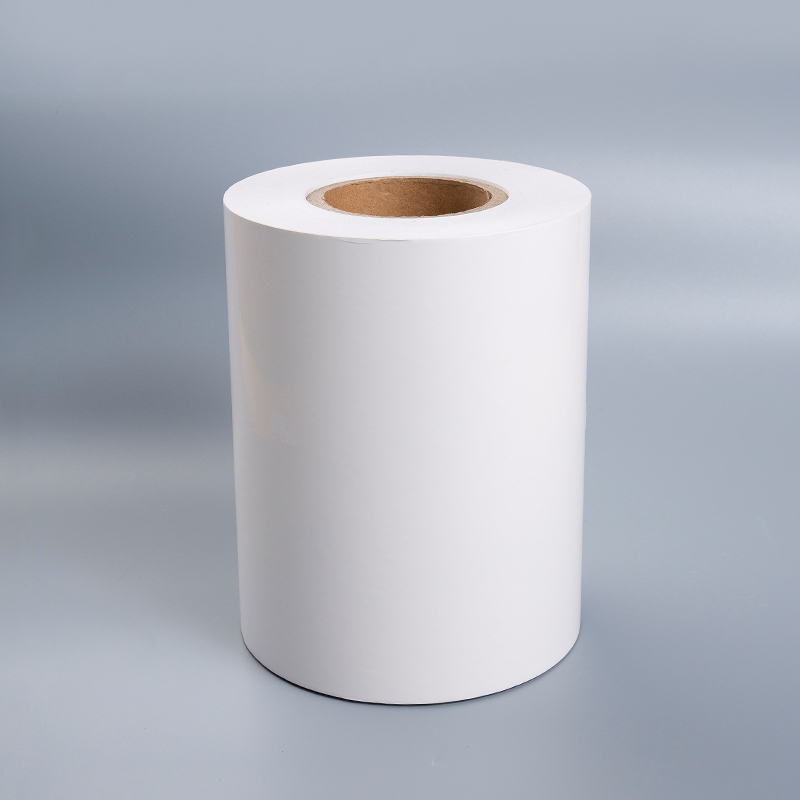
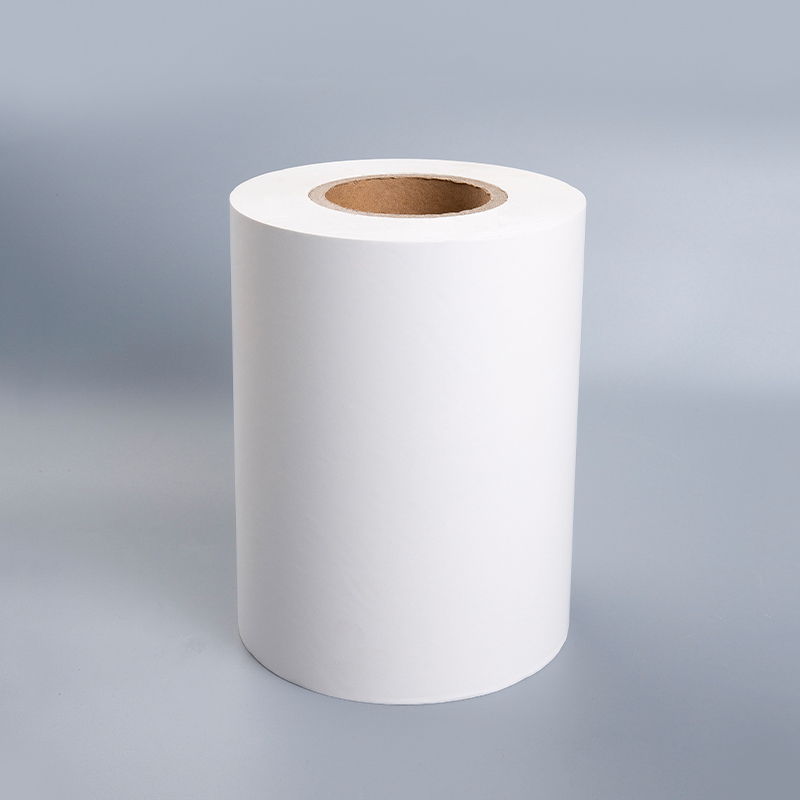
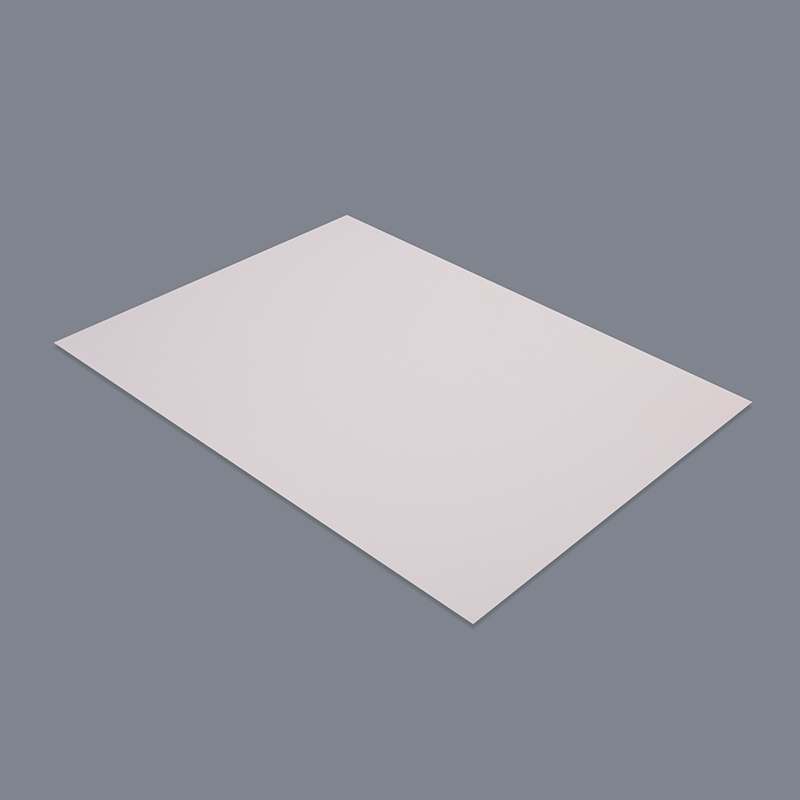
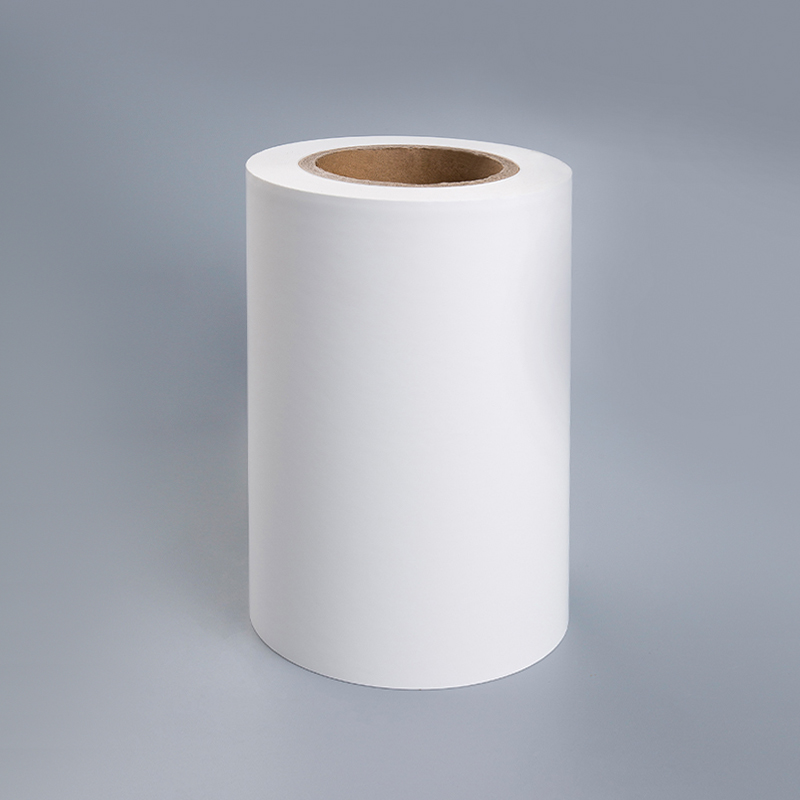
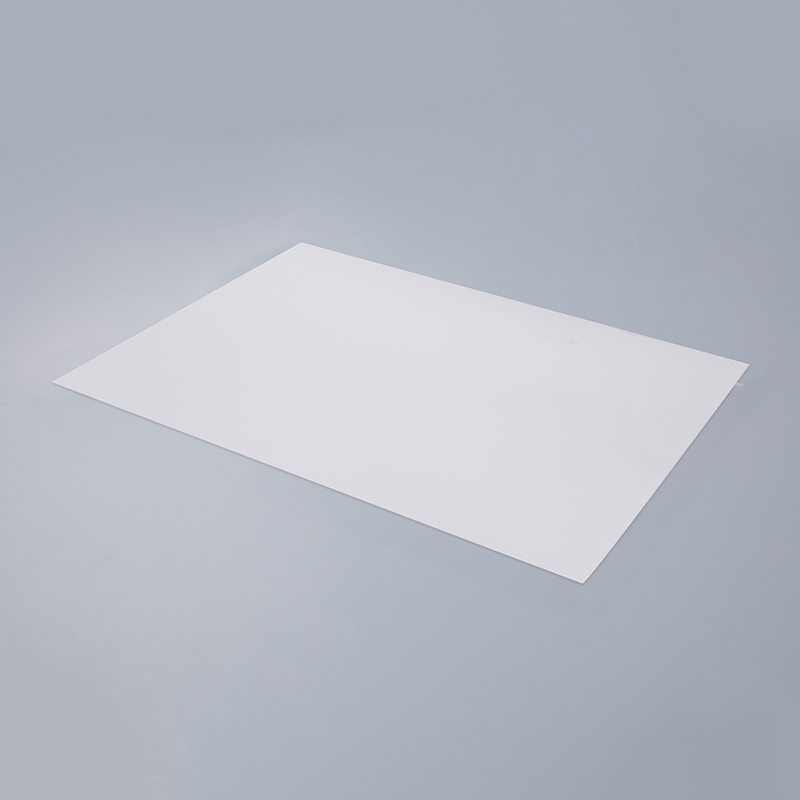
Jumbo-roll widths include 1000 millimeters, 1020 millimeters, 1080 millimeters, and 1530 millimeters. Sheet formats include A4, A3, 20 by 30 centimeters, 21 by 30 centimeters, 24 by 36 centimeters, 50 by 70 centimeters, and 70 by 100 centimeters. Custom sizes can also be discussed according to the customer’s equipment, printing process, product dimensions, and packaging requirements.
| Product Item | Available Specification | Typical Benefit |
|---|---|---|
| Base material | Coated art paper | Smooth surface and attractive print appearance |
| Basis weight | 90, 120, 140, and 165 grams per square meter | Selection of flexibility, stiffness, and cost |
| Color | White | Strong contrast and clean graphic reproduction |
| Jumbo-roll width | 1000, 1020, 1080, and 1530 millimeters | Compatibility with different converting lines |
| Sheet sizes | A4, A3, 20 x 30 cm, 21 x 30 cm, 24 x 36 cm, 50 x 70 cm, and 70 x 100 cm | Convenient use in sheet-fed printing and cutting |
| Customization | Available according to project requirements | Adaptation to equipment and finished-product dimensions |
Coated Art Paper
Superior Strength and Durability
One of the most important advantages of this material is its ability to maintain structural integrity during demanding production. The paper is designed to provide high toughness and strong resistance to tearing or cracking. This is particularly valuable when the material passes through printing presses, laminators, die-cutting equipment, slitting machines, automatic labeling systems, or packaging lines.
Weak or inconsistent paper can create interruptions throughout a converting operation. A web may break during feeding, edges may crack during cutting, or sheets may deform during stacking. These problems increase waste, reduce equipment utilization, and create unnecessary labor costs. A stronger coated art paper helps reduce such risks by providing a stable substrate that can withstand repeated mechanical stress.
Durability is also important after production. Labels, tags, packaging components, and protective liners may be exposed to vibration, compression, temperature variation, and repeated handling. A structurally sound paper is less likely to lose its shape or develop visible damage during storage and transportation.
Compared with ordinary uncoated paper, a carefully engineered coated art paper can offer a more controlled surface and a more consistent basis for printing and converting. Compared with lower-grade coated products, it can provide improved resistance to cracking, edge damage, and mechanical deformation when the application involves high-speed processing or heavier handling.
Moisture and Water Resistance
Humidity can significantly affect paper materials. Moisture may cause curling, swelling, loss of stiffness, surface distortion, or separation between laminated layers. These changes can interfere with printing registration, die-cutting accuracy, adhesive application, and final-product appearance.
The coated construction provides improved protection against humidity, water splashes, and mild chemical exposure. This makes the material more suitable for environments where ordinary paper would be vulnerable. Applications involving refrigerated products, humid warehouses, transportation in changing climates, or occasional contact with moisture can benefit from a more resistant paper surface.
Moisture resistance also supports long-term storage. When rolls or reams are properly sealed and protected, the material can better retain its original dimensions and surface condition. This helps reduce warping and delamination during the period between delivery and use.
It is important to select the final construction according to the level and duration of exposure. Coated art paper is not automatically suitable for every liquid-contact or chemical-contact application. Customers should evaluate the paper, adhesive, release liner, coating, and any laminate as a complete system. Production trials and application-specific testing are recommended when the finished product will face continuous water exposure, aggressive chemicals, high temperatures, or direct food contact.
Smooth and Consistent Printing Surface
The smooth surface of coated art paper is one of its strongest competitive advantages. A uniform coating helps create even ink adhesion and supports clean reproduction of text, fine lines, barcodes, logos, and detailed images. This is especially valuable for labels and packaging where the printed surface directly influences product presentation.
A more consistent surface can reduce variations in ink absorption. When ink is absorbed unevenly, printed areas may appear dull, mottled, or inconsistent. A controlled coated surface helps maintain a more uniform visual result, supporting higher-quality graphics and more reliable color management.
The surface is also suitable for applications requiring sharp variable data. Barcodes, QR codes, serial numbers, product specifications, and batch information need to remain legible throughout printing and use. The combination of a white background and smooth coating can improve contrast and support accurate scanning when the correct ink and printing process are selected.
For digital printing, flexographic printing, offset printing, and other suitable processes, the exact result depends on the ink system, drying conditions, press settings, and finishing method. The material can be evaluated and matched with a customer’s existing equipment to help achieve the required print quality.
Clean Release and Efficient Converting
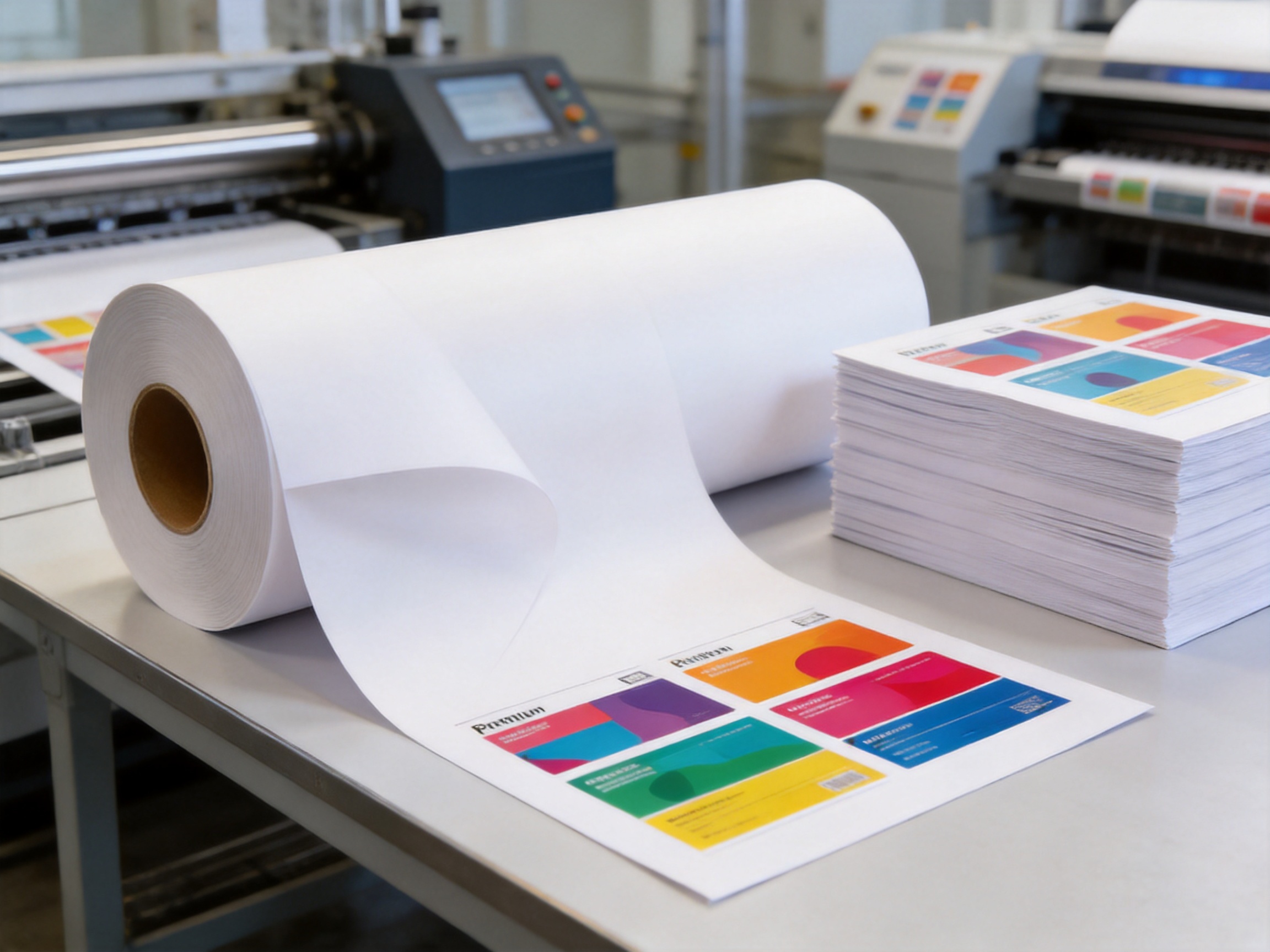
In constructions that include a release liner or release-coated backing, smooth release performance is essential. The liner must separate from the adhesive or coated surface in a controlled manner without leaving excessive residue, tearing, or causing premature lifting. A balanced release system supports efficient dispensing, labeling, lamination, and die-cutting.
The smooth surface can also minimize friction during converting. Reduced friction helps the material move more evenly through rollers, guides, cutting stations, and laminating equipment. Stable web movement supports better registration and can reduce the chance of wrinkles, scratches, and edge damage.
For electronic die-cutting, the material can act as a stable carrier or protective layer for films, foams, circuit materials, and other delicate components. During precision cutting, the paper supports handling while helping protect the working surface from scratches and contamination. The exact choice of thickness and construction should be matched to the die design and component geometry.
Compared with an inconsistent substrate, a stable coated art paper can help improve production efficiency by reducing setup adjustments and material-related interruptions. It can also support cleaner finished edges, more reliable sheet separation, and more predictable stacking.
Advantages Over Conventional and Lower-Grade Alternatives
Compared with Uncoated Paper
Uncoated paper may be suitable for basic writing, wrapping, or low-demand packaging, but it generally offers a less uniform printing surface. Ink may penetrate more deeply, fine details may lose sharpness, and the final appearance may be less consistent. Coated art paper provides a smoother and more visually refined surface for labels, graphics, and product identification.
Coated paper can also provide better resistance to surface abrasion and environmental changes when properly formulated. This makes it more appropriate for applications where appearance and dimensional stability are important.
Compared with Thin or Weak Label Stock
Some low-cost label stocks are optimized primarily for initial price rather than high-speed converting performance. They may tear more easily, crack at the edges, or deform during die-cutting and transportation. The stronger construction of this coated art paper is intended to provide a more dependable balance between printability, flexibility, and mechanical durability.
The availability of several basis weights further improves material selection. Buyers do not need to use one grade for every application. A lighter construction may be chosen for flexible labels, while a heavier construction may be used for tags or products requiring greater stiffness.
Compared with Poorly Controlled Coated Materials
Coating uniformity is critical. A material with uneven coating may produce inconsistent ink adhesion, variable gloss, rough patches, or unstable release behavior. Advanced production control helps maintain a more consistent surface across the roll or sheet, supporting predictable downstream processing.
Consistency is especially valuable for large-volume users. When thousands or millions of labels are produced, small variations can become major sources of waste. Stable quality reduces the need for repeated machine adjustment and helps protect the appearance of the final product.
Compared with Inflexible Standard Sizes
Standard materials may not fit every press, slitter, die, or packaging format. Unnecessary trimming can increase waste and reduce productivity. The availability of several jumbo-roll widths and sheet dimensions allows buyers to choose a format closer to their actual requirements. Custom sizing provides an additional advantage for specialized projects.
Application in Label Printing
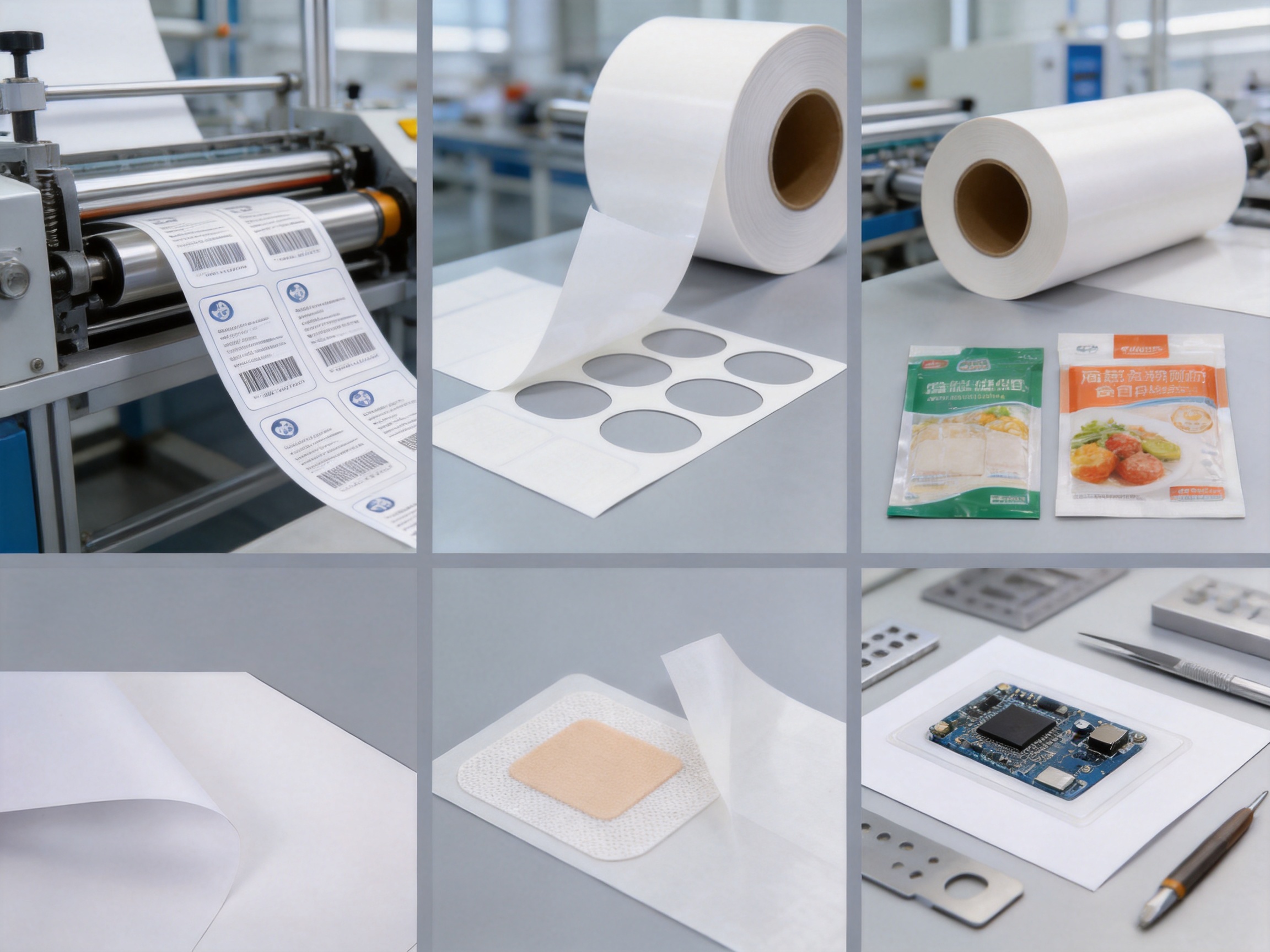
Coated art paper is well suited to self-adhesive labels, product labels, barcode labels, packaging tags, logistics labels, and promotional stickers. Its white, smooth surface creates a professional appearance and supports readable printed information.
For product labels, the material can carry brand graphics, ingredients, instructions, warnings, product codes, and regulatory information. The choice of adhesive should reflect the application surface. Permanent adhesive may be suitable for long-term identification, while removable or repositionable systems may be preferred for temporary labeling.
For barcode and logistics applications, print clarity and dimensional stability are particularly important. A clean surface supports crisp bars and spaces, while a stable substrate helps prevent distortion during printing and handling. Final barcode performance should always be verified using the intended printer, ink, scanner, and environmental conditions.
For premium labels, the coated surface can contribute to a bright and refined appearance. Additional finishing processes such as varnishing, laminating, embossing, or selective printing may be considered after compatibility testing.
Application in Food Packaging
The material can be used as a liner or supporting paper in packaging applications involving moisture-sensitive products, including frozen foods and baked goods. Its moisture-resistance characteristics can help maintain dimensional stability in conditions where condensation or splashes may occur.
In food-related applications, the distinction between indirect contact and direct contact is important. The complete construction must meet the applicable food-safety requirements for the intended market and use. This includes the paper, coating, adhesive, ink, laminate, and any release layer. Customers should confirm regulatory suitability before approving a direct-contact application.
As a packaging liner, coated art paper can help separate materials, protect surfaces, and support clean handling. It may also be used as a printable identification layer for packaging components. The appropriate basis weight depends on the desired stiffness, folding behavior, moisture exposure, and equipment configuration.
Application in Healthcare Products
Healthcare products require clean, stable, and reliable separation materials. Coated art paper may be used to isolate medical tapes, wound dressings, sterile packaging components, and other products that require hygienic separation before use.
For these applications, the material must be evaluated as part of the complete medical packaging system. Important factors include cleanliness, fiber shedding, coating compatibility, release force, sterilization conditions, and storage stability. A suitable grade can provide a smooth release surface while protecting the adhesive or medical component during handling.
The paper’s consistent structure can support accurate die-cutting of small or complex shapes. This is useful for medical tapes, dressings, protective covers, and other products that require precise dimensions and clean edges.
Healthcare customers should define the applicable standards and testing requirements at the beginning of development. The manufacturer can then help identify an appropriate material construction and provide samples for validation.
Application in Electronics and Flexible Circuit Manufacturing
Electronic manufacturing often requires protective carrier materials that can be handled efficiently without scratching sensitive surfaces. Coated art paper can act as a stable carrier layer during precision cutting, lamination, assembly, and transportation of films, foams, circuit board materials, and other components.
For flexible circuit boards and related products, the carrier must support the material without introducing excessive friction or surface damage. A smooth paper surface can help reduce scratching during contact and movement. Its dimensional stability also supports more controlled handling during manufacturing operations.
Electronic die-cutting requires accurate cutting pressure, clean edges, and reliable separation. The suitable paper weight depends on the thickness and stiffness of the component, the cutting method, and the desired release behavior. Production trials should be carried out to determine the best combination of paper, adhesive, liner, and die settings.
Because electronics manufacturing can involve sensitive surfaces, contamination control is essential. Customers should establish cleanliness requirements and verify the material under actual production conditions. The paper should be stored in its original sealed packaging until use and protected from excessive humidity and dust.
Material Selection and Customization
Choosing the correct coated art paper begins with the finished-product requirements. Customers should consider the printing method, label dimensions, application surface, expected service life, exposure to moisture, converting speed, and storage environment.
Basis weight is one of the main selection factors. The 90-gram grade may be appropriate where flexibility and material economy are priorities. The 120-gram grade offers a balanced option for many general labeling and printing applications. The 140-gram and 165-gram grades can provide greater stiffness and handling strength for tags, packaging components, and industrial uses.
Roll width should match the press, slitter, laminator, or die-cutting line. Selecting an appropriate jumbo-roll width can reduce edge trim and improve material utilization. Sheet dimensions should likewise be selected according to the printing equipment and finished-product layout.
Customers may also need to specify adhesive type, release force, liner construction, surface finish, coating compatibility, core size, roll diameter, splice requirements, and packaging format. A technical discussion before production helps prevent problems after delivery.
Custom sizes and constructions can be developed for customers with specific equipment or finished-product requirements. OEM and ODM support is available for projects based on drawings, samples, performance targets, or existing material references.
Advanced Manufacturing Capabilities
The manufacturer operates integrated production lines covering gluing, laminating, and cutting. This combination enables closer coordination between different stages of material production and converting. It also supports the development of complete self-adhesive and specialty paper constructions rather than relying only on externally supplied processes.
Gluing is controlled to create an even adhesive layer suitable for the intended application. Uniform adhesive distribution is important for bonding performance, clean die-cutting, and consistent dispensing. The adhesive must be matched to the face material, release liner, application surface, and required service conditions.
Laminating combines the paper with supporting layers, adhesive systems, films, or release materials. A well-controlled lamination process helps reduce bubbles, wrinkles, tunnel defects, and delamination. It also improves the overall stability of the finished construction during storage and use.
Cutting and slitting convert large parent rolls into customer-specific widths and sheet formats. Accurate cutting supports better dimensional control and easier integration into customer equipment. Edge quality is important because rough or damaged edges can contribute to web breaks, dust generation, and feeding problems.
The company reports an annual production capacity of more than 280 million square meters. This capacity supports both large-scale standard orders and customized projects. High production capacity can provide improved supply continuity for customers with regular demand, provided that specifications and production schedules are confirmed in advance.
Quality Control and Technical Development
Quality control begins with incoming material inspection and continues through coating, adhesive application, lamination, slitting, packing, and final shipment. Important evaluation areas may include basis weight, thickness, width, tensile strength, tear resistance, surface appearance, moisture behavior, adhesive performance, release force, and printability.
An internal testing laboratory and advanced inspection equipment support product verification. Laboratory testing helps identify variation before products reach the customer and provides data for troubleshooting and improvement. Production samples can also be evaluated against customer-specific requirements.
Technical development is supported by a professional research and development team and multiple patents. Research activities may involve new face materials, adhesive systems, backing papers, release constructions, and environmentally responsible alternatives.
For OEM and ODM projects, the development process can begin with a drawing, reference sample, technical specification, or description of the final application. The manufacturer can review the required performance and recommend a construction for trial production. This approach is useful when customers need to replace an existing material, improve production efficiency, or develop a new label or packaging product.
Quality consistency is particularly important for international customers. Variations in paper, adhesive, release force, or roll dimensions can create problems when the material is used on automated equipment. Process control and documented inspection help reduce such risks.
Environmental and Safety Considerations
Environmental performance is increasingly important in paper and label-material purchasing. Coated art paper can support more sustainable manufacturing when the paper, adhesive, coating, and backing materials are selected with end-of-life considerations in mind.
Recyclability depends on the full construction and the recycling infrastructure available in the target market. A paper face material may be recyclable under certain conditions, while adhesive, film, coating, or liner components may affect the result. Customers should evaluate the final product rather than assuming that one material component determines the recyclability of the entire construction.
The company’s product-development approach includes eco-friendly solutions involving face materials, adhesives, and backing papers. These solutions are intended to help customers address sustainability objectives while maintaining the performance required for printing, labeling, packaging, and industrial use.
Safety requirements must also be defined according to the application. Food packaging, healthcare products, and electronic materials may each require different tests and declarations. Customers should provide the destination market, product-contact conditions, sterilization method, and other relevant information so that the appropriate material can be selected.
Packaging and Delivery Protection
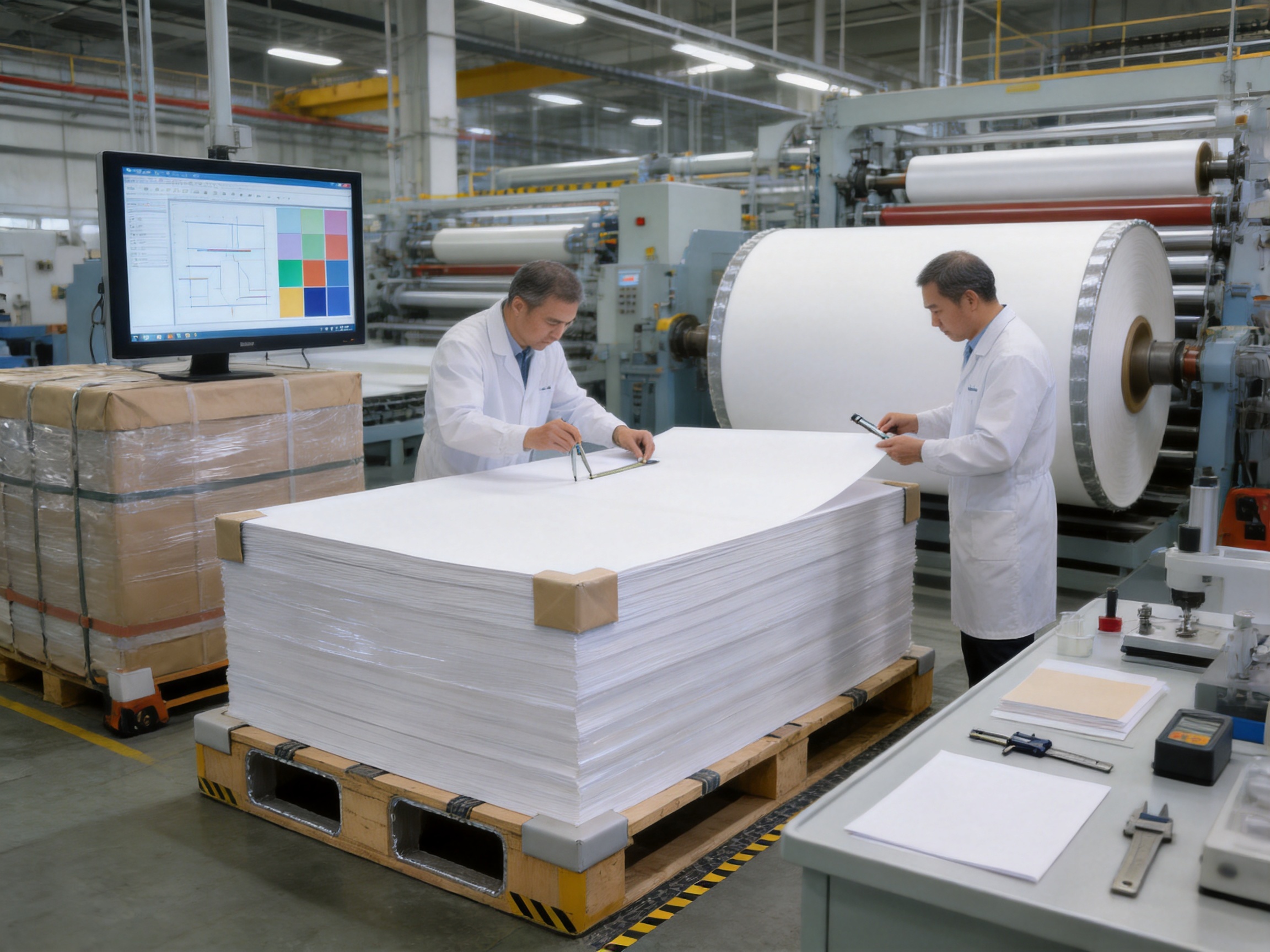
Packaging is designed to protect the material during international transportation. Fumigation-treated recycled wooden pallets compliant with global shipping requirements are used where applicable. The pallets provide resistance to insects and mold and are designed to support stable stacking.
Proper pallet construction helps distribute weight evenly and reduces the possibility of roll deformation. Protective corner guards are embedded to help protect edges during loading and unloading. Stretch film is applied tightly around the pallet to reduce movement and shield the products from dust and moisture.
Standardized forklift slots improve handling efficiency at the factory, warehouse, port, and customer facility. Efficient forklift access reduces manual handling and helps lower the risk of accidental impact.
For ream packaging, each ream contains 100 sheets. The ream is sealed with PE-coated kraft paper to provide protection against moisture and dust. Reinforced edges help minimize damage during handling and transportation.
Multiple reams are stacked on pallets and secured with high-strength stretch film and anti-slip plastic straps. This packaging method helps prevent shifting during transit. Customers with special requirements for pallet height, carton labeling, moisture barriers, core size, or container loading can discuss those requirements before order confirmation.
Why Manufacturing Experience Matters
Manufacturing experience affects more than production volume. It influences the ability to select raw materials, control coating uniformity, adjust adhesive application, manage lamination tension, and maintain consistent cutting quality. More than two decades of production experience provide a foundation for handling both standard and specialized self-adhesive material projects.
The company integrates research and development, production, sales, and after-sales service. This integrated structure allows technical questions to be transferred more efficiently between customers and production teams. It also supports continuous improvement based on application feedback.
With direct sales networks in several major Chinese cities and an international marketing network covering Asia, Europe, the Americas, Africa, and other regions, the company serves customers with different technical and logistical requirements. International experience can help address export packaging, communication, documentation, and delivery coordination.
The company also provides OEM and ODM services. Customers may request products manufactured according to samples, drawings, performance standards, or brand requirements. This is useful for distributors, label converters, packaging producers, medical-material suppliers, and industrial manufacturers seeking a stable source for customized material.
A long-term supplier should provide more than a single shipment. It should support product selection, sampling, testing, production planning, quality verification, packaging, delivery, and after-sales communication. This complete service model can reduce the technical and commercial risk associated with changing materials.
Recommended Purchasing Process
Define the Application
Begin by identifying whether the material will be used for labels, tags, packaging liners, medical separation, electronic die-cutting, flexible circuit board processing, or another purpose. The application determines the required paper weight, surface properties, adhesive, release behavior, and environmental resistance.
Confirm the Printing and Converting Equipment
Provide information about the printer, press, laminator, slitter, die-cutter, labeling machine, or other equipment. Machine speed, web tension, cutting pressure, roll width, core size, and sheet format can all influence the recommended construction.
Evaluate the Environment
Describe the expected humidity, temperature, exposure to water, chemicals, refrigeration, outdoor conditions, or sterilization. This information helps determine whether the standard construction is appropriate or whether additional coating, adhesive, laminate, or protective treatment is required.
Request Samples and Testing
Samples should be tested using the customer’s actual ink, adhesive, equipment, substrate, and finishing process. Testing should examine print quality, feeding, die-cutting, release, adhesion, curling, moisture resistance, and final appearance.
Confirm Commercial Specifications
Before mass production, confirm the basis weight, dimensions, roll or sheet format, core requirements, packaging, pallet configuration, labeling, inspection standard, and delivery schedule. Clear specifications help ensure that the manufactured product matches the customer’s production system.
Frequently Asked Questions
What is coated art paper used for?
Coated art paper is used for adhesive labels, barcode labels, packaging tags, printed materials, moisture-sensitive packaging liners, medical separation materials, electronic die-cutting, and carrier layers for flexible circuit board manufacturing. The final application depends on the selected paper weight and complete material construction.
What paper weights are available?
The listed options are 90, 120, 140, and 165 grams per square meter. These grades provide different levels of flexibility, stiffness, handling strength, and material economy.
Is the material available as self-adhesive paper?
It can be supplied in self-adhesive constructions when the application requires an adhesive layer and backing or release liner. The adhesive should be selected according to the bonding surface, permanence, temperature range, humidity, and expected service life.
Can the material be supplied in jumbo rolls?
Yes. Available jumbo-roll widths include 1000, 1020, 1080, and 1530 millimeters. Other dimensions may be discussed for customized projects.
What sheet sizes are available?
Available sheet sizes include A4, A3, 20 by 30 centimeters, 21 by 30 centimeters, 24 by 36 centimeters, 50 by 70 centimeters, and 70 by 100 centimeters. Custom sheet sizes can also be considered.
Is coated art paper suitable for barcode printing?
Yes. Its smooth white surface supports clear printing of barcodes and variable information. The finished barcode should be verified using the intended printer, ink, scanner, and application environment.
Can it be used for food packaging?
It can be used for suitable food-packaging liner and labeling applications. For direct food contact, the complete construction must be evaluated against the applicable food-safety requirements in the destination market. Customers should confirm the paper, coating, adhesive, ink, and laminate requirements before production.
Can it be used for medical products?
It may be used for medical tapes, wound dressings, sterile packaging components, and hygienic separation applications when the complete material system meets the required specifications. Medical customers should define cleanliness, release, sterilization, and regulatory requirements before material approval.
How does the material perform in humid conditions?
The coated construction provides improved resistance to humidity, water splashes, and mild chemical exposure compared with many ordinary paper materials. The material should still be tested under the actual temperature, humidity, and exposure conditions of the application.
Does the company provide OEM and ODM services?
Yes. Products can be developed according to customer drawings, samples, technical specifications, or performance requirements. OEM and ODM support includes customized material construction, dimensions, converting, and packaging where applicable.
How are reams packaged?
Each ream contains 100 sheets and is sealed with PE-coated kraft paper for moisture and dust protection. Reinforced edges help reduce handling damage. Reams are stacked on pallets and secured with stretch film and anti-slip plastic straps.
How are jumbo rolls protected during delivery?
Jumbo rolls are placed on fumigation-treated recycled wooden pallets where required for international transportation. Protective corner guards, stretch film, stable stacking, and forklift-accessible pallet designs help protect the rolls during handling and shipment.
How can a buyer select the correct grade?
The buyer should consider the printing method, required stiffness, label size, converting speed, application surface, moisture exposure, adhesive needs, and storage conditions. Samples should be tested on the customer’s actual equipment before large-scale production.
Conclusion
Coated art paper provides a practical combination of smooth printing performance, structural strength, moisture resistance, clean handling, and flexible converting options. Its available basis weights, jumbo-roll widths, sheet sizes, and customized constructions make it suitable for diverse applications across labeling, packaging, healthcare, electronics, and industrial manufacturing.
Its advantages over ordinary or lower-grade alternatives include a more consistent surface, improved resistance to tearing and cracking, better support for high-speed processing, and greater adaptability to specialized converting requirements. When combined with suitable adhesive, release, laminate, or backing systems, it can serve as a dependable component in self-adhesive and specialty-material constructions.
The manufacturer’s integrated gluing, laminating, and cutting capabilities, annual production capacity exceeding 280 million square meters, internal testing laboratory, research and development team, OEM and ODM services, and international supply experience support consistent project execution. Careful material selection, application testing, and specification confirmation help customers obtain the best performance from the finished product.
For buyers seeking a stable and customizable coated paper solution, the most effective approach is to begin with the final application and work backward through printing, converting, environmental, adhesive, packaging, and delivery requirements. This process creates a better match between the material and the customer’s equipment while supporting reliable quality and long-term supply.
References
1. Company product specifications for coated art paper, including material grades, roll widths, sheet sizes, and packaging formats.
2. Company information regarding gluing, laminating, cutting, OEM, ODM, research and development, testing, and production capacity.
3. General principles of paper coating, printability, converting performance, and moisture protection in specialty paper applications.
4. General technical guidance for self-adhesive label construction, including face materials, adhesives, release liners, and application testing.
5. General packaging and international transportation practices for paper rolls, reams, pallets, and moisture-sensitive materials.