
 English
 Español
 русский
 Français
 عربى
عربى
Removable acrylic transparent PVC film is a versatile self-adhesive material designed for applications that require visual clarity, dependable adhesion, clean removal, and flexible converting options. It combines an optically clear PVC face material with a removable water-based acrylic adhesive and a release liner selected according to the intended printing, labeling, laminating, or mounting process.
As a self-adhesive film, it serves a role that ordinary packaging film, uncoated plastic sheet, and permanent adhesive labels cannot easily fulfill. The material can be applied to smooth surfaces, display information or graphics, protect a surface during temporary use, and later be removed with reduced risk of adhesive residue or substrate damage. This balance between adhesion and removability makes it suitable for promotional graphics, temporary identification, product labeling, building-material applications, packaging components, and numerous industrial uses.
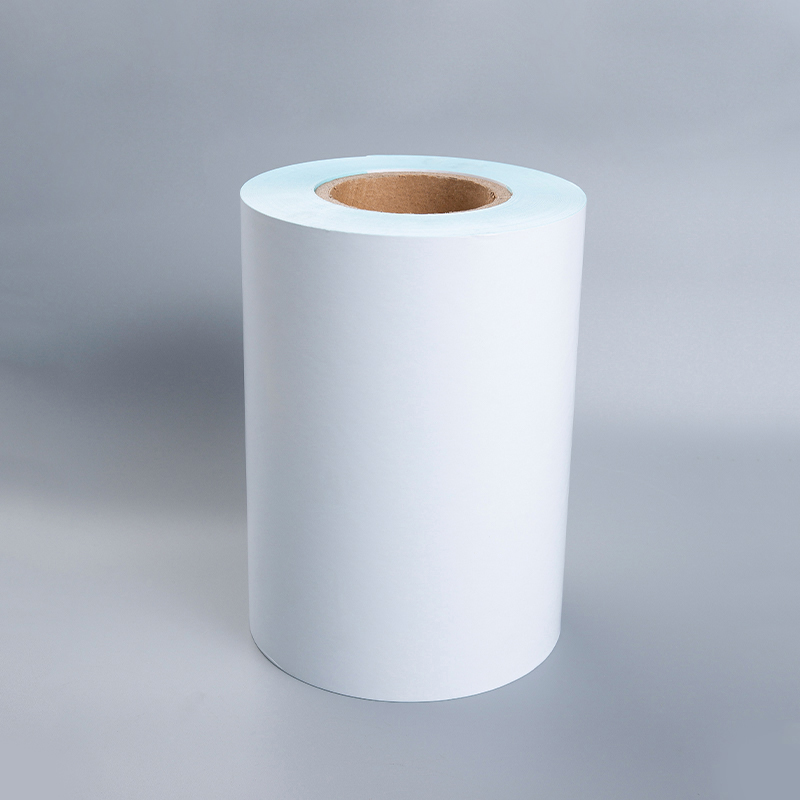
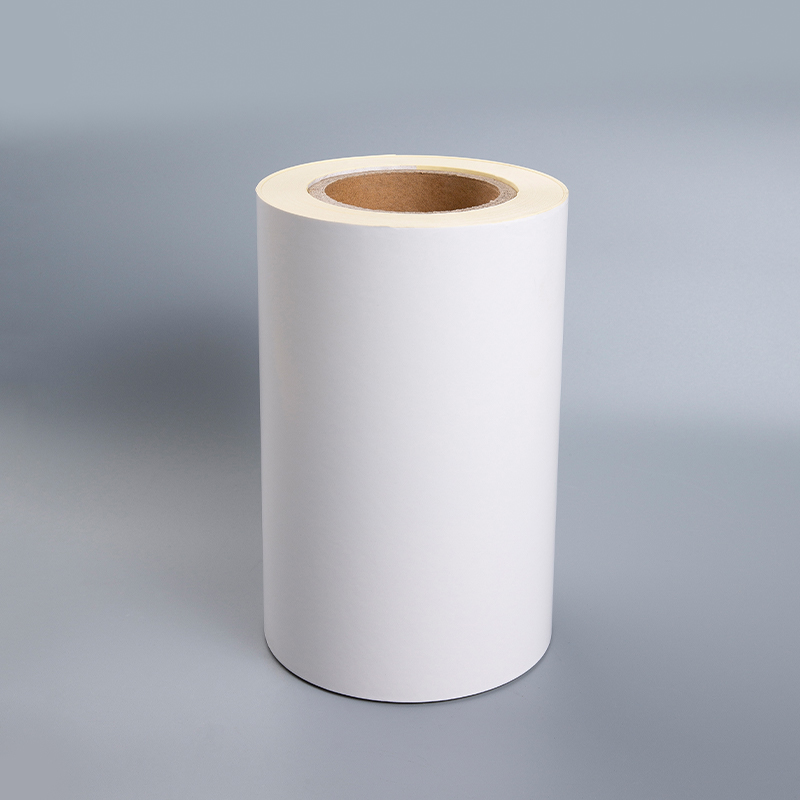
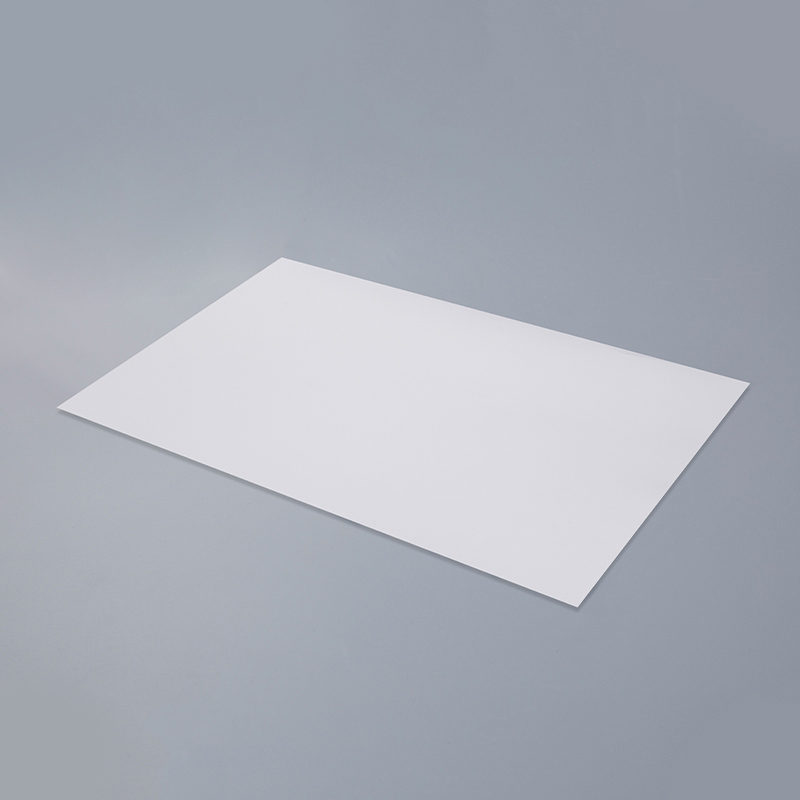
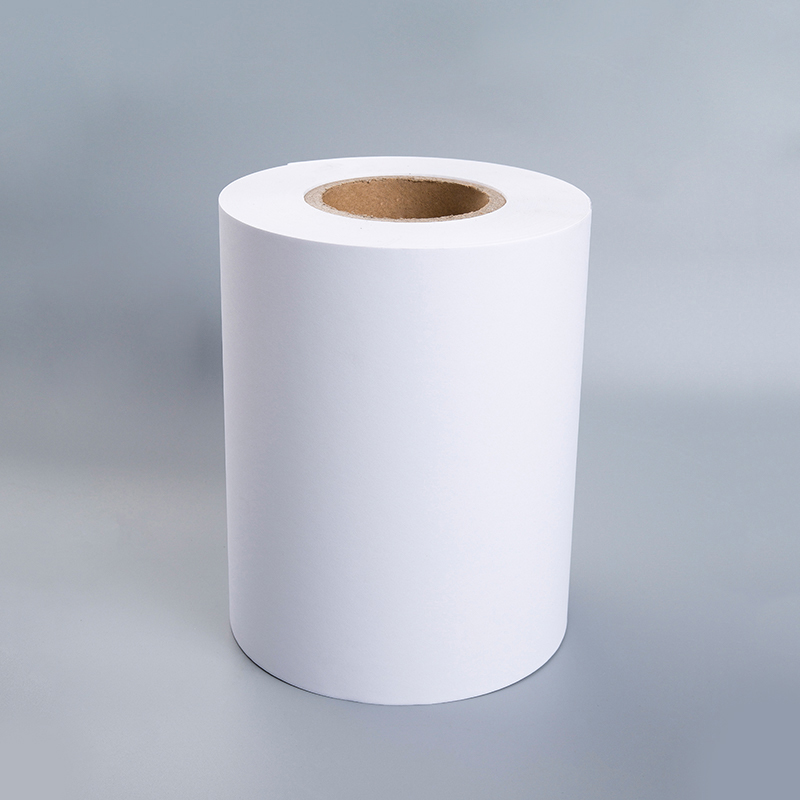
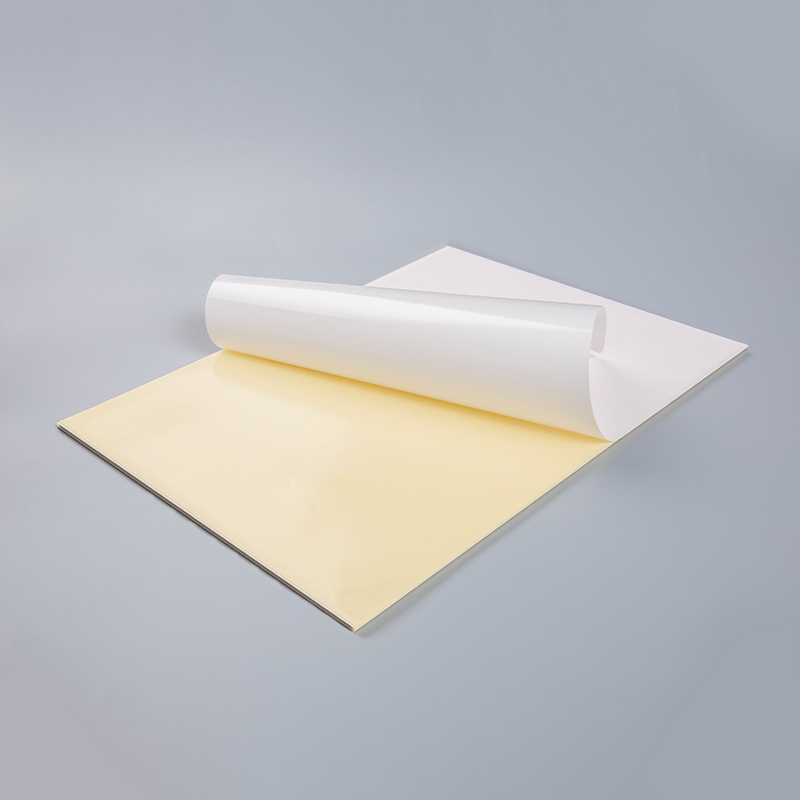
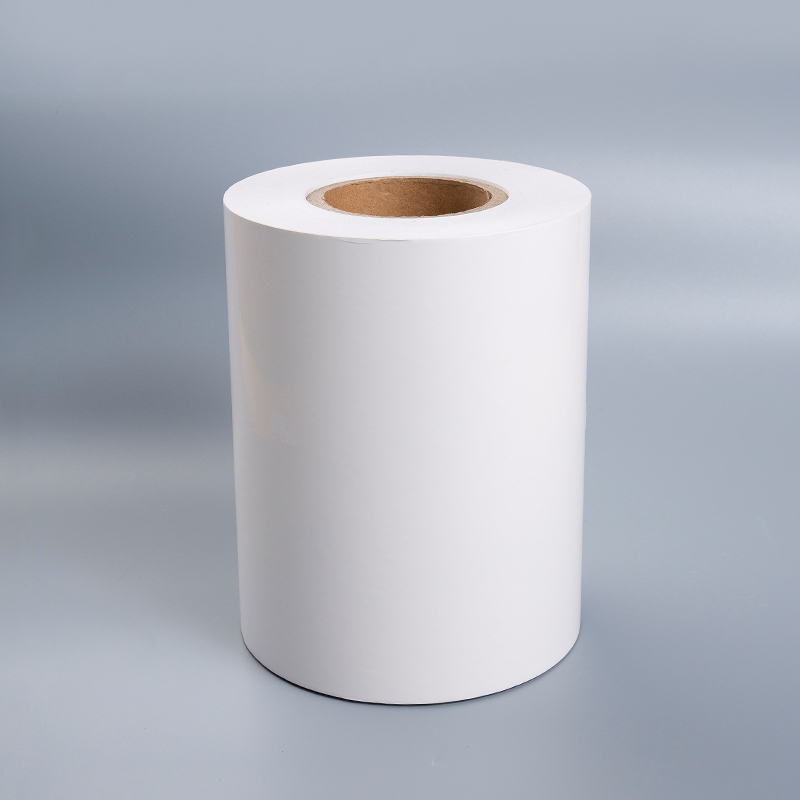
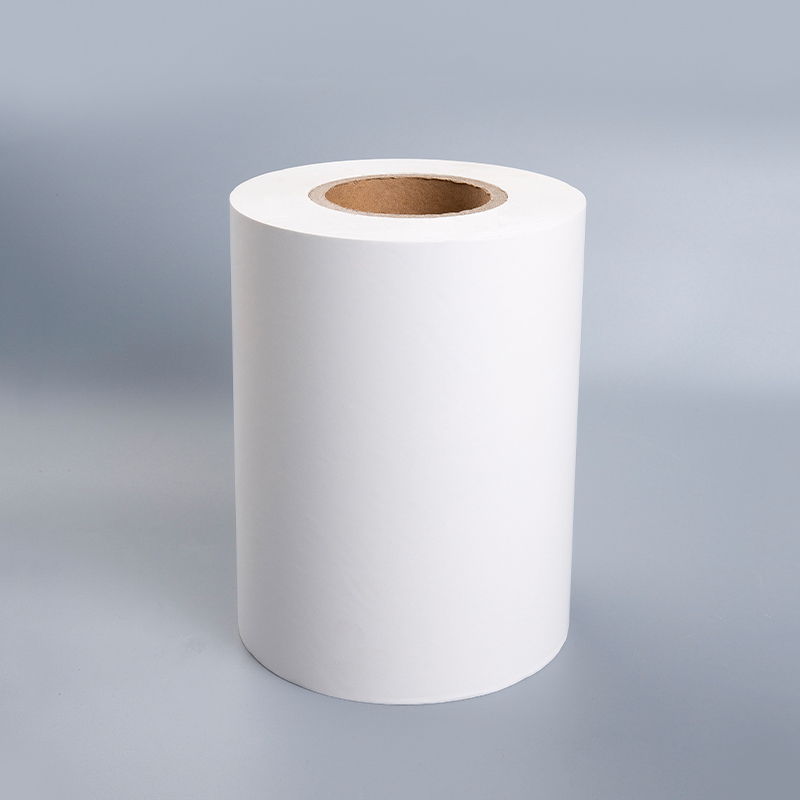
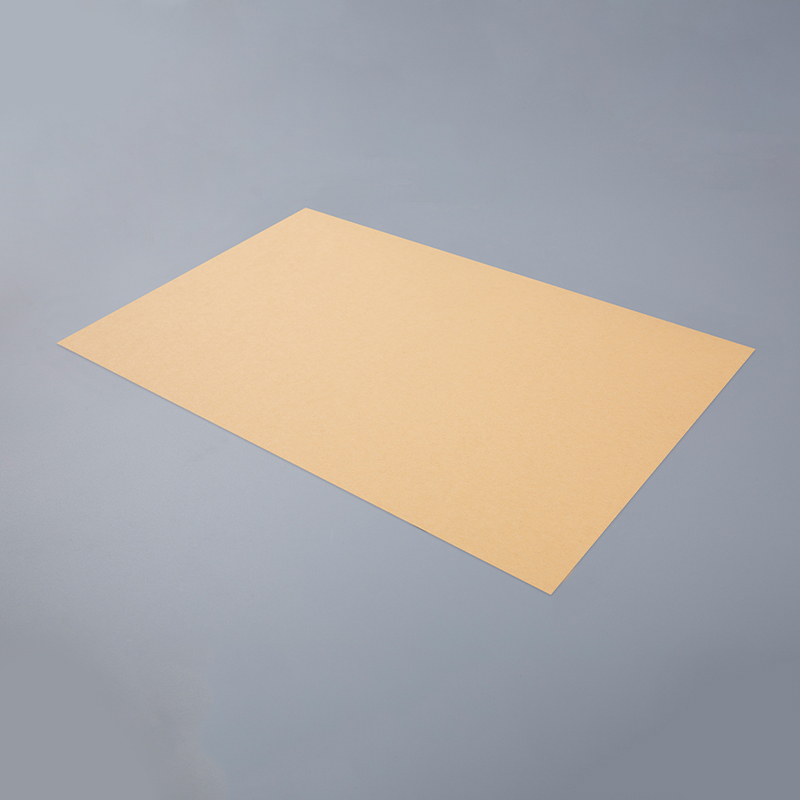
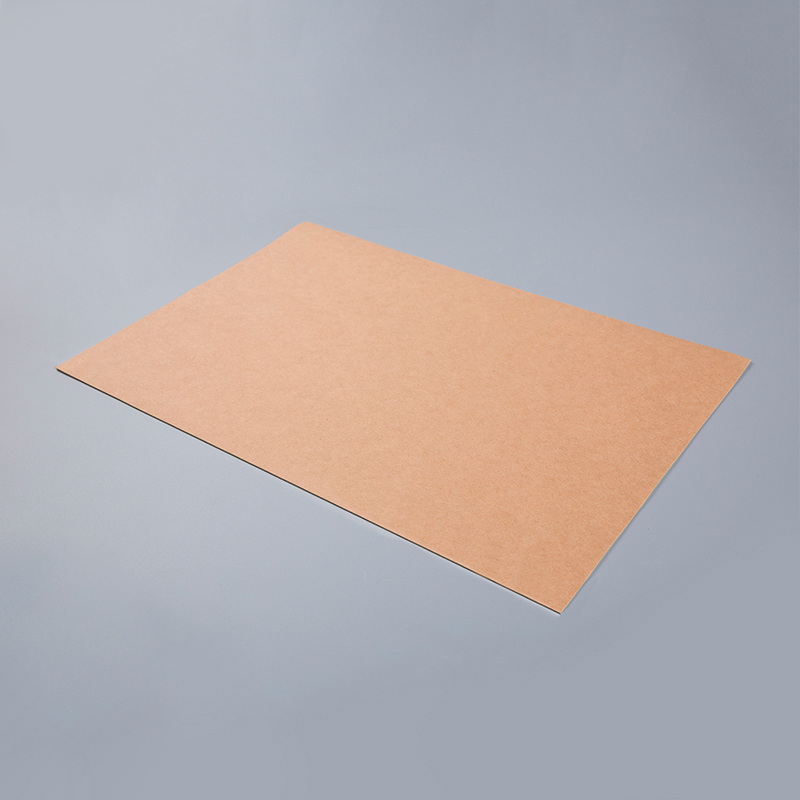
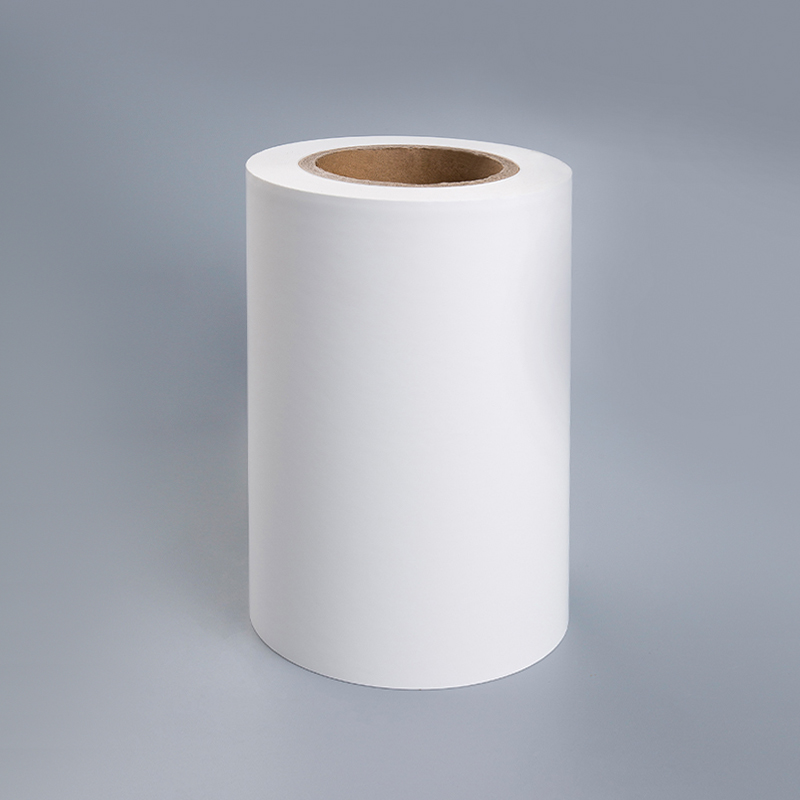
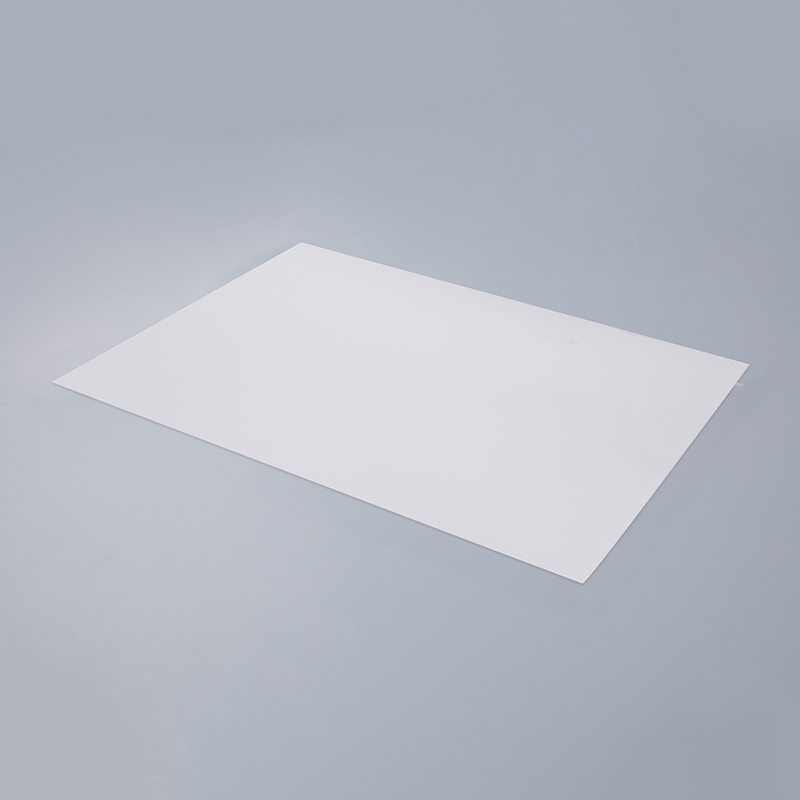
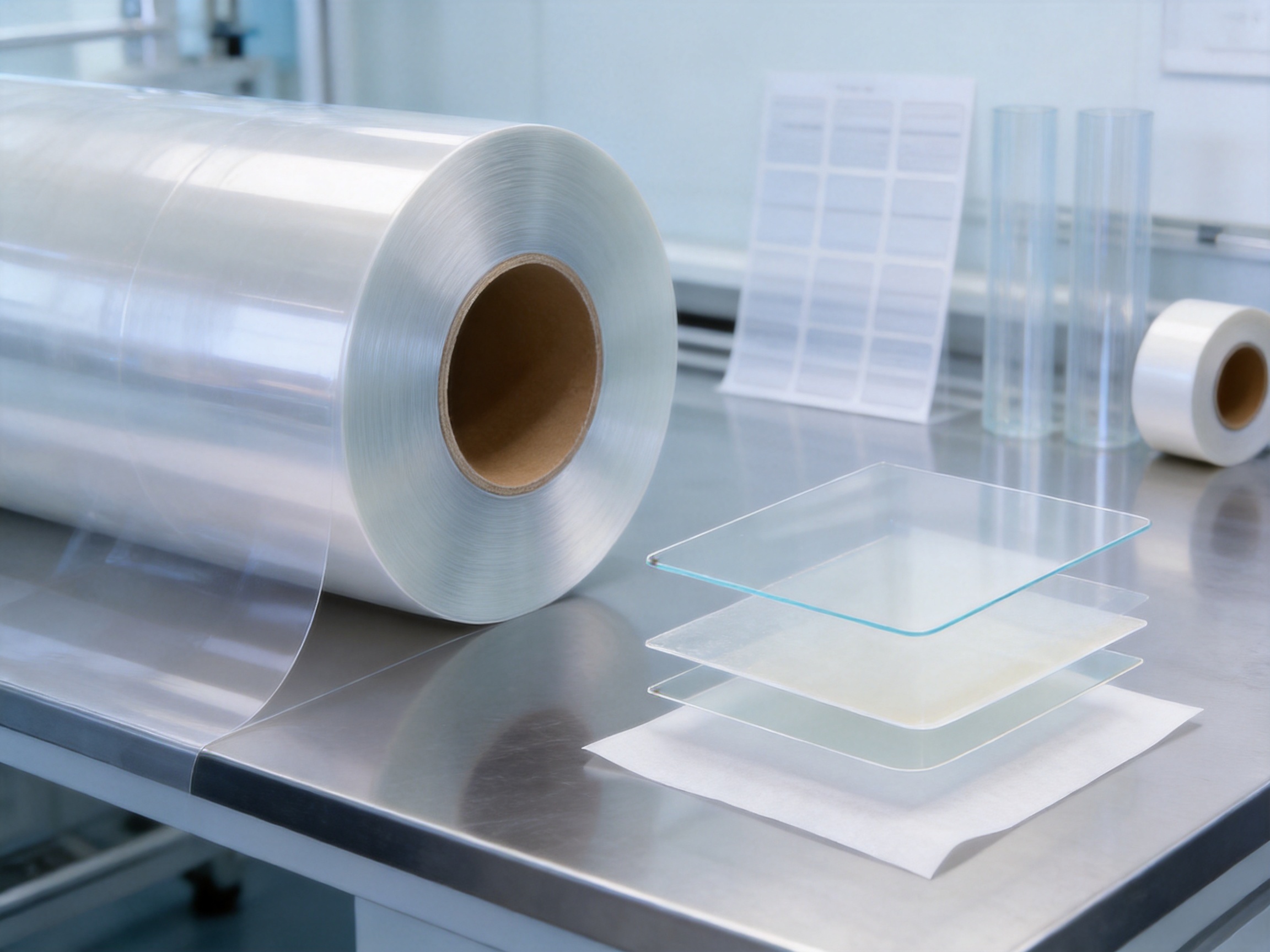
The product is supplied in jumbo rolls and converted sheets. Standard jumbo roll widths include 1000 millimeters, 1020 millimeters, 1080 millimeters, and 1530 millimeters. Sheet formats include A4, A3, 20 by 30 centimeters, 21 by 30 centimeters, 24 by 36 centimeters, 50 by 70 centimeters, and 70 by 100 centimeters, with customized sizes available for specific production requirements.
Behind the material is an integrated manufacturing system covering adhesive coating, lamination, slitting, cutting, inspection, packaging, and technical service. This integrated approach allows customers to source the face material, adhesive system, liner, roll dimensions, and sheet formats from one experienced manufacturer instead of coordinating multiple suppliers.
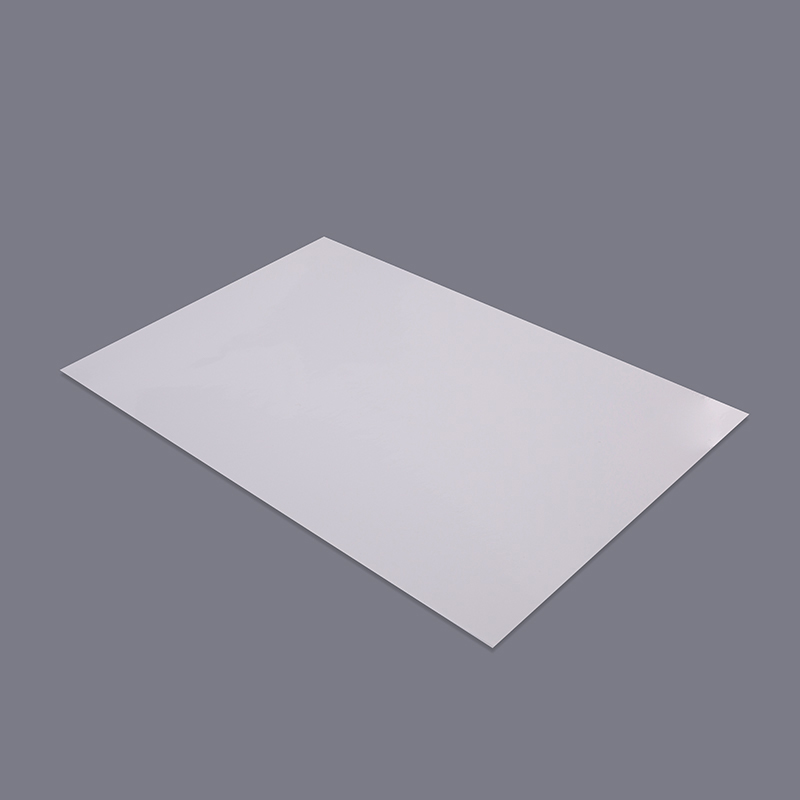
Removable Acrylic Transparent PVC Film
Content
- 1 Understanding Removable Acrylic Transparent PVC Film
- 2 Key Advantages Over Conventional Adhesive Materials
- 3 Printing, Die-Cutting, and Converting Performance
- 4 Applications Across Multiple Industries
- 5 Advanced Manufacturing Capabilities
- 6 Quality and Supply Advantages
- 7 Technical Selection Guide for Buyers
- 8 Application and Storage Recommendations
- 9 Why Integrated Customization Matters
- 10 Sustainability and Responsible Product Development
- 11 Recommended Quality-Control Checklist
- 12 Frequently Asked Questions
- 12.1 What is the standard construction of the removable transparent PVC film?
- 12.2 Can the film be supplied in other thicknesses?
- 12.3 Is the adhesive permanently bonded?
- 12.4 Can the adhesive be customized?
- 12.5 What liner options are available?
- 12.6 Can the material be used for food or pharmaceutical packaging?
- 12.7 Is the film suitable for outdoor use?
- 12.8 Can the film be printed?
- 12.9 Can the material be die-cut?
- 12.10 What jumbo roll widths are available?
- 12.11 What sheet sizes are available?
- 12.12 How is the material packaged for shipment?
- 12.13 What manufacturing capabilities does the supplier have?
- 12.14 Can the supplier provide OEM and ODM services?
- 12.15 What information should be supplied when requesting a quotation?
- 13 Conclusion
- 14 References
- 15 Product: Removable Acrylic Transparent PVC Film
Understanding Removable Acrylic Transparent PVC Film
Removable acrylic transparent PVC film is a multilayer self-adhesive construction. Its main components are a transparent PVC face material, a pressure-sensitive adhesive layer, and a release liner. Each layer contributes to the final performance of the product.
The transparent PVC face provides a clear and flexible printable surface. PVC is widely used in self-adhesive materials because it offers good dimensional stability, flexibility, processability, and resistance to common handling conditions. The listed standard face thickness is 80 microns, while 50, 100, 150, and 260 micron options are also available.
The adhesive is a removable water-based adhesive for the standard configuration. It is engineered to provide sufficient initial tack and holding power while allowing the label or film to be removed more easily than a permanent adhesive construction. The balance is particularly valuable when the film is applied to a clean, smooth surface and may need repositioning, replacement, or removal after a defined service period.
The release liner protects the adhesive before application. The standard liner is 60 gram white glassine paper. Other liner choices include 50, 80, 100, and 120 gram glassine paper; 60, 85, 120, and 140 gram release paper; 140 and 165 gram art paper; 50, 80, 90, and 120 gram clay-coated kraft liner; and transparent PET liners in 25, 36, 50, and 100 micron thicknesses.
This range of liner options is important because the liner affects feeding, die-cutting, sheet handling, release force, stiffness, printing behavior, and compatibility with automatic application equipment. A customer producing individual labels may require a different liner from a customer converting wide rolls into large-format temporary graphics.
Core Product Construction
| Component | Standard Configuration | Available Alternatives | Primary Function |
|---|---|---|---|
| Face material | 80 micron transparent PVC | 50, 100, 150, and 260 microns | Provides the clear printable and protective surface |
| Adhesive | Removable water-based adhesive | Hot-melt, solvent, anti-freeze, cryogenic, and tyre-grade rubber adhesive | Creates the bond between the film and the application surface |
| Release liner | 60 gram white glassine paper | Glassine, release paper, art paper, CCK liner, and transparent PET liner | Protects the adhesive before application and supports converting |
| Supply form | Jumbo rolls and sheets | Customized dimensions | Matches customer converting and application requirements |
Although the standard product is described as transparent PVC film, transparent BOPP self-adhesive material is also referenced within the broader product application range. Transparent BOPP is a separate face-material option with its own characteristics, including good die-cutting, waste removal, UV resistance, and readhesive performance. Customers should confirm the required face material before ordering so that the construction is matched to the printing process, end-use environment, and desired appearance.
Key Advantages Over Conventional Adhesive Materials
Removability Without Sacrificing Practical Adhesion
The central advantage of the product is the removable adhesive system. Permanent adhesives are appropriate when a label or film must remain attached for the entire life of the product. However, permanent bonding can create difficulties when the label must be replaced, when a temporary message has expired, or when the application surface must remain clean and undamaged.
A removable acrylic system offers a more flexible solution. The film can adhere during its intended use while allowing removal when required. This is useful for temporary promotions, short-term product identification, seasonal displays, rental equipment, point-of-sale materials, temporary construction markings, and applications where the label may need to be repositioned during installation.
Removability also supports more efficient installation. If the film is applied incorrectly, the operator may have an opportunity to lift and adjust it, depending on the surface, application conditions, dwell time, and handling technique. This can reduce material waste and improve the appearance of finished labels.
Transparent Appearance
The transparent face material allows the background surface to remain visible. This makes the film suitable for applications where printed information or graphics must appear integrated with glass, plastic, coated board, painted metal, or another smooth substrate. Transparent labels can create a clean, premium appearance while avoiding the visual interruption associated with an opaque white face.
Transparency is especially valuable when the customer wants to display a logo, warning, instruction, barcode, or decorative graphic without covering the entire surface. It can also support window graphics, product identification, promotional overlays, and packaging effects in which the underlying color or texture forms part of the design.
The visual result depends on the printing ink, artwork, surface energy, application surface, and production settings. For demanding applications, customers should evaluate transparency, ink adhesion, color density, and edge appearance using production-representative samples.
Flexible Thickness Selection
The availability of multiple PVC thicknesses enables the construction to be adapted to different handling and performance requirements. A thinner 50 micron face may be suitable when flexibility, conformability, and material efficiency are priorities. The standard 80 micron option provides a practical balance between flexibility, handling strength, and general-purpose usability.
Thicker 100, 150, or 260 micron options may be preferred when the finished film requires increased stiffness, greater body, stronger handling characteristics, or a more substantial appearance. Thickness selection also influences die-cutting, dispensing, folding, application feel, and packaging volume.
Choosing the correct thickness should be based on more than the desired visual effect. The customer should consider the surface shape, application method, expected service period, printing equipment, die-cutting process, storage conditions, and removal requirements. The manufacturer can support this selection by reviewing the end-use conditions and proposing a suitable material construction.
Broad Adhesive Compatibility
While the standard removable water-based adhesive addresses many general-purpose requirements, the availability of additional adhesive systems is a major advantage for specialized applications. Hot-melt adhesive can be considered when high initial tack and efficient coating performance are important. Solvent adhesive may be considered for applications requiring a different balance of adhesion, moisture resistance, or substrate compatibility.
Anti-freeze adhesive is intended for applications exposed to low-temperature conditions. Cryogenic adhesive is available for specialized cold-environment requirements, subject to technical evaluation. Tyre-grade rubber adhesive is offered for applications involving demanding rubber surfaces or tire-related labeling needs.
These alternatives allow the manufacturer to adapt the adhesive layer instead of forcing every customer to use one universal adhesive. This is important because adhesion is influenced by surface energy, texture, cleanliness, temperature, humidity, contact pressure, and service conditions. A label that performs well on a clean glass panel may behave differently on a textured plastic component or a rubber surface.
Multiple Liner Options for Converting Efficiency
The liner is often overlooked when self-adhesive materials are selected, but it has a direct effect on production efficiency. Glassine liners are commonly used for labels because they offer a smooth, stable backing and support high-speed die-cutting and dispensing. Release papers can provide different stiffness and handling properties for sheet or roll converting.
Art paper liners offer a heavier and more substantial backing option. CCK liners may be selected for particular die-cutting and release requirements. Transparent PET liners can be useful when a clear backing is preferred, when liner dimensional stability is important, or when the finished construction must remain visually transparent during certain handling steps.
Offering this range gives converters more freedom to optimize the material for their own equipment. It can also help reduce production problems such as liner curling, poor feeding, uneven release, difficult waste removal, and inaccurate die-cut registration.
Printing, Die-Cutting, and Converting Performance
Transparent self-adhesive film must perform not only during application but also throughout the converting process. The film may be printed, laminated, slit, die-cut, weeded, sheeted, rewound, packed, transported, and finally applied by hand or machine. Consistency across these stages is essential.
Printing Considerations
The transparent PVC surface can be prepared for a variety of label and graphic printing processes, depending on the selected surface treatment, ink system, and customer equipment. Suitable production settings should be confirmed through testing because ink adhesion and drying behavior can vary between printing technologies.
Artwork can be printed on the front surface or, in certain applications, on the reverse side to create a protected image viewed through the transparent film. Reverse printing may be useful for window graphics and other installations where the graphic is viewed through the face material. The selected ink must be compatible with the film and the intended exposure conditions.
For clear labels, trapping and white ink strategies may be important. Without a suitable opaque backing layer, colors printed on a transparent film can appear less dense when applied over a dark or irregular background. A white ink layer may be used to improve color contrast, while leaving selected areas without white ink can preserve transparent visual effects.
Die-Cutting and Waste Removal
Transparent self-adhesive materials are commonly converted into individual labels, decals, strips, and custom shapes. The product range is described as having good die-cutting and waste-removal performance, supporting efficient production for both standard and customized shapes.
Die-cutting quality depends on the face thickness, liner thickness, adhesive rheology, blade condition, pressure settings, matrix design, web tension, and production speed. A properly matched construction can help maintain clean edges and facilitate matrix stripping. This is particularly important for small labels, intricate shapes, and high-volume production.
Converters should calibrate the cutting depth carefully. The goal is generally to cut through the face material and adhesive while preserving the liner. Excessive penetration can damage the liner and create dispensing or sheet-handling problems, while insufficient penetration can leave incomplete cuts and increase waste during weeding.
Slitting and Rewinding
Jumbo rolls can be slit into narrower rolls according to customer requirements. Slitting quality affects roll edge condition, telescoping, winding tightness, roll stability, and downstream feeding. Accurate tension control is important because excessive tension may distort the web or affect release behavior, while inadequate tension may produce loose or unstable rolls.
For customers using automatic labeling systems, consistent roll geometry is especially valuable. Core size, winding direction, outer diameter, splice policy, roll identification, and tolerance requirements should be specified before production. These details help ensure compatibility with the customer’s equipment and reduce interruptions during application.
Sheet Conversion
The product can also be supplied as sheets in common formats such as A4, A3, 20 by 30 centimeters, 21 by 30 centimeters, 24 by 36 centimeters, 50 by 70 centimeters, and 70 by 100 centimeters. Customized sheet sizes can be produced when required.
Sheeted material may be used for digital printing, manual labeling, signage production, office and commercial graphics, small-batch packaging, and sample preparation. Flatness, edge quality, liner separation, and accurate trimming are important for smooth feeding through printers and cutters.
Applications Across Multiple Industries
Building Materials and Interior Applications
Transparent removable film can be used for temporary identification, installation instructions, promotional information, surface marking, and protective or decorative graphics associated with building materials. The removable adhesive is useful where labels may need to be taken off after installation, inspection, sale, or renovation.
Applications may include glass panels, doors, coated boards, smooth plastic components, metal surfaces, and display materials. The surface should be clean, dry, smooth, and free from dust, oil, wax, silicone, and other contaminants. Rough, porous, highly textured, or freshly painted surfaces may require additional testing before full-scale use.
Packaging and Product Identification
Transparent labels can enhance packaging by allowing the original container, color, or design to remain visible. They can carry product information, batch identification, promotional messages, barcodes, instructions, and decorative elements without creating the appearance of a separate opaque patch.
The statement that the products generally do not store food and drugs should be taken seriously. This material should not automatically be assumed to be suitable for direct food contact, pharmaceutical packaging, medical use, or regulated applications. Such uses require a complete compliance review involving the face material, adhesive, liner, ink, migration requirements, and applicable regulations.
Retail and Promotional Graphics
Retail environments often require graphics that can be installed for a campaign and removed after the promotion ends. A removable transparent film can support shelf messages, glass-door graphics, window promotions, temporary product callouts, and seasonal displays.
Its transparent appearance can reduce visual clutter and help the printed design blend with the display surface. It can also be produced in different thicknesses and sheet or roll formats to meet the needs of short-run digital printing or large-volume roll production.
Industrial Identification
Industrial users may need labels for components, tools, equipment, temporary process instructions, warehouse identification, or replacement markings. The available adhesive choices permit a more precise match between label construction and operating environment.
For cold storage or low-temperature applications, an anti-freeze or cryogenic adhesive may be considered rather than the standard removable water-based adhesive. For rubber surfaces such as tires, a tyre-grade rubber adhesive may provide a more appropriate starting point. The correct selection should be confirmed through application testing.
Temporary Surface Protection and Graphic Overlays
In certain situations, a transparent film can provide a temporary overlay for a surface that needs short-term information, decoration, or protection from handling. The film can be printed before application and removed when the project or message is complete.
It is important to distinguish a printed self-adhesive overlay from a heavy-duty protective film. The product should be specified according to the actual purpose, and the supplier should be consulted if the application involves abrasion, outdoor exposure, chemicals, prolonged sunlight, or severe temperature cycling.
Advanced Manufacturing Capabilities
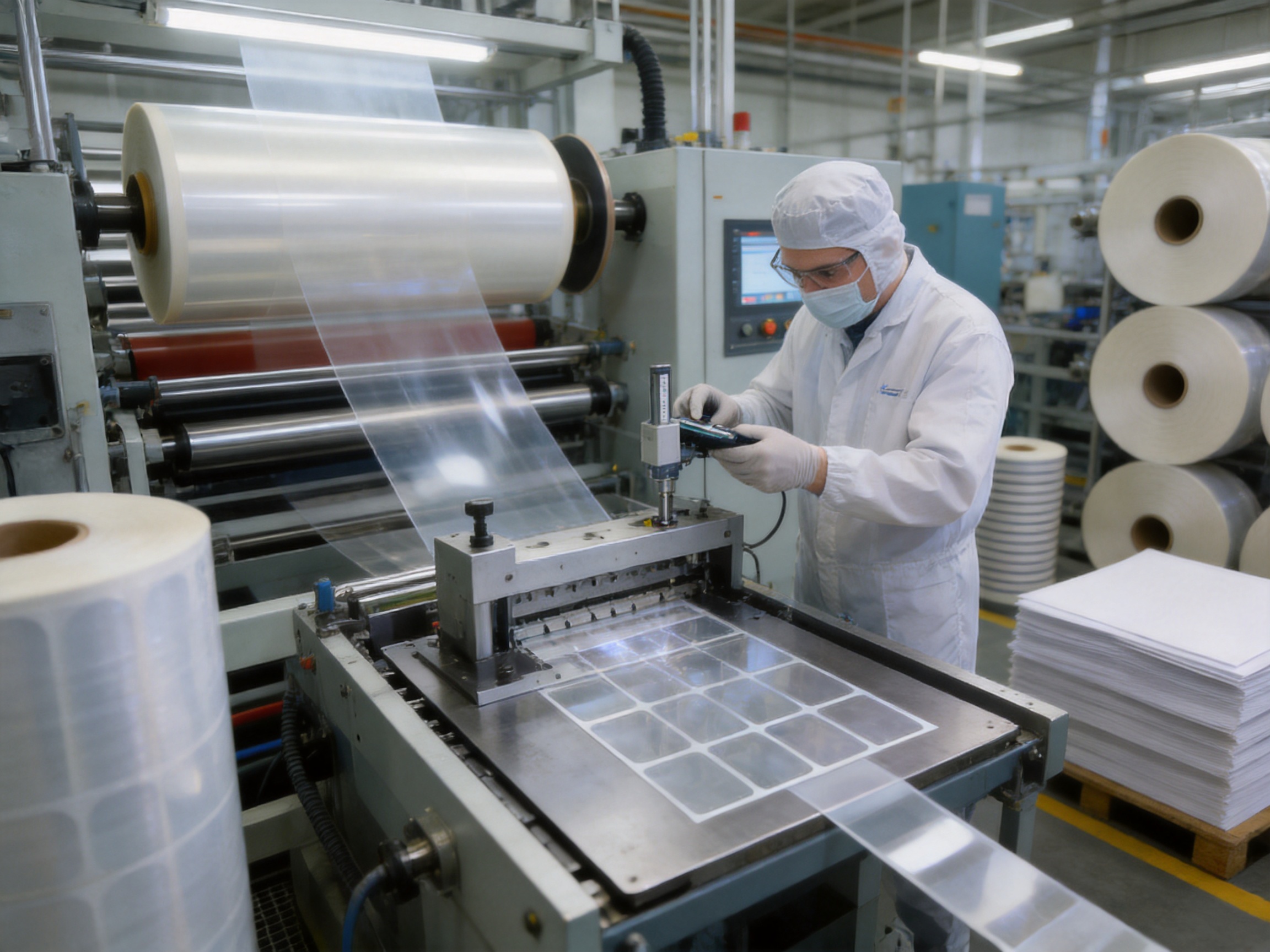
The manufacturing strength of the supplier comes from an integrated production model. The company operates production lines covering gluing, laminating, and cutting, with an annual production capacity of more than 280 million square meters. This capacity supports both large-volume orders and customized material programs.
Adhesive Coating and Formulation Control
Adhesive coating is one of the most important stages in self-adhesive material production. Coating weight, uniformity, drying conditions, web speed, and adhesive formulation must be controlled to achieve stable performance across the roll width and throughout the production lot.
An integrated manufacturer can coordinate adhesive selection with the face material and liner instead of treating each layer as an isolated component. This helps improve the compatibility of the complete construction. For removable film, particular attention is required because the adhesive must balance initial tack, holding power, clean removability, and aging behavior.
Water-based adhesive technology can also support a more environmentally considerate product-development direction, although the overall environmental profile depends on the complete construction, manufacturing energy, packaging, transport, use, and disposal. The company’s stated sustainability focus includes the development of more environmentally friendly face materials, adhesives, and backing papers.
Lamination and Layer Integration
Lamination joins the face material, adhesive system, and liner into a stable composite structure. Accurate lamination helps prevent wrinkles, bubbles, delamination, edge lift, and uneven release. It also supports consistent converting performance during slitting, sheeting, and die-cutting.
Different liner materials may require different process settings. Paper liners and PET liners have different stiffness, dimensional response, and handling characteristics. A production system capable of processing multiple constructions gives the manufacturer greater flexibility when developing a customer-specific product.
Cutting, Slitting, and Format Customization
After coating and lamination, the material can be converted into jumbo rolls, narrow rolls, or sheets. Cutting equipment must maintain accurate dimensions and clean edges while preserving the adhesive and liner structure.
Customization can include face thickness, adhesive type, liner type, roll width, sheet size, packaging style, and other technical parameters. This is particularly valuable for customers whose equipment or finished products require dimensions outside standard catalog formats.
Inspection and Testing
The company maintains its own testing laboratory and uses advanced inspection equipment to support product quality. A laboratory allows materials to be evaluated during development and production rather than relying only on external inspection after manufacturing.
Testing may include visual inspection, thickness measurement, adhesive coating evaluation, peel behavior, tack, release performance, dimensional stability, printing compatibility, die-cutting behavior, and aging assessment. The exact test program should be matched to the customer’s application and agreed technical specification.
Inspection equipment and laboratory controls are especially valuable for transparent materials. Defects such as gels, streaks, coating variations, wrinkles, bubbles, contamination, and edge damage may be more visible on a clear film. Consistent inspection helps protect the appearance of the finished label or graphic.
Quality and Supply Advantages
A major advantage of working with an established self-adhesive manufacturer is the ability to combine technical development with stable supply. The supplier has more than 20 years of OEM manufacturing experience and offers OEM and ODM services. This experience can help customers move from an initial specification to sampling, validation, production, and repeat supply.
OEM manufacturing is useful when a customer has an existing product design but needs a reliable production partner. ODM capability is useful when the customer wants help selecting the face material, adhesive, liner, dimensions, or packaging configuration. Products can be developed based on customer drawings or samples, subject to technical review and production feasibility.
The company reports a broad domestic sales network and an international marketing network serving customers in regions including North America, Europe, Asia, Latin America, the Middle East, and other markets. A broad supply network can support customers that require communication across different regions, repeat orders, customized products, and export-oriented documentation.
Quality consistency is also supported by the company’s integrated manufacturing lines. When gluing, laminating, and cutting are coordinated internally, the supplier can better control interfaces between processes. This may reduce variation compared with a fragmented supply chain in which each production stage is handled by a separate company.
For international purchasing, packaging and delivery preparation are important. The product is available with sea-transport-worthy plywood pallet packing and carton packing for rolls or sheets from stock. Sheets can be packed at 100 sheets per ream, with each ream wrapped in strong polyethylene-coated kraft paper. Pallets are wrapped with stretch film and secured with plastic fastening belts.
This packaging system is intended to protect the material during storage, handling, and long-distance shipment. Customers should still define pallet dimensions, roll protection, moisture control, labeling, container loading, and special export requirements according to their logistics route and warehouse conditions.
Technical Selection Guide for Buyers
Selecting the Face Thickness
Begin with the application surface and the desired handling characteristics. Thin film can provide flexibility and material efficiency, while thicker film can provide more body and easier manual handling. For standard general-purpose requirements, 80 microns is a practical starting point.
Choose a thicker face when the label must be handled repeatedly, when the finished piece requires greater stiffness, or when the appearance of a substantial film is preferred. Choose a thinner face when the label must follow gentle curves, minimize material usage, or remain visually unobtrusive.
Selecting the Adhesive
The removable water-based adhesive is suitable for many temporary and general-purpose applications, particularly on clean, smooth surfaces. However, the final decision should consider temperature, surface energy, texture, humidity, service duration, and removal conditions.
Hot-melt and solvent adhesive options may be evaluated when the application requires a different tack or holding-power profile. Anti-freeze and cryogenic adhesives should be considered for low-temperature environments. Tyre-grade rubber adhesive may be evaluated for rubber or tire-related surfaces.
Because removability is surface-dependent, a removable adhesive should not be assumed to remove cleanly from every substrate under all conditions. Testing should include the actual surface, intended dwell time, environmental exposure, and removal angle and speed.
Selecting the Liner
Glassine is a common choice for label production and general converting. Heavier release paper or art paper may be preferable where additional stiffness is needed. CCK liner can be considered for specific die-cutting and release requirements. PET liner can provide a transparent, dimensionally stable backing for specialized applications.
The liner should be selected together with the printer, die-cutter, sheeter, and dispenser. A technically suitable liner may still be unsuitable if its release force or stiffness does not match the customer’s equipment.
Choosing Roll or Sheet Supply
Roll supply is generally efficient for high-volume printing, slitting, automated labeling, and continuous converting. Sheet supply may be convenient for digital printing, manual application, sampling, smaller orders, and formats that are already standardized in the customer’s workflow.
Customers should provide the required width, length, core size, winding direction, roll diameter, sheet size, tolerance, and packaging method. Clear specifications reduce the risk of delays and ensure the finished material is compatible with the intended production line.
Application and Storage Recommendations
For best results, the application surface should be clean, dry, smooth, and free from grease, dust, moisture, wax, and silicone contamination. Surface cleaning should be completed before the label is applied, and sufficient time should be allowed for volatile cleaning agents to evaporate.
Application temperature can influence initial adhesion and removability. Very cold conditions may reduce tack, while high temperatures may increase adhesive flow and make removal more difficult. If the product will be used in an unusual temperature range, the selected adhesive should be evaluated under representative conditions.
The film should be applied gradually while avoiding trapped air. A suitable squeegee or roller can help produce uniform contact. Excessive stretching should be avoided because it may create dimensional recovery or edge lift after application.
Storage should protect the material from direct sunlight, excessive heat, high humidity, water, dust, and pressure damage. Rolls should remain in their original packaging until needed. Sheets should be stored flat or in a manner that prevents curling and edge deformation.
Stock rotation is recommended so that older material is used first. The storage period and conditions should follow the supplier’s technical guidance. Before large-scale production, users should verify printing, cutting, adhesion, removability, and appearance with a representative sample.
Why Integrated Customization Matters
Self-adhesive film performance is determined by the complete construction, not by the face material alone. A transparent PVC film with one adhesive and liner may behave very differently from the same PVC thickness combined with another adhesive and liner. Integrated customization therefore provides a practical advantage.
For example, a customer producing temporary window graphics may prioritize transparency, clean removal, sheet flatness, and print quality. A customer producing industrial labels may prioritize roll stability, barcode readability, temperature resistance, and adhesive compatibility. A customer serving a tire-related application may need a rubber-compatible adhesive and a specific liner for high-speed converting.
Because the manufacturer offers multiple face thicknesses, adhesives, liners, widths, and sheet formats, it can develop a construction around the customer’s actual process. This reduces the need for customers to purchase separate components and conduct extensive internal lamination trials.
The company’s research and development team, patent activity, testing laboratory, and OEM and ODM experience further support customized development. Customers can provide drawings, samples, performance targets, or application descriptions. The supplier can then evaluate the requested structure and recommend a practical combination.
Sustainability and Responsible Product Development
Environmental considerations are increasingly important in label and packaging material selection. The company states that its brand positioning emphasizes sustainable development and environmental protection. Its development direction includes eco-friendly solutions involving face materials, adhesives, and backing papers.
For buyers, sustainability evaluation should consider the entire product life cycle. Relevant factors may include raw-material selection, water-based adhesive technology, production efficiency, packaging materials, material weight, transportation volume, application life, removal behavior, and disposal routes.
A removable film can also contribute to operational efficiency by supporting temporary labeling and reducing the need to permanently bond information to a product or surface. However, the film remains a composite material, and recyclability depends on local infrastructure and the specific composition. Customers should request the appropriate technical and environmental documentation for their market and application.
Responsible product development also means avoiding unsupported claims. The material should not be described as suitable for food or pharmaceutical storage, medical use, outdoor durability, or regulated applications unless the required testing and compliance documentation have been completed.
Recommended Quality-Control Checklist
| Quality Area | Recommended Evaluation | Reason |
|---|---|---|
| Appearance | Check transparency, color, streaks, bubbles, wrinkles, contamination, and edge quality | Protects finished appearance and identifies visible defects |
| Thickness | Measure face material and complete construction at defined locations | Confirms consistency and equipment compatibility |
| Adhesion | Evaluate tack, peel, holding power, and removal on the actual substrate | Confirms application performance |
| Removability | Test removal after the intended dwell time and environmental exposure | Helps assess residue and substrate damage risk |
| Printing | Check ink adhesion, drying, color density, and rub resistance | Confirms suitability for the customer’s printing process |
| Die-cutting | Check cut depth, edge quality, matrix stripping, and liner integrity | Improves converting efficiency |
| Roll quality | Inspect winding, telescoping, roll edges, splices, and core dimensions | Supports reliable machine feeding |
| Packaging | Verify carton, pallet, wrapping, identification, and moisture protection | Reduces transport and storage damage |
Frequently Asked Questions
What is the standard construction of the removable transparent PVC film?
The standard construction consists of 80 micron transparent PVC, a removable water-based adhesive, and a 60 gram white glassine release liner. Alternative face thicknesses, adhesive types, and liner materials are available.
Can the film be supplied in other thicknesses?
Yes. Face-material thicknesses of 50, 100, 150, and 260 microns are available in addition to the standard 80 micron option. The appropriate thickness depends on flexibility, stiffness, handling, application surface, and end-use requirements.
Is the adhesive permanently bonded?
The standard adhesive is removable water-based adhesive. It is designed for applications where the film may need to be removed, replaced, or repositioned. Actual removal performance depends on the substrate, surface cleanliness, temperature, dwell time, and application conditions.
Can the adhesive be customized?
Yes. Hot-melt, solvent, anti-freeze, cryogenic, and tyre-grade rubber adhesive options are available. Customers should provide information about the surface, temperature range, service period, and removal requirements so that the adhesive can be evaluated properly.
What liner options are available?
Available liner options include glassine paper, release paper, art paper, CCK liner, and transparent PET liner. The listed weights and thicknesses cover a broad range of converting and application requirements.
Can the material be used for food or pharmaceutical packaging?
The product information states that the products generally do not store food and drugs. Therefore, customers should not assume suitability for direct food contact, pharmaceutical packaging, or medical applications. Any regulated use requires a separate compliance and testing review.
Is the film suitable for outdoor use?
The product information references UV resistance for transparent BOPP material, but outdoor performance depends on the exact face material, adhesive, ink, laminate, exposure duration, and climate. Outdoor use should be validated with samples under representative conditions.
Can the film be printed?
The transparent face is intended for self-adhesive label and graphic applications, and it can be evaluated for the customer’s chosen printing process. Ink compatibility, surface treatment, drying, color density, and adhesion should be tested before production.
Can the material be die-cut?
Yes. The product range is described as offering good die-cutting and waste-removal performance. Die-cutting settings must still be adjusted according to the face thickness, adhesive, liner, blade condition, and equipment.
What jumbo roll widths are available?
Listed jumbo roll widths are 1000 millimeters, 1020 millimeters, 1080 millimeters, and 1530 millimeters. Customized widths may be discussed according to production feasibility and order requirements.
What sheet sizes are available?
Available sheet formats include A4, A3, 20 by 30 centimeters, 21 by 30 centimeters, 24 by 36 centimeters, 50 by 70 centimeters, and 70 by 100 centimeters. Customized sheet sizes are also available.
How is the material packaged for shipment?
Sea-transport-worthy plywood pallet packing and carton packing are available for rolls or sheets. Sheets can be packed at 100 sheets per ream with a strong polyethylene-coated kraft paper wrapper. Pallets are wrapped with stretch film and secured with plastic fastening belts.
What manufacturing capabilities does the supplier have?
The supplier operates production lines for gluing, laminating, and cutting, with an annual production capacity of more than 280 million square meters. It also maintains an internal testing laboratory and inspection equipment for quality control and product development.
Can the supplier provide OEM and ODM services?
Yes. The company reports more than 20 years of OEM manufacturing experience and offers OEM and ODM services. Products can be developed according to customer drawings, samples, specifications, or application requirements.
What information should be supplied when requesting a quotation?
Customers should provide the desired face material and thickness, adhesive type, liner, roll or sheet format, dimensions, quantity, core size, printing or converting process, application surface, temperature range, service period, packaging requirements, and destination market.
Conclusion
Removable acrylic transparent PVC film provides a balanced solution for customers seeking clarity, flexible adhesion, clean appearance, and customized supply. Its standard 80 micron transparent PVC face, removable water-based adhesive, and white glassine liner offer a practical general-purpose construction, while the availability of alternative thicknesses, adhesive systems, liner materials, roll widths, and sheet formats supports more specialized requirements.
The product’s advantages extend beyond its basic material structure. Good die-cutting and waste-removal performance can support efficient converting. Transparent appearance can improve the visual integration of printed graphics with the application surface. Removable adhesion can simplify temporary labeling, replacement, and repositioning. Multiple adhesive choices allow the construction to be adapted to cold environments, rubber surfaces, and other demanding applications.
The manufacturer’s integrated production lines, large annual capacity, internal laboratory, inspection equipment, research and development resources, and long-term OEM and ODM experience provide additional value. These capabilities allow the company to manage adhesive coating, lamination, cutting, inspection, customization, packaging, and after-sales support within one coordinated supply system.
For the best result, customers should select the film according to the actual application rather than choosing only by appearance or nominal thickness. A representative sample should be tested on the intended substrate using the intended printing, cutting, application, storage, and removal conditions. With the correct construction and process controls, removable transparent PVC film can serve as a dependable material for labels, temporary graphics, packaging-related identification, building-material applications, industrial marking, and many other self-adhesive solutions.
References
1. Product specification information for removable acrylic transparent PVC film, including face material, adhesive, liner, roll width, and sheet-size options.
2. Manufacturer-provided application and packaging information for transparent self-adhesive materials.
3. Manufacturer-provided company information regarding gluing, laminating, cutting, testing, OEM manufacturing, ODM development, and production capacity.
4. General pressure-sensitive adhesive principles covering tack, peel adhesion, holding power, release behavior, and substrate compatibility.
5. General converting practices for self-adhesive films, including slitting, sheeting, die-cutting, matrix stripping, and roll handling.
6. General guidance for storage, application-surface preparation, printing evaluation, and performance testing of self-adhesive label materials.