
 English
 Español
 русский
 Français
 عربى
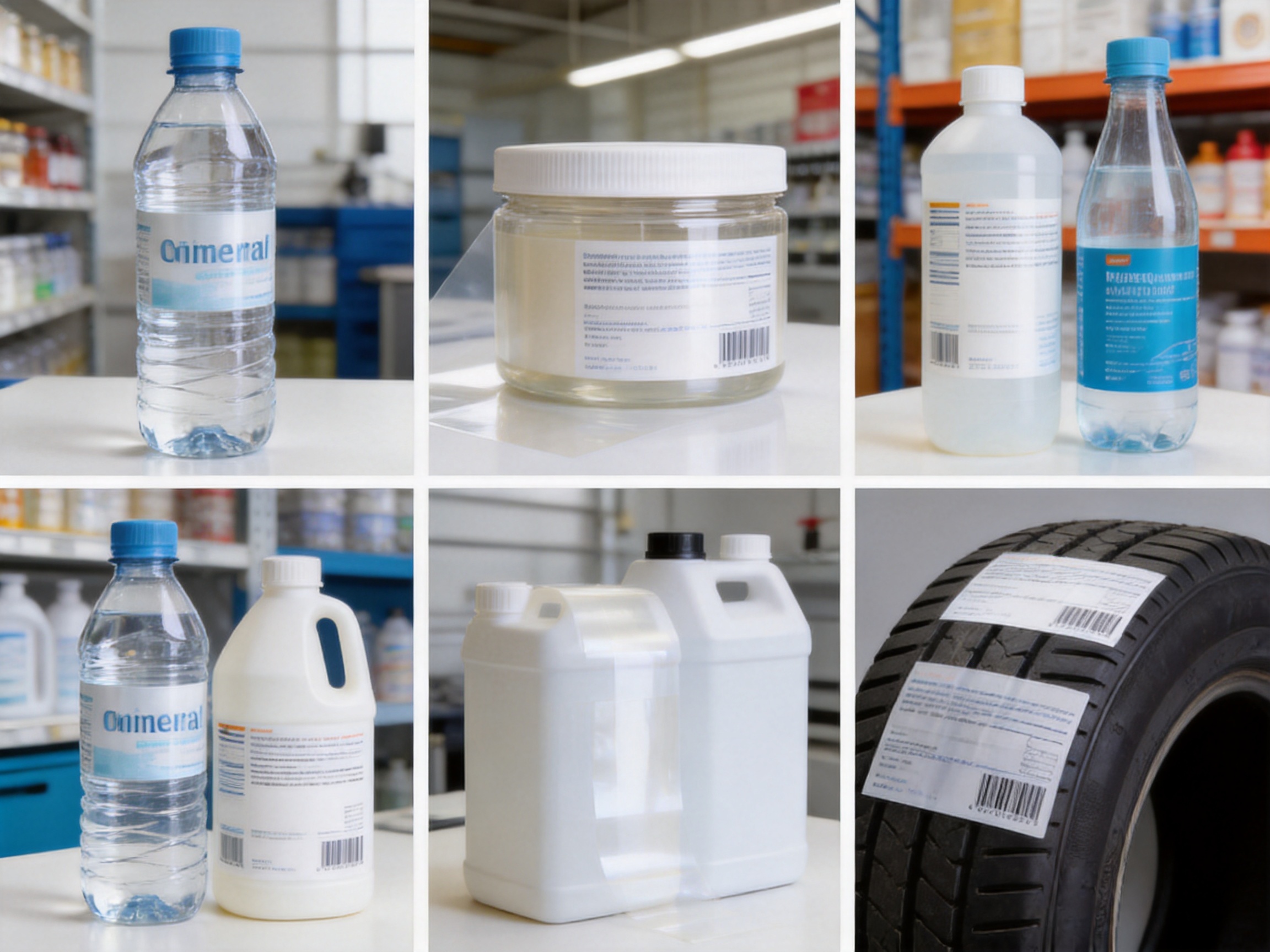
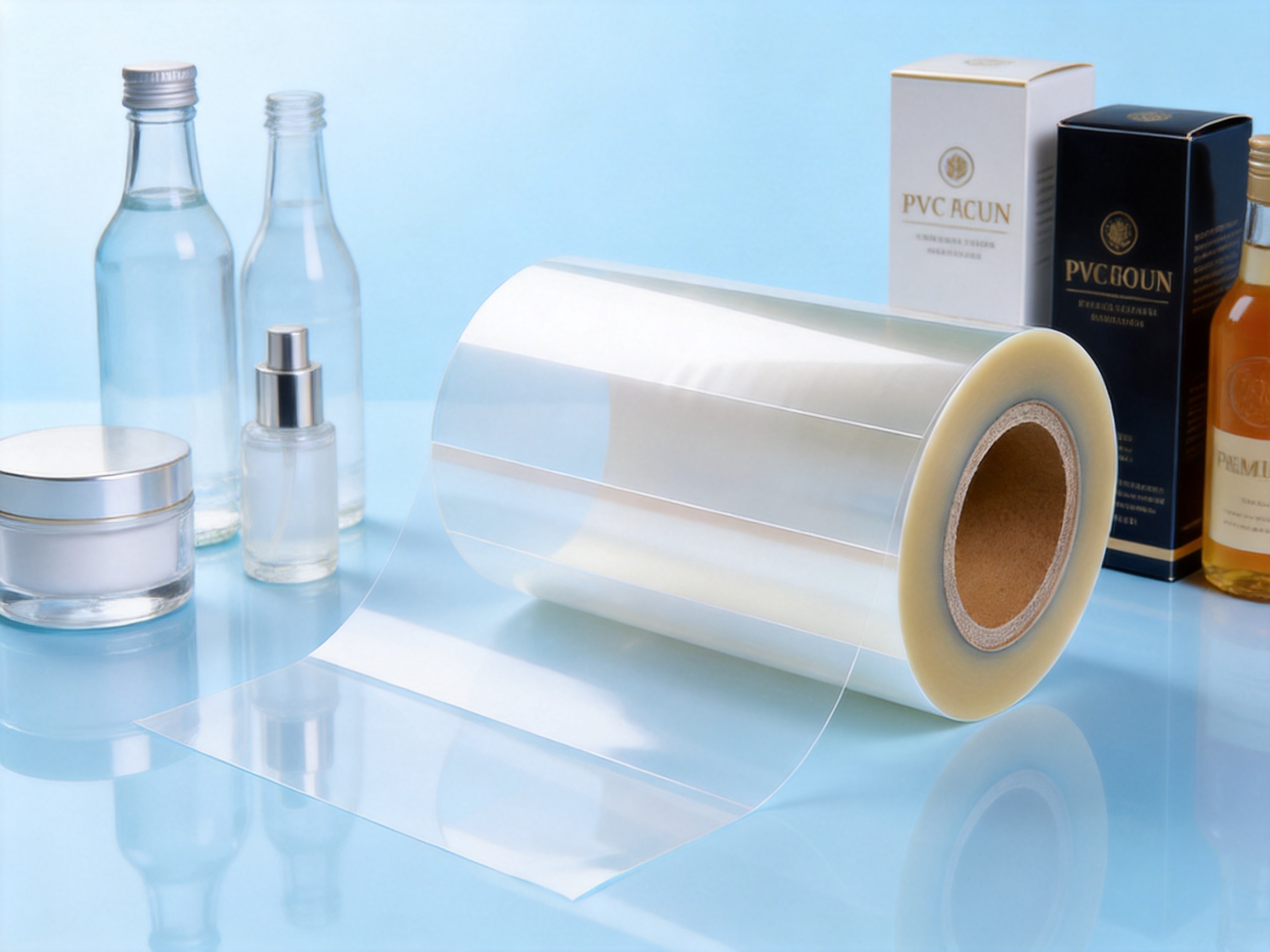
Transparent pressure-sensitive label materials are increasingly important in packaging, product identification, logistics, retail, and industrial communication. Brands want labels that provide dependable adhesion while preserving the appearance of the package beneath them. Converters, meanwhile, require a face material that can run smoothly through printing, die-cutting, slitting, and dispensing equipment. These requirements make transparent PVC adhesive film with a clear PET liner a practical solution for applications where visual clarity, dimensional stability, and processing reliability are essential.
This material combines a transparent PVC face stock, a pressure-sensitive adhesive layer, and a transparent PET release liner. The construction is designed to support clear-label effects, durable product identification, and efficient converting. When applied correctly, the label can appear to be printed directly onto a bottle, container, panel, or other substrate. This “no-label look” is especially valuable for mineral water, beverages, cosmetics, daily chemical products, household goods, building materials, and general packaging.
The product is supplied by Suzhou Piaozhihua Composite Material Technology Co., Ltd., a manufacturer specializing in self-adhesive labels and related composite materials. The company integrates research and development, coating, laminating, slitting, sheet cutting, sales, and after-sales service. Its manufacturing capabilities, broad material portfolio, and customization options allow buyers to select the face material, adhesive system, liner, roll width, and sheet size according to the final application.
Content
- 1 Understanding the Product Construction
- 2 Why Transparent PVC Is Used for Clear Labels
- 3 The Role of the Clear PET Liner
- 4 Adhesive Options for Different Applications
- 5 Printing and Converting Performance
- 6 Clear-Label Appearance and Design Considerations
- 7 Comparison with Conventional Paper Labels
- 8 Advantages over Less Specialized Transparent Films
- 9 Manufacturing Capabilities and Process Control
- 10 Quality Assurance and Technical Support
- 11 Customization and OEM/ODM Strengths
- 12 Packaging, Storage, and Delivery
- 13 Application Areas
- 14 Recommended Evaluation Procedure
- 15 Sustainability and Material Selection
- 16 Company Manufacturing and Service Strengths
- 17 Product Specification Overview
- 18 Frequently Asked Questions
- 18.1 What is transparent PVC with a clear PET liner?
- 18.2 What is the standard thickness of the PVC face material?
- 18.3 Why use a PET liner instead of a paper liner?
- 18.4 Can the product be printed digitally?
- 18.5 Is transparent PVC suitable for food and pharmaceutical labels?
- 18.6 Which adhesive is best for cold storage?
- 18.7 Can the label be removed cleanly?
- 18.8 What sizes are available?
- 18.9 Can the company provide OEM or ODM service?
- 18.10 What should be supplied when requesting a quotation?
- 18.11 How should the material be stored?
- 19 Conclusion
- 20 References
- 21 Product: Transparent PVC With Clear PET Liner
Understanding the Product Construction
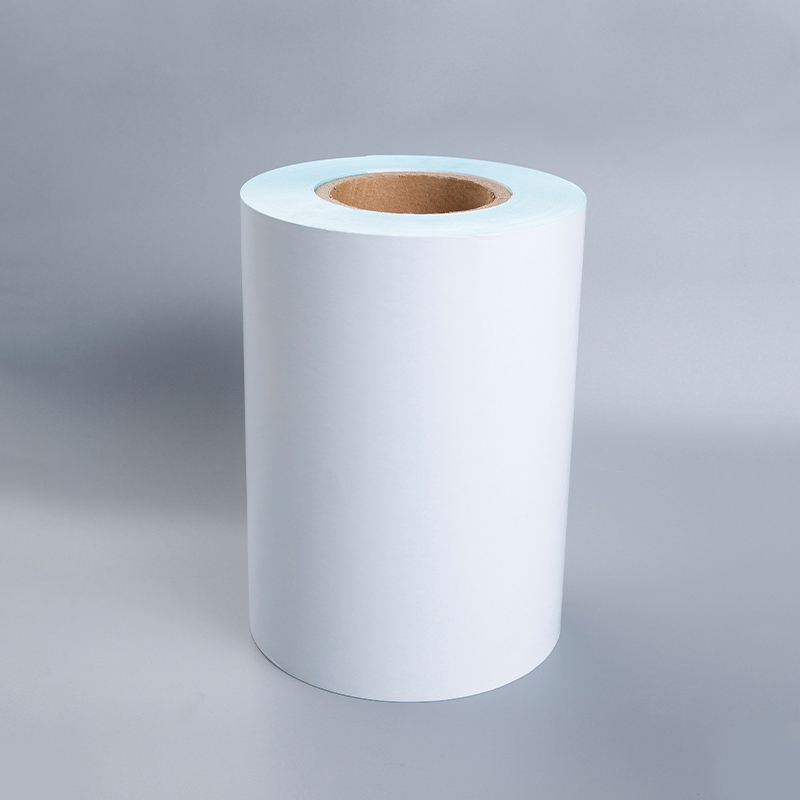
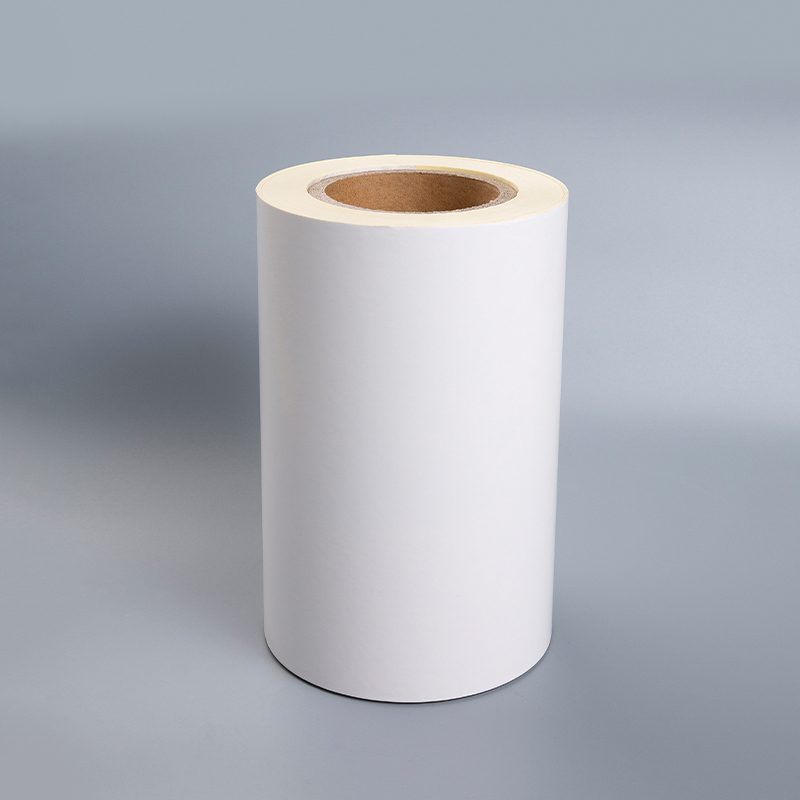
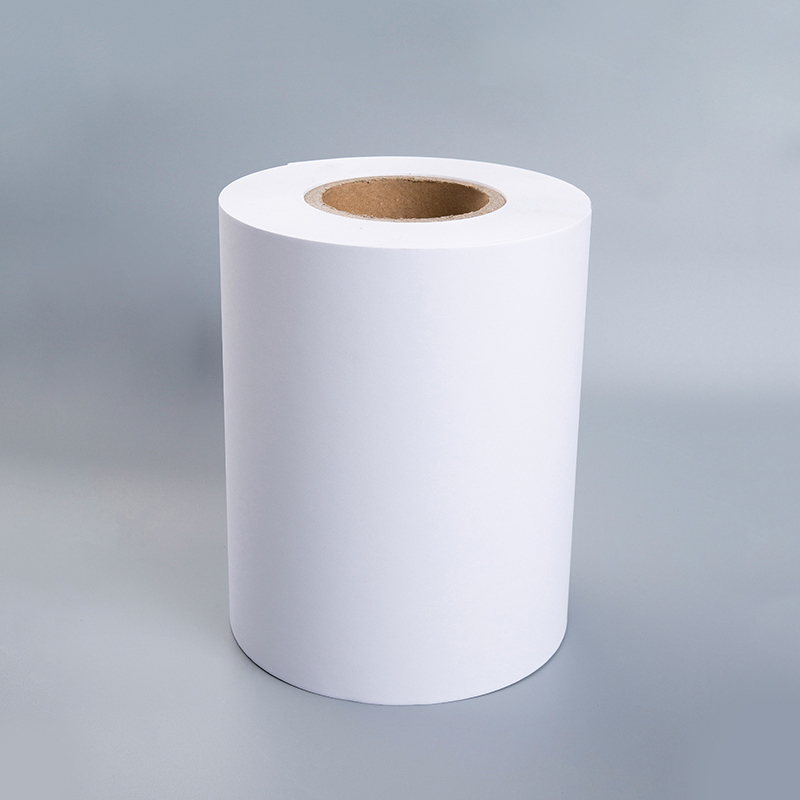
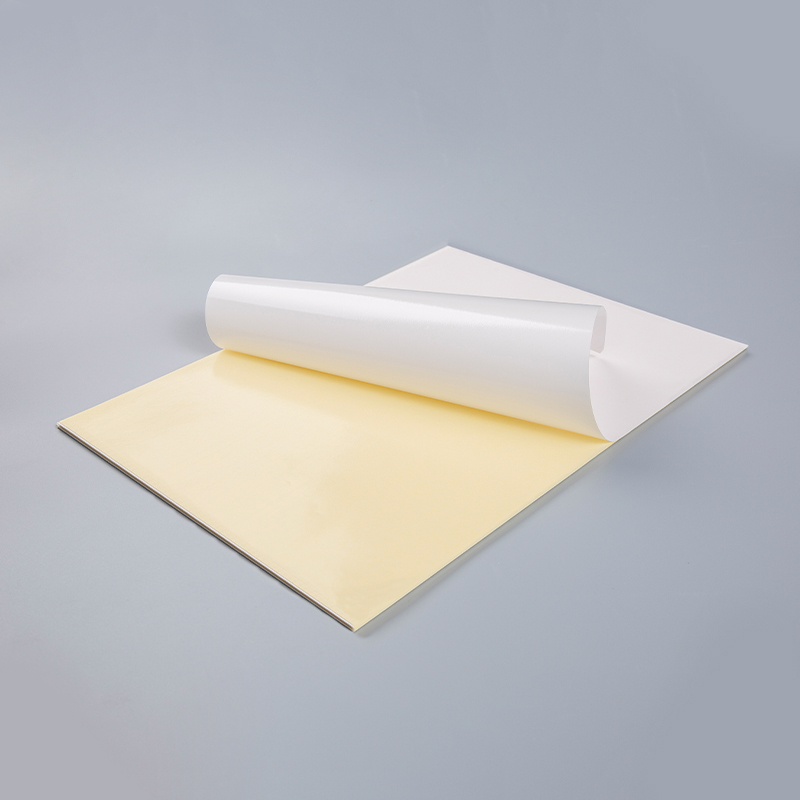
Transparent PVC with a clear PET liner is a multi-layer material engineered for both appearance and performance. The top layer is a transparent PVC face material. Beneath it is a pressure-sensitive adhesive, which bonds the label to the target surface when pressure is applied. The bottom layer is a transparent PET liner coated with a release system. The liner protects the adhesive before application and allows the label to be stored, transported, printed, die-cut, and dispensed in a controlled manner.
The standard face material identified for this product is 50-micron transparent PVC. Other face-material thicknesses, including 80, 100, 150, and 260 microns, are available. This range allows users to balance flexibility, opacity, durability, stiffness, and application requirements. A thinner face stock may be suitable for lightweight labels and curved containers, while a thicker material may be preferred when additional body, durability, or handling strength is required.
The product information also refers to a high-definition transparent surface material suitable for several printing methods. In practical terms, the surface is intended to support clear and readable printed graphics while retaining the visual advantages of a transparent label. Depending on the selected grade and printing process, converters can use the material for text, bar codes, logos, variable information, decorative graphics, and other label content.
The standard liner is a 36-micron transparent PET liner. PET provides high dimensional stability and good resistance to stretching during printing and converting. This is particularly valuable for precision die-cutting, narrow-web production, and applications where accurate registration is important. The clear liner also supports the transparent appearance of the overall construction and can make the label web easier to inspect during processing.
Why Transparent PVC Is Used for Clear Labels
Transparent PVC remains a widely used face material because it offers a useful combination of flexibility, surface quality, printability, and resistance to ordinary handling conditions. It can conform to many common packaging shapes, including bottles, jars, containers, panels, and selected curved surfaces. Its visual clarity supports labels that emphasize the package design instead of covering it with a conventional white or opaque label.
One of the main advantages is the ability to create a clean, integrated appearance. When the printed areas are carefully designed and the label is applied to a compatible surface, the background of the container can remain visible around the graphics. This effect is often used for premium packaging, clear beverages, cosmetics, personal-care products, household chemicals, and other products where package transparency contributes to the overall presentation.
Transparent PVC can also provide a more polished alternative to ordinary paper labels in environments where occasional moisture, handling, or surface contact is expected. Although the exact resistance depends on the adhesive, ink system, coating, and application conditions, plastic face materials generally offer advantages over uncoated paper when the label must maintain its appearance during routine use.
Another benefit is material versatility. The face stock can be paired with water-based adhesive, hotmelt adhesive, solvent adhesive, removable adhesive, anti-freeze adhesive, cryogenic adhesive, or tyre-grade rubber adhesive. This allows the same general product platform to serve very different markets. A label for indoor packaging does not necessarily require the same adhesive as a label for cold storage, tires, industrial materials, or temporary identification.
The Role of the Clear PET Liner
The release liner is not merely a disposable backing layer. It plays an important role in protecting the adhesive, maintaining the construction during storage, and supporting efficient conversion. A clear PET liner offers dimensional stability that can be especially helpful when the label web passes through printing presses, coating systems, laminators, die-cutting equipment, and slitting machines.
PET is less prone to stretching than many paper liners. As a result, it can help maintain more consistent registration during high-precision processing. This is useful when labels include small text, fine graphics, bar codes, variable data, or multiple-color designs that must remain correctly aligned. The liner also provides a smooth surface for adhesive coating and release treatment.
The transparent liner can improve visual inspection of the label construction. Converters may be able to identify air pockets, coating irregularities, wrinkles, contamination, or other defects more easily when the backing material allows light to pass through. Clear materials can therefore support quality-control procedures throughout converting and application.
Although 36-micron transparent PET is the standard liner listed for this product, buyers can select other backing options. Available alternatives include 50, 60, 80, 100, and 120-gram glassine paper; 60, 85, 120, and 140 release paper; 140 and 165-gram art paper; 50, 80, 90, and 120-gram CCK liner; and transparent PET liners in 25, 50, and 100 microns. This range makes it possible to configure the construction for different press conditions, dispensing methods, stiffness requirements, and cost targets.
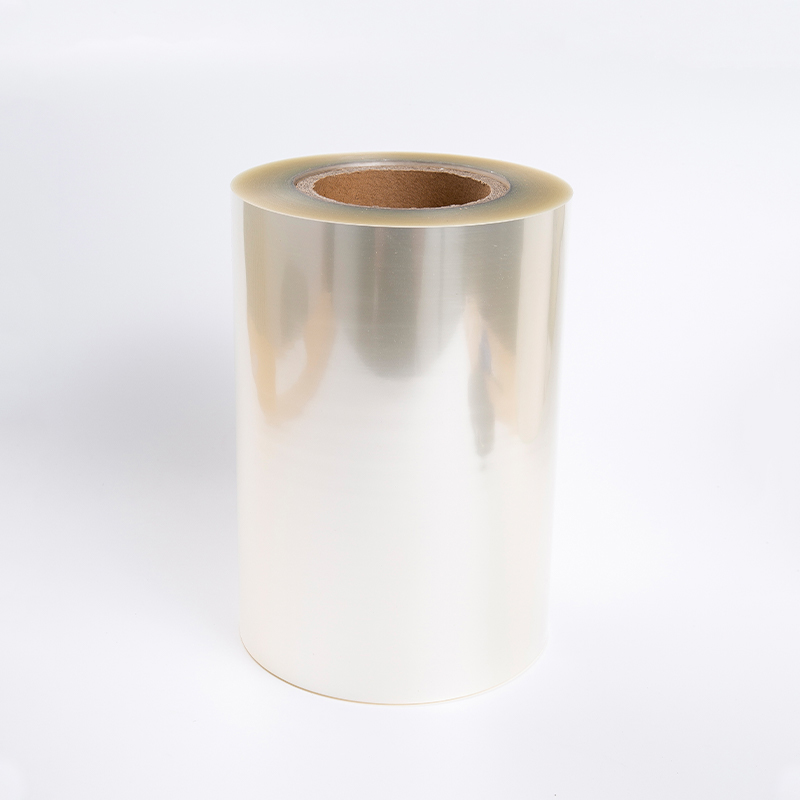
Transparent PVC With Clear PET Liner
Adhesive Options for Different Applications
Adhesive selection is one of the most important decisions in self-adhesive label production. The adhesive must match the substrate, application temperature, service temperature, surface energy, expected exposure, label size, and desired permanence. A transparent face material can perform very differently depending on whether it is paired with a permanent, removable, cold-temperature, or specialty adhesive.
Water-Based Adhesive
Water-based adhesive is a practical choice for many general-purpose label applications. It can offer balanced adhesion and a familiar coating profile for standard packaging materials. This option may be suitable for products that are stored and used under ordinary indoor or moderate environmental conditions. The final result depends on formulation, coating weight, drying conditions, substrate cleanliness, and application pressure.
Hotmelt Adhesive
Hotmelt adhesive can provide strong initial tack and efficient bonding in applications requiring rapid adhesion. It is often considered where production speed and immediate bond development are important. The correct hotmelt grade should be selected according to the target substrate and temperature range because performance can vary under high heat, low temperatures, plasticizer migration, or prolonged stress.
Solvent Adhesive
Solvent adhesive may be chosen when a project requires specific bonding performance, resistance characteristics, or compatibility with difficult substrates. This type of adhesive can be useful for demanding industrial or packaging applications, subject to appropriate processing and regulatory evaluation. Buyers should confirm the technical data for the intended surface and operating environment before production.
Removable Adhesive
Removable adhesive is designed for labels that may need to be taken off without leaving excessive residue or causing unacceptable surface damage. It can be useful for temporary identification, promotional labels, reusable containers, selected retail products, and applications where the label is not intended to remain permanently attached. Removability depends on dwell time, temperature, surface type, cleaning conditions, and the angle and speed of removal.
Anti-Freeze and Cryogenic Adhesives
Anti-freeze adhesive and cryogenic adhesive are available for low-temperature applications. These adhesive systems are intended for environments in which ordinary adhesives may lose tack, become brittle, or fail to bond effectively. Such applications may include chilled products, frozen goods packaging, laboratory containers, cold-chain logistics, and other temperature-sensitive identification tasks. The exact operating range must be verified with the supplier for each project.
Tyre-Grade Rubber Adhesive
Tyre-grade rubber adhesive is an option for specific tire-related or rubber-surface labeling requirements. Rubber substrates can present challenges because of their surface composition, texture, curvature, and potential migration of additives. A specialty adhesive can help address these conditions, but testing on the actual tire or rubber compound remains essential before full production.
Printing and Converting Performance
The transparent PVC surface is designed for compatibility with a variety of printing methods. The most suitable process depends on the label design, order quantity, ink system, drying or curing requirements, and desired appearance. Possible printing approaches may include digital printing, flexographic printing, screen printing, offset-related processes, and other methods supported by the specific grade.
Surface treatment is particularly important for transparent film. The product description notes that a special surface coating is used to support printing. Such a coating can improve ink reception, graphic definition, and surface uniformity. It may also help produce stronger contrast and more consistent color reproduction than untreated plastic film. However, the printer should still verify ink adhesion, drying, curing, rub resistance, and compatibility with any overprint varnish or protective coating.
Digital printing is useful for short runs, variable data, customized packaging, prototypes, and multiple designs. It can reduce the need for traditional plates and allow faster artwork changes. For digital label production, the converter should confirm that the film surface is approved for the selected toner or inkjet system. Static control, ink drying, media handling, and finishing settings may require adjustment when using transparent film.
Flexographic printing can be appropriate for repeated label designs and larger production quantities. The printer may use white ink beneath selected graphic areas to make colors more visible on a transparent background. Without a white layer, printed colors may appear translucent because the package or product beneath the label influences the final visual result. The decision to use white ink depends on whether the design requires a transparent, translucent, or high-opacity effect.
Screen printing can be useful for bold graphics, special effects, and areas requiring a heavier ink deposit. As with all printing processes, the printer must evaluate ink adhesion and flexibility. Excessive ink thickness, unsuitable drying, or insufficient surface preparation can affect the final durability of the label.
After printing, the material can be processed by laminating, die-cutting, slitting, sheeting, or other converting operations. The PET liner contributes to web stability during these stages. Proper tension control is still necessary because excessive tension can stretch the face material, cause liner distortion, or affect die-cut registration.
Clear-Label Appearance and Design Considerations
The success of a transparent label depends on more than the clarity of the film. Artwork, adhesive appearance, container color, application quality, and surface cleanliness all affect the final result. Designers should consider how the label will look against light, dark, colored, metallic, frosted, or textured packaging.
Transparent labels often benefit from carefully controlled negative space. Areas without printing can reveal the package underneath, while printed areas can provide brand information and regulatory content. If the design requires readable text on a dark or busy background, white ink or an opaque base layer may be necessary. If the goal is a subtle “printed-on” appearance, the artwork may use transparent or semi-transparent colors instead.
Air bubbles and wrinkles are especially noticeable in clear constructions. Application equipment should be correctly adjusted, and the target surface should be clean, dry, and free from dust, oil, condensation, and release agents. Curved containers may require a suitable label shape, adhesive, and application direction to reduce edge lifting or tunneling.
The adhesive itself can influence optical clarity. A clear film label may not look truly transparent if the adhesive becomes hazy, contains visible particles, or fails to wet out the substrate evenly. For this reason, the full construction should be evaluated rather than judging the face stock alone.
Comparison with Conventional Paper Labels
| Performance Area | Transparent PVC with Clear PET Liner | Conventional Paper Label |
|---|---|---|
| Visual effect | Supports clear-label and no-label appearances | Usually provides an opaque printed surface |
| Package visibility | Allows selected areas of the container or product to remain visible | Normally covers the surface beneath the label |
| Face-material flexibility | Available in several PVC thicknesses and suitable for many shaped packages | Often easier to crease or tear, depending on paper grade |
| Moisture handling | Plastic face stock can offer improved resistance compared with ordinary paper | Performance depends strongly on paper treatment and coating |
| Dimensional stability | Supported by PVC face material and PET liner construction | Paper can respond to moisture and environmental changes |
| Printing options | Suitable for several printing methods when the correct coated grade is selected | Widely printable, often with simpler ink compatibility |
| Special adhesive availability | Can be paired with removable, cold-temperature, cryogenic, and specialty adhesives | Also available with specialty adhesives, depending on the product |
| Typical design use | Premium packaging, clear bottles, cosmetics, beverages, and industrial identification | General packaging, cartons, boxes, and standard product labeling |
The comparison does not mean that transparent PVC is universally better than paper. Paper remains useful for many applications because it can provide a natural appearance, efficient printing, and cost-effective performance. The advantage of transparent PVC is most apparent when package visibility, moisture handling, flexibility, or a premium clear appearance is a central requirement.
Advantages over Less Specialized Transparent Films
Transparent films vary considerably in surface treatment, liner construction, adhesive selection, and converting quality. A low-cost transparent film may not provide the same print receptivity, dimensional stability, or application consistency as a purpose-designed self-adhesive construction. Transparent PVC with a clear PET liner offers a more complete system rather than simply a transparent plastic sheet.
The first advantage is the coordinated combination of face material, adhesive, and release liner. Each component is selected to function as part of a label construction. This reduces the need for buyers to source and assemble separate materials and helps simplify technical evaluation.
The second advantage is configuration flexibility. Buyers can request different face-material thicknesses, adhesive types, liner materials, roll widths, and sheet sizes. This flexibility is valuable because labeling conditions differ significantly between a small cosmetic bottle, a refrigerated container, a building-material package, and a tire-related application.
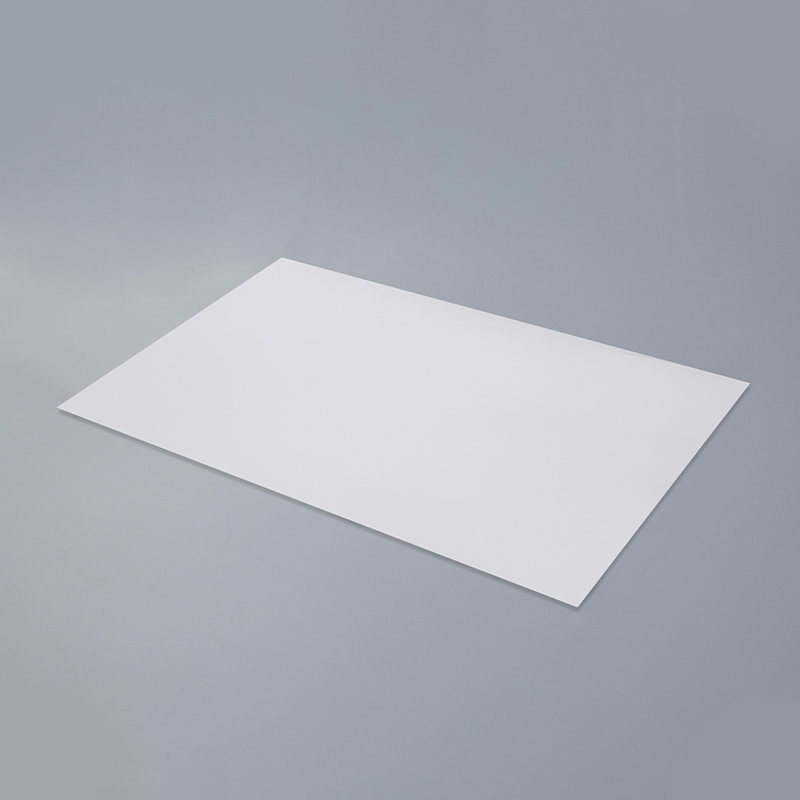
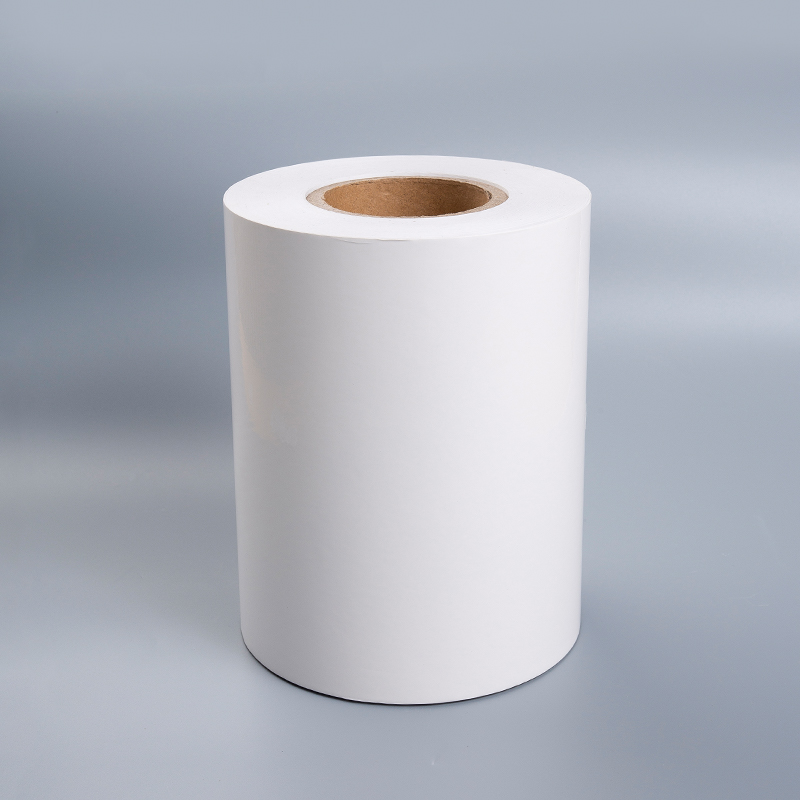
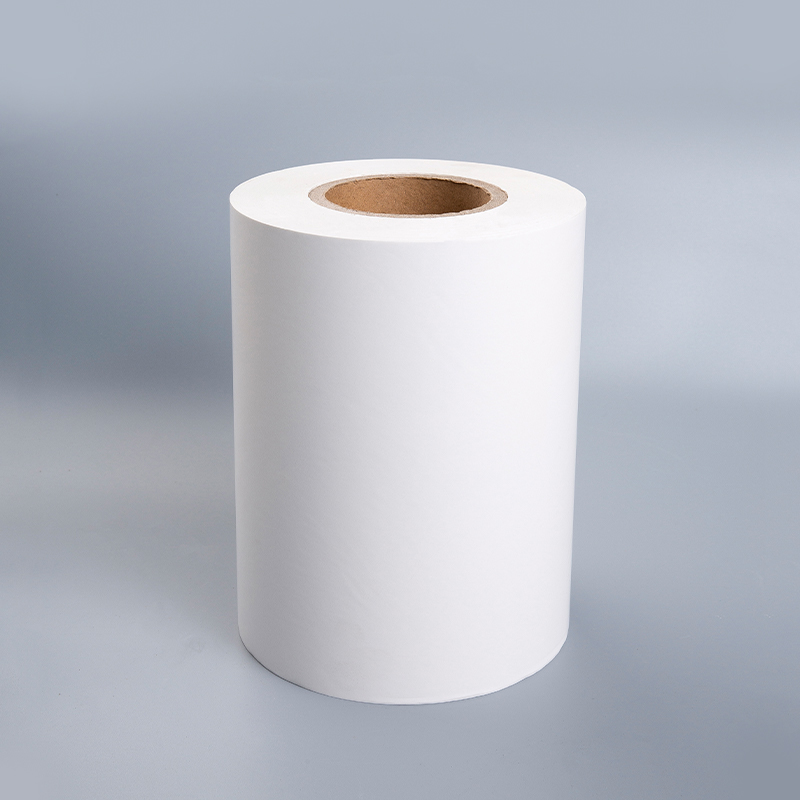
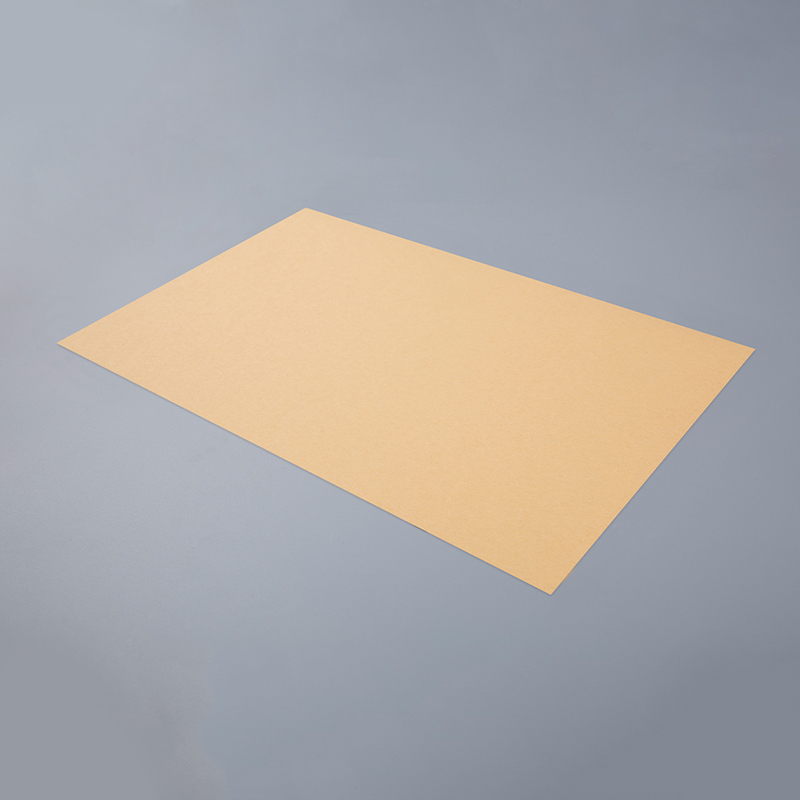
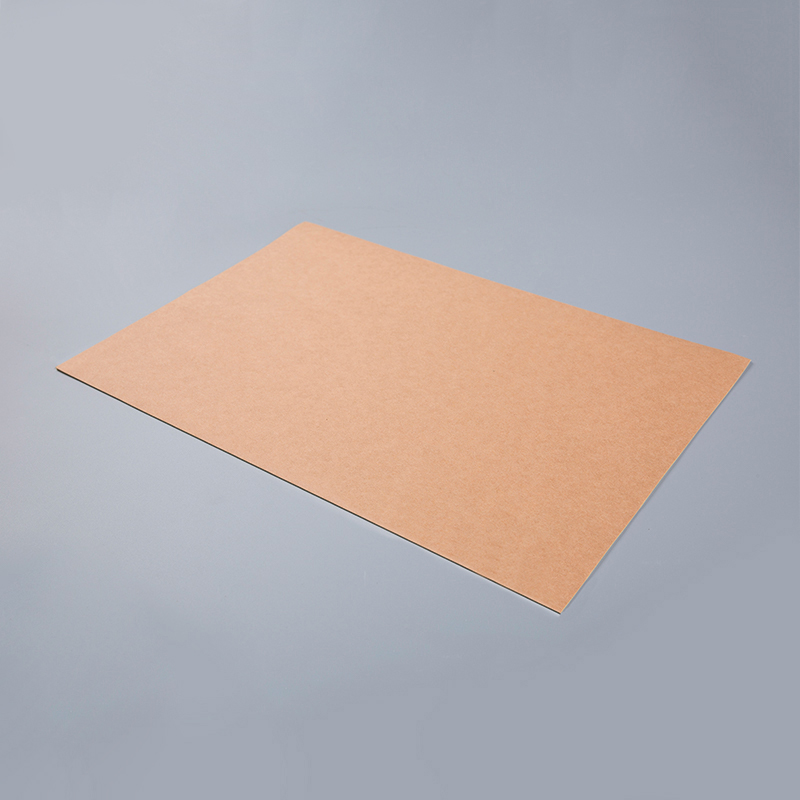
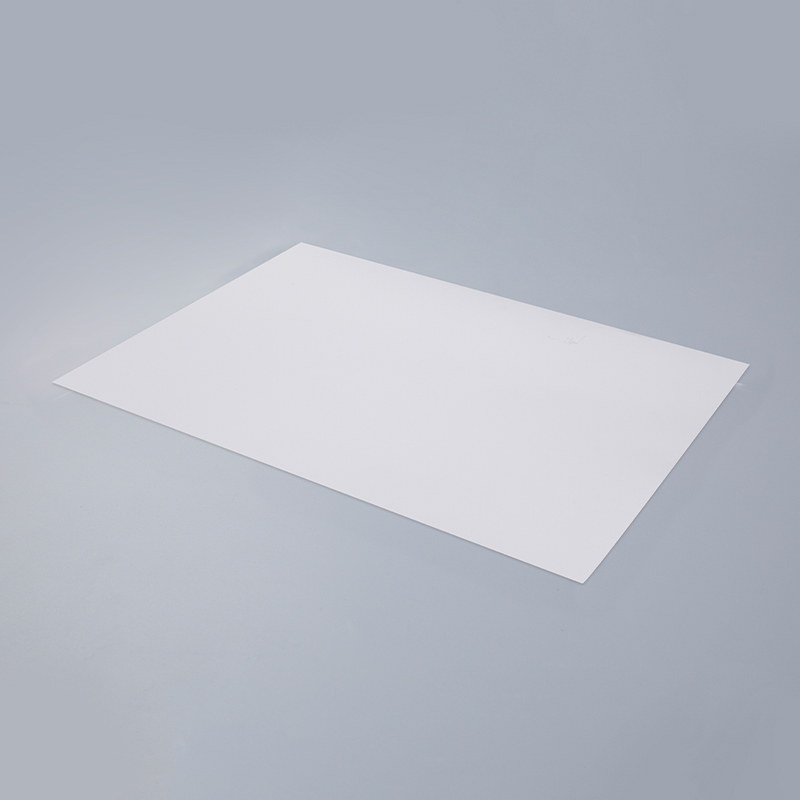
The third advantage is the availability of both jumbo rolls and sheets. Jumbo rolls are useful for industrial converters with slitting, printing, and die-cutting lines. Sheet sizes such as A4, A3, 20 by 30 centimeters, 21 by 30 centimeters, 24 by 36 inches, 50 by 70 centimeters, and 70 by 100 centimeters can support office printing, digital label production, sampling, and smaller converting operations. Customized sizes are also available.
The fourth advantage is the choice between a clear PET liner and several paper-based release liners. PET may be preferred for dimensional stability and transparent constructions, while glassine, release paper, art paper, or CCK liner may be selected for different equipment, handling, or cost requirements.
Manufacturing Capabilities and Process Control
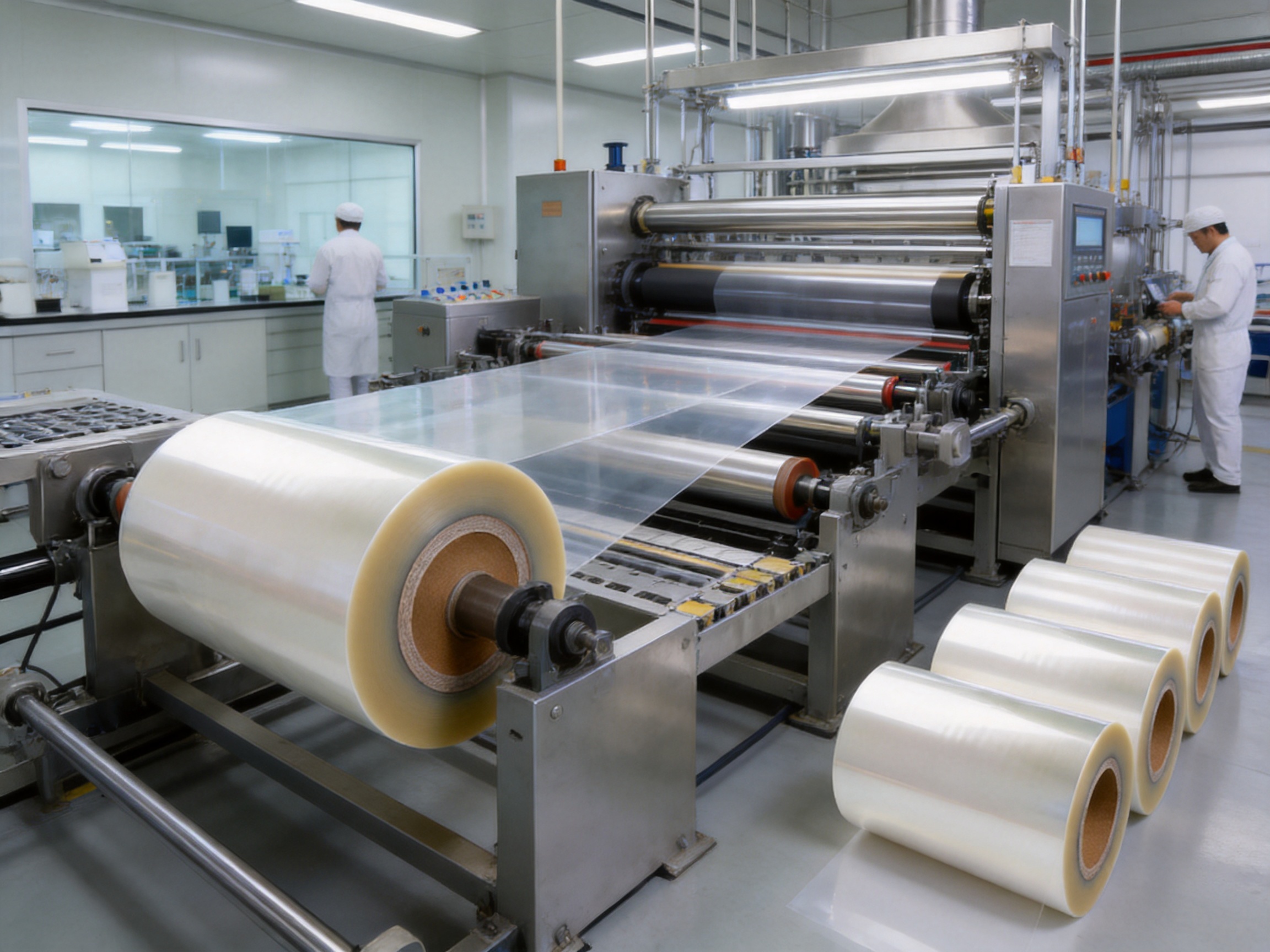
Suzhou Piaozhihua Composite Material Technology Co., Ltd. is described as a private enterprise specializing in high-grade self-adhesive labels. Its production activities include research and development, adhesive coating, laminating, slitting, and cutting. Integrating these operations within one manufacturing organization can improve coordination between material selection, coating, web handling, and finished-product preparation.
The company reports annual production capacity of more than 280 million square meters and identifies itself as one of the leading self-adhesive product manufacturers in China. Capacity alone does not guarantee product quality, but a large-scale production structure can support stable supply, repeat orders, broader specification coverage, and more systematic process management.
Adhesive coating is a critical stage in the production of pressure-sensitive materials. Coating weight, viscosity, drying conditions, line speed, and web tension must be controlled to create a consistent adhesive layer. Variations may affect tack, peel adhesion, shear strength, release behavior, optical clarity, and final application performance.
Laminating joins the face material, adhesive system, and release liner into a controlled composite. During this process, alignment and tension control are important. Poor lamination can cause wrinkles, air entrapment, curl, uneven bonding, or telescoping in finished rolls. A stable laminating process helps preserve the flatness and appearance required for subsequent printing and die-cutting.
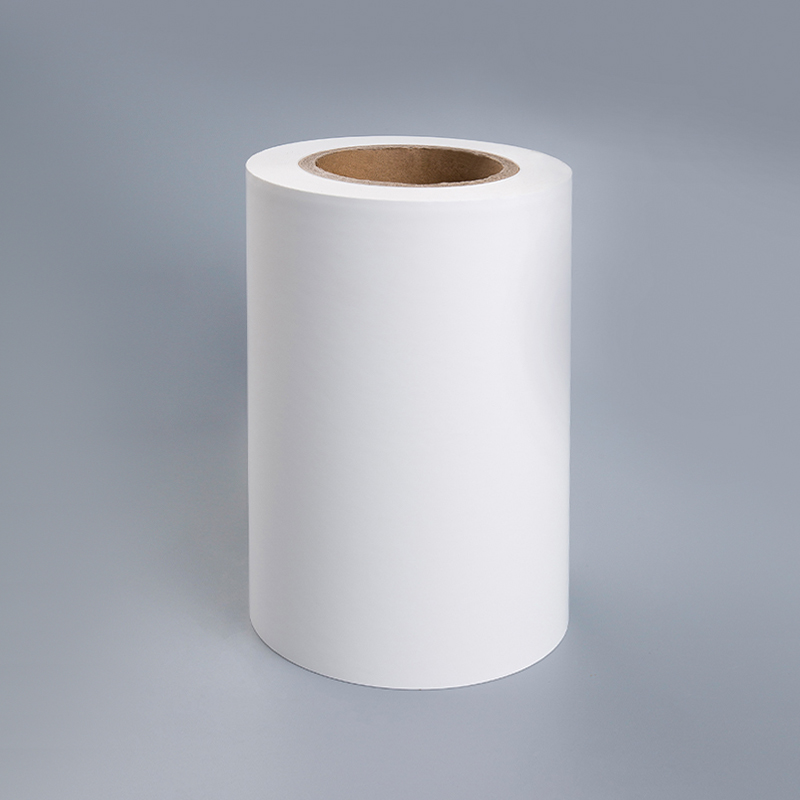
Slitting converts wide master rolls into narrower rolls suitable for customer equipment. Accurate slitting is important for roll width, edge quality, winding tightness, and roll stability. Poorly finished edges can create dust, web breaks, feeding problems, and uneven label application. The company’s ability to provide jumbo-roll widths of 1000, 1020, 1080, and 1530 millimeters gives customers options for production planning and material utilization.
Sheet cutting provides another route for customers who use sheet-fed digital printers, office-format equipment, or manual application processes. Consistent sheet dimensions, flatness, edge quality, and stack alignment are essential for reliable feeding. The availability of standard and customized sheet sizes allows the material to serve both industrial and smaller-batch requirements.
Quality Assurance and Technical Support
The company reports having its own testing laboratory and advanced inspection equipment. A dedicated laboratory can support evaluation of raw materials, adhesive properties, coating uniformity, release performance, dimensional behavior, and finished-roll quality. Testing protocols should be selected according to the intended use and may include peel adhesion, loop tack, holding power, release force, thickness, basis weight, transparency, and print adhesion.
Quality control begins with incoming materials. PVC film, PET liner, paper liner, adhesive ingredients, release coatings, and packaging components should be evaluated against defined specifications. Consistency at this stage helps reduce variability during coating and laminating.
In-process inspection can identify coating streaks, pinholes, wrinkles, bubbles, contamination, edge damage, and registration issues before the product reaches final packing. Finished-product inspection can confirm roll width, sheet size, winding condition, splice quality, appearance, and packaging integrity.
Technical support is also important because self-adhesive performance depends on the customer’s process. The same material may behave differently on glass, PET, HDPE, PP, metal, painted surfaces, cardboard, rubber, or textured building materials. Application temperature, surface energy, pressure, dwell time, and storage conditions all influence the result.
For new projects, customers should provide information about the target substrate, label dimensions, printing method, application temperature, service temperature, expected exposure, removal requirements, and packaging format. This information enables the manufacturer to recommend a suitable face stock, adhesive, and liner combination rather than relying on a general-purpose construction.
Customization and OEM/ODM Strengths
Customization is a central benefit of working with a manufacturer that controls multiple stages of production. Suzhou Piaozhihua Composite Material Technology Co., Ltd. reports more than 20 years of OEM manufacturing experience, along with ODM and OEM capabilities. This allows the company to develop products according to customer drawings, samples, performance targets, or packaging requirements.
OEM production can be useful when a buyer already has a defined specification but needs a reliable manufacturing partner. ODM cooperation may be more appropriate when the buyer needs help selecting materials, optimizing the construction, or developing a product for a new application.
Customization may involve face-material thickness, adhesive chemistry, coating weight, liner selection, roll width, sheet dimensions, core size, winding direction, packaging format, and labeling requirements. It may also involve modifying the construction for cold storage, removable applications, industrial surfaces, or special printing systems.
A professional research and development team can help assess whether a proposed construction is technically realistic. For example, a label intended for a curved, low-energy plastic container may require a different adhesive from one intended for a flat glass panel. Similarly, a label used in freezing conditions may need a cold-temperature adhesive and an application process designed to avoid condensation.
The company also emphasizes innovation and multiple patents. While specific patent details should be confirmed for a particular project, an active research and development approach can support improvements in adhesive performance, coating efficiency, liner selection, sustainability, and production consistency.
Packaging, Storage, and Delivery
The product is available in roll or sheet form from stock, depending on the specification and order arrangement. Packaging is described as suitable for sea transit, with poly-wood pallets and carton packing available. Proper packaging is necessary because self-adhesive materials can be affected by crushing, moisture, dust, heat, and rough handling during transportation.
Sheets are packed at 100 sheets per ream, with each ream protected by a strong polyethylene-coated kraft paper wrapper. Pallets are wrapped with stretch film and secured with plastic fastening belts. This structure helps protect the material from movement, contamination, and external handling during shipment.
Storage conditions should be controlled after delivery. Self-adhesive materials are generally best stored in a clean, dry environment away from direct sunlight, excessive heat, freezing conditions, and high humidity. Rolls should remain properly supported and should not be stacked in a way that causes deformation. Before printing or application, the material may need to acclimatize to the production environment.
Customers should inspect incoming goods for visible damage, moisture exposure, crushed edges, telescoping, packaging failure, or incorrect specifications. Any concern should be documented promptly with photographs, lot information, and shipping details so that the supplier can assist with investigation.
Application Areas
Mineral Water and Beverage Labels
Transparent labels are widely used for mineral water, soft drinks, juices, and other beverage packaging. The clear construction can preserve the visibility of the bottle and liquid while displaying essential product information. The correct adhesive should be selected according to condensation, refrigeration, bottle material, and application speed.
Cosmetics and Personal-Care Products
Cosmetic packaging often depends on a clean and refined visual presentation. Clear PVC labels can support a premium appearance on bottles, jars, tubes, and containers. Transparent areas can reveal the color of the product or the design of the package, while printed graphics provide branding, instructions, and regulatory information.
Daily Chemical Products
Household cleaners, personal-care products, detergents, and related daily chemical goods can use transparent labels when package visibility and plastic-film durability are desired. Compatibility with the container material and exposure to moisture or chemical residue should be tested before commercial production.
Building Materials and Industrial Packaging
The product can also be used for building materials, packaging, and other industrial identification applications. Depending on the selected adhesive and face-material thickness, labels may be designed for cartons, panels, containers, components, or general product identification. Industrial applications should be evaluated for dust, roughness, temperature changes, handling abrasion, and long-term adhesion.
Specialty and Temporary Identification
Removable adhesive constructions may support temporary labels, promotional materials, inventory identification, reusable containers, and selected display applications. Cold-temperature and cryogenic versions can support labels used in refrigerated or frozen environments. Each specialty application requires testing because the same adhesive cannot be expected to deliver identical performance across all substrates and temperatures.
Recommended Evaluation Procedure
Before placing a large order, buyers should evaluate the complete label construction under actual or simulated operating conditions. The first step is to identify the substrate. Record whether it is glass, PET, HDPE, PP, metal, cardboard, painted material, rubber, or another surface. Note whether the surface is smooth, textured, curved, dusty, oily, coated, or contaminated.
The second step is to define the application environment. Important factors include application temperature, storage temperature, service temperature, humidity, condensation, sunlight, abrasion, chemicals, and expected label life. If the label will be applied in a cold warehouse or to a chilled bottle, testing at room temperature alone may produce misleading results.
The third step is to assess the printing and converting process. Confirm whether the label will be printed by digital, flexographic, screen, or another method. Check ink adhesion, drying or curing, die-cutting, stripping, dispensing, and application speed. The selected liner should be compatible with the equipment and required level of dimensional stability.
The fourth step is to inspect the optical result. Apply the label to the actual package and examine it under normal lighting, backlighting, direct light, and retail-display conditions. Look for haze, silvering, bubbles, wrinkles, edge lifting, uneven wet-out, and color changes caused by the background.
The fifth step is to evaluate adhesion over time. Immediate adhesion is important, but the label should also be inspected after a suitable dwell period. Test peel, edge lift, repositioning, removal, and residue according to the intended use. For special applications, perform accelerated aging or temperature cycling where appropriate.
Sustainability and Material Selection
Sustainability considerations are becoming increasingly relevant in label procurement. The best approach depends on the entire product system, including the face material, adhesive, liner, packaging, production waste, application efficiency, and end-of-life route. A transparent film label may reduce the visual need for additional packaging decoration, but its environmental profile must still be evaluated according to the customer’s recycling and waste-management requirements.
The company states that its brand positioning includes sustainable development and environmental protection. It reports developing eco-friendly solutions involving face materials, adhesives, and backing papers. Buyers seeking a more sustainable construction should request specific information about material composition, recycled content, production controls, regulatory status, and disposal compatibility.
Material reduction can be another consideration. Selecting the thinnest face material and liner that meets the application requirements may reduce material consumption, shipping weight, and waste. However, reducing thickness should not compromise converting efficiency, application reliability, or product protection. A balanced technical evaluation is necessary.
Production waste can also be managed through accurate slitting, optimized sheet layouts, efficient die-cutting, and correct roll widths. Customized jumbo-roll dimensions may help converters improve material utilization by matching the width of their equipment and label layout.
Company Manufacturing and Service Strengths
Suzhou Piaozhihua Composite Material Technology Co., Ltd. combines manufacturing, technical development, sales, and after-sales service. Its reported production lines include gluing, laminating, and cutting, enabling the company to provide integrated self-adhesive material solutions.
The company has more than two decades of experience in OEM manufacturing and serves domestic and international markets. Its sales network includes direct sales locations and franchise channels in multiple Chinese cities. It also reports a marketing network covering countries and regions across Asia, Europe, the Americas, Africa, the Middle East, and other international markets.
This geographic reach can benefit customers that require export-oriented packaging, stable communication, and repeat supply across different regions. International buyers should still confirm delivery terms, documentation, applicable regulations, technical certificates, and quality requirements for their specific market.
The company’s stated values include quality, integrity, innovation, win-win cooperation, and responsibility. In practical supplier evaluation, these values should be supported by measurable specifications, sample approval procedures, quality records, communication standards, and documented corrective-action processes.
Product Specification Overview
| Item | Available Specification |
|---|---|
| Product | Transparent PVC with clear PET liner |
| Category | PVC adhesive film |
| Standard face material | 50-micron transparent PVC |
| Additional face-material thicknesses | 80, 100, 150, and 260 microns |
| Standard liner | 36-micron transparent PET liner |
| Adhesive choices | Water-based, hotmelt, solvent, removable, anti-freeze, cryogenic, and tyre-grade rubber adhesive |
| Paper liner alternatives | Glassine paper, release paper, art paper, and CCK liner in various weights |
| PET liner alternatives | 25, 50, and 100 microns |
| Jumbo-roll widths | 1000, 1020, 1080, and 1530 millimeters |
| Sheet formats | A4, A3, 20 by 30 centimeters, 21 by 30 centimeters, 24 by 36 inches, 50 by 70 centimeters, 70 by 100 centimeters, and customized sizes |
| Supply form | Rolls or sheets |
| Packaging | Sea-transit-suitable pallet and carton packing |
Frequently Asked Questions
What is transparent PVC with a clear PET liner?
It is a pressure-sensitive label construction made from transparent PVC face material, an adhesive layer, and a transparent PET release liner. The liner protects the adhesive until the label is ready to be applied.
What is the standard thickness of the PVC face material?
The standard specification is 50 microns. Options of 80, 100, 150, and 260 microns are also available for applications requiring different flexibility, stiffness, or durability characteristics.
Why use a PET liner instead of a paper liner?
PET provides strong dimensional stability and resistance to stretching. It can be useful for accurate printing, die-cutting, inspection, and high-speed converting. Paper liners remain available when their handling characteristics or cost structure is more suitable.
Can the product be printed digitally?
The coated transparent surface is designed to support several printing methods, including digital printing when the selected grade is compatible with the printer and ink or toner system. A print trial should be completed before full production.
Is transparent PVC suitable for food and pharmaceutical labels?
The supplied product information states that the products generally do not store food and drugs. Buyers requiring food-contact or pharmaceutical-related compliance should request specific documentation and select a grade that has been evaluated for the intended regulatory requirements.
Which adhesive is best for cold storage?
Anti-freeze or cryogenic adhesive may be suitable for low-temperature applications. The correct choice depends on the substrate, application temperature, service temperature, condensation, and required label life. Testing under actual conditions is recommended.
Can the label be removed cleanly?
A removable adhesive option is available. Clean removal depends on the substrate, temperature, dwell time, surface condition, and removal method. A trial should be performed on the actual packaging material.
What sizes are available?
Jumbo-roll widths include 1000, 1020, 1080, and 1530 millimeters. Sheet formats include A4, A3, 20 by 30 centimeters, 21 by 30 centimeters, 24 by 36 inches, 50 by 70 centimeters, and 70 by 100 centimeters. Customized sizes can also be discussed.
Can the company provide OEM or ODM service?
Yes. The company reports more than 20 years of OEM experience and provides OEM and ODM services. Customized products can be developed according to customer drawings, samples, specifications, or application requirements.
What should be supplied when requesting a quotation?
Customers should provide the face-material thickness, adhesive type, liner preference, roll or sheet format, dimensions, core requirements, printing method, application substrate, operating temperature, estimated quantity, packaging requirements, and destination market.
How should the material be stored?
Store it in a clean, dry environment away from direct sunlight, excessive heat, freezing conditions, and high humidity. Keep rolls supported and protected from crushing. Allow the material to acclimatize before printing or application when required.
Conclusion
Transparent PVC with a clear PET liner is a versatile self-adhesive label material for applications that require visual clarity, reliable converting, and flexible specification choices. Its transparent face stock supports clear-label and no-label packaging effects, while the PET liner provides dimensional stability for printing and die-cutting. The availability of multiple adhesive systems and liner options allows the material to be adapted for general packaging, cold-temperature use, removable labels, industrial identification, building materials, and specialty applications.
Compared with ordinary paper labels or less specialized transparent films, this construction offers a coordinated combination of appearance, printability, adhesive selection, liner stability, and supply flexibility. Its performance is strongest when the complete construction is matched to the substrate, printing method, application conditions, and service environment.
Suzhou Piaozhihua Composite Material Technology Co., Ltd. supports this product with integrated gluing, laminating, slitting, cutting, laboratory testing, research and development, and customized OEM/ODM services. Its reported production capacity, international supply experience, broad specification range, and focus on quality manufacturing make it a suitable partner for buyers seeking self-adhesive label materials in rolls or sheets.
References
1. Product specification and application information supplied for Transparent PVC with Clear PET Liner.
2. Technical information supplied by Suzhou Piaozhihua Composite Material Technology Co., Ltd. regarding adhesive, liner, size, packaging, and manufacturing capabilities.
3. General principles of pressure-sensitive adhesive label construction, including face stock, adhesive coating, release liner, converting, and application testing.
4. General packaging-material evaluation practices for print adhesion, peel adhesion, dimensional stability, temperature resistance, and storage performance.
5. General guidance for transparent label design, digital printing, flexographic printing, die-cutting, and clear-label application.