
 English
 Español
 русский
 Français
 عربى
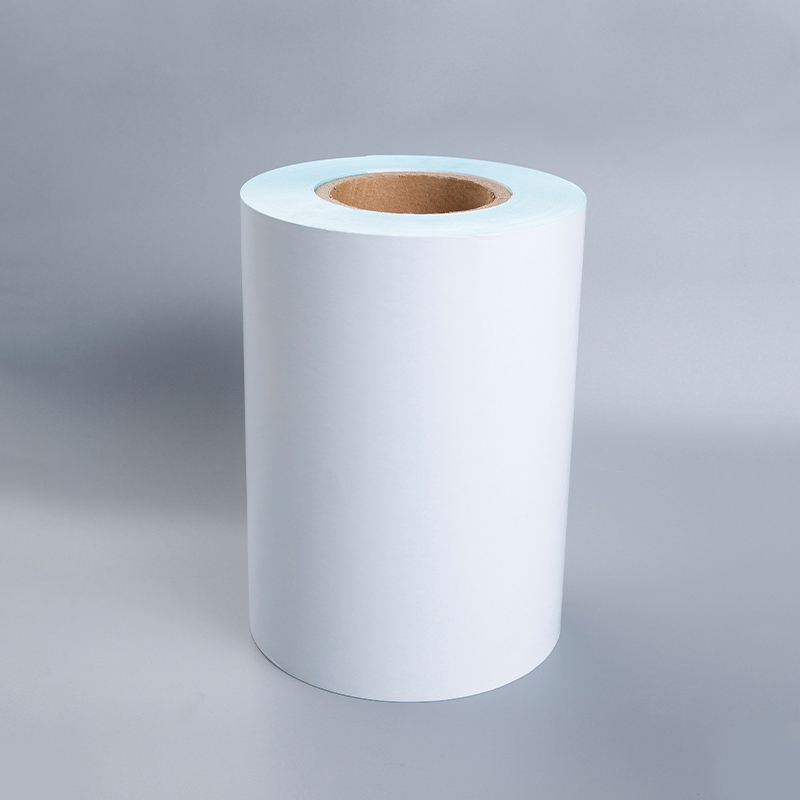
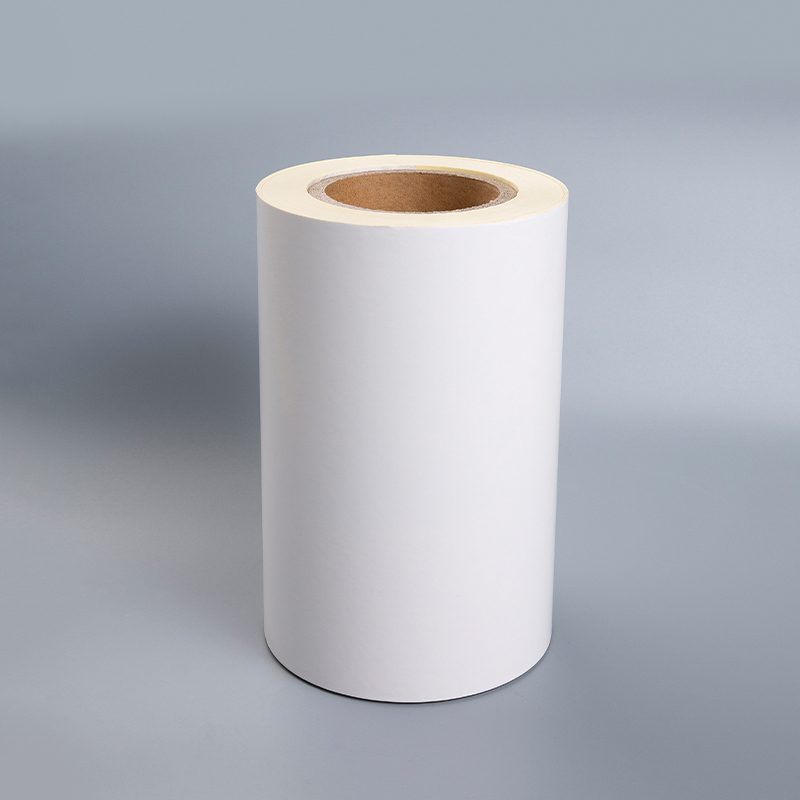
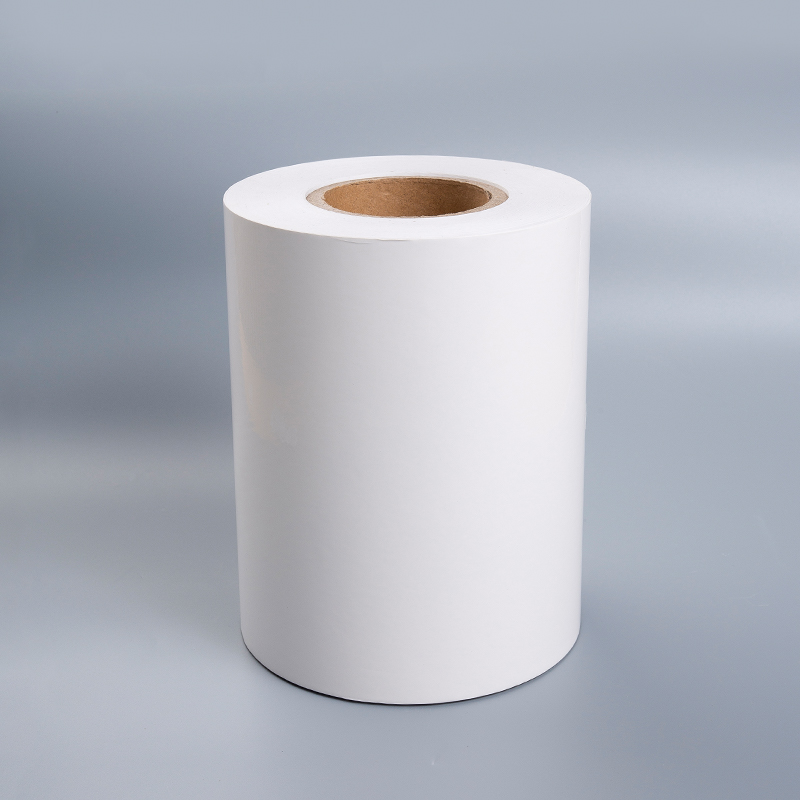
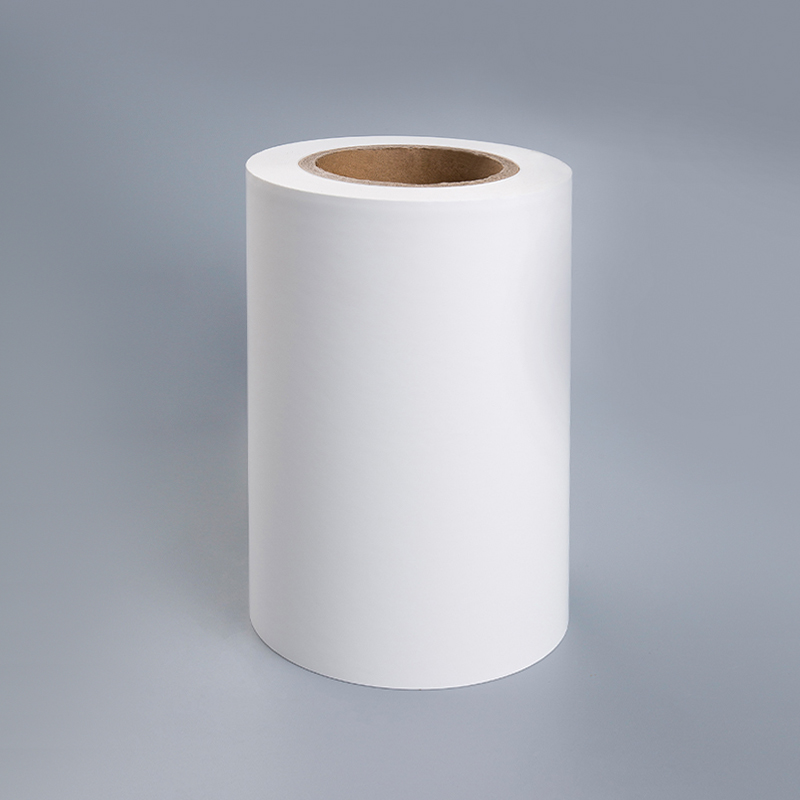
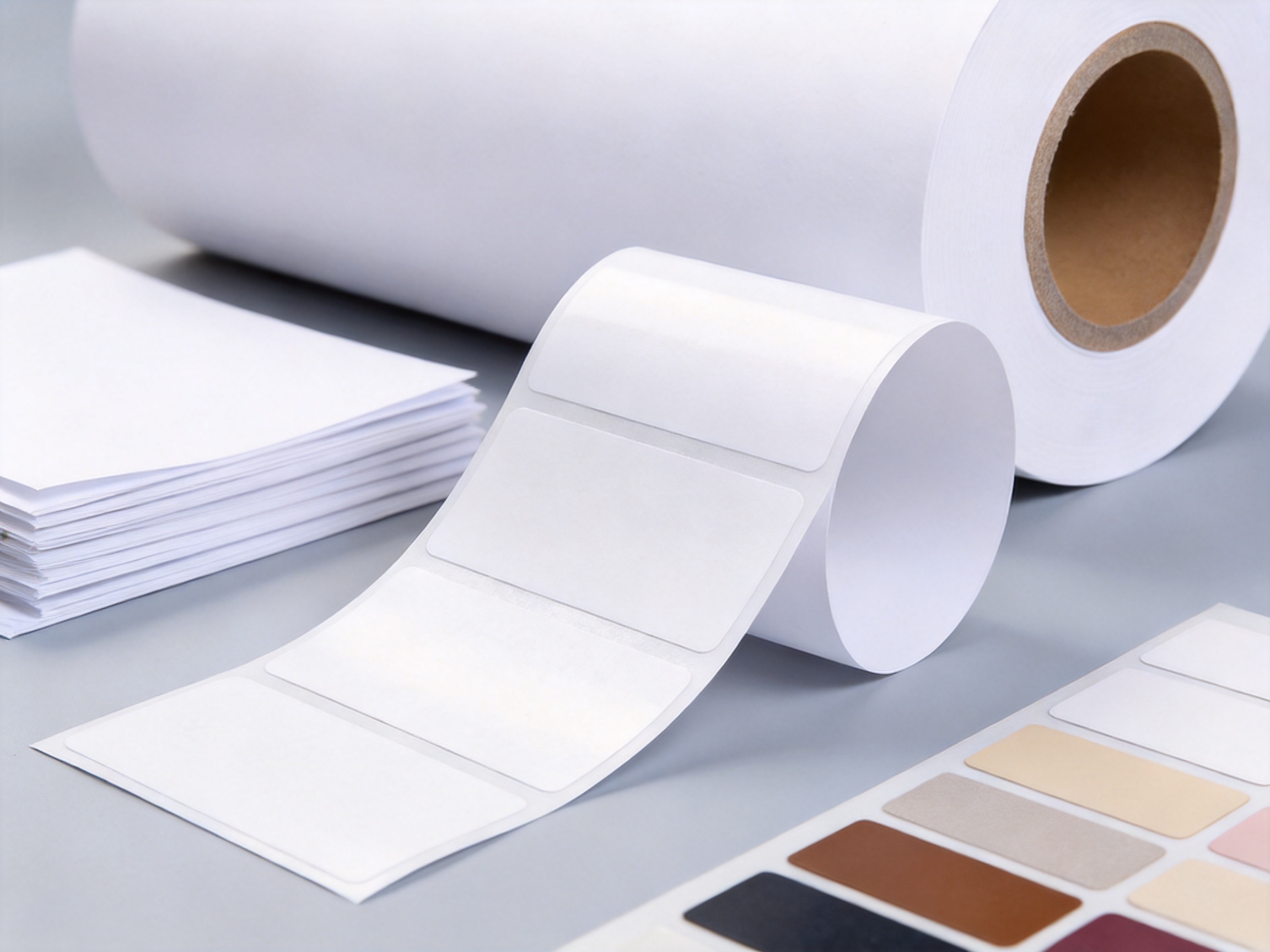
Woodfree Paper with White Release Liner is a versatile self-adhesive label material developed for businesses that require dependable adhesion, clean printing, smooth converting, and flexible packaging options. It combines a woodfree paper face stock, a pressure-sensitive adhesive layer, and a white release paper liner. This three-layer structure supports a broad range of labeling applications, including retail pricing, warehouse identification, logistics marking, medical supply labels, outer carton stickers, office organization, and general product labeling.
For label converters, distributors, printers, and end users, the performance of a self-adhesive material depends on more than the appearance of the face paper. The adhesive must provide stable tack, the liner must release smoothly, and the entire construction must remain consistent during printing, die cutting, slitting, sheet cutting, storage, and application. Woodfree Paper with White Release Liner is designed to address these requirements through a balanced material structure and a range of customizable specifications.
Manufactured by Suzhou Piaozhihua Composite Material Technology Co., Ltd., the product is available in jumbo rolls and sheets. Customers can select different face-stock weights, adhesive technologies, liner grades, roll widths, and sheet sizes according to their application and converting equipment. This flexibility makes the material suitable for both standard labeling needs and customized self-adhesive product programs.
Content
- 1 What Is Woodfree Paper with White Release Liner?
- 2 Three-Layer Construction and Its Functional Benefits
- 3 Key Product Advantages
- 4 Applications in Retail and Supermarket Operations
- 5 Applications in Warehousing and Logistics
- 6 Applications for Medical Supplies and Outer Cartons
- 7 Office, Document, and General Identification Uses
- 8 Printing and Converting Performance
- 9 Manufacturing Process and Quality Control
- 10 Why Choose an Integrated Manufacturing Partner?
- 11 Customization Options
- 12 Packaging and Delivery
- 13 Storage and Handling Recommendations
- 14 Comparison with Alternative Label Materials
- 15 Sustainability and Material Responsibility
- 16 Technical Selection Guide
- 17 Quality and Commercial Advantages Over Less Flexible Suppliers
- 18 Recommended Customer Evaluation Process
- 19 Frequently Asked Questions
- 19.1 What is the standard face material?
- 19.2 What is the standard release liner?
- 19.3 Which adhesive is used?
- 19.4 Can the product be used for logistics labels?
- 19.5 Is a removable version available?
- 19.6 Can it be used in cold environments?
- 19.7 What jumbo roll widths are available?
- 19.8 What sheet sizes are available?
- 19.9 Can the product be printed digitally?
- 19.10 Can the company provide OEM and ODM services?
- 19.11 How is the product packaged?
- 19.12 How should the material be stored?
- 20 Conclusion
- 21 References
- 22 Product: Woodfree Paper With White Release Liner
What Is Woodfree Paper with White Release Liner?
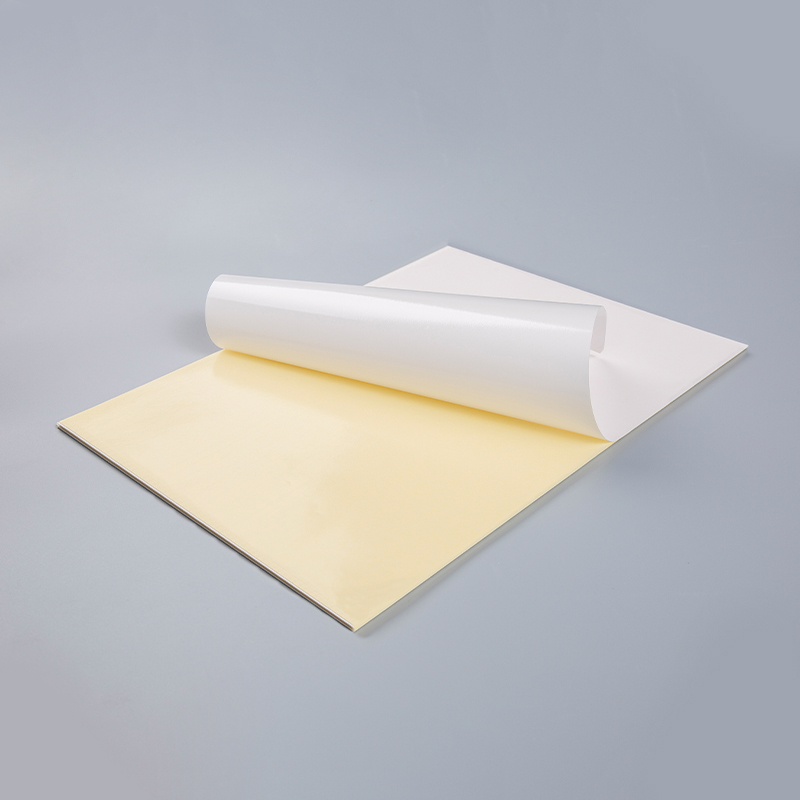
Woodfree Paper with White Release Liner is a self-adhesive paper construction in which a smooth woodfree paper face material is coated with pressure-sensitive adhesive and laminated to a white release paper backing. The face paper is the printable surface visible after the label is applied. The adhesive bonds the label to the target surface, while the release liner protects the adhesive before application and allows the label to be peeled away efficiently.
The standard face material is 75 gsm woodfree paper, while 70 gsm, 80 gsm, 100 gsm, 120 gsm, and 140 gsm options are also available. These grades allow users to balance flexibility, stiffness, printability, and appearance. A lighter face stock can be suitable for economical general-purpose labels, while a heavier grade may be selected when a more substantial label feel, increased stiffness, or enhanced opacity is required.
The standard liner is 90 gsm white release paper. Other liner options include glassine paper, release paper in several weights, art paper, and clay-coated kraft liner alternatives. The choice of liner can influence dispensing behavior, die-cutting performance, dimensional stability, and suitability for high-speed converting.
The adhesive system can also be selected according to the intended use. Hot melt adhesive is available for strong and efficient bonding, while water-based adhesive, solvent adhesive, removable adhesive, anti-freeze adhesive, cryogenic adhesive, and tyre-grade rubber adhesive can be supplied for more specialized requirements.
Three-Layer Construction and Its Functional Benefits
Woodfree Paper Face Stock
Woodfree paper is widely used for labels because it provides a clean, bright, and printable surface. The material is suitable for text, barcodes, product information, price markings, serial numbers, logos, and other variable or fixed content. Its paper-based appearance is familiar to consumers and works well for practical labeling applications where a natural, professional, or economical look is preferred.
The available basis weights provide flexibility for different production goals. Lower-weight papers can help reduce material consumption and may be suitable for labels that need to conform to moderately curved surfaces. Higher-weight papers can provide greater body and a more substantial appearance, which may be beneficial for product identification, packaging labels, and applications where the label must remain visibly stable after application.
Woodfree paper also supports a wide range of conventional printing and office printing processes when the specific grade is matched to the equipment. Depending on the chosen surface treatment and printing system, converters may use flexographic printing, offset printing, digital printing, thermal transfer, or other suitable methods. Printing conditions should always be evaluated with the intended ink, toner, printer, and drying system.
Pressure-Sensitive Adhesive
The adhesive layer is responsible for establishing and maintaining contact with the application surface. A well-selected adhesive must offer sufficient initial tack, reliable final adhesion, and resistance appropriate to the environment. In practical use, the adhesive should bond evenly without excessive edge lifting, premature delamination, or unnecessary residue under normal conditions.
The standard product description emphasizes uniform glue distribution, high adhesion, and resistance to easy removal. These qualities are important for labels used on cartons, storage bins, retail packages, office materials, and logistics containers. In such applications, a label must remain readable and attached throughout handling, transportation, stocking, and routine use.
Different adhesive types provide different performance profiles. Hot melt adhesive is commonly selected when strong tack and efficient coating are required. Water-based adhesive may be preferred for certain paper-label applications and production environments. Solvent adhesive can be considered where enhanced bonding or specialized resistance is needed. Removable adhesive is suitable when labels must be removed with limited surface damage or residue.
Anti-freeze and cryogenic adhesives are available for demanding low-temperature environments. These options can help labels maintain performance during cold storage, refrigerated transportation, laboratory handling, or other temperature-sensitive applications. Tyre-grade rubber adhesive is intended for specialized bonding requirements associated with tyre identification and related industrial uses.
White Release Paper Liner
The liner protects the adhesive before the label is used. Its release coating allows the face material to be peeled away while leaving the adhesive available for application. The liner also supports the label during printing, die cutting, sheeting, roll converting, and storage.
A 90 gsm white release paper is the standard liner for this product. Its white appearance can provide a clean, professional construction and may offer useful opacity during converting and handling. The liner weight also contributes to the overall stiffness and process stability of the self-adhesive sheet or roll.
Alternative liners are available for customers with different equipment or converting requirements. Glassine liners are commonly used where a smooth, dense, and relatively dimensionally stable backing is needed. Other release paper grades can provide different stiffness, thickness, and release characteristics. Art paper and CCK liner options expand the range of available constructions for specialized labeling programs.
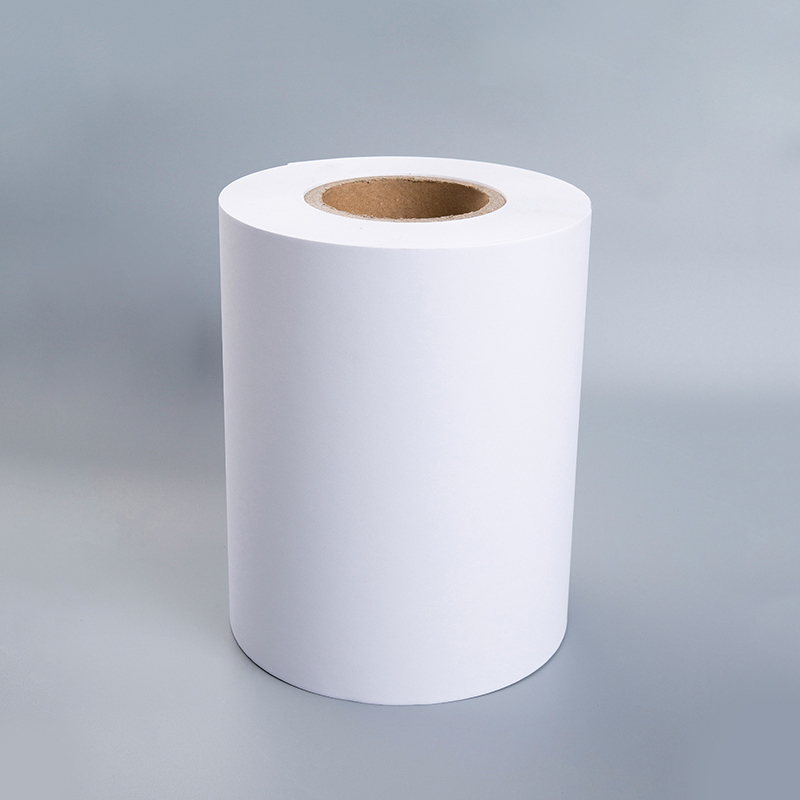
Woodfree Paper With White Release Liner
Key Product Advantages
Uniform Adhesive Coating
Uniform glue application is a fundamental requirement for dependable self-adhesive labels. Uneven adhesive distribution may create weak bonding areas, visible surface irregularities, lifting edges, inconsistent die cutting, or unstable label application. A controlled coating process helps distribute the adhesive consistently across the usable width of the material.
For label converters, this consistency can simplify production planning. Stable adhesive coverage supports predictable converting behavior and reduces the likelihood of defects caused by dry areas, adhesive streaks, or excessive coating. For end users, it contributes to reliable attachment across the label surface.
Strong and Stable Adhesion
The product is designed for applications where labels should remain firmly attached during ordinary handling. High adhesion can be useful for outer cartons, logistics labels, warehouse markings, retail labels, and office identification. Strong bonding is especially important when labels are exposed to friction, repeated handling, vibration, or transportation movement.
Adhesion performance depends on the application surface. Smooth cardboard, coated paper, plastic, metal, glass, and textured substrates can each behave differently. Surface cleanliness, temperature, pressure, and contact time also influence results. For this reason, customers should select the adhesive type and grade according to the actual substrate and environmental conditions.
Clean and Professional White Appearance
The white woodfree face paper offers a clean background for printed information. It can improve contrast for black text, barcodes, product codes, and colored graphics. The white release liner also gives the construction a consistent appearance before converting and application.
Compared with some darker, translucent, or heavily textured label materials, a white paper face stock can make important information easier to read. This is valuable for inventory control, retail pricing, shipment identification, and document organization.
Flexible Basis Weight Selection
The availability of multiple face-paper weights is a practical advantage over one-grade-only materials. Customers can select a specification that matches their label size, application method, printing process, and cost target. A 70 gsm or 75 gsm face may be appropriate for common labels, while 100 gsm, 120 gsm, or 140 gsm grades may be selected for labels requiring greater body or visual prominence.
Flexible liner selection provides a similar benefit. Some converting lines operate best with a particular liner thickness or stiffness. By offering 50 gsm, 60 gsm, 80 gsm, 90 gsm, 100 gsm, 120 gsm, 140 gsm, and 165 gsm-related options across the available liner categories, the manufacturer can support a broader range of production requirements.
Roll and Sheet Availability
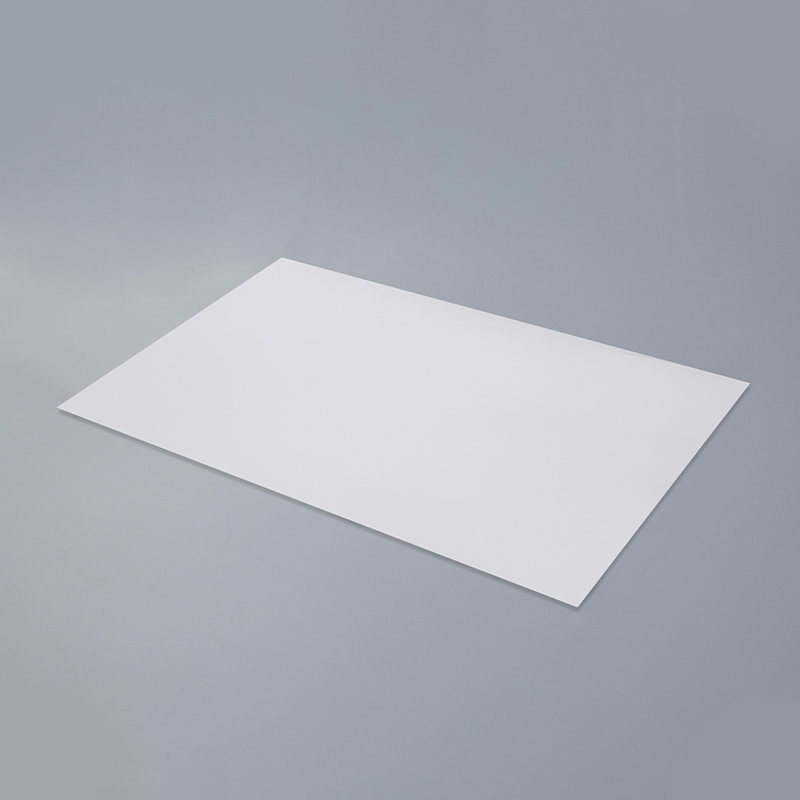
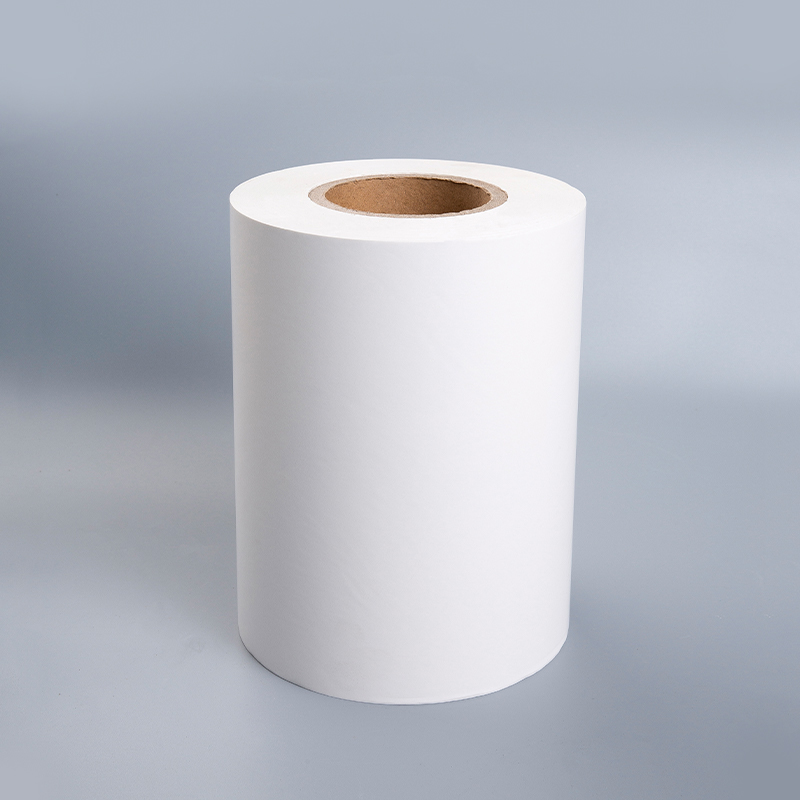
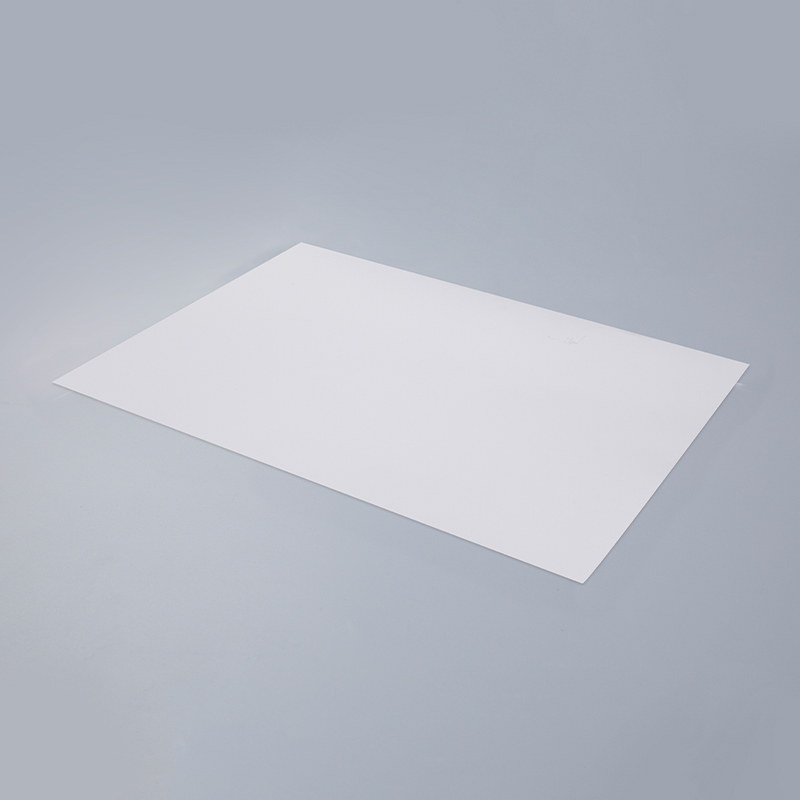
The material can be supplied in jumbo rolls or sheets. Jumbo rolls are suitable for label converters with slitting, printing, coating, laminating, or die-cutting equipment. Sheet formats are convenient for office use, digital printing, packaging operations, and customers that do not require roll converting.
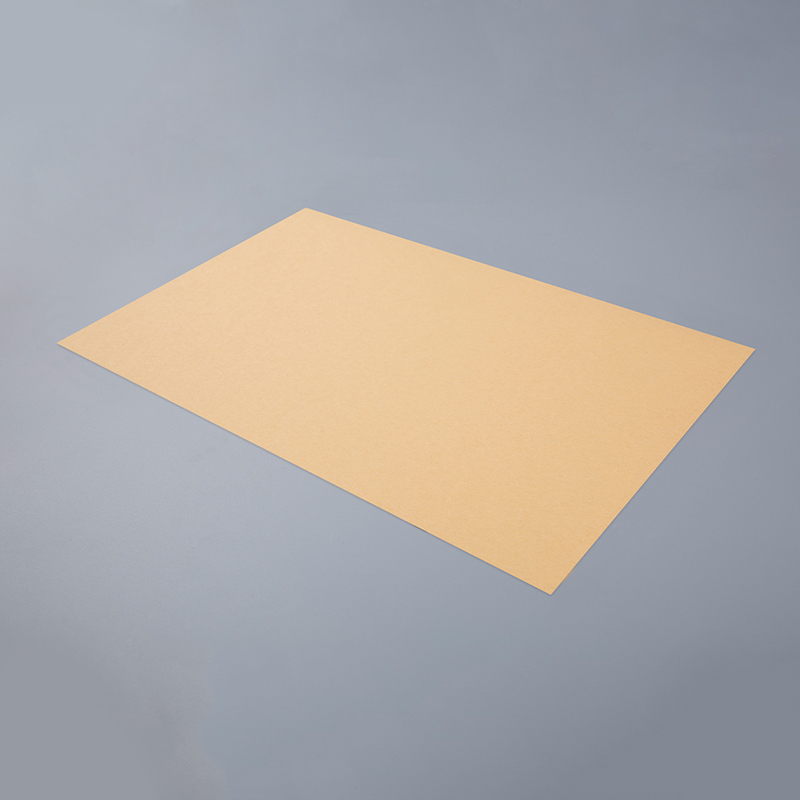
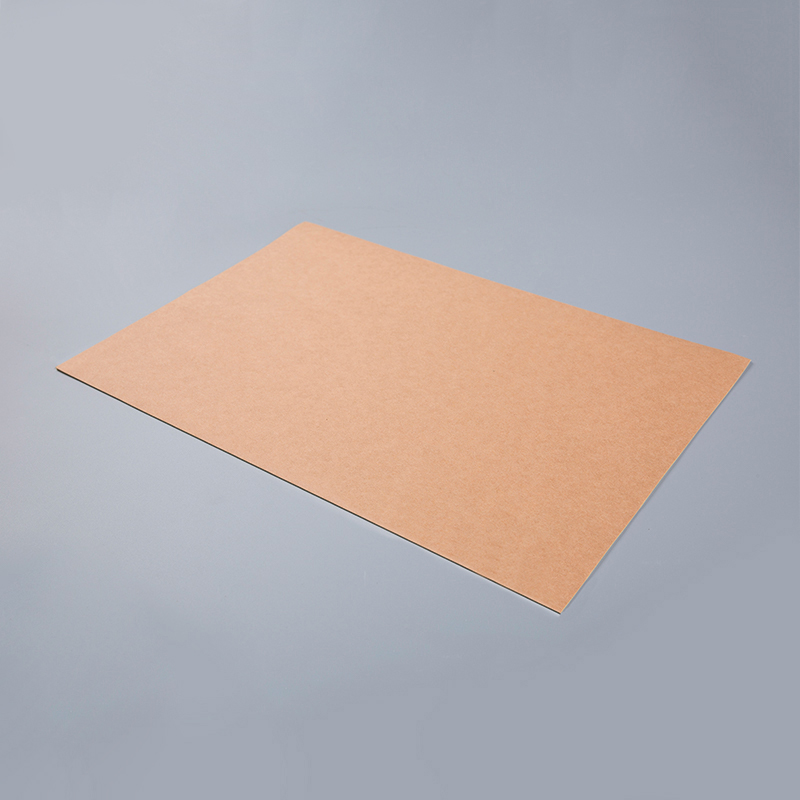
Available sheet sizes include A4, A3, 20 × 30 centimeters, 21 × 30 centimeters, 24 × 36 centimeters, 50 × 70 centimeters, and 70 × 100 centimeters. Customized sheet dimensions can also be discussed. This flexibility helps customers reduce trimming waste and match the product to existing printers, cutters, packing lines, or application procedures.
Broad Application Compatibility
The product is suitable for stores, supermarkets, warehouses, logistics operations, medical supplies, outer cartons, offices, and many other settings. Its adaptability comes from the combination of printable woodfree paper, selectable adhesive systems, and multiple liner choices.
In retail environments, it can be used for price labels, shelf identification, promotional marking, carton labels, and product information. In warehouses, it can support bin identification, stock control, pallet marking, and shipment organization. In offices, it can be used for folders, files, envelopes, document classification, and general organization.
Applications in Retail and Supermarket Operations
Retail labels must be easy to print, easy to apply, and sufficiently durable for the period of use. Woodfree Paper with White Release Liner can support price tags, product information labels, shelf labels, package identifiers, promotional labels, and stock rotation markings.
The bright white face provides a clear field for prices, product names, barcodes, and short instructions. When used with suitable printing equipment, the material can support both preprinted information and variable data. Retailers may print different product codes, prices, batch numbers, or promotional messages as needed.
For supermarket back-room operations, labels may be applied to cartons, containers, shelves, or storage areas. Strong adhesive options help the labels remain in place during repeated movement. If temporary campaigns or seasonal price changes are required, removable adhesive can be considered where the substrate and application conditions allow clean removal.
Applications in Warehousing and Logistics
Logistics labels are exposed to handling, stacking, transportation, and changing environmental conditions. They must remain legible and attached throughout the movement of goods. The product can be used for carton labels, shipment identification, pallet markings, inventory tags, location labels, and internal distribution documents.
The face paper provides a printable surface for item numbers, destination information, warehouse locations, quantities, and handling instructions. The available jumbo roll widths of 1000 millimeters, 1020 millimeters, 1080 millimeters, and 1530 millimeters support different converting formats and production line requirements.
When logistics labels are used in refrigerated or low-temperature environments, customers may consider anti-freeze or cryogenic adhesive options. These choices should be validated under the actual storage temperature, application temperature, condensation conditions, and substrate type. For standard dry warehouse conditions, a general-purpose adhesive may be sufficient.
Consistent release performance is also important in high-volume logistics labeling. If the label separates smoothly from the liner, operators can apply labels more efficiently and reduce interruptions caused by tearing, premature lifting, or difficult peeling.
Applications for Medical Supplies and Outer Cartons
Medical supply labeling can involve cartons, sterile packaging, containers, sample identification, inventory organization, and internal facility management. In these applications, legibility and reliable attachment are essential. The white paper surface supports clear printing of product names, lot references, internal codes, dates, and handling information.
Material selection should be based on the specific medical environment. The standard product is a self-adhesive paper material and should be evaluated for the required sterilization conditions, moisture exposure, chemical contact, temperature range, and regulatory requirements of the final application. Where a specialized adhesive or liner is needed, the available adhesive and construction options can be reviewed with the manufacturer.
Outer cartons require labels that can withstand routine movement and contact with warehouse equipment. Strong adhesive can help the label remain attached to corrugated board and other packaging surfaces. The woodfree face also provides a practical area for shipping marks, product codes, handling instructions, and customer-specific information.
Office, Document, and General Identification Uses
Self-adhesive woodfree paper is useful in everyday office environments because it can be printed or written on and applied to common organizational materials. Typical uses include file labels, folder labels, envelope identification, archive boxes, storage containers, mailing preparation, and internal document management.
A4 and A3 sheet sizes are particularly convenient for offices, digital printing departments, and small-batch label production. Users can create customized layouts and print multiple labels on a single sheet. Larger sheet sizes such as 50 × 70 centimeters and 70 × 100 centimeters are suitable for commercial printing or customers that need larger label formats.
The material can also be used for general-purpose marking in workshops, schools, libraries, service facilities, and commercial premises. The available adhesive range allows users to consider permanent or removable labeling according to the duration and purpose of the application.
Printing and Converting Performance
Printing Surface Considerations
The woodfree paper face is designed to provide a practical surface for printed content. Before full production, printers should test ink adhesion, drying, color density, barcode readability, and toner or ink compatibility. The best printing method depends on the selected paper grade, adhesive construction, quantity, artwork, and equipment.
For variable-data work, digital printing may offer efficient short-run production and fast artwork changes. Offset printing can be suitable for larger quantities requiring consistent image quality. Flexographic printing may be used by label converters operating roll-fed production lines. Thermal transfer printing can be considered for variable information when the selected paper surface and ribbon system are compatible.
Die Cutting and Sheet Cutting
The face paper and liner must work together during die cutting. A properly matched construction helps the converter create clean label edges while maintaining liner integrity. Cutting depth, die pressure, tooling condition, machine speed, and material storage can all affect results.
For sheet products, accurate cutting supports reliable feeding through printers and office equipment. Customized sheet dimensions can help reduce waste and improve compatibility with customer machinery. For jumbo rolls, correct slitting and winding tension are important for maintaining roll quality and preventing telescoping or edge damage.
Release Performance
The release liner should allow the label to separate without excessive force, tearing, adhesive transfer, or premature release. Smooth release is valuable in both manual and automated application. The ideal release level depends on the dispensing system, label shape, application speed, and adhesive type.
Different liner constructions may be selected to meet specific converting needs. Glassine paper can be useful for applications requiring a smooth and dense liner, while heavier release papers may provide additional stiffness. Customers should assess release force and processing performance with their actual labels and machinery.
Manufacturing Process and Quality Control
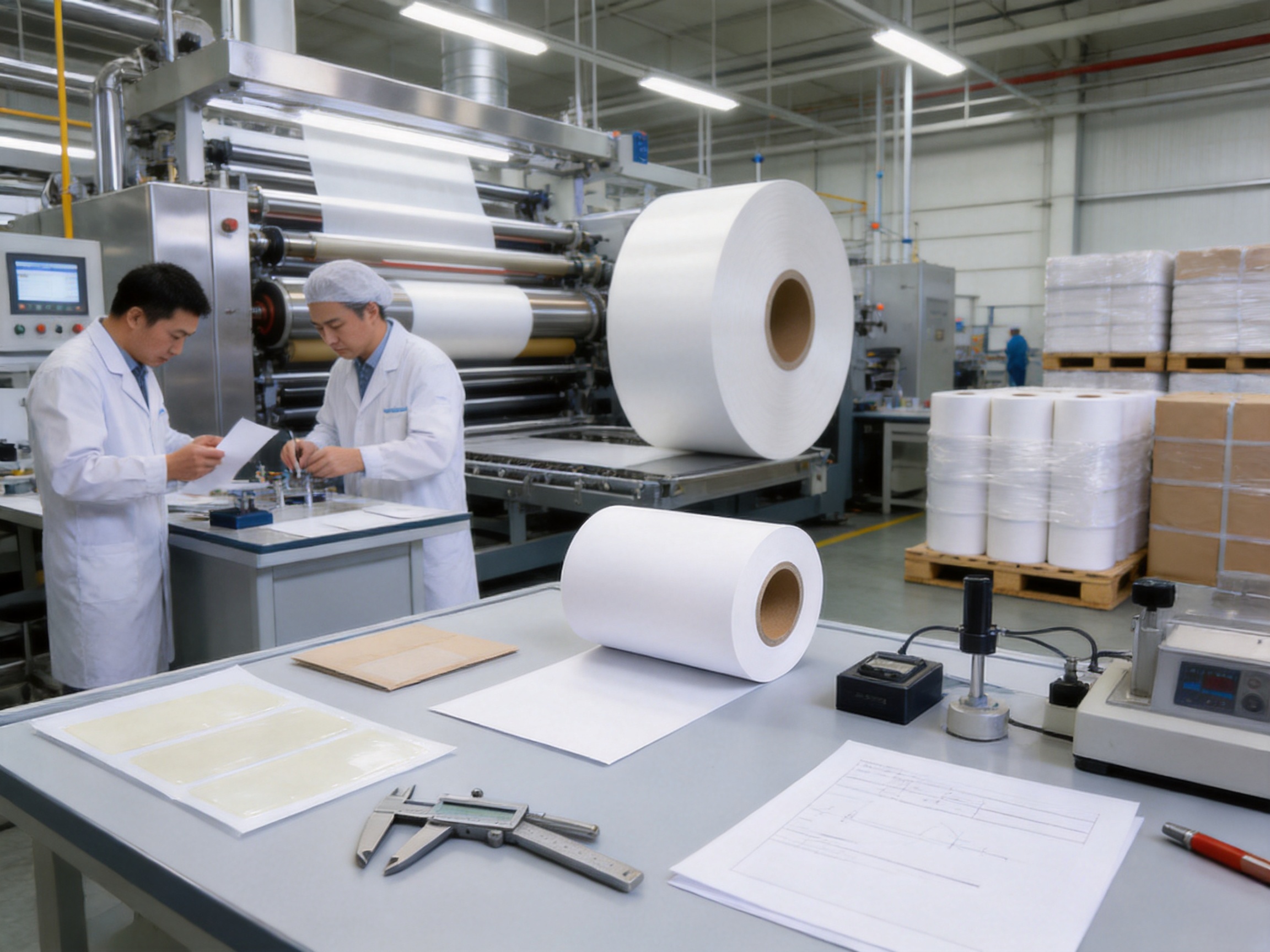
Self-adhesive material production requires coordination among paper preparation, adhesive formulation, coating, drying or curing, laminating, inspection, slitting, and packing. Suzhou Piaozhihua Composite Material Technology Co., Ltd. operates production lines covering gluing, laminating, and cutting. This integrated capability allows the company to manage multiple stages of the manufacturing process rather than relying entirely on disconnected external operations.
Raw Material Selection
Consistent product quality begins with suitable face paper, adhesive components, and release liner. The manufacturer can select materials according to the required basis weight, surface characteristics, release behavior, bonding performance, and intended use. The use of different paper and adhesive combinations supports customized product development.
Face paper is evaluated for characteristics such as basis weight, surface uniformity, visual cleanliness, and suitability for printing. Release liner selection involves consideration of thickness, strength, surface smoothness, and release coating performance. Adhesive selection is matched to the required tack, final adhesion, removability, low-temperature performance, or specialized bonding needs.
Adhesive Coating
During coating, the adhesive must be applied across the paper width with controlled weight and uniform distribution. Coating conditions can influence the final adhesion, appearance, converting behavior, and storage stability of the product. A controlled manufacturing process helps reduce streaks, bare areas, excessive adhesive, and other common defects.
The appropriate process parameters depend on the adhesive type. Hot melt adhesive, water-based adhesive, and solvent adhesive each require different handling and process controls. The manufacturer’s experience with multiple adhesive systems supports the development of constructions for both general-purpose and specialized applications.
Laminating
Laminating joins the coated face material to the release liner while maintaining a stable, even structure. Proper lamination helps prevent bubbles, wrinkles, misalignment, and separation between layers. It also supports consistent feeding during later printing, die cutting, slitting, and sheet conversion.
Good lamination quality is especially important for jumbo rolls. A stable roll structure helps protect the material during transportation and supports smoother unwinding at the customer’s facility. It can also reduce problems related to edge damage, blocking, telescoping, or uneven tension.
Slitting and Cutting
After coating and lamination, the material can be converted into jumbo rolls, narrower rolls, or sheets. Slitting accuracy affects roll width, edge quality, and customer productivity. Sheet cutting accuracy affects printer feeding, label alignment, and usable yield.
The company offers standard roll widths of 1000 millimeters, 1020 millimeters, 1080 millimeters, and 1530 millimeters. Customized sizes may be considered according to order volume, equipment requirements, and final label dimensions.
Inspection and Testing
The company maintains its own testing laboratory and uses inspection equipment to support product quality control. Testing may cover the physical structure, appearance, adhesive behavior, release performance, dimensions, and converting characteristics of the finished material.
Quality inspection is important because self-adhesive products are performance materials rather than simple sheets of paper. A product can appear acceptable but still perform poorly if the adhesive coat weight, release force, moisture level, liner strength, or lamination quality is inconsistent. Routine inspection helps identify variations before the material is shipped.

Why Choose an Integrated Manufacturing Partner?
Compared with suppliers that only trade standard label stock, an integrated manufacturer can provide greater control over formulation, coating, lamination, cutting, and packaging. This can be especially valuable when customers need a specific paper weight, adhesive system, liner, roll width, or sheet size.
Suzhou Piaozhihua Composite Material Technology Co., Ltd. has more than 20 years of experience in self-adhesive product manufacturing and reports annual production capacity of more than 280 million square meters. Its production capabilities include research and development, gluing, laminating, cutting, inspection, sales, and after-sales service.
The company serves domestic and international markets and has developed sales and marketing coverage in Asia, Europe, the Americas, Africa, and other regions. Its experience with different customer requirements can help support export orders, repeat supply programs, packaging customization, and product development projects.
The company also provides OEM and ODM services. Customers may request products based on drawings, samples, target specifications, or application requirements. This is useful when an off-the-shelf label material does not provide the required balance of adhesion, liner stiffness, printing performance, and cost.
Customization Options
Customization can involve the face-paper basis weight, adhesive chemistry, liner type, liner weight, roll width, sheet dimensions, packaging method, and product labeling. Customers may also discuss application temperature, storage conditions, substrate type, label size, printing method, and required removal characteristics.
For a standard warehouse label, a general-purpose adhesive and 75 gsm woodfree paper may be suitable. For a refrigerated application, an anti-freeze adhesive may be more appropriate. For temporary identification, removable adhesive may be considered. For a large commercial printing program, a specific liner stiffness and jumbo roll width may improve production efficiency.
Customized solutions should be validated with samples before mass production. Testing can include application to the actual substrate, peel evaluation, aging, temperature exposure, printing trials, die-cutting trials, and storage simulation. These steps help ensure that the selected structure meets the customer’s operational requirements.
Packaging and Delivery
Packaging protects self-adhesive materials from moisture, compression, dust, impact, and handling damage. The product can be supplied using sea-transit-worthy poly-wood pallet packing and carton packing for rolls or sheets from stock.
Sheet products are packed at 100 sheets per ream. Each ream is wrapped with strong PE-coated kraft paper. Pallets are wrapped with stretch film and secured with plastic fastening belts. This packaging structure helps keep the reams stable during warehouse storage and transportation.
For export shipments, packaging should be selected according to the transportation route, container conditions, climate, order size, and loading method. Proper palletization can help protect roll edges and sheet corners, while secure wrapping can reduce movement during ocean transit.
Storage and Handling Recommendations
Self-adhesive paper should be stored in a clean, dry, and temperature-controlled environment whenever possible. Direct sunlight, excessive humidity, condensation, and extreme temperature changes can affect paper moisture, adhesive behavior, liner release, and dimensional stability.
Materials should remain in their original packaging until they are ready for use. Rolls and pallets should be stored on a stable, level surface and protected from impact. Heavy objects should not be placed on top of sheet reams or rolls if they may deform the material.
Before printing or converting, the material should be allowed to acclimatize to the production environment. This is particularly important when the product has been transported through significantly different climates. The exact conditioning time depends on the packaging, material thickness, temperature difference, and facility conditions.
Application surfaces should be clean, dry, and free from dust, oil, grease, and loose particles. The label should be applied with sufficient pressure to establish full contact. For cold, damp, rough, or low-energy surfaces, customers should select a suitable adhesive and conduct application testing before production use.
Comparison with Alternative Label Materials
| Material characteristic | Woodfree Paper with White Release Liner | Typical alternative consideration |
|---|---|---|
| Surface appearance | Clean white paper appearance with a practical, professional finish | Film materials may provide a smoother or more moisture-resistant appearance |
| Printing suitability | Suitable for many paper-compatible digital, offset, flexographic, and variable-data applications | Film may require inks, coatings, or equipment matched to synthetic surfaces |
| Adhesive selection | Hot melt, water-based, solvent, removable, anti-freeze, cryogenic, and tyre-grade options available | Some suppliers provide fewer adhesive choices or fixed constructions |
| Face-paper choices | 70 gsm to 140 gsm woodfree paper options | Single-grade products may offer less flexibility for stiffness and cost control |
| Liner choices | White release paper, glassine, release paper, art paper, and CCK liner options | Standard products may be limited to one liner construction |
| Supply formats | Jumbo rolls, standard sheets, and customized sizes | Some materials may only be available in rolls or predetermined sheets |
| Common use profile | Retail, logistics, warehouse, medical supply, carton, office, and general labeling | Specialized films may be preferred for highly wet or chemically demanding applications |
This comparison does not mean that paper labels are suitable for every environment. Synthetic films may be preferred when a label must withstand prolonged water exposure, outdoor weathering, severe abrasion, or demanding chemical contact. However, for many everyday labeling applications, woodfree paper provides a balanced combination of printability, appearance, adhesive flexibility, and cost efficiency.
Sustainability and Material Responsibility
Paper-based self-adhesive materials can support customers seeking a familiar and practical labeling substrate. The company’s product development approach includes attention to sustainable solutions involving face materials, adhesives, and backing papers. Customers can discuss environmentally oriented options according to their application, disposal system, regulatory expectations, and supply chain objectives.
Sustainability should be evaluated across the entire label construction rather than by face paper alone. The adhesive, release liner, packaging, printing process, and end-of-life route all influence the environmental profile. A suitable material specification can help avoid unnecessary overengineering while maintaining the required application performance.
Customers should also confirm recycling compatibility with their local waste-management systems. The presence of adhesive and release liner may affect recycling practices, and requirements can vary by region and packaging type. Responsible material selection includes reviewing the complete finished-label system.
Technical Selection Guide
Choose the Face Paper Weight
Select 70 gsm or 75 gsm for common applications where flexibility and material efficiency are important. Consider 80 gsm or 100 gsm where a more substantial label feel or increased stiffness is required. Choose 120 gsm or 140 gsm when the label design, size, handling method, or appearance calls for a heavier face stock.
Choose the Adhesive
Use hot melt adhesive when strong tack and broad general-purpose adhesion are needed. Consider water-based or solvent adhesive according to printing, substrate, and environmental requirements. Select removable adhesive for temporary labels when clean removal is important. For refrigerated or frozen applications, evaluate anti-freeze or cryogenic adhesive options.
Choose the Liner
Use 90 gsm white release paper for a standard white-liner construction. Consider glassine where smoothness and liner stability are important. Select heavier release paper or art paper where additional stiffness is needed. CCK liner options may be evaluated for specific converting and release requirements.
Choose Rolls or Sheets
Choose jumbo rolls for high-volume converting, roll-fed printing, slitting, and die cutting. Choose sheets for office printing, digital short runs, manual application, and operations that do not have roll-processing equipment. Customized dimensions can help improve yield and reduce trimming waste.
Quality and Commercial Advantages Over Less Flexible Suppliers
A major advantage of this product program is the combination of a standard, widely useful construction with extensive customization potential. Some suppliers focus on a limited set of fixed sizes, adhesives, and liners. By contrast, the available options allow customers to build a product closer to their actual application.
The company’s integrated lines for gluing, laminating, and cutting can also support more direct control over the finished construction. This may simplify communication between the customer and manufacturer, particularly when a project involves several material layers or non-standard dimensions.
Long-term manufacturing experience is another practical advantage. With more than two decades of OEM experience, the company has worked with different product specifications, customer drawings, samples, and market requirements. Its R&D team and testing laboratory support continued product development and technical evaluation.
High production capacity can be valuable for customers that require stable repeat supply. An annual capacity of more than 280 million square meters indicates the ability to support substantial orders, subject to product specification, production planning, and available capacity at the time of inquiry.
Recommended Customer Evaluation Process
Customers should begin by describing the final label application. Important information includes the target substrate, label dimensions, application temperature, storage temperature, expected service period, printing method, converting method, and whether the label must be removable or permanent.
The next step is to select a face-paper weight, adhesive, and liner combination. Samples should then be tested under actual production conditions. The evaluation should include printing quality, feeding behavior, die cutting, label dispensing, adhesion, edge lifting, removal, and storage stability.
For international shipments, customers should also review packaging requirements, pallet dimensions, roll orientation, moisture protection, carton markings, delivery schedule, and documentation. Clear technical communication at the quotation stage can reduce the risk of selecting an unsuitable construction.
Frequently Asked Questions
What is the standard face material?
The standard face material is 75 gsm woodfree paper. Alternative weights of 70 gsm, 80 gsm, 100 gsm, 120 gsm, and 140 gsm are available.
What is the standard release liner?
The standard liner is 90 gsm white release paper. Glassine paper, other release paper grades, art paper, and CCK liner options are also available in different weights.
Which adhesive is used?
Hot melt adhesive is available as a standard option. Water-based, solvent, removable, anti-freeze, cryogenic, and tyre-grade rubber adhesives can also be supplied according to the application.
Can the product be used for logistics labels?
Yes. The material is suitable for carton labels, shipment identification, warehouse markings, pallet labels, inventory tags, and other logistics applications. The adhesive should be selected according to the carton surface, temperature, handling conditions, and expected service period.
Is a removable version available?
Yes. Removable adhesive is available for applications where the label may need to be removed. Customers should test removal on the actual substrate because surface coating, age, temperature, and application pressure can affect removability.
Can it be used in cold environments?
Anti-freeze and cryogenic adhesive options are available. The appropriate construction should be confirmed through testing under the actual application and storage temperatures, especially where condensation or frozen surfaces are involved.
What jumbo roll widths are available?
Available jumbo roll widths include 1000 millimeters, 1020 millimeters, 1080 millimeters, and 1530 millimeters. Customized widths may be discussed according to production requirements.
What sheet sizes are available?
Available sheet sizes include A4, A3, 20 × 30 centimeters, 21 × 30 centimeters, 24 × 36 centimeters, 50 × 70 centimeters, and 70 × 100 centimeters. Customized sheet sizes are also possible.
Can the product be printed digitally?
The woodfree paper surface can be considered for compatible digital printing systems. A printing trial is recommended to confirm toner adhesion, ink drying, color performance, feeding, and barcode readability on the selected grade.
Can the company provide OEM and ODM services?
Yes. OEM and ODM services are available. Products can be developed according to customer drawings, samples, specifications, or application requirements, subject to technical evaluation and order conditions.
How is the product packaged?
Rolls or sheets can be packed using poly-wood pallets and cartons suitable for sea transportation. Sheets are packed at 100 sheets per ream with PE-coated kraft paper wrappers, and pallets are wrapped with stretch film and secured with plastic fastening belts.
How should the material be stored?
Store it in a clean, dry environment away from direct sunlight, moisture, condensation, and extreme temperature changes. Keep the original packaging intact until the material is ready for use and allow it to acclimatize before printing or converting.
Conclusion
Woodfree Paper with White Release Liner is a practical and adaptable self-adhesive material for retail, logistics, warehousing, medical supply organization, carton labeling, office use, and general identification. Its combination of printable woodfree paper, dependable adhesive options, and white release liner provides a balanced solution for customers seeking reliable performance and flexible specification choices.
The product’s main advantages include uniform adhesive coating, strong adhesion, clean white appearance, multiple face-paper weights, diverse liner options, roll and sheet availability, and support for customized sizes. The availability of hot melt, water-based, solvent, removable, anti-freeze, cryogenic, and tyre-grade rubber adhesives further expands its application range.
Through integrated gluing, laminating, cutting, inspection, research, and development capabilities, Suzhou Piaozhihua Composite Material Technology Co., Ltd. can support both standard supply and customized self-adhesive material projects. Its manufacturing experience, testing resources, OEM and ODM services, and international supply capability make it a suitable partner for customers requiring stable quality and application-focused solutions.
For the best result, customers should select the face paper, adhesive, liner, format, and packaging method according to the actual substrate, printing process, temperature range, storage conditions, and converting equipment. Proper testing before mass production will help ensure that the final label construction delivers the required adhesion, release, printability, and durability.
References
1. Product specification information for Woodfree Paper with White Release Liner, including face-paper grades, adhesive options, liner options, roll widths, and sheet sizes.
2. Pressure-Sensitive Tape Council, pressure-sensitive adhesive terminology and performance principles.
3. Technical Association of the Pulp and Paper Industry, general principles for paper testing, basis weight measurement, and paper handling.
4. International Organization for Standardization, general guidance concerning quality management systems and production consistency.
5. Industry practices for self-adhesive label printing, die cutting, slitting, release-liner selection, and warehouse storage.
6. Manufacturer information concerning production capabilities, OEM and ODM services, testing facilities, packaging methods, and sustainable self-adhesive material development.