
 English
 Español
 русский
 Français
 عربى
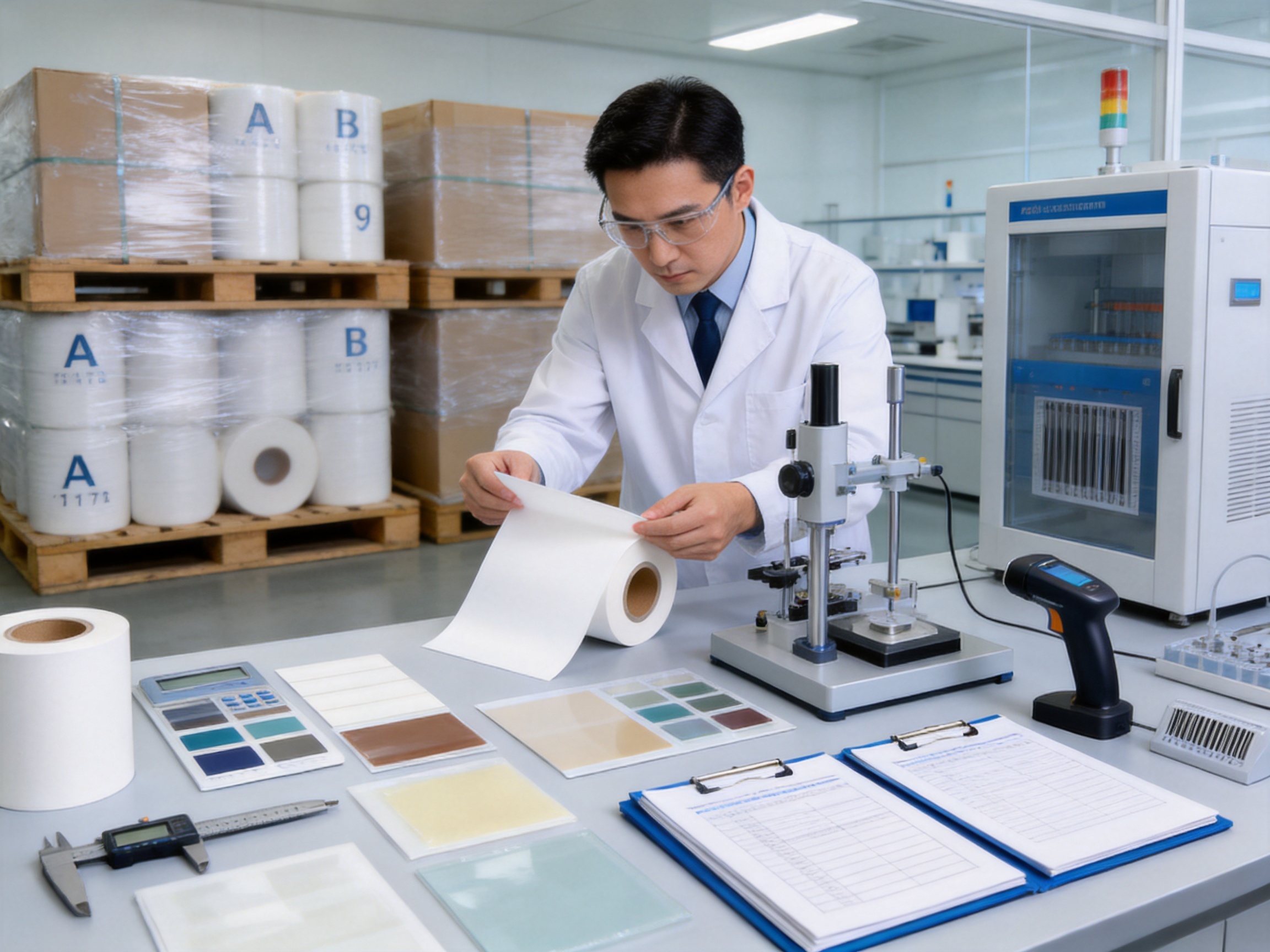
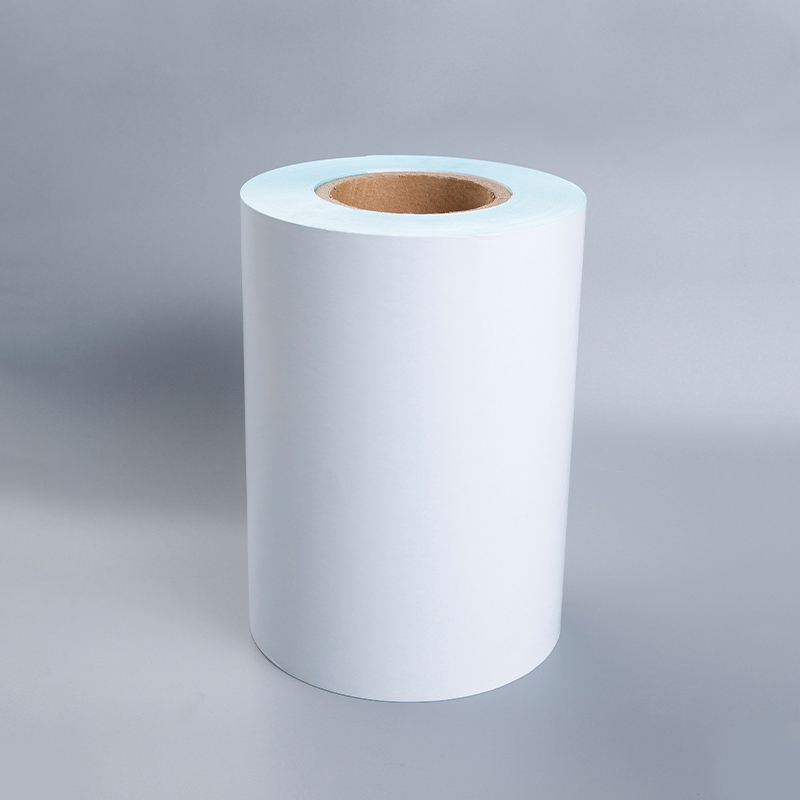
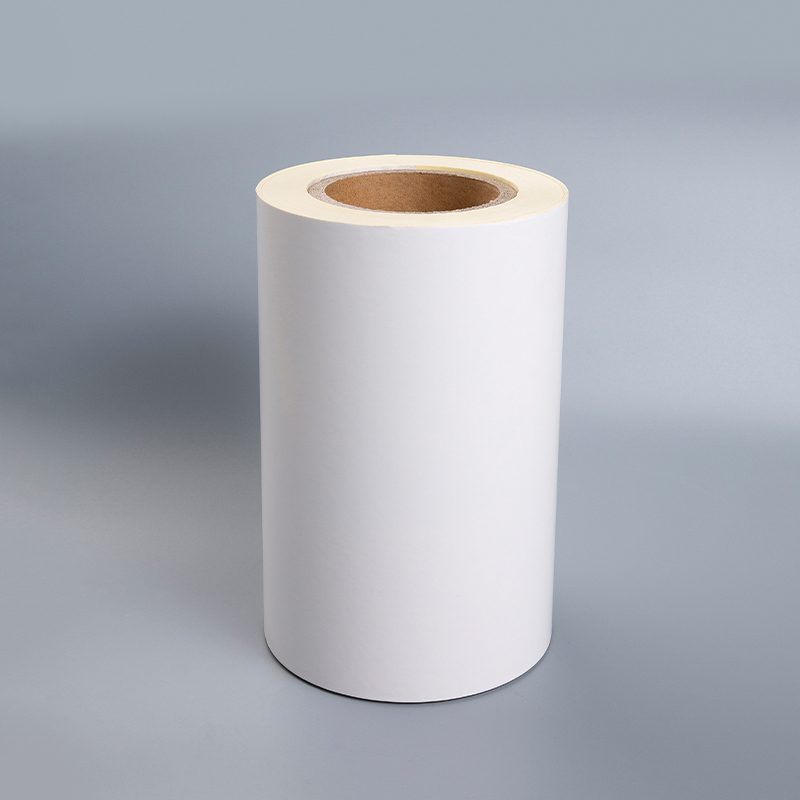
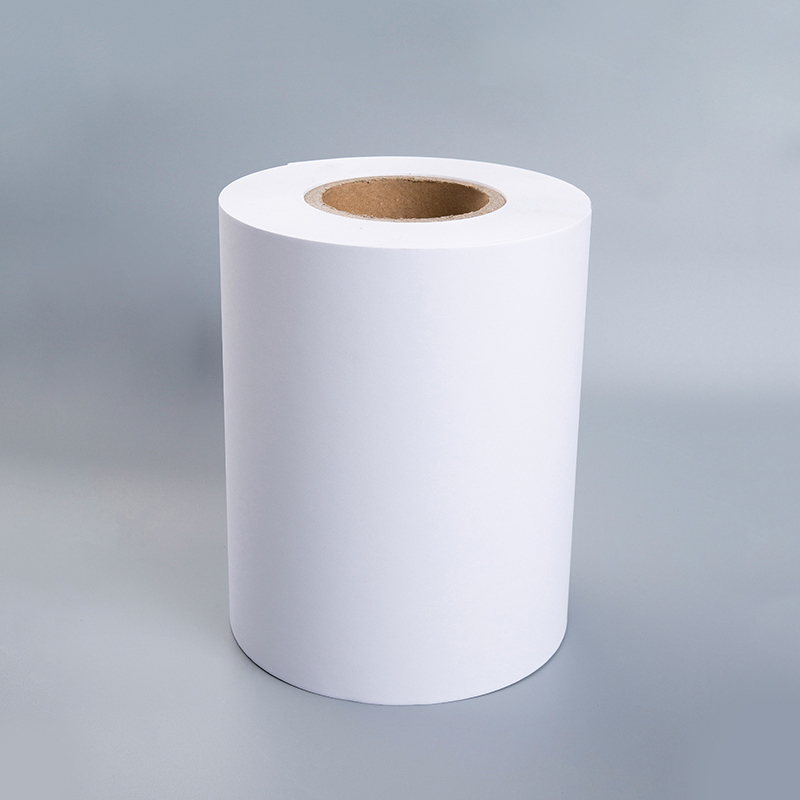
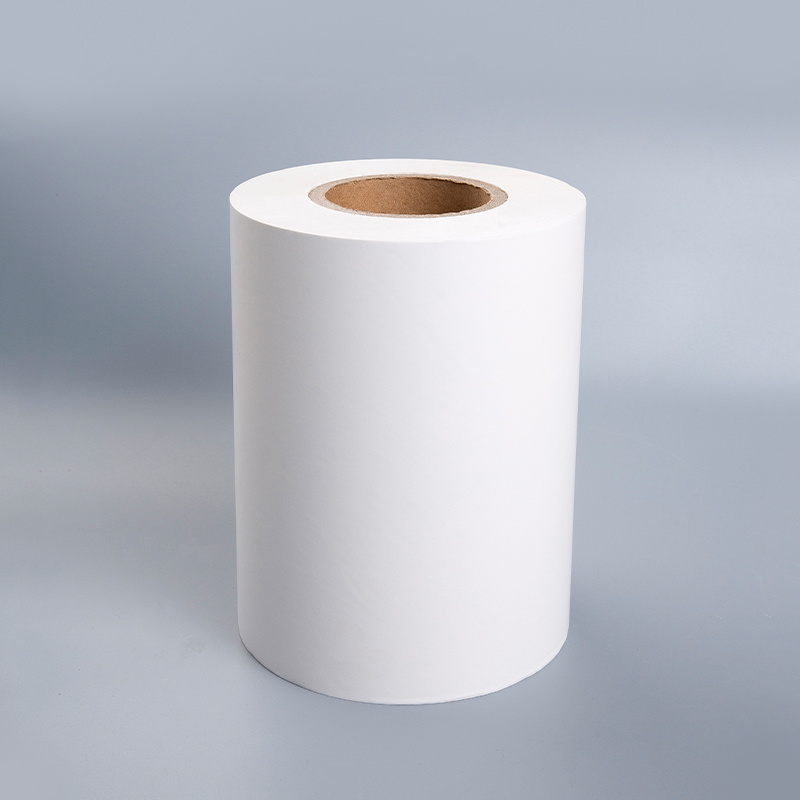
Thermal synthetic paper with white glassine paper is a specialized self-adhesive label material designed for applications that require dependable printing, durability, and resistance to demanding environmental conditions. By combining an 80-micron thermal synthetic face material with a 60-gram white glassine release liner, this construction offers a practical balance between print performance, flexibility, surface protection, and converting efficiency.
Unlike conventional thermal paper, the material is engineered to provide stronger resistance to tearing, water, oil, scratching, and low temperatures. Unlike many ordinary synthetic papers, it also provides a thermal-printable surface that can support efficient variable-information printing without requiring conventional ink in every application. This combination makes it suitable for product labels, posters, food packaging, cosmetic packaging, automotive soft packaging, logistics identification, and other uses where both visual quality and physical durability are important.
The product is manufactured by Suzhou Piaozhihua Composite Material Technology Co., Ltd., a Chinese producer specializing in self-adhesive labels and composite materials. The company integrates research and development, adhesive coating, laminating, slitting, sheet cutting, quality inspection, sales, and after-sales service. Its production capability, material options, customization services, and experience with different adhesive and liner systems allow buyers to specify a construction suited to their application rather than relying on a one-size-fits-all label stock.
Content
- 1 Understanding the Product Construction
- 2 Why Thermal Synthetic Paper Is Different from Conventional Thermal Paper
- 3 Key Performance Advantages
- 4 Printing Performance and Visual Quality
- 5 Adhesive Selection for Different Applications
- 6 White Glassine Release Liner Advantages
- 7 Available Sizes and Supply Formats
- 8 Applications Across Multiple Industries
- 9 Manufacturing Capabilities and Process Strengths
- 10 Company Experience and Customization Strengths
- 11 Packaging, Delivery, and Storage
- 12 How the Product Compares with Competing Materials
- 13 Important Factors Before Ordering
- 14 Recommended Quality-Control Checks
- 15 Sustainability and Responsible Material Selection
- 16 Conclusion
- 17 Questions and Answers
- 17.1 What is thermal synthetic paper?
- 17.2 What is the standard thickness of the face material?
- 17.3 What liner is supplied with the standard construction?
- 17.4 Can the product be used in refrigerated or frozen applications?
- 17.5 Is the product waterproof?
- 17.6 Can it resist oil and grease?
- 17.7 Which adhesive options are available?
- 17.8 Can the product be supplied in sheets?
- 17.9 Which jumbo roll widths are available?
- 17.10 Is the product suitable for barcode printing?
- 17.11 What industries can use this material?
- 17.12 Does the company provide OEM and ODM services?
- 17.13 How is the product packaged for delivery?
- 17.14 What should customers provide when requesting a quotation?
- 18 References
- 19 Product: Thermal Synthetic Paper With White Glassine Paper
Understanding the Product Construction
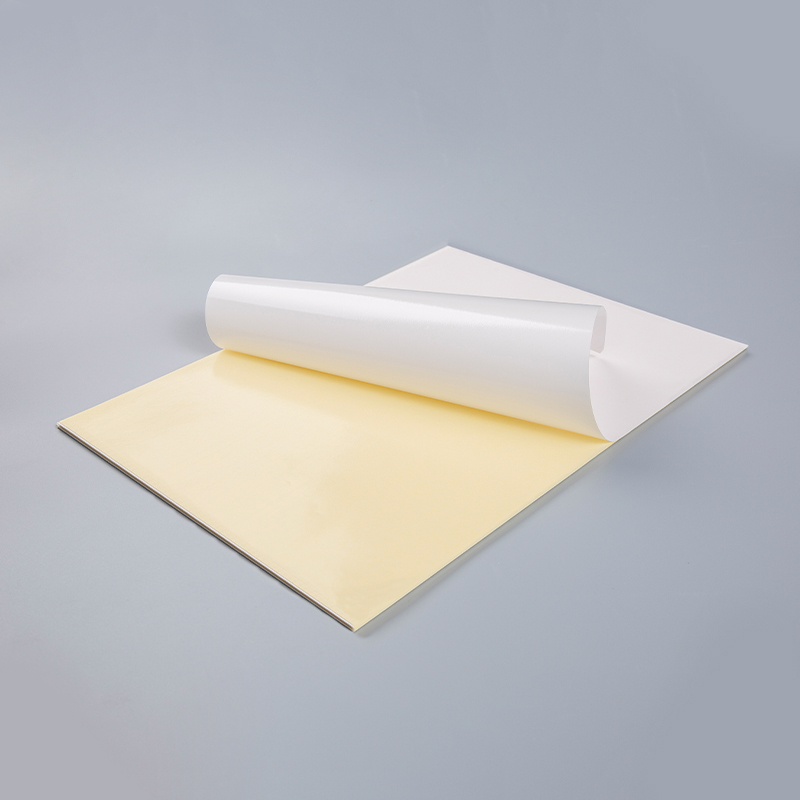
A self-adhesive material is normally made from three functional layers: the face material, the adhesive, and the release liner. Each layer contributes to the final performance of the label. The face material determines printability, appearance, stiffness, tear resistance, and resistance to moisture or chemicals. The adhesive controls bonding strength and application behavior. The liner protects the adhesive during storage and transport while allowing the label to be released smoothly during dispensing or die-cutting.
In this construction, the face material is thermal synthetic paper. The standard stated thickness is 80 microns, with 95-micron and 100-micron options available. The material combines a synthetic base with a thermal image-forming surface, creating a printable face that is more resistant to common physical stresses than ordinary paper-based thermal media.
The standard liner is 60-gram white glassine paper. Glassine is a smooth, dense, calendered paper that is widely used as a release liner for self-adhesive products. Its smooth surface supports clean die-cutting, efficient label stripping, and stable adhesive protection. Other liner choices are available, including 50-, 80-, 100-, and 120-gram glassine papers; 60-, 85-, 120-, and 140-gram release papers; 140- and 165-gram art papers; and 50-, 80-, 90-, and 120-gram CCK liners.
The adhesive can also be selected according to the intended end use. Available options include solvent adhesive, hotmelt adhesive, water-based adhesive, removable adhesive, anti-freeze adhesive, cryogenic adhesive, and tyre-grade rubber adhesive. This range is important because no single adhesive can provide ideal performance on every substrate, at every temperature, or under every handling condition.
| Component | Standard Specification | Available Options | Functional Role |
|---|---|---|---|
| Face material | 80-micron thermal synthetic paper | 95 microns and 100 microns | Provides thermal printability, whiteness, tear resistance, and surface durability |
| Adhesive | Solvent adhesive | Hotmelt, water-based, removable, anti-freeze, cryogenic, and tyre-grade rubber adhesive | Creates the bond between the label and the application surface |
| Release liner | 60-gram white glassine paper | Glassine, release paper, art paper, and CCK liner grades | Protects the adhesive and supports converting and dispensing |
| Supply format | Jumbo rolls and sheets | Customized widths and sheet sizes | Supports label conversion, digital printing, and direct sheet use |
Why Thermal Synthetic Paper Is Different from Conventional Thermal Paper
Conventional thermal paper is valued for its convenience and direct thermal image formation. It is commonly used for receipts, tickets, temporary labels, and short-term information printing. However, ordinary thermal paper may be less suitable when labels must endure moisture, oil, abrasion, rough handling, or low-temperature conditions. Surface damage or exposure to challenging environments can reduce appearance and readability.
Thermal synthetic paper addresses several of these limitations by using a more durable synthetic structure. The product is described as having good low-temperature resistance, good printing effect, good tear resistance, waterproof performance, oil resistance, and scratch resistance. These properties broaden the range of situations in which thermal printing can be used.
For example, a label placed on refrigerated packaging may encounter condensation, cold storage, or frequent handling. A conventional paper label may soften, tear, or lose its visual quality under these conditions. A thermal synthetic construction is better positioned to maintain its physical integrity and readable appearance. Similarly, packaging used in kitchens, workshops, warehouses, or automotive environments can be exposed to oil, friction, or moisture. The synthetic face provides a stronger material platform for these applications.
The advantage is not simply that the product is waterproof or tear resistant in isolation. Its value comes from the combination of properties. A label may need to print variable data, remain legible, stay attached, resist tearing, and maintain an acceptable appearance throughout transportation and use. Thermal synthetic paper is designed for this type of combined requirement.
Compared with ordinary synthetic paper, the thermal surface can simplify variable-data printing where direct thermal printing is appropriate. The user can obtain a synthetic, durable label construction without necessarily adding a separate conventional printing step for every variable image. This can improve workflow efficiency for logistics, packaging, identification, and short-run applications.
Key Performance Advantages
Low-Temperature Resistance
Low-temperature resistance is one of the product’s most important advantages. Many labels are stored or used in refrigerated, frozen, or seasonally cold environments. These include food packaging, cold-chain logistics, laboratory containers, outdoor products, and automotive components. In such situations, both the face material and adhesive must be selected carefully.
The thermal synthetic face material is designed to remain more reliable than ordinary thermal paper when exposed to low temperatures. It supports applications in which a label must retain its structure and remain readable during cold storage or transport. When combined with an anti-freeze or cryogenic adhesive, the complete label construction can be configured for more demanding cold-environment requirements.
It is important to select the adhesive according to the actual temperature profile. A face material with good cold resistance cannot compensate for an adhesive that loses tack or becomes brittle in the intended environment. The availability of anti-freeze and cryogenic adhesive options allows the product to be matched more closely to the application rather than treated as a universal cold-temperature solution.
Water Resistance
Water resistance supports the use of thermal synthetic paper in food packaging, beverage-related applications, refrigerated products, outdoor identification, and industrial handling. Moisture can damage ordinary paper fibers, distort the label, weaken its surface, and reduce the professional appearance of packaging.
The synthetic face material is designed to resist water exposure more effectively than ordinary paper-based thermal media. This helps labels remain intact when exposed to condensation, splashes, damp storage conditions, or routine cleaning. The final performance will depend on the duration and severity of exposure, the printing method, the adhesive, and the substrate, but the construction offers a stronger starting point for moisture-sensitive applications.
Oil Resistance
Oil and grease are common sources of label deterioration. Food products, cosmetics, machinery, automotive parts, and workshop materials can all create oily conditions. A conventional paper surface may absorb oil or become visibly stained, affecting both appearance and readability.
The stated oil resistance of this thermal synthetic material makes it suitable for applications where the label may contact oily packaging or be handled in an oily environment. It can help protect the printed information and maintain a cleaner appearance. For high-contact or heavily contaminated applications, users should still conduct application testing with the actual oil, substrate, temperature, and handling cycle.
Scratch Resistance
Labels are often exposed to friction during packing, stacking, transportation, and retail handling. Scratching can affect the visual quality of a label and may damage printed information. The product is designed with scratch resistance to provide better protection than ordinary thermal paper in these conditions.
This property is especially useful for labels that must remain readable after repeated contact with cartons, plastic containers, tools, shelving, or other packages. It also benefits product presentation because a cleaner, less damaged label can support a more professional appearance throughout the distribution process.
Tear Resistance
Paper labels can tear when pulled from a package, caught on equipment, or exposed to repeated handling. Thermal synthetic paper provides a stronger face material with good tear resistance. This is useful for logistics labels, product identification, packaging labels, and applications in which labels must remain attached and readable until the end of their service period.
Higher tear resistance can also assist during converting and application. It may reduce the risk of damage during die-cutting, stripping, manual handling, or automated dispensing, provided the converting equipment is correctly adjusted for the selected thickness and liner combination.
Thermal Synthetic Paper With White Glassine Paper
Printing Performance and Visual Quality
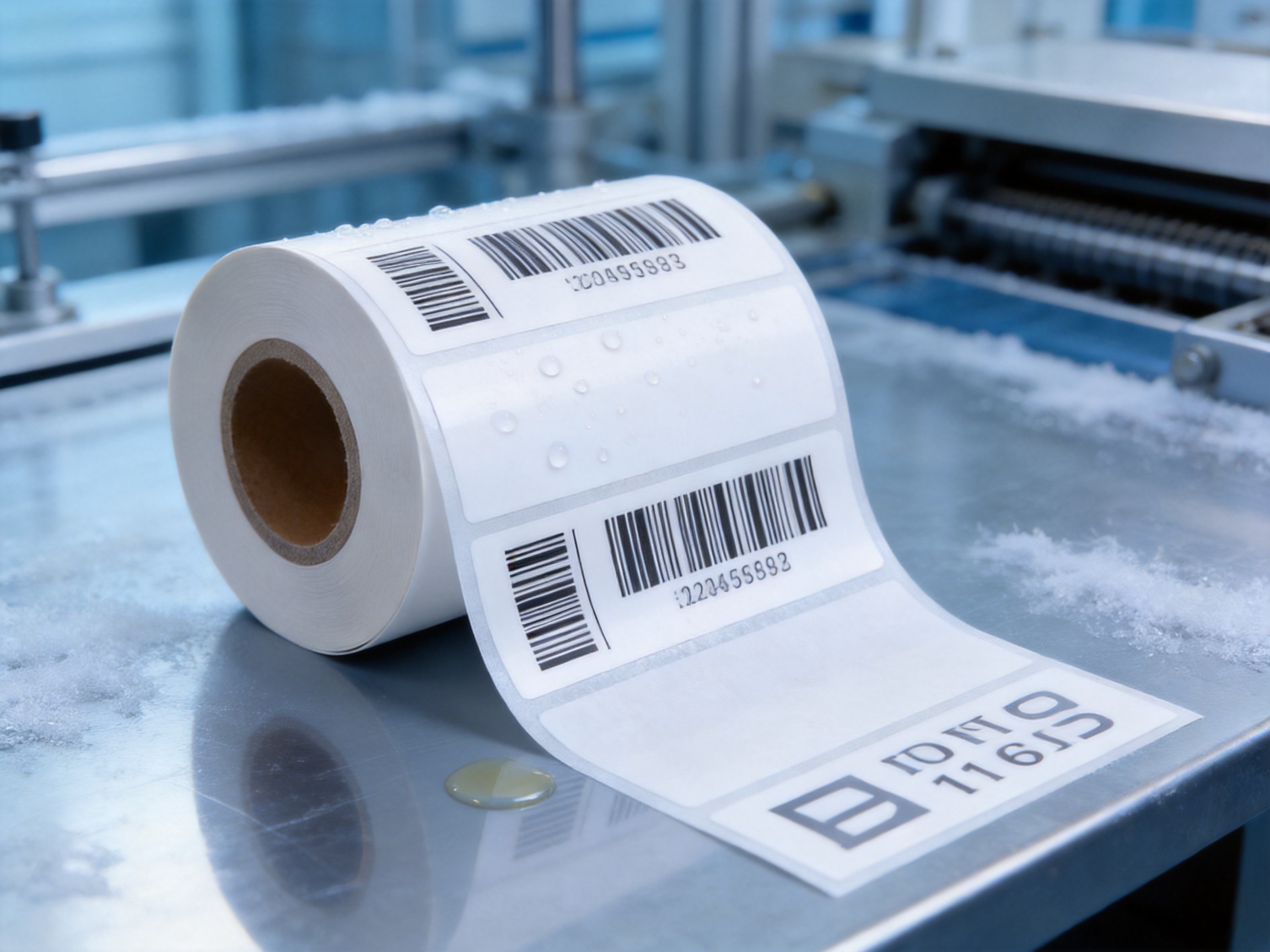
The product is designed to provide a good printing effect while retaining the advantages of a synthetic face material. Thermal printing can be useful for variable information such as batch numbers, production dates, serial numbers, barcodes, prices, logistics data, and short-run product information.
Thermal printing is attractive because it can reduce the need for ribbons or liquid ink in suitable direct thermal applications. It also supports rapid information changes, which is valuable for manufacturers and distributors managing multiple products or frequent production batches. The thermal surface is intended to produce clear images when used with compatible printers and appropriate operating settings.
Print quality depends on several factors, including printer type, printhead condition, print speed, darkness setting, image content, storage conditions, and the selected material thickness. Customers should evaluate barcode contrast, small text, graphic density, and image durability under real operating conditions. A material trial helps determine the best printer settings before large-scale production.
Although direct thermal printing is a major application, the material can also be considered for poster and other product printing requirements where its synthetic durability is beneficial. The exact printing process should be confirmed according to the customer’s equipment and intended image permanence. Different printing technologies may interact differently with the thermal coating, so technical validation remains important for specialized projects.
The white surface contributes to a clean and visible appearance. White thermal synthetic paper can provide a neutral background for text, codes, symbols, and product information. When used in packaging, the white face can also support a more uniform and professional presentation than a darker or uneven substrate.
Adhesive Selection for Different Applications
Adhesive selection is a central part of label performance. The same face material may be used successfully in several markets, but the adhesive must be selected according to the substrate, temperature, application speed, required permanence, and expected exposure conditions.
Solvent Adhesive
Solvent adhesive is available as a standard option for this product. Solvent-based systems are often selected when strong adhesion, broad substrate compatibility, and reliable performance are required. They may be suitable for demanding industrial or packaging applications, subject to testing and regulatory requirements.
Hotmelt Adhesive
Hotmelt adhesive can be considered when high initial tack and efficient bonding are important. It may be useful for certain packaging and labeling lines where rapid adhesion is required. The final suitability depends on the surface energy of the substrate, application temperature, storage conditions, and desired service life.
Water-Based Adhesive
Water-based adhesive is available for applications where this adhesive technology fits the customer’s processing and environmental objectives. It can be appropriate for selected paperboard, carton, and general packaging substrates. Performance should be evaluated under the actual humidity, temperature, and application conditions.
Removable Adhesive
Removable adhesive is designed for applications in which the label may need to be removed with limited residue or surface damage. Examples can include temporary identification, promotional labeling, reusable containers, and selected retail or office applications. Removability depends on dwell time, surface type, temperature, and the condition of the substrate.
Anti-Freeze and Cryogenic Adhesives
Anti-freeze and cryogenic adhesive options extend the product’s suitability for cold-chain, frozen food, laboratory, and specialized industrial applications. These adhesive types are intended to maintain bonding performance at lower temperatures than general-purpose adhesives. Because cold environments vary greatly, users should specify minimum temperature, application temperature, storage temperature, and exposure duration when requesting a quotation or technical recommendation.
Tyre-Grade Rubber Adhesive
Tyre-grade rubber adhesive is available for specialized applications involving rubber surfaces or demanding automotive conditions. Rubber substrates can be difficult to label because of their surface properties, flexibility, and potential contamination. A specialized adhesive option can help address these requirements, although actual bonding should always be confirmed with production samples.
White Glassine Release Liner Advantages
The standard 60-gram white glassine liner provides a smooth and stable backing for the adhesive. Glassine is commonly selected for self-adhesive label materials because it offers a consistent surface and can support high-speed converting operations.
A smooth liner can help improve die-cutting accuracy by providing a stable base beneath the face material. It can also support clean matrix stripping and predictable label release. These advantages are relevant to label converters working with roll-fed production, sheet conversion, automated dispensing, and high-volume packaging lines.
The liner also protects the adhesive during storage and transportation. A stable release surface helps prevent premature adhesion, contamination, and difficulties when labels are removed from the backing. When the material is converted into individual labels, the liner supports efficient feeding and application.
For customers with different stiffness, converting, or dispensing requirements, alternative liner grades are available. Heavier glassine or release papers may provide additional body. Art paper liners may be preferred for certain sheet-fed operations. CCK liners may be selected for particular converting or performance requirements. The availability of multiple liner families is an advantage because it allows the construction to be optimized for equipment and end use.
Available Sizes and Supply Formats
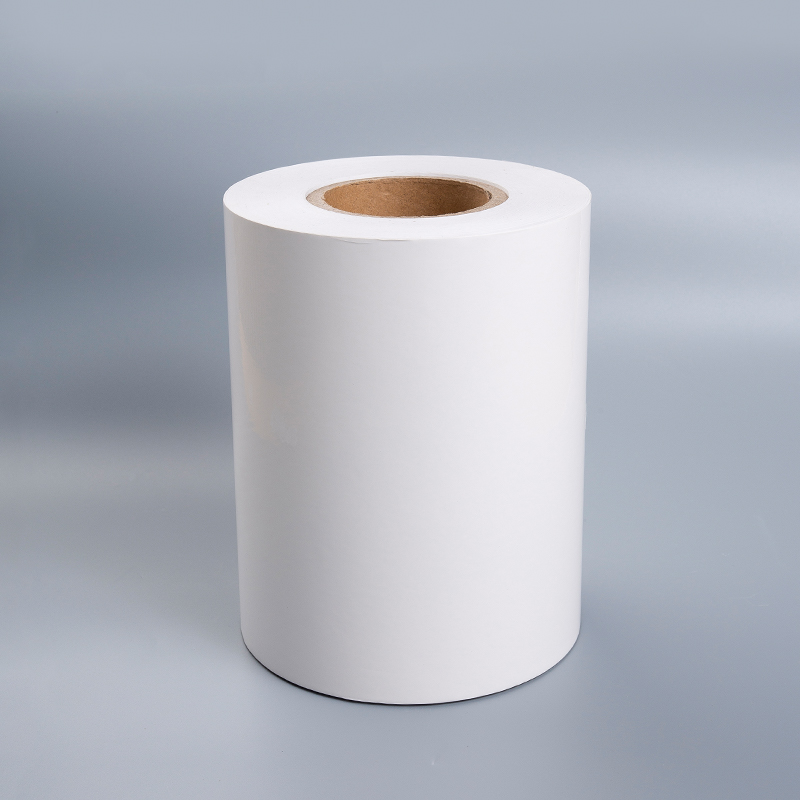
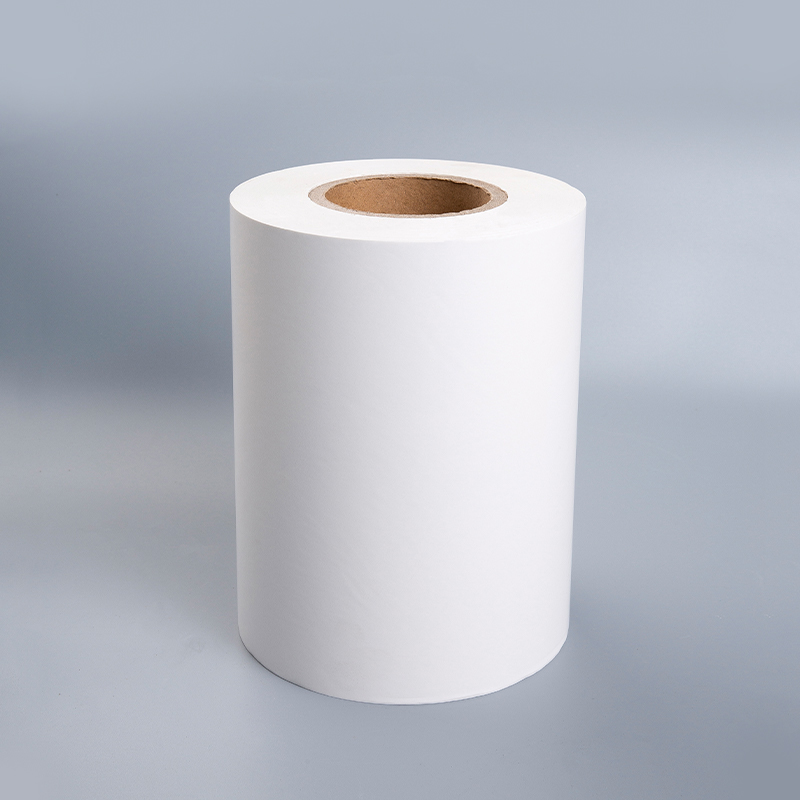
The product can be supplied in jumbo rolls or sheets. Jumbo roll widths include 1000 millimeters, 1020 millimeters, 1080 millimeters, and 1530 millimeters. These widths can support different slitting plans, label layouts, and production requirements.
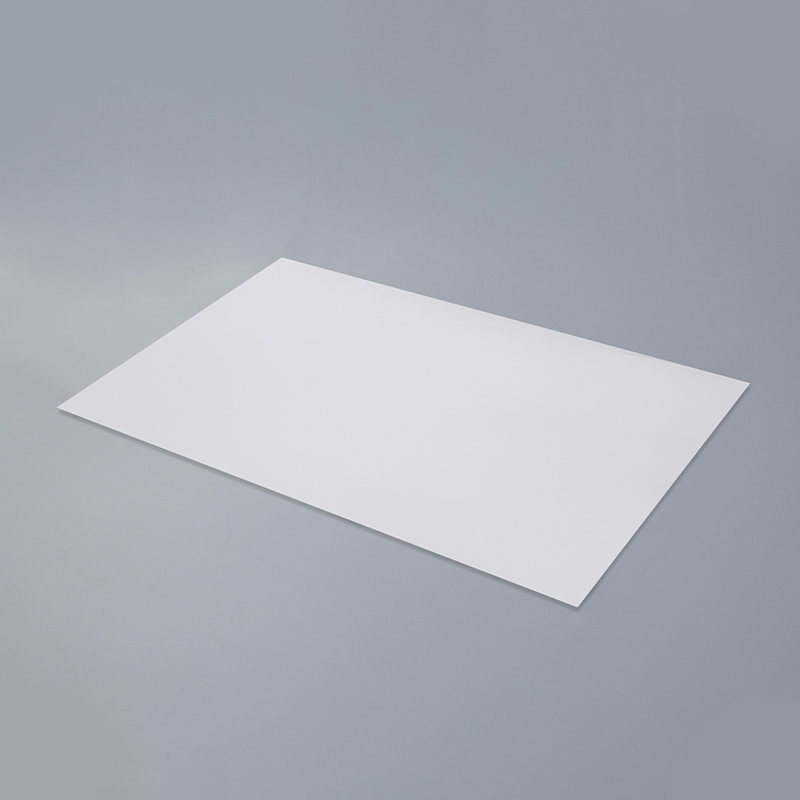
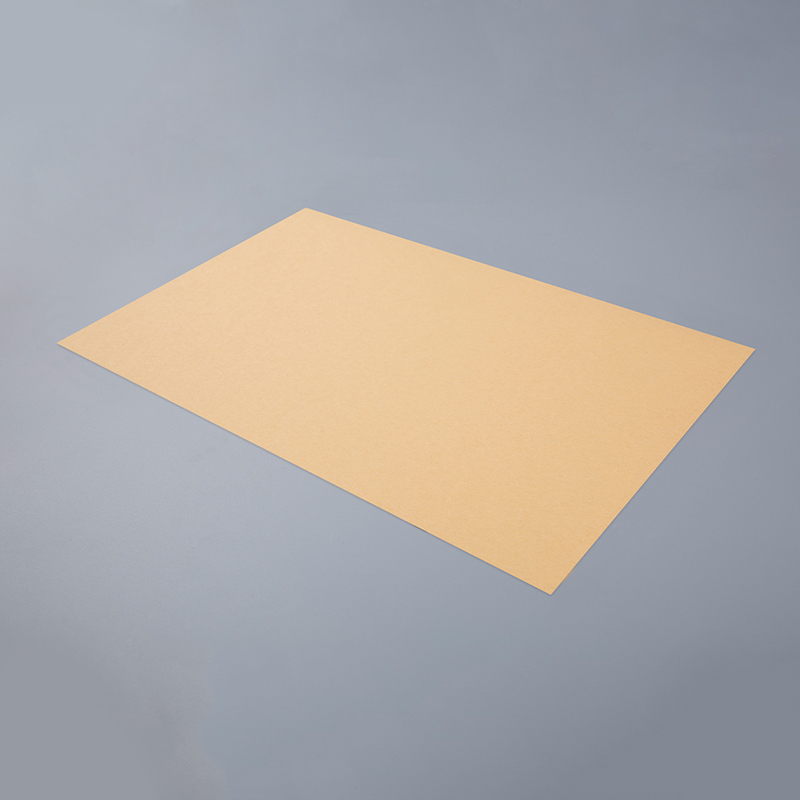
Sheet sizes include A4, A3, 20 by 30 centimeters, 21 by 30 centimeters, 24 by 36 inches, 50 by 70 centimeters, and 70 by 100 centimeters. Customized sheet dimensions are also available. This flexibility is useful for customers operating digital printing equipment, sheet-fed label production, poster printing, or packaging processes that require nonstandard dimensions.
| Format | Available Size | Potential Use |
|---|---|---|
| Jumbo roll | 1000 mm width | Custom slitting and label converting |
| Jumbo roll | 1020 mm width | Wide-format converting and optimized cutting plans |
| Jumbo roll | 1080 mm width | Industrial label and packaging production |
| Jumbo roll | 1530 mm width | Large-format converting and high-output production |
| Sheet | A4 and A3 | Office, digital, and small-format printing |
| Sheet | 20 × 30 cm, 21 × 30 cm, and 24 × 36 in | Commercial and product printing |
| Sheet | 50 × 70 cm and 70 × 100 cm | Poster, packaging, and larger sheet applications |
| Customized sheet | Customer-specified dimensions | Specialized equipment and application requirements |
Roll or sheet availability can help customers manage different production strategies. Roll materials are suitable for slitting, die-cutting, label conversion, and automated processing. Sheets may be more convenient for digital printing, short-run work, poster production, and customers without roll-fed converting equipment.
Applications Across Multiple Industries
Food Packaging
Food packaging often requires labels that can withstand moisture, condensation, handling, and changes in temperature. Thermal synthetic paper can support variable information such as product identification, production data, batch information, pricing, and logistics codes. When paired with an appropriate adhesive, it can be considered for refrigerated or frozen packaging.
Food-related applications must comply with the relevant local regulations and migration requirements. Customers should confirm whether the label will have direct or indirect food contact and request the necessary technical documentation before commercial use.
Cosmetic Packaging
Cosmetic packaging benefits from clear, durable, and attractive labeling. Containers may be exposed to oils, creams, water, fragrances, and repeated handling. The product’s oil resistance, water resistance, scratch resistance, and white appearance can support labels for bottles, jars, tubes, cartons, and promotional packaging.
The selected adhesive should match the packaging material. Glass, coated paperboard, plastic, flexible film, and textured substrates can require different bonding characteristics. For curved containers, flexibility and label dimensions should also be considered.
Automotive Soft Packaging and Components
Automotive environments can involve oils, abrasion, temperature changes, rubber surfaces, and demanding handling. The thermal synthetic face provides a durable platform for identification and packaging labels, while tyre-grade rubber adhesive is available for specialized rubber-related applications.
Automotive customers may use labels for parts identification, packaging, inventory control, warehouse management, and production tracking. Because automotive specifications can be strict, testing should include the actual substrate, environmental exposure, storage period, and handling process.
Posters and Product Printing
The material can be used in poster and other product printing applications where resistance to tearing, water, oil, or scratching is desirable. Synthetic paper can be advantageous for temporary outdoor displays, promotional graphics, signs, and product communication materials that may encounter handling or moisture.
For poster work, customers should select the sheet size and printing method according to the image requirements. Large sheets such as 50 by 70 centimeters and 70 by 100 centimeters can reduce joining or assembly work for larger graphics. Customized sheet dimensions can also help optimize material usage.
Logistics and Warehouse Identification
Warehousing and logistics operations depend on readable information. Labels may be exposed to friction, cold storage, humidity, cartons, pallets, and repeated scanning. Thermal synthetic paper can provide a durable alternative to ordinary thermal labels for applications requiring greater physical resistance.
Direct thermal printing can support rapid generation of barcodes, tracking numbers, routing information, and shipping data. The label construction should be matched to the scanner, printer, surface, and expected life of the logistics information.
Retail and Product Identification
Retail labels may need to remain visually clean during transport and shelf handling. The white thermal face can support clear variable information, while scratch and tear resistance help preserve the label’s appearance. Removable adhesive may be useful for selected temporary retail or promotional applications.
Manufacturing Capabilities and Process Strengths
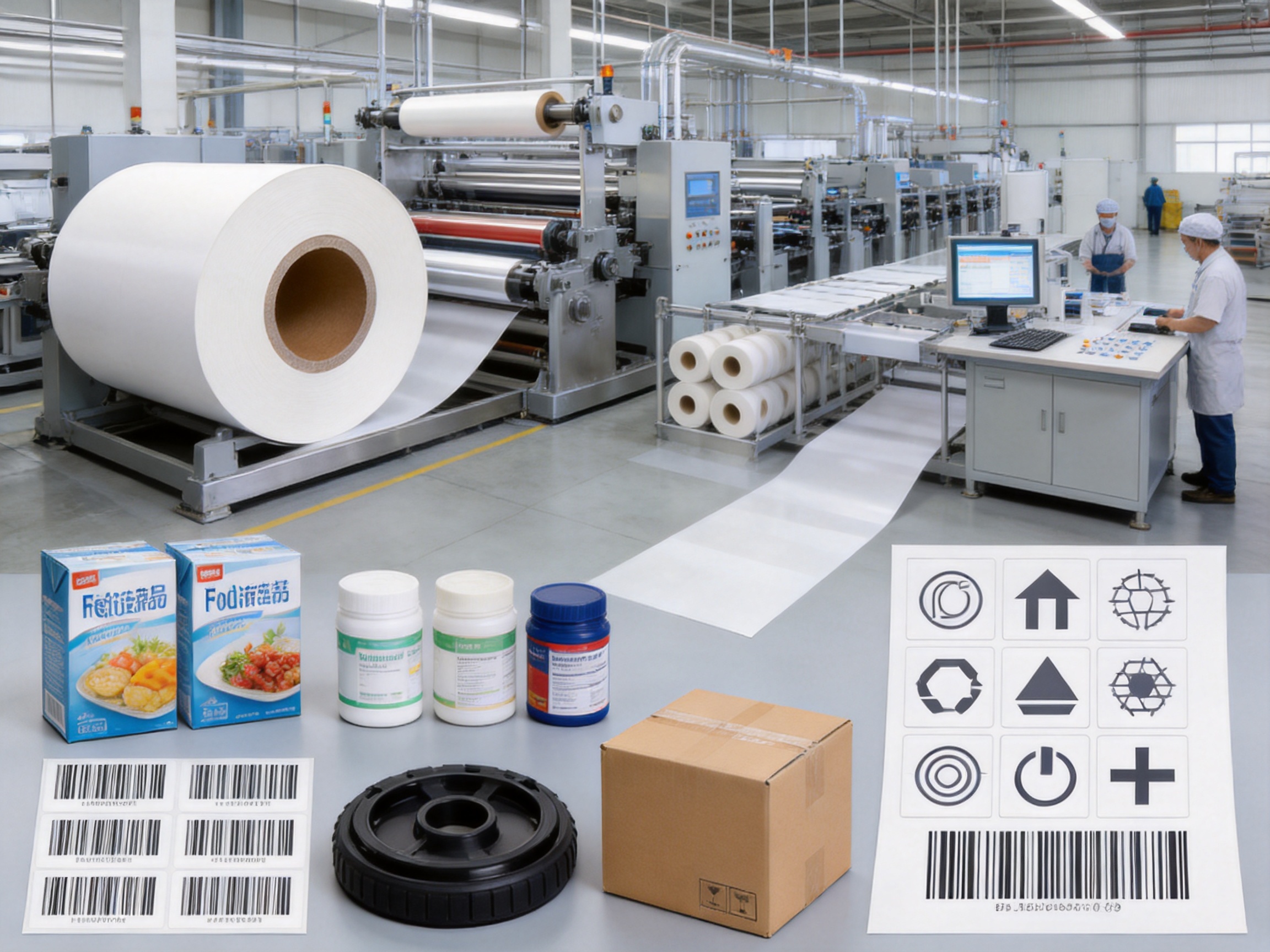
The manufacturer operates as an integrated producer rather than merely a trading company. Its production capabilities include gluing, laminating, and cutting. These processes are essential for producing consistent self-adhesive materials because the quality of the final product depends on accurate coating, uniform bonding, controlled lamination, and precise converting.
Adhesive Coating
Adhesive coating must be controlled across the width and length of the material. Uneven coating can lead to inconsistent tack, adhesive ooze, poor release, or application failure. An experienced manufacturer can select and apply different adhesive systems according to the customer’s requirements, including solvent, hotmelt, water-based, removable, anti-freeze, cryogenic, and tyre-grade rubber adhesive options.
Coating control is especially important for thin materials and high-speed converting. The adhesive must provide the required bond without compromising release performance or creating excessive buildup around die-cut edges. Production conditions, curing or drying requirements, and material compatibility all influence the final result.
Lamination
Lamination combines the face material, adhesive layer, and liner into a stable composite structure. Accurate lamination helps prevent wrinkles, bubbles, delamination, and uneven tension. It also supports a uniform roll profile, which is important for slitting, printing, and automated application.
For thermal synthetic paper, lamination quality contributes to the overall durability of the label. The face material, adhesive, and liner must function together rather than as isolated components. A well-controlled composite can provide more predictable behavior during storage, converting, printing, and end use.
Slitting and Cutting
Slitting converts jumbo rolls into narrower rolls suitable for customer equipment. Cutting produces sheet formats such as A4, A3, 20 by 30 centimeters, 21 by 30 centimeters, 24 by 36 inches, 50 by 70 centimeters, and 70 by 100 centimeters. Customized dimensions can be produced for specialized applications.
Accurate slitting and cutting help reduce edge damage, dimensional variation, telescoping, and feeding problems. They also allow customers to optimize material yield and match the product to their printers, die-cutters, applicators, and packaging lines.
Quality Inspection and Testing
The company states that it operates its own testing laboratory and uses advanced inspection equipment to support product quality. Internal testing can help evaluate material thickness, adhesive behavior, release performance, printing effect, and physical properties.
Testing is particularly valuable for customized constructions. A customer may require a specific face thickness, adhesive, liner, roll width, or sheet size. Laboratory evaluation and production inspection help confirm that the construction remains consistent with the intended specification.
Company Experience and Customization Strengths
Suzhou Piaozhihua Composite Material Technology Co., Ltd. has more than 20 years of experience in self-adhesive product manufacturing and OEM production. The company reports an annual production capacity of more than 280 million square meters and identifies itself as one of the leading self-adhesive product companies in China.
Its manufacturing model integrates research and development, production, sales, and after-sales service. This structure can simplify communication for customers that need technical recommendations, customized materials, production scheduling, documentation, and ongoing support from one supplier.
The company provides OEM and ODM services and can produce materials based on customer drawings or samples. This is useful when a buyer has an existing label construction that needs to be reproduced, improved, or adapted for a new application. Customization may involve changing the face thickness, adhesive type, liner, width, sheet size, packaging format, or performance profile.
Research and development is supported by a professional technical team and multiple patents according to the company information provided. Continued product development is important in the self-adhesive sector because customers increasingly require combinations of durability, printability, cold resistance, environmental considerations, and converting efficiency.
The company also emphasizes environmental protection and sustainable development. Its approach includes the development of eco-friendly solutions involving face materials, adhesives, and backing papers. Sustainability requirements vary by market and application, so customers should request specific information about material composition, production practices, recyclability, and applicable certifications for each project.
Packaging, Delivery, and Storage
The product is available in roll or sheet formats from stock according to the stated supply information. Packaging is designed for sea transportation and includes poly-wood pallet packing and carton packing options. Proper packaging is important because self-adhesive materials can be affected by moisture, compression, impact, and temperature changes during shipment.
Sheets are packed at 100 sheets per ream. Each ream is wrapped with strong PE-coated kraft paper. This packaging helps protect the sheets from moisture and handling damage. Pallets are wrapped with stretch film and secured with plastic fastening belts to improve stability during transportation.
Customers should store the material in a clean, dry environment away from direct sunlight, excessive heat, and high humidity. Rolls and cartons should be kept on stable surfaces and protected from impact. Before printing or converting, the material should be allowed to acclimatize to the operating environment when there is a significant difference between storage and production conditions.
Storage procedures can influence printing and adhesive performance. Maintaining stable temperature and humidity helps reduce dimensional changes, curl, blocking, and variations in release behavior. The exact storage conditions should be confirmed with the supplier for the selected construction and intended shelf life.
How the Product Compares with Competing Materials
The principal competitive advantage of thermal synthetic paper is its balanced performance. Some materials may offer excellent printability but limited resistance to water or tearing. Others may provide synthetic durability but require additional printing processes for variable information. This product is designed to combine direct thermal functionality with a more durable synthetic structure.
| Comparison Factor | Ordinary Thermal Paper | Ordinary Synthetic Paper | Thermal Synthetic Paper |
|---|---|---|---|
| Direct thermal printing | Generally suitable | Depends on surface treatment | Designed for thermal printing |
| Tear resistance | Usually limited compared with synthetic materials | Generally strong | Good tear resistance |
| Water resistance | May be limited | Generally improved | Designed for waterproof performance |
| Oil resistance | May be limited | Depends on grade and coating | Designed for oil-resistant applications |
| Scratch resistance | May be limited | Generally improved | Designed for scratch-resistant applications |
| Low-temperature suitability | Depends on grade and adhesive | Depends on grade and adhesive | Supported by thermal synthetic face and cold-temperature adhesive options |
| Customization | Often limited to standard grades | Varies by supplier | Multiple face, adhesive, liner, roll, and sheet options |
This comparison should be understood as a general material guide rather than a substitute for application testing. Competing products vary widely, and performance depends on the exact construction. The strongest advantage of this product is the supplier’s ability to combine several options into a customized self-adhesive solution.
Important Factors Before Ordering
Customers should provide detailed application information before ordering. Useful information includes the target substrate, application temperature, minimum service temperature, maximum service temperature, expected exposure to water or oil, required permanence, printing technology, printer model, label dimensions, roll direction, core size, outer diameter, and estimated annual volume.
The substrate is especially important. Glass, plastic, coated paper, cardboard, metal, rubber, painted surfaces, and textured materials can have significantly different adhesion characteristics. A label that performs well on cardboard may not bond equally well to low-energy plastic or rubber.
Customers should also identify whether the label is permanent, removable, repositionable, or intended for short-term use. The company offers different adhesive types, but the correct selection depends on the complete use profile.
For cold-chain applications, specify whether the label will be applied at room temperature and then cooled, or applied directly in a refrigerated or frozen environment. These conditions can require different adhesive characteristics. For cryogenic use, provide the lowest temperature and exposure duration to support proper material selection.
Printing trials should be completed before large-scale production. The trial should evaluate image density, barcode readability, print speed, thermal darkness, smudge resistance, scratch resistance, and storage stability. If the label will be scanned, test it with the actual scanning equipment and lighting conditions.
Recommended Quality-Control Checks
A structured quality-control program can help confirm that the supplied material meets the customer’s requirements. Visual inspection should check for wrinkles, bubbles, coating defects, contamination, edge damage, telescoping, and uneven winding. Sheet products should be checked for flatness, dimensional accuracy, clean edges, and consistent stacking.
Physical tests may include thickness measurement, tensile or tear evaluation, adhesion testing, release testing, water exposure, oil exposure, scratch testing, and low-temperature evaluation. Printing tests should include fine text, barcodes, variable data, and representative graphics.
Adhesion testing should use the actual application substrate wherever possible. The test should measure initial tack, peel adhesion, holding power, and behavior after exposure to the intended temperature or environmental conditions. Removable constructions should also be tested for residue and surface damage after the expected dwell time.
These checks are not only relevant to buyers. They also help the manufacturer refine customized constructions and maintain consistency between production batches. Clear technical specifications and agreed acceptance criteria make commercial cooperation more efficient.
Sustainability and Responsible Material Selection
Sustainability in self-adhesive products involves more than choosing a single face material. The face, adhesive, liner, packaging, production process, transportation method, and end-of-life pathway all contribute to the overall environmental profile.
The company states that it is developing eco-friendly solutions involving face materials, adhesives, and backing papers. Customers seeking lower-impact solutions should discuss the required performance together with environmental objectives. A sustainable material must still provide adequate printability, adhesion, durability, and converting performance for the intended application.
Material efficiency is another practical sustainability consideration. Selecting the correct roll width or sheet size can reduce trim waste. Optimizing label layout can improve yield. Choosing the appropriate thickness can reduce unnecessary material use while preserving the required performance. Converting accuracy also helps limit waste caused by misalignment or defective labels.
Customers should request product-specific environmental information when required, including available declarations, composition details, recycled content, certification status, and disposal guidance. Requirements differ among countries, industries, and packaging systems.
Conclusion
Thermal synthetic paper with white glassine paper provides a versatile self-adhesive construction for applications that demand more than basic thermal printing. Its 80-micron thermal synthetic face material, 60-gram white glassine liner, and broad adhesive selection create a flexible platform for food packaging, cosmetics, automotive applications, posters, logistics, product identification, and other demanding uses.
The material’s stated advantages include low-temperature resistance, good printing effect, tear resistance, waterproof performance, oil resistance, and scratch resistance. These properties give it a broader application range than ordinary thermal paper and many conventional paper-based label materials. At the same time, the supplier’s options for 95- and 100-micron face materials, multiple adhesive technologies, different liner grades, jumbo roll widths, standard sheet sizes, and customized dimensions make it suitable for diverse production requirements.
The manufacturing strengths of Suzhou Piaozhihua Composite Material Technology Co., Ltd. include integrated gluing, laminating, slitting, cutting, laboratory testing, OEM production, ODM development, and technical support. More than two decades of industry experience, large annual production capacity, and a broad distribution network provide a foundation for stable supply and customized cooperation.
For the best result, buyers should define the complete application profile and carry out representative testing before commercial production. When the face material, adhesive, liner, printing method, and packaging format are correctly matched, thermal synthetic paper can provide a durable, efficient, and adaptable labeling solution.
Questions and Answers
What is thermal synthetic paper?
Thermal synthetic paper is a synthetic-based printable material with a thermal image-forming surface. It is designed to provide the convenience of thermal printing together with improved resistance to tearing, water, oil, scratching, and challenging handling conditions compared with ordinary thermal paper.
What is the standard thickness of the face material?
The standard face material thickness is 80 microns. Options of 95 microns and 100 microns are also available for applications requiring a different balance of stiffness, durability, and converting performance.
What liner is supplied with the standard construction?
The standard liner is 60-gram white glassine paper. Other glassine, release paper, art paper, and CCK liner grades are available according to the customer’s requirements.
Can the product be used in refrigerated or frozen applications?
It can be considered for low-temperature applications because the thermal synthetic face has low-temperature resistance and anti-freeze or cryogenic adhesive options are available. The customer should provide the actual application and storage temperatures so that the correct adhesive construction can be selected and tested.
Is the product waterproof?
The product is described as waterproof and is designed to resist moisture more effectively than ordinary paper-based thermal materials. Actual performance depends on exposure duration, temperature, adhesive selection, substrate, and printing conditions. Application testing is recommended for prolonged or severe water exposure.
Can it resist oil and grease?
The material is described as oil proof and can be used in selected food, cosmetic, automotive, and industrial applications where oil resistance is important. Testing with the actual oil or contaminant is recommended because different substances can produce different effects.
Which adhesive options are available?
Available adhesive options include solvent adhesive, hotmelt adhesive, water-based adhesive, removable adhesive, anti-freeze adhesive, cryogenic adhesive, and tyre-grade rubber adhesive.
Can the product be supplied in sheets?
Yes. Available sheet formats include A4, A3, 20 by 30 centimeters, 21 by 30 centimeters, 24 by 36 inches, 50 by 70 centimeters, and 70 by 100 centimeters. Customized sheet sizes can also be discussed.
Which jumbo roll widths are available?
Jumbo roll widths include 1000 millimeters, 1020 millimeters, 1080 millimeters, and 1530 millimeters. Other specifications may be considered according to production capability and order requirements.
Is the product suitable for barcode printing?
It can be used for thermal printing applications such as barcodes, batch numbers, tracking information, and variable product data. Customers should conduct a trial using the actual printer, scanner, barcode format, and expected environmental conditions.
What industries can use this material?
Potential industries include food packaging, cosmetics, automotive packaging and components, logistics, warehousing, retail, product identification, poster printing, and general packaging. The final suitability depends on the specific substrate, environmental exposure, adhesive requirement, and regulatory conditions.
Does the company provide OEM and ODM services?
Yes. The company states that it provides OEM and ODM services and can produce products according to customer drawings or samples. Customization can include the face material, adhesive, liner, width, sheet size, packaging, and other technical specifications.
How is the product packaged for delivery?
Rolls and sheets can be packed using sea-transit-worthy poly-wood pallets and cartons. Sheets are packed at 100 sheets per ream with a PE-coated kraft paper wrapper. Pallets are wrapped with stretch film and secured with plastic fastening belts.
What should customers provide when requesting a quotation?
Customers should provide the required material thickness, adhesive type, liner, roll or sheet format, dimensions, quantity, printing method, application substrate, temperature range, moisture or oil exposure, and packaging requirements. Additional information about core size, roll diameter, delivery destination, and intended use can also improve quotation accuracy.
References
1. Product specification information supplied for thermal synthetic paper with white glassine paper.
2. Self-Adhesive Label Material Manufacturing and Converting Practices, industry reference edition.
3. Direct Thermal Printing: Material Selection, Image Quality, and Application Considerations, technical reference edition.
4. Glassine and Release Liner Performance in Pressure-Sensitive Label Construction, packaging materials reference edition.
5. Pressure-Sensitive Adhesives: Substrate Compatibility, Temperature Resistance, and Application Testing, adhesive technology reference edition.
6. Packaging Material Quality Control and Transportation Protection, logistics packaging reference edition.
7. Company information and manufacturing capability statement supplied for Suzhou Piaozhihua Composite Material Technology Co., Ltd.