
 English
 Español
 русский
 Français
 عربى
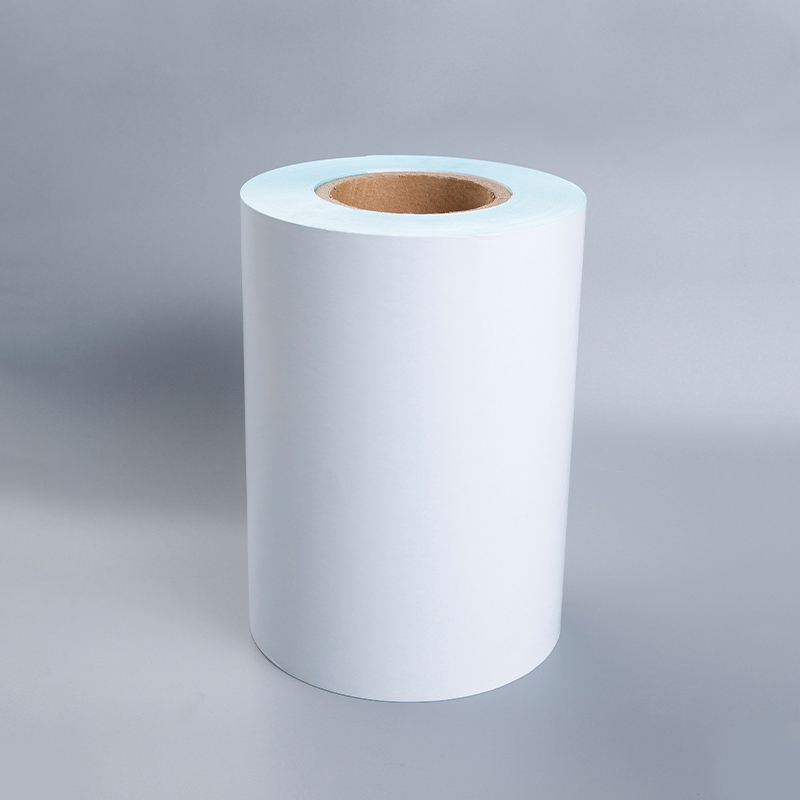
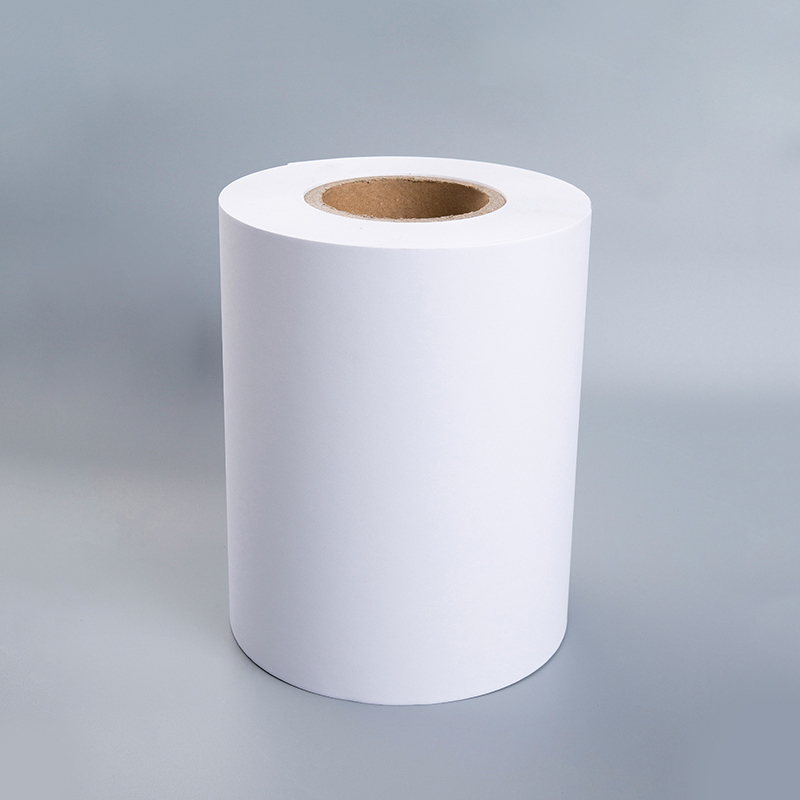
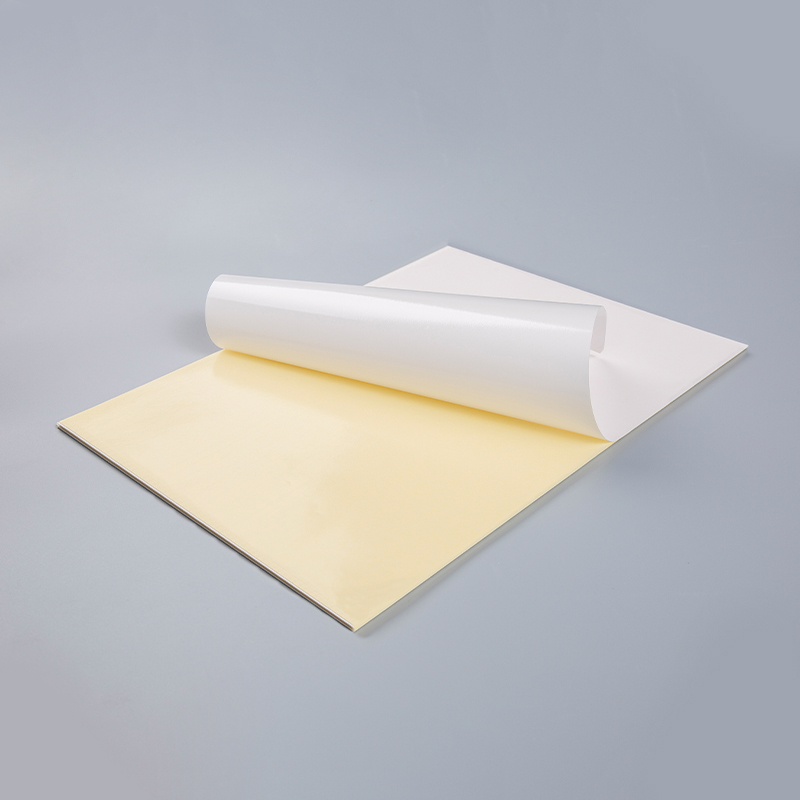
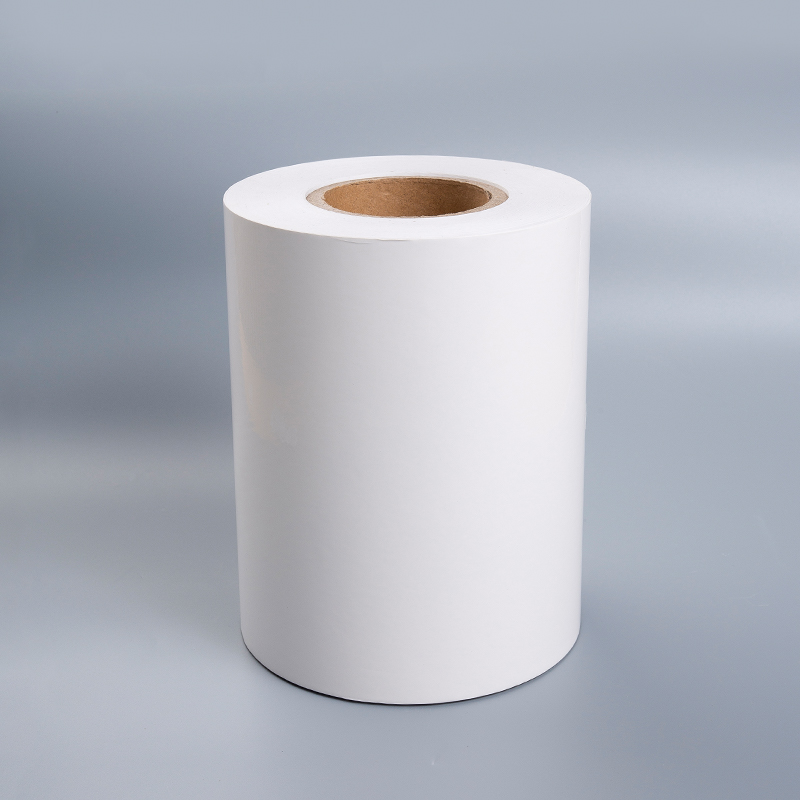
White PE Coated Kraft Paper is a versatile specialty paper designed for applications that require a strong, stable, and moisture-resistant paper base with a smooth polyethylene-coated surface. Combining the natural strength and handling advantages of kraft paper with the protective properties of polyethylene, this material is suitable for release, packaging, converting, die-cutting, medical, adhesive, and general industrial applications.
As demand increases for dependable release papers and coated substrate materials, buyers are looking for products that provide consistent surface performance, clean processing, reliable dimensional stability, and flexible converting options. White PE Coated Kraft Paper addresses these requirements through a carefully engineered structure, multiple available grammages, broad roll and sheet sizes, and manufacturing capabilities that support both standard and customized orders.
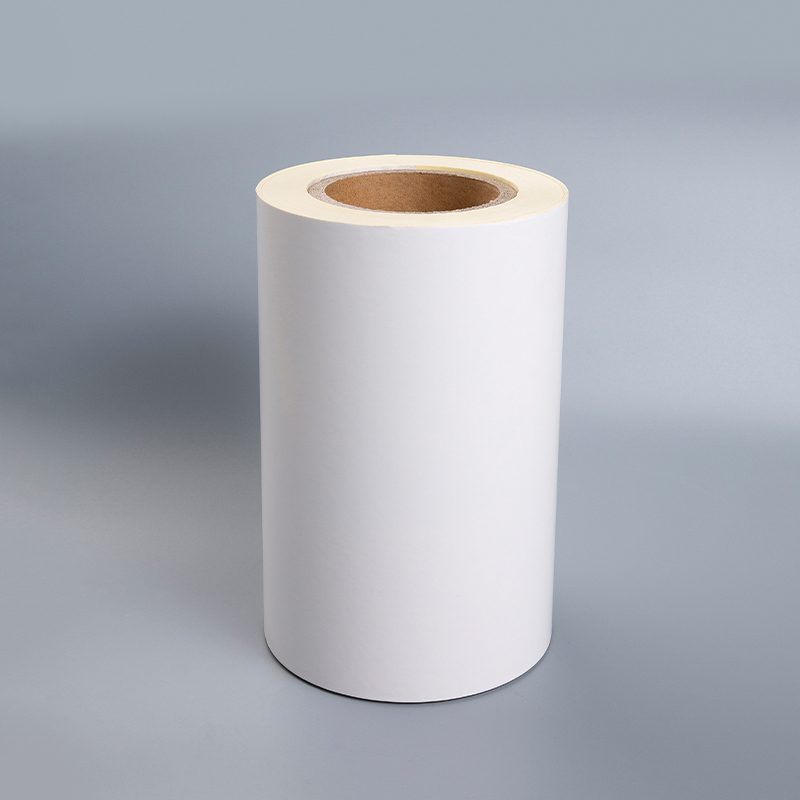
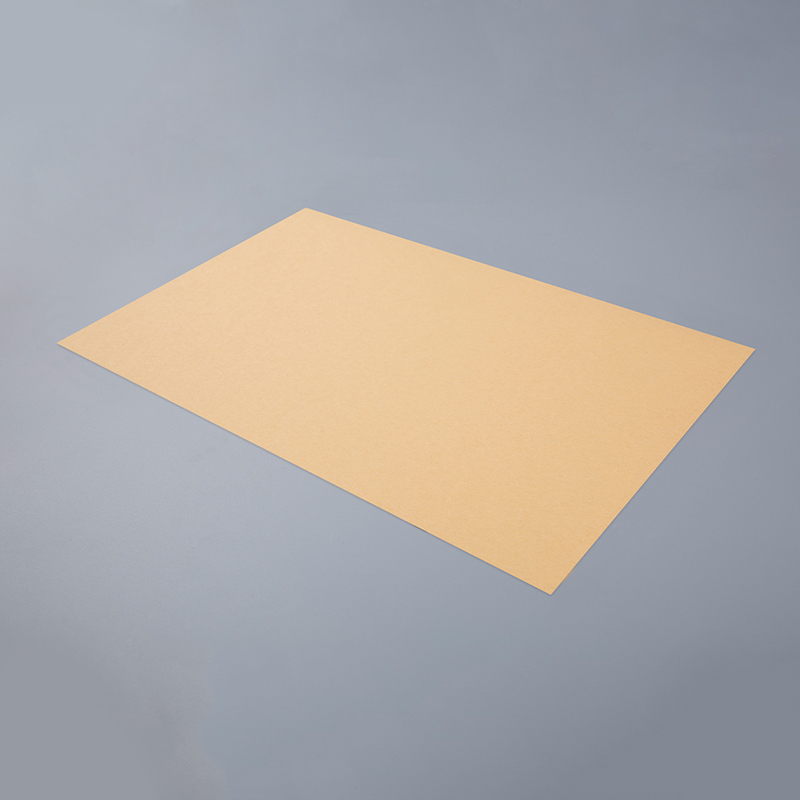
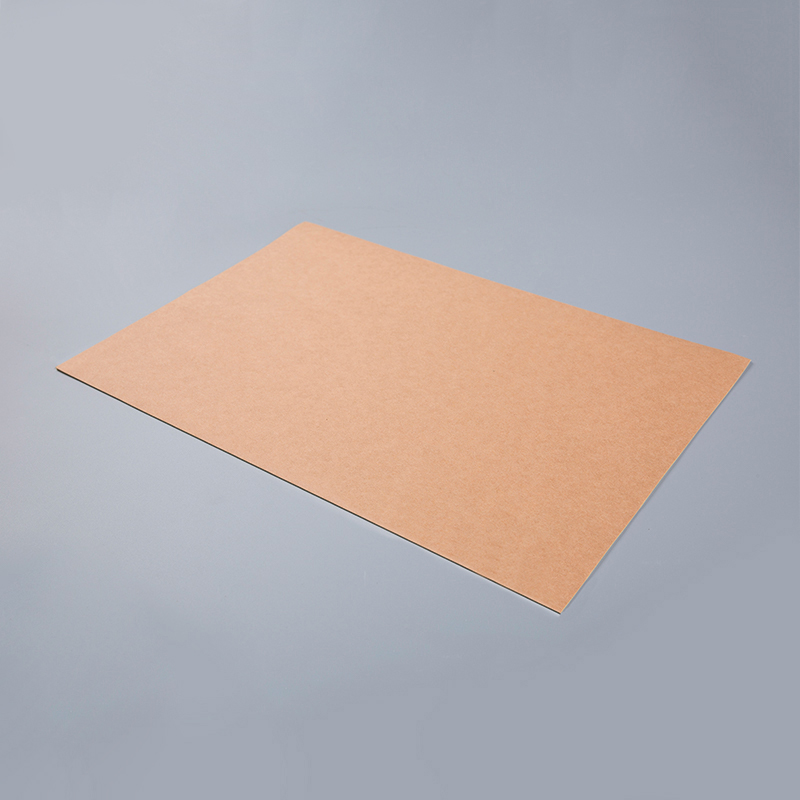
The product is available in a range of weights from 50 to 240 grams per square meter. It can be supplied in white or yellow, in jumbo rolls or cut sheets, and in standard formats such as A4, A3, 20 x 30 inches, 21 x 30 inches, 24 x 36 inches, 50 x 70 centimeters, and 70 x 100 centimeters. Customized dimensions can also be discussed according to application requirements.
Manufactured by Suzhou Piaozhihua Composite Material Technology Co., Ltd., the product benefits from more than two decades of experience in self-adhesive materials, coating, laminating, slitting, and converting. The company operates integrated production lines and maintains substantial annual production capacity, allowing it to serve both regular industrial programs and specialized OEM or ODM requirements.
Content
- 1 Understanding White PE Coated Kraft Paper
- 2 Key Construction and Performance Characteristics
- 3 Product Specifications
- 4 Applications Across Multiple Industries
- 5 Advantages Compared with Conventional Uncoated Kraft Paper
- 6 Advantages Compared with Some Film-Based Alternatives
- 7 Manufacturing Capabilities and Process Strengths
- 8 Customization Options for Different Purchasing Needs
- 9 Packaging and Delivery
- 10 Why Manufacturing Consistency Matters
- 11 Environmental and Sustainable Development Considerations
- 12 Technical Selection Guide
- 13 Quality and Supply Benefits for International Buyers
- 14 Comparison of Common Material Options
- 15 Best Practices for Handling and Storage
- 16 Application Development and Customer Support
- 17 Role of White PE Coated Kraft Paper in Modern Label and Packaging Systems
- 18 Frequently Asked Questions
- 18.1 What is White PE Coated Kraft Paper?
- 18.2 Is the product available only in white?
- 18.3 What grammages are available?
- 18.4 Can the material be supplied in jumbo rolls?
- 18.5 Are sheet formats available?
- 18.6 Can the product be used with pressure-sensitive adhesives?
- 18.7 Is White PE Coated Kraft Paper waterproof?
- 18.8 Can the material be used in medical applications?
- 18.9 Can it be used for food-related applications?
- 18.10 How is the product packaged?
- 18.11 Does the manufacturer offer customization?
- 18.12 What information should be provided for a quotation?
- 18.13 How should the material be stored?
- 18.14 Where is the manufacturer located?
- 19 Conclusion
- 20 References
- 21 Product: White PE Coated Kraft Paper
Understanding White PE Coated Kraft Paper
White PE Coated Kraft Paper is a composite material made by applying a polyethylene layer to kraft paper. The kraft paper provides the structural base, while the polyethylene coating improves resistance to moisture, contamination, surface penetration, and unwanted adhesion in appropriate release applications.
Kraft paper is widely valued for its tensile strength, stiffness, and ease of handling. However, untreated paper can absorb moisture, oils, adhesives, and other substances. Its fibrous surface may also be unsuitable for applications where a smoother, more controlled interface is needed. A polyethylene coating helps address these limitations by creating a continuous protective layer over the paper surface.
The white appearance gives the material a clean and professional visual presentation. It is especially useful where product identification, packaging appearance, printing contrast, or a bright working surface is important. The available yellow version may be selected for internal identification, visual differentiation, or specific customer preferences.
Depending on the end use, White PE Coated Kraft Paper can function as a protective interleaf, a release support material, a packaging component, a processing liner, or a backing material. Its performance depends on the selected grammage, coating specification, adhesive system, processing conditions, and final application design.
Key Construction and Performance Characteristics
Kraft Paper Strength
The kraft paper base provides a practical combination of strength, stiffness, and workability. This makes the material suitable for roll handling, sheet feeding, stacking, cutting, and transportation. Compared with many lightweight synthetic films, a kraft paper base can offer a more familiar handling feel and improved rigidity during manual or automated operations.
The available grammage range enables users to balance strength and cost according to the intended application. Lightweight grades can be considered where flexibility and material savings are priorities. Heavier grades are suitable when additional stiffness, tear resistance, stacking stability, or protection is required.
Polyethylene Surface Protection
The polyethylene layer helps reduce the penetration of moisture and other substances into the paper base. This can improve surface cleanliness and support more stable performance in environments where ordinary paper would be vulnerable to humidity or contact with liquids.
The coating can also provide a smoother and more uniform interface than uncoated kraft paper. This is useful in converting, laminating, die-cutting, and adhesive-related applications where surface consistency contributes to dependable processing.
Clean White Appearance
The white surface supports a clean and professional presentation. It can be used where a bright backing or protective layer is preferred, and it may help improve visual contrast when the material is used alongside printed labels, packaging components, or adhesive products.
For applications that require a different visual distinction, yellow PE Coated Kraft Paper is also available. Offering both colors allows buyers to organize product lines, distinguish specifications, or match customer packaging requirements without changing the overall material concept.
Roll and Sheet Availability
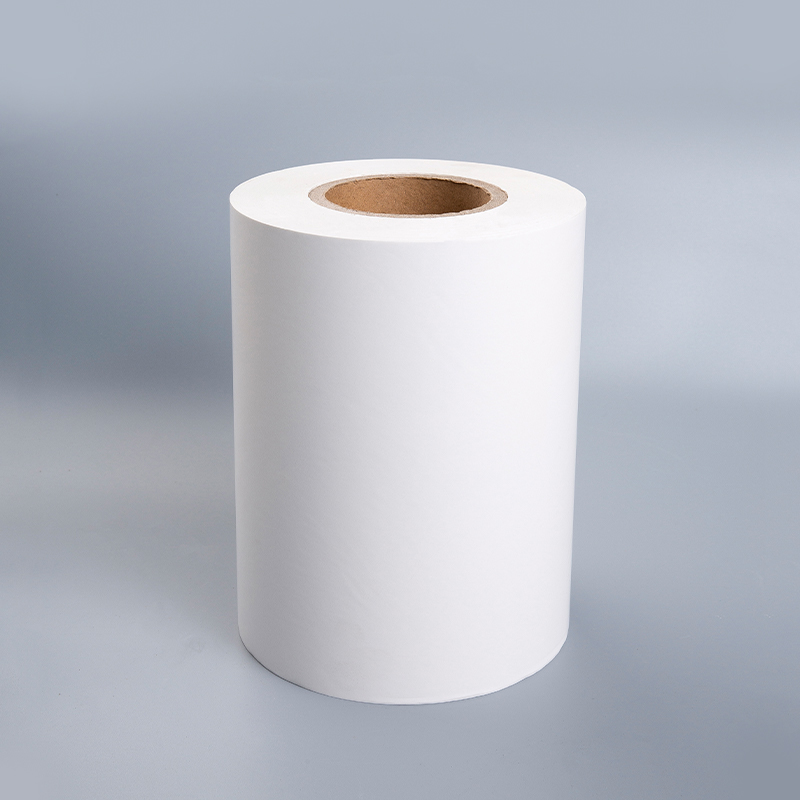
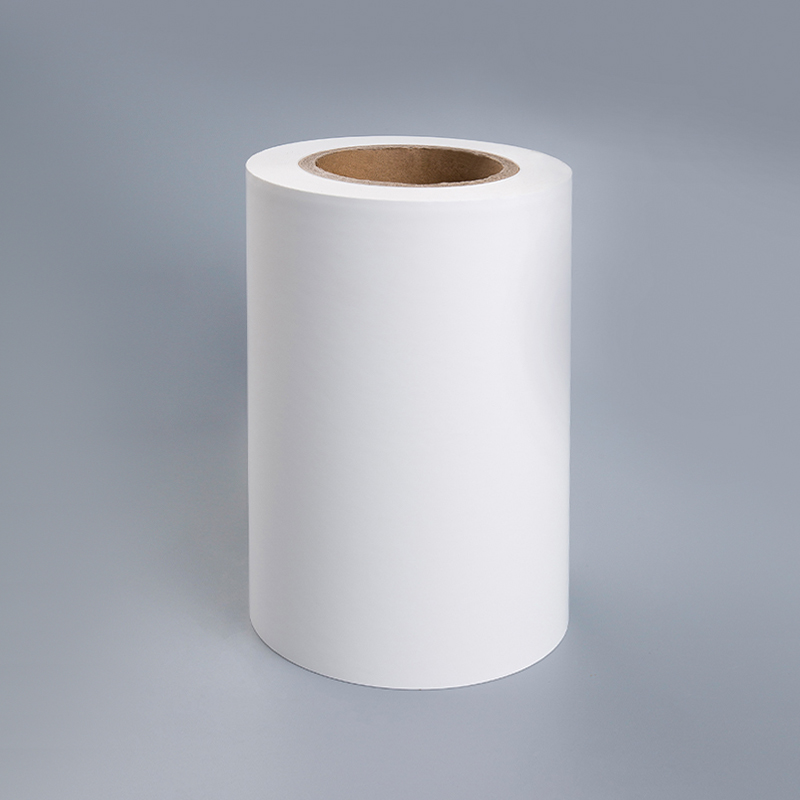
The material can be supplied in jumbo rolls with widths of 1000, 1020, 1080, and 1530 millimeters. Roll supply is suitable for customers operating slitting, laminating, coating, printing, or other continuous converting processes.
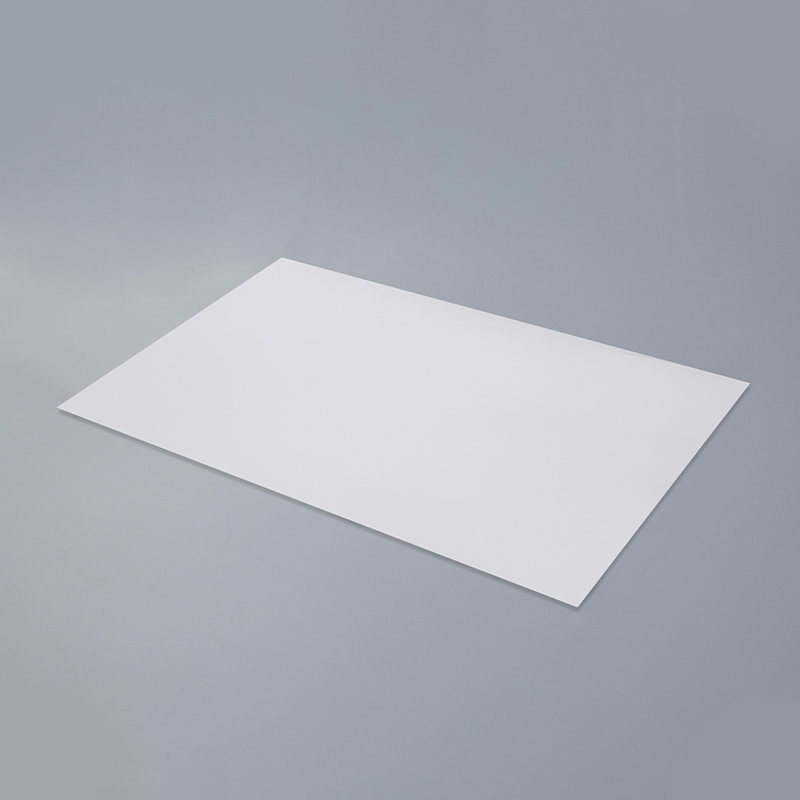
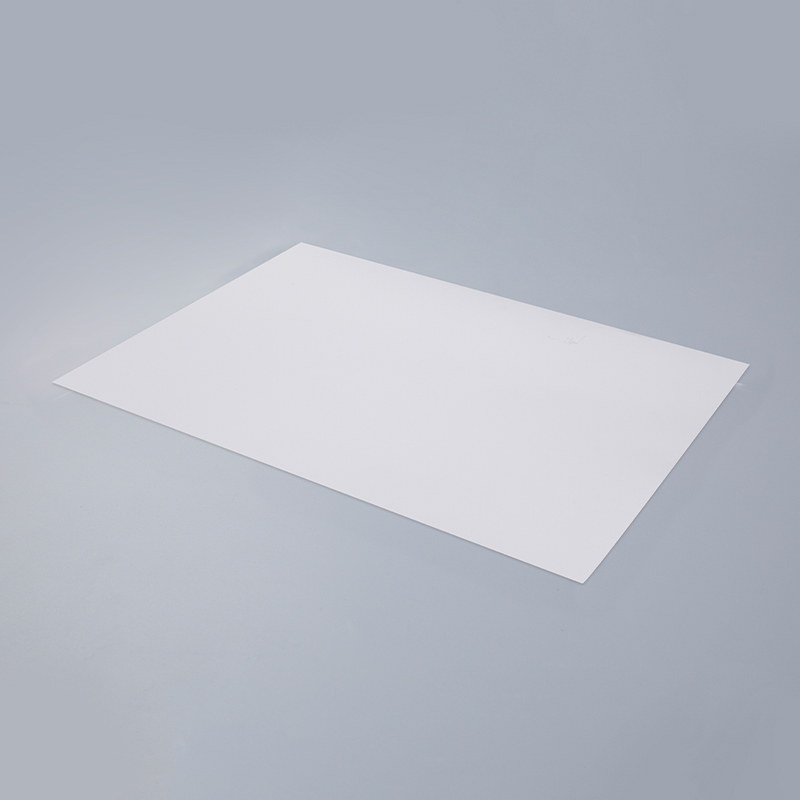
Sheet supply is available in multiple common formats. Standard sizes include A4, A3, 20 x 30, 21 x 30, 24 x 36, 50 x 70 centimeters, and 70 x 100 centimeters. Customized sheet dimensions can be discussed for customers with specialized equipment or product designs.
Product Specifications
Specification |
Available Options |
Material |
PE Coated Kraft Paper |
Available Grammage |
50, 60, 65, 70, 80, 85, 90, 100, 120, 135, 155, and 240 g/m² |
Color |
White or yellow |
Jumbo Roll Width |
1000, 1020, 1080, and 1530 mm |
Sheet Sizes |
A4, A3, 20 x 30, 21 x 30, 24 x 36, 50 x 70 cm, and 70 x 100 cm |
Customized Sizes |
Available according to application and production requirements |
Packaging Options |
Poly-wood pallet packing, carton packing, roll packing, and sheet packing |
Applications Across Multiple Industries
Adhesive Industry
One of the main application areas for White PE Coated Kraft Paper is the adhesive industry. In adhesive production and conversion, release materials are used to protect adhesive surfaces until the product is ready for application. A suitable liner or release support helps prevent premature bonding, contamination, and damage during storage and transportation.
White PE Coated Kraft Paper can be used as a component in adhesive constructions where a paper-based backing with a coated surface is required. The appropriate product selection should consider the adhesive chemistry, coating weight, release performance, storage conditions, converting speed, and desired final peel characteristics.
For pressure-sensitive products, the release material must remain stable during coating, drying, rewinding, slitting, die-cutting, and application. The coated kraft structure offers a practical foundation for these processes, particularly when customers require a material that combines paper stiffness with a protected surface.
Die-Cutting Operations
Die-cutting requires consistent material thickness, predictable feeding, and sufficient dimensional stability. White PE Coated Kraft Paper can serve as a backing or release layer in die-cutting processes involving labels, adhesive shapes, gaskets, protective components, and other converted products.
A stable backing can help support clean cutting and efficient waste removal. The exact result depends on the die design, cutting pressure, blade condition, material combination, production speed, and humidity. Nevertheless, the availability of multiple grammages allows converters to select a construction that matches the rigidity and processing requirements of their products.
For customers purchasing jumbo rolls, the material can be integrated into continuous converting operations. For customers working with manual or semi-automatic processes, pre-cut sheets may provide more convenient handling and storage.
Medical Industry
Medical packaging and processing applications often require clean, stable, and carefully converted materials. White PE Coated Kraft Paper may be considered for selected medical industry applications where a coated paper support or release component is appropriate.
Medical use requires careful evaluation of the complete product design. Factors such as sterilization method, barrier requirements, adhesive compatibility, cleanliness, packaging validation, and regulatory specifications must be reviewed before use. The material should be selected based on the customer’s technical requirements and the performance needed in the finished medical product.
Food-Related Applications
Release and protective papers are widely used in food-related processing and packaging. White PE Coated Kraft Paper can be considered for applications where a paper-based material with improved resistance to moisture and surface contact is required.
Food-related applications must be evaluated according to the intended contact conditions, temperature, duration, food type, applicable regulations, and compliance requirements. Buyers should confirm the suitability of the selected grade for direct or indirect food contact before commercial use.
Cosmetics and Personal Care
The cosmetics industry uses release materials and protective papers in packaging, product assembly, sampling, labeling, and adhesive component production. The clean white appearance of this product can support a premium visual presentation, while the coated surface helps protect the paper from selected forms of moisture and contamination.
It may be used in packaging constructions, protective interleaves, adhesive label components, and manufacturing processes where a smooth and stable paper support is helpful. The specific grade should be selected according to the product’s surface, adhesive system, packaging format, and storage environment.
General Packaging and Industrial Protection
In addition to release applications, PE Coated Kraft Paper can be used as a protective layer in packaging and industrial handling. It can help separate surfaces, provide a cleaner interleaf, and reduce exposure of the paper base to moisture during suitable storage and transport conditions.
Its roll and sheet formats make it adaptable to different packaging methods. Sheets can be placed between products, while rolls can be cut, wrapped, or integrated into automated production lines. Heavier grades may be selected for applications requiring greater stiffness and protection.
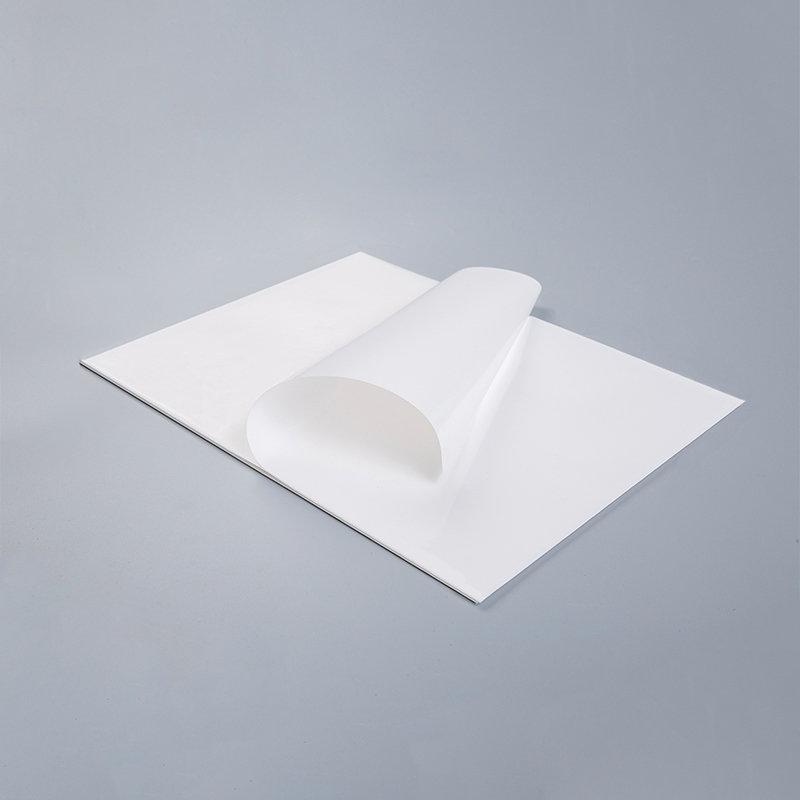
White PE Coated Kraft Paper
Advantages Compared with Conventional Uncoated Kraft Paper
Improved Moisture Resistance
Uncoated paper is naturally absorbent. When exposed to humidity, water vapor, or liquid contact, it may soften, curl, stain, or lose dimensional stability. The polyethylene coating provides a protective layer that helps reduce moisture penetration and improves the material’s suitability for demanding handling environments.
This does not mean that every grade is waterproof under all conditions. Performance depends on coating integrity, edge exposure, temperature, pressure, storage time, and the nature of the liquid. However, the coated structure generally offers a stronger level of surface protection than untreated kraft paper.
More Controlled Surface Behavior
For release and adhesive applications, a controlled surface is essential. Uncoated kraft paper may allow adhesive penetration into the paper fibers, creating inconsistent release behavior or making separation difficult. The polyethylene-coated surface provides a more uniform interface and helps limit direct contact between the adhesive and the absorbent paper base.
This can contribute to better process control, particularly when the material is used in combination with pressure-sensitive adhesives or other tacky products. Final release performance should always be verified with the specific adhesive and application conditions.
Greater Product Versatility
A broad range of grammages and formats gives White PE Coated Kraft Paper an advantage over one-size-fits-all materials. Customers can select a lighter grade for flexible constructions, a medium grade for general-purpose applications, or a heavier grade for demanding support and protection requirements.
The ability to order rolls or sheets also reduces the need for customers to perform unnecessary secondary conversion. This can simplify purchasing, improve production planning, and make the material more accessible to companies with different equipment configurations.
Professional Visual Quality
The white surface provides a bright, clean appearance that can be advantageous in packaging and label-related applications. It can help products appear organized and consistent, especially when the material is visible during assembly or is used as part of a finished package.
The availability of yellow provides an additional option for customers who require visual differentiation. This can be useful for internal production control, product classification, or matching a specific packaging design.
Advantages Compared with Some Film-Based Alternatives
Plastic films can provide excellent flexibility and moisture resistance, but they may not always offer the stiffness, paper-like handling, or familiar converting characteristics required by a customer. White PE Coated Kraft Paper combines a paper base with a polyethylene surface, creating a balanced structure for applications that need both rigidity and surface protection.
Paper-based materials can be easier to stack, fold, mark, and handle in certain operations. They may also provide a more natural appearance than fully synthetic films. For converters that already use paper-processing equipment, the material can fit more easily into established workflows.
Another advantage is the broad choice of grammage. A customer can choose a grade that provides sufficient support without automatically moving to a thicker or more expensive synthetic film. The appropriate selection depends on the application, but this flexibility can help optimize material use.
Film-based materials remain valuable in many applications, particularly where high flexibility, transparency, or exceptional barrier performance is required. White PE Coated Kraft Paper is not intended to replace every film product. Its advantage lies in providing a practical paper-based alternative with improved surface protection and release-related functionality.
Manufacturing Capabilities and Process Strengths
Integrated Production Lines
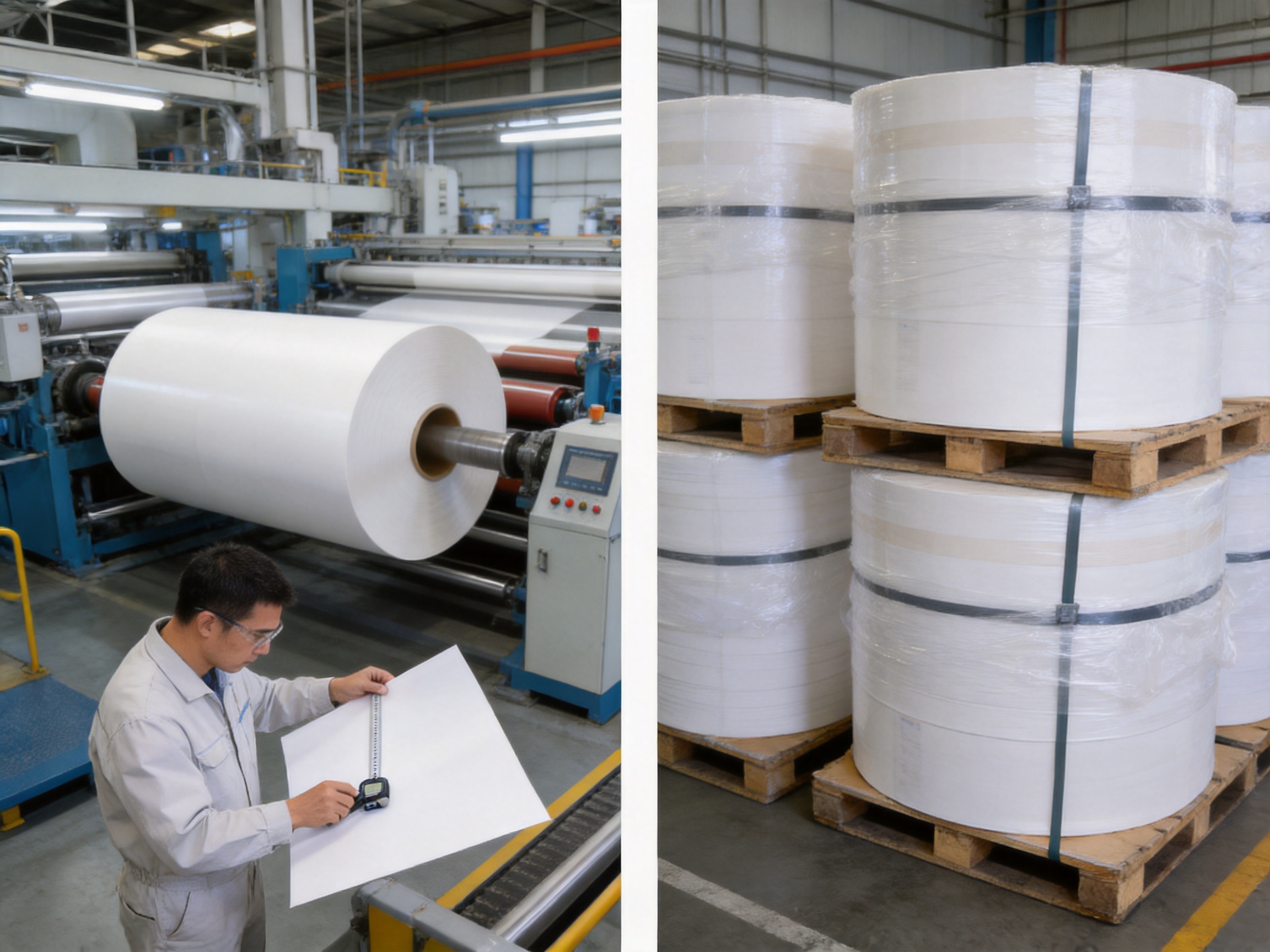
Suzhou Piaozhihua Composite Material Technology Co., Ltd. operates production lines covering gluing, laminating, and cutting. This integrated structure supports greater control over the movement of materials through different stages of production.
When coating, laminating, and cutting operations are coordinated within one manufacturing system, production planning can be more efficient. It also allows technical teams to review the compatibility of substrates, coatings, adhesives, and finishing methods as part of a connected process rather than treating each stage as an isolated activity.
For customers, integrated manufacturing can simplify communication. Product specifications, roll dimensions, sheet requirements, packaging expectations, and customization requests can be coordinated with one supplier. This is especially useful for buyers managing multiple product formats or recurring supply programs.
Experience in Specialty Self-Adhesive Materials
The company has more than 20 years of experience in OEM manufacturing and specialty self-adhesive products. This background is relevant to PE Coated Kraft Paper because release materials must be evaluated not only as paper products but also as components within adhesive and converting systems.
Long-term experience helps manufacturers understand common production challenges, including coating uniformity, roll winding, edge quality, sheet alignment, surface contamination, storage stability, and compatibility with downstream processing. This knowledge supports more effective technical communication with customers during product selection and customization.
Large Annual Production Capacity
The company reports annual production capacity exceeding 280 million square meters. This scale supports the supply needs of customers purchasing standard materials as well as those developing long-term commercial programs.
High production capacity can provide several practical benefits. It may improve scheduling flexibility, support repeat orders, reduce dependence on short production runs, and help maintain continuity for customers with ongoing manufacturing requirements. Capacity alone does not determine quality, but it is an important factor when buyers evaluate supply reliability.
Quality Inspection and Testing
Quality control is essential for coated paper because small variations can influence converting performance. Relevant inspection considerations may include grammage, thickness, coating coverage, surface appearance, roll width, sheet dimensions, winding condition, moisture, and overall cleanliness.
The company maintains its own testing laboratory and uses inspection equipment to support product quality management. In practical terms, an internal testing capability can help production teams identify deviations, evaluate materials, and respond more quickly to technical questions.
Customers with specific requirements may request technical documentation, inspection standards, samples, or pre-shipment checks. The exact testing program should be agreed upon according to the final application and purchasing specification.
OEM and ODM Support
White PE Coated Kraft Paper can be supplied according to standard specifications, but many industrial buyers require customized widths, sheet sizes, grammages, packaging methods, or production quantities. The company provides OEM and ODM services and can manufacture products based on customer drawings or samples.
Customization can be valuable when a customer needs to match existing equipment, reduce waste, improve material utilization, or create a specialized release construction. A successful customization program normally begins with technical information about the application, adhesive type, processing temperature, machine speed, roll dimensions, and required finished performance.
Research and Development
The company maintains a professional research and development team and reports multiple patents. Research and development capabilities are important in the self-adhesive materials sector because customers increasingly require improved functionality, more consistent processing, and environmentally responsible product options.
R&D activity may support the development of new face materials, adhesive systems, backing papers, coating combinations, and converting methods. For White PE Coated Kraft Paper, technical development can focus on surface uniformity, moisture resistance, release behavior, dimensional stability, and compatibility with customer production processes.
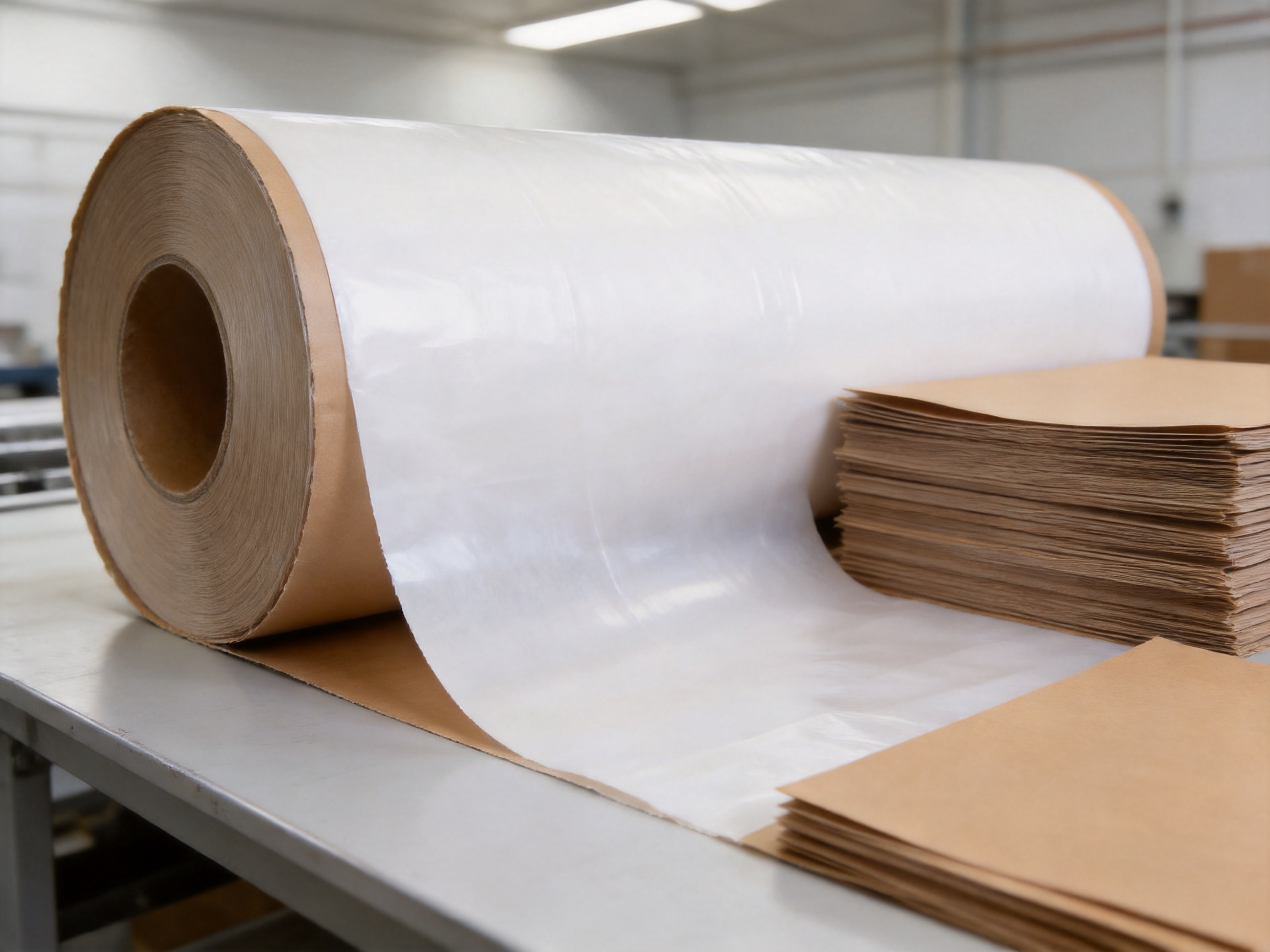
Customization Options for Different Purchasing Needs
Grammage Selection
The available grammage range from 50 to 240 g/m² gives customers considerable flexibility. A 50 or 60 g/m² grade may be appropriate for lightweight applications where material economy and flexibility are important. Medium grades such as 80, 90, 100, or 120 g/m² may suit general-purpose release and protective uses.
Heavier grades such as 135, 155, or 240 g/m² can provide increased stiffness and support. The correct choice should be based on the required tensile strength, folding behavior, die-cutting conditions, stacking height, adhesive construction, and transportation requirements.
Roll Width
Jumbo roll widths of 1000, 1020, 1080, and 1530 millimeters can help customers match their production equipment. Selecting an appropriate parent roll width may reduce trimming waste and improve material utilization during slitting or sheeting.
Customers should provide information about core size, outer diameter, winding direction, maximum roll weight, splice requirements, and machine limitations when requesting a roll quotation. These details help ensure that the delivered material is compatible with the intended equipment.
Sheet Format
Sheet sizes are available for common office, commercial, packaging, and industrial requirements. A4 and A3 formats are convenient for smaller operations, sampling, and general handling. Larger sizes such as 50 x 70 centimeters and 70 x 100 centimeters can support packaging, die-cutting, display, and industrial applications.
Customized sheet sizes can reduce the amount of post-processing required by the customer. They may also improve yield when the finished product has a defined cutting pattern. Customers should provide dimensional tolerances, stacking requirements, edge conditions, and packaging preferences when requesting customized sheets.
Color Selection
White is suitable for applications requiring a bright, clean, and widely compatible surface. Yellow can be used when visual differentiation is useful or when a customer has a specific design and identification requirement.
Color selection should be confirmed at the sampling stage. Customers may also wish to review color consistency between production batches if the material will remain visible in a finished product or packaging system.
Packaging and Delivery
Proper packaging is important for preserving roll and sheet quality during storage and transportation. The product can be packed using sea-transit-worthy poly-wood pallets and carton packaging, depending on the order format and customer requirements.
For sheet products, 100 sheets are packed per ream. Each ream is wrapped with strong PE Coated Kraft Paper to help protect the sheets from dust, abrasion, and handling damage. Reams are then placed on strong pallets, wrapped with stretch film, and secured with plastic fastening belts.
Roll products can also be prepared for transportation using suitable protective packaging. The packaging method should take into account roll dimensions, weight, shipping distance, humidity exposure, container loading, and unloading conditions.
Sea-transit-worthy packing is particularly important for export orders. The material should be protected against movement, compression, moisture, and impact during loading and transit. Clear labeling of product specifications, batch information, quantity, and handling instructions can further improve warehouse and receiving efficiency.
Why Manufacturing Consistency Matters
In release and adhesive-related applications, the paper is often one component of a larger construction. A variation in basis weight, coating coverage, moisture, or surface condition may influence the behavior of the complete product. Consistency therefore matters as much as the nominal specification.
Stable production helps customers maintain predictable machine settings. When incoming material behaves consistently, converters may spend less time adjusting pressure, web tension, cutting conditions, or feeding systems. This can support higher productivity and reduce avoidable waste.
Consistency is also important for repeat orders. A customer developing a label, medical package, adhesive tape, or industrial component expects future material to perform similarly to the approved sample. A structured quality system, internal testing, experienced operators, and controlled production processes all contribute to this objective.
The company’s experience across coating, laminating, cutting, and self-adhesive material manufacturing provides a foundation for managing these requirements. Customers should still establish an agreed technical specification and conduct production validation before large-scale use.
Environmental and Sustainable Development Considerations
Sustainability has become an important consideration for buyers of paper and adhesive materials. The company positions sustainable development and environmental protection as part of its brand direction and works on eco-friendly solutions involving face materials, adhesives, and backing papers.
White PE Coated Kraft Paper can contribute to material optimization when the selected grammage and format are matched carefully to the application. Using the correct width and sheet size may reduce trimming waste, while choosing a suitable basis weight can prevent unnecessary material use.
Environmental evaluation should consider the entire product system, including the paper base, polyethylene coating, adhesive, packaging, transportation, and end-of-life treatment. Customers should assess recycling, disposal, and regulatory requirements according to their market and application.
Because coated paper is a composite material, recycling conditions may differ from those of untreated paper. Buyers seeking specific environmental claims should request relevant technical and compliance information and verify that the finished construction meets the requirements of the intended market.
The company’s development of eco-friendly face materials, adhesives, and backing papers indicates an effort to support customers seeking more sustainable self-adhesive solutions. Continued cooperation between material manufacturers and converters is important for reducing waste, improving product efficiency, and developing responsible packaging systems.
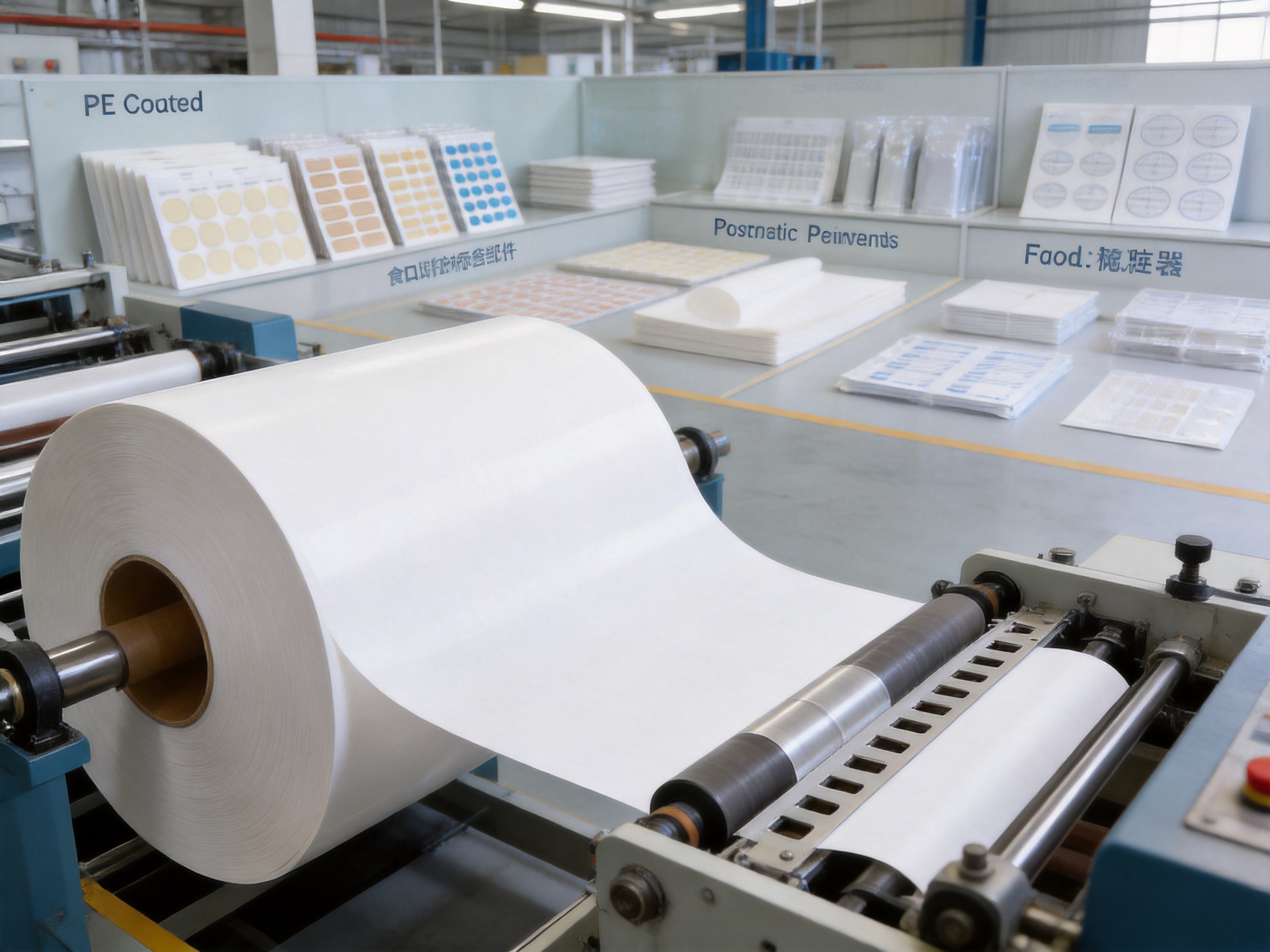
Technical Selection Guide
Step One: Define the End Use
The first step is to identify whether the material will be used for release, interleaving, protective packaging, die-cutting, adhesive processing, medical packaging, food-related processing, cosmetics, or another purpose. Each application places different demands on strength, moisture resistance, surface behavior, and cleanliness.
Step Two: Review the Adhesive or Contact Surface
If the paper will contact an adhesive, the adhesive type should be identified. Acrylic, rubber-based, hot-melt, silicone, and other systems may interact differently with the coated surface. The required release force, aging behavior, temperature range, and processing speed should be considered during product approval.
Step Three: Choose the Grammage
Choose the lightest grade that can meet the required performance without compromising handling, processing, or protection. Lightweight grades may reduce cost and improve flexibility, while heavier grades can provide additional stiffness and support.
Step Four: Select Roll or Sheet Supply
Roll supply is generally suitable for continuous production, slitting, laminating, and automated converting. Sheet supply may be more convenient for manual handling, packaging assembly, small-volume production, and applications that already use sheet-fed equipment.
Step Five: Confirm Storage and Transport Conditions
Paper products should be stored in a clean, dry environment away from direct water exposure, extreme temperature changes, and heavy compression. The product should remain in its protective packaging until it is ready for use. Export buyers should also consider the expected humidity and duration of sea transportation.
Step Six: Conduct Application Testing
Before placing a large order, customers should test samples on their actual equipment and with their actual adhesive or finished product. Testing should cover feeding, cutting, winding, separation, storage, printing if applicable, and final product performance.
Quality and Supply Benefits for International Buyers
International customers often need more than a technically acceptable product. They also require stable communication, export packing, predictable lead times, documentation, and after-sales support. A supplier with integrated manufacturing and international market experience can help simplify the purchasing process.
Suzhou Piaozhihua Composite Material Technology Co., Ltd. has developed sales and marketing coverage in numerous domestic and international markets. Its products are supplied to customers in regions including Asia, Europe, the Americas, Africa, the Middle East, and other global markets.
This international orientation supports a better understanding of export packaging, product documentation, communication across time zones, and the importance of consistent repeat supply. The company provides after-sales services and accepts OEM and ODM projects, allowing customers to work with one supplier from initial inquiry through production and delivery.
For buyers comparing suppliers, important evaluation points include production capacity, technical support, quality inspection, customization ability, packaging standards, sample service, response time, and experience with similar applications. White PE Coated Kraft Paper is most valuable when it is supported by a complete supply program rather than treated as an isolated commodity.
Comparison of Common Material Options
Material Type |
Main Strengths |
Potential Considerations |
Uncoated Kraft Paper |
Good paper strength, natural appearance, easy handling, broad availability |
More absorbent and less suitable for moisture-sensitive or release-related applications |
White PE Coated Kraft Paper |
Paper stiffness combined with a protected polyethylene surface, available in multiple grammages and formats |
Application testing is required to confirm release, adhesive, and regulatory suitability |
Plastic Film |
High flexibility and moisture resistance, with options for transparent or colored constructions |
May provide less stiffness or paper-like handling and may require different converting equipment |
Specialty Release Liner |
Designed for specific adhesive and release requirements |
May involve a narrower specification range or higher cost for general protective applications |
This comparison is intended as a general guide. The best material depends on the complete construction, operating conditions, customer specifications, and applicable regulations. White PE Coated Kraft Paper is particularly attractive when buyers want a balance of paper-based support, coated surface protection, format flexibility, and industrial processability.
Best Practices for Handling and Storage
Keep rolls and sheets in their original protective packaging until they are required for production. This helps reduce exposure to dust, humidity, accidental scratches, and handling damage.
Store the material on a level surface or secure pallet. Avoid placing heavy objects on top of sheet reams or rolls, as excessive pressure can cause deformation or edge damage.
Allow the material to acclimatize to the production environment when there is a significant difference between warehouse and factory temperature or humidity. This can help reduce curling, condensation, and dimensional changes during processing.
Use clean equipment and avoid contact between the coated surface and contaminated machine components. Oil, dust, adhesive residue, and foreign particles may affect appearance and performance.
During roll handling, protect the roll edges from impact. Damaged edges can create web breaks, feeding problems, or poor sheet quality. When moving pallets, use suitable lifting equipment and follow the supplier’s handling instructions.
Application Development and Customer Support
Developing a successful coated paper application often requires cooperation between the supplier, converter, adhesive manufacturer, and end user. The supplier can provide material samples and technical information, while the customer can provide machine conditions and finished product requirements.
Important technical information may include the adhesive formulation, coating method, operating temperature, line speed, die configuration, web tension, required release force, storage period, packaging environment, and expected shelf life. Sharing this information early can improve grade selection and reduce trial-and-error during production.
For customized orders, the customer should also define roll width, core diameter, roll length or maximum diameter, sheet dimensions, packaging configuration, pallet requirements, labeling, inspection standards, and delivery schedule. Clear specifications help prevent misunderstandings and support consistent repeat orders.
The company’s OEM and ODM capabilities enable it to produce according to customer drawings or samples. This is useful for businesses that need a private-label supply, a special dimension, a dedicated specification, or a material designed around existing production equipment.
Role of White PE Coated Kraft Paper in Modern Label and Packaging Systems
Label and packaging manufacturers increasingly require materials that can support efficient production while maintaining a clean finished appearance. White PE Coated Kraft Paper can contribute to these systems as a release liner, protective backing, interleaf, or processing support.
Its paper base provides the stiffness required for handling and die-cutting, while the coated surface helps manage contact with adhesives and moisture. The availability of both roll and sheet formats supports different production scales, from high-volume industrial conversion to smaller packaging assembly operations.
As label products become more specialized, the backing material must work well with the face stock and adhesive. A suitable liner can help protect the adhesive during storage, support clean die-cutting, and enable efficient application at the customer’s facility.
The product’s flexibility in grammage, color, width, and sheet size makes it suitable for manufacturers that serve multiple markets. Rather than using one fixed specification for every order, buyers can select a material configuration that aligns with the technical and commercial needs of each product.
Frequently Asked Questions
What is White PE Coated Kraft Paper?
White PE Coated Kraft Paper is kraft paper covered with a polyethylene coating. The kraft base provides strength and stiffness, while the polyethylene surface helps improve moisture resistance, surface protection, and suitability for selected release and adhesive applications.
Is the product available only in white?
No. White and yellow options are available. White is commonly selected for a clean and bright appearance, while yellow can be used for visual differentiation or customer-specific design requirements.
What grammages are available?
Available grammages include 50, 60, 65, 70, 80, 85, 90, 100, 120, 135, 155, and 240 g/m². The appropriate grade depends on the required stiffness, strength, flexibility, release construction, and processing conditions.
Can the material be supplied in jumbo rolls?
Yes. Jumbo roll widths of 1000, 1020, 1080, and 1530 millimeters are available. Customers should confirm core size, roll diameter, winding requirements, and machine compatibility when placing an inquiry.
Are sheet formats available?
Yes. Standard sheet sizes include A4, A3, 20 x 30, 21 x 30, 24 x 36, 50 x 70 centimeters, and 70 x 100 centimeters. Customized sheet dimensions can also be discussed.
Can the product be used with pressure-sensitive adhesives?
It can be considered for selected pressure-sensitive adhesive applications, but compatibility must be verified with the specific adhesive system. Testing should evaluate release force, aging, storage, converting, and final application performance.
Is White PE Coated Kraft Paper waterproof?
The polyethylene coating improves resistance to moisture and surface contact, but the product should not automatically be treated as fully waterproof in every condition. Edge exposure, coating integrity, temperature, pressure, and duration of contact all affect performance.
Can the material be used in medical applications?
It may be suitable for selected medical packaging or processing applications after technical and regulatory evaluation. Customers must confirm requirements related to cleanliness, sterilization, barrier performance, adhesive compatibility, and applicable medical standards.
It may be considered for suitable food-related uses, subject to the required contact conditions and applicable regulations. Buyers should request and verify the necessary compliance information before using the material in direct or indirect food-contact applications.
How is the product packaged?
Rolls or sheets can be packed using sea-transit-worthy poly-wood pallets and carton packing. Sheet products are packed at 100 sheets per ream, with strong PE Coated Kraft Paper wrapping, stretch-film-wrapped pallets, and plastic fastening belts.
Does the manufacturer offer customization?
Yes. The manufacturer offers customized dimensions and OEM or ODM services. Customers can discuss special grammages, widths, sheet sizes, packaging arrangements, and production requirements based on drawings or samples.
What information should be provided for a quotation?
Useful information includes application, required grammage, color, roll or sheet format, dimensions, annual or monthly volume, core size, packaging requirements, destination, adhesive type if applicable, and any quality or compliance standards.
How should the material be stored?
Store it in a clean and dry environment, preferably in its original packaging and on a stable pallet. Protect it from direct water exposure, extreme humidity, heat, heavy compression, and impact to the roll or sheet edges.
Where is the manufacturer located?
Suzhou Piaozhihua Composite Material Technology Co., Ltd. is located at No. 16 Weixin Road, Shuangfeng Town, Taicang City, Suzhou City, Jiangsu Province, China. The company can be contacted through its sales email or telephone numbers for product inquiries and technical discussions.
Conclusion
White PE Coated Kraft Paper offers a balanced combination of kraft paper strength and polyethylene surface protection. Its advantages include a broad grammage range, white or yellow color choices, jumbo roll and sheet availability, improved moisture resistance compared with uncoated paper, and suitability for a wide variety of release, adhesive, die-cutting, packaging, medical, food-related, cosmetic, and industrial applications.
The product is supported by integrated gluing, laminating, and cutting production lines, more than 20 years of OEM manufacturing experience, an internal testing laboratory, substantial annual production capacity, and professional R&D capabilities. These strengths enable the manufacturer to support both standard purchasing programs and customized OEM or ODM projects.
For buyers comparing materials, the key advantage is flexibility. Customers can select the grammage, color, roll width, sheet size, and packaging method that best fit their process. When the material is evaluated with the actual adhesive, equipment, storage environment, and finished product, it can provide a dependable and efficient component for modern converting and packaging systems.
Companies seeking a reliable supplier should define their technical requirements clearly, request samples when necessary, and complete application testing before full-scale production. With appropriate specification and handling, White PE Coated Kraft Paper can help improve process stability, product protection, and supply consistency across diverse industries.
References
1. Kraft Paper Manufacturing and Converting Principles, technical reference material for paper-based industrial substrates.
2. Polyethylene Coating Technology for Paper and Board, general industry guidance on coated paper structures.
3. Pressure-Sensitive Adhesive Product Design and Release Liner Selection, technical reference for adhesive and liner compatibility.
4. Industrial Die-Cutting and Web-Handling Practices, reference guidance for coated paper converting operations.
5. Packaging, Storage, and Transport Practices for Paper-Based Materials, general logistics and warehouse handling guidance.
6. Internal product specifications and manufacturing information supplied for White PE Coated Kraft Paper.