
 English
 Español
 русский
 Français
 عربى
Content
- 1 Introduction
- 2 Product Construction and Functional Design
- 3 Key Advantages Compared with Conventional Label Materials
- 4 Performance in Major Application Areas
- 5 Available Specifications and Customization
- 6 Printing and Converting Considerations
- 7 Manufacturing Process and Quality Strengths
- 8 Packaging and International Delivery
- 9 Sustainability and Responsible Material Selection
- 10 Why Choose a Specialized Manufacturer?
- 11 Recommended Selection Process
- 12 Quality Control Checklist
- 13 Comparative Benefits for Buyers and Converters
- 14 Q&A
- 14.1 What is Matt Silver PET with White Glassine Liner?
- 14.2 What is the standard face material thickness?
- 14.3 Which adhesives can be supplied?
- 14.4 Is the material suitable for outdoor labels?
- 14.5 Can it be used on cosmetic packaging?
- 14.6 Can the material be digitally printed?
- 14.7 What jumbo roll widths are available?
- 14.8 What liner choices are available besides white glassine?
- 14.9 Can the supplier develop a customized construction?
- 14.10 How should the material be stored?
- 14.11 What testing should be completed before mass production?
- 14.12 How is the product packaged for international transport?
- 15 Conclusion
- 16 References
- 17 Product: Matt Silver PET With White Glassine Liner
Introduction
Self-adhesive label materials must perform reliably across several stages of a product’s life cycle. They must run smoothly through printing and converting equipment, provide consistent adhesion during application, remain attractive on the finished product, and continue to perform when exposed to moisture, heat, chemicals, abrasion, or outdoor conditions. For premium packaging and industrial identification, the visual appearance of the label is equally important. A label may need to communicate quality before a customer reads a single word.
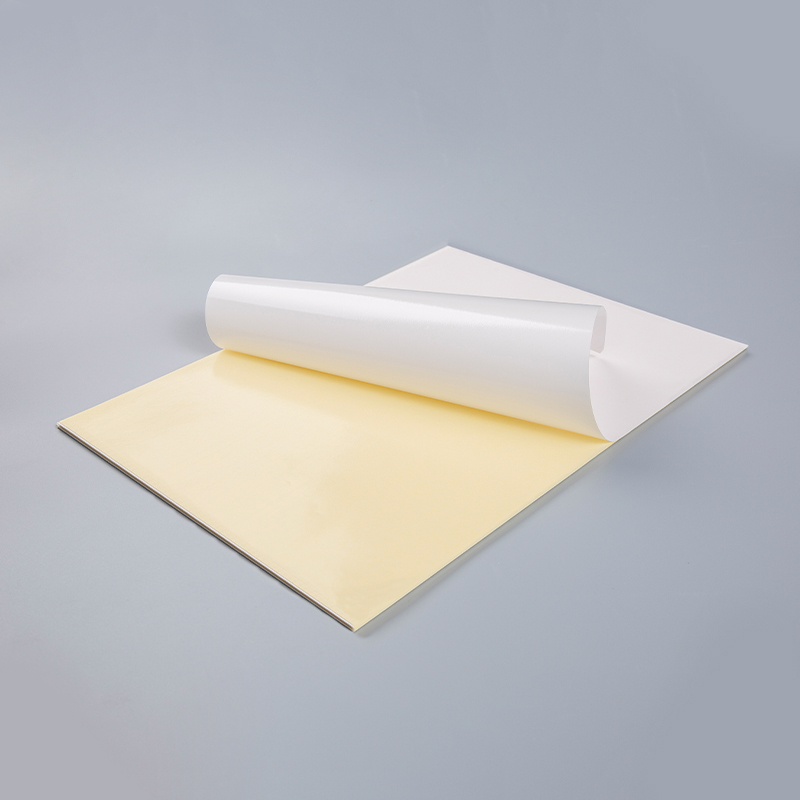
Matt Silver PET with White Glassine Liner is designed to address these combined requirements. It combines a metallic-looking matt silver PET face material, a pressure-sensitive adhesive system, and a white glassine release liner. The result is a self-adhesive film suitable for demanding applications in electronics, cosmetics, personal care, machinery, automotive components, and other product categories where durability and presentation must work together.
The material is available in different face thicknesses, adhesive types, liner constructions, roll widths, and sheet sizes. This flexibility allows converters, printers, packaging manufacturers, and brand owners to select a specification suited to the application instead of relying on a single standard construction. It can be supplied in jumbo rolls or converted sheets, including common digital-printing formats and customized dimensions.
Beyond the product itself, the manufacturing capabilities behind the material are important. The supplier operates integrated gluing, laminating, slitting, and cutting production lines, supported by an in-house testing laboratory, inspection equipment, research and development resources, and extensive OEM and ODM experience. These capabilities help provide a more coordinated supply chain from material selection to finished delivery.
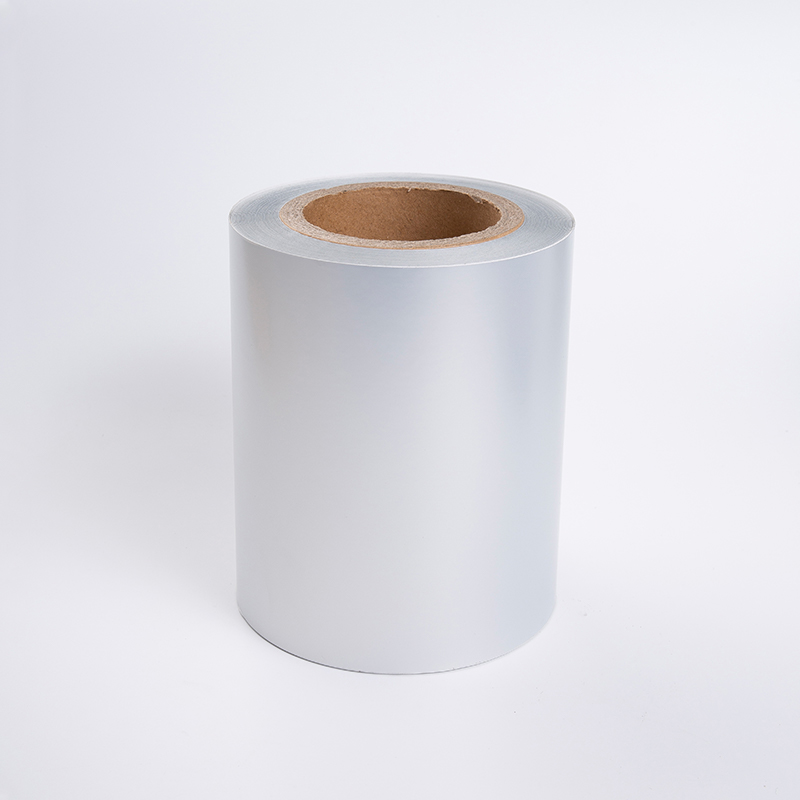
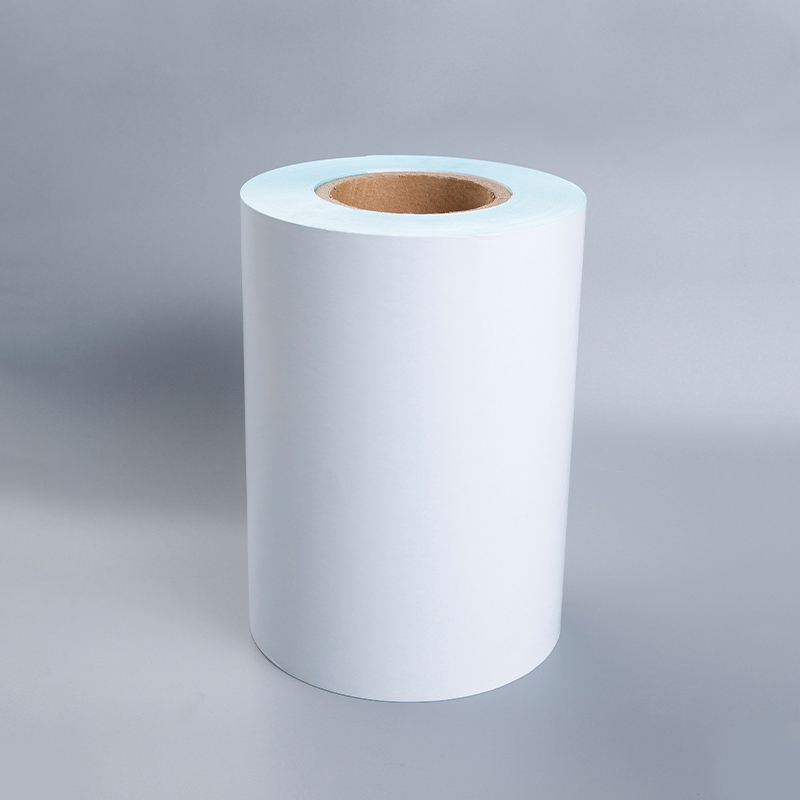
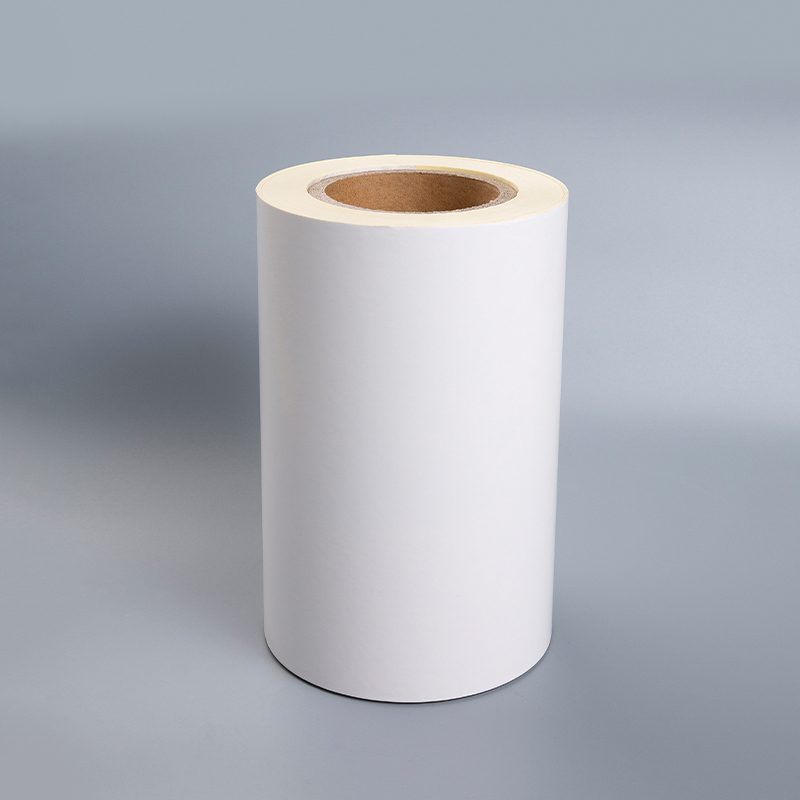
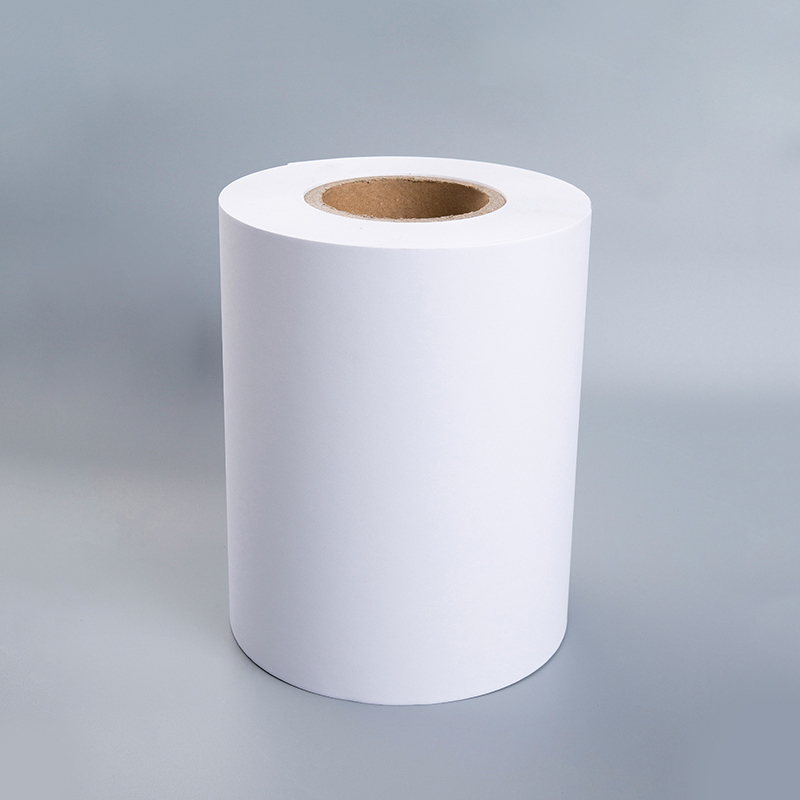
Matt Silver PET With White Glassine Liner
Product Construction and Functional Design
Matt Silver PET Face Material
The primary face material is matt silver PET. PET, or polyethylene terephthalate, is a synthetic polyester film known for dimensional stability, tensile strength, surface durability, and resistance to moisture. Compared with ordinary paper labels, PET offers stronger resistance to tearing, scuffing, and deformation. These properties are useful when labels must remain intact during transportation, handling, installation, and long-term use.
The matt silver surface provides a controlled metallic appearance without the highly reflective effect of a mirror-like foil. Its subdued finish can give packaging, equipment, and product components a modern and technical appearance. The uniform surface also helps reduce the visual impact of fingerprints and minor handling marks compared with highly glossy metallic materials.
Matt silver PET can support a wide range of graphic effects. Dark text can create a strong industrial contrast, while selected areas of white ink can control the final color balance. Transparent or semi-transparent printing effects may be used to reveal portions of the metallic background. Depending on the ink system and printing process, the surface can support brand graphics, serial numbers, barcodes, instructions, warning information, and decorative elements.
Adhesive Layer
The adhesive layer is the functional connection between the label and the product surface. The standard information identifies water-based adhesive as an available option, while hot-melt, solvent-based, anti-freeze, removable, cryogenic, and tyre-grade rubber adhesive systems can also be selected. The appropriate adhesive depends on the substrate, application temperature, service temperature, required permanence, surface energy, and exposure conditions.
Water-based adhesives are commonly selected when a balanced combination of tack, processability, and general-purpose performance is required. Hot-melt adhesives may be suitable for applications demanding strong initial tack and efficient high-speed coating. Solvent adhesives can be considered for more challenging surfaces or demanding resistance requirements. Removable adhesives are useful when a label must be removed with limited residue, provided that the substrate and service conditions are compatible.
Anti-freeze and cryogenic adhesive options expand the product’s use in low-temperature environments. These constructions can be considered for cold-chain logistics, refrigerated products, laboratory containers, and other applications in which ordinary adhesive systems may lose tack or become brittle. Tyre-grade rubber adhesive is intended for specialized rubber surfaces where bonding behavior can be more difficult than on smooth plastic, glass, or coated metal.
Adhesive selection should always be verified through application testing. Surface contamination, plasticizer migration, condensation, powder coating, textured finishes, and low-energy plastics can significantly influence final adhesion. A supplier capable of offering multiple adhesive systems can provide a more practical route to application-specific optimization.
White Glassine Liner
The white glassine liner protects the adhesive before application and supports smooth dispensing during converting and labeling. Glassine is a dense, smooth, and calendered paper typically selected for its uniform surface and controlled release characteristics. A consistent liner helps the label die-cut cleanly, separates efficiently, and feeds reliably through automatic labeling equipment.
The white liner also provides a clean, professional appearance during storage and handling. For converters, liner caliper and release behavior influence die-cutting pressure, matrix stripping, label dispensing, and waste removal. For end users, the liner helps preserve the adhesive until the label is ready to be applied.
Although the product title specifies a white glassine liner, the available liner range includes several other choices. These include different weights of glassine paper, CCK liner, release paper, art paper, and transparent PET liner. This range allows the construction to be adjusted for printing, converting, dispensing, stiffness, transparency, and application requirements.
Key Advantages Compared with Conventional Label Materials
Improved Durability over Paper-Based Labels
Paper labels can provide excellent printability and cost efficiency, but they may be vulnerable to water, tearing, abrasion, and repeated handling. Matt silver PET offers a stronger face material for products that encounter friction, condensation, oil, cleaning agents, or outdoor exposure. The film is less likely to split during handling and can maintain its structural integrity on curved or frequently touched surfaces.
This durability is especially valuable for asset tags, equipment labels, control-panel markings, electronics identification, and automotive component labels. In these applications, a damaged or unreadable label may create operational inconvenience, compliance concerns, or additional maintenance costs. A stronger synthetic face can help extend label service life when properly matched with the adhesive and printing system.
Premium Metallic Appearance
Matt silver PET provides a visual advantage over plain white film or standard paper. The metallic tone can communicate precision, performance, technology, and premium quality. Because the finish is matt rather than excessively glossy, it is suitable for designs that require elegance and legibility instead of strong glare.
In cosmetics and personal care packaging, the material can support sophisticated minimalist designs, silver typography, dark-color graphics, and clean product identification. In electronics, the appearance can complement brushed metal, dark plastic, aluminum, and other technical finishes. In industrial applications, the metallic surface can reinforce a sense of durability and engineering quality.
Resistance to Moisture and Weather
PET film is not absorbent in the same manner as ordinary paper. This makes it a suitable choice for labels exposed to splashes, condensation, humid storage, or outdoor conditions. A properly selected adhesive can maintain bonding performance in environments where a paper label might wrinkle, swell, or lose its appearance.
The material is also described as heat-resistant, waterproof, and chemically stable. Actual performance depends on the exact face film, adhesive, ink, laminate, exposure time, and chemical concentration. Nevertheless, the construction is intended for applications where resistance to environmental stress is a primary requirement.
Outdoor labels may encounter sunlight, temperature changes, rain, dust, and repeated contact. A UV-resistant formulation and suitable printing system can help reduce fading, warping, and discoloration. For long-term outdoor identification, testing under representative conditions remains essential, but the PET platform provides a strong foundation for weather-resistant label construction.
Good Compatibility with High-Speed Processing
Modern label production often involves high-speed rotary or flatbed die-cutting, matrix removal, slitting, sheeting, digital printing, flexographic printing, offset printing, or thermal transfer. Material consistency is important because fluctuations in film thickness, coating, adhesive coverage, or liner release may lead to registration problems, web breaks, edge lifting, or waste.
The product is designed for high-speed die-cutting and complex processing scenarios. Its film face offers dimensional stability, while the glassine liner supports controlled release and converting. These characteristics can help converters maintain productivity when producing small labels, intricate shapes, variable-data labels, or multi-size orders.
Processing results depend on equipment settings and tooling. Die pressure, blade condition, stripping speed, web tension, storage temperature, and humidity should be controlled. A material supplier with integrated production and testing capabilities can help reduce variability by coordinating the face material, adhesive, and liner as one construction.
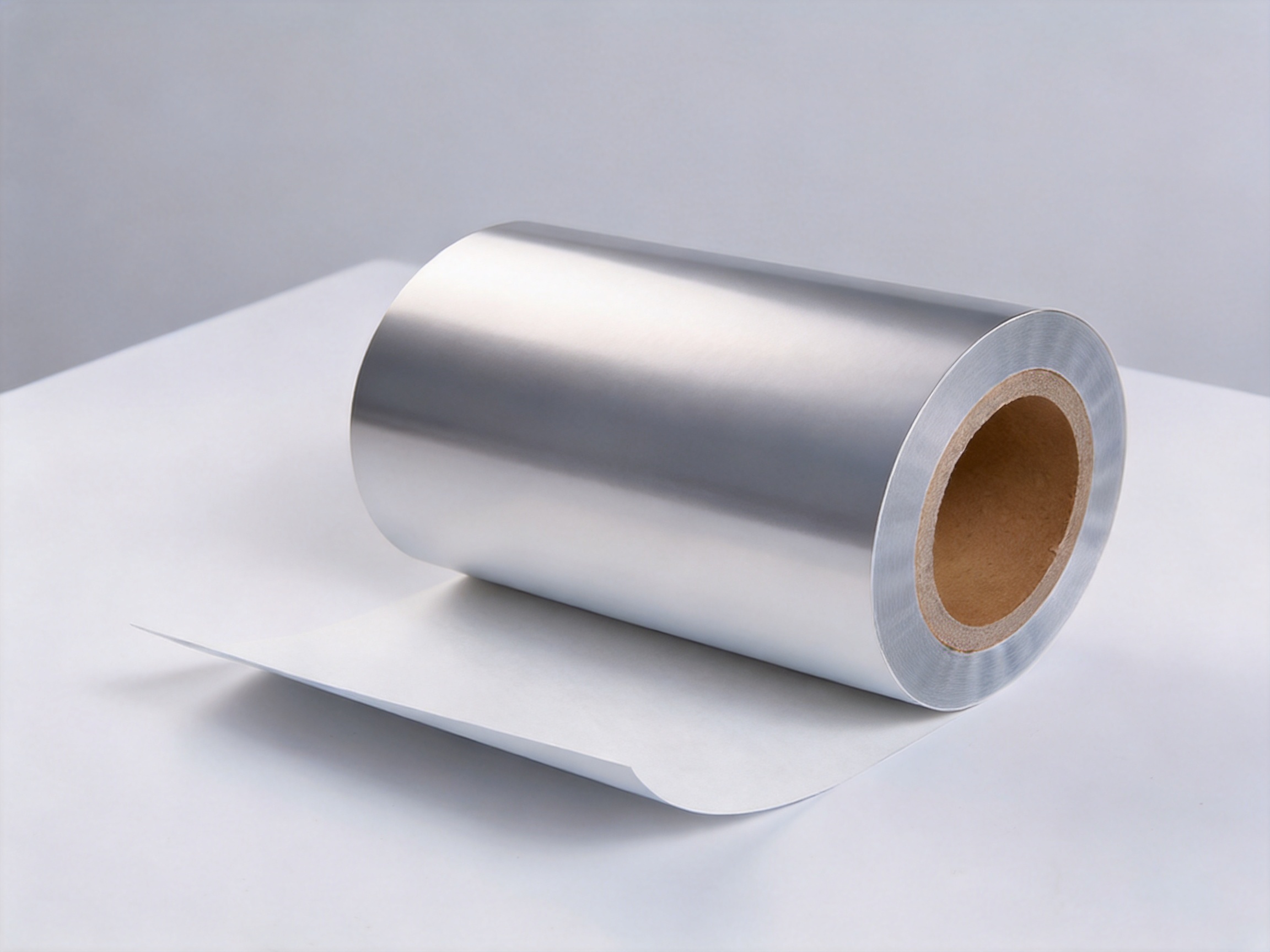
Performance in Major Application Areas
Premium Electronics
Electronics manufacturers use labels for model information, regulatory marks, serial numbers, operating instructions, warranty identification, warning messages, and component tracking. These labels may be applied to smartphones, computers, appliances, automotive electronics, control systems, and other devices that require clean appearance and reliable identification.
Matt silver PET is appropriate for electronics because it combines a technical visual effect with resistance to abrasion and handling. A label on a device may be touched repeatedly, wiped during cleaning, or exposed to moderate heat generated by operation. The film face can help preserve graphic clarity when a paper label would be more vulnerable to scuffing or tearing.
Metallic backgrounds can also complement modern industrial design. Designers may use black, white, blue, or other contrasting inks to create a clear hierarchy between brand information, operating instructions, and technical data. Variable printing can be used for serial numbers, QR codes, barcodes, and production batches, subject to compatibility with the selected printer and ink system.
Cosmetics and Personal Care
Cosmetic and personal care packaging must combine appearance with practical resistance. Bottles and containers may be exposed to water in bathrooms, oils and creams during use, fragrance ingredients, cleaning products, and frequent handling. A label that wrinkles, smears, or lifts can reduce the perceived quality of the product.
The matt silver finish supports premium positioning for skincare, fragrance, haircare, grooming, and wellness products. It can be used on bottles, jars, tubes, cartons, and promotional packaging. The surface may also be paired with selective varnish, embossing, foil effects, or transparent graphic areas to produce a layered appearance.
For direct contact with cosmetics and personal care packaging, the complete label construction must be assessed, including the face film, adhesive, inks, coatings, and packaging substrate. Regulatory and migration requirements vary by market and application. The material information describes the product as suitable for cosmetics and personal care products, but customers should confirm compliance for their specific formulation and end-use conditions.
Industrial Equipment and Machinery
Industrial labels often face more severe conditions than retail packaging. They may be exposed to oils, solvents, moisture, dust, temperature changes, ultraviolet radiation, vibration, and repeated contact. Labels may also be applied to powder-coated metal, painted surfaces, plastics, rubber, or textured components.
Matt silver PET can be used for equipment identification, warning labels, maintenance instructions, rating plates, control-panel markings, inventory tags, and outdoor machinery labels. The metallic appearance is compatible with industrial design, while the durable film offers better resistance to tearing and abrasion than ordinary paper.
Different adhesive choices are important in this sector. A permanent adhesive may be selected for long-term equipment identification, while a removable adhesive can support temporary inspection or logistics labels. For low-temperature storage or specialized rubber surfaces, anti-freeze, cryogenic, or tyre-grade adhesive options may be evaluated.
Automotive and Component Identification
Automotive parts and electronic components require labels that remain legible through assembly, storage, transportation, and service. Labels may be applied to metal housings, plastic parts, coated surfaces, batteries, wiring assemblies, and interior or exterior components.
The PET face material provides a strong base for printed identification and can be selected in thicknesses appropriate for the application. The adhesive must be matched to the substrate and the temperature range. In automotive environments, customers should evaluate resistance to fuels, oils, cleaning agents, heat cycling, vibration, and sunlight as applicable.
Available Specifications and Customization
Face Material Thickness
The listed standard construction uses 25-micron matt silver PET. Alternative face thicknesses of 50, 100, and 150 microns are available. Thicker films may provide increased stiffness, handling strength, or dimensional stability, while thinner films can support lighter constructions and more conformable labeling.
The correct thickness depends on label size, shape, application surface, dispensing method, required rigidity, and service conditions. A small electronics label may not require the same construction as a large industrial equipment label. For curved containers, flexibility and conformability may be important. For identification plates or large-format labels, additional stiffness may be beneficial.
Adhesive Options
Available adhesive choices include water-based, hot-melt, solvent, anti-freeze, removable, cryogenic, and tyre-grade rubber adhesive systems. This variety is one of the principal advantages of using a specialized label-material manufacturer rather than purchasing a one-size-fits-all product.
Important adhesive selection questions include whether the label must be permanent or removable, whether the substrate is smooth or textured, whether application occurs at room temperature or in a cold environment, and whether the label will face moisture, oils, chemicals, or UV exposure. The initial tack, final adhesion, peel strength, shear resistance, and residue behavior should be considered together.
Liner Options
The product information lists 80-gram CCK paper as one liner option, with 50-, 60-, 80-, 100-, and 120-gram glassine papers also available. Release paper options include 60, 85, 120, and 140 grams. Art paper options include 140 and 165 grams. CCK liner options include 50, 80, 90, and 120 grams, while transparent PET liners are available in 25, 36, 50, and 100 microns.
Liner selection affects stiffness, release force, converting behavior, transparency, and dispensing performance. A glassine liner is often preferred for smooth processing and reliable release. A transparent PET liner may be useful for dimensional stability or special visual and converting requirements. Heavier paper liners can provide additional support for larger labels or sheeted products.
Roll and Sheet Formats
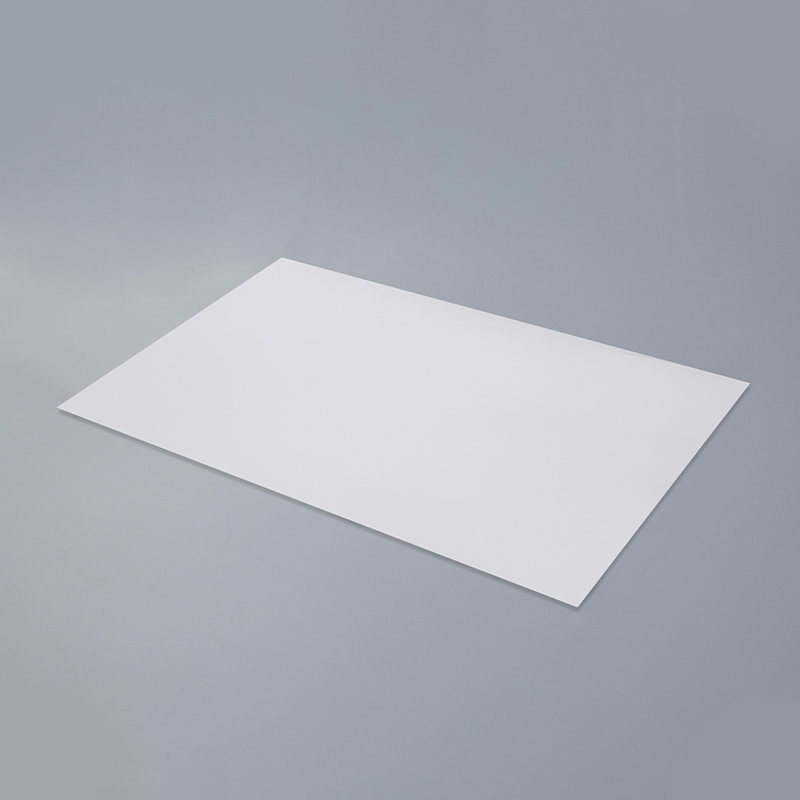
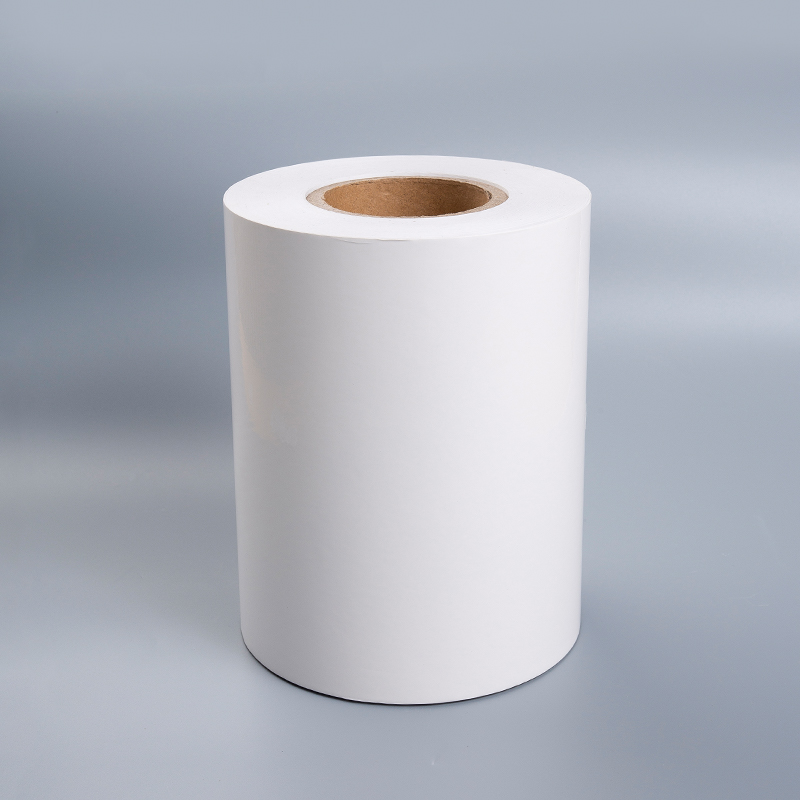
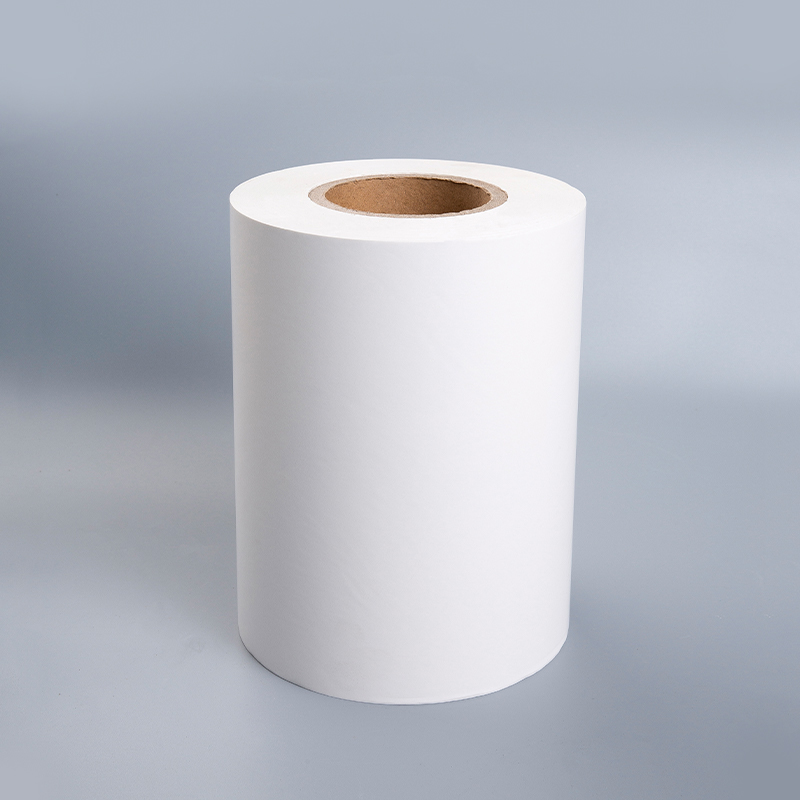
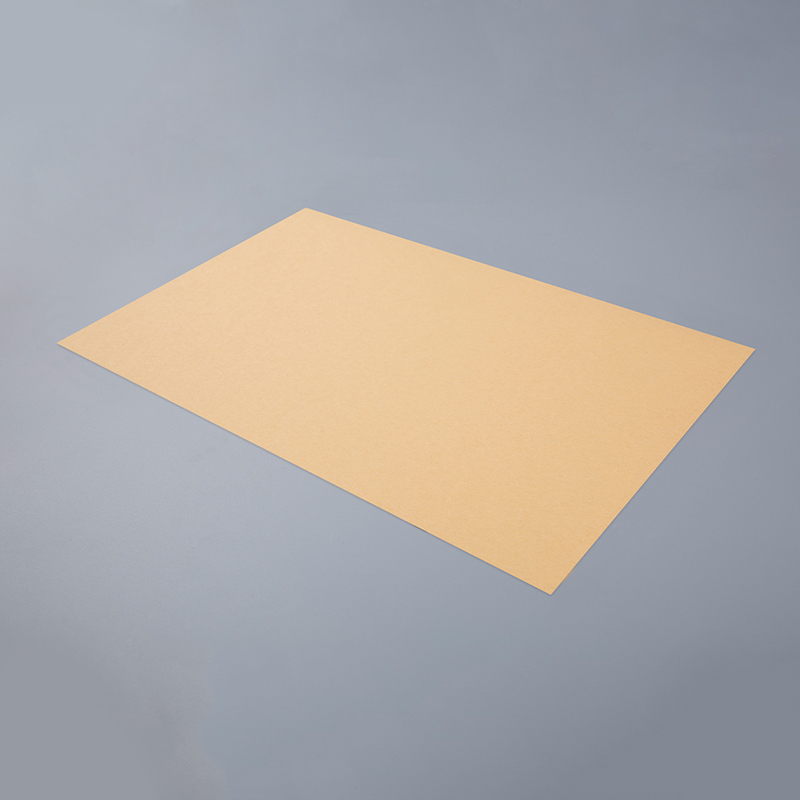
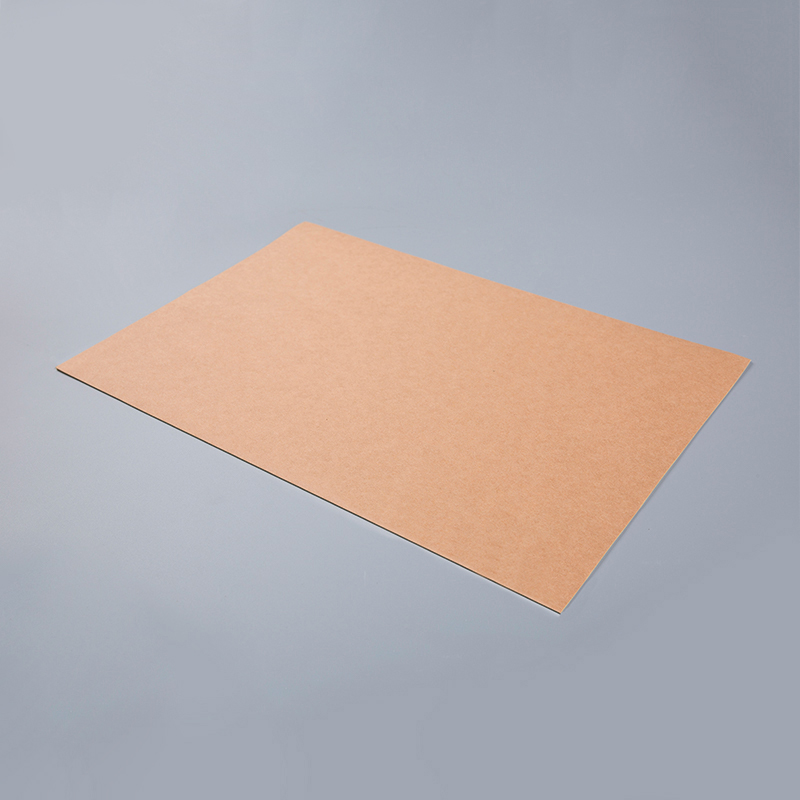
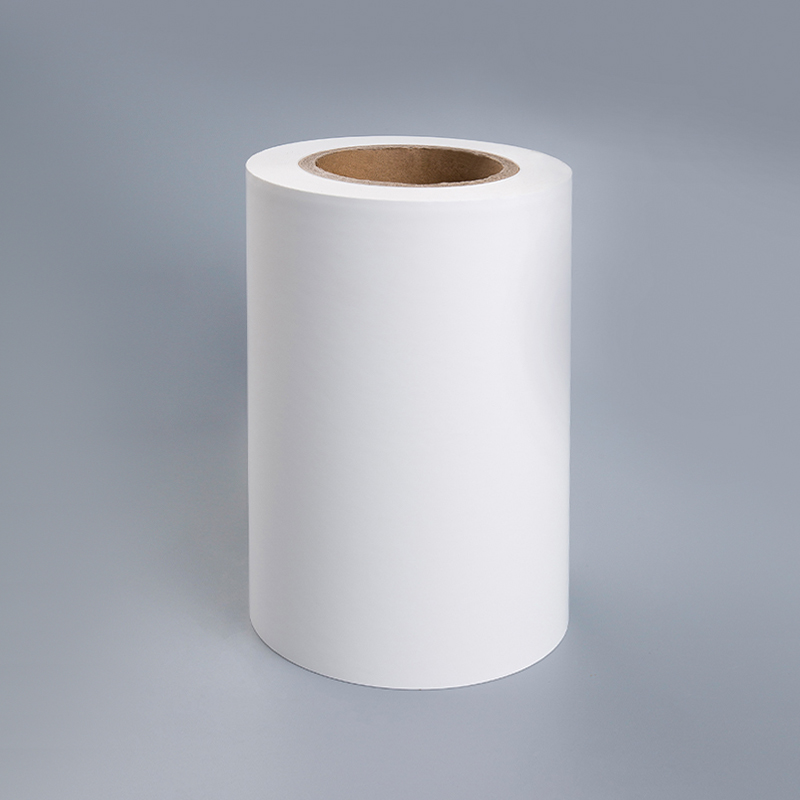
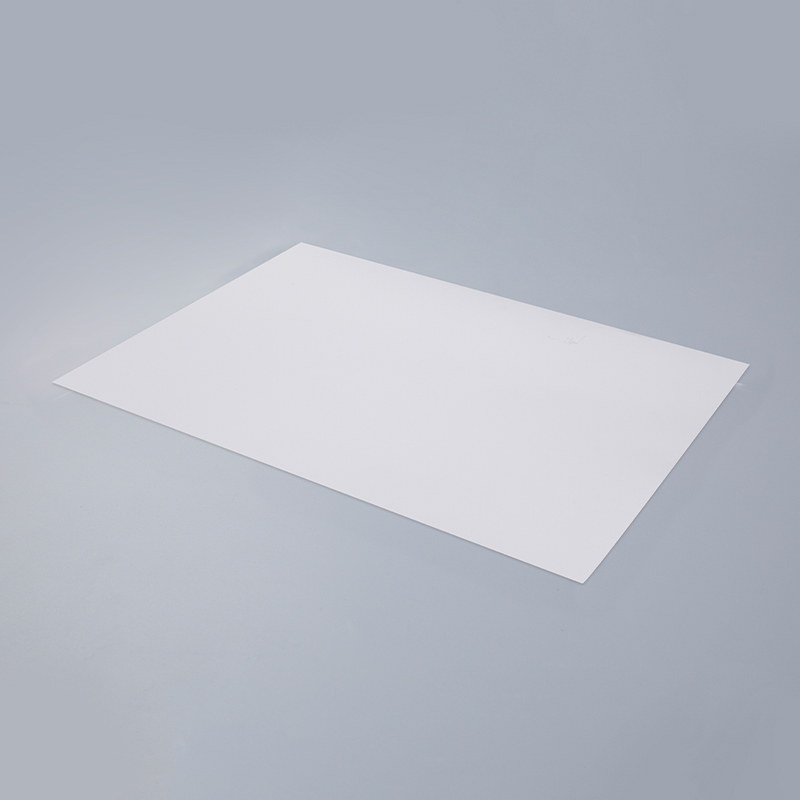
Jumbo roll widths include 1,000, 1,020, 1,080, and 1,530 millimeters. These widths can support slitting and conversion into customer-specific roll sizes. Sheet formats include A4, A3, 20 by 30 centimeters, 21 by 30 centimeters, 24 by 36 centimeters, 50 by 70 centimeters, and 70 by 100 centimeters. Customized sizes are also available.
Roll supply is suitable for professional converters, high-volume label manufacturers, and automated production lines. Sheet supply is useful for digital printing, short-run production, office-format labeling, signage, samples, and applications requiring individual sheets. Providing both formats helps accommodate different purchasing and production models.
| Specification | Available Options | Typical Selection Considerations |
|---|---|---|
| Face material | Matt silver PET | Appearance, strength, moisture resistance, durability |
| Face thickness | 25, 50, 100, and 150 microns | Flexibility, stiffness, label size, application surface |
| Adhesive | Water-based, hot-melt, solvent, anti-freeze, removable, cryogenic, tyre-grade rubber | Substrate, temperature, permanence, chemical exposure |
| Liner | Glassine, CCK, release paper, art paper, transparent PET | Release force, converting, stiffness, transparency |
| Jumbo roll width | 1,000, 1,020, 1,080, and 1,530 millimeters | Slitting, equipment width, production planning |
| Sheet formats | A4, A3, 20 × 30, 21 × 30, 24 × 36, 50 × 70, and 70 × 100 centimeters | Digital printing, short runs, finished label size |
Printing and Converting Considerations
Surface Preparation
Before printing, the surface should be evaluated for compatibility with the intended ink and coating system. PET films may be supplied with a printable treatment or coating, depending on the required process. The printer should confirm ink adhesion, drying behavior, rub resistance, color density, and barcode readability before starting a large production run.
Matt silver surfaces can influence color reproduction because the metallic background may alter the appearance of transparent or lightly printed inks. White ink can be used as a control layer when a more opaque color is needed. Printers should establish approved color references and test representative artwork before production.
Digital Printing
The material can be converted into common sheet sizes for digital printing. This makes it suitable for short runs, customized graphics, variable data, prototypes, and regional product versions. Digital printing can reduce setup requirements for changing designs and can support serial numbers, QR codes, barcodes, and personalized information.
Compatibility varies by printer technology. Toner-based, inkjet, UV, and other digital systems may require specific surface treatments or media settings. Operators should verify fusing, ink anchorage, scratch resistance, drying, and feeding reliability. The supplier’s ability to provide customized sheets and thicknesses can help match the material to particular digital devices.
Die-Cutting and Slitting
Die-cutting performance is influenced by the PET thickness, adhesive coat weight, liner caliper, die sharpness, anvil condition, and machine speed. A properly balanced construction allows the face and adhesive to be cut without excessively penetrating the liner. Clean matrix stripping is especially important for small labels, narrow gaps, intricate designs, and high-speed production.
Slitting should be performed with appropriate blade geometry and tension control. Excessive tension may deform the web or create telescoping, while insufficient tension may reduce roll quality. Finished rolls should be checked for edge quality, winding consistency, core alignment, and label registration.
Storage and Application
Self-adhesive materials should be stored in a clean, dry environment away from direct sunlight, excessive heat, and moisture. Rolls and sheets should remain in their original protective packaging until needed. Allowing material to acclimatize to the production area can reduce condensation and improve processing stability.
Application surfaces should be clean, dry, and free from dust, oil, grease, release agents, and loose particles. The label should be applied with sufficient pressure to establish contact across the entire surface. Application at extremely low or high temperatures should be tested in advance, especially when using specialized adhesives.
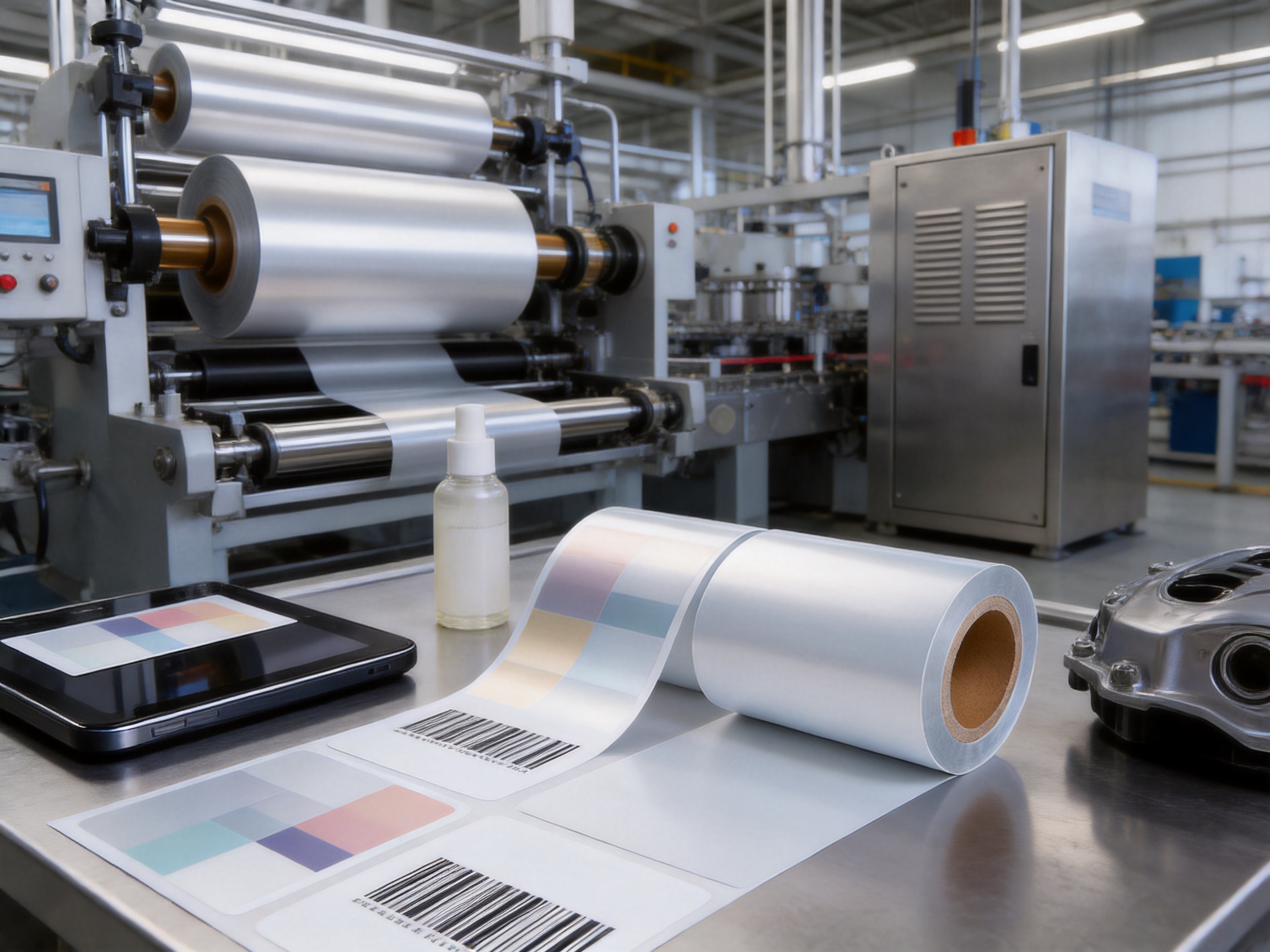
Manufacturing Process and Quality Strengths
Integrated Production Lines
The manufacturer operates production lines covering gluing, laminating, and cutting. Integration of these processes can improve coordination between individual layers of the label construction. Instead of treating the face material, adhesive, and liner as unrelated components, the production system can manage them as a combined product.
Gluing must achieve uniform adhesive coverage and controlled coat weight. Laminating must provide stable bonding between layers without wrinkles, air entrapment, or excessive tension. Cutting and slitting must produce accurate dimensions and clean edges. Consistency across these stages is important for both printer productivity and finished-label performance.
Large Annual Production Capacity
The company reports annual production capacity exceeding 280 million square meters. A capacity of this scale supports larger orders, repeat supply programs, and customers operating across multiple markets. It may also help provide continuity when customers require regular deliveries of standardized constructions.
High capacity alone does not guarantee quality, but it becomes valuable when combined with process control, inspection, laboratory testing, and experienced technical personnel. Large production resources can also support separate development work for customized face materials, adhesive systems, liner combinations, and finished formats.
Testing and Inspection
An in-house testing laboratory and advanced inspection equipment support quality management. Typical evaluations for self-adhesive materials may include face thickness, basis weight, adhesive coat weight, release force, peel adhesion, loop tack, shear resistance, dimensional stability, tensile strength, elongation, surface energy, print adhesion, and environmental resistance.
Testing should be aligned with the intended application. A label for indoor inventory identification may require a different test program from a label for outdoor machinery or refrigerated logistics. By combining laboratory data with application-specific trials, the supplier can help customers identify a construction that is technically appropriate and commercially practical.
Research and Development
The company maintains a professional research and development team and reports multiple patents. R&D capability is important in the self-adhesive sector because customer requirements continue to evolve. Market demand may involve thinner materials, stronger low-temperature adhesion, improved removability, higher chemical resistance, digital-printing compatibility, or more sustainable components.
Product development may involve adjustments to the face material, adhesive chemistry, release coating, surface treatment, or conversion format. A manufacturer with experience in all these areas can develop more complete solutions than a supplier focused on only one layer of the construction.
OEM and ODM Support
The supplier reports more than 20 years of OEM manufacturing experience and accepts OEM and ODM projects. OEM production can follow customer drawings, specifications, or samples. ODM support can assist customers who know the application requirements but need help developing the complete material construction.
Customization may include adhesive selection, face thickness, liner type, surface treatment, roll dimensions, sheet sizes, packaging, and production quantities. This is useful for companies that need a private-label material, a proprietary specification, or a label construction adapted to a particular printer or application line.
Packaging and International Delivery
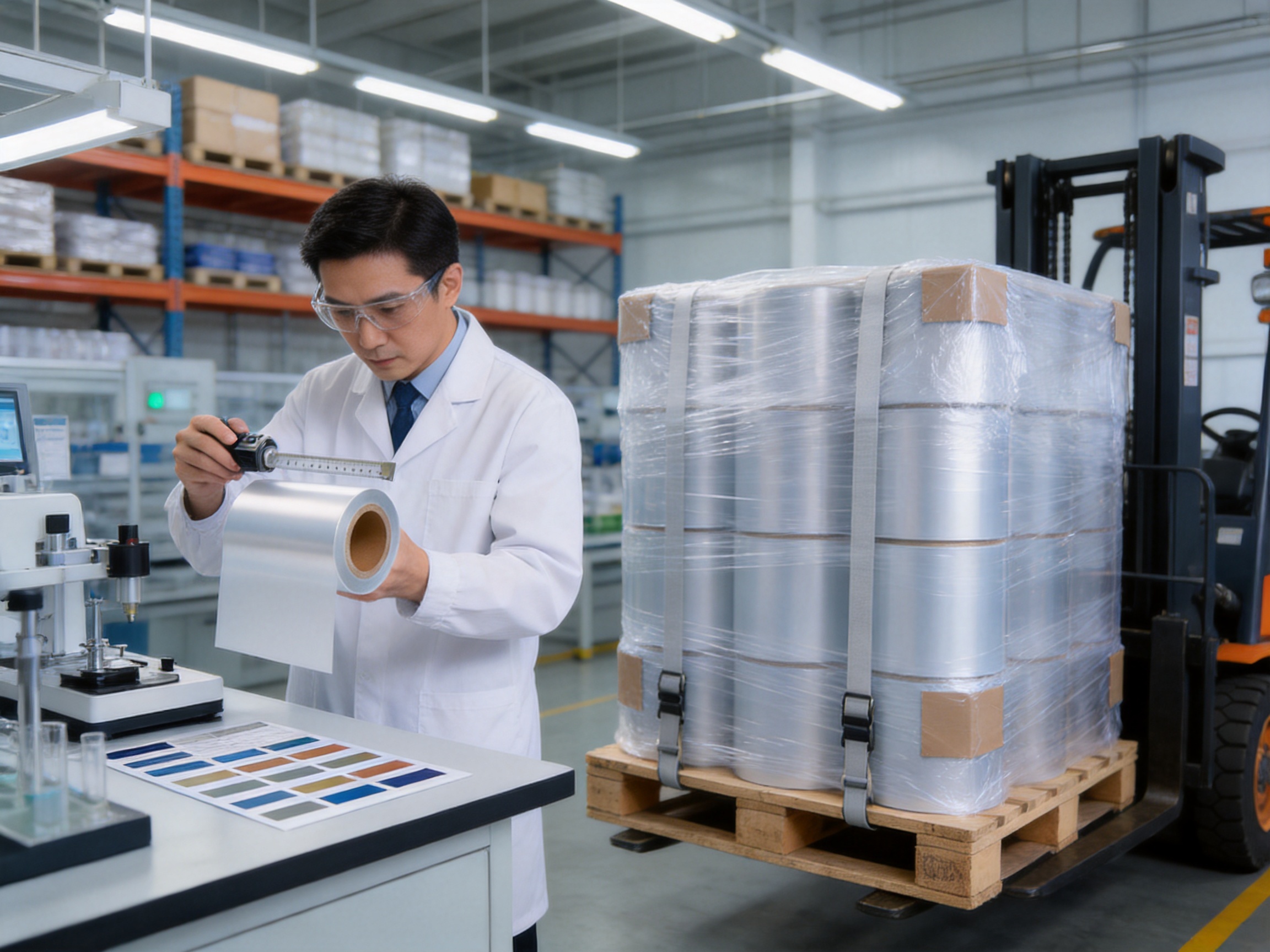
Self-adhesive materials can be damaged by moisture, impact, compression, and poor load stability during transportation. Protective packaging is therefore part of product quality. The described delivery system uses fumigation-treated recycled wooden pallets designed to meet international sea-transport requirements.
The pallet design is intended to improve stacking stability and distribute weight evenly, helping reduce the risk of roll deformation. Protective corner guards are embedded to protect vulnerable edges. Stretch film is applied tightly around the load, and standardized forklift slots support safer and more efficient warehouse handling.
For ream packaging containing 100 sheets per ream, each ream is sealed with PE-coated kraft paper to protect against moisture and dust. Reinforced edges help reduce corner and edge damage. Multiple reams are stacked on pallets and secured with high-strength stretch film and anti-slip plastic straps to limit movement during transit.
These packaging measures are particularly important for international shipments involving multiple handling points. Stable pallets help preserve roll geometry, sheet alignment, and package integrity from factory loading through port handling, customs transfer, warehouse storage, and final delivery.
Sustainability and Responsible Material Selection
Sustainability in self-adhesive products must be considered at the level of the complete construction. The face material, adhesive, liner, packaging, manufacturing energy, transport method, and end-of-life pathway all contribute to the environmental profile. Selecting a durable material can sometimes reduce replacement frequency and product waste, but durability should be evaluated alongside recyclability and disposal requirements.
The company presents eco-conscious product development as an important part of its positioning. It describes efforts to develop environmentally oriented solutions involving face materials, adhesives, and backing papers. Recycled wooden pallets and protective packaging practices also contribute to more responsible logistics.
Because PET is a synthetic polymer, customers should verify the recycling and disposal requirements of the complete label construction in their target market. Adhesive residues, inks, coatings, and liner materials may affect recycling compatibility. Claims regarding recyclability, biodegradability, food contact, or industrial safety should be supported by the relevant technical documentation and compliance testing for the specific grade selected.
In practical terms, sustainable purchasing decisions can include reducing unnecessary material thickness, selecting the smallest suitable label size, optimizing sheet or roll layouts, reducing production waste, using recyclable packaging, and choosing a liner recovery program where available. Long service life can also be an important consideration for industrial labels that would otherwise require frequent replacement.
Why Choose a Specialized Manufacturer?
A specialized manufacturer can offer advantages beyond the supply of a standard roll of label stock. First, it can coordinate the three primary layers of a self-adhesive construction. Face material, adhesive, and liner must function together, and changes to one layer can influence the performance of the others.
Second, an experienced manufacturer can provide technical support during specification development. Customers may know that they need a waterproof silver label or a cold-resistant industrial label, but they may not know which adhesive, liner, thickness, and printing treatment will provide the best result. A structured consultation and sample-testing process can reduce trial-and-error costs.
Third, integrated production may improve order flexibility. Customers can request jumbo rolls, narrow rolls, digital sheets, custom widths, or customized thicknesses according to their production equipment. This flexibility is valuable for companies serving several industries with different label formats.
Fourth, a stable supplier can support long-term supply programs. Consistent specifications, repeatable production, documented inspection, and coordinated export packaging can reduce the risk of variation between orders. This is especially important for manufacturers whose labels are part of a controlled product design or regulated identification system.
Recommended Selection Process
Step One: Define the Application
Begin by identifying the product surface, label dimensions, label shape, application method, expected service life, and environmental exposure. Record whether the substrate is glass, metal, painted metal, ABS, polypropylene, polyethylene, rubber, powder-coated material, or another surface.
Step Two: Identify Environmental Conditions
List the expected temperature range, humidity, water exposure, UV exposure, chemical contact, abrasion, vibration, and cleaning methods. If the label will be stored or applied in a refrigerated or frozen environment, specify the lowest temperature. If the product is used outdoors, include expected sunlight and weather exposure.
Step Three: Choose the Printing Process
Confirm whether the label will be printed by digital inkjet, toner-based digital printing, flexography, offset, screen printing, thermal transfer, or another process. The printer and ink system may influence the required surface treatment, drying conditions, color strategy, and protective coating.
Step Four: Select Face Thickness, Adhesive, and Liner
Choose the PET thickness according to flexibility and strength requirements. Select the adhesive according to permanence, surface energy, temperature, and chemical exposure. Select the liner according to die-cutting, dispensing, stiffness, transparency, and sheet or roll requirements.
Step Five: Conduct Application Testing
Before full-scale production, apply representative labels to actual product surfaces. Test initial tack, 24-hour adhesion, aging, moisture exposure, temperature cycling, abrasion, and chemical resistance as appropriate. Printing, die-cutting, matrix stripping, and dispensing should also be tested on production-equivalent equipment.
Step Six: Confirm Logistics and Packaging
Discuss roll diameter, core size, jumbo width, sheet count, pallet configuration, protective packaging, shipping method, and delivery schedule. Clear logistics requirements help prevent damage and improve warehouse planning.
Quality Control Checklist
| Control Area | What to Check | Why It Matters |
|---|---|---|
| Appearance | Uniform matt silver finish, clean surface, no wrinkles or visible contamination | Protects visual quality and printing consistency |
| Face material | Thickness, tensile strength, dimensional stability, surface treatment | Supports converting and service performance |
| Adhesive | Coat uniformity, tack, peel adhesion, shear, temperature behavior | Ensures reliable bonding under actual conditions |
| Liner | Basis weight, release force, flatness, moisture condition | Supports die-cutting, dispensing, and storage |
| Printing | Ink adhesion, color, rub resistance, barcode readability | Maintains information accuracy and appearance |
| Finished rolls or sheets | Dimensions, edge quality, winding, registration, packaging | Reduces production interruptions and transit damage |
Comparative Benefits for Buyers and Converters
For buyers comparing matt silver PET with conventional paper, the main benefit is the balance between appearance and resistance. Paper may be sufficient for indoor, low-contact applications, but PET is more appropriate where moisture, abrasion, and long-term stability are concerns.
Compared with glossy metallic film, the matt surface can offer a more restrained appearance and improved visual comfort under strong lighting. It may also reduce the appearance of fingerprints and minor surface marks. The choice between matt and glossy finishes should reflect the product design, lighting environment, and desired brand impression.
Compared with a single-adhesive material, a product family offering multiple adhesive technologies gives converters greater flexibility. One supplier can potentially support general-purpose, removable, low-temperature, cryogenic, rubber-surface, and chemically demanding applications through different constructions.
Compared with suppliers that only provide finished standard widths, a manufacturer offering jumbo rolls, sheets, and customized dimensions can help customers optimize material yield. Better nesting, suitable roll widths, and application-specific sheet sizes can reduce trim waste and simplify production planning.
Compared with a trading-only supply model, integrated manufacturing provides greater access to process information, laboratory support, and construction development. This may be particularly valuable when a customer is solving a difficult adhesion, printing, or environmental-resistance problem.
Q&A
What is Matt Silver PET with White Glassine Liner?
It is a pressure-sensitive self-adhesive label material consisting of a matt silver PET face film, an adhesive layer, and a white glassine release liner. The construction is designed for durable, attractive labels used in electronics, cosmetics, personal care, industrial equipment, automotive components, and related applications.
What is the standard face material thickness?
The listed standard is 25-micron matt silver PET. Alternative thicknesses of 50, 100, and 150 microns are available for applications requiring different flexibility, stiffness, or strength characteristics.
Which adhesives can be supplied?
Available options include water-based adhesive, hot-melt adhesive, solvent adhesive, anti-freeze adhesive, removable adhesive, cryogenic adhesive, and tyre-grade rubber adhesive. The correct option depends on the product surface and operating conditions.
Is the material suitable for outdoor labels?
The PET construction is intended to provide weather, moisture, heat, and UV resistance. Outdoor performance also depends on the selected adhesive, ink, coating, label design, and exposure duration. Representative outdoor or accelerated-weathering tests should be conducted before approval.
Can it be used on cosmetic packaging?
It is presented as suitable for cosmetics and personal care applications, including waterproof and oil-resistant labeling. Customers should confirm the full construction’s regulatory, migration, and compatibility requirements for the specific product and market.
Can the material be digitally printed?
It can be supplied in sheet sizes used for digital printing, including A4 and A3, as well as other standard and customized formats. Printer, ink, surface-treatment, drying, and toner or ink adhesion compatibility should be confirmed through testing.
What jumbo roll widths are available?
Listed jumbo roll widths are 1,000, 1,020, 1,080, and 1,530 millimeters. Additional converted widths may be available according to production requirements.
What liner choices are available besides white glassine?
Options include several glassine weights, CCK paper, release paper, art paper, and transparent PET liner. Liner selection can be adjusted for release, stiffness, transparency, converting, and dispensing requirements.
Can the supplier develop a customized construction?
Yes. Customization can include face thickness, adhesive type, liner type, surface treatment, roll dimensions, sheet sizes, and packaging. The company also reports OEM and ODM experience for customers requiring material development based on drawings, samples, or technical specifications.
How should the material be stored?
Store it in a clean, dry environment away from direct sunlight, high heat, and excess humidity. Keep rolls and sheets in protective packaging until use, and allow the material to acclimatize before printing or application when environmental conditions differ significantly.
What testing should be completed before mass production?
Testing may include printing adhesion, barcode readability, die-cutting, matrix stripping, initial tack, peel adhesion, shear resistance, temperature cycling, humidity, water exposure, chemical resistance, abrasion, and outdoor weathering. The test program should reflect the actual product and service environment.
How is the product packaged for international transport?
Rolls are placed on fumigation-treated recycled wooden pallets, protected with corner guards, stretch film, and stable pallet arrangements. Ream-packed sheets are sealed in PE-coated kraft paper, stacked on pallets, and secured with stretch film and anti-slip straps.
Conclusion
Matt Silver PET with White Glassine Liner is a versatile self-adhesive material for applications that require more than basic labeling. Its matt silver appearance supports premium and technical product design, while its PET face provides strength, moisture resistance, and improved durability compared with ordinary paper materials.
The availability of multiple adhesives, liner constructions, face thicknesses, roll widths, and sheet sizes makes the material adaptable to diverse production requirements. It can support digital printing, high-speed die-cutting, customized label formats, and specialized applications involving cold temperatures, rubber substrates, or removable identification.
The manufacturing platform further strengthens the product offering. Integrated gluing, laminating, and cutting lines, substantial production capacity, laboratory testing, inspection equipment, R&D capability, and long-term OEM and ODM experience provide a foundation for consistent supply and customized development.
For the best result, buyers should evaluate the complete label construction rather than selecting the face material alone. Surface type, adhesive behavior, printing process, environmental exposure, liner performance, and logistics should all be considered. When these factors are matched correctly, matt silver PET can deliver a durable, professional, and technically reliable labeling solution for demanding commercial and industrial applications.
References
1. Internal product specification for Matt Silver PET with White Glassine Liner, including material, adhesive, liner, roll, and sheet options.
2. Internal company information concerning integrated gluing, laminating, cutting, inspection, testing, research and development, OEM, and ODM capabilities.
3. General technical principles for pressure-sensitive adhesive label construction and application testing.
4. General guidance on PET film properties, release liners, printing compatibility, die-cutting, and label-converting processes.
5. General packaging and logistics practices for protecting self-adhesive label materials during international transportation.