
 English
 Español
 русский
 Français
 عربى
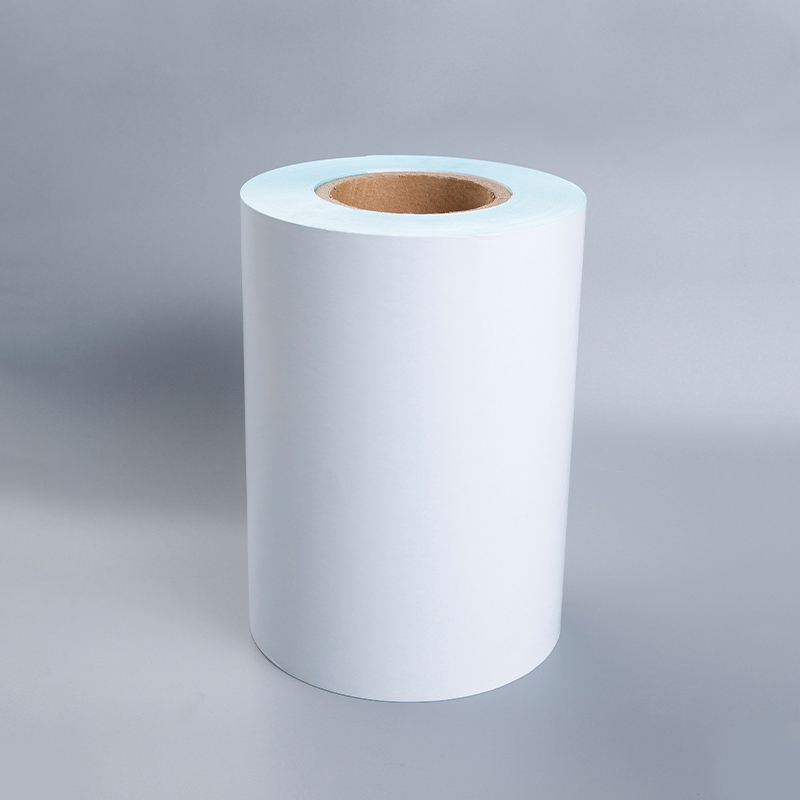
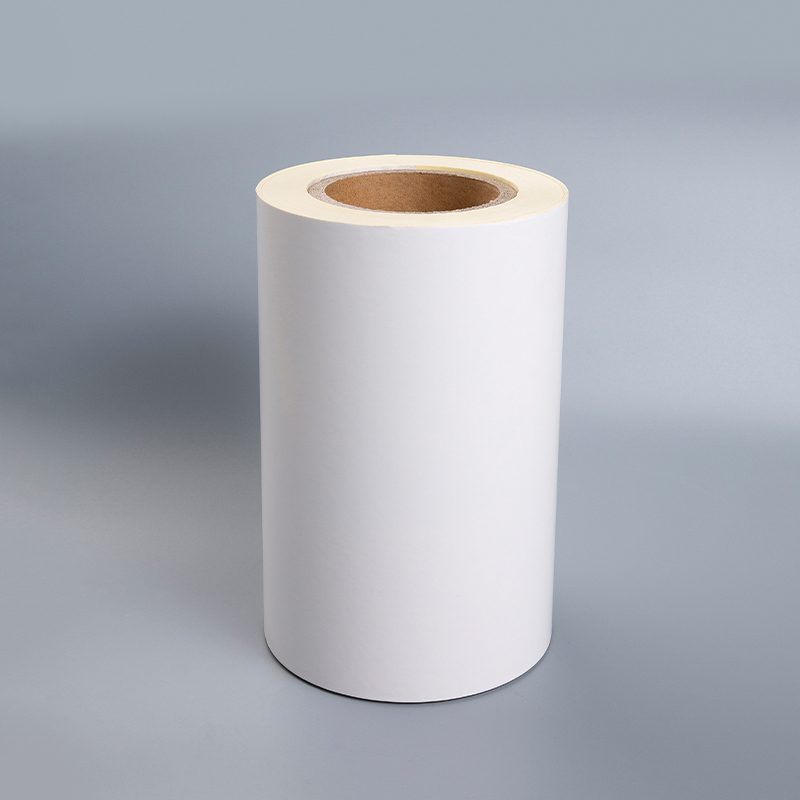
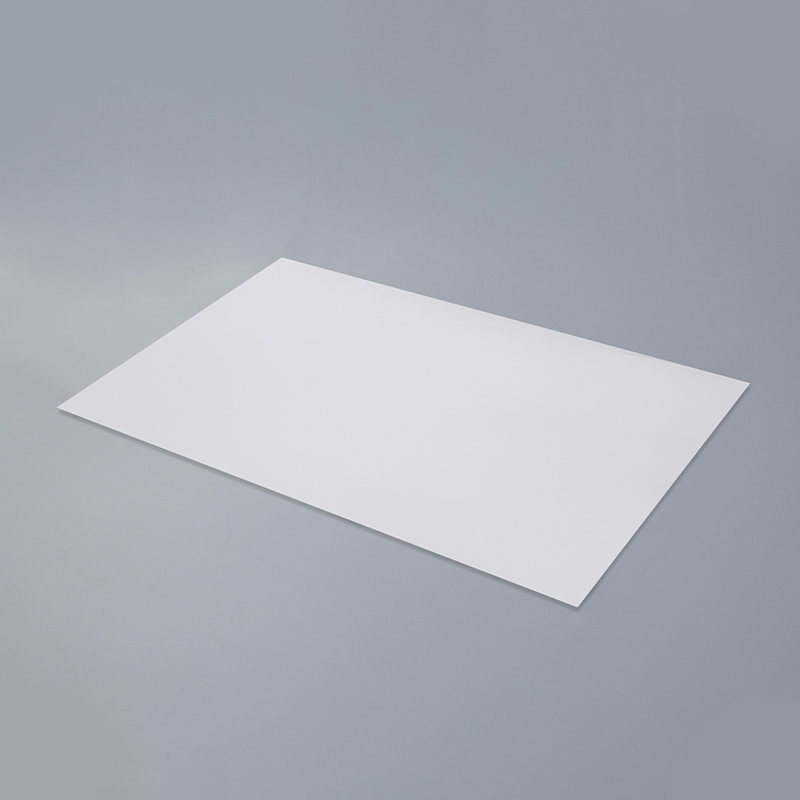
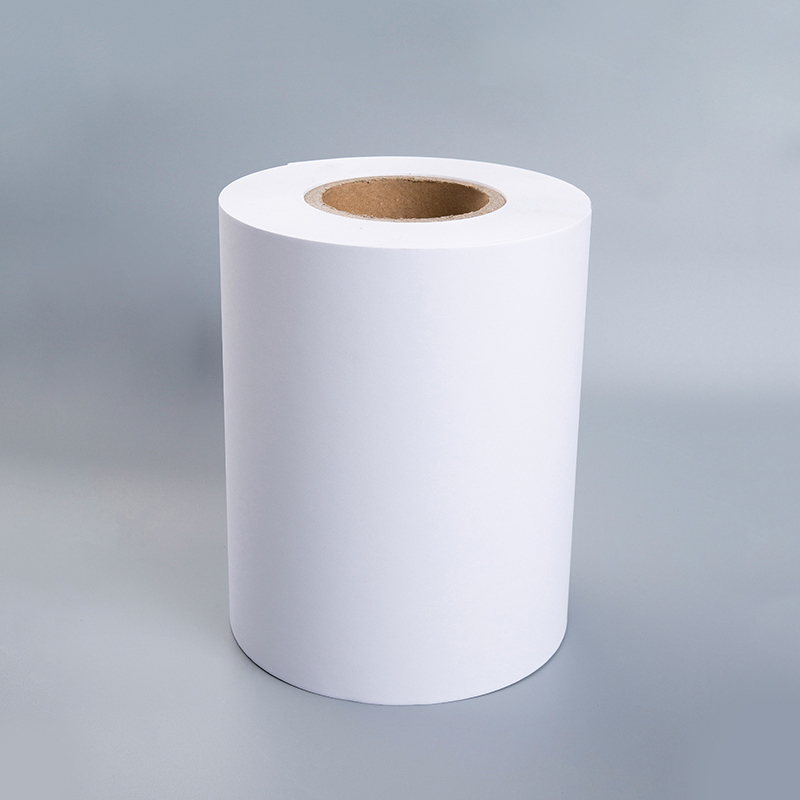
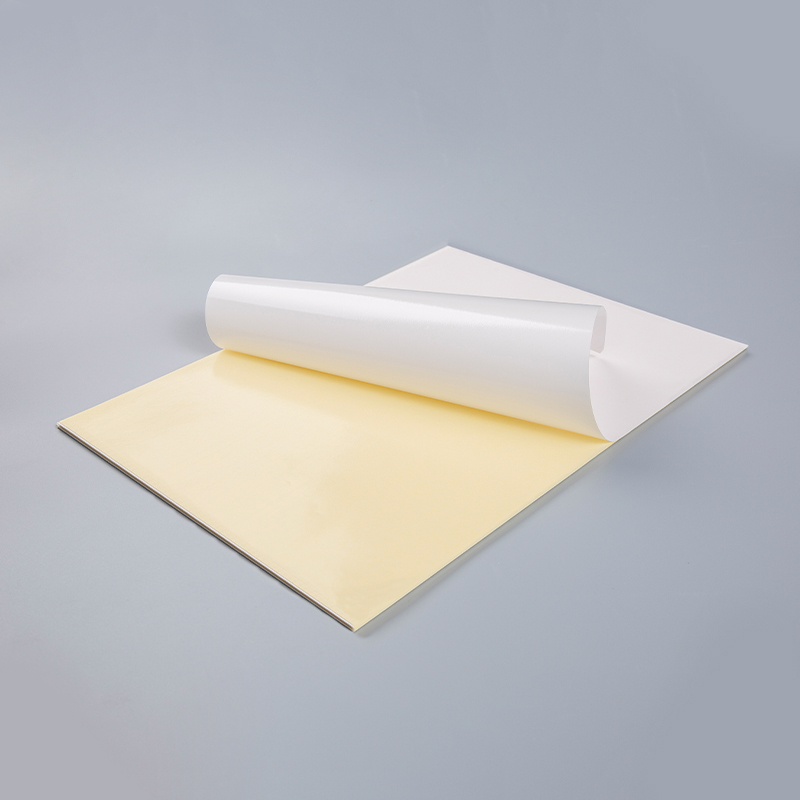
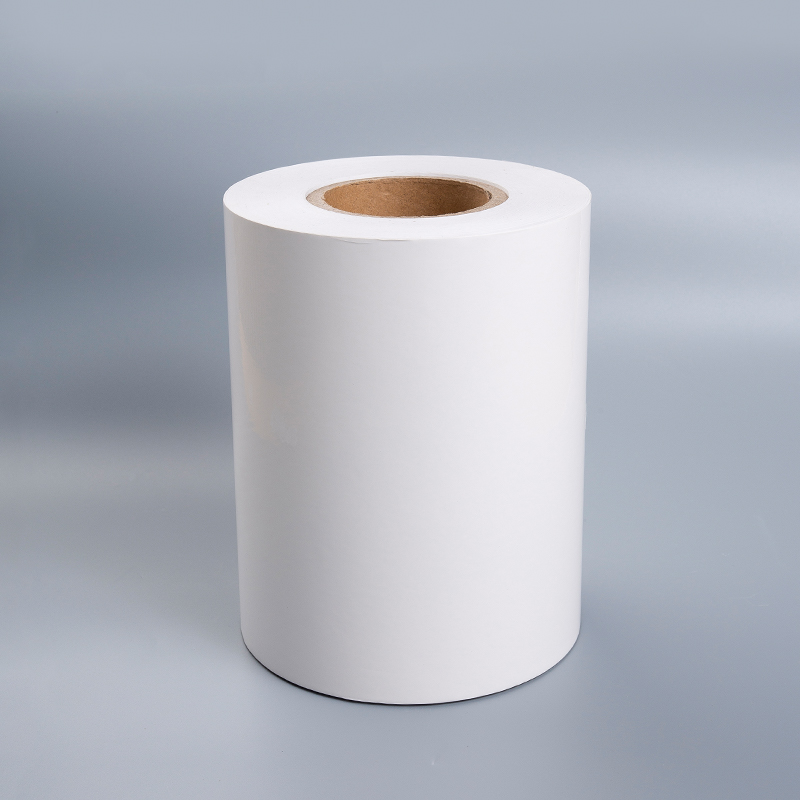
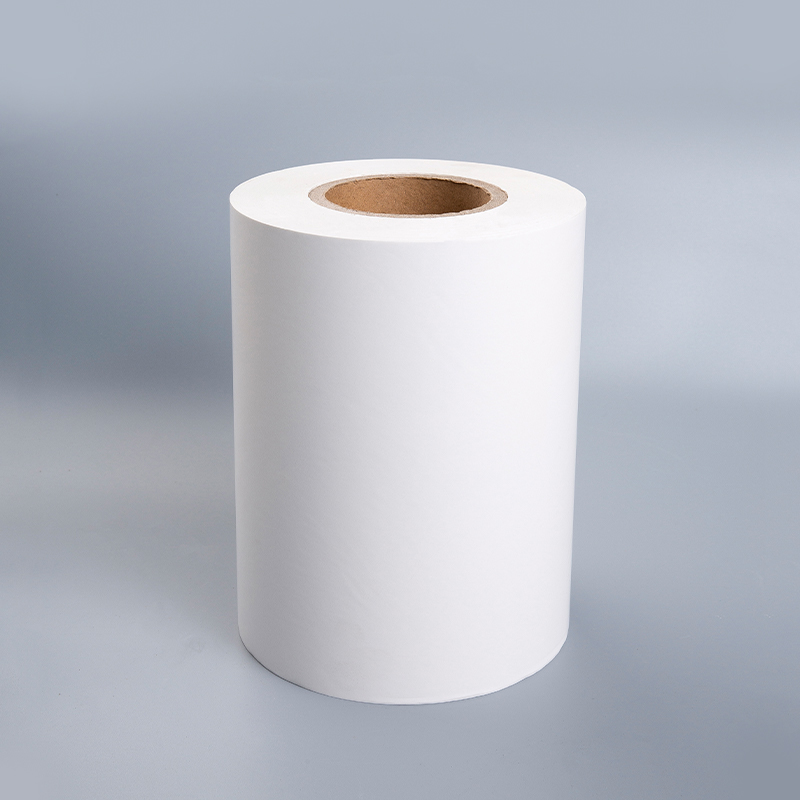
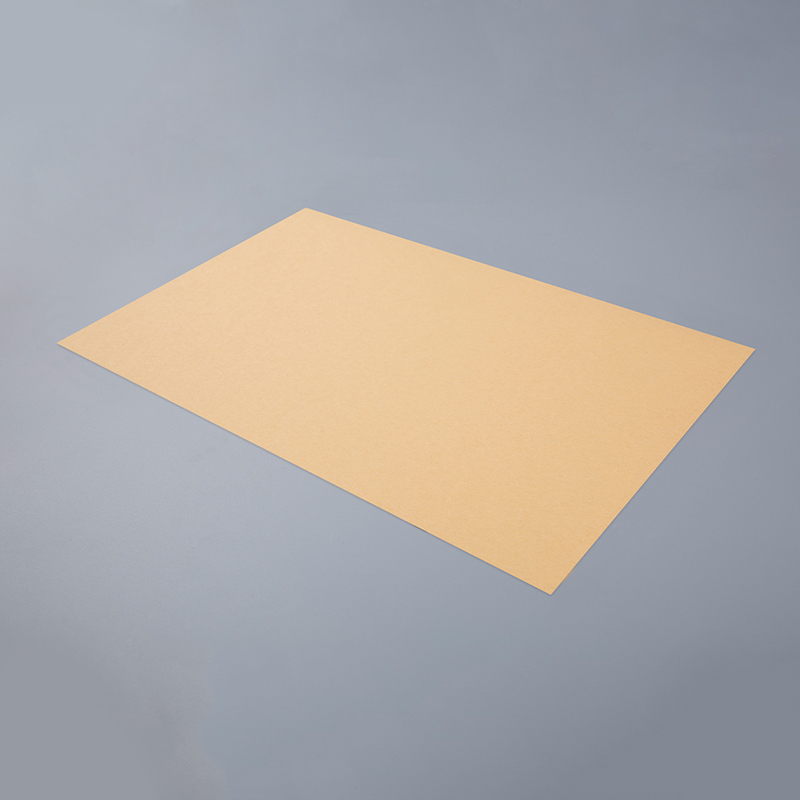
Double-sided adhesive paper in white PEK is a versatile bonding material designed for applications that require adhesive performance on both sides of a central carrier. By combining a stable sandwiched material, pressure-sensitive adhesive layers, and release liners, this construction provides a practical solution for converting, mounting, labeling, assembly, and surface decoration. It is available in roll and sheet formats and can be adapted to different application requirements through changes in carrier material, adhesive chemistry, liner type, size, and cutting configuration.
Unlike a conventional single-sided self-adhesive label, double-sided adhesive paper can join two surfaces or support a face material without requiring an additional visible mechanical fastener. It is particularly useful when a clean appearance, strong contact, efficient processing, and reliable positioning are important. The material is suitable for a wide range of substrates, including paper, plastic, leather, pearl cotton, sponge, footwear components, electronic parts, and automotive decorative products.
This article examines the structure and benefits of white PEK double-sided adhesive paper, explains its manufacturing and converting process, reviews available specifications, and describes why an experienced producer with integrated research, coating, laminating, slitting, and quality-control capabilities can provide meaningful advantages over less specialized sources.
Content
- 1 Understanding Double-Sided Adhesive Paper in White PEK
- 2 Product Construction and Available Material Options
- 3 Key Performance Advantages
- 4 Applications Across Multiple Industries
- 5 Manufacturing Process and Quality Control
- 6 Advantages of an Integrated Manufacturing Partner
- 7 How to Select the Appropriate Construction
- 8 Application Best Practices
- 9 Sustainability and Responsible Product Development
- 10 Why This Product Is Competitive
- 11 Frequently Asked Questions
- 11.1 What is double-sided adhesive paper in white PEK?
- 11.2 What are the main applications of this material?
- 11.3 Which adhesive types are available?
- 11.4 What carrier materials can be selected?
- 11.5 What release liner choices are available?
- 11.6 Can the product be supplied in rolls and sheets?
- 11.7 Is the material suitable for automatic converting?
- 11.8 Can removable adhesive be supplied?
- 11.9 What information should be provided for a customized quotation?
- 11.10 How should the product be stored?
- 11.11 What packaging is available for shipment?
- 11.12 Why is application testing recommended?
- 12 Conclusion
- 13 References
- 14 Product: Double Side Adhesive Paper In White PEK
Understanding Double-Sided Adhesive Paper in White PEK
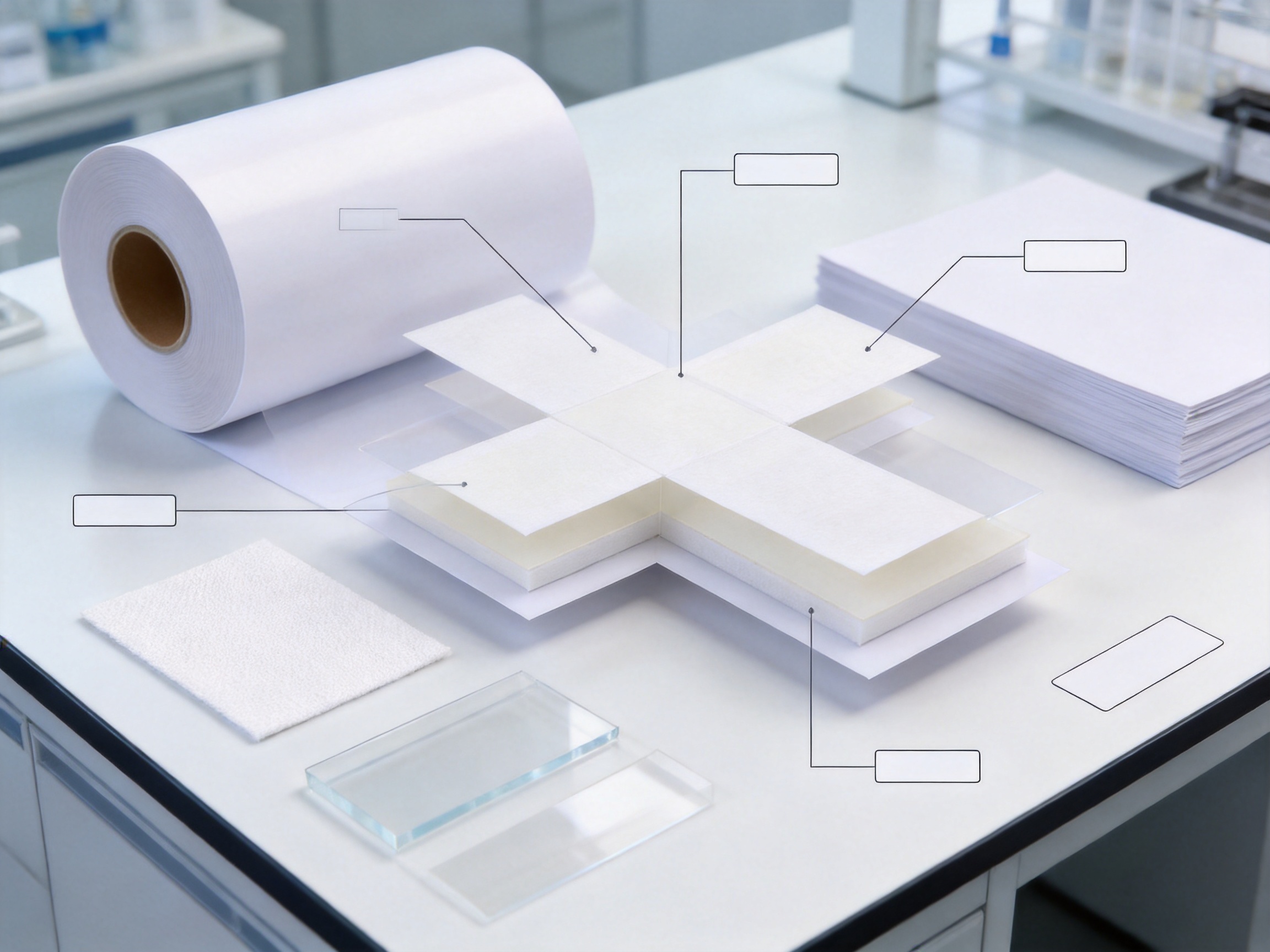
Double-sided adhesive paper is an engineered composite material with adhesive on both sides of a central carrier. The two adhesive surfaces are protected by release liners until the material is ready for use. When one liner is removed, the exposed adhesive can be bonded to the first surface. After the material is correctly positioned, the second liner is removed, allowing the opposite surface to be bonded to another material or to a face stock.
The “white” appearance is associated with the visible release paper or the overall presentation of the material before application. White materials are widely used because they provide a clean, neutral appearance and can be integrated into many product designs without creating distracting color contrast. White liners are also suitable for applications where a professional appearance is desired during storage, handling, die-cutting, and final assembly.
The product can use a non-woven carrier or a transparent PET carrier. A non-woven carrier offers flexibility and conformability, while PET provides higher dimensional stability and a more structured construction. The choice depends on the intended application, the shape of the substrate, the required converting process, and the level of resistance needed during use.
A typical white PEK construction contains four main components:
A central sandwiched material that supports the adhesive layers.
An adhesive system selected for the required tack, holding power, temperature range, and removability.
A first release liner protecting one adhesive surface.
A second release liner protecting the opposite adhesive surface.
The combination of these layers makes the material more than a simple glue-coated paper. It is a controlled bonding system manufactured for clean handling, efficient conversion, and dependable adhesion across different substrates.

Double Side Adhesive Paper In White PEK
Product Construction and Available Material Options
Sandwiched Carrier Materials
The carrier is the structural center of the adhesive construction. It determines how the product behaves during unwinding, die-cutting, application, and service. The available construction includes 15-gram white non-woven material and transparent PET in 19-micron, 25-micron, and 50-micron options.
White non-woven material is appropriate when flexibility and softness are important. It can adapt to uneven or slightly curved surfaces and is useful in applications where the adhesive product must follow the contour of the substrate. Its fibrous structure can also provide a balanced combination of handling strength and conformability.
Transparent PET is selected when greater dimensional stability, cleaner edges, and a thinner or more controlled construction are required. PET is especially useful for precision converting, electronic applications, decorative assembly, and products where the carrier should have limited visual impact. The availability of multiple PET thicknesses enables users to match the material to the required rigidity and processing conditions.
Adhesive Selection
Adhesive chemistry is one of the most important factors in double-sided material performance. Different applications require different balances of initial tack, peel adhesion, shear resistance, flexibility, temperature stability, and removability. The product range includes water-based adhesive, hotmelt adhesive, solvent adhesive, anti-freeze adhesive, removable adhesive, cryogenic adhesive, and tyre-grade rubber adhesive.
Water-based adhesive is a practical choice for many general-purpose applications. It can provide a balanced combination of coating control, adhesion, and processing efficiency. It is suitable when users need a reliable adhesive for common paper, packaging, stationery, office, and light industrial applications.
Hotmelt adhesive is often selected where high initial tack and rapid bonding are important. It can be useful in production environments where components must be joined quickly after application. Hotmelt systems may also perform well on a broad range of surfaces, although final selection should always be based on the specific substrate and operating conditions.
Solvent adhesive is available for applications requiring particular adhesion characteristics or resistance properties. It can be considered for demanding substrates and situations where the adhesive must maintain performance under more challenging conditions.
Anti-freeze adhesive is designed for environments in which low-temperature exposure may affect ordinary adhesive systems. Cryogenic adhesive is intended for specialized low-temperature applications. These options expand the material’s suitability beyond ordinary indoor use and demonstrate the importance of matching adhesive formulation to the actual service environment.
Removable adhesive is valuable when the label, mounting piece, or bonded component may need to be repositioned or removed without excessive residue or surface damage. It is commonly considered for temporary identification, promotional materials, office uses, display applications, and other situations where permanent bonding is unnecessary.
Tyre-grade rubber adhesive is offered for applications associated with rubber or tyre-related products. Rubber surfaces can be difficult to bond because of their formulation, surface energy, texture, and possible migration of additives. A purpose-selected adhesive can provide better compatibility than a general-purpose system.
Two-Side Release Liners
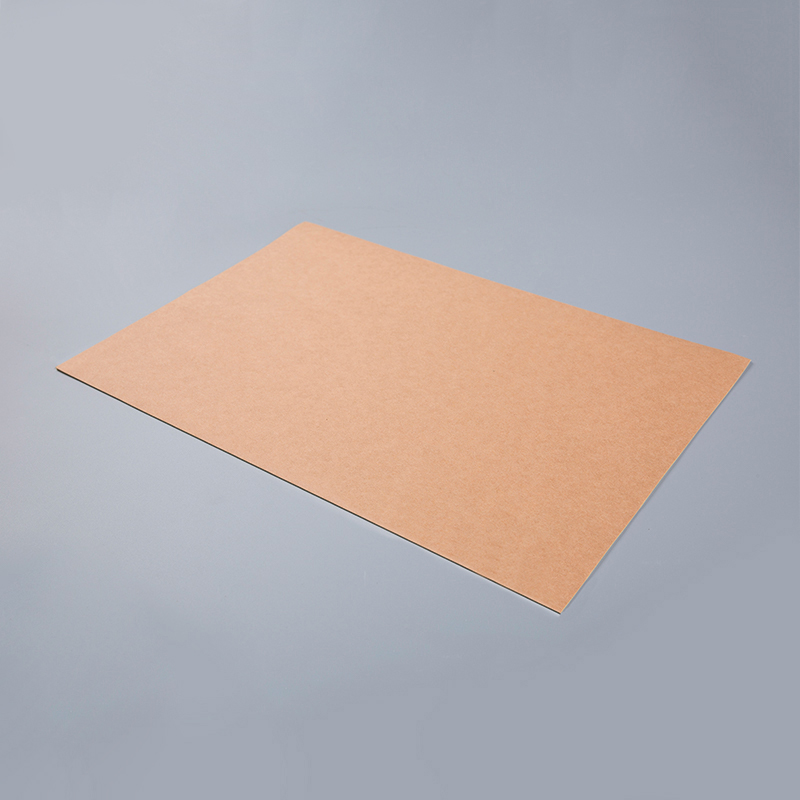
The adhesive surfaces are protected by two release liners. The standard option is 90-gram white release paper, while 90-gram yellow release paper is also available. Release liners protect the adhesive during transport, storage, converting, and preparation for application.
White release paper gives the product a clean and neutral appearance. Yellow release paper can help operators distinguish the liner side during processing, especially when both sides of a double-sided material are similar. The choice may also support production organization, inspection, and application sequencing.
Release performance must be carefully balanced. A liner that releases too easily may separate during unwinding or die-cutting, while a liner that releases with excessive force can slow application and damage the adhesive construction. Controlled release helps converters remove the liner smoothly while keeping the adhesive layer intact and properly positioned.
Key Performance Advantages
Strong and Stable Bonding
The main advantage of double-sided adhesive paper is that it creates a practical bond between two surfaces without visible screws, staples, clips, or liquid adhesive application. The adhesive layers can provide close contact across the bonded area, helping distribute the bonding force more evenly than a small mechanical attachment point.
Compared with traditional paper labels that provide adhesion on only one side, a double-sided construction offers greater design flexibility. It can be used to mount a printed face stock, attach a decorative element, fix a lightweight component, or join materials that cannot be easily connected through conventional methods.
When the adhesive is correctly selected and the surfaces are properly prepared, the material can resist shifting and premature detachment during normal use. This is particularly important for labels, stationery, leather goods, electronic accessories, shoe products, and automotive decorative components where movement or edge lifting would reduce the perceived quality of the finished item.
Clean Appearance
Double-sided adhesive materials can create a neater appearance because the bonding layer is concealed between surfaces. This is beneficial for products where visual presentation matters. A concealed adhesive layer avoids the visible lines, raised fasteners, and uneven glue patterns that may occur with other joining methods.
The white PEK construction is suitable for products requiring a bright and professional appearance. It can be used with printed materials, paper products, decorative pieces, and backing components without introducing a prominent dark or contrasting layer.
Efficient Application
Pre-coated adhesive material reduces the need to dispense liquid glue or manually apply adhesive during assembly. Operators can remove the liner, position the material, apply pressure, and complete the bonding step. This can simplify workflows and help reduce the mess, drying time, and equipment associated with wet adhesive application.
Roll formats are suitable for continuous processing, automatic application, and high-volume converting. Sheet formats are convenient for manual use, office products, small-batch production, and applications requiring standardized cut sizes. Providing both forms enables customers to choose a format that matches their equipment and production volume.
Adaptability to Different Surfaces
Adhesive performance is influenced by surface energy, roughness, cleanliness, flexibility, and operating temperature. A broad adhesive portfolio allows users to select a more suitable construction for different substrates. The material range supports applications involving paper, plastics, leather, textiles, foam, sponge, rubber, electronics, footwear materials, and automotive decorative components.
For porous or textured materials such as certain fabrics, pearl cotton, sponge, and leather, a flexible adhesive and conformable carrier may be preferred. For smooth or dimensionally stable surfaces, PET-based constructions may provide a more controlled result. The ability to select the construction is a major advantage over one-standard-product suppliers.
Converting Compatibility
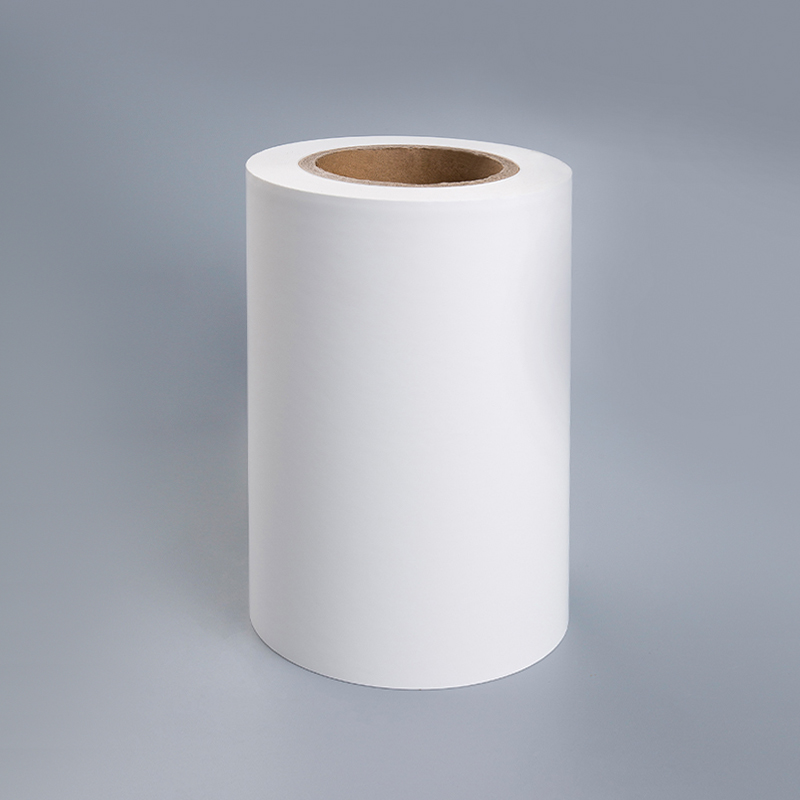
Double-sided adhesive paper can be supplied in jumbo rolls or converted into sheets. The jumbo roll width options include 1,000 millimeters, 1,020 millimeters, 1,080 millimeters, and 1,530 millimeters. These widths can support different slitting, laminating, die-cutting, and printing requirements.
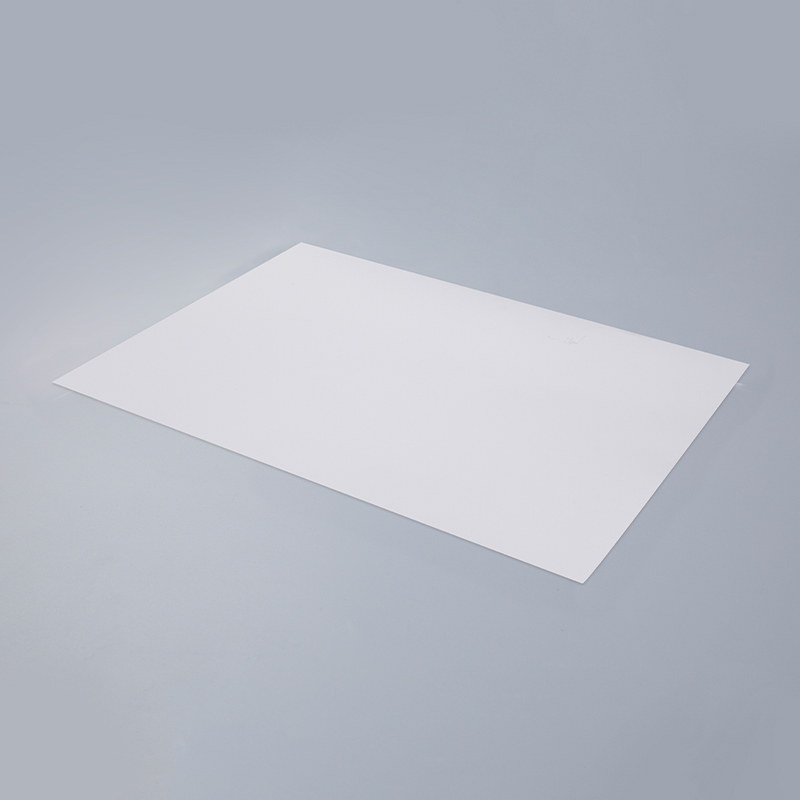
Sheet sizes include A4, A3, 20 by 30 centimeters, 21 by 30 centimeters, 24 by 36 centimeters, 50 by 70 centimeters, and 70 by 100 centimeters. Customized sizes are also available. Standard sizes can simplify purchasing and inventory management, while customized sizes can reduce trimming waste and improve compatibility with a customer’s existing equipment.
Applications Across Multiple Industries
Stickers and Labels
Double-sided adhesive paper is used in the production of stickers, labels, mounting pieces, and specialty identification products. It can serve as an adhesive layer behind a printed face material or as a bonding component in multilayer labels. The two-sided construction makes it possible to attach a label to a product while maintaining a clean face surface.
For labels used in handling, retail, product presentation, or organization, reliable adhesion helps maintain position and readability. The appropriate adhesive should be chosen according to the substrate, expected service period, surface contamination, temperature, and whether the label must be removable.
Stationery and Office Products
In stationery and office applications, double-sided adhesive paper can be used for mounting photographs, documents, cards, decorative pieces, signage, and lightweight accessories. Sheet formats such as A4 and A3 are convenient for office and craft applications, while larger sheets can support professional printing and converting.
The material offers a clean alternative to liquid glue for users who require consistent coverage and straightforward application. A release liner protects the adhesive until use, helping maintain product cleanliness during storage and handling.
Leather Goods
Leather and leather-like materials often require a flexible bond that can accommodate movement and surface texture. Double-sided adhesive constructions can be used in the assembly of wallets, bags, belts, cases, footwear components, and decorative leather pieces.
For leather goods, the adhesive must be selected according to the type of leather, coating, finish, oil content, flexibility, and expected stress. Testing is recommended because natural and synthetic leather surfaces can vary significantly. A flexible carrier and suitable adhesive can improve contact across the bonding area while avoiding an unnecessarily rigid joint.
Pearl Cotton, Sponge, and Foam Materials
Pearl cotton, sponge, and foam are lightweight materials commonly used for cushioning, packaging, insulation, padding, and product assembly. They can be difficult to bond with rigid or poorly matched adhesive constructions because their surfaces may compress, recover, or contain open cells.
A double-sided adhesive material can help attach foam components to paper, plastic, metal, wood, or other backing materials. The choice of adhesive and carrier should reflect the foam density, surface structure, compression behavior, and required holding time. A conformable non-woven carrier may be beneficial where the material must follow a soft or uneven surface.
Footwear Products
Footwear manufacturing often involves multiple materials, including leather, synthetic leather, fabric, rubber, foam, and molded components. Double-sided adhesive materials may assist with temporary positioning, decorative attachment, component assembly, and reinforcement of lightweight parts.
Footwear is exposed to bending, flexing, friction, moisture, and temperature variation. Therefore, a product intended for footwear should be tested under representative conditions. The availability of specialized adhesive choices, including rubber-compatible options, allows the construction to be better matched to the needs of the finished product.
Electronics
Electronic products frequently require thin, clean, accurately positioned bonding materials. Double-sided adhesive paper with a PET carrier can be considered for attaching lightweight components, insulating or decorative layers, nameplates, covers, and internal mounting pieces.
Electronics assembly may place high importance on dimensional accuracy, clean die-cut edges, liner release, and limited adhesive residue. PET-based constructions can support precision converting, while the adhesive must be selected according to the materials being joined and the temperature exposure during assembly and service.
Automotive Decoration
Automotive decorative products require materials that can maintain appearance and attachment under vibration, temperature variation, and repeated handling. Double-sided adhesive paper may be used for decorative trims, emblems, interior components, lightweight panels, and other non-structural applications.
Automotive applications should be evaluated carefully for surface preparation, plasticizer migration, heat resistance, humidity, and long-term holding power. The ability to choose specialized adhesive types and carrier materials supports a more application-specific approach than using a single universal adhesive product.
Manufacturing Process and Quality Control
Research and Development
The manufacturer behind this product specializes in self-adhesive labels and composite materials, with more than 20 years of experience in OEM manufacturing. Its development approach combines face materials, adhesives, release papers, coating methods, laminating structures, and converting processes.
Research and development are important because adhesive performance is not determined by one component alone. The carrier, adhesive, liner, coating weight, drying or curing conditions, and converting process must work together. A change in one layer may affect release, tack, flexibility, dimensional stability, and final adhesion.
A professional development team can use customer drawings, samples, application details, and performance requirements to develop customized solutions. This is particularly valuable when standard products do not provide the required thickness, width, adhesive type, liner combination, or finished size.
Adhesive Coating
Coating is the process through which adhesive is applied to the carrier or liner at a controlled and consistent level. Uniform coating is essential because variations can lead to uneven bonding, visible defects, inconsistent release, or reduced converting performance.
The selection of coating equipment and process parameters depends on adhesive chemistry. Water-based, hotmelt, and solvent adhesive systems may require different preparation, application, drying, and handling conditions. A manufacturer with multiple adhesive options and appropriate coating expertise can provide a more reliable route to application-specific products.
Coating quality also influences the final thickness and appearance of the adhesive layer. Proper control helps maintain a stable product across the width and length of the roll, supporting reliable downstream processing.
Laminating
Laminating joins the adhesive-coated layer, carrier, and release liner into a controlled composite structure. Proper lamination ensures that the layers remain aligned and that the adhesive remains protected until the product is used.
Good laminating practice helps prevent wrinkles, air entrapment, telescoping, edge displacement, and liner separation. These conditions can interfere with slitting, sheet cutting, die-cutting, printing, and manual application. Integrated laminating capability allows the manufacturer to manage the relationship between the adhesive, carrier, and release liners rather than depending on separate suppliers for each stage.
Slitting and Sheet Cutting
After coating and laminating, jumbo rolls can be slit into narrower rolls or converted into sheets. Slitting accuracy affects roll width, edge quality, winding stability, and compatibility with customer equipment. Sheet cutting accuracy affects registration, stacking, feeding, and final appearance.
The availability of standard roll widths and sheet sizes allows the product to serve both large-scale industrial converters and smaller users. Customized dimensions can further reduce waste and improve line efficiency where a customer has a defined die size, press width, or packaging format.
Inspection and Testing
The company operates its own testing laboratory and uses inspection equipment to support product quality. Testing can be used to evaluate properties such as appearance, dimensions, liner condition, adhesive uniformity, release behavior, and bonding performance.
Application testing is also important. A material can perform well in a general laboratory test but behave differently on a particular substrate. For this reason, customer samples and representative materials can help identify the most suitable adhesive and carrier combination.
Quality assurance should extend from incoming raw materials to finished rolls and sheets. Monitoring each stage helps identify process variations early and supports consistency between production batches. This is especially important for customers operating automated converting and application equipment.
Advantages of an Integrated Manufacturing Partner
Broad Production Capability
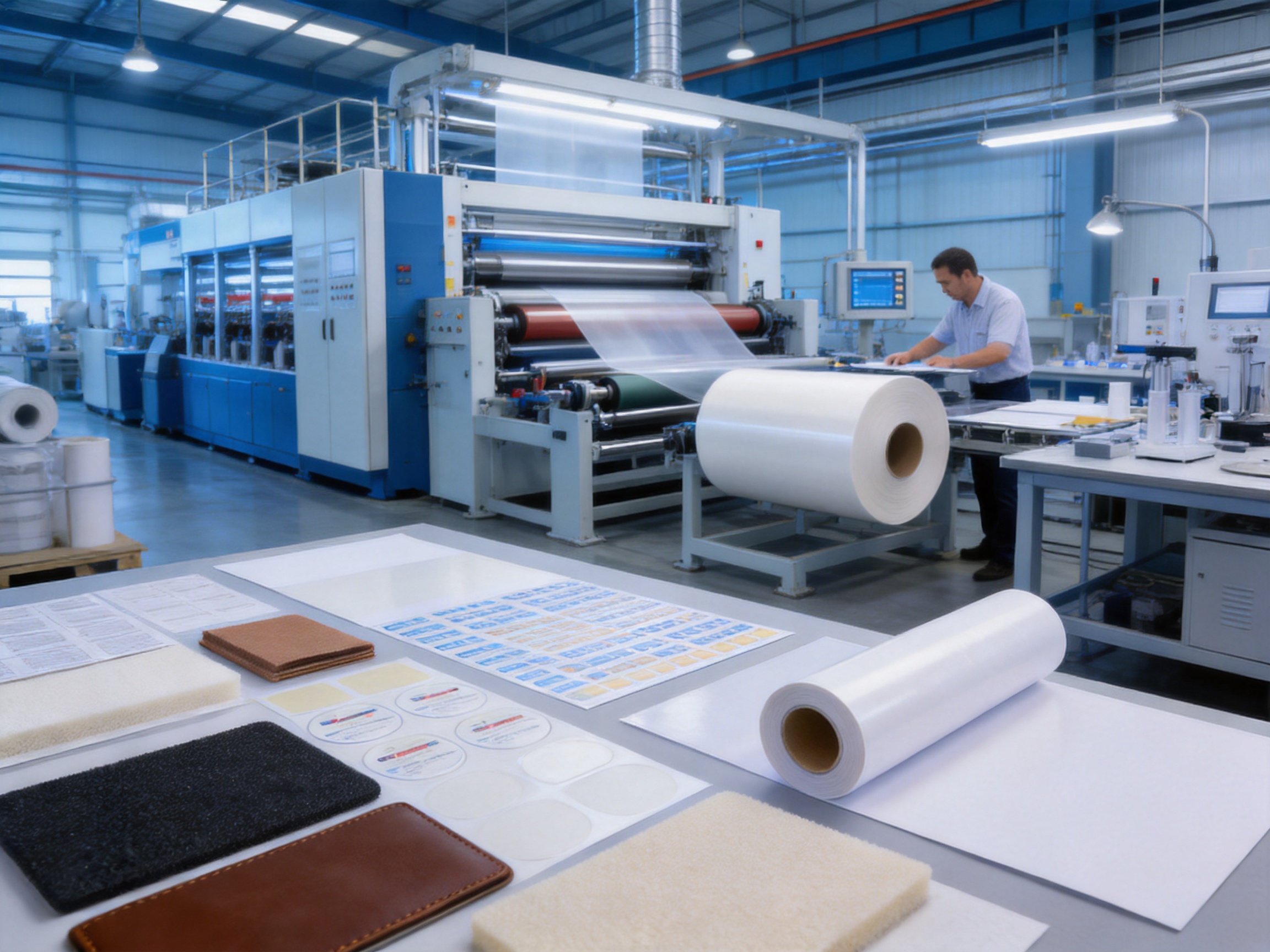
The manufacturer has production lines covering gluing, laminating, and cutting, with an annual production capacity exceeding 280 million square meters. This scale supports large-volume orders while retaining the ability to supply different constructions and formats.
An integrated facility can reduce coordination problems between separate coating, laminating, and cutting suppliers. It also allows technical adjustments to be made across the complete structure. If a customer requires a different carrier, adhesive, liner, width, or sheet size, the manufacturer can evaluate the full product rather than modifying only one isolated component.
OEM and ODM Support
OEM and ODM capabilities are valuable for customers that need private-label production, application-specific materials, or products made from drawings and samples. The manufacturer can support customized solutions based on technical requirements rather than limiting buyers to a fixed catalog.
Customization may involve adhesive selection, PET thickness, non-woven carrier, release liner color, jumbo roll width, sheet size, packaging method, or converting tolerance. Clear communication of the intended use allows the production team to recommend a more appropriate construction.
Experience in International Markets
The company has developed sales and marketing networks in Asia, Europe, the Americas, Africa, the Middle East, and other international regions. Experience serving different markets can help support communication, export packaging, documentation, and production coordination.
International customers may have different requirements for roll dimensions, pallet packing, labeling, inspection, delivery planning, and product customization. A supplier familiar with overseas orders can help reduce uncertainty during procurement and shipment preparation.
Reliable Packaging for Transport
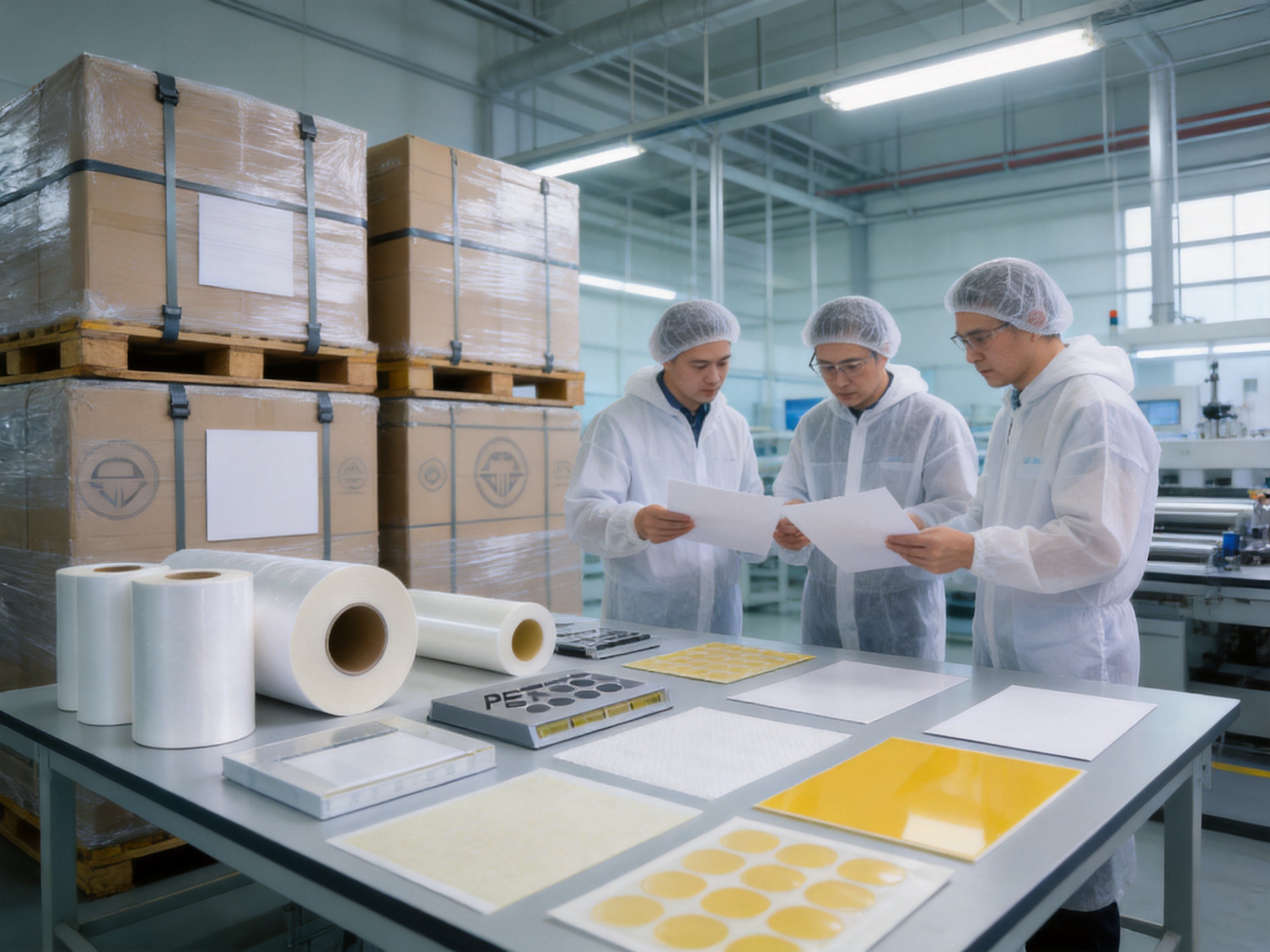
Packaging is an important part of adhesive material quality. The product is available with sea-transit-worthy poly-wood pallet packing and carton packing for rolls or sheets from stock. Sheets can be packed at 100 sheets per ream, with the ream protected by a strong PE-coated kraft paper wrapper.
Strong pallets can be wrapped with stretch film and secured with plastic fastening belts. This type of packaging helps protect rolls and sheets against handling movement, dust, compression, and general transport exposure. Appropriate packaging is particularly important for international sea shipments, where materials may experience extended transit and repeated loading or unloading.
How to Select the Appropriate Construction
Consider the Substrate
The first selection factor is the surface to be bonded. Paper, plastic, leather, foam, rubber, metal, coated surfaces, and textured materials have different adhesion characteristics. Surface energy, porosity, roughness, flexibility, and contamination can affect the result.
Users should identify whether the surface is clean, dry, smooth, porous, oily, coated, or textured. If the substrate contains plasticizer, release agent, oil, dust, or moisture, the adhesive may require special consideration. Cleaning and preparation procedures should be defined before production testing.
Define the Required Bonding Life
A permanent label or assembly component may require high holding power, while a temporary sign or repositionable office product may require removable adhesive. Choosing the wrong adhesive can lead to either premature detachment or difficult removal and residue.
The required bonding life should therefore be stated clearly. It may be temporary, semi-permanent, or permanent. The expected removal method and acceptable level of residue should also be considered.
Evaluate Temperature and Environment
Temperature, humidity, moisture, ultraviolet exposure, vibration, and chemical contact may affect adhesive performance. Low-temperature applications may require anti-freeze or cryogenic adhesive. Products exposed to high heat, outdoor conditions, or automotive environments should be tested under realistic conditions.
Environmental testing should include the expected application temperature as well as the service temperature. Adhesive products may show different behavior during initial bonding and after aging. A material that bonds adequately in a warm factory may require a different formulation if application occurs in a cold warehouse.
Choose Roll or Sheet Format
Roll format is generally suitable for automated converting, continuous lamination, slitting, and high-volume production. Sheet format is convenient for manual handling, office supplies, printing, prototyping, and products that are already manufactured in sheet form.
Customers should consider the required width, core size, winding direction, sheet tolerance, packaging, and feeding method. Providing these details early can help the manufacturer recommend an efficient product configuration.
Match the Carrier to the Process
Non-woven carriers may be appropriate when flexibility and conformability are important. PET carriers may be preferable when the process requires dimensional stability, precision, and a more controlled thin-film structure. The thickness of PET can also influence stiffness, handling, and die-cutting behavior.
For curved, flexible, or uneven substrates, a soft and conformable construction may deliver better contact. For precision electronic or decorative components, a stable PET construction may provide cleaner processing and more predictable dimensions.
Application Best Practices
Before application, the substrate should be clean, dry, and free from dust, oil, moisture, and loose particles. Contamination can reduce the effective contact area and weaken the bond. Smooth surfaces should be wiped using a method compatible with the substrate, and porous or textured surfaces should be evaluated for adequate adhesive contact.
The adhesive should be applied at the recommended pressure. Pressure helps wet the adhesive into the microscopic irregularities of the surface and can improve initial contact. Merely placing the material on a substrate without sufficient pressure may produce an incomplete bond.
When using a double-sided construction, one liner should be removed carefully while avoiding contact with the exposed adhesive. The material should be positioned accurately before the second surface is exposed. This procedure reduces contamination and helps prevent premature bonding in the wrong location.
For large-area applications, operators should avoid trapping air between the adhesive and the substrate. Applying the material progressively or using a roller can help create a smoother bond. The finished assembly may require a dwell period before being subjected to heavy stress, depending on the adhesive type and application conditions.
Storage is also important. Adhesive materials should normally be kept in a clean, dry environment away from direct sunlight, excessive heat, moisture, and chemical vapors. Rolls and sheets should remain in their protective packaging until needed. Proper storage helps preserve adhesive performance and release-liner condition.
Sustainability and Responsible Product Development
The company’s product positioning includes sustainable development and environmental protection. This approach covers the development of eco-friendly solutions involving face materials, adhesives, and backing papers. As customers increasingly evaluate the environmental impact of labels and adhesive products, material selection and construction efficiency are becoming more important.
Product sustainability may be considered through several factors, including material reduction, efficient coating, optimized sheet size, reduced converting waste, appropriate packaging, and selection of materials that support the customer’s own sustainability objectives. A thinner or more precisely sized construction may reduce unnecessary material use, provided that it continues to meet performance requirements.
Responsible product development must balance environmental goals with durability and application reliability. A product that fails prematurely may create additional waste through replacement and rework. Therefore, the most suitable solution is often the construction that provides the required service life with an efficient use of carrier, adhesive, and liner materials.
By offering different carriers, adhesive chemistries, liner options, and customized dimensions, the manufacturer can help customers avoid using a heavier or more complex construction than necessary. Application-specific development can support both performance and resource efficiency.
Why This Product Is Competitive
White PEK double-sided adhesive paper competes effectively because it combines versatility, clean appearance, multiple adhesive choices, flexible formats, and professional converting capability. Its advantages are not limited to one application. The same basic product family can be adapted for stationery, labels, footwear, foam, leather, electronics, rubber-related products, and automotive decoration.
Compared with ordinary single-sided adhesive paper, it offers two-sided bonding capability and greater structural flexibility. Compared with manually applied liquid glue, it provides a cleaner and more consistent application process. Compared with a one-formulation adhesive product, it gives customers more options for temperature, removability, substrate compatibility, and specialized performance.
The product also benefits from the manufacturer’s complete production chain. Gluing, laminating, cutting, testing, packaging, OEM manufacturing, and ODM development are supported within an experienced organization. This can improve responsiveness, reduce technical handoffs, and make customized orders easier to coordinate.
More than two decades of manufacturing experience, an annual production capacity of over 280 million square meters, an internal testing laboratory, advanced inspection equipment, and a professional research and development team provide a foundation for consistent supply. The company also reports multiple patents and extensive experience serving domestic and international customers.
For buyers, the most important competitive advantage is often not a single technical specification but the supplier’s ability to deliver a stable, application-appropriate product. A strong supplier should understand the customer’s substrate, process, equipment, environmental conditions, packaging needs, and expected service life. White PEK double-sided adhesive paper is most valuable when these factors are evaluated together.
Frequently Asked Questions
What is double-sided adhesive paper in white PEK?
It is a composite adhesive material with adhesive on both sides of a central carrier and release liners protecting both adhesive surfaces. The white PEK product can be supplied with a white non-woven carrier or transparent PET options, depending on the required application and processing performance.
What are the main applications of this material?
It is used for stickers, labels, stationery, office products, leather goods, pearl cotton, sponge, foam, footwear products, electronics, rubber-related products, and automotive decorative components. The most suitable construction depends on the substrate, service environment, and required bonding strength.
Which adhesive types are available?
Available options include water-based adhesive, hotmelt adhesive, solvent adhesive, anti-freeze adhesive, removable adhesive, cryogenic adhesive, and tyre-grade rubber adhesive. Customers should select the adhesive according to the surface, temperature, bonding life, and environmental conditions.
What carrier materials can be selected?
The available sandwiched materials include 15-gram white non-woven material and transparent PET in 19-micron, 25-micron, and 50-micron thicknesses. Non-woven material is generally more flexible, while PET offers greater dimensional stability and precision.
What release liner choices are available?
The standard liner is 90-gram white release paper. A 90-gram yellow release paper option is also available. The liner protects the adhesive and can help operators distinguish sides during processing and application.
Can the product be supplied in rolls and sheets?
Yes. Jumbo roll widths include 1,000, 1,020, 1,080, and 1,530 millimeters. Sheet sizes include A4, A3, 20 by 30 centimeters, 21 by 30 centimeters, 24 by 36 centimeters, 50 by 70 centimeters, and 70 by 100 centimeters. Customized sizes are also available.
Is the material suitable for automatic converting?
Roll products are suitable for applications involving slitting, laminating, die-cutting, and other continuous converting operations. The exact suitability depends on equipment, roll dimensions, carrier type, adhesive construction, and required tolerances. Production testing is recommended before full-scale conversion.
Can removable adhesive be supplied?
Yes. Removable adhesive is one of the available options. It may be considered for temporary labels, office products, displays, and applications where the bonded item may need to be removed. The actual removability should be verified on the intended substrate and after the required service period.
What information should be provided for a customized quotation?
Useful information includes the substrate type, application method, desired bonding life, environmental conditions, required width or sheet size, carrier preference, adhesive type, liner preference, order quantity, packaging requirements, and any drawings or samples. These details help the manufacturer recommend a more appropriate construction.
How should the product be stored?
The material should be stored in clean, dry conditions away from direct sunlight, excessive heat, moisture, and chemical contamination. Rolls and sheets should remain protected in their original packaging until application. Proper storage helps preserve adhesive and release performance.
What packaging is available for shipment?
Sea-transit-worthy poly-wood pallet packing and carton packing are available for rolls and sheets from stock. Sheets can be packed at 100 sheets per ream with a strong PE-coated kraft paper wrapper. Pallets can be wrapped with stretch film and secured with plastic fastening belts.
Why is application testing recommended?
Adhesion depends on the actual substrate, surface preparation, temperature, pressure, humidity, and service conditions. Testing confirms whether the selected carrier and adhesive provide the required performance before large-scale production or installation.
Conclusion
Double-sided adhesive paper in white PEK is a practical and adaptable material for bonding, mounting, labeling, and composite assembly. Its two-sided adhesive construction supports clean, efficient, and visually attractive applications across stationery, labels, leather goods, foam, footwear, electronics, automotive decoration, and other industries.
The product range is strengthened by multiple carrier choices, several adhesive chemistries, two release liner options, roll and sheet formats, and customized dimensions. These options allow customers to choose a construction that matches their substrate, processing equipment, bonding life, temperature range, and appearance requirements.
The manufacturer’s integrated capabilities in gluing, laminating, cutting, testing, OEM production, ODM development, and export packaging provide additional value. With more than 20 years of manufacturing experience, an annual production capacity exceeding 280 million square meters, an internal testing laboratory, and a professional research and development team, the company is positioned to support both standard and customized adhesive material requirements.
For the best result, buyers should define the application carefully, test the construction on the actual substrate, and select the carrier, adhesive, liner, and format as one complete system. When properly specified and applied, white PEK double-sided adhesive paper can provide dependable bonding, efficient production, clean appearance, and broad design flexibility.
References
1. Product specification information for Double Side Adhesive Paper in White PEK, including carrier, adhesive, liner, width, and sheet-size options.
2. Manufacturing and company information supplied by Suzhou Piaozhihua Composite Material Technology Co., Ltd.
3. General principles of pressure-sensitive adhesive selection, surface preparation, release-liner handling, and composite material converting.
4. General industry practices for self-adhesive labels, double-sided adhesive constructions, coating, laminating, slitting, and sheet conversion.
5. General guidance on packaging and storage of adhesive-coated rolls and sheets for domestic and international transportation.