
 English
 Español
 русский
 Français
 عربى
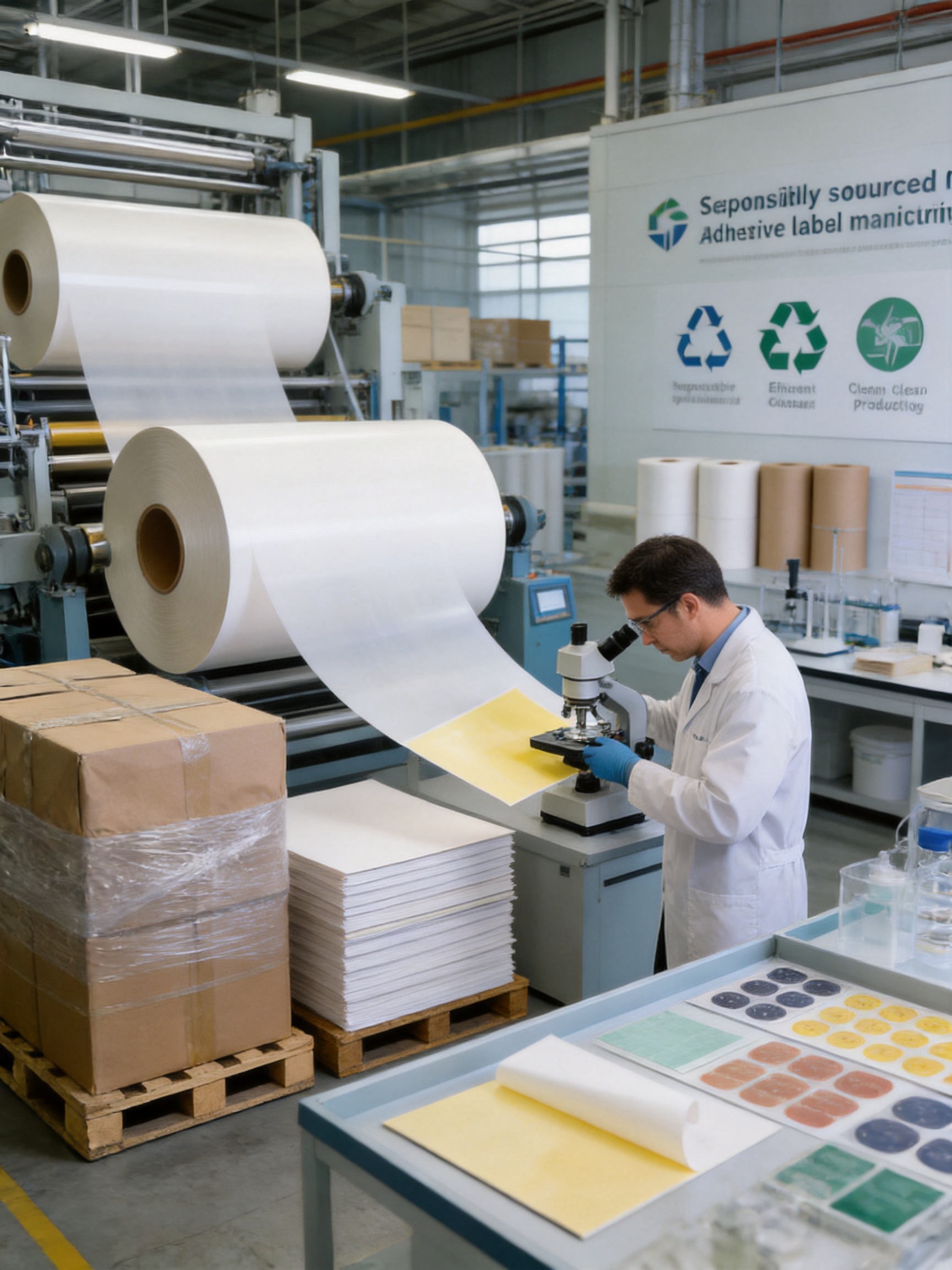
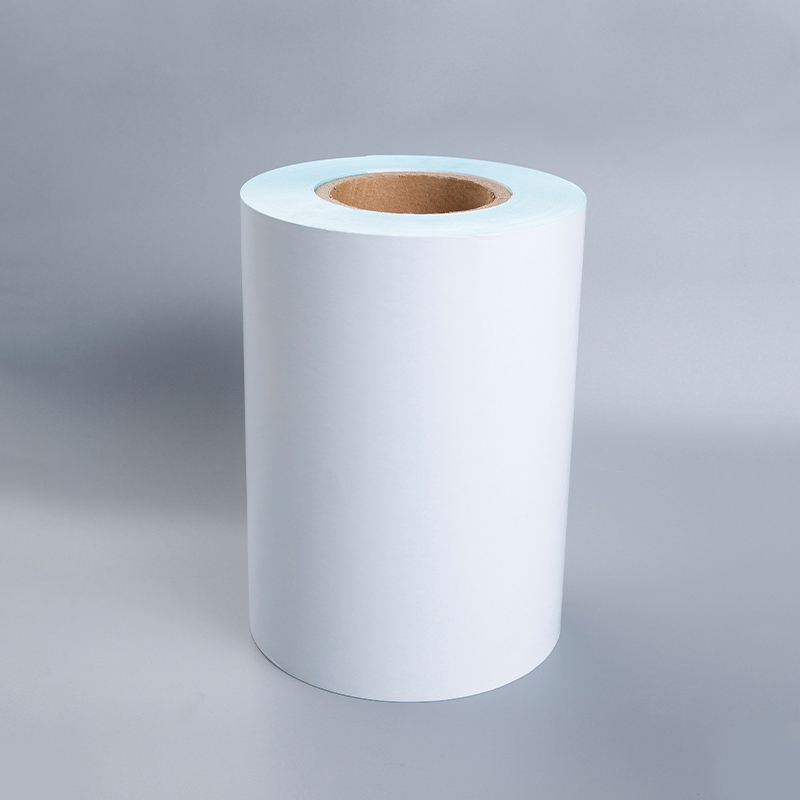
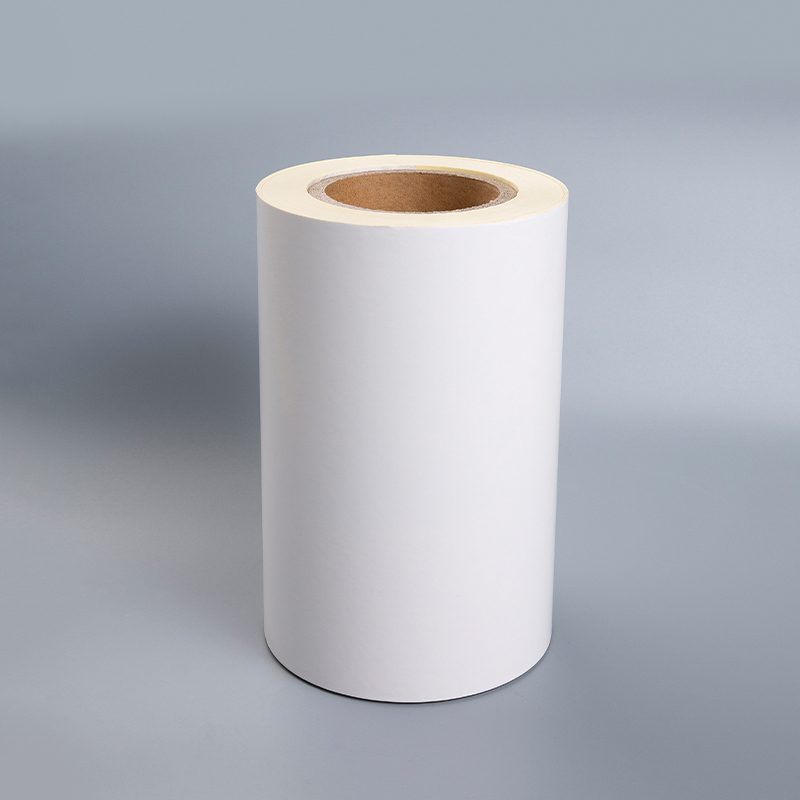
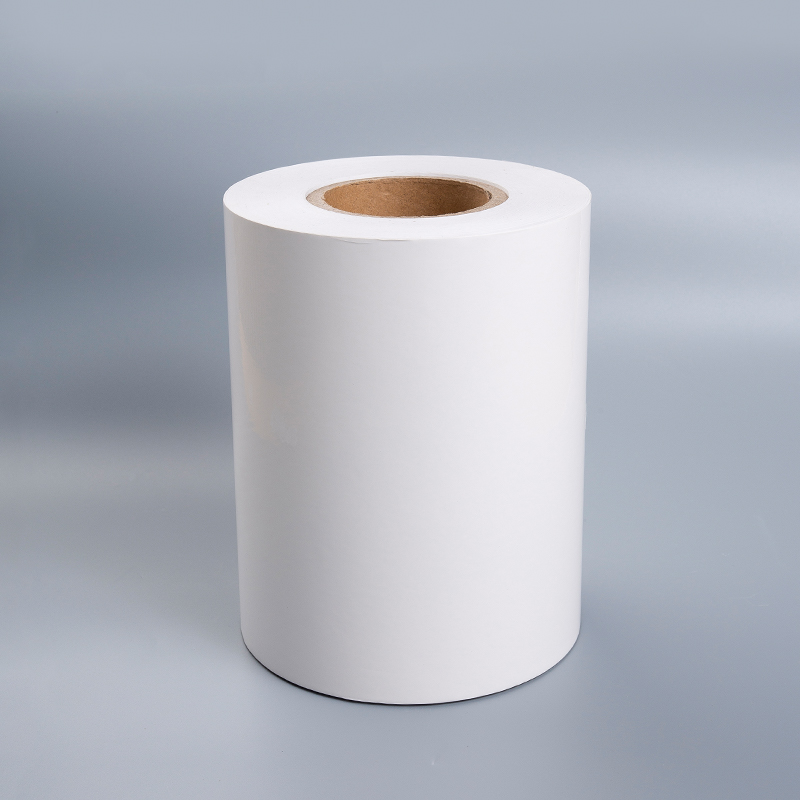
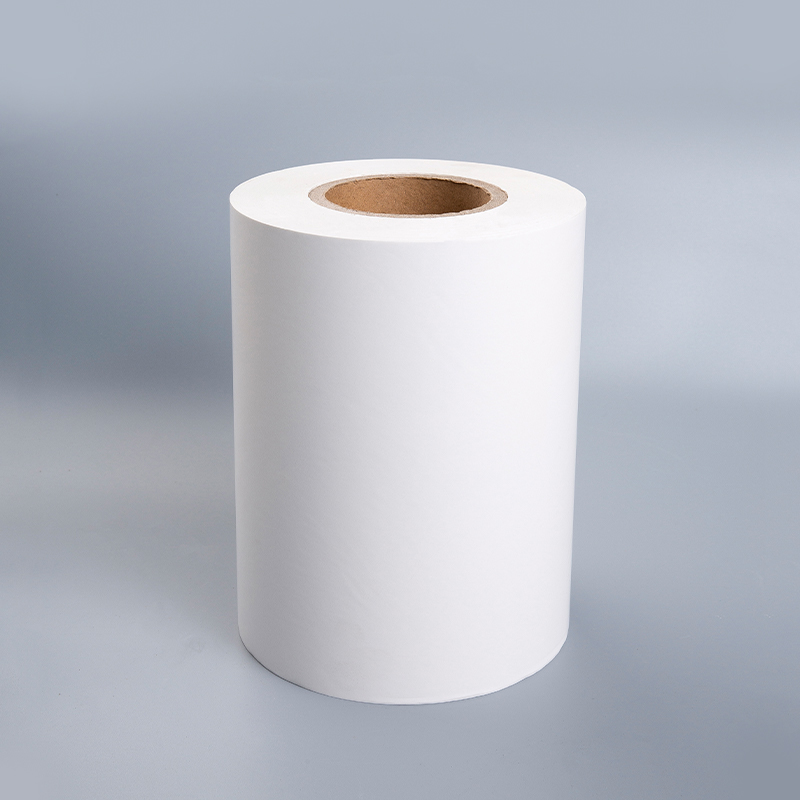
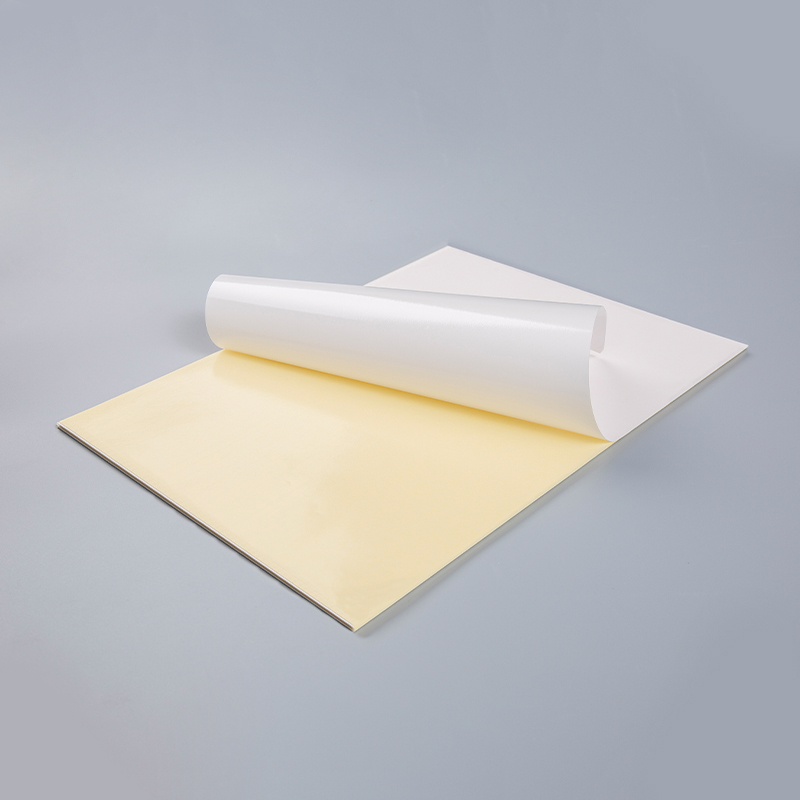
Cast coated paper with a yellow release liner is a specialized self-adhesive material designed for applications that require an attractive print surface, reliable adhesion, clean conversion, and convenient release performance. It combines a smooth coated paper face, a pressure-sensitive adhesive layer, and a silicone-treated release liner. This three-layer construction gives converters, printers, sign makers, packaging companies, and label users a practical material for producing labels, stickers, promotional graphics, decorative elements, and identification products.
Although self-adhesive materials are available in many forms, cast coated paper remains a popular choice when visual quality, printability, cost efficiency, and a traditional paper appearance are important. The coated face provides a refined surface for text, graphics, logos, product information, and promotional images. At the same time, the release liner protects the adhesive before application and allows the finished label to be removed from its backing with controlled force.
The product described in this article is available in roll and sheet formats. It can be supplied with hot melt adhesive, water-based adhesive, solvent adhesive, removable adhesive, anti-freeze adhesive, cryogenic adhesive, and tyre-grade rubber adhesive. A range of liner materials and grammages is also available, allowing the material to be adapted to different printing, converting, storage, transportation, and end-use requirements.
Content
- 1 Product Structure and Functional Design
- 2 Key Advantages Over General Self-Adhesive Paper Products
- 3 Printing and Converting Performance
- 4 Application Areas
- 5 Manufacturing Capabilities and Quality Strengths
- 6 Available Specifications
- 7 Packaging, Storage, and Delivery
- 8 Sustainability and Environmental Considerations
- 9 How to Select the Correct Construction
- 10 Competitive Positioning
- 11 Quality Control from Raw Material to Finished Goods
- 12 Frequently Asked Questions
- 12.1 What is cast coated paper with a yellow release liner?
- 12.2 Why is the liner yellow?
- 12.3 What face material is available?
- 12.4 Which adhesive should be selected?
- 12.5 Can the material be used for temporary labels?
- 12.6 Is the product available in sheets?
- 12.7 Is the product available in jumbo rolls?
- 12.8 Which liners are available besides the standard liner?
- 12.9 Can the product be used for digital printing?
- 12.10 Can the product be used outdoors?
- 12.11 Can customized products be developed?
- 12.12 How should the material be stored?
- 12.13 What packaging is provided?
- 12.14 What makes the manufacturer a suitable long-term supplier?
- 13 Conclusion
- 14 References
- 15 Product: Cast Coated Paper With Yellow Release Liner
Product Structure and Functional Design
Cast coated paper with a yellow release liner is manufactured as a laminated self-adhesive construction. Each layer performs a distinct function, and the quality of the final product depends on how effectively the layers work together.
Cast Coated Paper Face Material
The face material is a cast coated paper designed to provide a smooth, bright, and visually appealing print surface. Compared with ordinary uncoated paper, the coating helps reduce surface roughness and improves the appearance of printed images, fine text, lines, and solid colors. The face stock is suitable for applications in which a paper-based appearance is preferred over a plastic appearance.
Cast coating can create a particularly refined surface because the coating is formed against a highly polished finishing surface. This process helps produce a dense and smooth surface that supports clear image reproduction. When used with a suitable printing system, the material can deliver sharp graphics and strong color presentation for commercial labels, signs, stickers, and promotional products.
The standard face material listed for this product is 80 gsm woodfree paper, with 75 gsm, 78 gsm, and 90 gsm options available. These alternatives allow users to select a suitable balance between flexibility, thickness, handling strength, stiffness, and cost. A lighter face stock may be suitable for certain general-purpose labels, while a heavier grade can provide a more substantial feel for premium stickers, presentation labels, and decorative applications.
Pressure-Sensitive Adhesive Layer
The adhesive layer is responsible for bonding the label to the target surface. Because the adhesive remains tacky without requiring water, heat, or a separate curing process during application, pressure-sensitive labels can be applied efficiently in manual, semi-automatic, or automatic operations.
Different adhesive technologies can be selected according to the application. Hot melt adhesive is commonly chosen for strong initial tack and efficient production. Water-based adhesive can be appropriate for applications requiring a water-based adhesive system and a smooth coating process. Solvent adhesive may be selected when specific bonding performance, durability, or substrate compatibility is required.
Removable adhesive is available for labels that must be taken off with minimal residue or reduced surface damage. Anti-freeze adhesive is intended for colder environments and applications exposed to low temperatures. Cryogenic adhesive is designed for specialized low-temperature conditions, while tyre-grade rubber adhesive is available for demanding rubber-related applications such as tyre labeling and identification.
The availability of several adhesive types is a significant advantage over products that are offered with only one standard adhesive. A single adhesive formula cannot provide optimum performance on every substrate or in every environment. The ability to specify the adhesive gives buyers greater control over tack, peel strength, temperature resistance, removability, and application reliability.
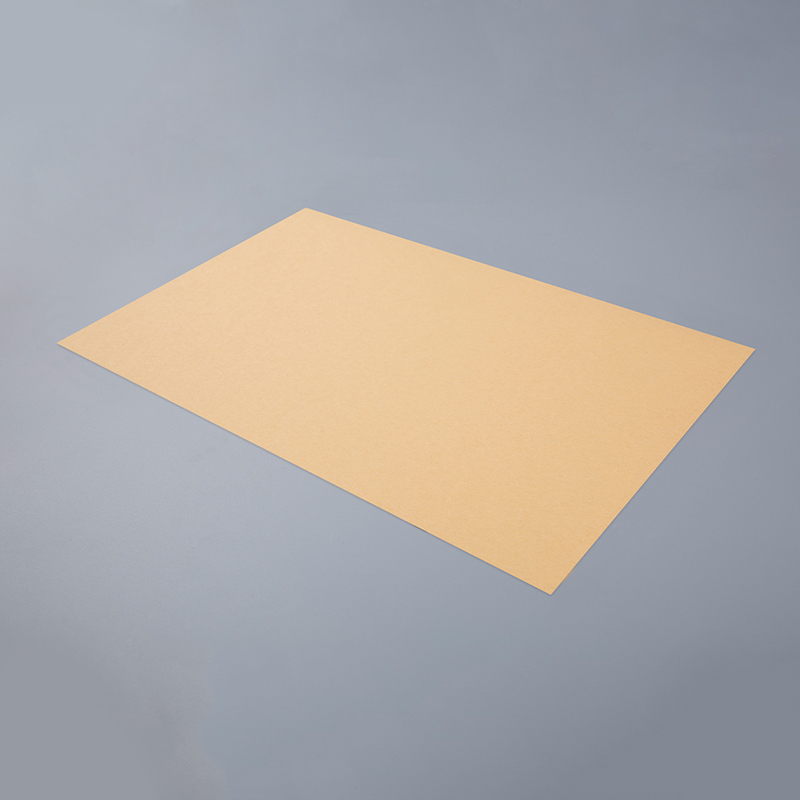
Yellow Release Liner
The yellow release liner is the backing layer of the self-adhesive construction. It protects the adhesive during storage and transportation and is removed immediately before the label is applied. The yellow color can create a clear visual distinction between the liner and the face material, which may assist operators during converting, slitting, die cutting, weeding, and manual application.
A release liner must balance several properties. It should protect the adhesive effectively, remain stable during processing, and release smoothly without excessive force or adhesive transfer. If release is too tight, labels may be difficult to peel at high speed. If release is too loose, the label may separate prematurely or become difficult to handle. Consistent silicone coating and controlled liner caliper are therefore essential to reliable performance.
The standard liner option is 90 g white release paper, while several alternative liner materials are available. These include 50 g, 60 g, 80 g, 100 g, and 120 g glassine paper; 60 g, 120 g, and 140 g release paper; 140 g and 165 g art paper; and 50 g, 80 g, 90 g, and 120 g CCK liner. The available choices support different die-cutting, label dispensing, stiffness, printing, and application requirements.
Cast Coated Paper With Yellow Release Liner
Key Advantages Over General Self-Adhesive Paper Products
Cast coated paper with a yellow release liner offers a combination of appearance, processability, customization, and application flexibility. Its advantages are most apparent when compared with basic self-adhesive paper products that provide limited options for adhesive selection, liner construction, or finished size.
Improved Print Appearance
The smooth coated surface helps printed information appear cleaner and more professional. Fine characters can be reproduced with improved definition, while images and solid colors can show greater visual consistency. This is important for labels that represent a brand, identify a product, communicate instructions, or support a promotional campaign.
For businesses that use labels as part of their visual identity, the quality of the print surface can influence how customers perceive the product. A smooth, bright, and uniform face stock can provide a more premium impression than rough or uneven paper. It can also help reduce the visual defects associated with low-quality substrates, including excessive ink absorption, fuzzy edges, and uneven solid coverage.
Broad Adhesive Selection
Many competing self-adhesive papers are sold with a fixed adhesive construction. This may be convenient for general applications, but it can create limitations when the label must adhere to unusual materials or operate in difficult conditions. The availability of hot melt, water-based, solvent, removable, anti-freeze, cryogenic, and tyre-grade rubber adhesive options enables a more application-specific solution.
For example, a removable label for temporary promotion is not expected to behave in the same way as a permanent product identification label. Likewise, a label used in a refrigerated supply chain may require different adhesive performance from a label applied in a normal indoor environment. Matching the adhesive to the application improves the probability of reliable bonding and reduces the risk of peeling, lifting, curling, residue, or premature failure.
Multiple Liner Choices
The liner influences die-cutting, dispensing, stiffness, dimensional stability, and handling. By offering glassine, release paper, art paper, and CCK liner options, the product can be adapted to a wider range of production processes.
Glassine liners are often valued for smoothness and a relatively uniform structure. Heavier release papers can provide increased stiffness and handling strength. Art paper liners may be selected when a particular thickness or surface feel is needed. CCK liners offer additional choices for users who need a specific combination of caliper, release behavior, and converting performance.
This range gives converters more flexibility than a single-liner product. It also allows purchasing teams to standardize on a face material while adjusting the liner to suit different label formats or production lines.
Roll and Sheet Availability
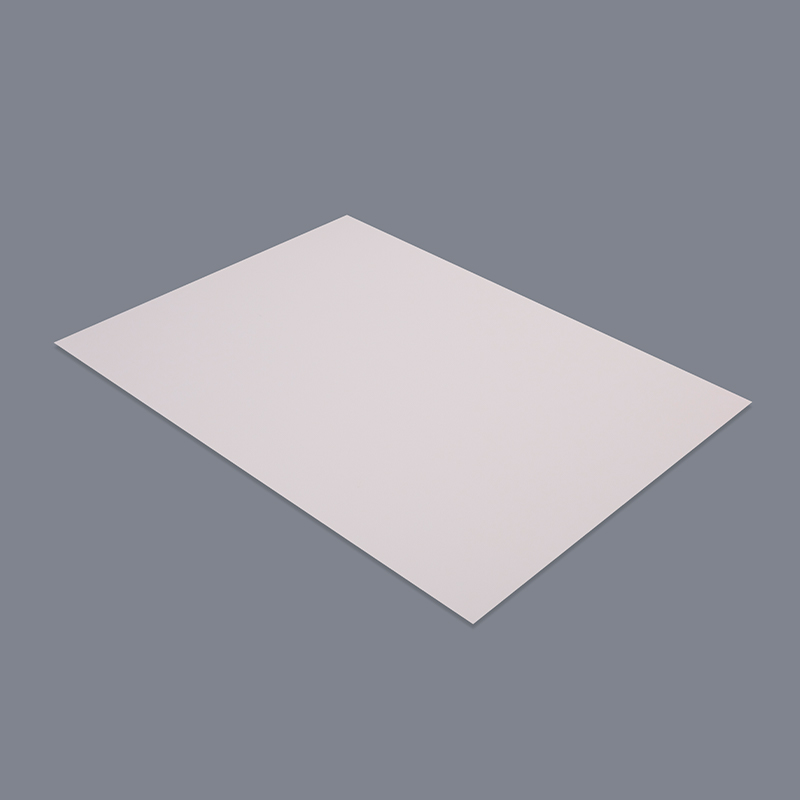
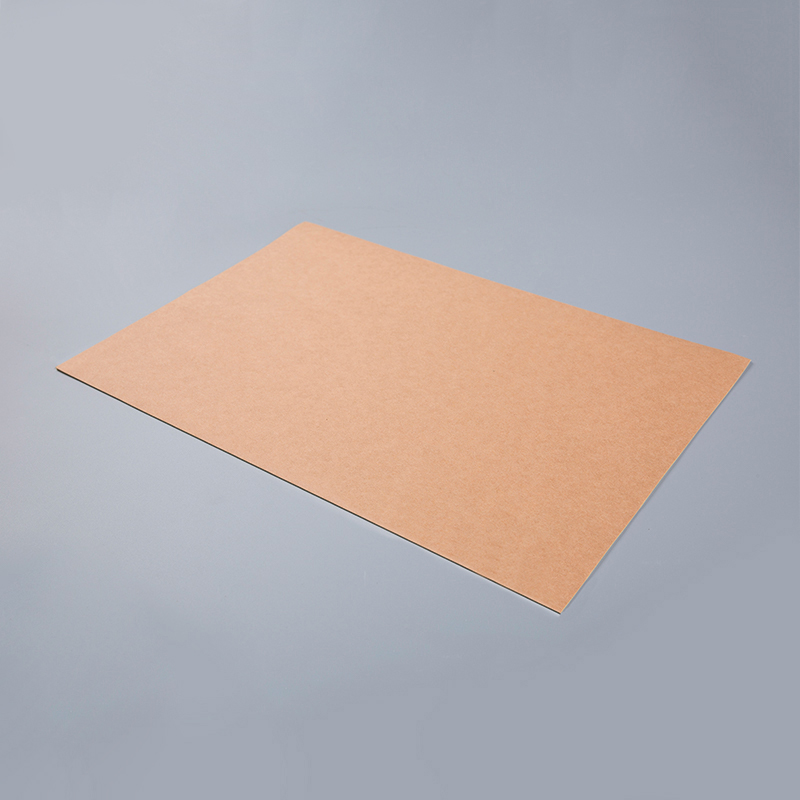
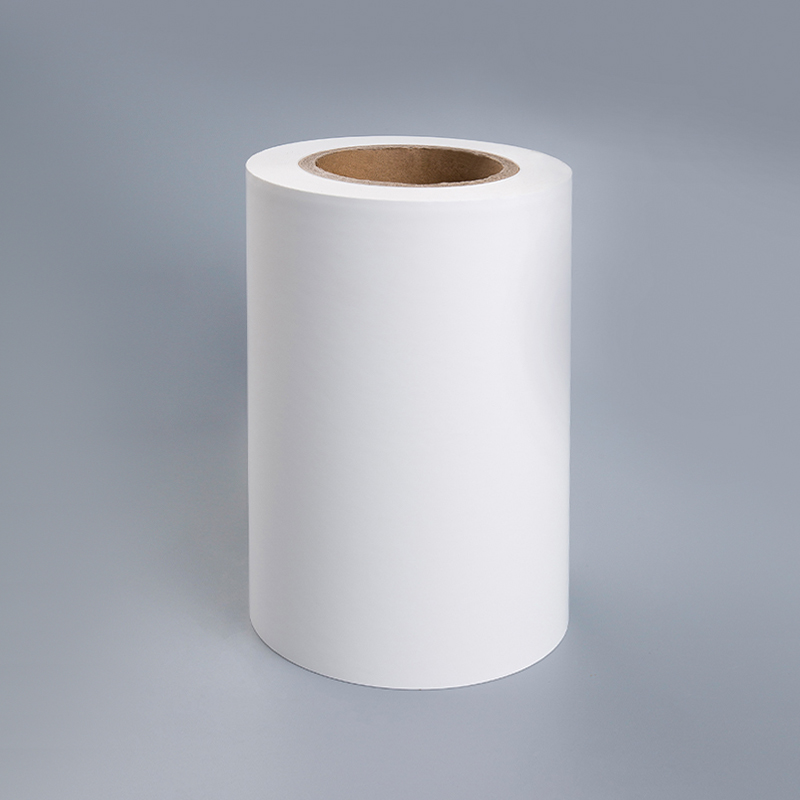
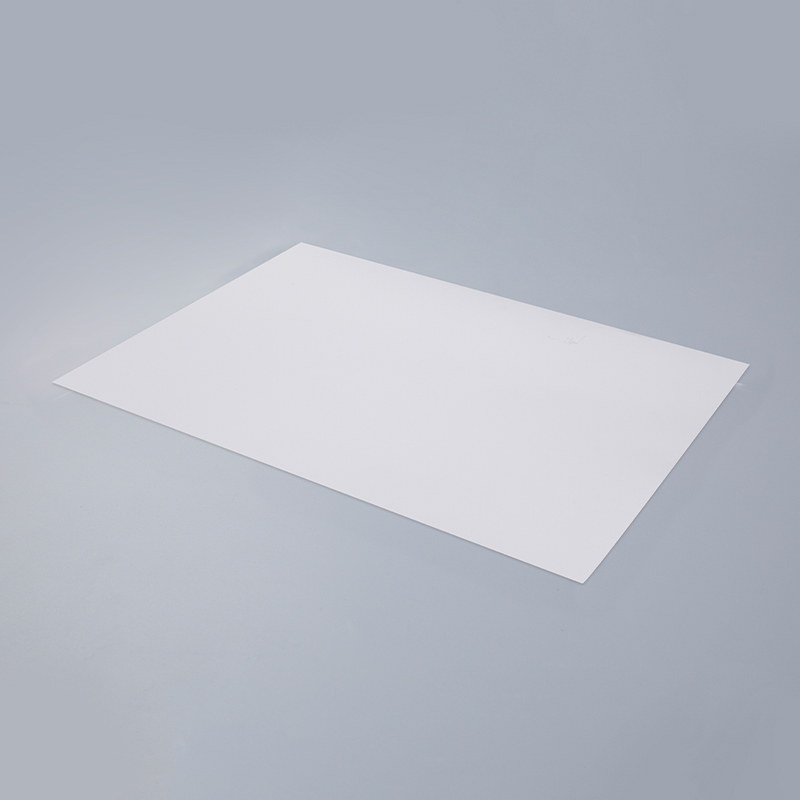
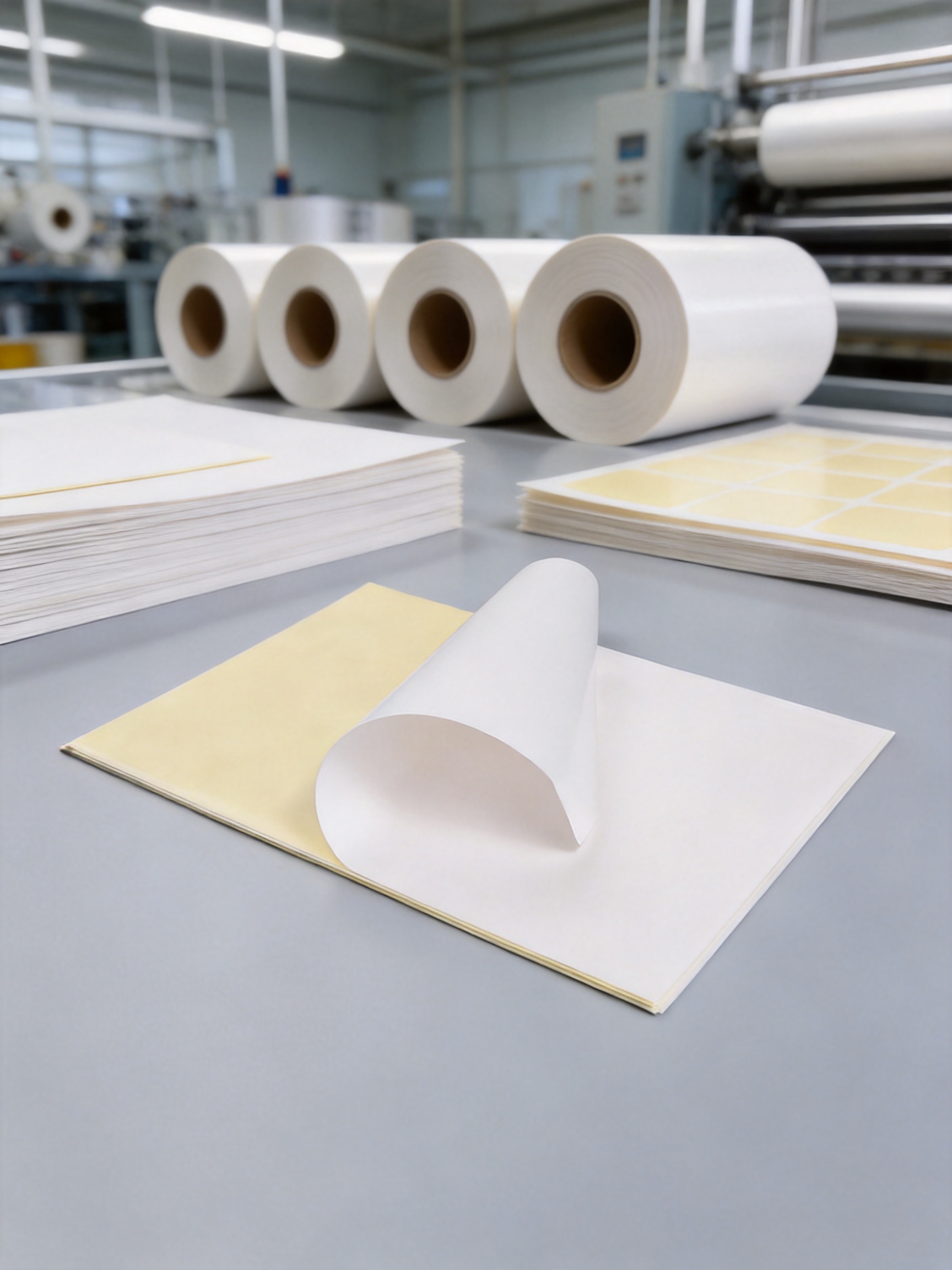
The material can be supplied in jumbo rolls or sheets. Jumbo rolls are suitable for slitting, sheeting, rotary die cutting, flexographic printing, digital printing, and other industrial converting processes. Sheet formats can be used directly by commercial printers, office-oriented print operations, sign producers, and customers that require ready-to-process material.
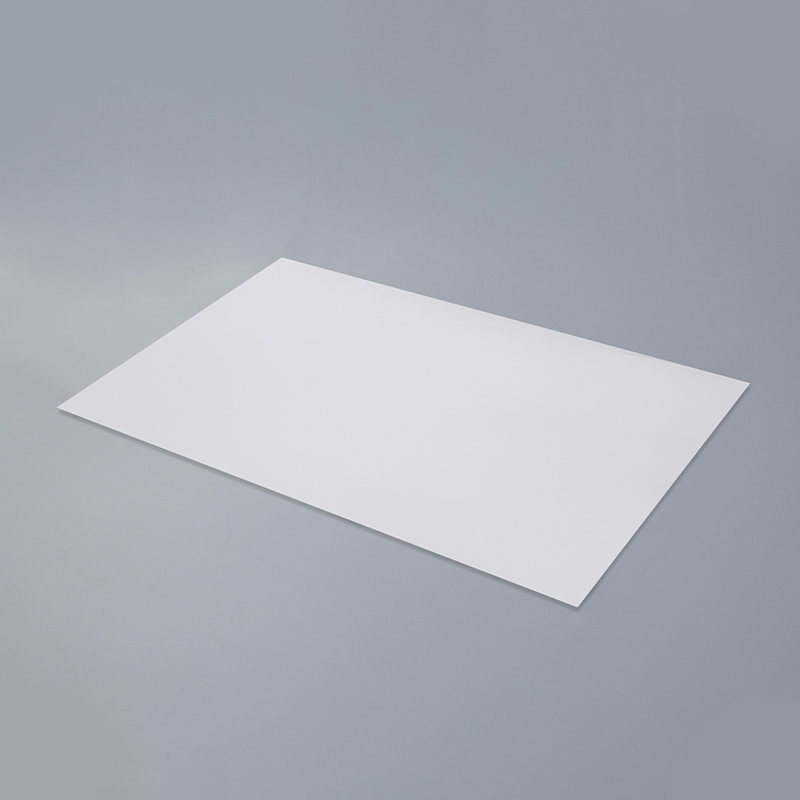
Available sheet sizes include A4, A3, 20 by 30 inches, 21 by 30 inches, 24 by 36 inches, 50 by 70 centimeters, and 70 by 100 centimeters. Customized sizes are also available. This range reduces the need for unnecessary trimming and can help users improve material utilization.
Suitable for Diverse Substrates
Self-adhesive labels made from this material can be applied to many common surfaces, subject to adhesive selection and application conditions. These may include paperboard, coated paper, cartons, plastic surfaces, painted metal, glass, wood, and other smooth or moderately textured substrates.
Surface cleanliness, temperature, moisture, curvature, and surface energy all affect adhesive performance. The product’s flexible adhesive portfolio allows the construction to be selected according to these factors. This is a practical advantage for buyers that serve multiple industries and need one reliable supplier capable of providing several grades.
Printing and Converting Performance
The face stock is intended to support a range of printing and converting processes. The exact choice of ink, drying system, printing pressure, and finishing method should be validated by the user, but the smooth coated paper surface is generally suitable for high-quality label and graphics production.
Digital Printing
Digital printing is useful for variable data, short runs, customized labels, prototypes, seasonal campaigns, and on-demand production. A smooth cast coated surface can help digital printers produce detailed images and readable small text. It can also support efficient production when different designs must be printed in the same job without traditional plate preparation.
Digital label production often requires fast turnaround and accurate sheet or roll handling. The availability of A4, A3, and other sheet sizes enables users to select a format compatible with their equipment. Jumbo roll supply can support industrial digital presses and downstream finishing systems that operate continuously.
Flexographic and Conventional Printing
For large-volume label production, flexographic printing can offer high throughput and efficient repeat manufacturing. The coated paper face provides a consistent surface for controlled ink transfer. Depending on the printing system and ink formulation, users can produce text, barcodes, graphics, logos, and promotional content.
Other conventional printing methods may also be considered after technical testing. Printer settings should be adjusted to the selected face stock, ink type, drying conditions, and desired appearance. The material supplier can assist customers in identifying an appropriate structure for the planned process.
Die Cutting and Label Conversion
Die cutting converts the laminated material into individual label shapes while leaving the release liner intact. Consistent face stock thickness, adhesive coating, and liner structure are important for achieving clean cuts and efficient waste removal.
Different liner weights may be selected according to the die-cutting method and label design. A heavier liner may provide more support for intricate shapes or larger labels, while a lighter liner may be preferred when flexibility and compact roll formation are important. Proper storage and machine adjustment remain necessary to prevent edge lifting, liner cracking, or inconsistent waste stripping.
Sheeting and Finishing
For sheet products, accurate sheeting is important because uneven edges or poor dimensional control can affect feeding and printing registration. The material can be supplied in standard sizes or customized dimensions to meet equipment and customer requirements.
Finished labels may be supplied as individual sheets, rolls, fan-folded formats, or converted shapes, depending on the user’s needs. Additional finishing processes can include laminating, varnishing, perforating, corner rounding, and contour cutting, subject to compatibility testing.
Application Areas
Publicity and Advertising
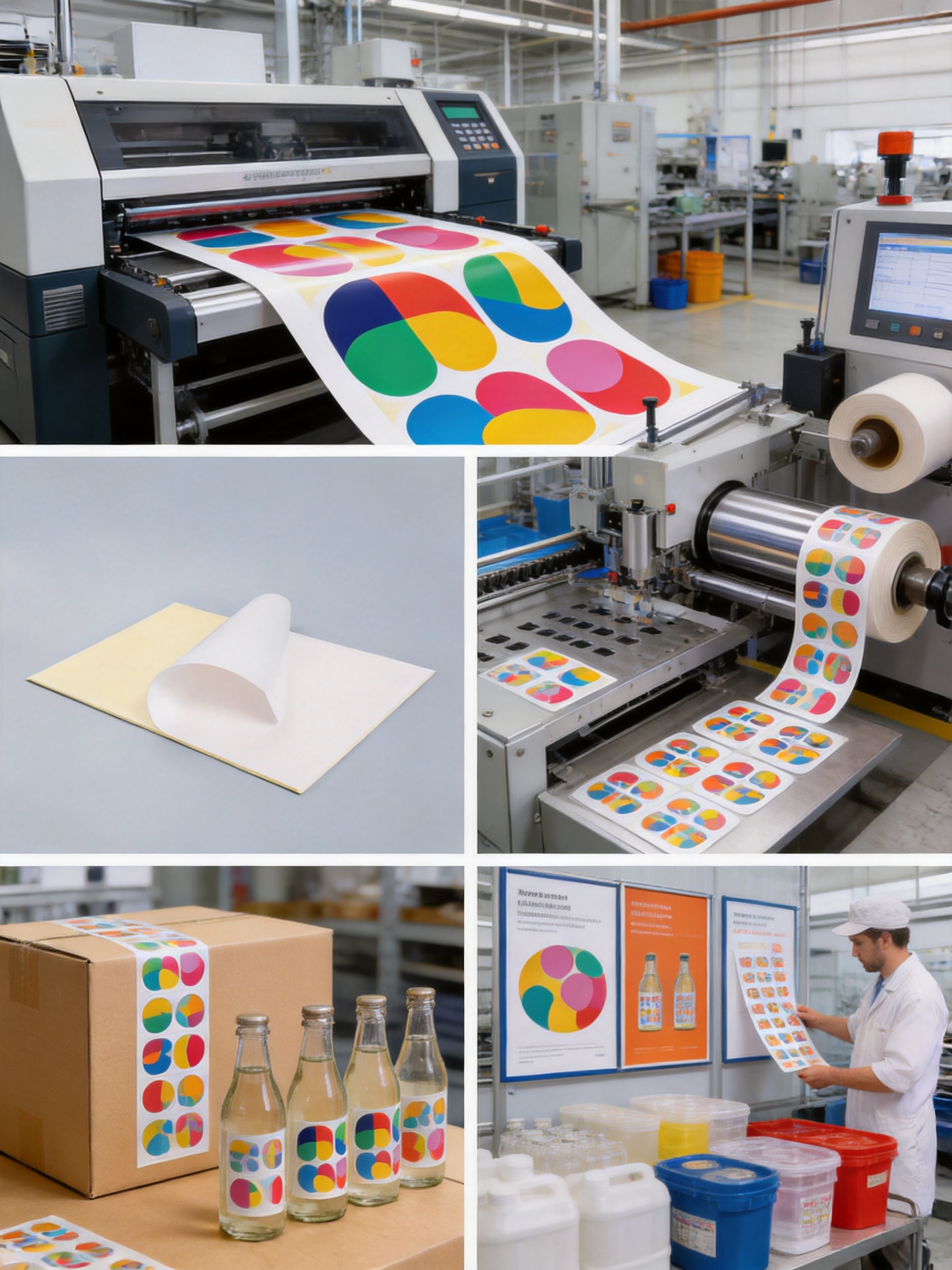
Self-adhesive paper is widely used for publicity and advertising because it can be printed with campaign messages, promotional graphics, brand marks, event information, and short-term announcements. Labels can be placed on boards, cartons, windows, promotional displays, or other suitable surfaces.
The smooth cast coated face helps advertising graphics appear clear and attractive. Sheet formats are convenient for short-run promotional production, while rolls can support large campaigns and automated converting.
Product Labels
Product labels are used to display names, descriptions, ingredients, instructions, batch details, barcodes, prices, warnings, and company information. A paper face can provide a familiar and professional appearance for consumer products, office goods, household items, and general merchandise.
Product labels may require permanent adhesive, removable adhesive, or specialty bonding depending on the packaging material and the expected product life. The ability to select the adhesive helps users create a label that matches the packaging and supply chain.
Packaging Labels
Packaging labels can support identification, logistics, promotional messaging, and decorative presentation. They may be applied to cartons, paper bags, corrugated packaging, boxes, containers, and gift packaging.
For packaging applications, the label must remain flat and securely bonded throughout storage and transportation. The selected adhesive should be compatible with the surface energy and texture of the package. The coated face can provide a clean area for product graphics, shipping information, and branding.
Decorative Stickers
Decorative stickers are used for personal products, gifts, stationery, displays, packaging enhancements, and creative projects. Cast coated paper can provide a paper-like touch and a bright printable surface that supports colorful decorative designs.
Customized shapes and sizes can be produced through die cutting. The product can therefore be adapted for round stickers, rectangular labels, irregular contours, seals, badges, and other decorative formats.
Newspaper and Editorial Stickers
Self-adhesive paper can be used for newspaper stickers, editorial promotions, subscriptions, event notices, and inserts. These applications often require clear text, efficient production, and reliable temporary or permanent bonding.
Removable adhesive may be considered when the sticker should be taken off after use. Permanent adhesive may be preferred when the label must remain attached for the life of the product or publication.
Vehicle, Marine, and Aircraft Graphics
The supplied application information identifies trucks, ships, and aircraft among possible uses for mirror self-adhesive materials. In these applications, the selection of adhesive and the protection of the printed surface are especially important. Vehicle and equipment surfaces can experience vibration, temperature changes, moisture, wind, cleaning, and handling.
For long-term outdoor graphics, users should confirm whether the paper construction meets their durability requirements. A suitable protective laminate or coating may be necessary in environments involving water, sunlight, abrasion, or frequent cleaning. For temporary identification, promotional graphics, or indoor vehicle applications, the material may provide a practical and visually effective solution.
Manufacturing Capabilities and Quality Strengths
The manufacturer operates as an integrated producer of self-adhesive label materials, with capabilities covering research and development, adhesive coating, laminating, slitting, sheeting, sales, and after-sales service. This integrated model is important because product performance depends on the relationship between the face material, adhesive, and liner.
Integrated Gluing, Laminating, and Cutting
In an integrated production environment, adhesive coating and lamination can be coordinated with downstream cutting and finishing. This helps reduce the risks associated with sourcing each layer from unrelated suppliers and assembling the material through separate production channels.
Integrated processing also supports more consistent control of coating weight, web tension, laminate alignment, edge quality, roll formation, and sheet dimensions. These factors affect printing registration, die cutting, label release, and end-user handling.
Large Annual Production Capacity
The company reports an annual production capacity of more than 280 million square meters. Such capacity supports both standard-volume orders and large recurring programs. It can also provide greater supply continuity for customers that require regular shipments across multiple markets.
Large-scale manufacturing can create advantages in production planning, raw material procurement, equipment utilization, and order scheduling. At the same time, capacity must be supported by effective quality management, because high output alone does not guarantee consistent performance. The company’s stated emphasis on testing, inspection, research, and process control is therefore an important part of its manufacturing strength.
Testing Laboratory and Inspection Equipment
The company maintains its own testing laboratory and uses inspection equipment to support product quality. In self-adhesive material production, laboratory evaluation may include face stock basis weight, liner basis weight, adhesive coating uniformity, peel adhesion, tack, release force, dimensional stability, and visual inspection.
Testing helps identify variations before products are shipped. It also supports product development when customers require a particular adhesive, liner, size, or converting characteristic. A laboratory-based approach is especially valuable for customized orders because the supplier can compare performance against a defined technical target.
Research and Development
The manufacturer reports a professional research and development team and multiple patents. Research and development can help improve adhesive formulations, coating methods, liner compatibility, environmental performance, release behavior, and application-specific constructions.
Customer requirements are continually changing. Some buyers need lower coating weight, others need better cold-temperature bonding, cleaner removability, improved printability, reduced environmental impact, or stronger compatibility with automated equipment. A capable R&D team gives the manufacturer a better foundation for responding to these requirements than a supplier that only resells standard materials.
OEM and ODM Services
OEM and ODM services are available for customers that need products based on drawings, samples, technical specifications, or private-label requirements. Customized development may include face material, adhesive chemistry, liner type, roll width, sheet size, packaging, and performance targets.
OEM manufacturing is particularly useful for distributors, printing companies, packaging groups, and industrial users that want a stable construction under their own product range. ODM support can be valuable when a customer knows the required application but needs technical assistance to create the most suitable material structure.
Available Specifications
| Specification | Available Options | Typical Consideration |
|---|---|---|
| Face material | 80 gsm woodfree paper; 75 gsm, 78 gsm, and 90 gsm available | Choose according to stiffness, appearance, flexibility, and handling requirements. |
| Adhesive | Hot melt, water-based, solvent, removable, anti-freeze, cryogenic, and tyre-grade rubber adhesive | Select according to substrate, temperature, permanence, and application environment. |
| Standard liner | 90 g white release paper | General-purpose liner option for common self-adhesive applications. |
| Glassine liner | 50 g, 60 g, 80 g, 100 g, and 120 g | Useful where smoothness, release behavior, and flexible handling are required. |
| Release paper | 60 g, 120 g, and 140 g | Available for different stiffness and processing needs. |
| Art paper liner | 140 g and 165 g | Suitable when a heavier liner structure is preferred. |
| CCK liner | 50 g, 80 g, 90 g, and 120 g | Provides additional liner choices for converting and application requirements. |
| Jumbo roll width | 1000 mm, 1020 mm, 1080 mm, and 1530 mm | Suitable for slitting, sheeting, and industrial converting. |
| Sheet sizes | A4, A3, 20 by 30, 21 by 30, 24 by 36, 50 by 70 cm, and 70 by 100 cm | Standard and customized sizes can support different printing equipment. |
Packaging, Storage, and Delivery
Packaging is an essential part of self-adhesive material quality. Even a well-manufactured product can be affected by moisture, dust, pressure, impact, or incorrect handling during transportation. The product is suitable for sea-transit-worthy poly-wood pallet packing and carton packing. Both rolls and sheets can be prepared for shipment from stock, subject to order requirements.
For sheet products, 100 sheets are packed per ream. Each ream is wrapped with strong PE-coated kraft paper. This wrapping helps protect the sheets from dust, moisture, abrasion, and handling damage. The packed reams can then be arranged in cartons or on pallets for transportation.
Strong pallets are wrapped with stretch film and fastened with plastic fastening belts. This helps stabilize the shipment and reduce movement during loading, unloading, and sea transportation. Appropriate pallet packing is particularly important for large rolls and large-format sheets because uneven pressure or shifting can damage edges and affect converting performance.
Users should store the material in a clean, dry, and temperature-controlled area whenever possible. Rolls and sheets should remain in their original packaging until they are needed. Direct exposure to water, high humidity, extreme heat, and rapid temperature changes should be avoided. Before printing or converting, the material should be conditioned to the operating environment so that face stock, adhesive, and liner can reach a stable moisture and temperature balance.
Sustainability and Environmental Considerations
The manufacturer states that its brand positioning focuses on sustainable development and environmental protection. Its development efforts include eco-friendly solutions involving face materials, adhesives, and backing papers. This is relevant because self-adhesive products contain multiple materials, and environmental performance must be considered across the entire construction rather than in only one layer.
Paper face stock and paper liners can support paper-oriented product positioning, but recycling outcomes depend on the complete label construction, adhesive chemistry, local collection systems, and separation technology. Customers should evaluate the requirements of their target market and communicate appropriate disposal guidance where necessary.
Environmental improvements may involve reducing material consumption, selecting responsibly sourced paper, optimizing adhesive coating weight, improving production yield, reducing waste, and developing constructions that are easier to process after use. The most suitable approach will depend on the end application and local regulations.
For buyers with sustainability targets, it is advisable to request relevant technical documentation, material declarations, testing information, and environmental statements before finalizing a product specification. A customized discussion can help identify whether a lighter face stock, thinner liner, alternative adhesive, or optimized roll format can reduce material use without compromising performance.
How to Select the Correct Construction
Selecting the correct cast coated self-adhesive paper requires more than choosing a face material and a color. The label’s environment, application method, substrate, expected service life, printing process, and disposal route should all be considered.
Consider the Application Surface
Determine whether the label will be applied to paper, cardboard, glass, plastic, metal, painted surfaces, rubber, or another material. Smooth, clean, high-energy surfaces are generally easier to bond to than dusty, rough, oily, or low-energy surfaces. Curved surfaces may require an adhesive with suitable wet-out and holding power.
Consider Temperature
Application and service temperatures can be different. A label may be applied indoors and then stored in a refrigerated warehouse or transported through a hot region. Anti-freeze or cryogenic adhesive may be necessary for low-temperature conditions, while other applications may require resistance to heat or temperature cycling.
Consider Permanence
Permanent labels should maintain adhesion for the expected life of the product. Temporary labels should remove cleanly and should not leave excessive residue. Removable adhesive is available for applications such as temporary notices, promotional stickers, inventory labels, and reusable containers, but actual removability depends on dwell time, surface type, temperature, and exposure conditions.
Consider Printing Equipment
Confirm whether the material will be processed as sheets or rolls and identify the printing technology. Equipment may have limits concerning basis weight, caliper, roll diameter, web width, sheet size, surface treatment, and drying conditions. Providing these details to the supplier helps ensure that the proposed material is compatible with the production line.
Consider Label Shape and Size
Small intricate labels, large-format labels, and irregular shapes may require different liner stiffness and die-cutting conditions. A liner that works well for a simple rectangular label may not be ideal for a complex contour. Custom sheet and roll sizes can also improve material utilization and reduce waste.
Competitive Positioning
The principal competitive strength of this product is not one isolated feature but the combination of surface quality, adhesive variety, liner selection, supply formats, customization, and manufacturing support. Buyers can obtain a paper-based self-adhesive material that is visually refined while retaining the practical characteristics needed for industrial conversion.
Compared with basic self-adhesive paper, cast coated paper can provide a more polished print appearance. Compared with suppliers offering only a standard permanent adhesive, this product line provides more application-specific choices. Compared with distributors that only supply fixed sheet sizes, the manufacturer can provide jumbo rolls, standard sheets, and customized dimensions.
The company’s integrated production lines and reported annual capacity also support large-volume supply. Its laboratory, inspection resources, R&D team, and OEM and ODM capabilities provide additional value for customers that need more than a catalog product. These strengths can shorten communication cycles and make it easier to develop a construction for a particular printer, converter, or end-use environment.
A responsible comparison should always include application testing. No label material is universally suitable for every surface, climate, printer, or service life. However, the breadth of available options gives this product a strong starting point for many commercial, packaging, promotional, and industrial applications.
Quality Control from Raw Material to Finished Goods
Consistent self-adhesive material requires control at every stage of manufacturing. Raw paper should be checked for basis weight, moisture, surface condition, and uniformity. Adhesive materials should be assessed for viscosity, solids content, bonding behavior, and compatibility with the selected face stock and liner.
During coating, the supplier must control coating weight, web speed, drying conditions, tension, and edge quality. During lamination, alignment and pressure are important to prevent bubbles, wrinkles, delamination, or uneven adhesive contact. During slitting and sheeting, the equipment must maintain accurate dimensions and clean edges.
Finished products should be visually inspected and tested against defined specifications. Relevant checks may include roll width, sheet size, basis weight, adhesive tack, peel strength, release force, liner integrity, surface cleanliness, and packaging condition. Maintaining records of these checks helps support traceability and continuous improvement.
The company’s stated experience of more than 20 years in OEM manufacturing contributes to its understanding of these requirements. Long-term production experience can help identify common failure modes, improve process stability, and provide practical recommendations for customers selecting a new label construction.
Frequently Asked Questions
What is cast coated paper with a yellow release liner?
It is a pressure-sensitive self-adhesive material consisting of a cast coated paper face, an adhesive layer, and a yellow release liner. The face is printed and the liner is removed before application.
Why is the liner yellow?
The yellow color provides visual distinction and can make the backing easier to identify during handling, converting, peeling, and application. The color does not replace the need to select the correct liner structure or release level.
What face material is available?
The standard specification is 80 gsm woodfree paper. Options of 75 gsm, 78 gsm, and 90 gsm are also available for customers that require different handling, stiffness, or appearance characteristics.
Which adhesive should be selected?
The choice depends on the substrate, application temperature, required permanence, service environment, and removal requirements. Available options include hot melt, water-based, solvent, removable, anti-freeze, cryogenic, and tyre-grade rubber adhesive.
Can the material be used for temporary labels?
Yes. Removable adhesive can be selected for temporary labels, promotional stickers, notices, and other applications where the label should be removed with reduced residue. Testing is recommended because removability depends on the surface and time in place.
Is the product available in sheets?
Yes. Available sheet sizes include A4, A3, 20 by 30, 21 by 30, 24 by 36, 50 by 70 centimeters, and 70 by 100 centimeters. Customized sheet dimensions can also be discussed.
Is the product available in jumbo rolls?
Yes. Jumbo roll widths of 1000 mm, 1020 mm, 1080 mm, and 1530 mm are available. These rolls can be used for slitting, sheeting, printing, and other industrial converting processes.
Which liners are available besides the standard liner?
Available alternatives include glassine paper, release paper, art paper, and CCK liner in several grammages. The correct choice depends on stiffness, die cutting, release behavior, and machine compatibility.
Can the product be used for digital printing?
The smooth coated face is suitable for applications requiring clear and attractive printed graphics, including digital printing. Users should conduct a press trial to confirm ink adhesion, drying, feeding, and image quality on their specific equipment.
Can the product be used outdoors?
It may be suitable for selected outdoor or temporary applications, but outdoor durability depends on adhesive type, exposure time, moisture, sunlight, abrasion, and surface conditions. A protective laminate or coating may be required for demanding long-term outdoor use.
Can customized products be developed?
Yes. OEM and ODM services are available. Customers can discuss customized face materials, adhesive types, liner grades, roll widths, sheet sizes, packaging, and application requirements based on drawings, samples, or technical specifications.
How should the material be stored?
Store it in a clean, dry place away from direct sunlight, water, excessive humidity, and extreme temperatures. Keep the original packaging intact until use and condition the material before printing or converting.
What packaging is provided?
Sheets can be packed in reams of 100 sheets with PE-coated kraft paper wrapping. Shipments can be protected with cartons, poly-wood pallets, stretch film, and plastic fastening belts. Roll and sheet packaging can be arranged according to transportation and order requirements.
What makes the manufacturer a suitable long-term supplier?
The manufacturer combines self-adhesive material research and development with gluing, laminating, cutting, testing, OEM, and ODM capabilities. Its reported production capacity exceeds 280 million square meters annually, supporting both customized projects and recurring volume orders.
Conclusion
Cast coated paper with a yellow release liner is a versatile self-adhesive material for labels, stickers, advertising graphics, packaging identification, decorative products, and other printed applications. Its smooth paper face supports attractive graphics, while the pressure-sensitive adhesive provides efficient application without a separate wet-glue process.
The product’s greatest advantage is its configurability. Users can select among several face weights, adhesive technologies, liner types, jumbo roll widths, standard sheet sizes, and customized formats. This makes it easier to match the material to printing equipment, substrate characteristics, temperature conditions, permanence requirements, and converting methods.
Supported by integrated gluing, laminating, cutting, laboratory testing, inspection equipment, R&D resources, and OEM and ODM experience, the manufacturing operation is equipped to serve both standard and specialized requirements. For customers seeking a reliable paper-based label material with a refined print surface and broad customization potential, this construction offers a practical and competitive solution.
References
1. Pressure-Sensitive Tape Council, reference principles for pressure-sensitive adhesive materials and label construction.
2. Technical Association of the Pulp and Paper Industry, general guidance on paper testing, basis weight, moisture, and dimensional stability.
3. International Organization for Standardization, general principles for quality management systems and manufacturing process control.
4. Industry guidance on label converting, die cutting, release liners, adhesive selection, and pressure-sensitive label application.
5. Manufacturer-provided product specifications for cast coated paper, adhesive options, release liners, roll widths, sheet sizes, packaging, and customization services.