
 English
 Español
 русский
 Français
 عربى
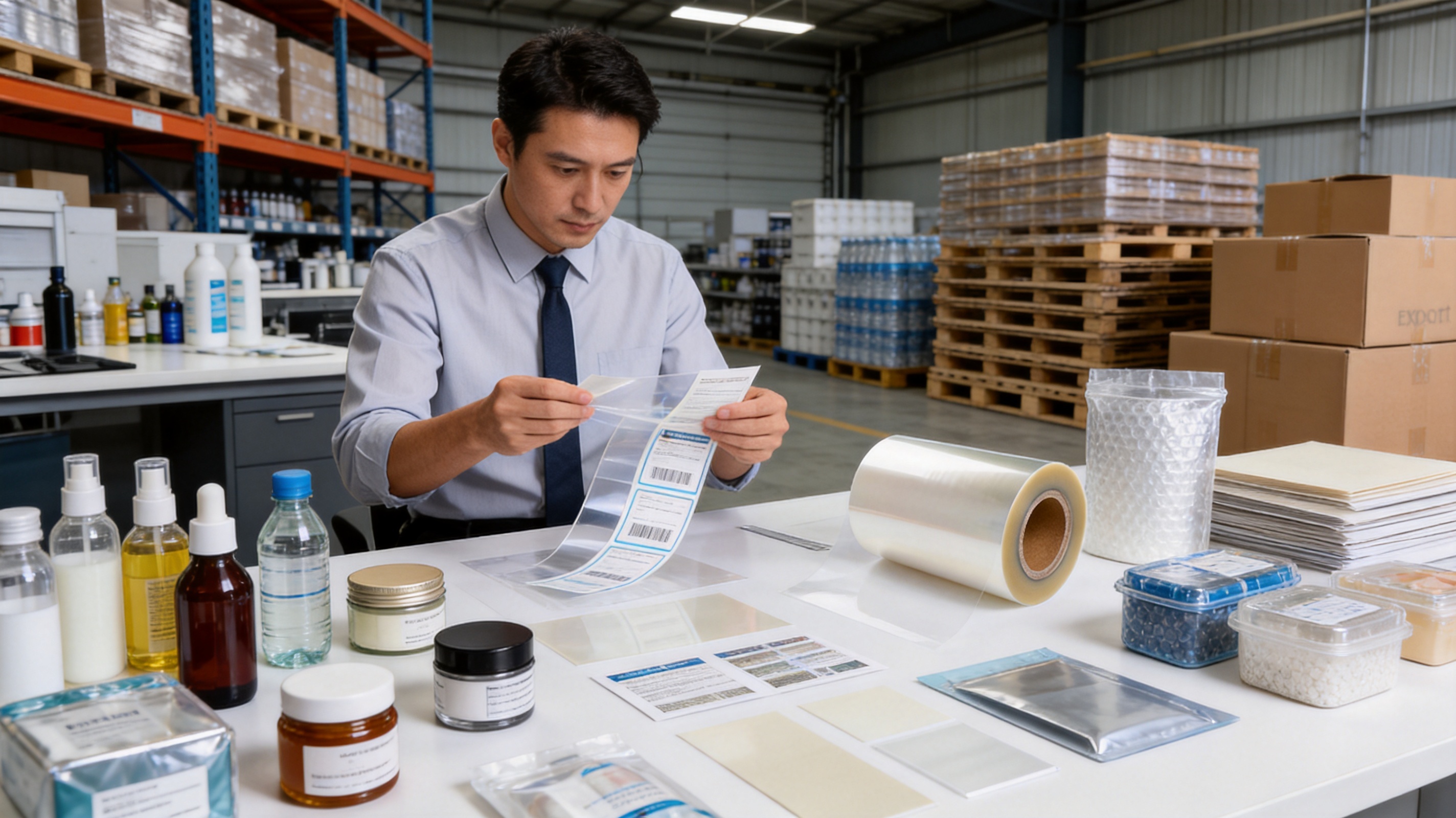
Transparent labels have become an important part of modern product packaging. They allow printed graphics, brand information, regulatory details, and decorative elements to appear directly on bottles, containers, cartons, and other packaging surfaces without covering the visual identity of the package itself. To achieve a professional “no-label” appearance, however, the label material must offer more than simple transparency. It must provide excellent optical clarity, stable converting performance, reliable adhesion, printing compatibility, and consistent dimensional quality.
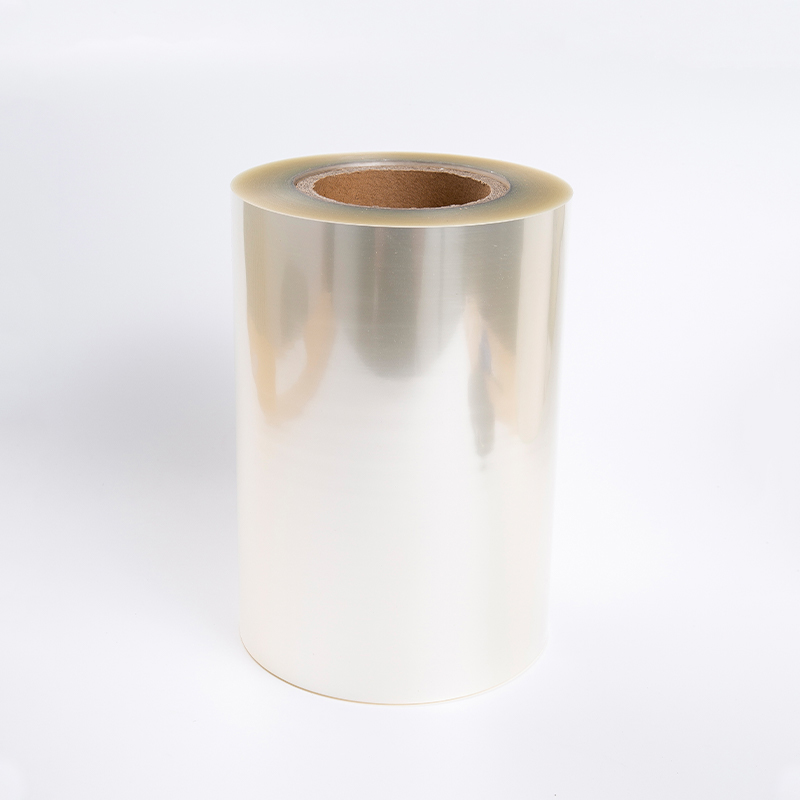
Transparent PVC with a clear PET liner is designed to meet these requirements. This self-adhesive film combines a transparent PVC face material, a pressure-sensitive adhesive layer, and a transparent PET release liner. The result is a high-clarity labeling material suitable for a wide range of applications, particularly beverage, mineral water, cosmetic, personal care, household chemical, building material, and general packaging labels.
The product is manufactured by Suzhou Piaozhihua Composite Material Technology Co., Ltd., a specialist producer of self-adhesive labels and composite materials in China. With integrated coating, laminating, slitting, and sheet-cutting capabilities, the company provides standard and customized solutions for converters, printers, brand owners, distributors, and packaging manufacturers.
Content
- 1 1. Understanding Transparent PVC with Clear PET Liner
- 2 2. Key Product Structure and Available Specifications
- 3 3. Optical Clarity and the No-Label Appearance
- 4 4. Printing Compatibility and Design Flexibility
- 5 5. Adhesive Options for Different Applications
- 6 6. Clear PET Liner Advantages
- 7 7. Manufacturing Process and Quality Control
- 8 8. Advantages Compared with Conventional Label Materials
- 9 9. Applications Across Multiple Industries
- 10 10. Customization for OEM and ODM Projects
- 11 11. Manufacturing Strengths and Company Capabilities
- 12 12. Sustainability and Responsible Material Development
- 13 13. Storage, Handling, and Application Recommendations
- 14 14. Selecting the Right Construction
- 15 15. Quality and Supply Reliability
- 16 16. Frequently Asked Questions
- 16.1 Q1: What is transparent PVC with clear PET liner used for?
- 16.2 Q2: What is the standard product construction?
- 16.3 Q3: Can the adhesive be customized?
- 16.4 Q4: Is the material suitable for digital printing?
- 16.5 Q5: Why choose a clear PET liner instead of a paper liner?
- 16.6 Q6: What roll widths are available?
- 16.7 Q7: Can the product be supplied in sheets?
- 16.8 Q8: Is the material suitable for low-temperature applications?
- 16.9 Q9: Does the company provide OEM and ODM services?
- 16.10 Q10: How should the material be stored?
- 16.11 Q11: Is the product intended for direct food contact?
- 16.12 Q12: How can customers request a suitable specification?
- 17 17. Conclusion
- 18 References
- 19 Product: Transparent PVC With Clear PET Liner
1. Understanding Transparent PVC with Clear PET Liner
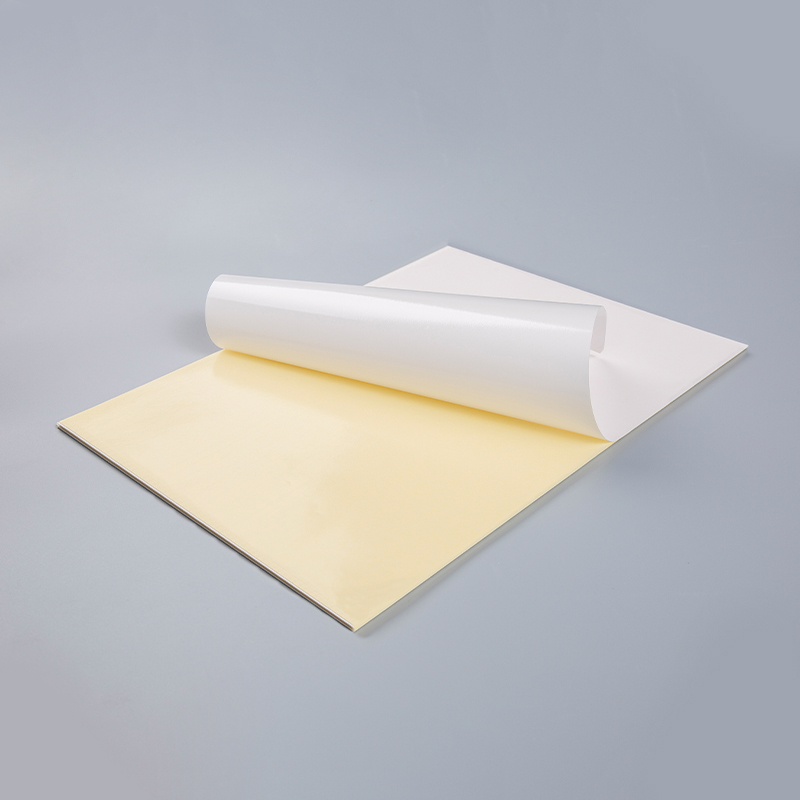
Transparent PVC with clear PET liner is a three-layer self-adhesive construction. The top layer is a transparent PVC film that functions as the printable face material. Beneath it is a pressure-sensitive adhesive that bonds the label to the intended substrate. The bottom layer is a transparent PET liner treated with a release coating, allowing the label to be stored, transported, printed, die-cut, and applied before the liner is removed.
The transparent PVC face material offers a smooth, even surface that supports high-quality printing. Its clarity helps the printed design appear integrated with the packaging surface rather than placed on top of it. When applied to a clear or visually attractive container, the label can preserve the appearance of the product and create a clean, premium presentation.
The clear PET liner is particularly valuable in applications where registration accuracy, dimensional stability, and transparency are important. PET is stronger and more dimensionally stable than many conventional paper liners. This helps the material maintain its shape during printing, die-cutting, rewinding, transportation, and automated dispensing.
Unlike a paper release liner, a transparent PET liner allows operators to observe the label material more clearly during processing. It also offers resistance to moisture and handling conditions that may affect ordinary paper liners. For demanding converting operations, this can contribute to more reliable production and lower material waste.
2. Key Product Structure and Available Specifications
The standard construction uses 50-micron transparent PVC as the face material and a 36-micron transparent PET liner. This combination provides a balance between flexibility, transparency, handling strength, and label performance.
For different applications, the PVC thickness can be adjusted. Available face-material options include 80 microns, 100 microns, 150 microns, and 260 microns. Thicker films may be selected when a more substantial label feel, greater stiffness, increased opacity control, or enhanced resistance to handling is required.
The adhesive can also be selected according to the application environment. Water-based adhesive is available for many general labeling requirements. Hot-melt adhesive, solvent adhesive, removable adhesive, anti-freeze adhesive, cryogenic adhesive, and tire-grade rubber adhesive are also available. This range allows the material to be matched with different substrates, temperature conditions, application speeds, and removal requirements.
Although the standard liner is a 36-micron transparent PET liner, the product can also be supplied with other release liner options. These include transparent PET liners in 25, 50, and 100 microns; glassine paper in 50, 60, 80, 100, and 120 grams per square meter; release paper in 60, 85, 120, and 140 grams per square meter; art paper in 140 and 165 grams per square meter; and CCK liner in 50, 80, 90, and 120 grams per square meter.
The availability of multiple liner types is a practical advantage for label manufacturers. Different printing machines, die-cutting systems, application lines, and end-use environments may require different liner properties. A stable supply of alternative liners allows customers to optimize the construction without changing their entire production process.
| Component | Standard Option | Available Alternatives | Primary Function |
|---|---|---|---|
| Face material | 50-micron transparent PVC | 80, 100, 150, and 260 microns | Printable transparent label surface |
| Adhesive | Water-based adhesive | Hot-melt, solvent, removable, anti-freeze, cryogenic, and tire-grade rubber adhesive | Bonds the label to the application surface |
| Liner | 36-micron transparent PET | 25, 50, and 100-micron PET; paper liner options | Protects the adhesive before application |
| Jumbo roll width | 1000 millimeters | 1020, 1080, and 1530 millimeters | Supports industrial converting and slitting |
| Sheet sizes | A4 and A3 | 20 x 30, 21 x 30, 24 x 36, 50 x 70 centimeters, 70 x 100 centimeters, and customized sizes | Supports sheet-fed printing and office-format processing |
3. Optical Clarity and the No-Label Appearance
The most visible benefit of this material is its transparent appearance. A clear label can preserve the original color, shape, and visual character of a container while still providing space for branding, instructions, barcodes, ingredients, warnings, and promotional graphics.
The smooth transparent PVC surface helps printed areas maintain a clean and defined appearance. When the film is properly printed and applied, the background of the container can remain visible through unprinted areas. This effect is widely used for premium beverages, mineral water, cosmetics, personal care products, and household chemicals.
Clear labels are also useful when a brand wants to create a floating-text effect. White ink, metallic ink, opaque colors, and transparent process colors can be combined to produce layered visual effects. For example, white ink may be used as an underlayer to create strong text, while selected areas can remain clear to reveal the package beneath.
Compared with ordinary opaque paper labels, transparent PVC can create a more integrated and contemporary appearance. Paper labels may be ideal for products seeking a natural or traditional image, but they can conceal the surface of a container. Transparent film is preferable when the package itself is part of the visual presentation.
Compared with some low-grade clear films, a carefully manufactured transparent PVC construction can provide more consistent thickness, better surface uniformity, and improved converting stability. These characteristics are important because optical defects, uneven coating, poor release, or inconsistent film thickness can become highly visible on clear labels.
Transparent PVC With Clear PET Liner
4. Printing Compatibility and Design Flexibility
The face coating is designed to support a variety of printing methods. Depending on the selected grade and printing system, the material may be used with flexographic, offset, screen, digital, and other suitable label-printing technologies. Customers should confirm the exact grade, ink system, drying conditions, and press configuration before production.
A coated PVC surface can provide a more receptive interface for ink compared with untreated film. This helps improve ink anchorage, color consistency, and graphic definition. Proper surface preparation is especially important for transparent materials because any uneven ink coverage, poor adhesion, or surface contamination can be easily noticed.
The material is suitable for both short-run and larger-volume label production. Digital printing can support variable information, regional packaging versions, seasonal graphics, and rapid design changes. Conventional printing methods can be used for longer production runs where high throughput and cost efficiency are priorities.
Transparent films require careful control of ink opacity. A design that appears strong on white paper may appear different when printed on a clear substrate. Printers may use white ink, double-hit printing, reverse printing, or combinations of transparent and opaque inks to achieve the desired appearance.
The smooth face material also supports detailed text, fine lines, barcodes, and decorative graphics when the printing process is properly controlled. The selection of adhesive and liner should be made together with the printing method because adhesive ooze, liner release force, curl, and web stability can affect press performance.
Digital Printing Applications
Digital printing is increasingly important for brand owners that need shorter production runs and faster response times. Transparent PVC adhesive film can be used for digitally printed product labels, promotional labels, sample packaging, limited-edition designs, and customized packaging programs.
The material’s transparent appearance is particularly effective for digital designs that combine strong color blocks with clear background areas. It can help brands produce multiple product versions without investing in large quantities of pre-printed stock.
Before full production, printers should test ink adhesion, drying, scratch resistance, color density, and compatibility with finishing processes. Testing is especially important when using UV, solvent, latex, or other specialized digital inks.
5. Adhesive Options for Different Applications
Adhesive selection is one of the most important factors in a self-adhesive label. The ideal adhesive depends on the substrate, surface energy, application temperature, storage temperature, moisture exposure, label shape, and required service life.
Water-based adhesive is a practical choice for many general applications. It can provide reliable bonding while supporting a broad range of label uses. It is commonly considered where balanced performance, process stability, and economical production are required.
Hot-melt adhesive may be selected when fast bonding and strong initial tack are important. It can be useful for high-speed labeling or applications where the label must adhere quickly after contact. The final performance depends on the formulation, substrate, application temperature, and environmental conditions.
Solvent adhesive is available for applications requiring specific adhesion and resistance characteristics. It may be selected for challenging substrates or demanding conditions where a stronger or more specialized adhesive profile is needed.
Removable adhesive is designed for applications where the label may need to be removed with reduced residue or reduced surface damage. It is suitable for selected promotional labels, temporary identification, reusable containers, and certain product information applications. Removability depends on dwell time, temperature, substrate, and surface condition.
Anti-freeze and cryogenic adhesives are available for cold-chain, refrigerated, frozen, or low-temperature applications. These adhesives can be considered where ordinary adhesive systems may lose tack or become brittle in cold environments. Testing under actual storage and application conditions remains essential.
Tire-grade rubber adhesive is available for specialized labeling needs involving rubber surfaces or tire-related applications. Rubber substrates can be difficult to label because of their surface texture, additives, curvature, and low surface energy. A dedicated adhesive grade can help address these challenges more effectively than a standard general-purpose adhesive.
6. Clear PET Liner Advantages
The liner is not merely a temporary backing material. It has a direct influence on the efficiency and quality of printing, die-cutting, storage, and label application.
Transparent PET provides good dimensional stability. During printing and converting, it is less likely than many paper liners to expand or contract significantly when exposed to changes in humidity. This can support better registration between printed graphics and die-cut lines.
PET also offers good tensile strength. This is useful when the web is pulled through a press, slitter, inspection system, or labeling machine. A stronger liner can reduce the risk of web breaks, stretching, and handling damage.
The smooth liner surface supports consistent release behavior when the label is dispensed. Release force must be balanced: it should be strong enough to protect the label during production and transport, but controlled enough to allow clean separation during application.
Compared with ordinary paper liners, clear PET liners can provide improved moisture resistance and a cleaner visual inspection surface. This can be beneficial in humid production areas, beverage packaging operations, and applications where liner contamination must be identified quickly.
The transparent liner also makes the complete construction visually clear. Converters can more easily inspect the interface between the face material, adhesive, and liner. This may help identify bubbles, coating defects, wrinkles, contamination, and edge problems before the material reaches the final application stage.
7. Manufacturing Process and Quality Control
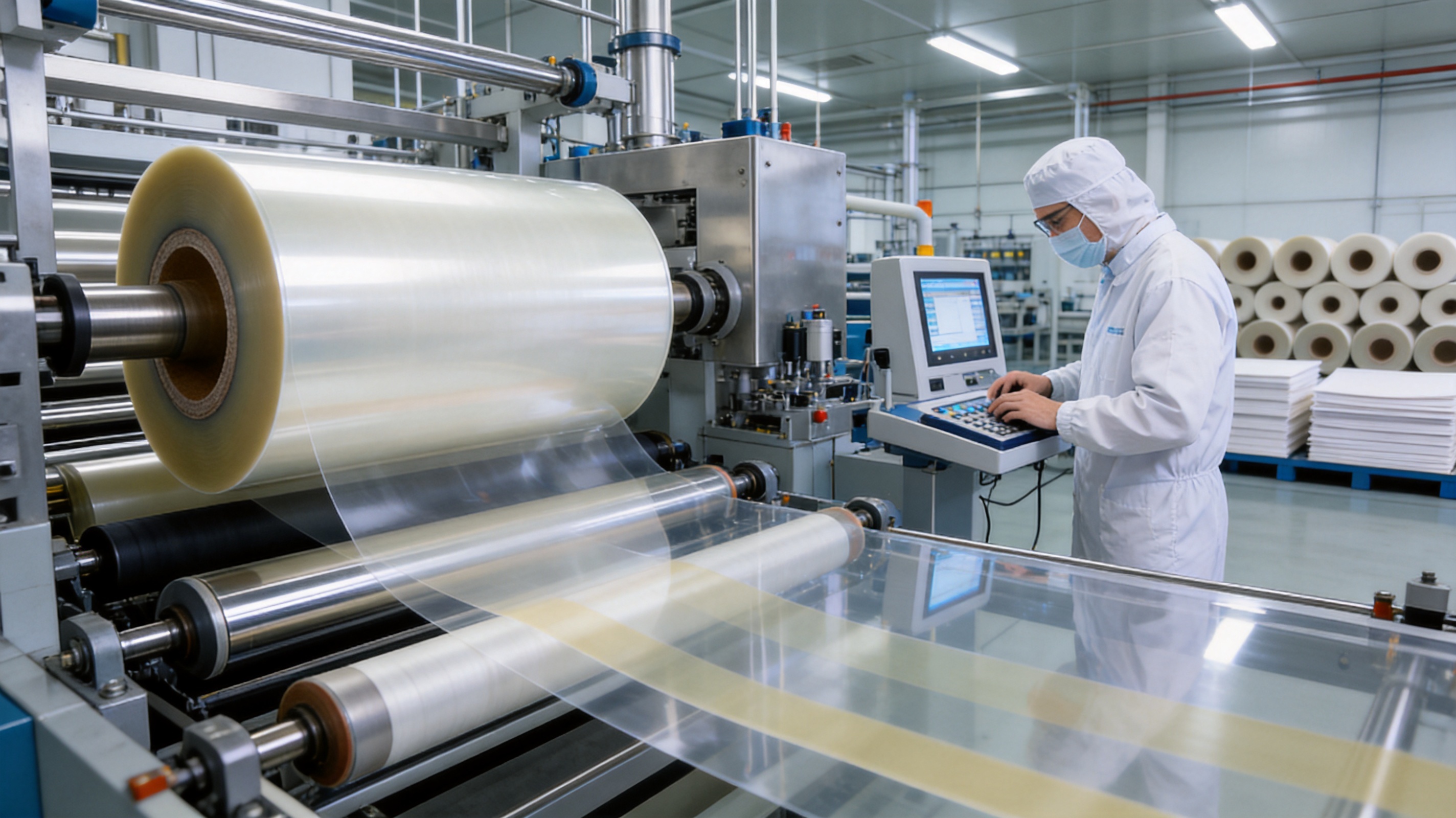
The product is manufactured through an integrated process that includes adhesive coating, laminating, slitting, and cutting. Each stage contributes to the final consistency of the self-adhesive material.
Face Material Inspection
Production begins with inspection of the PVC film. Important characteristics include thickness, transparency, surface cleanliness, coating uniformity, roll appearance, and mechanical stability. The face material must be suitable for the selected printing and converting processes.
Inspection helps identify defects before coating and lamination. This is important because defects that are hidden in an opaque material can become highly visible in a transparent label. A controlled inspection system helps reduce the risk of sending nonconforming material into later production stages.
Adhesive Preparation and Coating
The adhesive is prepared according to the required grade and application. Viscosity, solids content, temperature, coating weight, and mixing uniformity must be controlled to achieve a stable adhesive layer.
Coating equipment applies the adhesive evenly across the web. An even coating helps prevent weak bonding areas, adhesive squeeze-out, visible streaks, and inconsistent release behavior. Coating conditions are adjusted according to the adhesive type, face material, line speed, and desired product construction.
For transparent products, coating uniformity is especially important. Uneven adhesive distribution can create visible optical variations or affect the appearance of the final label. It can also influence die-cutting, dispensing, and application performance.
Laminating
After adhesive coating and drying or setting, the PVC face material is laminated with the selected release liner. Lamination pressure, web tension, alignment, and temperature are controlled to create a stable composite structure.
Good lamination helps reduce bubbles, wrinkles, tunneling, and delamination. It also ensures that the adhesive is protected consistently across the full width of the roll or sheet.
Slitting and Rewinding
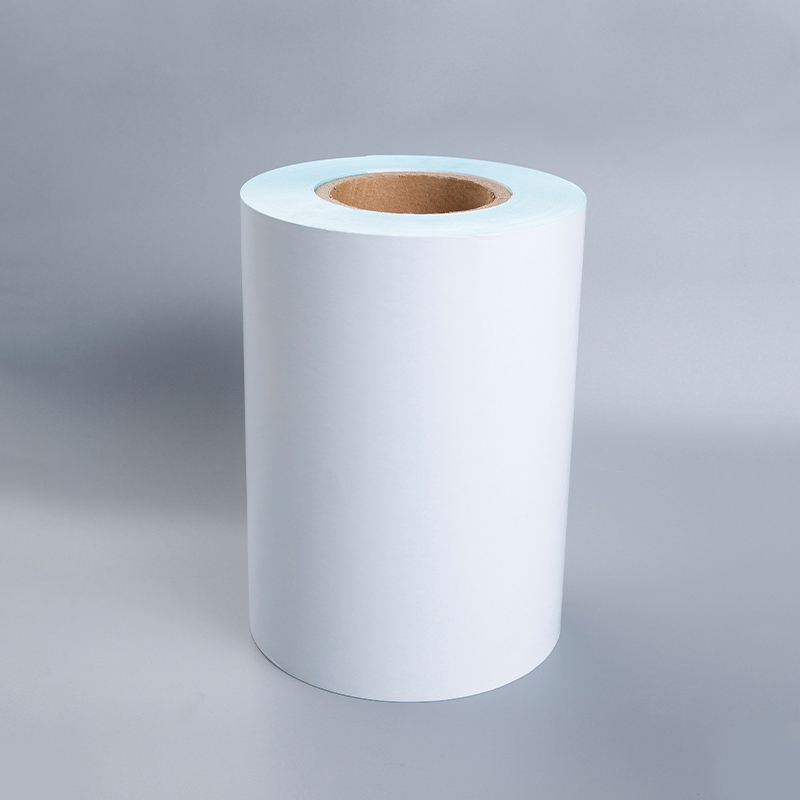
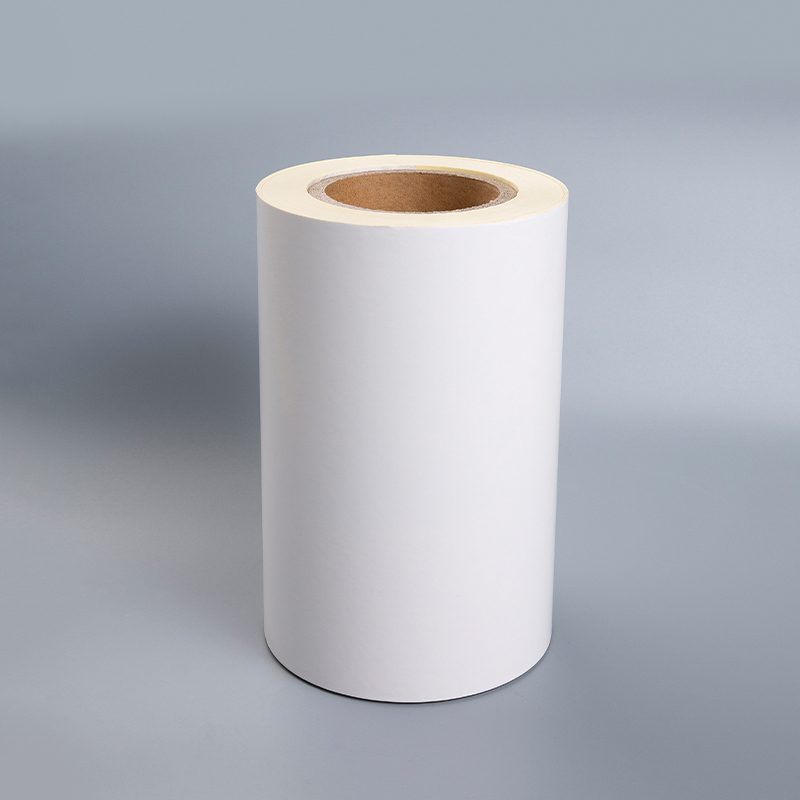
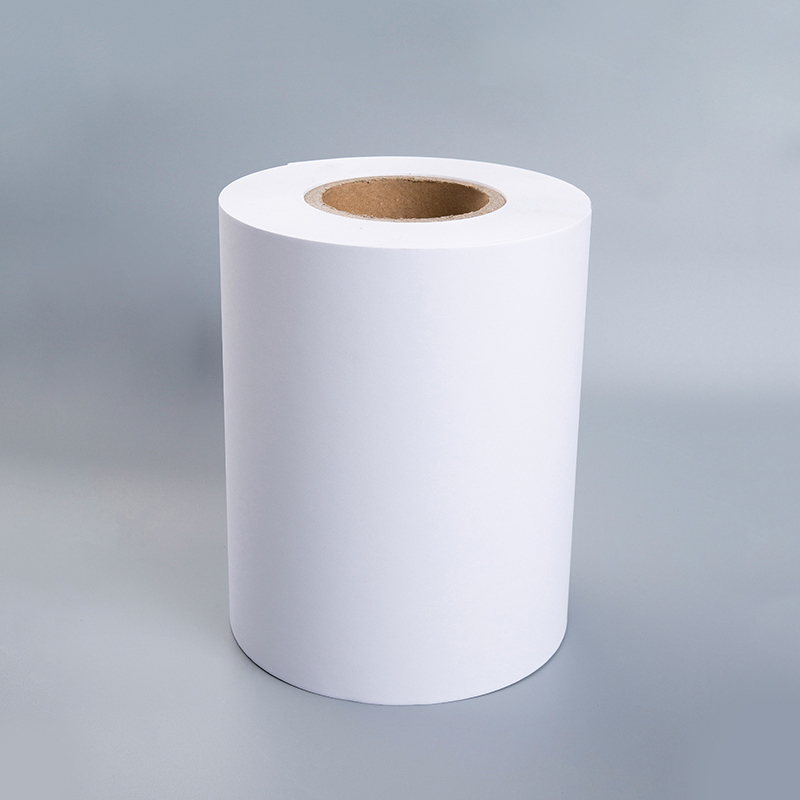
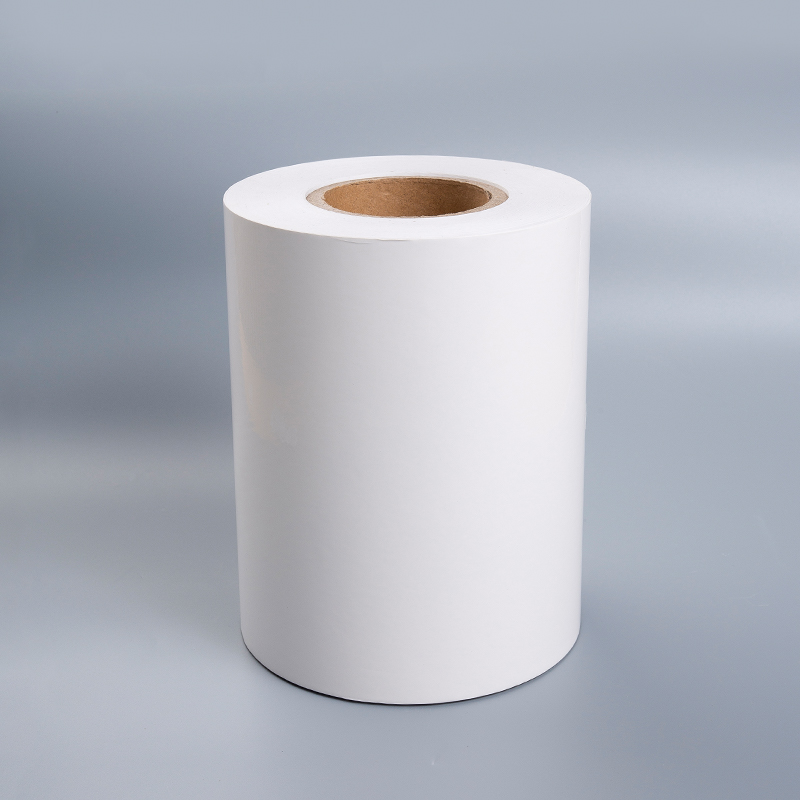
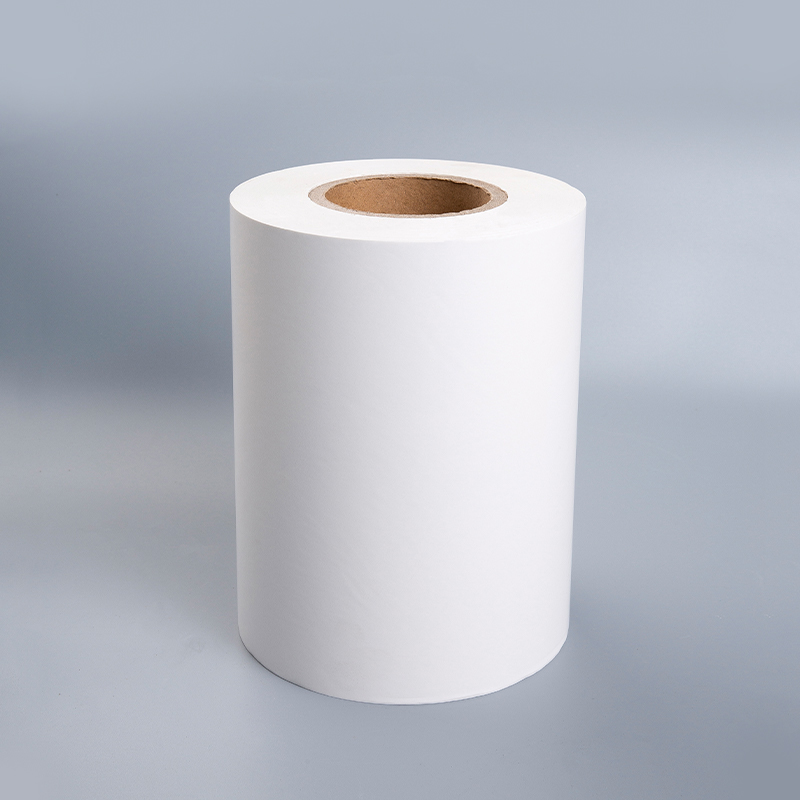
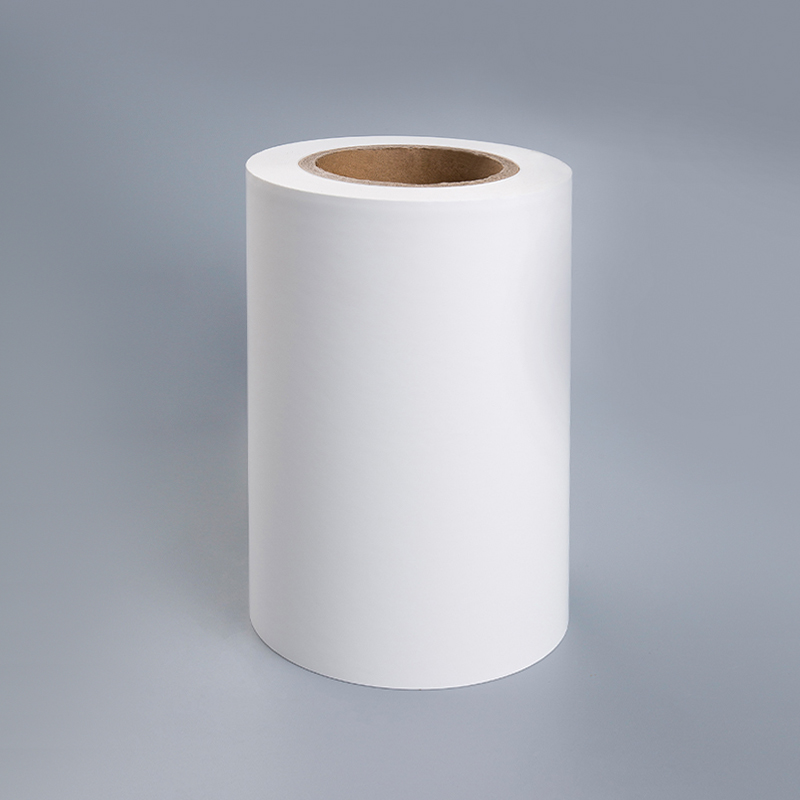
Jumbo rolls are converted into narrower rolls according to customer requirements. The company offers jumbo roll widths of 1000, 1020, 1080, and 1530 millimeters. Slitting precision is important for customers operating narrow-web presses, automated label dispensers, and high-speed packaging lines.
Rewinding tension must be controlled carefully. Excessive tension can deform the roll or affect adhesive performance, while insufficient tension can create telescoping, loose edges, or roll instability. Proper winding helps ensure that the material reaches the customer in a usable condition.
Sheet Cutting
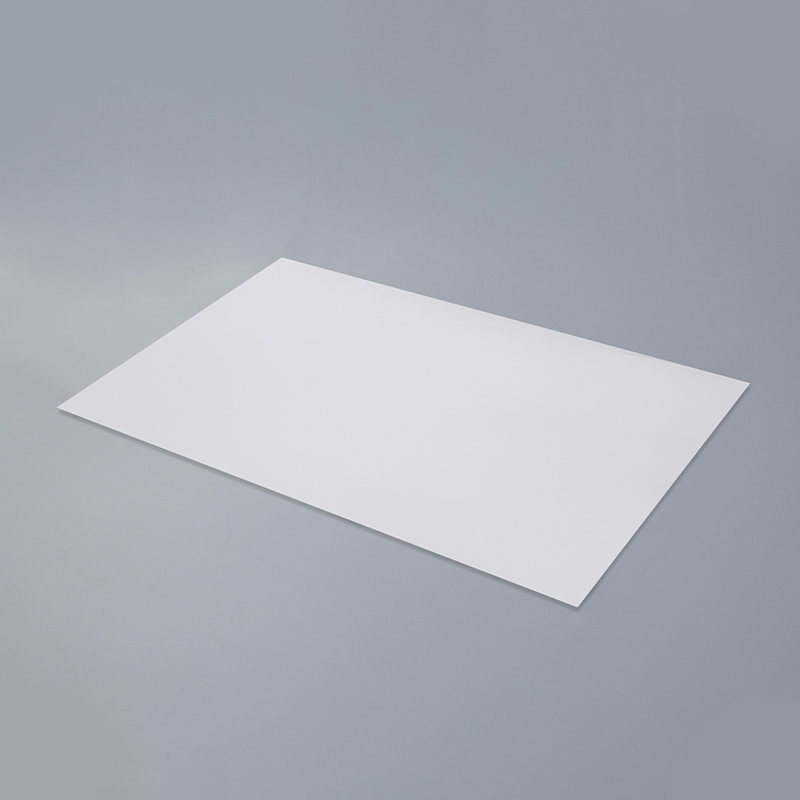
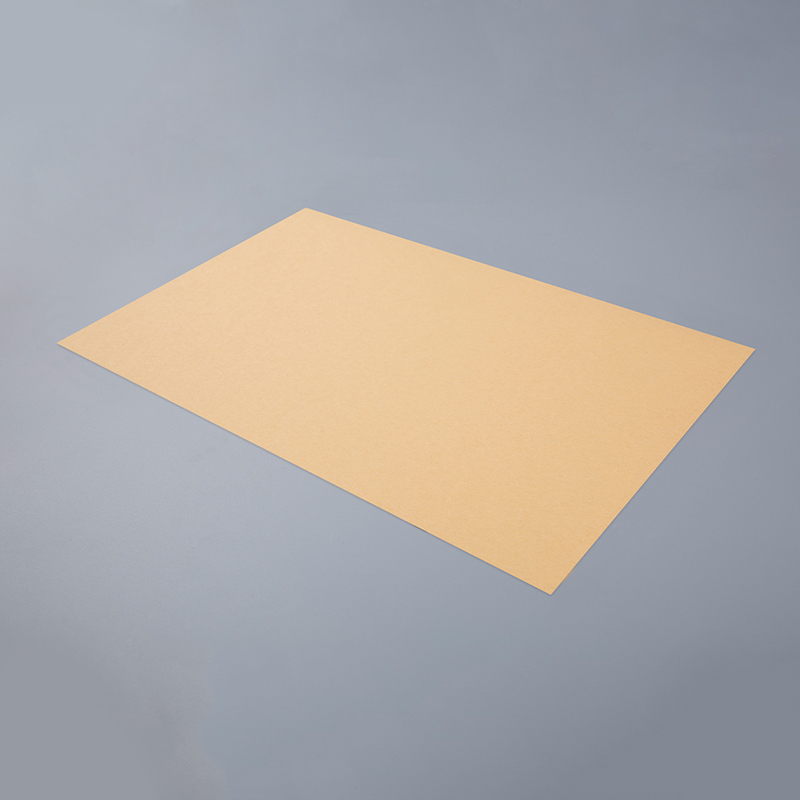
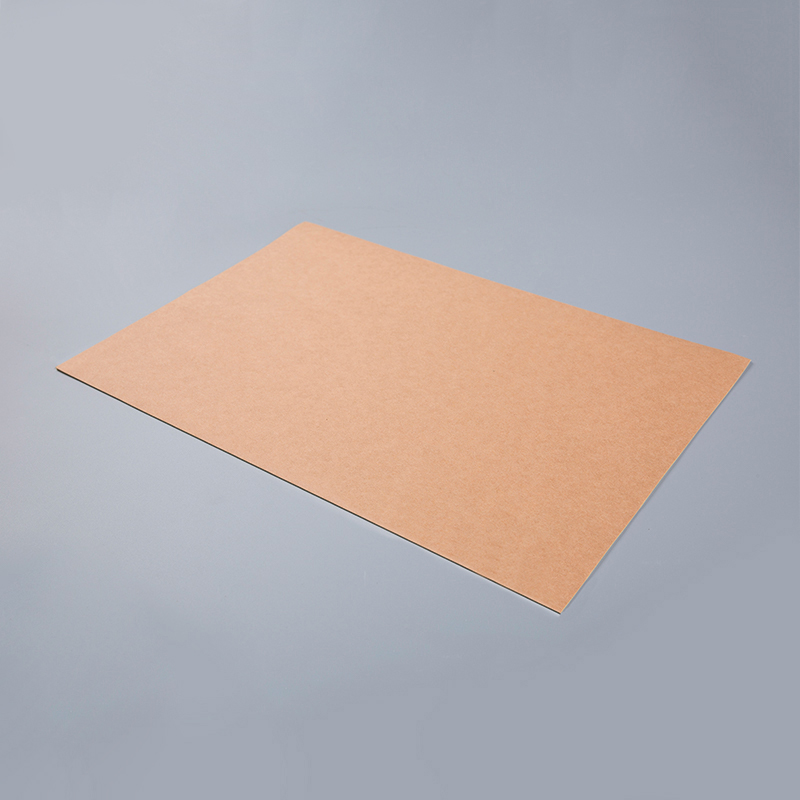
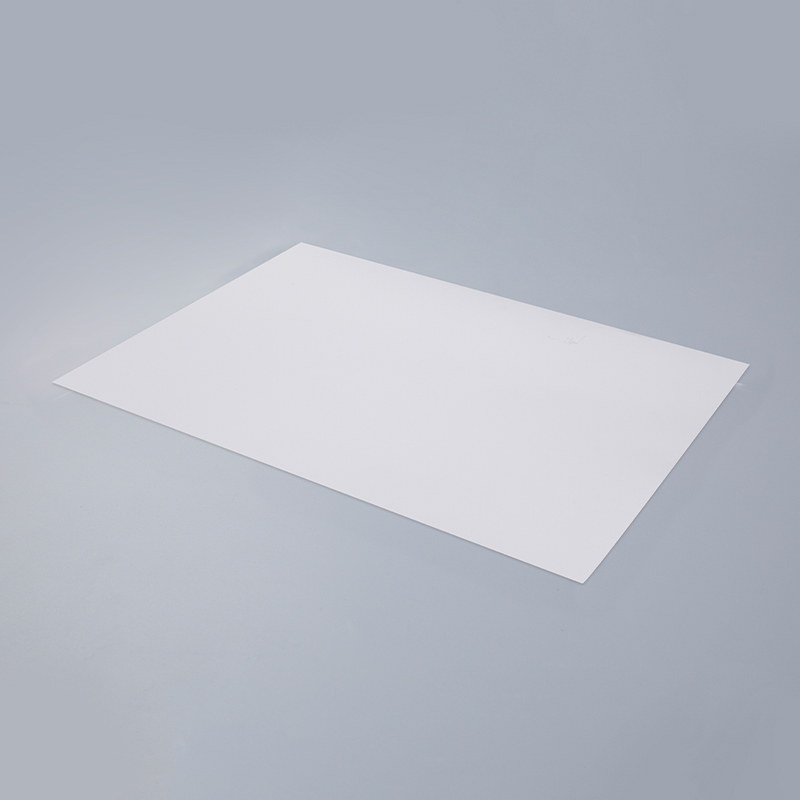
The material can also be supplied in sheets. Standard options include A4, A3, 20 by 30 centimeters, 21 by 30 centimeters, 24 by 36 centimeters, 50 by 70 centimeters, and 70 by 100 centimeters. Customized sheet sizes are available for specific printers, packaging formats, and production systems.
Sheet cutting requires accurate alignment, clean edges, and controlled stack formation. These factors are important for sheet-fed digital printers, office label production, screen printing, and commercial packaging operations.
Inspection and Testing
Quality assurance may include inspection of appearance, dimensions, adhesive coating, release performance, roll quality, surface defects, and packaging condition. The company maintains its own testing laboratory and uses inspection equipment to support product quality and development work.
Testing can also be used to compare adhesive grades, evaluate new face materials, review customer samples, and optimize customized constructions. This provides a practical foundation for OEM and ODM projects.
8. Advantages Compared with Conventional Label Materials
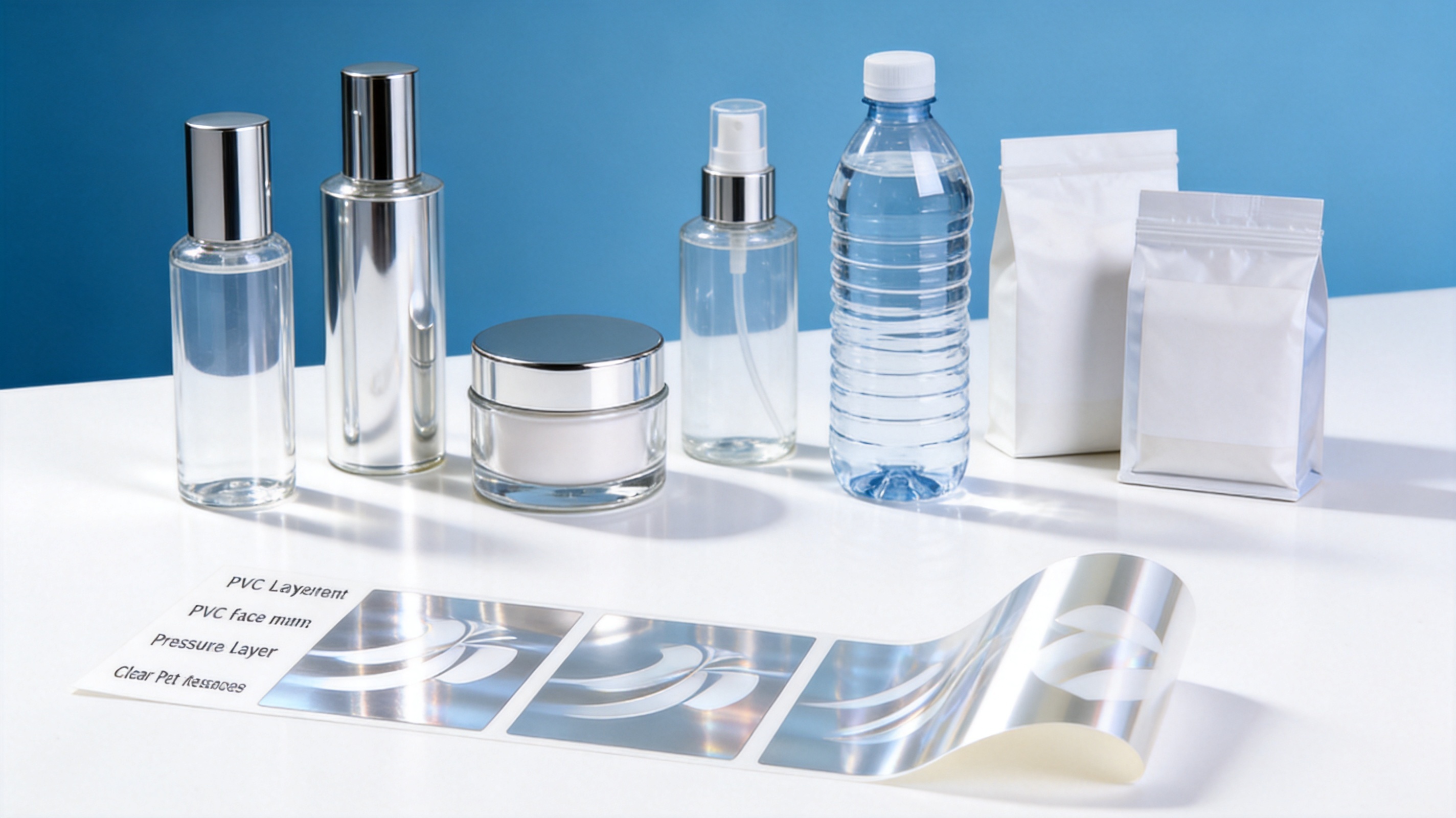
Transparent PVC with a clear PET liner provides several advantages compared with conventional paper labels. Its transparency creates a modern appearance and allows the package design to remain visible. This is valuable for clear bottles, colored liquids, glossy containers, and products where the physical package contributes to brand recognition.
The film construction can also provide improved resistance to moisture compared with untreated paper. This is particularly relevant for bottled water, beverages, bathroom products, cleaning products, and other goods that may be exposed to condensation or splashes.
The PET liner can offer greater dimensional stability and tensile strength than standard paper liners. In high-speed printing and converting, this may help improve web handling and reduce material interruptions.
Compared with low-quality transparent films, a controlled PVC adhesive construction can provide more reliable coating uniformity, surface consistency, and roll quality. These factors support stable printing and professional finished-label appearance.
Compared with fixed single-formula products, this material benefits from a wide choice of adhesives, liners, thicknesses, widths, and sheet sizes. Customers are not limited to one standard construction. They can select a combination that better matches their application and equipment.
9. Applications Across Multiple Industries
Beverage and Mineral Water Labels
Transparent film labels are widely used for mineral water, soft drinks, juices, functional beverages, and other packaged drinks. They can provide a clean appearance while allowing the shape and color of the bottle to remain visible.
For beverage applications, customers should evaluate condensation resistance, bottle material, application speed, label curvature, ice exposure, and storage conditions. The adhesive must be selected to maintain suitable bonding on the actual bottle surface.
Cosmetic and Personal Care Packaging
Cosmetic packaging often relies on premium appearance. Clear labels can be applied to bottles, jars, tubes, and other containers to create a refined and minimalist presentation. The material is compatible with designs that combine transparent backgrounds, metallic elements, white text, and high-resolution graphics.
Transparent labels can also help small packages display required information without visually overwhelming the container. The label can be designed with clear zones that preserve the appearance of the product or package beneath.
Household and Daily Chemical Products
Cleaning products, detergents, air fresheners, personal hygiene products, and other daily chemical goods may benefit from a film label that offers a neat appearance and suitable resistance to normal handling conditions.
Because these products may be exposed to moisture, splashes, oils, or cleaning agents, the complete label system should be evaluated for chemical resistance and adhesion. The appropriate adhesive, ink, varnish, and finishing combination should be selected according to the product environment.
Building Materials and Industrial Packaging
The product is also suitable for selected building material and industrial packaging labels. Transparent labels can be used for product identification, batch information, warnings, instructions, branding, and logistics information.
Industrial substrates can vary significantly. Metal, plastic, coated surfaces, painted materials, rubber, and textured substrates may require different adhesive systems. The availability of solvent, hot-melt, rubber-based, and specialized low-temperature adhesives makes it possible to develop a more appropriate construction for challenging surfaces.
Promotional and Decorative Labels
Transparent film is useful for promotional stickers, seasonal packaging, product seals, event labels, window graphics, and decorative identification. The material can support short-run production and variable designs when paired with digital printing.
10. Customization for OEM and ODM Projects
Many label applications cannot be served effectively by a single standard specification. A customer may require a special adhesive for a curved container, a thicker face material for industrial handling, a narrow roll for a particular press, or a custom sheet size for a digital printer.
Suzhou Piaozhihua Composite Material Technology Co., Ltd. provides OEM and ODM services for customers that require customized self-adhesive solutions. Product development can be based on customer drawings, samples, specifications, or application requirements.
Customization may involve face-material thickness, adhesive type, release liner, roll width, sheet size, core diameter, winding direction, packaging, or other production details. The objective is to supply a finished material that integrates efficiently with the customer’s printing, converting, and application process.
For a successful custom project, customers should provide as much information as possible. Useful details include the substrate type, surface condition, application temperature, storage temperature, expected service period, printing method, ink system, label dimensions, dispensing method, and any special resistance requirements.
Sample testing is recommended before commercial production. A structured test can evaluate initial tack, peel adhesion, holding power, release force, print quality, die-cutting behavior, label dispensing, and performance after exposure to expected environmental conditions.
11. Manufacturing Strengths and Company Capabilities
Suzhou Piaozhihua Composite Material Technology Co., Ltd. specializes in the research, development, production, sales, and after-sales service of self-adhesive labels and composite materials. The company operates integrated production lines for gluing, laminating, and cutting.
Its reported annual production capacity exceeds 280 million square meters. This scale supports the needs of distributors, label converters, packaging producers, and industrial customers requiring consistent supply.
The company has more than 20 years of OEM manufacturing experience. This experience is valuable for customers that need assistance converting application requirements into a stable product specification. Long-term manufacturing knowledge also supports process improvement, defect prevention, and production planning.
The company maintains its own testing laboratory and advanced inspection equipment. Laboratory resources can support raw-material evaluation, adhesive testing, product comparison, quality verification, and development of customized solutions.
A professional research and development team supports continued innovation. The company reports multiple patents and maintains ODM and OEM capabilities. These resources allow the business to develop products based on customer samples, drawings, market requirements, and sustainability objectives.
The company has established sales coverage in numerous Chinese cities and serves international markets across Asia, Europe, the Americas, Africa, and other regions. Its international customer base includes markets such as the United States, Germany, Japan, South Korea, Brazil, Mexico, Russia, and the Middle East.
For overseas customers, export-ready packaging is an important part of supply reliability. The product is available in sea-transit-worthy poly-wood pallet packing and carton packing. Rolls and sheets can be prepared from stock according to order requirements.
Sheet products are packed at 100 sheets per ream, with each ream protected by a strong PE-coated kraft paper wrapper. Pallets are wrapped with stretch film and secured with plastic fastening belts. This packaging method helps protect the material from dust, moisture, movement, and handling damage during storage and transportation.
12. Sustainability and Responsible Material Development
Environmental responsibility is becoming increasingly important in packaging and label production. Although no single material can meet every sustainability objective, manufacturers can support improvement by developing more efficient products, reducing production waste, optimizing coating systems, and helping customers select materials appropriate to the product life cycle.
The company’s development approach includes eco-friendly solutions involving face materials, adhesives, and backing papers. Customers seeking a more sustainable construction can discuss material reduction, liner selection, adhesive optimization, and application efficiency with the technical team.
Material efficiency can be improved through accurate slitting, customized widths, controlled coating weights, and reduced production waste. Selecting the correct label size can also reduce unused material and improve package utilization.
Customers should evaluate sustainability claims across the complete product system. Important factors may include raw materials, production energy, transportation, label weight, liner management, printing, application, and disposal. A transparent technical discussion helps ensure that sustainability objectives are realistic and measurable.
13. Storage, Handling, and Application Recommendations
Self-adhesive materials should be stored in a clean, dry environment and protected from direct sunlight, excessive heat, and extreme humidity. Rolls and sheets should remain in their original packaging until they are ready for production.
Rolls should be stored in a stable position that prevents edge damage and deformation. Heavy objects should not be placed on top of the material. Sudden temperature changes should be avoided because condensation may affect the liner, adhesive, and film.
Before printing, the material should be allowed to reach the production-room temperature. This helps reduce the risk of dimensional change and condensation. The press operator should verify web tension, drying conditions, ink adhesion, and registration before starting a long production run.
During application, the container surface should be clean, dry, and free from dust, oil, moisture, and release agents. Surface contamination can reduce adhesion regardless of the adhesive grade. Curved containers may require adjustment of application pressure, label dimensions, and dispensing speed.
Because application conditions vary widely, customers should conduct practical tests using the actual container, ink, label size, and application equipment. A material that performs well on one substrate may require modification for another.
14. Selecting the Right Construction
The best construction depends on the end-use requirements. A general-purpose beverage label may use a standard transparent PVC face, water-based adhesive, and PET liner. A frozen product may require an anti-freeze or cryogenic adhesive. A removable promotional label may require a removable adhesive and a liner selected for the dispensing equipment.
Film thickness should be chosen according to the desired appearance, stiffness, conformability, durability, and converting method. Thin film may provide flexibility and a low-profile appearance, while thicker film may be preferred for demanding handling or a more substantial label feel.
The liner should be selected according to printing process, die-cutting requirements, machine speed, moisture exposure, and desired release force. PET liners are often appropriate for dimensional stability and strength, while paper liners may be suitable for certain conventional converting and cost targets.
Adhesive choice should be based on actual performance requirements rather than general assumptions. Important questions include whether the label must be permanent or removable, whether it will be exposed to cold or moisture, whether the surface is smooth or textured, and whether the product will be stored indoors or outdoors.
15. Quality and Supply Reliability
For professional label production, product consistency is as important as nominal specifications. A material must maintain stable thickness, coating, release, roll quality, and surface performance from one order to the next.
Integrated production helps coordinate the stages that influence consistency. When coating, laminating, slitting, and cutting are managed within one manufacturing system, production data and quality feedback can be used more efficiently.
Large production capacity can also support supply continuity for customers with recurring demand. Stock availability for common roll and sheet formats can help reduce lead times, while customized production supports specialized requirements.
Export packaging further supports supply reliability. Strong kraft paper wrapping, stretch film, fastening belts, cartons, and pallet protection help maintain product condition during transportation and warehouse handling.
16. Frequently Asked Questions
Q1: What is transparent PVC with clear PET liner used for?
It is used for transparent self-adhesive labels on beverages, mineral water, cosmetics, personal care products, household chemicals, building materials, packaging, and selected industrial products. It is especially suitable for applications requiring a clear or no-label appearance.
Q2: What is the standard product construction?
The standard construction consists of 50-micron transparent PVC face material, a pressure-sensitive adhesive layer, and a 36-micron transparent PET release liner. Other thicknesses and liner options are available.
Q3: Can the adhesive be customized?
Yes. Available adhesive options include water-based, hot-melt, solvent, removable, anti-freeze, cryogenic, and tire-grade rubber adhesive. The correct option depends on the substrate and environmental conditions.
Q4: Is the material suitable for digital printing?
The coated transparent surface is suitable for various printing methods, including appropriate digital printing systems. Customers should test the selected ink system for adhesion, drying, color density, scratch resistance, and finishing compatibility before full production.
Q5: Why choose a clear PET liner instead of a paper liner?
A clear PET liner offers transparency, dimensional stability, tensile strength, moisture resistance, and reliable web handling. These properties can be beneficial for high-speed converting, accurate registration, and demanding label applications.
Q6: What roll widths are available?
Available jumbo roll widths include 1000, 1020, 1080, and 1530 millimeters. Narrower rolls can be produced through slitting according to customer requirements.
Q7: Can the product be supplied in sheets?
Yes. Available sheet sizes include A4, A3, 20 by 30 centimeters, 21 by 30 centimeters, 24 by 36 centimeters, 50 by 70 centimeters, and 70 by 100 centimeters. Customized sizes are also available.
Q8: Is the material suitable for low-temperature applications?
Special anti-freeze and cryogenic adhesive options are available. The actual construction should be tested under the intended application, storage, and service temperatures.
Q9: Does the company provide OEM and ODM services?
Yes. The company provides customized OEM and ODM solutions based on customer drawings, samples, specifications, and application requirements. Customization may include film thickness, adhesive, liner, roll dimensions, sheet size, and packaging.
Q10: How should the material be stored?
It should be stored in a clean, dry environment away from direct sunlight, excessive heat, and extreme humidity. The original packaging should remain intact until the material is ready for use.
Q11: Is the product intended for direct food contact?
The supplied information states that the products generally do not store food and drugs. Customers requiring food-contact or pharmaceutical-related compliance should request specific documentation and confirm that the selected construction meets all applicable regulations.
Q12: How can customers request a suitable specification?
Customers should provide information about the substrate, application temperature, storage conditions, printing process, label size, required adhesion, removability, and expected service environment. Samples and application testing can then be used to confirm the best construction.
17. Conclusion
Transparent PVC with clear PET liner is a versatile self-adhesive material for brands and converters seeking a clean, high-clarity label appearance. Its transparent PVC face material supports attractive graphics and no-label visual effects, while the clear PET liner provides strength, dimensional stability, moisture resistance, and reliable converting performance.
The product is available in multiple face-material thicknesses, adhesive systems, liner constructions, roll widths, and sheet sizes. This flexibility allows it to serve beverage, cosmetic, household chemical, packaging, building material, promotional, and industrial applications.
Its main advantages over conventional materials include visual transparency, printing flexibility, stable processing, adaptable adhesion, and the ability to preserve the appearance of the package beneath the label. Compared with less consistent clear-film products, controlled manufacturing and integrated quality management can provide more dependable surface, coating, lamination, and roll performance.
Suzhou Piaozhihua Composite Material Technology Co., Ltd. strengthens the product offering through more than 20 years of manufacturing experience, integrated gluing, laminating, slitting, and cutting lines, an annual capacity exceeding 280 million square meters, laboratory testing resources, professional research and development, and customized OEM and ODM services.
For customers seeking a transparent label material that combines appearance, performance, and specification flexibility, this product provides a practical foundation for both standard and specialized label programs. Final material selection should always be confirmed through testing with the actual substrate, printing system, application equipment, and environmental conditions.
References
1. Technical product information for transparent PVC adhesive film with clear PET liner, supplied by the manufacturer.
2. Internal product specifications covering PVC face-material thicknesses, adhesive options, release liner alternatives, roll widths, and sheet sizes.
3. Manufacturer information regarding integrated gluing, laminating, slitting, cutting, quality inspection, laboratory testing, OEM services, and ODM development.
4. General principles of pressure-sensitive adhesive label construction, including face materials, adhesive systems, release liners, printing, converting, and application testing.
5. General packaging-material handling practices for storage, transportation, printing, die-cutting, labeling, and environmental evaluation.