
 English
 Español
 русский
 Français
 عربى
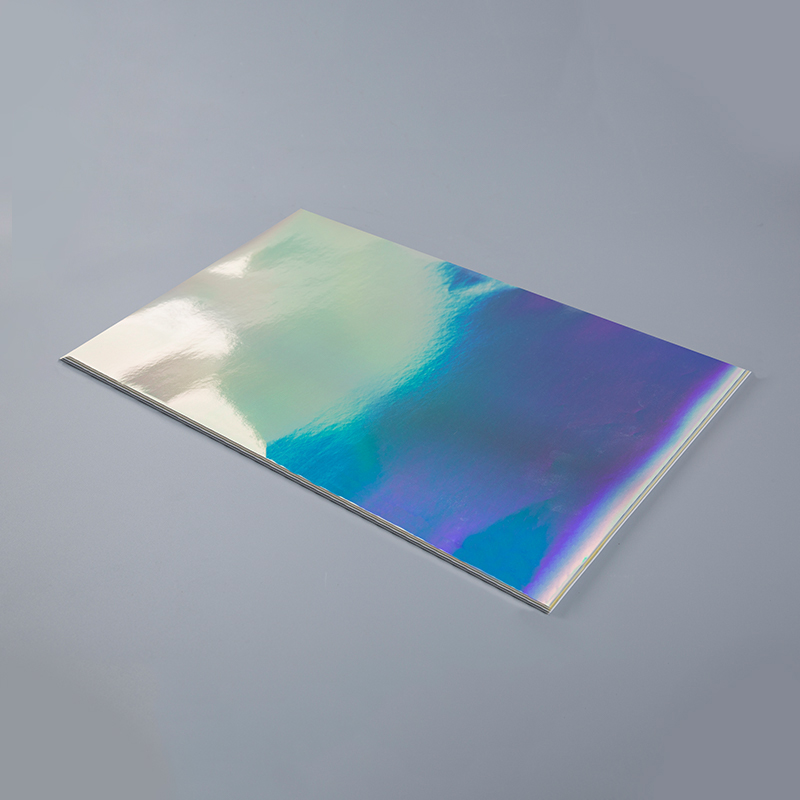
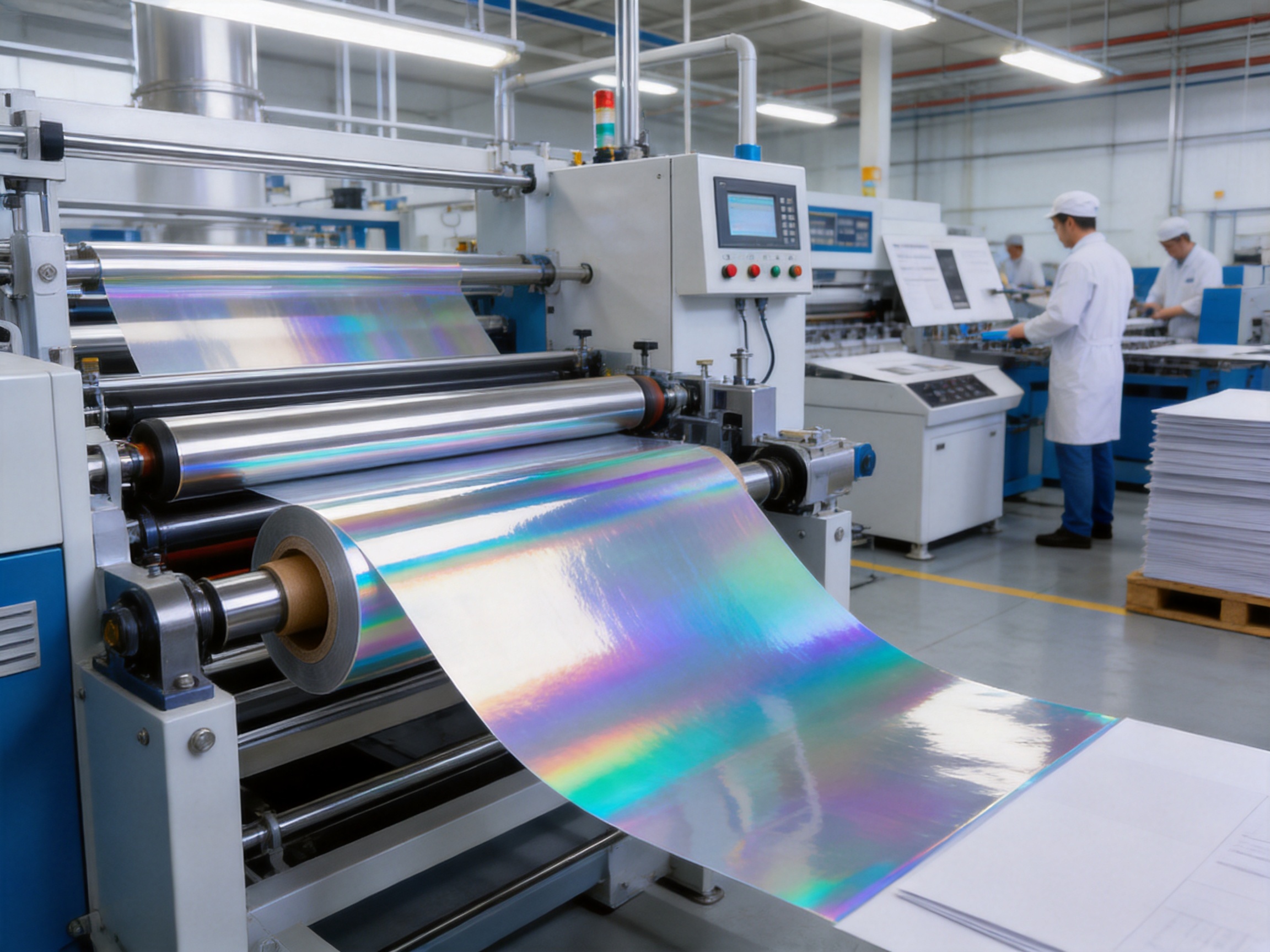
Plain holographic laser film in rolls is a versatile self-adhesive material developed for businesses that need visual impact, flexible converting, and dependable performance across a broad range of printing and labeling applications. By combining a 50-micron plain holographic film face with a choice of pressure-sensitive adhesives and release liners, this material provides a practical foundation for customized labels, decorative packaging, promotional graphics, security-oriented designs, and specialty printed products.
Unlike a conventional clear, white, or metallized label stock, holographic laser film adds a dynamic optical effect to the finished product. Its surface can reflect and diffract light, creating a changing visual appearance as the viewing angle or lighting environment changes. This effect enables brands and printers to create labels and printed materials that stand out on retail shelves, product packaging, promotional displays, and other demanding visual applications.
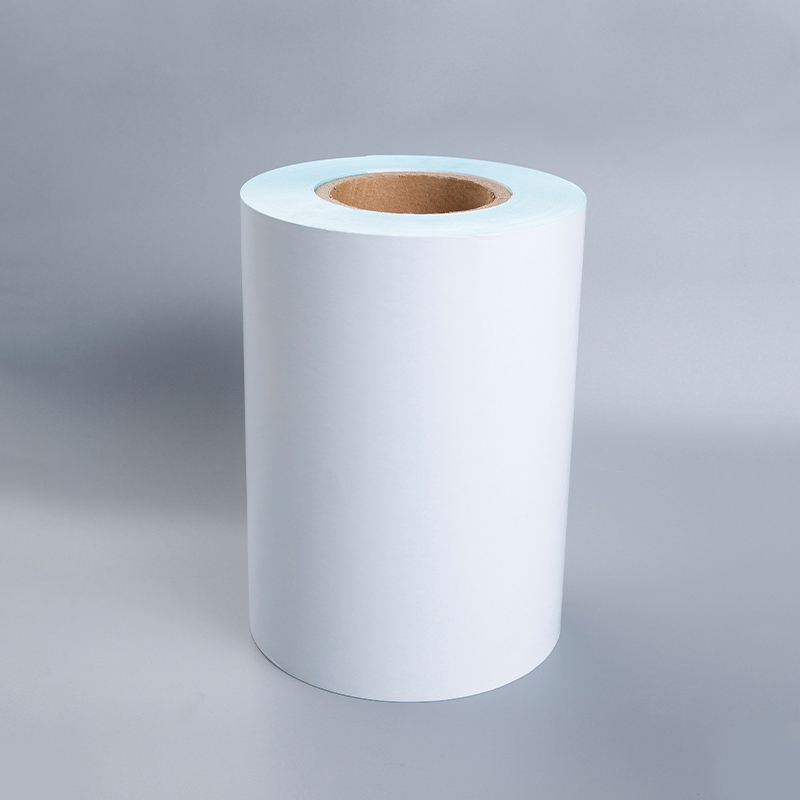
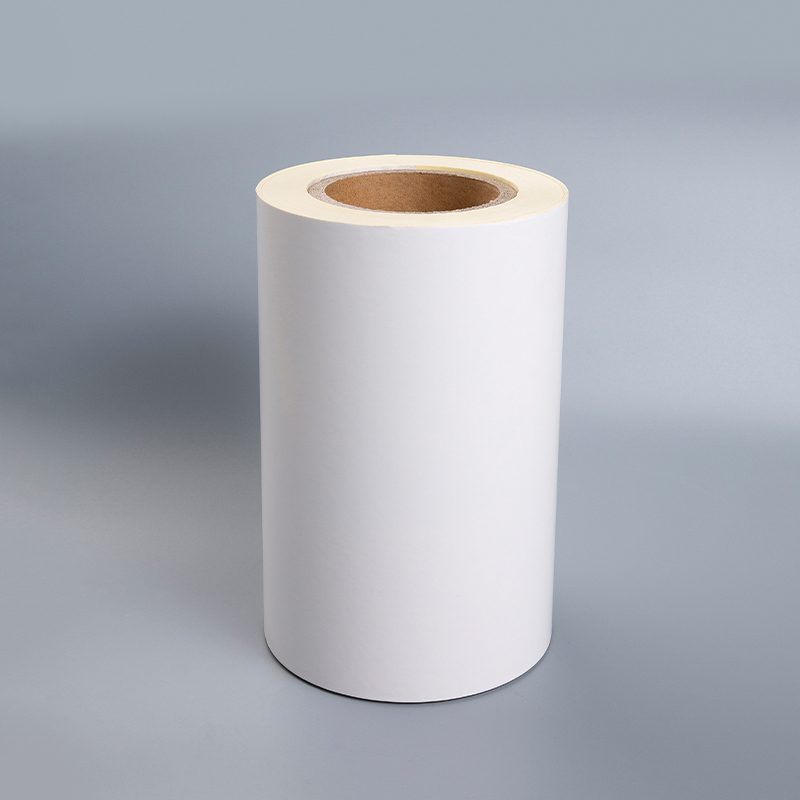
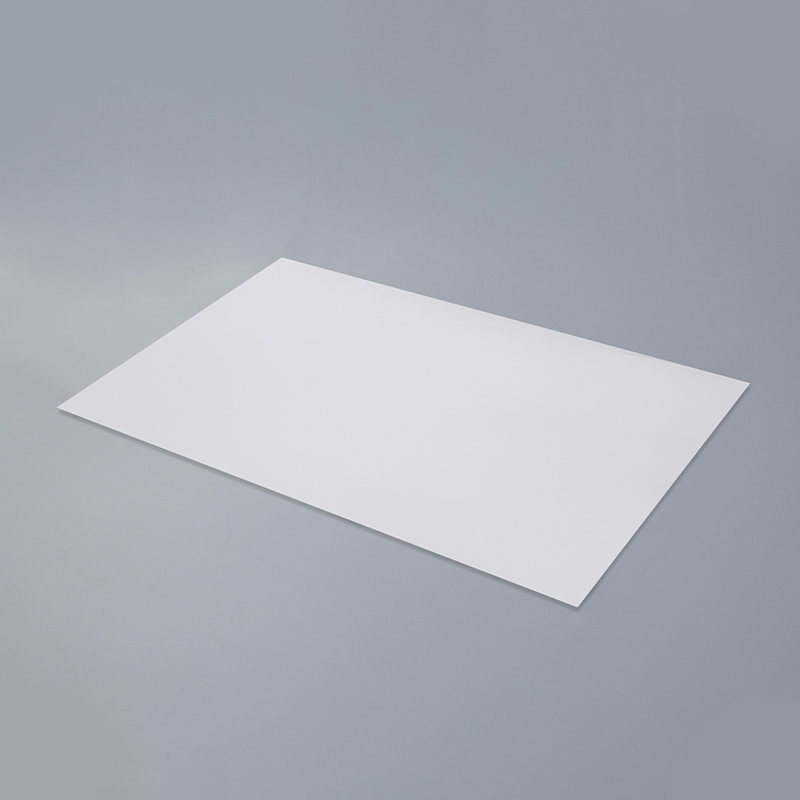
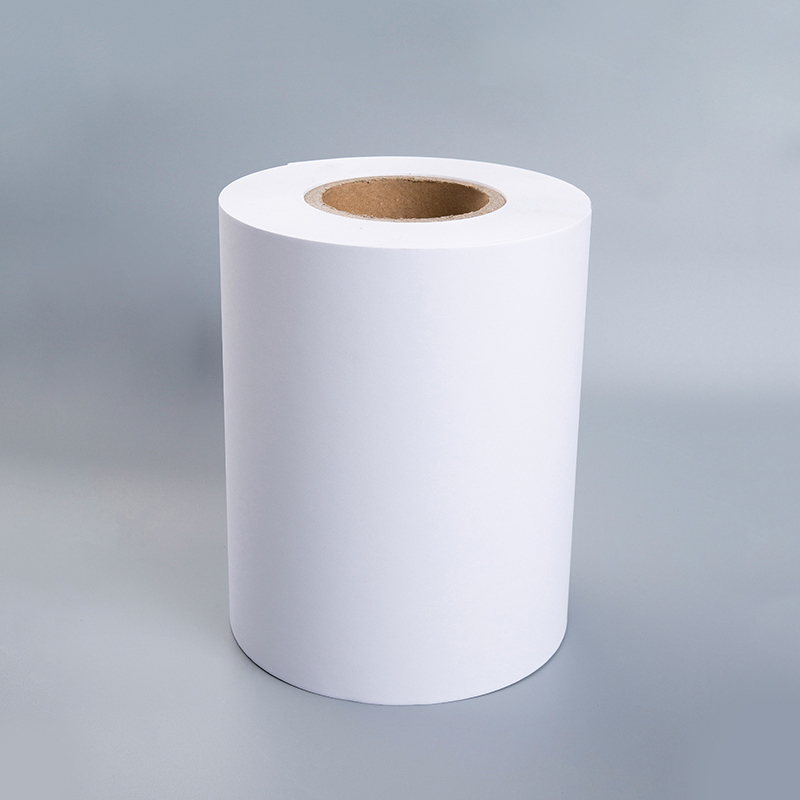
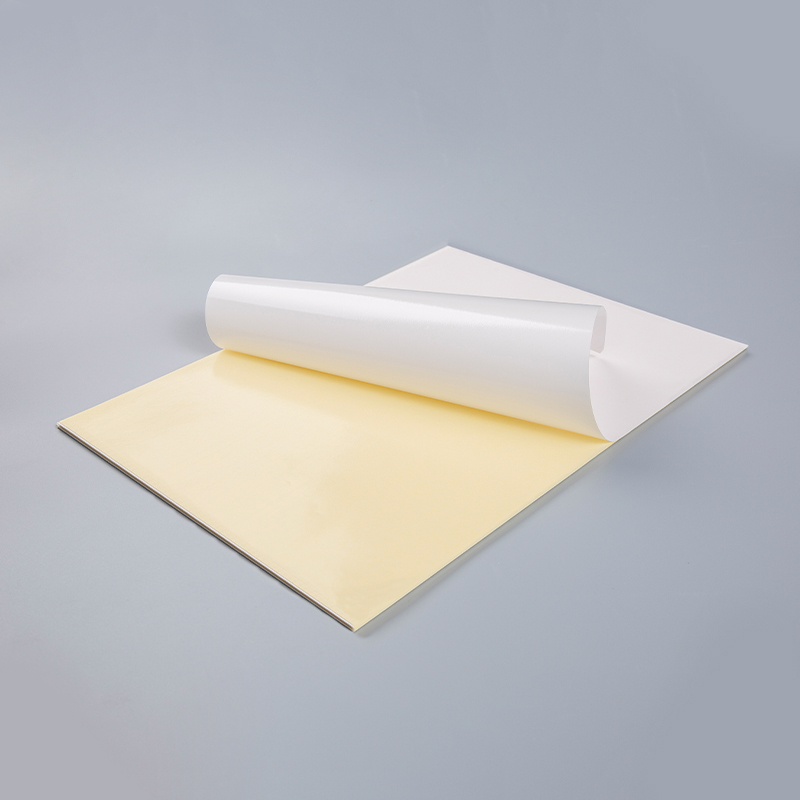
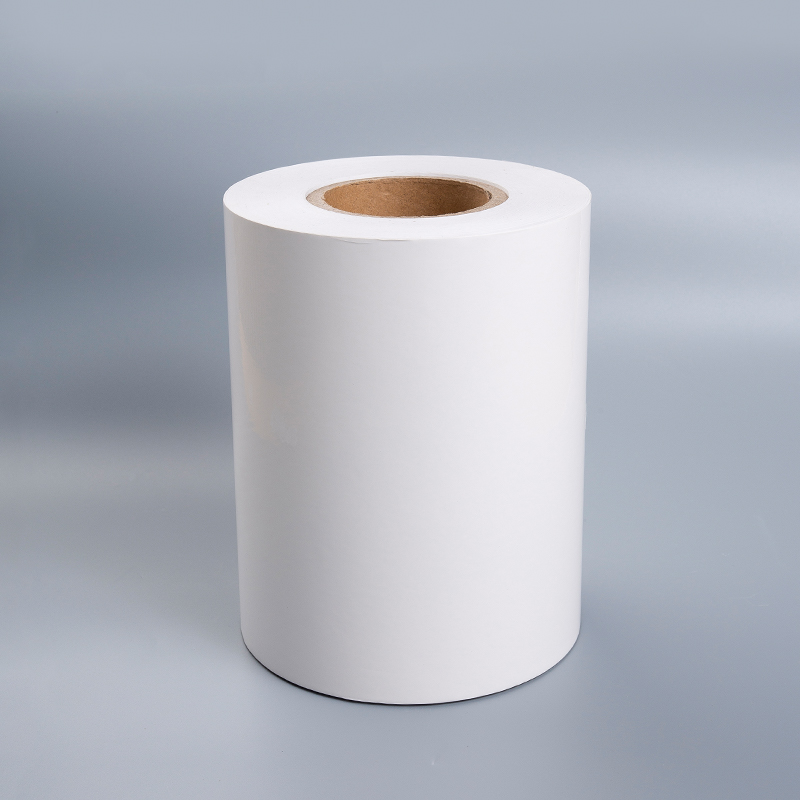
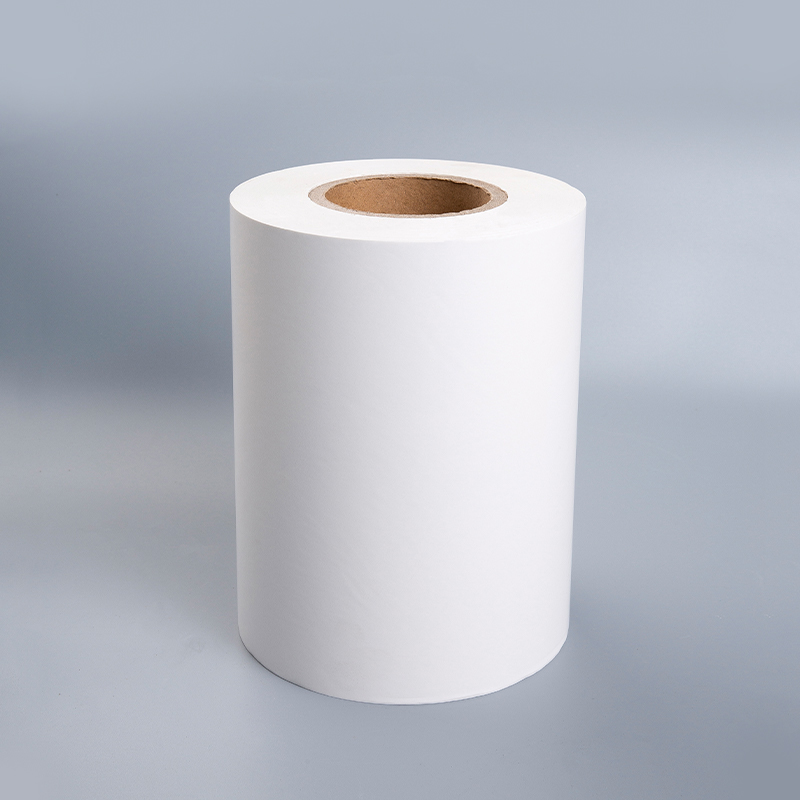
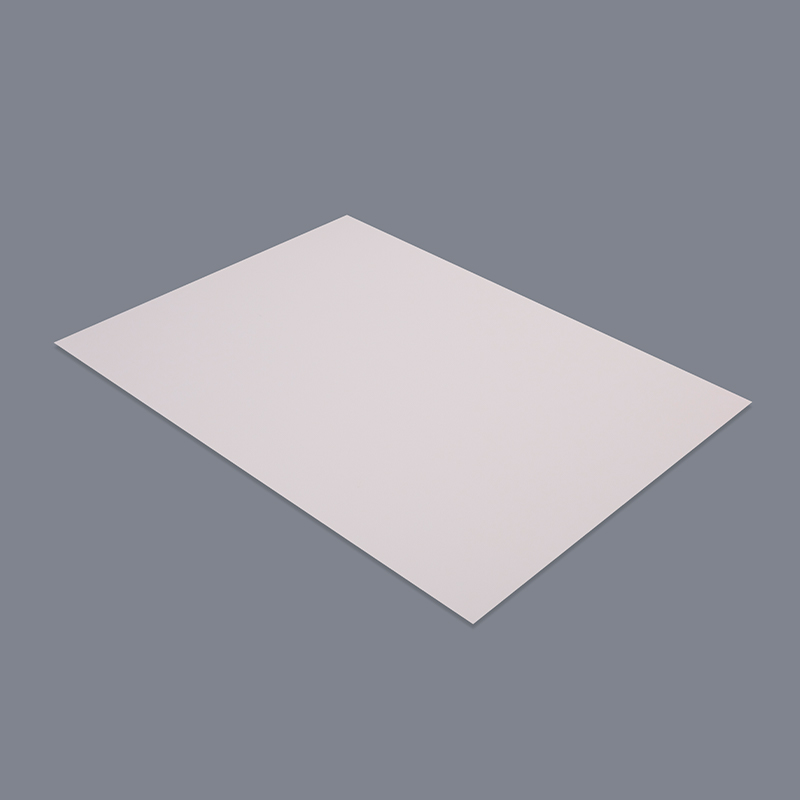
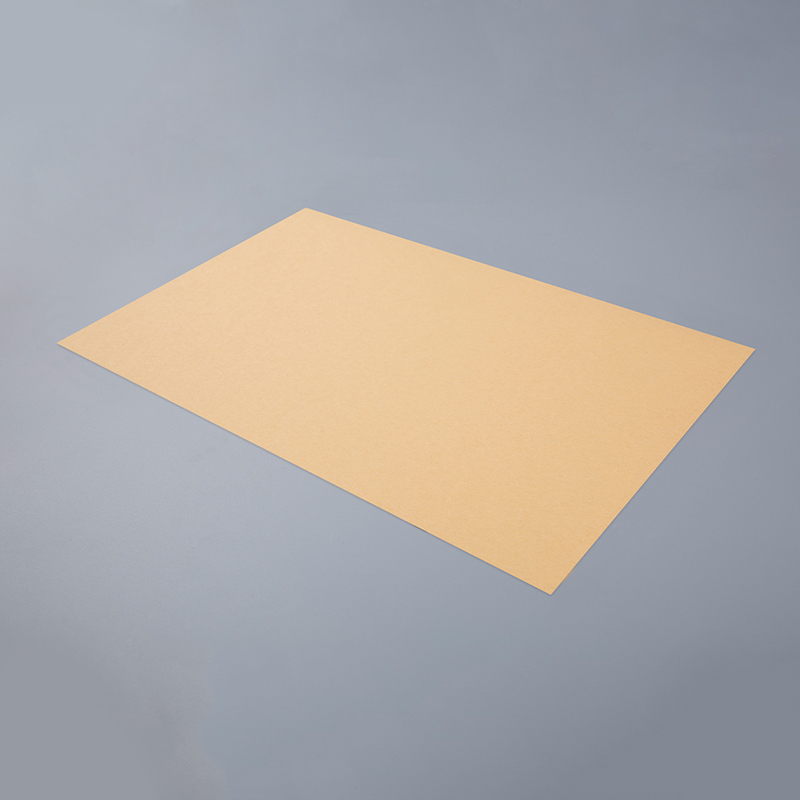
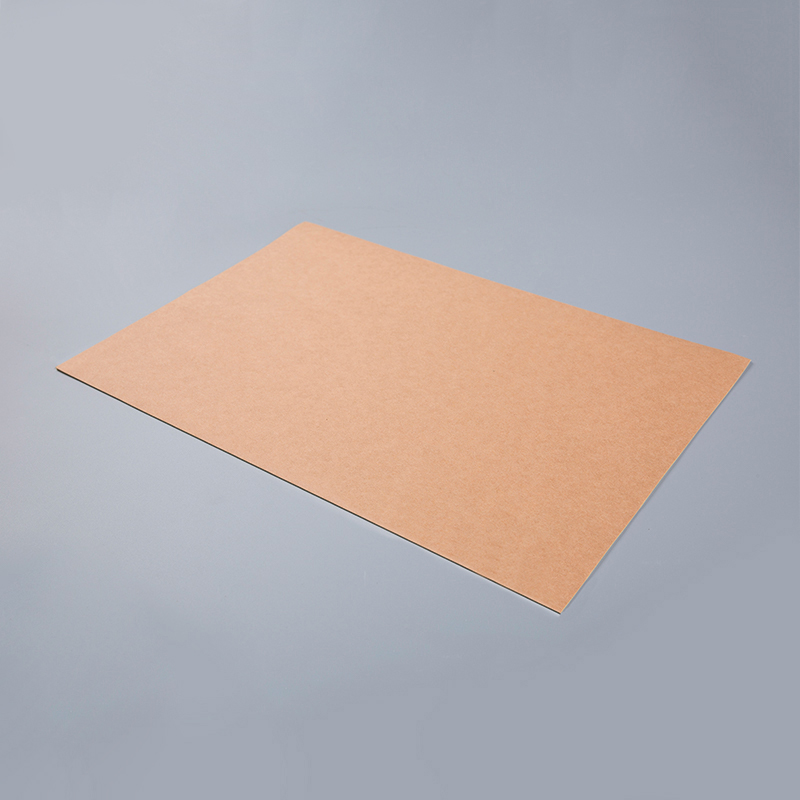
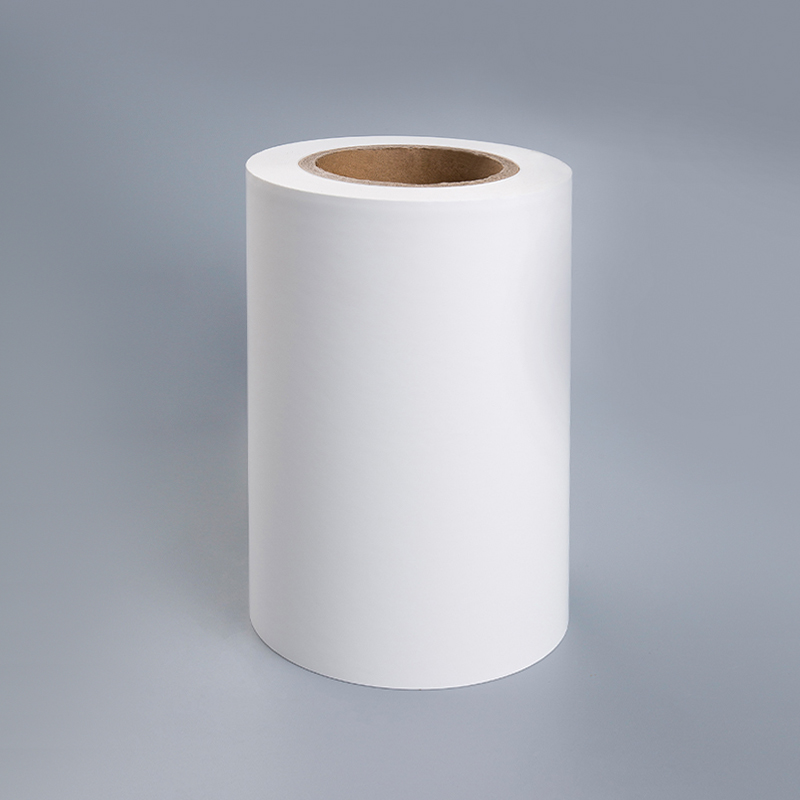
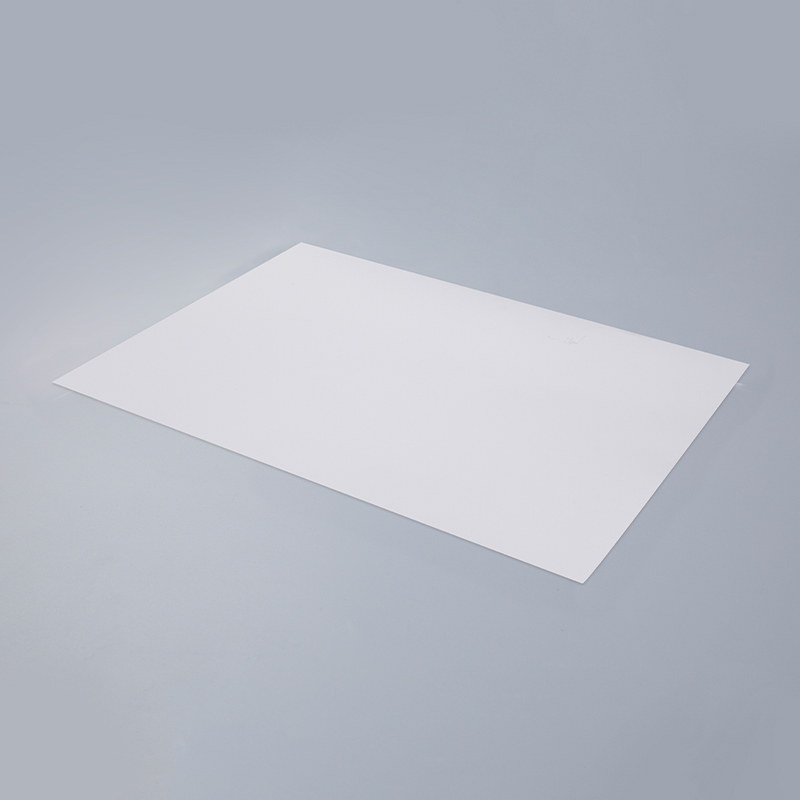
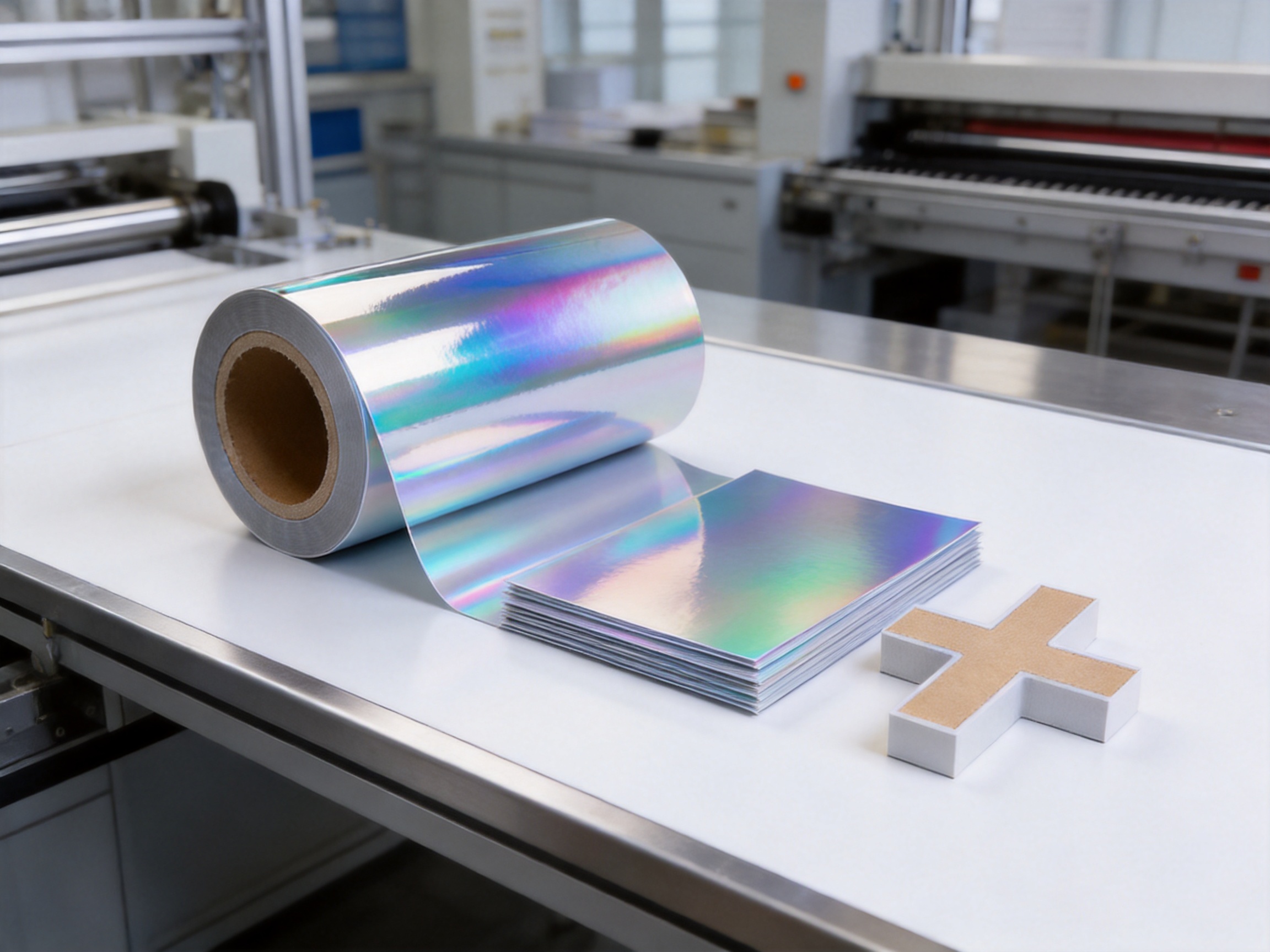
The product is supplied in jumbo rolls and converted sheets. This format gives manufacturers, printing companies, packaging converters, and distributors the flexibility to select the most suitable production method. Roll stock can be integrated into high-volume converting and labeling operations, while sheet formats can be used for digital printing, short-run work, prototyping, and customized production.
The material is manufactured by Suzhou Piaozhihua Composite Material Technology Co., Ltd., a specialist producer of self-adhesive labels and composite materials. The company integrates research and development, coating, laminating, slitting, cutting, sales, and after-sales service. Its production capabilities, customization options, inspection resources, and long-term experience in self-adhesive materials support customers that require consistent quality and application-specific solutions.
Content
- 1 Understanding Plain Holographic Laser Film
- 2 Key Product Construction
- 3 Advantages Compared with Conventional Label Materials
- 4 Application Opportunities
- 5 Manufacturing Capabilities and Process Strengths
- 6 Quality and Supply Advantages
- 7 Packaging and Delivery Considerations
- 8 Selection Guide for Buyers
- 9 Practical Design Recommendations
- 10 Sustainability and Responsible Material Development
- 11 Why This Product Is a Strong Choice for Converters
- 12 Technical Specification Summary
- 13 Frequently Asked Questions
- 13.1 What is plain holographic laser film?
- 13.2 What does the 50-micron specification refer to?
- 13.3 Can the material be printed?
- 13.4 Is the film available in both rolls and sheets?
- 13.5 Which adhesive should be selected?
- 13.6 Can removable adhesive be supplied?
- 13.7 Are transparent PET liners available?
- 13.8 Can the product be customized?
- 13.9 How should the material be tested before production?
- 13.10 How is the product packed?
- 13.11 What industries can use this film?
- 13.12 Can the material be used as a complete security solution?
- 14 Conclusion
- 15 References
- 16 Product: Plain Holographic Laser Film In Rolls
Understanding Plain Holographic Laser Film
Plain holographic laser film is a reflective and visually active film material designed to provide a holographic appearance without requiring a fixed printed pattern on the face material. The plain surface gives printers and converters more creative freedom because the film can become the visual foundation for a range of graphics, colors, text, and decorative effects.
The supplied material uses a 50-micron holographic film face. This thickness offers a balance between visual performance, flexibility, handling, and compatibility with label-converting processes. The film is thin enough for efficient processing while providing a distinctive surface that can help printed designs attract attention.
In a self-adhesive construction, the film face is coated with an adhesive and laminated to a release liner. The liner protects the adhesive before application. When the label is ready to be applied, the liner is removed and the adhesive side is pressed onto the target surface. This construction allows the same face material to be adapted for many industries by selecting the most appropriate adhesive and liner combination.
The plain holographic appearance is especially useful when customers want to create a premium or modern visual identity. The film can be used as a complete design surface, a background element, a decorative highlight, or a supporting layer beneath printed graphics. Depending on the printing process and ink system, designers can use transparent, opaque, or partially printed areas to create contrast between the holographic effect and the printed image.
Because the product is available in rolls and sheets, it can serve both industrial and commercial users. Large converters may purchase jumbo rolls for slitting, die-cutting, and label production. Commercial printers may select A4, A3, or other sheet formats for digital printing and customized jobs. This broad format availability reduces the need for customers to source different materials for every project.
Plain Holographic Laser Film In Rolls
Key Product Construction
50-Micron Plain Holographic Film Face
The 50-micron film face is the primary visual and structural component of the product. It provides the holographic laser effect that differentiates the material from ordinary paper labels, standard clear films, and many conventional decorative substrates. The film surface can support high-impact visual communication while remaining suitable for converting into labels and printed pieces.
A plain face is particularly valuable for customers that need design flexibility. Instead of being restricted to a preselected holographic pattern, users can create their own visual hierarchy through printing, die-cutting, layering, and finishing. The film can be incorporated into product labels, promotional stickers, decorative seals, packaging accents, retail graphics, and other specialty applications.
Multiple Adhesive Options
The adhesive is an important factor in the performance of any self-adhesive product. Different substrates, temperatures, application speeds, surface conditions, and expected service periods require different adhesive characteristics. For this reason, the product range supports several adhesive options rather than relying on one general-purpose formula for every application.
Water-based adhesive is available for customers seeking a commonly used adhesive option for general labeling and converting applications. Water-based systems can be selected when process requirements, substrate conditions, and environmental considerations make them suitable.
Hotmelt adhesive is available for applications that require a different balance of tack, processing behavior, and bonding performance. Hotmelt systems are widely used in various industrial converting environments and can be selected according to the target substrate and application conditions.
Solvent adhesive is another available option for applications where customers require specific bonding performance. Depending on the end use, solvent-based systems may provide useful adhesion characteristics across selected surfaces and operating conditions.
The company also offers anti-freeze adhesive, removable adhesive, cryogenic adhesive, and tire-grade rubber adhesive. These options enable the material to be adapted for more specialized conditions. Removable adhesive can be considered for labels that need to be removed with reduced residue or reduced surface damage. Cryogenic adhesive is intended for appropriately specified low-temperature applications. Tire-grade rubber adhesive is available for customers working with demanding rubber-related labeling requirements.
Adhesive selection should always be confirmed through technical evaluation. The same adhesive may not perform identically on glass, coated cartons, plastics, metals, rubber, textured materials, or low-surface-energy substrates. Surface cleanliness, pressure, application temperature, dwell time, storage conditions, and service temperature can all influence final performance.
Release Liner Selection
The standard liner is 140-gram white release paper. This liner provides a stable backing for the self-adhesive construction and supports handling, storage, converting, and application. The white appearance can also make the product easier to identify and manage during production.
For customers with different equipment or processing needs, several alternative liner materials are available. Glassine paper can be supplied in 50, 60, 80, 100, and 120 grams. Other release paper weights include 60, 85, and 120 grams. Art paper options are available in 140 and 165 grams, while CCK liner options include 50, 80, 90, and 120 grams.
Transparent PET liners are available in 25, 36, 50, and 100 microns. PET liners can be useful when customers require a transparent, dimensionally stable, or film-based backing for particular converting and dispensing conditions. The correct liner can influence die-cutting, matrix stripping, label dispensing, storage stability, and the overall feel of the finished construction.
This range of liner choices is a significant advantage for customers with specialized machinery or product requirements. Rather than redesigning a process around a single standard liner, buyers can discuss a suitable combination of film face, adhesive, and backing material. This approach supports more efficient customization and helps address the practical requirements of different production environments.
Advantages Compared with Conventional Label Materials
Stronger Shelf and Display Presence
The most immediate advantage of holographic laser film is its visual presence. Conventional white paper or ordinary clear film can produce attractive labels, but they may not create the same changing reflection and depth associated with a holographic surface. In crowded retail environments, a visually active label can help a product gain attention and communicate a premium or innovative positioning.
The holographic effect can be used for packaging, promotional labels, event materials, gift products, specialty stationery, and decorative applications. It provides an additional design dimension without requiring the user to apply a separate metallic foil or decorative overlay in every case.
Design Freedom from a Plain Surface
A fixed holographic pattern may be suitable for some products, but it can restrict the design language of a brand. The plain holographic film in this product range provides a more adaptable starting point. Printers and designers can combine the reflective background with typography, logos, illustrations, barcodes, color blocks, and other graphic elements.
The result can be customized for different product lines while maintaining a consistent material identity. A single film platform can support seasonal designs, limited editions, promotional campaigns, and different package sizes. This flexibility is valuable for brand owners that need to update artwork frequently or produce several variations from the same material family.
Compatibility with Several Printing Methods
The product information identifies flat printing, letterpress printing, combination printing, and other printing methods as possible application routes. This gives customers more operating space than a material designed for only one printing technology.
Flat printing can be used for many conventional label and graphic requirements. Letterpress printing can support precise and distinctive printed effects in appropriate production environments. Combination printing can unite multiple printing or finishing methods to create more complex results. Digital printing may also be considered for suitable formats, ink systems, and application conditions, particularly when short runs, variable data, or rapid artwork changes are important.
Printing performance depends on the selected ink, surface treatment, drying or curing conditions, press settings, and artwork. Users should conduct trials before full production, especially when the project includes fine text, dense ink coverage, transparent effects, metallic contrast, or high-speed processing.
Roll and Sheet Availability
Many specialty materials are offered in only one format, forcing customers to modify their equipment or purchase from multiple suppliers. This product is available as jumbo roll stock and in sheet sizes, allowing it to serve different users within the same supply system.
Jumbo roll widths include 1,000, 1,020, 1,080, and 1,530 millimeters. These widths can support downstream slitting and converting according to customer requirements. Sheet sizes include A4, A3, 20 by 30 centimeters, 21 by 30 centimeters, 24 by 36 centimeters, 50 by 70 centimeters, and 70 by 100 centimeters. Customized sizes can also be discussed.
Roll availability is useful for high-volume production because it can reduce interruptions caused by frequent material changes. Sheet availability is useful for printers, distributors, design studios, and customers producing smaller quantities or testing a new product concept. This dual-format strategy expands the potential user base of the material.
Adaption to Diverse Industries
The ability to select the adhesive and liner makes the material suitable for more than one narrow application. The same holographic face can be configured for general labels, decorative products, premium packaging, promotional materials, specialty identification, and other applications where visual differentiation is important.
Customers can evaluate the required combination according to the target surface and working environment. For example, a removable construction may be appropriate for temporary promotional graphics, while a more aggressive adhesive may be required for a durable product label. A low-temperature or cryogenic construction may be evaluated for special storage and logistics conditions.
Application Opportunities
Consumer Product Labels
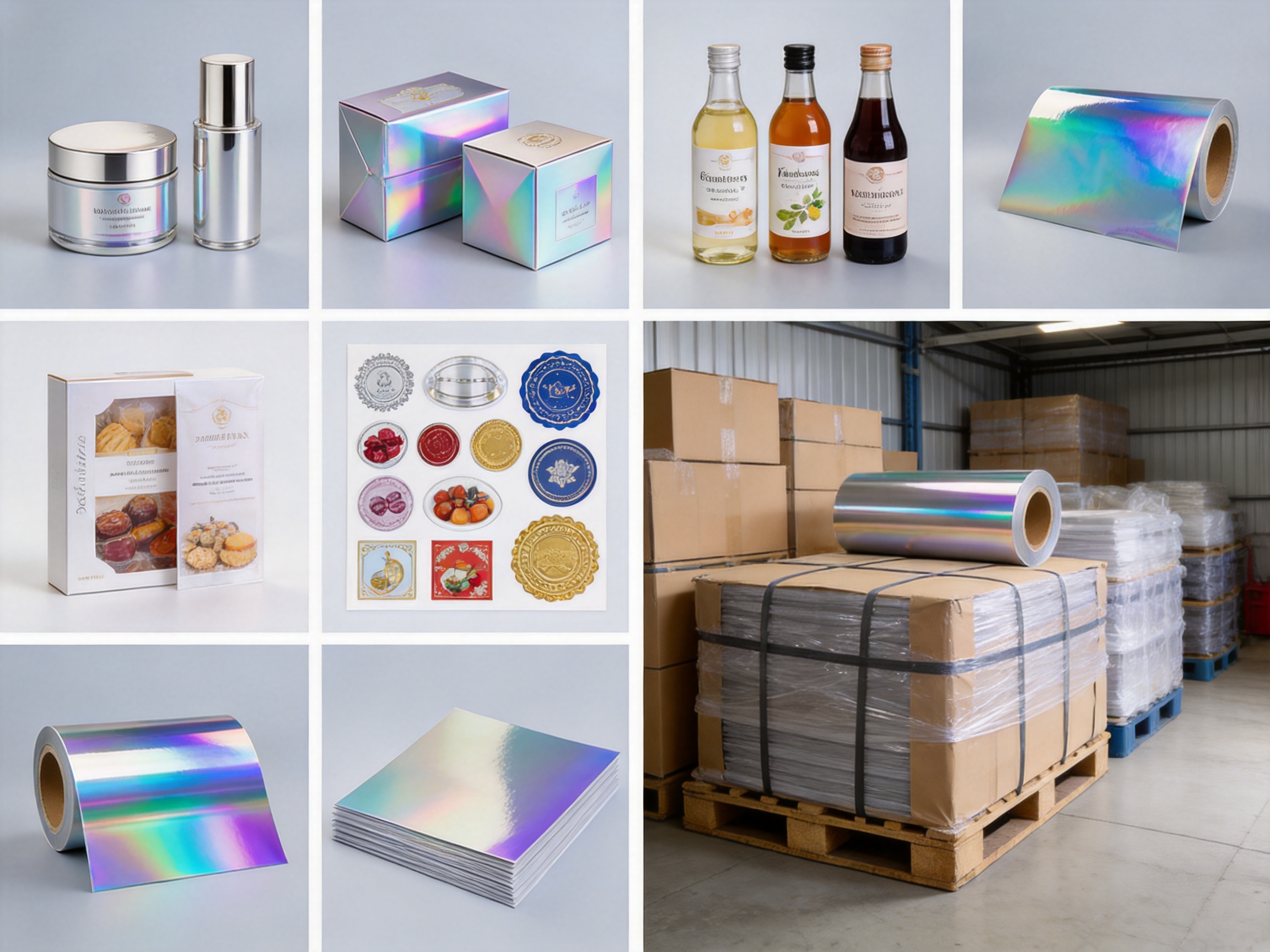
Consumer products often compete for attention through packaging design. Plain holographic laser film can be used for labels on cosmetics, personal care items, gift products, specialty foods, beverages, and lifestyle goods. The reflective surface can reinforce a premium presentation and distinguish a product from packages using ordinary paper labels.
For consumer goods, the material can be converted into front labels, neck labels, seals, promotional stickers, bottle decorations, or small decorative panels. Designers can print selective areas while leaving portions of the holographic background visible. This creates contrast between the optical film and the printed image.
Promotional and Event Materials
Promotional campaigns frequently require materials that communicate novelty and attract immediate attention. Holographic film can be used for campaign stickers, limited-edition labels, event passes, promotional seals, product launch materials, and retail display graphics.
Because the material can be supplied in sheet form, it may be suitable for short-run work and campaign testing. A marketing team can produce a limited quantity of a new design before moving to larger roll-based production. This can help reduce the risk associated with committing to a large volume before the artwork and market response are confirmed.
Decorative Packaging
Packaging converters can use holographic film as a decorative label stock or as one component within a broader package design. The material can provide a reflective accent on cartons, boxes, bags, bottles, jars, and gift packaging. Selective printing and die-cutting can create logos, borders, badges, seals, and special shapes.
In combination printing, the holographic film may be integrated with additional colors, varnishes, laminates, or other finishing effects. The exact compatibility of each finishing step should be verified through trials, but the film’s plain construction provides a flexible platform for creative development.
Specialty Stationery and Printed Products
Sheet formats such as A4 and A3 make the material relevant to specialty stationery, certificates, invitations, presentation materials, decorative cards, craft products, and other printed items. A holographic background can give these products a distinctive appearance without relying solely on complex post-print embellishment.
For professional printers, the availability of several sheet sizes supports different press formats and finishing workflows. Customized sheet dimensions can also be considered for specific equipment or product designs.
Brand Differentiation and Security-Oriented Design
Holographic effects are often associated with product authenticity, premium positioning, and visual differentiation. While a plain holographic film should not automatically be described as a complete security solution, it can be incorporated into a broader authentication or anti-counterfeiting strategy when combined with customized artwork, variable data, controlled distribution, or additional security features.
Brands should define their security objectives before selecting a material. A decorative holographic appearance may support brand recognition, while a more advanced security program may require specialized patterns, serialization, covert features, tamper evidence, or verification systems. The plain film can serve as a visually distinctive component within such a program, subject to technical consultation.
Manufacturing Capabilities and Process Strengths
The manufacturer is a specialist in self-adhesive label materials and composite products. Its manufacturing activities include gluing, laminating, and cutting, which are central processes in the production of self-adhesive film constructions.
Coating and Gluing
Adhesive coating must be controlled carefully to achieve a consistent construction. Coating weight, uniformity, drying or curing, release behavior, and adhesion characteristics all influence the performance of the finished material. The availability of multiple adhesive systems indicates that the manufacturer can support different end-use requirements rather than offering only one standard formulation.
For customers, controlled gluing is important because inconsistent adhesive application can lead to processing problems, uneven bonding, edge lifting, residue, poor dispensing, or variable label appearance. A professional coating process helps improve the repeatability of the product from one production lot to another.
Laminating
Laminating joins the film face, adhesive layer, and release liner into a stable self-adhesive construction. Accurate lamination is essential for maintaining alignment, avoiding bubbles or wrinkles, and supporting smooth downstream conversion.
The company’s experience with composite materials is relevant because self-adhesive products are multilayer structures. The performance of the finished product depends not only on the face film but also on the relationship among the face, adhesive, and liner. A well-balanced construction can make slitting, die-cutting, printing, and label application more predictable.
Slitting and Cutting
Jumbo rolls must be converted into widths and formats that match customer equipment and applications. Slitting quality affects roll edges, winding, web handling, and the ability to run the material on downstream machinery. Sheet cutting affects dimensional accuracy, edge quality, stacking, and feeding.
The availability of multiple jumbo widths and standard sheet sizes demonstrates that the product can support both large-scale and smaller-format operations. Customized widths and sheet sizes provide another way to align the material with customer equipment and product specifications.
Testing and Inspection
The company operates its own testing laboratory and uses inspection equipment to support product quality. In self-adhesive materials, testing may include examination of face appearance, thickness, adhesive behavior, release performance, roll quality, dimensional consistency, and converting suitability.
Product testing is especially important for holographic materials because visual uniformity is part of the customer’s expectation. Variations in surface appearance, optical effect, coating, or winding can influence the final printed result. A structured inspection approach helps identify potential issues before products are dispatched.
Research and Development
The company maintains a professional research and development team and has developed multiple patented technologies. Research and development supports the creation of new face materials, adhesive combinations, liners, and customized constructions.
For customers, this capability is valuable when an existing standard product does not fully meet the application. A project may require a different liner weight, a special adhesive, a particular roll width, a customized sheet size, or a combination of performance characteristics. An experienced manufacturer can evaluate the requirements and work toward a practical specification.
Quality and Supply Advantages
More Than Two Decades of Experience
The company has more than 20 years of experience in self-adhesive product manufacturing and OEM production. Long-term experience can contribute to better process familiarity, more stable supplier relationships, improved troubleshooting, and a deeper understanding of customer converting requirements.
Experience is particularly valuable for specialty film products because successful production requires coordination across several steps. Face material selection, adhesive coating, liner selection, lamination, slitting, packing, and transportation all influence the customer’s final result.
Large Production Capacity
The company reports an annual production capacity of more than 280 million square meters. This scale supports customers that need stable supply for regular production, regional distribution, or multi-market programs.
Large production capacity can also be beneficial for customers that want to expand after a successful trial. A supplier should be able to support the transition from samples and small orders to repeated commercial volumes. The combination of standard materials and customization capabilities provides a foundation for both initial testing and longer-term supply.
OEM and ODM Support
OEM and ODM services allow customers to request products based on drawings, samples, technical documents, or defined performance requirements. This is useful for companies that have a proprietary label design, a special converting process, or a specific adhesive and liner combination.
OEM manufacturing can help customers maintain their own product specifications and branding. ODM cooperation may be more appropriate when the customer needs the manufacturer to assist with material selection, construction design, and process development. In both cases, technical communication and sample approval are important steps before mass production.
Domestic and International Service Network
The company maintains sales coverage in numerous Chinese cities and has developed international market relationships across North America, Europe, Asia, Latin America, the Middle East, and other regions. This international orientation is relevant to customers seeking a supplier that understands export packaging, overseas shipment, and cross-border communication.
Products can be prepared for sea transportation using poly-wood pallets and carton packing. Packaging options are available for both rolls and sheets from stock, helping customers select a format suitable for their logistics and warehouse practices.
Packaging and Delivery Considerations
Proper packaging is essential for self-adhesive film because rolls and sheets must be protected from moisture, dust, compression, edge damage, and handling impact. The stated packaging system includes sea-transit-worthy poly-wood pallet packing and carton packing for rolls or sheets.
For sheet products, 100 sheets are packed per ream. Each ream is wrapped with strong PE-coated kraft paper. This structure helps hold the sheets together and provides an additional protective layer during storage and transportation.
Pallets are wrapped with stretch film and secured with plastic fastening belts. Stretch film helps protect the outer load from dust and movement, while fastening belts provide additional stability. Poly-wood pallets are suitable for export logistics because they can offer consistent handling and support for container shipment, subject to destination requirements.
Customers should communicate shipping conditions before order confirmation. Important factors may include container loading, destination climate, expected transit time, warehouse temperature, humidity, stacking method, and whether the product will be stored for an extended period before use. These details can help determine suitable packaging and handling instructions.
Selection Guide for Buyers
Choose the Face Material
The first step is to confirm that a plain holographic film is appropriate for the visual objective. Customers should consider whether the final product needs a reflective background, a premium appearance, a decorative effect, or a visually distinctive label. If the project requires a fixed holographic pattern or a specialized security pattern, a different film construction may be more suitable.
Select the Adhesive
Adhesive selection should be based on the application surface and service environment. Buyers should provide information about whether the surface is glass, paperboard, coated carton, plastic, metal, rubber, or another material. The surface energy, texture, curvature, cleanliness, and expected exposure conditions can all affect the choice.
Customers should also identify whether the label needs permanent, removable, low-temperature, cryogenic, anti-freeze, or tire-grade performance. If the final application involves unusual temperatures, outdoor exposure, moisture, oils, chemicals, or repeated handling, these conditions should be included in the technical inquiry.
Select the Liner
The liner should match the customer’s printing, die-cutting, dispensing, and storage process. Paper liners may be preferred for common applications, while PET liners may be appropriate for processes requiring a film backing or greater dimensional stability. Weight and thickness can affect feeding, die-cutting pressure, matrix removal, and label release.
Confirm the Format
Roll customers should specify the required web width, core size, outer diameter, winding direction, and roll length where applicable. Sheet customers should specify the required sheet dimensions, packing quantity, edge tolerance, and printing equipment.
The available standard widths and sheet sizes can simplify purchasing, but customized sizes are also possible. Confirming the format at the beginning of the project helps reduce waste and improves compatibility with existing equipment.
Test Before Mass Production
Testing is recommended before a commercial order. A trial should evaluate printing quality, ink adhesion, drying or curing, die-cutting, weeding, dispensing, adhesive bonding, release behavior, and finished appearance. If the label will be applied to a product, it should be tested on the actual substrate and under realistic environmental conditions.
Testing also gives the customer an opportunity to verify how much of the holographic effect should remain visible. A design with heavy ink coverage may reduce the optical effect, while a design with selective printing may emphasize it. The final choice depends on the intended brand appearance and production process.
Practical Design Recommendations
Designers should treat the holographic effect as an active component of the artwork rather than as an ordinary background. Large areas of unprinted film can produce a strong visual effect, while transparent or translucent elements can create depth and contrast. Opaque colors can be used to control the effect and improve text visibility.
Fine text and small symbols should be tested because reflective surfaces can influence perceived contrast under different lighting conditions. Barcodes and machine-readable codes require particular attention. The selected print color, contrast, quiet zone, and scanning angle should be validated with the intended scanning equipment.
Designers should also consider the shape of the finished label. Curved corners, narrow strips, small die-cut elements, and intricate outlines may require different converting settings. The film, adhesive, and liner combination should be evaluated together rather than treating the face material as an independent component.
Combination printing can be valuable when the project requires both decorative impact and functional information. For example, a holographic background may support the visual identity, while conventional printed areas carry product details, instructions, barcodes, or regulatory information. The exact process should be confirmed with the printer and material supplier.
Sustainability and Responsible Material Development
The manufacturer positions sustainable development and environmental protection as important areas of product development. This includes work involving face materials, adhesives, and backing papers. Customers seeking more environmentally considerate label solutions should discuss the complete material construction rather than evaluating only the film face.
A responsible material assessment may consider product durability, material efficiency, adhesive selection, liner usage, production waste, converting yield, packaging, and end-of-life conditions. Different markets may also have different requirements for recycling, disposal, chemical compliance, and packaging claims.
Customers should avoid making environmental claims without confirming the relevant technical and regulatory evidence. The best approach is to request applicable documentation, identify the target market, and assess the full product system. The manufacturer’s research and development capability can support discussions about customized constructions that align with specific sustainability objectives.
Why This Product Is a Strong Choice for Converters
Plain holographic laser film in rolls provides a combination of visual differentiation, material flexibility, and customization potential. Its 50-micron film face creates a distinctive appearance, while multiple adhesives and liners allow the construction to be adapted for different substrates and operating conditions.
The availability of jumbo rolls and sheets supports both industrial production and smaller-format printing. The range of widths and sheet sizes reduces the limitations often associated with specialty label materials. Customers can select a standard specification for efficient purchasing or request a customized construction for a more demanding application.
The manufacturer’s integrated capabilities in gluing, laminating, cutting, testing, OEM, and ODM production provide a single-source path from material consultation to finished supply. This can simplify communication and reduce the coordination burden associated with sourcing the film, adhesive construction, and converted format from separate suppliers.
Its long manufacturing history, reported annual capacity of more than 280 million square meters, testing laboratory, R&D team, and international service experience further support customers that require repeatable supply and technical cooperation. These strengths are particularly relevant for businesses that plan to move from trial quantities to regular commercial orders.
Compared with ordinary paper or standard film labels, the product offers more visual impact. Compared with a narrowly specified holographic stock, the plain construction offers greater design flexibility. Compared with a single-adhesive product, the available adhesive range offers more opportunity to match the material to the target application.
Technical Specification Summary
| Item | Available Specification | Application Consideration |
|---|---|---|
| Face material | 50-micron plain holographic film | Suitable for visually distinctive labels, decorative packaging, and specialty printed products |
| Standard adhesive | Water-based adhesive | General-purpose option subject to substrate and process testing |
| Other adhesives | Hotmelt, solvent, anti-freeze, removable, cryogenic, and tire-grade rubber adhesive | Selection should reflect substrate, temperature, permanence, and service conditions |
| Standard liner | 140-gram white release paper | Common backing option for self-adhesive constructions |
| Alternative paper liners | Glassine, release paper, art paper, and CCK liner in multiple weights | Can be matched to converting, dispensing, and storage requirements |
| Film liner | 25, 36, 50, and 100-micron transparent PET liner | Useful for selected applications requiring a film backing |
| Jumbo roll widths | 1,000, 1,020, 1,080, and 1,530 millimeters | Suitable for slitting and downstream roll converting |
| Sheet sizes | A4, A3, 20 x 30, 21 x 30, 24 x 36, 50 x 70, and 70 x 100 centimeters | Supports digital, commercial, specialty, and short-run printing |
| Customization | Customized constructions and sizes available | Technical confirmation and sample approval recommended |
Frequently Asked Questions
What is plain holographic laser film?
Plain holographic laser film is a film-based material with a reflective, light-diffracting surface that produces a changing visual effect. In self-adhesive form, the film is combined with an adhesive layer and a release liner so it can be converted into labels or applied directly to suitable surfaces.
What does the 50-micron specification refer to?
The 50-micron specification refers to the thickness of the holographic film face. It does not represent the total thickness of the finished self-adhesive construction, which also includes the adhesive and liner.
Can the material be printed?
Yes. The material can be used with several printing methods, including flat printing, letterpress printing, combination printing, and other suitable processes. Printing trials should be carried out to confirm ink adhesion, drying or curing, color appearance, and barcode readability.
Is the film available in both rolls and sheets?
Yes. Jumbo roll widths include 1,000, 1,020, 1,080, and 1,530 millimeters. Sheet formats include A4, A3, 20 by 30 centimeters, 21 by 30 centimeters, 24 by 36 centimeters, 50 by 70 centimeters, and 70 by 100 centimeters. Customized sizes can also be discussed.
Which adhesive should be selected?
The adhesive should be selected according to the target substrate, required permanence, temperature, surface condition, and service environment. Options include water-based, hotmelt, solvent, anti-freeze, removable, cryogenic, and tire-grade rubber adhesive. Technical testing is recommended before final selection.
Can removable adhesive be supplied?
Yes. Removable adhesive is one of the available options. Its suitability depends on the surface, application period, removal conditions, temperature, and required residue performance. Testing on the actual surface is recommended.
Are transparent PET liners available?
Yes. Transparent PET liners are available in 25, 36, 50, and 100 microns. PET liner selection should be based on equipment compatibility, dimensional stability, die-cutting, dispensing, and storage requirements.
Can the product be customized?
Yes. Customized sizes, adhesives, liners, and other construction details can be discussed. Customers should provide the target application, equipment information, substrate, order volume, environmental conditions, and desired finished format.
How should the material be tested before production?
The material should be printed and converted using the intended production process. Testing should include print quality, ink adhesion, drying or curing, die-cutting, label release, dispensing, bonding, and finished appearance. Application testing should be performed on the actual product surface under realistic conditions.
How is the product packed?
Rolls and sheets can be packed using sea-transit-worthy poly-wood pallets and cartons. Sheets are packed at 100 sheets per ream, with strong PE-coated kraft paper wrappers. Pallets are wrapped with stretch film and secured with plastic fastening belts.
What industries can use this film?
Potential users include label converters, packaging companies, commercial printers, promotional product suppliers, consumer goods manufacturers, specialty stationery producers, and businesses seeking visually distinctive labels or decorative printed materials.
Can the material be used as a complete security solution?
A plain holographic film can contribute to visual differentiation and may form part of a broader authentication strategy, but it should not automatically be treated as a complete security system. Customers requiring anti-counterfeiting performance should discuss specialized patterns, variable data, tamper evidence, controlled distribution, and other security measures.
Conclusion
Plain holographic laser film in rolls is a flexible self-adhesive material for businesses that want stronger visual impact without sacrificing printing and converting options. Its 50-micron holographic film face provides a distinctive reflective appearance, while the plain construction allows designers to develop customized graphics and brand treatments.
The product’s broad adhesive range, multiple release liner options, jumbo roll widths, sheet formats, and customized sizes make it suitable for different production systems and application environments. It can support decorative labels, premium packaging, promotional products, specialty printed materials, and selected authentication-oriented designs.
Its value is strengthened by the manufacturer’s integrated production capabilities. Gluing, laminating, cutting, inspection, research and development, OEM, and ODM services are managed within a specialist self-adhesive material business with more than two decades of experience. Reported production capacity above 280 million square meters per year and international supply experience provide additional support for customers that require stable long-term cooperation.
For the best result, buyers should define the surface, adhesive requirement, liner preference, printing method, roll or sheet format, storage conditions, and final application before placing an order. With suitable technical evaluation and sample testing, plain holographic laser film can become an effective material platform for high-visibility labels and modern printed products.
References
1. Product technical information supplied for 50-micron plain holographic film, adhesive options, release liners, roll widths, and sheet sizes.
2. Product application information supplied for flat printing, letterpress printing, combination printing, customization, and specialty label use.
3. Manufacturer information supplied regarding gluing, laminating, cutting, testing, research and development, OEM, ODM, and production capacity.
4. Packaging information supplied regarding poly-wood pallets, carton packing, PE-coated kraft paper wrappers, stretch film, and plastic fastening belts.
5. General principles of pressure-sensitive adhesive construction, including face material, adhesive coating, release liner selection, converting, and application testing.