
 English
 Español
 русский
 Français
 عربى
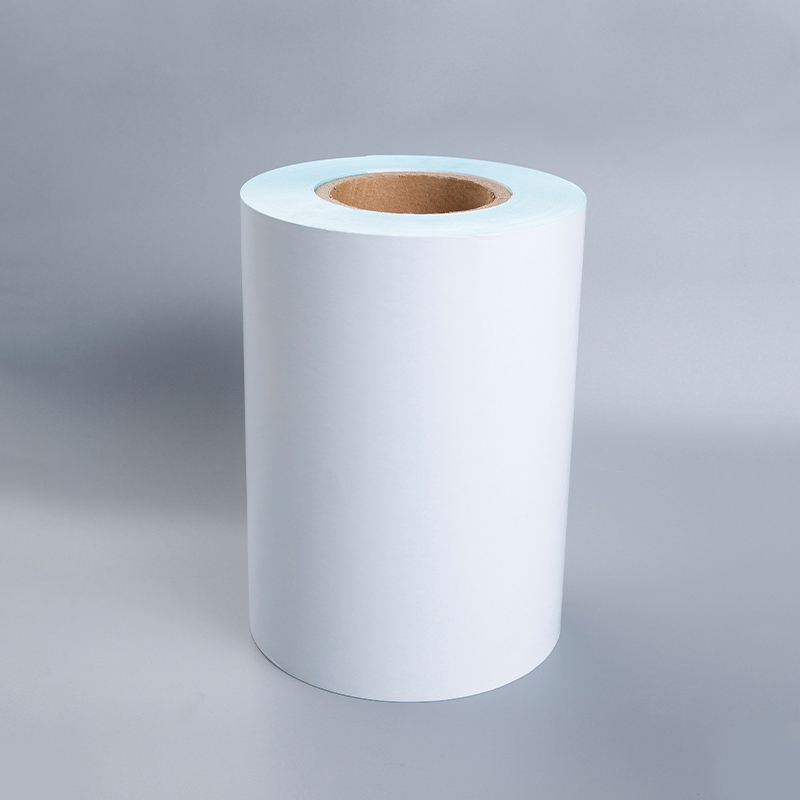
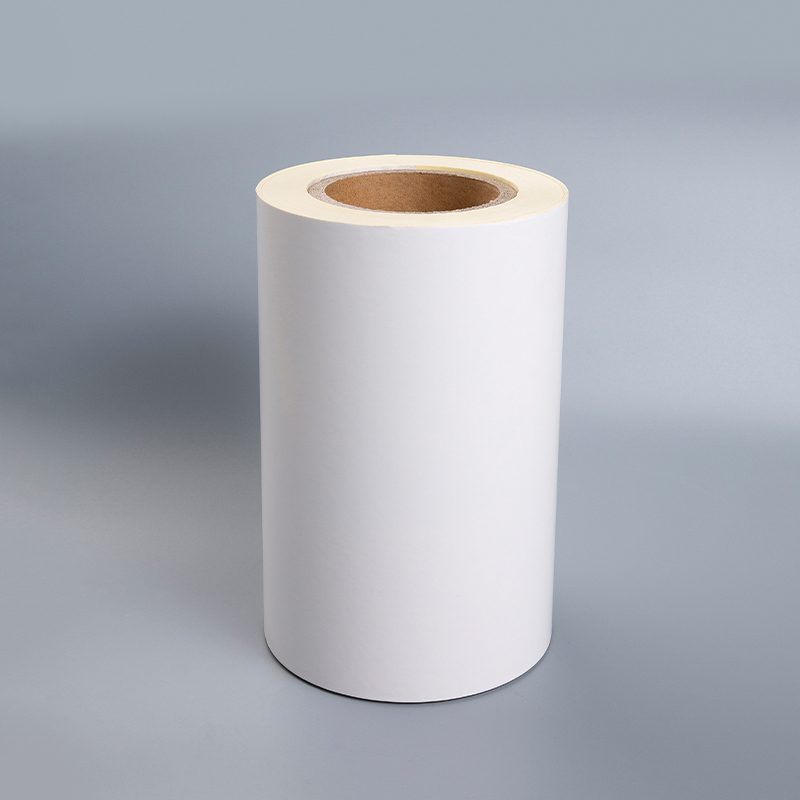
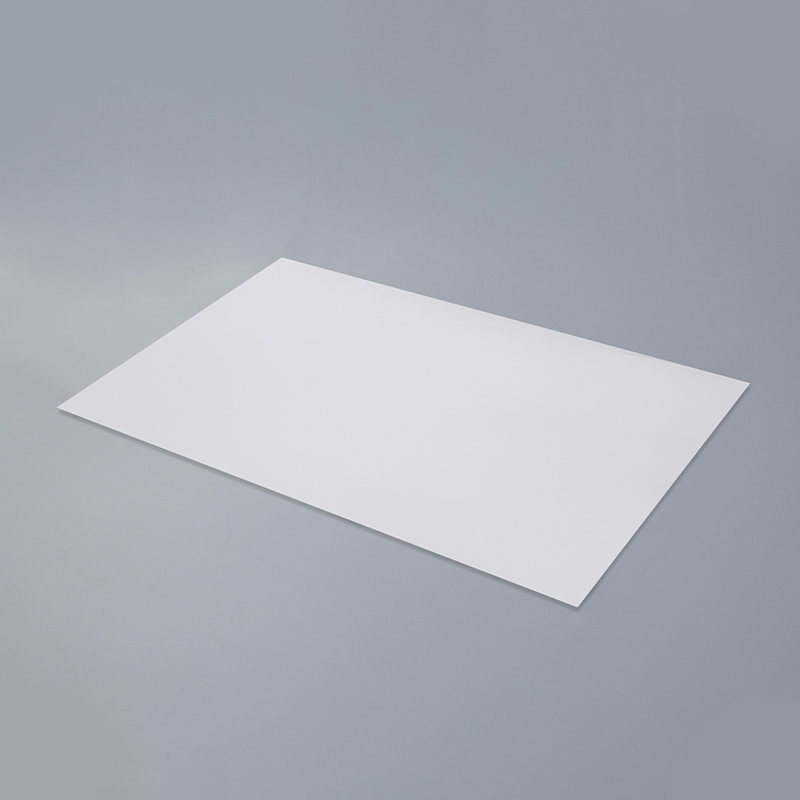
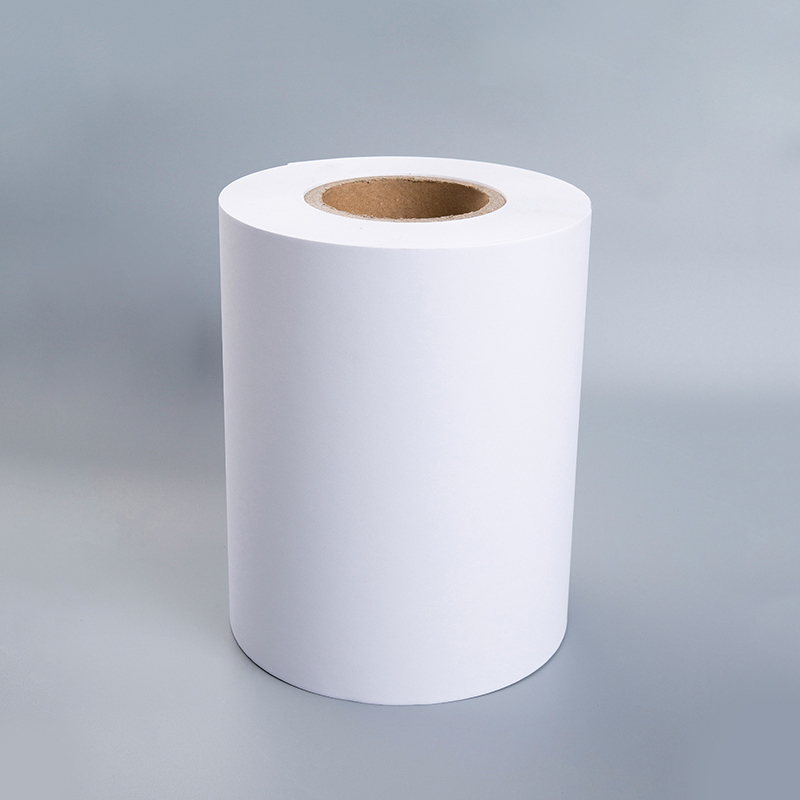
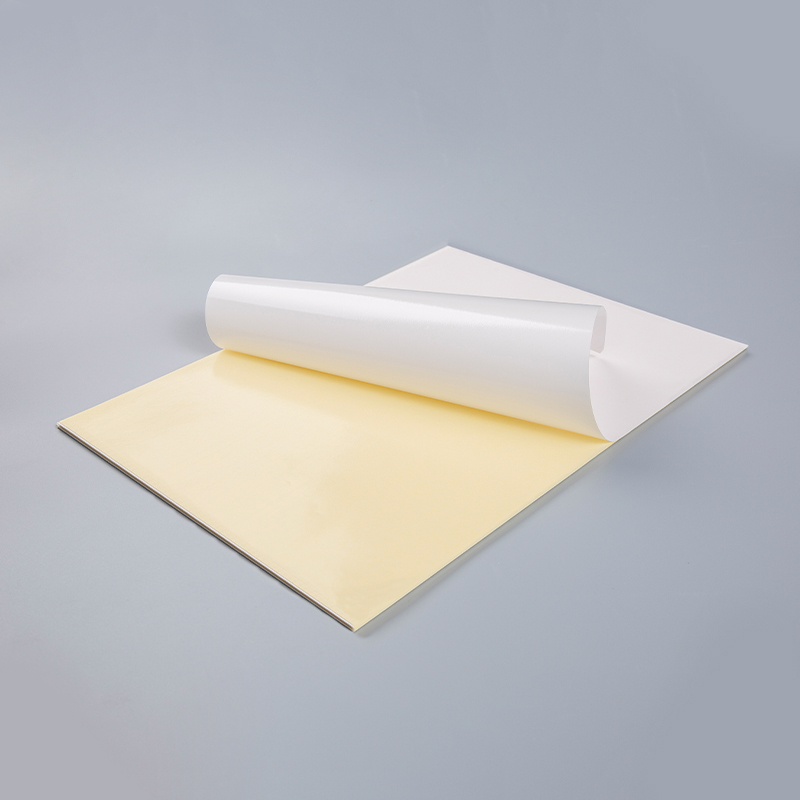
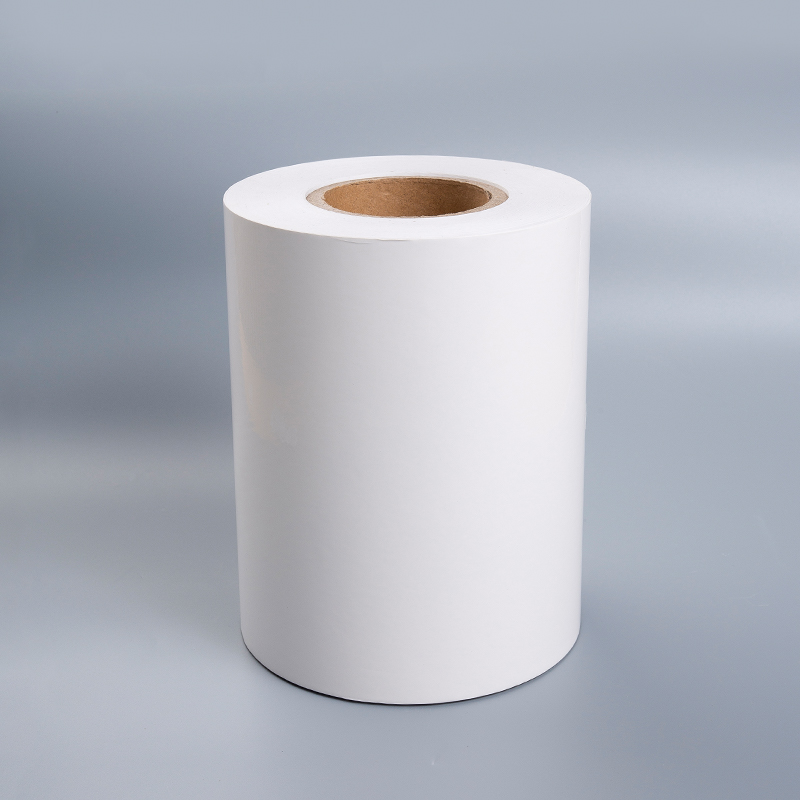
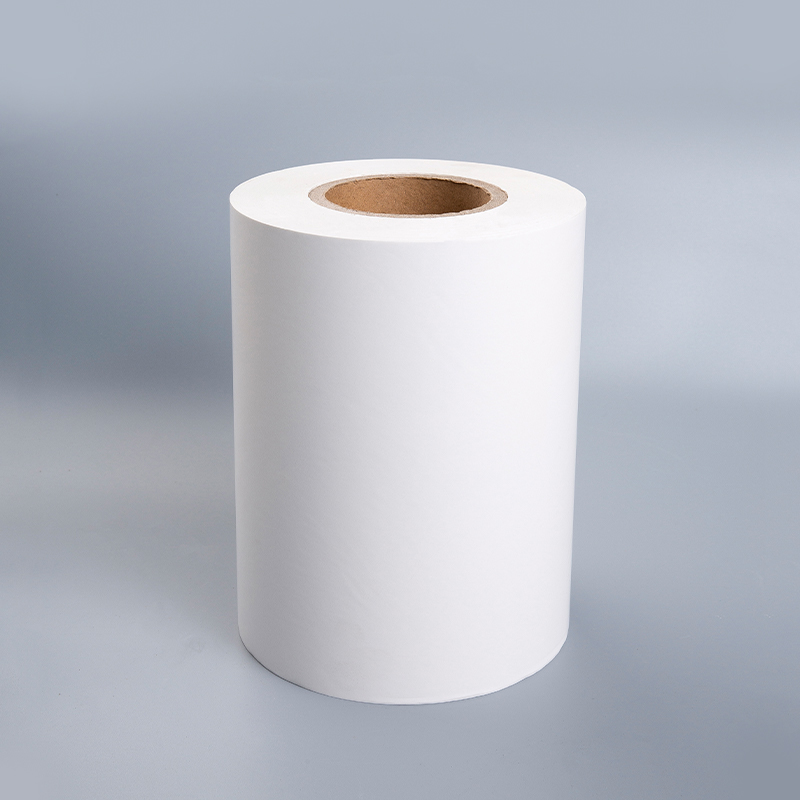
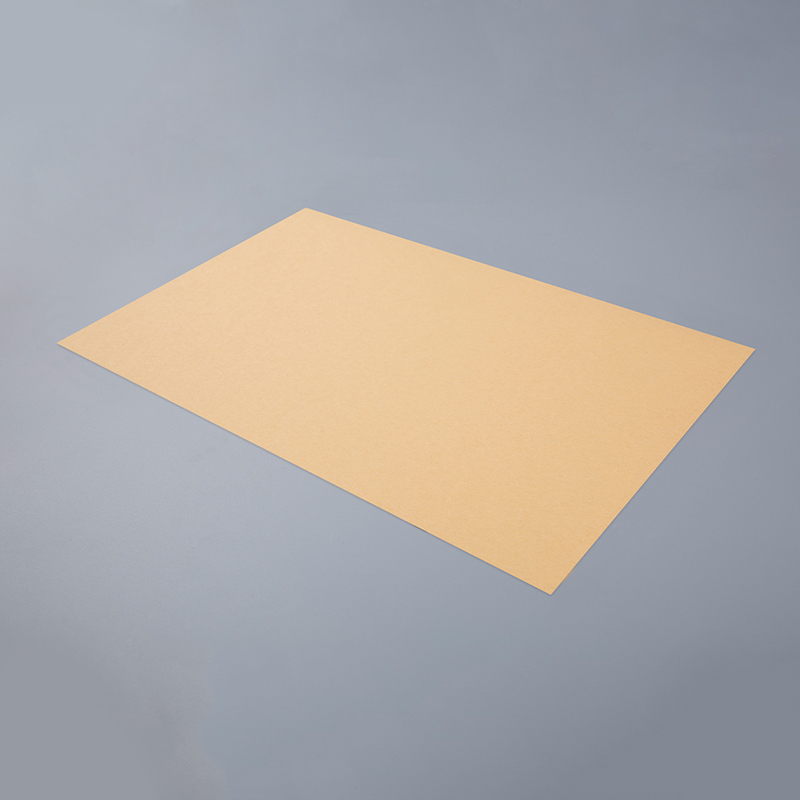
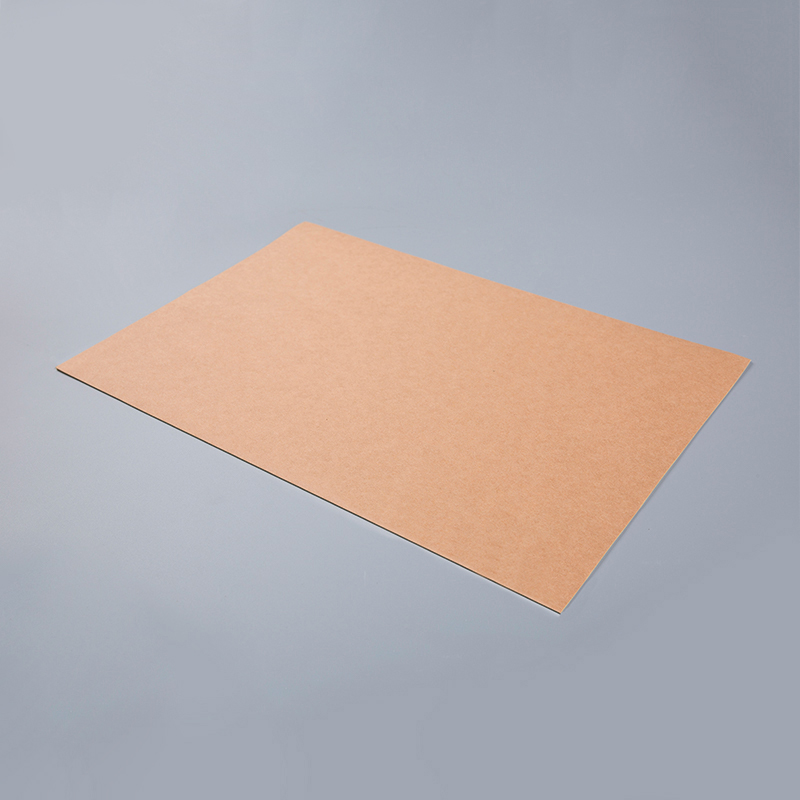
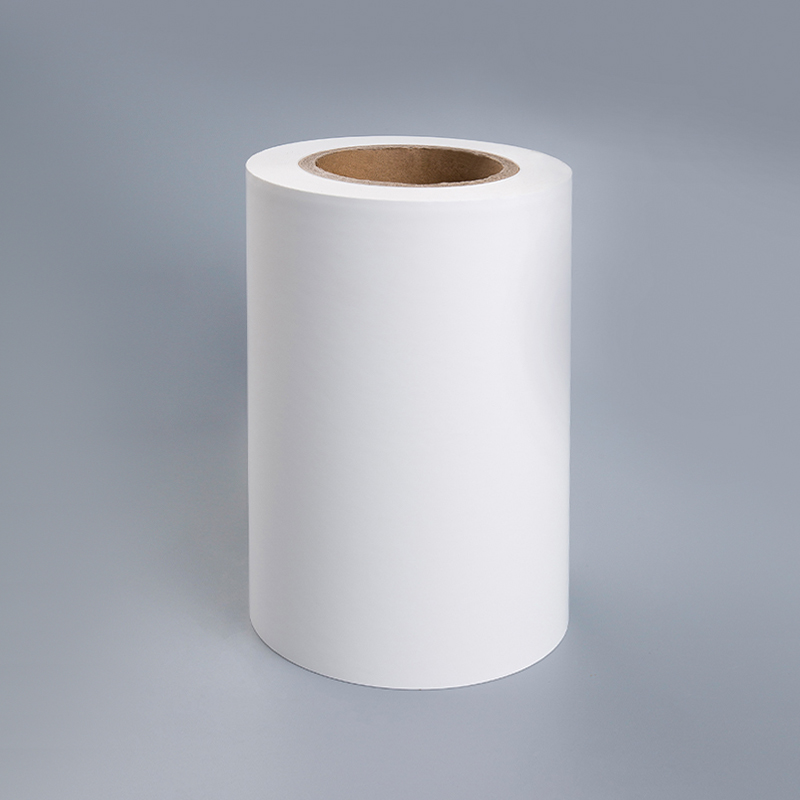
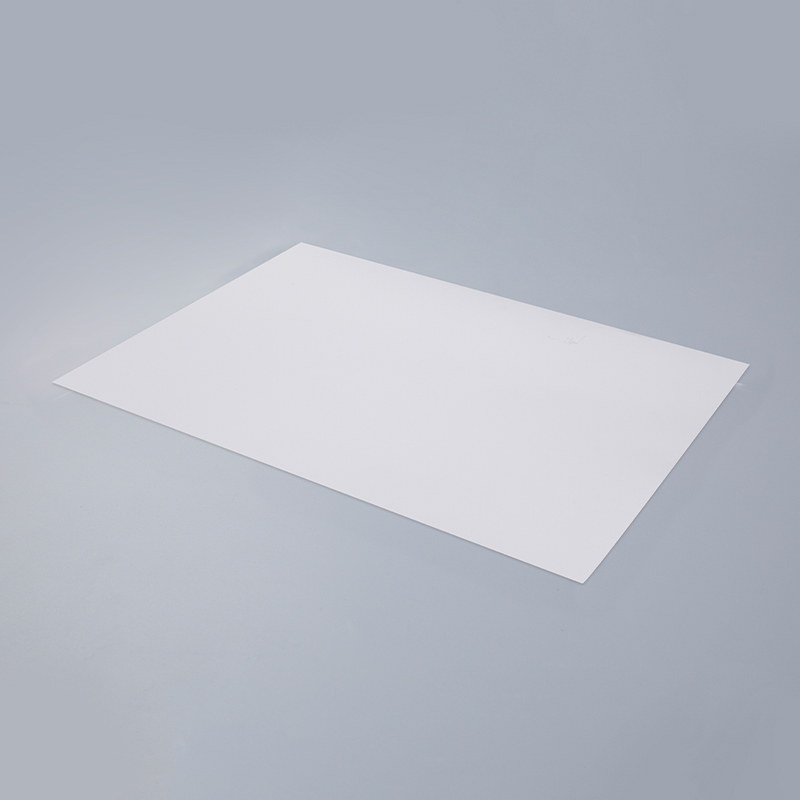
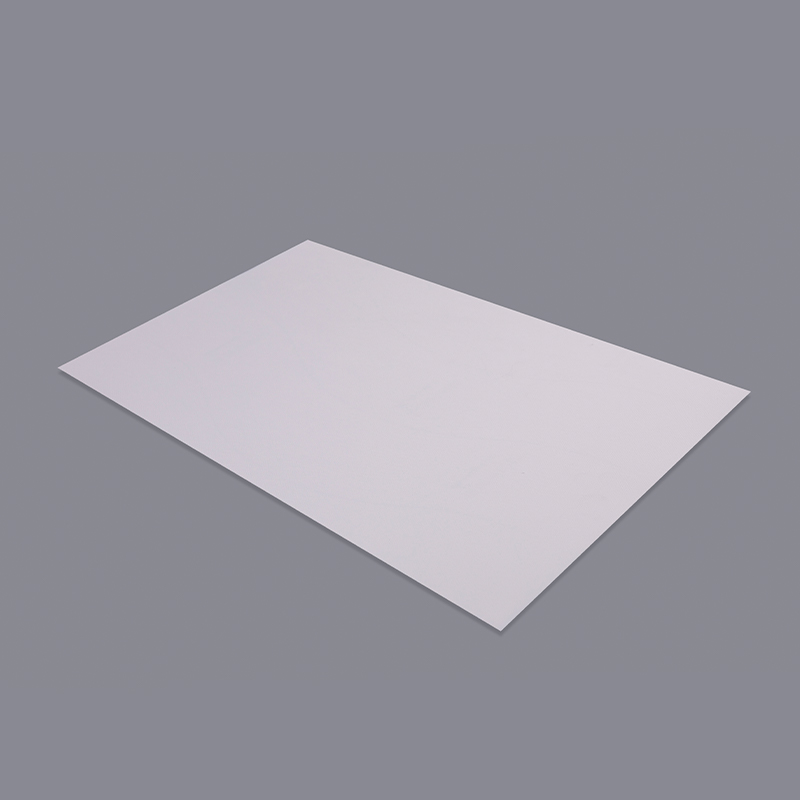
Coated art paper is a versatile paper material designed for applications that require a smooth surface, consistent appearance, dependable handling, and reliable performance during printing or converting. With its refined coating, balanced stiffness, and wide range of available basis weights, it can be used for labels, packaging tags, printed inserts, promotional materials, protective liners, and other specialty paper applications. It is also suitable for customers who need paper supplied in jumbo rolls, sheets, or customized formats.
In modern manufacturing, paper is no longer judged only by its appearance. Buyers increasingly require stable quality, predictable processing behavior, environmental responsibility, efficient packaging, and dependable technical support. A high-quality coated art paper must therefore perform consistently from the first stage of printing through cutting, laminating, storage, transportation, and final use.
This product is manufactured with a carefully controlled coating and converting process to provide a uniform surface and dependable dimensional stability. Available in 90 g, 120 g, 140 g, and 165 g options, it can be selected according to printing requirements, application conditions, and the desired balance between flexibility and rigidity. Standard sheet sizes and jumbo roll widths are available, while customized dimensions can be produced for specific customer needs.
Content
- 1 What Is Coated Art Paper?
- 2 Key Product Specifications
- 3 Superior Surface Smoothness and Print Quality
- 4 Strength and Durability During Converting
- 5 Moisture and Environmental Resistance
- 6 Application in Label Printing
- 7 Application in Food Packaging
- 8 Application in Healthcare and Medical Products
- 9 Application in Electronic Die-Cutting
- 10 Application in Flexible Circuit Board Manufacturing
- 11 Advantages Compared with Lower-Grade Alternatives
- 12 Advanced Manufacturing Process
- 13 Quality Control and Laboratory Support
- 14 Customization and OEM/ODM Capabilities
- 15 Packaging and International Delivery
- 16 Environmental and Safety Considerations
- 17 Why Choose an Experienced Manufacturer?
- 18 Recommended Selection Process
- 19 Storage and Handling Recommendations
- 20 Common Customer Questions
- 20.1 What basis weights are available?
- 20.2 Can the paper be supplied in both rolls and sheets?
- 20.3 Is the product suitable for self-adhesive labels?
- 20.4 Can it be used for barcode printing?
- 20.5 Is coated art paper waterproof?
- 20.6 Can it be used for food packaging?
- 20.7 Is it suitable for medical products?
- 20.8 Can customers request customized dimensions?
- 20.9 What quality tests can be performed?
- 20.10 How is the product packaged for export?
- 20.11 Can the manufacturer provide OEM or ODM services?
- 20.12 How should customers confirm product suitability?
- 21 Conclusion
- 22 References
- 23 Product: Coated Art Paper
What Is Coated Art Paper?
Coated art paper is a paper substrate with a specially treated surface that improves smoothness, printability, opacity, and visual quality. Compared with ordinary uncoated paper, the coating creates a more even printing surface. Ink can spread more consistently, fine details can be reproduced more accurately, and the final printed image can appear cleaner and sharper.
The paper is generally produced from a selected art paper base with a white coated surface. The base paper provides strength and dimensional stability, while the coating contributes to surface uniformity, print quality, and a more refined appearance. Depending on the intended use, the paper can be converted into sheets or rolls and may be combined with additional materials in label, liner, or laminated constructions.
Coated art paper is suitable for businesses that need an attractive paper surface without sacrificing production efficiency. It can be used for product labels, barcode labels, packaging tags, printed cards, inserts, retail identification materials, and various industrial applications. When supplied in roll form, it can also support continuous web processing and high-speed converting.
The material is especially useful when a project requires a white, smooth, and professional-looking face stock. It supports both functional and decorative purposes. For example, a packaging label may need to display a clear barcode while also presenting product branding, ingredients, usage instructions, or regulatory information. Coated art paper helps provide the surface quality needed for these combined requirements.
Key Product Specifications
| Item | Available Specification | Application Benefit |
|---|---|---|
| Material | Art paper | Provides a smooth and printable paper surface |
| Basis Weight | 90 g, 120 g, 140 g, and 165 g | Allows customers to select flexibility, stiffness, and thickness |
| Color | White | Supports clean graphics, strong contrast, and professional presentation |
| Jumbo Roll Width | 1000 mm, 1020 mm, 1080 mm, and 1530 mm | Suitable for different converting and printing equipment |
| Sheet Sizes | A4, A3, 20 x 30, 21 x 30, 24 x 36, 50 cm x 70 cm, and 70 cm x 100 cm | Supports commercial, industrial, and customized sheet applications |
| Custom Sizes | Available according to customer requirements | Reduces trimming waste and improves production efficiency |
| Supply Form | Jumbo rolls and sheets | Adapts to sheet-fed and web-fed production lines |
The specification range allows buyers to choose a product that matches their equipment and final application. Lighter grades can be used where flexibility and cost efficiency are priorities. Heavier grades are appropriate when a more substantial hand feel, improved stiffness, or greater resistance to handling is required.
Superior Surface Smoothness and Print Quality
One of the most important advantages of coated art paper is its smooth and consistent surface. An uneven paper surface can cause inconsistent ink transfer, blurred fine lines, weak color density, or visible printing defects. A uniform coating helps create a more predictable interface between the paper and the printing ink.
This characteristic is particularly valuable for labels and packaging materials. Product labels often contain small text, barcodes, logos, product images, and color blocks. Each of these elements requires a stable printing surface. Coated art paper supports clean reproduction of graphic details and can help maintain a polished appearance across large production runs.
The white face also provides a neutral background for printed colors. Bright graphics, dark text, and high-contrast barcodes can be reproduced with a professional visual effect. For companies that depend on consistent brand presentation, a stable paper surface can reduce variation between batches and support more reliable quality control.
Surface consistency also benefits digital printing, offset printing, flexographic printing, and other common printing processes. The exact result depends on the ink system, printer settings, drying conditions, and finishing process, but a well-controlled coated surface gives converters a strong foundation for optimizing production parameters.
For commercial printing, the appearance of the finished paper can influence how customers perceive a product. A smooth label or packaging tag can make the product appear more refined and carefully manufactured. This is particularly important in retail, food packaging, personal care, household goods, and consumer product applications.
Strength and Durability During Converting
Coated art paper is designed to maintain its structural integrity during routine handling, printing, cutting, slitting, folding, and packaging. The paper base provides useful tensile strength, while the controlled coating supports a stable surface during processing.
In high-speed production environments, the material may pass through multiple pieces of equipment in a short period. It may be unwound from a jumbo roll, printed, dried, die-cut, laminated, slit, rewound, and packed. Poorly controlled paper can create breaks, edge damage, wrinkles, or web instability during these operations. A dependable coated art paper helps reduce the risk of production interruptions.
Strength is also important when the finished product is exposed to repeated handling. Labels and packaging tags may be transported, applied to containers, stored in warehouses, and handled by retailers or end users. The paper must remain visually acceptable and mechanically stable throughout its intended service life.
The available basis weights provide flexibility in designing the final construction. A 90 g grade may be suitable for applications that require a lighter and more flexible material. A 165 g grade may be selected where a more rigid or premium-feeling paper is preferred. Intermediate grades provide a balance between handling, printability, and cost.
Compared with low-grade alternatives, a controlled coated art paper can offer better processing predictability. This does not mean that every application requires the heaviest paper. Instead, the advantage lies in choosing the correct grade and receiving stable quality from batch to batch.
Moisture and Environmental Resistance
Paper products are naturally sensitive to changes in moisture. Humidity can affect flatness, roll stability, dimensional behavior, and surface condition. Coated art paper provides a degree of protection against ordinary humidity, water splashes, and short-term exposure to damp environments, depending on the final construction and coating system.
The coated surface helps reduce direct contact between moisture and the paper fibers. This can help limit rapid absorption and support better dimensional stability during storage or transportation. It is especially beneficial in regions with seasonal humidity, coastal climates, or fluctuating warehouse conditions.
Moisture resistance is also useful during logistics. Paper rolls and sheets may be moved through different climate zones before reaching the customer. Proper wrapping and pallet protection remain essential, but a stable coated surface adds another layer of performance support.
It is important to select the paper according to the actual environmental conditions. Coated art paper should not automatically be treated as a waterproof material or as a replacement for specialized synthetic films in permanently wet applications. For projects involving prolonged water immersion, outdoor exposure, or aggressive chemicals, customers should request technical confirmation and conduct application testing.
For ordinary packaging, indoor labels, printed tags, and controlled industrial environments, the material offers a useful combination of appearance, handling performance, and resistance to routine moisture exposure.
Application in Label Printing
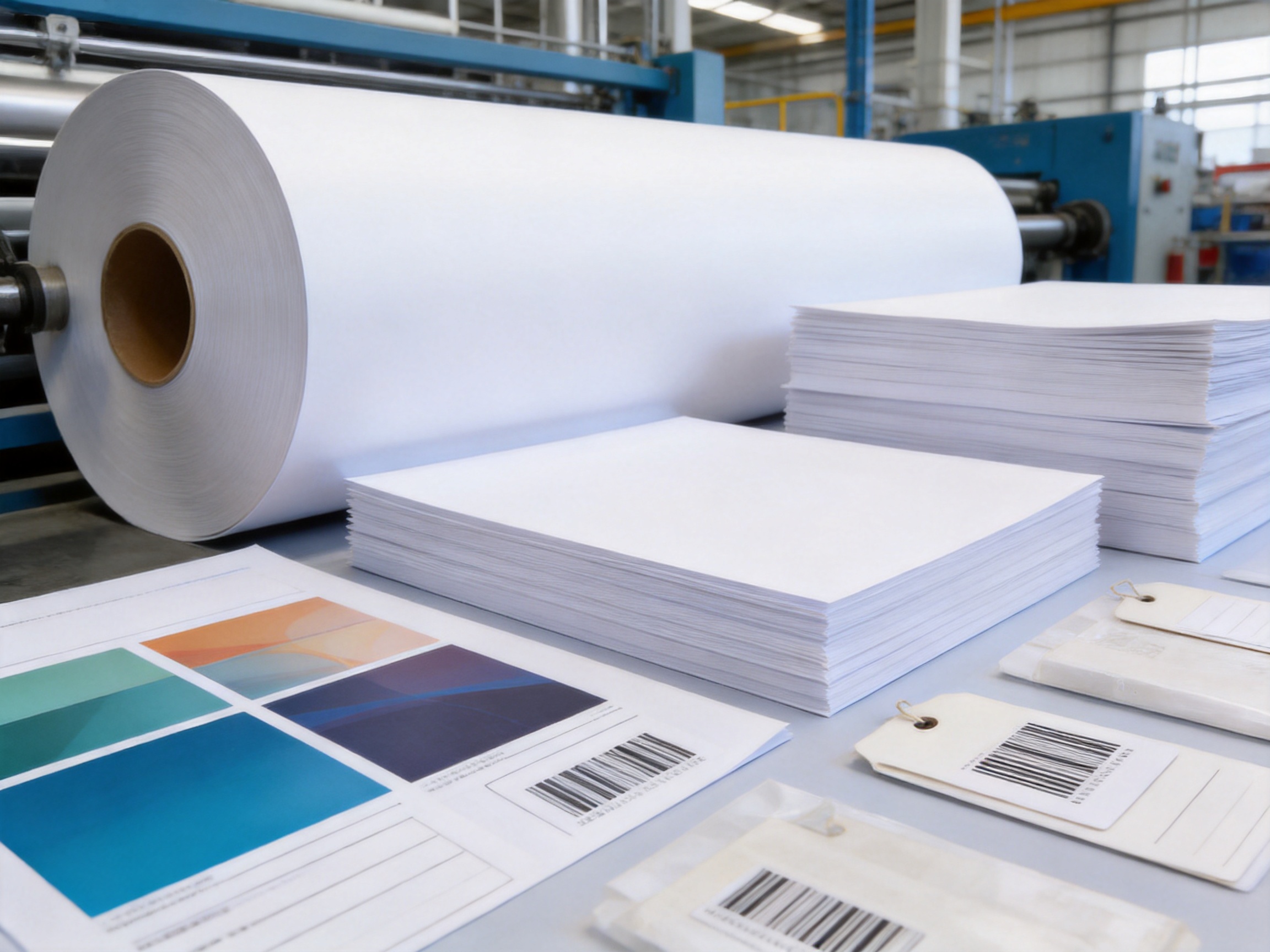
Coated art paper is widely suited to self-adhesive label constructions. In a typical label structure, the printed paper face material is combined with an adhesive layer and a release liner. The face material provides the visible printing surface, while the adhesive enables attachment to the target substrate and the liner protects the adhesive before application.
The smooth paper surface is appropriate for product identification labels, shipping labels, barcode labels, inventory labels, promotional stickers, and packaging labels. It can support variable information such as batch numbers, manufacturing dates, barcodes, prices, and product codes.
For label converters, stable roll quality is highly important. Roll edges should be maintained carefully, winding tension should be controlled, and the material should remain suitable for slitting and rewinding. These factors influence the efficiency of downstream operations and the quality of the final label roll.
Coated art paper can also be used for labels that require a premium visual appearance. The paper face provides a traditional, professional look that may be preferred over plastic film for certain brands. It is suitable for applications where the label is used primarily indoors or where a paper-based appearance supports the product image.
When used in a self-adhesive construction, the adhesive type should be selected according to the application surface, temperature, humidity, and expected service life. Permanent, removable, hot-melt, and water-based adhesive systems may have different performance characteristics. The coated paper itself is one component of the total label system, so the final product should be evaluated as a complete construction.
Application in Food Packaging
Coated art paper can be used for packaging labels, outer tags, printed sleeves, inserts, and other paper components associated with food products. Its smooth surface supports high-quality branding and product information, while its white appearance helps create a clean and attractive package design.
For food-related applications, the complete product construction must comply with the applicable regulations and customer requirements. This includes the paper, coating, ink, adhesive, release liner, and any additional treatment. Direct food contact applications require specific assessment rather than a general assumption based only on the paper material.
In frozen food, bakery, beverage, and dry goods packaging, the paper may be used as a label or external packaging component. The level of moisture exposure, refrigeration, condensation, and contact with oils or other substances should be reviewed before final selection.
The paper can also be used for packaging tags and printed inserts that provide nutritional information, usage guidance, traceability details, or promotional content. When properly converted and protected, it can help food manufacturers present information clearly while maintaining a professional package appearance.
Application in Healthcare and Medical Products
Coated art paper may be used in healthcare-related packaging, identification labels, medical product tags, and printed inserts. Its smooth surface can support clear text, lot numbers, barcodes, symbols, and instructions that must remain legible throughout handling.
For medical tapes, wound dressings, sterile packaging, and related products, paper may serve as part of a release or protective structure. In these applications, the most important factors may include clean separation, surface compatibility, dimensional stability, and protection from contamination.
Medical applications require strict control of materials, production conditions, packaging, and traceability. The final product must be evaluated according to the intended medical use and the applicable regulatory framework. Customers should confirm whether a specific grade is suitable for sterile processing, direct skin contact, medical packaging, or other specialized requirements.
The value of coated art paper in healthcare applications lies in its ability to combine a clean appearance with dependable printing and converting performance. It can support accurate identification and organized packaging when the paper is selected and processed under an appropriate quality system.
Application in Electronic Die-Cutting
Precision die-cutting is used to manufacture components from films, foams, tapes, gaskets, insulation materials, and other thin substrates. In these processes, a paper carrier or release-related material may be used to support the workpiece, protect surfaces, or assist with handling.
Coated art paper can provide a smooth and stable support layer for selected die-cutting operations. Its consistent surface can help reduce unwanted friction and support more predictable movement through the equipment. It may also help protect delicate surfaces from direct contact with processing tables or other materials.
Electronic components frequently require clean edges and accurate dimensions. Variations in paper thickness, flatness, or surface condition can affect registration and cutting performance. A controlled paper material can therefore contribute to better process stability, although the final suitability depends on the die, machine speed, adhesive system, and component design.
Before adopting the material for precision electronic applications, converters should test it with the actual equipment and construction. The test should examine surface cleanliness, particle generation, dimensional stability, cutting accuracy, and separation behavior.
Application in Flexible Circuit Board Manufacturing
Flexible circuit board production requires careful protection of thin, sensitive surfaces. During manufacturing, carrier materials may be used to support films, protect surfaces, or assist with movement through different operations. Coated art paper can serve as a stable carrier in selected processes where a smooth, clean, and economical paper support is appropriate.
The paper can help minimize direct contact between the product surface and handling equipment. Its uniformity may support smoother transport and reduce the possibility of scratches caused by rough or inconsistent contact surfaces.
Because flexible circuit boards are sensitive products, the final selection must be based on actual process requirements. Important factors may include temperature, pressure, cleanliness, release behavior, static control, surface energy, and compatibility with adhesives or coatings. Product trials should be completed before mass production.
When properly matched to the production process, coated art paper can offer a practical balance between surface protection, availability, processability, and cost. It can be customized into sheet or roll formats to match the dimensions of the manufacturing line.
Advantages Compared with Lower-Grade Alternatives
The main competitive advantage of a high-quality coated art paper is consistency. Low-cost paper may appear acceptable in a small sample but create problems during long production runs. Variations in coating, basis weight, moisture, roll winding, or edge quality can lead to waste and downtime.
A professionally manufactured product offers better control over the characteristics that matter to converters. These include surface smoothness, whiteness, thickness, roll formation, sheet flatness, and mechanical strength. Stable characteristics help customers set their equipment more confidently and reduce frequent machine adjustments.
Another advantage is specification flexibility. Customers are not limited to one standard thickness or format. The availability of multiple basis weights, jumbo roll widths, sheet sizes, and customized dimensions makes it easier to design the material around an existing production line.
Compared with paper that is only suitable for basic printing, coated art paper can support a broader range of applications. It can be integrated into label constructions, packaging systems, printed tags, protective layers, and industrial converting projects. This versatility can help customers simplify their supplier base and reduce the number of different materials kept in inventory.
Compared with some plastic-based materials, paper can provide a more natural appearance and may support sustainability goals when the complete product construction is designed responsibly. Paper-based solutions may also be preferred by brands that want a traditional tactile feel or a recyclable material structure.
However, the most suitable material depends on the application. Plastic films may be preferable for long-term outdoor use, high water exposure, or extreme durability. Coated art paper is strongest when its print quality, paper appearance, processing efficiency, and balanced performance align with the customer’s requirements.
Advanced Manufacturing Process
The manufacturing process begins with the selection and inspection of the paper base. The incoming material is evaluated for basis weight, appearance, moisture condition, dimensional behavior, and general suitability for coating or converting. Careful material selection is essential because the base paper influences strength, flatness, and processing behavior.
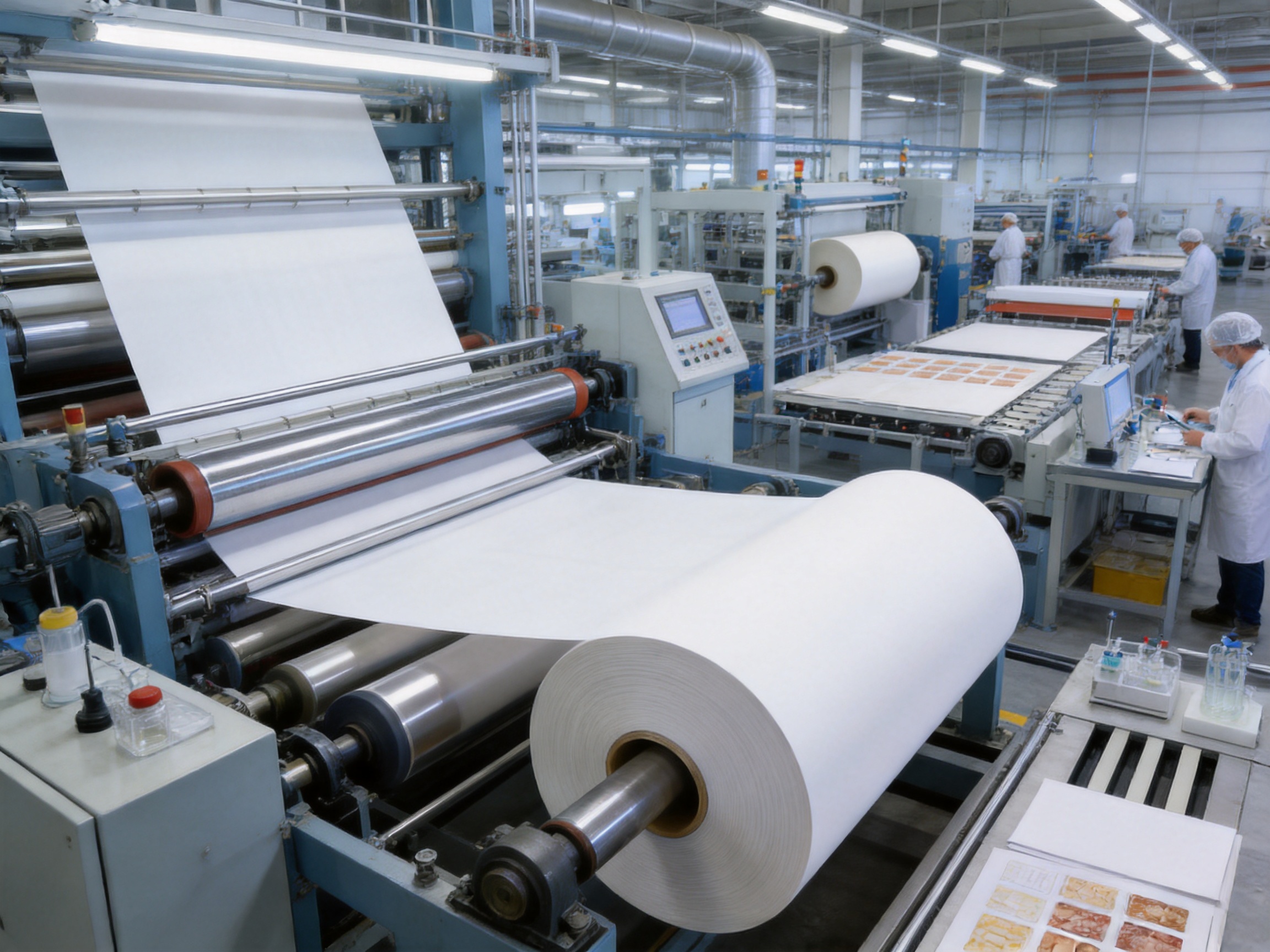
During coating, the coating mixture is applied evenly across the paper surface. Coating weight, viscosity, line speed, drying conditions, and application pressure must be controlled to achieve uniform coverage. An inconsistent coating may produce differences in gloss, ink absorption, print density, or surface friction.
Drying is another important stage. The coated paper must be dried sufficiently while avoiding excessive heat or uneven moisture removal. Incorrect drying conditions can cause curling, brittleness, surface defects, or internal stress. Controlled drying supports a more stable finished product.
After coating and drying, the paper may pass through calendering or surface finishing equipment. This stage can improve smoothness and appearance by applying controlled pressure to the paper. The finishing parameters must be matched to the basis weight and intended application to avoid damaging the coating or reducing flexibility.
Slitting and rewinding convert the master roll into customer-specified widths. Edge quality, web tension, roll hardness, alignment, and winding stability are carefully managed. Proper rewinding helps prevent telescoping, wrinkles, loose edges, and roll deformation during storage and transportation.
For sheet products, the material is cut to the required dimensions and checked for flatness, edge quality, cleanliness, and counting accuracy. Standard sheet sizes such as A4 and A3 can be supplied, while larger commercial and industrial formats may be prepared according to customer specifications.
The company operates production lines covering gluing, laminating, and cutting. This integrated capability is valuable because it allows related processes to be coordinated within one manufacturing system. Customers can request customized constructions rather than purchasing each layer from unrelated suppliers.
With annual production capacity exceeding 280 million square meters, the manufacturer is equipped to support both regular orders and larger-volume supply programs. Production capacity alone does not guarantee quality, but it provides the infrastructure required for stable scheduling, repeat orders, and international supply.
Quality Control and Laboratory Support
Quality control should be performed throughout the manufacturing process rather than only at the final packaging stage. Incoming materials, coating conditions, finished rolls, sheets, and packaging should all be examined according to established procedures.
Typical quality checks may include basis weight, thickness, moisture, surface appearance, whiteness, smoothness, tensile strength, dimensional stability, roll width, sheet size, and winding condition. Depending on the final construction, additional tests may evaluate printability, adhesive compatibility, release behavior, or resistance to environmental exposure.
The manufacturer maintains its own testing laboratory and uses inspection equipment to support product evaluation. Laboratory testing helps identify process variation and provides data for customer communication. It also supports the development of customized specifications when a customer needs a particular combination of strength, surface treatment, size, or converting performance.
For export orders, quality control also includes packaging inspection. Rolls and sheets must be protected from dust, moisture, impact, and deformation. Packaging quality is important because a product that leaves the factory in excellent condition may still be damaged if it is not secured correctly during transportation.
Customers with specialized requirements can request samples before placing a production order. A practical trial can evaluate the paper under actual printing, die-cutting, laminating, or labeling conditions. This approach is particularly important for medical, electronic, food-related, and high-speed industrial applications.
Customization and OEM/ODM Capabilities
Different industries require different paper specifications. A label converter may need a particular jumbo roll width, while a commercial printer may require a specific sheet size. An industrial customer may need a customized thickness, surface behavior, or laminated structure.
Customization can include basis weight, roll width, sheet dimensions, packaging method, core size, winding direction, and order quantity. Additional requirements may be reviewed for surface treatment, adhesive construction, release properties, or compatibility with specific equipment.
The manufacturer has more than 20 years of OEM manufacturing experience and provides OEM and ODM services. OEM production allows customers to order products according to their established specifications or drawings. ODM cooperation supports the development of a new material or construction based on the customer’s application goals.
A professional technical discussion should identify the intended use, printing process, machine type, operating speed, storage conditions, final dimensions, packaging requirements, and quality expectations. This information helps the production team recommend a suitable grade rather than supplying a generic material that may not perform correctly.
Customization can also reduce material waste. When roll widths and sheet sizes are matched closely to the customer’s process, less trimming may be required. This can improve material utilization and lower the total cost per finished unit.
Packaging and International Delivery
Coated art paper must be protected carefully during storage and shipment. Paper can be affected by humidity, dust, impact, compression, and improper stacking. A well-designed packaging system helps preserve roll shape, sheet flatness, surface cleanliness, and edge condition.
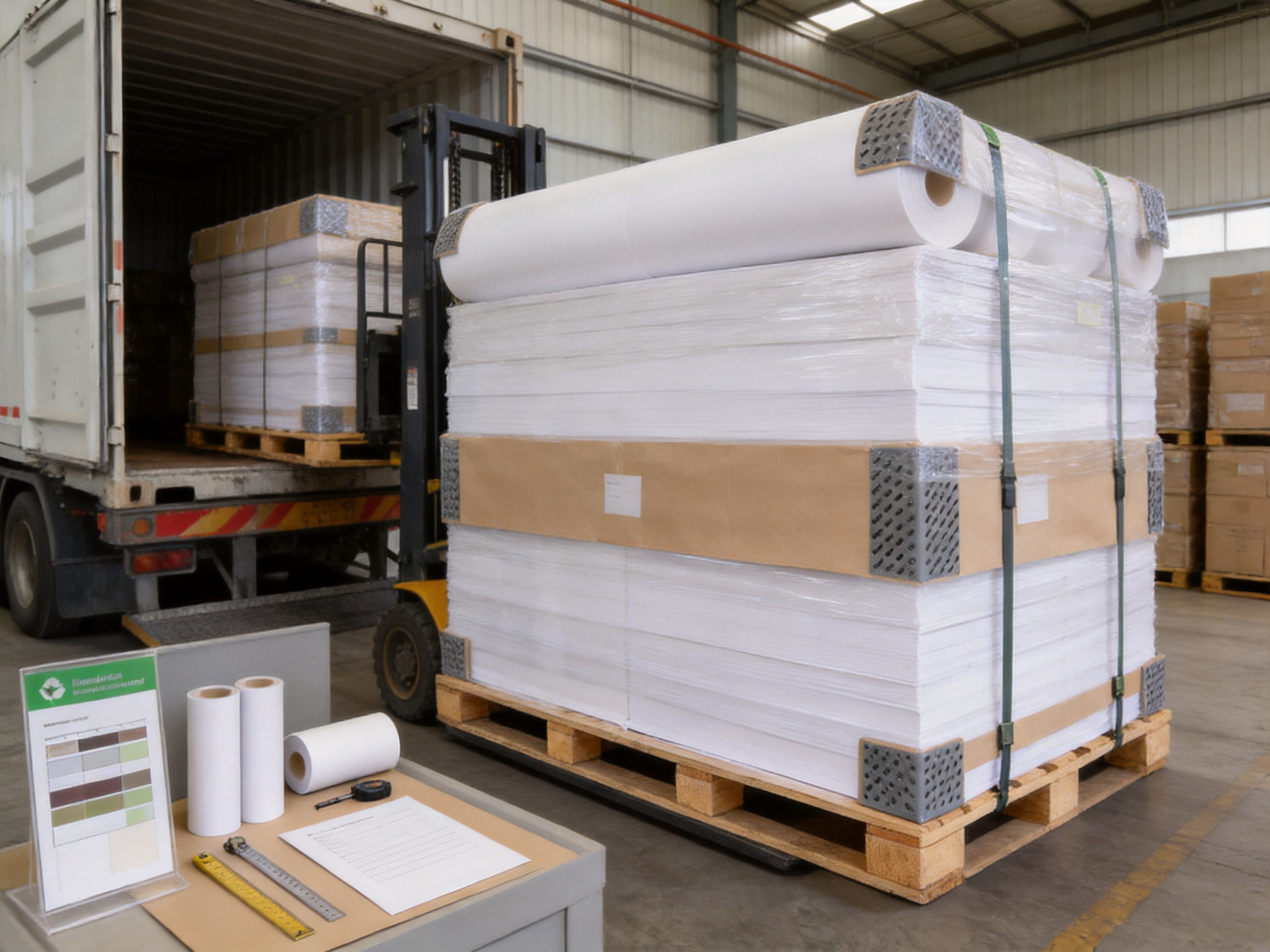
For international sea transportation, the product is packed on fumigation-treated recycled wooden pallets that comply with global shipping requirements. The pallets are designed to support stable stacking and balanced weight distribution. This helps reduce the risk of roll deformation during handling and transit.
Protective corner guards are embedded to help shield exposed edges. The palletized goods are tightly wrapped with stretch film to improve stability and protect against dust and moisture. Standard forklift slots support safer and more efficient warehouse handling.
For ream packaging, each ream contains 100 sheets. The ream is sealed with PE-coated kraft paper to provide protection against moisture and dust. Reinforced edges help reduce corner damage during handling. Multiple reams are stacked on pallets and secured with strong stretch film and anti-slip plastic straps.
These packaging methods are especially important for overseas customers because international shipments may pass through several warehouses, ports, and transportation systems. Proper pallet construction reduces movement and improves the likelihood that the material will arrive ready for production.
Coated Art Paper
Environmental and Safety Considerations
Paper-based materials can contribute to more responsible product design when they are sourced, manufactured, used, and disposed of appropriately. Coated art paper supports sustainability objectives through its paper-based structure and potential recyclability, subject to the coating, adhesive, ink, and final composite construction.
The manufacturer emphasizes environmentally responsible development and works with customers to create more sustainable solutions involving face materials, adhesives, and backing papers. This broader approach is important because sustainability should be assessed across the complete product rather than by looking at one layer in isolation.
For food, medical, and other regulated uses, safety requirements must be reviewed according to the final application. Customers should confirm the relevant standards, migration requirements, chemical restrictions, and documentation needs before approving the material for direct contact or sensitive packaging.
Recyclability may depend on how the paper is combined with adhesives, films, coatings, inks, and other components. A paper face material may be recyclable in one construction but more difficult to recycle in another. Therefore, the complete label or packaging structure should be evaluated by the customer and the appropriate recycling system.
Responsible manufacturing also includes reducing production waste, improving process stability, using efficient packaging, and supporting longer product life. Stable quality can reduce rejected material and unnecessary reprocessing, which benefits both cost control and resource efficiency.
Why Choose an Experienced Manufacturer?
An experienced manufacturer offers more than a standard product catalog. It provides process knowledge, application guidance, production flexibility, and after-sales support. These capabilities are valuable when a customer is developing a new label, changing suppliers, or expanding into a new market.
Suzhou Piaozhihua Composite Material Technology Co., Ltd. specializes in self-adhesive labels and related composite materials. Its operations integrate research and development, production, sales, and after-sales service. The company has established a broad domestic and international sales network and supplies customers in multiple regions, including Asia, Europe, the Americas, Africa, and the Middle East.
The company has more than two decades of manufacturing experience and has developed expertise in gluing, laminating, slitting, cutting, and related converting processes. This experience supports the production of coated paper and composite materials for different industries and equipment conditions.
Its technical strength includes an internal testing laboratory, advanced inspection equipment, a professional research and development team, and multiple patents. These resources support continuous product improvement and help the manufacturer respond to customer requirements more efficiently.
The company also provides OEM and ODM services. Customers can submit drawings, samples, or technical specifications for evaluation. The production team can then review the required structure, recommend adjustments, and manufacture according to the approved design.
A long-term supply relationship also benefits from consistent communication. Customers need reliable responses regarding lead time, packaging, documentation, sampling, technical questions, and after-sales issues. An established manufacturer is better positioned to coordinate these requirements across different departments.
Recommended Selection Process
The first step is to define the intended application. Customers should clarify whether the paper will be used for labels, packaging tags, printed sheets, protective layers, release-related structures, or industrial converting.
The second step is to identify the printing and converting equipment. Important information includes sheet-fed or web-fed operation, printing method, machine width, operating speed, die-cutting method, slitting requirements, and downstream lamination or adhesive processes.
The third step is to select the basis weight and format. Lighter paper may be appropriate for flexible labels and cost-sensitive applications, while heavier paper can provide additional stiffness and a more substantial appearance. The roll width or sheet size should be selected to minimize waste and match the equipment.
The fourth step is to review environmental conditions. Storage temperature, humidity, water exposure, refrigeration, transportation distance, and final use can all affect material performance. If the product will be used in unusual conditions, application testing should be arranged.
The fifth step is to confirm regulatory and documentation requirements. Food packaging, medical products, electronics, and export markets may require specific certificates, declarations, test reports, or quality records.
The final step is to perform a production trial. Testing the actual paper on the customer’s equipment provides more useful information than relying only on laboratory data. The trial should examine printing quality, feeding, cutting, winding, adhesive performance, storage behavior, and finished-product appearance.
Storage and Handling Recommendations
Coated art paper should be stored in a clean, dry, and well-ventilated area. The material should remain in its original packaging until it is ready for production. Keeping the packaging intact helps reduce exposure to dust, moisture, and accidental impact.
Extreme temperature changes should be avoided where possible. Before use, the paper may need to acclimatize to the production environment so that differences in temperature and humidity do not create flatness or dimensional issues.
Rolls should be stored securely on suitable pallets or racks. They should not be dragged across the floor, dropped, or placed under excessive pressure. Forklift handling should use the appropriate slots and lifting procedures to avoid damage to the pallet and paper edges.
Sheet reams should be stacked on flat surfaces and protected from compression or uneven loading. The edges should be kept away from direct contact with water and rough surfaces. Proper handling helps preserve the appearance and feeding performance of the sheets.
Common Customer Questions
What basis weights are available?
The available basis weights are 90 g, 120 g, 140 g, and 165 g. The best option depends on the desired flexibility, stiffness, appearance, printing process, and final application.
Can the paper be supplied in both rolls and sheets?
Yes. Coated art paper can be supplied as jumbo rolls or converted sheets. Jumbo roll widths include 1000 mm, 1020 mm, 1080 mm, and 1530 mm. Sheet sizes include A4, A3, 20 x 30, 21 x 30, 24 x 36, 50 cm x 70 cm, and 70 cm x 100 cm. Customized sizes can also be discussed.
Is the product suitable for self-adhesive labels?
Yes. It can be used as a printable face material in self-adhesive label constructions. The adhesive and release liner should be selected according to the application surface, temperature, humidity, and required permanence.
Can it be used for barcode printing?
Yes. Its smooth white surface supports clear printing of barcodes, product codes, text, and graphic elements. Printing settings and ink compatibility should be verified through a production trial.
Is coated art paper waterproof?
Coated art paper offers improved resistance to ordinary humidity, splashes, and short-term damp conditions, but it should not automatically be considered fully waterproof. Applications involving prolonged water exposure or outdoor conditions require additional evaluation or a different material structure.
Can it be used for food packaging?
It can be used for suitable food packaging labels, tags, inserts, and external paper components. Direct food contact applications require confirmation of the complete construction and compliance with applicable food-contact requirements.
Is it suitable for medical products?
It may be suitable for selected medical labels, inserts, packaging components, or carrier applications. Medical use requires application-specific evaluation, including cleanliness, regulatory compliance, sterilization conditions, and compatibility with the complete product structure.
Can customers request customized dimensions?
Yes. Customized roll widths, sheet sizes, packaging methods, and related specifications can be discussed. Providing equipment details and intended usage helps the manufacturer recommend the most practical format.
What quality tests can be performed?
Testing may cover basis weight, thickness, moisture, surface appearance, smoothness, whiteness, tensile strength, dimensional stability, roll width, sheet size, winding quality, and application-specific performance. The exact test program depends on the customer’s requirements.
How is the product packaged for export?
Rolls and sheets are packed on fumigation-treated recycled wooden pallets. Protective corner guards, stretch film, anti-slip straps, and reinforced packaging are used to improve stability during international transportation. Reams contain 100 sheets and are sealed with PE-coated kraft paper.
Can the manufacturer provide OEM or ODM services?
Yes. The company has more than 20 years of OEM experience and supports both OEM and ODM projects. Customers can provide drawings, samples, or technical specifications for review and customized production.
How should customers confirm product suitability?
Customers should provide details about the application, equipment, printing method, operating speed, storage environment, final size, and regulatory requirements. Samples and production trials are recommended before approving a large-scale order.
Conclusion
Coated art paper provides a practical combination of smooth printability, white appearance, mechanical strength, format flexibility, and dependable converting performance. It is suitable for label printing, packaging tags, printed inserts, healthcare-related packaging, electronic die-cutting, selected carrier applications, and other specialty paper uses.
Its advantages are strengthened by controlled manufacturing, integrated gluing and laminating capabilities, professional slitting and cutting, laboratory testing, OEM and ODM support, and export-oriented packaging. The availability of multiple basis weights, jumbo roll widths, standard sheet sizes, and customized formats allows customers to select a construction that fits their equipment and final product.
For companies seeking a stable alternative to inconsistent low-grade paper, coated art paper can improve printing quality, reduce converting problems, and support a more professional finished appearance. The best results come from selecting the correct grade, confirming compatibility with the complete production process, and completing a practical application trial.
With more than 20 years of experience in self-adhesive and composite materials, Suzhou Piaozhihua Composite Material Technology Co., Ltd. offers manufacturing knowledge and technical support for customers requiring reliable paper and label solutions. Its production capacity, research capabilities, inspection resources, customization services, and international logistics experience make it a suitable partner for both standard coated art paper orders and specialized development projects.
References
1. Company Product Specification: Coated Art Paper, material and size information supplied by the manufacturer.
2. Company Manufacturing Profile: Production capacity, OEM and ODM capabilities, laboratory resources, and composite material processing information supplied by the manufacturer.
3. General Paper Converting Principles: Surface coating, calendering, slitting, rewinding, sheet cutting, and moisture-control practices used in the paper industry.
4. General Label Manufacturing Guidance: Face material, adhesive, release liner, printing, die-cutting, and storage considerations for self-adhesive label constructions.
5. General Packaging and Logistics Practices: Palletization, protective wrapping, corner protection, forklift handling, and international shipment preparation for paper products.
6. General Sustainability Considerations: Recyclability and environmental evaluation of paper products, coatings, adhesives, inks, and composite packaging structures.