
 English
 Español
 русский
 Français
 عربى
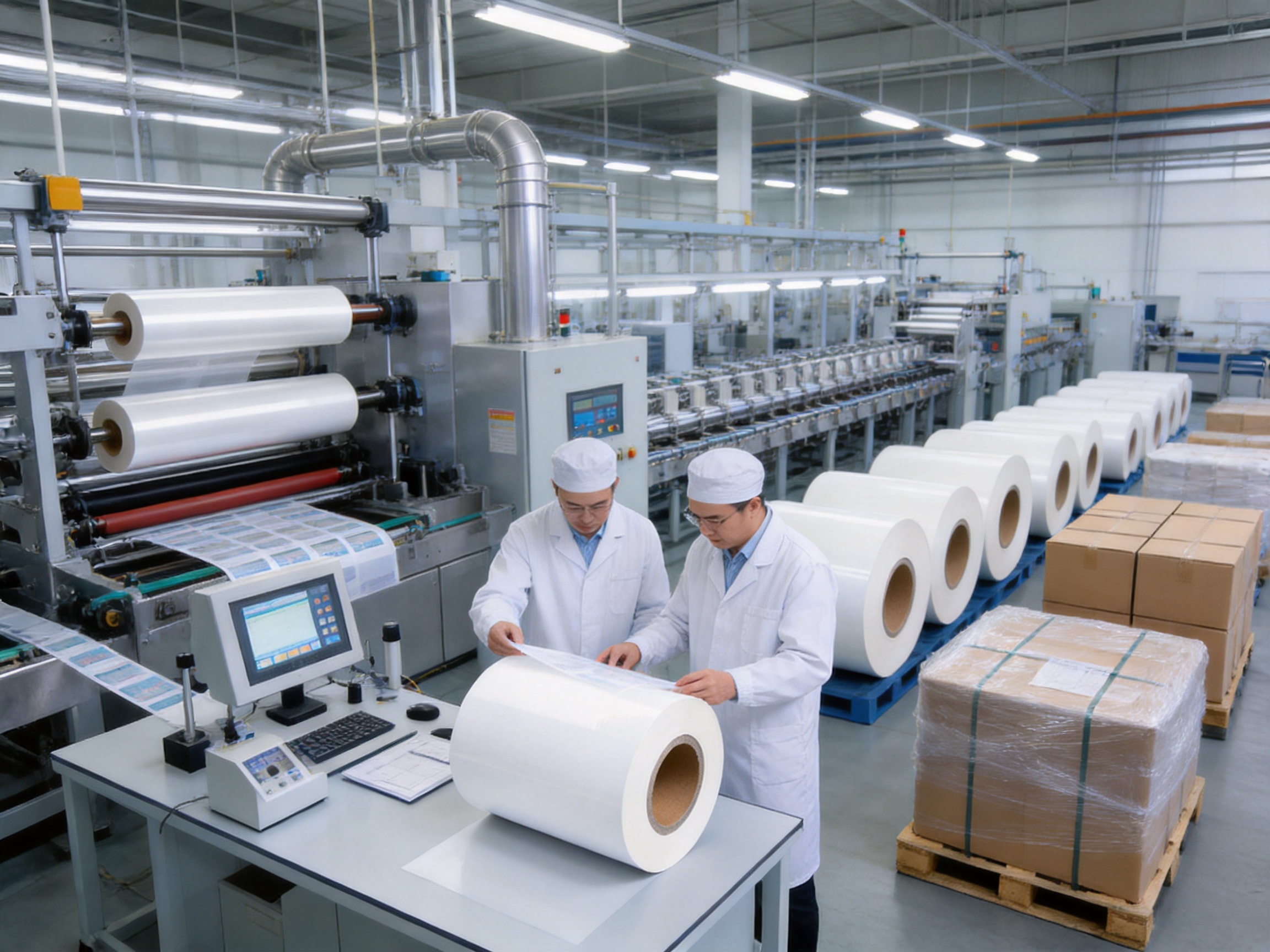
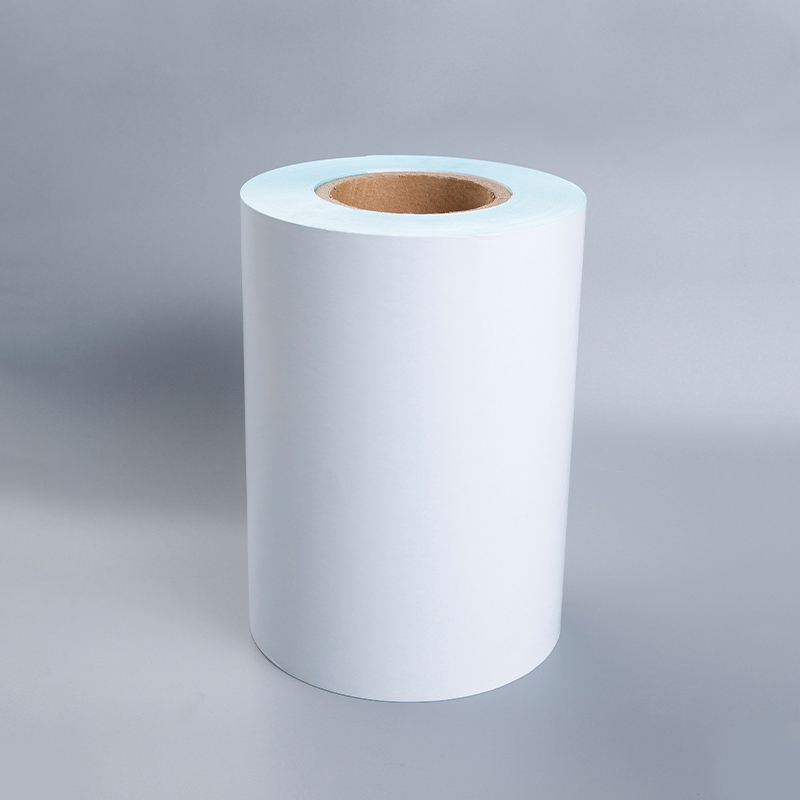
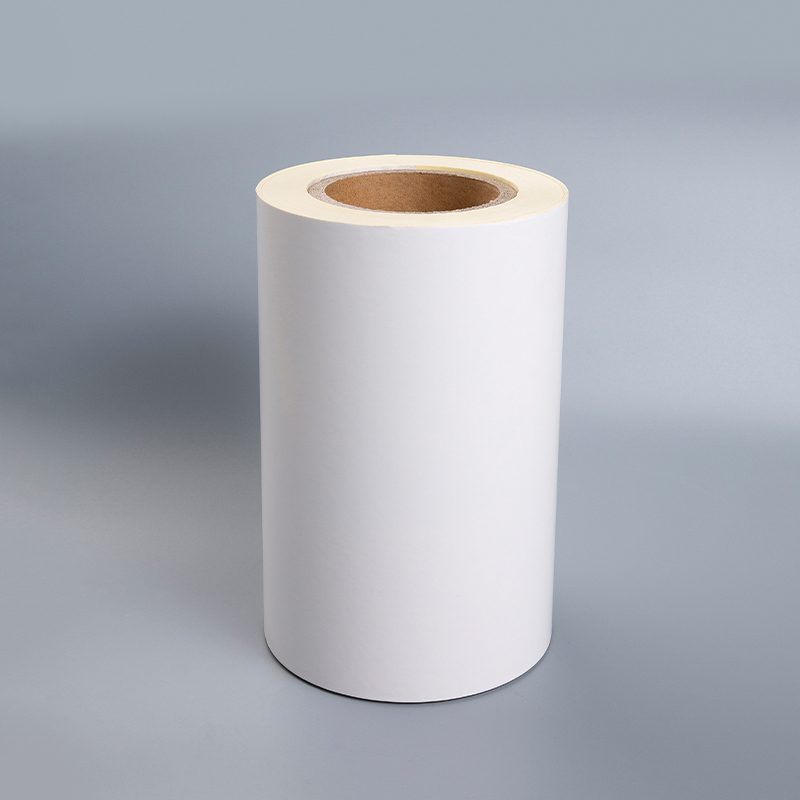
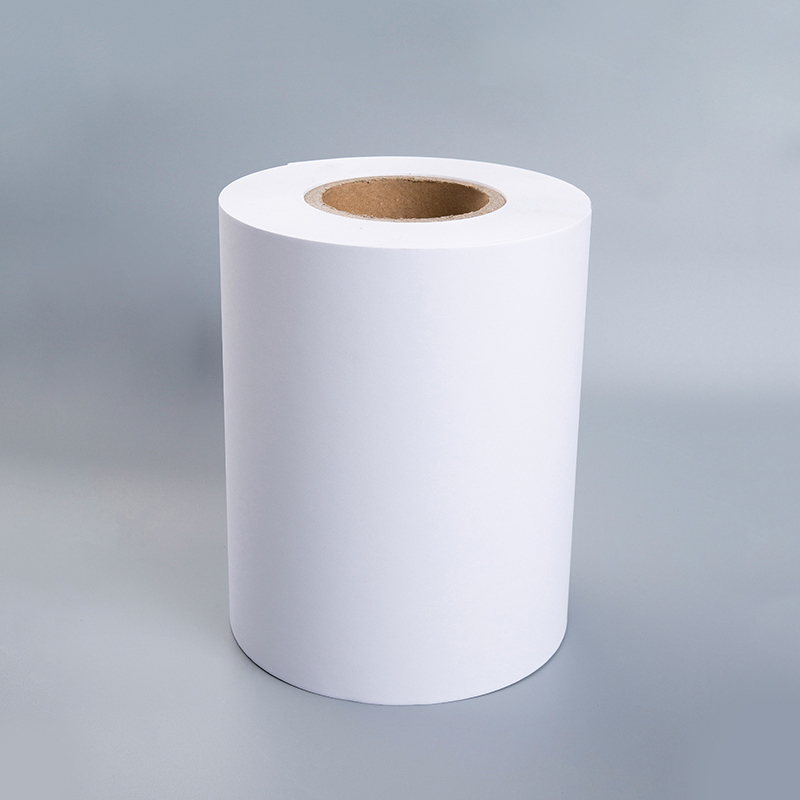
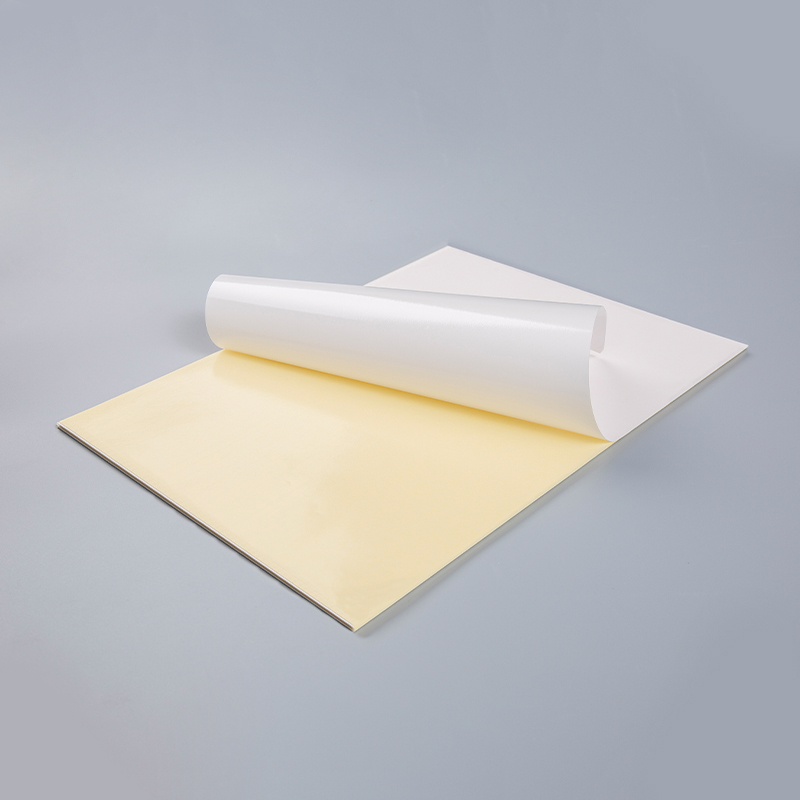
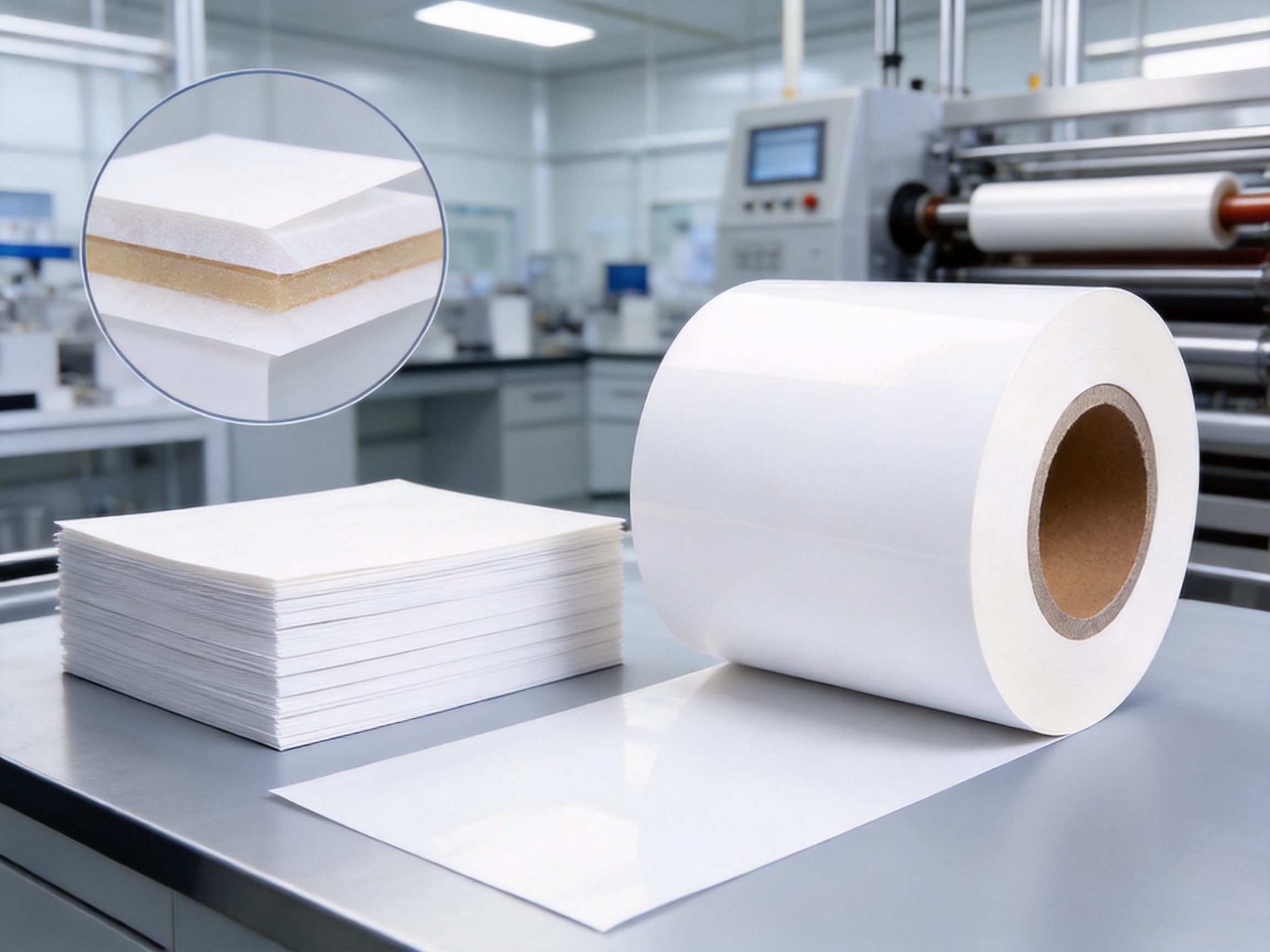
Hotmelt adhesive gloss white PP is a versatile self-adhesive label material designed for applications that require an attractive appearance, reliable adhesion, moisture resistance, and efficient converting performance. Combining a glossy white polypropylene face material with a pressure-sensitive hotmelt adhesive and a release liner, this construction provides a practical solution for product identification, packaging decoration, promotional graphics, logistics labeling, and industrial applications.
As brands compete for attention on crowded shelves and in fast-moving distribution channels, the label has become much more than a simple information carrier. It must support high-quality printing, remain legible throughout transportation and storage, adhere securely to the package, and preserve its visual appeal under changing environmental conditions. Gloss white PP is well suited to these requirements because polypropylene offers a balance of flexibility, durability, chemical resistance, and dimensional stability.
The product is manufactured for customers that need dependable self-adhesive label stock in jumbo rolls or cut sheets. A standard construction uses 60-micron gloss white PP, hotmelt adhesive, and 60-gram white glassine paper. Other face material thicknesses, adhesive systems, and liner specifications can also be selected according to the printing process, application temperature, substrate, and final-use requirements.
With integrated gluing, laminating, and cutting capabilities, the manufacturer can control multiple stages of production in one coordinated system. This helps improve consistency between orders, simplify customized supply programs, and support both standard and specialized label-material requirements.
Content
- 1 Understanding the Product Construction
- 2 Why Gloss White PP Performs Well in Competitive Label Applications
- 3 Printing and Converting Considerations
- 4 Typical Applications
- 5 Available Adhesive Options
- 6 Manufacturing Capabilities and Process Control
- 7 Manufacturing Scale and Supply Reliability
- 8 Customization and OEM/ODM Support
- 9 Sustainability and Environmental Considerations
- 10 Quality Advantages over Less Specialized Alternatives
- 11 How to Select the Correct Specification
- 12 Recommended Testing Program
- 13 Frequently Asked Questions
- 13.1 What is hotmelt adhesive gloss white PP?
- 13.2 What is the standard face-material thickness?
- 13.3 Can the adhesive be changed?
- 13.4 Which liner is normally supplied?
- 13.5 Can the product be supplied in sheets?
- 13.6 Can the product be supplied in jumbo rolls?
- 13.7 Is gloss white PP suitable for food packaging?
- 13.8 Is it suitable for refrigerated products?
- 13.9 Can it be used for cosmetic packaging?
- 13.10 What printing methods can be used?
- 13.11 Does the manufacturer offer OEM and ODM services?
- 13.12 What quality-support resources are available?
- 13.13 How is the product packaged for transportation?
- 13.14 How should customers request a quotation?
- 14 Conclusion
- 15 References
- 16 Product: Hotmelt Adhesive Gloss White PP
Understanding the Product Construction
Every self-adhesive label material is a multilayer structure. Its performance depends on the interaction between the face material, adhesive, and release liner. The face material supplies the visible printing surface and much of the label’s physical strength. The adhesive creates the bond between the label and the application surface. The release liner protects the adhesive before use and supports efficient die-cutting, dispensing, and application.
Gloss White Polypropylene Face Material
The standard face material is 60-micron gloss white PP, with 95-micron and 100-micron options available. Polypropylene is a lightweight synthetic film with good resistance to moisture and many commonly encountered substances. Compared with ordinary paper labels, a PP face can offer better resistance to tearing, splashing, abrasion, and humid storage conditions.
The glossy white surface provides a clean background for text, barcodes, logos, product images, and variable data. Its bright appearance can help printed colors appear more vivid and defined. This is especially useful for consumer packaging, personal-care products, promotional labels, and applications where shelf presentation directly influences purchasing decisions.
Polypropylene also provides useful flexibility without behaving like a fragile paper substrate. It can conform to many curved containers when the correct adhesive and label design are selected. At the same time, the film maintains a professional appearance during handling and transportation.
Hotmelt Pressure-Sensitive Adhesive
The standard adhesive is a hotmelt pressure-sensitive adhesive. Hotmelt adhesives are applied in a molten state during production and form a pressure-sensitive bonding layer after cooling. This manufacturing method allows the adhesive to be coated without the use of water or solvent evaporation as the primary drying mechanism.
A well-selected hotmelt adhesive can provide strong initial tack, rapid contact with the substrate, and dependable adhesion across a broad range of everyday packaging surfaces. These characteristics are valuable in high-speed labeling operations, where the label must attach quickly and remain stable during subsequent handling.
Hotmelt adhesive can be engineered for different performance priorities. Some customers may require high tack for difficult surfaces, while others may need a balanced adhesive that supports clean application and reliable holding power. The available adhesive portfolio also includes waterbased, solvent, removable, anti-freeze, cryogenic, and tyre-grade rubber adhesive options. This broader selection allows the label construction to be adapted rather than forcing every application to use one standard adhesive.
White Glassine Release Liner
The standard liner is 60-gram white glassine paper. Glassine is a smooth, dense release-liner paper that is commonly used for self-adhesive labels because it offers a uniform surface and supports stable processing. The liner protects the adhesive from contamination and permits the label material to be wound, stored, converted, and dispensed before application.
Alternative liner choices include 50-, 80-, 100-, and 120-gram glassine paper; 60-, 85-, 120-, and 140-gram release paper; 140- and 165-gram art paper; and 50-, 80-, 90-, and 120-gram clay-coated kraft liner. The appropriate liner depends on die-cutting requirements, label size, dispensing equipment, dimensional stability, and the desired balance between stiffness and flexibility.
Because the liner is part of the processing system, its selection should not be treated as a secondary decision. A liner that is too light, too flexible, or poorly matched to the adhesive may affect die-cutting, matrix stripping, sheet feeding, or automatic dispensing. Customized liner options help customers select a construction that performs consistently from converting through final application.
Why Gloss White PP Performs Well in Competitive Label Applications
Self-adhesive label materials are available in many forms, including uncoated paper, coated paper, synthetic paper, PET, PE, and various polypropylene grades. Gloss white PP occupies an important position between economical paper materials and higher-cost specialty films. It offers a combination of visual quality, durability, flexibility, and weight efficiency that makes it suitable for a broad range of products.
Improved Resistance Compared with Conventional Paper Labels
Paper labels can provide excellent printability and cost efficiency, but they may be vulnerable to water, condensation, tearing, and abrasion. A polypropylene face material is better suited to applications where the label may encounter moisture or repeated handling. It can help preserve the label’s structure in chilled storage, humid logistics environments, and product-use conditions involving occasional splashes.
This does not mean that every PP label is completely immune to all chemicals, temperature extremes, or prolonged immersion. Final performance depends on the specific adhesive, ink system, varnish, overlaminate, package surface, and exposure conditions. Nevertheless, a PP construction generally provides a more durable platform than ordinary paper when the application requires a synthetic face material.
Professional Glossy Appearance
The white glossy face creates a polished visual effect that supports premium product presentation. It can provide a smooth background for high-resolution graphics and strong color contrast for mandatory product information. The material is appropriate for labels that need a clean, bright, and modern appearance rather than a natural, textured, or uncoated look.
For packaging designers, the glossy surface also creates opportunities for selective visual contrast. Printed matte areas, spot varnishes, metallic effects, transparent windows, and high-color graphics can be combined with the reflective face material to create a more distinctive package identity.
Flexible Thickness Selection
The standard 60-micron construction is a practical option for many general-purpose label applications. It helps reduce material consumption while providing a flexible film face. For applications that require greater body, stiffness, opacity, or handling strength, 95-micron and 100-micron options are available.
Different thicknesses can influence label behavior during printing and converting. A thinner film may be suitable for compact labels, curved containers, or projects where material efficiency is important. A thicker film may be advantageous for larger labels, demanding handling conditions, or applications where additional rigidity improves dispensing performance.
Reliable Compatibility with Multiple Label Formats
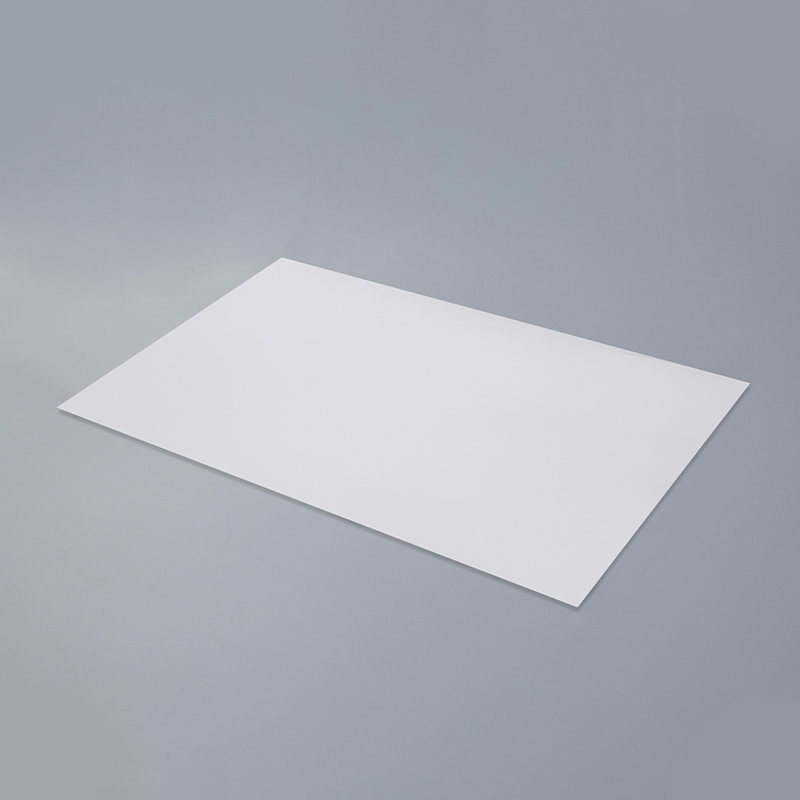
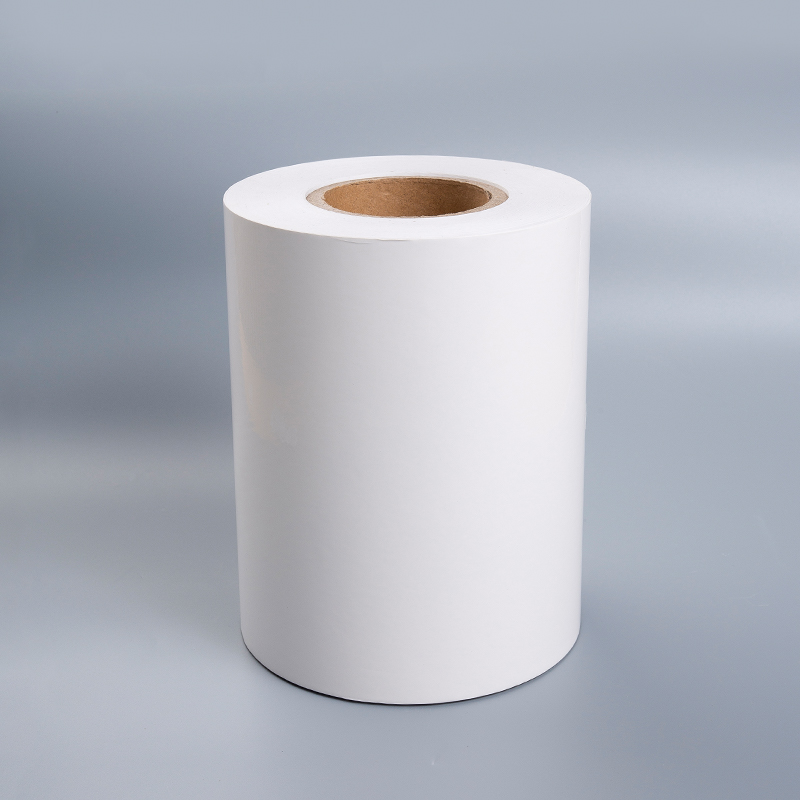
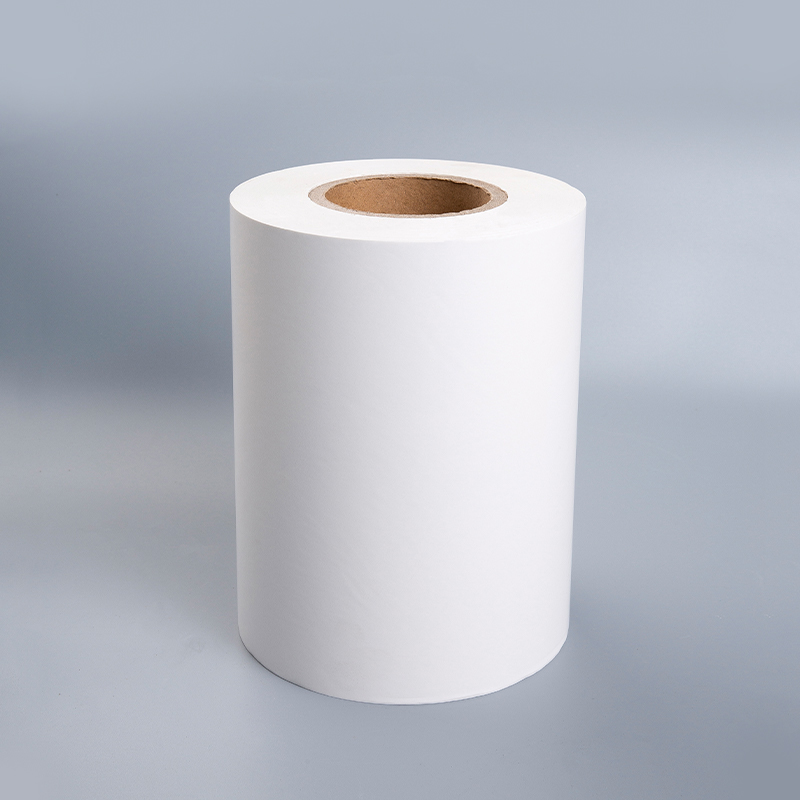
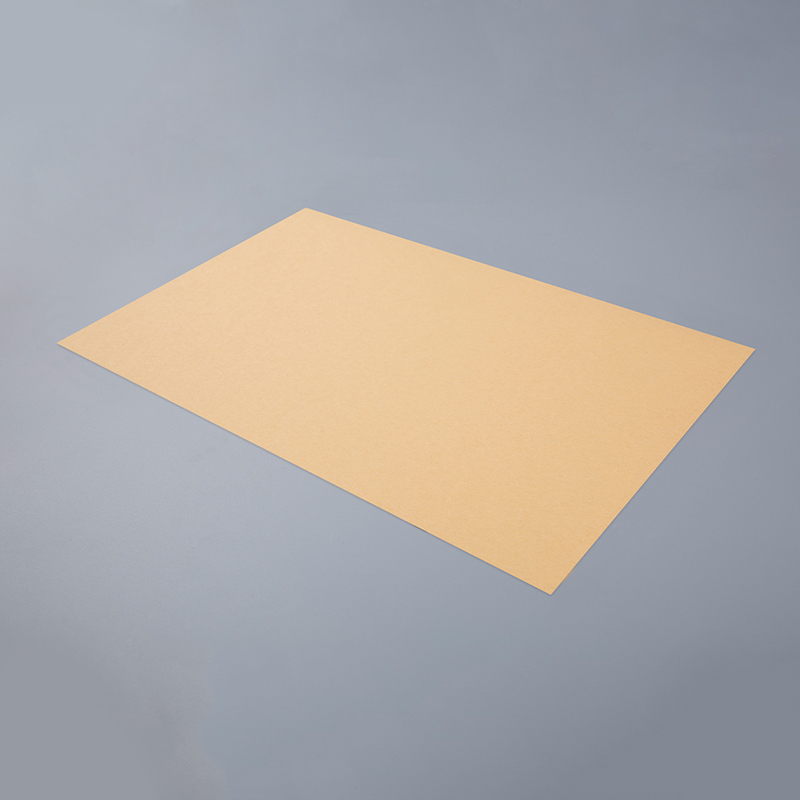
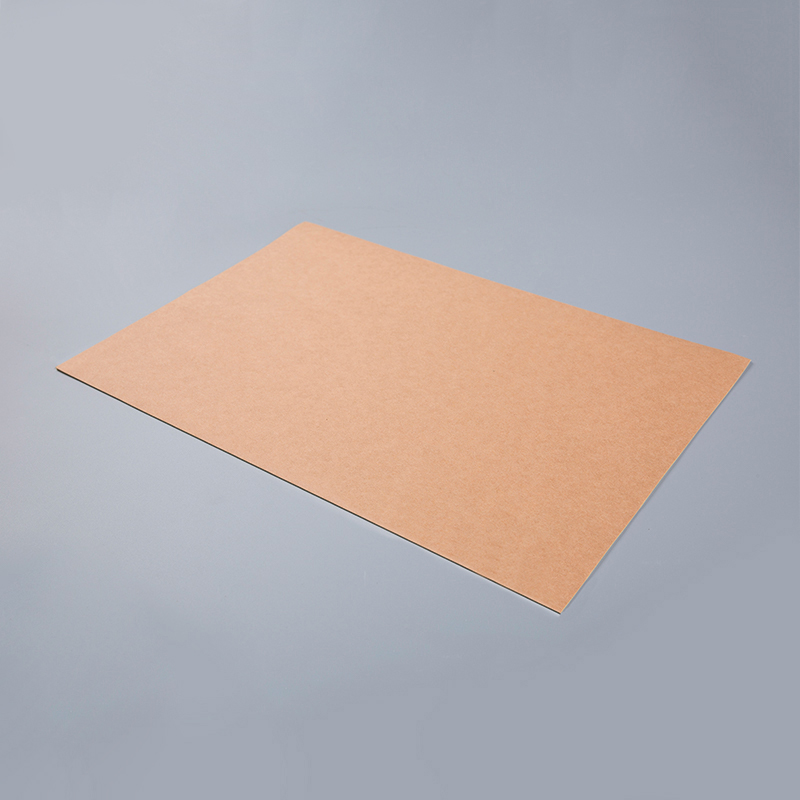
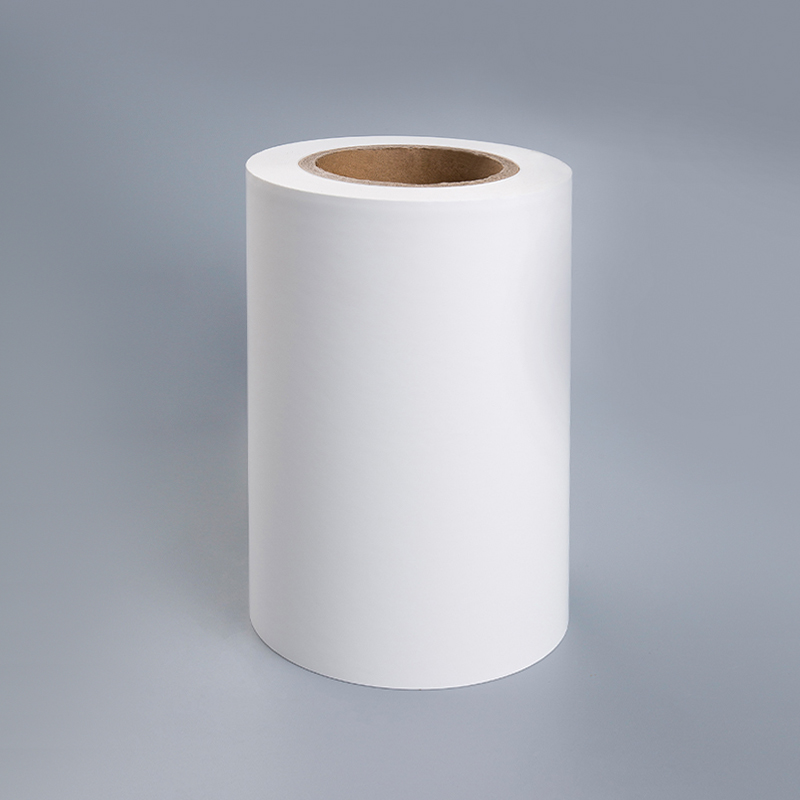
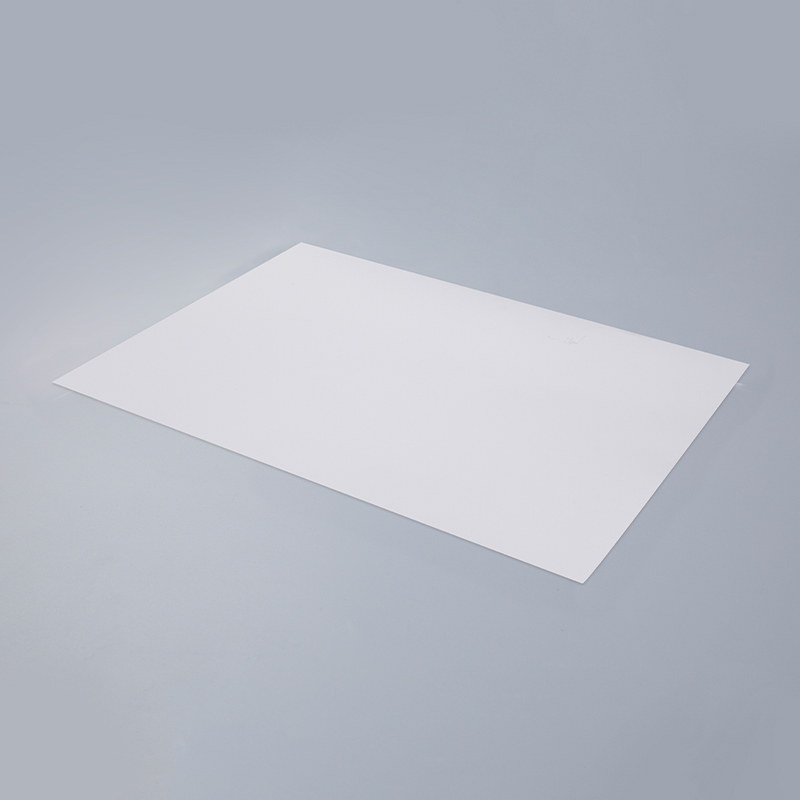
The material is available in jumbo rolls with widths of 1000, 1020, 1080, and 1530 millimeters. It is also available in cut-sheet formats, including A4, A3, 20 by 30 centimeters, 21 by 30 centimeters, 24 by 36 inches, 50 by 70 centimeters, and 70 by 100 centimeters. Customized sizes can be produced according to customer requirements.
This range supports different production models. Industrial converters can purchase jumbo rolls for slitting, die-cutting, and label finishing. Commercial printers and smaller users may prefer sheet formats for digital printing, short runs, prototypes, or on-demand production. The availability of both forms makes the product adaptable to different supply-chain and printing strategies.

Hotmelt Adhesive Gloss White PP
Printing and Converting Considerations
Gloss white PP is suitable for a variety of printing and finishing workflows when the ink, drying, and surface-treatment requirements are properly controlled. Depending on the customer’s equipment and product design, the material may be used for flexographic printing, screen printing, offset-related processes, digital printing systems, and other label-printing technologies compatible with synthetic films.
Before large-scale production, printers should confirm ink adhesion, drying behavior, color density, rub resistance, and barcode readability. Synthetic film surfaces can behave differently from paper, and the selected ink system should be matched to the film surface and intended exposure conditions. If the label will be exposed to water, oils, chemicals, sunlight, or heavy abrasion, a suitable protective coating or varnish may be considered.
Die-Cutting Performance
The combination of PP face material, pressure-sensitive adhesive, and release liner must be balanced for clean die-cutting. The die should cut through the face material and adhesive layer without unnecessarily damaging the liner. An appropriate liner weight can help support consistent cutting pressure and reduce production interruptions.
Label size, corner radius, matrix-stripping speed, and waste-removal design can all affect converting results. For small labels with intricate shapes, the adhesive and liner should be selected carefully to minimize edge lifting and matrix breakage. For large labels, sufficient liner stability may be more important for maintaining registration and feeding accuracy.
Roll and Sheet Processing
Jumbo rolls are useful for customers that need to optimize production efficiency through in-house slitting, coating, laminating, or die-cutting. The available widths can help reduce trim waste when matched to the customer’s converting equipment and finished label dimensions.
Sheet products are convenient for digital printing, sample production, and smaller-volume orders. They can be supplied in common international sizes or customized dimensions. Strong packaging is important for sheet products because corner damage, moisture exposure, and pressure during transportation can influence feeding performance. The product is packed using strong PE-coated kraft paper wrappers, with pallet loads protected by stretch film and plastic fastening belts.
Variable Data and Digital Printing Applications
White PP label stock is particularly useful for variable-data applications where each label may contain a different barcode, serial number, image, or product message. Digital printing can support short runs and fast artwork changes without the need for traditional plate production. This makes the material suitable for prototypes, seasonal packaging, regional product versions, private-label products, and promotional campaigns.
For digital printing, users should confirm that the face treatment is compatible with the selected toner or inkjet system. The recommended production settings may vary by machine, ink type, curing method, and finishing process. Testing a representative sample under actual production conditions is the best way to verify print quality and adhesion.
Typical Applications
Food and Beverage Packaging
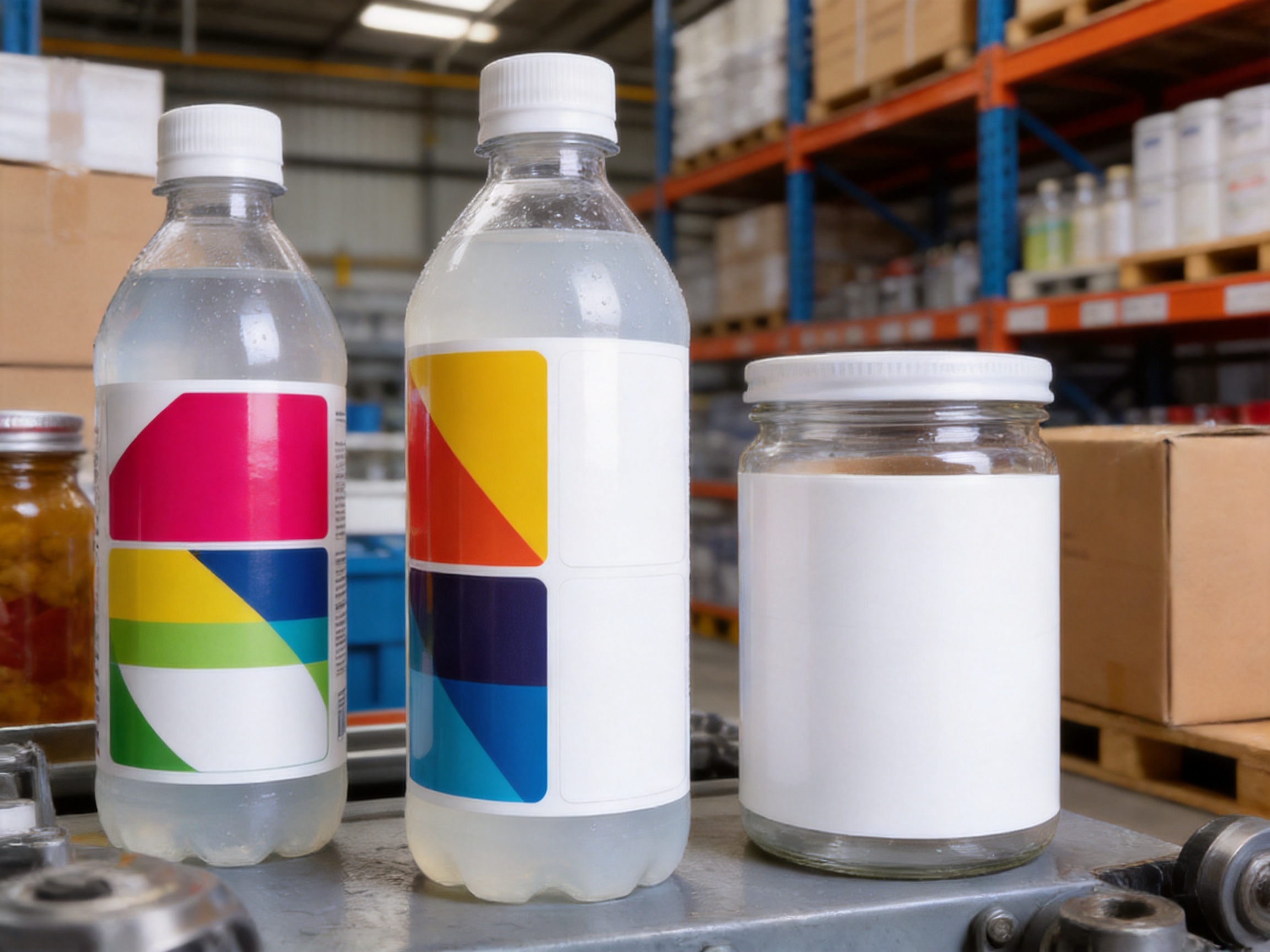
Gloss white PP can be used for selected food and beverage packaging labels where a moisture-resistant and visually attractive material is required. It is appropriate for many packaged products, bottles, jars, pouches, and containers. The exact construction should be selected according to refrigeration, condensation, oil exposure, package shape, and regulatory requirements.
For chilled products, an anti-freeze adhesive may be more appropriate than a general-purpose hotmelt adhesive. For products stored in cold rooms or transported through fluctuating temperatures, adhesive performance at the lowest expected application and service temperature should be evaluated. The label face, ink, adhesive, and package surface must work together as a complete system.
Cosmetic and Personal-Care Products
Cosmetic packaging often requires a refined appearance as well as resistance to contact with moisture, lotions, oils, and frequent handling. The glossy white PP surface supports bright branding, small text, product instructions, and decorative graphics. It can be used on containers such as bottles, tubes, jars, and selected flexible packages.
For personal-care products, the adhesive should be evaluated against the container material and the product environment. Smooth glass, treated plastic, textured plastic, and flexible packaging may require different adhesive characteristics. When a label is exposed to oils or surfactants, testing should include edge lift, staining, print rub, and long-term adhesion.
Automotive and Industrial Soft Packaging
Automotive products and industrial goods often require labels that can withstand handling, storage, and exposure to more demanding environments than ordinary retail packaging. PP offers a durable face material for selected applications, while specialized adhesives such as tyre-grade rubber adhesive may be used where a different bonding profile is necessary.
Industrial label applications can include component identification, packaging seals, product information, batch tracking, and warehouse handling. The final material should be matched to the substrate, surface energy, temperature, oil exposure, abrasion level, and expected service life.
Promotional Labels and Posters
The glossy white film surface can enhance promotional graphics and printed messaging. It may be used for product promotion, point-of-sale communication, small posters, shelf labels, promotional decals, and temporary advertising materials. The film’s resistance to tearing can provide an advantage where printed graphics must remain intact during handling.
For outdoor or extended-use promotional graphics, additional evaluation is recommended. UV exposure, temperature cycling, wind, rain, and substrate expansion can affect the finished product. A protective laminate or outdoor-rated adhesive may be required for demanding conditions.
Logistics and Product Identification
Warehousing and logistics operations rely on labels that remain readable and attached throughout distribution. Gloss white PP can provide a durable background for barcodes, shipping information, inventory codes, and tracking data. Its film face is less likely than ordinary paper to tear when packages rub against one another.
For logistics labels, barcode contrast and scanner readability are essential. The printing process should produce sharp edges, consistent density, and sufficient quiet zones around the barcode. The label construction should also be selected according to the carton surface, corrugated texture, dust level, and application temperature.
Available Adhesive Options
| Adhesive Type | Typical Performance Focus | Potential Application Direction |
|---|---|---|
| Hotmelt adhesive | Strong initial tack and efficient pressure-sensitive bonding | General-purpose packaging and product labels |
| Waterbased adhesive | Waterborne coating approach and balanced bonding performance | Selected paper and packaging applications |
| Solvent adhesive | Strong bonding and specialized resistance characteristics | Demanding industrial or specialty applications |
| Removable adhesive | Designed for clean or easier label removal when properly matched | Temporary labels, promotional materials, and reusable surfaces |
| Anti-freeze adhesive | Adhesion in low-temperature or refrigerated conditions | Cold-chain and chilled-product labeling |
| Cryogenic adhesive | Specialized bonding under very low-temperature conditions | Laboratory, medical, and cryogenic storage applications |
| Tyre-grade rubber adhesive | Specialized bonding for demanding rubber-related surfaces | Tyre and selected automotive applications |
The adhesive options demonstrate that the product platform is not limited to one fixed construction. Customers can select a suitable adhesive according to application conditions instead of relying on a general-purpose material that may underperform in cold, removable, industrial, or rubber-substrate applications.
Adhesive selection should consider application temperature, service temperature, substrate energy, surface cleanliness, curvature, contact pressure, dwell time, and expected exposure. A label applied to a clean, dry, smooth surface may require different performance from one applied to a dusty carton, textured plastic, or flexible rubber surface.
Manufacturing Capabilities and Process Control
The manufacturer operates as a specialized producer of self-adhesive label materials, with production activities covering research and development, coating and gluing, laminating, cutting, sales, and after-sales support. Integrated process capability is important because the quality of a self-adhesive product depends on the accuracy and stability of each manufacturing stage.
Gluing and Adhesive Coating
Adhesive coating must be controlled for uniformity across the web. Variations in coating weight may affect tack, peel adhesion, holding power, and the appearance of the finished roll. Stable production conditions and suitable inspection procedures help ensure that the adhesive layer performs consistently from one side of the roll to the other.
Hotmelt adhesive production also requires attention to temperature management, coating speed, viscosity, web tension, and substrate handling. Proper control helps reduce coating defects, improve winding quality, and maintain a consistent bond between the adhesive and face material.
Laminating
Laminating joins the face material, adhesive layer, and liner into a stable self-adhesive construction. Alignment, pressure, tension, and web cleanliness are important during this stage. A well-controlled lamination process helps reduce wrinkles, air entrapment, telescoping, delamination, and uneven winding.
The ability to laminate different face materials, adhesive systems, and liner grades provides flexibility for customized orders. Customers can request a construction based on print method, label shape, application environment, and converting equipment rather than purchasing only a limited range of standard products.
Slitting and Cutting
Cutting and slitting determine the final roll width, sheet size, edge quality, and handling convenience. Accurate cutting is especially important for automatic printing and labeling equipment, where dimensional variation can affect registration and feeding.
Sheet production requires careful control of squareness, stack alignment, surface protection, and packaging. Roll production requires attention to winding tension, roll hardness, edge alignment, and core specifications. These details influence how easily the material is converted and used by the customer.
Testing and Inspection
The company maintains its own testing laboratory and uses inspection equipment to support product quality. In a self-adhesive-material factory, laboratory evaluation may include visual inspection, thickness measurement, adhesive testing, release-force analysis, tensile behavior, dimensional stability, and print-performance checks.
Testing should be linked to the intended application. For example, a refrigerated food label may require low-temperature adhesion testing, while a promotional label may require removal evaluation. A logistics label may prioritize barcode readability and abrasion resistance. Application-specific testing provides more useful information than relying only on general material specifications.
Quality control also benefits from documented production procedures and traceability. When raw materials, coating conditions, and finished products are recorded systematically, potential variations can be investigated more efficiently. This supports stable repeat orders and helps customers maintain consistent label performance across production batches.
Manufacturing Scale and Supply Reliability
The company has an annual production capacity of more than 280 million square meters and is recognized among the leading self-adhesive-product manufacturers in China. Large production capacity can provide several practical benefits to customers, including improved order scheduling, support for repeat supply, and the ability to handle both standard and customized constructions.
Scale alone does not guarantee quality, but it can support investment in production lines, testing equipment, process development, and technical personnel. A capable manufacturer must combine volume with process discipline, product knowledge, and responsive customer service.
The company has developed sales and service coverage in many Chinese cities and supplies customers in international markets across Asia, Europe, the Americas, Africa, and other regions. International experience can help a manufacturer understand differing packaging requirements, printing practices, documentation needs, and logistics conditions.
For overseas customers, reliable packaging is particularly important. The product is designed for sea-transit-worthy poly-wood pallet packing and carton packing. Rolls or sheets can be supplied from stock according to availability and order requirements. Reams contain 100 sheets and are wrapped with strong PE-coated kraft paper. Pallets are protected with stretch film and secured with plastic fastening belts.
Good packaging protects the material from moisture, dust, impact, and deformation during storage and transportation. This is especially important for release liners and synthetic films because damaged edges, crushed corners, or excessive humidity can affect printing and converting performance.
Customization and OEM/ODM Support
Self-adhesive label requirements vary widely from one customer to another. Product shape, substrate, printing method, application temperature, label size, adhesive strength, liner stiffness, and packaging format may all differ. A manufacturer with OEM and ODM capability can help customers develop a construction that corresponds more closely to the actual use case.
Customization may involve face material thickness, adhesive type, liner grade, jumbo-roll width, sheet dimensions, roll length, core size, packaging method, and technical specifications. Standard options include 60-, 95-, and 100-micron PP face materials, but other construction details can be discussed for specialized orders.
OEM production is useful when customers have established specifications, drawings, samples, or internal standards. ODM development is useful when customers know the desired performance but need technical assistance selecting the face material, adhesive, and liner. In both cases, trial production and sample testing help confirm whether the proposed construction meets the application requirements.
The company has more than 20 years of OEM manufacturing experience and a professional research and development team with multiple patents. This experience can support faster communication between technical requirements and production execution. It can also help customers address issues such as label lifting, adhesive residue, liner breakage, poor print adhesion, and inconsistent die-cutting.
Benefits of a Customized Construction
A customized construction can reduce unnecessary cost by avoiding over-specification. For example, a label used indoors may not require the same adhesive or face thickness as a label exposed to refrigeration or outdoor handling. Conversely, a demanding application may justify a higher-performance adhesive or heavier liner to reduce failures during use.
Customization can also improve production efficiency. A jumbo-roll width selected to match the customer’s slitting or die-cutting equipment may reduce trim waste. A suitable liner can improve matrix stripping. A face thickness matched to the printer may reduce feeding problems. These small technical decisions can generate meaningful improvements over repeated production runs.
Sustainability and Environmental Considerations
Environmental performance is increasingly important in packaging and labeling. A responsible approach should consider the complete label construction rather than focusing on only one layer. Face material, adhesive, liner, inks, coatings, packaging, transportation, and end-of-life processing all influence the overall environmental profile.
The company’s product-development direction includes eco-friendly solutions for face materials, adhesives, and backing papers. This approach recognizes that customers may have different sustainability goals. Some may seek material reduction, others may require a specific adhesive system, and others may need a construction that supports improved packaging efficiency.
Using a thinner PP face when the application allows can reduce material consumption. Selecting a liner that provides sufficient performance without unnecessary weight may also reduce resource use. However, material reduction must be balanced against converting stability, label durability, and the risk of application failure. A label that fails prematurely can create waste and additional replacement costs.
Sustainability claims should always be verified against the actual construction and local recycling infrastructure. A self-adhesive label is a multilayer product, and its compatibility with a packaging-recycling stream may depend on the package substrate, adhesive chemistry, label area, and processing technology. Customers should review technical documentation and conduct application-specific assessments before making environmental claims.
Quality Advantages over Less Specialized Alternatives
One advantage of purchasing from a specialized self-adhesive-material manufacturer is access to coordinated expertise across the full construction. A general film supplier may provide the face material but not the adhesive and liner system. A paper converter may offer attractive sheets but lack solutions for moisture-resistant synthetic labels. A specialist can evaluate the relationship among all three layers.
The integrated production model can also improve consistency. When gluing, laminating, and cutting are managed within one manufacturing system, production data and quality feedback can be coordinated more effectively. This may reduce variation in adhesive coating, lamination, roll formation, and finished dimensions.
A broad adhesive portfolio is another competitive advantage. Customers do not need to use a general-purpose adhesive for every application. Hotmelt, waterbased, solvent, removable, anti-freeze, cryogenic, and tyre-grade rubber adhesive options can be matched to different performance requirements.
Product flexibility is further supported by the choice of liners and sizes. Glassine, release paper, art paper, and clay-coated kraft liners provide different combinations of smoothness, stiffness, release behavior, and processing strength. Jumbo rolls and cut sheets support both industrial converting and shorter digital-printing projects.
Finally, technical support, testing capability, OEM/ODM experience, and after-sales service can be as important as the material specification itself. A label material that looks suitable on paper may fail if it is not matched to the printing equipment or application surface. Technical cooperation helps reduce this risk.
How to Select the Correct Specification
Choosing the correct hotmelt adhesive gloss white PP construction begins with a clear understanding of the final application. Customers should identify the package or substrate, label dimensions, printing process, application temperature, service temperature, expected exposure, and desired label life.
Step One: Evaluate the Substrate
Common substrates include glass, PET, HDPE, PP, coated cartons, corrugated board, painted metal, rubber, and flexible films. Surface energy, texture, cleanliness, and curvature all influence adhesion. A smooth high-energy surface may accept a general-purpose adhesive easily, while a textured, dusty, low-energy, or flexible surface may require a different adhesive design.
Step Two: Define the Temperature Range
Temperature should be considered during application, storage, transportation, and final use. Labels applied in cold rooms, refrigerated warehouses, or frozen supply chains may require anti-freeze or cryogenic adhesive systems. A standard hotmelt adhesive should not automatically be assumed to perform under all low-temperature conditions.
Step Three: Identify the Printing and Finishing Process
Printers should specify whether the material will be used in sheet-fed digital printing, roll-to-roll digital printing, flexographic printing, offset-related production, screen printing, or another process. The selected face material and surface treatment should support the ink system, drying method, and finishing equipment.
Step Four: Determine the Required Label Body
The label size and application method help determine whether 60-micron, 95-micron, or 100-micron PP is most appropriate. Smaller labels may benefit from a flexible face, while larger labels or labels handled manually may benefit from additional body. Automatic dispensing equipment may also perform differently depending on film thickness and liner stiffness.
Step Five: Select the Liner
The liner should be selected according to label dimensions, die-cutting requirements, dispensing speed, and storage conditions. Lightweight glassine may be suitable for many standard labels, while heavier release paper, art paper, or clay-coated kraft liner may offer additional stiffness or process stability for specialized formats.
Step Six: Confirm Packaging and Delivery Needs
Customers should determine whether they need jumbo rolls, narrow rolls, or cut sheets. They should also confirm pallet dimensions, carton requirements, sheet count per ream, labeling, moisture protection, and shipping conditions. Clear packaging specifications help protect the finished material through international transportation.
Recommended Testing Program
A representative trial should be conducted before full-scale production. The test should use the actual substrate, printer, adhesive application conditions, and intended environment whenever possible. Laboratory results are useful, but practical application testing provides the most reliable confirmation of performance.
Print testing should examine color density, image sharpness, ink adhesion, drying, scuff resistance, and barcode scanning. Converting tests should evaluate die-cutting, matrix stripping, sheet feeding, roll winding, and dispensing. Application tests should examine initial tack, final adhesion, edge lift, bubbling, flagging, and clean removal where relevant.
Environmental testing may include humidity exposure, refrigeration, freeze-thaw cycling, water contact, oil contact, abrasion, and temperature aging. The appropriate tests depend on the final product. Food packaging, cosmetic packaging, automotive labels, and laboratory labels should not all be evaluated using exactly the same criteria.
Testing should include a defined observation period. Some adhesive problems occur immediately, while others develop after hours or days of contact. Monitoring both initial and aged adhesion helps identify whether the construction remains reliable throughout its expected service life.
Frequently Asked Questions
What is hotmelt adhesive gloss white PP?
It is a self-adhesive label material consisting of a glossy white polypropylene face, a hotmelt pressure-sensitive adhesive, and a release liner. The construction is designed for attractive printing, reliable bonding, and improved resistance to moisture and handling compared with many conventional paper labels.
What is the standard face-material thickness?
The standard face material is 60-micron gloss white PP. Face materials of 95 microns and 100 microns are also available for applications requiring additional body, stiffness, or handling strength.
Can the adhesive be changed?
Yes. In addition to hotmelt adhesive, available options include waterbased, solvent, removable, anti-freeze, cryogenic, and tyre-grade rubber adhesive. The appropriate choice depends on the substrate, temperature, service environment, and desired bonding behavior.
Which liner is normally supplied?
The standard liner is 60-gram white glassine paper. Other glassine, release-paper, art-paper, and clay-coated kraft-liner grades are available for different converting and dispensing requirements.
Can the product be supplied in sheets?
Yes. Available sheet formats include A4, A3, 20 by 30 centimeters, 21 by 30 centimeters, 24 by 36 inches, 50 by 70 centimeters, and 70 by 100 centimeters. Customized sheet sizes can also be discussed.
Can the product be supplied in jumbo rolls?
Yes. Standard jumbo-roll widths include 1000, 1020, 1080, and 1530 millimeters. Roll specifications such as length, core, winding, and packaging should be confirmed according to the customer’s equipment and order requirements.
Is gloss white PP suitable for food packaging?
It can be used for selected food-packaging applications, but the complete label construction must be evaluated according to the package, temperature, moisture, oil exposure, printing system, and applicable regulatory requirements. The adhesive and ink system should be selected for the intended use.
Is it suitable for refrigerated products?
It may be suitable when paired with an adhesive designed for low-temperature conditions. Anti-freeze adhesive is available for refrigerated applications. Customers should test application and storage performance at the lowest expected temperature.
Can it be used for cosmetic packaging?
Yes. The glossy white surface is suitable for high-quality cosmetic and personal-care labels. Testing is recommended when the label may contact oils, lotions, surfactants, water, or curved plastic containers.
What printing methods can be used?
The material can be considered for compatible digital, flexographic, screen, and other label-printing processes. The printer should confirm ink adhesion, drying, color quality, and barcode performance using the selected equipment and production settings.
Does the manufacturer offer OEM and ODM services?
Yes. The company provides OEM and ODM support and can develop or produce materials according to customer specifications, drawings, samples, or performance requirements. Customized face materials, adhesives, liners, widths, and sheet sizes can be discussed.
What quality-support resources are available?
The manufacturer has an internal testing laboratory, inspection equipment, integrated gluing, laminating, and cutting production lines, and a professional research and development team. These resources support product verification, process control, customization, and technical problem solving.
How is the product packaged for transportation?
Rolls and sheets can be packed for sea transportation using poly-wood pallets and cartons. Sheet reams contain 100 sheets and are wrapped with strong PE-coated kraft paper. Pallets are wrapped with stretch film and secured with plastic fastening belts.
How should customers request a quotation?
A useful inquiry should include face-material thickness, adhesive type, liner specification, finished size, roll or sheet format, estimated quantity, printing process, application substrate, temperature conditions, and packaging requirements. Providing these details helps the manufacturer recommend a more accurate construction and quotation.
Conclusion
Hotmelt adhesive gloss white PP provides a balanced solution for customers seeking a durable, attractive, and adaptable self-adhesive label material. Its glossy white polypropylene face supports high-quality printing and professional package presentation, while the pressure-sensitive adhesive enables efficient application across many common substrates. The availability of multiple adhesive systems, liner grades, thicknesses, widths, and sheet formats allows the construction to be adapted to different technical and commercial needs.
The product’s competitive value is strengthened by integrated manufacturing capabilities covering gluing, laminating, cutting, testing, and customized development. An annual production capacity exceeding 280 million square meters, more than two decades of OEM experience, international supply experience, an internal laboratory, and OEM/ODM support provide a foundation for stable and responsive service.
For the best results, customers should select the face material, adhesive, and liner as one coordinated system. Application testing should be completed using the actual package, printing equipment, environmental conditions, and converting method. With the correct specification, gloss white PP can support reliable labeling for food and beverage packaging, cosmetics, promotional graphics, logistics, industrial products, automotive applications, and many other markets.
References
1. Technical product information for hotmelt adhesive gloss white PP self-adhesive label material.
2. Internal product specifications covering polypropylene face materials, adhesive options, release liners, roll widths, and sheet sizes.
3. General principles of pressure-sensitive adhesive selection for packaging and industrial labeling.
4. General guidance on synthetic-film printing, die-cutting, laminating, and label-converting processes.
5. General packaging and transportation practices for self-adhesive label materials supplied in rolls and sheets.
6. General considerations for material reduction, adhesive selection, and environmental evaluation in self-adhesive label constructions.